Penman No. 472: Manila Pen Show at Manila Pen

Penman for Sunday, March 9, 2025
FOR A group that began in our Diliman front yard with less than 20 people almost 17 years ago, the Fountain Pen Network-Philippines (FPN-P) has come an awfully long way. With over 14,000 members online, meeting physically by the dozens in regular “pen meets” held in hapless cafes and restaurants, and thousands more informal recruits among families and friends, FPN-P should really register soon as a partylist devoted to “spreading the joy of handwriting with fountain pens.” We have active chapters in Baguio, Bacolod, and Davao, among other places; quite a few members even reside abroad but keep in regular touch through the group’s FB page.
As I’ve often written here before, the allure of fountain pens lies in their rediscovery by digital natives as a means of self-expression—of recovering one’s uniqueness in a universe homogenized and anonymized by computer code. Our ranks include Supreme Court judges, Cabinet undersecretaries, artists, professors, doctors, and lawyers, but most of our members are young professionals in their twenties and thirties for whom writing in cursive is itself an adventure. There are probably hundreds of thousands of pen fanciers (as they used to be called) around the world, mainly in the US and Europe, but what distinguishes FPN-P is its youthful vibe and the infectious fanaticism of its members.

Some fall in love not just with the pens but with penmanship itself, and become calligraphers. Others grow enamored of inks and papers of a bewildering assortment—inks that shimmer and sheen, combining lustrous gold with a deep oceanic blue, and papers that range from silken smoothness to almost parchment-like toughness.

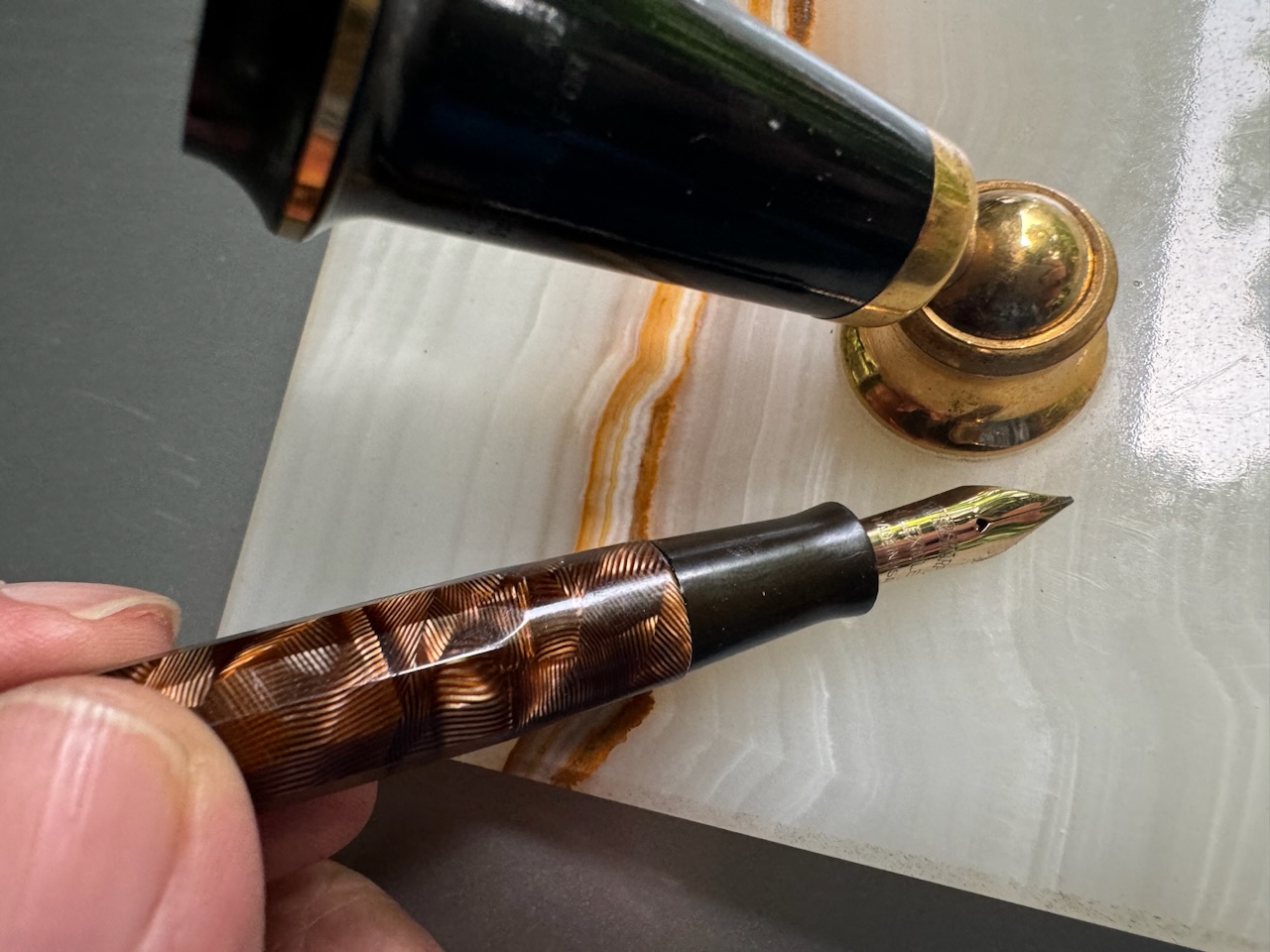
Next weekend, hundreds of these penfolk (and the general public) will converge at the 5th Manila Pen Show that will be taking place March 15 and 16 at—fittingly enough—the Peninsula Manila. 
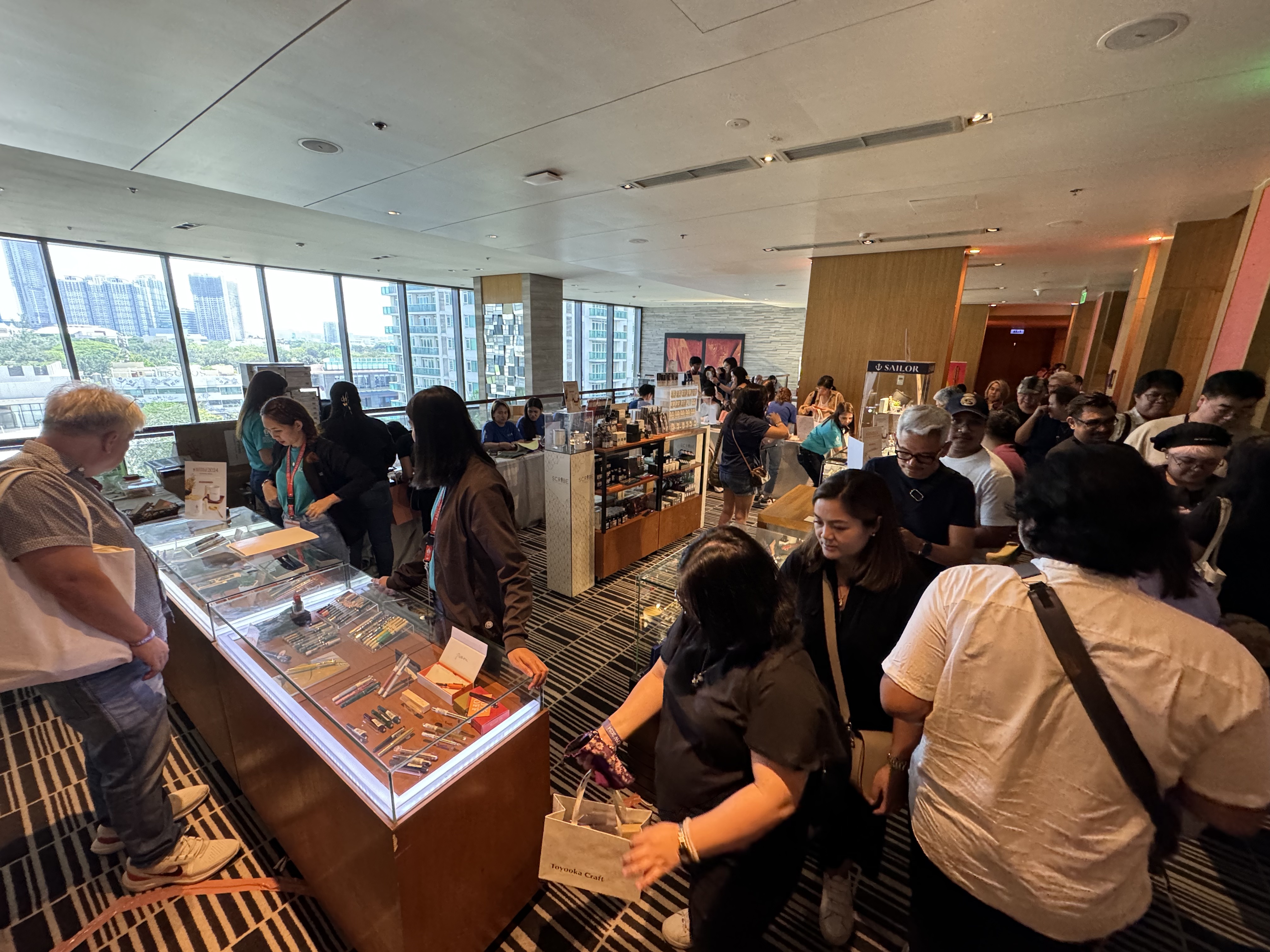
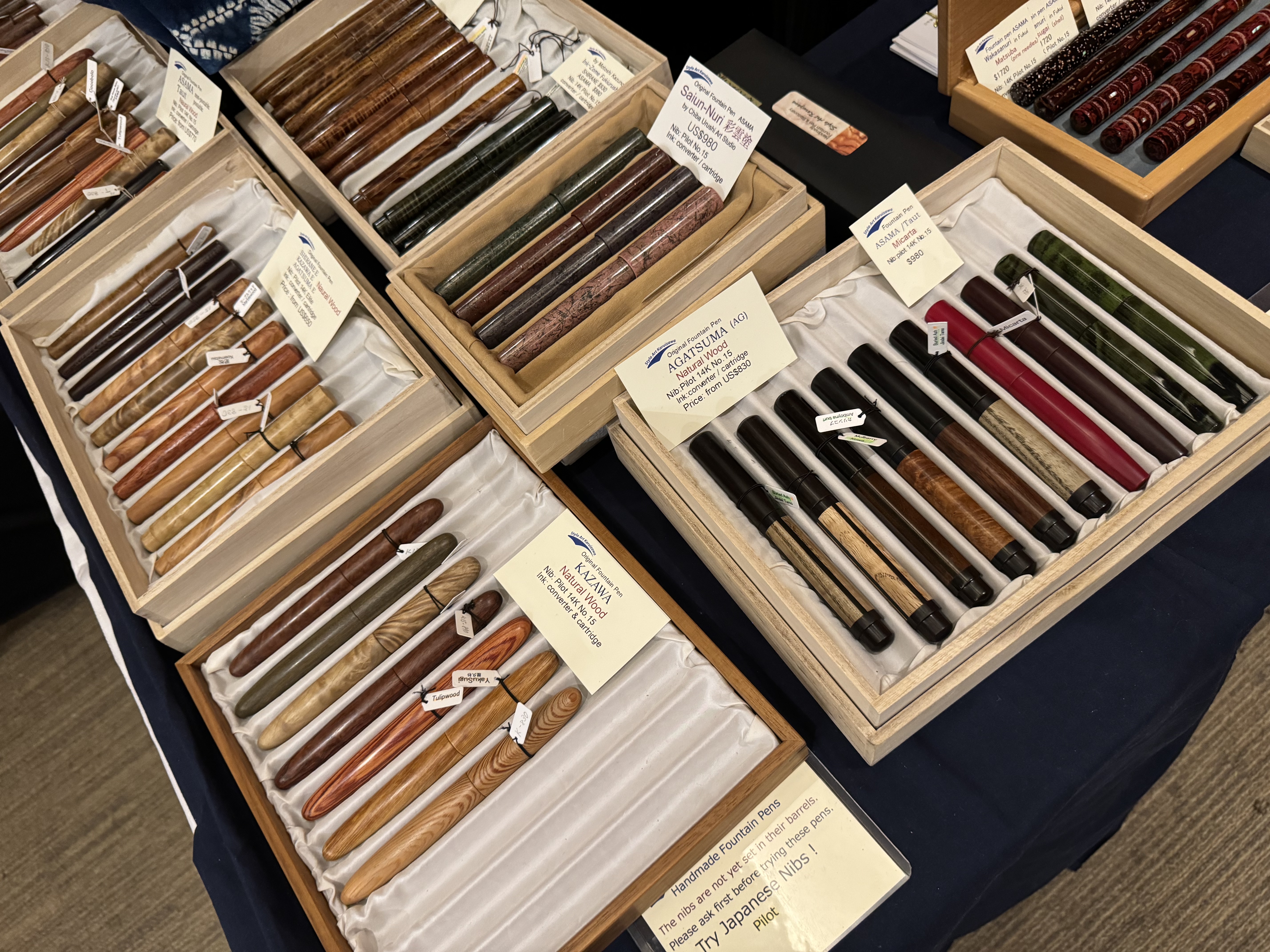
Top pen makers and dealers from Japan, Hong Kong, Singapore, and Malaysia have been coming to the MPS, attracted and impressed by the level of sophistication—and the deep pockets—of Filipino pen collectors. While the MPS has pens for everyone at every price point—from the low hundreds for students to six figures for the big guns—Filipino pen collectors and users at any level have been known for their deep knowledge and obsessive familiarity with all aspects of the hobby. 

They can tell you how Japanese artisans produce the various kinds and textures of urushi resin that renders pen surfaces impermeable to even acid. They can discuss minuscule but hundred-dollar differences in Parker Vacumatics from the 1930s, or argue passionately for vintage Pilot Myus and exotic inks like the perfume-scented De Atramentis.
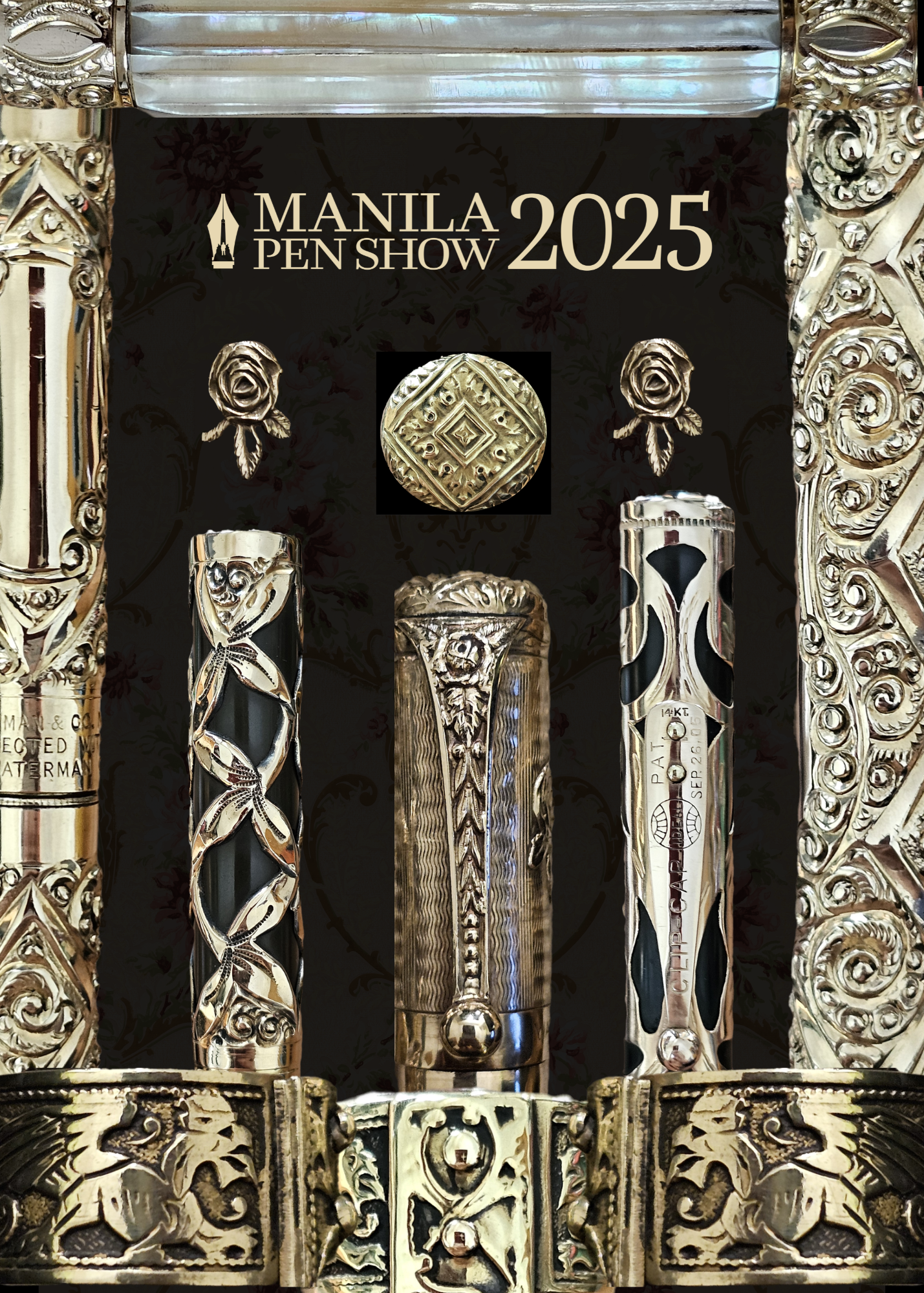
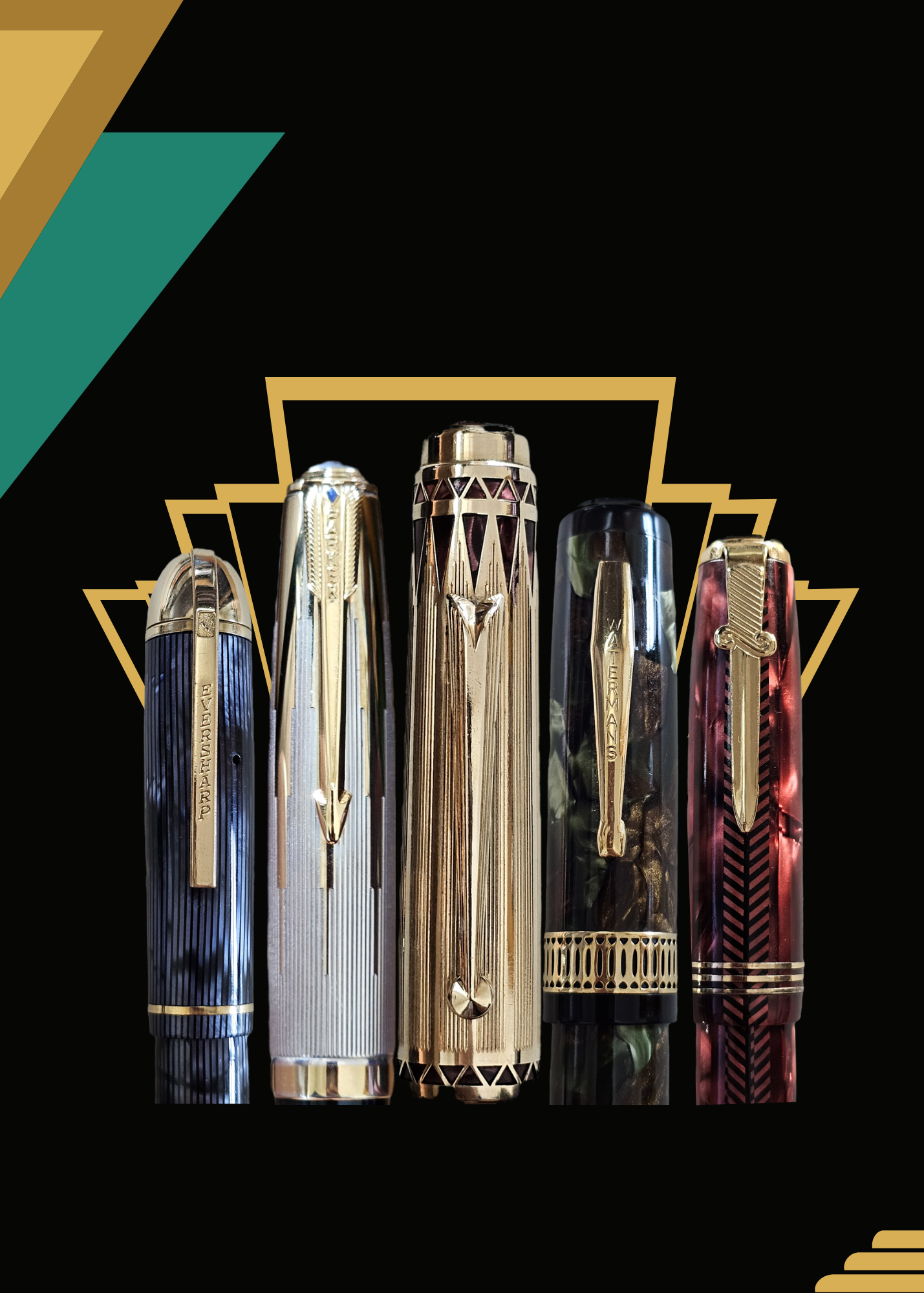
This year’s MPS will not only bring sellers of pens and assorted writing paraphernalia, but also feature workshops and panel discussions on topics ranging from nature journaling and nib care to Art Nouveau and Deco pens (and, most intriguingly, “Your Pen and Your Brain: A Love Story,” to be conducted by Gang Badoy Capati). A group of advanced collectors will discuss the finer points of pen connoisseurship (including that point when pens stop just being writing instruments but become jewelry or even art). 

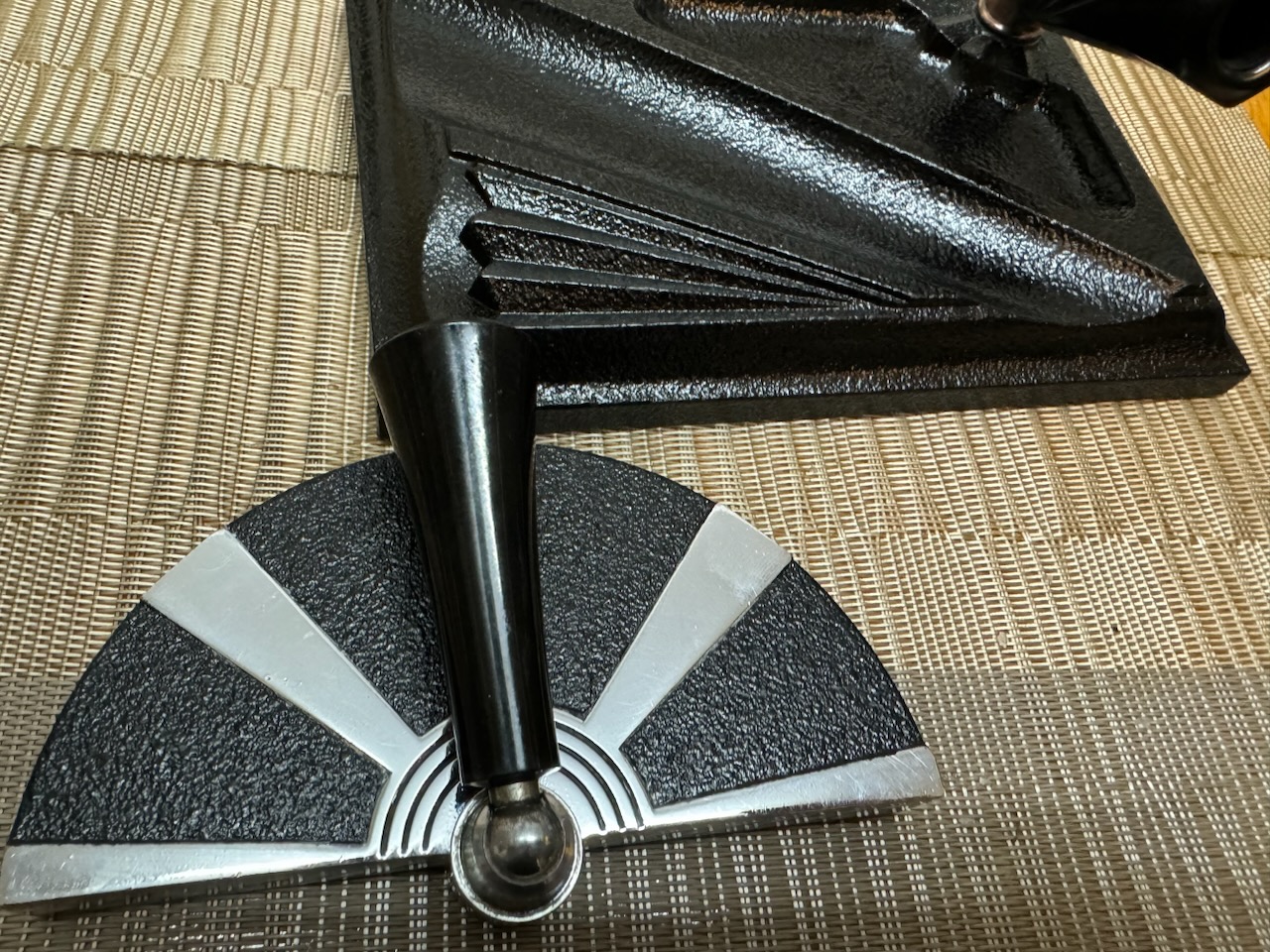
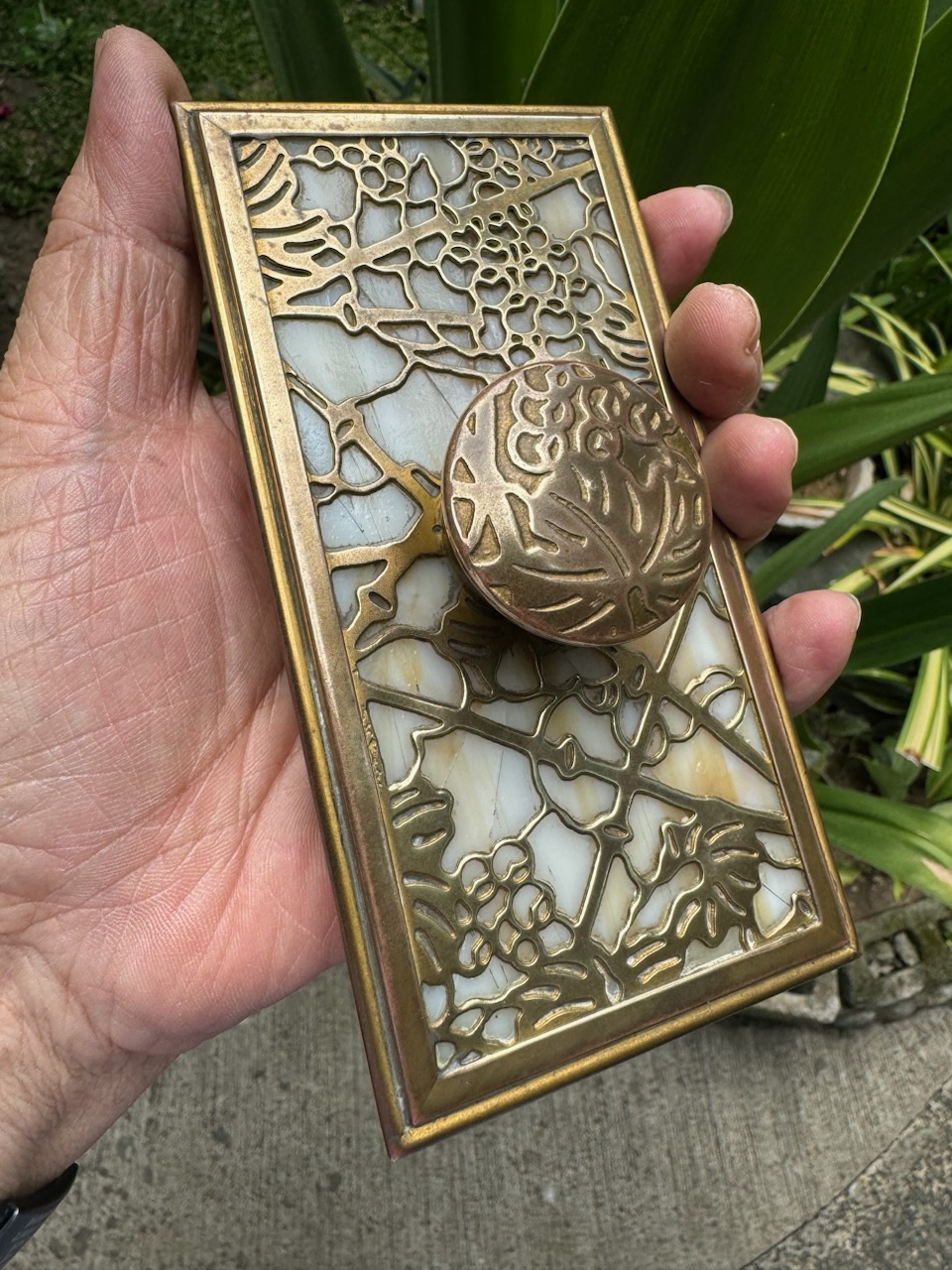
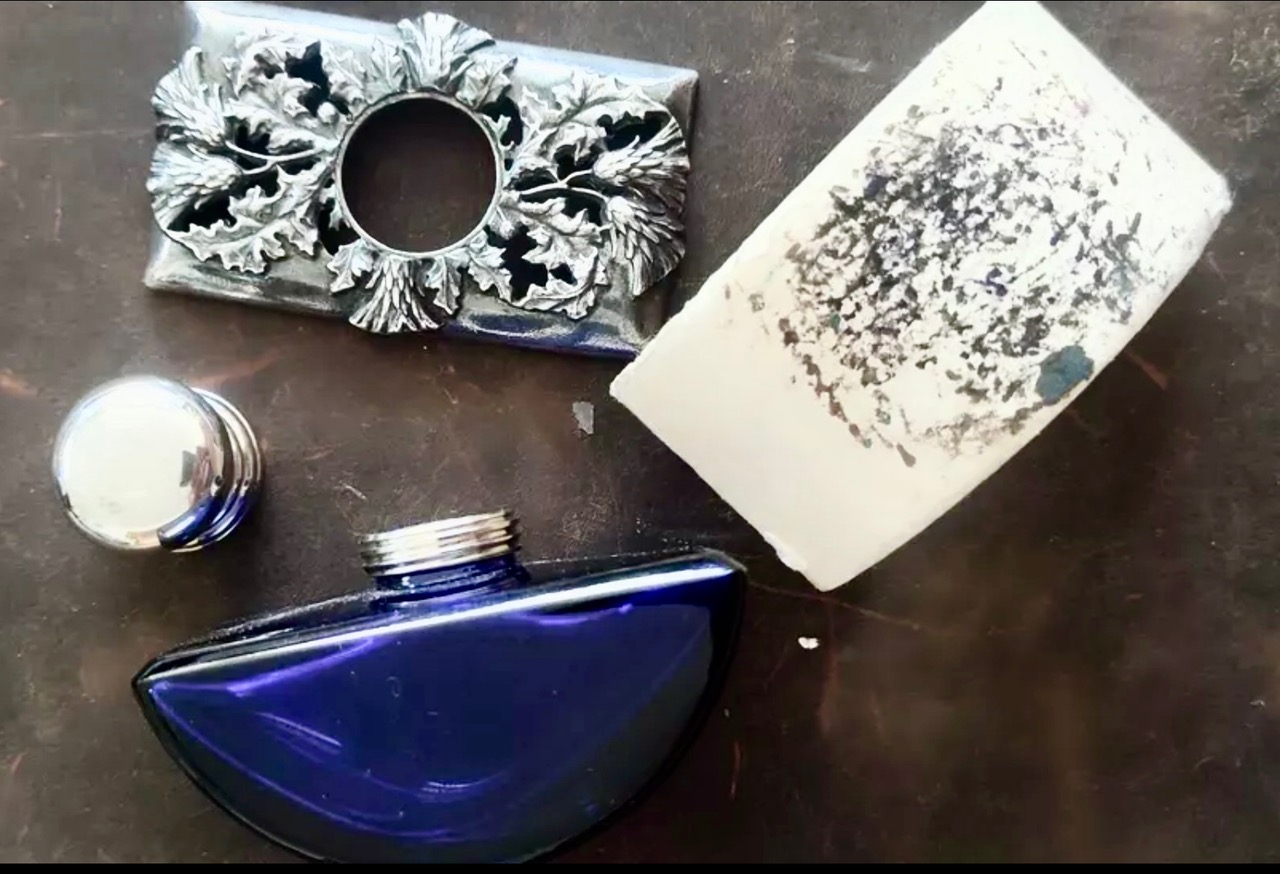
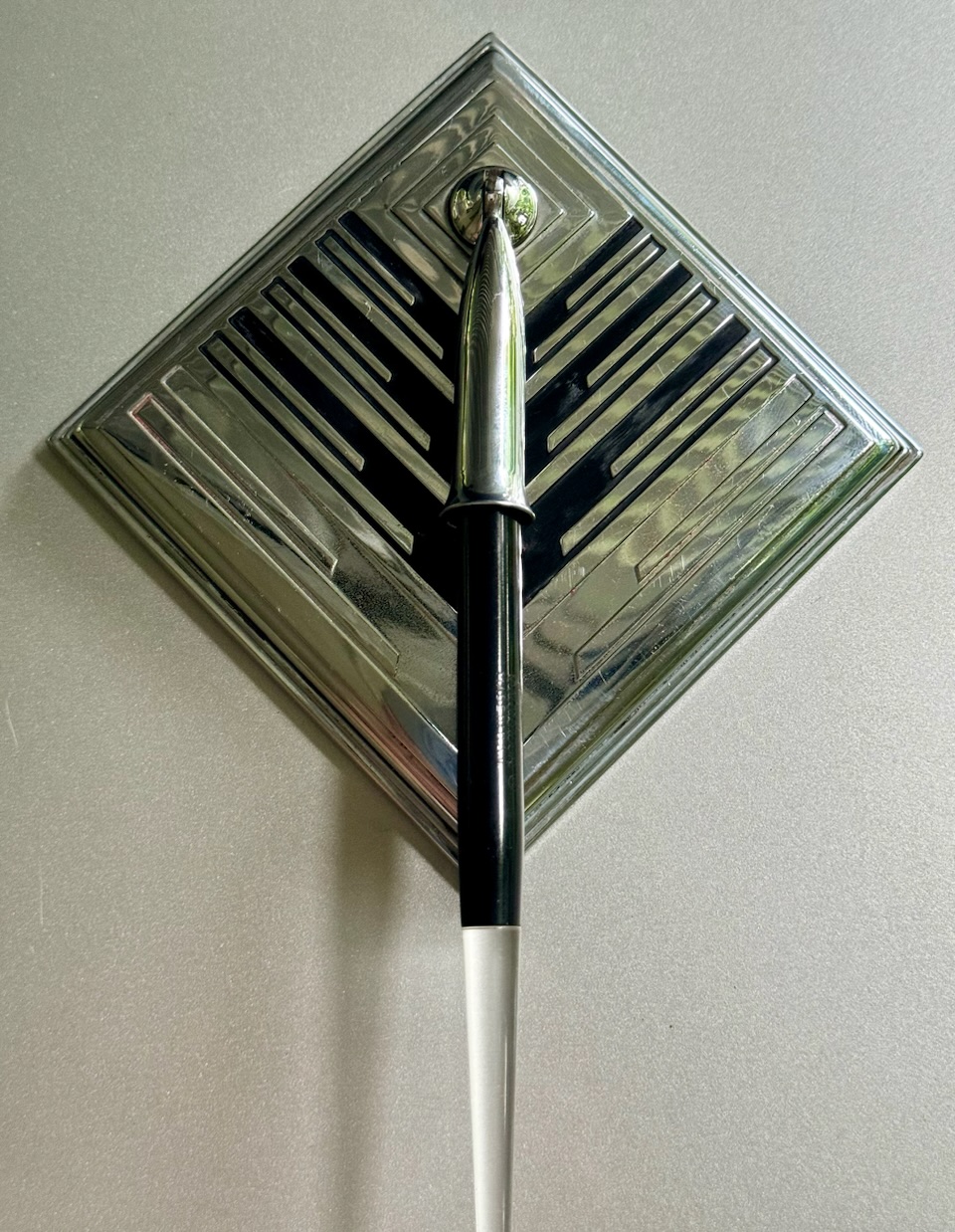
I’ll be on the Art Nouveau and Deco panel, but this time, instead of discussing pens (which others will do this time, all of them experts at particular models and periods), I’ll talk about the peripherals and accessories of the writing trade—the desk pen sets, inkwells, and ink blotters of the kind you would have seen in a typical office desk of the 1930s. 

As with past Manila Pen Shows, nibmeisters or professional pen repairmen will be around to fix that Montblanc nib you dropped on the kitchen floor or your Lolo’s gunked-up Sheaffer that’s been lying in a drawer since he died. One thing most people don’t realize is that most pens, no matter how old, can be fixed (I myself routinely revive 100-year-old Parker Duofolds among other vintage pens in my workshop—you’ll need some special skills and parts, but it’s not rocket science).

You don’t have to be an FPN-P member or even a current fountain pen user to come and enjoy the show. Indulge your curiosity and feel free to see, touch, and test the pens on display (with the exhibitor’s permission, of course, as some pens may require very careful handling). Most sellers will take credit cards or online payment. There will be a modest charge for entry and for the presentations, but all funds raised will be donated after expenses to the Save the Children Philippines, FPN-P’s sponsored charity for the past MPSes. You can find more details about the show at https://manilapenshow.helixpay.ph.
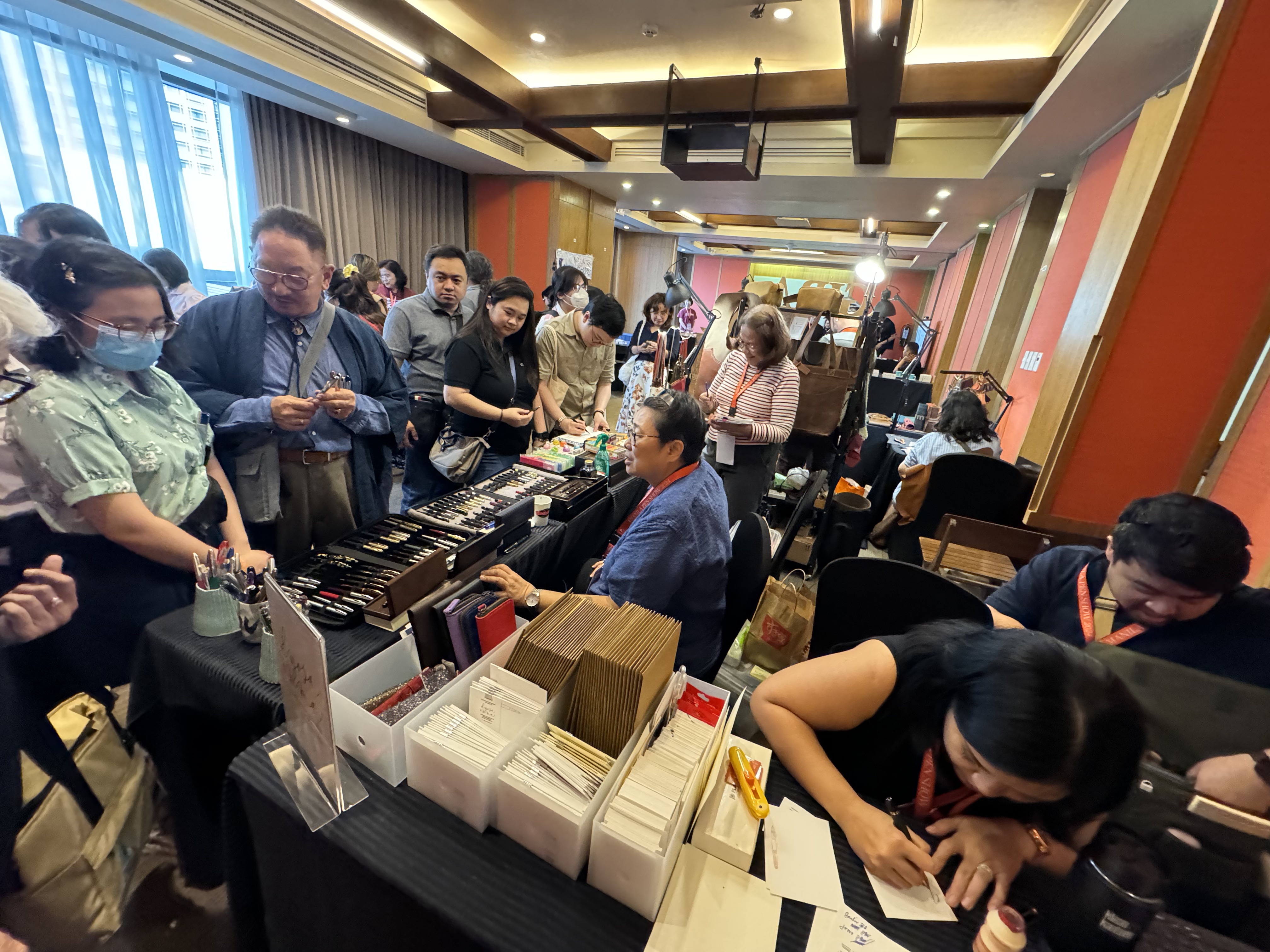
(Image thanks to Raph Camposagrado)
Penman No. 466: Desktop Delights

Penman for Monday, September 1, 2024

MY LONGTIME readers from way back know me as a collector of vintage fountain pens—and maybe of typewriters and antiquarian books as well. You’d think that would have kept me busy enough, but as all collectors know, it never ends with what you already have. The eye strays, new interests emerge, and whimsy soon turns into obsession, manifested in haggard looks that follow a night’s forays on eBay.

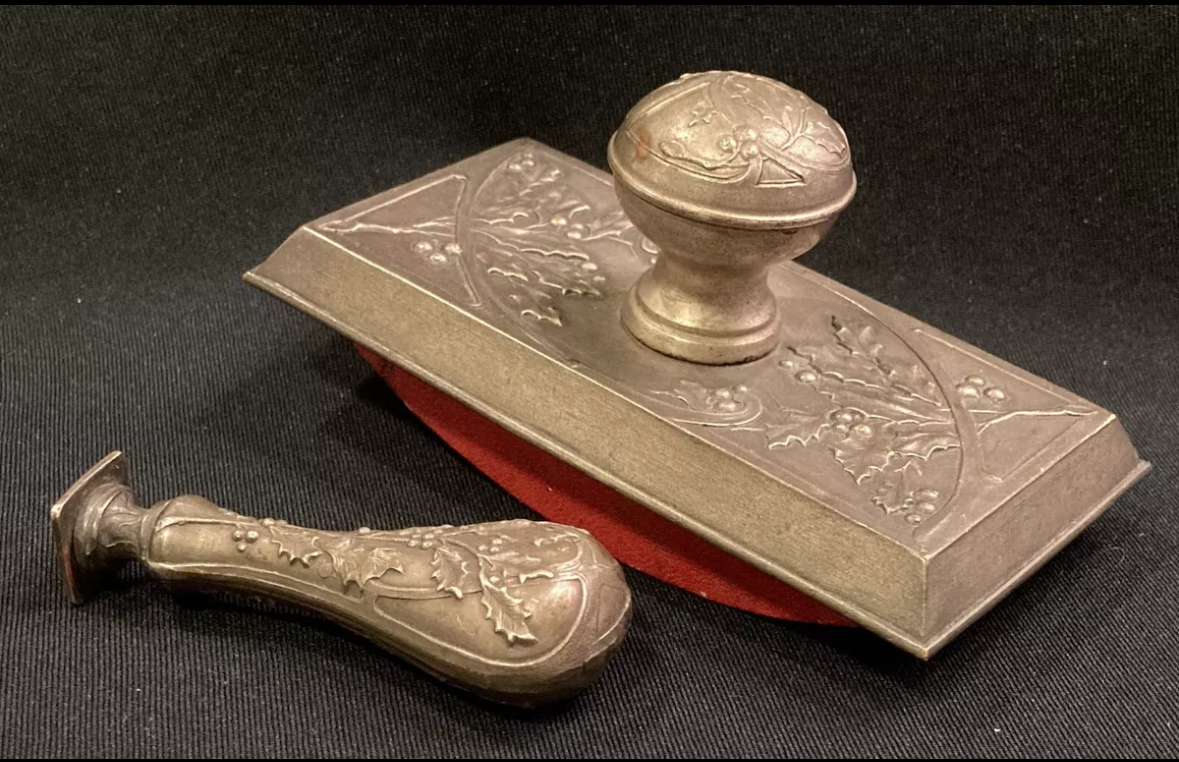
These past few months—all because of a chance encounter with a vintage brass rocker blotter at a flea market in Paris when we visited last April—I fell into the black hole of vintage writing accessories, and I still can’t see the bottom.

Of course, with my previous collections all linked to the writing trade, this was probably bound to happen. I mean, there’s more to the vintage table than pens and books, right?

If you have pens, then you have inks, ink bottles, inkwells, the aforementioned blotters (rockers and rollers), staplers, tape dispensers, pen trays, paperweights, letter holders, letter openers, etc. And let’s not forget the picture frames, gooseneck lamps, rotary phones, and steel-bladed fans that filled the rest of the acreage.

The nostalgic impulse behind this madness seems to be the recreation of our fathers’ desks, or our imagination of them. Whether boys or girls, we sat in their swivel chairs and rocked ourselves, our heads barely bobbing above the mahogany horizon. Instinctively we understood that we were in the seat of power, especially in those pre-feminist times when dads went to offices and moms stayed at home.

At least that’s how it works for me. My mythical prewar or midcentury modern (MCM in antiques parlance) desktop is now much larger and more crowded than my father’s office table ever was, but the oh what a gorgeous overflow it is of Art Nouveau, Art Deco, and Art Moderne beauties. 

Like I said, this began when Beng and I found this huge brass ink blotter at the Porte de Vanves flea market in Paris, followed by a couple of others. Now, hardly anyone uses a blotter these days, or even knows what it is, and that’s because people stopped using fountain pens, which used ink that took a long time to dry. Blotters mopped up the excess ink, which you otherwise had to blow on or wait minutes to seep fully into the paper. As life sped up after the war, ballpoints, felt tips, and rollerballs with quick-drying ink took over, and blotters took a back seat. But with the recent resurgence of interest in fountain pens and the plethora of new inks available, blotters are back in business—and their charm as art pieces rediscovered by a whole new generation.

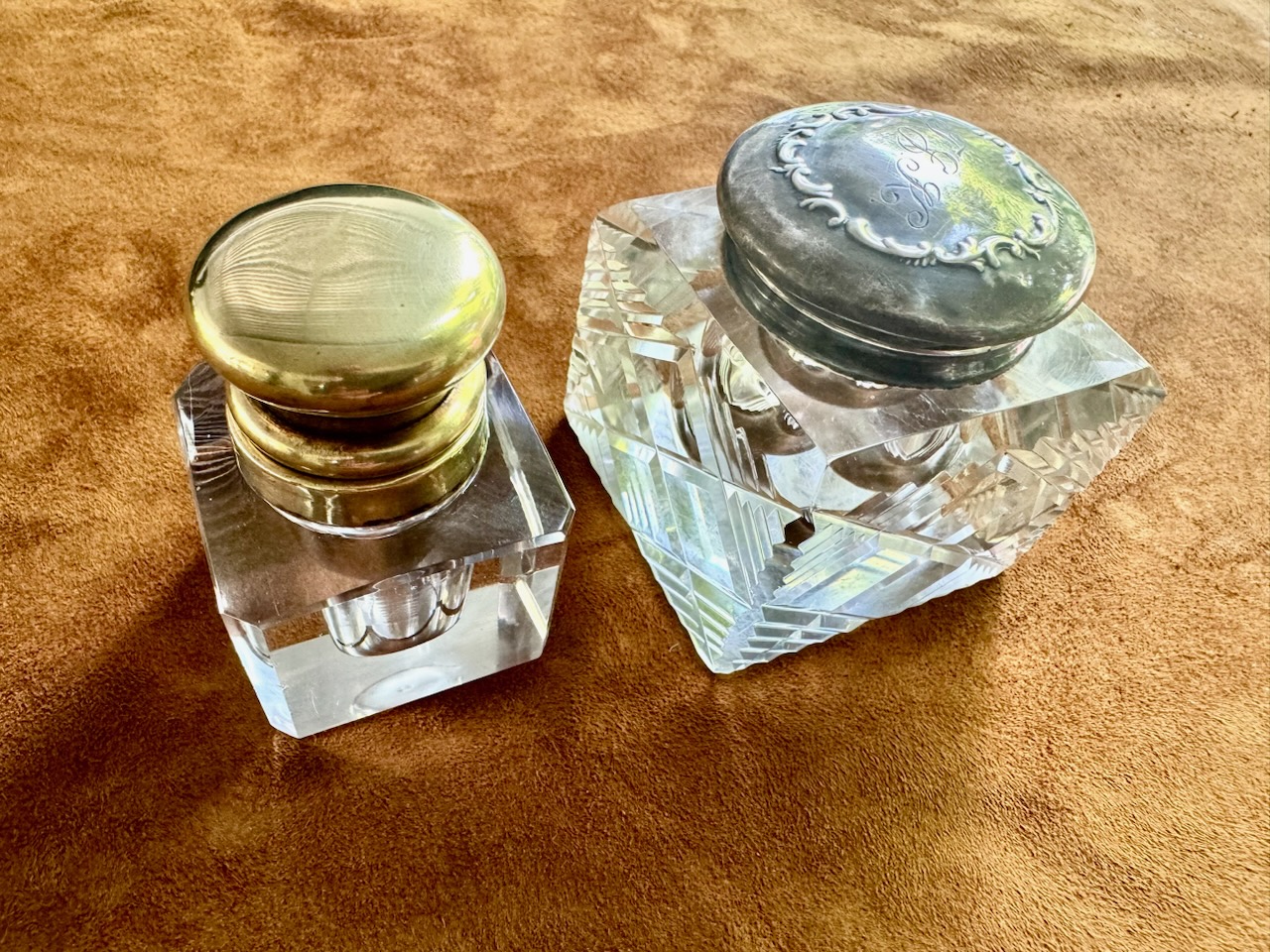
Ink bottles have always been collected on their own quite apart from pens, from their early versions in pottery and pewter to high-end cut glass and crystal. (Some inks themselves have become rare and collectible, such as the legendary Sheaffer’s Persian Rose from the 1950s and even the modern Montblanc Carlo Collodi and the original Lamy Dark Lilac.) Beyond individual bottles, inkwells often come in pairs, on ornate brass or smooth marble or carved wooden stands; they can be glass or porcelain inserts set in brass or porcelain, with a pen rest in front. Having been meant for dip pens, today they would be mostly decorative.

Desk pens and pen sets, however, remain functional. In our fathers’ time, they were the hallmark of consequence, a signifier that pens were meant for important signatures. Here, often more than the pens, the bases—usually marble, onyx, metal, or bakelite—provide artistic value. Art Deco desk sets from the 1930s and 1940s are most impressive, as well as those with figural elements such as animals.

Trays for pens, paper clips, stamps, erasers, and such other 20th-century staples (and yes, let’s not forget the real staples and staplers) were produced in brass, wood, glass, and bakelite. Even these were turned into art pieces, and one by Tiffany could set you back a thousand dollars.

Not having that kind of money, I loiter around eBay—the world’s largest flea market—looking for these obscure objects of desire at prices I could afford, and I’ve even taken to buying and selling them both to pay my way and to share the bounty with friends. I don’t always get what I want—who would have thought that I would dream of rocker blotters and desk pen sets—but the quest itself is often worth it, the continuing discovery of treasures from the pre-computer, pre-cubicle past, when desktops were displays of taste and style and when you thought hard before putting indelible ink to paper.

Penman No. 382: Southern Gothic in Sugarlandia

IMG_3337.jpeg

Penman for Monday, March 2, 2020


THE LAST time I visited Bacolod was more than a decade ago, when I was writing the centennial history of the De La Salle Brothers in the Philippines and had to look into their work in that southern city, an enterprise that began in 1952. Before that I had made occasional sorties to it, on short ferry rides from Iloilo and once, memorably, on a long pre-martial law ride across the mountains to Dumaguete with a busload of fellow activists, expecting to be stopped any minute by the paramilitary forces then lording it over the countryside.

Last week I returned on a far more civil mission, on research for another book I’m writing on a sometime icon of the sugar industry. That part of it was interesting enough—interviews with history’s participants and witnesses can be exhausting (especially in the transcription) but always fascinating for me—but as often happens on these out-of-town excursions, the sidelights proved no less engrossing.

Bacolod and its environs, of course, have always offered stellar attractions for visitors and tourists, and indeed my wife Beng and her high-school barkada of four lovely ladies were flying into town with me on their own itinerary. I was there for work, but the women had booked a day tour of the fabled old houses of nearby Silay. (You can find these heritage tours on Klook, among other places online.)

87761369_145210946636117_2602308233536208896_n.jpg

87555380_1522388674582220_1586447076739252224_n.jpg

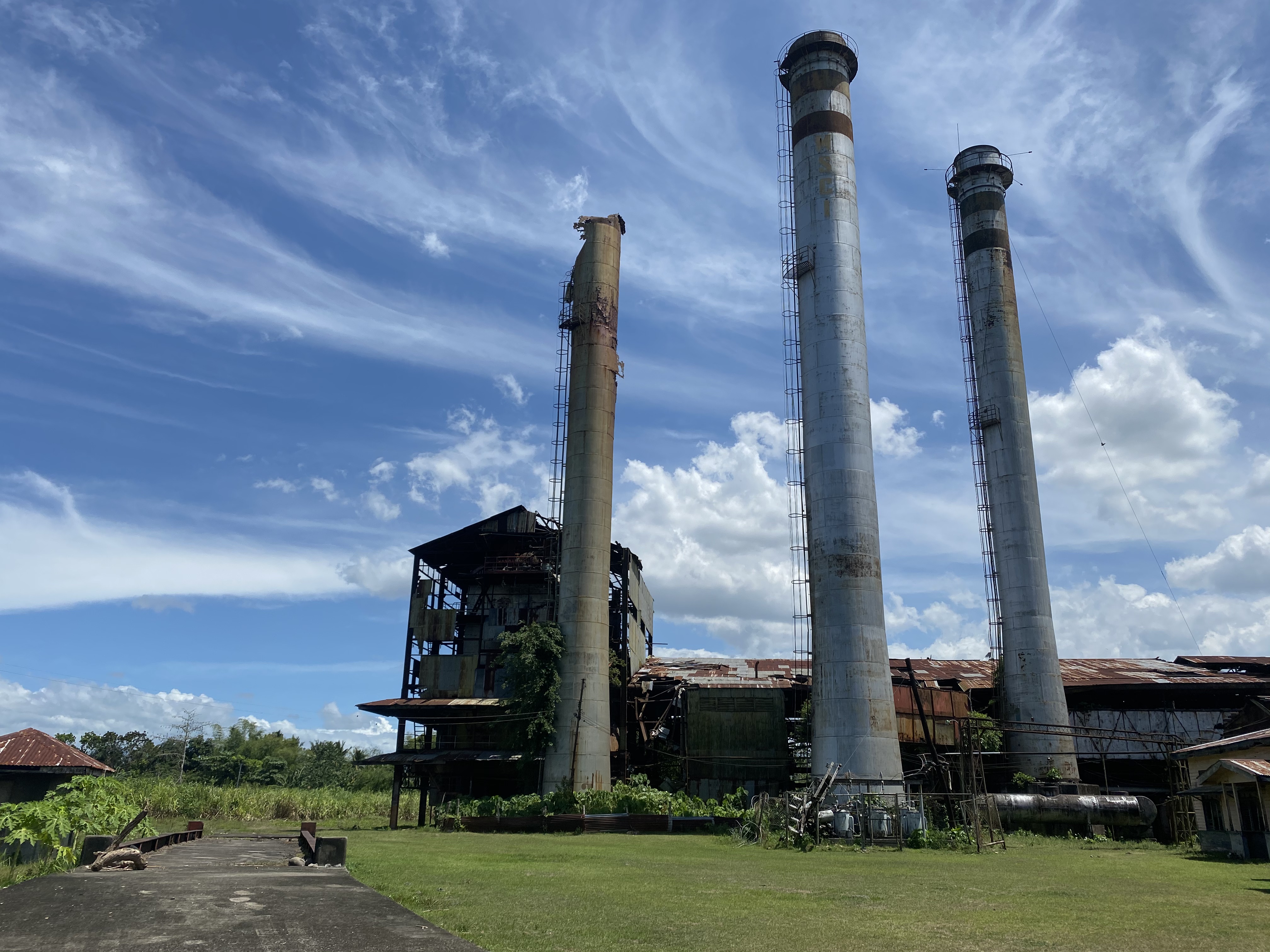
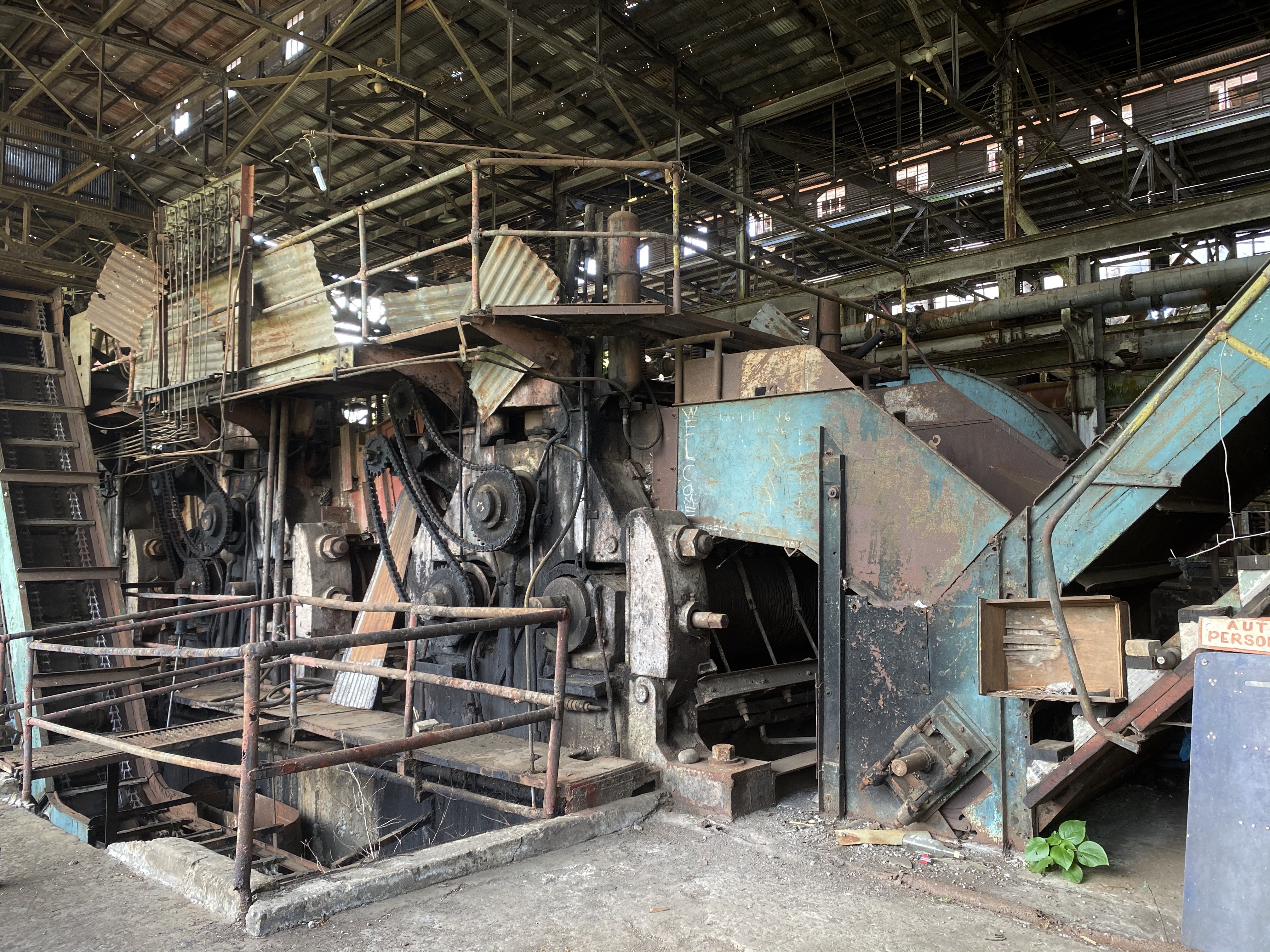
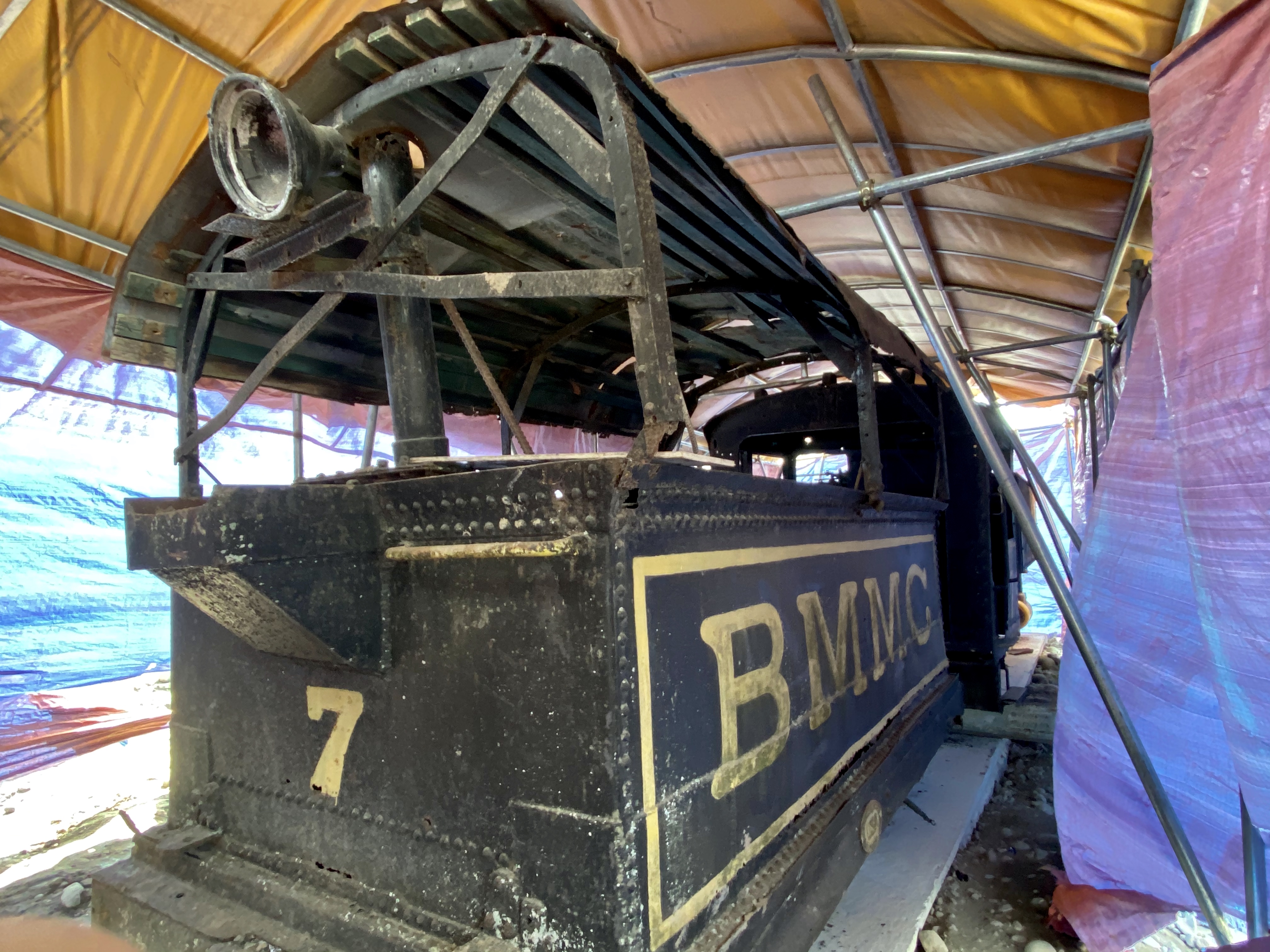
While Beng’s party enjoyed Silay’s architectural treasures—among them Balay Negrense and the Ramon Hofileña ancestral home—I was many kilometers away in Bago City, treading carefully on the crumbling ruins of the Ma-ao sugar central. Opened in 1919 on a 56-hectare estate, the central was typical of the enterprise that turned Negros into Sugarlandia, creating fabulous wealth for an elite that held sway over the region’s history and politics over much of the 20th century. Over my three days in Bacolod I would learn more than I ever imagined I could know about sugar, its production, and, inescapably, the society it fed and bred.

IMG_3361.jpeg

IMG_3351.jpeg

IMG_3358.jpeg

IMG_3366.jpeg

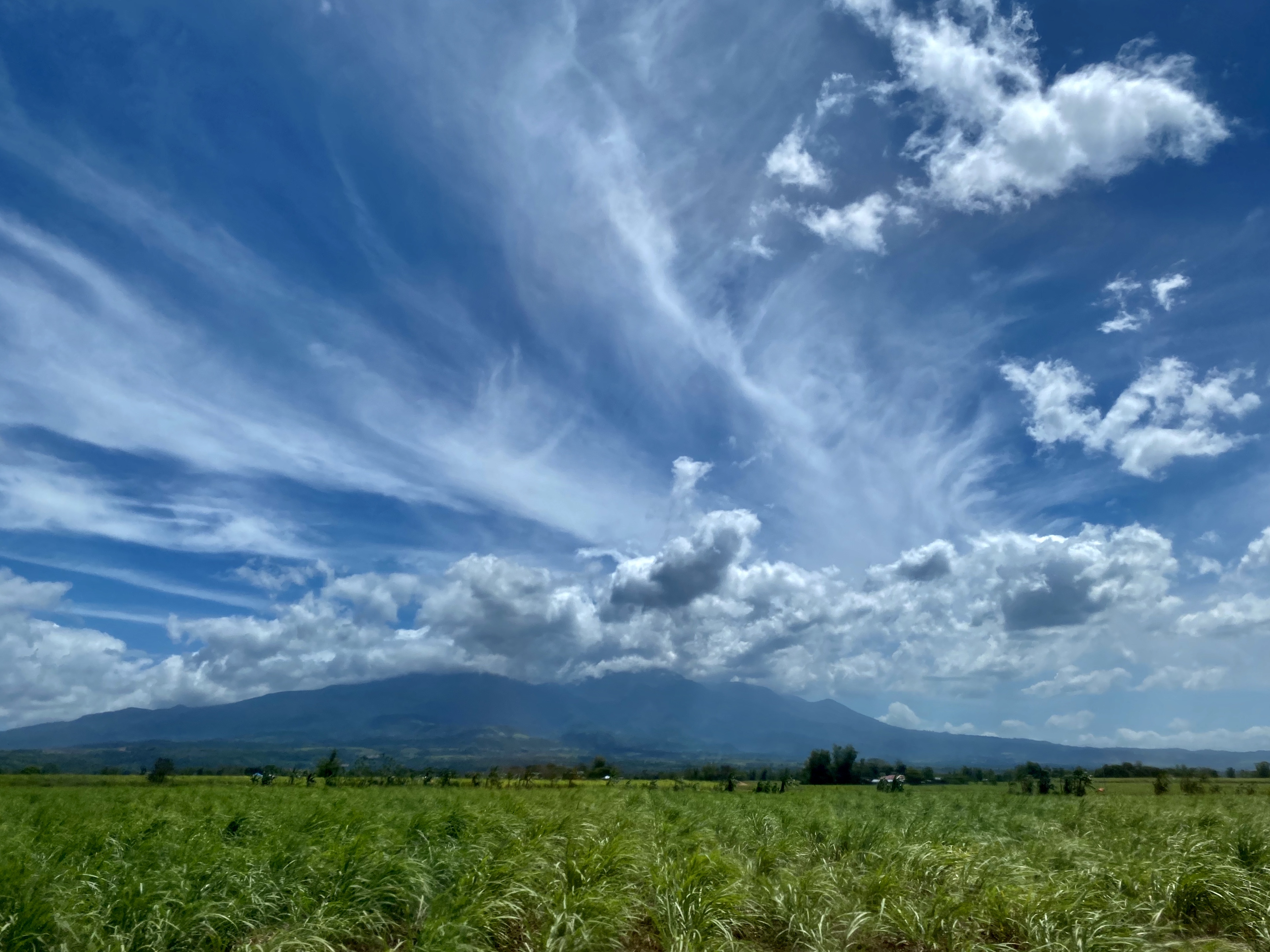
Indeed, from the airport in Silay on to the fringes of the city, the landscape is dominated by swaths of sugarcane greening at the foot of Mts. Mandalagan and Kanlaon, broken only by the occasional mall or hardware store, the signposts of the new commerce. “This is the best land for sugar in the province right here,” said my guide and driver, “and it’s owned by the Lacson family. There are two main streets in Bacolod, named after two generals of the Revolution: Juan Araneta and Aniceto Lacson, who forced the surrender of the Spanish forces through a clever ruse. They had nipa palms cut to resemble guns from a distance, and the Spanish general surrendered to avoid what he thought would be a bloodbath.”

IMG_3367.jpeg

Unknown.jpeg

Moises_Padilla_Story.jpg

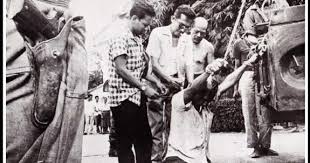
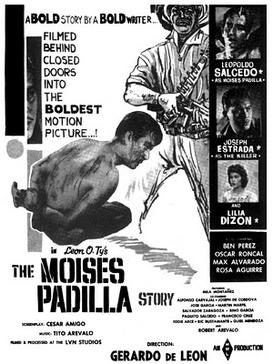
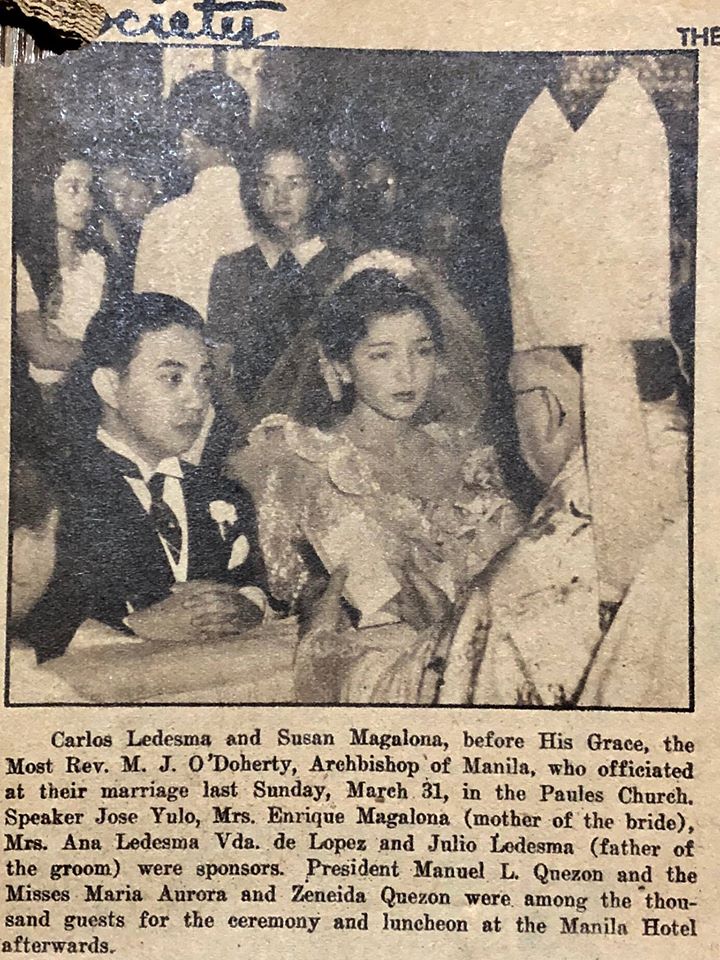
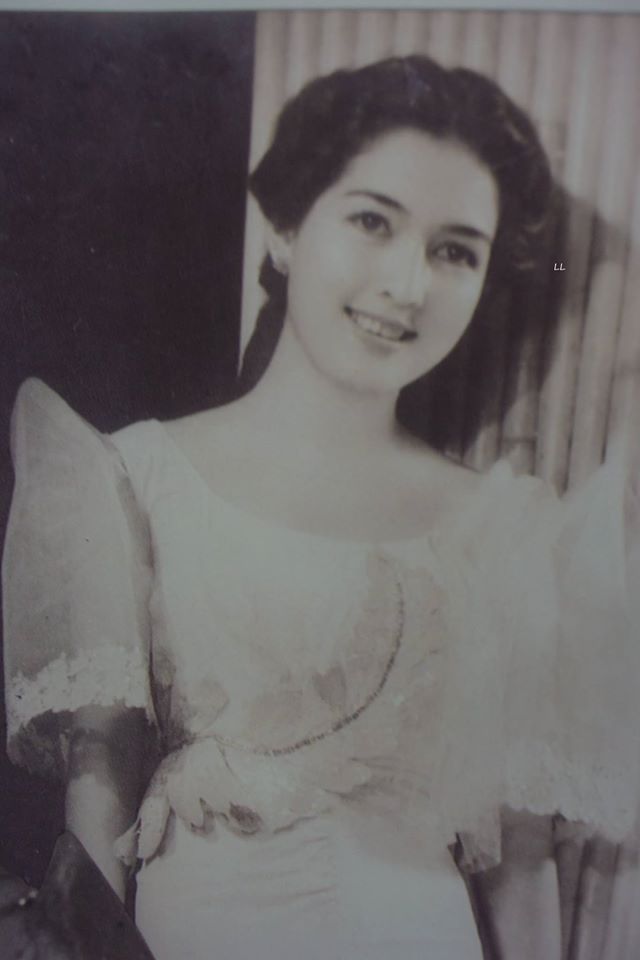
Such stories roll easily off the Negrense tongue, on this land watered by blood and champagne. As we drove on the highway, I recalled a passage in a biography of Rafael Salas—another native son, from Bago—that I had co-written last year with Menchu Sarmiento, about the horrific murder in 1951 of Moises Padilla, who had found the gall to run for mayor against the local kingpin: “They toured from town to town beating and torturing Padilla, displaying him in a public square while one of the boys announced: ‘Here is what happens to people who oppose us.’” At the same time, I couldn’t help recalling the story of that period’s loveliest and yet also saddest bride, the legendary Susan Magalona, at whose star-crossed wedding it was reported that champagne flowed from a fountain. (Millennials who’ve never heard of this story would do well to Google it, if only to learn something about the virtues of “non-consummation”.)

27021948_1893959773996047_8250631721652037701_o.jpg

14612564_1153431258070234_8046207763267529315_o.jpg

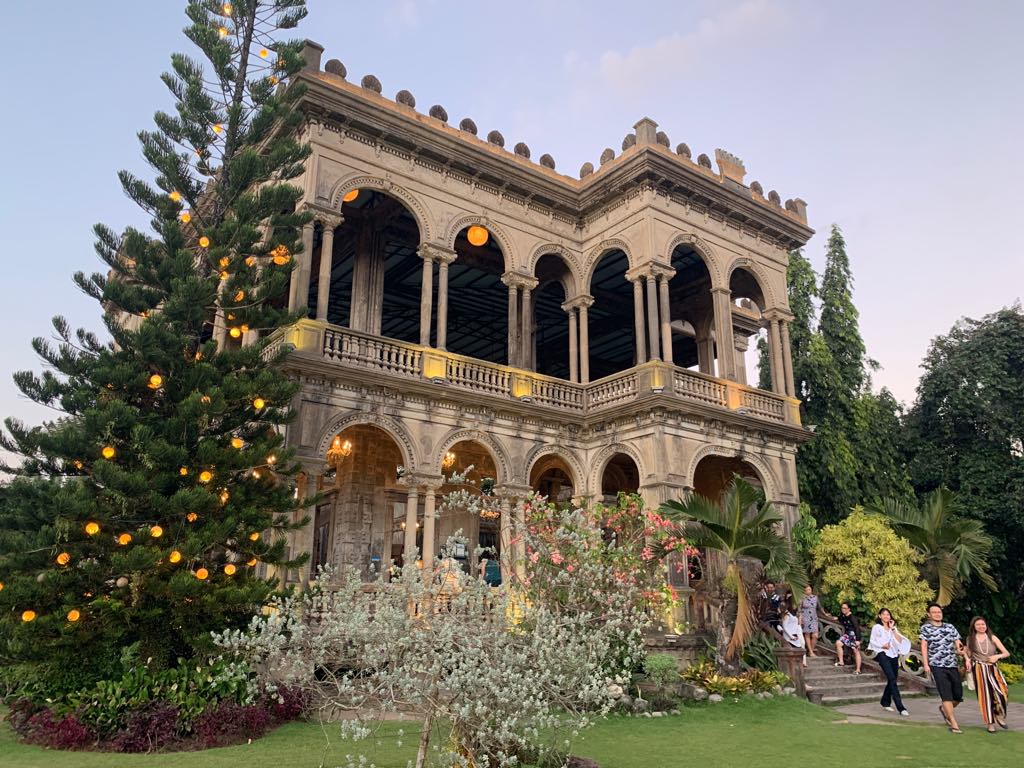
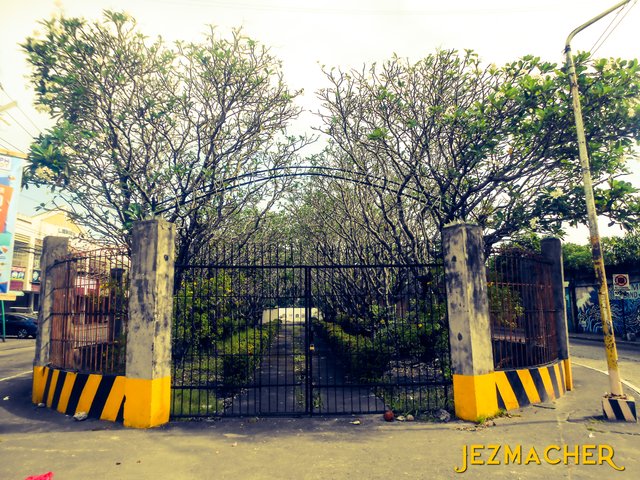
In American literature, which I used to teach, these bizarre but also compelling comminglings of decay and grotesquerie on the one hand and beauty and the fantastic on the other took on the label of “Southern gothic,” a genre with such writers as William Faulkner, Flannery O’Connor, and Carson McCullers among its avatars. Somehow I felt that I was in its presence here, too, in the rusted machinery and the tall grasses, out of which you half-expected some apparition in gauzy white to emerge. In the very middle of Lopez Jaena Street stands perhaps the quaintest cemetery in the country: the mausoleum of the Luzuriagas (photo below from steemit.com), where the traffic of life, you might say, comes to a perfect standstill.

3W72119s5BjVs3Hye1oHX44R9EcpQD5C9xXzj68nJaq3CeSzYksz22SbvK9zUymto17c14J68siTxeCmFUAMj5Gr8xdkZ74yAYZTnoU2R4N7nCpvGnLZP4.jpeg

IMG_3391.jpeg

IMG_3386.jpeg

DecoPainting.png

IMG_3380.jpeg

IMG_3394.jpeg

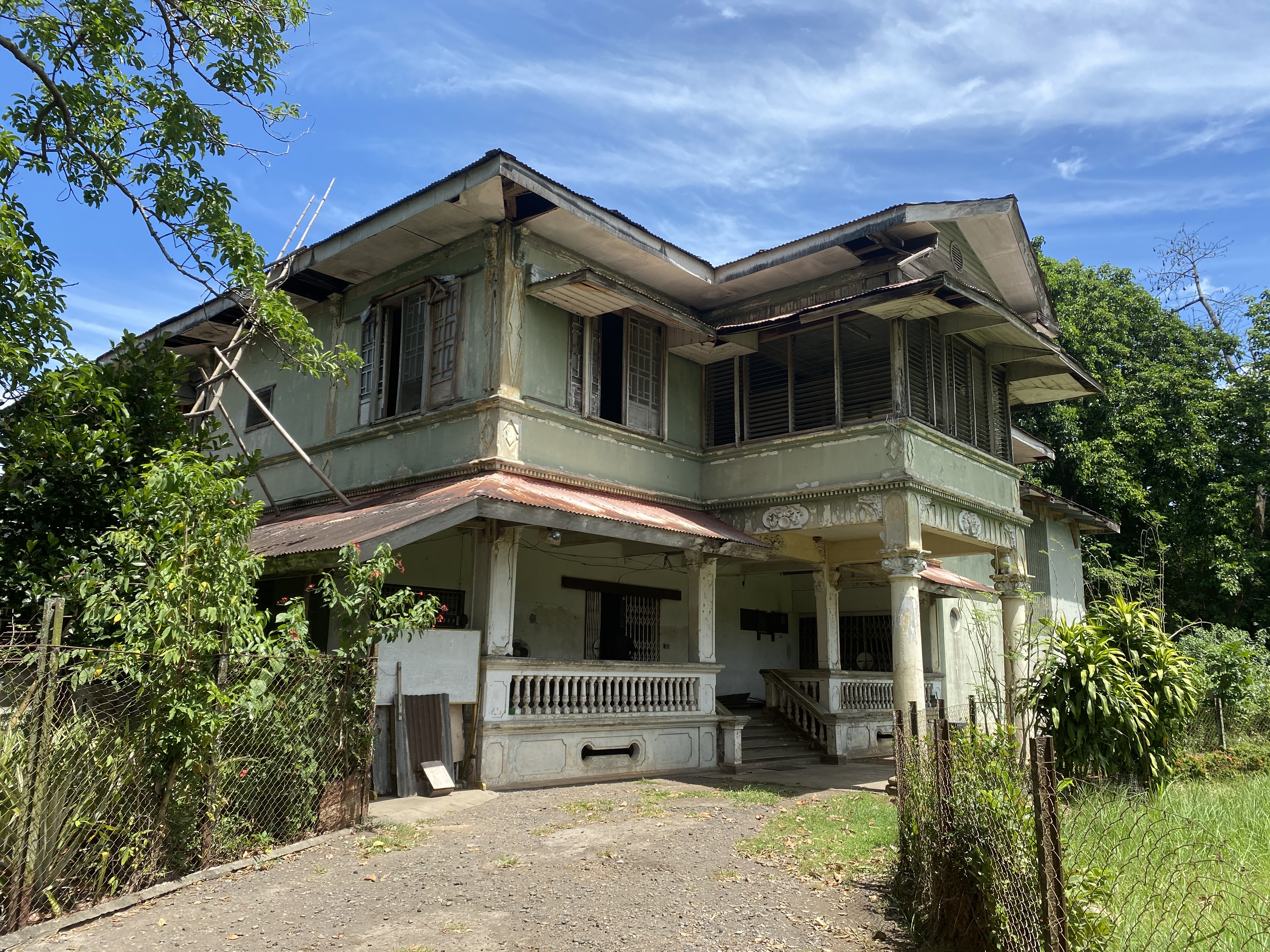
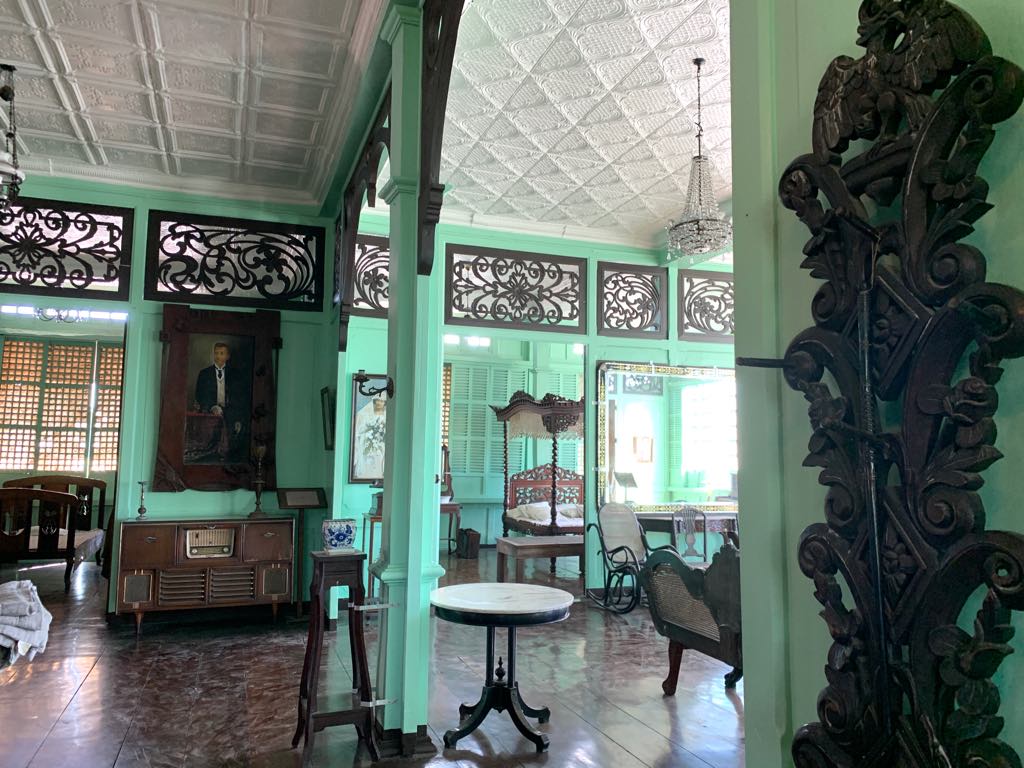
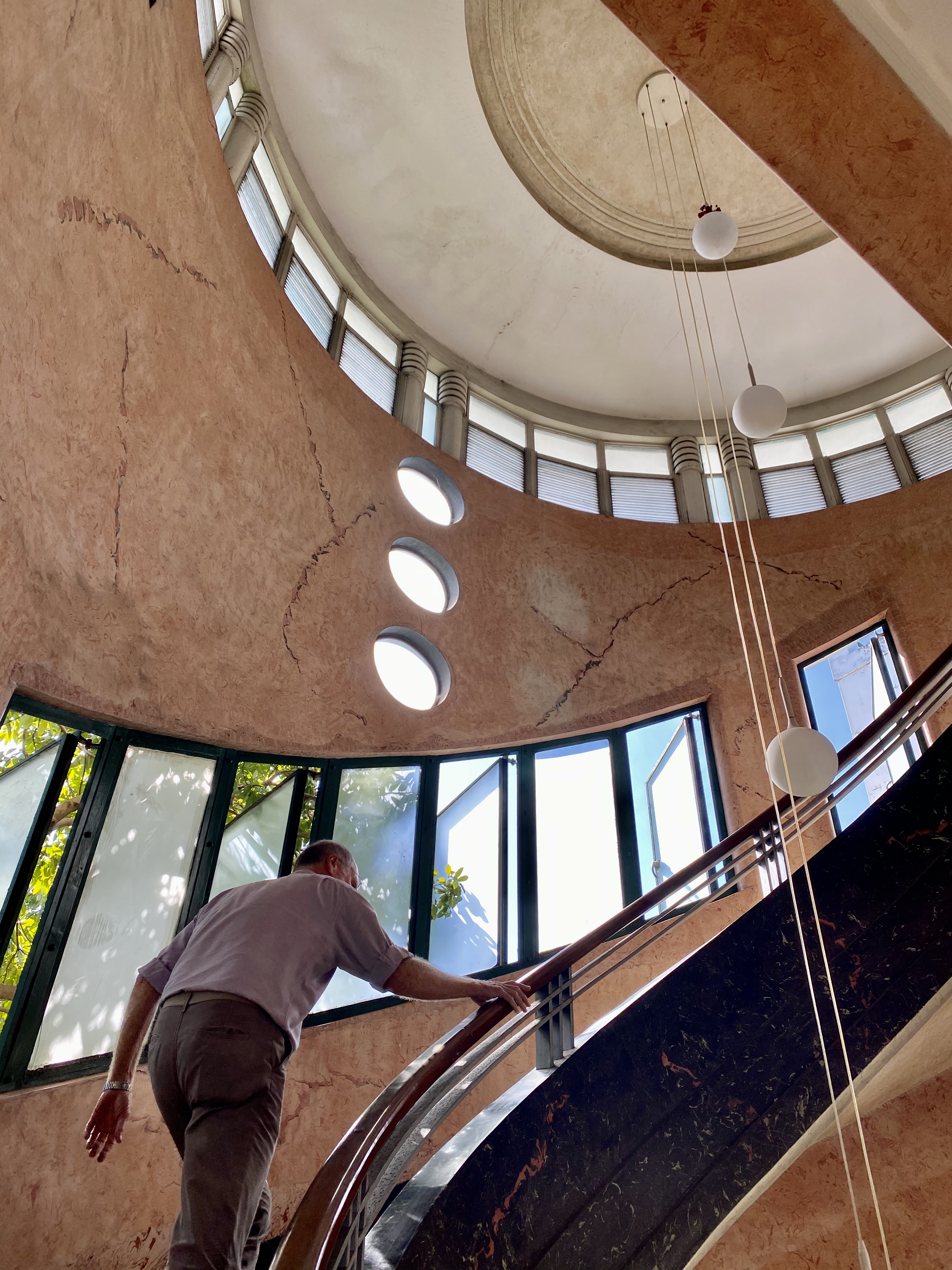
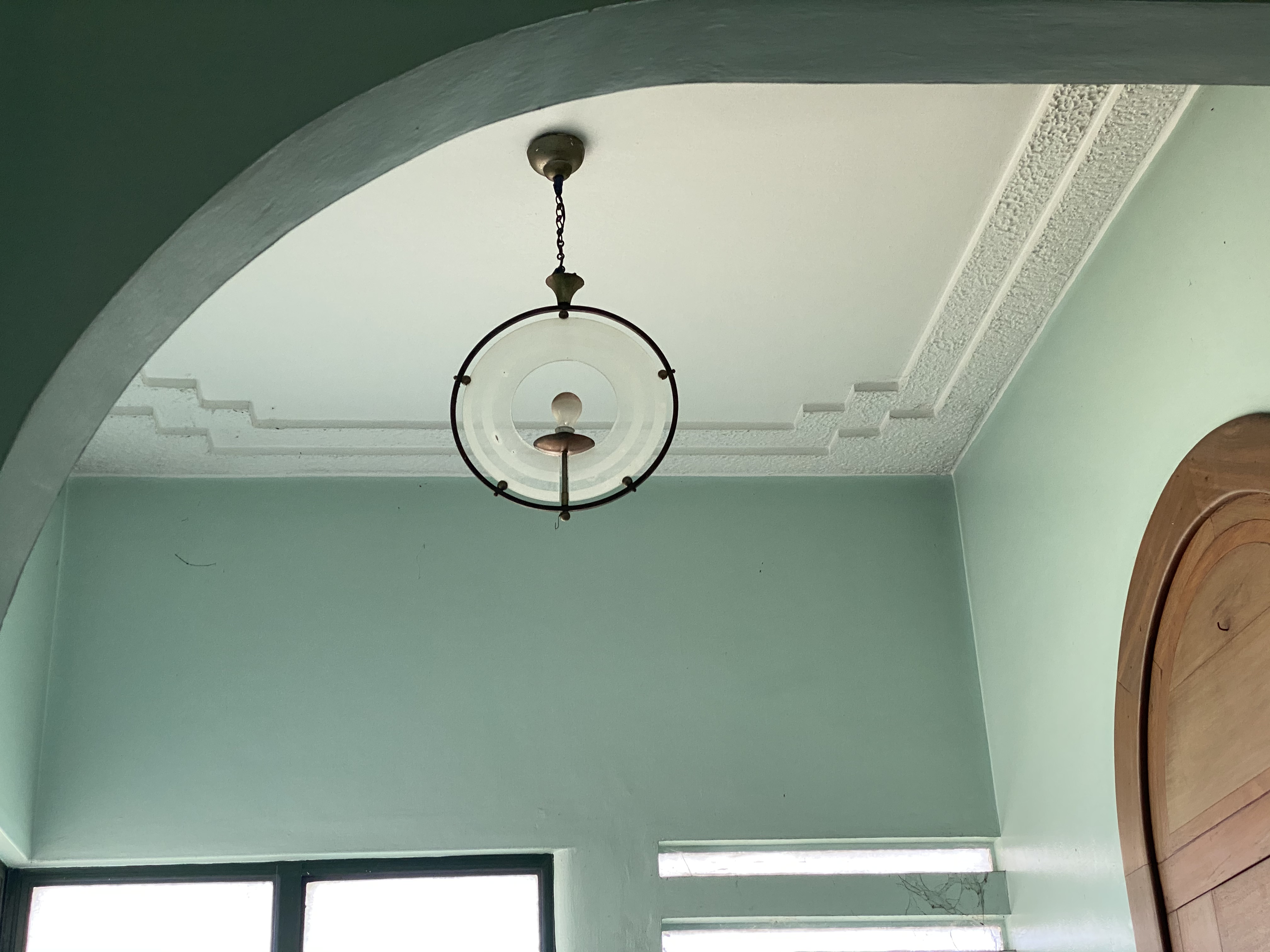
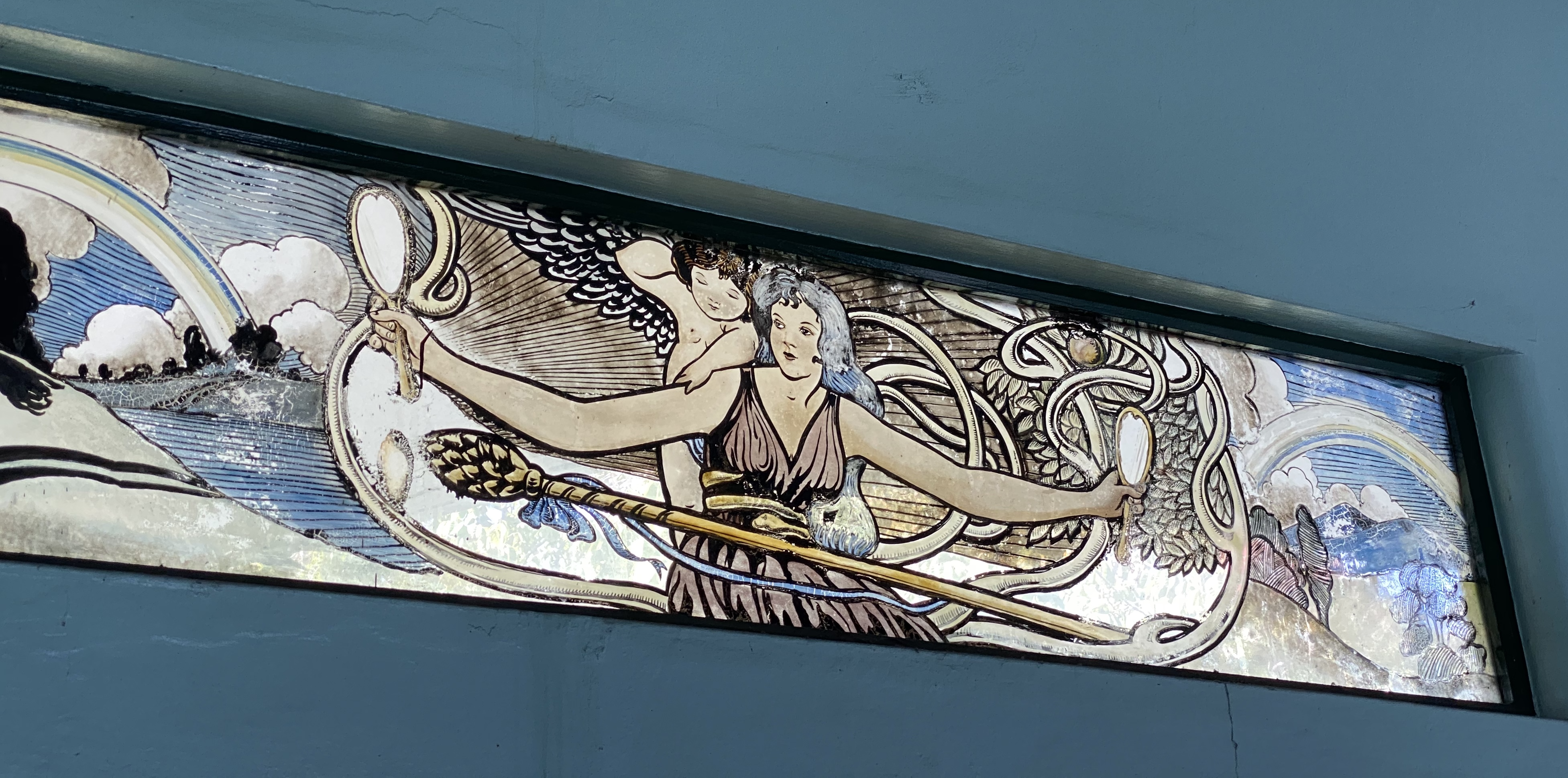
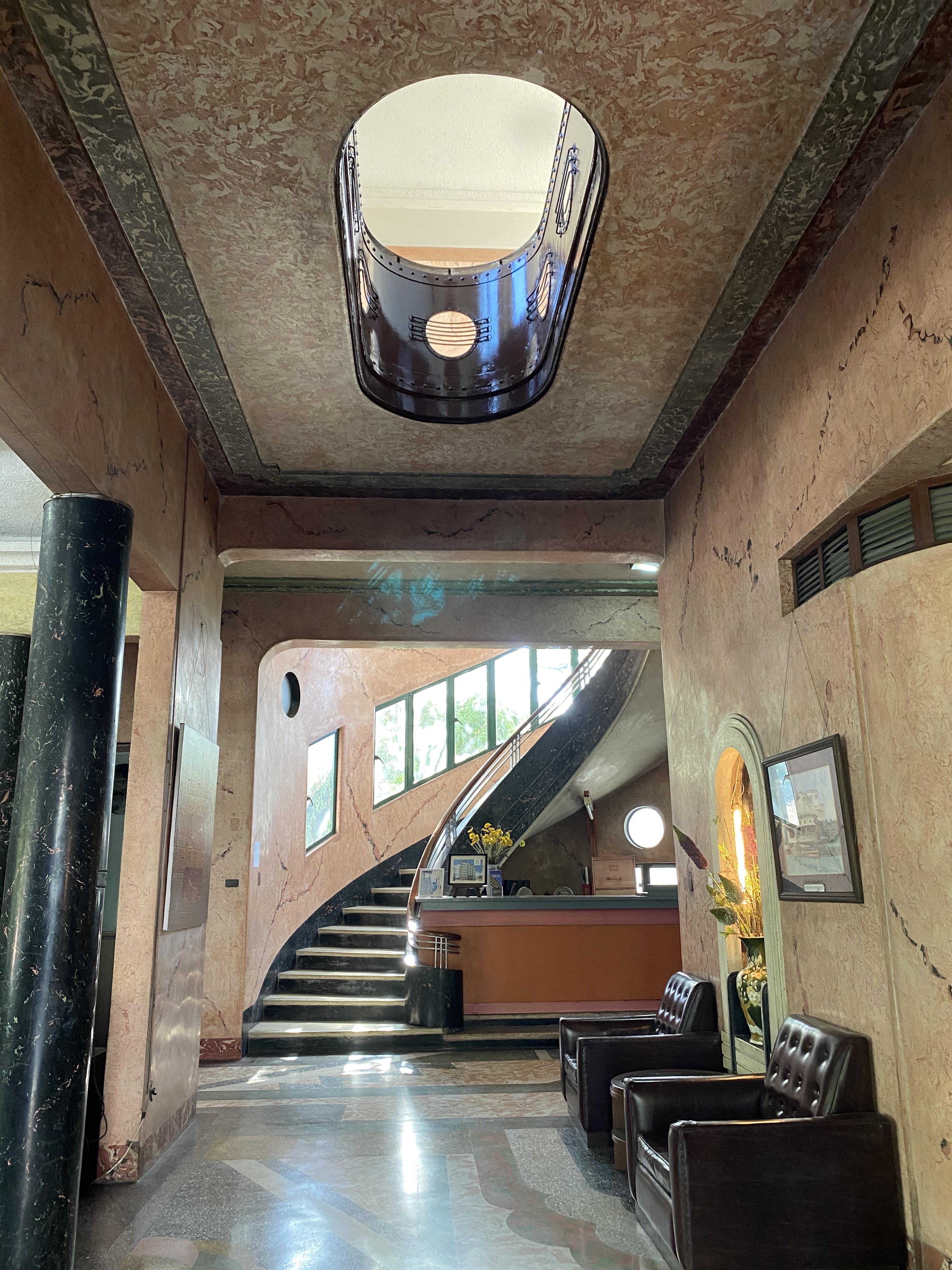
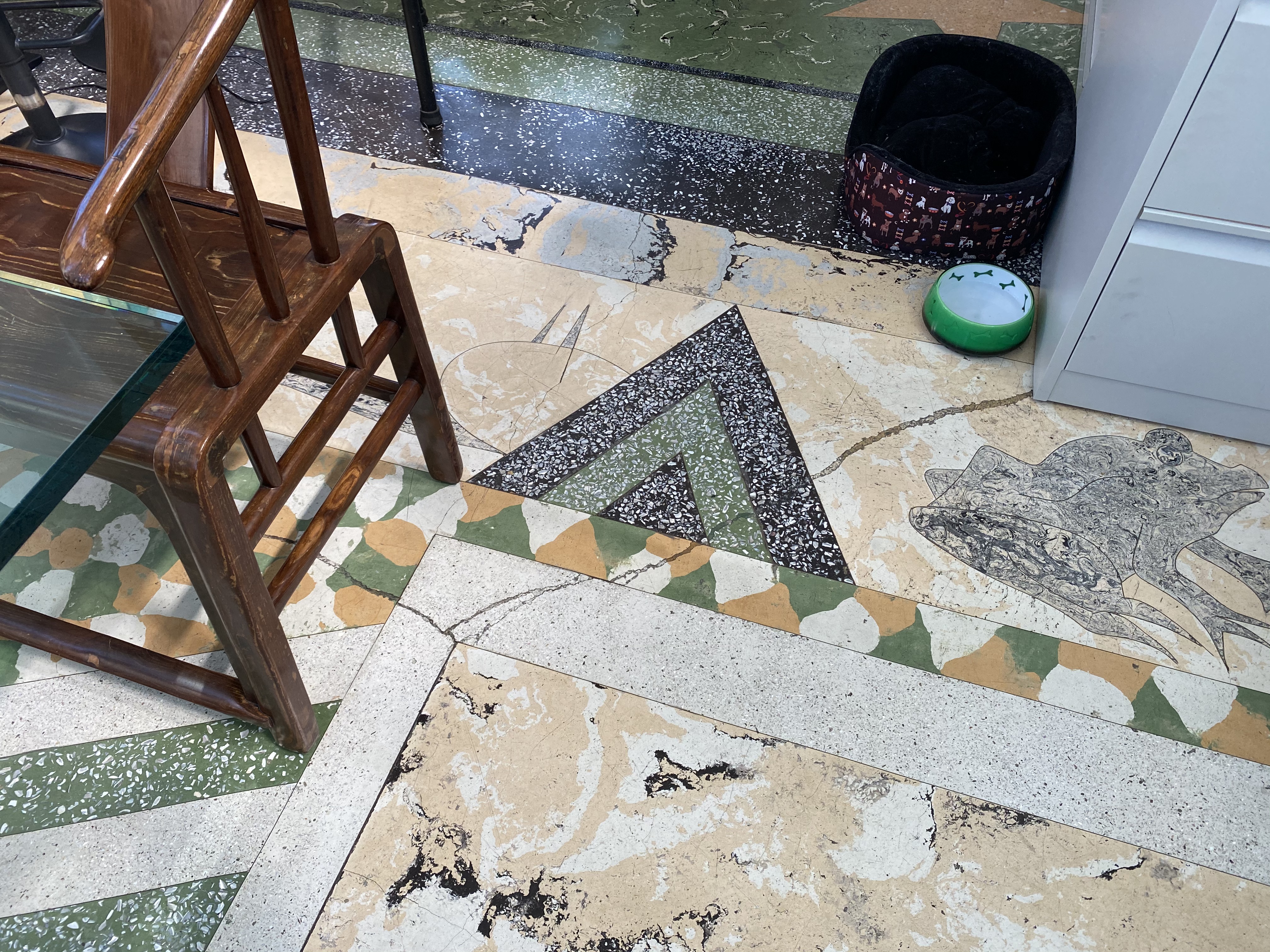
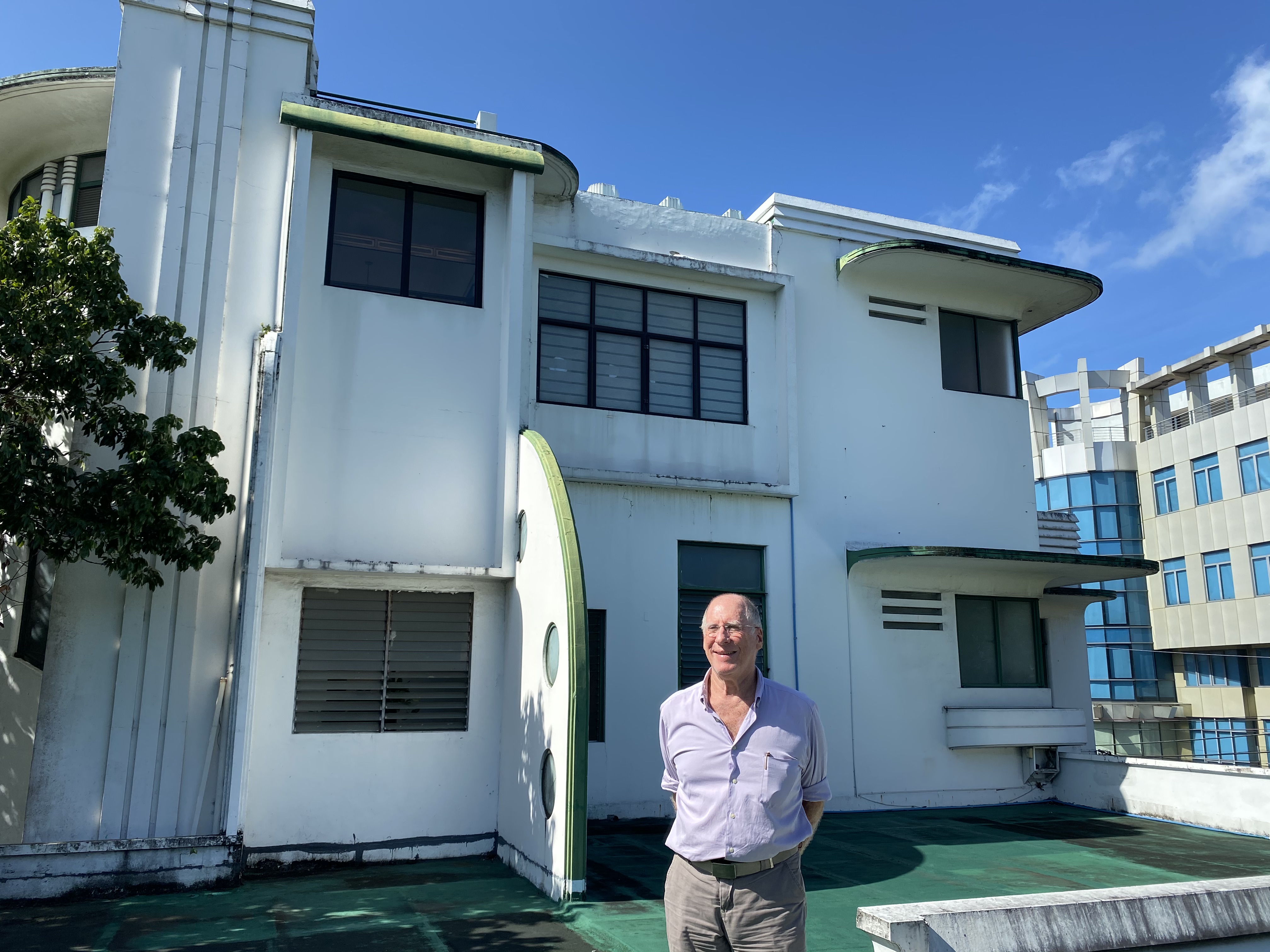
Inevitably I would hear a story about ghosts, in a place that would have been incomplete without them: the celebrated Daku Balay (“Big House”), Bacolod’s first and largest Art Deco mansion built on Burgos Street by Don Generoso Villanueva in 1936. We were lucky to get a private tour of this exquisitely sculpted home, thanks to our friend the American writer Craig Scharlin and his wife Lilia Villanueva, Don Generoso’s granddaughter, who have taken it upon themselves to preserve it for posterity. Craig told me how visitors who had strayed into the upper floors had found themselves being escorted by a charming couple—none other than the long-departed don and his wife Paz.

These specters were, at least, benign, and if I had lived in Daku Balay, with its helical staircase, nautical motifs, and Scagliola floors, I would have wished to inhabit it forever.

IMG_3390.jpeg