Qwertyman No. 67: Business with Culture in Iloilo

Qwertyman for Monday, November 13, 2023
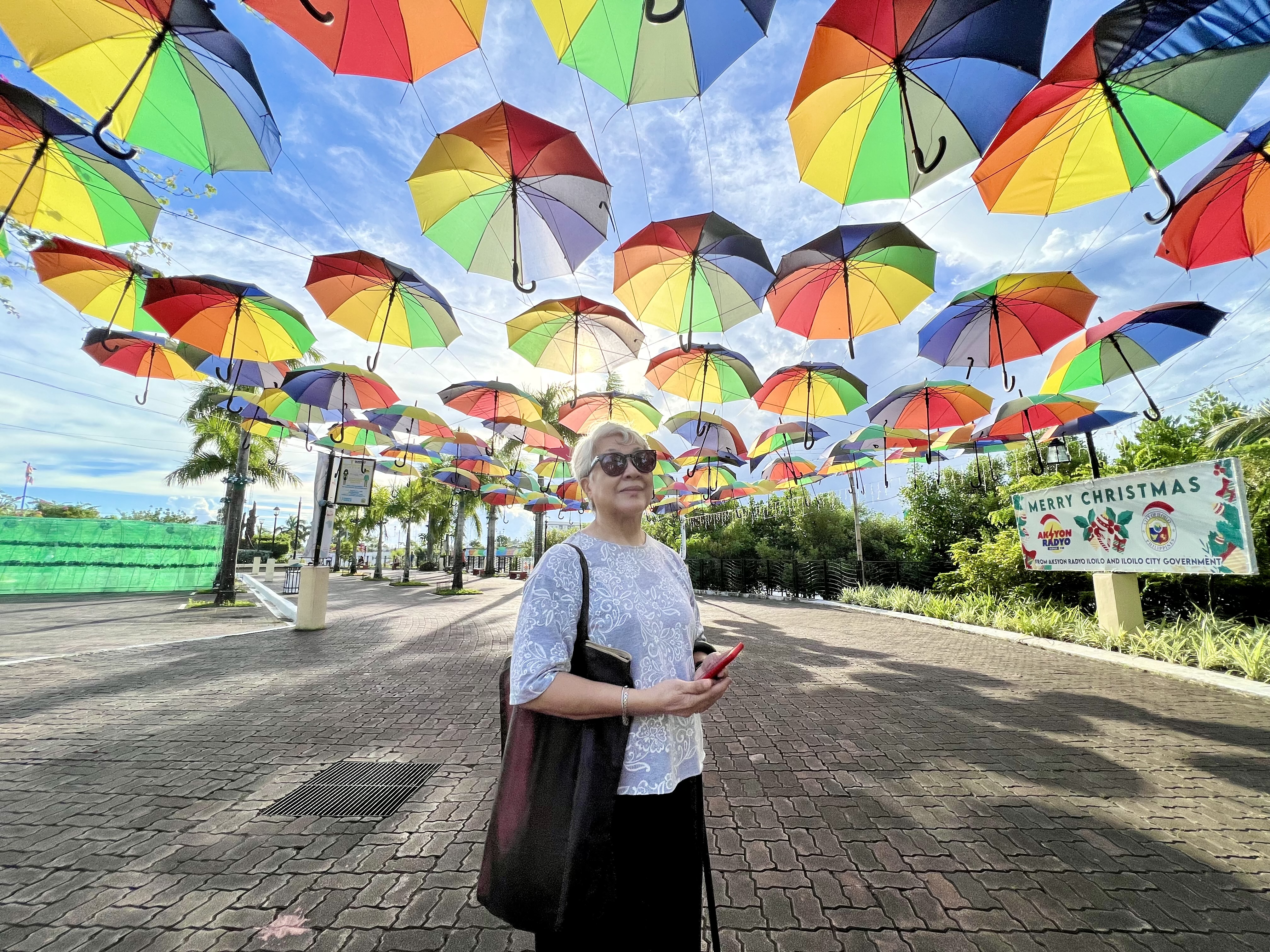
OVER THE past year, still eagerly emerging from our post-pandemic stupor, my wife Beng and I have been traveling up a storm, limiting ourselves to local destinations such as Bacolod, Virac, Davao, Roxas City, and Iloilo City. We chose these places because we’d never been there before—such as Virac and Roxas—or hadn’t visited for many years.

We were most impressed by the progress shown by Iloilo, whose transformation into a rapidly urbanizing metropolis I had begun to observe well before the pandemic. City and provincial officials, under the initial leadership and with the strong support of former Sen. Franklin Drilon, had managed to unite behind the key objectives of a continuing comprehensive development plan that has straddled several local and national administrations. 

All over the country, you hear about politicians achieving national prominence and power, even to the point of aspiring for the presidency—except that back in their home provinces, they did little or nothing for their constituents, and may even have lost the local vote to an outsider as a result. Drilon never ran for President—a job I think he would have performed excellently, if our voters were thinking rationally—but if he did then he could have counted on a near-solid Iloilo vote for never forgetting where he came from and ensuring Iloilo’s emergence as a model of city planning.

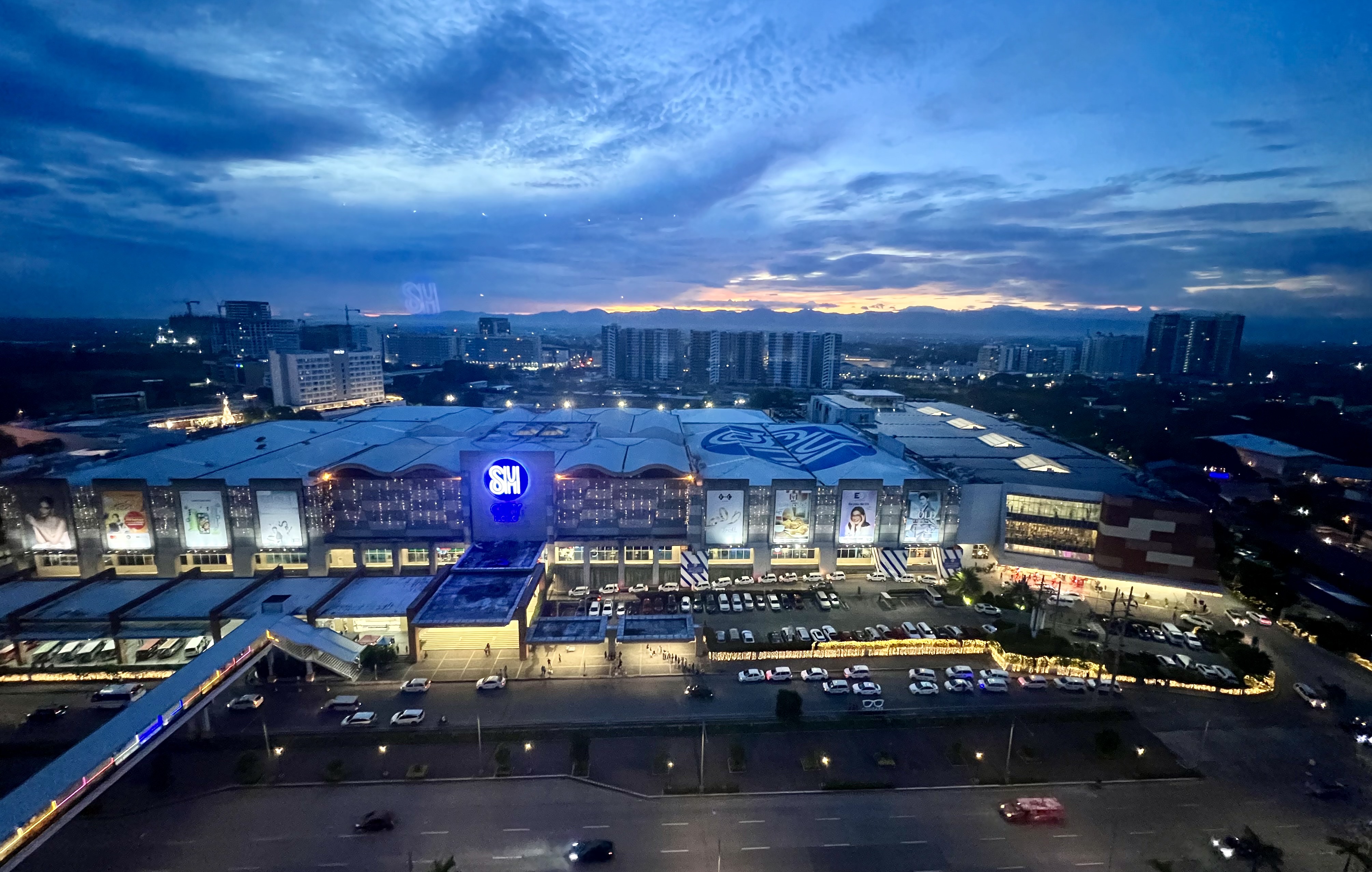
Any visitor to Iloilo cannot fail to be impressed by its dynamic growth, from the minute he or she steps off the plane in the city’s airport in Cabatuan, about 20 kilometers from downtown Iloilo. The long drive to the city down the wide, smooth highway is a virtual introduction to the city’s progress, with new malls, office buildings, car dealerships, hotels, construction depots, hospitals, and housing lining both sides of the road; new bridges and overpasses were rising here and there. A Grab car service just opened this year, our driver said, happy to be lifted by that rising economic tide.
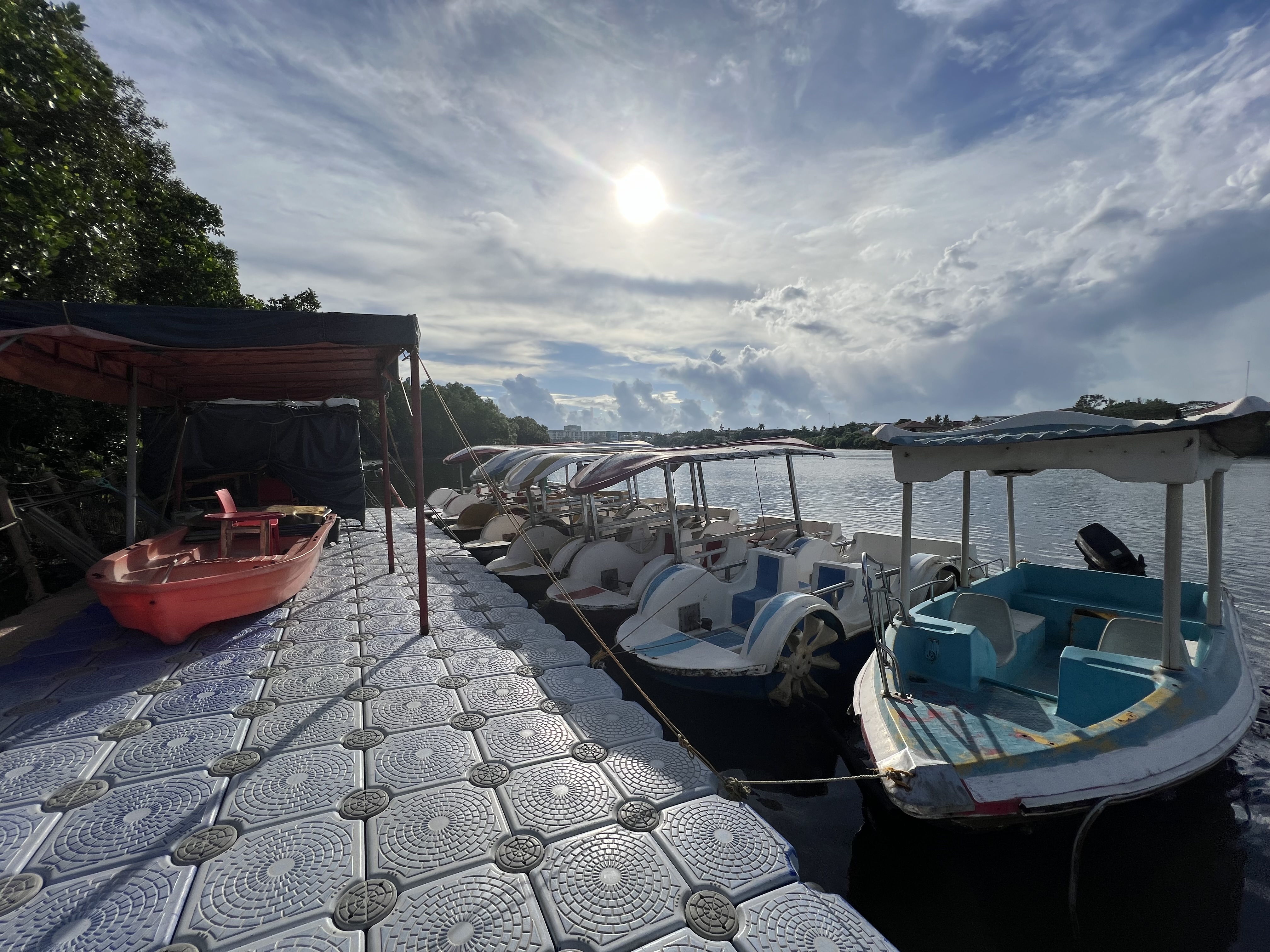
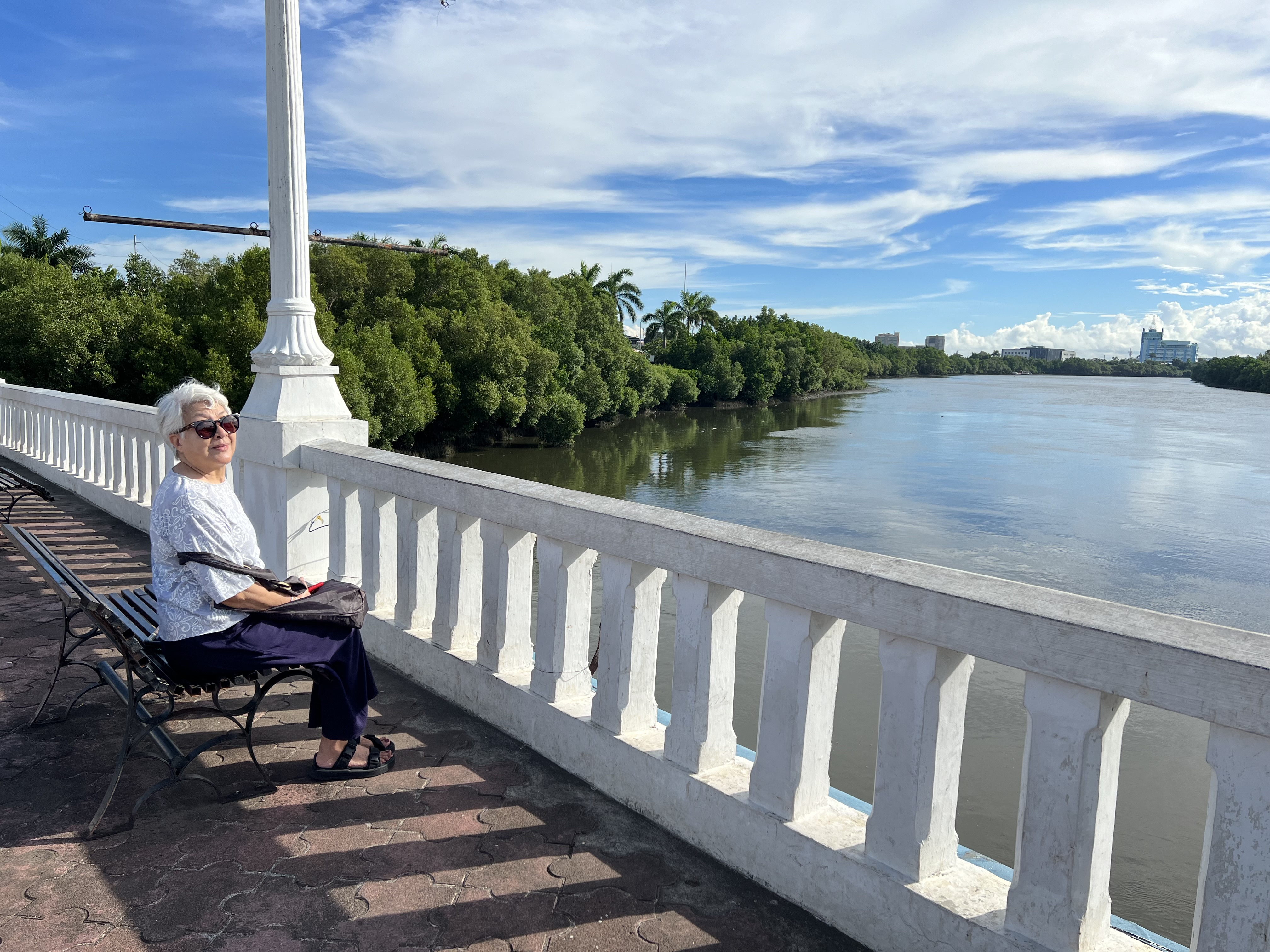
The crown jewel of Iloilo’s renaissance is clearly the Iloilo River Esplanade, now stretching nine kilometers along both banks of the river in its expanded form. Designed by the celebrated architect Paulo Alcazaren, the Esplanade is what we Manileños want our Pasig riverbank to look like, in our dreams, but here in Iloilo, it’s been a reality for over a decade now. From early morning until after sunset, the Esplanade is filled with joggers, couples, families, and tourists who can also duck for a drink or a meal into one of the restaurants and cafes lining the walk. The river itself, once described as a septic tank into which the effluents of the city’s factories, slaughterhouse, and beer gardens drained, is clean and clear, fringed by a healthy belt of mangrove where we spotted egrets taking refuge. 
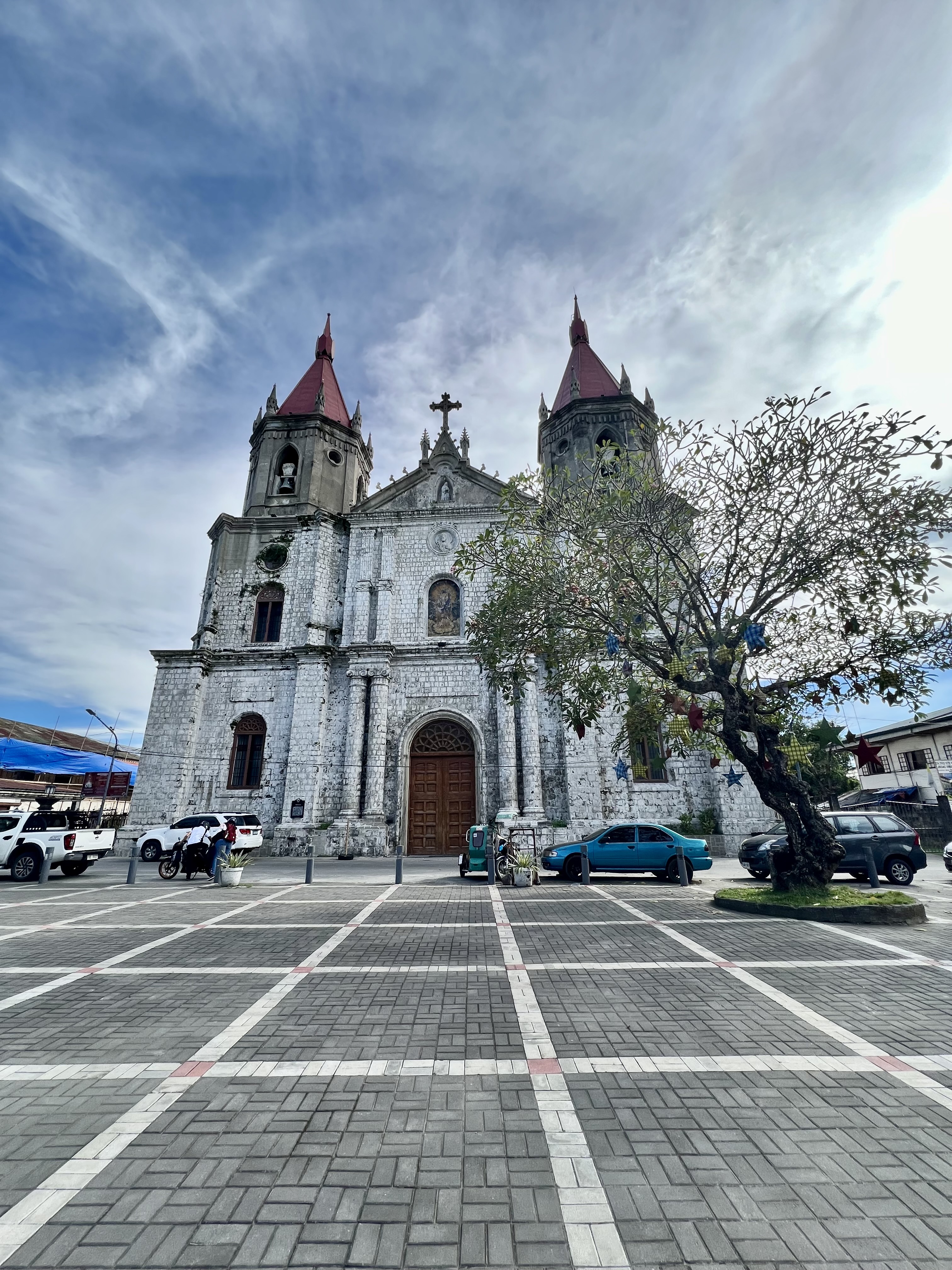
There’s a point of view that sees malls as the bane of urbanization and the death of small, artisanal businesses, and that’s been true in many places. It’s abundantly obvious that malls and mall culture have invaded Iloilo, with some negative consequences down the road. But so strong is local culture and tradition that it’s almost inconceivable that Iloilo will lose Tatoy’s, Breakthrough, Ted’s La Paz Batchoy, Panaderia de Molo, pancit molo, KBL, diwal, and all the other little things that make the city what it is. Indeed, instead of being pushed out, many of these institutions are now in the malls. At the plaza in front of Molo Cathedral, after a 3-km walk from our hotel via the Esplanade, we had breakfast of mini-bibingkas baked right before us the way they’d been done for decades.
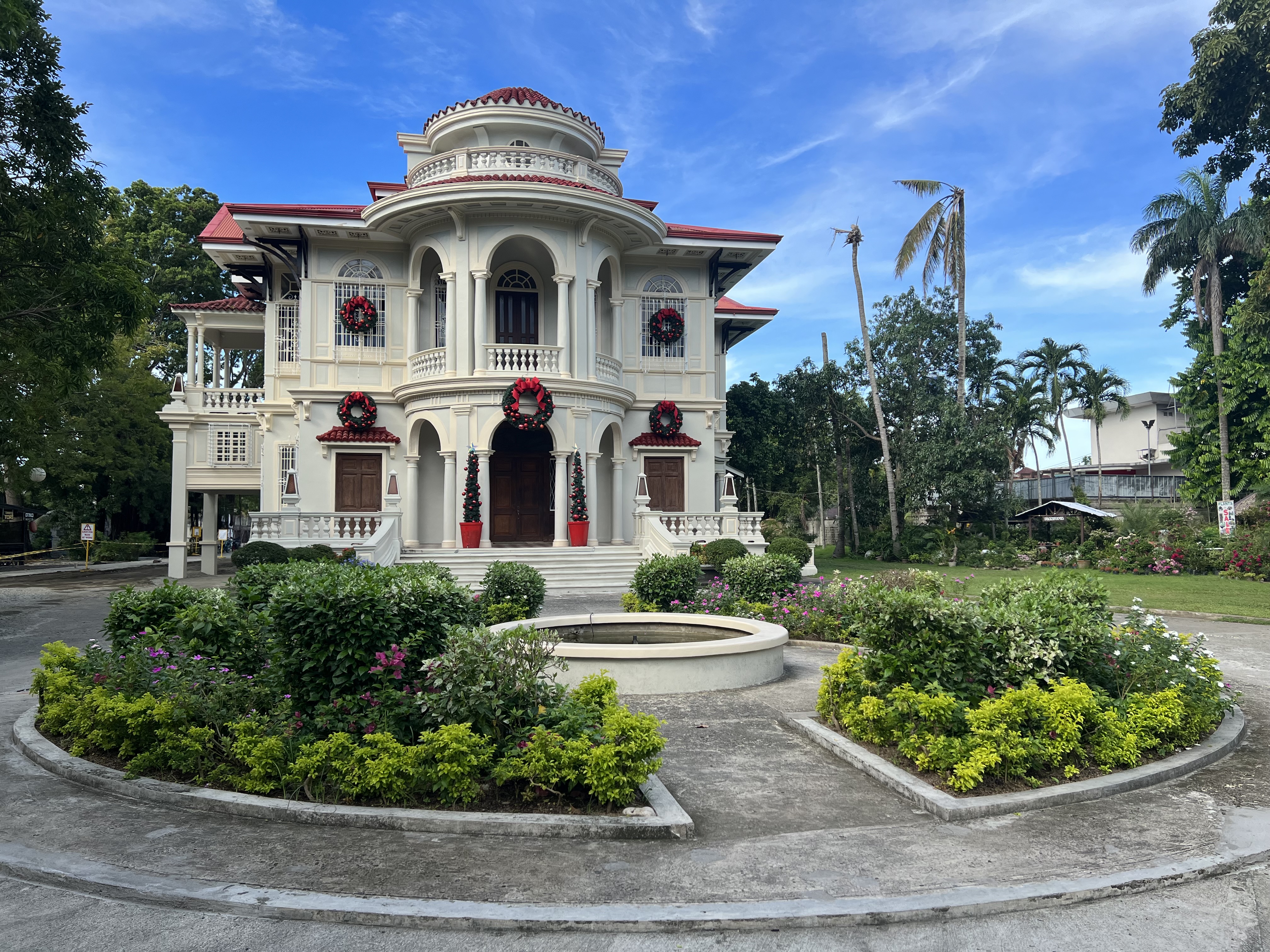
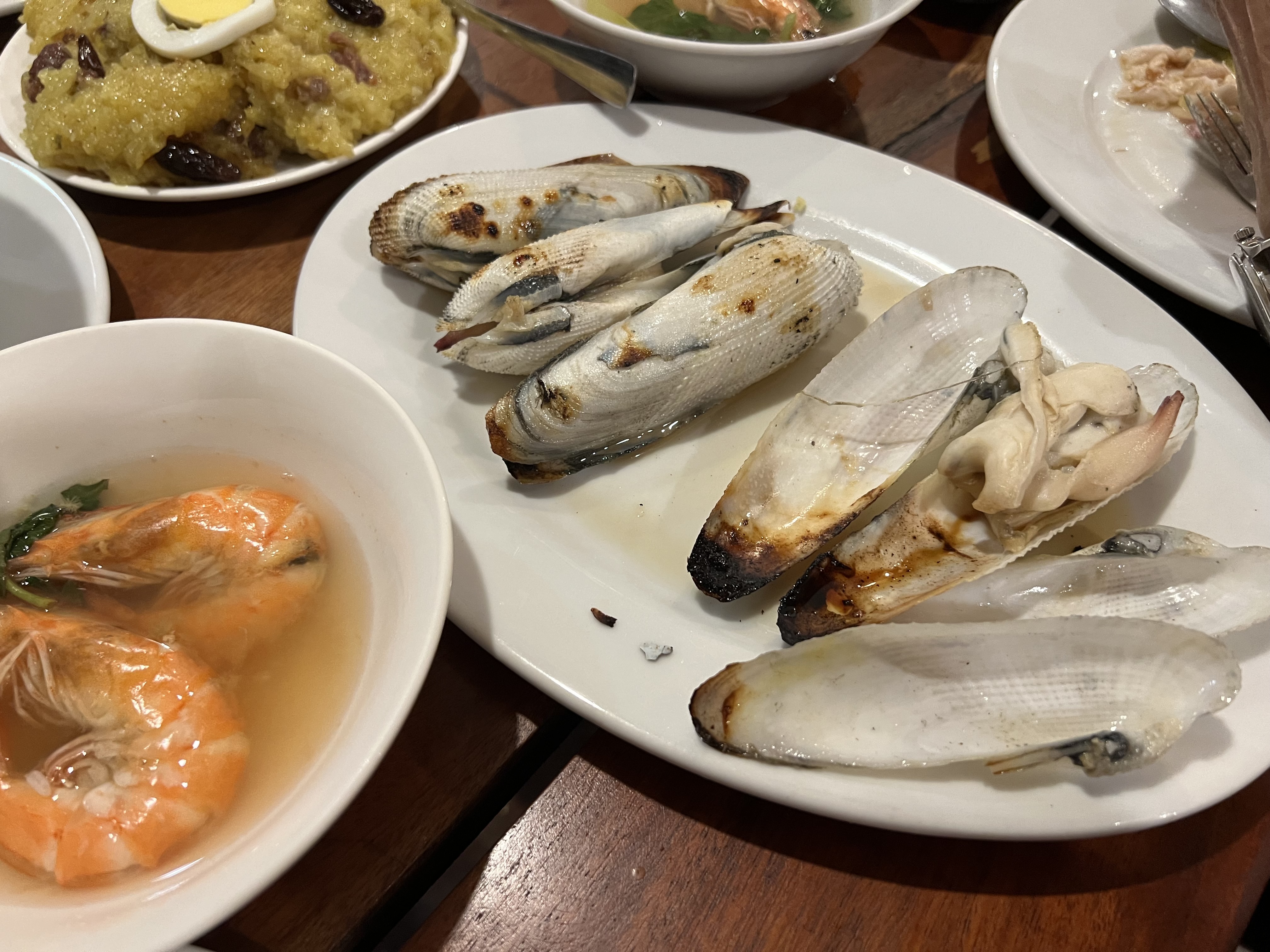
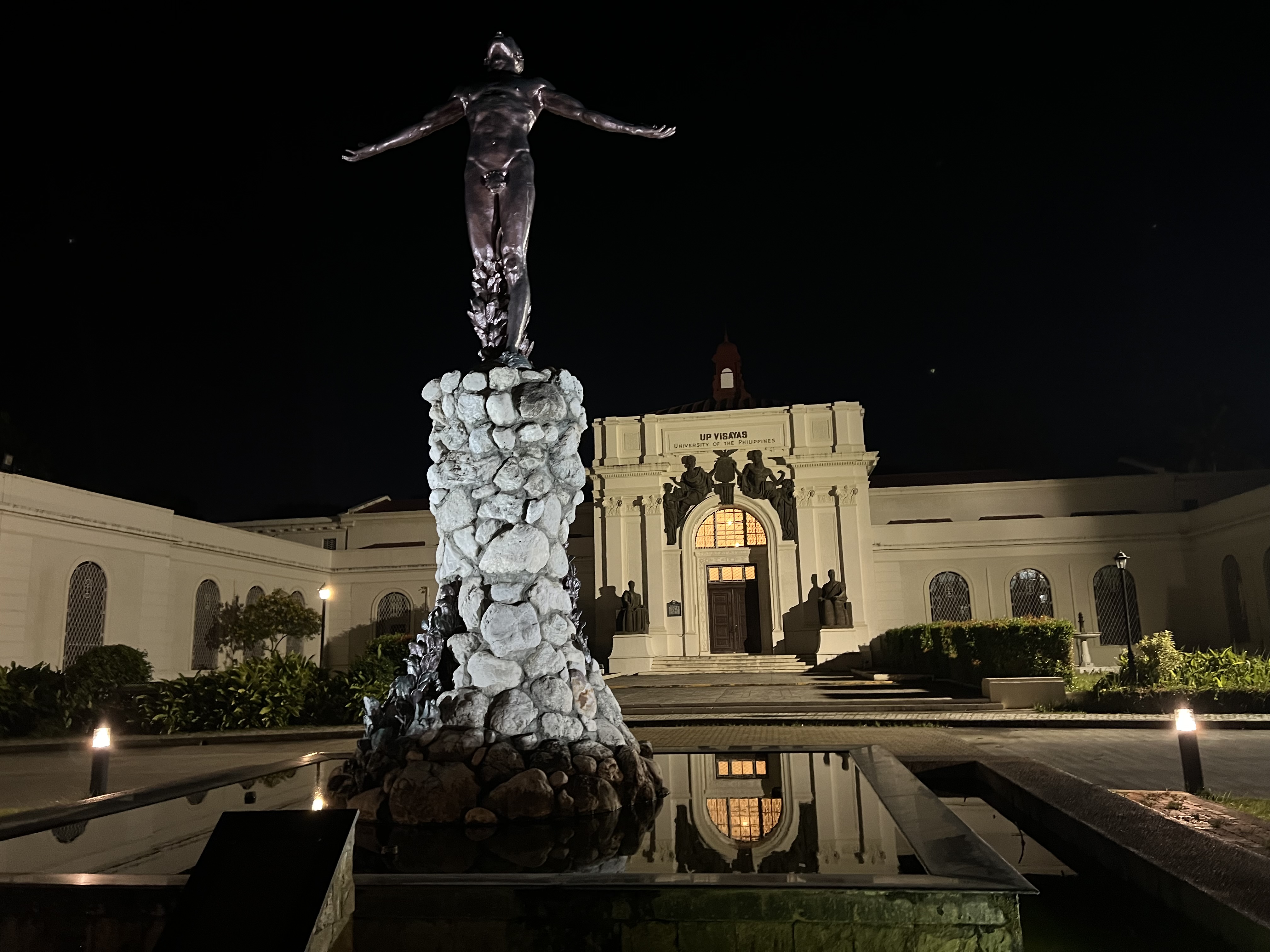
It was a happy coincidence that, during our visit, UNESCO named Iloilo as the country’s first Creative City of Gastronomy, in recognition of its outstanding culinary culture and heritage. This was achieved by the city government under Mayor Jerry Treñas with the assistance of a team from UP Visayas’ College of Management that facilitated a workshop for the city’s food-industry leaders last May. Education remains one of the city’s strengths; its West Visayas State University College of Medicine is now one of the country’s top-ranked medical schools, aside from UPV’s commanding role in the region.

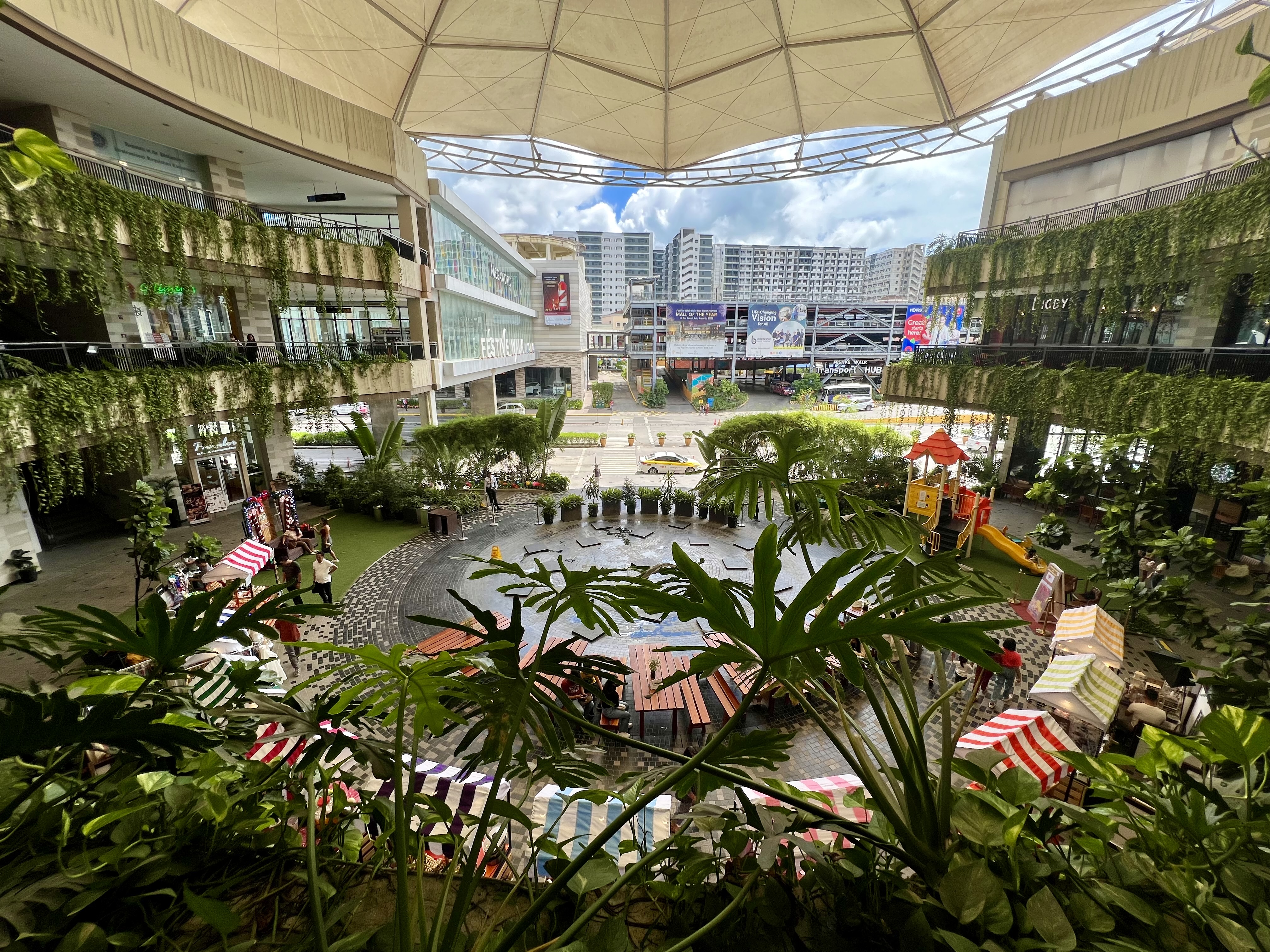
It was UPV Chancellor Clement Camposano who, after dinner in one of the many seafood restaurants that have cropped up in Leganes on the city’s outskirts, drove us around so we could appreciate the city by night. On our way to Molo, we passed through the new Megaworld/Festive Walk business district and were blown away by how smartly designed everything was; it was almost as if we were in Singapore or some such country. It was hard to believe that not too long ago, this was the old Iloilo airport in Mandurriao, and that the road we were traveling on had once been a runway. This is also where the Iloilo Convention Center is located, where the APEC 2015 summit was held (Drilon had negotiated the donation of the site from Andrew Tan, in exchange for the ICC’s being built there).
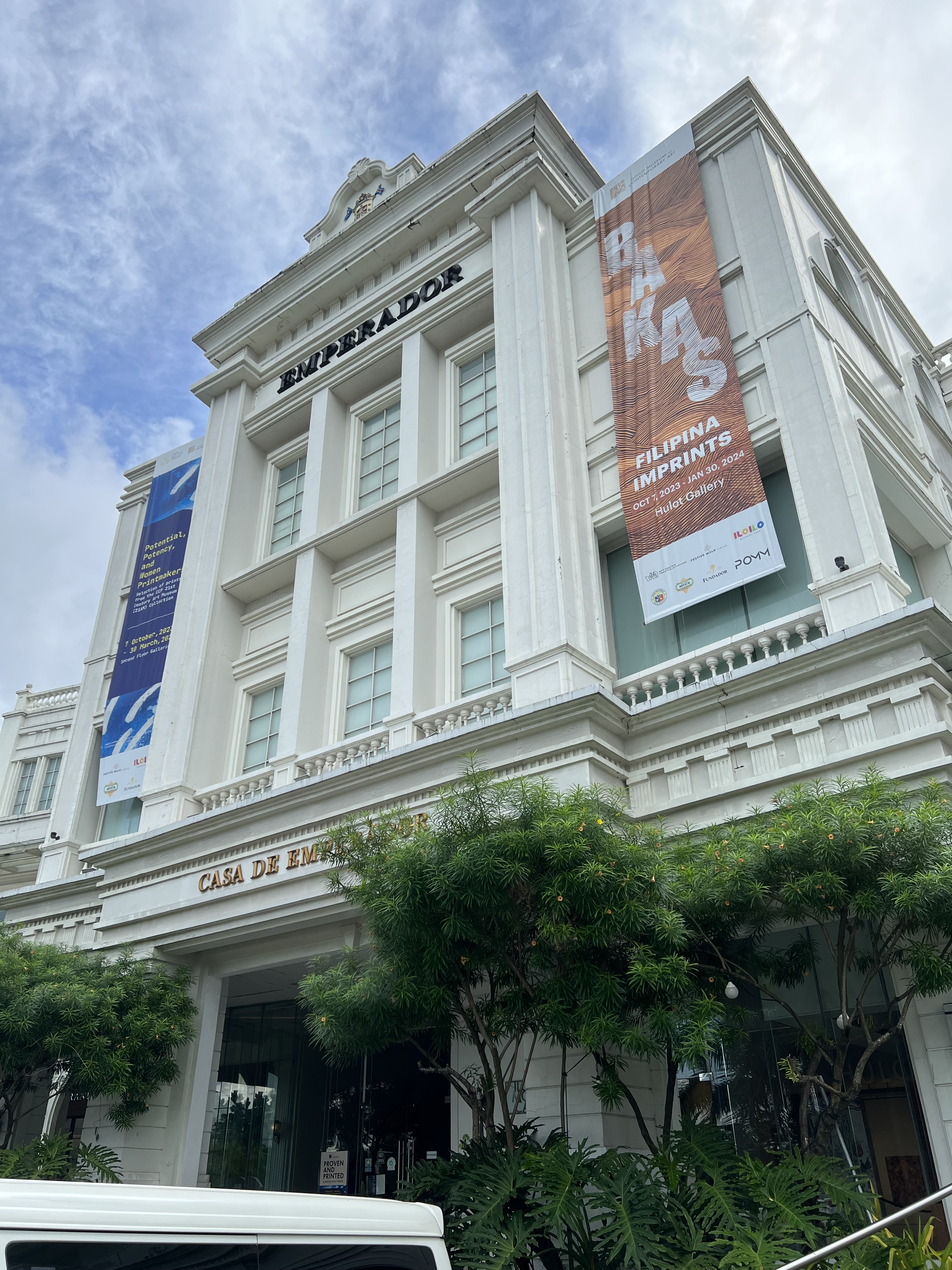
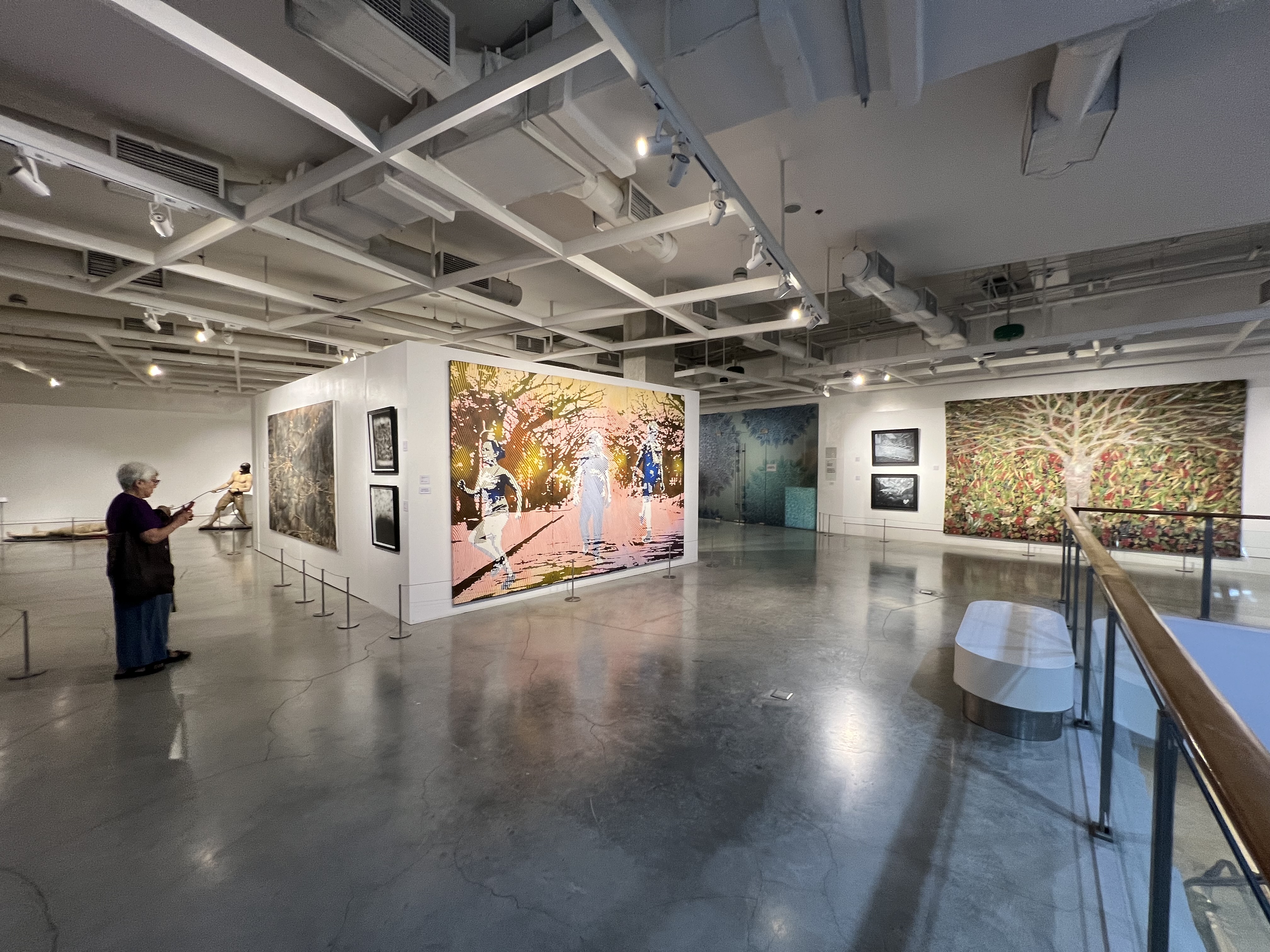
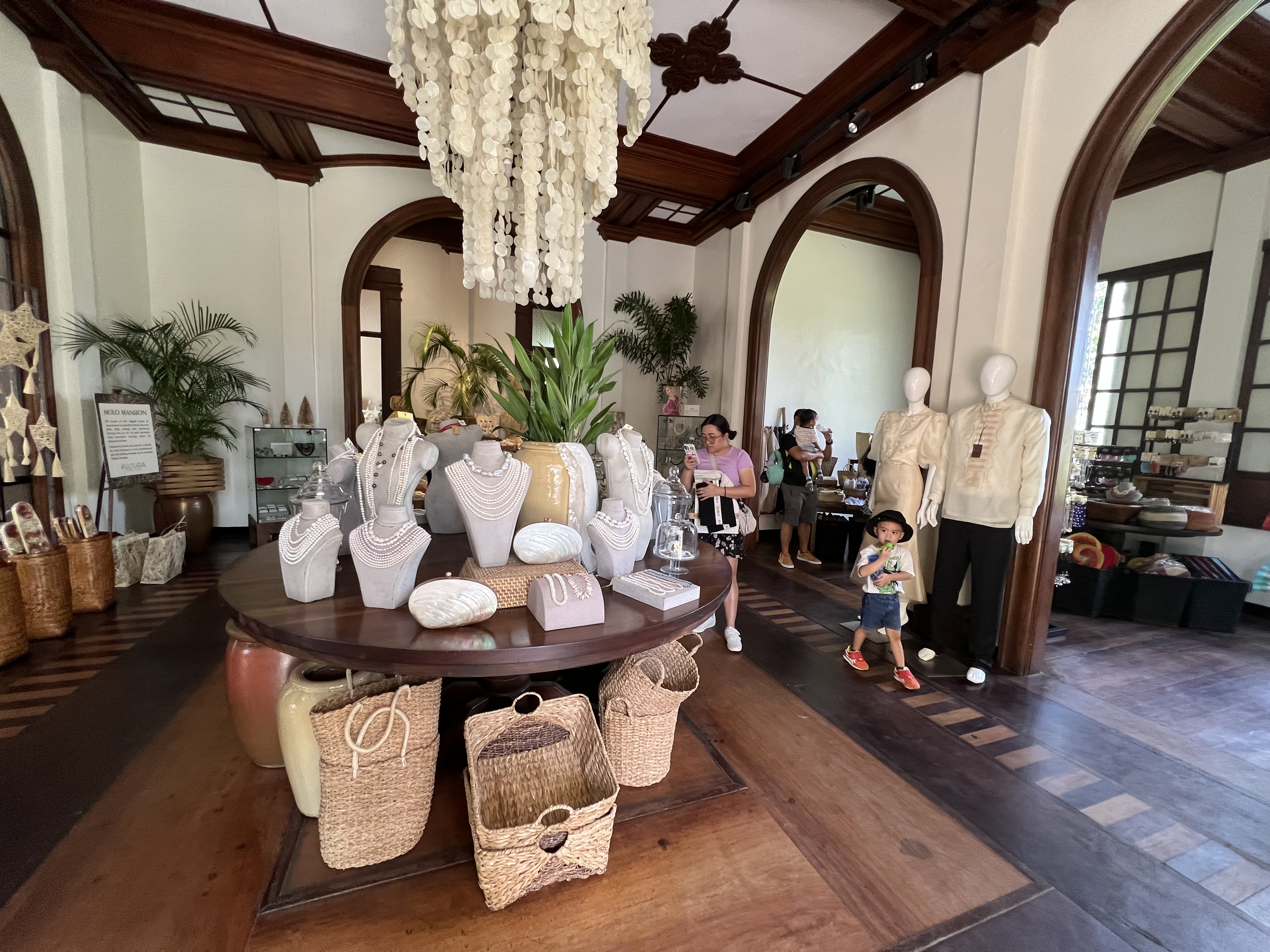
We returned to this place in the daytime to visit one of Iloilo’s most recent and also most impressive attractions: the Iloilo Museum of Contemporary Art or Ilomoca, a three-story showcase of both local and national talent. Ilomoca’s establishment in the middle of one of Iloilo’s CBDs demonstrates what seems to be the local formula for sustainability, the merging of the modern with the traditional, of business with culture. You can best see this in the majestic Consing mansion in front of the Molo Cathedral, which was bought by SM but tastefully renovated and transformed into its Kultura shop. There’s no doubt that modernization is coming to Iloilo in a big way, but its leaders are smart enough to know that the city’s appeal lies in what it has built over the past two centuries, which no money can buy.

You’d think that Iloilo has gotten this far just because of political patronage from Manila, but Iloilo was one of the 15 provinces that went for Leni Robredo in 2022. The city’s former mayor, Jed Mabilog, was hounded out of office by threats of tokhang under the previous administration, but the city seems to have weathered the political storms under Treñas, returning to his old job under the National Unity Party. What this tells me is that good local governance matters, whatever may be happening elsewhere. 
Email me at jose@dalisay.ph and visit my blog at http://www.penmanila.ph.

Qwertyman No. 59: Counterintuitive

Qwertyman for Monday, September 18, 2023

ON MY way to NAIA to catch a flight early one morning a few weeks ago, I snapped out of my half-sleep when I heard a song on the radio station that my Grab driver was tuned in to. I hadn’t heard it in almost half a century, and I was surprised to realize that I still knew the lyrics—not that I sang it back then, but because it was inescapable, flooding the airwaves with its bootstep optimism: “May bagong silang, may bago nang buhay, bagong bansa, bagong galaw, sa Bagong Lipunan!” The only difference—and what troubled me even more—was that it was a new arrangement, sung by a solo male voice, obviously a remake for a new generation. We were back in 1973, and whoever was behind that broadcast was making sure we knew it.

But of course, despite all the ironies that have been pointed out with the accession of another Marcos to power, and all the parallels that both the Junior and his detractors have drawn with the Senior’s reign, 2023 isn’t exactly 1973. The convenient conclusion would be to assume that Marcos Part II would be a replay of Marcos Part I—and many Filipinos, myself included, warned of that possibility in the run-up to the May 2022 election. But is there any possibility that President Ferdinand E. Marcos, Jr. might want to break out of his father’s mold and be, to some extent, his own man?

As soon as I say that—and before I get social media all riled up with my seeming revisionism—let me add that it’s the dramatist in me that appreciates the classic bind that Marcos Jr. must find himself in. Drama is premised on the possibility of character change—and even if the character reverts to his old self in the end, a brief flirtation with one’s opposite can be revealing.

In political caricature, characters are reduced to their extreme and basest versions—black and white, sinner and saint, damned and blessed. Oversimplification makes for effective propaganda, just so you don’t forget who the enemy is and which side you’re on. In realist drama, we move beyond types to explore the complexities of human character, taking the individual as a compound of many different—and sometimes even conflicting—traits and predispositions. Thus (goes the playwright’s conceit), no one is totally good or totally evil; the inner monster and the inner angel are in constant contention, and depending on the specific circumstances, one side will prevail at some key point that then defines that character for the history books. 

Motivations are key to what characters ultimately become—or decide to become, as personal agency and moral responsibility attend every important decision we make. Pride, love, honor, greed, revenge, and lust are powerful motivations, and often get the better of characters who are well aware of right and wrong, but who succumb to what’s been described as “human nature.” The good can become the bad; there’s a whole category of English Renaissance drama called “revenge tragedy” where, like Hamlet, a virtuous hero aggrieved by injustice plots to gain retribution, only to be so consumed by his vengeful passions that he becomes the very evil he condemns.

Now back to Marcos Jr. I’m trying, as the playwright and screenwriter I once was, to see him as the protagonist of our present play, shorn of my personal biases. Improbably—though some would say inevitably—he’s back where his father was, and with the weight of history on his shoulders. He’s firmly seated in power, and has all the opportunity and the resources to do what he wants. 

Independent and even critical observers I’ve spoken with have noted how generally cautious Marcos has been, so far, to avoid the kind of issues that will bring masses of people out onto the streets. Yes, the legitimacy of his election remains under serious question (something his handlers still have to convincingly address), but the “single IP” finding hasn’t been as politically incendiary as it probably would be in a more tech-savvy society (no, our appetite for TikTok and Facebook doesn’t count for tech-savvy). Yes, he travels and spends too much, but people—his 31.5 million, real or not—expect that to come with being a Marcos. Yes, he’s backed terribly risky if not silly ideas like a sovereign wealth fund and price ceilings, but again he knows that the economics of it will go over most people’s heads. 

On the other hand, he’s made all the right noises with regard to Chinese expansionism, in a dramatic and popular break from his predecessor. In our porma-conscious society, he looks and sounds more presidential than that predecessor who felt choked by a necktie and visibly lost in a roomful of younger, more articulate world leaders. Like his senior, Marcos Jr. understands imagery and pageantry. His rambling ad libs have been his bane, so he stays on script in his major speeches. He made some inspired and popular Cabinet choices such as the late lamented Toots Ople, although he quickly undermined any suggestion of sagacity with the appointment of the likes of Larry Gadon. 

Clearly he’s not going to repudiate his father’s legacy. His camp will continue to move to revise history and gild the rust and the rot of martial rule. In his recent speech before Singaporean businessmen, he couldn’t resist crowing that the Philippines’ 7.6% growth rate in 2022 was last achieved in 1976, “under my father’s administration.” Thanks to a DepEd edict, Filipino students will no longer learn about the “Marcos dictatorship” but simply “dictatorship,” which would be like talking about World War II without ever mentioning Hitler. The mechanical erasure of Marcosian martial law will be pushed forward by such measures as Sen. Robinhood Padilla’s proposed law designating September 21 as “Unsung Heroes Day,” to honor anti-communists.

But again the playwright in me wants to ask, is there room or possibility in Marcos Jr.’s character to make a clean break from the past and start over as his own man—or will self-interest, political habit, and family pressure prove too strong to overcome? One fellow columnist told me that his sense was that BBM was out to rehabilitate the Marcos name, to do better than his dad. Can that happen without admitting and making restitution for the wrongs of the past? We sentimental Pinoys will understand if the son will never speak ill of the father, but can he go beyond that to repair the damage done and build a bridge of trust toward his detractors—such as by releasing all political prisoners, squashing red-tagging, and putting the government’s massive intelligence funds to better use? Can and will he risk his political alliances to effect good governance?

Or will it be—to use that word that Executive Secretary Bersamin picked in his letter terminating Finance Undersecretary Cielo Magno for her unsolicited lesson in economics—too “counterintuitive” to do the right thing and accept wiser counsel? Only time and Ferdinand R. Marcos, Jr. will tell.