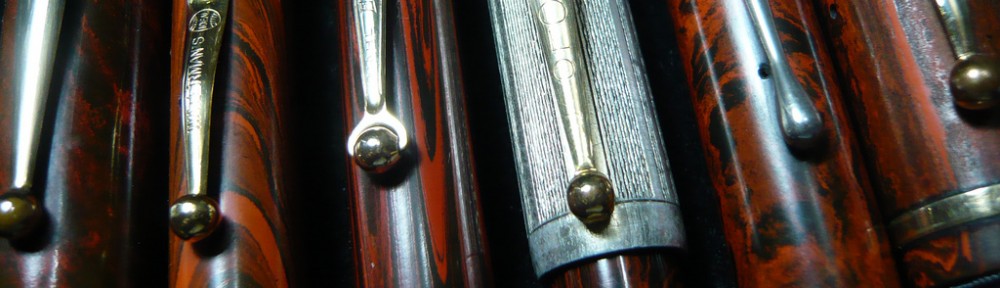
Penman No. 472: Manila Pen Show at Manila Pen

Penman for Sunday, March 9, 2025
FOR A group that began in our Diliman front yard with less than 20 people almost 17 years ago, the Fountain Pen Network-Philippines (FPN-P) has come an awfully long way. With over 14,000 members online, meeting physically by the dozens in regular “pen meets” held in hapless cafes and restaurants, and thousands more informal recruits among families and friends, FPN-P should really register soon as a partylist devoted to “spreading the joy of handwriting with fountain pens.” We have active chapters in Baguio, Bacolod, and Davao, among other places; quite a few members even reside abroad but keep in regular touch through the group’s FB page.
As I’ve often written here before, the allure of fountain pens lies in their rediscovery by digital natives as a means of self-expression—of recovering one’s uniqueness in a universe homogenized and anonymized by computer code. Our ranks include Supreme Court judges, Cabinet undersecretaries, artists, professors, doctors, and lawyers, but most of our members are young professionals in their twenties and thirties for whom writing in cursive is itself an adventure. There are probably hundreds of thousands of pen fanciers (as they used to be called) around the world, mainly in the US and Europe, but what distinguishes FPN-P is its youthful vibe and the infectious fanaticism of its members.

Some fall in love not just with the pens but with penmanship itself, and become calligraphers. Others grow enamored of inks and papers of a bewildering assortment—inks that shimmer and sheen, combining lustrous gold with a deep oceanic blue, and papers that range from silken smoothness to almost parchment-like toughness.

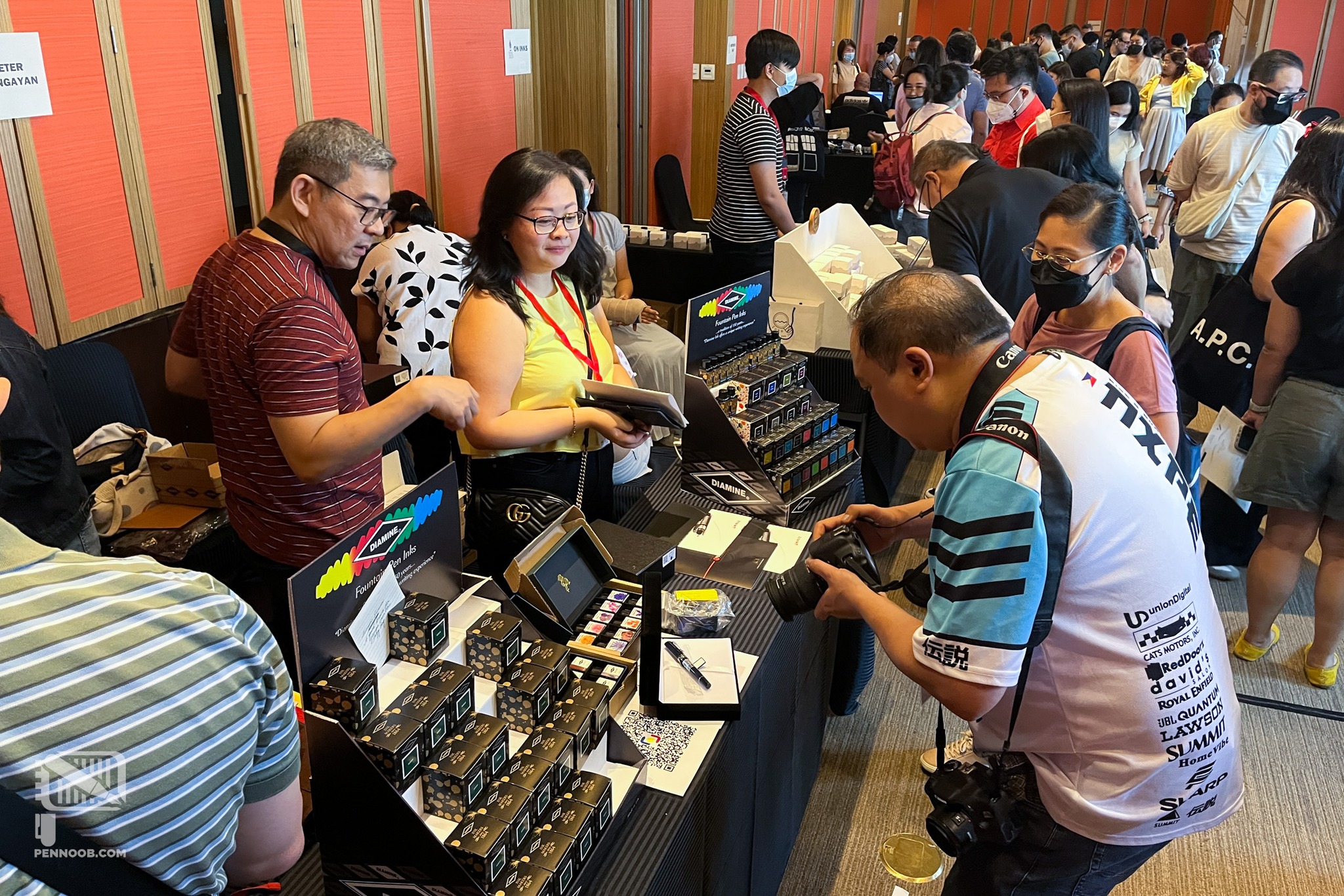
Next weekend, hundreds of these penfolk (and the general public) will converge at the 5th Manila Pen Show that will be taking place March 15 and 16 at—fittingly enough—the Peninsula Manila. 
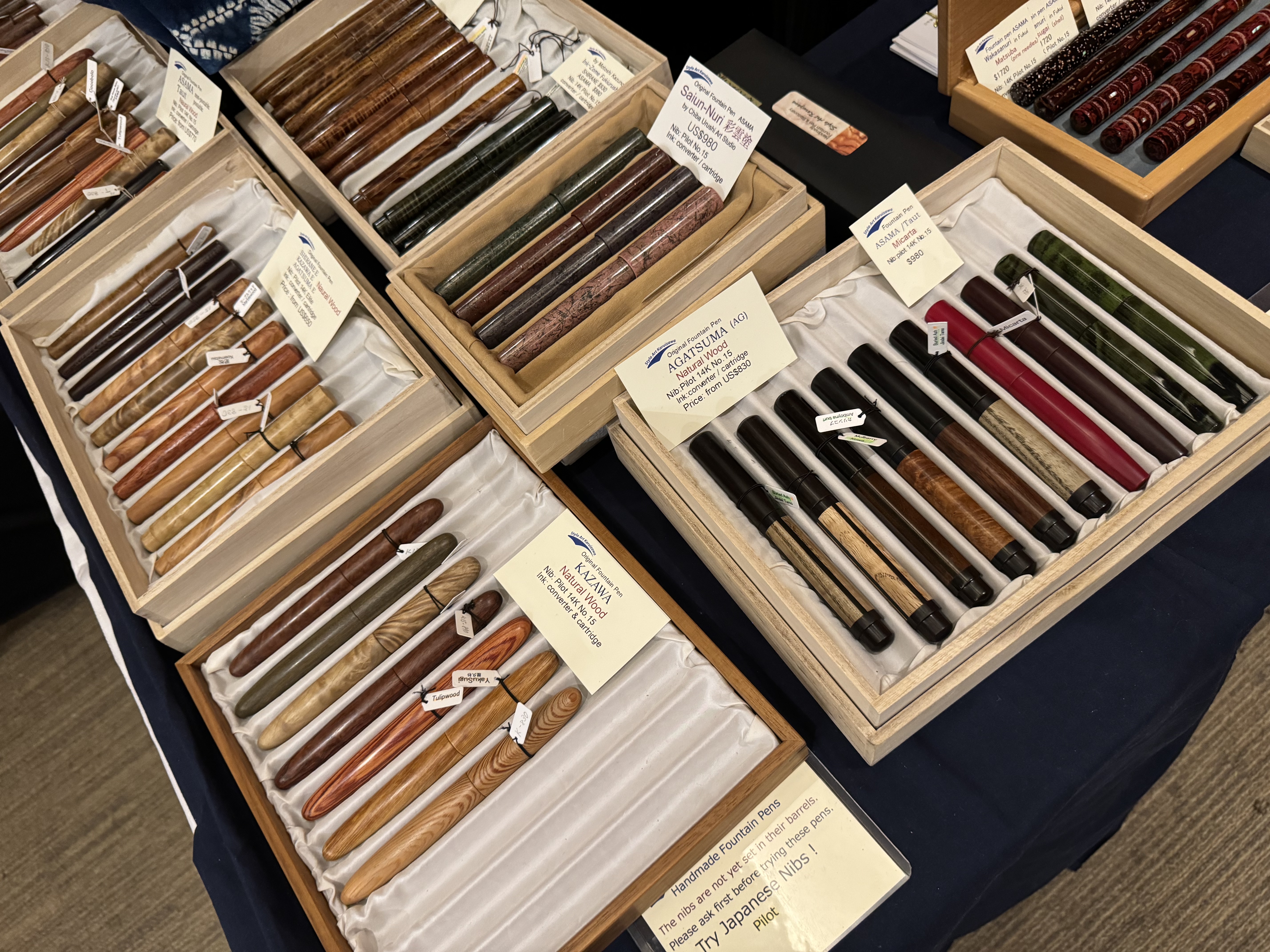
Top pen makers and dealers from Japan, Hong Kong, Singapore, and Malaysia have been coming to the MPS, attracted and impressed by the level of sophistication—and the deep pockets—of Filipino pen collectors. While the MPS has pens for everyone at every price point—from the low hundreds for students to six figures for the big guns—Filipino pen collectors and users at any level have been known for their deep knowledge and obsessive familiarity with all aspects of the hobby. 

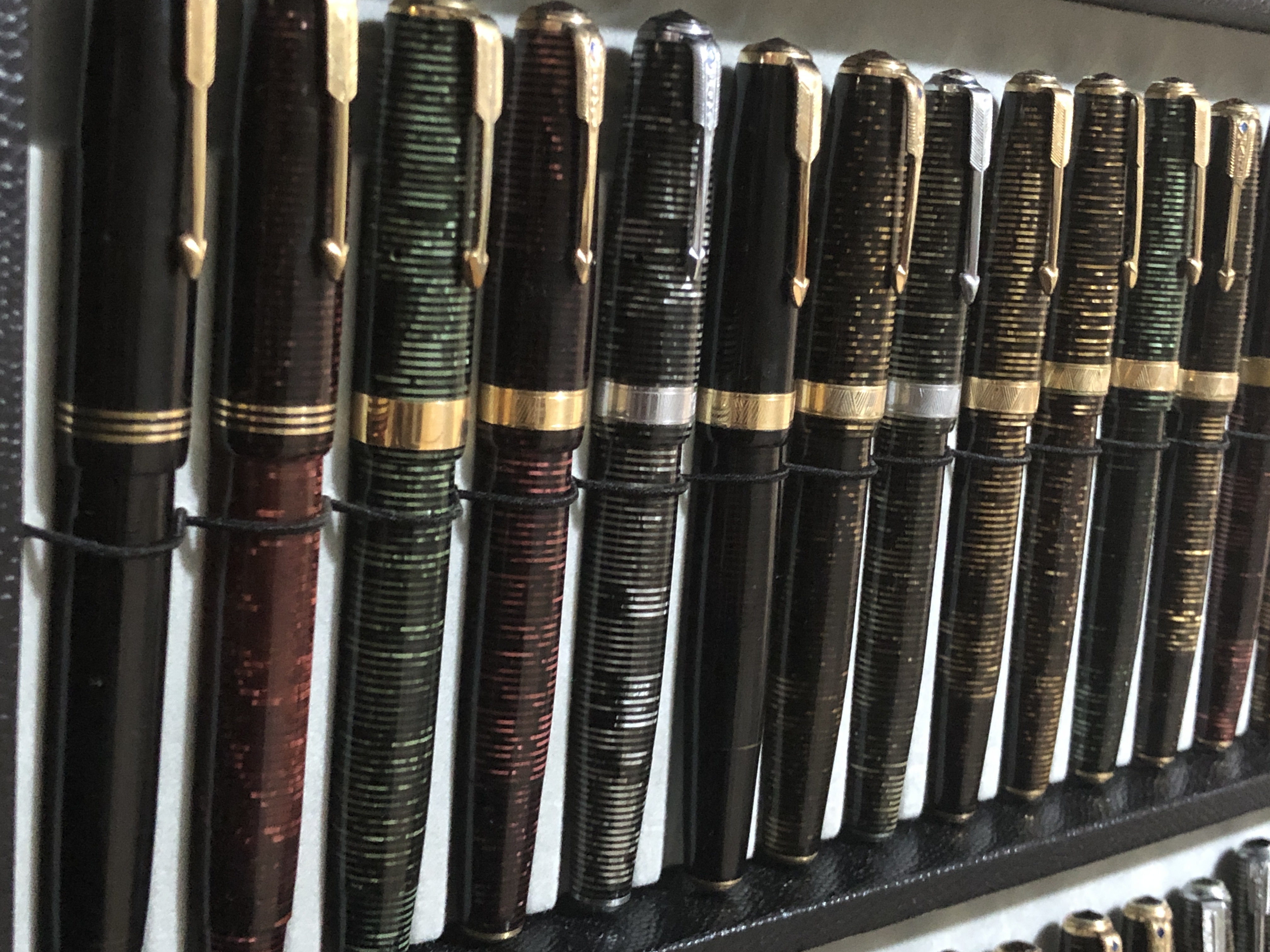
They can tell you how Japanese artisans produce the various kinds and textures of urushi resin that renders pen surfaces impermeable to even acid. They can discuss minuscule but hundred-dollar differences in Parker Vacumatics from the 1930s, or argue passionately for vintage Pilot Myus and exotic inks like the perfume-scented De Atramentis.
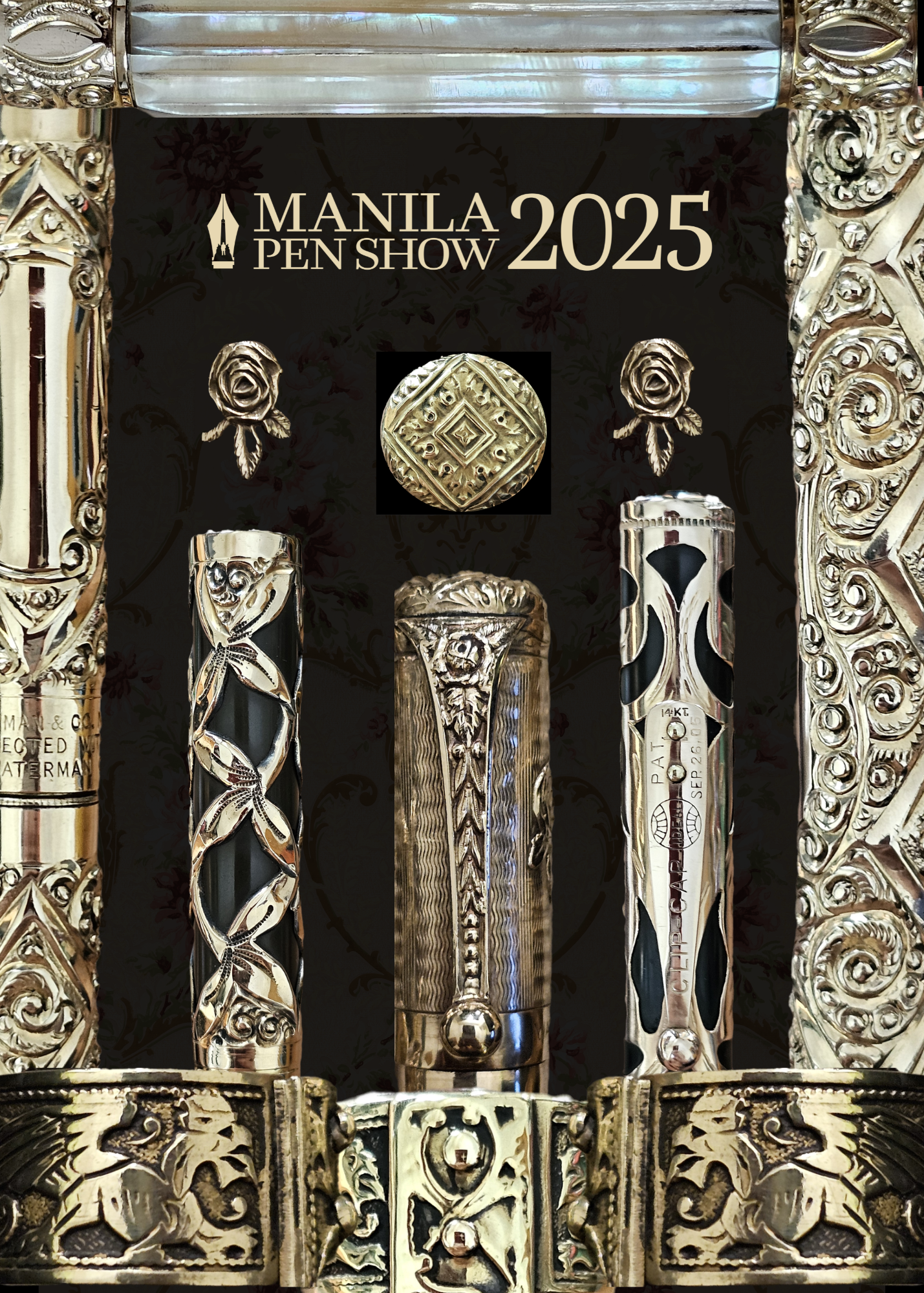
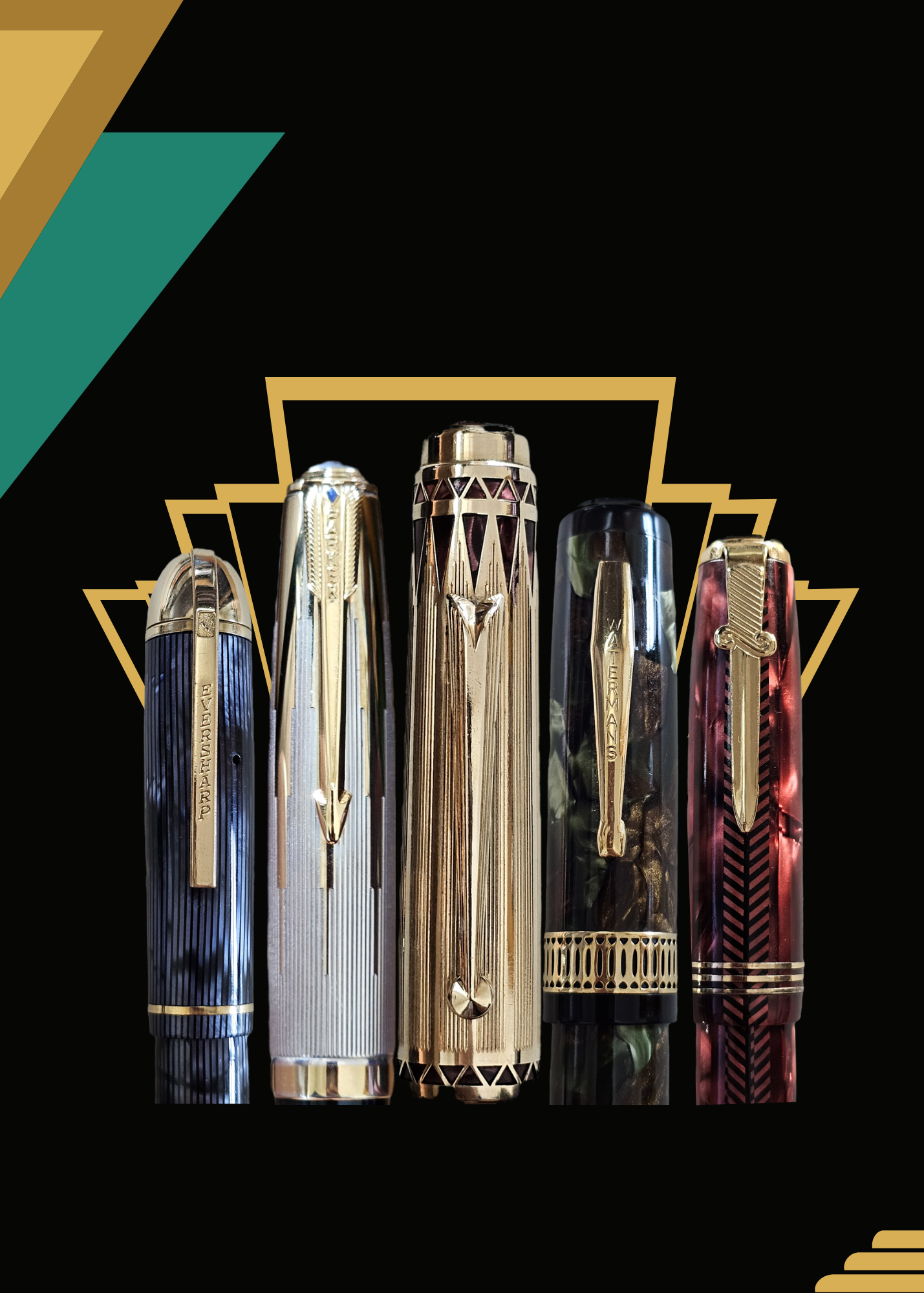
This year’s MPS will not only bring sellers of pens and assorted writing paraphernalia, but also feature workshops and panel discussions on topics ranging from nature journaling and nib care to Art Nouveau and Deco pens (and, most intriguingly, “Your Pen and Your Brain: A Love Story,” to be conducted by Gang Badoy Capati). A group of advanced collectors will discuss the finer points of pen connoisseurship (including that point when pens stop just being writing instruments but become jewelry or even art). 

I’ll be on the Art Nouveau and Deco panel, but this time, instead of discussing pens (which others will do this time, all of them experts at particular models and periods), I’ll talk about the peripherals and accessories of the writing trade—the desk pen sets, inkwells, and ink blotters of the kind you would have seen in a typical office desk of the 1930s. 

As with past Manila Pen Shows, nibmeisters or professional pen repairmen will be around to fix that Montblanc nib you dropped on the kitchen floor or your Lolo’s gunked-up Sheaffer that’s been lying in a drawer since he died. One thing most people don’t realize is that most pens, no matter how old, can be fixed (I myself routinely revive 100-year-old Parker Duofolds among other vintage pens in my workshop—you’ll need some special skills and parts, but it’s not rocket science).

You don’t have to be an FPN-P member or even a current fountain pen user to come and enjoy the show. Indulge your curiosity and feel free to see, touch, and test the pens on display (with the exhibitor’s permission, of course, as some pens may require very careful handling). Most sellers will take credit cards or online payment. There will be a modest charge for entry and for the presentations, but all funds raised will be donated after expenses to the Save the Children Philippines, FPN-P’s sponsored charity for the past MPSes. You can find more details about the show at https://manilapenshow.helixpay.ph.
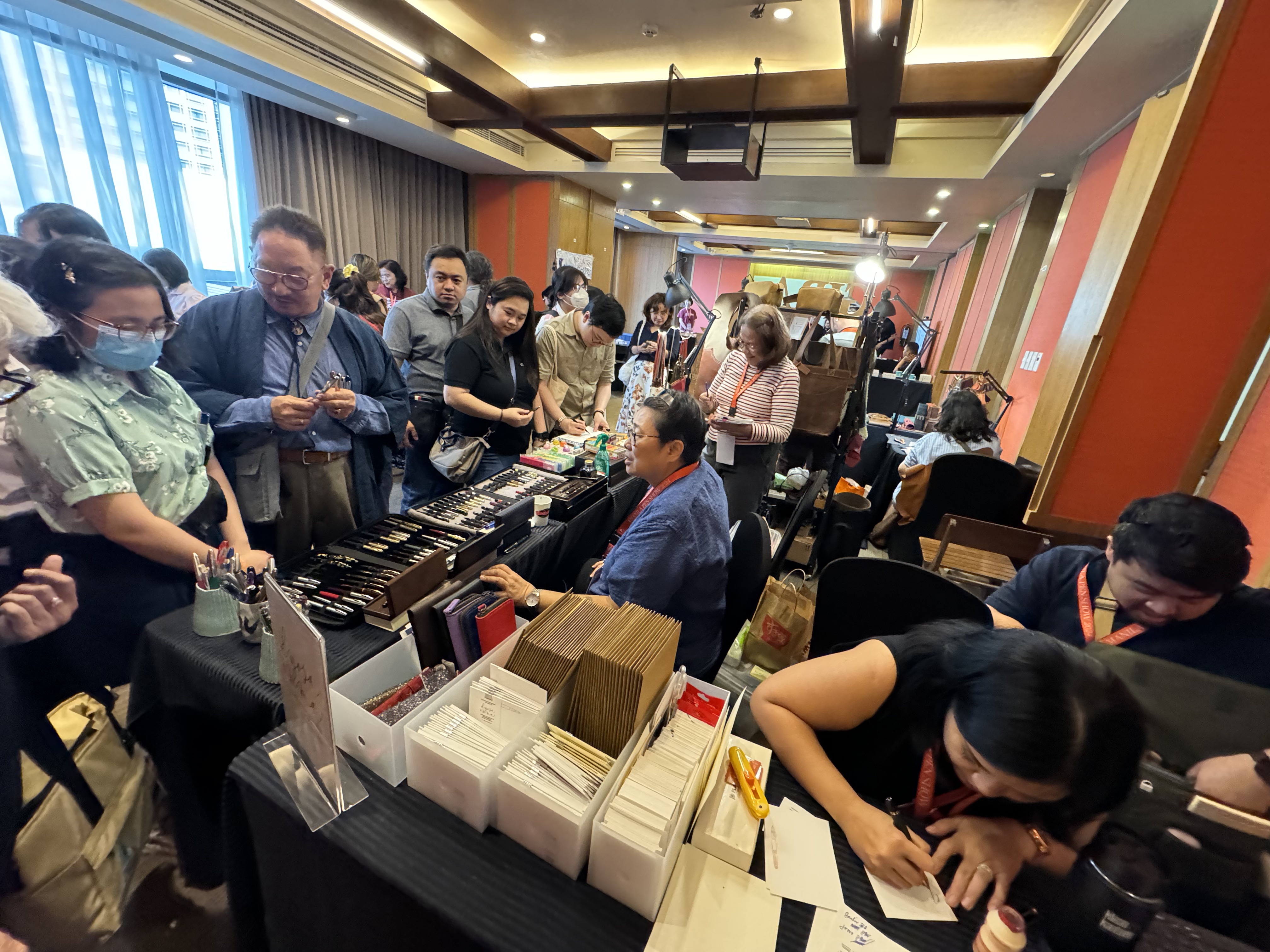
(Image thanks to Raph Camposagrado)
Penman No. 449: Sharing the Joy of Pens

Penman for April 2, 2023

With the successful holding of the 2023 Manila Pen Show last March 18 and 19 at the Holiday Inn Makati, the Philippines firmly established itself as Southeast Asia’s Pen Central—the largest and liveliest marketplace of items and ideas related to one of the world’s fastest-growing hobbies: collecting fountain pens and other writing peripherals (inks, papers, and cases). 

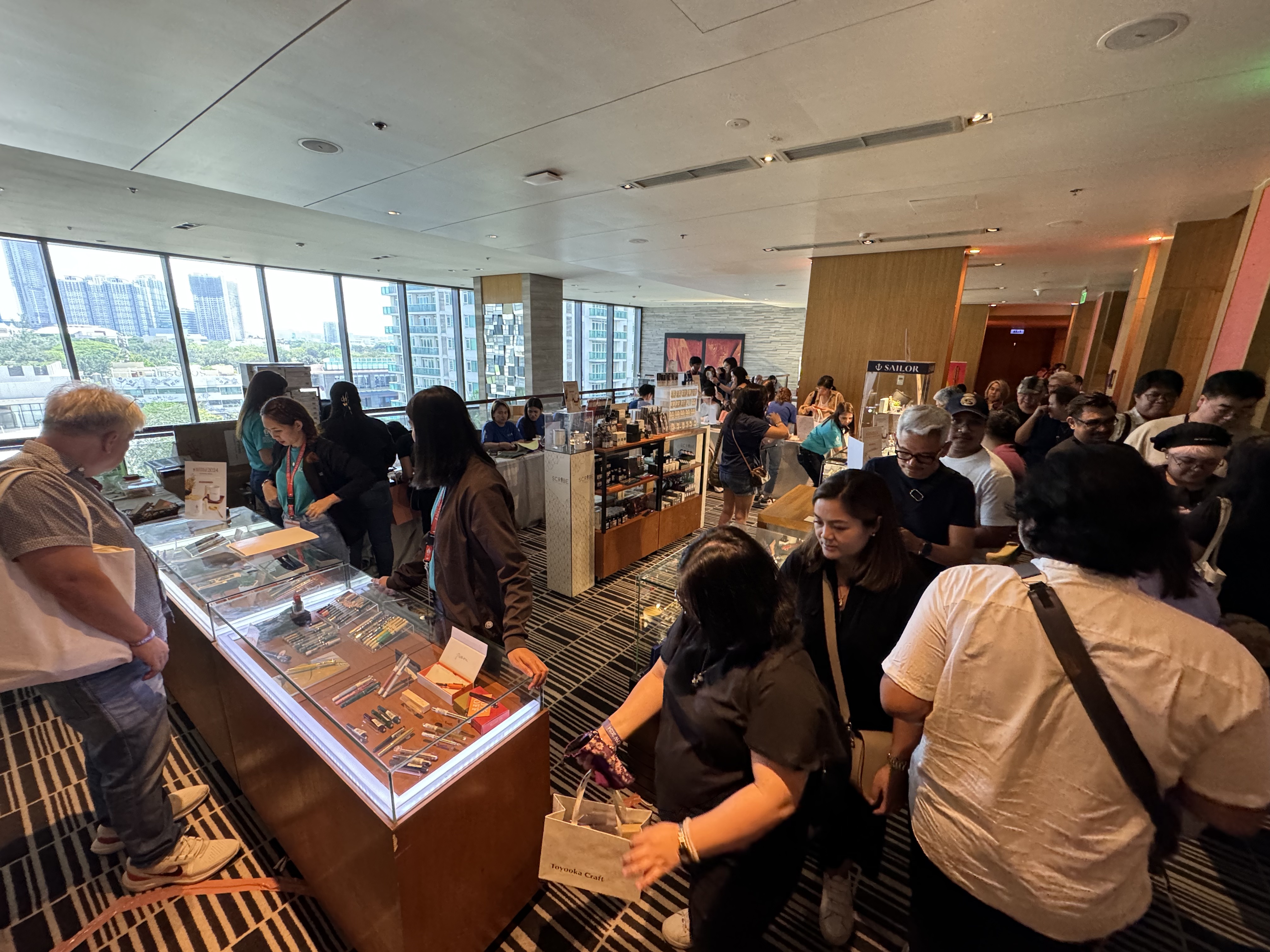
The last MPS in 2019, just before the pandemic, had brought in 700 visitors. This year, that number was eclipsed on just the first day, and by closing time Sunday, over 2,000 pen lovers—from hardcore and advanced collectors picking up $2,000 Nakayas to eager newbies thrilled to get sub-P200 Wing Sungs—had showed up. The turnout wasn’t totally surprising, considering that Fountain Pen Network-Philippines (FPN-P), the pen show hosts and organizers, now counts more than 12,000 members on its Facebook page.

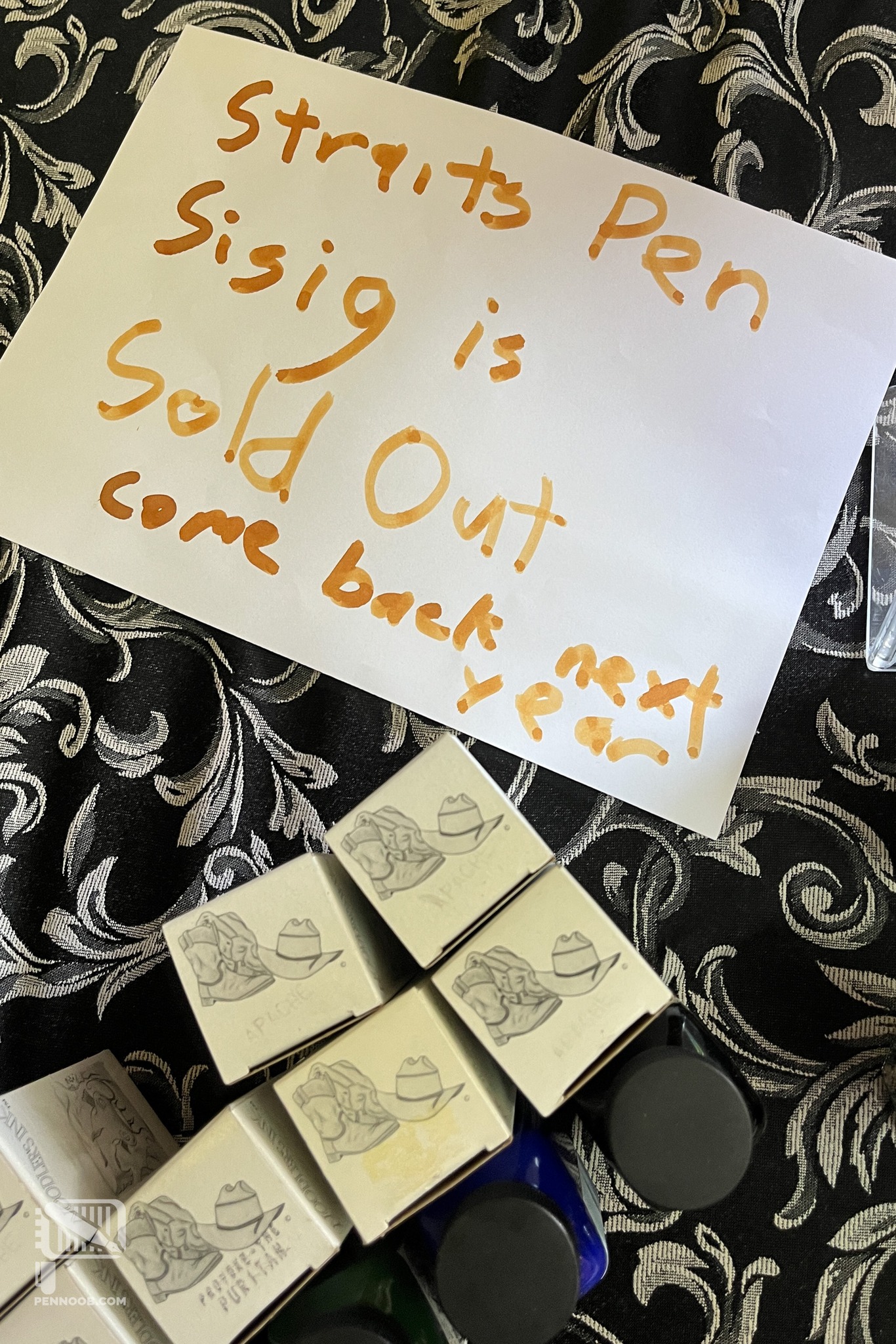
Aside from the country’s leading purveyors of writing paraphernalia—familiar names such as Scribe, Everything Calligraphy, Pengrafik, Stationer Extraordinaire, Leather Library, Leather Luxe, Shibui, Gav N Sav, JumpBid, and Kasama—foreign sellers from Singapore, Malaysia, and Japan such as Aesthetic Bay, Pen Gallery, Straits Pens, Musubi, and Toyooka Craft flew in just for the show. Nearly all the sellers reported robust sales at all price points.

As a longtime pen collector and co-founder of FPN-P, I’m proud of how the hobby has taken off in this country over the past decade, and also frankly amazed by how different our demographics are from the rest of the world. Fountain pen collecting, especially in the West, has long been the domain of predominantly old white men, inclined like I am toward vintage pens and high-end, limited-edition modern pens. 

FPN-P’s profile is distinctly different: mostly young professionals between 20 and 40, with far more women than men, happy to purchase the entire color range of inexpensive Chinese-made Jinhao 82s (and inks to match) but just as savvy about the latest Montblanc release, keen on using and enjoying their pens rather than keeping them in boxes. As the MPS attendance showed, ours is an exuberant, generous, and democratic community, with little sense of entitlement or competition, dedicated to sharing the joy of pens, of expressing your individuality and artistry with the ink on your nib, of doing something personal and authentic in this age of artificial intelligence.

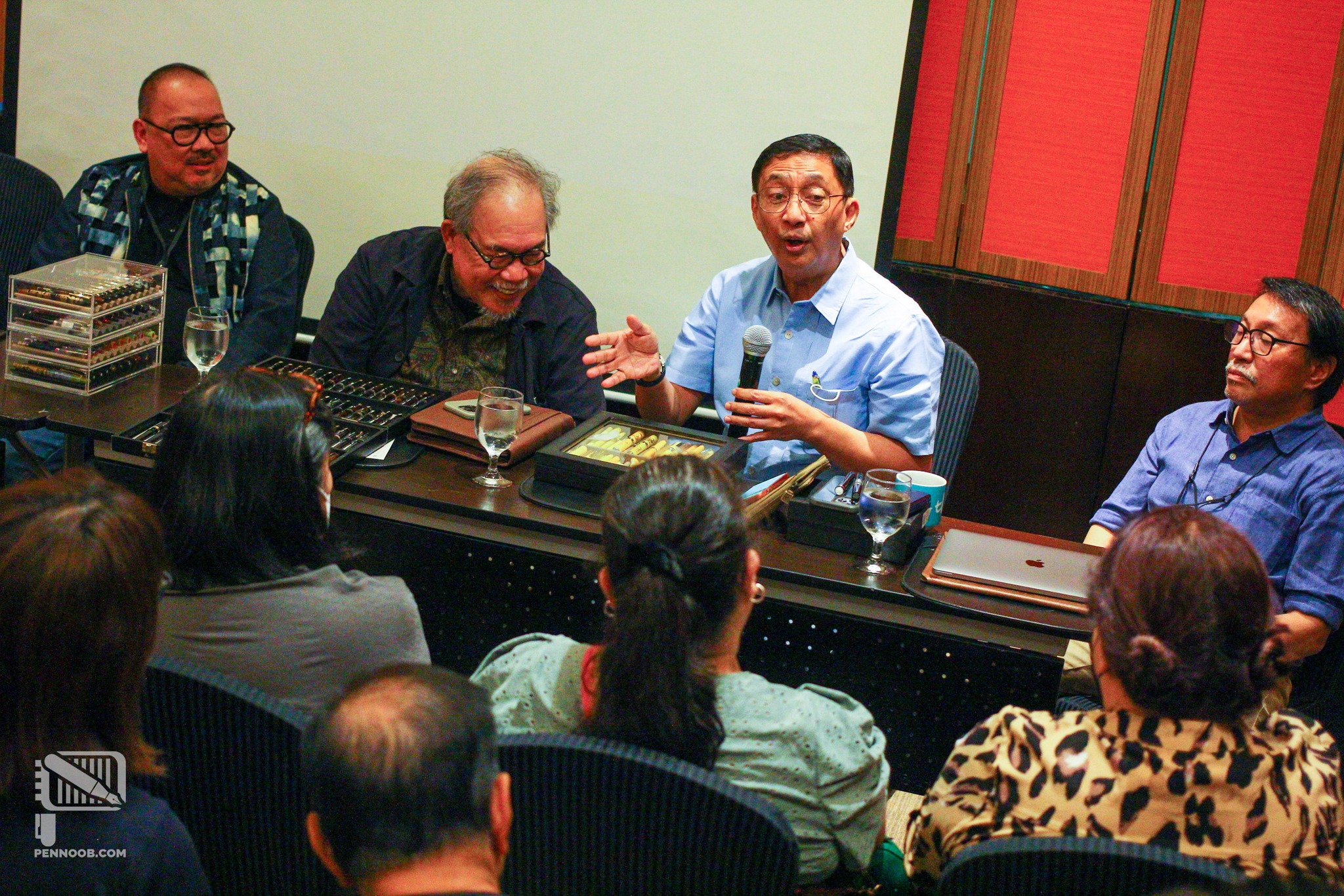
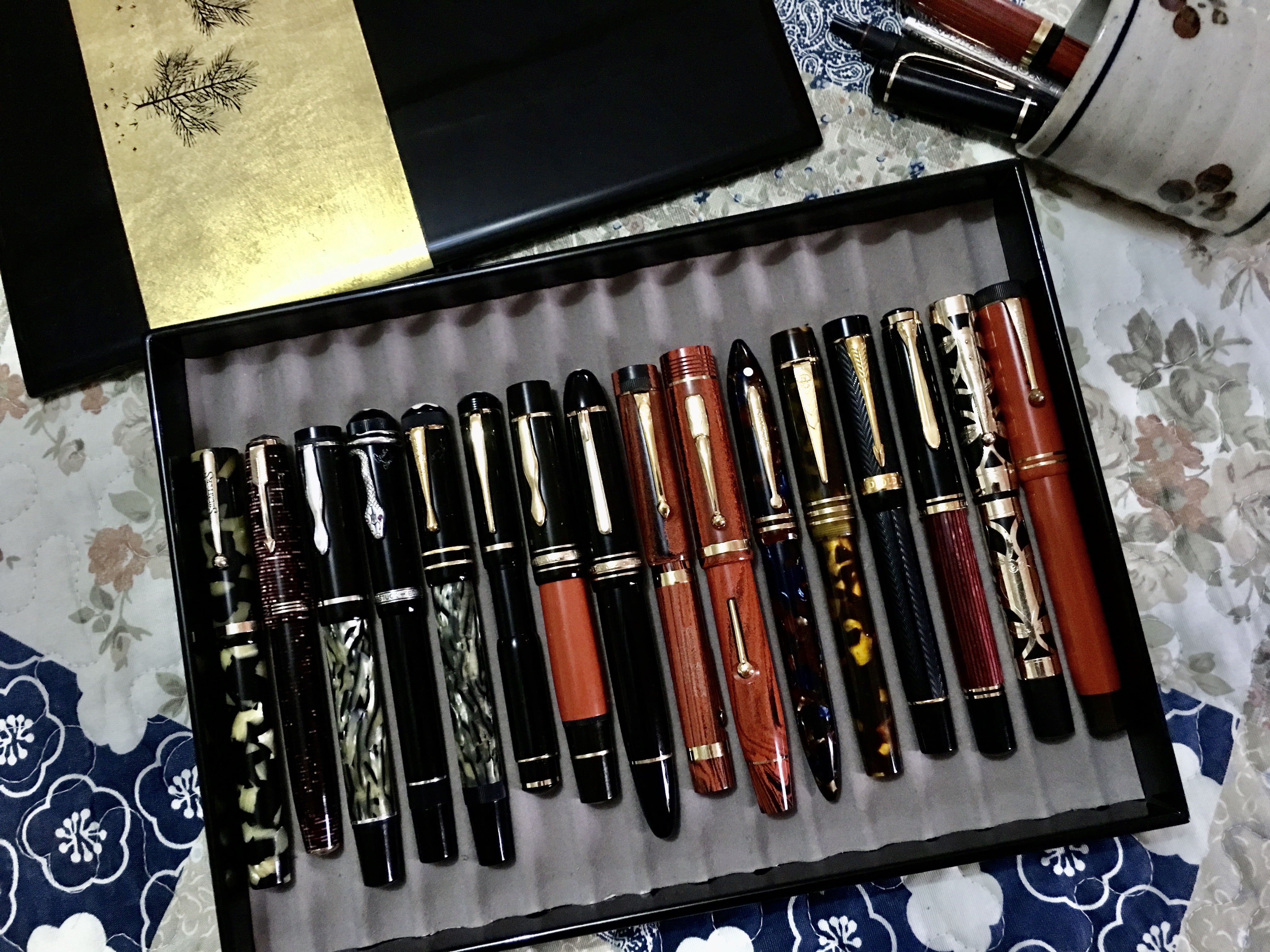
A highlight of MPS 2023 was a panel discussion devoted to the topic of “Curating a Fountain Pen Collection,” and I was privileged to share the table with fellow collectors Reggie Reginaldo, Amanda Gorospe, Jun Castro, Ronnie Geron, and Raffy Aquino. Each of us said a few words about how and why we put our collections together, given that each of us had a different focus: inexpensive pens, high-end pens, vintage pens, yellow pens, and so on.

Before talking about my passion for vintage pens (i.e., pens at least 50 years old, in many cases a hundred years old), I tried to explain what “curation” was all about. Here’s part of what I said:

Every collection begins as most love affairs do—with fleeting glimpses of the loved one, then seemingly chance encounters, then long chats over coffee before the steep and blissful freefall into a dizzying madness. 

For a moment, happiness and contentment reign. And then sadly follow the inevitable regrets, the disaffections, the “It’s not you, it’s me’s,” the parting with the old object of desire and its replacement by a new flame.

Today we’ll try to introduce some sense into this seeming cycle of bliss and despair. Curation means bringing some method into the madness, finding the inner logic that threads many disparate elements together.

The word “curation” is rooted in the Latin curare, “to take care of,” or to treat an illness, and here clearly the illness is in the collector, whom curation treats by providing guideposts to follow and guardrails against excess.

There are several kinds of collectors:

  1. Those who want anything and everything, although they might be more properly called accumulators (this describes 90 percent of us at the beginning);
  2. Those who want everything of a kind (this applies to my fetish for Parker Vacumatics);
  3. Those who want the best or the most impressive of everything (this implies having the budget to go with your taste);
  4. Those who want some very specific things, for personal or even idiosyncratic reasons; and
  5. Those who get only what they need or can afford—perhaps the rarest of all collectors, the practical and disciplined kind.

Vintage collecting relies heavily on connoisseurship—on knowing the field and knowing what to look for. Surprisingly, it often involves less money than buying new pens. Of course there’s a cost to factor in for restoration and repairs, but even so few vintage pens reach the stratosphere of the thousands of dollars you would pay for a shiny new Montblanc.

You can collect based on brand, material, filling system, size, and of course price. For vintage you can add age and scarcity. Good working or repairable condition is presumed, although vintage collectors should always be on the lookout for cheap parts pens. 

Every quest for collectibles also involves what we might call “unicorns”—ultra-rare or one-of-a-kind pieces that exhibit some distinguishing hallmark of quality or technical innovation. These could be prototypes, custom jobs, or things in almost mint condition despite their age.

It also helps to know what you don’t like, or no longer like. For example, I generally don’t go for small and light pens, nor for blingy or too colorful pens. My pens are “lolo” pens—staid, conservative, almost severe, corny to most young collectors today.

Culling or cutting down is a good exercise, financially and mentally. I built up my collection over the years by selling five good pens to get one better pen. I have also sold very good pens that I once lusted after, but no longer spoke to me.

Curation, ultimately, is about knowing yourself. At a certain point in your collecting life, you have to take stock of your collection and ask yourself, “What do these objects say about me?” Is this the self-image I want to project, the one I’m happiest with? 

My answer to my own question is, I’m an old guy who likes old things, because they offer physical proof of life after death. We die, but our words—and the wording—go on. A vintage pen is an old guy lucky enough to find a new home. I’m happy to give him a shower and a warm bed, and all the ink he wants to drink.