
Qwertyman for Monday, December 4, 2023

THE SUDDEN collapse of Loyola Plans—yet to be explained to longtime customers like me—reminded me of the fragility of our expectations. Like probably hundreds of thousands of other pre-need plan holders, I was just going about my daily business, secure in the thought that whatever happened, I could look forward (well, not exactly, but…) to a coffin, an air-conditioned room full of flowers, and a patch of grass or a marble urn at the end of the road.
That road apparently ended sooner for Loyola than for me and my wife, and we are now in the odd situation of having outlived our funeral plans and the company that was supposed to fulfill them. I understand that Loyola sold educational plans as well, which in a way is even sorrier for the supposed beneficiaries, whose lives are just beginning as opposed to ours.
We bought those plans more than 30 years ago, when we were in the middle of our lives and careers and just beginning to think of a far future, of the sunset over the horizon and such other clichés meant to assure us that life follows a predictable if not comfortable trajectory. Beng and I were both student activists who, much to our surprise, had survived the First Quarter Storm and martial law, when our friends and comrades were being murdered right and left. We got married and became parents in the middle of all that, and became tentatively hopeful that we would live a little if not much longer.
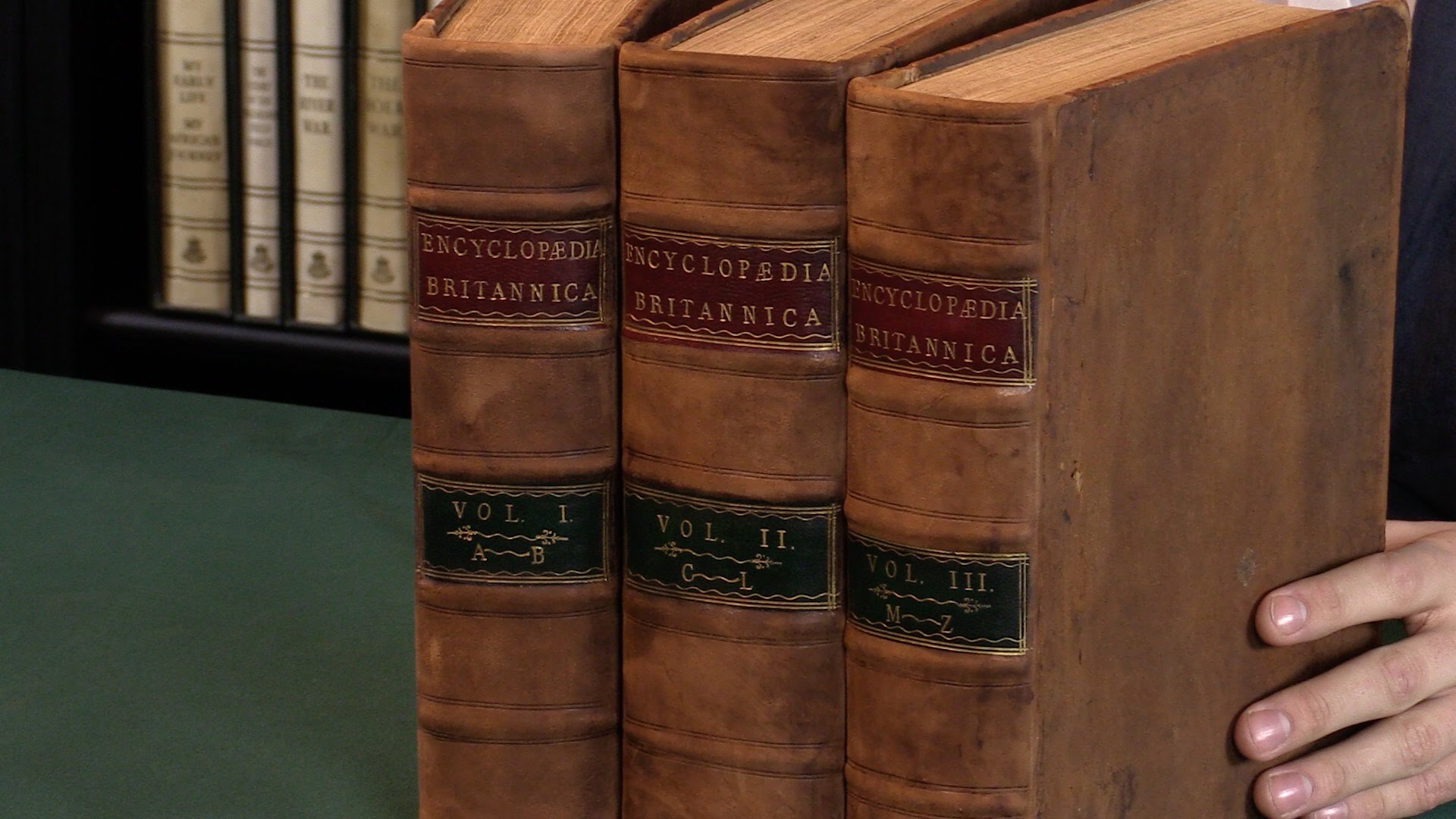
In true middle-class fashion, we paid for that future on the installment plan. We bought a subdivision house and lot in the boonies of San Mateo on installment, faithfully amortized for P784.54 a month over fifteen years (you don’t forget a figure like that when you write a check that often). We bought a used Volkswagen Beetle on installment, spread out over 36 months. We bought a set of the Encyclopedia Britannica—the crowning glory of the middle-class library—on installment. We budgeted by the month, our wages largely committed to patient creditors whom I imagined sitting at their desks slitting hundreds of envelopes stuffed with checks and cash (back then, we still trusted the postal system enough to actually send money in the mail).
Come to think of it, our parents also lived from month to month. Their big thing was appliances—TVs and refrigerators, especially—that they checked out on the display floor, ooh’ed and aah’ed over, and then deposited a down payment for, withdrawn from the bank that afternoon with a sigh at once hopeful and despondent. These appliances became virtual members of the family, occupying positions of prominence in our living rooms and kitchens—until, sometimes and shockingly, they were carted away by strangers to Mama’s tears and Papa’s embarrassed silence. We younger ones learned that installment plans bore obligations that also carried emotional costs.
A little Googling tells us that installment buying has been around since at least 1807, when a New York furniture store offered the option. In 1850, Singer began selling its sewing machines on installment. The practice took off in the 1920s, and became even more hugely popular in the 1950s with the growing use of credit cards.
At least, those kinds of plans began with you getting some product up front. Until the repo man knocked on your door or until the blacks of your eyes turned white from viewing, you used and enjoyed your 14” TV. That’s not the case with educational and funeral plans, which are a kind of a safe bet that tomorrow’s prices will be higher than today’s, so you might as well buy now what you’ll pay for tomorrow anyway. At the end of your long period of indenture, you even get a document in fancy script—like we did—as final proof of your faithfulness and as a guarantee, graven in legal stone, that you will get what you paid for.
Except that now, that’s not going to happen. As the thousands of Filipinos who bought into the College Assurance Plan (CAP) two decades ago discovered, sometimes the bottom falls through the piggybank, and suddenly your dreams go “Poof!” (The CAP case, I’m told, is a complicated one, compounded by the unexpected rise in tuition fees and a new government requirement to produce billions of pesos up front. Last year, after an 18-year battle through the system, a Supreme Court ruling finally allowed for CAP’s rehabilitation, theoretically enabling the payment of 50 centavos for every peso owed a plan holder.)
Not being an avid follower of the business news, I heard about Loyola’s troubles only after their liquidation and the procedure for claims (until April 18, 2024, for the equally ignorant) were announced. As these claims processes go, we could be strumming lyres in heaven (or dodging forks elsewhere) before we see the color of money—and even so, if they just give us back what we paid in, instead of the now-expensive service we paid for, then it’ll be laughably (make that cryingly) small.
My 95-year-old mother’s response probably said it for most plan holders her age: “I can’t die now.” No, you can’t, Nanay, and not just because we need to find you—and us—a new plan, which hopefully will be worth more than the paper it’s printed on.


 Pinoy Penman 3.0