
Qwertyman for Monday, August 4, 2025
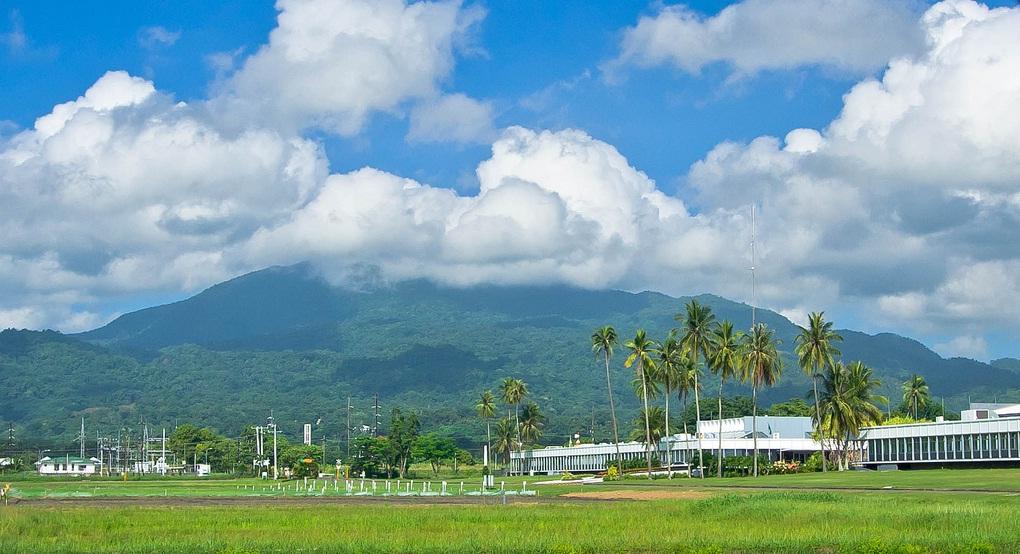
SINCE ITS establishment in 1960 by an agreement between the Ford and Rockefeller Foundations and the Philippine government, the International Rice Research Institute (IRRI) has been known around the world as a leader in agricultural research and a provider of much-needed and applicable solutions to global hunger. With so many people and economies dependent on rice, IRRI’s outputs—especially the famous “IR8” and similar high-yielding varieties—were hailed as gamechangers for billions, reportedly staving off famine in India in the 1960s and spurring “green revolutions” around Asia. The first President Marcos was a staunch supporter of IRRI, folding its “miracle rice” into his Masagana 99 program, which temporarily achieved self-sufficiency in rice but ultimately failed from bad credit and also proved environmentally destructive.
Headquartered in Laguna on the campus of the University of the Philippines Los Baños (UPLB), IRRI and its achievements became a source of pride for the Philippines, which not only hosted the institute but provided much of its manpower—the scientists in its labs and the farmers tilling its experimental plots, among other staff workers. (That sentiment, it should be noted, isn’t universally shared. A coalition of NGOs and individuals called MASIPAG, opposed to the kind of genetic engineering that IRRI and even UPLB does, sees IRRI as “a research arm of big agrochemical corporations in turning the food and environmental crisis into their businesses.”)
While that’s being debated, another issue has come up between IRRI and UP over the land that IRRI has been using, at the nominal rate of P1 a year for the past 65 years. IRRI’s lease on that land, totaling almost 280 hectares, expired last June 30. UP needs and wants some of that land back for its own use, especially with UPLB’s ambitious plans for the establishment of an Agro-Industrial and Information Technology Park in the area.
UP contends that IRRI has actually been using just around half of that property, so it would be good to put those idle hectares to more productive use, following UPLB’s comprehensive land use plan calling for more buildings for administration and research, housing, support services, engineering, and social sciences. It’s not simply getting land from IRRI (land that, let’s be clear, is really UP’s); according to UP’s Vice President for Legal Affairs Rey Acosta, in exchange for the land UPLB needs for its expansion, the UP System is offering IRRI new land to lease across its various campuses in Mindanao, Iloilo, Leyte, Cebu, Baguio, as well as its land grants in Quezon and Laguna, for both rice and non-rice crop research.
The land exchange was part of a new agreement that UP had proposed to IRRI to replace the expired lease. UP also wanted IRRI to pay more realistic rates for the land it was using. One key factor to consider was that since 1972, IRRI had fallen under the ambit of CGIAR (formerly the Consultative Group for International Agricultural Research), a global research network. CGIAR is apparently funded by contributions from many international agencies and countries including the Philippines, but exactly how it funds IRRI or what its legal status is in the Philippines is unclear to me.
Under the IRRI charter, the Philippine Secretary of Agriculture and the UP President sit on its board of trustees as ex officio members, but the rest, including the Director General, are international experts nominated either by CGIAR or the outgoing board. It would have been at a board meeting that UP President Angelo Jimenez first brought up UP’s proposals over a year ago in anticipation of the end of IRRI’s lease—which, at the bottom line, UP is under no obligation to renew. Last June, IRRI submitted a counter-proposal ceding much less land than UPLB needed, asking for a much longer lease extension period (25 instead of 10) for much less money than UP deemed fair.
Negotiating in good faith, UP agreed to concessions such as giving IRRI almost 200 hectares for its use, and the possibility of a 25-year lease, subject to periodic reviews, if certain conditions were met. But instead of dealing with UP in the same spirit, IRRI went to court for a TRO, represented by one of the Philippines’ most influential (and must I add expensive) law firms.
There are quarters in the Philippine academic and scientific community that will be happy to see IRRI go—MASIPAG might stand on the far extreme, but even more moderate voices have noted that much of the research that IRRI was known for can now be undertaken by the Philippine Rice Research Institute or PhilRice. Even so, UP’s leadership maintains that it continues to value its historic partnership with IRRI—based on a more balanced and lawful relationship. “We don’t want IRRI to leave,” said President Jimenez. “We would be happy for IRRI to stay but under fair and reasonable terms.”
For the sake of not just the Philippines’ but the region’s and indeed the world’s food security, we should hope that this disagreement over how to best use that land in Los Baños doesn’t end up in a messy court case involving money, influence, and public relations. IRRI enjoys a generally positive reputation that, rightly or wrongly, most Filipinos still believe in. After 65 years, it’s time to renegotiate an agreement that will more directly and clearly benefit Philippine agriculture and education through its national university, ensure environmentally safe research, remunerate us fairly, and make IRRI the good global citizen an institution of its stature and intentions needs to be.
 Pinoy Penman 3.0