Qwertyman No. 178: A Christmas Scam Story

Qwertyman for Monday, December 29, 2025
Screenshot

ONE OF the great regrets of my college life was that, for some reason or other, I never got to take a formal course in Philosophy, which might have helped me make sense of the moral sordidness permeating our lives today. Like many of you I’ve been particularly captivated by the question of why a presumably all-good and just God would allow so much evil in a divinely created world, and let good people go bad, from petty thievery to massive corruption in the flood-control billions.

I’ll get back to the billions later (I think you know where this is headed), but let me start with me getting scammed, albeit small-scale, on Christmas Eve.

It started with an ad on Facebook Marketplace, where I spend more time than I probably should in search of old pens, books, and the kind of odds and ends that bring joy to old men trying to buy their childhoods back. The item I saw was none of the above, but rather a decent-looking pair of second-hand jeans that I thought would fit me. 

(Yes, because I’m larger than most Filipino males, and because threads today cost a fortune in the shops, almost all my clothes come used from the ukay-ukay, eBay, and FB. I’m a great believer in recycling—my mom used to dress us in B-Meg feedbag cotton, if you remember that—and at my age I have no qualms about wearing some dead man’s shirt, after a good wash.) 

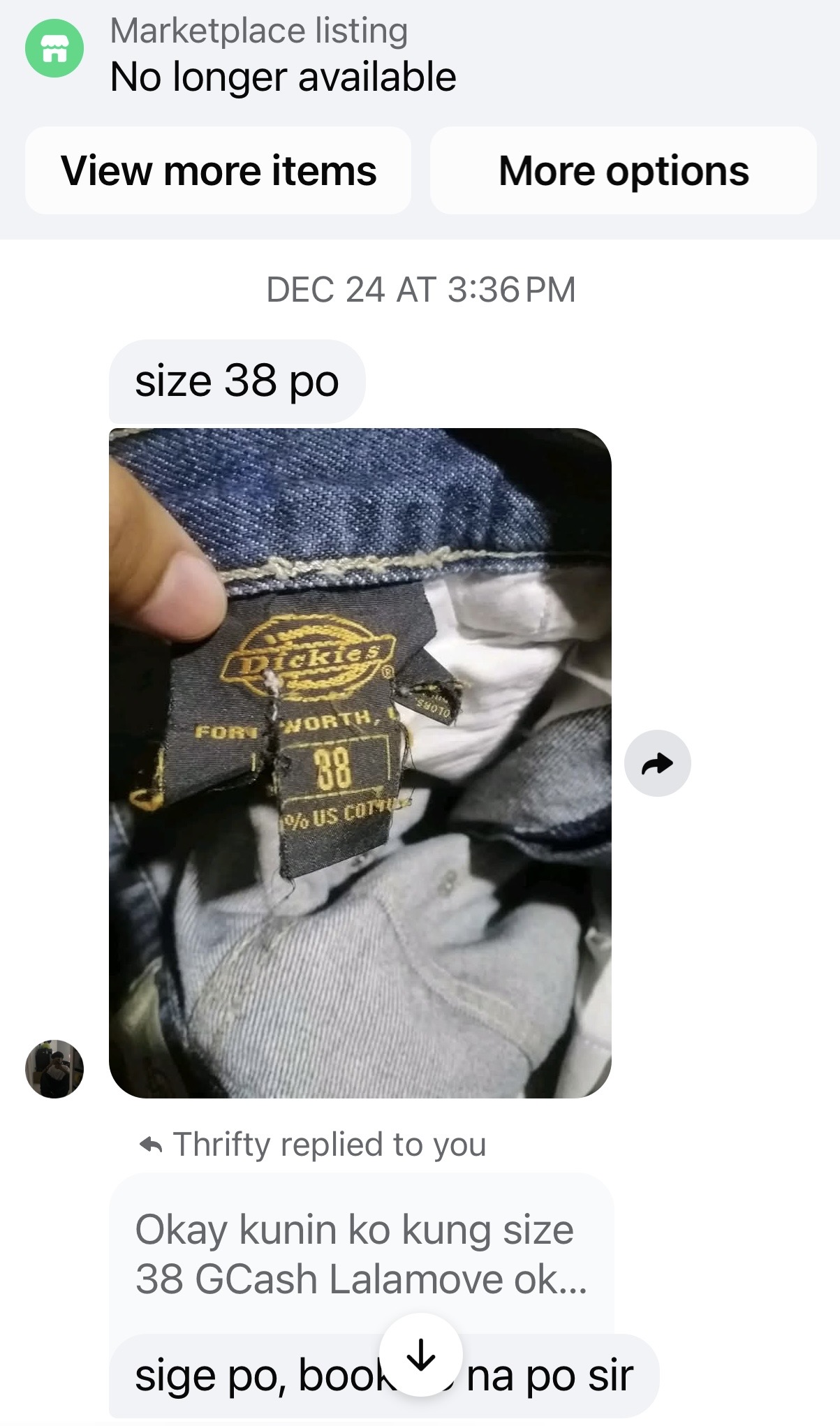
So I messaged the seller, whom we’ll call Mr. T, confirming the price in the mid-hundreds and more importantly the waist size. He promptly replied with a picture of the size tag, which delighted me, and he asked for and got my shipping details, offering to do the booking himself and send me the Lalamove cost, to my great relief.  About fifteen minutes later he said he was having problems finding a rider—entirely plausible, since it was probably the busiest shipping day of the year—and so I offered to add a tip, which he offered to split with me. How nice. 

Mr. T got a rider, I got the total price, and paid him without second thought. He sent me a picture of a rider bearing packages, one of which would have been my jeans, and I waited. I normally ask for the tracking, but this was pretty close and the amount was small so I didn’t bother, and besides Mr. T. very helpfully sent me updates (“He’s just five minutes away”) and even sent me a number to call. Fifteen minutes later, figuring the rider had lost his way, I called the number, and got an “out of reach” message. Holiday congestion, I figured. Thirty minutes, I called again; same reply. I messaged Mr. T on FB; messaged bounced, “Couldn’t send.” Our lively, Christmas-y conversation was over. I’d been scammed.

That wasn’t the first time it had happened to me, online or in real life. I’m no dupe, and know my way around the digital darkness, often warning friends myself about phishing scams and hoaxes, but the problem is, I’m a gambler at heart, and when it comes to small amounts, small bets, I gamble quite freely on the goodness of human nature, even in the knowledge that, at some point, I’m bound to lose. (To be fair, 95% of my online transactions have been problem-free and even profitable, so no, I’m not going back to writing checks and visiting bank tellers like some of my Boomer friends have.) 

Of course, from the scammer’s point of view, those hundreds that trickle in from suckers like me soon turn into streams of thousands. And someone like me, familiar with loss, might afford to shrug it off, but there are kids out there who would be devastated if their P500 toy never came.

What fascinates me here is the tender, loving care with which Mr. T executed his plan, and kept me hoping until the very end. He could’ve shut me off the second he got his money, but no; he kept me hanging on, then dropped me at the very last minute. I can imagine him doing this with practiced efficiency, and I suspect not a little pleasure at being proven right about the gullibility of people. 

Now the fictionist in me imagines that Mr. T wasn’t born with scamming in mind, and didn’t take Scamming 101 at Evil U. He might have studied Accounting or Pharmacy or even Philosophy, and even gotten good grades, until something clicked in his head one morning to try something different, putting self-love at the fore.

This is where I go back to wishing I’d read more of Immanuel Kant and his idea of the “radical evil” rooted in every individual no matter how good, just waiting to be activated. That resonates with me, because I couldn’t possibly do the fiction I do if I didn’t believe that the germ of evil resides in every good person, and vice versa. (In a sense I have to admire Mr. T for being the better fictionist, having put one over the pro.)

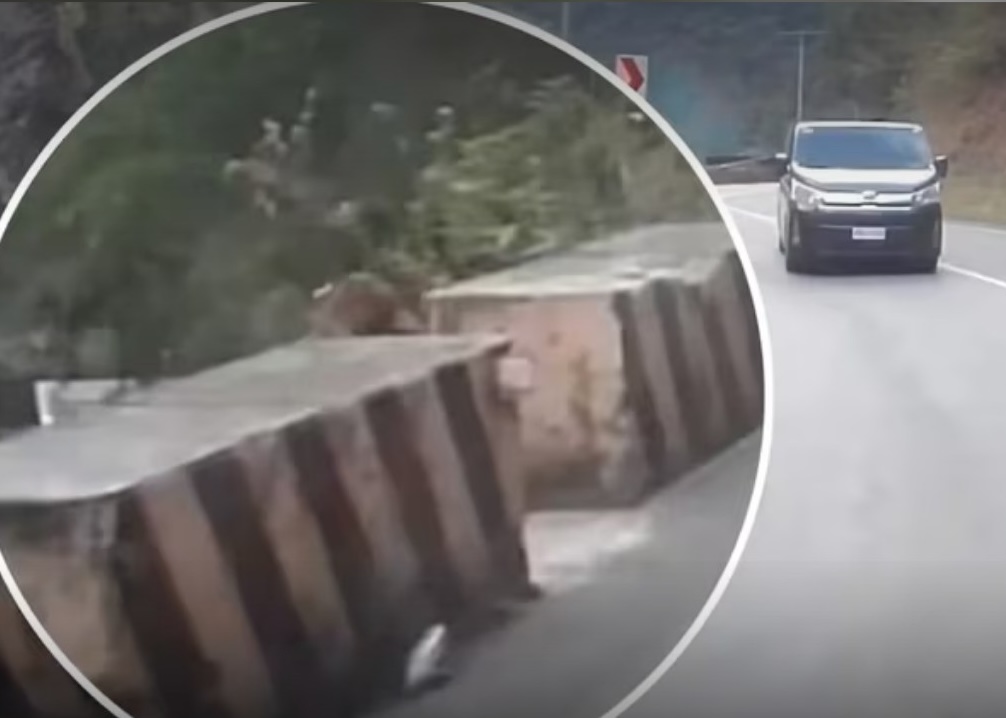
And this brings me in a roundabout way to something I’d been thinking deeply about these past two weeks, as I’m sure many of you have—that image of Cathy Cabral on the lip of that ravine, running her life through her head, mesmerized by the ribbon of light in the stream below. She knew what stood behind and ahead of her; only what lay below was unknowable and perhaps comforting. She was here to confront something greater than her fear of heights.

Never much of a conspiracist, even in my fiction, I have often found that the simplest truths and explanations are also the most difficult to accept. One of them is that there slithers a Mr. T and a Cathy C. in each of us, seeking a way out.
Qwertyman No. 48: Beauty and Horror

Qwertyman for July 3, 2023

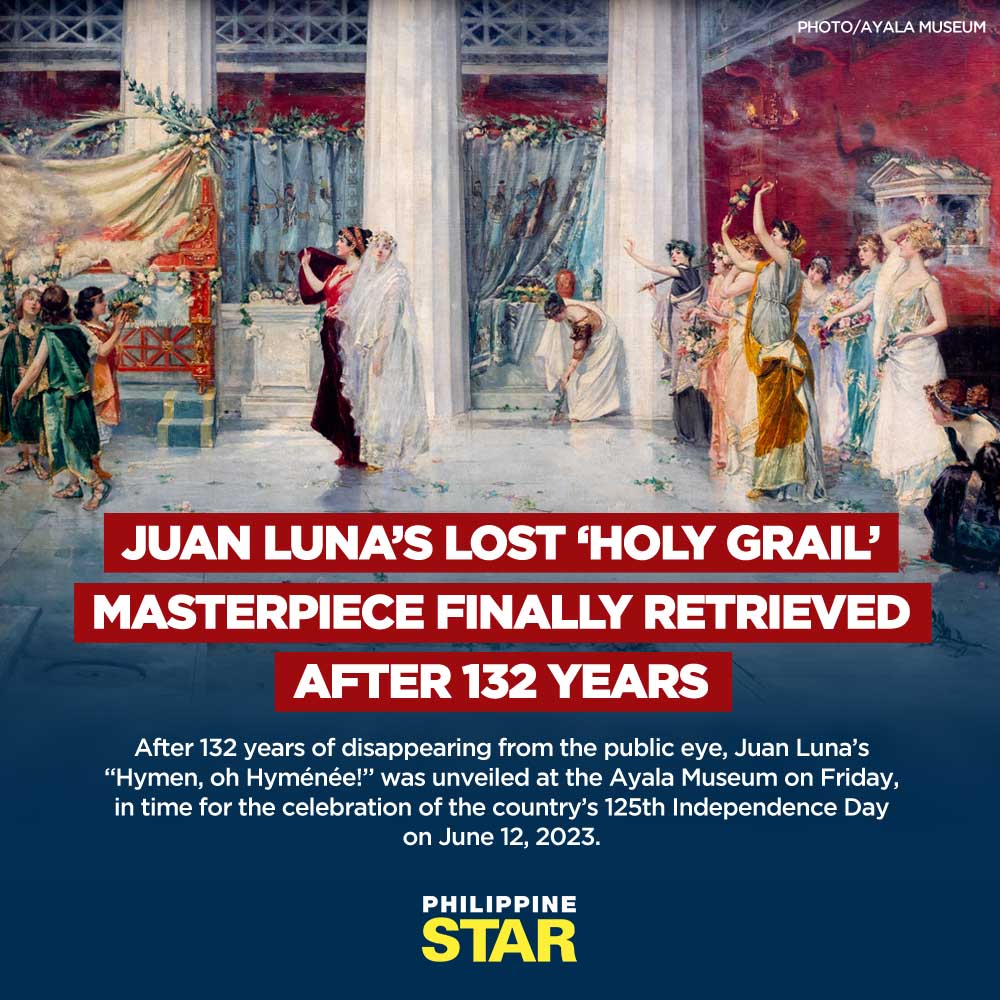
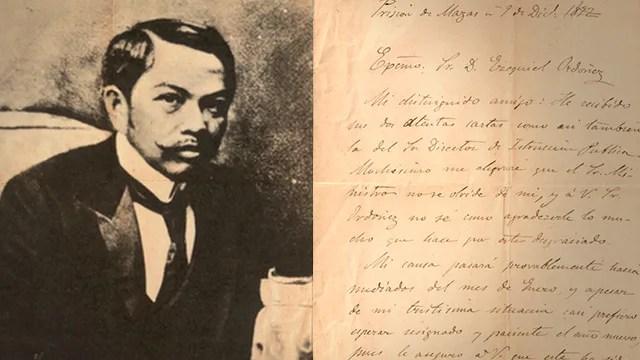
I WAS surprised, a bit amused, but also deeply bothered by the reactions of Filipino netizens to an event that hogged the headlines two weeks ago—the special exhibit of Juan Luna’s painting “Hymen, O Hyménée.” 

The painting, said to have been lost for over 130 years, was put on display in all its solitary glory at the Ayala Museum, evidently a prize catch and worthy of public attention. The attention came—not all of it positive. Quickly a thread developed online scoring the artist, the painting, the museum, and the curious who trooped to Makati to see the painting. Why, posters asked, was praise being heaped on a deranged man who murdered his wife and mother-in-law? Where was our outrage? Speaking of the painting, why, technically it wasn’t even that good. 

They were, of course, all fair points to raise, designed to provoke some serious re-evaluation of why we like the things (and the people) we do. While there was some quibbling about the aesthetic merits and demerits of the painting, most of the negative reaction was clearly aimed at Juan Luna’s homicidal and presumably misogynistic streak. Just to be clear, he did admit to killing the two women (he suspected his wife of having an affair with a Mr. Dussaq), but was later acquitted on grounds that merely prove how partial to men the old judicial system was.

This brings up the inevitable question—not about Luna’s guilt, which seems to have been settled in the court of public opinion, but about that of those professing to admire Luna’s talent as a painter: knowing what we know now about an artist, should his or her work be judged by his or her character? Can or should we put our blinders on when gazing at a painting or reading a book, and savor the work in denial of its creator’s evil history? Should we resist Google, adopt or feign ignorance, and leave moral judgments to others?

I know that some esteemed writers and artists, like the late F. Sionil Jose who preceded me in this space, were severe and unforgiving in their application of a moral frame to creative work. To Manong Frankie, if you supported the Marcos dictatorship and profited from it, your credentials as an artist were forever compromised. Today we would call this “cancel culture,” which has been appropriated by right-wingers to complain about being punished for being, well, right-wingers.

It seems like a logical proposition: if you don’t like someone for good reason, then reject his or her work, which could be tainted by all manner of subliminal malice. You can stand proud in your clarity of mind and emotion, in your spirited defense of the good and just.

But this also raises a very practical problem: entering a museum or a library, how am I to know which artists or authors led upright lives, and which ones flourished in depravity? If I enjoy a work, only to discover later that its creator attempted to rape a teenage girl (as the Nobel prizewinner William Golding did, and even wrote about it privately) or tortured animals and adored Hitler (like Salvador Dali did), am I supposed to regurgitate my admiration and pronounce the work worthless?

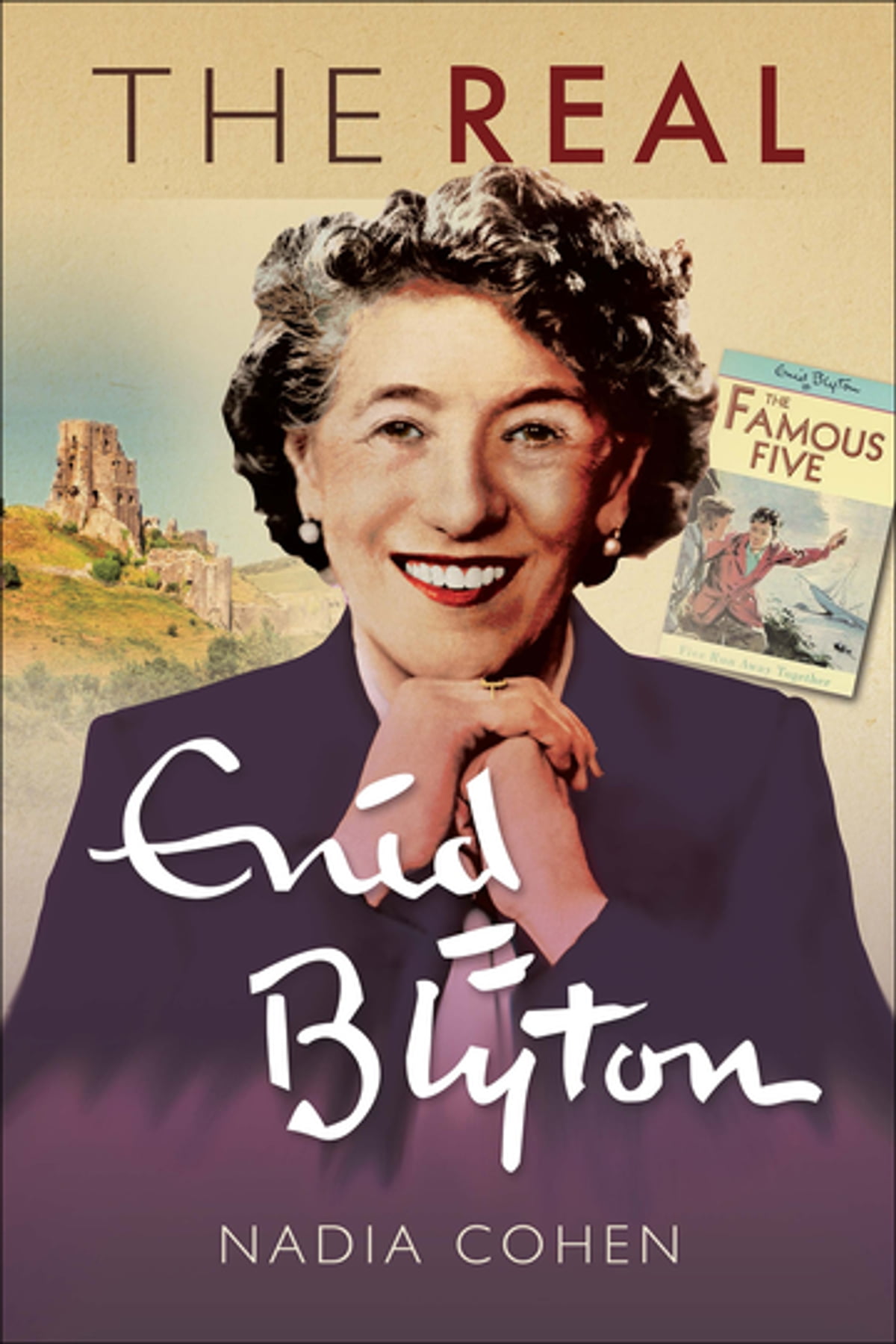
The list of artists and writers who were less than paragons of moral virtue is a long and (dis)honorable one. For this we go to Google, which has been asked the question so often that so-called “listicles” exist of the answers, which inevitably throw up the same names. Paul Gauguin abandoned his family and fled to Tahiti where he took on three child brides, infecting them all with syphilis. TS Eliot and Ezra Pound were Jew haters, as were, for that matter, Richard Wagner, Edgar Degas, and Roald Dahl. Picasso abused his women and drove them mad, calling them “machines for suffering.” Beloved writer of children’s stories Enid Blyton was a terrible mother, neglectful and vindictive, described by her own daughter as “without a trace of maternal instinct.” What am I to tell our daughter Demi, now 49, who grew up on Enid Blyton and who carefully rounded up all her Blyton books and tied them up in a ribbon during her last visit, for passing on to another child?

I recall when, years ago, a renowned actress (whom I need not name, as you can surely guess who she is) was denied the National Artist Award by Malacañang because of her reported use of drugs at some point in her troubled life. (I know, because the Palace official who recommended the disapproval told me the story.) Thankfully this was later rectified.

And as soon as I say that, you can see where I incline in this debate. I hate evil as much as any sane person would, but also recognize and accept that some of that is always latent within me and within others, and that it is my awareness of it—or my guilt when I give in to it—that grounds and deepens my art. I’m not saying evil is a prerequisite for artmaking, as surely saintly folk have produced great art (although I still have to find that listicle); it’s just there, like a shadow in the forest, the Lucifer without which the aura of our angels would dim. 

And what about the deplorable if not detestable excess of it in these aforementioned geniuses? Do we excuse or absolve their failings by accepting their art? I think not. What we are accepting is not their wrongdoing, but rather the fact of how one of art’s and indeed of life’s great mysteries is how often beauty and horror cohabit. Thus we can come to an informed appreciation of a work and its maker, wonder at how so much darkness could produce so much light, and begin to understand our complexity as humans, which artists give form and voice to.

Myself, I like to think of art as a personal act of redemption, or at least of restitution. It will never excuse one’s bad behavior, or repair the damage done. But it will show how capable we are of refined and abstract expression, despite our brutish selves.

The greater problem for me is that, today, we inhabit a moral minefield where art itself has been conscripted to disguise falsehood and deception. Artificial intelligence has neither heart nor conscience, but its manipulators can produce breathtakingly attractive lies. Much more than a long-interred Juan Luna, this worries me.

Hindsight No. 13: The Imperfect Good

Hindsight for Monday, April 11, 2022

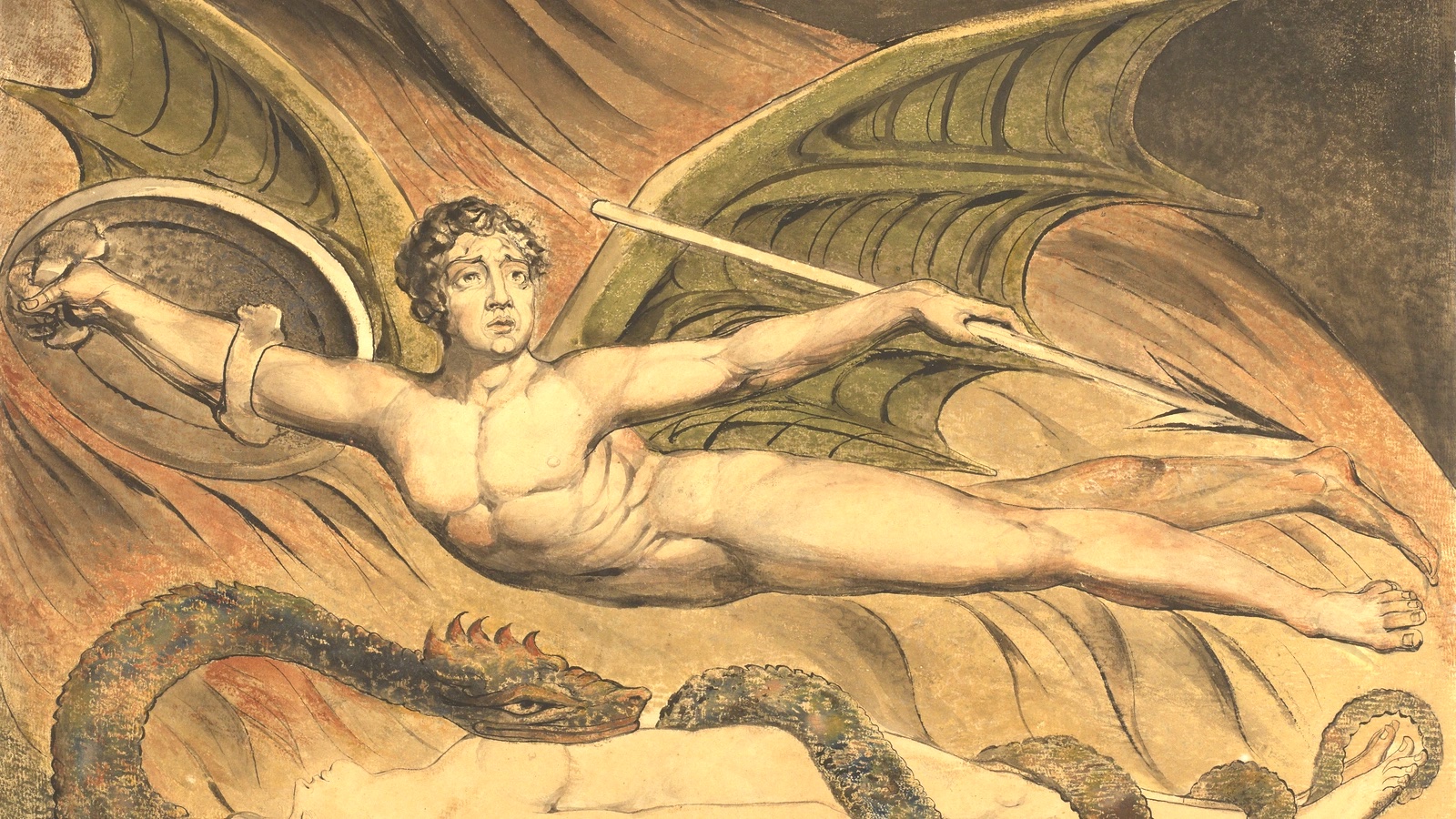
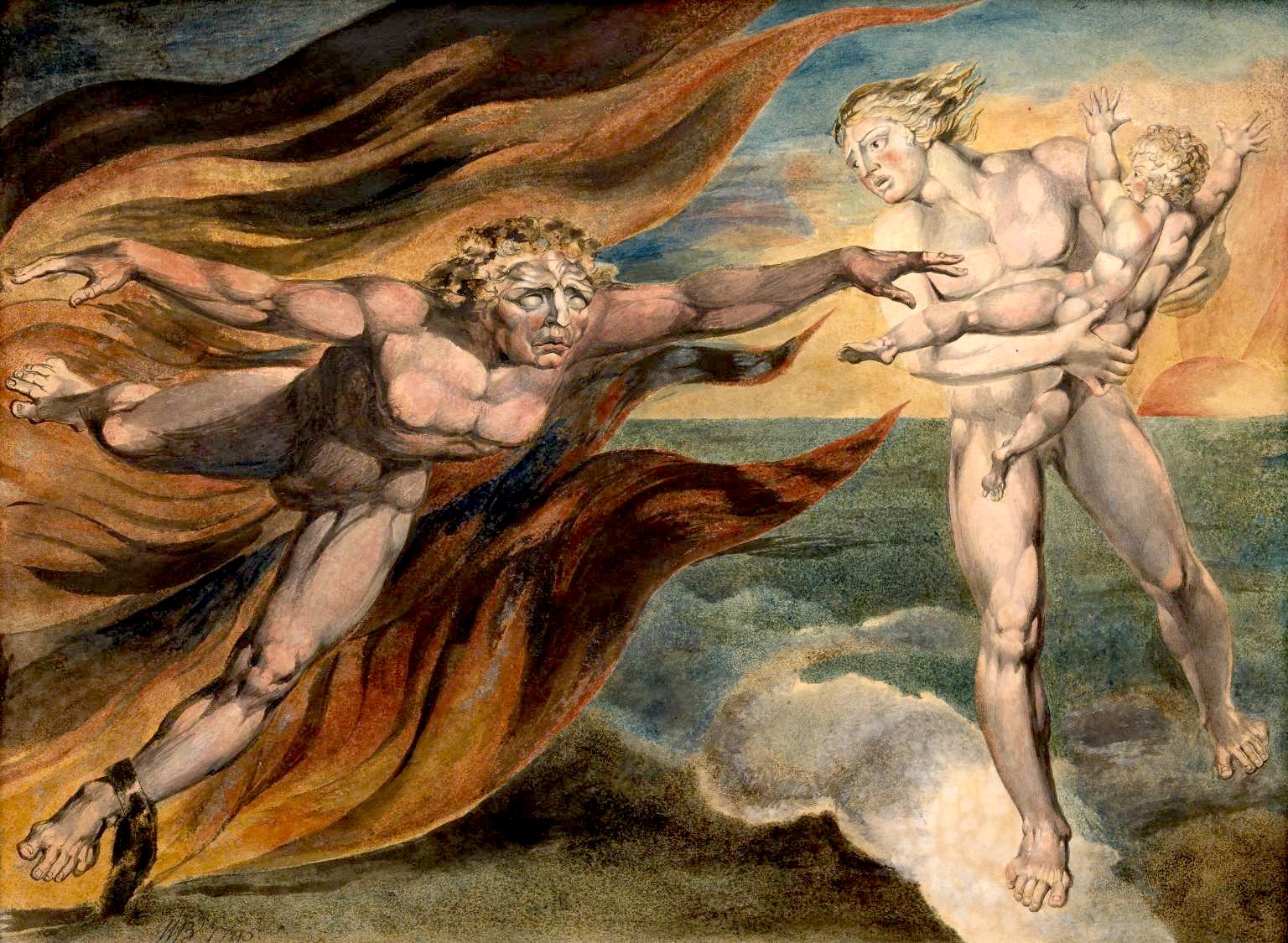
The Good and Evil Angels 1795-?c. 1805 William Blake

I’VE RECENTLY come across a number of posts online by people complaining about the “self-righteousness” of campaigners for a certain candidate to explain why they might, or will, vote for the other guy—yep, the tax evader, debate dodger, academic cipher, political under-performer, and, if the surveys are to be believed, our next President. 

Now, I can understand their irritation. Nobody likes to be told they’re wrong to their faces, or have the truth shoved down their throats. 

I can just hear someone muttering: “How can you be so sure of your manok? Don’t you know she’s an airhead, lost in space, a Bar flunker, an unwitting decoy for the (choose your color—Reds or Yellows)? There may not be much I can say for my bet—and okay, I’ll admit I don’t really know or care what he thinks because he’s not telling—but I prefer him to your insufferable assumption that you and your 137,000 friends are torchbearers for the good, the right, and the just. (And you’re such a hypocrite, because I know what you pay your maids, which isn’t more than what I pay mine, but at least I don’t pretend to be some crusading reformer.) To be honest, it’s you I can’t stand, not since you put on that silly all-pink wardrobe and plastered your gate and walls with pink posters. But guess what—you’ll lose! All the polls say so, and I can’t wait to see you crying your eyes out on May 10.”

Whichever side of the political fence you’re on, I’ll bet my favorite socks (which I haven’t worn for the past two years) that you know someone on the other side who’s thought of or verbalized what I just wrote. The forthcoming election has become a test not just of friendships, but of how far some of us are willing to pretend that all politicians are the same, all opinions are equal and should be equally respected, XXX number of people can’t be wrong, and that whoever wins, democracy will, as well.

This presumes a parity of political, financial, and moral power that just doesn’t exist and probably never did, at least in this country. The playing field is far from even. It’s been horribly distorted by disinformation, vote-buying, intimidation, and who else knows what can happen between now and May 9 (and the days of the vote count, after). The dizzying game of musical chairs that preceded the final submission of candidacies to the Comelec last October (resulting, ridiculously, in the ruling party being frozen out of serious contention for the top two slots) was but a preview of the seeming unpredictability of Elections Ver. 2022. I say “seeming” because there may be outfits like the former Cambridge Analytica that will presume to be able to game everything out and bring a method to the madness that will ensure victory for their clients.

What we know is that this will be the first presidential election, at least in recent memory, where the presumptive frontrunner refuses to be questioned about important issues, faces legal liabilities that would crush anyone less powerful, campaigns on little more than a vapid slogan, ignores China’s encroachment into Philippine territory, claims to know next to nothing about his parents’ excesses, and takes no responsibility for them. Even more alarmingly, his lead in the polls suggests that these issues don’t matter to many voters, thanks to miseducation and disinformation. 

So, no, not all politicians are the same, and not even all elections are the same. But for all its surface complications, May 9 truly and inevitably comes down to a simple choice: that between good and evil—between those who stand for truth, freedom, justice, and the public interest and those who side with falsehood, dictatorship, oppression, and corruption. If you can’t distinguish between the two, or refuse to, or prefer to obfuscate the matter by repackaging it into, say, a war between families or between winners and losers, then you have a problem. 

This isn’t just self-righteousness; it’s righteousness, period. You can’t justify preferring evil because of some perceived shortcoming in the good. It’s in the nature of things that “the good” will forever be imperfect, forever a work-in-progress. It can be clumsy, patchy, plodding, long drawn out, and sometimes, if not often, it will lose skirmishes and battles to the enemy; fighting for it can be wearying and dispiriting. On the other hand, evil is well thought-out, comprehensive, well-funded, and efficient; it can attract hordes to its ranks, and promise quick victory and material rewards. Evil is often more fascinating and mediagenic, from Milton’s Lucifer to Hitler and this century’s despots. But none of that will still make it the right choice. 

Commentators have pointed out that Volodymyr Zelensky, Ukraine’s embattled president, may not be the shining hero that the media has served him up to be, because he had repressed his enemies before the Russian invasion and had established links with neo-Nazi groups. Now that may well be true, although it will be hard to believe that the Zelensky that emerges out of this crisis—if he does—will be the same man he was before.

But none of that excuses Vladimir Putin’s murderous rampage, nor elevates his moral standing, nor permits us to turn our eyes away from the carnage in the smoking rubble. The “Western media” and “Big Tech”—the favorite targets of despots, denialists, and conspiracists—may have their problematic biases, but only the radically lobotomized will accept the alternative, which is the Chinese, Russian, and North Korean interpretation of what constitutes journalism, and of an Internet within a net. 

We cannot let the imperfections or even the failures of the good lead us to believe that evil is better and acceptable. You don’t even have to be saintly to be good. If you’ve led a life of poor decisions, making the right one this time could be your redemption. There are far worse and darker crimes than self-righteousness in others.