Qwertyman No. 144: A Better Fighting Chance

Qwertyman for Monday, May 5, 2025

TWO WEEKS ago, almost 18,000 young Filipinos and their parents awoke to the good news that they had qualified for admission to the University of the Philippines through the UP College Admission Test (UPCAT). Over 135,000 high school students had applied, so this year’s admission rate stood at just over 13%, almost 7% higher than last year’s outcome.

Whatever UP’s critics may think it’s become, entry into one of its eight constituent universities remains the highest of aspirations for many Filipino families, especially the poor for whom the tuition and cost of living at top private universities is impossible without a scholarship. 

UP oldtimers like to recall the days, decades ago, when the quality of public education was still high enough for public and private high school graduates to compete on fairly even terms for admission into UP. It wasn’t unusual for some provinciano wearing chinelas to step into a UP classroom or laboratory and beat the daylights out of some elite-school fellow in academic performance. Many of those provincianos—the likes of Ed Angara, Miriam Defensor, Billy Abueva, and Dodong Nemenzo—went on to stellar careers in government, education, the arts, and industry. UP was clearly doing what it was supposed to do, as its past President Rafael Palma put it: to be “the embodiment of the hopes and aspirations of the people for their cultural and intellectual progress.”

Ironically, by the time the UP Charter was revisited and revised a century after its founding in 2008, giving it the unique status of being the “national university,” UP’s student profile had changed. Jokes about UP Diliman’s parking problems began to underline the popular perception that UP was no longer a school for Filipinos across the archipelago and across income strata but one for the privileged, mainly from the big cities. The introduction of free tuition in state universities and colleges in 2017, while well intentioned, even resulted in subsidizing the children of the rich in UP, who could well have afforded going to Ateneo or La Salle.

But some good news is emerging, as this year’s UPCAT results bear out. Starting with last year’s UPCAT, there’s already been a reversal of the trend favoring graduates from private high schools, with 55% of qualifiers now coming from public and 45% from private high schools. UP President Angelo Jimenez—himself a boy from the boonies, coming out of tribal roots in Bukidnon—has pledged to do even more to give poor students outside of the big cities a better fighting chance of getting into UP.

“We started this banking on two things,” he says, “that UP will respond to the challenge of transforming the so-called common clay—the less-advantaged—into fine porcelain, and that the less-advantaged will respond to the challenge of opportunity. The task of leadership now is to set the enabling environment, structures, and systems to ensure the success of this two-pronged strategy. It’s a big bet, and it gets bigger. We still have the non-UPCAT track. This includes our Associate in Arts program, UPOU’s ODeL, talent-based modes, and finally, the UP Manila School of Health Sciences in Tarlac, Aurora, Palo, and Cotabato. We cannot solve all problems, we are not lowering standards. In fact, we must demand excellence regardless of social and economic status, and enforce it. But we are dropping rope ladders so people long staring up from the base of the fortress walls can have a better chance of scaling its sheer drop with something better than their bare hands.”

Those rope ladders include adding more UPCAT testing centers in faraway places, ultimately to have at least one in each province—a goal that will be met later this year. The testing centers are also being moved from private to public high schools. “We’ve seen that more students tend to participate when the tests are given in their national high schools,” says UP Office of Admissions director Francisco de los Reyes. Aside from more testing centers, UP is helping disadvantaged students prepare better for UPCAT through its Pahinungod volunteers, who distribute reviewers using real items from past UPCATs (these reviewers are also downloadable for UPCAT applicants) and use them for UPCAT simulations, guiding students even with such details as shading the exam oblongs. (De los Reyes reports that wrong shading has caused 20% of their machine counting errors.)

These steps are clearly paying off. Davao de Oro (formerly Compostela Valley), which previously accounted for less than 10 UPCAT qualifiers, has just produced 31, after a testing center was put up in Nabunturan. 

UP’s support for poor students doesn’t end with UPCAT. Every year, thousands of qualifiers from so-called Geographically Isolated and Disadvantaged Areas (GIDAs), even after passing UPCAT against all odds, fail to show up for enrollment after realizing that they cannot afford the costs of living on a UP campus. UP has rolled out a P50-million Lingap Iskolar program that provides such disadvantaged qualifiers who meet certain standards P165,000 a year to cover housing, meals, transportation, books, cellphone load, and other expenses. Almost 200 Lingap Iskolar grants were given out last year. In UP Manila, private donors fund daily meals for over 30 students.

I’m particularly happy to report that a dear friend of mine, Julie Hill, recently donated almost P21 million that will be used for a new Agapay Fund that will go toward the upkeep of poor students in UP’s School of Health Sciences, which has a unique ladderized program that enables rural midwives to become nurses, and nurses to become doctors. The program has already produced about 200 doctors who have served their communities back. 

Among them was Dr. Hannah Grace Pugong, who recently landed in the top 10 of the medical board exams, after placing No. 1 in the midwifery and No. 3 in the nursing exams. Dr. Pugong will soon be deployed under the Department of Health’s Doctors to the Barrios (DTTB) program, fulfilling her return service commitment. It is an obligation she willingly embraces, saying that “I have often reminded myself that how I treat my patients should reflect how I want my family members to be treated by other health workers.” 

If that’s not what being a national university should be about, I don’t know what is.

Penman No. 217: We Were Young Together

PSHS10.jpg

Penman for Monday, September 18, 2016


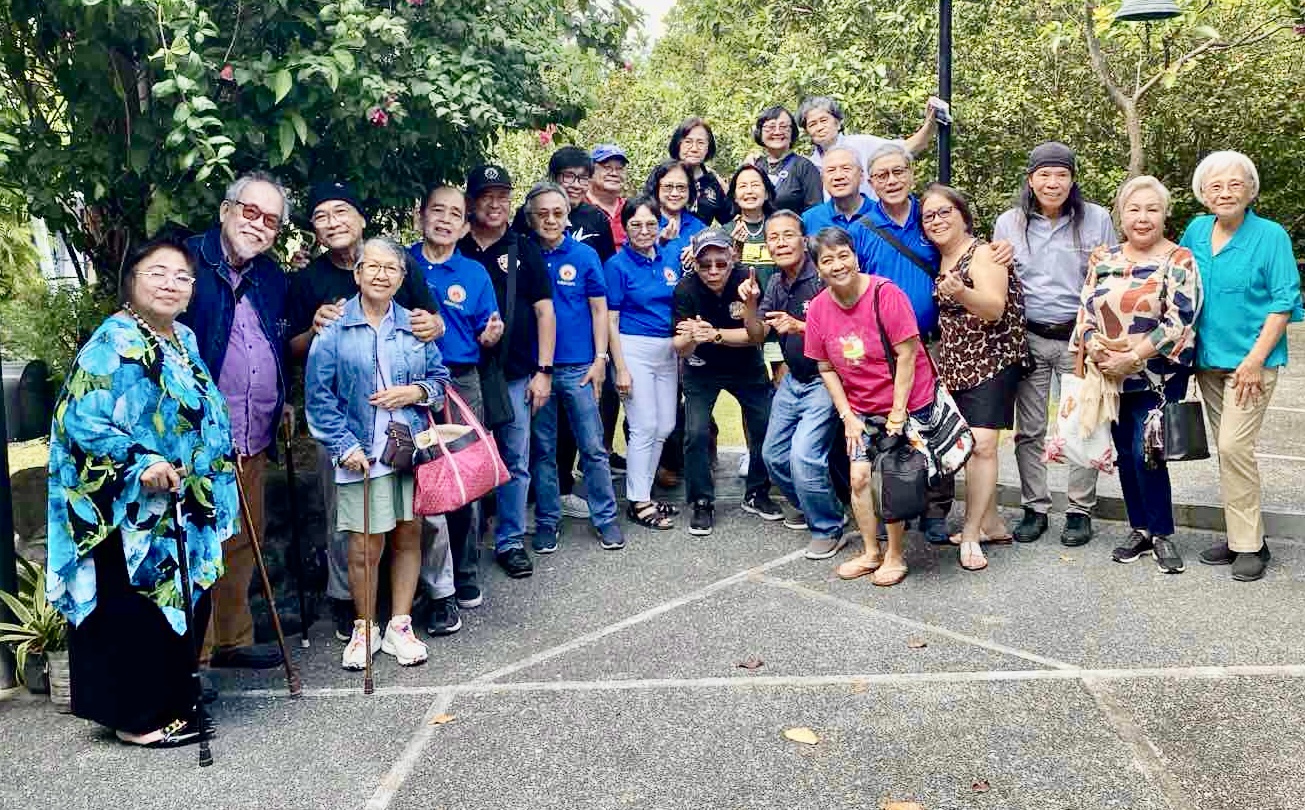
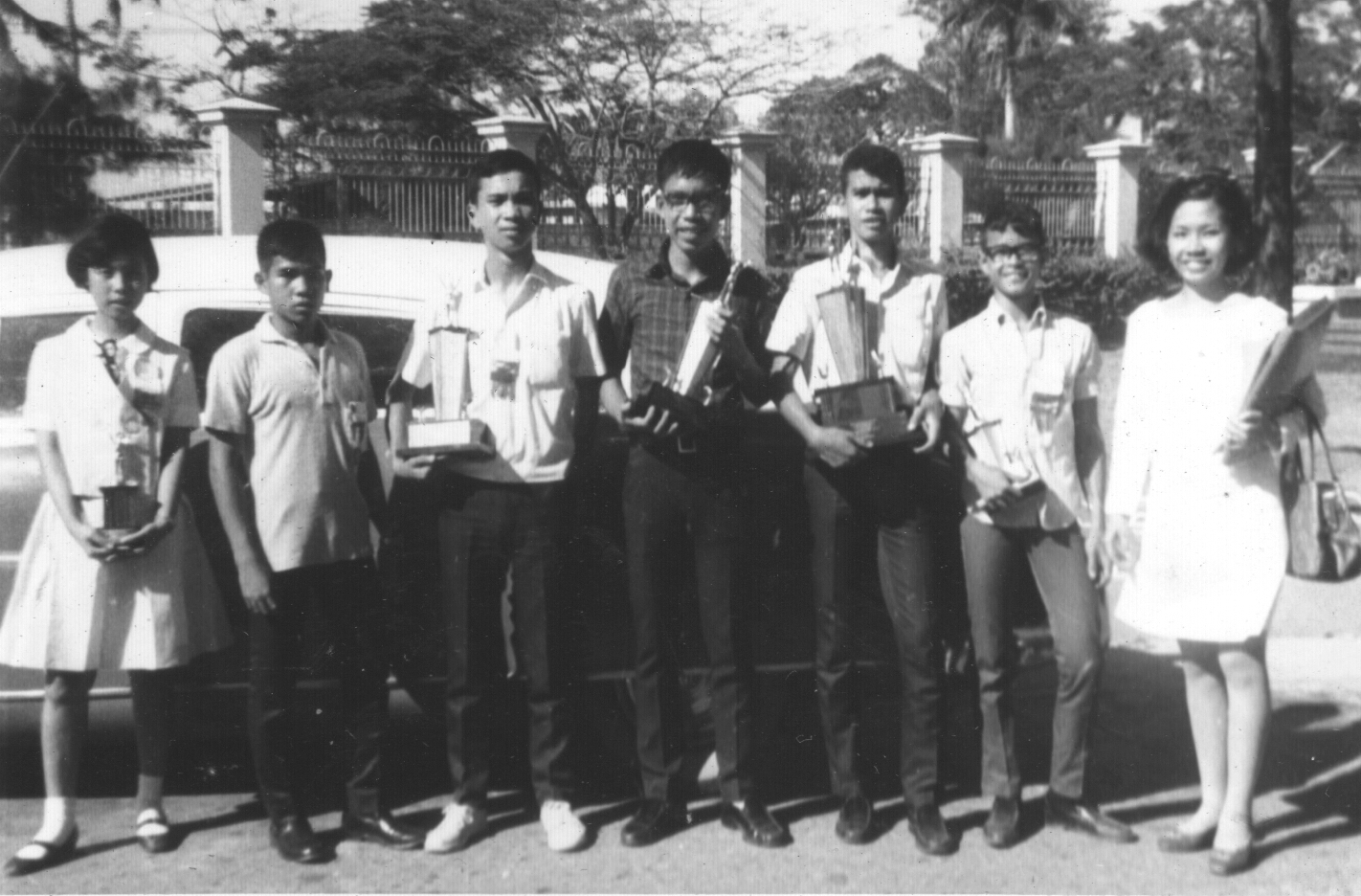
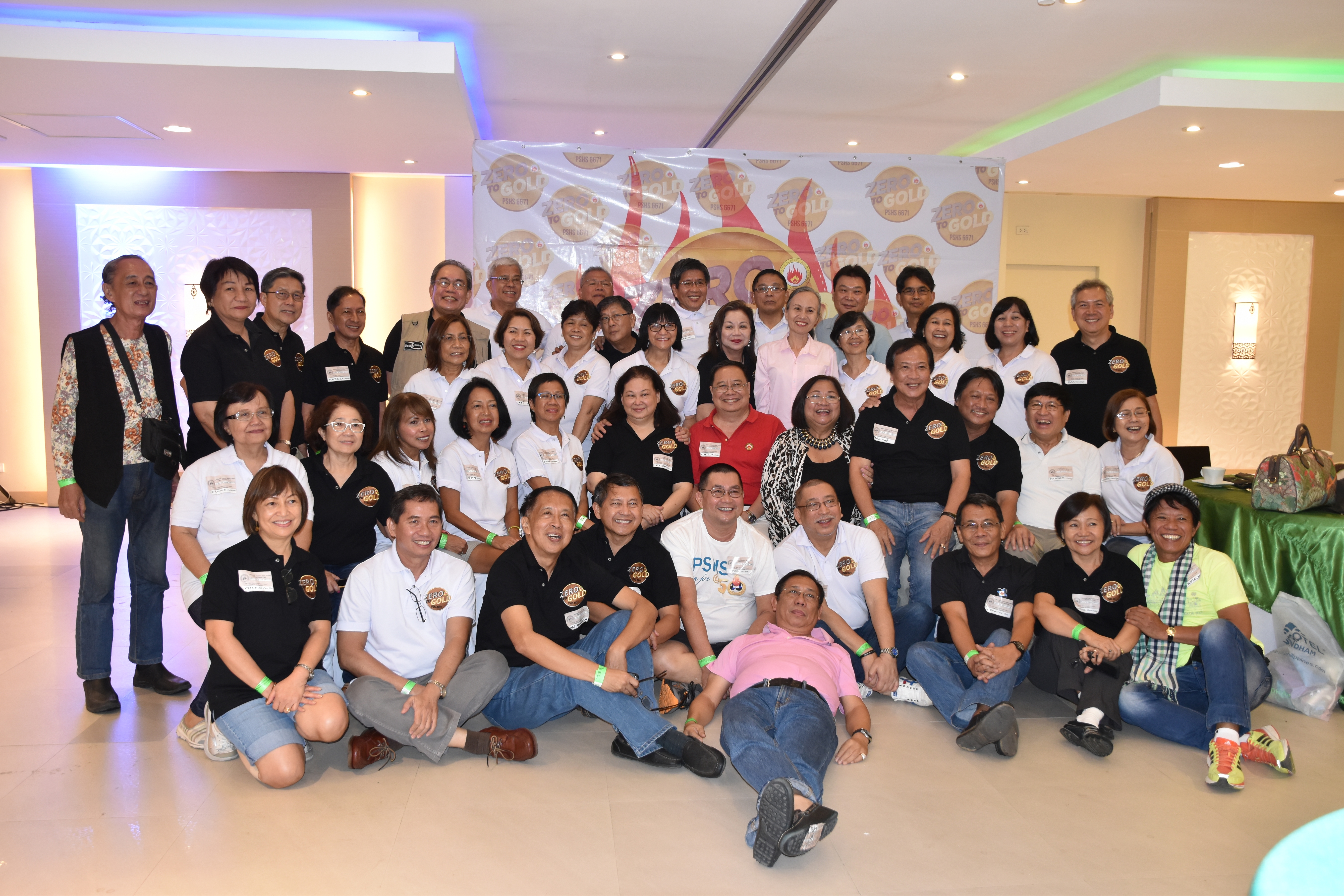
I HAD the honor of being asked to speak at the 50th anniversary reunion of my Philippine Science High School batch (we chose to celebrate our entrance year, 1966, fearing that there’d be fewer of us to gather in five years). It was, I joked, the valedictory I never got to deliver, for reasons that will be shortly obvious. You’ll forgive the chest-thumping; every high school has a right to think it’s the best on the planet—perhaps some more so than others. Herewith, an excerpt:

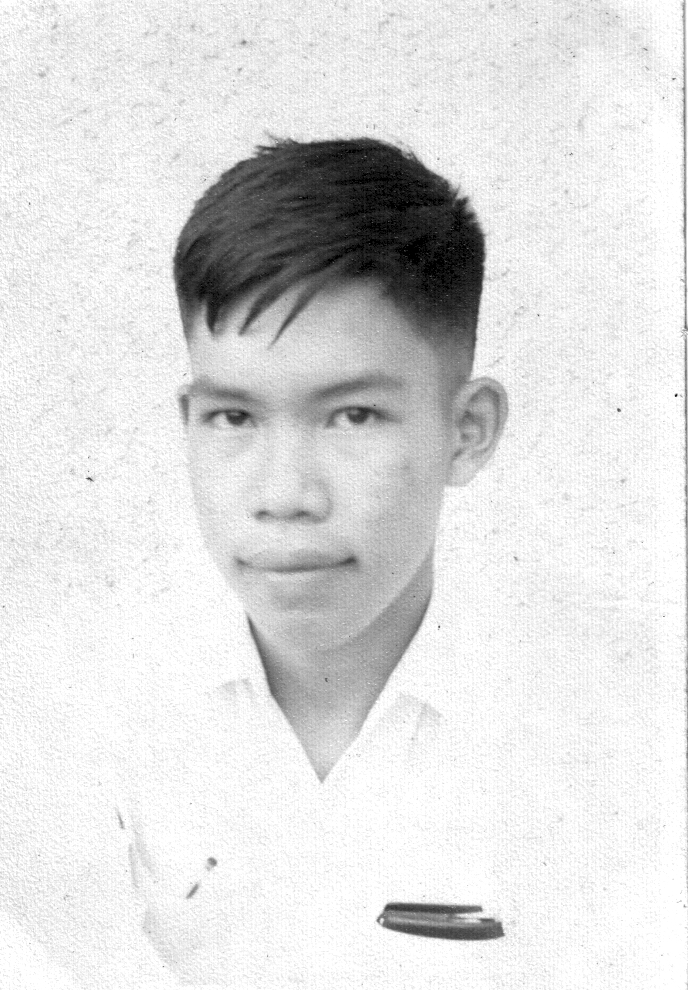
I’ll begin with a shameless boast, and the boast is that over these past four decades, I’ve won quite a few awards and prizes for my work as a writer and teacher. But none of them has given me as much pride and pleasure as the knowledge that once upon a time in 1966, for one brief shining moment and for some miraculous reason, I topped the entrance exam to the Philippine Science High School.

It was a fleeting glory, and if I ever imagined myself a real genius I would be quickly disabused, because as you all know, after our first year, my grade in English was 1.0 and my grade in Math was 5.0. Only the kindness or perhaps the embarrassment of our administrators persuaded them that I was worth giving another chance and putting on probation, a break I’m forever thankful for.

I have never felt in more distinguished company than yours. Individually and collectively, you are the smartest people I have ever known, and it has nothing to do with PhDs or awards or high positions in government and business or least of all material wealth—although I’m sure we could all use a little more money. I know that I can sit with anyone of you and have an intelligent and funny conversation about anything from interstellar travel and Dutertean diplomacy to hugot lines and Pokémon—well, maybe not Pokémon.

Long before buzzwords like “world-class” and “globally competitive” came into fashion, there were smart kids who passed an entrance exam that decimated whole regiments of lesser beings, leaving a few good boys and girls standing after the slaughter, calmly noting the distinction between cousins and cosines, avocados and Avogadro, halitosis and mitosis.

PSHS2.jpg

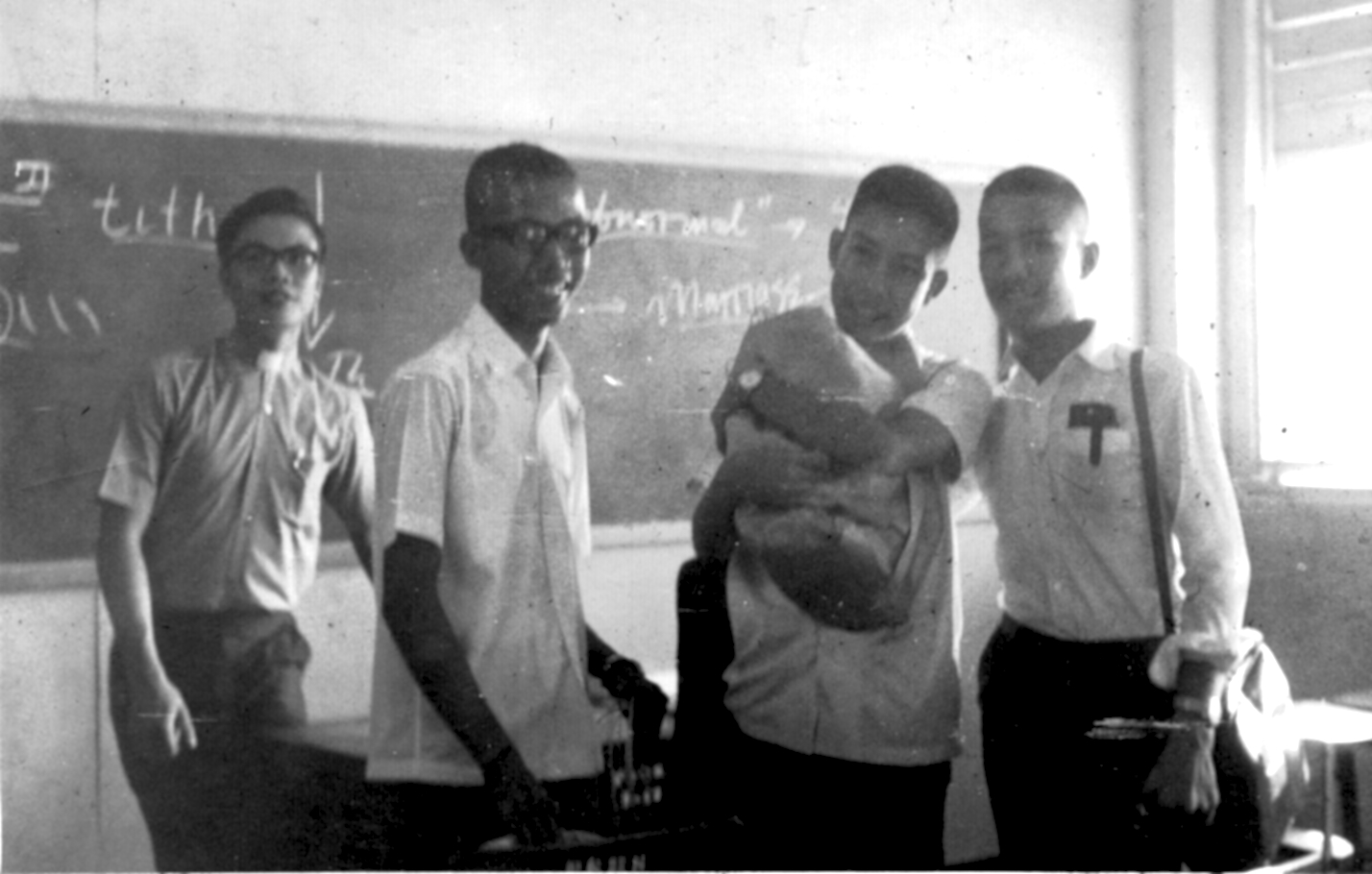
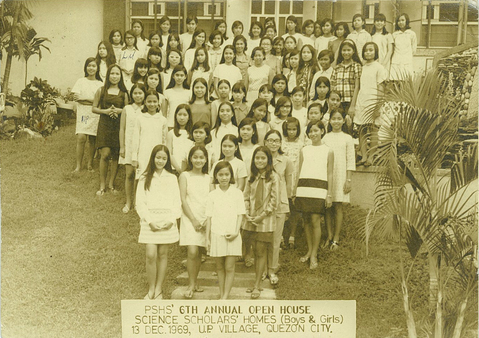
Hey, these kids were us—gangly, smelly (after a good day’s work at the biology garden, or the agawan-base arena), cocksure in the classroom, and curious as hell about the opposite sex. Not surprisingly, boy-girl questions dominated the school’s philosophical life.

“What Is a PSHS Boy?” asked the Science Scholar ca. 1969, and the soul-searching answer came (courtesy of someone who should have known—a PSHS girl): “A PSHS boy is a new sociological specimen of the human race… a hardworking nekti achiever [who keeps] a well-tended garden near the bio pond…. a longhaired mod swinger around the campus [who] wears kooky sunglasses, stylish baggy pants, and necklaces… He crams love letters in his notebooks. When Mr. Mozrah asks him ‘What is social interaction?’, he recites his lovelorn adventures with Jennifer, Corrine, Paulette, etc….”

PSHS11.jpg

This penetrating study naturally occasioned a companion piece, published a year later under the thought-provoking title of “What Is a PSHS Girl?”, written by an expert on the subject, a PSHS boy.

“A PSHS girl,” this savant said, “is a rare biological specimen… She is only emotional, temperamental and irrational sometimes (well, half of the time… would you believe almost always?). Anger is not a word in her dictionary. You see, her dictionary starts with ‘boy’… A PSHS girl is the reading type. She reads Emily Loring and the like.”

PSHSGirlsDorm.jpg

It didn’t take too long for a PSHS girl—uhm, PSHS young woman activist—to trash that silly, bourgeois, sexist view. “Now is the time for awakening,” this budding feminist would write in the same Science Scholar just a year later. “Do you realize that today you are a mere tool of the man?… Our bourgeois-oriented society adds insult to injury by picking up things for you and opening doors for you—reminders of sexual disparity—the very chains you should set out to break.”

We don’t know how many chains were broken; some precious objects certainly were (er, windows, petri dishes, innocence, and rules). Talk about rules! A famous one—dated September 29, 1970, and issued by the PSHS Board of Trustees—decreed that PSHS scholars “remain single and be discreet about their boy-girl relationships in order to continue their studies at the PSHS.”

Perhaps another topic of passionate discussion—“Should Smut Movies Be Allowed?”—had something to do with this heated  state of affairs.

The guidance counselor warned: “If they only display the human body for art’s sake, then there’s nothing wrong.  But if what they show are the acts sacred to man and woman, and those which arouse man’s sexual instincts and cause him to do something about it, then definitely, smut movies should be banned!”

Not too definitely, a freshman objected: “In European countries, especially in Scandinavia, sex movies have become so ordinary that they now seem to be part of the people’s lives.  In the Philippines, there is indifference towards these movies.  The Board of Censors should allow more of them and let us see what the attitude of the public toward them will be in the future.” [Brilliantly said, young man, an answer truly worthy of a science scholar—we’re not watching smut movies, here, we’re watching popular attitudes!]

Ah, the times, they were a-changing.  “The opening of the intramurals ushered in a new sight on our campus,” reported a sports columnist (a distraught boy) in the Science Scholar in 1970.  “Where once only boys were seen, girls have materialized…. The girls’ presence cannot be ignored…. In so short a period, many can be said to equal the boys at their own game. Complaints have been heard from the girls that the boys have been monopolizing both the basketball court and the ping-pong tables.”

That should’ve told us that the days of the Young Gentlemen’s Club and the Girls’ Club—no one had the gumption then to set up a Young Gay and Lesbian Club—were coming to an end. Some brazen soul in our freshman class organized the UBAG (United Boys Against Girls), but that didn’t last too long. Biology would teach boys that uniting with girls instead of fighting them was the more natural and pleasurable thing to do.

For a few of us after high school, life may have been a breeze, but for most, I’m sure it’s been an uphill climb, full of rough patches, and you were just as astonished as I was to find that a high IQ did not guarantee happiness or prosperity or success and may even have made things worse because of our more acute awareness of the meaning of things. We learned that the smartest people can make the dumbest mistakes in love, money, and politics, and that sometimes we just don’t know squay about the things that truly matter. I even learned that you could be happily married to someone from UP High.

Most important of all lessons and legacies, we learned to serve the people. Whether we grew up to be NPA cadres or CEOs or lab rats or barrio doctors, we knew that our high school scholarship had to be repaid in faithful service to community and humanity, employing the scientific, rationalist outlook that even those of us who strayed from S&T never quite lost.

We were young together, and we will grow old together. As we’ve all learned from life, it isn’t who leads at the start of the race but who finishes first at the end who wins—although again I suspect that in the race of life, we’d rather finish last.

PSHS6671.jpg