
Qwertyman for Monday, November 17, 2025
AS A professional writer and editor, I take on many jobs that the other side of me—the fictionist, journalist, and teacher—usually wouldn’t get to do. I write biographies, speeches, and feature stories, among others, and while I do them to the best of my ability and to my clients’ satisfaction, they don’t always coincide with my personal interests, nor necessarily inspire me to think or act a certain way.
These past two years, however, I’ve been proud and privileged to perform a very special assignment that I’ve come to look forward to, because it renews my faith in people and my hopes for a better future—phrases that would otherwise just roll off the tongue like so many other tired and meaningless clichés. At 71, I’d like to believe that I’ve pretty much seen it all and can afford to be cynical, as even Gen Z’ers can affect—a bit prematurely, I think, but understandably so in this sad and sordid world of ours.
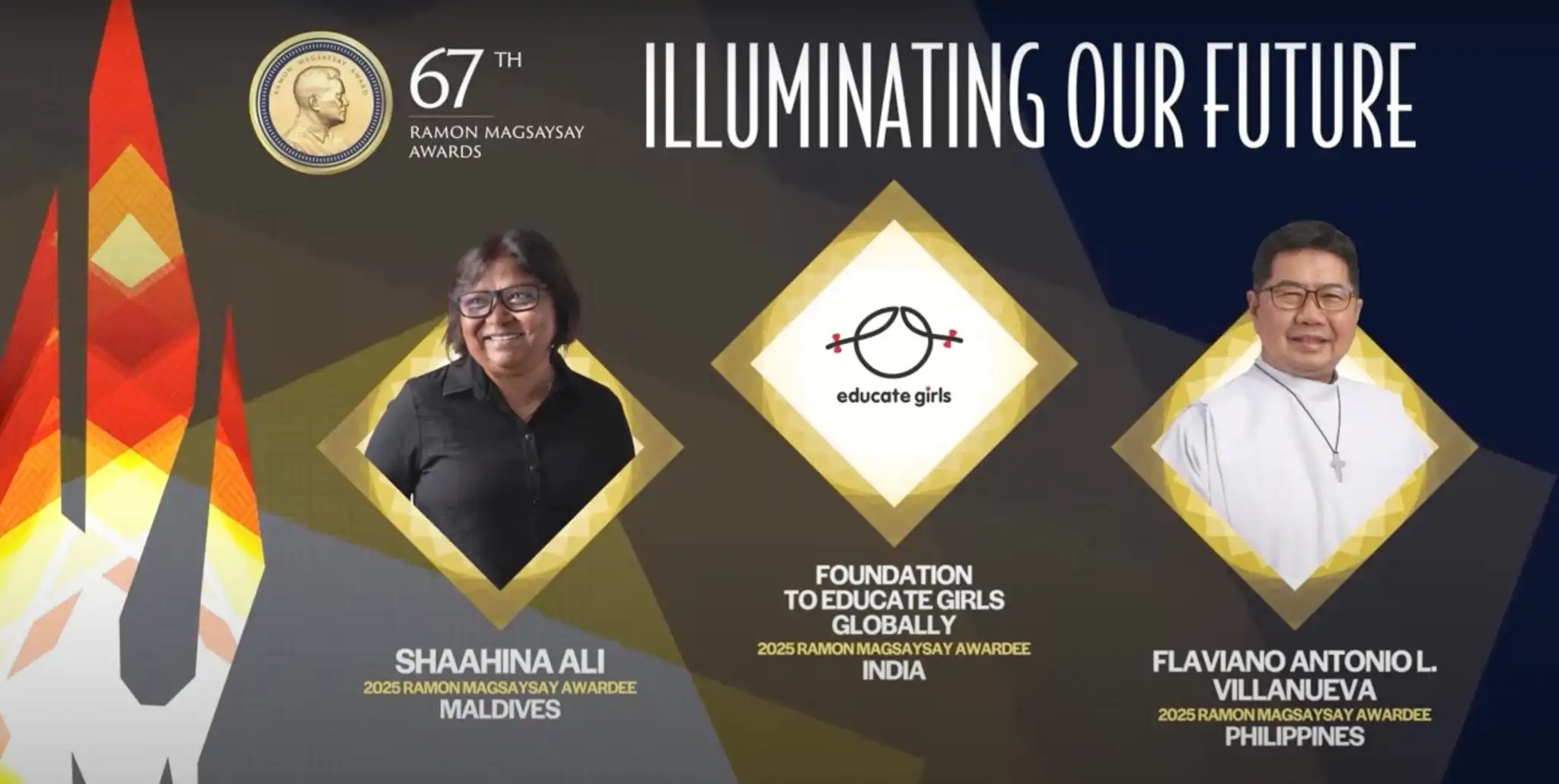
So it often comes as a surprise to be reminded that some good people persist at doing good if not great deeds, and that’s what this unique responsibility I’ve taken on is all about—writing the citations for the year’s Ramon Magsaysay Awards laureates, a task I inherited from RMAF stalwart Jim Rush and National Artist Resil Mojares. (Before I go any further I should clarify that I have nothing to do with the selection process, I am covered by an NDA—not even my wife gets to know the winners ahead of everyone else—and I cannot and do not cozy up to the likes of Hayao Miyazaki for selfies and signatures.)
This year only three laureates were chosen, but again the range and the depth of their accomplishments tell us that ordinary people can achieve extraordinary successes—not just for themselves but for society at large—with vision, faith, and perseverance, or what the Ramon Magsaysay Awards Foundation calls “greatness of spirit,” the common element among its 356 winners from 23 countries since 1957.
They included Shaheena Ali from the Maldives, an island-country that often appears in tourist brochures and websites as a tropical island paradise, surrounded by aquamarine waters ideal for snorkeling and fishing. Behind this idyllic façade, however, lies a murkier and unpleasant truth. Plastic pollution has befouled the island chain’s crystalline waters, threatening the marine ecosystem, the economy, and the health of its residents. Waste is either burned or tossed into the ocean, producing harmful smoke and microplastics. As a diver, photojournalist, and diving instructor herself, Ali often came literally face to face with the tides of trash clouding up the once-pristine waters of her beloved islands.
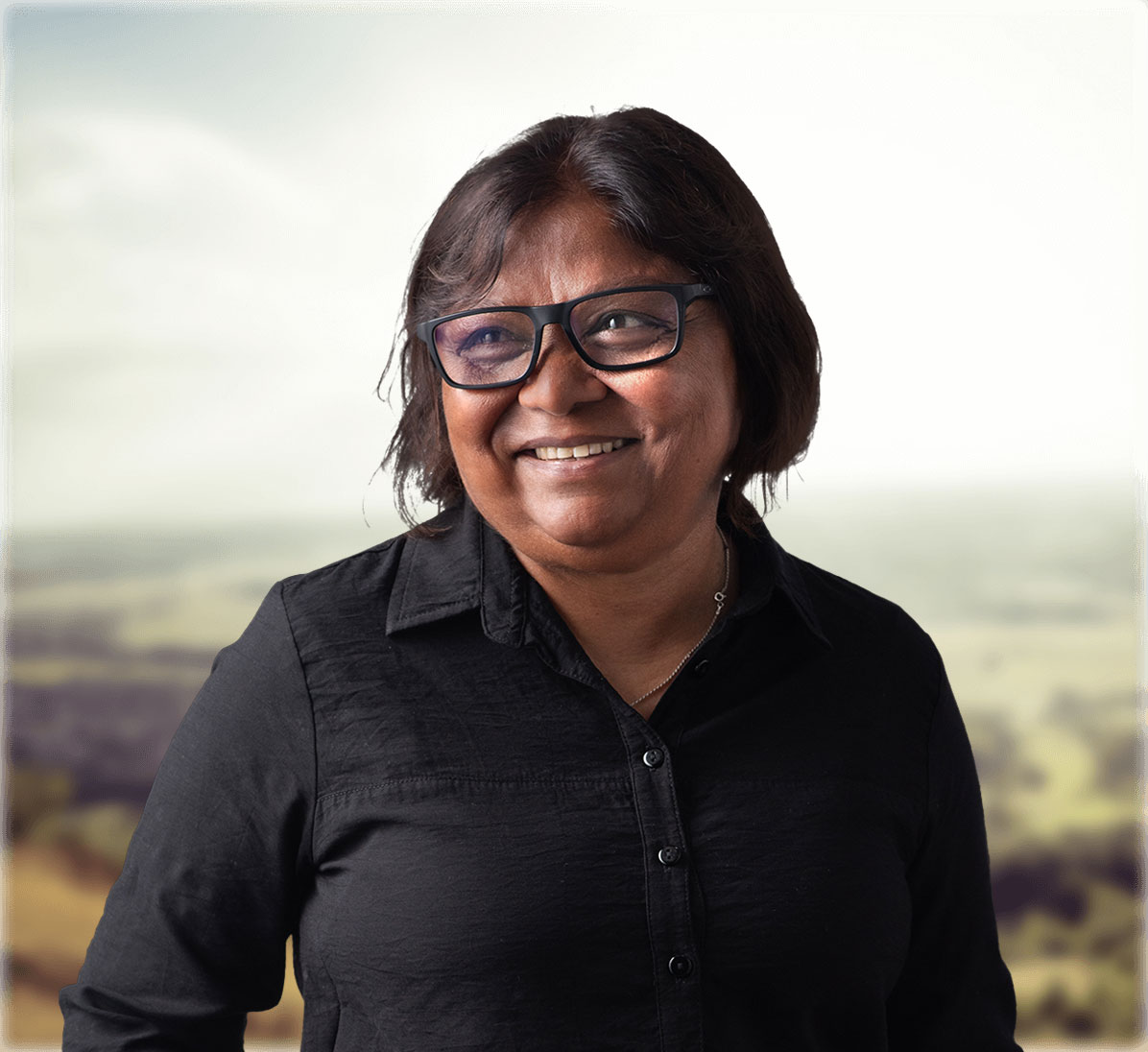
In 2015, deciding to fight back, Ali linked up with an NGO, Parley for the Oceans, to frame a comprehensive program to save the country’s waters from pollution and to turn plastic waste into a useful source of livelihood for the people. Today, as executive director of Parley Maldives, she oversees the implementation of their signature strategy: Avoid, Intercept, and Redesign (AIR) plastics for a better environment. With Ali, Parley has introduced plastic interception and collection sites in island communities and over seventy schools, leading over 700 collaborative cleanups along affected coastlines. Ali has also worked with the government to address climate change. “I go there to clean up with hope,” she says, “hope that my grandchildren will see whales in the ocean in their lifetime as I did growing up.”
For its part, India has become both an economic and political powerhouse, with many visible signs of its rising affluence. Despite the overall surge in growth, however, many rural and tribal girls have had no access to an adequate education. Because of this disparity, illiterate girls are forced to marry early, have children, and work—while culturally privileged males go to school.
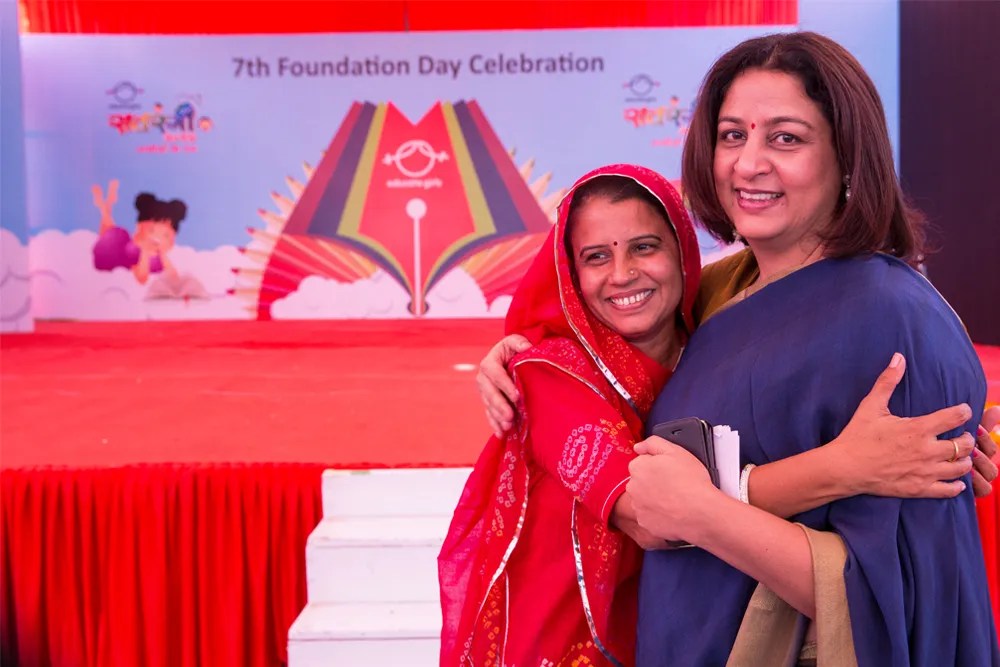
In 2005, a young graduate of the London School of Economics decided to return home to India to take on this challenge. Safeena Husain established the Foundation to Educate Girls Globally (FEGG) or “Educate Girls.” Starting out in Rajasthan, Educate Girls identified the neediest communities, brought unschooled or out-of-school girls into the classroom, and worked to keep them there until they were able to acquire credentials for higher education and gainful employment.
The results were dramatic. What began with fifty pilot village schools reached over 30,000 villages across India’s most underserved regions, involving over two million girls, with a retention rate of over 90%. Educate Girls also launched Pragati, an open-schooling program that allows young women aged 15-29 to complete their education and avail themselves of lifelong opportunities. Its initial cohort of 300 learners has grown to over 31,500. “Girls’ education is the closest thing we have to a silver bullet to solve some of the world’s most difficult problems,” says Husain. “It is one of the best investments a country can make, impacting nine of the seventeen Sustainable Development Goals, including health, nutrition, and employment. By scaling our programs, deepening government partnerships, and embedding community-led solutions, we strive to create a brighter, more equitable future—one girl at a time.”
The third awardee was no stranger to those of us long aware of his special ministry. Flaviano Antonio L. Villanueva or simply “Father Flavie” belongs to that breed of socially committed clergy for whom godliness is to be found not in the halls of influence and wealth but in the streets, among the poorest and the most forgotten.
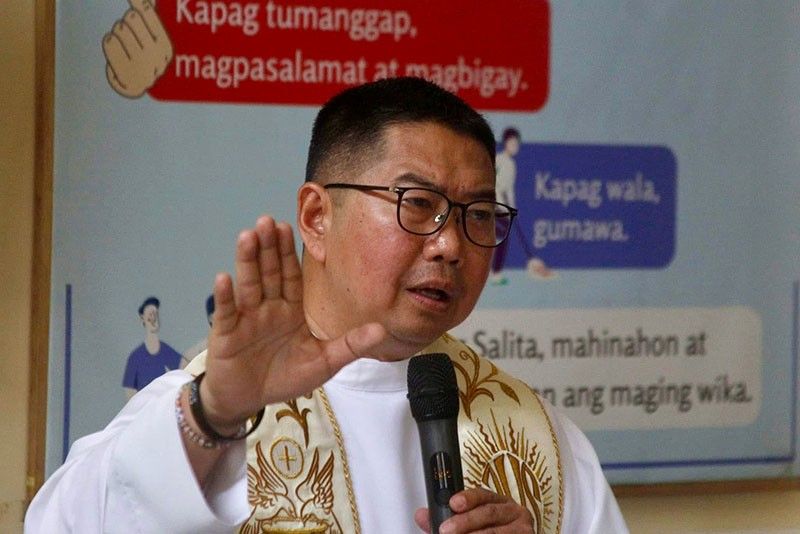
In 2015, he founded the Arnold Janssen Kalinga Center in Manila to provide “dignified care and service” to thousands of poor and marginalized Filipinos. Kalinga works to recreate the poor’s self-image, reclaim their self-respect, and restore their self-worth. Villanueva also led the effort to locate the bodies of victims of the government’s “war on drugs” where thousands of Filipinos were summarily executed. Often, their impoverished families could not secure permanent graves for them. Villanueva found the funds to exhume, cremate, inurn, and relocate the bodies to a proper resting place. This Paghilom program brought comfort to widows and orphans and allowed them to continue leading productive lives. “Justice can take many forms—among them, the recovery of one’s self-confidence, and forgiving oneself,” he says. Following the late Pope Francis’ example, he initiated showers for the homeless as both a literal and symbolic act of cleansing, to prepare them for a fresh start in life.
I always end up doing more than writing up these people’s stories—I learn from them, and am reminded that instead of just mouthing slogans and railing at the universe—at all the evil, the injustice, and the ugliness we have to live with—we can choose to act and to fight back, like these avatars of social action did.
 Pinoy Penman 3.0