Penman No. 450: A Hillside Haven

Penman for Sunday, May 7, 2023
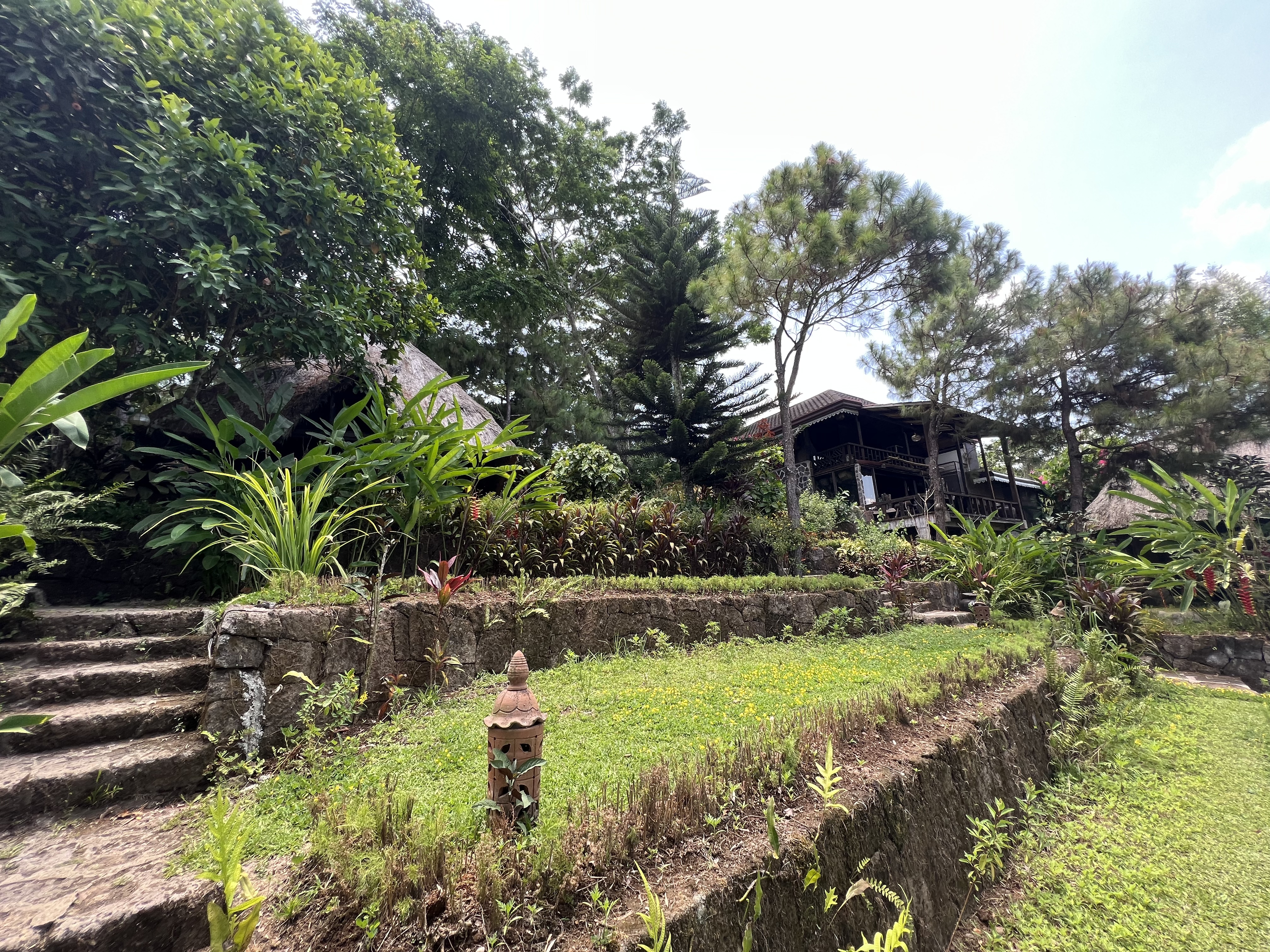
“SHAMBALA’ IN Tibetan Buddhism is a mythical kingdom where, according to lore, resides a community devoted to good deeds. But there’s a real version of it, aligned with the same beneficent principle, and it’s just two hours from Manila on a good day.

Thanks to the herculean efforts of the wife-and-husband team of Riza and Albert Muyot, a place called Shambala Silang now exists to welcome city folk fleeing stress, pollution, and stop-and-go traffic for a day or two of blissful living.
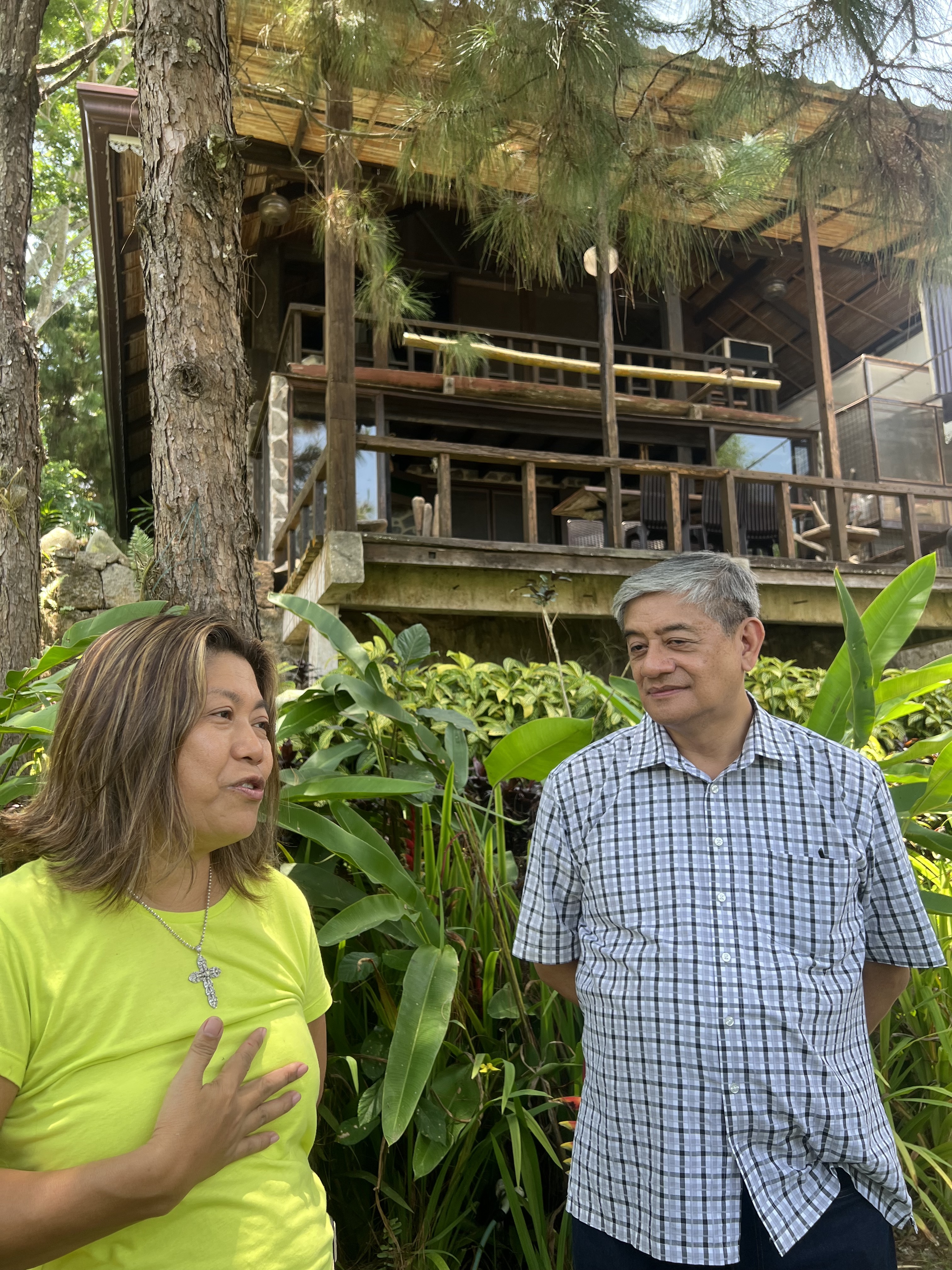

The two-hectare hillside resort seems larger than it is, magnified by the panorama that opens behind it—the green sprawl of a provincial landscape under a bright blue bowl of sky. But “resort” seems a misnomer, because Shambala doesn’t have a swimming pool, a karaoke bar, a disco, or a zipline. Except for short walks around the property, you don’t come to Shambala to work up a sweat, but rather to relax, meditate, and celebrate life, whether by yourself or better yet, in the company of loved ones and friends.

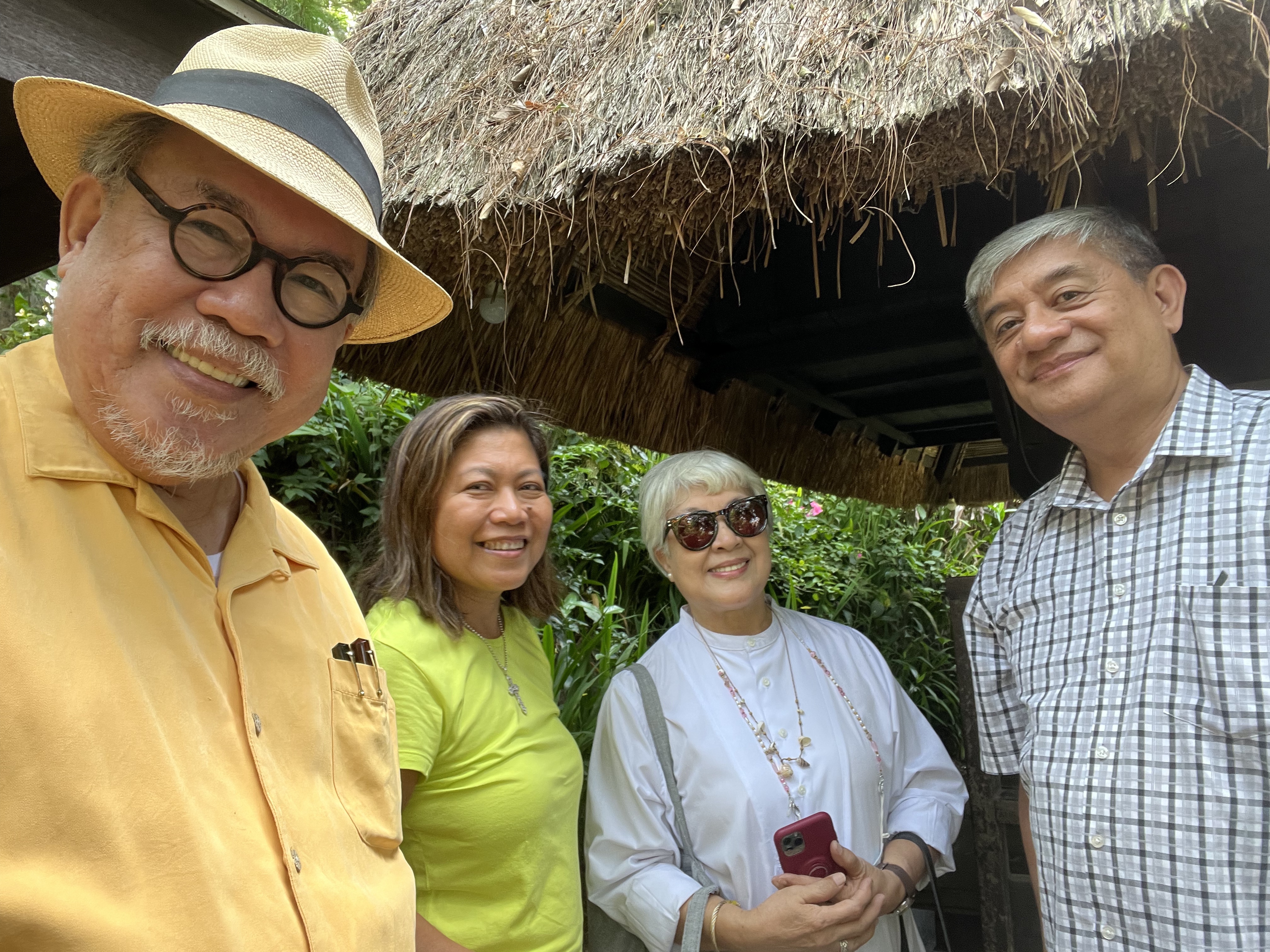
That’s what we did on a recent day trip organized by fellow writer and academic and dear friend Edna Manlapaz, at the gracious invitation of the Muyots. (Albert—a lawyer and former Undersecretary of Education—is another old friend, a fellow fountain-pen enthusiast and Michigan alumnus.) The main invitee and guest of honor was actually National Artist for Literature Jimmy Abad who came with his wife Mercy, and we roped in novelist Charlson Ong to complete the party.
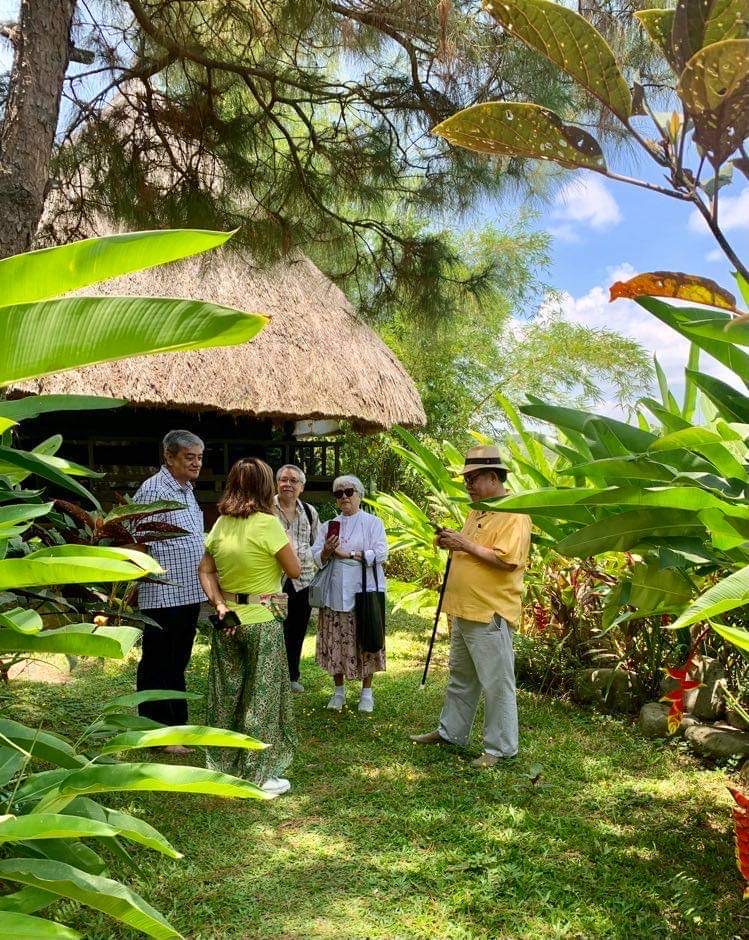
From Quezon City, Shambala is best reached by the Skyway, then CALAX, then a series of backroads winding through Silang. We have friends who have chosen to relocate here, and passing through groves of mango and other fruit trees, we can understand why. If you want to disengage from city life, Silang is an easy option, where you can vanish into the woods while still being a short drive away from modern necessities. A narrow dirt trail leads uphill to Shambala, and I have to admit that I wasn’t expecting much from what I could (or couldn’t) see on the road, but then it appears at the very end, and the magic begins.

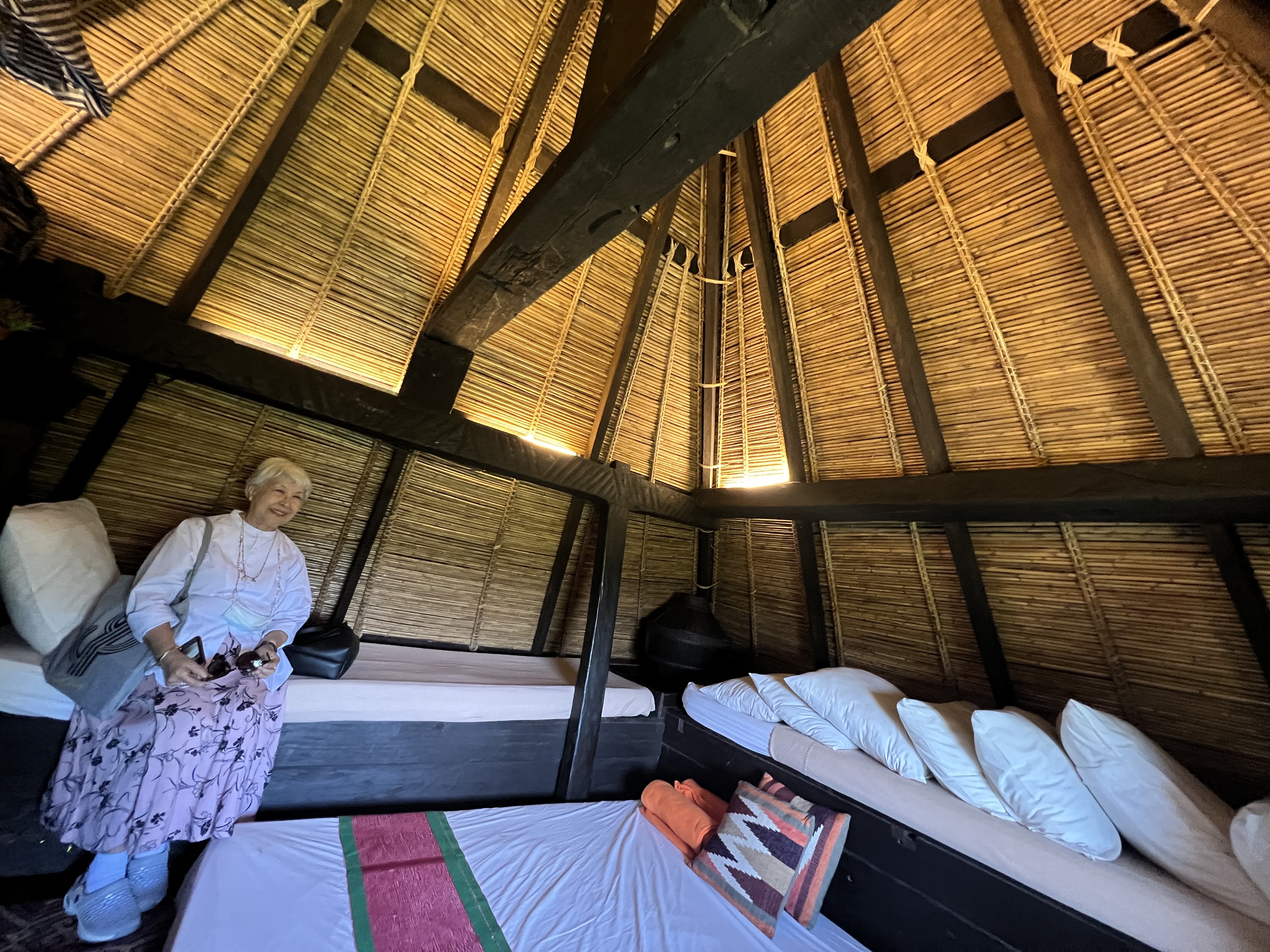
Shambala is a cluster of several buildings containing art galleries, collections of Philippine tribal art and culture, halls for meetings and celebrations, restaurants, gardens, and the Muyots’ private residence. It has six tribal houses open for overnight (or longer) stays, operating as a B-and-B. The houses are authentic structures brought down from the north when their owners no longer needed them, and rebuilt piece by piece. “They were originally constructed without nails, but we had to reinforce them and to introduce some modern touches and conveniences to make them more comfortable for our guests,” said Riza. “For example, we expanded the space beneath the houses , which was traditionally used for farm animals like chickens, so we could put a platform around which people could sit and meet. We also added friendlier stairs.” The one-room houses are spacious and airy, and a modern bathroom stands outside each of them.
Below the houses, down the hillside, is a circle of stones with a fireplace at its center—a dap-ay traditionally used for meetings of tribal elders and for religious functions, but now serving as a virtual theater or arena for post-prandial get-togethers under the moonlight.

And everywhere you look, there are trees—about a thousand of them, according to the Muyots, a hundred of which are Benguet and Norfolk pine, specially brought in. “There was nothing here when we bought the place around 2000 but pineapples and coffee,” said Albert. The Muyots were then looking for a sylvan hideaway to run to from their workplaces in Manila. They found the property and fell in love with it, although today’s Shambala wasn’t necessarily what they had in mind. “This is all Riza’s doing,” Albert explained. “She’s the one with the vision, the one who saw the possibilities and brought them to reality.” Now the CEO of Save the Children Philippines, Albert is happy enough to work on his laptop from his home office on the property (yes, there’s wi-fi all around).
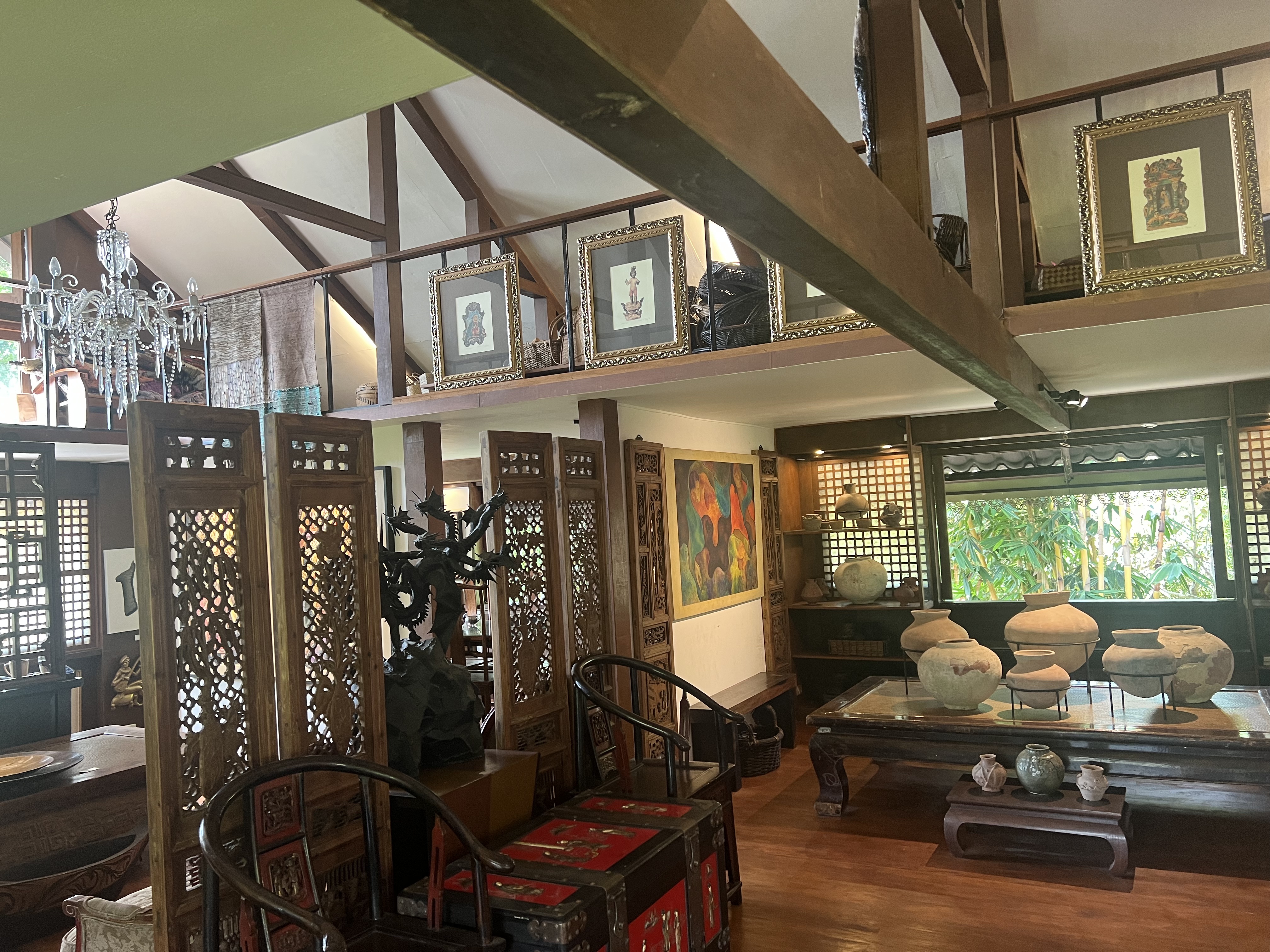
A CPA who once worked with SGV, Riza comes from a corporate background. She’s also a gifted poet whose works subtly appear among the art on the walls. “Culture, heritage, art, and nature—that’s what we devote ourselves to here in Shambala,” Riza said. “We have an ongoing exhibit of soil painting featuring artists from the Talaandig tribe in Bukidnon. Do you know that there are 21 colors of soil in Bukidnon? They add water to those soils and use them in their painting. “ Shambala brought over Mindanao artists such as Kublai Millan and Datu Waway Saway to share their experiences and insights in the TIBOK Community Art Fair last month.

“People discovered us during the pandemic,” said Albert. “They went to Tagaytay, only to be turned away because of local restrictions on visitors from out-of-town, like seniors who couldn’t be let in. They came here and liked it, and spread the word.” It’s no surprise that on busy weekends, as many as 200 people pass through Shambala’s gates. Shambala has consistently ranked No. 1 in TripAdvisor surveys of such resorts in the area.
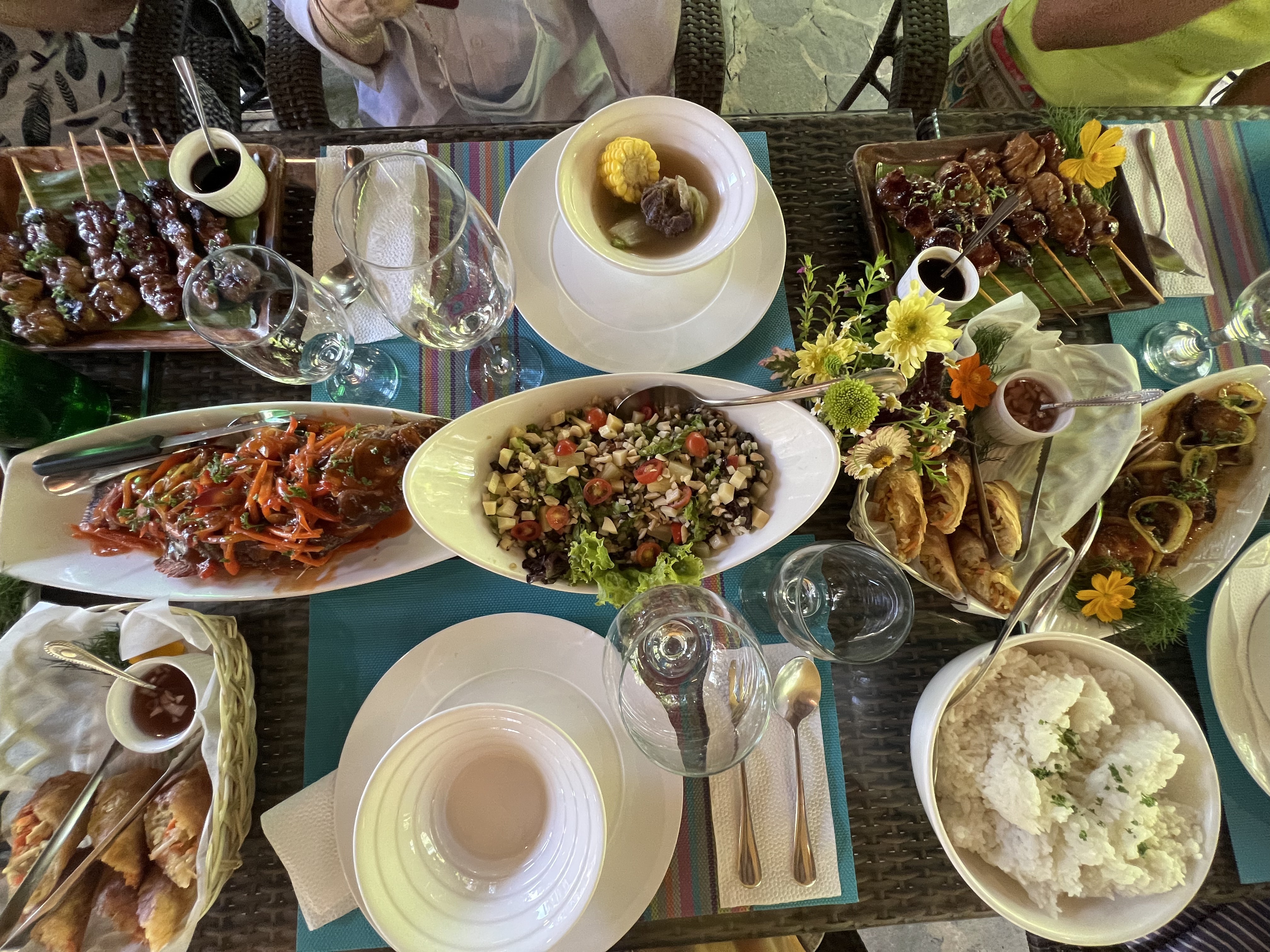
So if you want to try something exquisitely different—like their signature welcome drink made from malunggay, luya, and calamansi—drive off the beaten track to Tagaytay and try Shambala one of these days. The food’s as heavenly as the place itself, and you’ll wonder why you didn’t come here sooner. You can find out more about Shambala and their rates on their Facebook page here: https://www.facebook.com/ShambalainSilang/.
Penman No. 353: Our Very Own Indiana Jones

s-l1600.jpg

Penman for Monday, May 13, 2019


IT ISN’T every day that a Filipino scientist captures the imagination not only of his own people but of the world, but last month, this amazing feat happened, putting Filipino science squarely on the global map.

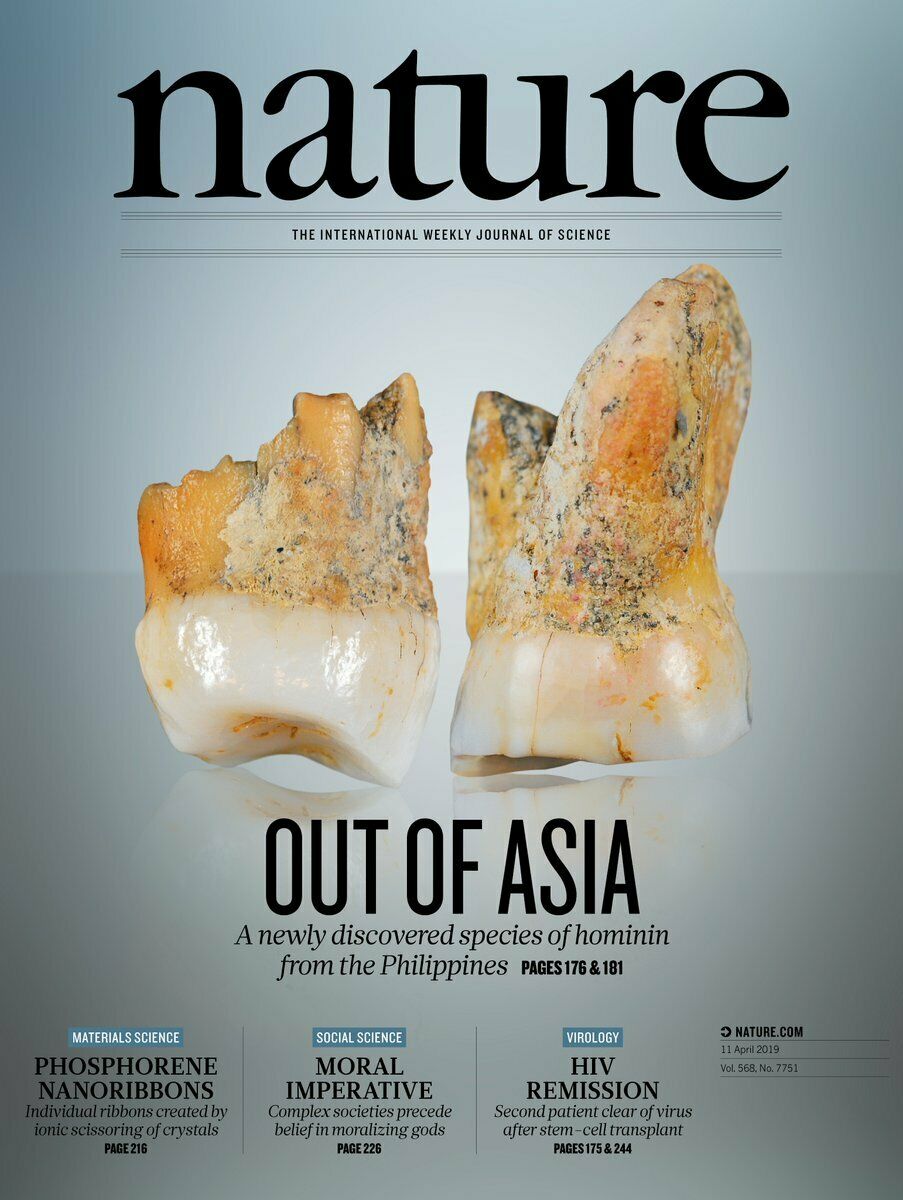
The “feat” wasn’t just one event but the culmination of many years of painstaking work, research, and analysis, culminating in the publication of the results in Nature magazine of a cover article titled “Out of Asia: A newly discovered species of hominin from the Philippines,” attributed to an international team including Filipino archeologists Armand Mijares, Eusebio Dizon, and Emil Robles. The article announced the discovery of what the team named Homo luzonensis, a new and previously unknown hominin or human-like species. (For a laymanized version of the article, see here: https://www.nature.com/articles/d41586-019-01152-3.)

The discovery consisted of about a dozen small bones found over several years in Callao Cave in Peñablanca, Cagayan, which taken together indicate that an early form of man lived here at least 50,000 years ago. Dr. Mijares, an associate professor with the University of the Philippines’ archeological studies program who led the international team, had been excavating the area since the early 2000s. In 2007, the digging paid off with the discovery of a foot bone “dated to 67 thousand years ago  (which) provided the earliest direct evidence of a human presence in the Philippines,” according to Nature. The discovery radically questions and reforms previous theories about human migration in Southeast Asia.

As exciting as the unearthing of luzonensis was, almost just as important was the fact of Mandy Mijares—a UP Manila graduate who took his PhD at the Australian National University—getting published in Nature, which stands at the very pinnacle of scientific publishing. As another well-known UP scientist and a good friend of Mandy’s, the geologist Dr. Mahar Lagmay, puts it, “It is every serious researcher’s dream and struggle to publish in this journal. Out of the 15,000 manuscript submissions that the editorial board of Nature receives a year, only 1,000 or approximately 7% are accepted for publication. Only 2% of science journals have an impact factor of 10 or higher. In 2017, Nature’s IF was 41.57—equivalent to publishing 40 articles in most other scientific journals.”

ASBrods.png

Mandy also happens to be a brother of mine in UP’s Alpha Sigma fraternity (that’s him in the middle, with me and Smart founder Doy Vea), and last week, the brods honored our very own Indiana Jones in a public program at the Asian Center, where he also presented his findings. I was asked to say a few words, and here’s part of what I said:

I had been hearing about this discovery from Brod Mandy in my private conversations with him over the past two years, and I knew he was sitting on something literally groundbreaking but even I had no sense of the magnitude of his project until I saw it on the cover of Nature. In my lectures on science journalism, I often refer to Nature as the one of the summits of scientific publishing. It’s hard enough to get published in, and much, much harder to land on the cover of. That’s what Mandy Mijares has been able to do.

But bragging rights aside, the joy I share with Mandy comes from seeing scientific inquiry and intellect recognized and rewarded in an environment that has become increasingly indifferent if not hostile to intelligence, indeed to the search for truth. Sophistry and opportunism have overtaken scholarship and honest labor, and political hacks purport to know and dispense the truth better than scientists and artists remote from the centers of money and power.

The discovery of luzonensis reaffirms the role of a university not just in its own country but in the world at large—in spearheading and supporting the pursuit of knowledge, even knowledge that will probably not add one percentage point to GDP or have any practical application we can think of at the moment, but which enlarges our understanding of ourselves as humans.

The question that luzonensis poses for us in the 21st century is, how much farther have we truly come along as humans from our hominin ancestors, and what have we done with our humanity? Are we any less crude, any less brutal? Could it be that luzonensiswas more caring for its own kind than we are today with ours? What have we done with our larger brains, our gift of language, with which we have become so facile that we can now distort the truth without batting an eyelash and even look smart and smugly smile and be praised by others for how cleverly we get away with murder? Faced with a creature that may have had no appreciation or even need for truth, reason, and justice, what does it say about us today, many millennia later, at a time when a good many of us seem to be in the same position, and let me repeat—with no appreciation or need for, and perhaps just a flickering memory of, truth, reason, and justice?

I’ll stop here before my sadness gets the better of me and beclouds the brightness of the hour, which properly belongs to Homo luzonensis and its brilliant discoverer. I’ll end with our fraternity’s exhortation to seek excellence in all endeavors—or I should say, in all good and just endeavors. Mabuhay ka, Brod Mandy!

Penman No. 272: A Poet of Nature

Junyee

Penman for Monday, October 9, 2017


IT’S NATIONAL Artist season again, with the deadline for nominations for the next group of NAs falling last September 30. It’s a triennial exercise that raises some very fundamental questions about how the arts figure in our national life and consciousness, and what we value in art.

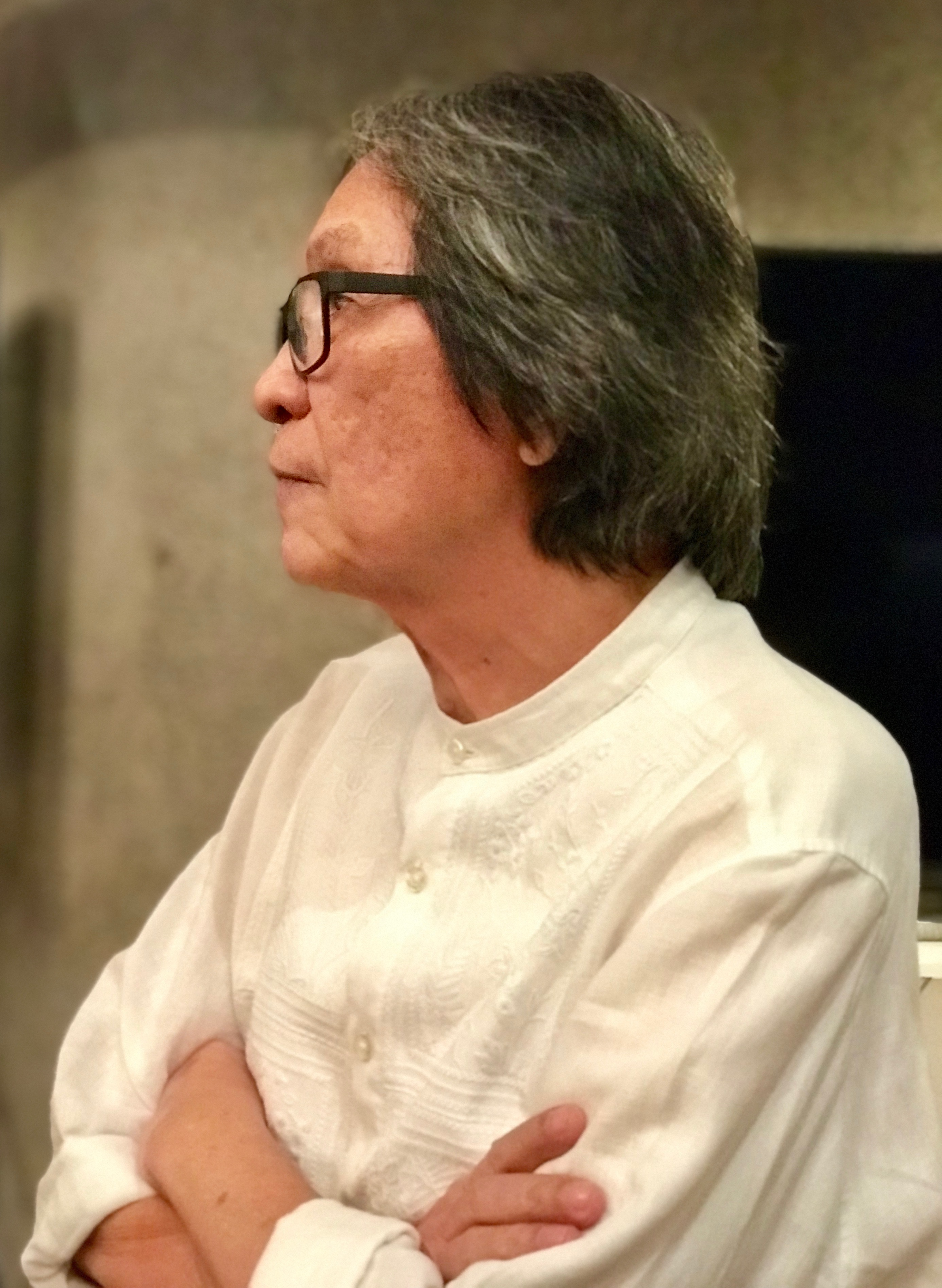
There’ll surely be an impressive roster of nominees to review, each name with its own merits to recommend it. But among all those presumptive candidates, the one I’ll be rooting for is a lanky, genial, youthful-looking septuagenarian who goes simply by the name “Junyee,” short for the Luis E. Yee, Jr. that only his family and closest friends probably know.

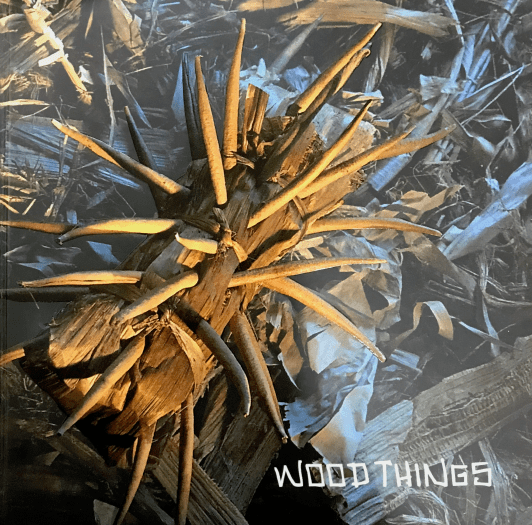
I’ve known Junyee and his work for some time now, but I was even more impressed by its breadth and quality as I listened to him address a large crowd that had gathered for the launch of his artistic biography Wood Things at the CCP lobby last Tuesday.

Like many artists, Junyee has a certain shyness about him that prevents more aggressive self-advertisement, so let me sing his praises for him in the hope that he finally gets the recognition due his lifetime of labors.

If you’ve never met him but read the book (written with grace and deep insight by the equally gifted artist Jose “Bogie” Tence Ruiz), the first thing that will strike you will be the life itself, the engrossing narrative of how a boy born in the hinterlands of northern Mindanao at the height of the Japanese Occupation nurtured a native talent that would, much later in life, see his works celebrated in France, Cuba, Israel, Japan, and Australia, among other cultural capitals.

The boy drew his first inspirations from the bales of scrap paper his father imported to use as wrappers in their general store, bundles that contained American and local comics depicting worlds far removed from Agusan del Norte. Later moving to Cebu, he found a job with a funeral parlor, first as a janitor and a clerk, then as a beautician for corpses, and later as an embalmer, all the while ogling the art supplies in the local department store, never yielding his dream.

In 1964, he received a scholarship to study Fine Arts at the University of the Philippines, and apprenticed with the renowned sculptor and later National Artist Napoleon “Billy” Abueva. The opportunity opened Junyee’s eyes to a whole new world of modernism, and eventually he broke out on his own, even as the prevailing forces of the 1970s—the psychotropic seductions of Carlos Castañeda on the one hand and the First Quarter Storm on the other—pulled him in different directions. While Junyee held progressive sentiments, Tence Ruiz notes that “He was inherently a maverick individualist who, while recognizing the need for collective actions to affect change, saw how formulaic and uncreative propaganda could get.”

WoodThings.png

And that’s key to the kind of visionary and yet also political art Junyee would produce over the next four decades—an art that manifests an abiding love of life, and of nature as the bringer of that life. In his preface to the book, artist Hugo Yonzon III writes that “The dominant and recurring theme of his installation is nature or, more precisely, the respect for it. There is none of the theatrics of LED lights or the electronic sounds that characterize such art especially in the Western world. A twig, a pod, a tree bark, local hemp, and then some. Period.”

“Installation” is a word that would inextricably be attached to Junyee’s art, as he explored and promoted the genre well before the term itself became fashionable, always and again drawing on nature for his materials and inspiration, from the seminal Balag of 1970 to the installations now dotting the campuses of Diliman and Los Baños, in which latter place he has found his literal and spiritual home, amid the trees and rocks that he never sees just as objects but as bearers of messages, like the 10,000 tombstone-like stumps of wood he laid out on the CCP grounds in 2007 to bemoan illegal logging and the catastrophic flooding it induced.

Junyee is a master sculptor and painter, and a wordsmith as well—his sensitive lyrics add a more personal touch to the book—but he is, ultimately, a poet of nature, who can make wood and stone speak and sing in joy, sorrow, and just the sheer excitement of living.

Lotsu.jpg

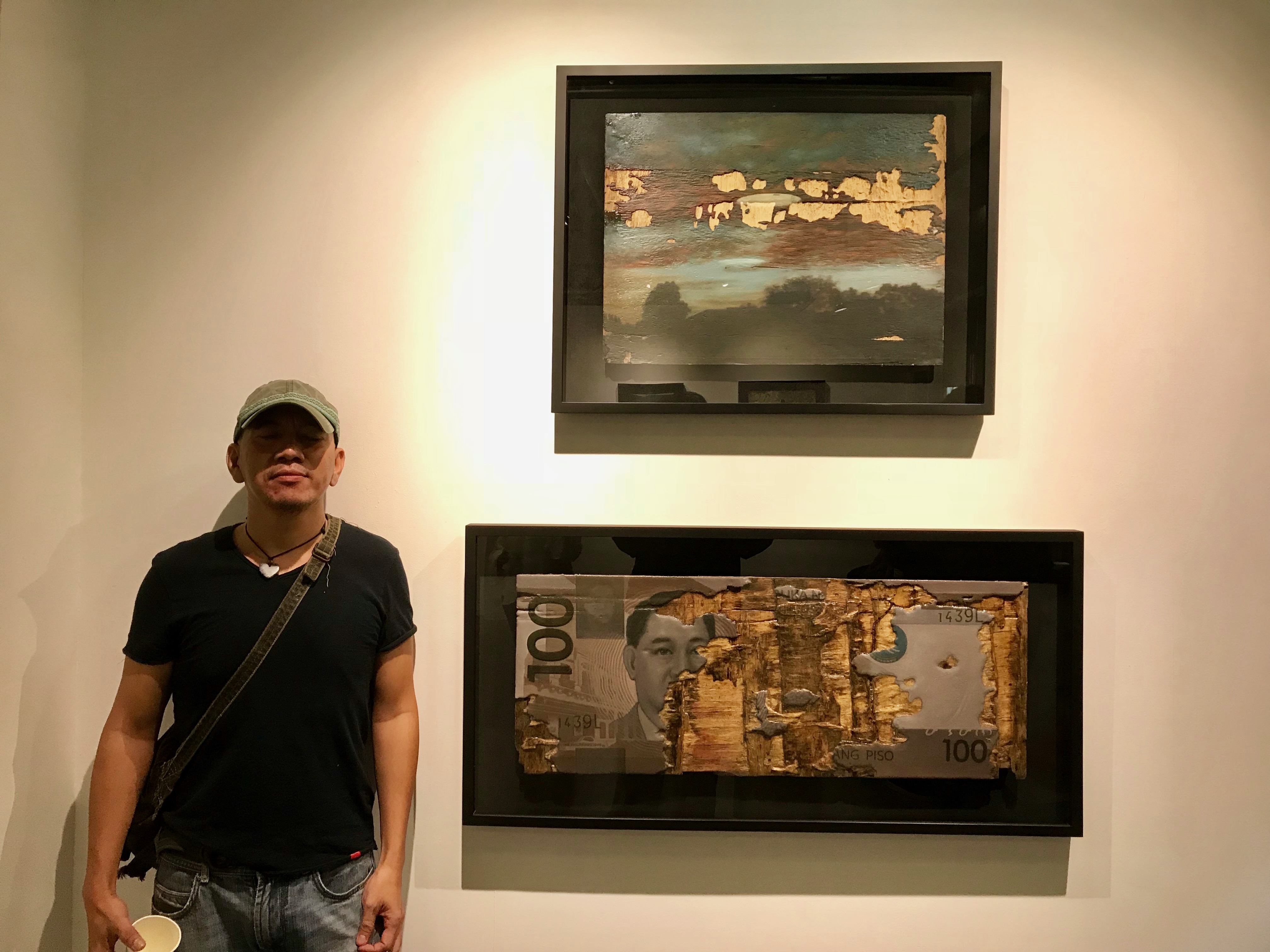
Speaking of artists, let me draw your attention to a younger painter in mid-career by the name of Lotsu Manes, whose seventh one-man exhibit titled “Handumanay” (after the Visayan word for keepsake or memorial) is now running at the Eskinita Gallery on the 2nd floor of Makati Cinema Square until October 23.

We’d known Lotsu since he was a small boy running on the beach of our hometown in Alcantara, Romblon, and took notice when he won the Grand Prize in the Shell Art Competition of 1996. “Handumanay” shows him maturing well beyond the meticulous craftsmanship that distinguished his earlier work to a more conceptual understanding of time and memory, and of the preciousness of what remains in his termite-ravaged portraits and landscapes.

At the opening, I was also glad to speak with curator and sculptor Renato “Ato” Habulan, who has been mentoring younger artists like Lotsu toward a less technical and more philosophical appreciation of their own work and vision.

Seeing Lotsu in his prime, chatting with Ato Habulan, and applauding Junyee at his book launch all left me warmly reassured that—even and especially in these terror-stricken times—art, like music as the poet Congreve put it, “hath charms to soothe the savage breast, to soften rocks, or bend the knotted oak.”