
Qwertyman for Monday, July 24, 2023
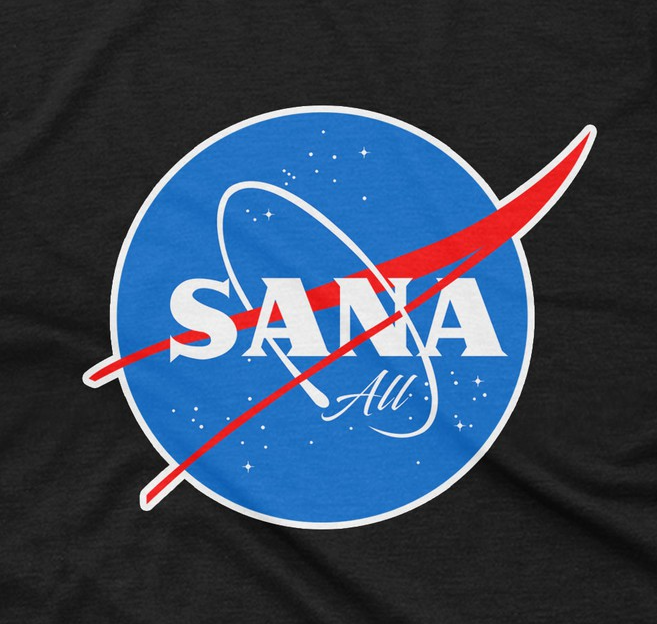
“LISTEN UP,” said Madame Ventura from behind the cloud of smoke that perpetually wreathed her face, making her look like a cherub in Versace shades. The smartly dressed young men and women of her PR agency’s media management directorate stiffened in their seats, anticipating a major announcement.
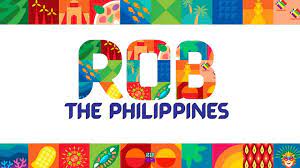
The pantry and restroom buzz had it that the madame had been seen in a prominent hotel lobby chatting with tourism and gaming officials, who had scurried to her for advice after disastrous rebranding campaigns involving the adoption of a new slogan and logo. “They should’ve come to us in the first place!” she was overheard to have told a Palace flunky over the phone, who was calling to relay the President’s concern over all the bad press his administration was getting. “That’s what you get for going cheap at, what, P49 million for the slogan and P3 million for the logo? Of course we would have charged you a lot more, but then we could have flooded the media with heaps of praises for that corny slogan and ugly logo!”
Madame Ventura wasn’t known as the “Queen of Trolls” for nothing. Since the last election, she had moved her outfit from the disused lobby of an old bank in Sta. Cruz to the entire 36th floor of a swanky new tower in BGC, overlooking a 360-degree horizon that, as far as she was concerned, was theirs to conquer. The cast of characters in the Palace changed every six years; but she was a playwright, maybe even a director, and she had the words for every occasion. With her war chest, fattened by this and that intelligence fund, she could hire platoons of cum laudes, TOYM laureates, and Palanca awardees (maybe even a couple of Hall of Famers) to produce what she marketed as “opinioneering—creative, transgressive, aggressive.” She even swiped one university’s tagline to say “We shape the minds that shape the world.”
Today, with the vast and teeming metropolis at her feet, Madame Ventura announced her most ambitious project yet. “We got the contract to rebrand the nation.”
The room burst into spontaneous applause and whoops of joy. Then Nico, VP for Operations, raised his hand. “Congrats, Ma’am Ventura! But when did we submit our bid? All bids go through me, right?”
“Don’t be silly,” retorted the madame. “This is a negotiated contract, of course—under the usual arrangements. No other company can match the terms of reference for the project—”
“—Which we designed, free of charge, as a trusted advisor of the Procurement Accountability Advisory Council,” Nico concluded.
“Let’s get to the point,” said Ventura. “We have a lot of work ahead of us. First, the rationale. The Palace feels that we need to remind people that national unity was what they voted for, so unity will be the overarching theme of the rebranding campaign. Sub-themes will include ‘move on,’ ‘follow the leader,’ and ‘stop complaining.’ We are coming up with a new national seal or logo, and a new national slogan, among other deliverables. Okay, team, any ideas?”
“Uhm, ma’am, question please,” said Ms. Morales, now her creative director. “Which comes first—the slogan, or the logo? What defines what?”
“Good question,” said Nico. “I was thinking about that myself, and it all begins with establishing who and what we are as a people and as a nation, after more than three centuries of colonial servitude, and finally achieving our destiny and self-hood under the present administration after another prolonged period of political divisiveness fostered by a landed oligarchy intent on perpetuating themselves in power, in alliance with opportunistic communists and—and—” Nico ran out of breath and took a gulp from his glass of water.
“—And foreign agents and interventionists who, ironically, are now currying the President’s favor so they can set up watchtowers to guide their ships through the South China Sea,” said Madame Ventura, finishing his spiel for him. “Come on, Nico, we all know the script—we wrote it, remember? Or rather, we bought it from Professor Whatzisname from UP’s Department of History—or was it Political Science? Doesn’t matter, they’re all—shall we say—agreeable. But we don’t need a speech! We need three, four, five words, that’s all—call it a slogan, a tagline, or a motto—something we can sell the Palace to justify our budget!”
Ms. Morales raised her hand. “Ma’am—have we agreed on a national vision, a national narrative, a national horizon? After 125 years of independence, it seems to me that the project of nationhood seems more elusive than ever.” She could see Nico wince at her stealing his thunder, as she had from the beginning; she spoke in a small, whispery voice suggestive of scholarly deliberation that made her even more annoying.
Madame Ventura slammed her fist on the table, rattling their glasses. “Who the F cares if three Filipinos can’t agree on how best to cook camote or bite a banana? I’m not asking you to be Toynbees or Fukuyamas—and you thought the heaviest thing I read was Paul Coelho? I want you to think TikTok! Quick, let’s do a mental exercise. What slogan do you associate with GMA?”
“Strong Republic! It’s still on my license plates, been waiting for new ones for years.”
“What about PNoy?”
“Daang Matuwid!”
“And PRRD?”
“EJK!”
“And now—BBM?”
A deep, uneasy silence fell around the room. No one seemed to want to say something that could be construed as stupid or offensive. Finally Nico’s hand fluttered.
“Since we’re, uhm, reviving or continuing the interrupted past, how about ‘Isang Bansa, Isang Diwa’? I know it’s old, but there are two generations of Filipinos who never got to hear it.”
“Sorry, but we can’t bill for something that’s been used before. Think again!”
“Fidelity. Integrity. Loyalty. Independence. Pride. Innovation. Nationalism. Originality. FILIPINO!” said someone from the back of the room.
“Too long!”
“I have it, ma’am!” said Ms. Morales, and all eyes turned to her, because she usually trumped everyone in these spot quizzes, to Nico’s chagrin. “A slogan that, in just two words, will encapsulate unity, inclusiveness, hope, and ambition, the aspirations of every Filipino….”
“Quick, what is it?”
“It’s… ‘Sana, all!” While the idea sank in, Ms. Morales pressed her case. “And for the logo, we can have two upraised hands—the fingers symbolizing our united people—holding a sun, representing our common and shared prosperity….”
“But—doesn’t that sound like the old Pagcor logo?” said Nico.
“That’s the clincher in this deal. We throw in the logo for free, so no one can criticize us for overspending, but since it will be put on everything from stationery to uniforms to umbrellas and notebooks, we can set up a subsidiary to handle the exclusive marketing.”
“Sounds brilliant!” said Madame Ventura, licking her lips. “Sana, all….” Then she took a puff and blew smoke into the air. “But us muna.”
(Image from shopee.ph)
 Pinoy Penman 3.0