Qwertyman No. 161: Torre for Senator

Qwertyman for Monday, September 1, 2025

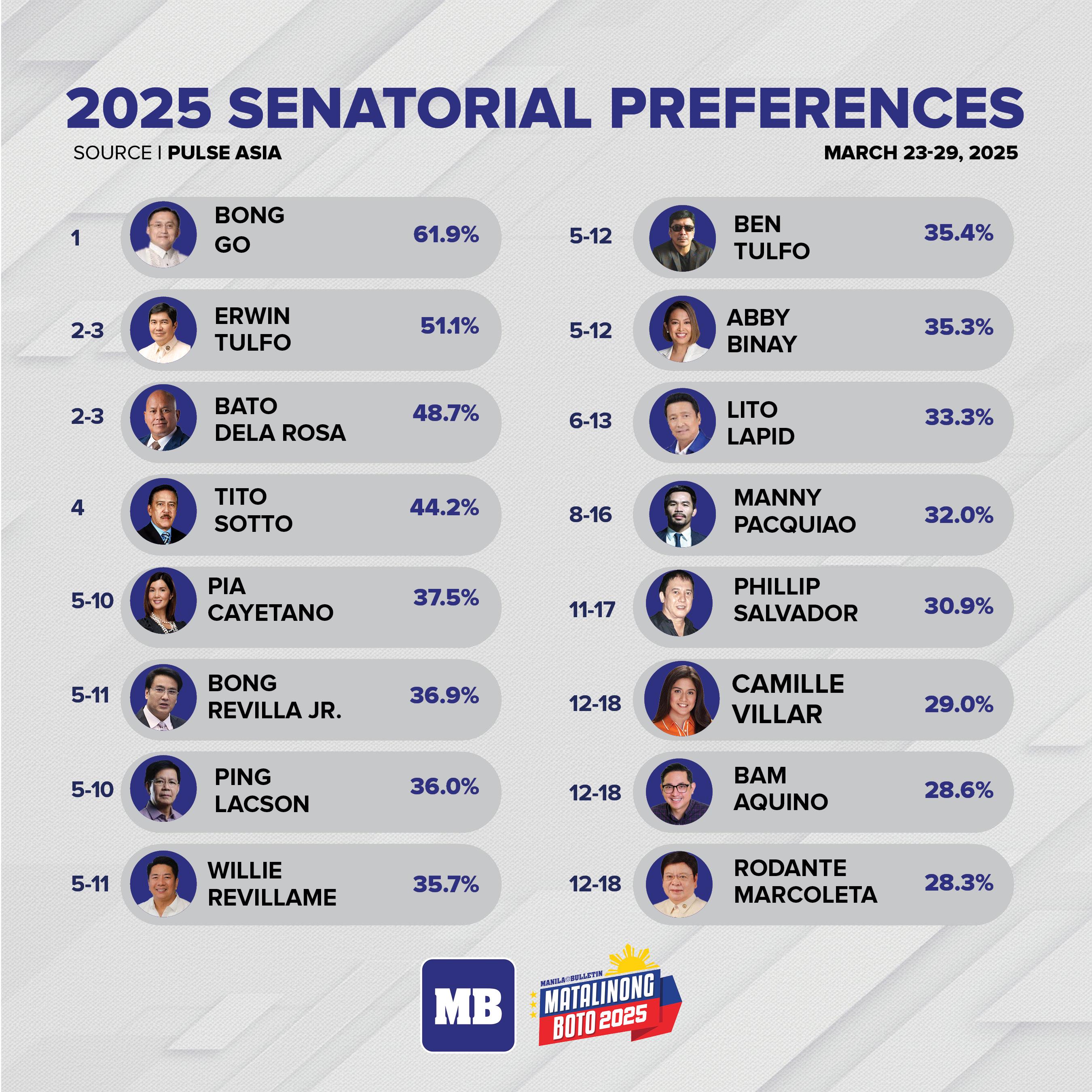
CAN THERE be any question that the logical next step for cashiered PNP Chief Gen. Nicolas Torre is to run for senator?

The next elections are still three years away; the newly sworn-in senators haven’t even warmed their seats. But the public disgust with the current crop—coupled with Torre’s elevation to hero status—just might create enough momentum and leave enough time for a new wave of Torre-type do-gooders to emerge and coalesce for 2028. The ongoing swell of public outrage against massive corruption in our public works could well become the trigger for a broader and more enduring coalition for good government. 

Many remain skeptical of President Bongbong Marcos’ resolve to pursue this drive to its politically torturous conclusion, but such a coalition—which can tap moderate elements from within the administration’s ranks—could force BBM’s hand, being the only viable option to a DDS resurgence in 2028. 

Let’s get this clear: BBM may not be our idea of a progressive democrat, and he’s been making the right noises not because he found religion, but because a Duterte comeback will threaten the Marcoses with more vicious punishment than they ever got from Cory Aquino. 

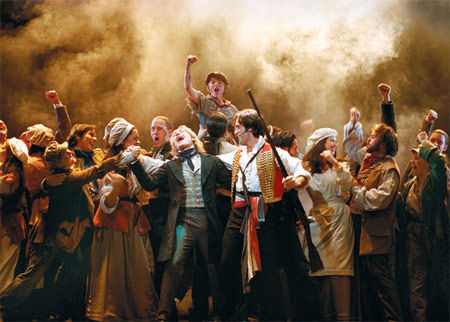
Still, it can only be a boon for the middle forces if he helps rather than hinders this brewing tsunami he was at least partially responsible for initiating when he publicly called out those divinely blessed contractors by name. We still don’t know what impelled him to take that extraordinary step, but now that the cat is out of the bag, there’s no pushing it back in, and the people won’t take anything less than decisive action against the greedy rich. You can feel the anger forming out there, the mob right out of Les Miserables taking to the streets, prepared to lynch the next billionaire who flaunts his or her Rolls-Royce umbrella while the poor drown in the floods. 

And the message is getting through: ostentation is in retreat, the Birkins and the Bentleys vanishing from Instagram beneath temporary covers until the wave subsides. But will it? How can it, when, trembling and fuming in their fortresses, the objects of our attention continue to manifest consternation rather than contrition? I love it when one of these clueless ingenues, in the midst of the uproar, protests that her family “owes nothing to the Filipino people, because the government paid for services (they) delivered.” 

The pretty miss obviously never heard Lady Thatcher, or even saw her meme reminding us that “The government has no money. It’s all your money.” (The full quotation, from a Conservative Party conference in Blackpool in 1983, goes thus: “Let us never forget this fundamental truth: the State has no source of money other than money which people earn themselves. If the State wishes to spend more it can do so only by borrowing your savings or by taxing you more. It is no good thinking that someone else will pay—that ‘someone else’ is you. There is no such thing as public money; there is only taxpayers’ money.”)

This brings us back to Gen. Torre, who showed the kind of resolve we’ve long hoped to see in our leaders by attempting to clean up and straighten out a national police force badly begrimed by President Duterte’s tokhang campaign and by its continuing involvement in such nefarious cases as the apparent murder and disappearance of at least 34 sabungeros

It seems odd that we civil libertarians should be supporting a general—and one who was ostensibly fired for ignoring his civilian superiors—but this was a man who went against the grain, who employed his authority for the tangible public good in ways that his predecessors (and yes, those civilian superiors) never did. Can people be blamed for thinking that one Torre is worth more than two or three Remullas when it comes to the delivery of public service?

And Torre was right in rejecting the notion of being designated an “anti-corruption czar” in charge of prosecuting corrupt contractors and their cohorts in government. It’s a trap and a setup, for the inevitable failure of which Torre will once again be the fall guy. Does anyone really believe that yet another toothless commission—on top of all the anti-graft and anti-corruption agencies we’ve seen come and go, and all the laws we already have in place—will solve this mess? 

The Senate could and should have been that commission, but it’s too laughably compromised to investigate its own, and their brethren in the Lower House. Perhaps we should begin by driving the crooks out of both Houses of Congress, and replacing them with men and women of fundamental virtue, honor, and decency: our Vico Sottos and Heidi Mendozas, among others. And yes, I would even include Baguio Mayor Benjamin Magalong in this list, despite his professed and unapologetic gratitude for President Duterte’s assistance to his city during the pandemic. His loyalty, he says, is to the people of Baguio, and I would rather believe him than all those jokers and poseurs in power who speak of corruption and even of establishing “Scam Prevention Centers” when they should be holding up a mirror to their own faces.

Hmmm, maybe that’s a good idea for our next rally against corruption—let’s bring hand mirrors, the way Hong Kong protesters carried yellow umbrellas to fight for their rights in 2014 and South Koreans lit candles to demand President Park Geun-hye’s resignation in 2016—the “Mirror Movement” to shame public officials and the filthy rich. Mga kapal-mukha, mga walanghiya. Not that we truly expect them to change, but that we expect to change them. Torre for senator!
Qwertyman No. 142: A Long Learning Process

Qwertyman for Monday, April 21, 2025

I RECENTLY came across a thread on social media urging Filipinos to boycott the midterm elections next month on the expectation that they will be tainted with fraud, as the 2022 elections were believed or alleged to have been by many.

When I looked it up, as early as last October when certificates of candidacy were still being filed, a retired OFW named Ronnie Amorsolo had already protested the elections, telling aspirants to not even run and calling the May 2025 polls a waste of time, energy, and money as they were already rigged. Political dynasties were making sure they would stay in power, he said, with the connivance of the Comelec and Miru Systems, the contractor for this year’s automated vote counting.

I can understand the extreme frustration of our countrymen like Ronnie who feel that the current electoral system is hopeless and that our democracy itself is a fraud given the seemingly unbreakable grip of dynastic families on our political leadership. But I disagree with his cynicism and with his call for a boycott. I think abstention will simply play into the hands of those dynasties and be written off as a virtual surrender.

To put it another way: if Leni Robredo herself believed in the futility of seeking change through elections, then why is she running for mayor of Naga? Granted, it’s friendly territory for the Robredos, but she could have symbolically stayed away to make a point. (There are, of course, those who fault even Leni for not protesting her presidential loss loudly enough and for wishing her opponent well, but I for one admire her for her graciousness and sobriety. I suspect she must have known that whether or whatever fraud may have occurred, much more work needed to be done to move Filipinos toward the light.)

As a longtime educator, I believe in learning—sometimes, the hard way. What’s happening in America now is what tens of millions of Americans didn’t realize they had voted for—but they did, and now they’re reaping the dire results; we’ll see in the US midterms next year if they’ve learned anything (and the Democrats as well, about their messaging). I’ve always thought that it will take at least two more generations before we Pinoys start looking for real merit in our leaders like the Singaporeans (whose inclination to self-censor I have always scoffed at, but for whom governance has become a learnable science). 

In the meanwhile we will keep making mistakes and keep paying the price—until we learn from those mistakes. Experience, they say, is the best teacher, but to learn from experience, you still need someone in the room to make sense of what just happened and what’s likely to happen again, if we don’t choose wisely. That’s what a good opposition should do—tilt against windmills and prepare to lose if they must, but give voters clear choices and alternatives. And the opposition itself has much to learn in terms of communicating with the seemingly unreachable. I don’t think it’s true that the only language the poor understand at the polls is money; a moving narrative of hope could work miracles.

In a very recent study titled “Elections Under Autocracy: The Opposition’s Dilemma—Compete or Boycott,” law professors Samuel Issacharoff and Sergio Verdugo point out that “Even in extreme authoritarian situations, opposition leaders should develop a pragmatic and strategic assessment of the political landscape. In many cases, the opposition should opt for participation while simultaneously exposing and denouncing the regime’s electoral abuses. Participation does not necessarily imply endorsing the legitimacy of a rigged system—despite the risk of elections strengthening the regime in the end—but instead serves as a means to challenge the regime, mobilize supporters, maintain political visibility and denounce abuses to both the domestic and international communities. By engaging in the process, opposition forces can highlight institutional flaws, document electoral manipulation, and create pressure for reform, even in the face of near-certain defeat. While acknowledging that outright victory is unlikely, there are there are compelling reasons for opposition forces to contest elections in authoritarian settings to be considered.” 

Remember 1985? If we had boycotted the snap elections then—and what a brazen act of larceny those elections turned out to be—would February 1986 have happened? It wasn’t just the plight of the military rebels that brought us out on EDSA; it was our outrage—and yes, maybe we just don’t have enough of that today, but push us some more, and it could happen again.

At this point, let me borrow some thoughts from a group called the Global Transparency and Transformation Advocates Network (GTTAN), which recently put out a statement in response to the calls for a boycott of the May elections: 

“While GTTAN understands that the boycott aims to express dissatisfaction with the electoral system and pressure authorities for reform, the reality is that with only three months remaining, any significant changes are highly unlikely.

“The COMELEC and the current administration have demonstrated little interest in implementing reforms, making boycott rallies an ineffective protest strategy.

“Furthermore, refusing to participate will not prevent the election from taking place. 

“Instead, it may lead to a sweeping victory for the administration’s candidates, as their supporters will still cast their votes.

“An outright boycott risks further weakening opposition to the government.

“For these reasons, GTTAN firmly opposes the call to boycott the elections. Instead, GTTAN advocates a strategic approach that includes: 

  1. Deploying poll watchers to oversee the voting process, including vote counting, recording, and reporting at each precinct; 
  1. Collaborating with and supporting organizations including political parties that are actively working for electoral integrity; 
  1. Advocating for citizens’ rights to review the automated election system, ensuring it meets transparency and auditability standards;
  1. Pushing COMELEC to maintain election records for a minimum of 10 years after each election and to make such records available for inspection by the public upon request; and  
  1. Educating voters on proper voting procedures and raising awareness to prevent election fraud. 

I couldn’t have put it better: engagement, not withdrawal, remains the activist’s bravest and toughest option. Whether those twelve names you write down win or not—or even get counted or not—you’ve already won your own battle against despair.

(Image from philtstar.com)

Qwertyman No. 141: Purity and Perfection

Qwertyman for Monday, April 14, 2025

LAST WEEK, former Commission on Audit Commissioner and senatorial candidate Heidi Mendoza—a staunch exponent of good governance and nemesis of crooks—drew flak from some people who would have been her natural allies on the liberal side of the political spectrum: the LGBTQ community. At issue was her expressed disagreement with same-sex marriage, as a personal belief she did not seek to impose on anyone else. That still wasn’t enough for some same-sex marriage advocates, who announced their withdrawal of their support for her candidacy.

Of course both Heidi and her detractors have a right to their opinions, but I can’t help thinking that the only people chuckling at this situation are avatars of neither good governance nor gender rights, but the enemies of both.

Heidi Mendoza hasn’t been alone in this position of being seen to have been right on many things but wrong on—well, something, but something big enough to destroy and erase whatever good they’d done before. “Being seen” is important here, because it’s a matter of perception; like beauty, “wrongness” is in the eyes of the beholder. 

Today’s social media is populated by such beholders who can’t wait to see personalities make what they deem to be mistakes, and often to point those out with all the hawkish attentiveness of dancesport judges and the ruthless certitude of Pharisees. 

I’m sure you’ve come across many more such instances of people whom you thought you knew and whose ideas you had largely agreed with, only to find them—suddenly one morning—the object of the nastiest vitriol the Internet can be capable of dishing. Once blood is spotted in the water, the sharks start circling and a feeding frenzy follows. Many comments simply echo the previous one, seeking to be even louder and crueler; little attention is paid to context and nuance.

Witness what has happened just these past few weeks:

A political scientist and commentator who had grown a substantial following for his liberal positions got skewered for comparing Mindanao to sub-Saharan Africa. Never mind his explanatory reference to a scholarly study which made that comparison based on certain criteria. In the verbal shorthand of a TV interview, the soundbite was all that mattered to many.

An expert on infectious diseases—globally recognized in that field—was savaged for opining that former President Rodrigo Duterte should have been tried by a Philippine court instead of being bundled off to The Hague. Never mind that the good doctor made it clear that he was against EJK and all the wrongs that the old man is now in the dock for. Netizens seemed to take it against him that he tried to explain how many Mindanawons felt about Duterte, and that he had worked under that administration to help stop Covid during the pandemic.

A prominent journalist and exponent of ethical journalism—also a fervent convert to evangelical Christianity—upset and lost many friends when he declared his disagreement with the idea of transgender athletes competing with their biological counterparts. (It was a view shared by a former student of mine, a lawyer and legal scholar of the same religious persuasion.) This man’s longstanding commitment to the truth and to justice seemed trivial compared to what he had to say on this one issue.

No doubt these issues are centrally important to some, the litmus test by which they judge people’s character and their “true colors.” But which color is truly “true”—the mass of blue or the spot of yellow? And what effect does single-issue politics have on the big picture?

I wonder what all those Arab-Americans who withheld their vote for Kamala Harris because she didn’t sound pro-Palestinian enough are thinking now that the man they effectively helped return to power is speaking unabashedly about Gaza as “an incredible piece of real estate.” I know that some continue to insist that they did the right thing in holding on to the one issue that mattered to them, and of course it was their right to do so. But I can’t help thinking of all those Fil-Ams who trumpeted the Orange Guy’s alleged support for the rights of the unborn, in disregard of all the pain and misery he’s causing to the born. 

Me, I’m as liberal as they come, with all of that word’s pitfalls and contradictions. I believe in civil liberties and human rights, in free speech, in freedom from censorship, in the equal application of the law for all. I also support divorce, same-sex marriage, abortion rights, transgender rights, and gun control. I stand neither with Zionists nor Hamas but for peace for the people of Israel and Palestine. I believe in and pray to God—a God who is good and just—but mistrust organized religion and both extreme Right and Left (indeed, anyone who claims to know how life should be lived) and resist doctrine of any kind, whether Church, State, or Party. If you’re my FB friend and you find any of these too reprehensible for comfort, feel free to unfriend me, or to stop reading this column. 

I have to admit that, following major upheavals like the 2022 election and the Duterte arrest, I’ve lightened my roster of Facebook friends by offloading a number of characters whose preferences I loathed. I didn’t have any qualms about that, because they were “friends” only in the shallowest Facebook sense of the word. (I find Facebook useful, but blame it for its degradation and devaluation of “friendship.”) Most had never interacted with me, and neither of us would miss the other.

But there are friends you have in real life who are arguably worth more than their politics or religion. By this I don’t mean that they fatten your bank account or make your life easier (although some might); if anything, they remind us how much more complicated people and life can be, and how ideological purity or moral perfection may ultimately be less important (and certainly more boring) than the challenge of finding some common ground and surviving together. In continuing to talk with them, we talk with ourselves and those parts of us still capable of doubt and wonder. 

So disagree as I may with her on this particular point, I’m voting for Heidi Mendoza. I suspect I stand a better chance of convincing her to support same-sex marriage than of straightening out the crooks and dimwits eager to take her place in our already benighted Senate.

Qwertyman No. 79: Hymns of Repentance

Qwertyman for Monday, February 5, 2024

A CERTAIN senator was quoted some time ago as saying that Filipinos supporting the intentions of the International Criminal Court to probe the Duterte administration’s bloody tokhang campaign should be made to sing the national anthem 1,000 times to regain their sense of patriotism. The clear message was that, if you were in favor of an international body looking into local crimes and liabilities, you were being anti-Filipino. 

It wasn’t surprising, of course, given that the good senator was among those prominently mentioned as possible defendants in the case. In jest, he said that if he were found guilty, he would miss his grandchildren if he were incarcerated in the Hague. And just to be sure, he added that not all people in jail are guilty—he certainly wasn’t.

Without commenting on the merits or demerits of a hypothetical ICC case against officials of the previous administration—something we have enough lawyers on both sides to perorate upon—I’ll just observe that the quality of justice the senator and his likely dock mates can expect from the ICC will surely be far better than that received by the victims of summary and extrajudicial executions under the regime of tokhang. In the very least, guilty or not, they will be alive and reasonably comfortable, although they might temporarily miss the company of family and friends, as those bereaved by tokhang have come to experience for all eternity.

I was intrigued by the suggestion that repeated singing of “Lupang Hinirang” would make a better Filipino out of me, or at least make me think of the ICC as some kind of fire-breathing Godzilla threatening to incinerate the Filipino race off the face of the earth.

There are far more effective songs  for instilling love of country. Yoyoy Villame’s “Philippine Geography” will teach us more about the country we say we’re dying for than our anthem, which must have been sung hundreds of times in the halls of Congress without much palpable effect on the patriotism of some occupants. At least I’m assuming it’s regularly sung there; if not, then perhaps our senator can start a little closer to home.

(As for professing one’s innocence, oldtimers will remember Diomedes Maturan’s “Huwag Kang Manalig sa Bulong-Bulungan” (remade by Victor Wood). Even Billy Joel warbled that “Although this is a fight I can lose, the accused is an innocent man!”)

On a more serious tangent, let me swipe a page from a recent talk given by UP President Angelo A. Jimenez, himself a lawyer, at a seminar of police officials on the thorny topic of national security and human rights:

“Our police officers should be commended for the seizure of a total of P6.2 billion worth of illegal drugs in the first half of 2023. The PNP’s Intensified Cleanliness Program, aligned with the Philippine Anti-Illegal Drugs Strategy, has employed a coordinated approach among government agencies to create drug-free communities. This shows that a serious and successful war on drugs can be undertaken without any needless loss of life, for as long as we observe the law, fight corruption, and remember the need for compassion in a just society. Even drug suspects have rights—indeed, even convicted prisoners—and we maintain our moral superiority by respecting those rights, even as we dispense justice. Only then and only thus can we regain our people’s trust.

“Ours is a society that operates on leadership by example. If people see their public officials and law enforcers doing the right thing, they will follow suit. If they see the law being flouted by these very same people—such as unauthorized government SUVs using the bus lanes along EDSA—they feel entitled and emboldened to do wrong themselves. Exemplary behavior at the top will create and strengthen the moral foundation for a responsible and law-abiding citizenry. We cannot demand what we ourselves cannot supply or enforce.”

Frankly, I myself doubt that a full-blown ICC investigation will prosper under the present dispensation, which reportedly promised the senator that not a hair of his (but then, where’s the hair?) would be touched by the ICC, back when the two camps were—just to use an idiomatic expression, and meaning no malice—as thick as thieves.

Now that the knives are out between the erstwhile allies, the ICC card seems to be in play again, teasing us with the possibility of justice being done, but I’m not holding my breath. It’s just too big a risk for those in power to take, too wide a door to open—like Cha-cha for ostensibly just economic provisions. Who knows what other crimes the ICC will unearth, who else they will indict, and how far back they will go? Once you give people a taste of respect for human rights, why, they’d be at it like potato chips—they’ll keep wanting more. There’d be chaos in the streets and no, sir, we can’t have any of that, just when we need law and order.

For this reason alone, I don’t think our good-humored senator has anything to worry about, neither from the Palace nor from the Hague. He can finish his term, retire to his farm in peace, shoot the breeze (or something else) with his old boss, and have his memoirs ghost-written. Unless, of course, a certain lady succeeds in clawing her way to the top, in which case the senator—still fairly young as senior politicos go—can expect a new lease on his public life and serve afresh, perhaps in the Cabinet, where men and women of action belong, rather than in the Senate, where they’re reduced to preening and tweaking their moustaches.

Someone with far greater and indisputable jurisdiction will take over this case and pronounce ultimate judgment; he will need no rapporteur, no investigating party, no authorization, no earthly prison; his verdict will be unappealable. His brand of justice will make the ICC look like talent-show judges by comparison. Those found guilty will be killing lots of time in a very warm place. Some people better start learning and singing hymns of repentance.

Qwertyman No. 1: Maiden Speech

Qwertyman for Monday, August 8, 2022

(Image from Etsy.com)

THE FRESHMAN senator was worried. The Hon. Victor M. Dooley was due to deliver his maiden speech on the Senate floor in a week, and he still hadn’t come up with a brilliant idea to wow the media with, to assure his many millions of voters that they had chosen the right fellow over a couple of dozen lawyers, economists, professors, and retired generals.

No one was surprised when he won. He had all the proper credentials for a 21st century senator: his grandmother had married an American soldier, giving him square cheekbones, facial hair, and a Western surname; his father had been a commissioner of the Bureau of Customs, amassing a fortune in just a few years; he himself had been a matinee idol, a pop singer, a TV game-show host, and, when he got too old for the lover-boy roles, he reinvented himself as “Mr. Disaster,” the TV-radio hero whom you could count on to be there even before the first Navy rescue boats, the first aftershock, and the Chinese volunteer fire brigade. 

Mike in hand, and in a voice perfect for soap opera, Vic reported on the masses’ tragic losses while doling out relief bags containing a T-shirt with the “Mr. Disaster” lightning logo, a kilo of rice, three cans of sardines, five packets of instant noodles, and a prepaid phone card with P50 load, with which they could get online and thank him on FB. He had over 10 million followers on Facebook, seven children by three women, a warehouse full of supercars, his own chopper, and a new young thing named Yvonne, whom he had met in Boracay doing the TikTok dance.

It was Yvonne—once while they were playing footsie at the fish spa—who had dared Vic to run for senator, to prove that he really loved her and that he was really as popular as he claimed to be. She hadn’t even been born when Vic Dooley—sneaking out of his History class—joined a noontime TV show and shook, rattled, and rolled his way to showbiz fame. Vic giggled when she said, “Why not run for the Senate?” and she thought he was tickled by the idea, but it was only the tiny fish feeding on his toes. At any rate, like they say, the rest was history, and Yvonne stole the SONA fashion show with her see-through terno.

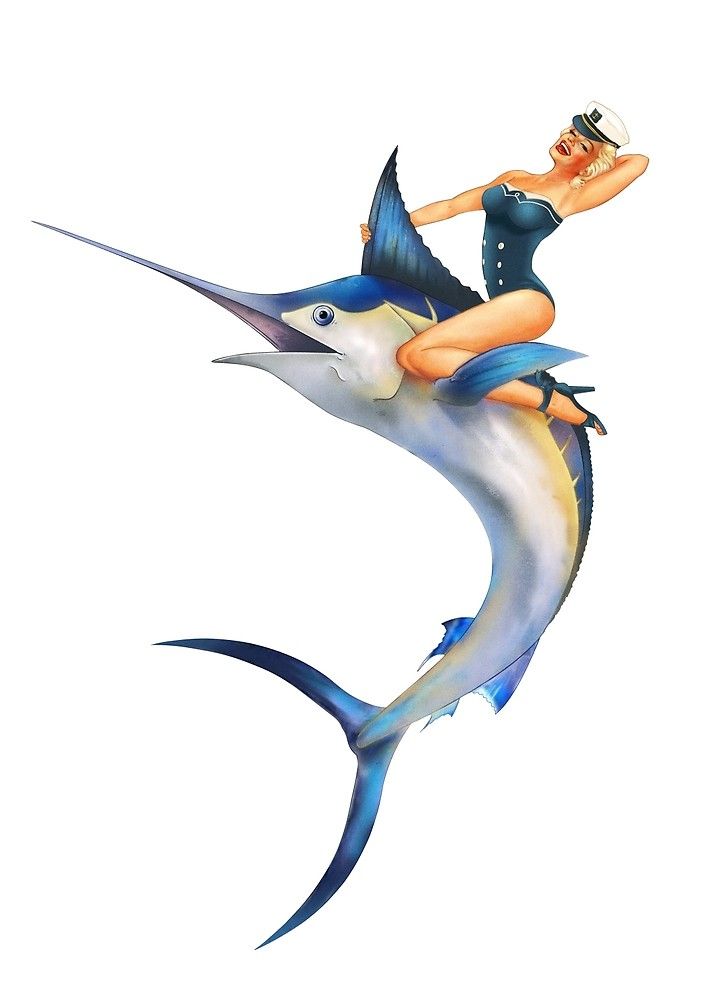
Now Yvonne liked to hang out in Vic’s Senate office, which she had decided to decorate with a marine motif—to remind her, she said, of her humble beginnings as a fisherman’s daughter in Caticlan. This distressed Vic’s chief of staff Roy, who was a professional operator Vic hired from a defeated incumbent, and who could not keep his eyes off Yvonne’s bare belly. She was tweaking the angle of a huge blue marlin painting on the wall behind Vic, who was too deep in thought to notice. Even now, when they were gathered around the big table to discuss Vic’s maiden speech, Roy’s gaze traveled below her navel. 

“Everyone knows me as Mr. Disaster. So we should come up with something disaster-related, right? Hmm, like maybe deputizing Boy Scouts and Girl Scouts for disaster relief operations?”

“But boss, if one of them drowns, it might be an even bigger disaster!” said Roy. 

Vic nodded reluctantly. “You’re right…. How about a change of image? Slowing down a bit to something softer, gentler. Like, uhm, Mr. Sensitive. Kuya Vic. Someone you can turn to….” He looked up dreamily at the ceiling, imagining his new persona.

“Hm, puede,” said Roy. “Instead of going out to every disaster, we can just set up a social welfare unit in the office—maybe something Ma’am Yvonne can head!”

“Did I hear my name? Are you giving me a table and a chair? Can it be in aqua?”

Vic struggled with his irritation. “I need an issue I can be identified with—something that will appeal to the heart of the masses, that they will thank me for forever…. That congressman’s anti-ghosting bill’s pure genius! I wish we’d thought of that first. Imagine all the heartache saved if people just—just told the truth! Are you there, are you alive, do you love me, what about our kids? And to think that he even linked emotional abuse to loss of productivity—” 

“If you criminalized emotional abuse, half of this country would be in prison, and mostly men,” Roy said dryly. “How’s that for loss of productivity?”

“Ohhh, you’re right again,” Vic said, remembering how he had skipped out on the three mothers of his children. “It’s a violation of—of human rights! Of the pursuit of happiness!” Instinctively he reached out for Yvonne, curling his arm around her waist. “What do you say, baby?”

“I think a sea turtle would be good for the other wall,” she said. 

Roy groaned, too audibly, and Vic frowned. Yvonne slid out of Vic’s grip and stretched her body like she was about to do calisthenics. “You know, I’d rather leave politics to you boys because I’m more interested in, uhm, the finer things in life, like beauty, health, and art. But let me give you a tip: you can’t legislate things like happiness or the truth. Ghosting? Did they even think of the implications of a law against ghosting? It would force people to tell the truth, to own up to their responsibilities, to face the consequences. Sounds good, but don’t you see where the opposition can go with this? Let me throw you a hypothetical question: if you owed someone a lot of money, like back taxes, and that person comes running after you but you pretend not to hear them, as if you never owed them anything, isn’t that ghosting?” 

She turned to Vic and planted both hands on the table, leaning into his face. This time Roy wasn’t looking at her midriff but at her eyes, which reminded him of his Math teacher in high school, when she was about to send him to the blackboard. “If you like this office as much as I do, pray for more disasters to happen, and keep doing what got you here. Novelty and political risk are directly correlated.”

“Where did you learn that?” Roy whispered.

“Western Aklan Institute of Technology, AB Political Science, magna cum laude, 2018. Best Undergraduate Thesis for ‘The Impact of Full Devolution on Environmental Compliance in Boracay Island.’”

“Can—can you write my maiden speech?” the Hon. Victor Dooley croaked. “Write whatever you want.”

“I thought you’d never ask,” said Yvonne, adjusting the tilt of the blue marlin yet again.