Penman No. 480: A Call to Serve (Untold Stories of Rosa Rosal)

Penman for Sunday, November 23, 2025
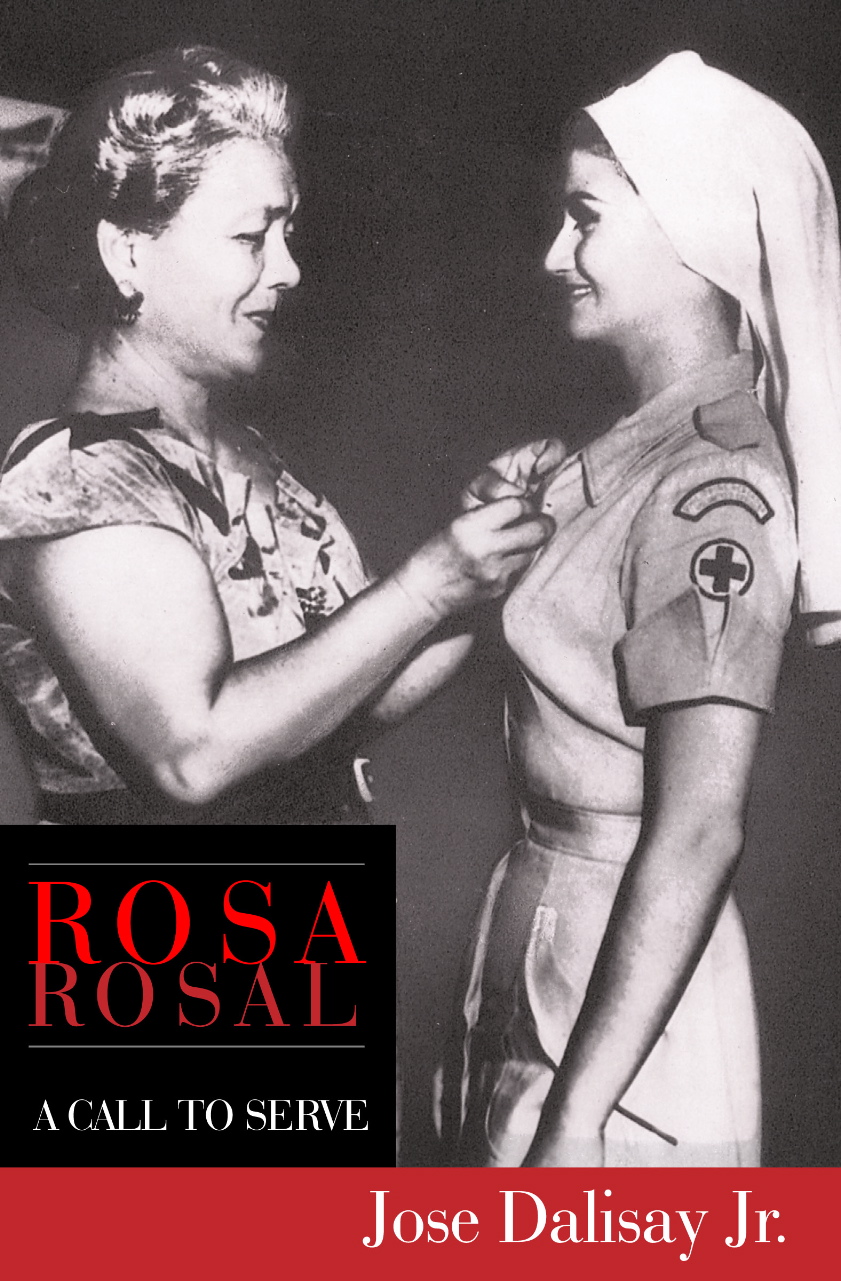
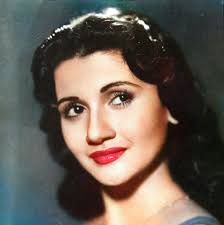
IT WAS with great sadness and regret that I received the news of Rosa Rosal’s passing last week—sadness, because of what everyone who knew her and her work would have seen as the end of an extraordinary life of artistry and service; and regret, because I had completed her biography fifteen years ago, and it came this close to publication before being shelved, for reasons I can no longer remember. I think Rosa said she needed to look into it a bit more, but never came around to doing so, until the months became years, and we eventually lost touch.

The book had been commissioned by the Philippine Red Cross, the organization to which Rosa had devoted much of her life’s work away from the cameras. Having established herself as one of the country’s biggest movie stars—and not just a star, either, but a truly talented and accomplished actress—Rosa decided to put her celebrity to good use by aligning herself with the Red Cross, its blood donation drives, and other humanitarian efforts she pursued on her public-service programs.

It’s a pity the book (Rosa herself chose the title: A Call to Serve) never came out because Rosa’s life story was a stirring and remarkable one, centered on a woman vastly different from her onscreen persona and yet filled with such drama that it would be hard to believe as a movie. Her life seemed a constant pairing of triumph and tragedy, of maintaining courage and composure in the depths of pain and despair. Toward the end—she was already in her eighties then, and prepared to face her Maker—she left everything to God, being the person of faith that she was all her life.

I recovered the manuscript from my files, hoping that with Rosa’s passing, the Red Cross and Rosa’s family might decide to revisit the project and bring it to being—we owe it to Rosa and all she did. Herewith, some excerpts from the book that might yet be:
Screenshot

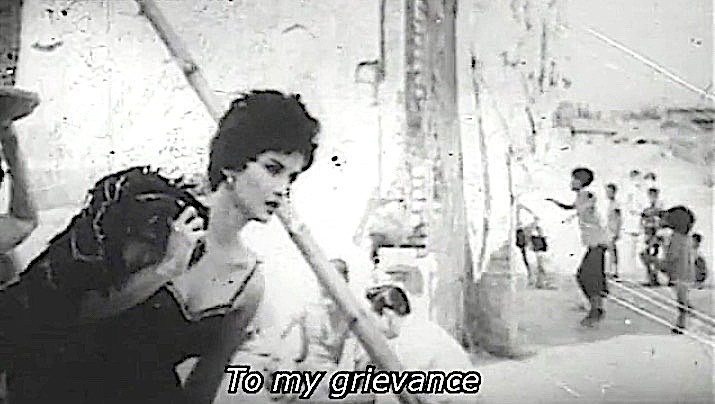
In retrospect, the opening sequence of Anak Dalita (LVN Pictures, 1956) captured what its star, Rosa Rosal, would be doing for the rest of her life: bringing comfort to the afflicted, as unlikely as her appearance and position may have been for an angel of mercy.

In that prizewinning film, set in the war-torn ruins of Manila’s Walled City, Rosa’s bargirl-character Cita steps into the frame in a black, spaghetti-strapped dress, almost ethereally beautiful and glamorous amid such squalid surroundings. It is daytime and she seems to have worked all night, but her first concern is to seek out a dying woman whose soldier-son has been stationed abroad. 

The beauty and the glamour were genuine, and vintage, vampish Rosa Rosal. But just as real, offscreen, was the compassion that animated her in a long and still continuing life of virtue and public service. Rosa Rosal was as lustrous a star as stars came, but her feet remained on bare and solid earth; over the decades, it was the star within her that shone even more brightly than her on-camera celebrity.

The woman who would be known as the Florence Nightingale of her country was, fittingly enough, born with that name. Rosal Rosal was born Florence Danon on October 16, 1931 to Julio Danon and Gloria Lansang del Barrio. 

Very little is known of Julio, a French-Egyptian-Jewish businessman. “My father died when I was very young, so I never got to know him,” Rosa says. It was her mother whom Rosa grew up with and looked up to. “She was a simple woman from Sta. Rita, Pampanga, a typical Kapampangan—a great cook, and very industrious. The wisdom she gave me is what made me who I am now. It’s a great thing that I chose to listen to her words instead of resenting her constant presence.”

When Rosa was six, Gloria remarried a Filipino named Ruperto del Barrio; they would have four more children—boy-and-girl twins, and then two more girls. “We weren’t rich, but we lived a decent life thanks to my mother and stepfather’s efforts. They bartered with people from the province. My mother was such a hard worker. She used to sand down all our furniture with is-is, a rough-textured leaf.”

The family lived in a two-story house in Sta. Cruz, Manila. Theirs was a simple, unassuming life, where time spent with one another was highly valued. “My mother made sure that the whole family ate together, so everyone could talk to each other and share stories. We spoke Tagalog in our house.”

Rosa went to the Antonio Regidor Elementary School. Early on, a lifelong trait of hers would surface here. Rosa saw herself as a “strong person,” but instead of using that strength to get ahead of others, Rosa used it to protect the weak. “When I was 10 years old, there was this girl who kept on bullying one of our other classmates. At first I tried talking to her,” Rosa recalls. “I begged her not to cause any more trouble for anyone. But she ignored my request. So one time, when the two of us were in the girls’ restroom, I dunked her face into the toilet bowl. She begged me to stop, but I made her promise not to bully anyone anymore before I did.”
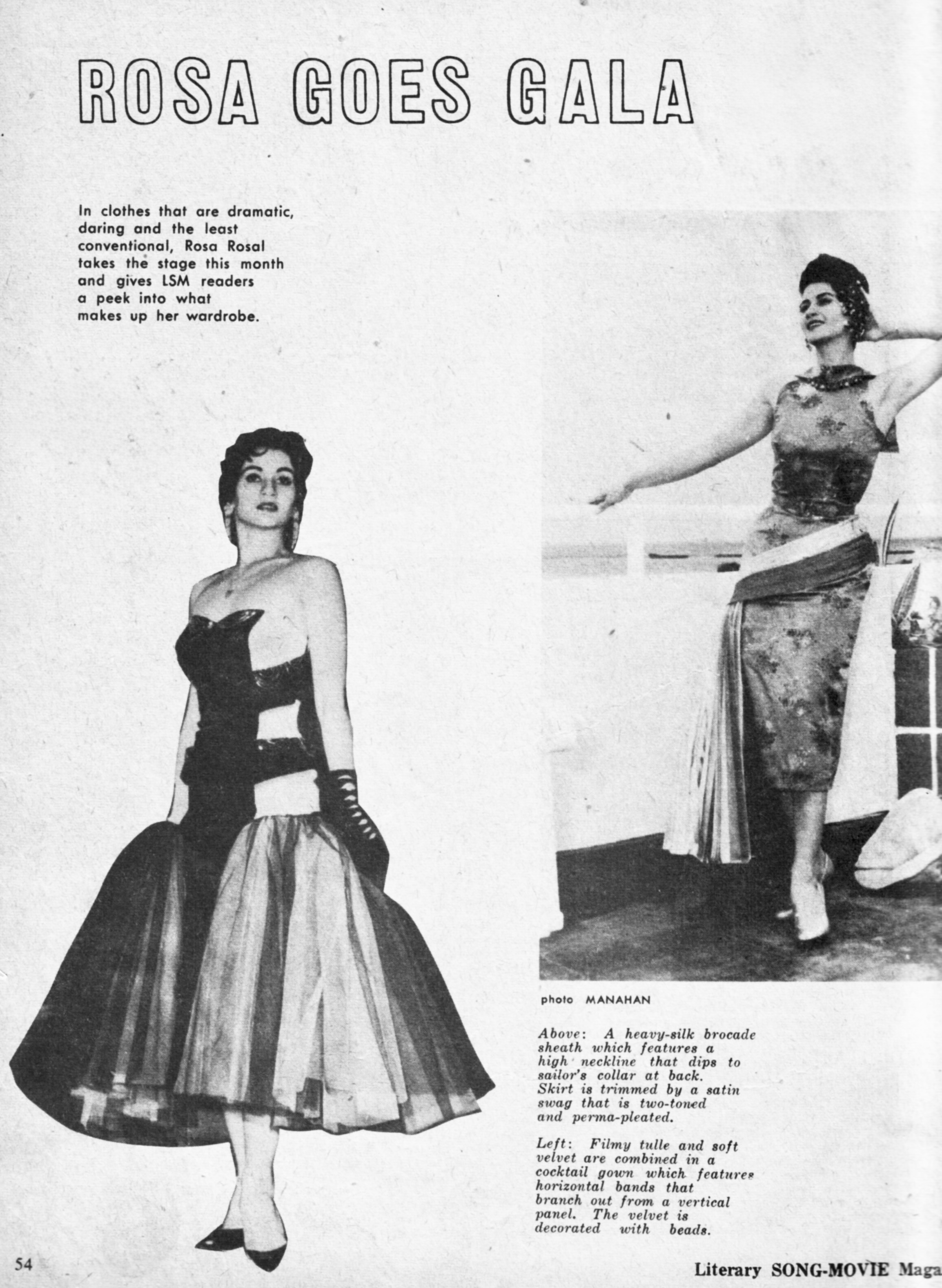
On screen, Rosa continued to do what would have made most Filipino mothers faint. She seemed to think nothing of doing kissing scenes, wearing figure-hugging bathing suits, and playing the other woman. She was the character people loved to hate, but were also secretly entranced by, because she did freely what they could not.

In private, however, Rosa was anything but that kind of woman. She was deeply religious and devoted to her family, and her main objective was to give herself and her siblings a proper education. “Unlike my colleagues, I wasn’t too fond of going out and socializing. I didn’t frequent clubs or places like that. It was only later on that I formed friendships with my fellow actors, like Delia Razon. Actually most of the people that I hung out with were men, and everyone else thought of me as one of the boys. When we went out on the field I had my own accommodations, but I still preferred to sleep and hang out where the crew stayed.”

Oscar Miranda bore witness to the other Rosa: “In our neighborhood, Rosa was admired. Even when she was already a star seemingly beyond our reach, she had a nice smile and a kind word for everyone. In spite of her growing contravida image, everyone knew she was a nice girl, a good girl who was respectful and devoted to her parents, a very pious girl who heard mass every Sunday. Everyone sensed that her new image was just for show and Rosa was their star. Because the neighborhood saw her grow up, she was really one of them.”
“One time there was this girl at the PGH ER who had fallen from the top of a five-story building, and was in a coma. I returned to the hospital two days later and the girl was still there. I couldn’t help but ask around about her. I was told that the child needed a neurologist, so I talked to Dr. Vic Reyes, a good friend, and had him look at the child. The doctor said that it was a hemorrhage and that the girl needed blood. So I went to the Red Cross, got some blood for the girl and brought it back to the hospital. Even with the blood, the doctors were not sure if the child would make it. The mother was there, crying the whole time.

“When the blood was about to run out, the girl’s hands suddenly moved. Her eyes opened, and she cried out, ‘Mama!’ and the mother cried again, this time in relief. So with that experience I saw first-hand what blood can do. I realized that blood is something very precious. It can really prolong someone’s life. That’s when I decided to dedicate myself to the Red Cross,” Rosa recalls. 

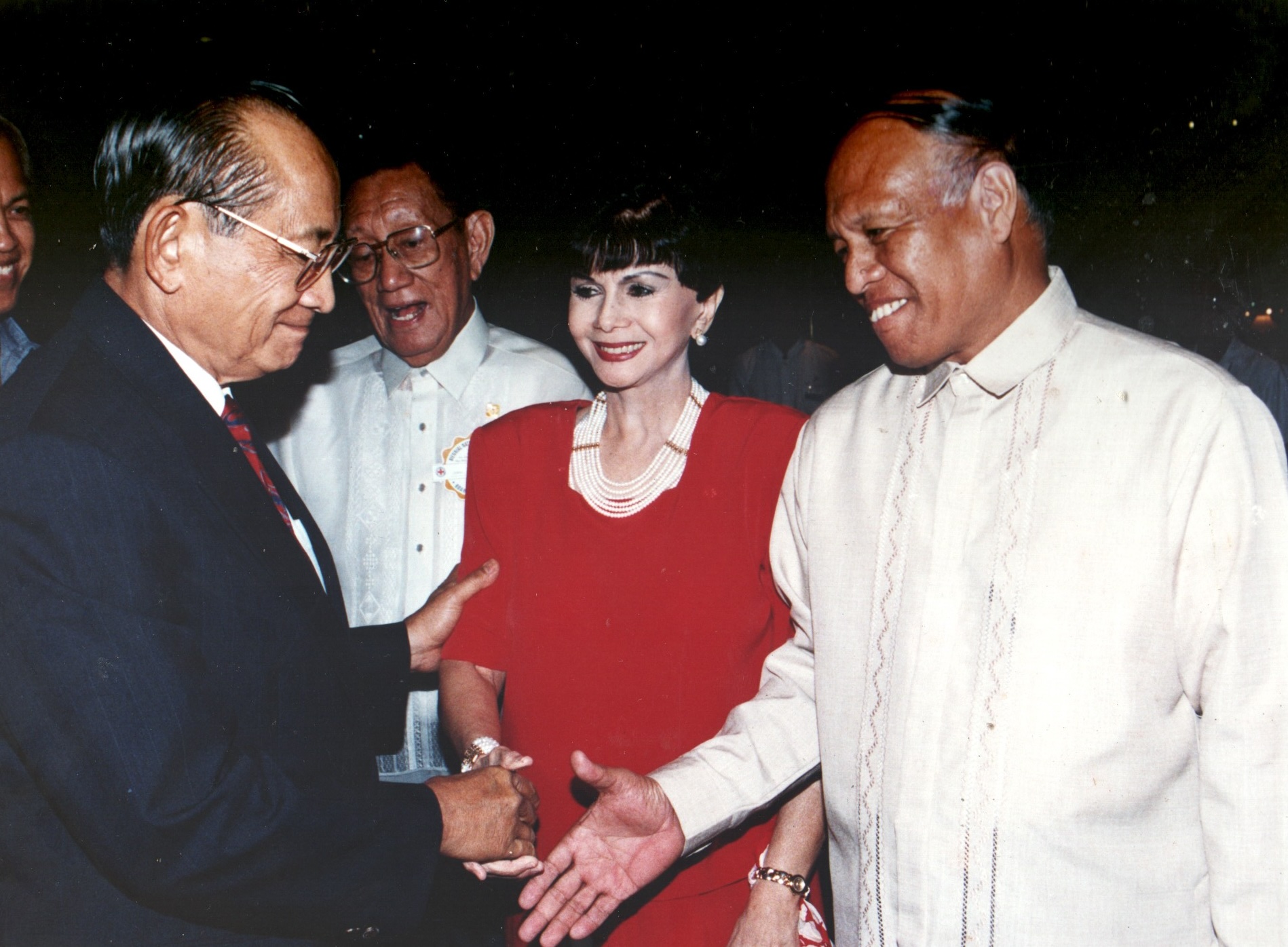
Even before this, Rosa had already attended blood donations through the Red Cross. “At the time, before you were accepted as a Red Cross member, you had to undergo training. I would come home from shooting at 5 am and then go straight to the training at 7. I didn’t have a car then so I had to take a cab to the Red Cross.”

The Red Cross and its blood bank would become so important to Rosa that they would eventually become the focus of her life, well beyond the movies. “You know I don’t celebrate my real birthday. I celebrate July 4,1950, the date of the first blood donation drive that I organized. It was held in Muntinlupa. I used to personally deliver blood to hospitals in Subic. On one such delivery run, a group of Huks—Communist guerrillas—stopped me in Pampanga. They told me that the next time I passed by, I should attach a Red Cross banner to my car so they would know that it was me.”

There was a tragic background to that encounter with the Huks. She had become friends with Baby Quezon, President Manuel Quezon’s daughter. “The two of us would meet at the Army-Navy Club. One day, I had just made a personal appearance, and they were asking me to hang out with them. Normally I couldn’t say no to Baby, but my mother was waiting for me at home. On the way home, I was with Alfonso Carvajal, and we heard on the radio that Baby and her friends had been ambushed by the Huks, and they were all killed. When I got home I told my mother what happened. I realized that my love for my mother saved my life.”

Working for the Red Cross also began to change how Rosa might have wanted others to see her. “When I became a regular volunteer for the Red Cross, I requested Manny de Leon if I could veer away from contravidaroles. I was tired of playing one, anyway. So he gave me Sonny Boy, opposite Jaime de la Rosa, and I won a FAMAS award for that.”

* * * * *

Not everyone appreciated Rosa’s efforts. Some suspected her of hypocrisy, of using her social work to promote herself. One incident is embedded in Rosa’s memory. “One time a group of teachers wanted to raise money to build a school in Tondo. I was able to raise P10,000 and I gave it to them. I was about to go home from Tondo when I noticed that one of my car’s tires was flat—the tire had been slashed. A man stepped up to me and said that he was the one who did that to my car. He said that I was doing all of my volunteer work not because I wanted to help people but because I wanted to sustain my popularity as an actress. The teachers helped me fix my car and told me to ignore the man, but I was still affected, and I cried on the way home. My mother saw me and I told her what happened. She didn’t tell me to stop doing charity work. She just sat with me and comforted me.” 

Years later she would meet this man again—a girl was badly in need of a blood transfusion, and Rosa provided the help she needed. A man who identified himself as her father approached Rosa in tears, begging her forgiveness. “I was the one who slashed your tires,” he confessed. “I’m so sorry I doubted you!” Rosa wept with him, astounded by the irony of the situation.

* * * * *

That part of the country—Batangas, Cavite, Laguna—lived up to its reputation as a hotbed of rebellion and outright banditry. Steeped in poverty, people resorted to desperate acts; the comforts and glamour of Manila were another world away, and the only contact that the provincial folk had with it was through the movies—or, better yet, on those rare occasions when the movie stars themselves deigned to make a personal appearance in the boonies, usually in conjunction with a town fiesta, of which their ethereal visitation became the highlight.

And so did Rosa find herself again, another time, on another bus in Batangas, coming home from an appearance with an entourage of about 20 actors, singers, and dancers. Suddenly the bus was stopped in the middle of the road by a gang of robbers. “There were about ten of them,” Rosa remembers. “They boarded our bus and asked for our belongings. I told everyone to just comply. The thieves heard my voice and thought that I sounded familiar. To be sure, they asked me who I was, and I said I was Rosa Rosal. ‘Aren’t you the one with the Red Cross?’, one of them said. I said yes, and to everyone’s great surprise their leader ordered his gang to return what they stole. “Return everything. Don’t touch her, because she helps people like us.’ And then they left. We all cried afterwards. It was quite an experience. But I didn’t tell my mother about it.”

I wish I could share more—we’ve barely scratched the drama of her real life—but the rest will have to wait for the book. Let me end with something Rosa wrote in her preface (with a reference to her beloved grandson James, who died in an accident in 2010):

“I am ready to go anytime that He calls for me. I know that when that time comes, Jesus, my mother, and James will be there to welcome me. I can imagine the smile on their faces when God shows me the permanent home He has prepared for me. I thank Him for all the awards He has given me. I praise Him for the death of my grandson, James, as well as the 30 years of suffering of my mother. We praise God not just for the good times but also for the painful times. I have gladness and joy in my heart as I have obeyed His commandments and I answered His call to serve.”
Qwertyman No. 92: The Return of the Old Normal

Qwertyman for Monday, May 6, 2024

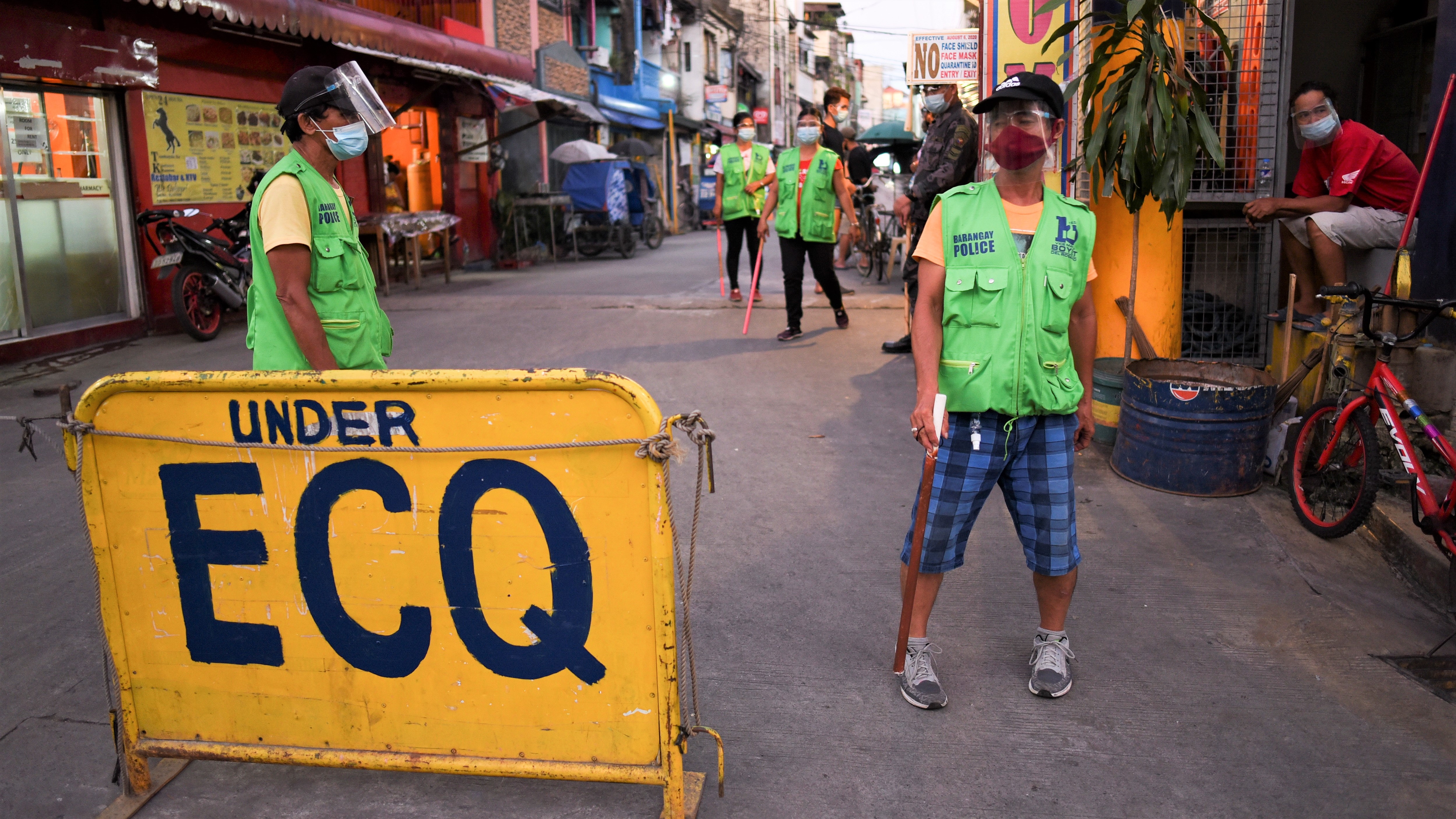
FEW WILL remember it, but yesterday, May 5, marked the first anniversary of the official end of the Covid-19 pandemic as a global health emergency, as announced by the World Health Organization. Of course it didn’t mean that Covid was over and gone—it would continue to mutate into thankfully less lethal variants—but the worst was over. It had infected more than 765 million people around the world, and killed almost 7 million of them; in the Philippines, as of last month’s latest figures, over 4 million of us caught Covid, and we lost more than 66,000 friends, family members, and neighbors to the disease.

It’s amazing what a difference a year makes. The pandemic rules had been relaxed long before May 5 last year, and much of 2023 and 0f the present year had been spent by us trying to get back to life as we knew it pre-Covid at a frenetic pace—engaging in that new term, “revenge travel,” buying new cars, building new homes, and as of last week, complaining about the infernal heat wave like it was the worst thing to have plagued us in decades (maybe it was—since Covid). For the most part, we seem to have willed Covid out of our minds, eager to replace its bitter memories with fresh and happy ones—an entirely human thing to do, to cocoon ourselves against the pain of loss. Are we in the “new normal,” or have we returned to the old?

I remember most vividly the paranoia that gripped the country during the pandemic’s early days—the first reports of people we knew dying horrible deaths in isolation, the terror following a sudden and suspicious onset of coughing and fever, the constant fear of carrying the virus home to the innocent and the infirm in one’s shoes, one’s clothes, one’s merest touch, the rapid disappearance of disinfectants and bread from the shelves, the inevitable closure of cinemas and restaurants, the anxious eyes peering above face masks and through face shields, the physical boundaries beyond which only a select few could cross—and, of course, the near-endless wailing of sirens announcing the imminence of death and dying. Unfamiliar words and phrases entered our vocabulary: co-morbidities, social distancing, quarantine, lockdown, ECQ, EECQ, RT-PCR, community pantry, antigen, remdesivir, hydroxychloroquine, Ivermectin, Sinovac (and anti-vaxx), etc.

Like many others, I lost friends to Covid, from very early on when no one knew what was really going on and what could be done to save patients who were turning up feverish and could hardly breathe. One of them was my own cardiologist, who reportedly assisted a patient whom he didn’t know carried the virus. Others were academics and senior officials returning from conferences overseas. Fortunately, no one in our families died of the disease, although many of us, myself included, later caught it at some point despite all precautions. When I did catch it, I have to admit that it was with a strange sense of relief, not only because I could now count myself a participant in a grand if horrible experience, and also because I imagined, perhaps foolishly, that I would be rewarded with some kind of immunity from further and worse infection.

Those of us who survived Covid hopefully did so with a more profound appreciation of the gift and value of life, and of the need to do good in the time we have left. But the 2022 elections only seemed to prove the power of political patronage, which became even more keenly felt during the pandemic, when local officials down to the barangays held sway over their constituents like never before. Covid sharpened the already stark contrast between rich and poor, from access to what were seen as the most effective vaccines to self-declared exemptions from certain restrictions like liquor-lubricated parties and literal hobnobbing. In the end, the virus didn’t discriminate, scything rich and poor alike, although the poor, living in cramped communities, were always more likely to fall ill and die.

What the public often failed to witness—and therefore can’t remember—were the stories of the frontliners who met Covid head-on and served as heroes behind the scenes. I’m now working with Dr. Olympia Malanyaon—a pediatric cardiologist who also served as Director of the Information, Publication, and Public Affairs Office of UP Manila—on a book she’s writing to document the efforts of UPM and of the Philippine General Hospital (which is part of UPM) to respond to the Covid crisis. The PGH, the country’s largest public hospital, was designated a Covid-referral hospital almost as soon as the pandemic broke, and its people found themselves in the vortex of an unprecedented medical and social crisis, and we want to tell their stories in this forthcoming book.

The word “hero” gets bandied around a bit too easily these days, but if there was a time for heroes to emerge, it was during the pandemic, when what used to be the most routine decisions (“Should I report for work today?”) could mean a matter of life and death. When the death toll mounted, many PGH staff resigned for fear of infecting their families, but many more stayed on, with nurses pulling 16-hour shifts and some doctors remaining on duty for as long as 30 hours.

Even utility workers recalled how pitiful the plight of the afflicted was. One said that “They had no one with them, not even when they died. They would be put into body bags, which could not be opened. Then they would be cremated the next day, without being seen by their families.” And then, the staff felt shunned by society when they went home as ordinary neighbors. “When we ordered at the fastfood, the guard shooed us away when he learned that we worked in the Covid unit,” recalled another. “I was very upset. It felt very degrading to work so hard, to line up for food when you got hungry, only to be turned away.”

Thankfully, the crisis also brought out the best in some other Filipinos, such as those who poured their time and money into community pantries that served the hardest hit. For a while back there, we saw and felt the glimmer of our inner heroes. It was a spirit that I hoped would be sustained into a broader and more enduring wave of change in 2022, but as the pandemic receded, we realized how much of the old normal yet remained.

Covid made us aware of the precariousness of our health as individuals. Looking forward to 2025, I wonder what it will take for our people to value their well-being as a society and as a nation.

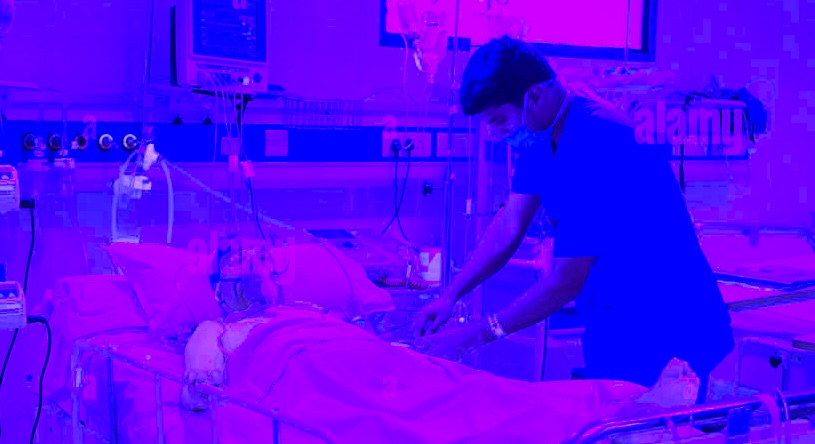
(Image from Reuters/Lisa Marie David)

Qwertyman No. 84: An Advocate for IBD

Qwertyman for Monday, March 11, 2024

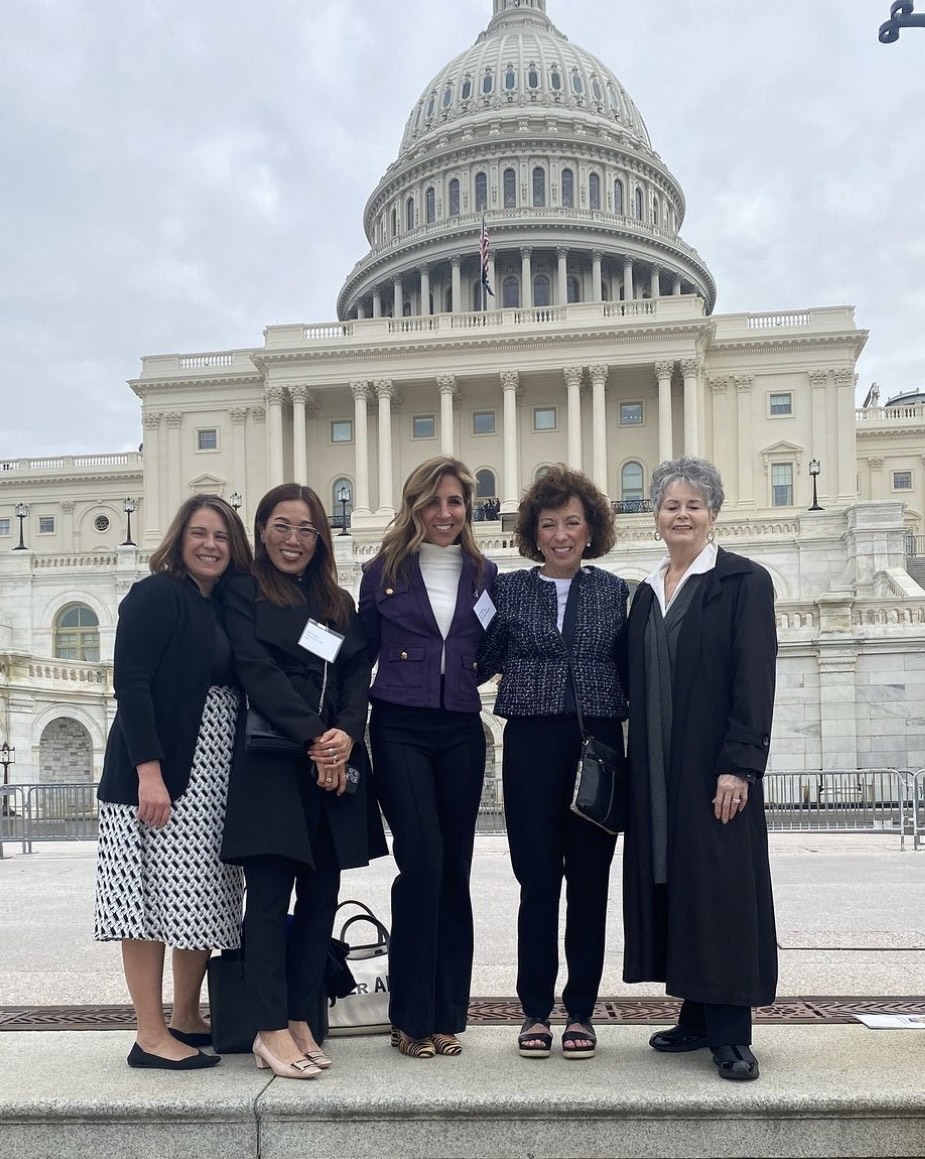
YOU’LL FORGIVE me this “proud papa” moment if I preface this week’s column with the news that our unica hija Demi Dalisay Ricario, who’s unbelievably turning 50 later this year, represented Asian-Americans—and indeed the Philippines—on Capitol Hill in Washington, DC recently to lobby for changes in US health laws on behalf of patients. That’s an ocean and a continent away and doesn’t really affect us, but what’s salient here is that Demi went there on behalf of the American Gastroenterological Association (AGA) as an advocate for Inflammatory Bowel Disease (IBD) concerns—and that touches on our lives as Filipinos.

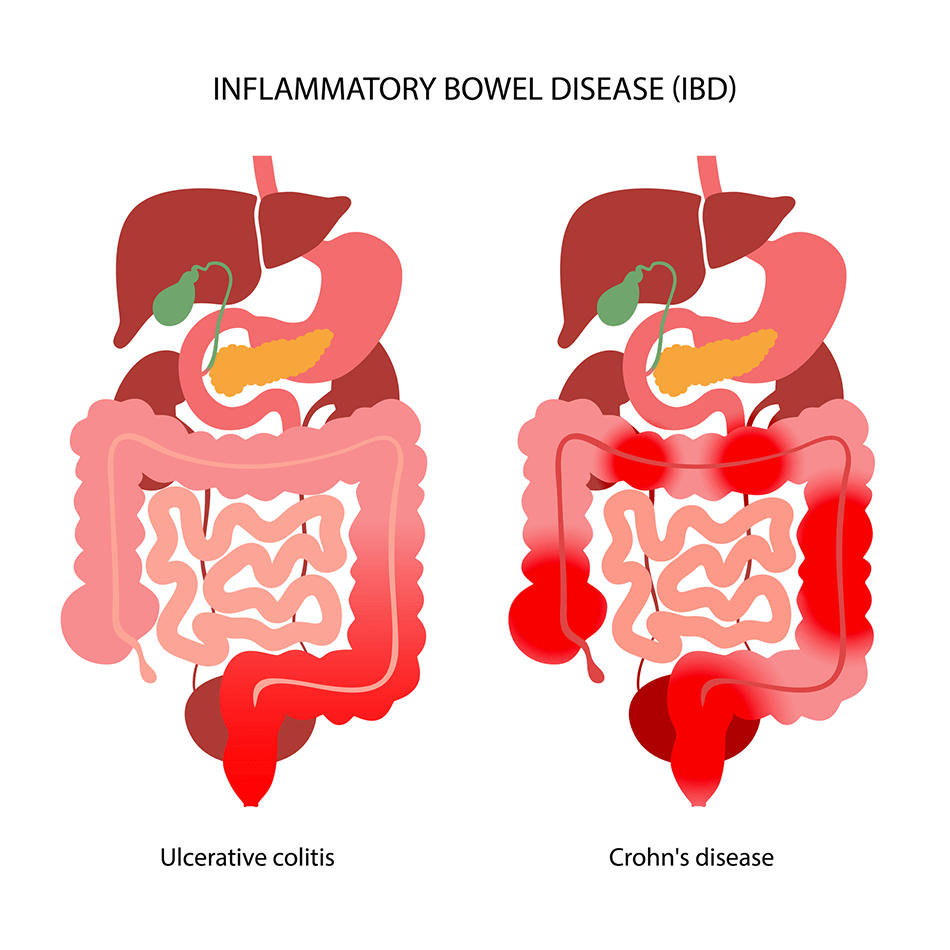
IBD is one of those little-known and often misunderstood diseases that can turn life into a living hell for its sufferers. It comes in two variants—ulcerative colitis (UC) and the more severe Crohn’s disease (CD), both of them involving inflammation of parts or all of the intestines. Often accompanied by bloody diarrhea, UC and CD and can be extremely painful and be lifelong burdens—or even turn fatal. 

Their causes remain unknown, but genetics, environmental factors, and immune responses seem to be active factors. Remedies include strict dietary changes and employing colostomy bags. Patients can find their social lives diminished or even be stigmatized. It’s not that common—according to the IBD Club of the Philippines, UC hits 1.22 out of 100,000 Filipinos and CD just 0.35, but it’s that same obscurity that makes it difficult to recognize, diagnose, and treat properly. In our culture where people tend to ignore or diminish their ailments—especially embarrassing ones—and consult doctors only as a last resort, the problem gets magnified.

It was on one of our visits with Demi in San Diego ten years ago that she fell terribly ill with blood in her stool, and despite all the tools available to modern American medicine, no one could tell why. Only months later was she positively diagnosed with UC, bringing both relief and radical lifestyle changes, especially to her diet (she can’t eat anything with wheat like ordinary sliced bread, among others). She held a high-pressure job as a frontliner in one of San Diego’s premium hotels, and stress is a high inflammatory factor.

“People often struggle to understand that IBD is an invisible illness, which means that sufferers might look healthy outwardly yet still experience significant health challenges,” Demi says. “This misconception is particularly challenging for individuals like me, who worked in high-end environments like the US Grant hotel, where maintaining an elegant appearance and managing demanding clients was part of the job. The contrast between looking ‘well’ and feeling unwell led to misunderstandings, as people would say, ‘But you don’t look sick!’

“The unpredictability of IBD symptoms significantly impacts mental health and daily life (it makes me anxious sometimes). Fluctuating symptoms such as frequent restroom visits and pain can hinder social interactions and activities. The inconsistency of the disease makes it difficult to commit to plans, as fatigue is a common issue. Additionally, managing a career can be problematic; frequent medical appointments and unexpected flare-ups often disrupt regular work schedules. This was my experience at The Grant, where I had to forego managerial opportunities to avoid exacerbating my condition. Additionally, managing relationships and friendships can be complex with IBD.”

IBD patients have a hard time at parties and social events, especially in the Philippines, where pakikisama is part of a strong food culture. People with colitis can’t eat ordinary bread or drink milk (think halo-halo). Demi has had to be adept at declining offers of food—a no-no for Pinoys—and explaining her unusual condition.  

“Before heading to any event or restaurant, I take a look at the menu online to figure out what I can eat. I’ve even gotten into the habit of giving the host a heads-up about my diet to make sure there’s something on the table I can actually enjoy. When it’s time for those long flights to places like Manila, I pack a stash of gut-friendly snacks in my carry-on (usually gluten-free bread, granola bars, nuts, and fruit). Whenever available, I pre-order gluten-free meals for my flights. After dealing with IBD for almost a decade, I’ve learned the hard way what foods are my friends and which ones are foes, such as gluten and lactose.”

To help her fellow Pinoys deal with IBD, Demi created a “Dear Colitis” Facebook page, also to encourage them to come out in the open and realize that they have a virtual global support group. Her advocacy continues online and with various entities like Pfizer, the Academy for Continued Healthcare Learning, and the Crohn’s Colitis Philippines FB group. Last year she was invited by the American Gastroenterological Association to join six other advocates as part of their pilot Patient Influencer Program to help promote IBD awareness, giving her the opportunity to participate in this year’s Digestive Disease National Coalition Public Policy Forum in DC. 

She explains that “Filipinos dealing with IBD should be well-informed about their condition and discerning about the reliability of information sources they encounter. It’s crucial for patients to be their own advocates, boldly voicing their needs and concerns whether at home, in the workplace, or in social gatherings. This self-advocacy is key to maintaining a good quality of life. Cultural concepts such as hiya (shame or embarrassment), pakikisama (camaraderie or fitting in), and the fear of being a pabigat (burden) can pose significant challenges. These factors might discourage individuals from speaking out about their condition, but overcoming these barriers is essential for their well-being and mental health. By confidently communicating their needs and educating those around them, Filipino IBD patients can navigate their condition more effectively while fostering understanding and support in their respective circles.”

Spoken like, well, a spokesperson, but I think a good one for the job.

(Illustration from Johns Hopkins Medicine)

Qwertyman No. 73: Nurse and Patient Both

Qwertyman for Monday, December 25, 2023

(Today I’m offering, as I customarily do, a Christmas story, albeit one in rather unusual circumstances, to provoke us into reflecting on what Christmas should mean.)

NURSE NESTOR couldn’t recall how many times he had performed this procedure—thousands, for sure, in the ten years he had been with the hospital—and he had to acknowledge that it did get easier with practice to the point that he could lecture newbies on the proper way of doing things, such as changing diapers based not on their availability but on the patient’s needs, to avoid prolonged wetness leading to contact dermatitis.

He had become largely inured to the smell of urine and excrement, and all the other effusions sick bodies produced. Some other nurses and doctors dealt with that by employing exotic methods like putting coffee grounds or some other odor absorber in the room or applying lavender oil under their noses, but double-masking was enough for him, until he understood that some smells were simply too powerful to be suppressed, and that a philosophical kind of acceptance was the only real way of surviving along with one’s patients. Soon he reveled in being able to undertake the toughest assignments, such as the aging movie star who refused to let people know that he had had a colostomy, even when the hole in his belly began to leak. They had chatted about his biggest hits as Nestor irrigated the stoma, flushing out the detritus, until the man was in tears, but not over the pain of the process. 

It would have been easy to say that Nestor was now on duty in the ICU because of his proven expertise, and that he could be proud of having been selected for this shift on Christmas Eve, but he knew none of it was true. He was there because everyone else had a family to hurry home to, and he did not. He lived in a rented room in San Marcelino, a short jeepney ride away from the hospital, and took his meals in a nearby restaurant that toted up his bills at the end of the month; he did not even need to tell them what he wanted for breakfast. They would be closed on Christmas morning, so he would have to reach into his cupboard for some noodles or sardines.

It would have been different if Celeste hadn’t gone off with that anesthesiologist in his Miata, just because Nestor was on overtime when she needed a ride home. They used to wait for each other in the cafeteria, watching YouTube videos or making silly Facebook posts. Months afterward, when her blistering affair with the doctor was over and he saw her in her old chair fiddling with her phone, he would have swallowed his pride and swept her back into his arms, but she looked away and he had to pretend to be interested in the lunch menu.

Nestor knew the minute he saw the boy—because that was just what he was, a boy in a tall man’s frame—that he was trouble. Half his head was swathed in bandages and a leg was encased in plaster, like he had stepped out of a Mr. Bean comedy with something explosively hilarious about to happen, but the boy stared at him with a vehemence Nestor did not think possible out of one good eye. Nestor read his chart and saw that Patient Philip V. had been involved in a car crash the day before and had broken some bones, but nothing too seriously; he was going to live. He had not been drinking, which was unusual. Nestor could see that Philip had wetted himself, which was also unusual, as most patients had a hard time pissing after surgery, for a variety of reasons. He wondered why Philip had not been catheterized—possibly the Christmas rush? 

“I’m wet,” said the boy in an angry slur. 

“I know,” said Nestor, lifting up the patient’s gown to verify what he could sniff. It was nothing.

“I’ve been buzzing you—someone, anyone—for minutes. Where the hell is everybody?”

“It’s Christmas. People go home. People stay home. What happened to you?” Nestor began putting on his gloves.

“What are you doing?”

“I’m cleaning you up. If you don’t mind, I’m going to wipe you front to back to minimize infection, examine you for rashes. Then I’ll put a diaper on you, unless you want a catheter—you know, a tube I’ll stick into you—”

“I know what a catheter is. I have a master’s degree, in something no one cares about. I look too young, right? People always tell me I’m too young for this and that.”

Nestor looked at the boy and the hollows of his cheeks, the pale skin that bruised too easily, the slender bones that spoke of homes with swimming pools and SUVs in the garage and colognes in the bathroom. He remembered Celeste’s beau, a mestizo Chinese who wasn’t even handsome but who, Celeste said, could play the piano. He saw the boy’s limp privates and wondered what damage they had done, and felt a welling contempt. He wanted to pull the sheet out from under Philip as roughly as he could and shove him against the bed’s railing until he screamed.

“Hey, you look annoyed,” said Philip. “I know what you’re thinking. It’s Christmas and you’re stuck here with me and my—whatever. Go ahead, take it out on me. Hurt me. I never asked for this,” he said, gesturing at the straps and tubes he was attached to.

“Shut up and let me work.” Outside the ICU he could hear the patter of feet and the squeak of a gurney being rolled down the corridor, at the end of which a string of colored lights blinked around the swing doors, surrounded by foamy patches of fake snow.

“How much worse can it get? My parents are flying in tomorrow and will pull me out of this, like they always do—” He felt Nestor grab his leg. “You can’t hurt me even if you wanted to. I tried to kill myself, did they tell you that? I crashed my car into a post, but—the post was lousy and gave way. Whoever built that made some money.” He let out a dry chuckle.

Nestor stopped, holding an immaculate diaper between his hands. “No. Why would you do that?”

“Because they wanted to keep me away—from—from Timmy. They didn’t need to. Timmy’s gone. He left ahead of me, a week ago. He was better at it than I was.”

There were ways, Nurse Nestor had sometimes thought, that patients falling under “Code Gray”—unruly, irrational, and combative persons—could be brought to heel, or even privately punished. Caregivers needed that certain leeway—a pinch here, a pull there—to express and to expel their innermost emotions. He looked at Philip, suddenly smaller and meeker in his hospital gown. He resolved to show him how an adult diaper could be put on with the least discomfort, to nurse and patient both.