Penman No. 465: Back to the Nineties

Penman for Sunday, August 11, 2024
AMONG THIS year’s most interesting new books is one that’s neither a novel nor a political exposé, but a musical chronicle of a decade that many Filipinos now look back on with a certain nostalgia, albeit for different reasons—the 1990s.

Say “the Nineties,” and a range of responses will come to mind depending on how old you were then. For today’s seniors, the core of it was likely FVR’s infectious optimism over “Philippines 2000,” the relative stability we had gained after the anti-Cory coups and in anticipation of our centennial in 1998. For those younger but old enough to drink beer, it was the age of the Eraserheads, Clubb Dredd, the ‘70s Bistro, and Mayric’s, an explosion of OPM like we had seen back in the 1970s but with a harder and sharper edge.

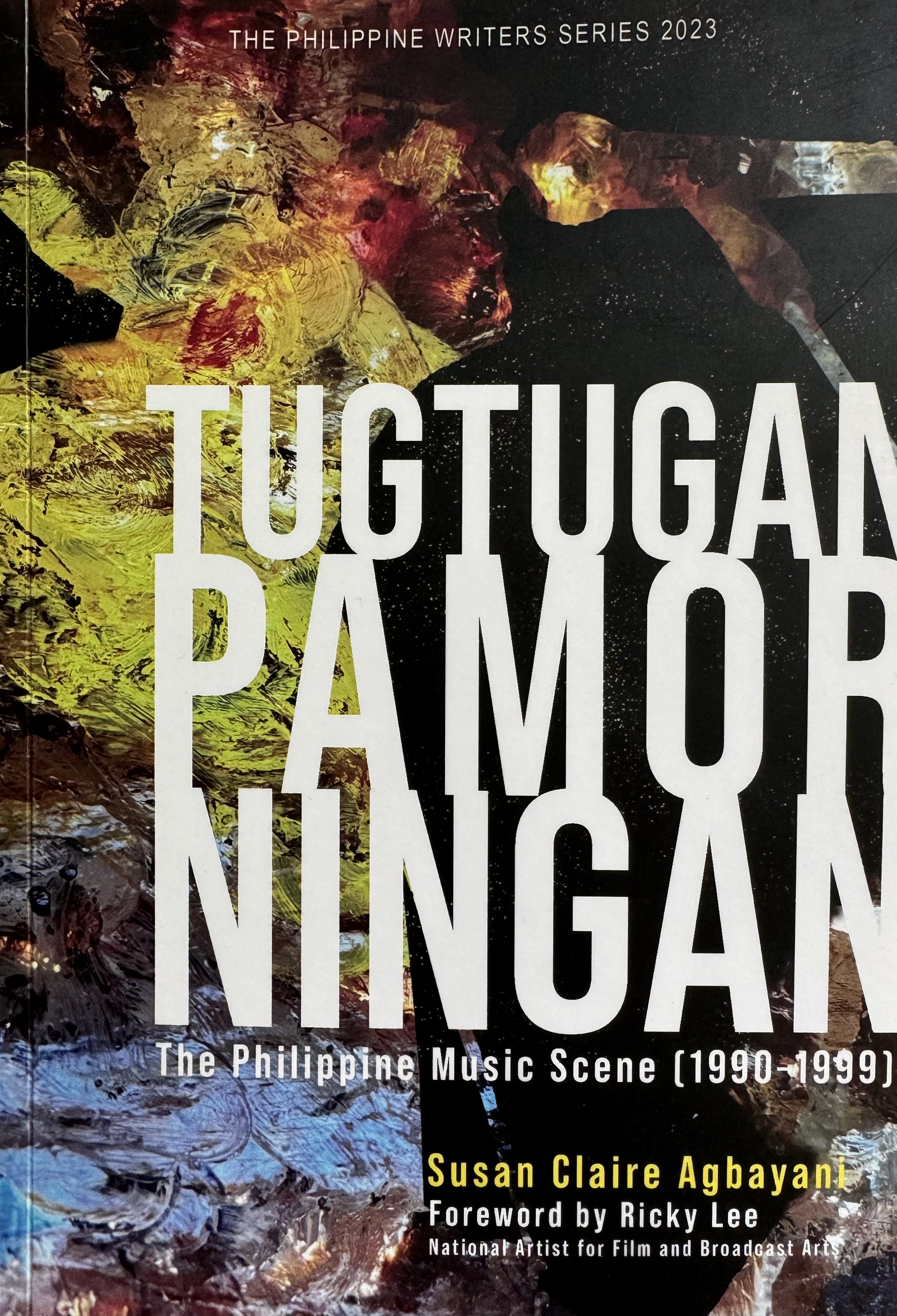
It’s that latter scenario—set against the context of our transition from Cory to FVR to Erap—that’s captured in Susan Claire Agbayani’s landmark Tugtugan Pamorningan: The Philippine Music Scene 1990-1999 (University of the Philippines Press, 2024, part of the Philippine Writers Series of the UP Institute of Creative Writing). An indefatigable cultural journalist, publicist, and sometime concert producer (and also, I must proudly admit, my former student), Claire was among the very few writers who could have undertaken this job (Eric Caruncho, Jessica Zafra, and Pocholo Concepcion, all of whom she cites, would have been the others). 

Comprehensively, the book’s chapters cover bars and concerts, the music scene, personality profiles, duos and trios, pop/jazz/R&B/show bands, alternative/rock bands, the Eraserheads (yes, a chapter all to their own), Mr. and Mss. Saigon, and visiting acts, rounded out by a gallery of period pics.

As a compilation of pieces from Claire’s reportage at that time, the book revives not only the music but also the issues besetting the industry then, such as Sen. Tito Sotto’s wanting to ban the Eraserheads song “Alapaap” for supposedly promoting drug abuse. Priceless vignettes abound, such as that of Basil Valdez singing “Ama Namin” to composer George Canseco’s wife over the phone, three days before she died, and of Ely Buendia telling Nonoy Zuñiga that he had won a singing competition in school with the latter’s “Doon Lang.” We learn about Humanities teacher and all-around performer Edru Abraham’s Lebanese ancestry and how it connects him to world music.

The best scenes, I think, are the saddest ones, such as this piece on a jazz diva:

“She goes around greeting the waiters, then the manager. At last, she sits on a stool, and croons ‘Left Alone,’ the song after which the bar was named. She closes her eyes, closed them more tightly as a couple walks out in the middle of her song. The waiters laugh loudly in the background, occupied with their own concerns. Those who remain inside the bar talk not in whispers. No, they don’t know her. They don’t know Annie Brazil.”

But ultimately it’s the music, the sheer variety and vitality of it, that surges through, so innate to the Filipino and so necessary. If there were an Olympics for music, we’d make the podium in all the categories, and Tugtugan Pamorningan reminds us why. As the title implies, it’s a nightlong festival for us when the music starts. But like night itself, even the Nineties came to an end, with the 2000s bringing in MP3, iTunes, and Spotify, and somehow the smoky, small-bar intimacy that the previous decade connoted gave way to Taylor Swift mega-concerts that people actually flew out to instead of taking a taxi.

I contributed an afterword to the book, so here’s a bit more of what I had to say:

I was a bit too old by the time the ‘90s came along to experience it in the way Claire has so capably and faithfully chronicled in this book, but still young enough to imbibe its energy and its excesses. I was 36 in 1990, finishing my PhD in the States, and when I returned to Manila the following year after five years of being away, I found a radically different scene from the one I’d left just after EDSA. I had a lot to adjust to, and somehow San Miguel beer and the city’s new nightlife seemed to ease those pains, at least until the next morning. 

That was how, despite being too old to know the Eraserheads and their music, I managed to stumble once or twice into Club Dredd, Mayrics, the ‘70s Bistro, and a few other meccas mentioned here, but mostly just out of curiosity. I guess I was looking for something else, and found it on Timog Avenue with my partners-in-crime Charlson Ong and Arnold Azurin, finishing up with some coffee or a beer for the road at Sam’s Diner on Quezon Avenue at 3 am. I wasn’t even a Penguin person—I never thought of myself as being hip or cool—and I preferred hanging out with journos after work in that kebab place on Timog.

That was my life as a barfly—which was also how my newspaper column got that title—and its soundtrack consisted of Basia, Bryan Adams, and “Total Eclipse of the Heart.” I wasn’t much into bands—no one could beat the Beatles—and OPM for me meant APO and Louie Ocampo, whose songs were singable and could make me smile, which I needed a lot. It was a wild time, when I was smoking and drinking and messing around town in my white VW, courting disaster, until one day I found my way home and decided to stay there forever.

That makes the ‘90s sound like some kind of inferno, but now that I think about it, it was the last gasp of innocence before the 2000s and everything we associate with it—9/11, GMA and Erap, the Internet, the iPod, social media, K-pop, tokhang, Trump, the pandemic, the Marcos restoration, and AI—came in. There was a simple-mindedness even to our vices then; truth was truth, fake was fake, and it was easy to tell one from the other. It was rough and raw in many ways—even our 14.4K modems screeched like cats in heat when they connected—but we still got wide-eyed about the possibility of extra-terrestial menace in The X-Files, and we may even have believed that FVR’s “Philippines 2000” was going to be a better place even as we got worried sick over what Y2K would bring, so there remained a tender spot of credulity in us.

That’s all gone now, like Jacqui Magno’s voice, replaced by CGIs, deep fakes, and other synthetics produced by FaceMagic and ChatGPT. 

I can’t honestly say that I miss the ‘90s, and I feel much relieved to have survived them, but there’d be a huge hole in my life—and in the nation’s—if they didn’t happen. What’s in that hole is what’s in the music Claire writes about—and the music often gets it better than even we writers can.
Penman No. 455: A Musical for Our Generation

Penman for Sunday, October 1, 2023

PINOYS WHO came of age in the 1990s like our daughter Demi, born 1974, will swear by “Ang Huling El Bimbo” as their collective anthem—not just the song, but the whole musical and its score by the Eraserheads, who might as well be Martians to Beatles and Woodstock fans like me. On her last vacation her from her long and happy life in California, Demi made sure that she and her cousin KC got to see the show, no matter the cost, and the two girls stepped out of the theater misty-eyed. 

It got me wondering if our generation—boomers, I think we’re called—had something similar to get us all thoughtful and even weepy about what we’d been through. If you were born in the ‘50s, you’d be in your late 60s or in your 70s by now, and that’s a long time to be alive, relatively speaking, especially given that so many of us died so young (read my Qwertyman piece on this from a few weeks ago on “A long grace note”). That usually means college, jobs, marriage, kids, affairs, separations, houses, cars, debts, accidents, ailments, responsibilities, recognitions, disappointments, losses, homecomings, and all the sundry little things that make up a life. That’s what happened to us, and the ordinariness of it doesn’t seem to suggest much worthiness as entertainment material. 

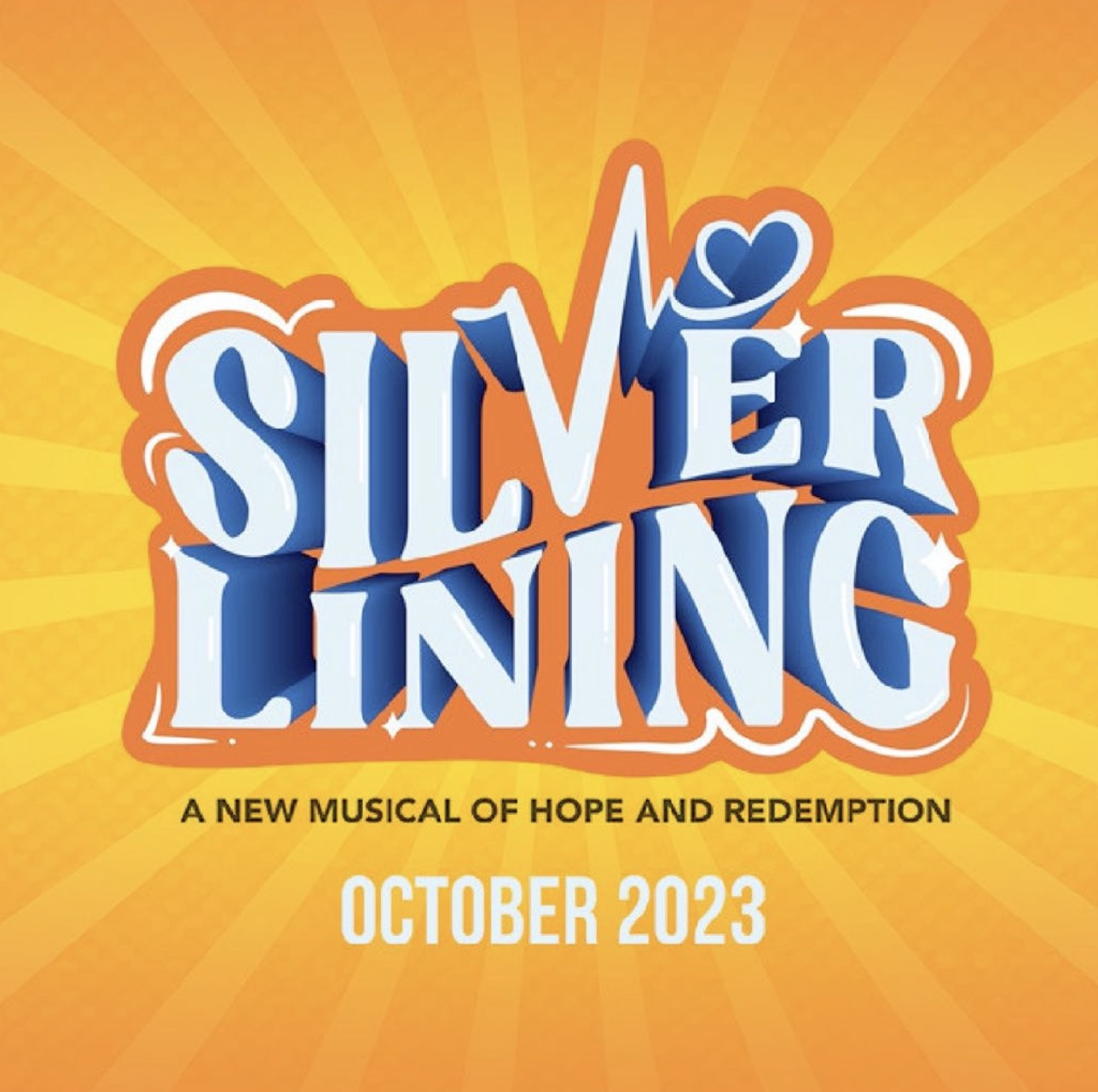
But someone our age apparently thinks otherwise, and beyond just thinking about it, has actually co-written and produced a musical titled “Silver Lining” for our generation—and our children who may want to understand what their folks went through, and why they think the way they do.

That someone is Jack Teotico, better known these days as the man behind Galerie Joaquin, Fundacion Sanso, and other art-related ventures that have opened doors for Filipino artists here and abroad. (When we last met, he was on his way to Madrid to scout prospects for a gallery there.)

Jack and I happen to be friends for half a century now, having met at UP where we were both student activists. We had actually been grade-school batchmates in La Salle Green Hills but hadn’t really connected there. We were both arrested after martial law, and our lives would inevitably intersect every now and then. An economist by training, he headed the Fiber Industry Development Authority at one time, while I worked for the National Economic and Development Authority. We ran into each other more often when he devoted himself almost exclusively to the art world.

Still, it was a great surprise when he told me, at his recent 70th birthday party, that he was staging a musical titled “Silver Lining,” using songs he had written over the years. I knew Jack also loved music and had been performing with a group called Rockitwell.

“I think it’s time to share our generation’s experience,” Jack said. “Not just the political part, but our story of growing up and growing old, the friendships we make along the way, the trials we’ve been through, and what life looks like today from our point of view.” No literary piece touching on the 1970s would be complete or credible without mentioning or implicating martial law, and it’s there in the dark shadows of Jack’s story, but he’s chosen to foreground what to most people were the more familiar rituals and milestones of early adulthood—high school and college life, relationships, love and loss, acceptance, and intimations of mortality. 

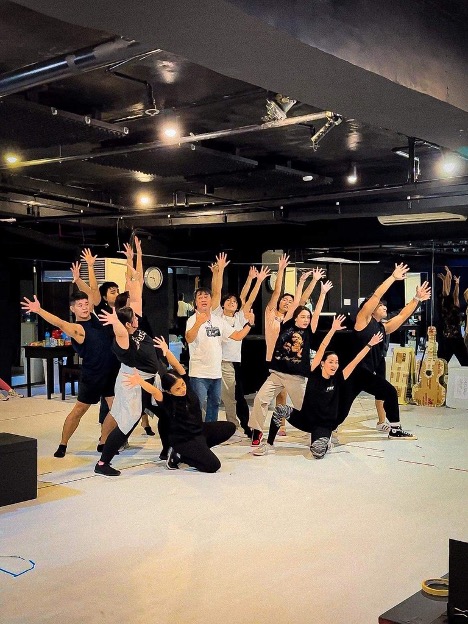
Based loosely on real-life events, the musical traces the journey of three high-school buddies who, in their senior years, form a band for their Golden Anniversary homecoming, drawing in their wives and children. They soon decide to work on a musical together—so yes, this a play within a play—and as they do so, the past unfolds in poignant contrast to the present. Even as the narrative unavoidably reaches into the darkest corners of our lives—dependencies, betrayals, disappearances, and such—it ends of a note of hope and redemption.

Working with Palanca-prizewinning scriptwriter Joshua Lim So and musical director Vince Lim, Jack tells these stories through songs with titles like “Brothers,” “Losing Our Way,” “Rambolan,” and “Atin Ito.” The script is in Taglish, given the middle-class milieu of the characters, and the melodies should be easily relatable, reflecting the musical variety of the period covered, from ballads to disco. 

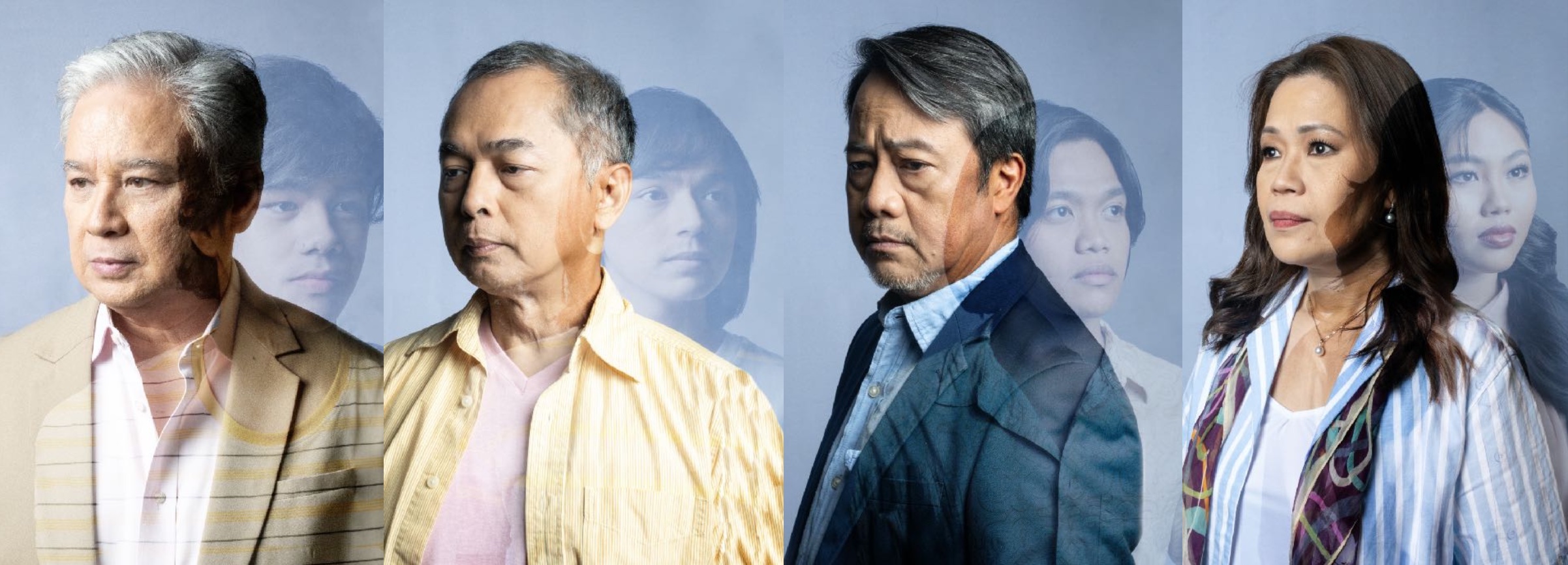
Directed by Maribel Legarda, the musical is headlined by veteran actor Ricky Davao as Leo, Joel Nuñez as Anton, Raul Montesa as Raul, and Nenel Arcayan as Josie, with Krystal Brimner playing a special role as Julia.

As every Broadway aficionado knows (and Jack is one), musical theater is a risky business, but I suspect that Jack really isn’t into this for the money, but rather to leave his signature on our cultural memory. He’s done more than enough to support and promote other artists, and indeed it’s time for him to tell his own story—our story.

“Silver Lining” will have a limited run of only six performances over two weekends  at the Carlos P. Romulo Auditorium in RCBC Plaza, Ayala Avenue, Makati City—at 8 pm on Fridays, October 20 and 27, 8 pm on Saturdays October 21 and 28, and a 3 pm matinee on Sundays, October 22 and 29. Book your tickets now via Ticket2Me or bit.ly/silverliningmusical.

Penman No. 446: Our Oldies

Penman for Sunday, January 1, 2023

IT’s BAD enough to be out of touch with the present, so it must be worse to be out of touch with the past—or at least, someone else’s past. 

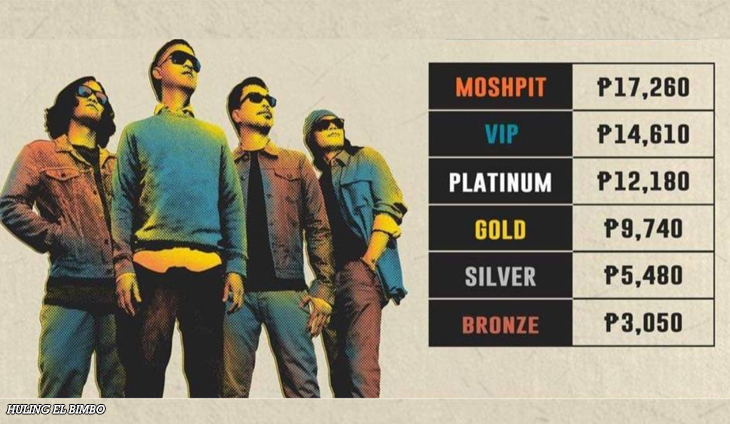
Nothing reminded me more starkly of the great divides that exist between generations than last month’s Eraserheads reunion concert, hailed by its attendees as nothing less than the Second Coming. “A spectacle unto itself. It was like mix-mashing the Super Bowl’s half-time show and a rock concert. Except it went one better as it was also like one four-hour-long karaoke set,” wrote reviewer Rick Olivares in the Inquirer. “The four-hour, three-part show was filled with nothing but singing our hearts out, jumping for joy, and all the while taking in the fact that yes—this is the Eraserheads, and we are ever so lucky to hear them live again,” gushed Nikka Olivares on GMA-7. 

What struck me was how so many of my younger friends—writers, artists, and teachers now in their 40s and 50s—posted pictures of themselves waving their concert tickets like some generational badge of honor. And indeed it was, if the reported crowd of 75,000 that drove out to the reunion was to be believed. It was a paean to the 1990s and to Generation X, to 486-DX PCs and clunky cellphones, to mixtapes and dressing down, to self-reliance and partying on. (Hold it—why is this so familiar? Now I know why I should know—our daughter Demi, born 1974, is a card-carrying Gen-X’er. “I caught up with the Eraserheads in UP,” she told me from California, “and I used to watch them at the UP Fair at the Sunken Garden!”)

I’ll take my former students’ word for it and believe that the Eraserheads were the best Pinoy band of their time, and that their songs captured the heartbeat of their generation. I’m sure that there’s a thesis or dissertation to be written there somewhere, if it hasn’t been done already—a project that will go far beyond melody and rhythm to dissect the E-heads’ contributions to political and social commentary (not much fun, but academia is the land of the morose). 

For Demi’s mom Beng and me, however, much of that remains a mystery, because it all begins with the music, which somehow went past us. “Do we know any of their songs?” Beng asked me. “Well, yes, one of them,” I answered, “the one that goes ‘Magkahawak ang ating kamay at walang kamalay-malay….’” And I went on to hum the tune for her, and she remembered. “I think its title is ‘Ang Huling El Bimbo,’” I added helpfully. Totally geriatric dialogue, but there we were, trying to figure out a context for that snippet of a song. Of course we knew the original El Bimbo dance, where your conjoined arms opened like a fan, but that was about it. We were lost in this strange territory.

That reminded me of that time, maybe thirty years ago or more, when drove Demi to school in our VW, and turned the radio on. Demi asked if she could change the station, because she wanted to hear some “oldies.” Oh, great, I thought, finally, my daughter’s wising up to the classics—maybe to some Sinatra? And then she played Earth, Wind, and Fire. “Do you remember, the 21st night of September…” (I remembered another September 21!)

So, all right, my oldies aren’t your oldies, and we respond to music on different wavelengths. There’s nothing that unites us more than music—think Christmas carols, church hymns, fight songs, and national anthems—and also nothing that divides us more than music.

I suppose we Boomers can be typecast as Beatles fans, and that won’t be unfair, as it was de rigueur for teenagers of the ‘60s to know the Beatles songs by heart if not to play them on a Lumanog guitar, with the aid of a chord book. But to be even fairer, I don’t think our taste in music could be pegged to any one band or genre. The fact is, we were incredibly eclectic, and liked everything from crooners like Tony Bennett, folk singers like Joni Mitchell, and bossa-nova masters like Antonio Carlos Jobim to rock bands like Queen, divas like Barbra Streisand, and disco kings like VST & Co. And let’s not forget the birth of OPM at the first Metro Pop festivals, with the Circus Band and the New Minstrels.

Life was a big jukebox, and you had a song and a singer for certain moods and certain days. (That probably explains the Beatles’ popularity—they could go from soulful ballads like “Michelle” and “She’s Leaving Home” to barnburners like “Rock ‘N Roll Music” and “She Loves You.”) Feeling, more than idea, was key to a song’s full enjoyment, and much of that feeling was generated by the melody and arrangement. 

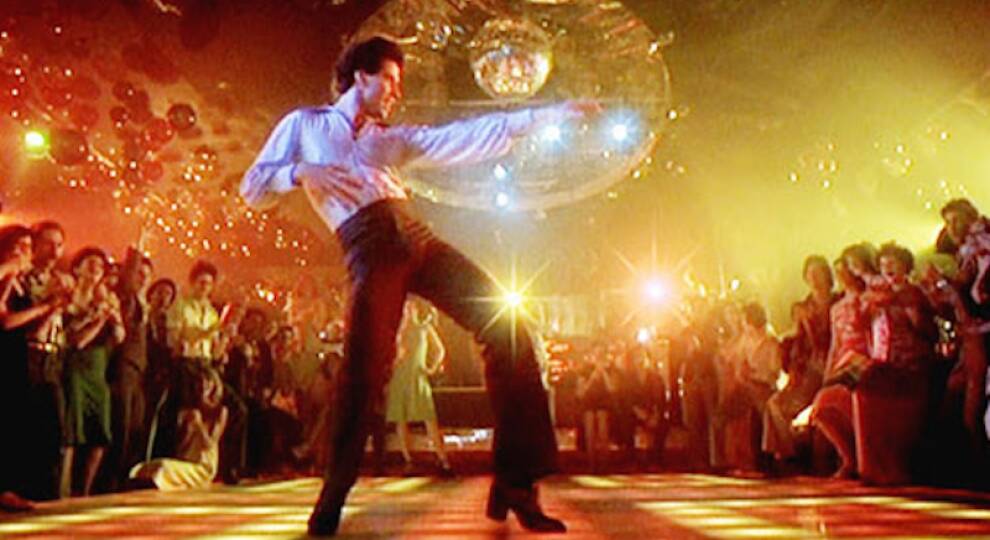
Bottom line, a song had to be singable. (The master of singability for me was Burt Bacharach.) For a while back there, we might have put on snooty airs and publicly disdained cheesy acts like ABBA—only to embrace them and warble along at their revival. Danceability was another important factor. The shift from the ‘70s to the ‘80s was the golden age of disco, spurred on by “Saturday Night Fever.” (Miserably, my dancing skills never went beyond the jerk and the boogaloo, so doing the hustle with Beng remains on the bucket list.)

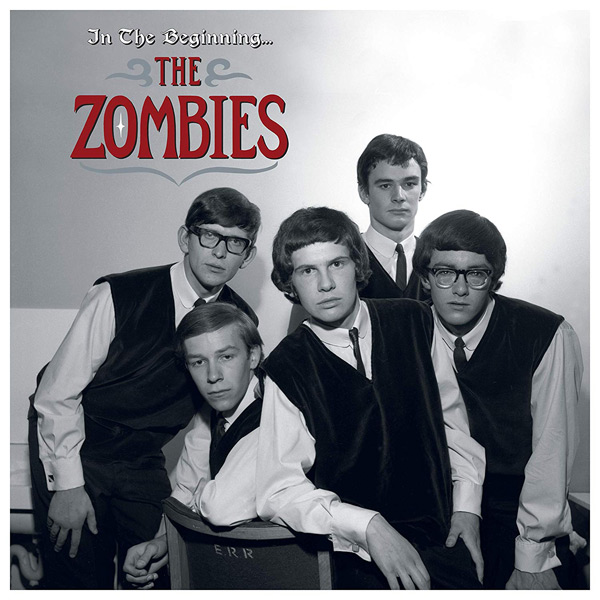
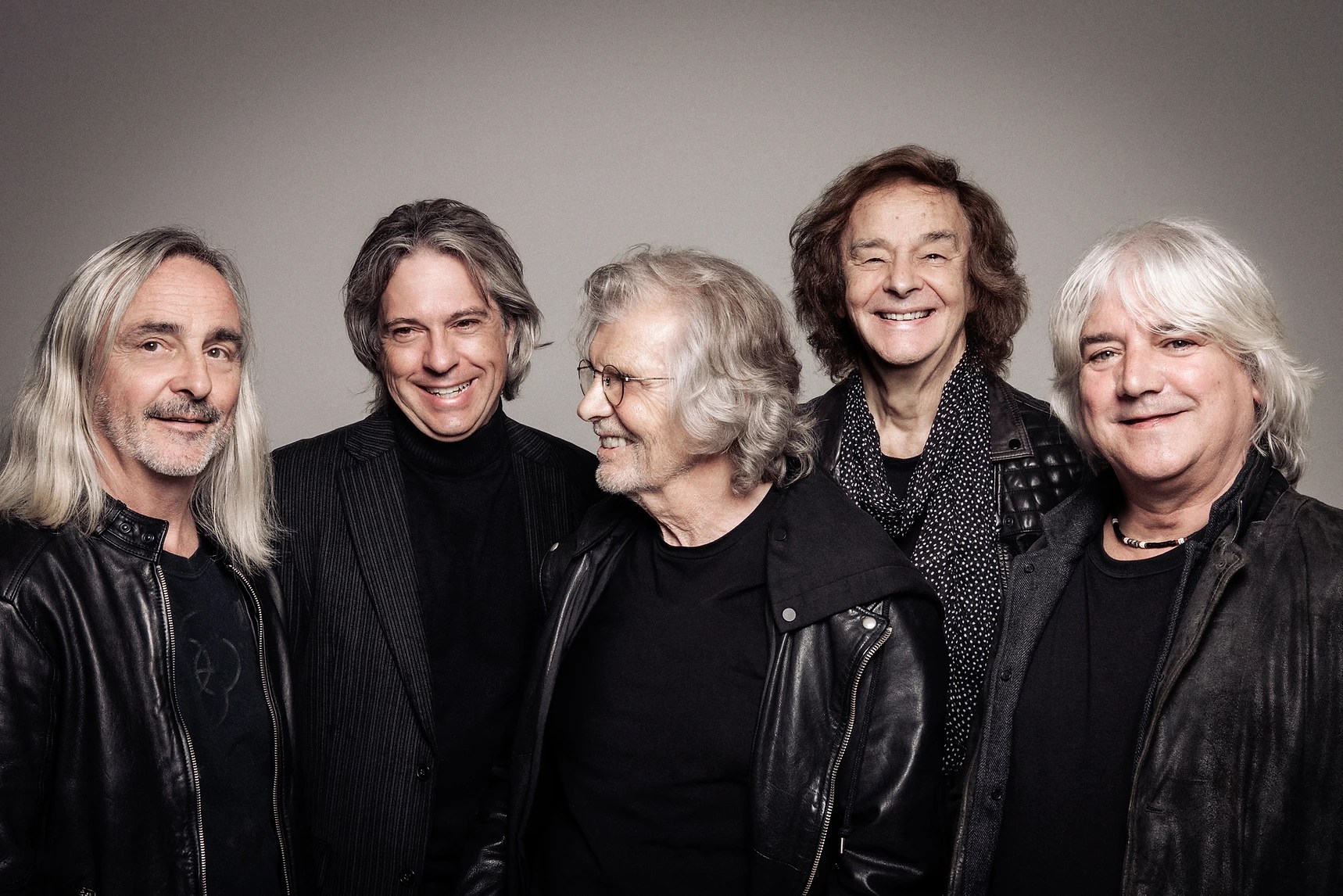
I guess this all means we have a lot of “reunion concerts” to look forward to—the only problem being, most of the singers we’d like to hear have croaked their last. The last one Beng and I attended, a few years ago at the Araneta Coliseum, was that of the Zombies (yes, they were big, cool, and British). Instead of 75,000 screaming fans, ours was a crowd of several hundred white-haired, well-behaved seniors, happily humming along to “The Way I Feel Inside” and “She’s Not There.” Maybe we forgot the lyrics here and there, but hey, we were feeling groovy, as we might have said back in 1969. So, kids, here’s to the next Eraserheads reunion, sometime in 2042.