Penman No. 470: A Collector’s Christmas

Penman for Sunday, January 5, 2025
MY WIFE Beng and I in San Diego, California for our first Christmas in the US in ten years, visiting our daughter Demi and her husband Jerry. San Diego’s one of those perennially pleasant places where the weather seems to be perfect almost all year round. You don’t come here for a white Christmas—although there’s snow up in the mountains not too far from town. It’s still sunny and warm enough in late December for people to be going around in T-shirts and shorts in the daytime, but for us Pinoys who love to freeze, sweaters and jackets are de rigueur.

We’ve been coming here for twenty years now, and while San Diego is chockfull of attractions—this is, after all, where Comic-Con happens every July (been there, done that twice) and where the waterfront boasts a flotilla of historic ships from a life-size Spanish galleon to the USS Midway—I have to admit that the collector in me loves San Diego for its antique malls, flea markets, and thrift shops, of which scores can be found in the city and its suburbs. I’ve found many a prize piece in these places—such as a working gold-plated 1930s Hamilton “Curvex” watch in a basket marked “Any item $5”—which, for me, beats walking into a boutique and plunking down your credit card to pay full price.
I guess I’m a cheapskate at heart, which is why everywhere Beng and I have gone around the world, flea markets and thrift shops—aside from museums—are at the top of our to-do list. The thrill is even less in the purchase itself than in finding something old, beautiful, potentially valuable—and at a bargain. 

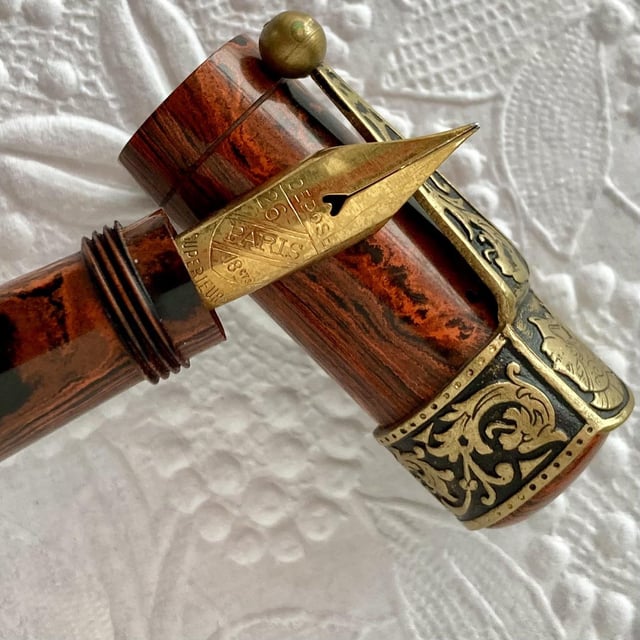
Collectors everywhere know the feeling—that tingle in your bones and at your fingertips when you step into a shop and scan the territory, and notice something in the hazy distance that seems to look like your obscure object of desire. As a collector of vintage fountain pens, I naturally gravitate toward small tubular shapes in black, silver, or gold—which was how, last March, I spotted and bagged a gold “safety” French-made pen from the early 1900s, sitting all by its lonesome at a table at the Porte de Vanves flea market in Paris, a 40-euro find for something easily worth five times as much. 

Everyone has his or her strategy, but mine has always been to do a quick march down and around the street or aisle, just to see what’s out there and to catch obvious standouts, before taking a more leisurely and more probing walk back, peering into corners and at the details of particular pieces. It pays to come early—flea markets open as early as 5 am—and we’ve been lucky to bag early-bird bargains at cock’s crow in a barn in Ohio and the flea market at Covent Garden in London.

Unfortunately, flea markets of this sort have yet to become a regular feature of Filipino life, unless we count the Bangkal used-goods market in Makati and the plethora of Japan-surplus stores that have sprung up around the country. 

Fortunately, there’s a global flea market that’s accessible to nearly everyone and which doesn’t even require you to fly overseas and deal with visas, airfares, and airports. That market is eBay, which I like to call the great equalizer, since anyone with an Internet connection and a bank account can tap into the millions of items that eBay has online at any given second.

To my great wonderment and not a little horror, I realized as I was writing this that I’ve been on eBay for 27 years now, having signed up with the website just three months after it changed its name to eBay from Auction Web in September 1997. My first buy was a 1950s Pelikan 140 fountain pen from Germany, and since then I’ve made almost 2,000 purchases covering all my collecting passions, from pens, typewriters, and Apple computers to antiquarian books, paintings, and clothes. (Clothes? Yes! If you’re a rather large man like me who has difficulty finding his size in local stores, you’ll have lots more choices on eBay for less as long as you’re sure of your shirt, blazer, pants, shoe, and hat sizes.) 

Shipping each item to Manila directly from the US or the UK (another eBay paradise) will be too costly, so what I and other experienced collectors do is to open an account with a forwarder like ShippingCart or Johnny Air Cargo, which gives you a local address, wait until the items pile up, and then ship them in a box to Manila. (Check with each shipper’s website for their specific insurance and customs policies.) I generally get my goods within two weeks of shipping them out.
I began by mentioning that we were in San Diego because this ties in with another twist to the Pinoy collector’s and shopper’s strategy: if you know you’re going to be in the US and will be staying with a relative or friend, you can have your eBay or Amazon items shipped to that address over, say, the preceding month, and bring everything home with you in the second suitcase you’re entitled to, saving a ton on air freight costs. 

This time around, to give you an idea of what my Christmas loot has been, I’ll be filling up a suitcase (or more likely my carry-on) with some small things of little commercial value but of great interest to hopeless hoarders like me. They’ll include:

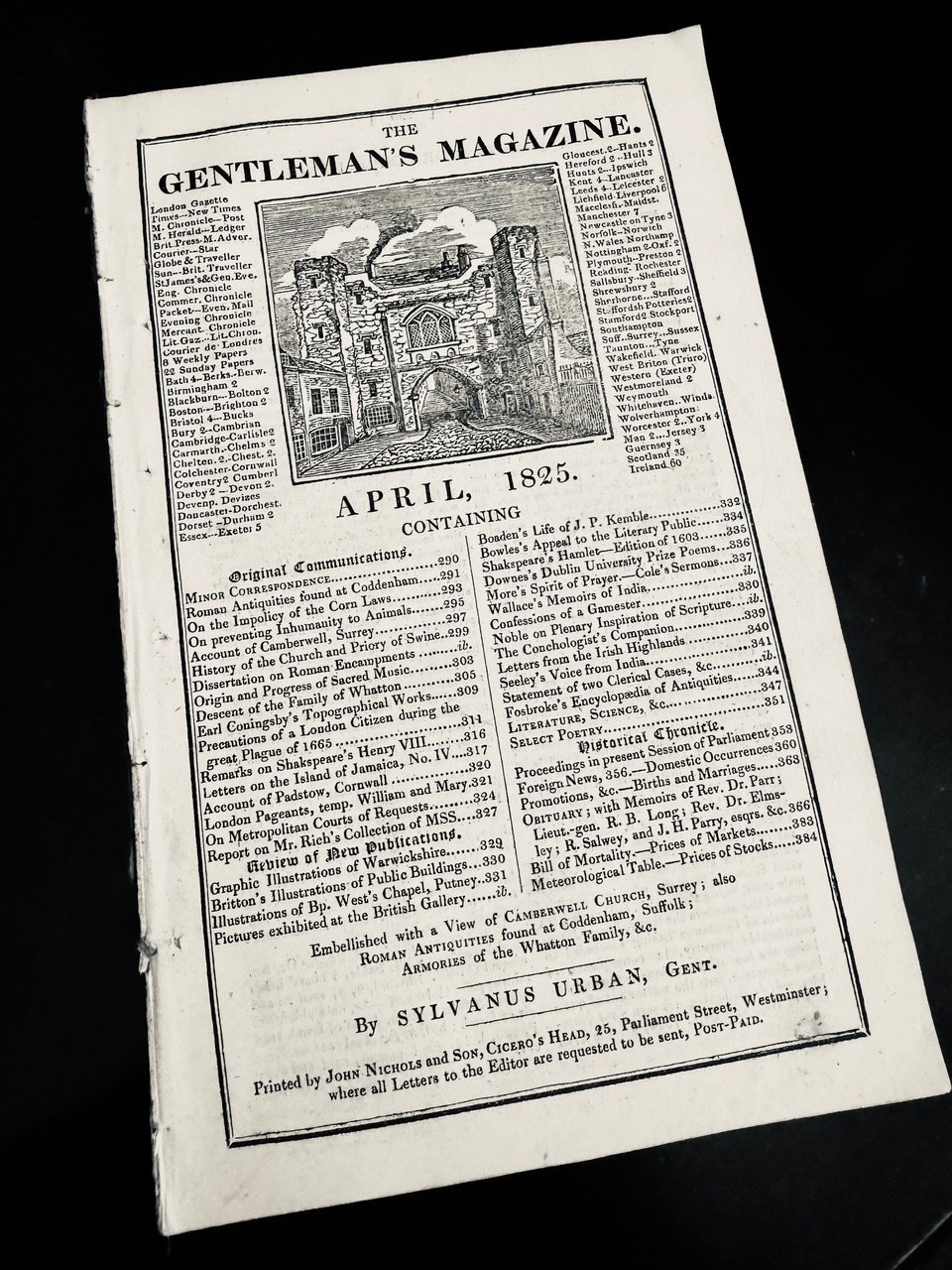
– A copy of The Gentleman’s Magazine from April 1825, in which an article predicts that “It appears that Spain is likely to lose her possessions in the Eastern, as well as the Western world” because of rebellions and crimes in the Philippines as well as at home, including “ravages committed (in Catalonia) by wolves within the last twelve or fifteen months…. The last was a young girl who, on the 18th instant, was almost entirely devoured by the wolves” (which, according to the monks, were “animated by the souls of defunct Constitutionalists”);

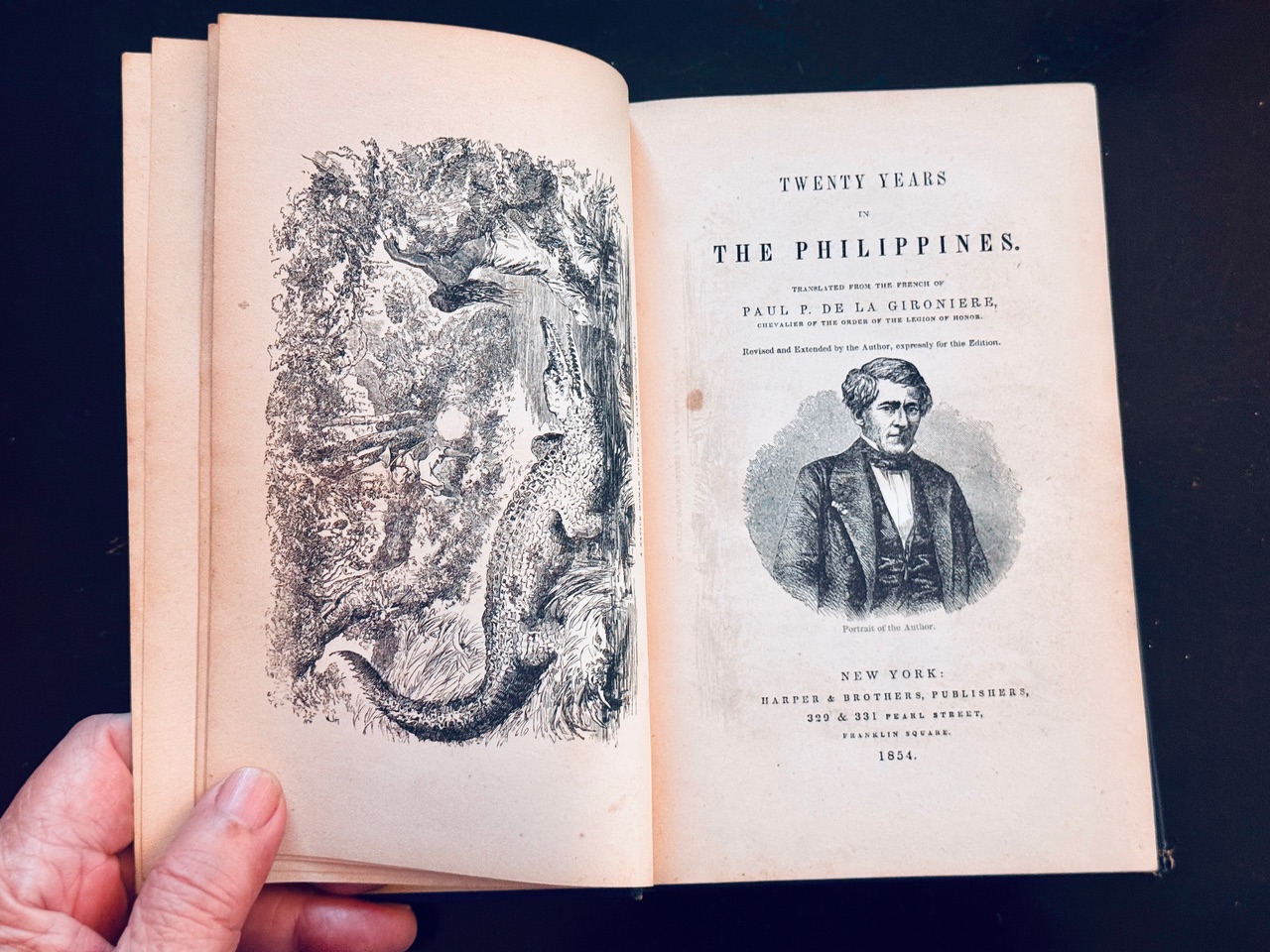
– A first American edition of Paul Proust de la Gironiere’s Twenty Years in the Philippine Islands, published in New York in 1854;

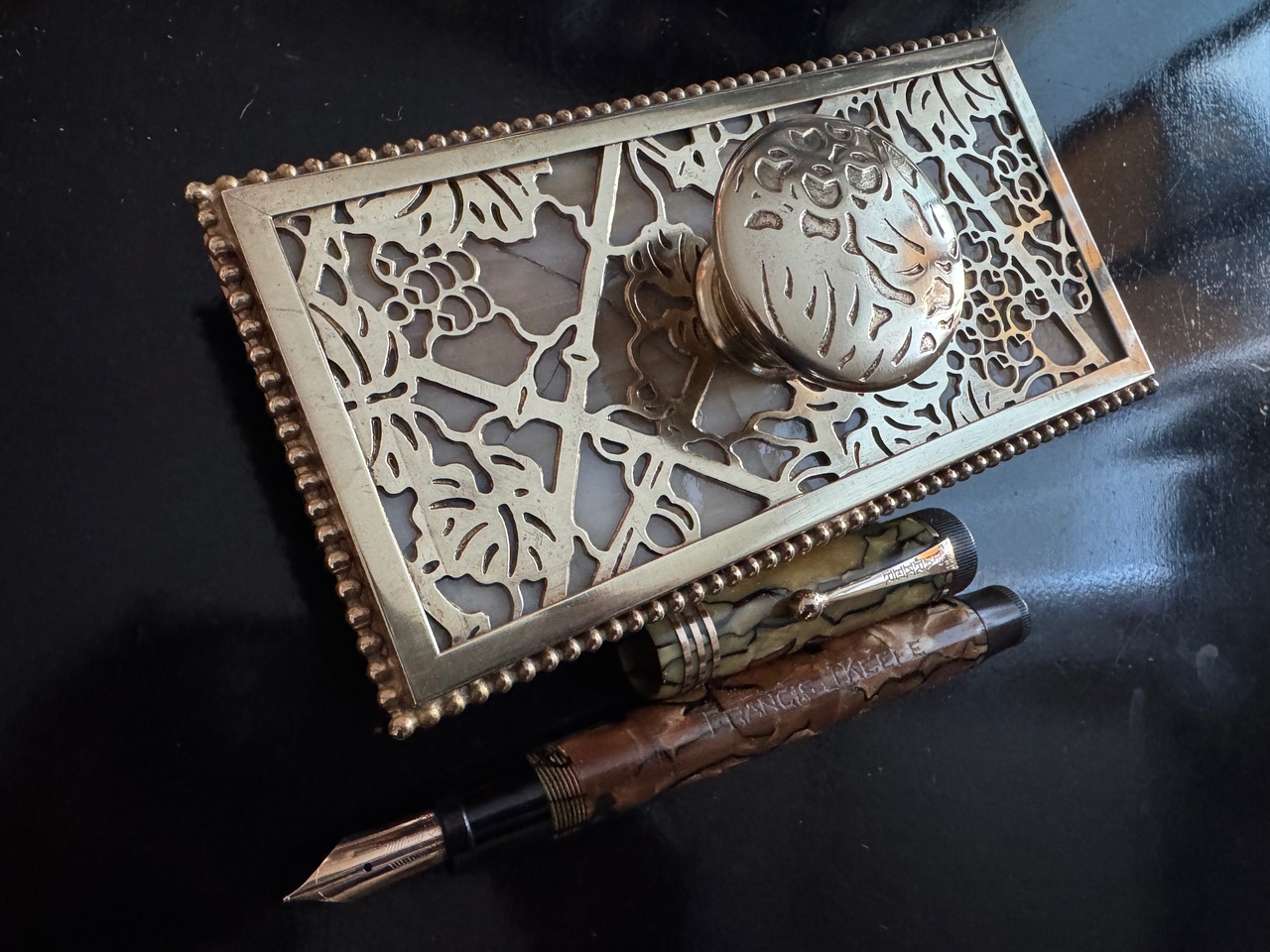
– A lovely Art Nouveau rocker ink blotter from around 1915, once used to mop up excess ink from fountain pens; and

– A Parker Duofold Senior fountain pen in pearl and black from around 1929, once owned by a “Francis J. Keefe” whose identity will be another mystery to explore.

If Christmas was this bountiful, I can only imagine what the New Year will be like.
Penman No. 461: A Parisian Interlude

Penman for Sunday, April 7, 2024

WHY IS it that just when you think you’ve begun to figure out a foreign city’s transport system, it’s time to come home? That happened again barely two weeks ago when my wife Beng and I flew to France for some speaking engagements in Paris and Le Havre. We were there for work, not tourism, and more work waited for us as well back home, so we couldn’t stay for as long as we would have wanted to. We’d been to Paris three times before and had done the obligatory Louvre and Eiffel Tower visits, but it almost seems criminal not to linger and loiter around such a beautiful city.

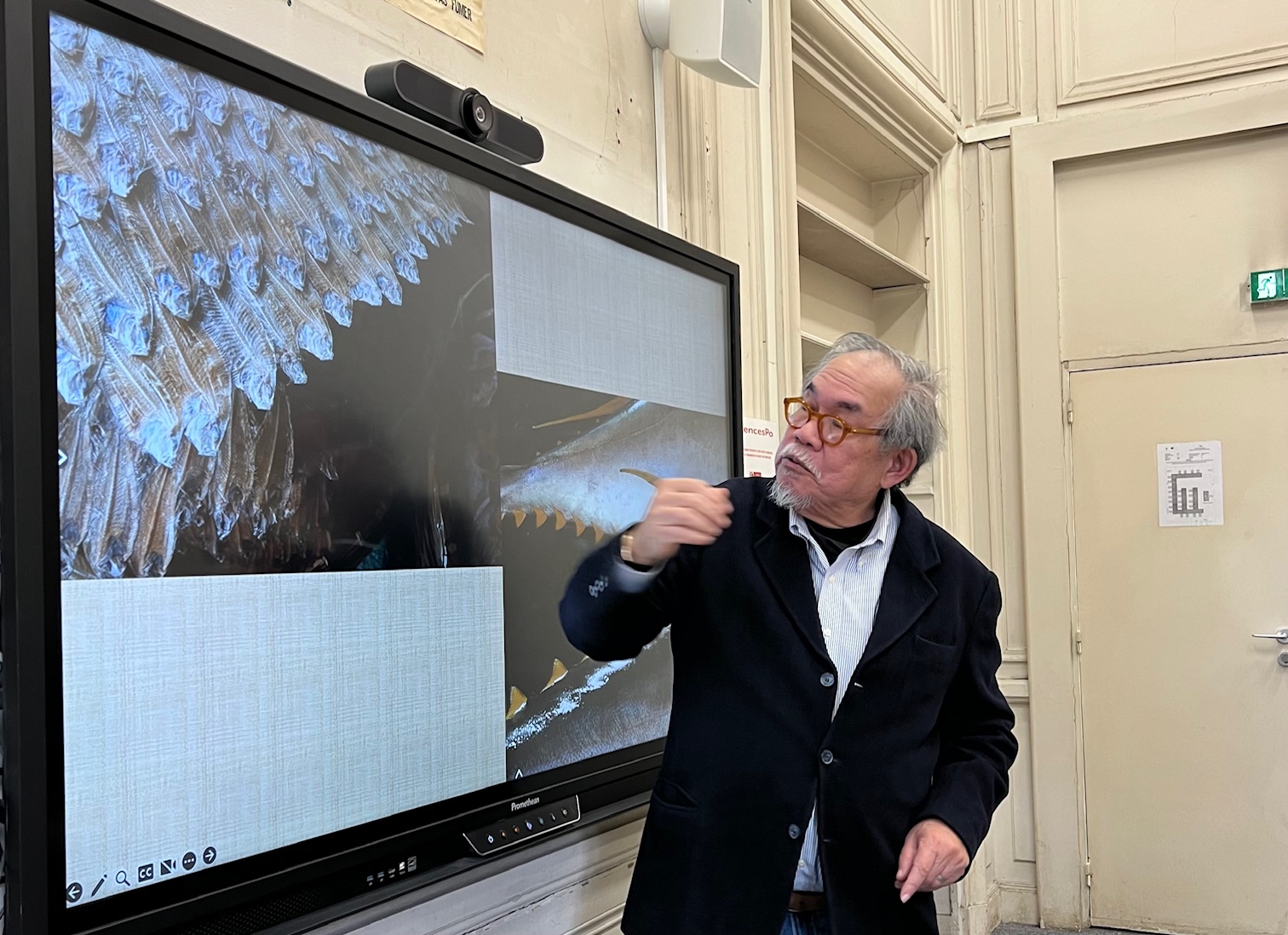
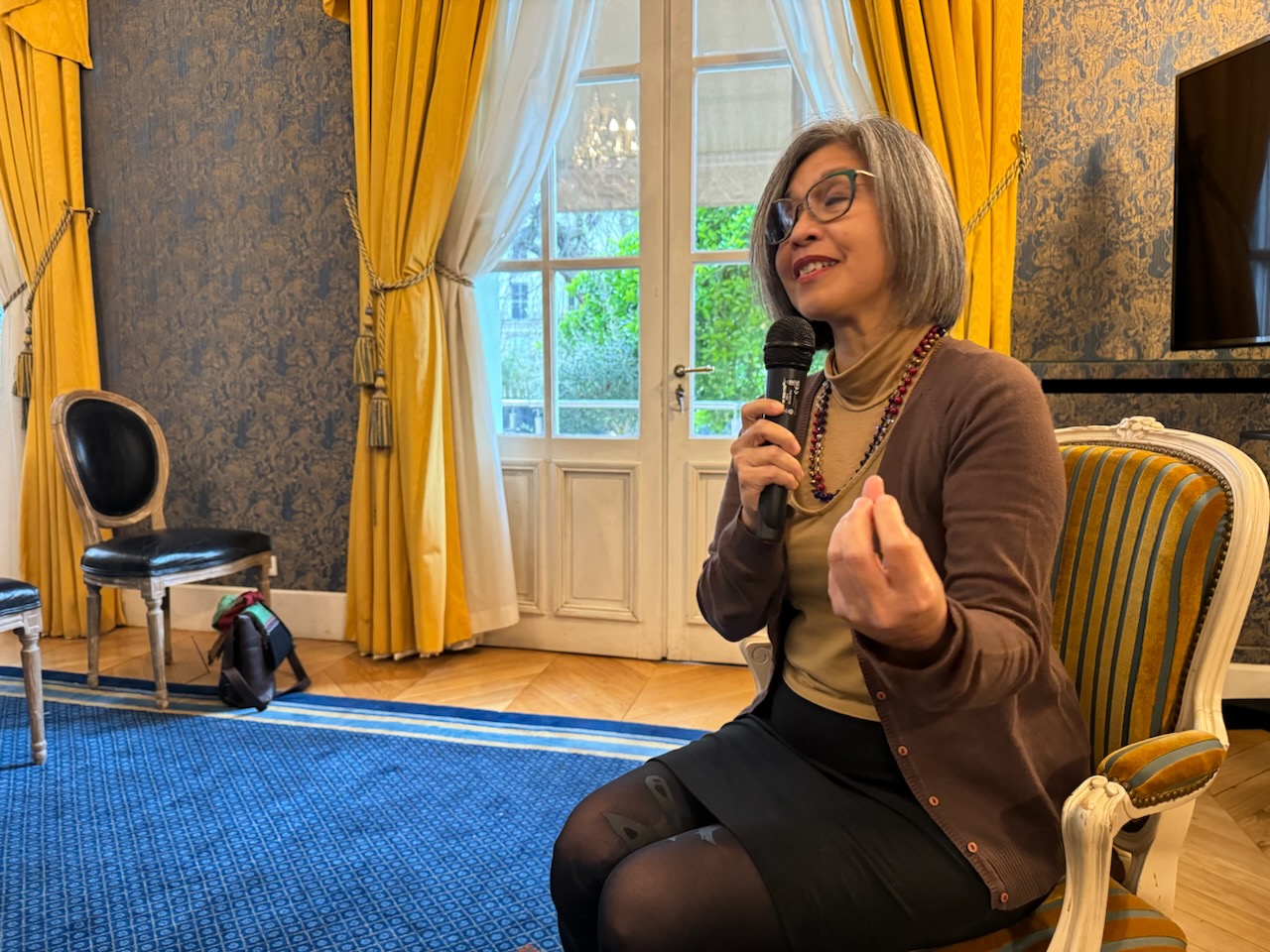
We were there at the invitation of SciencesPo, France’s leading social sciences university, for a series of talks on Philippine literature and art. Along with France-based writer Criselda Yabes, I gave a reading as well at the Philippine embassy in Paris at the behest of our most gracious ambassador, Mme. Junever “Jones” Mahilum-West, an avid amateur painter and supporter of Philippine culture. Our host at SciencesPo, Dr. Pauline Couteau, also arranged some events for us at their campus in Le Havre and sponsored a special screening of Lino Brocka’s classic “Maynila sa mga Kuko ng Liwanag” at the Entrepot Theater in Paris.

It was a hectic week that left these footloose septuagenarians exhausted but exhilarated at the same time, warmed up in France’s unseasonably chilly weather (often falling below 10C) by the enthusiasm of our new friends, both French and fellow Filipinos. 

Again, however, we had a sweet problem to deal with even before we flew to Paris: with such little time left on our schedule for more casual diversions, what places or experiences would we put on top of our list for our relaxation and amusement, given Paris’ almost inexhaustible offerings of wonder and delight?

Anthony Bourdain, bless his soul, famously advised short-term visitors to Paris not to make a mad dash to try and see everything all at once, but to just relax, have coffee, imbibe the neighborhood culture, stay in bed (and for those able and inclined, make love). Beng and I recalled, with both fondness and regret, how we had first seen Paris a quarter-century earlier from the back of a bus on a 99-pound budget tour from our base then in Norwich, England. The bus went by the city’s landmarks so fast that Beng missed Rodin because she was in the on-board restroom then. Subsequent visits afforded us a bit more time to see the Mona Lisa (of course) and to go up the Eiffel Tower (of course) but our happiest memories came, as Bourdain suggested, from just walking in the city gardens and along the Seine.

This time, we decided to do just two things with our limited free time: visit one museum, and hit the flea markets. This follows a pattern that Beng and I have observed over decades of traveling together, from Amsterdam, Barcelona, and London to New York, Tokyo, and Shanghai. The museums capture and preserve the glory of the past, and if you’re lucky, rather than pay for made-in-China miniatures at the museum gift shop, you can find some genuine article from that past in the flea market. 

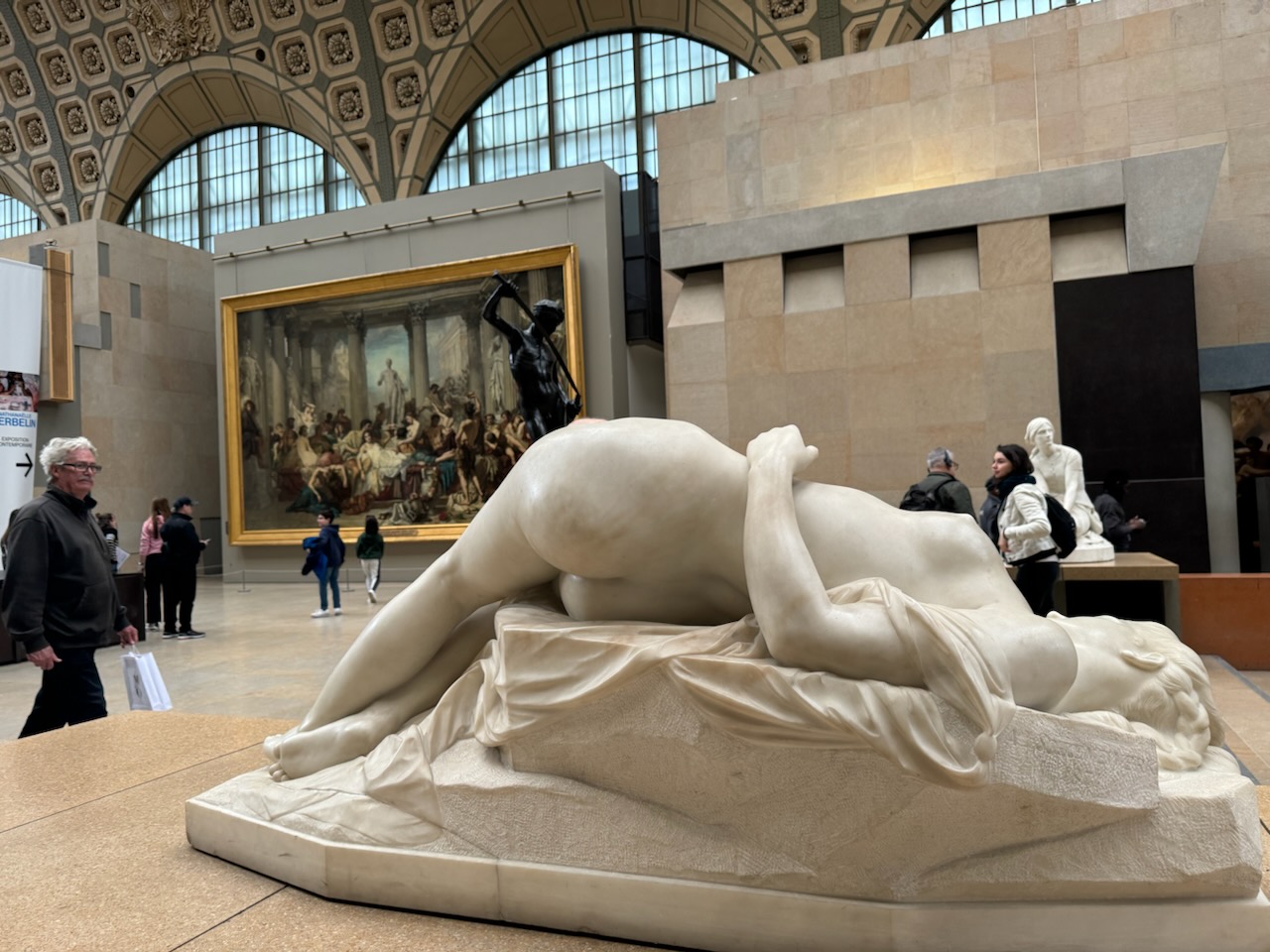
Our choice of museum was easy: Paris has dozens of fantastic museums—and you’ll never, ever finish the entire Louvre in one visit—but the great one we’d never been to was the Musée d’Orsay, the former train station that’s become France’s cathedral of Impressionism. Finally, this time, in the few hours we had just before boarding the train to Le Havre, we managed to step into the Musée d’Orsay, and what a divine experience e that was, to find room after room filled by the masterworks of Renoir, Monet, Manet, Seurat, Degas, Redon, Courbet, and so on, like walking into a book of pictures. 

Understandably, hundreds of other people had the same idea, so the best time to visit may have been after 6 pm—the museum closes at 9:45—when admission rates are also cheaper. Not a few friends have remarked that they found the Musée d’Orsay much better than the Louvre, perhaps because of its relative compactness and its delivery of proven crowd-pleasers in its collection.

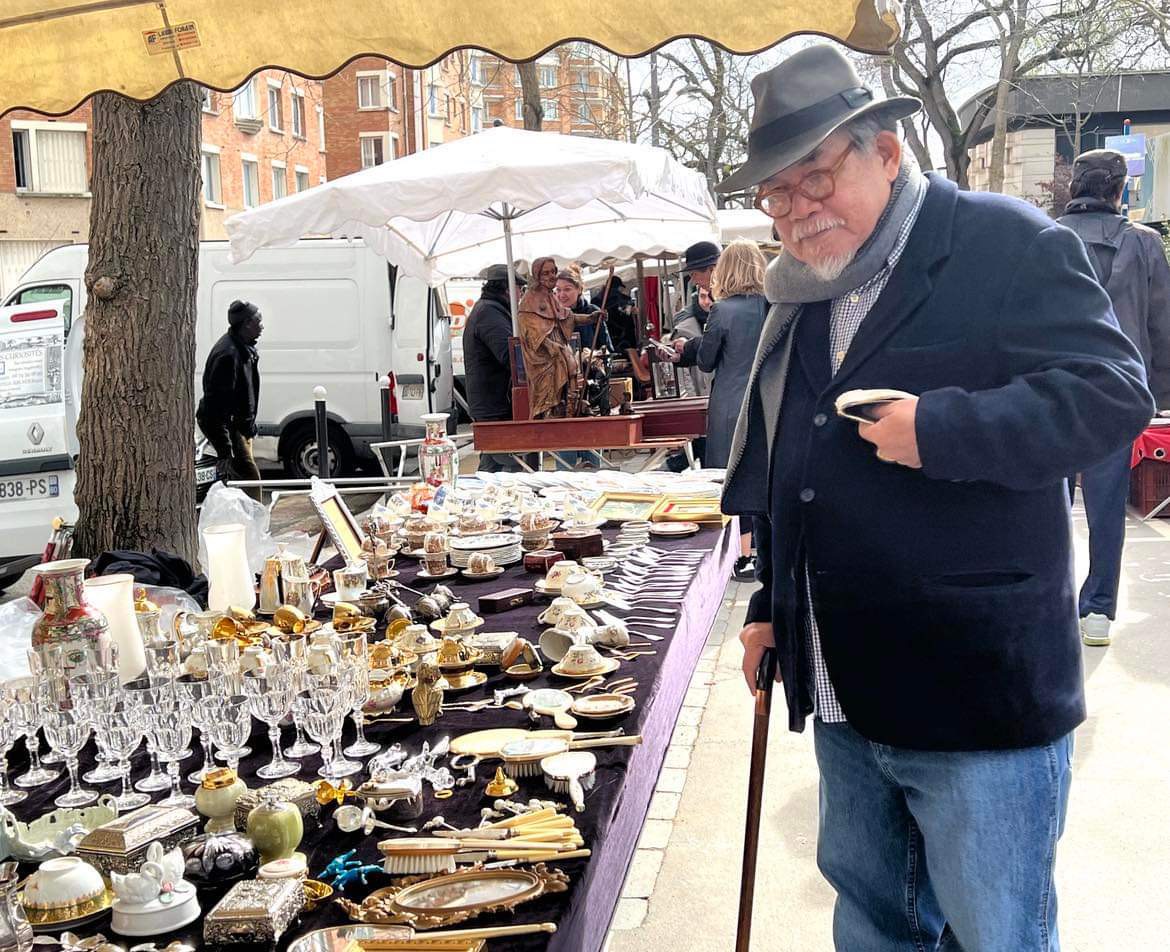
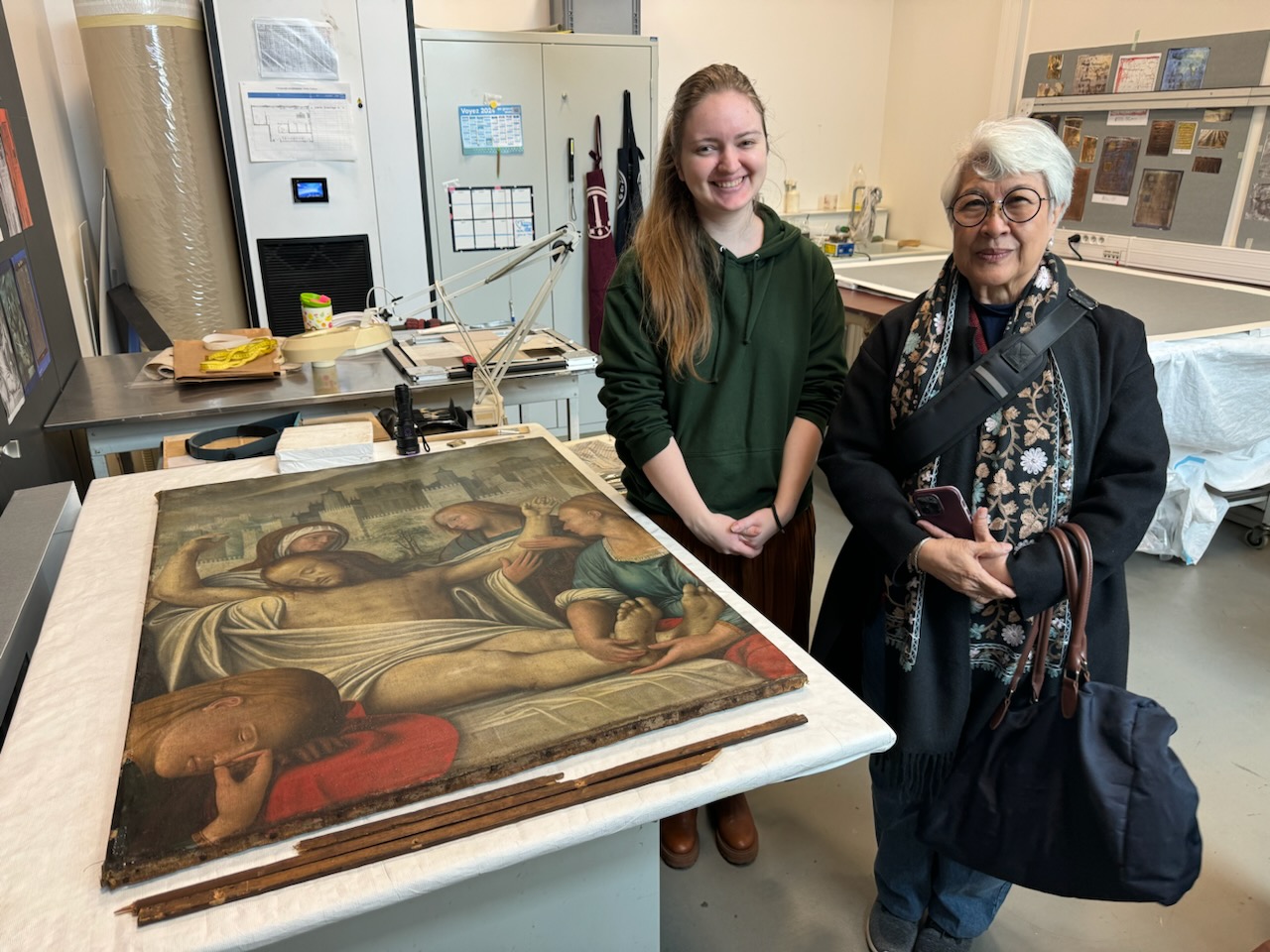
Our flea-market sorties proved just as wondrous, with the additional thrill of unpredictability, as each table will be different from the one before it and you need a quick, trained eye to spot the jewel in the junkyard. As flea-market addicts from decades back when we used to scour the yard sales and antique barns of the American Midwest for things we could drag home, Beng and I have developed a routine of scan-and-scrutinize, looking for our respective grails (old fountain pens for me, old bottles and costume jewelry for her).

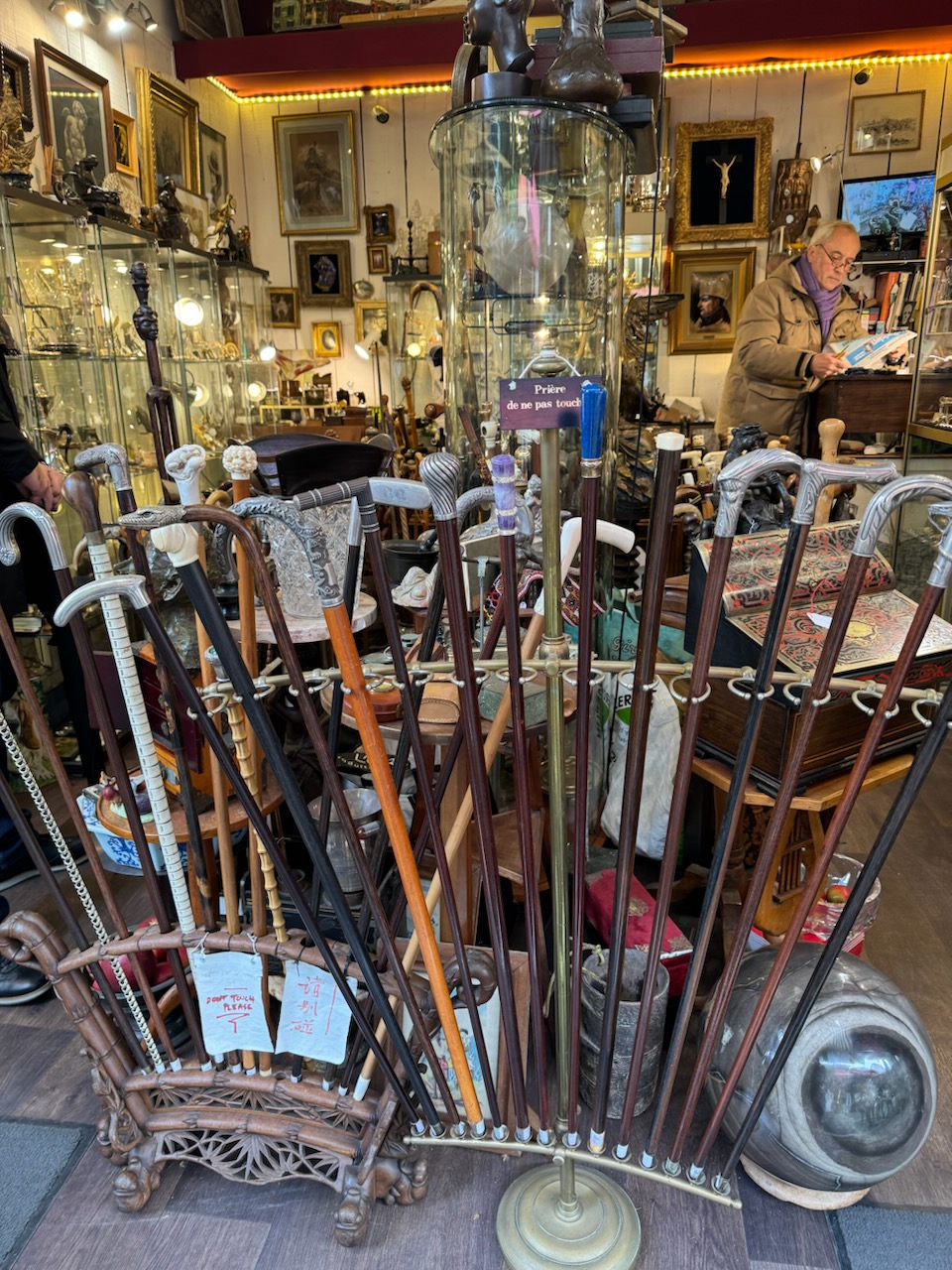
We were lucky to be billeted near our first flea market, the one at Porte de Vanves, which has about a hundred dealers strung along a large city block selling all manner of goodies from 18th-century books and Christofle silverware to walking sticks and paintings. I searched in vain for that lost Juan Luna and that stray copy of the Fili (which Rizal finished in Paris), but the flea-market gods blessed me instead with an early 1900s “safety” fountain pen sheathed in gold, perfect in every way, lying all by its lonesome on a table of bric-a-brac. “Combien, madame?” I asked in my schoolboy French, my throat dry with anticipation. “Cinquante euros,” she said; it was easily worth five times that, but I gathered up all my courage and countered, “Quarante?” “Okay,” she said, “A quick “Merci!” and 40 euros later, I was a happy boy with a new toy—what could be a better memento of this short trip than a gorgeous century-old pen with the word “Paris” on its 18-carat nib?

Of course, this luck was not to be repeated on our visit to the big flea market of St. Ouen in Clignancourt—reputedly the largest of its kind in the world—a few hours before boarding the plane back for home, but we rewarded our labors with a late lunch in a Chinese restaurant. After a week of French cuisine, immersed in the grandeur of French art and culture, huge platefuls of Cantonese fried rice sounded just about right. It was as if we were being told, “You’ve had your Parisian interlude and your souvenirs, it’s time to go home.” Au revoir!

Penman No. 348: Transience in Tokyo


IMG_9918.jpeg

Penman for Monday, April 8, 2019


MY WIFE Beng and I have been to Japan—on our own and together—a few times, but not until last week did we go there just to immerse ourselves for seven days in one place, not trying too hard to see or do or buy too many things. The place was Tokyo, which Beng and I last visited as a couple almost 20 years ago, a depressingly downscale sortie from which Beng can only remember living off the nearby 7-11 and slurping rice gruel with construction workers beneath a bridge. With my retirement then looming, I booked this trip last year, well in advance of the 2019 cherry-blossom season, which Beng had expressed a longing to catch. I thought it was a chance to make up for that sorry first outing and for making new memories.

Wherever we travel, Beng and I always have two sure targets in mind: museums and flea markets. The museums provide an intimate feel of the history of the place, and the flea markets—well, they a have a bit of the museum in them, bits you can actually buy and bring home. (Indeed, we often remember cities—London, Paris, Amsterdam, Barcelona, Beijing, Seoul—less for their landmarks than for their flea markets.) For this Tokyo trip, we also resolved to enjoy the cherry blossoms and to look into as many fountain-pen shops as we could.

IMG_0011.jpeg

The Japanese fascination with cherry blossoms—that perennial signal and reminder of the transience of beauty and of life itself—is well known. As our friend Julie Hill puts it in her book Privileged Witness, “Cherry blossoms are a punctual miracle, a well-rehearsed event in the annual Japanese calendar. They first appear in the southern part of the archipelago, around the subtropical islands of Okinawa. As the weather gets warmer, cherry trees flower in central Japan; and in two weeks, depending on the weather, they will make their presence in Tokyo, achieving their full glory in the parks—Ueno park is a famous spot—and the gardens bordering the Imperial Palace.

“For weeks preparations have been underway in Kyoto; paper blossoms have been fluttering off lampposts and major downtown stores; newspapers and television channels have run elaborate charts of the sakura zensen—the cherry blossom—as part of the daily weather forecast. There are many varieties of trees, some occurring in the wilds of Japan, featured in gardens and parks as a cultivated tree. Others are bred as flowering trees with over-large, over-pink and over-endowed petals. The most popular are those with small pink flowers held in compact clusters.”

IMG_9876.jpeg

IMG_9971.jpeg

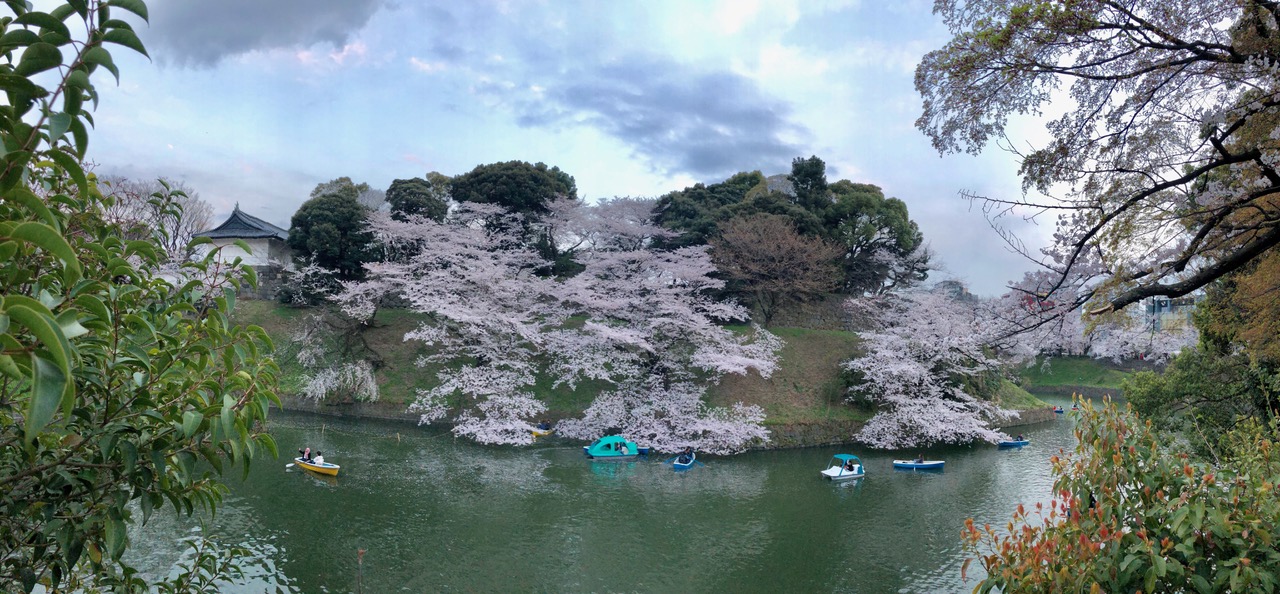
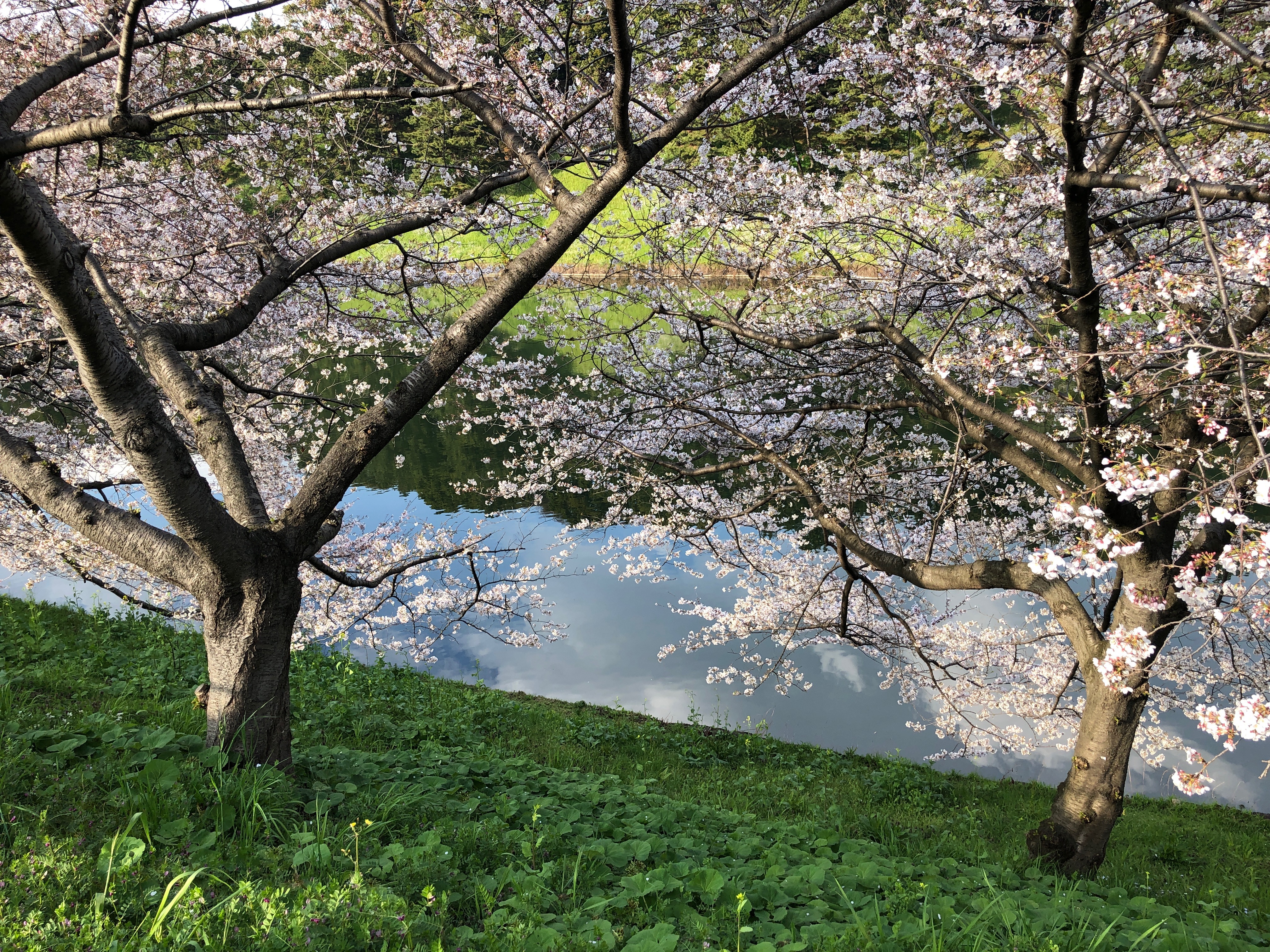
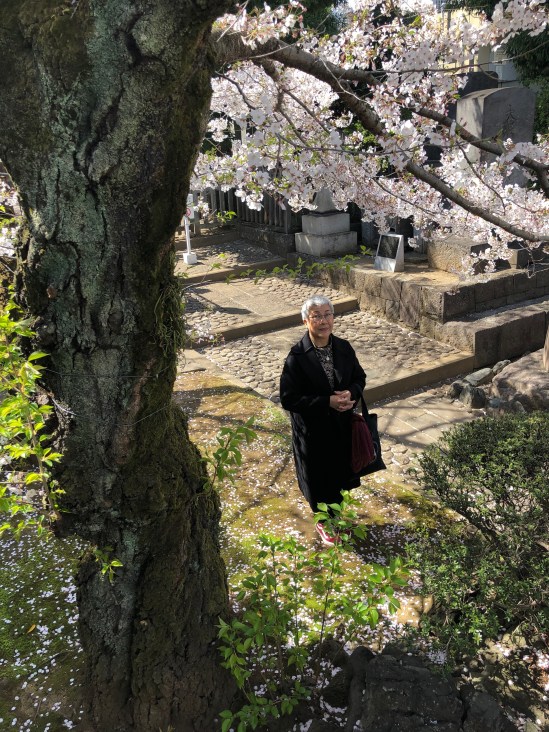
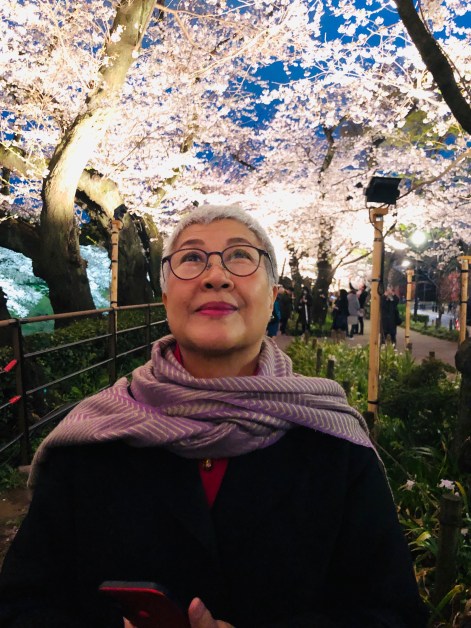
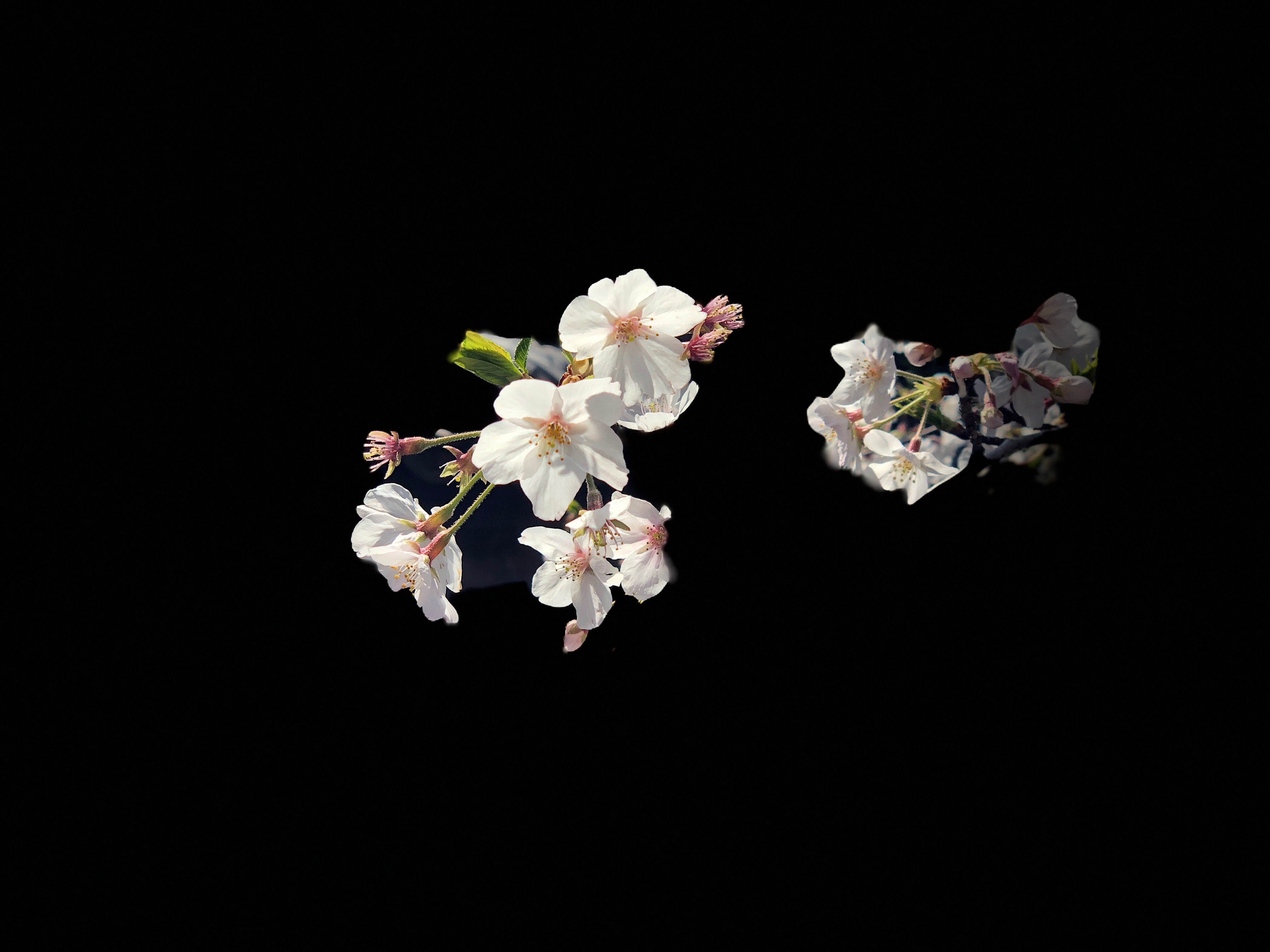
The sakura bloomed early this year—the weather in Tokyo was nippy to almost chilly—but we caught showers of them in pink and white around the Imperial Palace, along the Meguro River, and in Ueno Park. Most fortunately, we stumbled into a bank of them in Chidorigafuchi Park just as it darkened, and suddenly the trees were lit up, lending ethereal magic to the scene. The only downer with these hanami or flower-viewing walks is that you’re doing them with several hundred other people looking for exactly the same thing—that perfect pose or shot under the same trees.

IMG_9937.jpeg

A quieter time can be had exploring the sakura in context, such as you might do at the Tokyo National Museum on the far edge of Ueno Park, fittingly at the end of a long walk under the flowering cherry trees. There the blossoms figure in everything from Hiroshige’s Edo Road prints to exquisite kimono and lacquered boxes and bowls—indeed, a recurring theme that can only resonate more poignantly in these times of fleeting joys and affections.

IMG_0010 2.jpeg

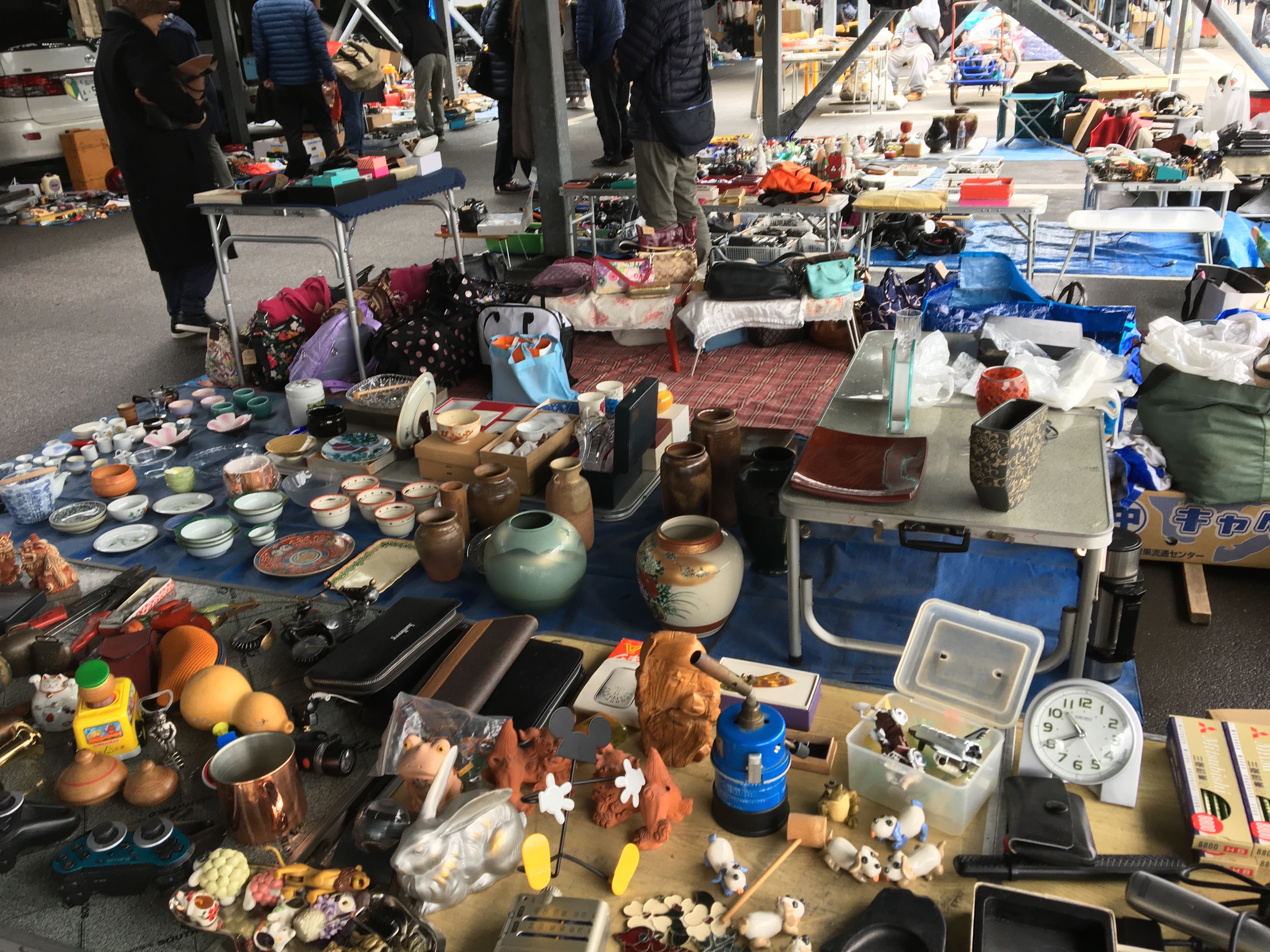
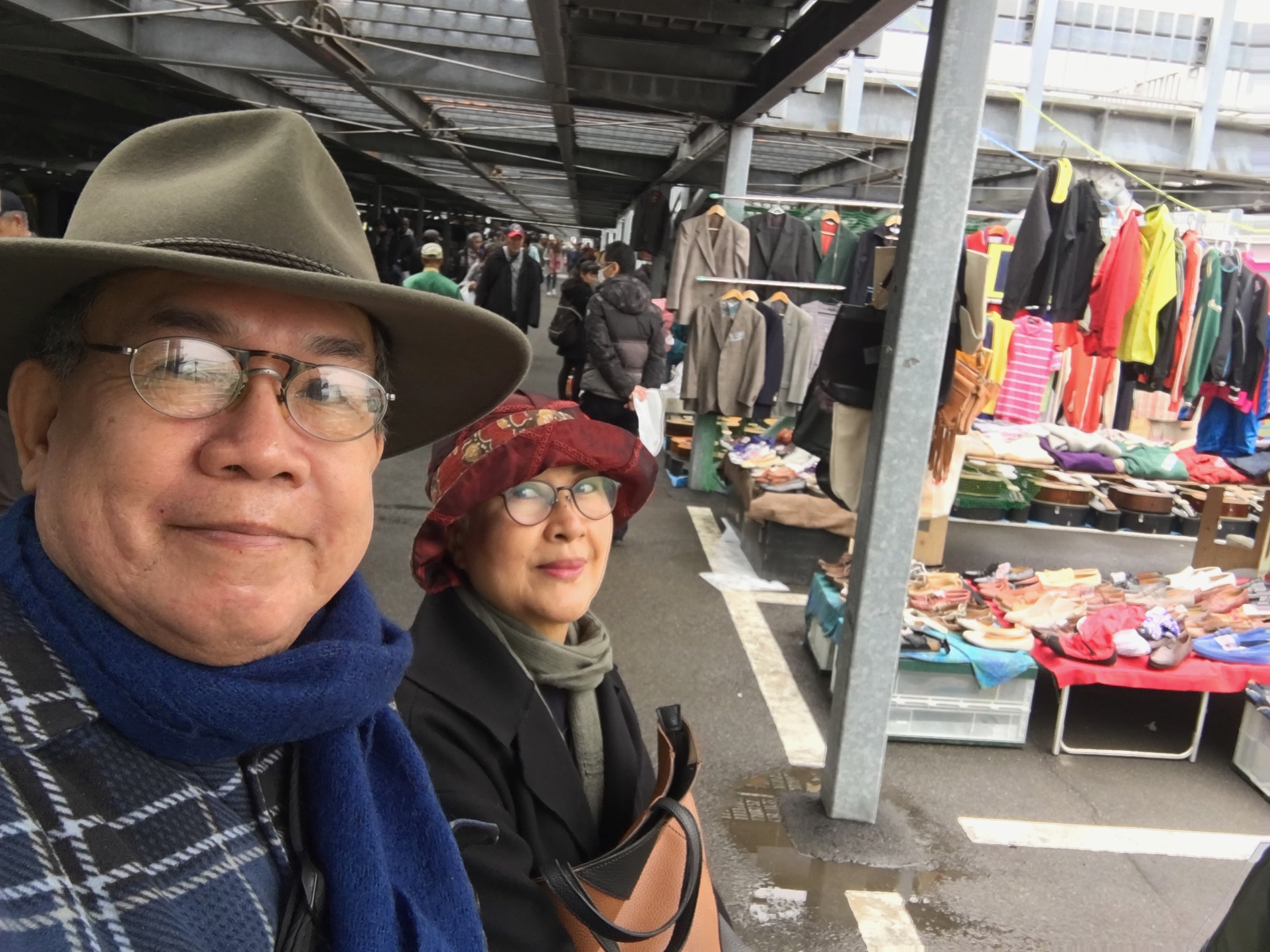
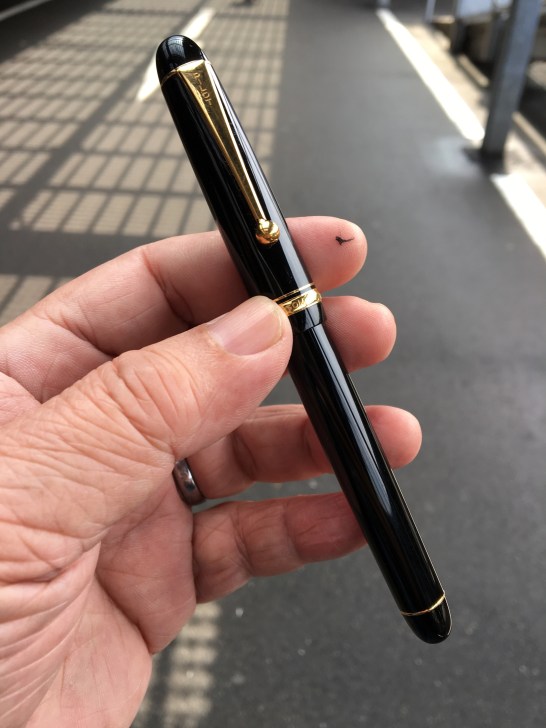
Speaking of fleeting joys, we had our fill of them at the Tokyo City Flea Market beside the Ohi Racecourse in Shinagawa, where we spent most of our Sunday morning. Beng and I are Japan surplus-shop regulars, and this was the mother of all of them, hawking everything from used clothes and vintage electronics to ceramics and scientific instruments. We walked away with a handsome thermometer/hygrometer, which Beng needs for her art restoration studio, for 100 yen (50 pesos) and a big leather bag to carry our stuff for 300 yen. My big find—adrift in a sea of bags and blouses—was a newish Pilot Custom 74 fountain pen, which normally retails for between $100 and $150, for less than P2,000.

IMG_0018.jpeg

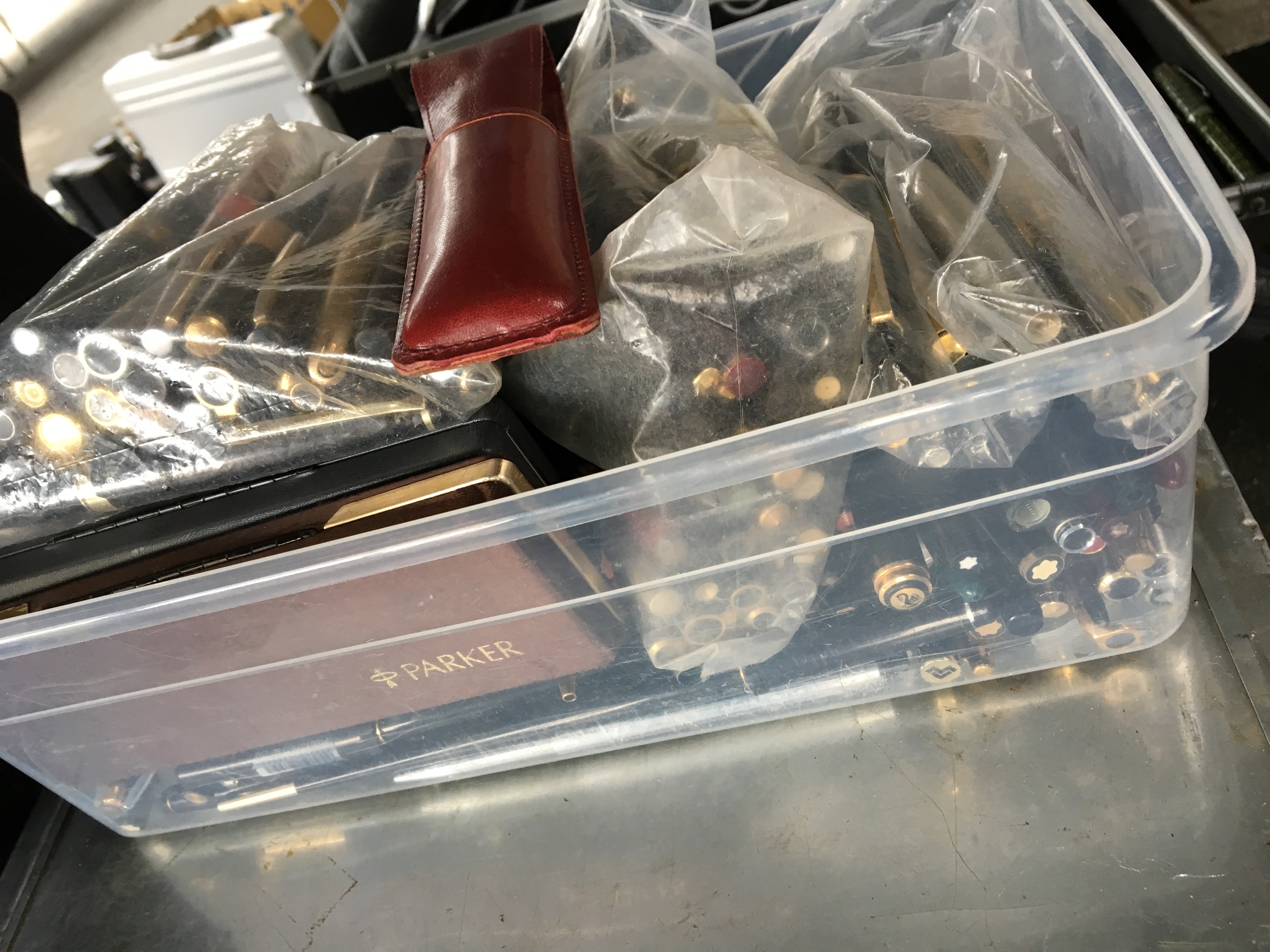
That was before I ran into the mother lode of vintage pens at one stall, where the owner had kept them in translucent plastic boxes, not thinking that anyone would be interested in them, and not thinking that a persistent Pinoy with X-ray vision would spot Montblanc stars in a galaxy of caps. It was a real treasure trove that I would have gladly sold a car for were I a younger and hungrier collector, but after much dickering, I picked out just two prize pens, about which you’ll hear more in another report on pen hunting in Tokyo.

IMG_0022.jpeg

This time around, we had chosen a better hotel, well located near the Imperial Palace, small and rather expensive but impeccably clean as Japanese hotels go. We still found ourselves subsisting on the prepackaged rice-and-fish dinners at 7-11 (actually, they’re good and cheap!), so Beng and I celebrated the day (and yes, the transience of money) with a grand dinner at a steakhouse in our neighborhood in Chiyoda. A good time was had by all.

IMG_9968.jpeg