Qwertyman No. 144: A Better Fighting Chance

Qwertyman for Monday, May 5, 2025

TWO WEEKS ago, almost 18,000 young Filipinos and their parents awoke to the good news that they had qualified for admission to the University of the Philippines through the UP College Admission Test (UPCAT). Over 135,000 high school students had applied, so this year’s admission rate stood at just over 13%, almost 7% higher than last year’s outcome.

Whatever UP’s critics may think it’s become, entry into one of its eight constituent universities remains the highest of aspirations for many Filipino families, especially the poor for whom the tuition and cost of living at top private universities is impossible without a scholarship. 

UP oldtimers like to recall the days, decades ago, when the quality of public education was still high enough for public and private high school graduates to compete on fairly even terms for admission into UP. It wasn’t unusual for some provinciano wearing chinelas to step into a UP classroom or laboratory and beat the daylights out of some elite-school fellow in academic performance. Many of those provincianos—the likes of Ed Angara, Miriam Defensor, Billy Abueva, and Dodong Nemenzo—went on to stellar careers in government, education, the arts, and industry. UP was clearly doing what it was supposed to do, as its past President Rafael Palma put it: to be “the embodiment of the hopes and aspirations of the people for their cultural and intellectual progress.”

Ironically, by the time the UP Charter was revisited and revised a century after its founding in 2008, giving it the unique status of being the “national university,” UP’s student profile had changed. Jokes about UP Diliman’s parking problems began to underline the popular perception that UP was no longer a school for Filipinos across the archipelago and across income strata but one for the privileged, mainly from the big cities. The introduction of free tuition in state universities and colleges in 2017, while well intentioned, even resulted in subsidizing the children of the rich in UP, who could well have afforded going to Ateneo or La Salle.

But some good news is emerging, as this year’s UPCAT results bear out. Starting with last year’s UPCAT, there’s already been a reversal of the trend favoring graduates from private high schools, with 55% of qualifiers now coming from public and 45% from private high schools. UP President Angelo Jimenez—himself a boy from the boonies, coming out of tribal roots in Bukidnon—has pledged to do even more to give poor students outside of the big cities a better fighting chance of getting into UP.

“We started this banking on two things,” he says, “that UP will respond to the challenge of transforming the so-called common clay—the less-advantaged—into fine porcelain, and that the less-advantaged will respond to the challenge of opportunity. The task of leadership now is to set the enabling environment, structures, and systems to ensure the success of this two-pronged strategy. It’s a big bet, and it gets bigger. We still have the non-UPCAT track. This includes our Associate in Arts program, UPOU’s ODeL, talent-based modes, and finally, the UP Manila School of Health Sciences in Tarlac, Aurora, Palo, and Cotabato. We cannot solve all problems, we are not lowering standards. In fact, we must demand excellence regardless of social and economic status, and enforce it. But we are dropping rope ladders so people long staring up from the base of the fortress walls can have a better chance of scaling its sheer drop with something better than their bare hands.”

Those rope ladders include adding more UPCAT testing centers in faraway places, ultimately to have at least one in each province—a goal that will be met later this year. The testing centers are also being moved from private to public high schools. “We’ve seen that more students tend to participate when the tests are given in their national high schools,” says UP Office of Admissions director Francisco de los Reyes. Aside from more testing centers, UP is helping disadvantaged students prepare better for UPCAT through its Pahinungod volunteers, who distribute reviewers using real items from past UPCATs (these reviewers are also downloadable for UPCAT applicants) and use them for UPCAT simulations, guiding students even with such details as shading the exam oblongs. (De los Reyes reports that wrong shading has caused 20% of their machine counting errors.)

These steps are clearly paying off. Davao de Oro (formerly Compostela Valley), which previously accounted for less than 10 UPCAT qualifiers, has just produced 31, after a testing center was put up in Nabunturan. 

UP’s support for poor students doesn’t end with UPCAT. Every year, thousands of qualifiers from so-called Geographically Isolated and Disadvantaged Areas (GIDAs), even after passing UPCAT against all odds, fail to show up for enrollment after realizing that they cannot afford the costs of living on a UP campus. UP has rolled out a P50-million Lingap Iskolar program that provides such disadvantaged qualifiers who meet certain standards P165,000 a year to cover housing, meals, transportation, books, cellphone load, and other expenses. Almost 200 Lingap Iskolar grants were given out last year. In UP Manila, private donors fund daily meals for over 30 students.

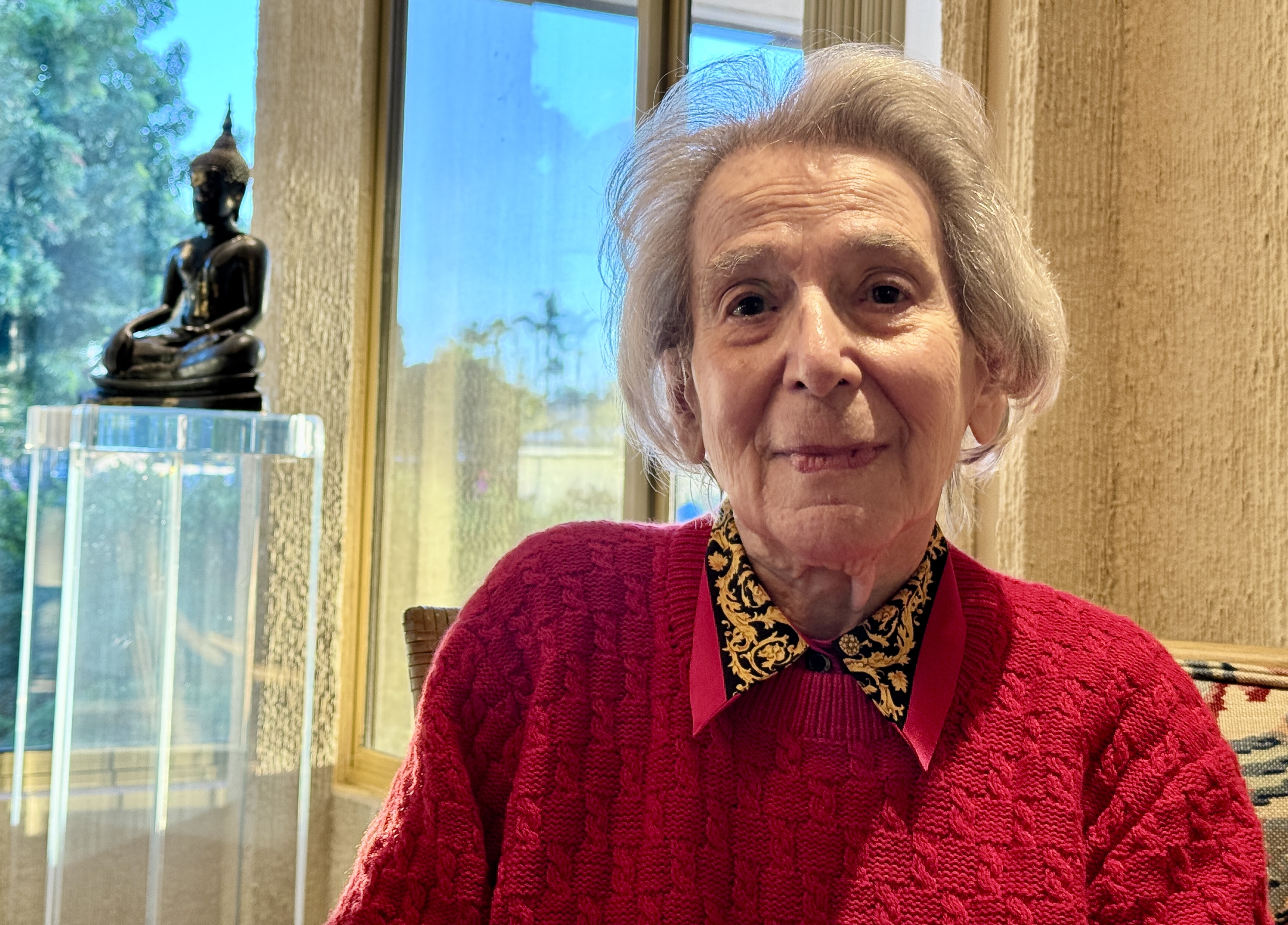
I’m particularly happy to report that a dear friend of mine, Julie Hill, recently donated almost P21 million that will be used for a new Agapay Fund that will go toward the upkeep of poor students in UP’s School of Health Sciences, which has a unique ladderized program that enables rural midwives to become nurses, and nurses to become doctors. The program has already produced about 200 doctors who have served their communities back. 

Among them was Dr. Hannah Grace Pugong, who recently landed in the top 10 of the medical board exams, after placing No. 1 in the midwifery and No. 3 in the nursing exams. Dr. Pugong will soon be deployed under the Department of Health’s Doctors to the Barrios (DTTB) program, fulfilling her return service commitment. It is an obligation she willingly embraces, saying that “I have often reminded myself that how I treat my patients should reflect how I want my family members to be treated by other health workers.” 

If that’s not what being a national university should be about, I don’t know what is.
Penman No. 471: A Promise to Keep

Penman for Sunday, February 9, 2025

Now and then we come across stories of foreigners who fall under the spell of the Philippines so completely that wherever else they go, the Philippines and its panoply of wonders—its mangoes, its waters, its sunsets, and above all its smiling people—stay with them, urging them to return, in spirit if not in person.

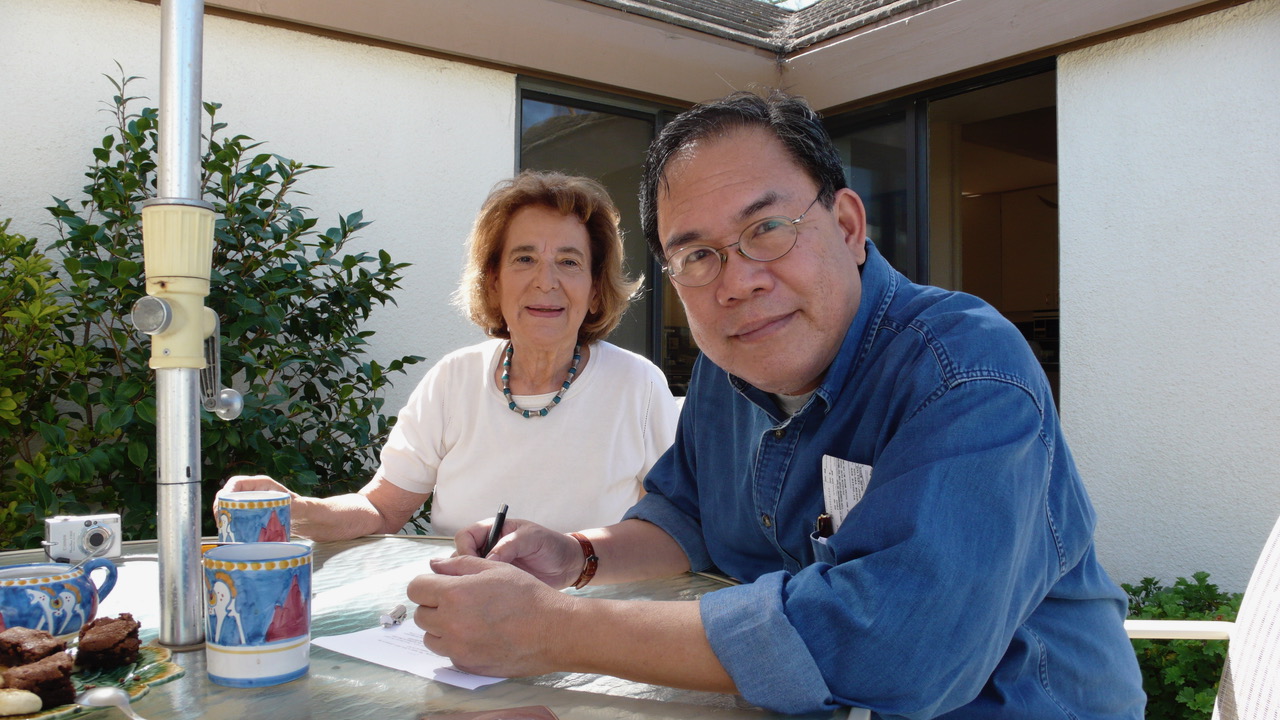
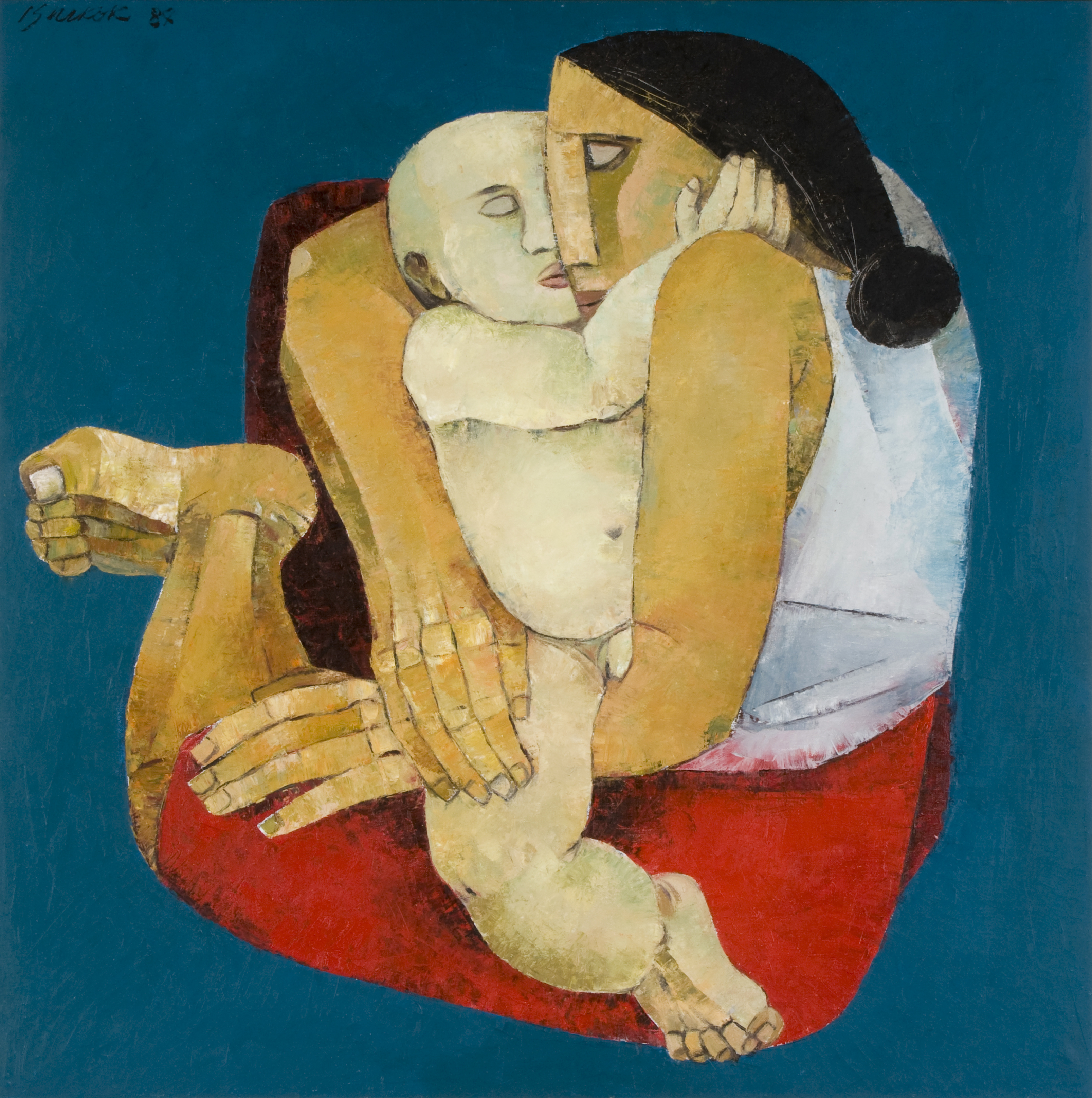
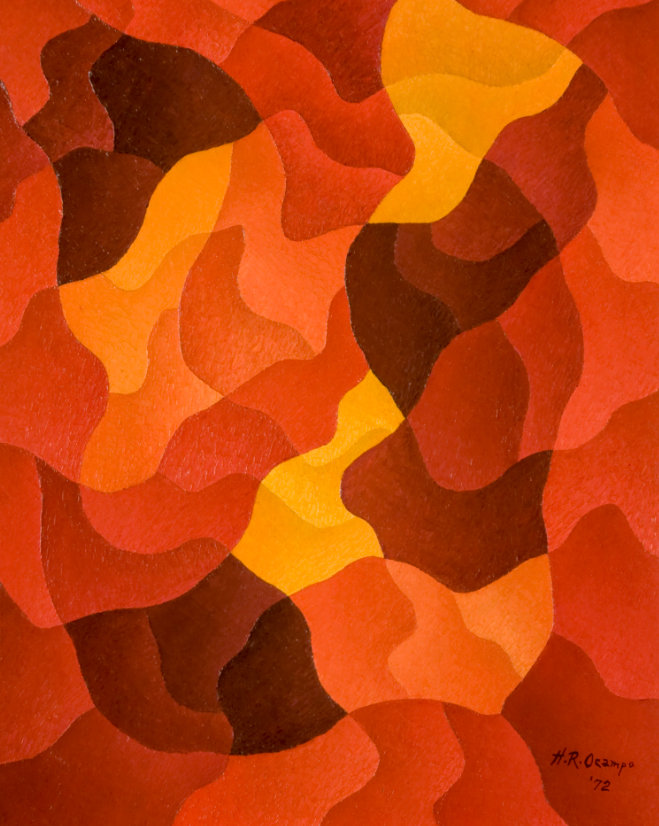
One such visitor was my good friend Julie Hill, who with her late husband Arthur first came to Manila in 1968 on a mission to help improve Philippine education, among other concerns. Almost six decades later, after having traveled the world and settled in America, Julie’s thoughts and affections remain bonded to this country and to its future. In the twilight of her life, she has decided to gift poor but bright young Filipinos with a life-changing opportunity to study at the University of the Philippines, from the forthcoming sale at auction of two paintings by National Artists HR Ocampo and Ang Kiukok.

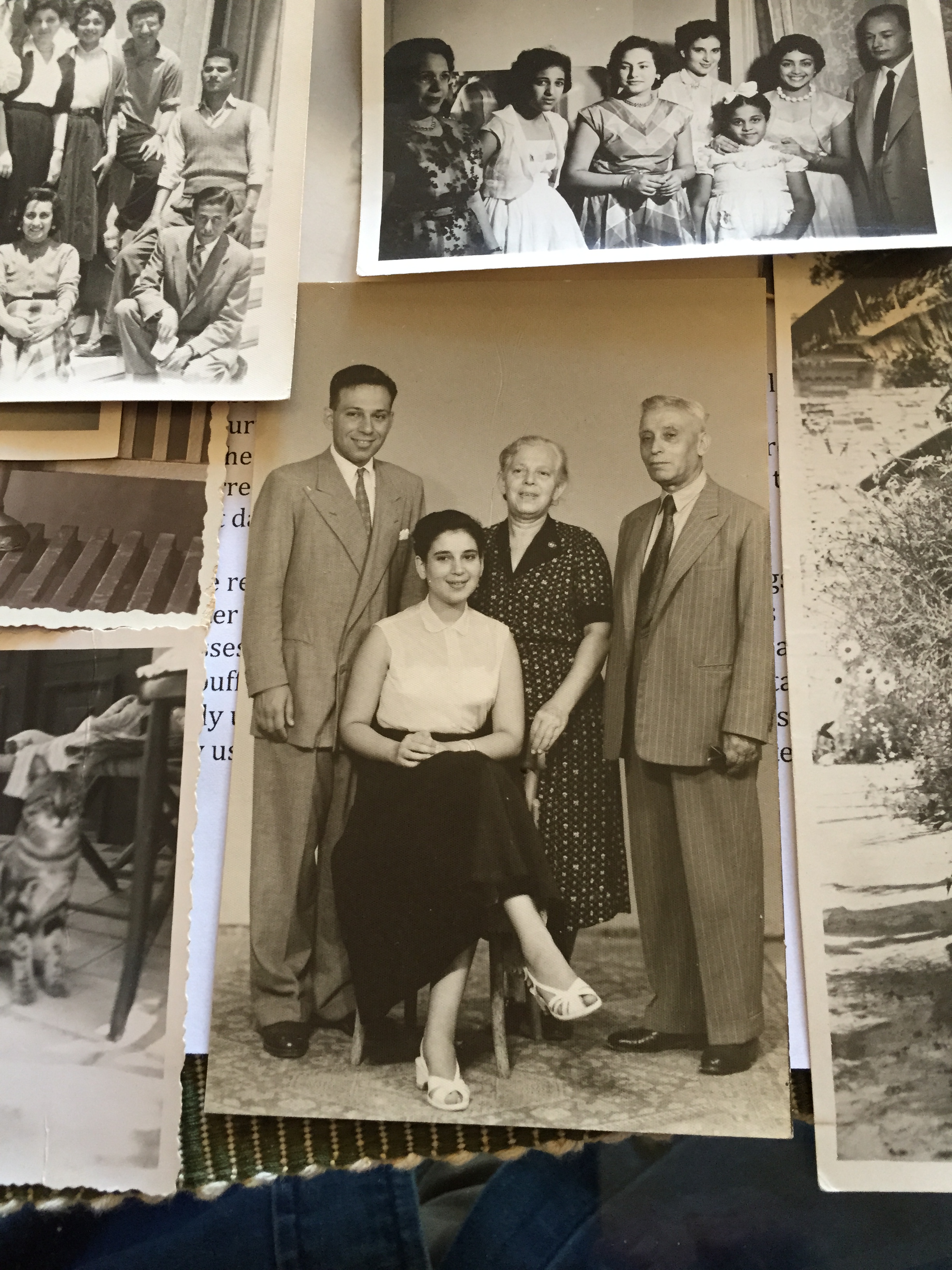
Born in Alexandria, Egypt to Greek parents, Julie Hill went on to a fulfilling life in the United States and around the world with Arthur, who represented the Ford Foundation in the Philippines. Forced to leave Egypt when Nasser took over, Julie found a scholarship for her master’s degree in chemistry at the University of Minnesota. There she met Arthur, an Australian taking his PhD in Education and Mathematical Statistics. 

The two fell in love, married, and embarked on a lifelong adventure around the world—to Western Samoa, Thailand, Indonesia, and Afghanistan, where Arthur’s expertise in education and agricultural development was much sought after. Arthur passed away in 2002, but Julie went on to her own career as an international marketing executive for Lucent and later AT&T. Since retiring at their home in Rancho Sta. Fe, California, she has written and published five books of travel and memoirs—all of which I edited after being introduced to her by our mutual friend Jimmy Laya, turning our business connection into a long and dear friendship.

From the first of those books, A Promise to Keep (2003), come many vivid impressions of a country and society transitioning to modernity, troubled but brimming with energy and promise. Arthur got busy working with UP and the International Rice Research Institute, among others, and the Hills became good friends with the rising technocrats of the time—Cesar Virata, Gerry Sicat, and Jimmy Laya. It was Laya—who remains close to Julie—who introduced her to the local art community.

“The art scene was vibrant,” Julie would write. “Manila, a centuries-old entrepot, was rich in art and culture, and we were privileged to visit many private art collections….

“Art galleries flourished. A self-exiled painter stormed into town and set new price ceilings. The audience increased. So did the column inches devoted to art in the newspapers and magazines….

“The Luz Gallery in Makati was run by Arturo Luz, a leading painter, known for his high standards of professionalism. His gallery gained the trust of the public and the artists. The Solidaridad gallery and bookshop was located in Ermita, run by novelist Frankie Sionil Jose. Solidaridad was the middle ground between the established artists exhibiting at Luz and smaller galleries where new talent was championed. You could find superb examples of prints, drawings, miniatures, relief metal sculptures, collage, photographs, and paintings all over Manila.

“We were interested in meeting the artists and visiting their studios, but were reluctant to pay the gallery prices. If we liked the work of a particular artist, why not buy directly from him or her? This was how we searched for and found the home of Hernando Ocampo.”

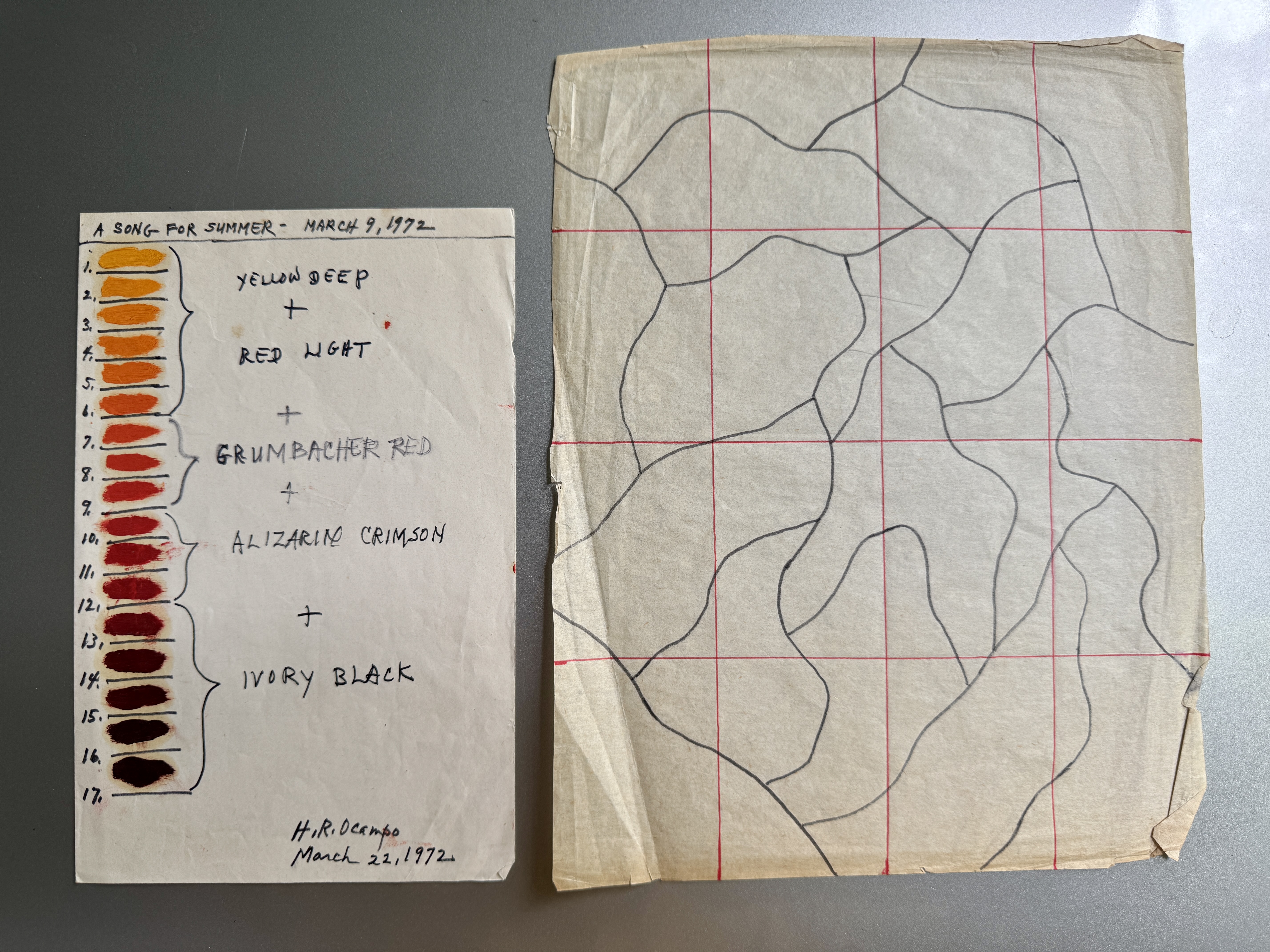
“Hernando Ocampo was a pure abstract expressionist with a daring originality in his paintings. His work was unmistakably Filipino, ascribing this national character to his unique, tropical colors. A typical Ocampo painting is not unlike a honeycomb, a complex weave of color and tone with each individual cell suggesting a large, more real life form. His work is tropical and warm and suggestive of symmetry. The colors and shapes seem to dance before the eyes. His home in Maypajo was a mecca for friends, admirers, and collectors. He had an open house on Sundays. Good food and hard and soft drinks were ready for guests. Visiting Ocampo, we felt welcomed not only by the artist but also by his family. We commissioned a painting. Sketches were drawn; we followed the progress of our painting with our weekly Sunday visits, and sampled the wonderful pancit, that ubiquitous Filipino noodle dish, that was offered. We photographed the progress of his work. He completed the ‘Song of Summer’, a mastery of color in 17 different shades of red. It would hang proudly in our home in California, and continue to provide intense, pleasurable excitement, another reminder of our times in the Philippines.” (Note: Ocampo’s sketch and color guide for the painting will go with the artwork at auction.)

The Hills left Manila for Indonesia shortly after martial law, but on a return visit in the early 1980s, their old friends at the Ford Foundation presented them with another painting by another Filipino master, Ang Kiukok.Julie recalls seeing several works by accomplished Filipino painters in the foundation office, purchased back when they were far more affordable, and this may have been one of them. Like the Ocampo, it traveled with the Hills around the world all the way to Rancho Sta. Fe, where I have been visiting Julie over the years (our daughter Demi conveniently lives nearby in San Diego).

It was during our most recent visit there that Julie brought up the idea of donating her two paintings for the benefit of poor UP students. A lifelong but quiet supporter of students as far away as Mindanao and a staunch believer in the transformative power of education, Julie also honored me by anonymously (but no more) endowing the Jose Y. Dalisay Jr. Professorial Chair in Creative Writing at UP, over my embarrassed pleas to put it in her name.

This time, she wants the money to go to UP’s poorest—specifically, those exceptionally bright and mainly provincial students who, against all odds, pass the UPCAT but fail to enroll, lacking the means to afford the cost of living on a UP campus. We’ll need to work out the mechanics, but this will go much farther than professorial chairs in changing Filipino lives.

“I had a privileged education in Alexandria and was fortunate to receive a scholarship for my graduate education in America,” Julie says. “During our years in Manila, Arthur and I developed a deep affection for the people of the Philippines, and I am hoping that this donation will contribute to creating a generation of talented and hopeful Filipinos who will serve their country well.”

The Ocampo and Ang Kiukok paintings will be sold at auction by Leon Gallery on February 22. I pray that generous buyers will help Julie keep her promise to the Filipino people.

Penman No. 276: A Storyteller Returns

Cover

Penman for Monday, November 6, 2017


I EDIT a lot of books and manuscripts in the course of my work as a professional writer, mostly for institutions like banks, NGOs, government agencies, airlines, and even accounting firms. These people need help with their corporate communications, and I’m glad to lend a hand.

But now and then I get asked to edit a book of a more personal nature—a memoir, an autobiography, a travelogue, or a collection of essays—and when that happens I have to think twice about taking the job on, because these personal projects require a certain compatibility—almost an intimacy—between the writer and the editor. While institutional work is largely impersonal—the very reason I prefer it—editing someone’s life-work demands close familiarity with and sensitivity to the author’s character and concerns. That can be difficult, which is why I’ve declined many such invitations, unwilling to engage in so taxing a process.

There’s been one person, however, for whom I’ve edited four books—each one of them formidably full-length and chockful of detail. I have to admit—and she will agree—that the job has involved careful line-by-line editing and restyling. That’s easy to explain: she’s a terrific storyteller, but English wasn’t her first language—she also speaks Arabic, Greek, French, Dari, at least one other language—so she does need an editor, and she found me.

That happened 15 years ago through the intervention of a mutual friend, Jimmy Laya. He had a good friend in the United States, he said, whose husband had just passed away and who wanted to write a book about her life with him, a life that had taken them around the world and to the Philippines, where they had spent many good years. It seemed interesting enough, so I said yes.

And so began what became a unique friendship for me and my wife Beng with Mrs. Julie Hill, an Alexandrian Greek born and raised in Egypt but who moved to the US for her master’s degree in chemistry, then spent the next many decades traveling the globe with her husband Arthur, an official of the Ford Foundation. Later, Julie herself would become a telecommunications executive—and, after Arthur’s passing, an inveterate traveler trekking the Mongolian desert, the Afghan hills, the Russian steppes, the valleys of Papua New Guinea, and the Norwegian fjords.

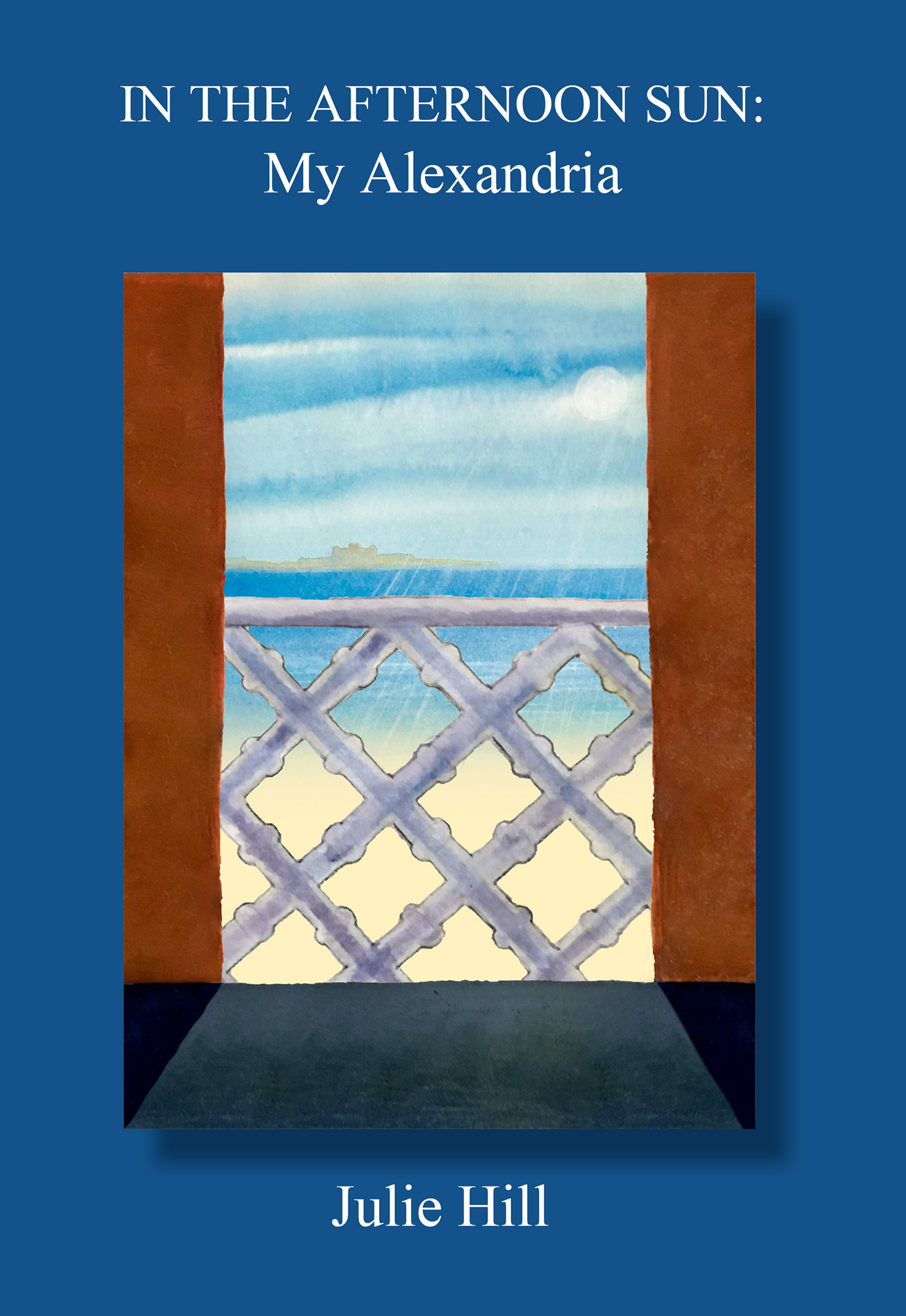
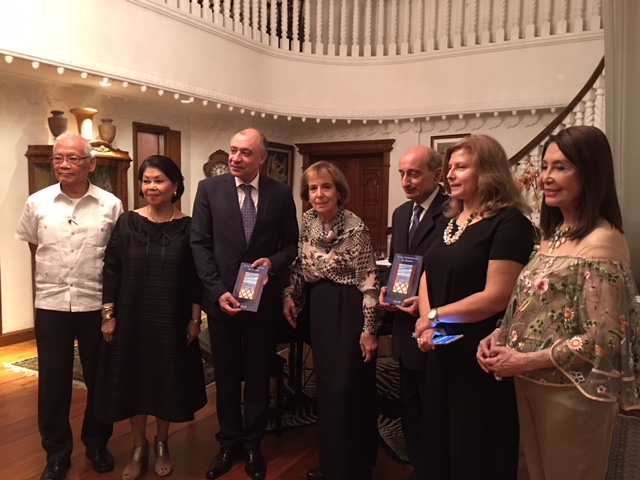
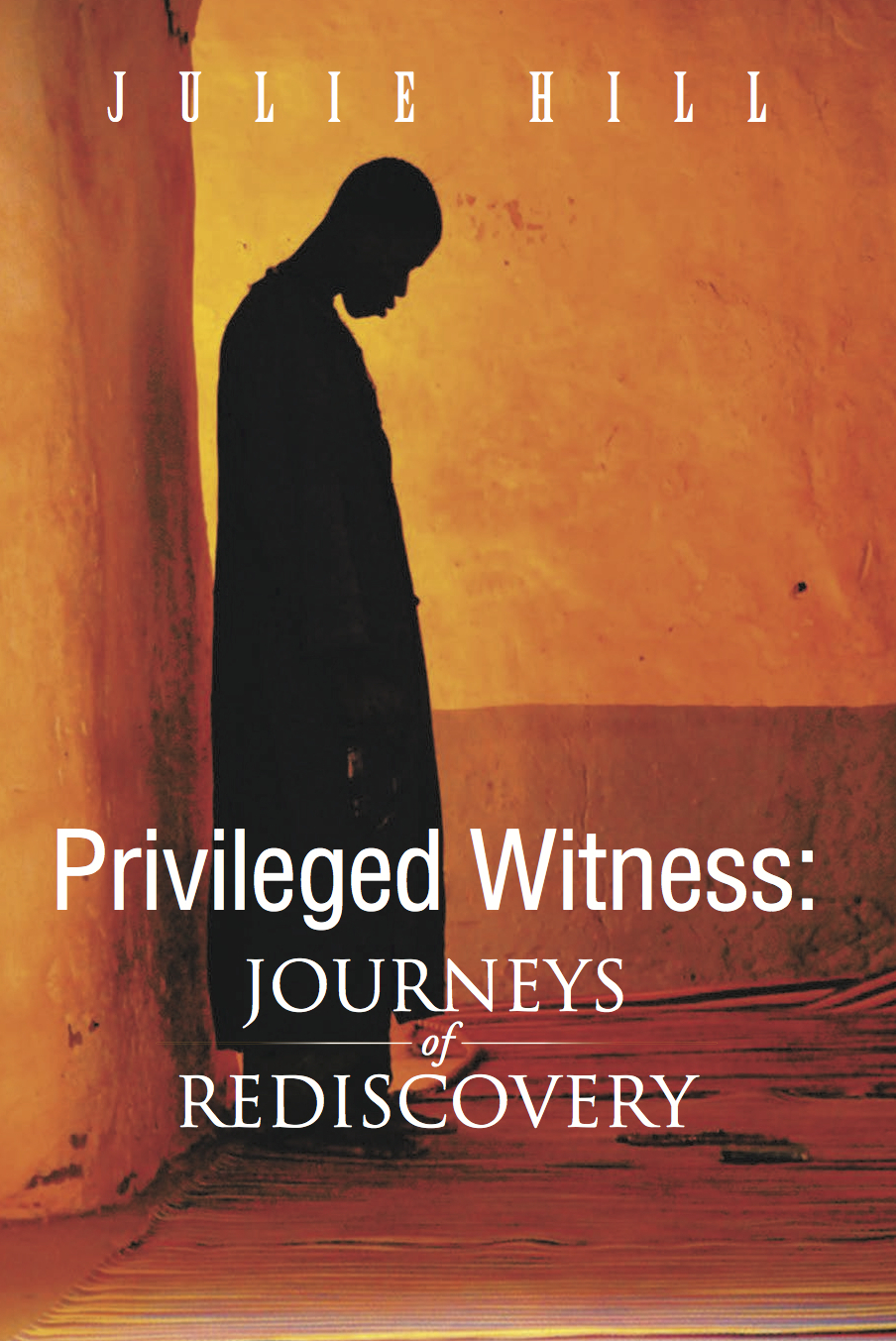
Out of that life and those travels came four books, all of which I would edit: A Promise to Keep: From Athens to Afghanistan (2003), The Silk Road Revisited: Markets, Merchants and Minarets (2006), and Privileged Witness: Journeys of Rediscovery (2014). Her newest, In the Afternoon Sun: My Alexandria (2017), was launched just last week in Makati, again through the kind auspices of Jimmy Laya and the Society for Cultural Enrichment, which Jimmy serves as vice-chair, and which published Julie’s book.

IMG_4712

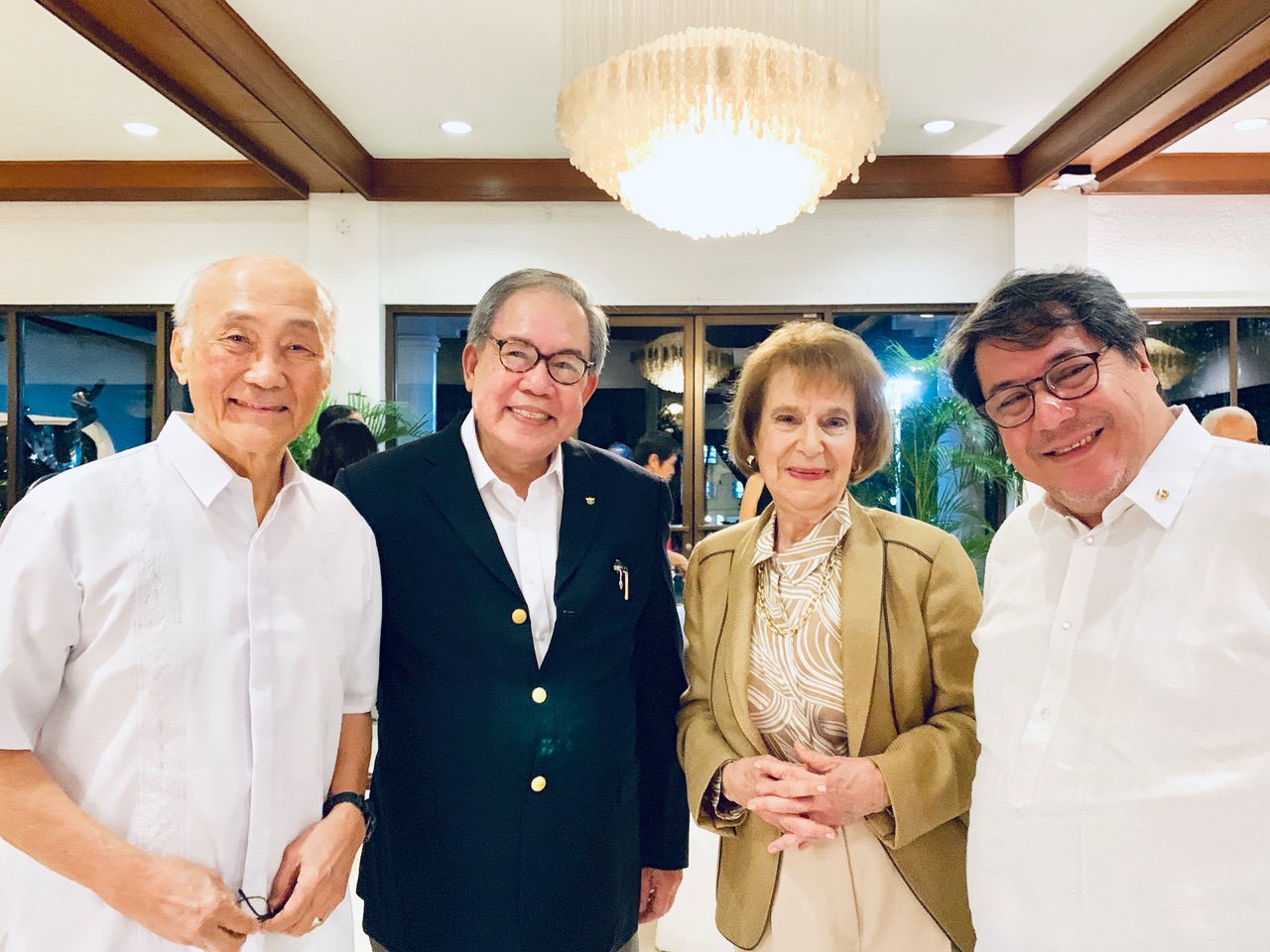
Despite her aches and pains—as any octogenarian globetrotter is bound to suffer—Julie flew in from Southern California to be with old friends like the Cesar Viratas and the Francis Estradas and to give thanks to Angola Consul Helen Ong, who graciously hosted the launch, and to Ambassadors Ahmed Abdelaziz Ezzat and Kaimenakis Nikolaos of Egypt and Greece, respectively. Of course she also gave special thanks to her cover artist, June Dalisay, and to her editor—who, sadly, had to fly to Thailand at the last minute on a mission for his university.

It may seem that My Alexandria—Julie’s haunting memoirs of her childhood years in that vanished cosmopolis—would have very little to do with us Filipinos (A Promise to Keep has some very sharp vignettes of expatriate life here under the Marcoses), and Julie herself had expressed serious doubt about its worth as a book, but I had urged her strongly to press on with it, convinced that its evocation of a place and time where cultures and religions could get along so well was what our fractured world today needed to see.

IMG_6711

Of all her books, it was frankly the hardest to work on, as I challenged her to go into sometimes painful detail; our relationship had long gone past editor and client, well past discussing fees, and I wanted this book to be the crowning glory of her authorial career. Here and there, as any editor would, I worked on tenses, participles, and modifiers; but what rewards the dutiful editor is a natural writer who sees what’s worth seeing, and Julie Hill has been just that, as this passage from an earlier book chronicling her journey over the Silk Road (taken when she was in her seventies!) reveals—simple in language, but bright and articulate with emotion. (You can find all her books on Amazon.)

Night had fallen; it was a bright full moon. The sky bristled with stars; but it remained bluish gray, unlike the black velvet firmament of Rajasthan or the Sulu Archipelago. Constellations tipped at an unfamiliar angle. A shooting star! It had been years since I viewed one, and it was a good omen for the trip.

 At dawn I stepped outside my ger. It was a soft morning with the sun rising behind high clouds. Seized by the clarity and the silence, I stood and listened. Not a breath of wind, not a sound from the gravel paths of our encampment, no machine whirring, no horse snorting, no voice coming from the nearby gers, no bird calling. I felt that I was in one of the emptiest places on earth.

 Freed of distraction I held my breath and listened to my own heartbeat; I sensed nothing. There was no wind to move the clouds or dust or bushes. No sound, no movement, no scent, no warmth yet in the sun, no cold remaining in the air. The only sensation was through the eyes: the desert, the mountains, and the hills. This was the Gobi. I wondered if it was possible to be happier.

 Welcome back, Julie, and from here, happy trails!


Penman No. 110: Witnessing the World

HillCoverPenman for Monday, August 18, 2014


IN MY other role as an editor rather than a writer of books, I take raw manuscripts from Iclients and friends and transform them into something publishable and popularly readable. I’ll write more about editing as a profession one of these days, because it’s an art unto itself that bears all the challenges but very little of the glamor and rewards of authorship. In the meanwhile, I’d like to talk about one of my most recent editing projects, a book about travels around the world by someone who has to be the most happily peripatetic (that’s a fancy word for “footloose”) person I know.

Julie Hill was a client before she became a friend. We were introduced to each other more than ten years ago by Jimmy Laya, who knew Julie and her late husband Arthur back from when the Hills lived in the Philippines, where Arthur represented the Ford Foundation. Then based in Southern California, Julie wanted to write a book about her life and travels with Arthur, who had just died of cancer; together, the couple had journeyed around the world, from Australia to Afghanistan, from Bangkok to Minnesota, from Samoa to China. Julie—born an Alexandrian Greek, trained in chemistry, and later a telecommunications executive—had all these stories to tell, and she needed an editor to help her tell them.

Jimmy put us together, and Julie’s first book, Promises to Keep: The Travels of Arthur and Julie Hill, came out in 2003, published by XLibris. This was followed a few years later by her second book, The Silk Road Revisited: Markets, Merchants, and Minarets (Author House, 2006). Not one to spend her widowhood moping, Julie has been actively engaged in all manner of civic pursuits, especially in her patronage of the Scripps Research Institute. Just last month, she published her third book, again with me as editor, Privileged Witness: Journeys of Rediscovery (Author House, 2014).

Julie retains a special place in her heart for the Philippines, to which she returns every now and then to visit with old friends. (In turn, Beng and I pay Julie a visit in her lovely home in Rancho Sta. Fe every time we see our daughter Demi in San Diego; Julie knows I love chocolate cake and always has a scrumptious slice of it waiting for me.)

There’s a wonderful anecdote from Julie’s first book about an encounter that she and Arthur had with then UP President Carlos P. Romulo, whom she describes as “a great raconteur.” They told each other stories about how they traveled to America, all of them being foreign graduate students, and when Julie said that she traveled by steamship, CPR asked her about, of all things, the cutlery. Julie recalls:

“’What was the cutlery like?’ asked Romulo. I was dumbfounded. Why did he take an interest in cutlery? He proceeded to tell us that he crossed the continent from Vancouver to New York on the Canadian Pacific Railway. During his journey, he systematically ‘acquired’ a set of cutlery. ‘What a better way to regale my professors at Columbia University than with cutlery embossed with my own initials: CPR!’”

In her new book, Julie takes us in hand on her journeys to around 20 countries, from Asia to Africa, to places such as Papua New Guinea, Mali, Bhutan, Botswana, and Ethiopia. She doesn’t take just the well-trodden tourist paths, but goes to the heart of the native culture, engaging with the locals to do what all good travelers (more than tourists) do: discover and reaffirm the universality of humanity. Not everyone has the ability and the resources to do the kind of traveling that Julie does, so I suggested the book title to her (taken from one of her essays), to take “privilege” in both senses of the word: as the ability to afford things, but also as the unique opportunity to see things few others could. And with that privilege comes the responsibility of witnessing and reporting.

In her introduction to the book, she writes:

“The art of adventure is the art of being bold enough to enjoy it. On a safari I must have spent hours tracking the footprints of wild animals; for other travelers the hours were too long and boring; after having seen one giraffe the others seemed all the same to them. But for me the tracking process was a fascinating adventure and locating that pride of 13 lions was an unparalleled reward, a golden joy. I could hear the muezzin in the Middle East (so much more inspiring when it is not a recording) calling the faithful to evening devotion. To me, the muezzin’s call—whether in a remote Central Asia bazaar or resounding among the tufa walls and spires of Timbuktu—is like a congregation of mountains praying.

“In my travels I have discerned a similarity among people who bear the same universal aspirations: all want their children to lead a better life and have a better future than theirs; they all cry, laugh, eat, worry, and die. We share so much, but still have to work at understanding one another…. On my travels, I have been privileged to spend time in the privacy of people’s homes and to learn of their rituals, such as the jewelry handed to the eldest daughter from generation to generation in Mali’s Djennè. An impromptu invitation at a village up in the mountains of the Caucasus brought me to a wedding, sipping vodka and dancing in a circle with other women…. Every time I was treated by my hosts as a friend, as a confessor, and I have tried to vindicate their trust by bringing their stories to life.”

In a message to her after the book was published, I told Julie that I had just watched a TV documentary about Aleppo in Syria—the subject of one of her best essays—and about the destruction that Syria’s current civil war had wrought on the ancient wonders of the place. I was almost in tears, I said, to see the Krak des Chevaliers being bombarded; without even having been there, I felt more invested in the world and in humanity, thanks to her book, for which I—in turn, as editor—was the privileged witness.

(Privileged Witness: Journeys of Rediscovery is available on Amazon.com.)