Penman No. 449: Sharing the Joy of Pens

Penman for April 2, 2023
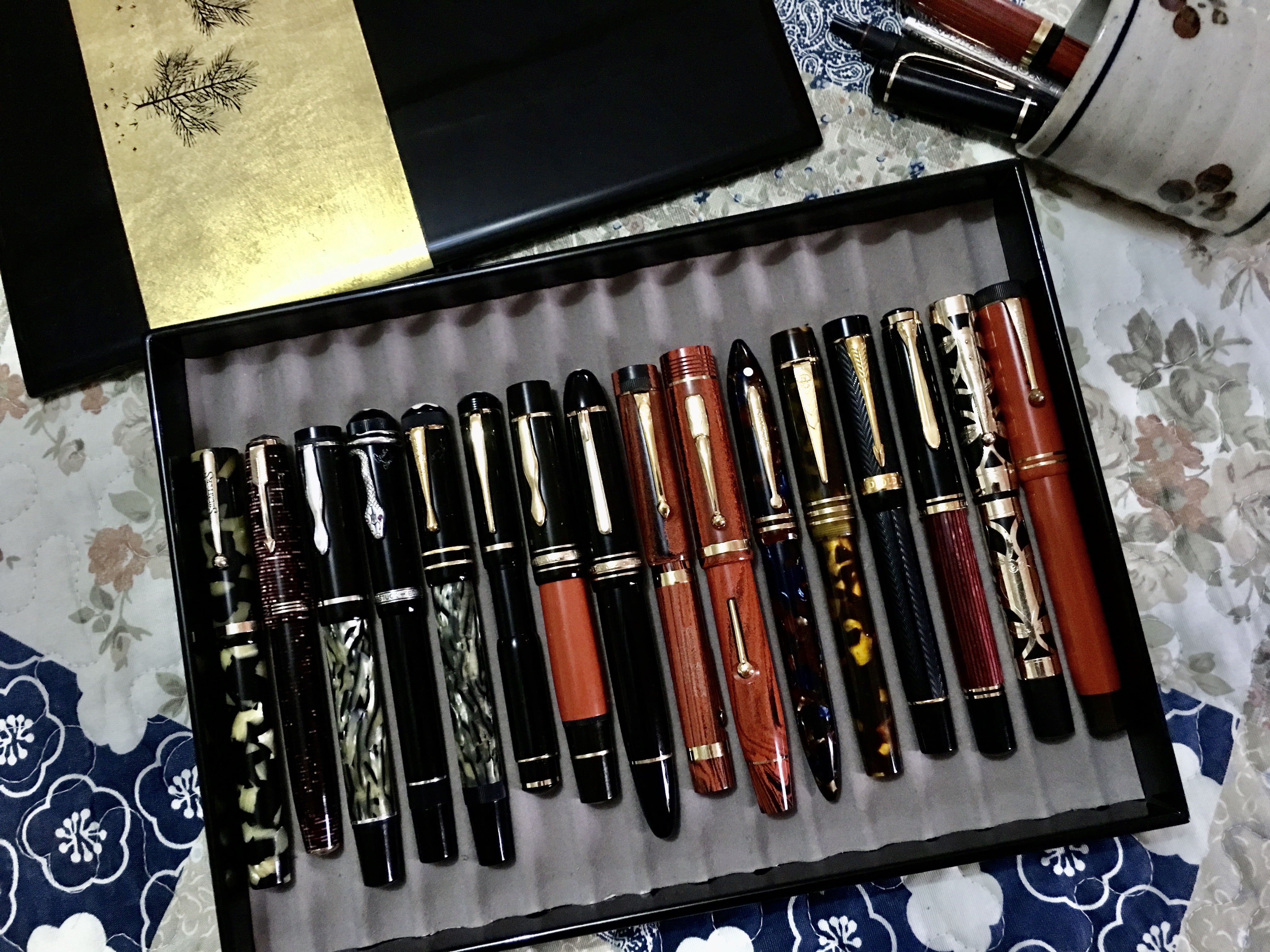
With the successful holding of the 2023 Manila Pen Show last March 18 and 19 at the Holiday Inn Makati, the Philippines firmly established itself as Southeast Asia’s Pen Central—the largest and liveliest marketplace of items and ideas related to one of the world’s fastest-growing hobbies: collecting fountain pens and other writing peripherals (inks, papers, and cases). 

The last MPS in 2019, just before the pandemic, had brought in 700 visitors. This year, that number was eclipsed on just the first day, and by closing time Sunday, over 2,000 pen lovers—from hardcore and advanced collectors picking up $2,000 Nakayas to eager newbies thrilled to get sub-P200 Wing Sungs—had showed up. The turnout wasn’t totally surprising, considering that Fountain Pen Network-Philippines (FPN-P), the pen show hosts and organizers, now counts more than 12,000 members on its Facebook page.
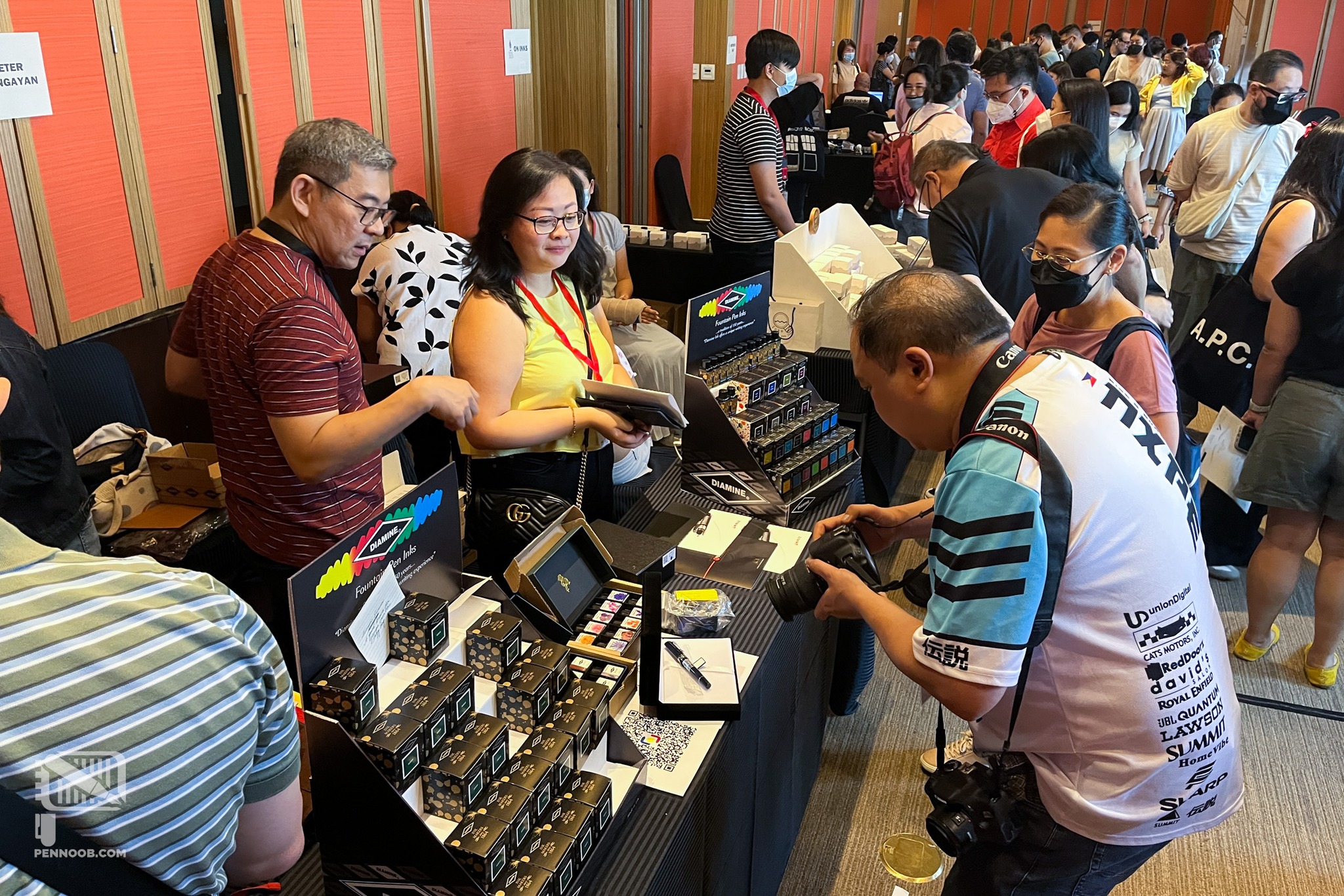
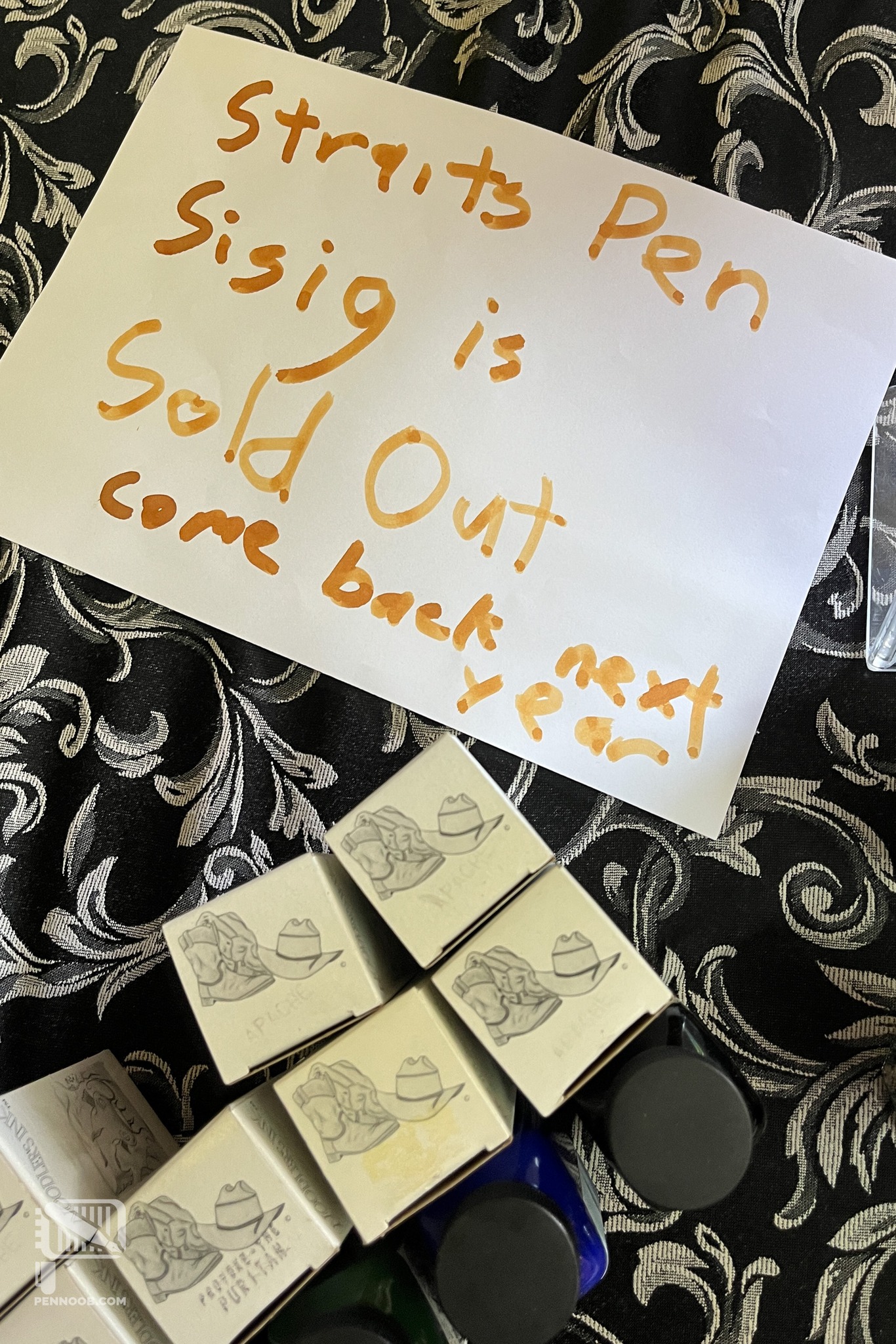
Aside from the country’s leading purveyors of writing paraphernalia—familiar names such as Scribe, Everything Calligraphy, Pengrafik, Stationer Extraordinaire, Leather Library, Leather Luxe, Shibui, Gav N Sav, JumpBid, and Kasama—foreign sellers from Singapore, Malaysia, and Japan such as Aesthetic Bay, Pen Gallery, Straits Pens, Musubi, and Toyooka Craft flew in just for the show. Nearly all the sellers reported robust sales at all price points.

As a longtime pen collector and co-founder of FPN-P, I’m proud of how the hobby has taken off in this country over the past decade, and also frankly amazed by how different our demographics are from the rest of the world. Fountain pen collecting, especially in the West, has long been the domain of predominantly old white men, inclined like I am toward vintage pens and high-end, limited-edition modern pens. 

FPN-P’s profile is distinctly different: mostly young professionals between 20 and 40, with far more women than men, happy to purchase the entire color range of inexpensive Chinese-made Jinhao 82s (and inks to match) but just as savvy about the latest Montblanc release, keen on using and enjoying their pens rather than keeping them in boxes. As the MPS attendance showed, ours is an exuberant, generous, and democratic community, with little sense of entitlement or competition, dedicated to sharing the joy of pens, of expressing your individuality and artistry with the ink on your nib, of doing something personal and authentic in this age of artificial intelligence.
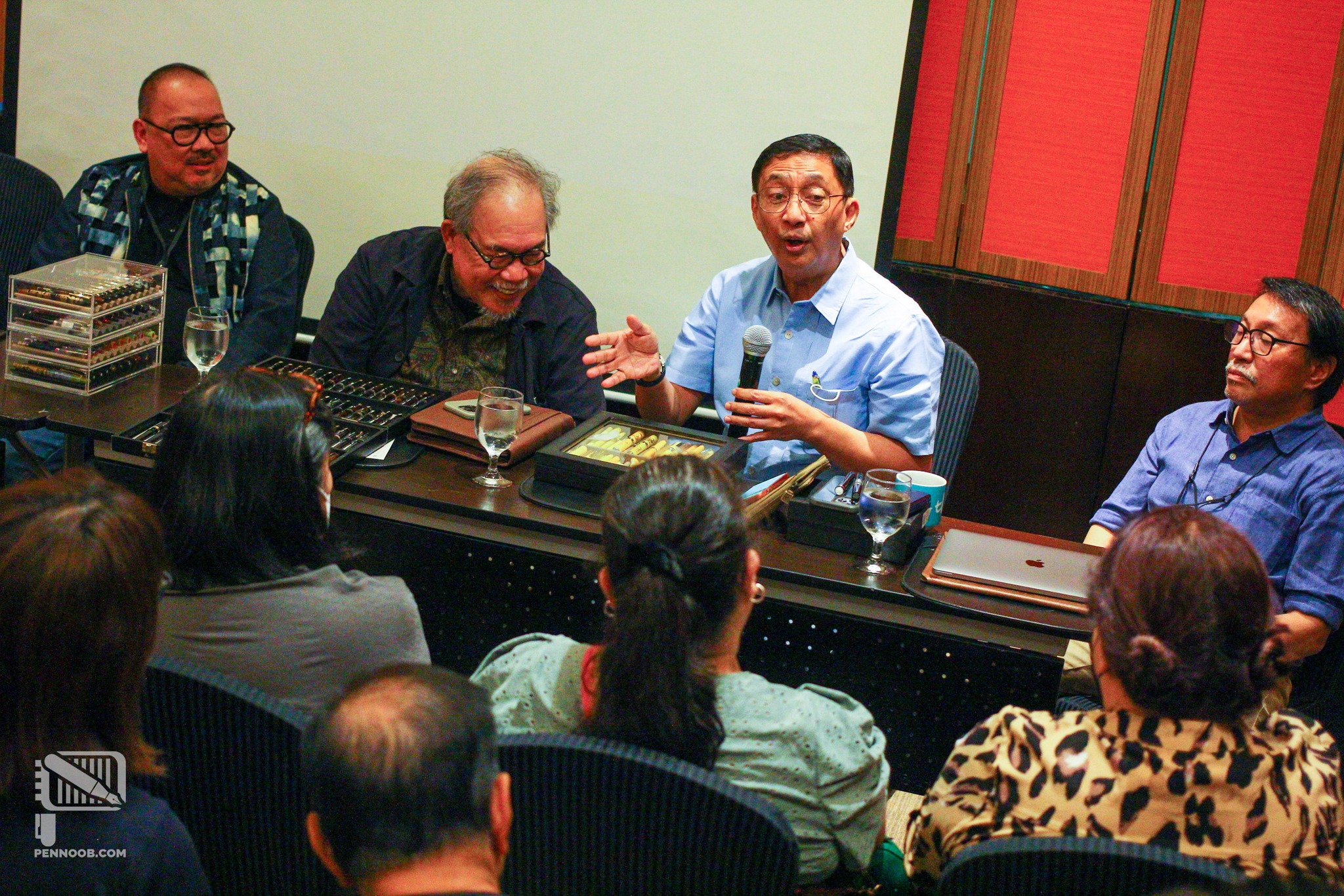
A highlight of MPS 2023 was a panel discussion devoted to the topic of “Curating a Fountain Pen Collection,” and I was privileged to share the table with fellow collectors Reggie Reginaldo, Amanda Gorospe, Jun Castro, Ronnie Geron, and Raffy Aquino. Each of us said a few words about how and why we put our collections together, given that each of us had a different focus: inexpensive pens, high-end pens, vintage pens, yellow pens, and so on.

Before talking about my passion for vintage pens (i.e., pens at least 50 years old, in many cases a hundred years old), I tried to explain what “curation” was all about. Here’s part of what I said:

Every collection begins as most love affairs do—with fleeting glimpses of the loved one, then seemingly chance encounters, then long chats over coffee before the steep and blissful freefall into a dizzying madness. 

For a moment, happiness and contentment reign. And then sadly follow the inevitable regrets, the disaffections, the “It’s not you, it’s me’s,” the parting with the old object of desire and its replacement by a new flame.

Today we’ll try to introduce some sense into this seeming cycle of bliss and despair. Curation means bringing some method into the madness, finding the inner logic that threads many disparate elements together.

The word “curation” is rooted in the Latin curare, “to take care of,” or to treat an illness, and here clearly the illness is in the collector, whom curation treats by providing guideposts to follow and guardrails against excess.

There are several kinds of collectors:

  1. Those who want anything and everything, although they might be more properly called accumulators (this describes 90 percent of us at the beginning);
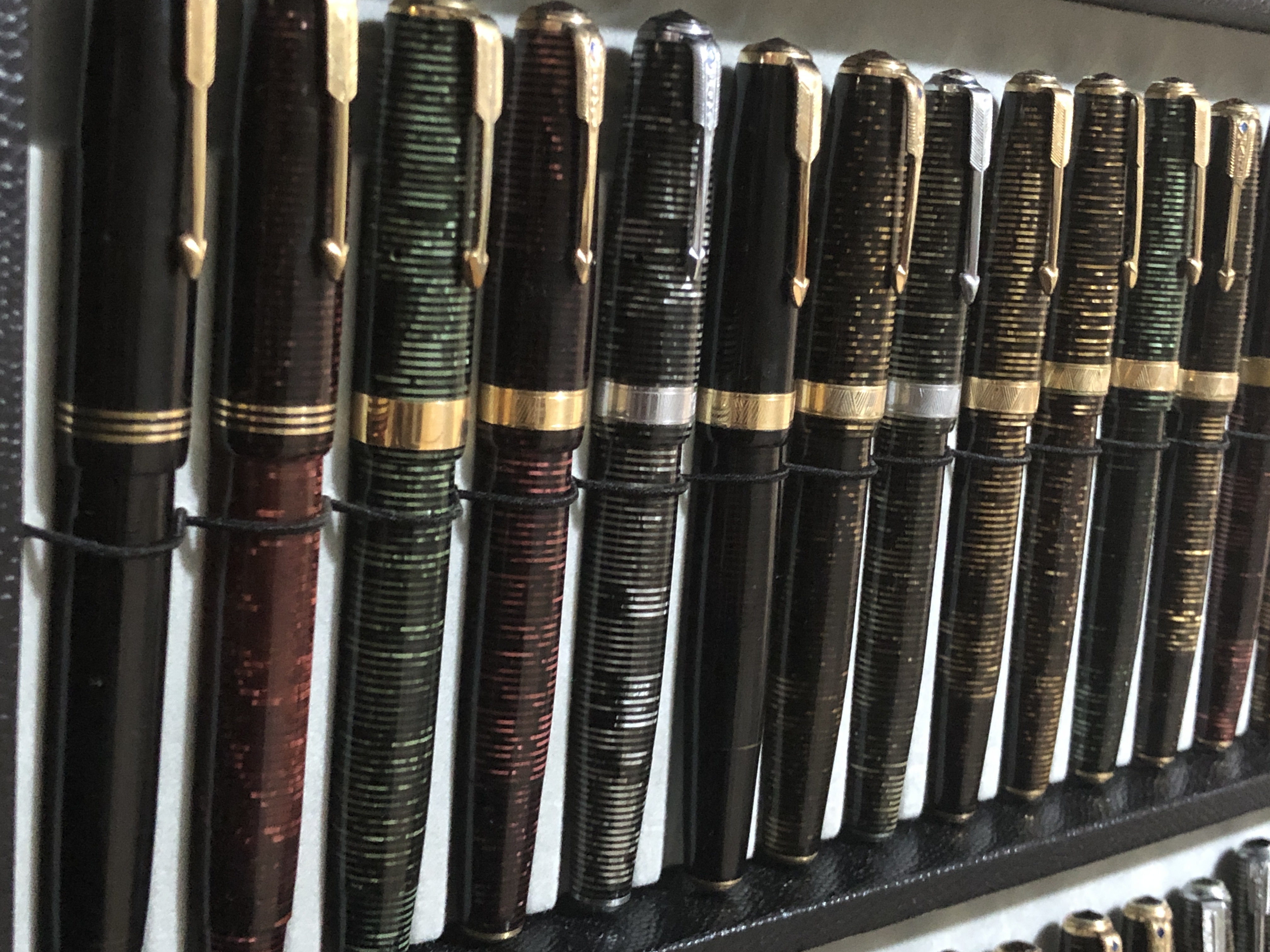
  2. Those who want everything of a kind (this applies to my fetish for Parker Vacumatics);
  3. Those who want the best or the most impressive of everything (this implies having the budget to go with your taste);
  4. Those who want some very specific things, for personal or even idiosyncratic reasons; and
  5. Those who get only what they need or can afford—perhaps the rarest of all collectors, the practical and disciplined kind.

Vintage collecting relies heavily on connoisseurship—on knowing the field and knowing what to look for. Surprisingly, it often involves less money than buying new pens. Of course there’s a cost to factor in for restoration and repairs, but even so few vintage pens reach the stratosphere of the thousands of dollars you would pay for a shiny new Montblanc.
You can collect based on brand, material, filling system, size, and of course price. For vintage you can add age and scarcity. Good working or repairable condition is presumed, although vintage collectors should always be on the lookout for cheap parts pens. 

Every quest for collectibles also involves what we might call “unicorns”—ultra-rare or one-of-a-kind pieces that exhibit some distinguishing hallmark of quality or technical innovation. These could be prototypes, custom jobs, or things in almost mint condition despite their age.

It also helps to know what you don’t like, or no longer like. For example, I generally don’t go for small and light pens, nor for blingy or too colorful pens. My pens are “lolo” pens—staid, conservative, almost severe, corny to most young collectors today.

Culling or cutting down is a good exercise, financially and mentally. I built up my collection over the years by selling five good pens to get one better pen. I have also sold very good pens that I once lusted after, but no longer spoke to me.

Curation, ultimately, is about knowing yourself. At a certain point in your collecting life, you have to take stock of your collection and ask yourself, “What do these objects say about me?” Is this the self-image I want to project, the one I’m happiest with? 

My answer to my own question is, I’m an old guy who likes old things, because they offer physical proof of life after death. We die, but our words—and the wording—go on. A vintage pen is an old guy lucky enough to find a new home. I’m happy to give him a shower and a warm bed, and all the ink he wants to drink.
Penman No. 213: Artisanal Delights at Salcedo

IMG_9208.JPG

Penman for August 22, 2016


LIKE MANY Manileños, my wife Beng and I had heard of the famous and fabulous Salcedo Weekend Market in Makati but had never gone there, being staunch northerners who refuse to brave the EDSA traffic, even on weekends, if we could avoid it. But curiosity and circumstance finally forced us to relent a few Saturdays ago, the circumstance being a friend’s offer of a room at a nearby hotel that she and her husband weren’t going to be using.

That sounded to us like “Staycation!” so we jumped at the chance. This same friend—she’s in the travel business and gets around—had done us a similar favor a few months earlier as a Valentines’ Day treat for a pair of arthritic lovebirds. Since the room was huge and free, Beng promptly called her sister Mimi and Mimi’s kids and granddaughter Sophie to share the day with us, the idea being to walk a couple of blocks to the Salcedo Market, pick out whatever we wanted for lunch, then lay it all out on the long table and dive in.

IMG_9209.JPG

And that’s exactly what happened. The Salcedo Market opens at 6 and closes at 2, so Beng and I decided to take a sneak peek right after breakfast, before the rest of the family arrived all the way from Tierra Pura. Sure enough, even at that hour and with a slight drizzle threatening, scores of vendors had already set up shop under canvas tents spread out on what, on weekdays, is a parking lot close to the Makati Sports Club.

As I often point out in this corner, I’m no foodie—I’m an instant-ramen and canned-sardines sort of fellow for whom a trip to a food market might be like that of a heathen to the Vatican—but I’m addicted to food shows on TV the way some people can’t get their fill of horror movies, and am always curious to see what’s out there. Beng, on the other hand, will try and eat anything short of the rotten shark that seems to be all the rage in Iceland, and she has to catch me in a good mood so I can graciously agree to step into a restaurant where they serve pizza (I hate cheese), so the Salcedo Market sortie was, for her, sheer, exultant liberation.

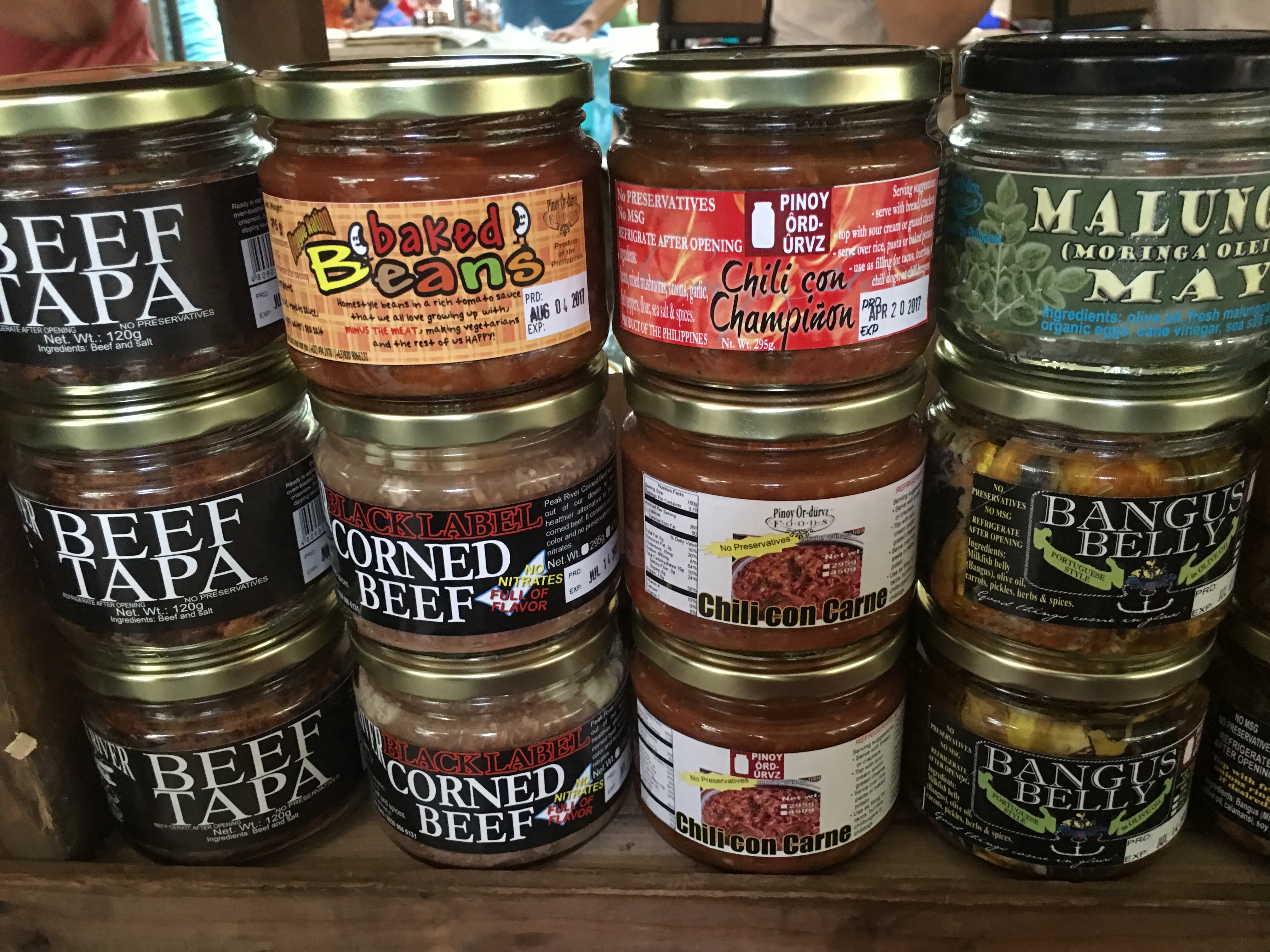
What immediately struck me, despite what I just said about my aversion for fine dining, was how many options there were for plain-food folks like me on offer—burgers, lechon, smoked fish, pancit, siopao, barbecue, and such familiar staples. What lifted them above the ordinary was the freshness and sometimes uniqueness of the ingredients—many were cooked on the spot—and the assurance that you weren’t going to make hourly runs to the bathroom later in the day. Knowing that I had a mound of work waiting for me in our hotel, I loaded up on lechon, corn on the cob, fresh jackfruit, and breadsticks to nibble on, while Beng chose the fresh Chinese lumpia. Mimi and her brood arrived, and I let the sisters drool over the fish curry, the lamb kebab, the laing with daing, the vodka tinapa, the malunggay pesto, and the other more exotic fare.

That was the Salcedo market scene for the most part—good food done well (and whether I liked it or not was irrelevant; seeing Beng’s eyes light up at the culinary pageant was well worth the trip), and home-cooked and artisanal food you just can’t order from a fastfood joint. I hate to think about what had to happen to produce my take-home kilo of tapang usa—Beng didn’t appreciate my Bambi jokes—but it was heaven on the tongue.

This was where a short walk back to the dinner table rounded out our Salcedo experience. There’s a cluster of tables in the center of the weekend market where you can gorge instantly on your selections, but given how many of us there were and how much food we’d amassed, we appreciated the luxury of a long table with complete cutlery in our lodgings just minutes away.

IMG_9222.JPG

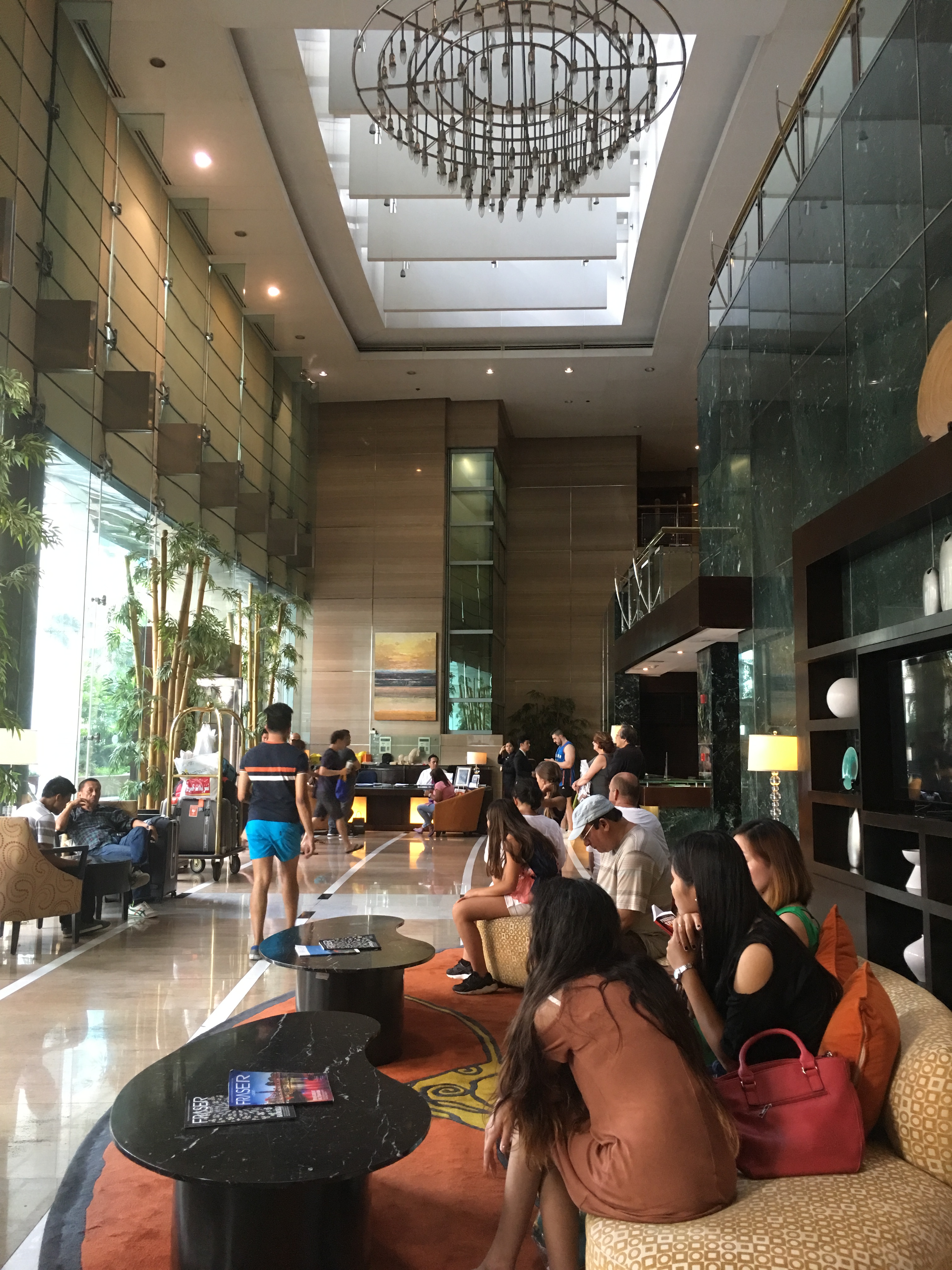
That abode, not incidentally, was Fraser Place Manila—and to call it a “hotel” frankly wouldn’t do it justice. Sometimes you just want a room, any room, to crash into for the night. Some other times, you want more than just a hotel—a place not just to stay but to actually live in, for a few days to weeks to months, maybe even years. (I’d learn from the staff that a couple upstairs checked in ten years ago—and liked the place so much they never left!)

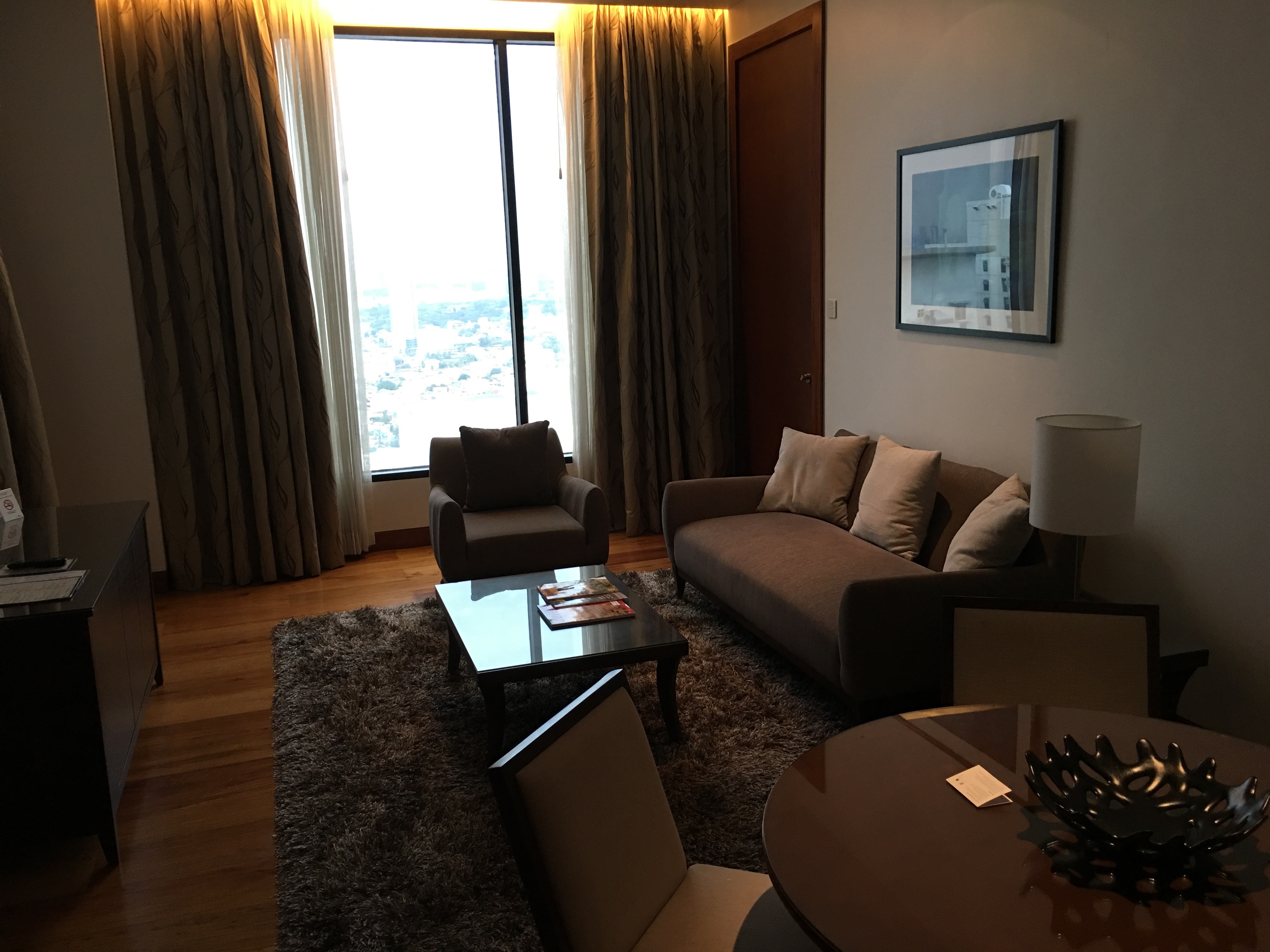
The Fraser—part of a Singapore-based global chain—calls itself a “serviced apartment,” and as soon as we stepped into our two-bedroom suite, we could see why: the 180-sqm enclave was really a virtual house, with a complete kitchen, laundry, three toilets and baths plus another john for guests, and quarters for a housekeeper or caregiver. All your needs were attended to by the staff, the wi-fi was free and strong, and aside from the Salcedo Weekend Market, a host of other restaurants and facilities could easily be accessed in the neighborhood.

But who needs restaurants when, like us, you could bring in loads of choice take-out meals and groceries? It made me smile to see a guest cross the lobby with a bag of veggies and what could have been fresh fish—as only a hotel with a full kitchen could allow. (I also heard dogs yapping faintly in the hallways—the Fraser is pet-friendly, but no cobras please.)

IMG_9221.JPG


There were a couple of downsides to consider, and it’s best to put them out front. Fraser Place Manila isn’t exactly located in what you’d call Makati’s trendiest corner. It stands across a row of office buildings, separated from them by a parking lot. It doesn’t have a penthouse bar or restaurant with a 360-degree view where you can party with your gang until the wee hours. (Cravings does operate a restaurant on the 33rd floor, beside the pool.)

But it’s these very “minuses” that guarantee peace and quiet, which Beng and I appreciated later that evening after our visitors had left and as I typed away on a book project and Beng worked on a painting for a forthcoming exhibit. It also means (of course I had to ask) that we could’ve gotten our princely suite for less than what we recently paid for a small room at an airport hotel near LAX.

Some days, Makati might as well be as far as LAX for us Dilimanians, but we’ll be sure to be back for more of Salcedo. Watch out, Bambi!


IMG_9203.JPG

Penman No. 190: A Makati Staycation

IMG_7988

Penman for Monday, March 7, 2016


THE WORD “staycation” must have been invented for people like my wife Beng and me, who now and then like to laze around in a hotel away from home, though not too far away that we’d have to book a flight or take a long bus ride. For those who’ve been living under a rock, a “staycation” is defined as “a holiday spent in one’s home country rather than abroad, or one spent at home and involving day trips to local attractions.”

For us Pinoys, a staycation is halfway to heaven. It’s neither home nor Hawaii; usually, it means parking the car and one’s brood in a local hotel, then spending the weekend pigging out on restaurant fare and TV marathons, scouting the nearby shops, and flopping around in the pool. So it’s not free, but it won’t break the bank, either.

Of course, there will be people who—for perfectly good reasons—will ask, “Why even bother? Why not just stay at home?” Yes, sure, home won’t cost you a thing, but that won’t do what a staycation does, which is to play and pretend for a blessed couple of days that you’re somewhere or someone else, like a tourist in your own country. A fancy word critics might use for the experience is “defamiliarization,” which is looking at the same old things with new eyes, producing unexpected effects.

Well, Beng and I got a pleasant dose of defamiliarization a couple of weekends ago when a friend generously passed us a staycation package that she and her husband couldn’t avail themselves of, and we found ourselves at the door of a hotel that we’d never really noticed before, in a neighborhood we’d never really lived in before.

The neighborhood, of all places, was Makati. Both steadfast northerners, Beng and I have lived in Quezon City nearly all our adult lives, and crossing Guadalupe Bridge—despite the many thousands of times we’ve done it for business and pleasure sorties to the south—still means crossing a psychological barrier. Makati was always just a place for shopping or for work, or otherwise for attending some bash at a big hotel. And I realized that until that weekend, it had probably been at least 15 years when we last slept over in Makati, thanks to our daughter Demi who was then working for a big hotel chain.

So it was about time we got a bit cozier with our southern metropolis, and off we went to the City Garden Grand Hotel at the corner of Makati and Kalayaan Avenues, a 33-storey, 300-room structure that I vaguely remembered seeing rising but had never stepped into. (An older and smaller cousin, the City Garden—minus the “grand”—was just across the street, and I almost mixed up the two.) The drive up the parking ramp was a bit steep and the elevator could have used a shot of adrenaline in its pulleys, but that would turn out to be the first and last of our complaints.

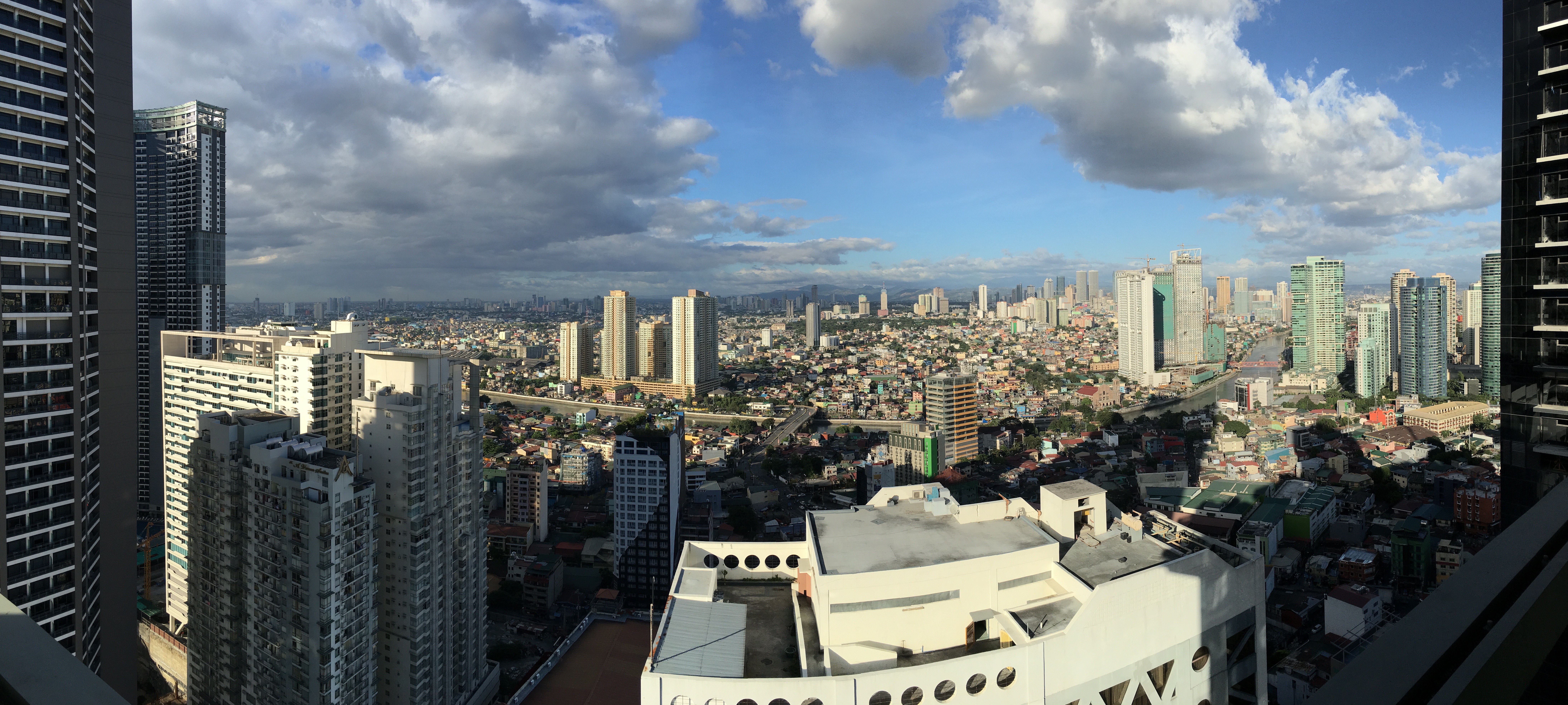
We were booked into a junior suite on the 30th floor, with a spacious living room and entertainment area (and a large sofa that could have easily slept one more) plus a bedroom with a king-size bed; the suite also contained one big bathroom and two toilets, two TVs, a full-size fridge, a microwave, and a coffeemaker—plus, let’s not forget that most essential of today’s amenities, free wi-fi. In other words, it was a hotel easily at par with its four-star counterparts in Hong Kong or Singapore in terms of creature comforts. We were on the north side of the building, so throwing our curtains open revealed a vista we weren’t used to seeing—our part of the city, stretching from the Pasig to the hills of Antipolo.

IMG_7958.jpg

An even better view could be had just two floors up, as we soon discovered. The City Garden Grand’s piece de resistance is arguably its 32nd-floor Firefly roofdeck bar, which offers a nearly 360-degree perspective of Manila and its environs. (A terrace on the 33rd floor is used for weddings and other special events.) Looking southward at sunset, Laguna de Bay shimmered on the left and Manila Bay glowed on the right, while behind us the darkening north soon lit up like a bed of stars. With a cold beer in hand, the swimming pool bubbling in a corner of the roofdeck, a barbecue on the grill casting its savory spell, and the city twinkling at our feet, we felt utterly transported. The sense of estrangement was enhanced by the preponderance of foreigners in the hotel’s clientele—Australians, Brits, and Germans, it seemed to me, who were leveling up from backpacking.

Beng’s a huge fan of breakfast buffets, and even more than dinner, we both look forward to a hearty breakfast to start the day with, and will often judge a hotel by its breakfast buffet; we’d rather live with a smaller room than a skimpy spread. In this respect, the City Garden Grand passed with flying colors, offering a range wide enough to please everyone, from mushroom with truffles to crispy dangguit (and the menu rotated from one day to the next, providing even more variety).

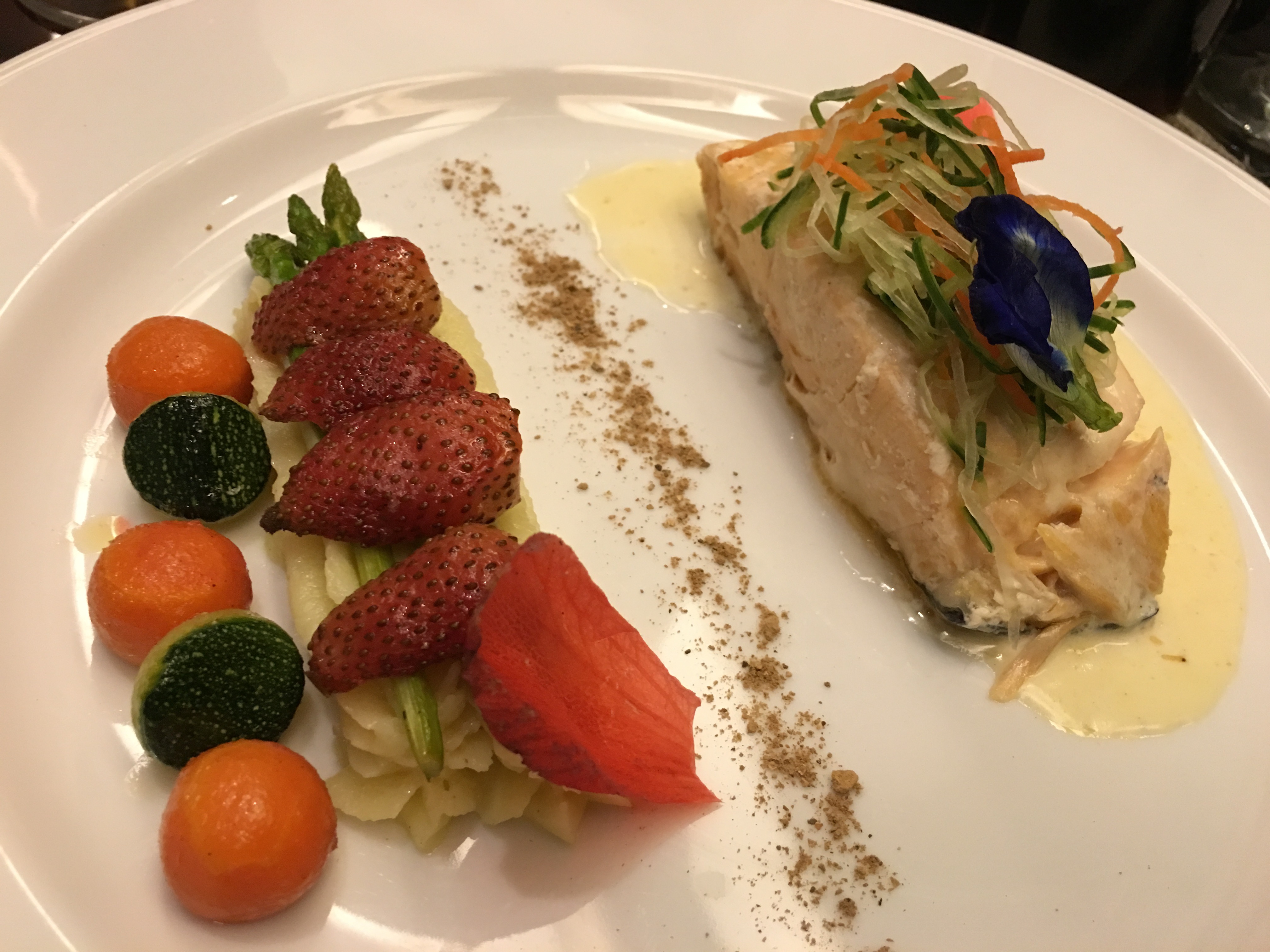
But the best was yet to come, as we were to discover at dinner. Beng and I usually prefer to go Chinese, but as a set dinner at the hotel’s Spice restaurant on the 7th floor was included in the “Love and Luck” package, we decided to give it a try, despite my well-known and admittedly strange aversion to fine dining. Dinner proved a pleasant shock to my pedestrian palate, from the organic mixed salad of shrimp toast and edible flower in strawberry vinaigrette to the broccoli and garlic soup with beetroot foam and focaccia bread to the entrée of beef wellington with bone marrow sauce (Beng’s choice) or sous vide of New Zealand salmon with brown butter asparagus (mine). (I may be a culinary philistine, but I’m addicted to food and cooking shows, so I knew at least what sous vide involved and meant—in short, scrumptious.) The dessert of deconstructed strawberry shortcake with berry coulis and chocolate marble proved too much, on top of everything—we ordered just one and happily had the other taken out.

IMG_8001.jpg

We were so impressed that we asked to see the chef, and were even more floored when he turned out to be no imported Frenchman or Swiss but an entirely homegrown 24-year-old, Ariel “Yeye” dela Umbria, a proud graduate of NCBA’s HRM program.

The surroundings of a hotel are always part of the package, and Beng and I were glad to spend the weekend exploring Century City Mall (just a couple of blocks away) and the Greenbelt-Glorietta area (a longer 20-minute walk, but good for the exercise). Of course, the entire Kalayaan-Jupiter district is a prime restaurant and entertainment zone, which we’ll revisit at greater leisure one of these days.

Meanwhile, our warmest thanks to that friend for the weekend break and for giving us more reasons to enjoy the metropolis; 30 floors up, it never looked so good.

IMG_7991