Penman No. 469: Seniors and Their Stories

Penman for Sunday, December 8, 2024
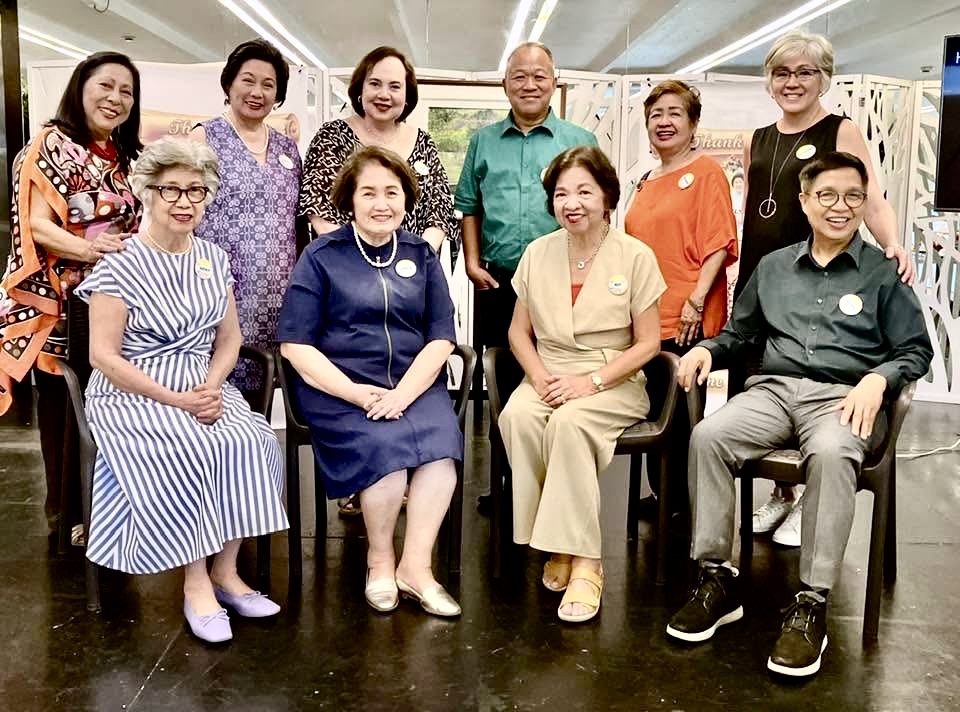
I HAD the privilege of attending the private launch of a book in Makati recently, a book titled Bridges of Memory produced by a group of seniors who had each contributed their poems, stories, and essays to the collection. None of them was a professional writer; I gathered that they came from distinguished backgrounds in banking, law, public service, and other pursuits. 

Prior to publishing the book, they had been mentored by an accomplished and experienced writer, the San Francisco-based poet Oscar Peñaranda, who just happened to be an old friend of mine. Oscar was in the US when the launch took place, so he sent a congratulatory video. I was pleasantly surprised to learn that this was already the “Sunshine” group’s (so named because they meet at the Sunshine Place for seniors in Makati) second such book.

As you might expect, the book contains the authors’ musings on life, love, and loss, the funny with the sad, the joyful with the tragic. The styles and the quality of the writing predictably varied, but the enthusiasm was palpably even, with all the contributors present eager to share their work.

At that very same moment, way across town, another mass book launch was being held at a major university, where one of the featured books was a long and distinguished biography that had partly been edited by me. I had also been invited to that event, but chose to attend the Makati one despite the Christmas traffic, because I had the feeling that it would somehow be a more enjoyable occasion, at least for me, as it would put me in touch with writers of a gentler disposition.

Having been caught in a whirlwind of literary activities over the past two months—from the Frankfurt Book Fair to the Palanca Awards to the PEN Congress—you’d think that I’d shy away from a small book launch, but aside from the fact that some of the authords were friends, I wanted to show my support for this kind of more personal writing and publishing that we too often take for granted as self-indulgence.

I’d seen books like this before, the output of writing groups, barkadas, high-school chums, and fellow alumni. They’re often triggered by an impending milestone, like a 50th anniversary or a grand reunion and homecoming.

The professional crowd might think of such volumes as vanity projects published by people who could never put out their own books. But then that’s the whole point: one person’s vanity is another person’s self-empowerment, and such private publishing reclaims the right to self-expression from the academic and commercial gatekeepers. The works they contain may not win any literary prizes, but they are as honest and heartfelt as writing can get, and satisfy the most basic urge that impels all good writers: to use words to give shape to one’s thought and feeling, and to share those words with others so they might think and feel the same way. They’re written neither for fame nor fortune, but to leave some precious memories behind for a very specific audience—although some pieces may be of such merit as to be more widely appreciated.

I’ve always said, even in my own creative writing classes at the university, that I believe that every person has at least one good story in him or her—and that it’s my job as a teacher to bring that story out. And people know this, too—many of them are dying to tell their story, but don’t know where and how, and who will listen. That’s particularly true for digitally-challenged seniors, who don’t have access to blogging, and who use Facebook for little more than “Happy Birthday!”

I’m particularly taken by the fact that these books are produced by seniors, who are increasingly being left out of a social world ruled by schemes and products for young people. Even within families—let’s admit it—very few grandchildren now have the time nor the patience to listen to their elders’ stories, much less to ply them with questions; they’d rather scroll through their social media than ask what a typical summer vacation was like half a century ago, or what people did before there were cellphones, computers, and satellite TV.

Years ago, fearing we would lose her soon because of her illness, I’d asked my mother to write down her memoirs in notebooks which I still keep. As it happened, she recovered magnificently, miraculously, and is approaching 97, still strong and alert, albeit a little slow. She walks every day, plays games on her iPad, and navigates Netflix on her own. When she’s staying with us (we siblings share her company), Beng and I pepper her with questions about her childhood in their village in Romblon, where she rode a horse and scooped fish out of the plentiful sea. The youngest of a dozen children, she was the apple of her father’s eye, and the only girl he sent to Manila for high school and college at UP. They had a rice mill, and snakes roosted in the large straw bins that kept the unhusked rice. But the snakes were to be feared much less than the beautiful encantos that came down from Kalatong on fiestas and lured their victims to join them with offerings of black rice. How could you not like and want to retell stories like that?

Our seniors are a treasury of stories to be told. They just need to be asked, encouraged to write, and published.

(For your copy of Bridges of Memory, email marketing@sunshineplaceph.com.)
Penman No. 467: Recovering Our Memory of the Sea

Penman for October 20, 2024

I’VE OFTEN remarked, in academic conferences, about the glaring absence of the sea in our mainstream and modern literature, beyond serving as a decorative backdrop or romantic element. I recently learned that this may not be so true of the native literatures of the Philippine South, for whose people the sea is their economic and cultural lifeblood, but for most of the rest of us, the only sea we’ll ever know is Boracay, or the Dolomite Beach.

That’s a sad thing when we consider that the Philippines—the world’s second largest archipelago after Indonesia—also has one of the world’s longest coastlines (over 36,000 kilometers), is rich in marine biodiversity, and can look back to a long, proud, and continuing seafaring tradition. Despite the alarming depletion of our marine resources due to overfishing and damage to marine ecosystems, we continue to rank high among the world’s fish producers; ironically, our fishermen are among our country’s poorest citizens. And for many decades now, the Philippines has sent out its seafarers to crew the ships of the world—over 550,000 of them last year, making up a fourth of all the world’s seaborne workers.

To go back even farther into the past, pre-Hispanic Filipinos built the balangay that helped populate Austronesia as well as the speedy warship, the caracoa; in Spanish times our ancestors built the galleons that crossed the oceans. In Moby Dick, Herman Melville referred to Filipinos aboard the whalers as “Manila men.”

Behind these figures runs a compelling human and social drama, but it’s a story largely unknown and untold to our own people, and what little we know is fading even faster as more of us leave our islands for the big cities, slowly but surely losing our personal connections to the sea. We encounter sea life only in the fish market or the seafood section of the grocery, or in tin cans; our children do not know the names of fish, which many now refuse to eat, in favor of sausages and noodles.

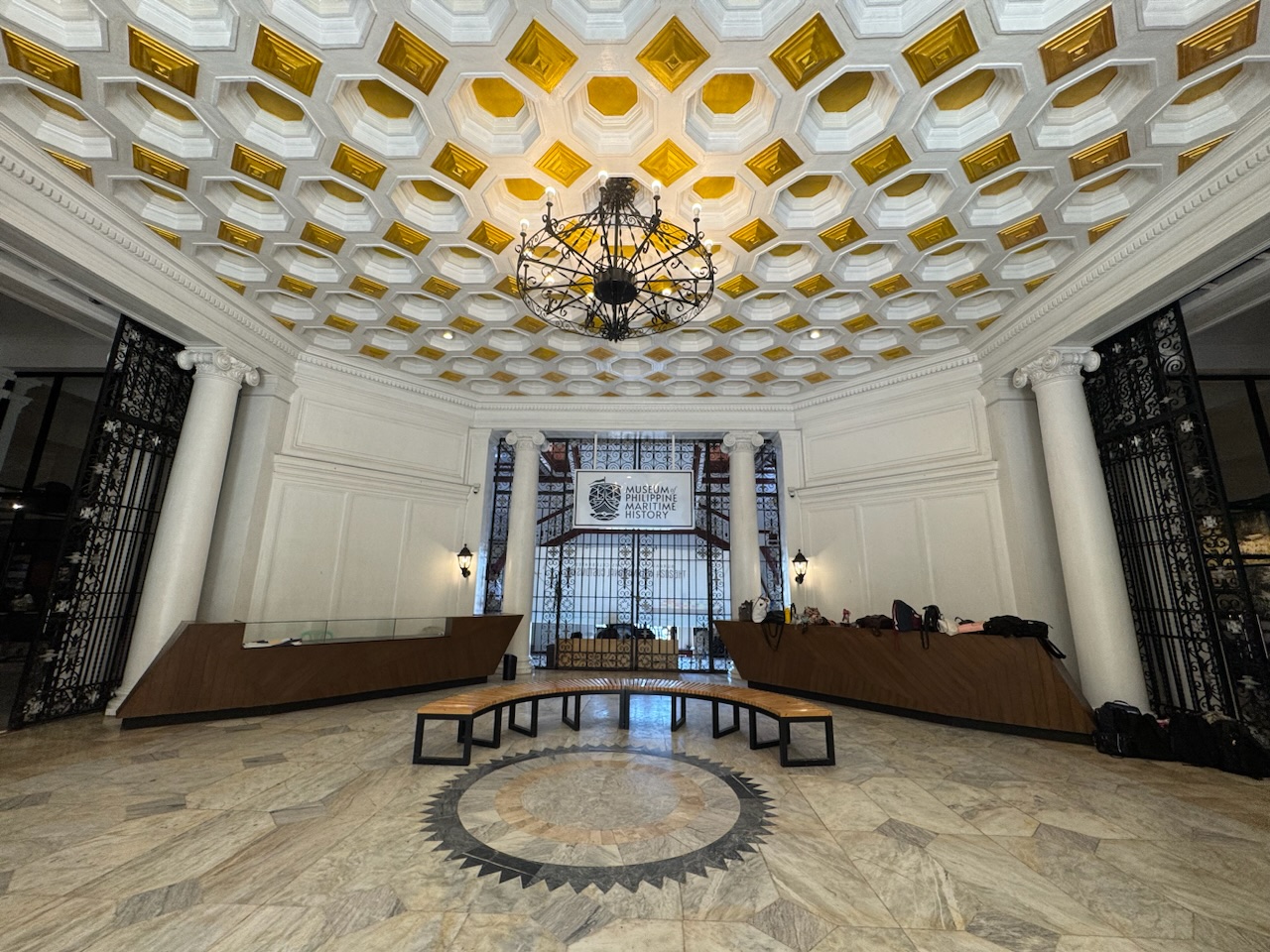
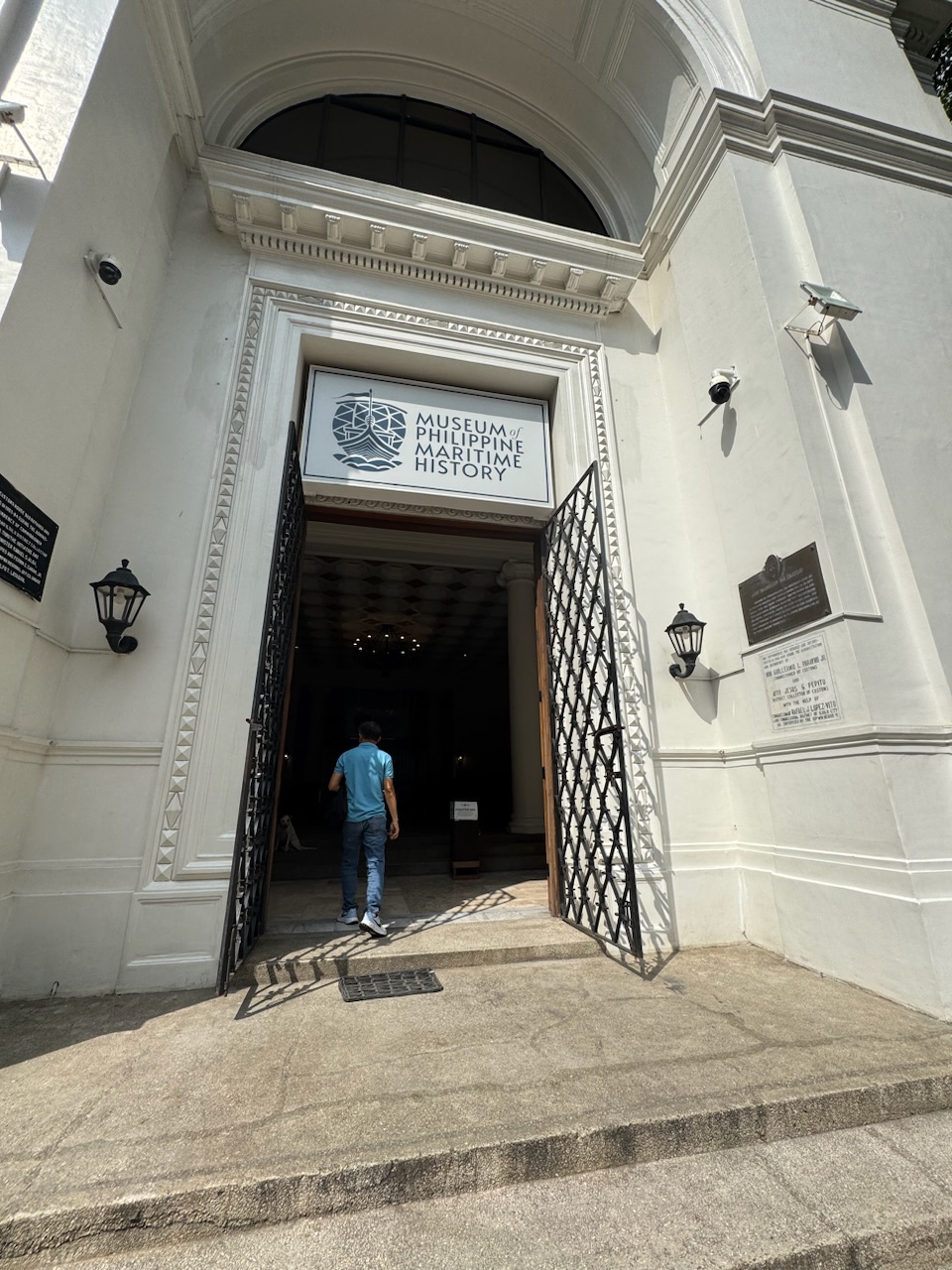
Thankfully, the National Historical Commission of the Philippines (NHCP) has done something critically important to fill this gap in our collective memory—by establishing a Museum of Philippine Maritime History (MPMH) that tells the story of our seafaring past. And it’s significant that this museum isn’t located in Manila, which would seem to be the logical first choice given Manila Bay and its port, but in Iloilo, which has also had a long and continuing affinity with the sea. Iloilo has historically supplied many if not most of the country’s seafarers to the global market. The city has a plethora of schools offering maritime courses, ensuring the continuity of talent.

I stumbled on the MPMH during a recent visit to Iloilo—among my favorite local destinations for all the obvious reasons (the food, the Esplanade, the heritage houses, the churches, the hospitality, the culture, and of course the people). The amazing boom it’s undergone over the past two decades under the sponsorship of former Sen. Frank Drilon and his local counterparts has dramatically transformed the city’s physical and economic landscape, but it hasn’t forgotten its past as it moves resolutely forward. 

Iloilo has long been known as the city of museums. Aside from the Museo Iloilo and any number of restored mansions, it now boasts the Museum of Philippine Economic History, which chronicles the city’s and region’s central role in sugar, shipping, and commerce; the Rosendo Mejica Museum, which celebrates Iloilo’s journalistic heritage (and I’m proud to say that my wife Beng descends from a Mejica); and the Iloilo Museum of Contemporary Art, which places Iloilo squarely in the center of cutting-edge art production.

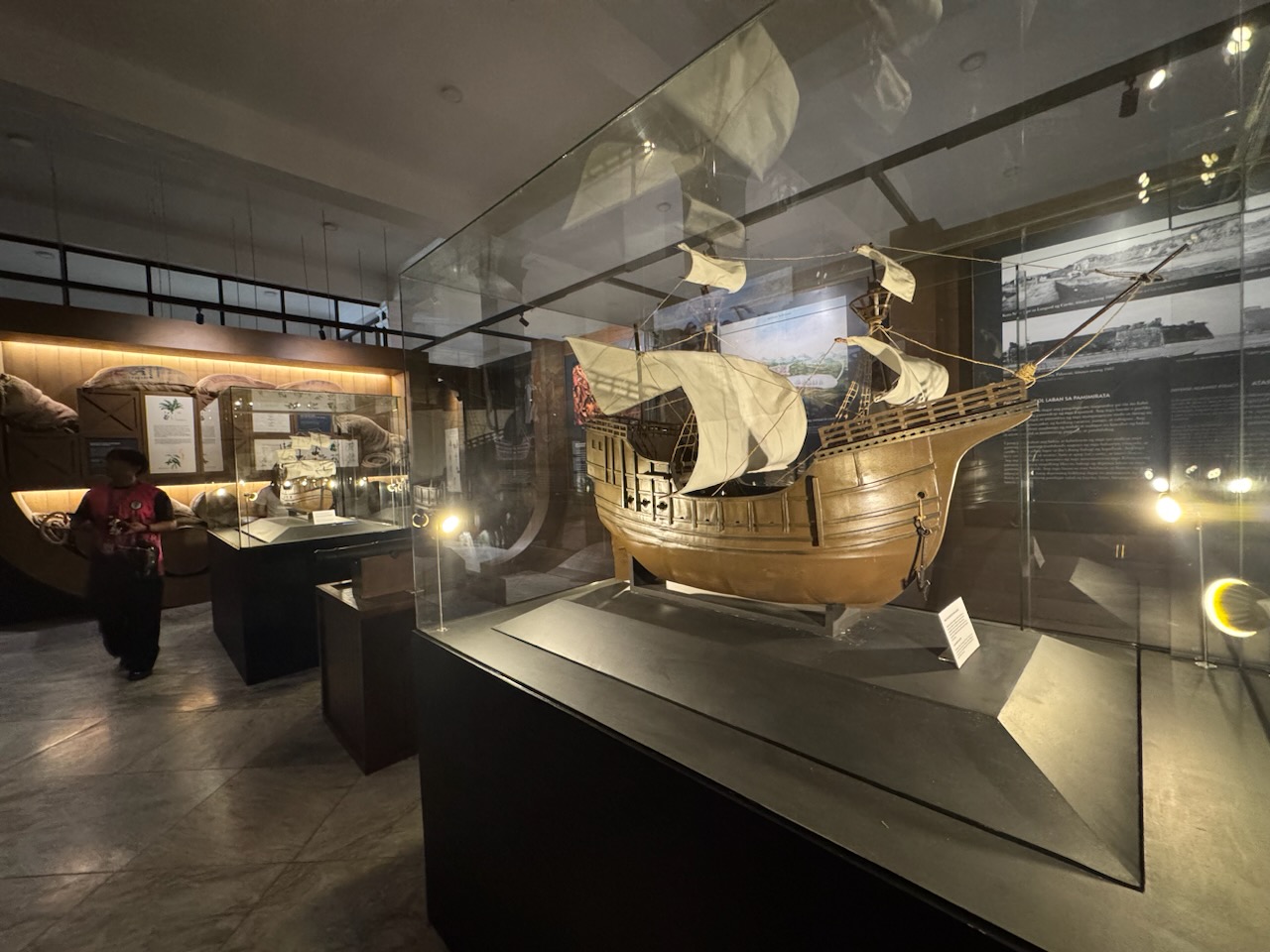
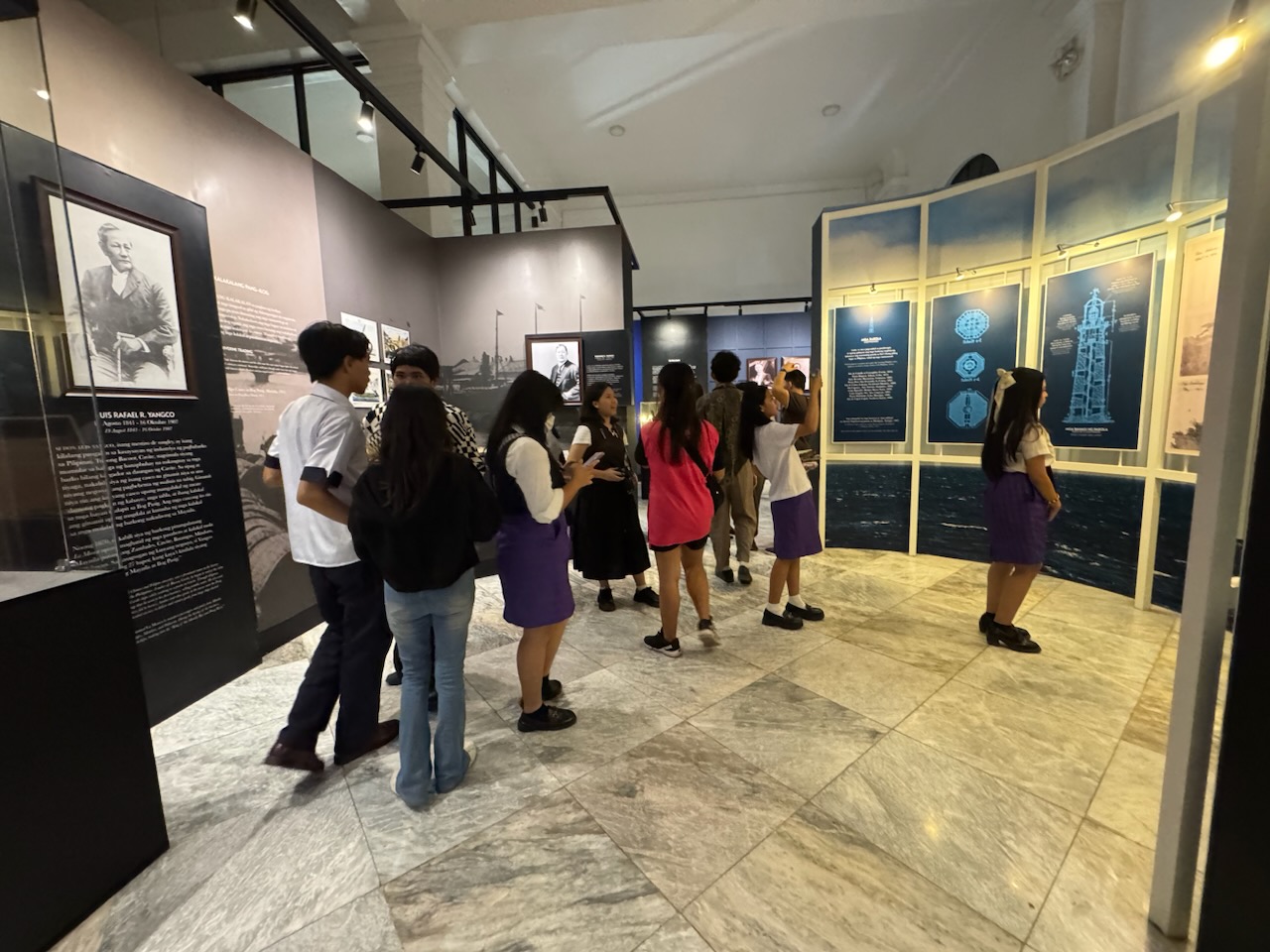
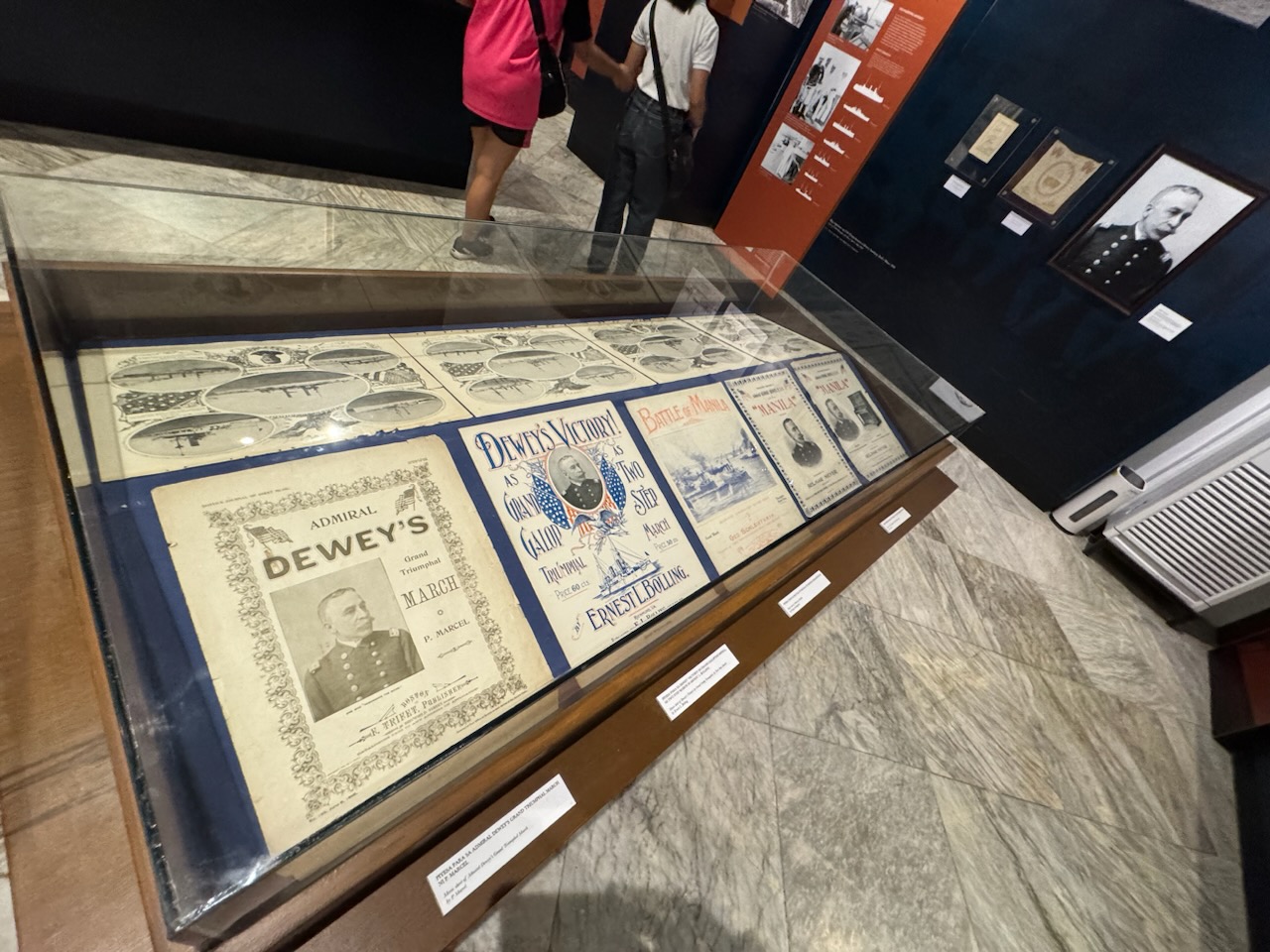
The MPMH, which opened in January 2023 at what used to be the Old Customs House on Calle Loney and Aduana in City Proper behind Sunburst Park, walks the visitor through exhibits covering the past until the Spanish era, and the American period to modern times. One very informative section presents the variety of Philippine boats (biray, casco, vinta, batil, etc.); scale models bring some to life. Key figures in our maritime history such as Luis Yangco (1841-1907), who had a shipping empire and supported the revolution are introduced. Historical photographs, posters, and other artifacts provide vivid visual proof of how vital the maritime industry was to our economy and society. Another panel notes the many waterborne festivals we Filipinos hold throughout the country, such as the Pista ‘Y Dayat in Lingayen, Pangasinan every May, and the Bangkero Festival in Pagsanjan, Laguna every March.

It’s not a huge gallery, and one wishes there were even more artifacts on display to ponder, but in terms of curation and presentation, the MPMH can hold its own, given its present limitations, against other international museums of its kind, with crisp, clear graphics, well-chosen items, and useful and interesting detail. (I’ve had the privilege of visiting the National Maritime Museum at Greenwich in the UK and the Museo Naval in Madrid, so as global standards go, those two maritime giants would be tough to match.) The MPMH’s best come-on—which probably accounted for the hordes of students present when we came by—is that it’s absolutely free, although donations are welcome. That’s a great start, with the kids, toward recovering our memory of the sea.

Hindsight No. 24: All Content and Settings

Hindsight for June 27, 2022

CHARLIE COULDN’T tell exactly what the phone was until he slid it out of its case and, even then, its other specifications—model and memory size, which would determine its price—could be known only once he turned the phone on and made it work. The problem, of course, was that it was locked with a passcode, and if you didn’t know your way around, it was easy to turn next month’s rent into a brick. 

There were other, more elaborate ways that involved cables, computers, and words like “jailbreaking,” “DFU mode,” and “GPP,” but they were Nick’s specialty, for which he had a stall in Greenhills. Charlie was smart enough to know what he was good at, which was thievery, and to stick to it. Had he gone past second year in Koronadal, he might have become a Nick, or even better, a Mr. Garcia, who bought whatever Charlie could sell with cold cash and then disposed of them online through aliases like “Triciababy” or “Sweet Loreen.” 

Charlie had spotted a Samsung Galaxy Note on FB Marketplace that was being sold by Triciababy with the story that she needed a kidney transplant, and he knew that it was one of his pickups because it had a tiny chip on the top right of its screen. Mr. Garcia had paid him 3K for it and was now posting it for 8.5, which seemed unfair but then he didn’t even know how to describe the phone, let alone make up a story. He scanned FB Marketplace to get some idea of what to ask Mr. Garcia for, but it always came down to what the man was willing to pay, because he could come up with reasons like “obsolete” and “digitizer,” which simply meant that Charlie could have chosen better if he wanted to get enough to buy a new bike with. It was easier to steal a bike than to get something past Mr. Garcia, which probably wasn’t even his real name. 

He could have told Mr. Garcia to try it himself to find out how difficult it was to pick a specific model—on most days. You had to be in the right place, with the right kind of people, to score something high-end, like an iPhone 13 or a Galaxy S21. You didn’t find those in the malls and markets Charlie felt comfortable in, in the shirt and sneakers that made him look like a college student waiting for a date or shopping for jeans on sale, especially when he carried a book or two. 

But the Kakampink rallies changed all that. It was a pickpocket’s dream—tens of thousands of people massed on the street, all wearing pink, which meant that all he had to do was invest in a pink T-shirt to lose himself in the crowd, going along with the chants and finger signs. Many of these people looked and even smelled like they had stepped out of a shower. Charlie didn’t pay much attention to the simpler folk who could have been his uncles or cousins, seeking out the clusters of privilege.

Charlie already knew who held which phone, and where they put them away when their hands were otherwise occupied. He had spotted the woman and her iPhone at least fifteen minutes before he moved in; her phone had rung and she tried to take the call but put it back in her shoulder bag when the noise made all talk impossible. Thirtyish and plain-looking, she didn’t seem particularly rich, but with the pink T-shirts you never knew.

It was during the candidate’s speech that everyone seemed most distracted. People cheered and raised their arms. Charlie had no interest in what they were all excited or angry about—like “martial law,” when terrible things supposedly happened, well before his time: killings, torture, rape, like some war movie, of which he had seen and enjoyed a few. None of that had anything to do with him. And if it was so bad, why did they keep coming back to it? 

It took Charlie no more than a few seconds to swipe the phone and to vanish into the monochromatic crowd. The woman never felt a thing. Charlie gave her a backward glance and saw that she looked ecstatic, swaying with both hands in the air, her eyes shut as if in prayer.

Back in his room in Paco, he turned the phone on—last among the four he had taken that day. A picture of the woman and a small girl filled the screen, typical wallpaper for people her age. It asked for a passcode. He had ten tries before it locked up for good, but Nick could take care of that, so just for fun he tried 1-2-3-4. It opened. People could be so simple. It was an XS, 64GB, a four-year-old model he could sell for, oh, 7 or 8K.

Instinctively he went for the photos. There was always something interesting to be found there, sometimes embarrassing secrets the owners would have been happy to pay for, so Charlie thought he was doing them a favor by wiping their phones clean and erasing the past. There didn’t seem to be too many pictures on this woman’s phone. One of her with a man, posing in front of a fountain, obviously shot from an old photograph. Many shots of a baby girl, the girl and mother, girl, girl, girl, mother in a bank teller’s uniform, girl in fairy costume. Here and there, office excursions, Hong Kong, Taal, Baguio. Third birthday party, then suddenly, girl in hospital bed, closeup of girl sleeping, closeup of girl’s hand, then a flower arrangement beside the girl’s framed picture. And then the girl with eyes closed, a dozen of them from different angles, because the light kept bouncing off the glass. He remembered the mother at the rally with her eyes devoutly shut; they looked alike. 

Charlie had lost his father when he was a boy and his mother was back in Koronadal grinding corn. He had not seen her in five years, but now and then he sent her pictures of himself through a cousin’s phone, posing in shades before a new car and on the Dolomite Beach. At least she knew he was alive.

He knew enough to wipe the phone; Mr. Garcia wanted them clean and usable, and doing it himself instead of Nick would save him money. But when his finger hovered over “Erase All Content and Settings,” he paused, and wished the passcode had been something other than 1-2-3-4.

Hindsight No. 20: Mindfulness and Memory

Hindsight for May 30, 2022

(Photo from toolshero.com)

WHEN I I unexpectedly slipped into a black pool of anxiety and depression a couple of years ago—another unwitting casualty of the pandemic—I learned a new word from my psychiatrist: “mindfulness,” defined as “the basic human ability to be fully present, aware of where we are and what we’re doing, and not overly reactive or overwhelmed by what’s going on around us.” 

It’s a therapeutic technique to keep your mind from straying into dark forests and crevices, focusing instead on the pen in your hand or the chunk of melon you’re about to swallow. Accompanied by meditation and measured breathing, it slows and calms you down just long enough for you to understand that you’re alive, you’re safe, and you will be well. It puts you back in control of your runaway thoughts and emotions, giving you back the composure you need to face your problems for the day.

It works. Of course I still take my nightly dose of sertraline (your doctor might prescribe something else; don’t take my word for it), but even just the awareness that you can, on your own, stake out a little zone of peace and quiet around yourself is liberating. Paradoxically, it allows you to deal with the stress of the moment by putting you in the moment. It’s the anticipation of terrible things about to happen—especially bad for imaginative minds—that brings on the fear and anxiety. Mindfulness snaps you back from that bungee jump to despair.

I thought about this last week as I encountered many friends online still in shock and grief over their electoral loss, brimming with agitation over what political atrocities could be forthcoming, and eager to begin the campaign for 2028 pronto. The trolls are gleefully feeding this anguish: one prayed that VP Leni’s plane would crash, another declared all Kakampinks “enemies of the state” who deserve to be hunted down, and yet another—despite doing it herself—faulted the Robredos for the crime of taking graduation pictures. 

When I realize that this is the world we now live in, roiling with nastiness, idiocy, and barbarity, I feel like reaching for something stronger than Zoloft to ward off the bad vibes (I also have a prescription for Xanor, but haven’t touched it for a year). But then I remember the old Jedi mindfulness trick, take a few deep abdominal breaths, think about places the ogres can’t reach, and soon enough I’m functional again, capable of absorbing the absurdities and ironies of the hour.

One more thing about mindfulness: it works well with daydreaming of the positive and wishful kind. The writer Sam Brinson quotes the psychologist Scott Barry Kaufman: “A wandering mind is more creative, better at future planning and goal-driven thought, and helps with memory consolidation.” Kaufman argues for a balance between focusing your thoughts and letting them stray, which is relaxing, and a relaxed mind is better at making creative connections.

I don’t know if you could call it daydreaming, but lately my mind has drifted back to my own “golden era”—a time when things felt good and I felt good, when the country was in a bouncy mood and seemed to be going in the right direction: the mid- to late 1990s, the FVR years. We had a lot of problems—a rash of brownouts among them—but you could sniff the optimism in the air. (Full disclosure: I was one of FVR’s speechwriters, so it’s possible that I drank the Kool-Aid and fell for my own prose.) 

Beng and I got ourselves a decidedly downscale apartment close to West Avenue where huge rats scurried overhead at night, and we bought our food from the talipapa down the street. Having brought up that memory, I realize that we like thinking and talking about the past mainly for the fact that it’s over, it already happened, which means that whatever it was, we survived, presumably for the better. I’m sure it wasn’t as rosy as I now make it out to be, and that I’m blocking out the less pleasant parts. But that’s the way the memory works, the way it protects us from pain and provides us with some sense of certainty, some clear point of reference, in these nebulous times.

Just recalling how it was ten, eleven years ago fills me with a combination of wistfulness and regret. It was a time when despots around the world—Egypt’s Mubarak, Libya’s Khaddafi, North Korea’s Kim Jong Il—were being toppled or dying; Donald Trump’s presidential ambitions were still something of a joke; China was being rocked by pro-democracy protests; and a new platform called Friendster made waves on the Internet, where there were still pockets of innocence and honesty to be found.

It was a time when people and politics still retained a modicum of civility and intelligence, when the truth was nothing but the truth, when human rights were not to be cursed or spat upon, when bad leaders got their due, and when God seemed to be awake most of the time, sending a bolt of lightning here and a swath of sunshine there. It was the world before Covid, when all our friends and loved ones were still alive and laughing over their beer and sisig, when face masks were for the sick, when people danced and even kissed and made love without fear. The future sounded like it would be a wonderful place; technology and human genius would make sure of it.

When I woke up last week to the news that 19 schoolchildren and two teachers had been massacred in Texas, I tried to imagine what a mother there must have felt, how she would have given her own life to turn back the clock just one day. I was only beginning to be inured to the savagery in Ukraine, and now I saw that it was always possible for evil to become even crueller. For a minute, the aches left by May 9 felt dull and trivial.

There are things that Zoloft will not banish, but I know that mindfulness and the memory of a saner past can give me the cool head and steady heart that I will need for the long fight. Bring it on; we will survive, if not prevail.

Hindsight No. 3: A False Nostalgia

Hindsight for Monday, January 31, 2022

SINCE MY belated debut on Facebook just over a month ago, I seem to have acquired something of a reputation for my posts about the past—not in the scholarly mode of a real historian, which I most certainly am not, but as a collector and keeper of objects that evoke strong associations with times and people long gone. These include century-old fountain pens and typewriters, and even older books and documents steeped in the accumulated oils of the hands that held them.

I’ll admit to having an intense, almost fetishistic, interest in the past—the 1930s are of particular significance to me, because I’m writing a novel set in that period—and I can identify with the romance conjured by postcards of ocean-going liners and of the old Manila Hotel. If you play “Smoke Gets in Your Eyes” on a turntable, you’ll float to the ceiling in my esteem. In my dreams, I fantasize about strolling into the Crystal Arcade one fine day in 1937 and stepping out with a fistful of Parker Vacumatic Senior Maxima pens while towing a cart with all 55 volumes of Blair and Robertson.

But that’s where the nostalgia ends. In many if not most respects—as I’ve told friends who, for example, ask me if UP’s fabled Cadena de Amor ceremony is worth reviving—there’s one place the past deserves to be, which is exactly where it is. Nostalgia is comforting precisely because the past is over, and because we tend to remember just the good parts, and even burnish them to perfection.

But it was never really all that good. Amorsolo’s maidens all seem fresh out of the batis and every Joseon prince’s robes on K-drama seem immaculately pressed even after a swordfight, but the past was literally a filthy place. Queen Elizabeth I was said to take a bath once a month. William Shakespeare and his friends wore those fluffy collars around their necks because that’s all they changed. The lovely ladies of Versailles doused themselves in perfume to quell the odor of their unwashed bodies. The “buntis” window grilles we now admire in old Manila houses were once drenched with dubious liquids being dumped on the street below.

Neither was it so peaceful. Even without counting the devastation of war, the past was fraught with danger, hardship, and unrest. It may have been a grand and glorious time for the rich in their cars and villas, but the masses were suffering in the farms and factories. Power was brazenly exercised, as in the torture and murder of Moises Padilla in 1951. Postwar congressmen carried .45s at their waist into the session hall. As a young police reporter in 1972, I learned where you could find a gun for hire for P500 per target.

We like to think that the past was simple, with fewer choices to be made. But it was never that simple for many without real choices. Poverty was and is never simple, because every morning the mind races to figure out where supper is coming from, and if Nanay can survive on a third of her prescribed dosage or on plain salabat.

All these come to mind when I hear Filipinos today—many of them not even in their 40s—talking about how a return to the “glory days” of Marcosian martial law would set this country back on track and bring us the prosperity, the peace, and the prestige we once enjoyed. I wonder what it is exactly they are “remembering,” and if they understand what putting a Marcos back in Malacañang will mean to this country. This goes beyond the historical amnesia we often hear about these days; the Dictionary of Obscure Sorrows calls it “anemoia,” a nostalgia for a time someone has never known, or that never happened.

No, I’m not calling them stupid or wicked by any means. In many cases they’re simply innocent or uninformed, and therefore suggestible. If they feel oppressed by the present and are facing an uncertain future, the past will acquire the appeal of the womb, offering safety and security. The idealization of martial law as a time when streets were wide and clean and when new buildings were rising right and left is a more inviting prospect for those who can’t be bothered with facts and figures about debt-driven growth, cronyism, and horrific abuses under military rule. (For those facts, check out https://newslab.philstar.com/31-years-of-amnesia/golden-era)

That even oldtimers can wax nostalgic over the Marcos years isn’t hard to understand. Like the Germans under Hitler, many if not most Filipinos then never saw a prison camp, never had a son or daughter tortured and salvaged, never had a business taken over by the regime. Those of us who actively resisted dictatorship were in a distinct minority—as we still are today. Complicity has to be endemic for despots to thrive.

But now once again we are called to arms, in a battle for the imagination—a battle of competing narratives and modes of narration. Will the cold, hard truth alone triumph over romantic fantasy, or will we need to be more inventive in our messaging to get through to those unlike us? Instead of just revisiting the past, should we dwell more on a rosy but realizable vision of the future? Instead of staking out May 9 as a referendum on martial law, should we double down on what a presidential election should be—a competition between platforms and qualities of leadership? (And then use the next six years to correct our history textbooks.)

It’s true that we have good reason to long for seemingly lost or threatened graces like statesmanship and civility (not to mention intelligence) in politics, as well as plain good manners and delicadeza. There are good things we can yet recover and revive from better days, with the right leadership and inspiration. But to do that, we have to save the future from those who would drag us back 50 years into a past that was as morally sordid, as violent, and as dispiriting as anything that ever happened in our history.