Penman No. 454: Revenge Travel, Local Edition

Penman for Sunday, September 3, 2023
WE PINOYS don’t really know what “summer” is any longer, with heavy rains falling out of the sky as much in March as they do in September, but especially with the new school calendar in place, most of us now do what used to be our summer traveling between May and August, if Facebook posts are any indication.

Many Filipinos—those who can afford it—still seem to be in “revenge travel” mode, flying off to Prague, Helsinki, Myanmar, and other parts off the usual travel charts. My wife Beng and I had a couple of dream spots halfway around the world in mind—recalling our pre-pandemic spree in 2019 when we blew a chunk of my retirement kitty on an escapade to Penang, Tokyo, England, Scotland, Singapore, the US, Turkey, and Macau—but our shrunken pesos and aching knees urged something kinder and more affordable: go local, and suffer no jetlag.

As it happened, we visited at least four places these past few months that I’d like to share with our readers looking for alternatives to the usual weekend destinations, ie, Tagaytay, Subic, Baguio, and Boracay. Some of these trips were partly for work, although I have to admit that pleasure pretty much overpowered anything else on our minds once we got there.
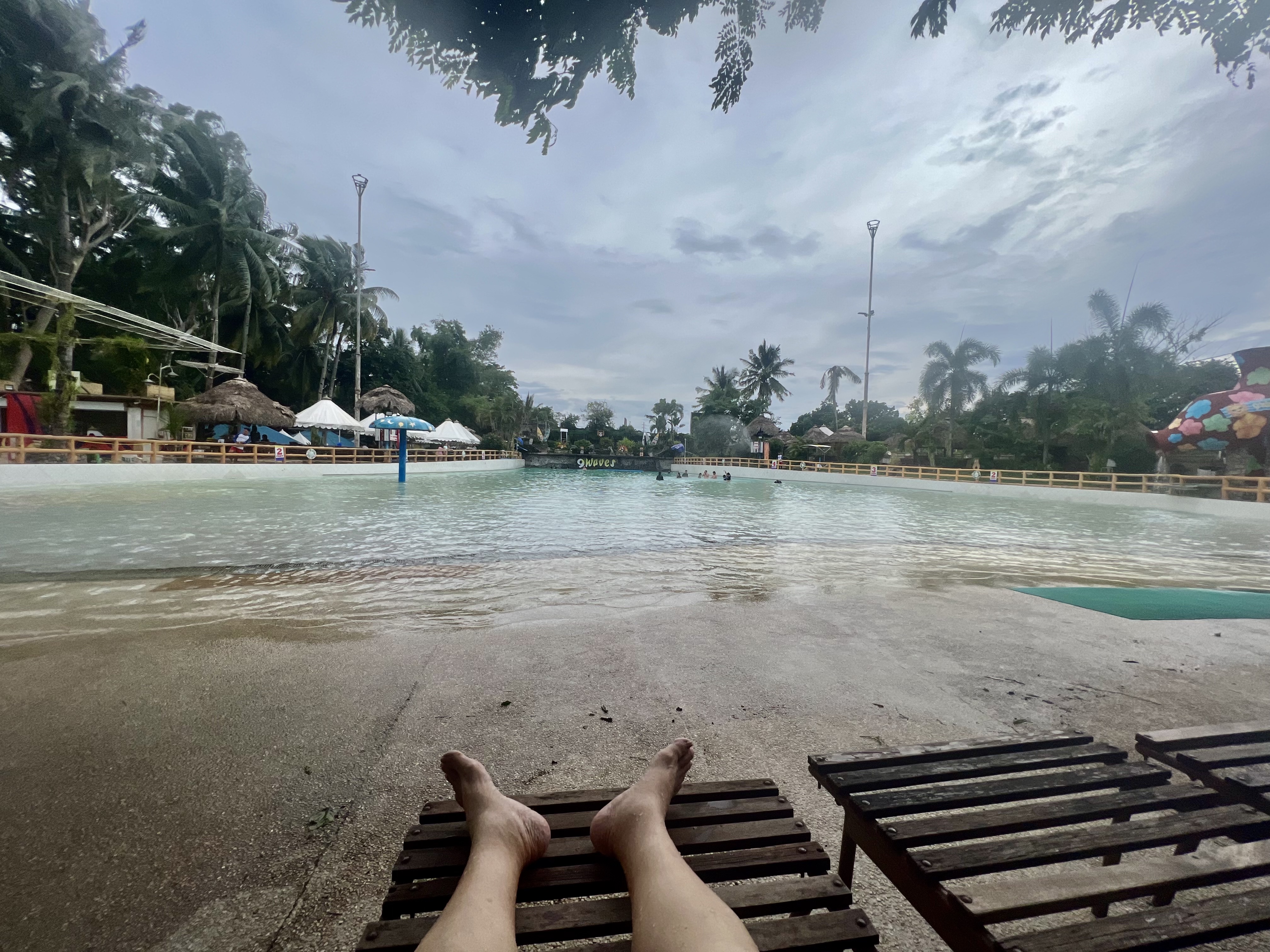
The first was a treat for the whole household—Beng, myself, my 95-year-old mom Emy, her caregiver Jaja, our housekeepers Jenny and Ara, Jenny’s husband and Beng’s assistant Sonny, and Jenny’s and Sonny’s kids Jilliane and Buboy. This is our extended family, whom we genuinely enjoy being with, so every year I promise to take them out on an overnight trip to water resort, as everyone (well, at least below 65) loves to swim. That means a wave pool, a place to cook, good and clean rooms for sleeping and showering, and not too long a ride (for my mom who gets carsick). 

Last year it was the Villa Excellance Beach and Wave Pool Resort in Tanza, Cavite that did the trick for us—and it’s still worth a weekend for your family—but a little Googling yielded me something much closer to our home on UP Campus: the Ciudad Christhia Nine Waves Resort in San Mateo, Rizal, just a 30-minute hop away via the Commonwealth/Tumana route. The place had everything we were looking for—it’s an ideal venue as well for teambuilding seminars, if you don’t want to go too far, with very helpful staff and prices that won’t break the bank; you can do your broiling right beside the huge pool, and the cabanas were clean and cozy. While I flailed around in the knee-high water, six-year-old Buboy had a blast in the wave pool, which was all that mattered.
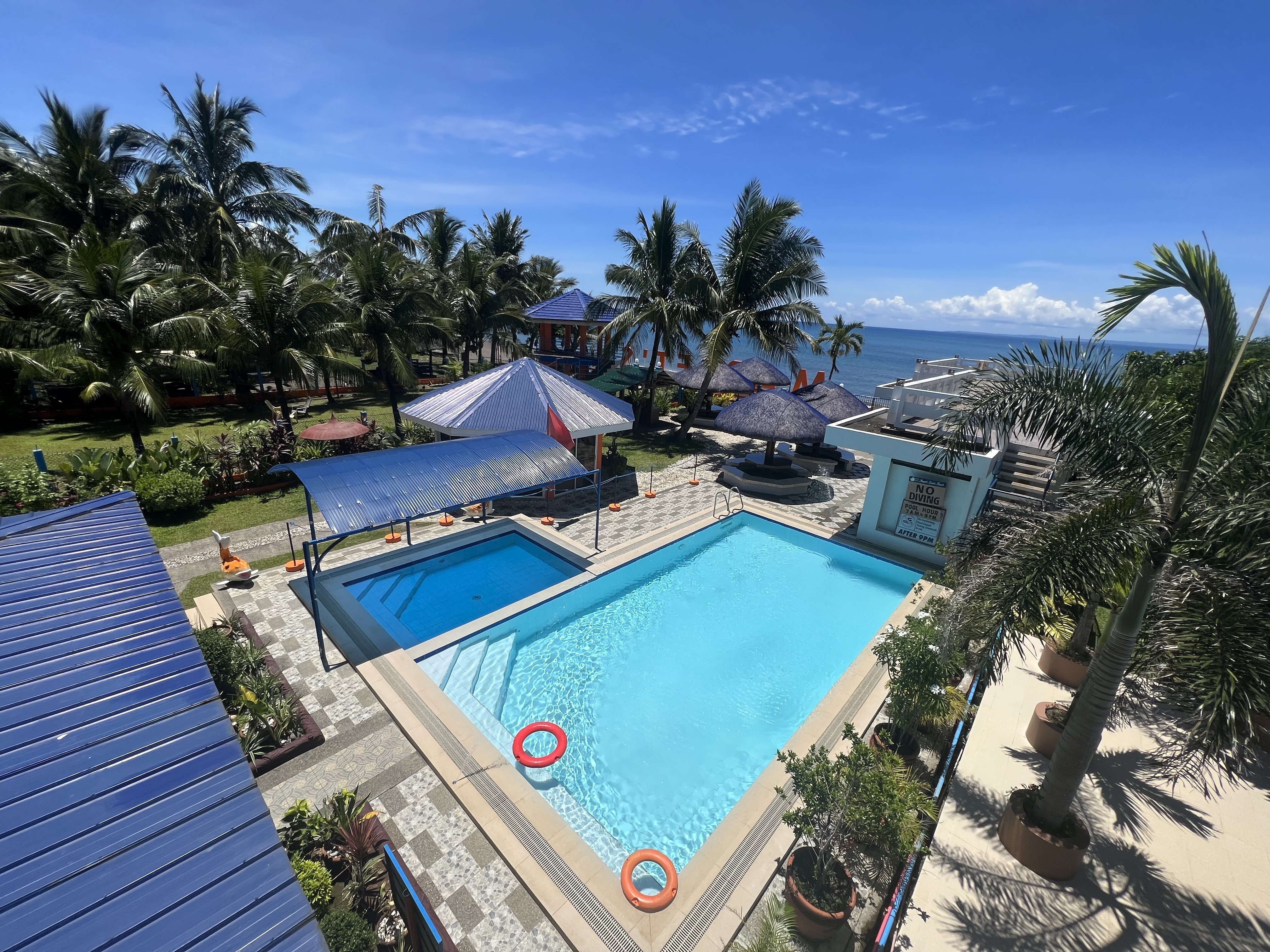
If you don’t mind driving through the mountains on a zigzag road for about three hours, then a trip to Infanta, Quezon will make the effort worth it. Facing the Pacific, but with Pagbilao Island buffering the waves in between, Infanta offers a bevy of beach resorts, of which Beng and I went to the Marpets Beach Resort, which was run by an American expat and his Filipino wife. Aside from its stretch of beach, the resort had three swimming pools, very livable quarters, and deliciously cooked food. The great thing about a roadtrip to Quezon—which is reachable via the zigzag Marilaque Highway from Marikina and also via the equally scenic though more moderate route passing Antipolo, Famy, and Real—is that the journey itself is an adventure, with much local produce to buy along the way, and breathtaking views to snap. 

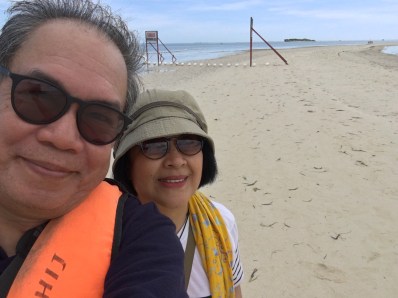
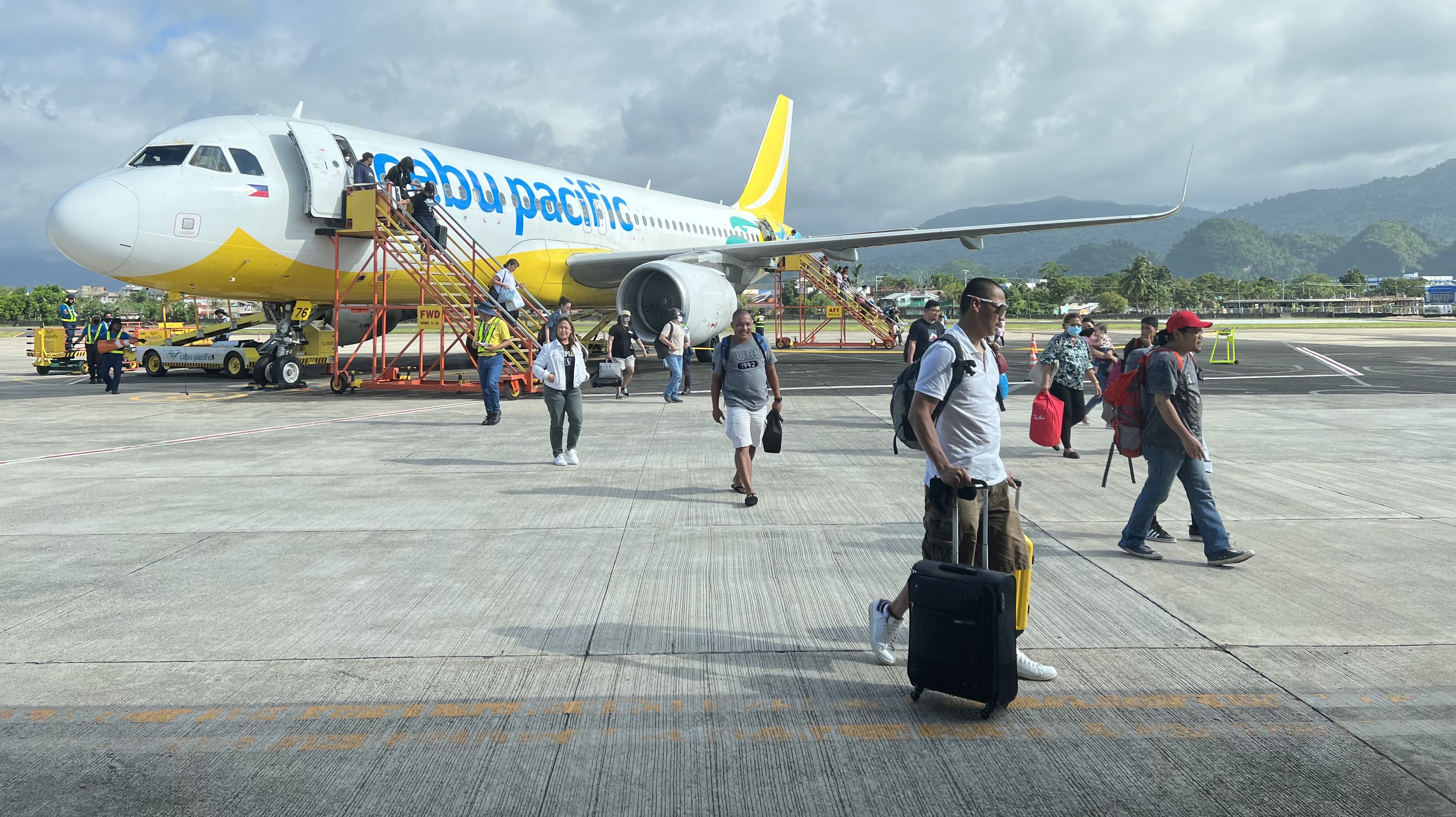
Our third destination was almost a random but providential choice. Looking for an inexpensive getaway far enough from Manila to require a plane, and with some airline credits to expend, Beng and I looked up Cebu Pacific’s destination map and settled on one spot we’d never been to—Virac, Catanduanes. We Manileños often hear of Virac only in the context of incoming typhoons, for which it’s probably unfairly used as a reference point, but if you catch it on a sunny day like we did, then you’d rather be here than busy Boracay. I found a new boutique hotel on booking.com called Happy Island Inn in San Vicente, a short tricycle ride from downtown fronting the water, and it turned out to be a winner, priced very reasonably with the friendliest front desk fellow I’ve ever met in all my travels.
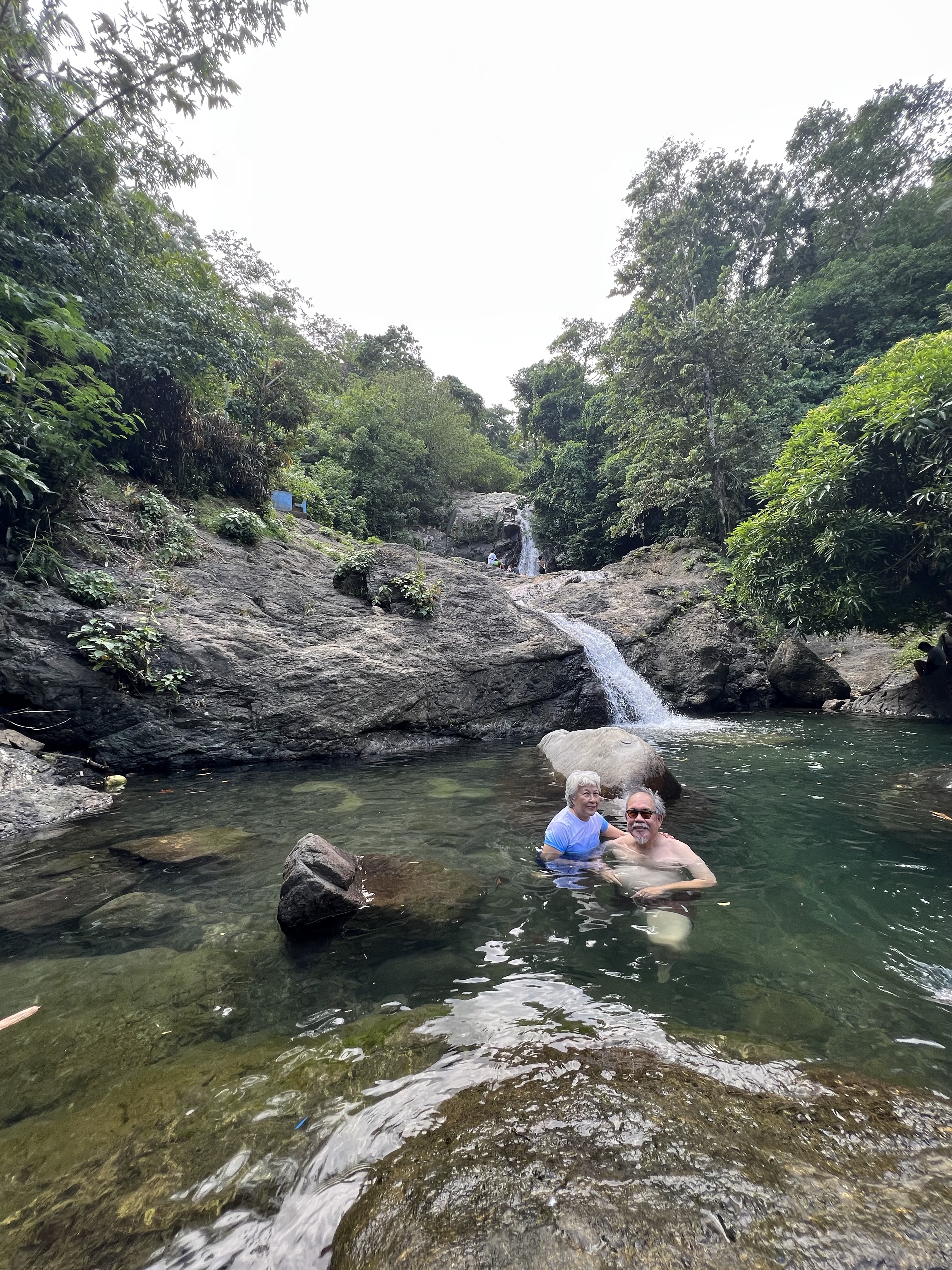
Soon we learned that nearly everything in Virac is reachable by tricycle, which we hired for a day tour that included a beachside lunch at the ritzy Twin Rocks resort, a visit to the historic Bato church, hewn out of stone and coral, and a bracing dip into the cool and clear waters of Maribina Falls (entry fee, P25 per person). We made new friends of a lovely couple, Bobby and Myette Tablizo, with whom we shared stories under a full moon. There’s a lot more to be discovered of Catanduanes up north—the island can be circled on a first-class circumferential road—but we’ll save that for next time.

My last sortie was by my lonesome and work-related, but work gets doubly hard in a place meant to transport you to blissful oblivion. This was in Panglao, Bohol, which, the last time I looked many years ago, was little more than a cluster of huts. Imagine my surprise when we stepped off the plane into a world-class airport and then, just minutes later, were wheeled into the kind of resort you find on some glossy magazine cover or on the travel channel but never thought was right in your backyard. (Well, of course there’s a whole class of Pinoys who do know about such places, and I’ve been fortunate to have been invited to a few, but my poor-boy’s jaw still can’t help dropping in the face of luxury.)
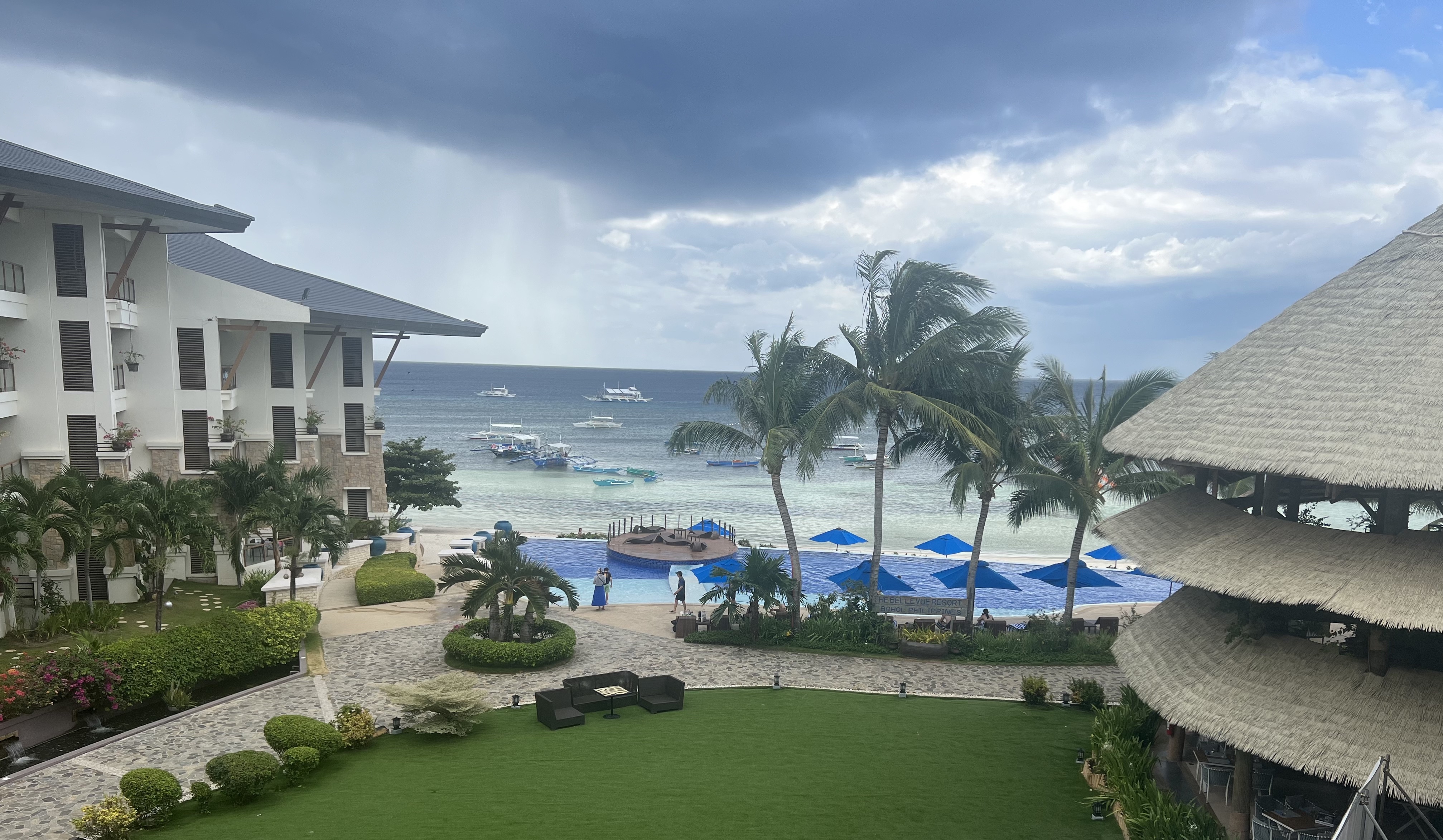
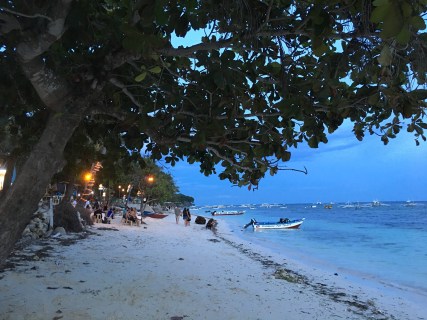
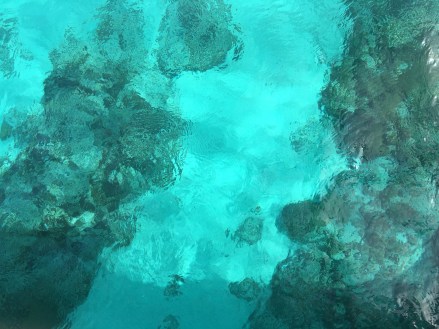
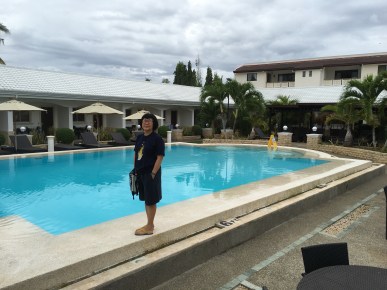
The Bellevue Resort in Panglao is one such place that will make you wish you’d studied something like plastic surgery so you could spend a few weekends here every year. The rooms are as plush and comfortable as you should expect at its price point, but it’s the waterfront that will captivate the first-time visitor, with its white-sand beach, tour boats, infinity pool, and multilevel restaurant. Breakfast or dinner beachside is an option, and a tour of the rest of Bohol can be arranged.

Of course, there’s always Bali or the south of France, but with the new travel paperwork requirements, who needs the hassle at immigration? Save yourself the travel tax and go local. It’s still more fun in the Philippines, if you know where to look.
Penman No. 180: Escapade in Bohol

IMG_7630.jpeg

Penman for Monday, December 28, 2015


YEARS AGO I made a promise to take my wife Beng to all the beautiful places in the world I’ve been, so we’ve been traveling up a storm, flying off to whatever destination our aging knees and limited budget can still afford. The pre- and post-Christmas break is a great time for escapades like this, and we’ve run off to Shanghai and Beijing in Decembers past, availing ourselves of budget fares we’d booked months ahead for the privilege of slurping hot noodles in the freezing cold.

This year—encouraged by another irresistible combo deal on airfare and a good hotel—we chose to go down to Bohol. I’d been there a couple of times before on business and Beng and I actually found ourselves stranded there once, overnight, because our Dumaguete-bound ferry couldn’t make it through a frightful storm, so this time we decided to do a proper tour of the place, mixed in with a bit of work we both had to catch up on.

IMG_7627.jpg

We were lodged at the mid-range Panglao Regents Park Resort, about a 30-minute ride from the airport and a short walk to Alona Beach, a focal point not just for swimming and food but also for the innumerable dive shops that cater to showcasing Panglao’s top attraction, its underwater life. Being sedate and sedentary seniors, Beng and I contented ourselves with sipping cool mango shakes and watching the scenery, but there’s never a dearth of interesting things to look at in Bohol, whether beneath the sea or aboveground.

IMG_7618.jpg

We signed up for two tours: the “Chocolate Hills” tour, which takes you on a daylong ride around the island for an eyeful of its most scenic spots, and the “island-hopping” tour, which promises an early-morning rendezvous with dolphins, snorkeling and lunch at Balicasag Island, then a short detour to Virgin Island. Seasoned travelers may disdain these one-size-fits-all tours, but Beng and I never do, knowing that they’re pretty efficient and often good value for money for first-time tourists, and that ultimately it all depends on knowing what to look for, and knowing how to appreciate what you’re looking at.

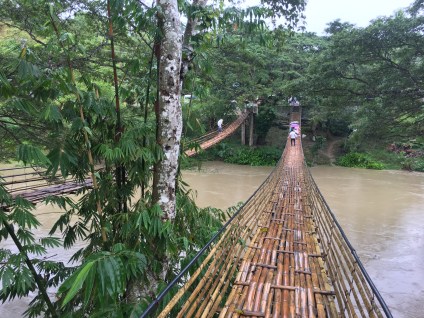
It was a rainy day when we headed out for the Chocolate Hills, so the tarsiers were huddled under the branches and the hills themselves were shrouded in mist, but I took the rain in stride, seeing how it lent a certain freshness and vividness to things, and I could sense the earth exhaling after a long dry spell. The tour guide at the butterfly farm led us along with deft humor, making even dead insects come alive, and we gamely crossed the Hanging Bridge, to and fro, like schoolkids on a dare.

IMG_7658.jpg

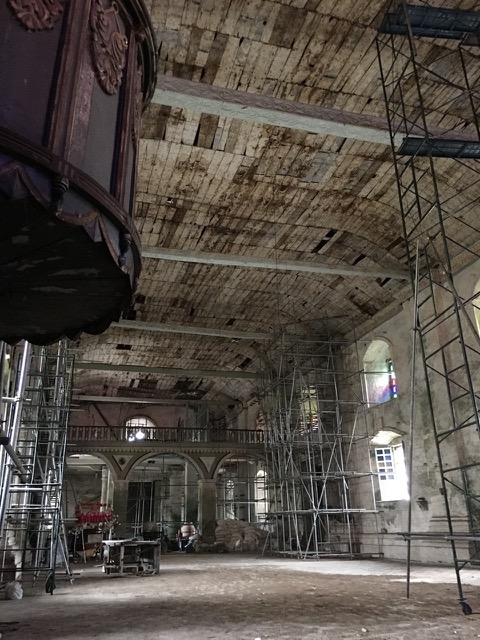
I had visited the old Loboc Church before an earthquake devastated it a few years ago, so I was sad to see it covered in scaffolding, awaiting restoration. What I didn’t expect to be more deeply moved by—not being a regular churchgoer (I pray every night, but have quarrels with dogma)—was stepping into the Baclayon Church, which I had missed on my first visit. Its altar—a main retablo framed by two smaller ones—stood intact and as majestic as ever, and washed in orange, green, and blue light seemed ethereal. But behind a red cloth curtain and the yellow “Caution” warnings gaped what used to be the nave, a cavity that in the 1800s must have throbbed with pious energy, as well as with the flutter of fans and the murmur of courtships, disapprovals, and ungodly gossip.

IMG_7667.jpeg

IMG_7674.jpg

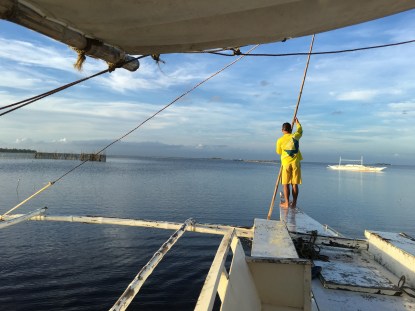
We set out for our island cruise at 6 am the following morning, and much to Beng’s relief the sky was clear and the water was silvery smooth. We shared our large banca with two women from Canada and another from Germany, our banter laced with the anticipation of meeting our goal for the morning: finding dolphins in the open water. I knew from previous reading that several species of dolphin and whale could be found in the Bohol Sea, but I would have been happy to spot any one of them. Dolphins feed in the morning, until about eight, so it was important that we head out quickly enough, also given that about half a dozen other boats were in the same area for the same reason.

IMG_7692.jpg

Our boatman, whom we’ll call Dencio, was an experienced spotter (more on his story later), and soon enough, about 30 minutes out of port, he pointed to our right, where two gray and shiny heads bobbed in and out of the water—our first of several sightings. Dolphin and whale watching is the sort of thing a CIA analyst would be good at—discerning, from the seemingly immutable pattern of cresting waves and foamy wavelets, the odd leap of a creature into the air. The Risso’s dolphins we saw (the Flipper of TV fame was a bottlenose) broke out out in pairs and trios, but for every one of them that surfaced, we were told, there were many more underwater. Dencio pushed out his boat much farther than the others did, and for a long while it felt like we were simply drifting toward Siquijor, but just as I was about to give up, I noticed a commotion in the distance—a pod of maybe a dozen spinner dolphins frolicking in the air. The whole boat came alive with glee and Dencio tried to give chase, but we were going against the waves, which had become too choppy, and the shiny caravan of fins and flippers vanished into the horizon.

IMG_7721.jpg

Balicasag Island is where the divers go, and was our midday stop. While our companions snorkeled in the fish sanctuary and watched giant turtles feeding on the sea grass, Beng and I ordered lunch (fresh fish, of course, broiled and kinilaw) and listened to Dencio’s story: “We used to hunt whale sharks,” he said, “and would kill two of them a day, baiting them and catching them with large hooks.” (This hook called the pamilac lent its name to Pamilacan Island nearby.) “We sold them very cheaply, not knowing that in Japan, a whale shark could sell for about half a million pesos. We could have been millionaires! We did this until a TV crew filmed what we were doing, and then a ban was imposed, so now we don’t catch whales anymore. Today you can find very large ones swimming under your boat. They’re very smart, and can sense danger. Sometimes they look straight at you with their eyes.”

On the ride back to Panglao, we stopped by Virgin Island (renamed Isola di Francesco by its private owner, who has turned the island into a religious shrine)—little more than a long curling strip of white sand with a clump of trees on one end, but serene and restful, a fine ending to a colorful day. Or rather, make that ending a Thai massage, a grilled seafood dinner, and a cold beer.

IMG_7733.jpg

“They’ll burn in the sun,” Beng had remarked of our European companions, who took every opportunity to swim and to laze in the tropic heat. “That’s because they’ll be flying home in a few days to an icy winter,” I said, “while we just have Manila’s traffic and pollution to deal with.” Sounds like a good reason for another escapade.