Qwertyman No. 187: No Better Time for Philippine Publishing

Qwertyman for Monday, March 2, 2026
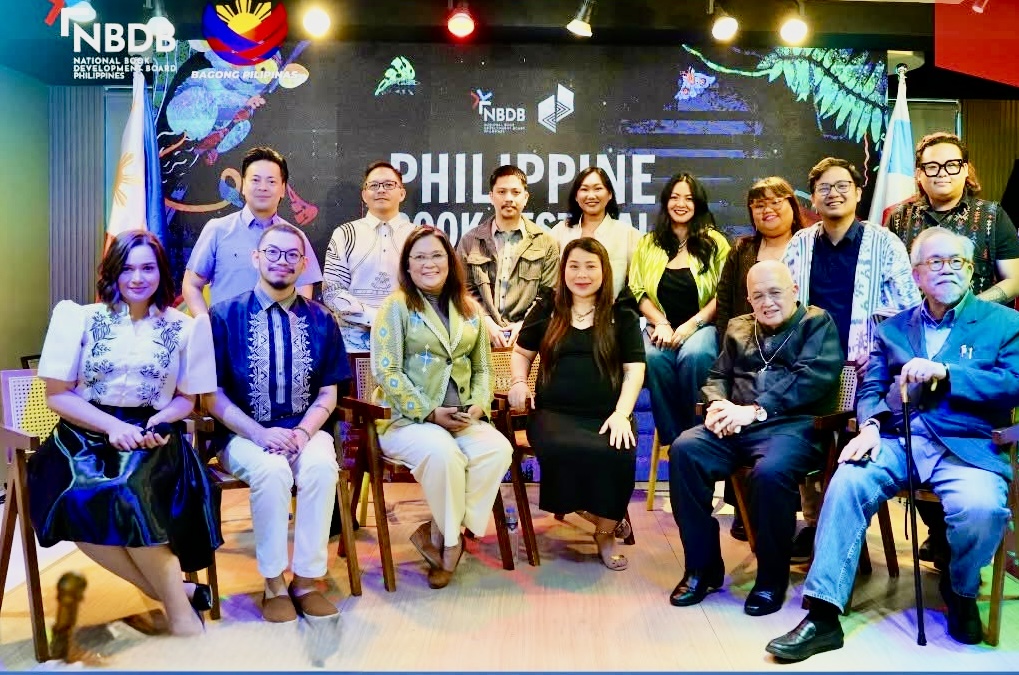
I WAS asked by the National Book Development Board to give brief remarks last week at the media launch of this year’s Philippine Book Fair, which will take place from March 12 to 15 at the SM Megamall’s Megatrade Hall. I spoke alongside publishing stalwart Atty. Dominador Buhain of Rex Book Store, who laid out a legislative road map for the book industry in the Philippines.

For my part, I addressed myself to the young Filipino writer, speaking as a senior often accused of being a capo in our so-called “literary Mafia”—my tongue-in-cheek acceptance of which has been taken in dead seriousness by some parties intent on proving that a conspiracy exists out there to rob of them of their literary fame and fortune.

It was a happy coincidence that we were launching the PBF on the 40th anniversary of EDSA 1, because it provided a natural frame within which to appreciate the growth and progress of Philippine writing and publishing, from martial law to where we are today.

Forty years ago, in 1986, I had exactly one book, my first collection of stories. Today I can count more than 45, both fiction and nonfiction, so I guess I’ve been pretty busy (in fact I have another book deadline to meet over the weekend, after I turn in this column). But what many people don’t know is that it took me about a decade to come up with that first book, which was launched in December 1984, and I might have waited longer had it not been for a bet I had made with a dear friend, the late playwright Bienvenido “Boy” Noriega, that we would both come out with our first books by our 30th year (we did).

Having dropped out of college as a student activist after my freshman year, I had very little literary training beyond my own reading. I knew no one and no one knew me; no literary network, no doting mentor or sponsor. I sent out stories to the very few publications open under martial law, like Focus and the Manila Review. I joined all the literary competitions in sight, and lost as many times as I won. I never attended the UP Writers Workshop as a fellow, although I did get invited to the Silliman Writers Workshop in 1981 after the Tiempos came across a published story of mine, after which I felt fired up enough to resume my studies in UP and graduate with my AB in 1984 at age 30. 

My biggest stroke of luck was having a friend from martial-law prison, Raffy Benitez (who would found the Erehwon Arts Center), who ran a small printing press in Quezon City, and who offered to publish my first book from the scrap paper left over at his press. And so Oldtimer and Other Stories (Asphodel Books, 1984) was born. We had no marketing, no bookstore access. Somehow, the books got sold. 

I told this story—which wasn’t mine alone, but my generation’s—to emphasize that there has never been a better time for Philippine writing and publishing than the present. The PBF, now on its fourth year, is the best proof that hundreds of publishers exist out there for all manner of material, from ghost stories, romances, and comic books to big novels, biographies, and collections of essays. Add to that the support network that writers get from writers’ workshops, writing programs, book festivals like the PBF and Frankfurt, literary contests, and of course social media, print-on-demand, and online marketing.

What every writer needs to do to get published is what all writers have done from the very beginning: persevere, get those words on the page, and find a publisher (who will also hopefully provide good editing and marketing). 

There are, of course, writers who believe that “gatekeepers” like me (professors, editors, publishers, reviewers, etc.) merely stand in the way and spoil what should be a great literary experience accessible to everyone. To them I say that if you want complete control over your work and not have to engage in mainstream publishing, you can always publish yourself online, for free, without having to worry about contracts, royalties, launches, and such. 

Otherwise, if you want your book published and put out there, do your homework, find a publisher or agent, and prepare to compromise and negotiate. At its core, publishing remains a business, which has both its good and bad aspects, so learn to navigate the territory, because for the professional writer, it doesn’t end with that final period on the screen—you’re just halfway to your reader. If you think this is too sordid for you, too much of a sellout, then stay away and again, publish yourself (or look for an academic publisher, if your book is worthy enough) and be happy with your reading circle Contrariness can be a virtue; just don’t preach like you’re the only virtuous soul left on the planet.

I may sound like another hard-hearted Boomer, but I won’t echo what one senator said about Gen Z’ers being “weak”; they just deal differently with their realities. Still, there are realities that cut across generations. No one in the world owes you a reading, a publishing contract, a positive review, a spot on the syllabus, and a fistful of money. The demands that matter most are those you make on yourself. Sure, as in any business, contacts and networks count in publishing—but only to a point; again as in any business, no publisher will invest in something too poorly conceived or executed to connect with an audience.

Just write, and don’t let yourself get too distracted by the politics of writing or even of everyday life. If you believe strongly enough, the politics will find its way into your poem or story in the best ways possible—organically, without the shrillness or snarkiness of those who can’t make themselves heard otherwise. If it resonates with others, it will find its way to publication. The usual critics will pile on me for this, but I think there’s too much noise, too much drama, too much flag-waving out there; indulge in it if you will, but I’m too old to care, and I’d rather hole up in my home office with a cup of coffee and peck away at my next novel than prove that I’m more, uhm, Polynesian than thou.

Write your heart out, but with craft and composure; write something moving and memorable, and get that book out with your name on the spine. Me, I’ll be at the PBF to sign books all day on March 15.
Qwertyman No. 45: Onward to Frankfurt?

Qwertyman for Monday, June 12, 2023

IF YOU were at the Philippine Book Festival (PBF) that took place at the World Trade Center earlier this month, you would have been surprised to find how many Filipinos were writing, publishing, selling, buying, and reading books. A project of the National Book Development Board (NBDB), the PBF was the first such event devoted solely to locally produced books—as opposed to, say, the Manila International Book Fair (MIBF) in September, which is open to books and publications from overseas. The NBDB wisely decided to showcase our homegrown literary talents—not only from Manila, and not only from my generation of old fogeys, but from all over the country, and writers of all persuasions and ages (as young as fourteen!).

We Pinoys have become so immersed in Netflix, YouTube, and social media that many of us have forgotten about reading, and what a good book can do for one’s mind and soul. We want everything delivered to us in short sentences—even in acronyms or, if possible, in memes—because long paragraphs (and, God forbid, pages) can only mean a waste of our precious time (which is, of course, best spent posting what we last ate on Instagram, and critiquing someone’s OOTD). Whether fiction or nonfiction, books challenge us to carry ideas through to the limits of our reason and imagination. The difference between a good meme and a good book can be that between wit and wisdom—between the bubbles that rise to the top of your champagne and the notes that linger on your tongue and senses long after you’ve put your drink down.

And despite the death knells that have been tolled for publishing and reading in this country, the droves of people who flocked to the PBF and the MIBF show otherwise; as I’ve noted elsewhere, more new authors and publishers are emerging across various genres and languages than ever before, spurred by writing programs and workshops, new technologies, and more exposure for Filipino writers in international markets.

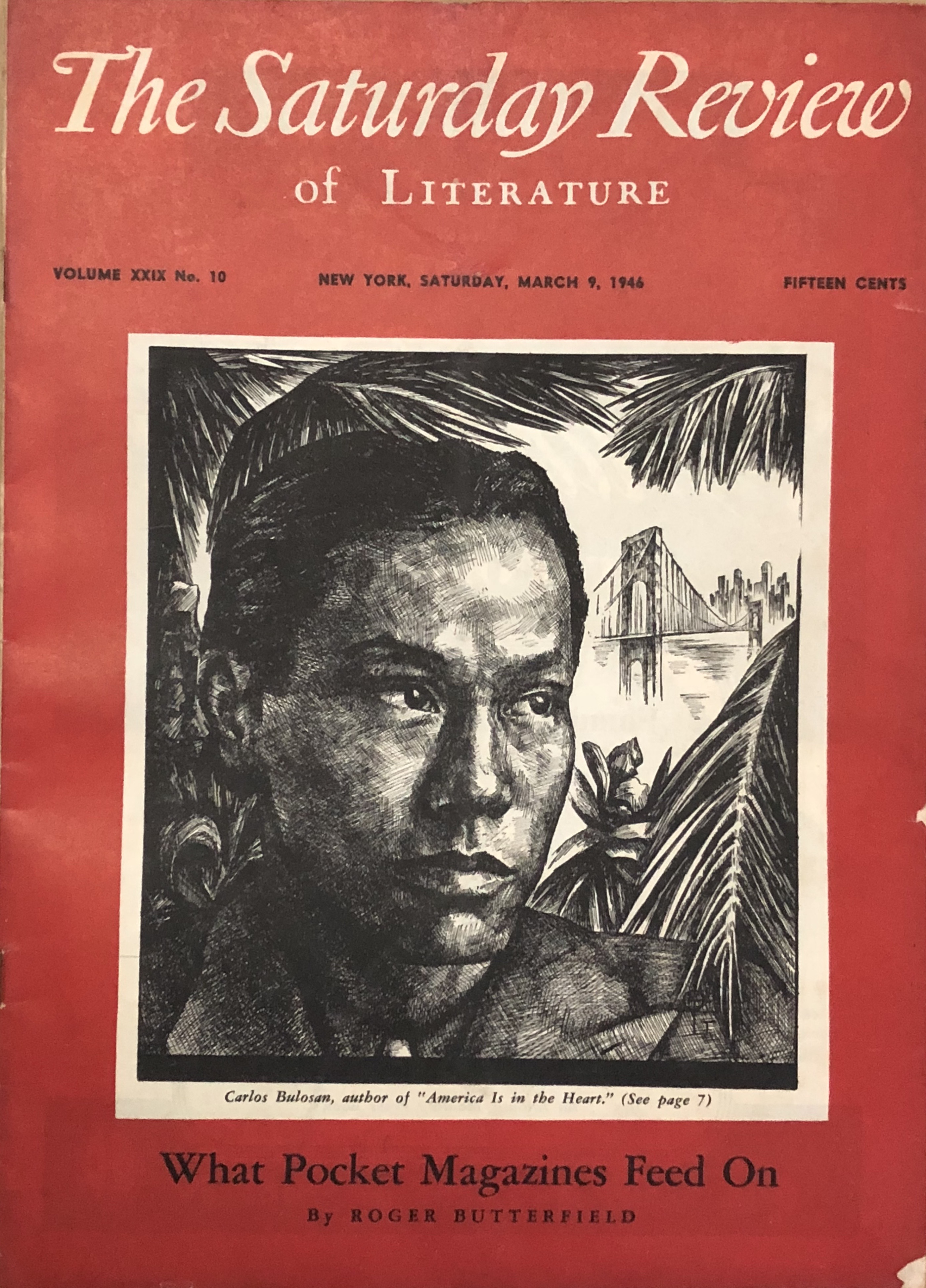
That last note—the emergence of Philippine writing in the global consciousness—has been a long time coming. We’ve had, of course, writers who’ve been published abroad, most notably Jose Rizal and the late National Artist F. Sionil Jose. In America, both expatriate and US-born writers such as Gina Apostol, Ninotchka Rosca, Jessica Hagedorn, Eric Gamalinda, Zach Linmark, and Brian Ascalon Roley have made important inroads into publishing, some with mainstream publishers. Of course, they were preceded by the likes of Carlos Bulosan, Jose Garcia Villa, NVM Gonzalez, and Bienvenido Santos, in a time when getting published in America seemed to be the apex of a literary career. We’re way past that now, having found our own voice and our own readers right here at home. 

I’ve often remarked that I’d rather be read by 10,000 Filipinos than 100,000 Americans, but I may have spoken too soon, as even those 10,000 Pinoys willing to buy and read a serious novel can be hard to round up. Therein lies the irony: we’re happy to write and publishers seem happy to publish, and the high attendance at the PBF could be a sign that things are changing, but creating a critical mass of local readers for literature remains a struggle. 

Even in America, where we imagine that almost four million Filipinos should be able to clear out an edition of 5,000 books without any trouble, that simply doesn’t happen. I suspect that that’s because we’ve never really been a book-reading culture, unlike the Japanese and the Indians, and the easy availability of entertainment on Netflix and Tiktok just aggravates the situation. (A more disturbing possibility is that our writers still haven’t learned to write the kind of stories with the kind of treatment that Filipino readers—and there are also many kinds of them—expect, without sacrificing literary “quality,” whatever that means. In my old age, this is what I’m aiming for—to give my readers stories that they’d want to see turned into movies.) 

There’s no doubt that we’re producing materials of high literary value—in English, Filipino, and our regional languages; we saw that in the PBF and we see it in our classes and workshops all the time. These works deserve to be shared with a broad audience—not just here, but overseas, where the Chinese, the Japanese, the Koreans, the Indonesians, and the Vietnamese have already made a name for themselves in the publishing world. 

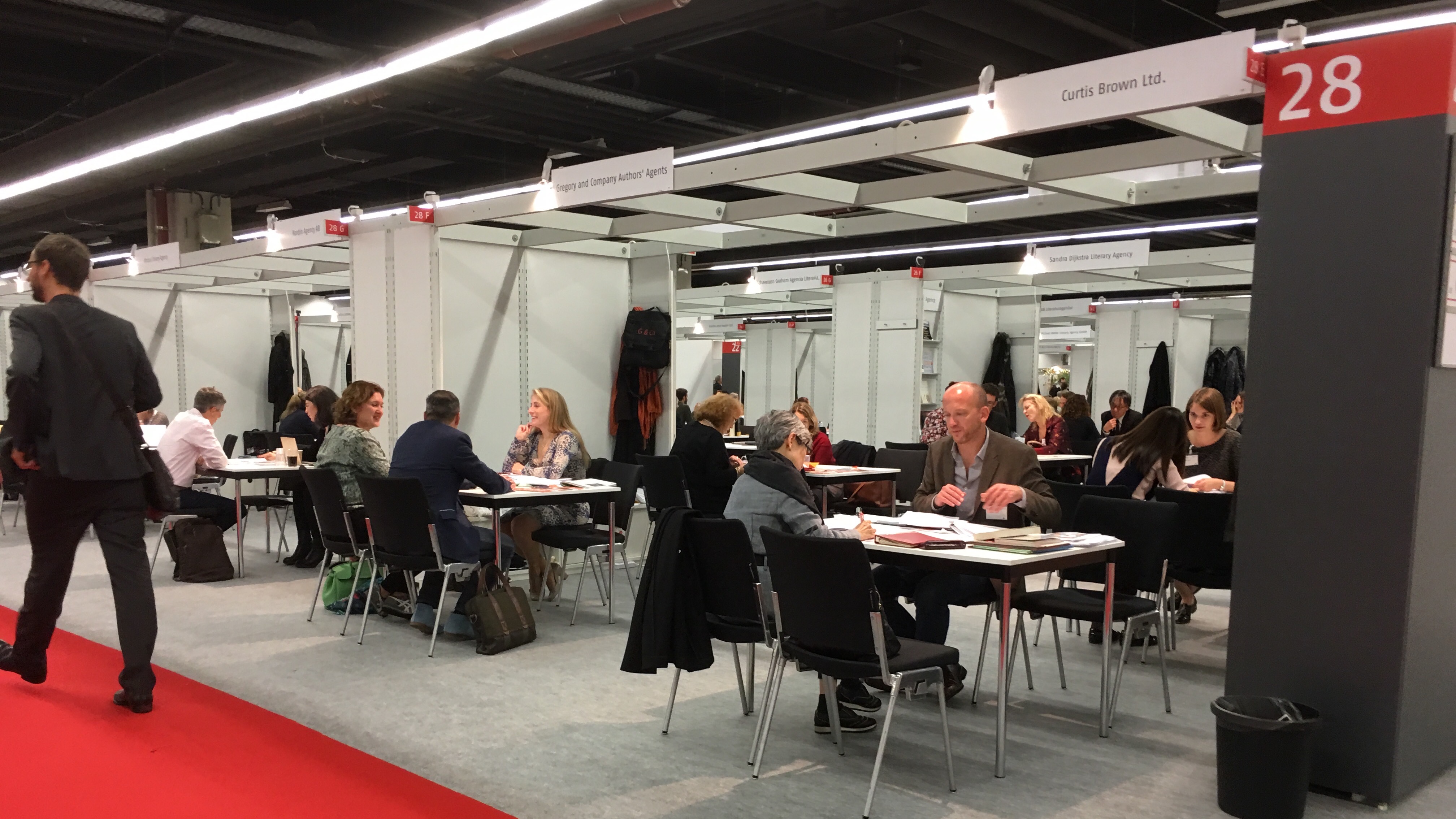
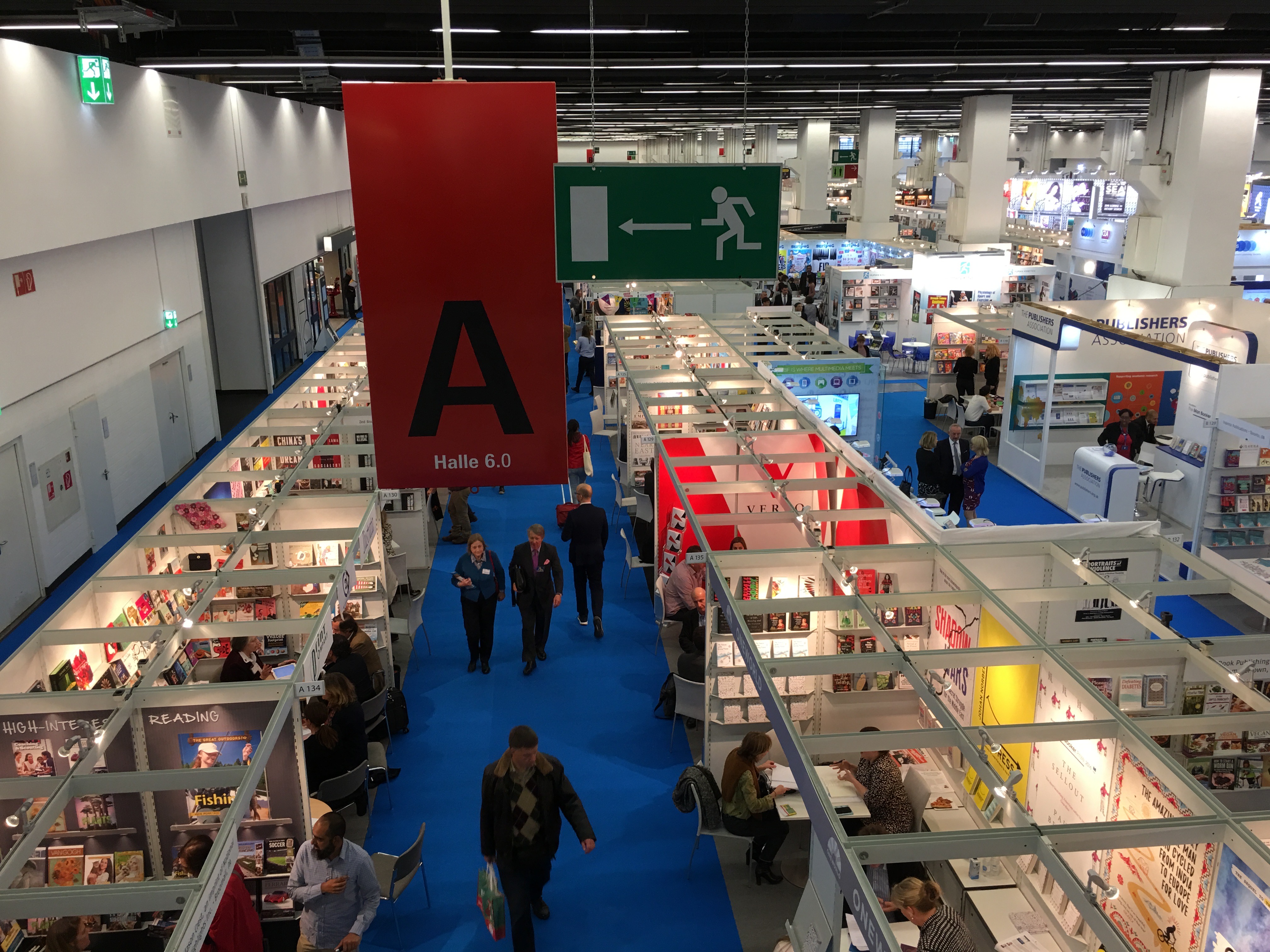
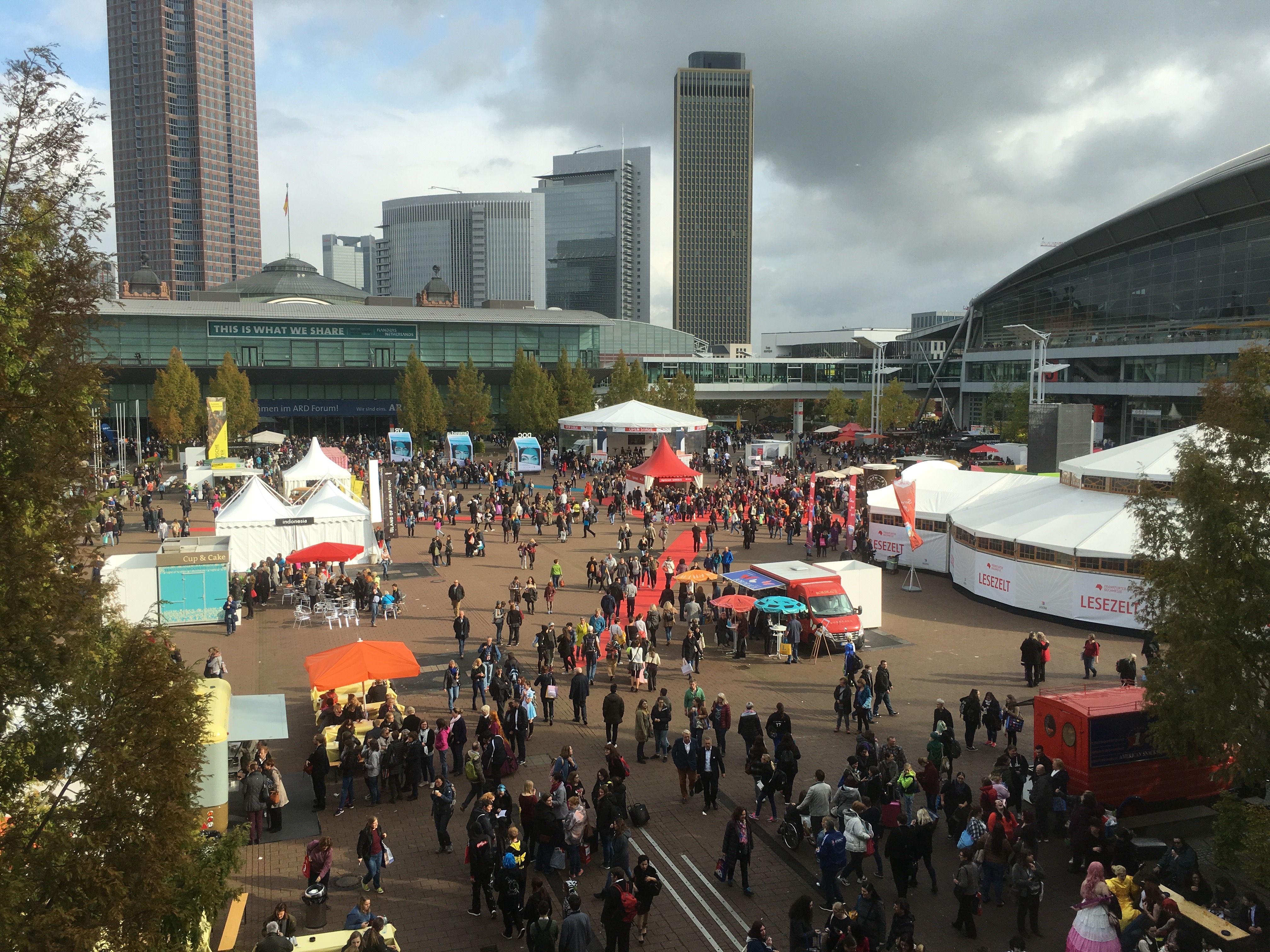
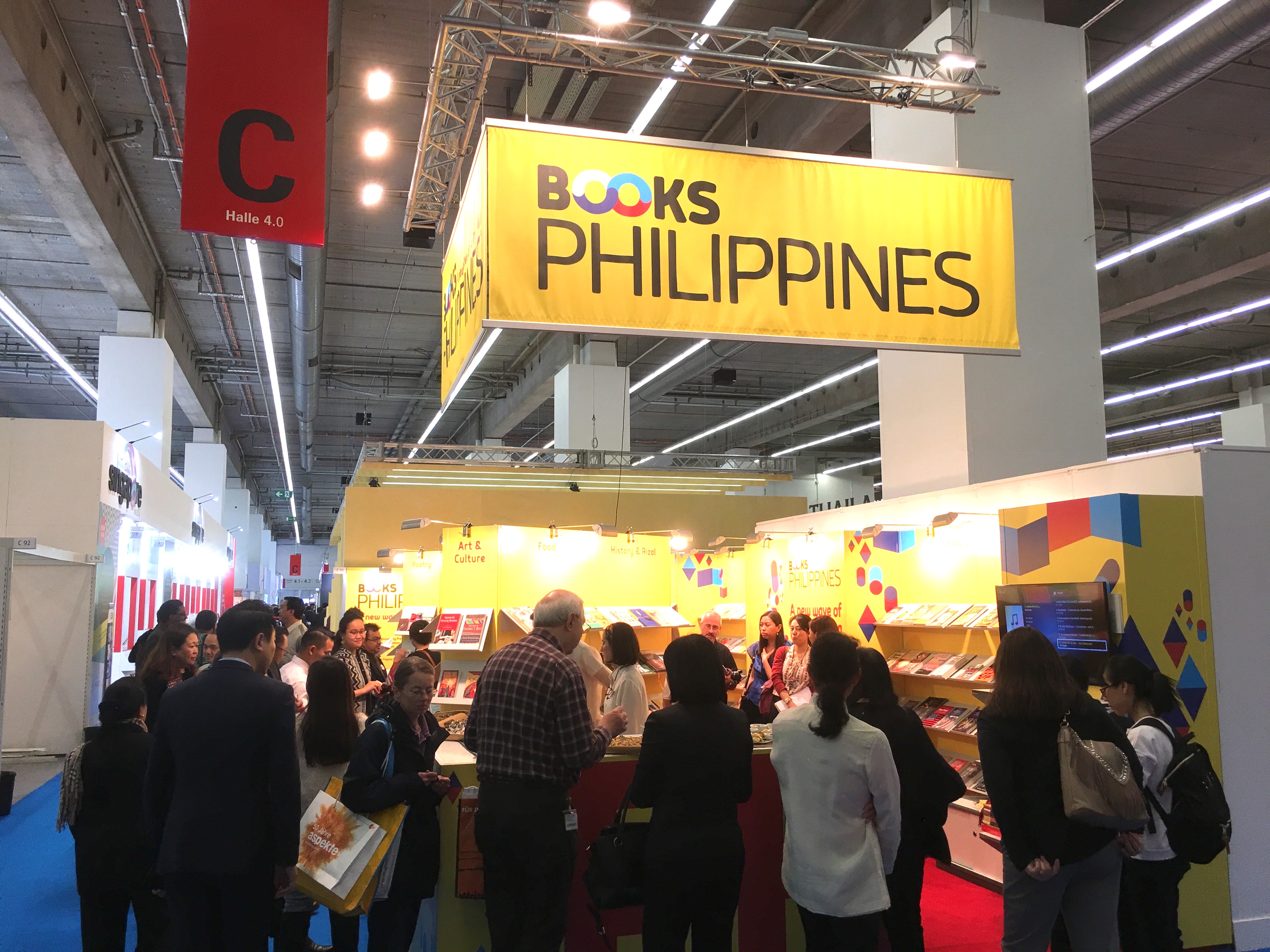
But that takes a network we still have to familiarize ourselves with and learn how to navigate—a network of translators, literary agents, editors, publishers, and booksellers largely unknown and therefore closed to us. We’re not totally clueless. Through the NBDB and local publishing stalwarts such as Karina Bolasco (just recently retired from the Ateneo Press and the founder of Anvil Publishing before that) and Andrea Pasion-Flores (our very first international literary agent, now owner of Milflores Publishing and president of the Book Development Association of the Philippines), the Philippines has been represented over the past few years in such major events as the annual Frankfurt Book Fair, the world’s largest such market of authors, publishers, and agents.

Not meaning to be immodest, thanks to my agents and publishers, I myself have benefited from this kind of exposure, having sold my second novel Soledad’s Sister in last year’s FBF into a German translation and edition, which just came out; before that, it had already been translated into and published in Italian and French, aside from an American edition. Imagine what that network could do for the rest of our writers.

This brings me to an idea whose time, I strongly believe, has come: focal representation in a forthcoming Frankfurt Book Fair as a “guest of honor,” a position reserved for a country wishing to showcase the best of its literary talent across all genres (two years ago it was Canada, followed by Slovenia). This has to be accompanied by a strong effort in translation—from the regional languages to English, and from English to other international languages like Spanish and French, perhaps even Chinese. It will take much planning and a sizeable budget, but as our recent forays into the Venice Biennale have shown on behalf of our leading artists, with the right cultural leadership and vision, it can be done.