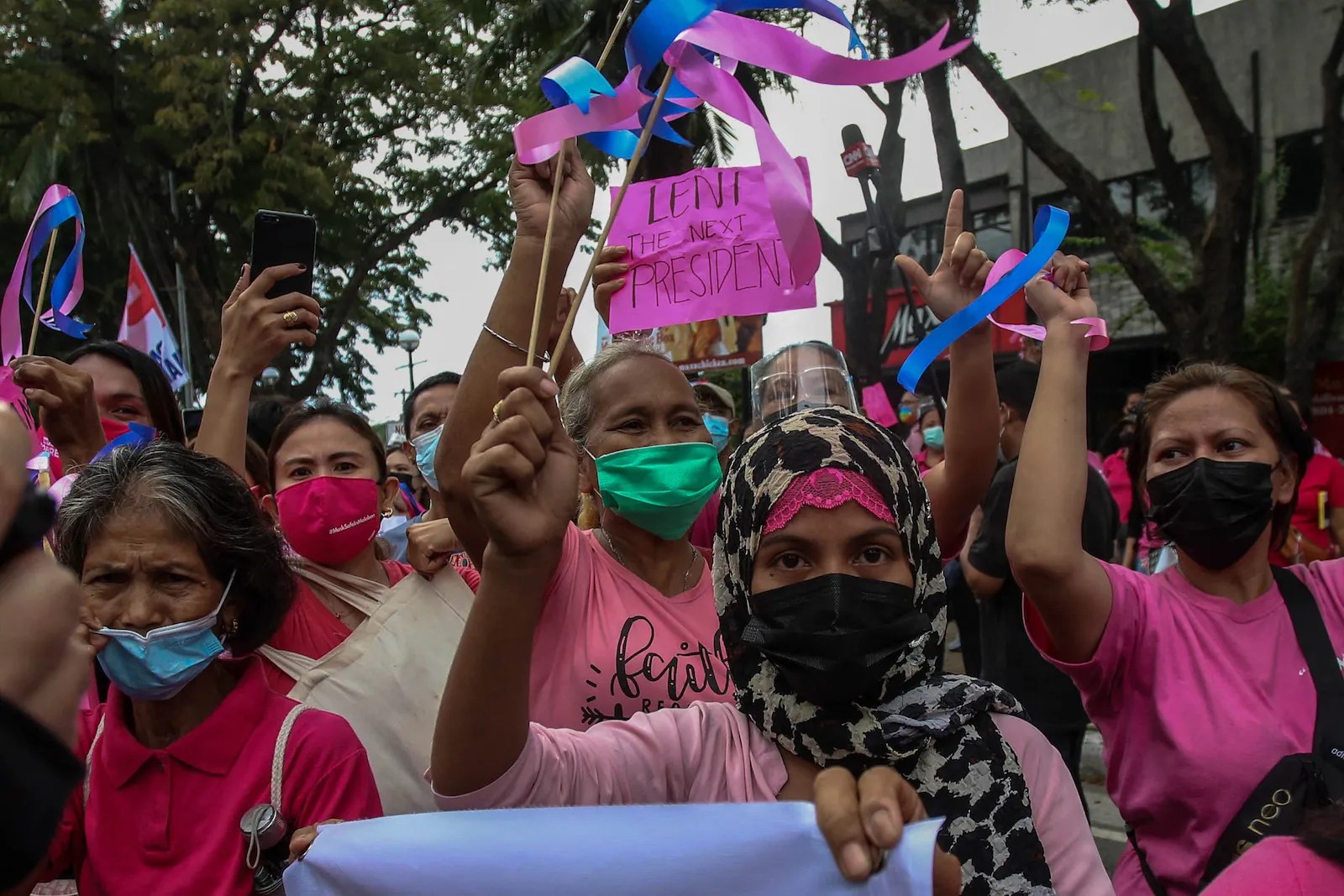
Penman No. 427: Lights and Loudspeakers

Penman for Monday, November 8, 2021

THE ELECTION season is upon us, and for Pinoys for whom Christmas begins in September, November 15 can’t come soon enough to start figuring out who they’ll be voting for on May 9, a full half-year down the road. That date should really have been October 8, the official deadline for the filing of candidacies, but given our penchant to further complicate the already-complicated, we just had to set the stage for the last-minute substitution dramas we expect to happen by next Monday.

What couldn’t wait for November 15 or even October 8 was the onset of the propaganda war—the long series of campaigns and battles for our hearts and minds, with the prize being the right to seat someone you think you know and who thinks they know you in the Palace by the Pasig. And if there’s anything we can depend on to display Pinoy character and creativity at their best and worst, it will be a political exercise like a presidential election, during which people who had been largely content with watching telenovelas, munching sweet corn, playing pusoy, and sharing some kakanin with the neighbors suddenly rediscover their convictions, prejudices, longings, and peeves, and jump onto one bandwagon or another, many with knives drawn. (Of course, there are others who had been suffering in silence and gritting their teeth for the past five years, just waiting for the trumpet to sound from the top of the hill.) 

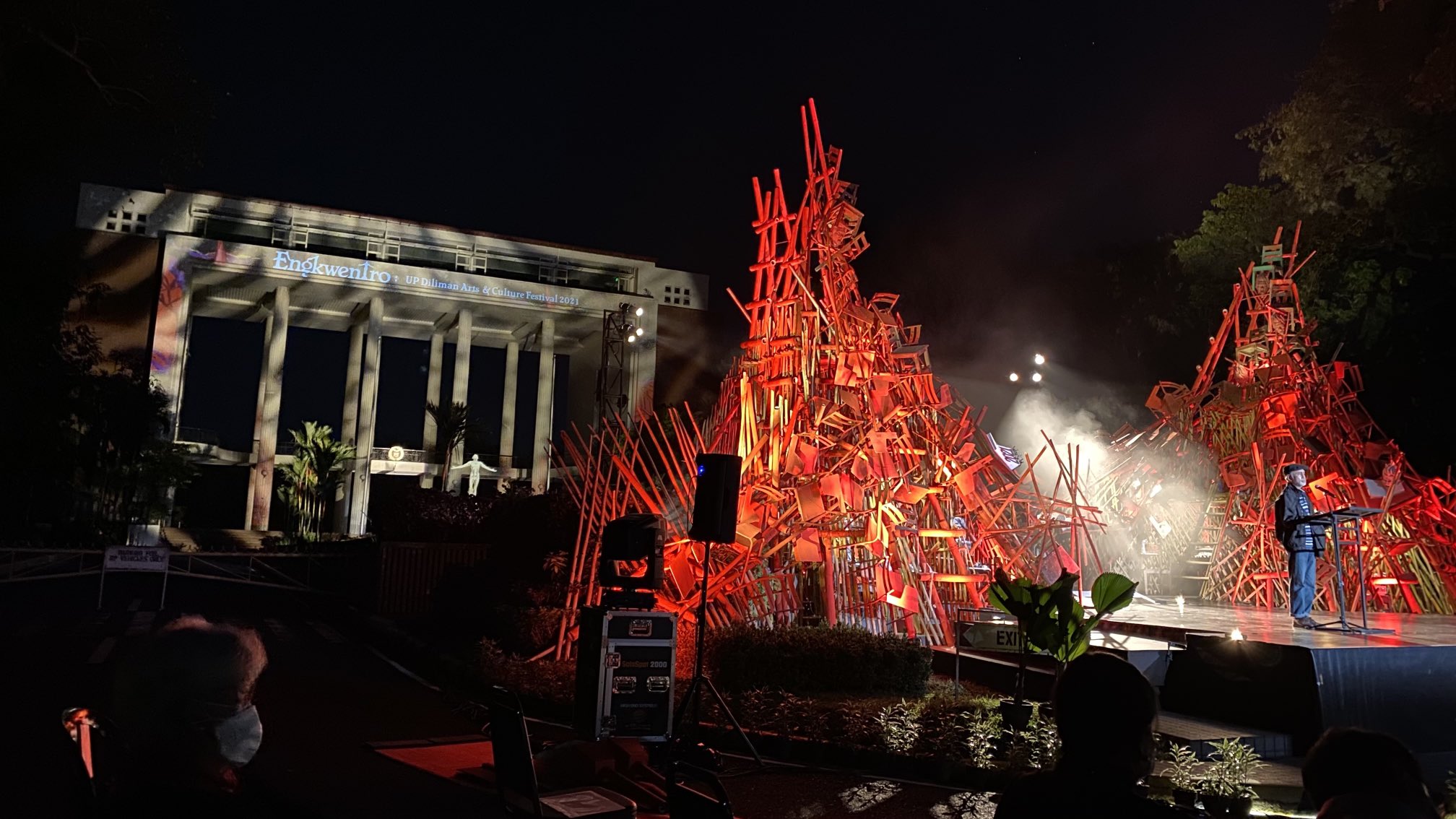
As a boy in the 1960s whose father kept getting roped into some politico’s campaign, I reveled in the hoopla that heralded every election. The contending parties held rallies in the plaza or the bukid (depending, I guess, on whose side the incumbent mayor was), and places more often attended by dog poo and carabao dung were transformed into one-night circuses. 

The stages were festooned with banderitas, and the lights and loudspeakers promised an evening of entertainment, at least from the movie stars, singers, and comedians whom the people really came for, before the real jokers running for congressman or mayor came onstage. Bands played as pickpockets worked the crowd. They gave away fans, hats, key fobs, stickers, and anything they could stamp a candidate’s face on, and if you were lucky you got a T-shirt—flimsy as hell and reeking of paint thinner or whatever it was they used for silkscreening. I’m sure some folks got more than that, but being too young to vote, I missed out on the serious stuff backstage.

The speeches were loud and bombastic, and you stood in rapt attention, feeling like a droplet in a huge surging wave about to engulf the nation. (Decades later, someone would call this “astroturfing.”) One particularly artful speaker might weave a tale of woe, of how the people had only themselves to blame for all the misery they had sunk into, because they had cast their lot with the other party in the previous election. (Decades later, someone would call this “gaslighting.”) Every candidate promised the moon, the stars, and a galaxy or two of blessings dependent on his or her election: more artesian wells, more puericulture centers, free dental clinics, free coffins, and a lechon for every barrio’s fiesta (loud applause). At some point, some bags of rice and boxes of milk might even go around, the word “RELIEF” overstamped with its new donor’s name.

No self-respecting campaign today would not claim a party color or motif—pink, white, blue, checkered, etc. (What was that? Pink as well? Maybe I should have said “No self-respecting campaign today would claim another party’s color.”) Back in the day, this didn’t seem to be a big deal. The Nacionalista Party’s colors were red, white, and blue, while the Liberal Party’s colors were—well, red, white, and blue. At least, if you were a Liberal today and a Nacionalista tomorrow, which sometimes happened, you didn’t have to change your wardrobe or your paraphernalia.

Neither do I recall proprietary hand signs then, like the Cory-Laban “L” that helped to overthrow her predecessor, and FVR’s jaunty thumbs-up. Ferdinand Marcos flashed the “V” sign, but that had been around for ages, and is now more widely associated with young girls in white socks trying to look their cutest for the camera. I suppose it stands for “victory,” although the “V” word that springs to mind most quickly when I hear that particular name is “vaults.” (Is there such a word as “villions,” like a billion billions?) Mayor Isko has appropriated the “No. 1” sign, with the forefinger pointing up, as if to suggest he has nowhere else to go. (That other mayor who became President, which must inspire Isko, prefers raising the next finger.) 

Frankly Leni’s hand sign remains a bit of a mystery to me, and I haven’t seen one from the boxer and the police general. At any rate I doubt this election will be won with carpal contortions. After all, there are only so many things you can do with your fingers, and the Vulcan “Live long and prosper” hand salute is difficult enough to master.

The fight, as everyone says, has gone to the Internet and the airwaves, and while we may like to believe that everything has changed in half a century, the very players on the field tell us they haven’t—only the lights and the loudspeakers have. So now, as ever, truth, reason, and justice will remain the underdogs, and those who root and clap for the jokers will end up getting their pockets picked.

(Photo from asiatimes.com)

The President We Deserve

I GREW up a Marcos believer.

He was the guest of honor at my grade school graduation in 1966. Newly elected, he looked every inch the hero he said he was—handsome, dashing, gifted with a golden tongue. Watching him I thought that a President was a great man, greater than all of us.

Just seven years later, I spent most of my 19th year in martial-law prison. I was there because the President I admired as a child had lied to me. He said he wanted to make the Philippines great again. Instead he acquired more power and more wealth, for which he stole from both the rich and poor, and punished those who opposed him. 

That included young students like me. They called us “radicals” and put many of us in prison, and many of my friends suffered horrible deaths. Sadly, many more Filipinos didn’t care. Happy to see new roads, they did not know that billions that should have gone to their food, housing, and education went to secret bank accounts abroad.

I was at EDSA when Marcos left, and I was overjoyed that a good and honest woman would now bring change. But even Cory couldn’t do it alone. The system was too strong. Many Presidents followed Cory, some better than others, but the lust for wealth and power did not leave with Marcos. And instead of being remembered as the man who destroyed Philippine democracy, Marcos became a model for some of his successors, who not only buried him as a hero but who now want to resurrect him in his son.

When VP Leni Robredo offered herself for the presidency and said “Mas radikal ang magmahal,” I had to think long and hard about what she meant, and what kind of difference she would make in our lives and futures. Was she asking us, like Jesus, to love our enemies? After all the evil—the corruption, the oppression, and the despotism—we have been through, could we find it in ourselves to love those who clearly do not love us?

And then I remembered what another visionary, Martin Luther King, preached on the same subject. He said: “In the final analysis, love is not this sentimental something that we talk about. Love is creative, understanding goodwill for all men. It is the refusal to defeat any individual. When you rise to the level of love, of its great beauty and power, you seek only to defeat evil systems.”

And that’s when it struck me that the real enemy is not people, but the “evil systems” that have created and supported the Marcoses among us. It is not one man or family we must vote against, but what they represent.

The easy temptation is to focus on personalities and their shortcomings. The harder option is to fight for the good and the positive.

These are the values and ideals that many of our national leaders, by their speech and behavior, have forsaken over the past five years. These are what VP Leni reminds us are worth loving and living for. And in today’s environment of violence, fear, and falsehood, to love them is to be radical indeed:

God. Country. Freedom. Justice. Peace. Truth. Life. Beauty.

Big words, they take big hearts and minds to accommodate. If I can find that largeness in me, then I can be a radical again, and instead of imprisoning us, our new President will free us from our past to become the nation we aspire to be. And that President—the President we deserve—can only be as great as we ourselves can be.

(Photos from ph.news and the Friedrich Naumann Foundation.)

Penman No. 425: Red Light, Green Light

Penman for Monday, October 11, 2021

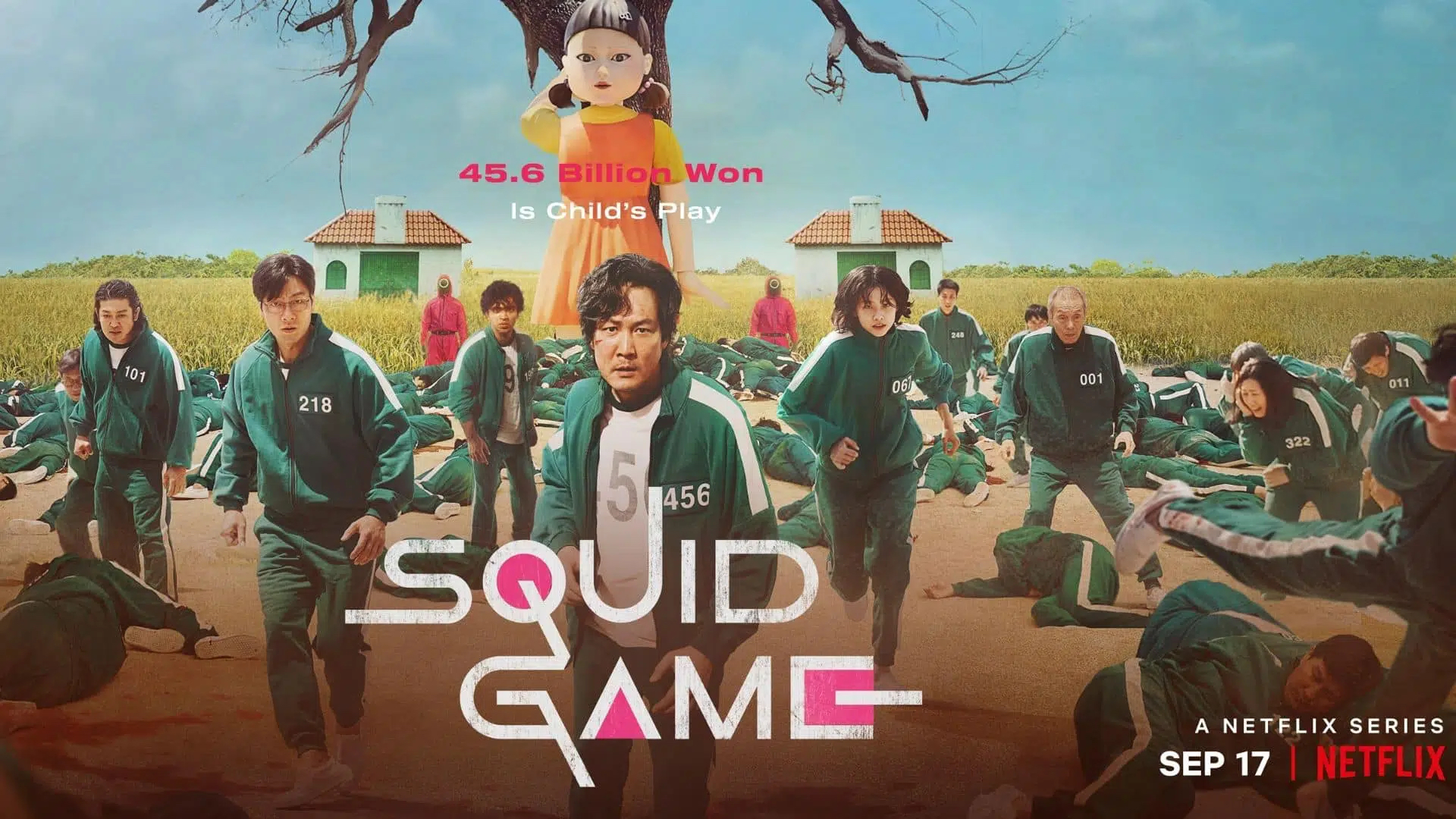
THOSE OF you who smiled when you read the title know what I’m talking about: none other than Squid Game, which is set to become the most viewed Netflix production of all time.

I’m still groggy from two nights of binge-watching, after making sure that my wife Beng was already asleep. She’s a Korea-novela fan—and I guess you can call me a reluctant convert, having little choice but to follow the travails of star-crossed lovers getting wet in the rain, slurping ramyeon, or running slow-motion into each other’s arms on a beach at sunset. But for some reason, Beng likes romance, not gore, and she steadfastly refused to reciprocate my constancy by watching Squid Game with me. 

She can’t understand it when I explain that violence relaxes me, releases the lion in my pussycat, exhausts my latent desire to pulverize my enemies and split a few skulls, and leaves me refreshed for another day of, well, typing. Beng’s favorite expression—which she uses several times a day, usually when watching the news or some TV drama, or when we’re driving past a mangy dog—is “Kawawa naman!” If she were a street in UP Village, it would be “Mahabagin.” 

That’s why, you see, she couldn’t possibly get through even one episode of Squid Game. The violence hadn’t even begun—Gi-Hun was just getting warmed up as the quintessential loser, trying to play good dad to his 10-year-old daughter—when I heard Beng mutter her first “Kawawa naman!” Rather than subject myself to a night-long litany of laments for pitiful souls, I agreed to switch channels and watch contestants try to outdo each other in applying hideous makeup onto hapless models. Beng couldn’t see me wincing in the dark, my tender aesthetics feeling the vicious assault of mascara wands and lipstick applicators.

But let’s get back to the show. After its release less than a month ago, Squid Game became a global sensation in no time at all, and it’s easy to see why. Even the venerable Washington Post intones that “Squid Game (is) much more than a gory dystopian thriller. It’s a haunting microcosm of real life, unpacking the many implications of inequality, which has in some way drawn each of the players to this battle for their lives.” 

Parents will be horrified to find that their kids can buy Squid Game soldier outfits online, complete with black masks and pink track suits, submachine guns optional. (When I clicked the link, I got a message saying “Sorry! This product is no longer available.” That can mean only one of two things: first, that the seller developed a conscience and pulled the item out, or second, that stocks were sold out—you win a prize of a trip to Busan if you guess the correct answer.)

So let’s get this clear, especially if you’re thinking of gathering the family around the TV for some quality time watching people’s shirts turn a splotchy red: Squid Game isn’t for kids, okay? The whole point of it is that it wants people to think they’ll be playing kids’ games—which is true, except that (this is hardly a spoiler now, after all the publicity), the losers die.

I’m not going to go into the kind of sociological soul-searching that will be the stuff of dissertations over the next five years, with titles like “Competition Theory: Neoliberalism, the State, and Squid Game in the Philippines, 2016-2022.” (If you want an honest-to-goodness, semi-academic chat about the show, the UP Korea Research Center will be hosting an online forum on Squid Game on Friday, October 15, at 3:30 pm.) 

I’m tempted more by the idea of staging our version of the game here, with life’s “winners” instead of losers as players, for a change. The reward will be—let’s see, what might the rich and powerful still want that they don’t already have? More money? Too easy; they have enough stashed away in the British Virgin Islands (legally, mind you—they did nothing wrong) to last three lifetimes. More happiness? Which means what—more likes on Instagram, more cover shots in the glossies, Ivy League placements for the kids, one mistress more, a new Lamborghini Huracan, another Patek Philippe, a new calling card saying “Senator of the Republic,” or something even loftier? Eternal life? Some families already have that—35 years after EDSA, you-know-who are still around.

How about this: the prize will be absolution for one’s sins, which technically will qualify one for entry into heaven, no matter what terrible things one may have done in life—stolen billions, murdered thousands, lied 90 percent of the time, cursed God and half the saints, you supply the rest. 

It could be voluntary, of course, because most of the players we’d like to nominate will never admit to sinning nor to needing forgiveness; they have willfully accepted damnation, and their choice must be respected. But I think it will be more fun if, in the 2022 elections, we took a special poll to vote for 456 politicians, public officials, generals, bigtime drug lords, profiteers, car-loving pharmaceutical executives, troll masters, and other crooks to constitute the players. 

How thrilling it would then be to put on a black mask, look over the track-suited multitude, appreciate the anxiety in their puzzled faces, and announce: “Green light!… Red light!” Boom. Boom. Boom. Sorry, Beng, hindi sila kawawa, and I could watch this all day.

Penman No. 420: Highlights and Shadows

Penman for Monday, August 2, 2021

SOMETHING VERY unusual happened to me about a week ago. Driving my little Jimny on my way home to catch a Zoom meeting, I came literally the closest I’d ever been to a quick and fairly simple death.

I was following a student driver who was plodding along at a turtle’s pace. It was a busy street so I couldn’t overtake him, and I resisted the urge to honk my horn, remembering how it was when I was learning how to drive in my Beetle ages ago. We stopped at a corner a couple of blocks from my place, about to go into a main street. The student driver either stalled or stiffened, because he simply didn’t move. I felt my patience wearing thin; my Zoom meeting was about a commercial book project that would earn me some tidy cash (enough to pay, beyond the groceries, for my old books, rusty typewriters, and other toys), and I didn’t want to be even one minute late. 

The left side of the street was open, so I could overtake, but it was a streetcorner and I hesitated. That pause saved my life. 

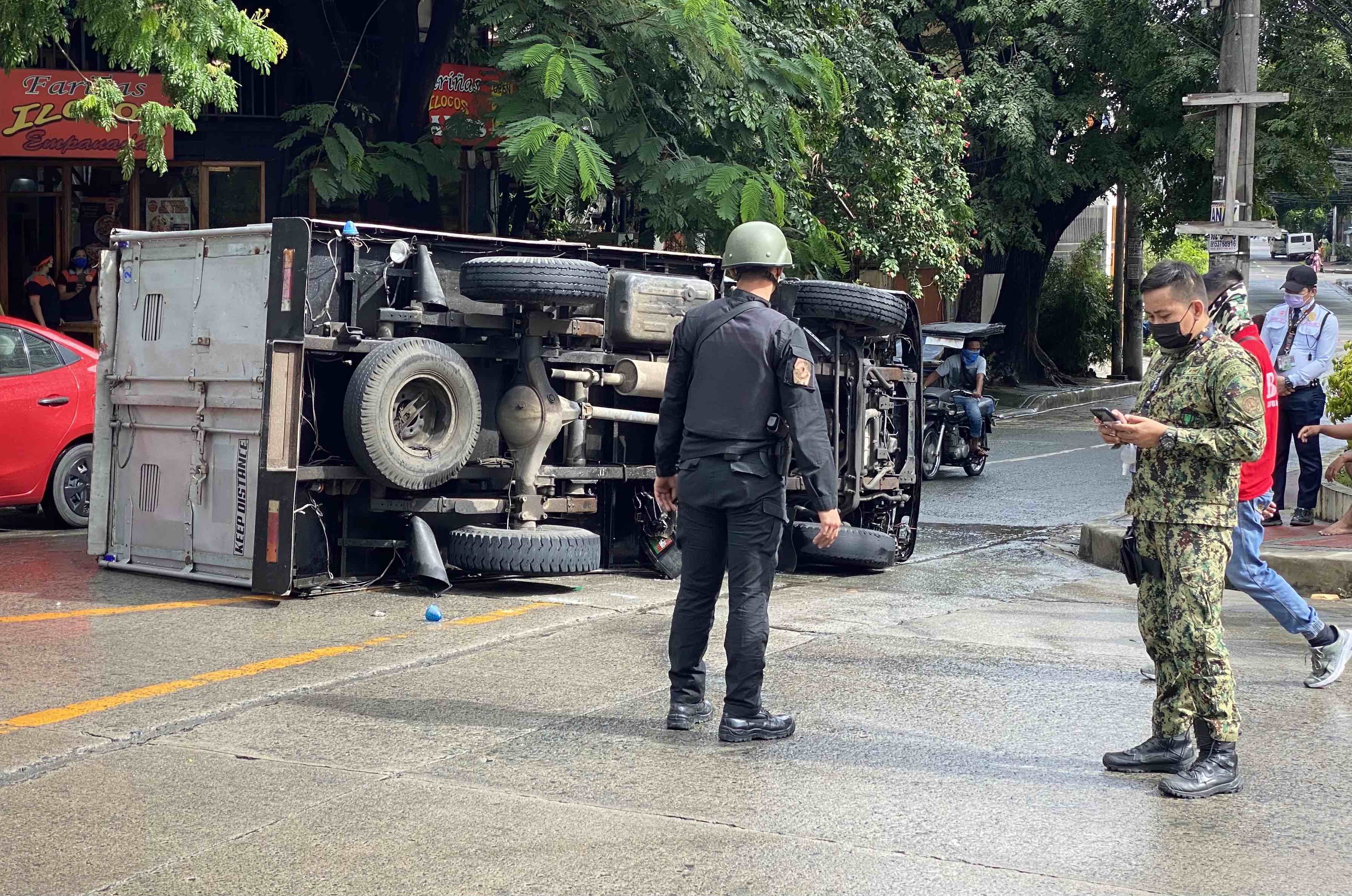
The student driver inched forward and made a right turn. I drove up right behind him, but had to brake at the tall hump just at that very corner. From my left I saw a big delivery van hurtling down the main street. Its driver had lost control; the van fell on its side, rolled over, and slid straight toward me. I didn’t move forward because I would have been hit if the van hadn’t braked, and I would have even more surely been demolished if I had tried to overtake earlier. Strapped into my seat, there was no time to jump. 

As it was, I froze and, in a cinematic cliché, watched everything happen in slow motion—the van coming, braking, rolling, and coming at me. Strangely I felt very calm. “So this is how I’m going,” I remember thinking, just waiting for the impact. One, two, three—and then the van stopped, a few feet away. I saw the driver raise and wiggle his hand, and then people rushed over. I exhaled a prayer of thanks, parked the car, hurried back to make sure the driver was okay (he was), and then went to my Zoom meeting.

I didn’t tell anyone at that meeting what had just happened to me. We had a very engaging conversation, during which we established that I was not the best fit for the job (nothing to do with money but with stylistic preferences), and I bowed out gracefully, possibly to the surprise of my chatmates, who probably expected me to be more vocally disappointed by the news.

In truth, I felt liberated. For a long time now, I had felt a gnawing urge to put everything else aside and return to my own fiction, to remind myself that I still had a few good stories to tell before I croaked. At 67, I’ve begun to feel my age, in my bones and, more distressingly, in my memory and my reflexes. When I read authors and look up their lives, I can’t help noting the ages at which they published their major works, when they died, and for what reasons. (And no one beats Jose Rizal in these departments.)

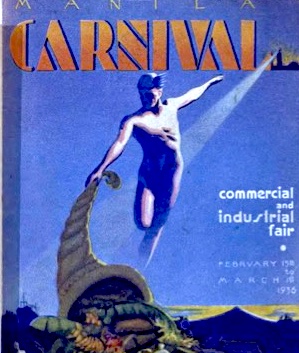
That same afternoon, with nothing else on my plate for the first time in a long time, I opened a new document in Word and typed down the first thing that came to my mind, a snippet of a conversation between a young man and an older woman, set in Manila on New Year’s Eve, 1936. I didn’t know these characters or where the story would go, but that’s how I’ve always worked, which sometimes leads to dead ends but always gives me a heightened sense of discovery and anticipation. I don’t want to know what the next page will be like; that’s why I’m writing it, making things up as I go along, looking into the highlights and shadows of the scene for clues and possibilities.

Before I knew it I had started a new novel—the literary form which, I’ve often said, I least enjoy. Each of my past two novels took me years to finish. The first was done for graduate school, the second completed for a competition—neither reason, it seems to me, the best one for writing, although practical necessity can do wonders. To some writer-friends like Charlson Ong (whose White Lady, Black Christ just came out with Milflores Publishing) and Gina Apostol (starting on a new historical project), novel-writing—and doing it well—comes almost as second nature; for me it has been hard labor, because not enough of my true heart was in it. I began a third novel many years ago, and about half of it is done, but I haven’t felt like picking up the pieces just yet.

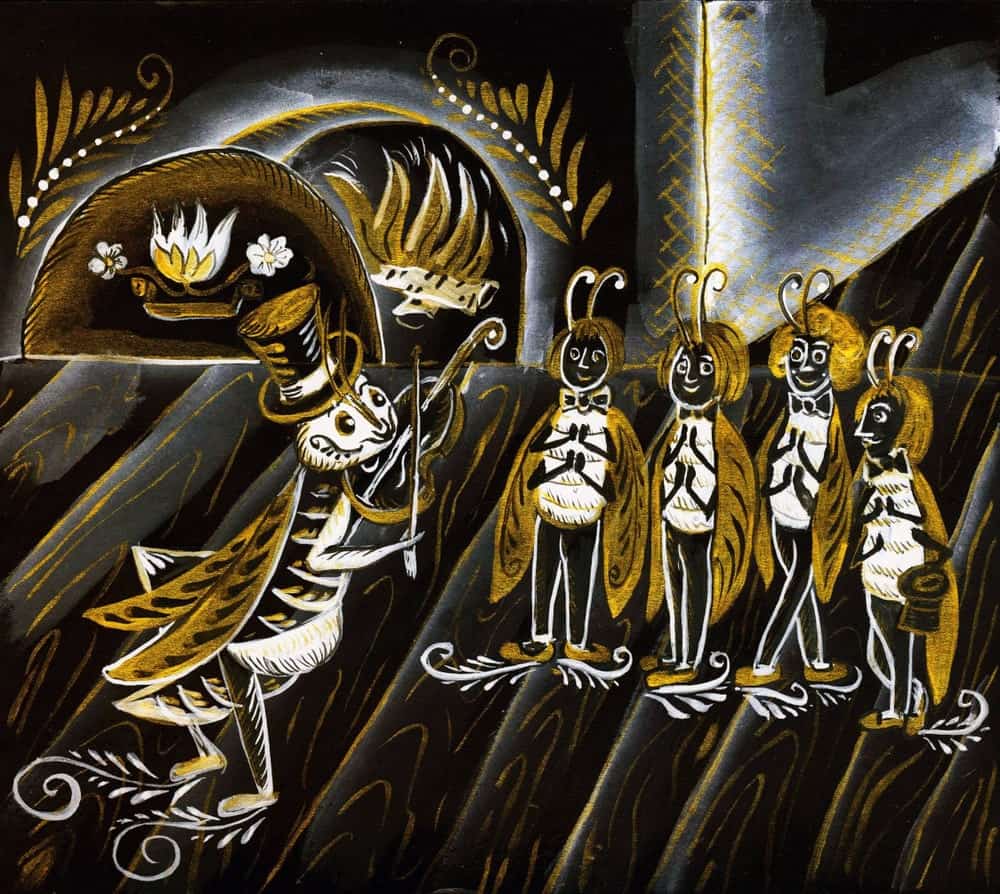
So I’m starting a totally different one, and to keep from jinxing it I’ll only say further that it will be one that will require common intelligence and not academic cleverness to figure out, that would make a good play or movie for more people to enjoy (take the illustration above as a hint), and—most of all—that will make me feel like my own writing self again, before the next delivery van turns up at the corner. Wish me luck.

Penman No. 418: Hello, Goodbye

Penman for Monday, July 5, 2021

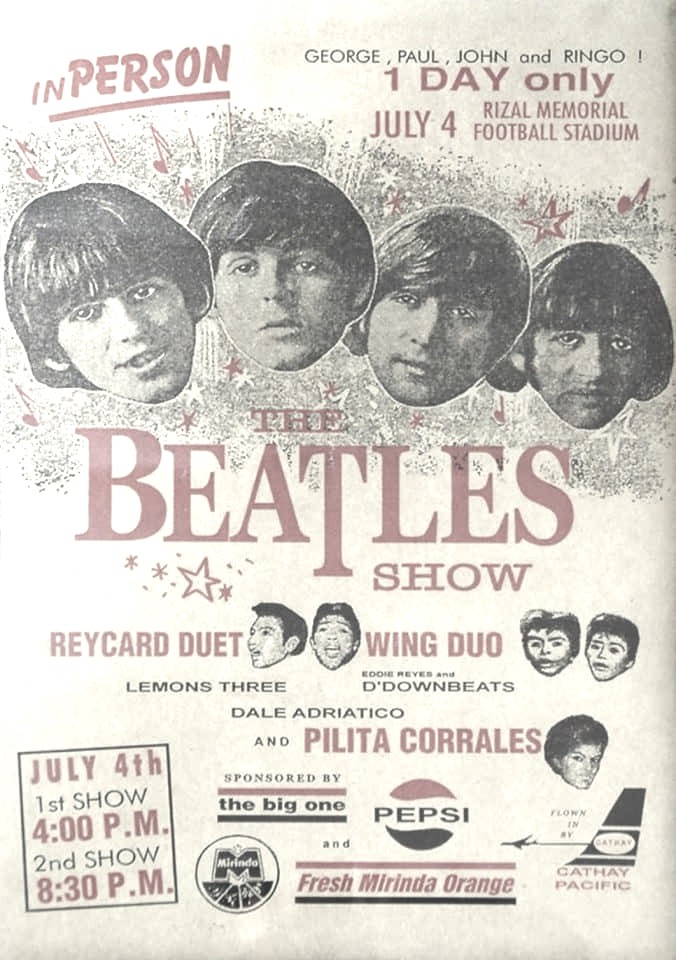
YESTERDAY, JULY 4, marked the 55th anniversary of the controversial visit of the Beatles to the Philippines in July 1966. 

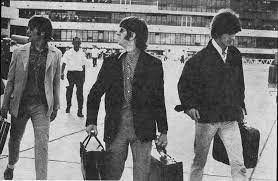
I was 12, in transition between grade school at La Salle Green Hills and the Philippine Science High School, when the Beatles came to Manila. I can still remember that day, the 4th of July, quite clearly. We were living in Pasig, and my mom and I took a bus to Quiapo, from where we were going to take a jeepney to go to the Rizal Coliseum. She was going to take me to see the Beatles, perhaps as a treat for having made it to the PSHS, a school for smart kids. I certainly felt smart. I knew all the Beatle songs by heart. We didn’t have a record player, but I listened to them on the radio, and sometimes on our neighbor’s TV, when they appeared on the Ed Sullivan Show. We didn’t have tickets, but I was sure we could buy them at the gate. 

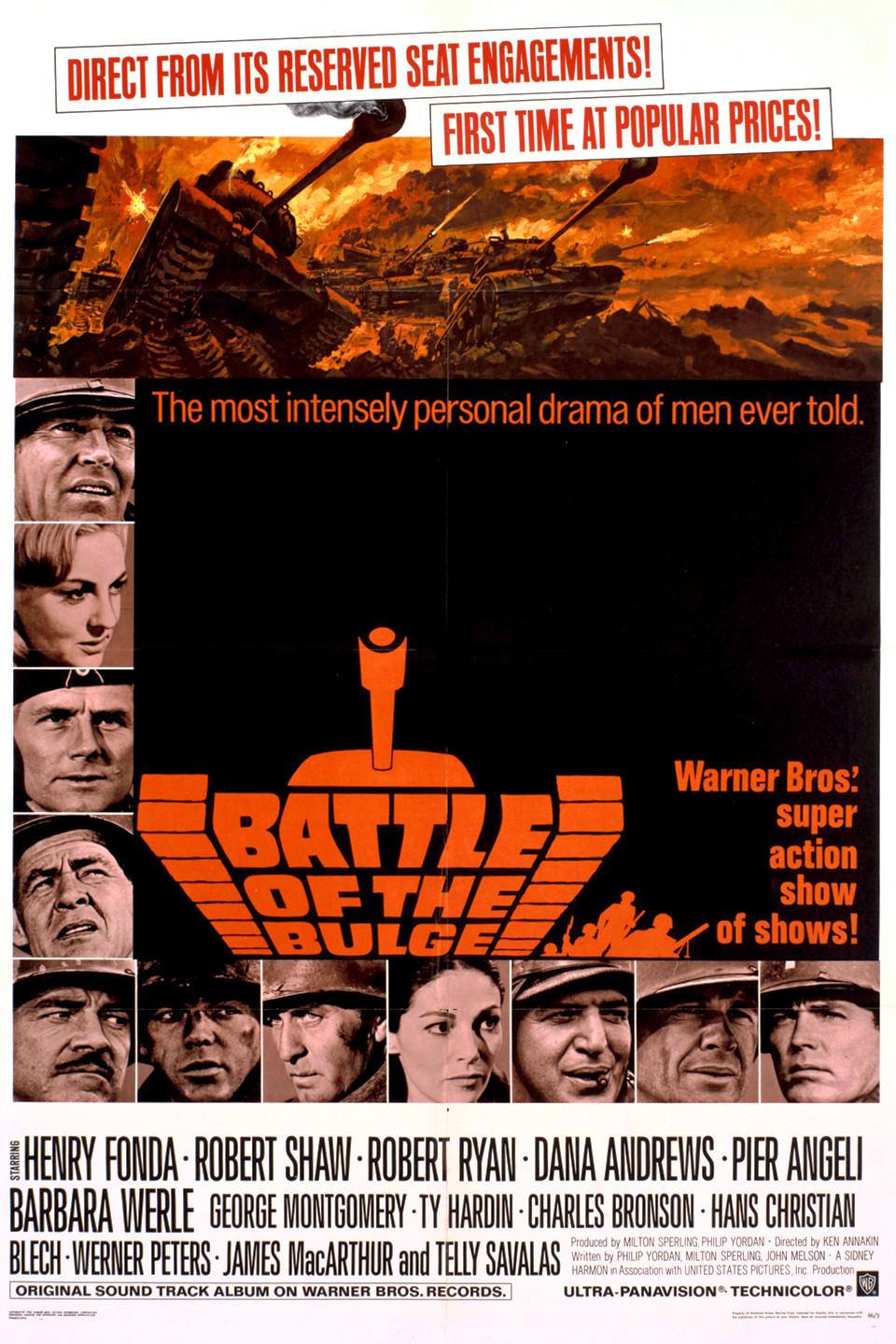
We got off at Quiapo, in front of a new theater that had just opened: the Cinerama, which boasted something called “Sensurround,” guaranteed to make you feel an earthquake in your seat. The theater’s inaugural offering was a war movie titled “The Battle of the Bulge.” My mom stopped on the sidewalk, looking up at the marquee. “Let’s watch this instead,” she said. And so we did, and so I missed seeing the Beatles; you could say that I almost saw them standing there.

I was in grief, although to be fair to my mom, the movie was fun, full of tanks and military mayhem.

Not long after came the news that the Beatles were being chased out of the airport by an angry mob, and the story I got was that they had failed to show up at Malacañang for what would have been a command performance. I could imagine Bongbong—three years younger and a few grades behind me at La Salle—standing forlorn on an empty stage, waiting for the stars that never came. I felt torn between sympathy for him and my allegiance to the Fab Four. I thought that the rude send-off was too much, but I also couldn’t understand why the Beatles couldn’t have swung by the Palace and sang a song or two. How hard was that? 

Today, more than 50 years later, I think I can understand that ambivalence. In 1966, Ferdinand Marcos was very much the good guy—heck, he was the guest of honor at our graduation in La Salle! (Incidentally, the sons of his presidential opponents—Diosdado Macapagal and Raul Manglapus—were also in the same school.) He had just assumed the presidency, and still exuded the charisma of a winner. While a private impresario had brought the Beatles over, they were—in some fuzzy official sense—guests of the Republic, hosted by no less than the President of the Philippines. They were ambassadors of goodwill, of the Republic of Liverpool or wherever they came from, and it would have been a normal courtesy to pay a visit to Malacañang for some polite chit-chat and indulge their hosts with a song or two. 

John could have leaned over to ask the young Bongbong, “What’s your favorite song of ours?” while Imelda looked on with a glowing smile, and Bongbong could have shyly answered, after some prodding, “She loves you ye-ye-ye….” Whereupon John would have winked at Paul, who would have protested “But John, we didn’t bring any instruments with us,” leading Papa Ferdinand to pull a curtain aside to show a full array of Gibson and Rickenbacker guitars and Ludwig drums. And that would have led to one, two songs, the obligatory encore, with Imelda and Ferdie launching into an impromptu dance, and cheers and laughter all around, culminating in a Rajah Sikatuna award or some such for the quartet.

But of course none of that happened. The Palace invitation went unanswered, the catered leche flan cooled and curdled, and the tapping of Ferdie’s and Imelda’s fingers on their hardwood armrests telegraphed disbelief, then irritation, then anger. A dejected Bongbong might then have muttered, “I like the Rolling Stones more, anyway….” Ferdie would have whispered a few words to an aide; Imelda would have stood up, and with a wave of a hand ordered all the dish covers and warmers shut—“Serve it to the dogs!”—and retired in a huff to a drawing room. Meanwhile the Palace aide would have gone down to the Beatles fans gathered at the gates below, and ordered them to go home: “They’re not coming. They snubbed the President!… Who do they think they are?”

“More popular than Jesus,” of course, John had said in an interview with a London newspaper just four months earlier, commenting on the general decline of faith in modern life more than anything else, but now was a perfect time to lift that out of context and expose the Beatles as heathen ingrates. Southern Baptists burned their records and the Ku Klux Klan picketed their US concerts. Some Pinoys chased them to their plane—as many others wept, just to make that clear; to them, the Beatles were certainly more popular than Marcos.

Penman No. 417: From Cory to Covid: An Alternative History

for the Star’s 35th anniversary, July 2, 2021

WHEN THE Philippine STAR was founded 35 years ago, we were still enveloped in the euphoric glow of having successfully deposed a dictator peacefully and installing an icon of democracy in his place. I was one of that happy throng on EDSA celebrating what we believed was a new dawn of hope, a fresh opportunity for our people to grow in freedom and prosperity. Like many writers, I ran out of metaphors and superlatives to describe that moment, which seemed nothing short of miraculous. 

Nowadays it has become commonplace—indeed even fashionable in some quarters—to revise and reject that narrative, and to claim that it was a foolish mistake to have replaced a seasoned politician with a rank amateur. Martial law wasn’t so bad; no wanton thievery took place; only a few were hurt for the good of the many; we were never so disciplined, and our streets were never so clean.

How we came to this point—like the resurgence of Nazism in Europe and of racism in Trump’s America—is for me the great mystery of those 35 years, an arc of sorts marked by Cory on one end and by Covid on the other. There’s certainly no pot of gold at the end of this rainbow, as should happen in fairyland—which we rather quickly realized, right after EDSA, was not where we were.

For some such as Jose Rizal, Alexander the Great, Wolfgang Mozart, Manuel Arguilla, Bruce Lee, Eva Peron, and, yes, Jesus Christ, 35 years was a lifetime. You could have been born in a hospital while the tanks were massing at EDSA, and died this year of Covid, gasping for breath in that same place. Had that happened to me, I would have protested and pleaded, albeit inaudibly through my tubes, that it wasn’t fair, that I deserved a peek over the horizon, at least through to the May election, to see if it was worth the wait—or not, and then slink into sullen slumber. 

During that time, I grew from a young father and a writer on the verge of a teaching career to an aching retiree surrounded by old books and creaky machines, and I have to wonder if our nation fared better and learned as much. Or should I say “unlearned”? At EDSA I learned to hope, to trust in the ideal and the good again, to have positive expectations of the new century looming ahead. FVR and his “Philippines 2000” thumbs-up may have seemed hokey at the time, but there was a genuine spring in that step, a sense of things going in the right direction. And then they began falling apart, the old mistrust and suspicions returned, and we took one president down and nearly succeeded with yet another.

But it wasn’t just us. The closing decades of the 20th century were a time of sweeping changes all over the world. Soon after Marcos fell, a tide of reform and revolution washed across Eastern Europe and eventually into the Soviet Union itself; that union collapsed, the Berlin Wall fell, and it seemed like the era of dictators and despots was over, but it was not. With Hong Kong in its navel, China morphed into a commercial colossus, proving that freedom and capitalism do not necessarily go together. The 1997 financial crisis shook the planet.

After 9/11, whatever remaining hopes we had of a better new century vaporized, and the new specter of terrorism now stalked the globe. Barely had ISIS retreated from the sands of Syria when a new and even more insidious plague, Covid-19, threatened to annihilate mankind. 

Others will remember this period as the age of cocaine, corporate greed, mass shootings, and, generally speaking, a culture of excess, of over-the-top indulgence on whatever floated your boat: drugs, sex, money, power, toys. Very few people had actual access to them, but the media—that’s another whole story—kept glorifying vice as virtue, until many began to believe it well enough to dream. It was Dickens’ “best of times and worst of times” all over again.

That would be the sober—and sobering—summary of what tomorrow’s history books will be saying about those decades. But of course—and thankfully—it wasn’t all politics and the misery that often comes with plays for power.

There’s a part of me that wants to tell the story of these past 35 years as the rise of consumer technology toward near-total domination of our daily lives. Humor me as I recall little vignettes to show what I mean.

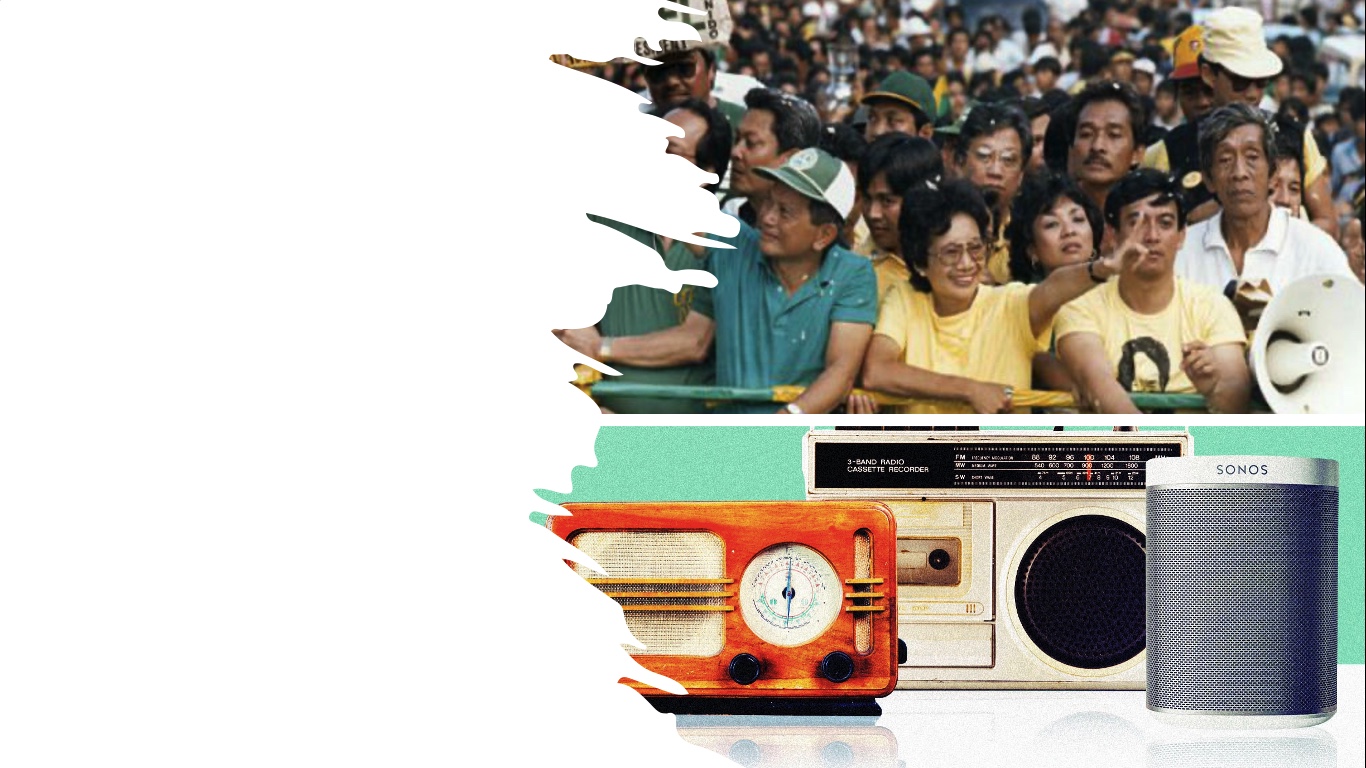
When the EDSA uprising broke out, we heard the news over a big black Panasonic radio-cassette player that I had picked up years earlier at the Zamboanga barter trade place (along with the obligatory sotanghon and White Rabbit candies). It was—beside our 12-inch, black-and-white, red plastic-bodied TV—our news and entertainment center in the boonies of San Mateo. It sat on our dinner table, accompanying our meals like a permanent guest, sometimes directing the conversation.

When it spewed out the news that something dramatic was taking place at EDSA, and when we heard Cardinal Sin calling on people to go, we knew we had to. Not long after, we piled into my VW Beetle, turned on its radio for updates, and headed for the trenches. For the next few days or so, radio was king, whether at home, in your car, or in your pocket (yes, boys and girls, there was pocket radio; TV was around but only the coolest people had portable versions).

I missed out on most of the Cory years because I went to America for my graduate studies, and there I became anchored to the payphone for my calls home, clutching a handful of quarters to feed the machine. I had hand-carried an Olympia typewriter to write my thesis on, but then I discovered computers, and in 1991 I lugged home a 20-pound behemoth with all of 10 megabytes to fill up. I felt like a gunslinger—I was going to write the next Noli, protect the weak, and get justice with one floppy disk after another.

Nothing would define the ‘90s more than the personal computer, and I soon equated the machine with creation, the blinking cursor with a challenge to produce. I drooled (and lost the plot) when I watched Scully and Mulder hunched over a super-sexy PowerBook 540c in the X-Files, and when I got my own, it was like Moses receiving the tablets—with a trackpad and an active-matrix display. 

Soon another gadget emerged with which we felt even more tethered to some central brain: the pager, whose insistent buzz enhanced our importance, even if it all it asked was where you were and could you please come home. Fake news had yet to be invented as a cottage industry, but a lot of it, I’m sure, went through EasyCall and PocketBell.

By the time the next EDSA happened, we had something far snappier and more personal than radio with which to undertake regime change. Yes, I was now writing speeches on a Mac, but the messages flew thick and fast on a new gadget—the cellphone. If EDSA 1 succeeded because of radio, this iteration flew on the wings of SMS, the millions of texts (the jokes, the rumors, the calls to action) whose accretion would spell the end for an inebriated presidency. 

As it happened, 2001 would be memorable for another image seared into our consciousness: the collapse of the Twin Towers, brought to us slightly delayed and in full color by satellite TV. We’d had TV before, of course, but had always seen it more as Comedy Central, a box to gather the family around. CNN changed that, and brought the world’s torments to our living rooms. Cheaper TVs, one in every room, had long fragmented the family, especially when Betamax and VHS, the precursors of Netflix, became available.

A few years later, a cellular phone call and a recorder almost took another political giant down, causing millions to gasp and laugh as the tape was replayed on TV and radio over and over. “Ang importante hindi madamay yung sa itaas,” said a female voice, which was exactly what happened. That year, 2005, was also the year a platform called YouTube was born—and thanks to YouTube, the tape can still be heard, for all digital eternity.

Indeed, video, the Internet, and social media would soon change the political and cultural landscape, not just here but the world over, although the Pinoy—perhaps in response to that elusive quest for Olympic gold—has towered over much of humanity in terms of Facebook usage (and earlier, in SMS transmissions). One way of putting it would be that we are the world’s champion usiseros and chismosos, resorting to Twitter or Instagram at the merest hint of an idea, no matter how malformed. 

Today we have an abundance of information and information sources at our disposal—and yet we seem to be as ill-informed as ever, with opinions shaped and manipulated by Sith Lords in the Dark Web. Dismissing newspapers and editors as gatekeepers of the truth—which not all of them have been—we create our own versions and peddle them instantly for a thousand “likes,” the supreme accolade of the early 21st century. Most others might prefer to be simply receivers and forwarders of whatever crosses their screens, the passive agents of mindlessness.

Thirty-five years ago, we drove to EDSA on pure conviction that it was the right thing to do. Without Twitter or even SMS, no one could tell us “Right on!” or “Me, too!” We listened for scraps of news and turned them over and over in our hushed minds; we could be killed; we could be free; would our friends be there; what else did we study for. It was a long drive from San Mateo to my in-laws’ place in Project 4, where we parked the car and walked to EDSA. It was a lot of time to think. 

Thirty-five years is a lot of time, but looking around today, with Filipinos still dying by the gun or by drowning in one’s own fluids in some alien hospital, I have to wonder how this narrative arc from Cory to Covid will end—or how much longer it will go, at least in my lifetime, which naively still yearns for a happy ending.

Penman No. 407: Fifty Februaries

Penman for Monday, February 15, 2021

FOR A certain segment of that generation called the “baby boomers”—people now in their mid-60s and 70s—this month will bring back memories both poignant and painful, harking back to a time when the unbridled fun of the 1960s (think of the Beatles, Woodstock, and Barbarella) was rudely replaced, top of mind, by the all-too-serious clamor of revolutionary politics.

I was 16 and a Philippine Science High School senior when I joined my first big march on January 26, 1970, and had just turned 17 when the nine-day-long “Diliman Commune”—whose 50th anniversary came last February 1st—was put up by students like me as a spontaneous response to what we saw to be an assault on the University of the Philippines campus by military and police forces.

I have many vivid memories of that uprising which I have dealt with in essays and in my first novel, the highlights of which include standing sentry at Area 14 with a kwitis and a home-made Molotov cocktail, as if either of them would have saved me in case of an attack; sneaking out of campus in Dr. Fred Lagmay’s little car to publish the Free Collegian; and being in the DZUP booth as a comrade played a tape of “Pamulinawen” (those of you old enough will know the reference).

Ironically, that anniversary took place at a moment when, once again and half a century after the Commune, UP and other universities were being tagged as leftist “havens” by people with very different ideas about what universities should be doing. This was the same half-century, come to think of it, that produced far more UP-alumni presidents, senators, congressmen, mayors, CEOs, entrepreneurs, lawyers, doctors, artists, scientists, singers, comedians, and even AFP officers than Red recruits. 

But let’s not go there. I don’t mean to engage in political polemics as much as to wonder how time and distance can change people—or maybe not. The freshman me, who carried that incendiary bottle during the Commune (and maybe thankfully never got to throw it), grew up to be a potbellied and balding professor of English, much to my own surprise. Ours was a generation (as our dear editor and my fellow time-traveler Millet might remember) that did not expect to live long, and so like Achilles, we did what we felt had to be done as soon as we could do it; history was theater and we were actors in it. Less than two years after the Commune, and fresh out of martial-law prison, I met Beng—to whom, against all odds, I remain married after 47 years.

To survive that long is both wonderful and perplexing, especially when we seem to be hearing the same refrains all over again. It’s hard to tell where you are when past and present seem indistinguishable in some ways, except that you now see an old man where the young buck was in the mirror. You pity the small boy at your knee who has to go through all that on his own; you want him to be safe and not take foolish risks as you once did—but he is even smarter than you, and you know he will.

They asked me to give a short speech in UP to commemorate the Commune, but instead of a talk I chose to write and read a poem (with apologies to Janis Ian) about what it was to be seventeen fifty Februaries past, and here it is:

AT SEVENTEEN

At seventeen I raised my left fist to the sky

And held, in my right hand, 

A bottle filled with gasoline—

And far more flammable,

Admixtured faith and folly,

Courage and a thumping fear

That my life would not last much longer than

That hour, at once so still and pensive,

The tall grass around my outpost

Silvered by some distant light.

A “Molotov cocktail” was what they called

That lethal brew, its ragged tongue the sacrifice

Of someone’s cotton underwear, its fuel

Of someone’s ride to Bulacan,

And my right hand, the young elastic limb

That would toss this long-tailed dragon to the sky

Against the dark-faced enemy, my arm,

Myself, the new, rough-hewn, imperfect

Oblation of that fraught age.

I was, I told myself, prepared to die

And perhaps I might have even 

Believed the lie. 

I never threw that bomb, nor any other

Of the kind. The enemy was more

Deceitful than I thought, refusing to appear

Just then—although I’ve seen him since, 

In the old FC and AS and Quezon Hall—

And I even stopped once to ask, “Excuse me,

Do I know you?” because I thought I did.

The intrepid and unwary die.

The articulate survive, to write poems

And raise fuseless cocktails with their right hands

While their left fingers cradle Marlboros

Or tap out the cadence of muted anthems

Once sung to red flags cresting in the wind.

These days I hold nothing

More menacing than hat and cane.

I should have feared, at seventeen,

That I would live this long, that I would know

Waywardness of memory and uncertainty of step—

And still, from time to time, looking down

The long, unfolding scroll of University Avenue,

Feel barricades of salvaged wood

And gathered stone rising in my chest.

Penman No. 405: A Serenade of Crickets

Penman for Monday, January 18, 2021

EVERY MORNING, I wake up to the sound of hundreds if not thousands of crickets chirping in my ears. I will hear them for the rest of the day—every second of every minute of every hour—until I fall asleep. There is practically no escape—not earplugs, not even the “white noise” prescribed by websites, unless it (or some music) is played at intolerably high volume. Pressing my palms against my ears merely adds a percussive instrument to the orchestra, the thump-thump-thump of my beating heart.

We live on the UP campus in Diliman, in the shade of towering mango trees. For some time I simply assumed that there were, indeed, choirs of crickets up in those branches, making love or at least just making noise, as crickets are supposed to do. And then one day I undertook a foolish experiment—foolish, because what hadn’t been a problem suddenly became one. I went to a place where I was totally sure no crickets would be found, or no external sounds would get through—and I still heard the same relentless hum. It was in me, with me, wherever, whenever.

A small voice in me says I should be panicking and screaming. I remember an old horror movie I saw on TV as a boy, where an insect—which I would later learn was an “earwig”—crawls into a man’s ear and stays there, deep in his ear canal, and burrows into his brain, until it turns him into a raving lunatic. A doctor performs a delicate operation and—much to the man’s relief—takes the wriggler out. At that point, the doctor holds up the dead insect in his pincers, and gravely announces that “It’s a female—and it seems to have laid its eggs.” The patient screams, and screams.

There have been times, these past many months under lockdown, when I’ve felt that way, as if some dark fluid monster had insinuated itself into my brain, my body, and indeed my spirit. I emerged from sleep drowning in a huge flood compounded of fear, sorrow, and regret over everything in general and nothing in particular. The mere mention of another friend’s death or intubation sent my imagination spinning, asking questions for which I had no answers, like “What will be worse—passage into a black void with no consciousness whatsoever, or into immortality, forever aware of every little thing in the universe, and also forever alone?” I knew what people would be telling me—have faith in a heaven, in angels, in the enveloping welcome of a blinding grace, and as a good Christian schoolboy I found comfort in those pastel promises of deliverance. But it was hard to believe anything in the state I found myself in, where even familiar walls and ceilings seemed inescapably malignant. 

It probably didn’t help that as the long lockdown began, I resolved to use the time to catch up on a heavy backlog of writing jobs going back years, and against all odds managed to complete the drafts of five book projects within five months in a dizzying frenzy. I felt superhuman, until I woke up one morning feeling all hollowed out.

Before long, I realized and had to admit that I was going through bouts of anxiety and its flipside, depression. This came as a huge surprise to someone who had prided himself on his wakefulness and presence of mind. In my last job before retirement as my university’s VP for Public Affairs, I had been constantly on call to the media and to the community at large, explaining our policies and positions with what I hoped was clarity and composure. Suddenly all that coolness vanished; I felt uncertain, tentative, unmoored.

A call to a psychiatrist-friend led me back on the slow road to wellness; I’m still on it, managing from day to day with a combination of medication, exercise, prayer, and time for nothing but nothing (ie, Netflix, fountain pens, old books, and typewriters). Beng and I dream idly of our next adventures in faraway places—St. Petersburg, before the Covid curtain fell. I find it relaxing to watch an hour-long YouTube video on “codicology,” the archaeology of old books, as well as another on the recovery and restoration of a 1937 Bugatti Atalante. I am nourishing my sense of wonderment again, finding reassurance in a remembered past to which we all hope to belong.

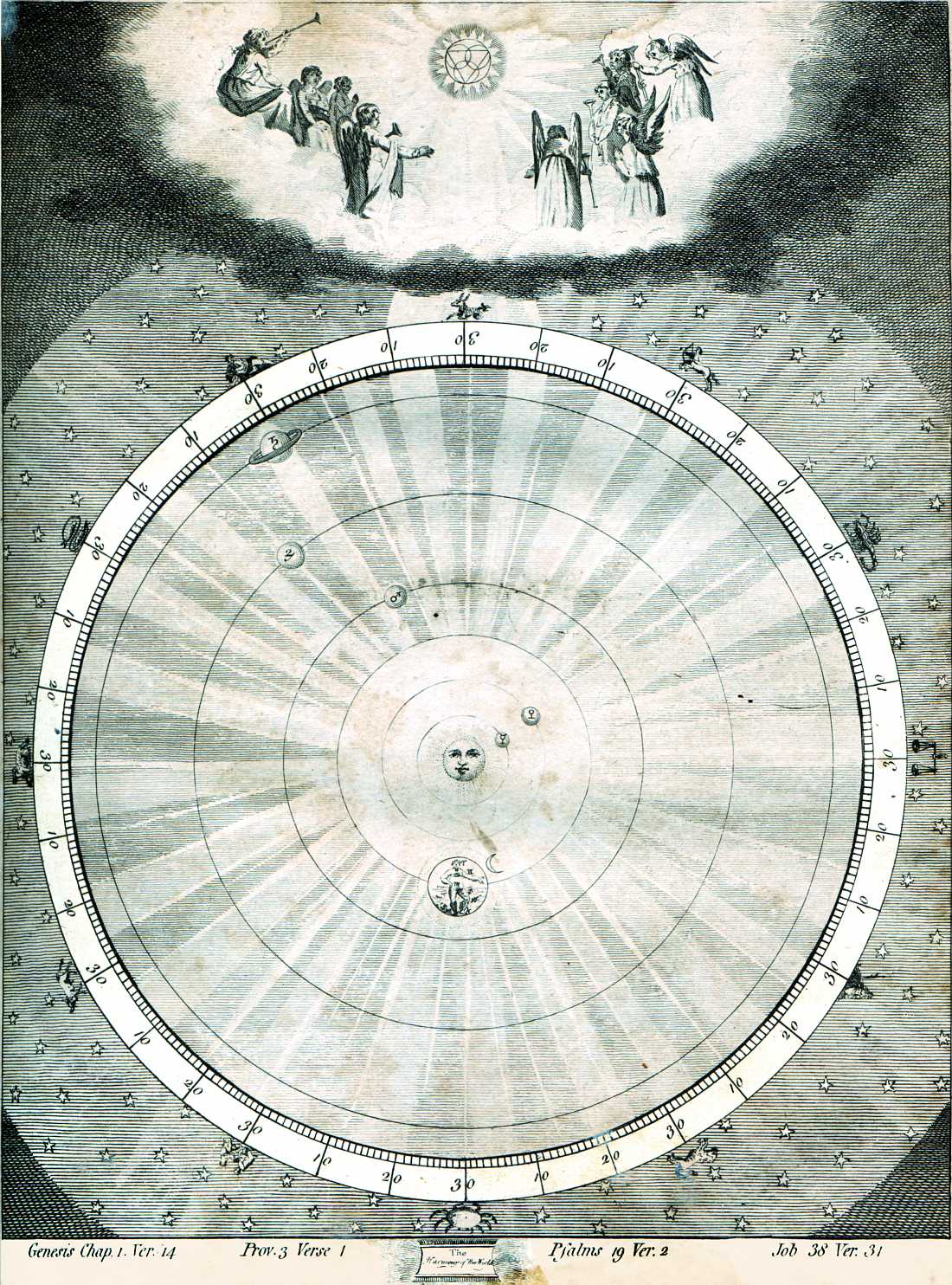
The only downside to my recovery has been this case of tinnitus, this constant ringing in my ears, listed as a rare side effect of my antidepressant. I recall from my graduate studies that the ancients posed a theory about the “Music of the Spheres,” supposedly the harmonious hum produced by the movement of celestial bodies in space, imperceptible to the human ear. Fancifully I imagine that perhaps I had broken through some dimensional barrier and was hearing this orbital buzz.

But a serenade of crickets seems just about right, and may be a tolerable price to pay for a patch of sanity. Turning 67 last week, I thought of all the books I have yet to write in the time I have left, and for which I have to stay sensible and alert. The crickets remind me there is time, and no need to hurry toward that inevitable infinitude of absolute silence just ahead.

Penman No. 399: Teacher’s Travails

Penman for Monday, October 26, 2020

WE CAN’T let this month pass without remarking that World Teachers Day came and went last October 5—the same day that 22 million public school students forcibly entered the digital age in the Philippines, many probably kicking and screaming, or more likely staring at a spinning wheel on a tablet screen or a blank wall.

Covid has wrought what two decades of wishful thinking on the part of some futurists could not—a mass migration to distance education, with students responding to their teachers’ questions from a hundred kilometers away. No more long commutes, no more packed lunches, no more fooling around at the malls after (or during) class. 

At least that’s the dreamy theory. As millions of Filipino parents are discovering, being housebound with their kids, tethered to a tablet or laptop and doing Math and Reading with a child more interested in recess, isn’t exactly a recipe for familial harmony. 

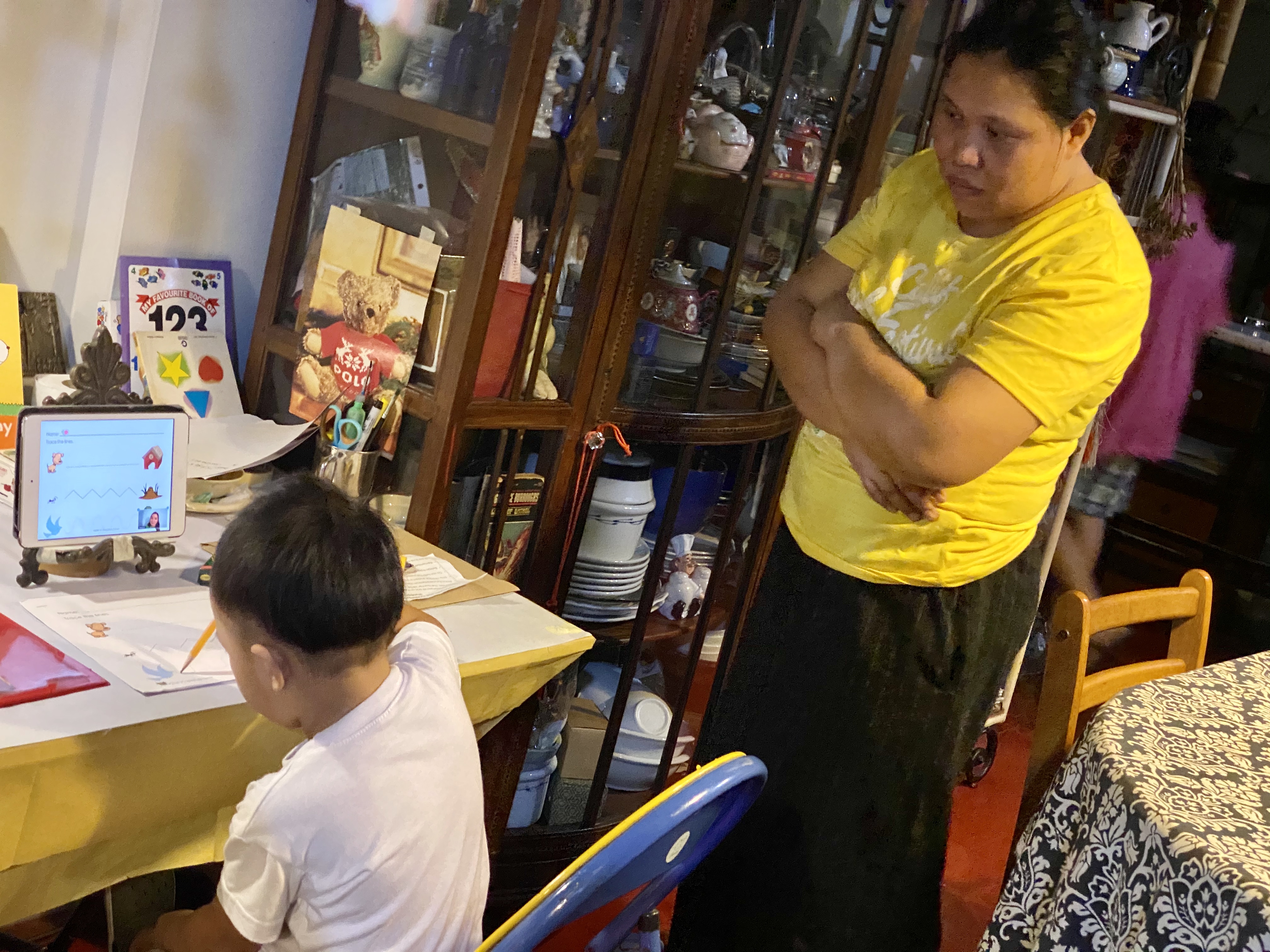
We know this for a fact because our resident apu-apuhan Buboy, now in senior nursery (how can a four-year-old be in any way “senior”?), has been showing all the signs of juvenile rebellion, ducking beneath his chair and the study table we’ve set up for him, while his classmates dutifully recite their ABC’s and 123’s, to the dismay of his mom, our faithful housekeeper Jenny, who keeps him company throughout his 90-minute class. Buboy also finds great delight in seemingly making fun of whatever Teacher says, repeating his own exaggerated version of “Children, be kind!” and similar admonitions.

It’s not that Buboy can’t handle technology. Like many kids today, he’s a digital native, able to turn on an iPad and navigate YouTube on his own. When the Internet is slow, he’ll tell his Tatay Butch that the “signal” is weak and that the image is “loading.” He can’t read yet, but he knows what “USB” is and, perhaps dangerously, can jam a USB device into its port, properly oriented. I’ve heard him trying to coax Alexa into singing the ABC song, and my daily playtime with him invariably includes putting him in the driver’s seat of the Suzuki Jimny, from where he punches all the buttons within his reach, wrangles the wheel and gearshift, and pretends we’re driving to Bicol (the only other place he knows, aside from Cavite, his grandparents’ domiciles). I’ve promised to give him the Jimny when he grows tall enough for his feet to reach the pedals—for which he first has to eat a lot of rice and vegetables—and I have no doubt he’ll hold me to that pledge, when the time comes.

It’s not that he’s inattentive, either, because Jenny says that Buboy regurgitates the day’s lessons in his bugoy way when they’re alone after class, as if to say, “I was listening, okay? I just wasn’t that interested.” Younger than most of his classmates, Buboy has to catch up on reading and arithmetic, but we’re not worried—the learning will happen sooner or later, one way or another, and the more important thing is for him to have fun in school, not an easy thing when all you see are faces on a screen. The onus of keeping Buboy and his like focused and occupied is on moms like Jenny, who now have to be co-teachers on top of everything else.

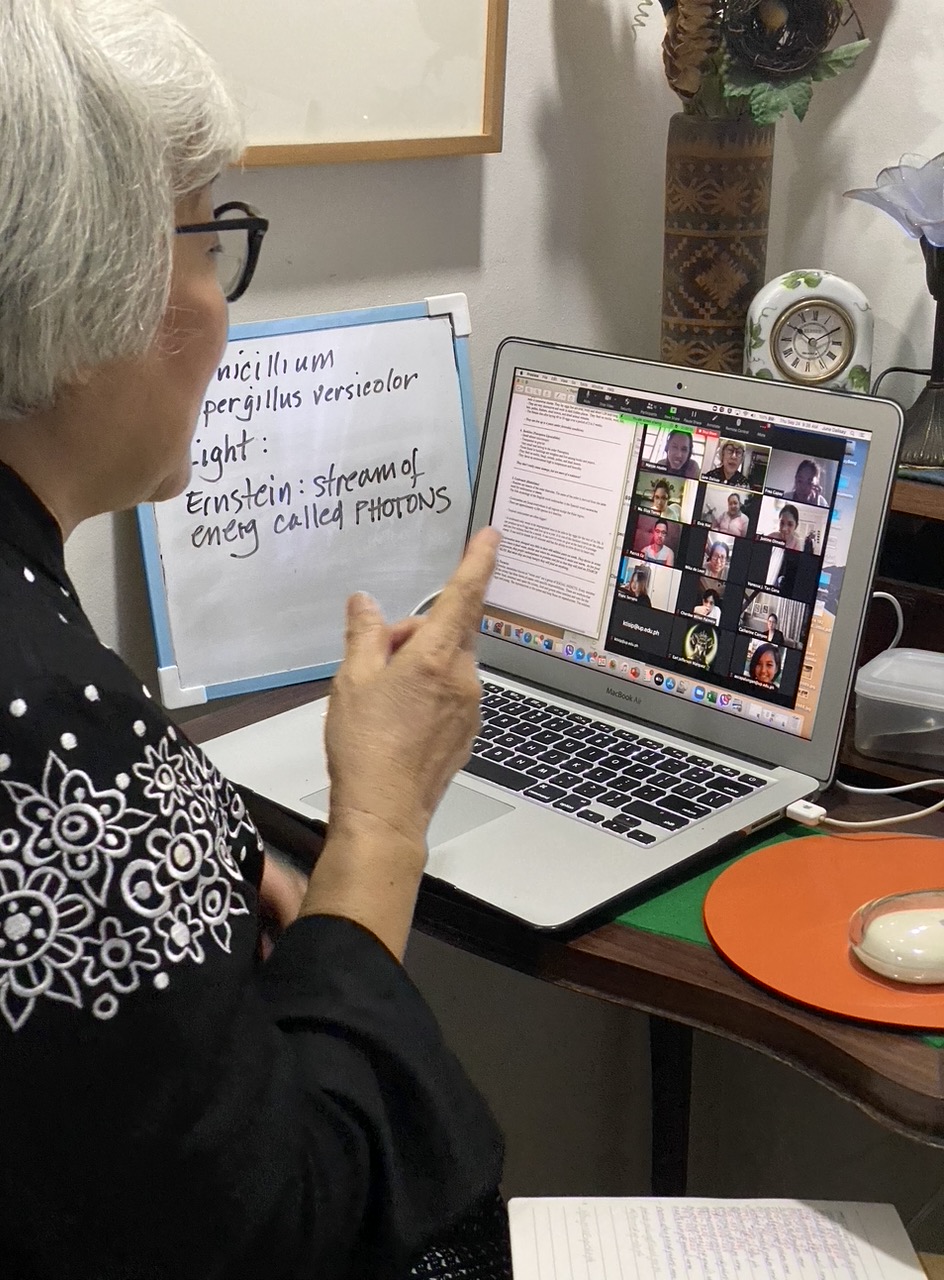
The other person at home adjusting to the new normal is my wife Beng, who is teaching at UP for the first time in her long career. She’s done many hands-on workshops before, but teaching Art Conservation online is a bit like learning cooking by reading the recipe. Beng was literally in tears when she was cobbling her coursepack together before the semester started, wondering what she had gotten herself into, but peeking over her shoulder during her biweekly classes (she calls me her “Assistant Emeritus”), I can see that she and the kids are having a grand time, despite the weak wi-fi and the inevitable absences.

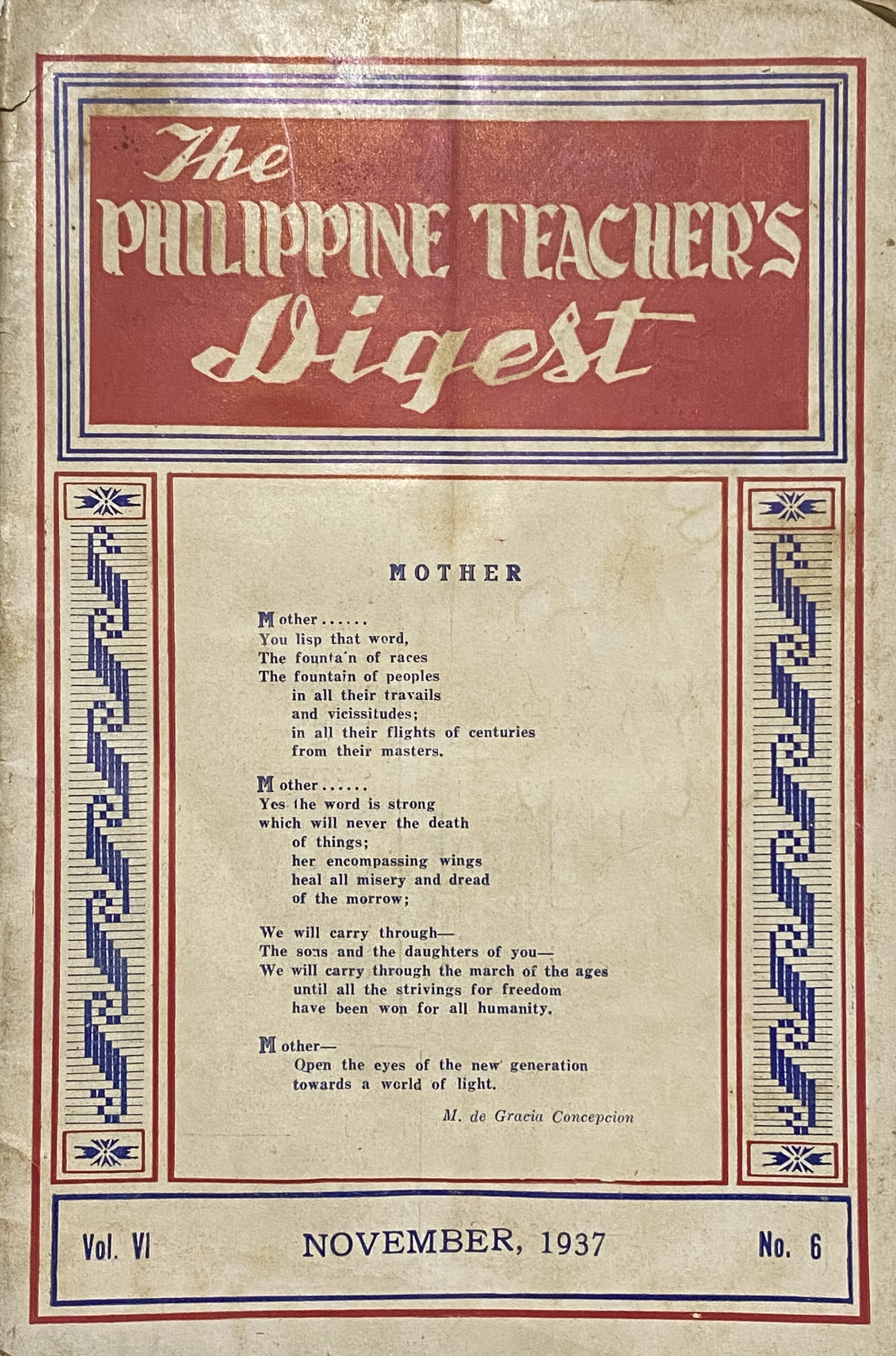
So all this will pass, as we’re constantly being reassured, and maybe it will. I just happen to have a copy of the October 1932 issue of the Philippine Teacher’s Digest, and one of its US-based articles speaks of “The Maintenance of School Services During the Period of Economic Depression”:

“The school program is being restricted. It is being proposed in many communities that the schools can get along with less music and art. The health service has been crippled or abolished. Opportunities in the industrial and household arts have been removed from the curriculum. The work in physical education is less adequately provided. Indeed, there are those who propose that a return to the curriculum of a past century is the solution to the problem of the support of education.”

Eighty-eight years later, some of that still sounds distressingly familiar, as does this refrain from another article in the same issue: “Teachers strongly protest against any radical action to reduce the teachers’ salaries. They believe that the reduction of teachers’ salaries will drive from the service many efficient teachers and promising applicants…. In general, teachers are underpaid.”

Very true, but for all that, I’m pretty sure that Buboy’s teacher, his mom Jenny, and his Nanay Beng will do everything they can do stare this pandemic in the eye to make sure there’s more to his fourth year of life than cartoons, TikTok, and Gummi Bears.

Penman No. 393: Room Without a Window

IMG_4644.jpg

Penman for Monday, August 2, 2020


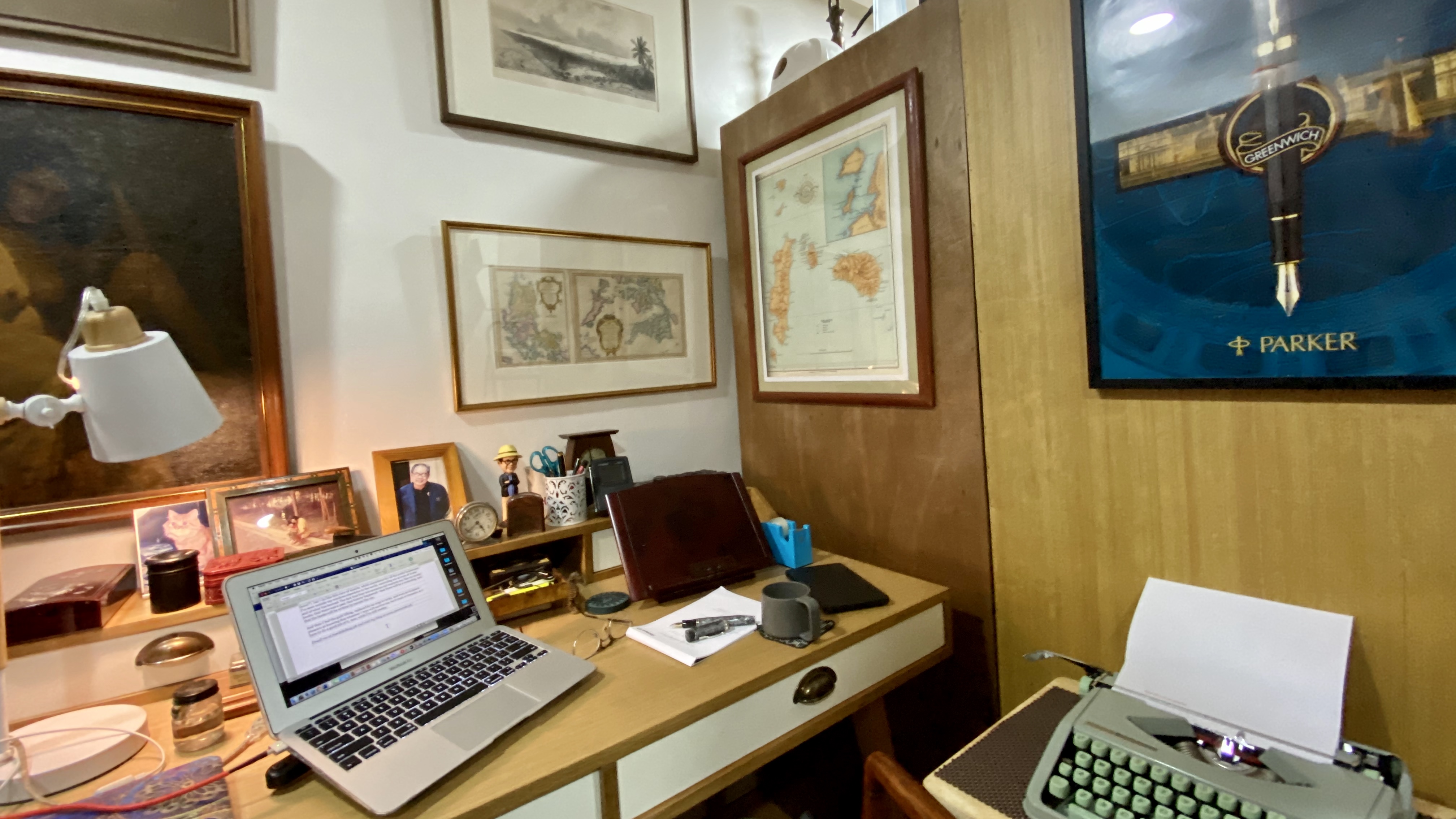
AT THE desk where I work at home—in my library-cum-man-cave—I face a wall without open windows, which can be confining and depressing, except that it’s the way I like things to be, if I want to get anything done. In my light-headed moments, I think that it would be nice to have a home office perched on top of the house, overlooking everything else, preferably water on one side and a grove of trees on the other. But I’ve lived long enough to know that faced with such beauty, I’d most likely just sit back and drift off to fitful slumber, or get distracted by some unfolding action, a moving blip that will quickly become an excuse to put off the inevitable for another day.

As I might have related here before, this “writer-in-paradise” scenario has happened to me too many times to realize that, alas, it doesn’t work. Like every young writer, I once swore that all I needed was time off in some faraway place, with a view of islands or green rolling hills and a blanket of fog, with an endless supply of coffee—and, all right, a bottle of wine and in those days a carton of Marlboro Reds—to produce the novel that would put a book with my name on the spine in every thinking person’s library.

As it happened, well—it happened. As if I’d stumbled on a fat and over-indulgent genie, I got most of my wishes (except for my Great Gatsby, not yet), in the form of writing fellowships to many of the world’s dreamiest destinations: a cliffside castle in Scotland, a Roman villa in Lombardy, and a 15th-century fortress in Umbria; in my longest engagement, I spent nine months in a Norwich apartment with a huge window that opened to what the English call a “broad,” a small lake dotted with black swans.

You’d think that visual majesty like this would beget a torrent of prose and poetry, and to be fair to my sponsors and to myself, I did eventually produce what I had been expected to. At Hawthornden in Scotland, for example—where I had been preceded by the likes of Ricky de Ungria, Krip Yuson, and Marj Evasco—I was able to write four stories in four weeks, including “Penmanship” and “Voyager,” which became the title-pieces of story collections.

Over the other stays, I labored on drafts which I completed in a mad hurry only after I had returned to Pinoy suburbia and its familiar smog, to the racket of jeepneys and tricycles and the inescapable fragrance of mangoes and bagoong. When you’re in a hostel in Paris or on a boat in Lake Como, the last thing you want to do is write; you tell yourself, in all honesty, “Right now, I just want to live,” so you breathe in the foreign air and step on the grass and imbibe the local brew (or, as I did when I first encountered the Atlantic on the Jersey shore, dip your finger into the ocean and taste it). I did a lot of living, with the writing to follow after.

All that blessed laziness would catch up with me later, in sternly immobile deadlines that consume me with what truly drives me to write and deliver—a deep and abiding sense of guilt, of having enjoyed myself too much with too little to show for the experience (even 40-plus books later, the guilt lingers). And then I turn into a writing machine, in my small room filled with the kind of knickknacks—the old typewriters, the Mabini seascapes, the Rizal bust, the box of chocolates, chips, and crackers—that tell me I’m home and relatively safe, with no one to bother me but Beng and our three-year-old apu-apuhan Buboy, who has diplomatic license to disturb me anytime.

I may have no windows where I work, but in front of me are two paintings—a nude by E. Aguilar Cruz from 1975 and another by C. V. Lopez from 1950 (which prompted Buboy to ask, “Why do they have no clothes?”, to which I could only say, “Because it’s hot!”); a large print of the Strait of Basilan from the 1840s; two hand-colored maps of the Philippines from the 1750s by Jacques Bellin; a map of my home province, Romblon, from the Atlas de Filipinas of 1899; and a poster of the Parker Duofold Centennial fountain pen from 2000. When I look at them, horizons open in my mind.

I don’t have a large collection of maps (it’s one of those little voices telling me “Don’t go there!”), but I do like this view of islands, which substitutes for all the pretty landscapes I’ve seen outside my windows elsewhere, reminding me at once of home and of the world beyond. The fact that they are centuries old assures me, like my musty books, that there was a past, that history happened—that there will be a reckoning, and that the books will be written by people like me.

And then I feel the guilt lifting, replaced by an urge to write, and even an incipient pleasure at knowing that whatever I type will survive me, be it trash or treasure, so I have to do a good job of it, now, while I’m still awake and alert to every minute ticking by.