Penman No. 95: Return to Hanoi

Penman for Monday, May 5, 2014

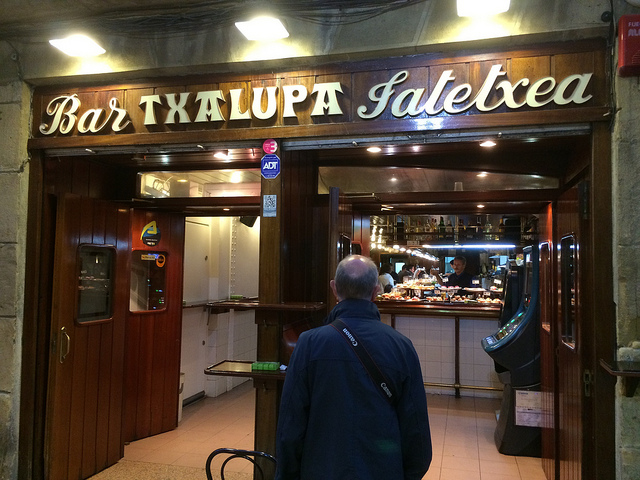
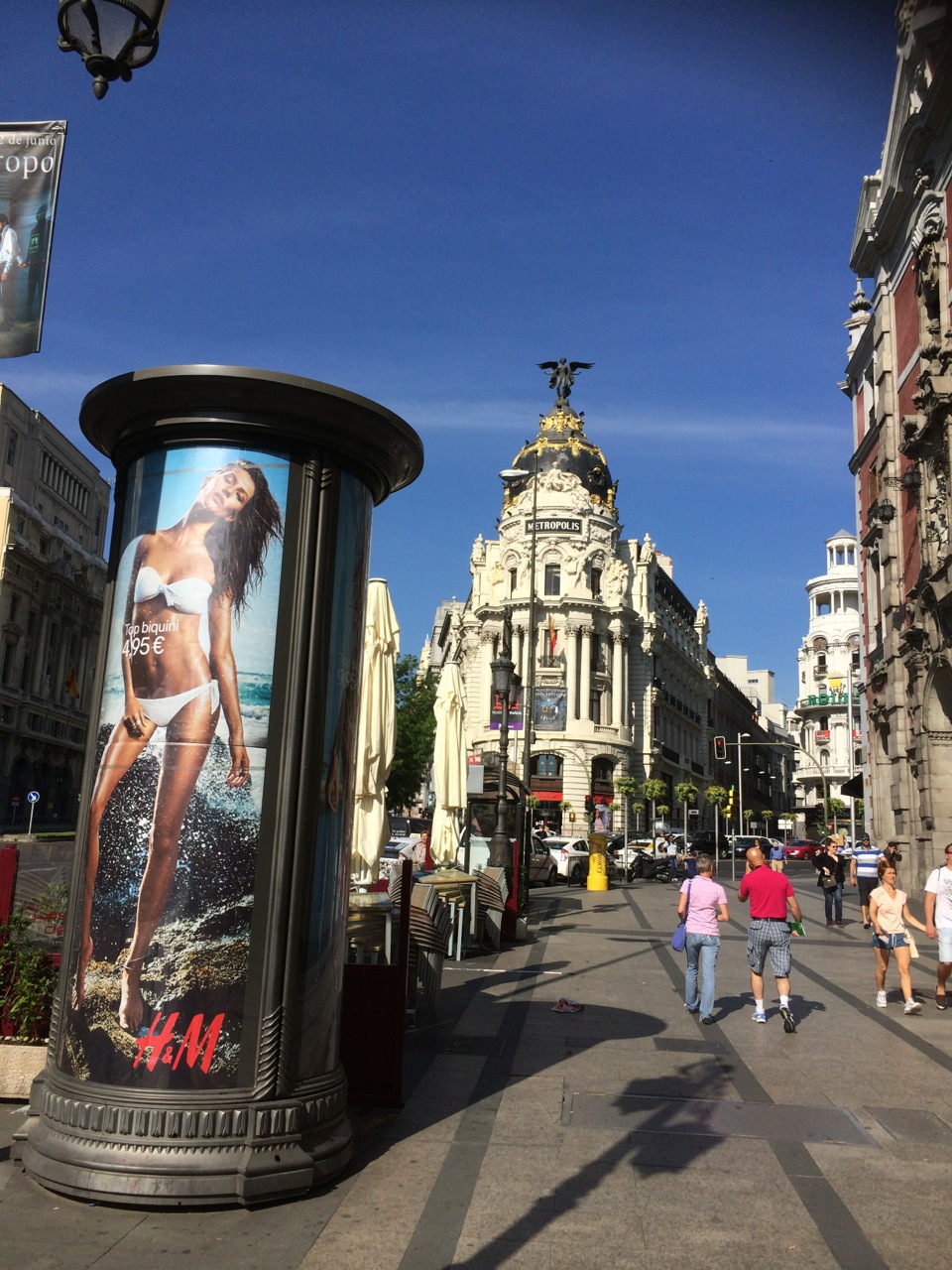
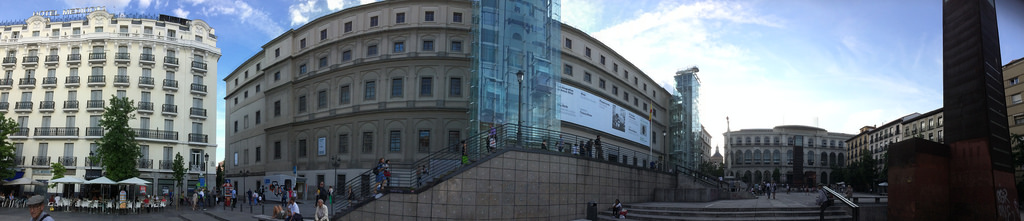
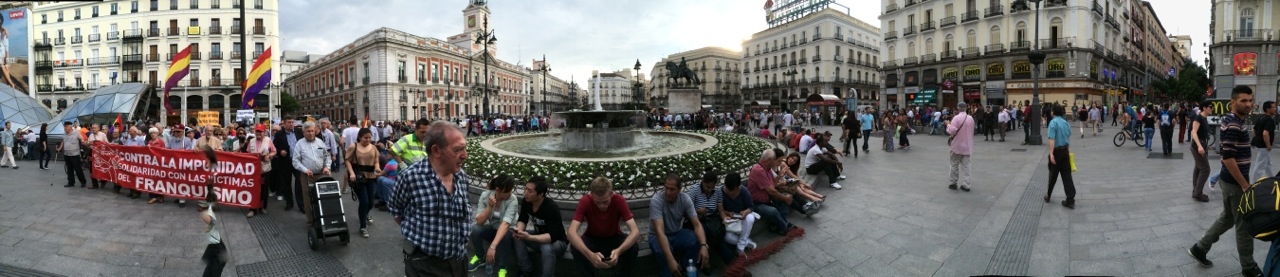
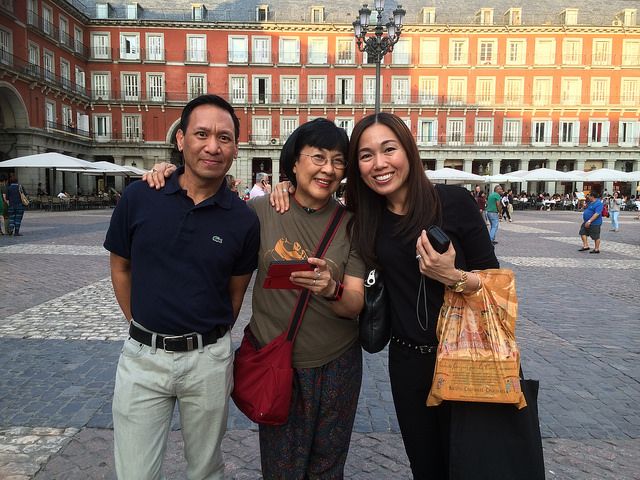
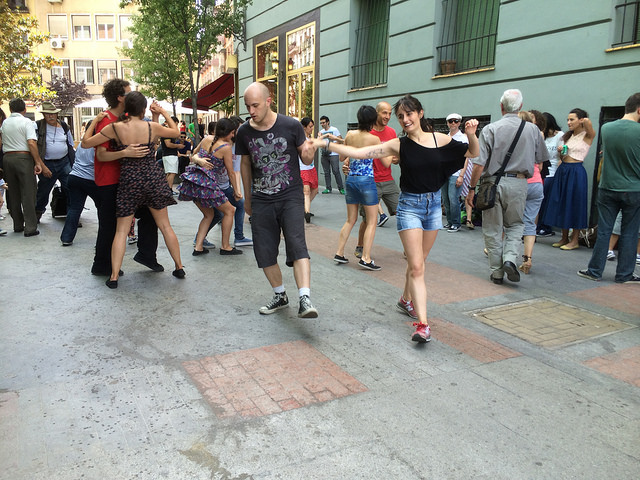
I HADN’T been back to Hanoi in 20 years, so last January, when Beng and I thought of a place to visit for the summer on one of Cebu Pacific’s promotional fares, Hanoi was at the top of my list. I’d taken Beng to Ho Chi Minh City a few years ago and we’d had a blast with the food, the history, and the shopping, so a northern sojourn seemed in order. Joining us on the trip last week were my niece Susie and her husband Toto, taking a break from their business chores and eager to be initiated into the cheap thrills of regional travel.

When we arrived past midnight, rain was lashing the city, and the unseasonable weather persisted to the next day. For the rest of our four-day stay the sky was overcast, not altogether a bad thing, as we hardly sweated on our marathon walking tours. Few people realize how far north Hanoi is, as used as we are to thinking of Vietnam in terms of Saigon, nearly as low on the map as Davao. But Vietnam is a very long, thin country, and to fly the three hours from Manila to Hanoi is to actually fly northwest, practically toward China.

While HCMC—the old Saigon—might swelter in the heat, Hanoi is happily cooler. It’s also older, smaller, and quieter than its southern counterpart, which makes for more pleasant touring. At its core, the city is lived in by just around 2 million people, so it’s a city that can still boast of a lot of greenery and free space, with sidewalks wide enough to host the ubiquitous, low-slung food stalls that the Vietnamese would probably starve to death without.

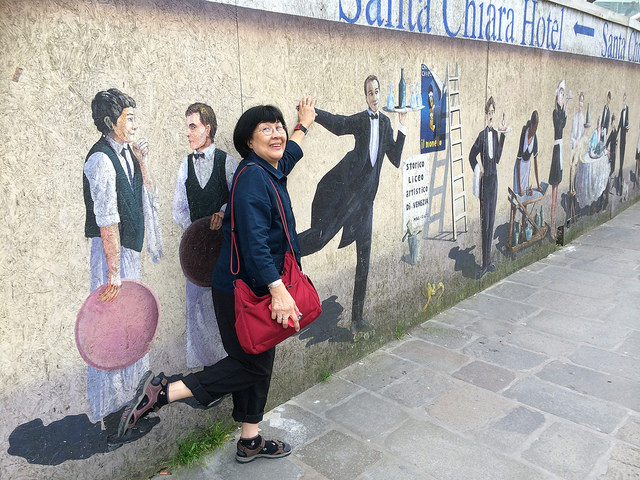
Few cities around the world can claim to be more than 1,000 years old, and that’s a milestone that Hanoi passed in 2010, to much fanfare. The event is still commemorated by a four-kilometer-long wall of mosaic art that runs along the city’s main avenue. Ranging in inspiration from Van Gogh’s “Starry Night” to comic-book art, the vibrant mural is free of any graffiti whatsoever. Paint, of course, would have a hard time sticking to the tiles, but perhaps more significantly, it’s a reminder of how strongly social order has been maintained by Vietnam’s political managers, despite its exuberant capitalism, manifest on every street and streetcorner, in the thousands of small shops that make up Hanoi’s Old Quarter.

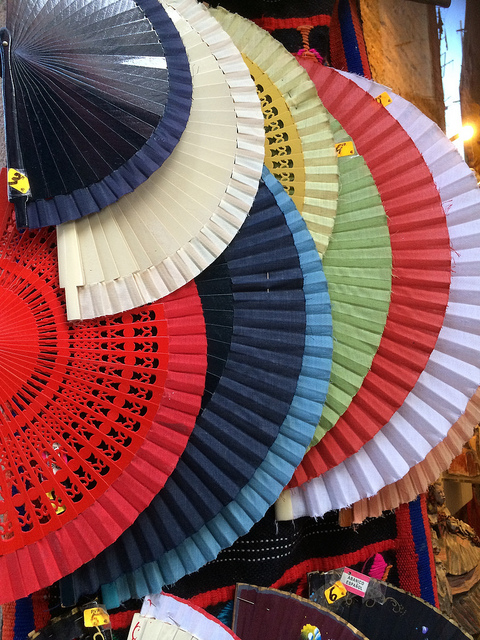
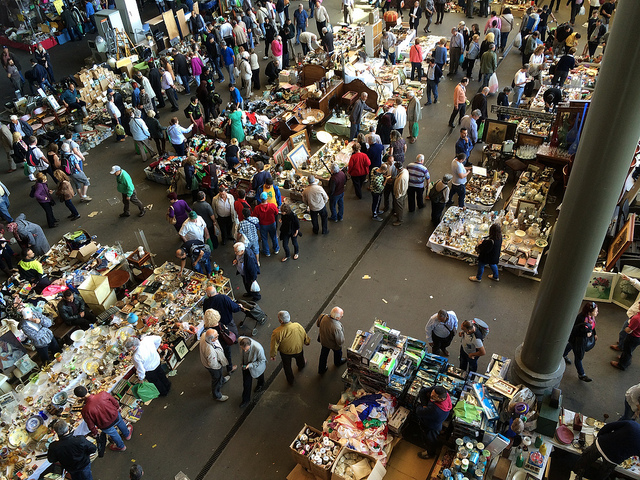
The charm of old Hanoi was in the fact that its traditional center—the “36 Streets District”—used to be devoted to guilds of craftsmen, with each guild occupying a street, the silk merchants here and the shoemakers there, and so on. Some of that remains—the silk shops and therefore Beng and Susie themselves were mostly to be found on Hang Gai street—but modernization, plastic, and mass production have inevitably worked their way into the Old Quarter, rendering swaths of it indistinguishable from other streets in Shanghai, Bangkok, and Kuala Lumpur. All these are signs of the energetic entrepreneurship that has swept up the Vietnamese; I read that almost 98 percent of businesses in Vietnam are small ones, and it did seem that nearly every Vietnamese person we met was a shopkeeper or a tradesman. “We work from 9 in the morning to 11 in the evening,” said one girl in a souvenir shop, in the same tone she would have used to talk about the weather.

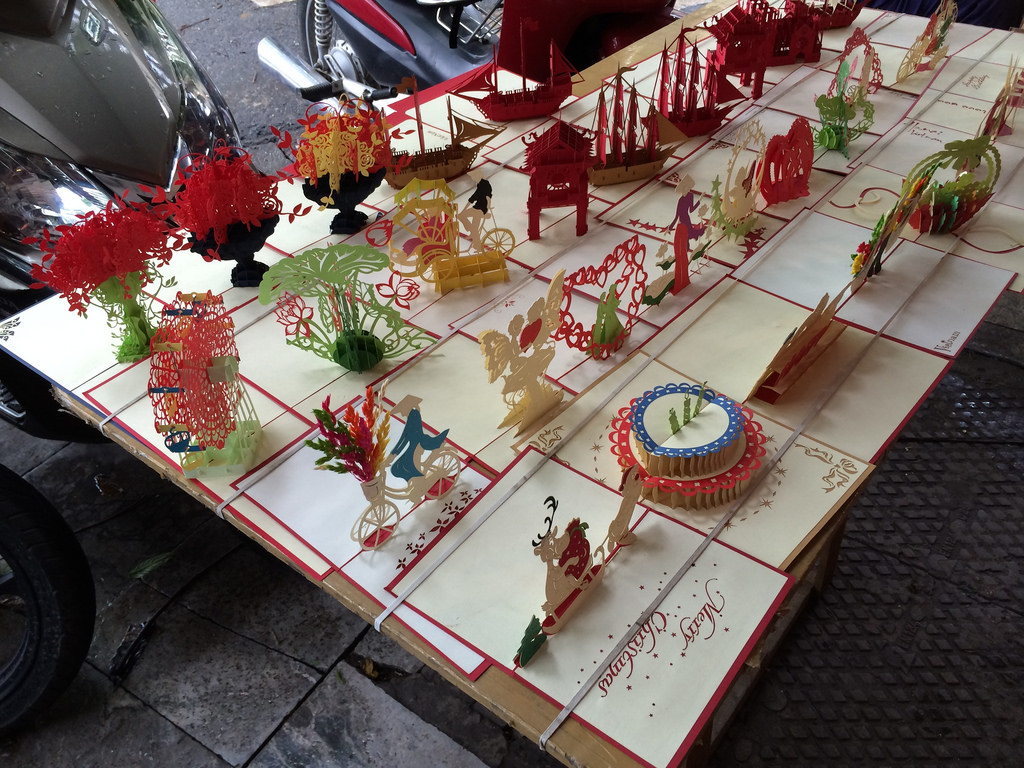
Paper

Speaking of shopping, any visitor to Vietnam quickly realizes that you become an instant millionaire the minute you exchange as little as US$50, which is equivalent to just over a million dong, or VND. (Toto devised an easy way to figure out how much things cost in pesos—drop the last three zeroes, then multiply the remaining number by two, so 400,000 dong is 800 pesos.) Costs have gone up a bit, but Tripadvisor recently still listed Hanoi as the world’s cheapest city for tourists: a one-night stay in a four-star hotel, and cocktails and dinner for two with wine plus taxi for two miles averaged just $141, compared to London’s $518.

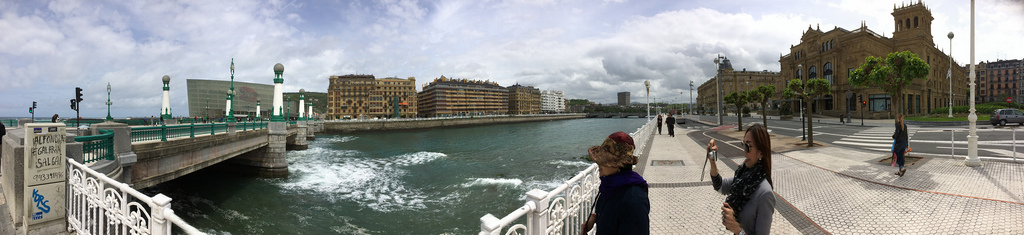
When I first visited Hanoi in 1994 with a small group of Filipino journalists and artists, we stayed in a hostel in an old French-colonial building; our room had a ceiling fan and a mosquito net, and it cost us all of $5 per day. This time (thanks to our daughter Demi’s employee discount) we were booked at the swanky Sheraton overlooking the West Lake, with free wifi and the kind of sumptuous breakfast buffet that you could just as well find in Hong Kong’s or Singapore’s best hotels. A leisurely walk along the nearby lakefront revealed that a robust industry had sprung up in the construction of modern “executive villas”, presumably for expats and managers. Every now and then a coffee shop broke the succession of leased apartments; Vietnam is one of the world’s largest producers and consumers of coffee, and Hanoi is dotted with virtual temples to the godly brew.

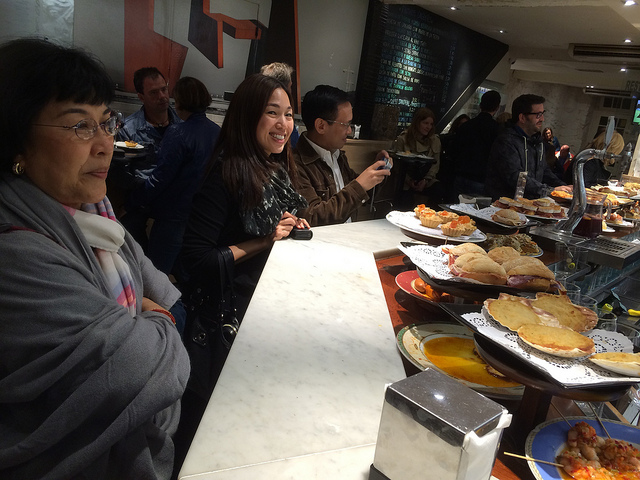
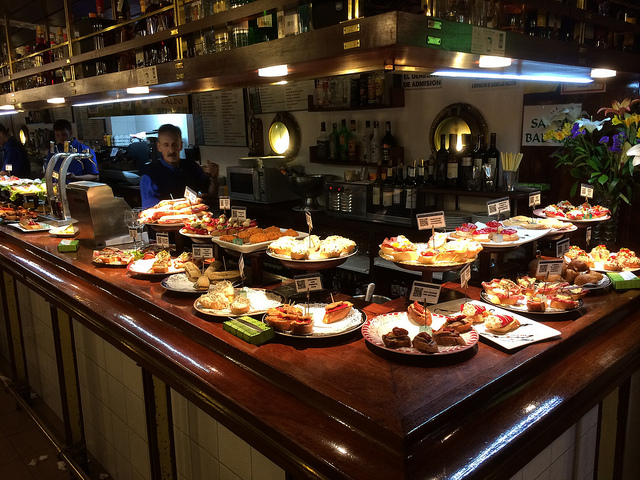
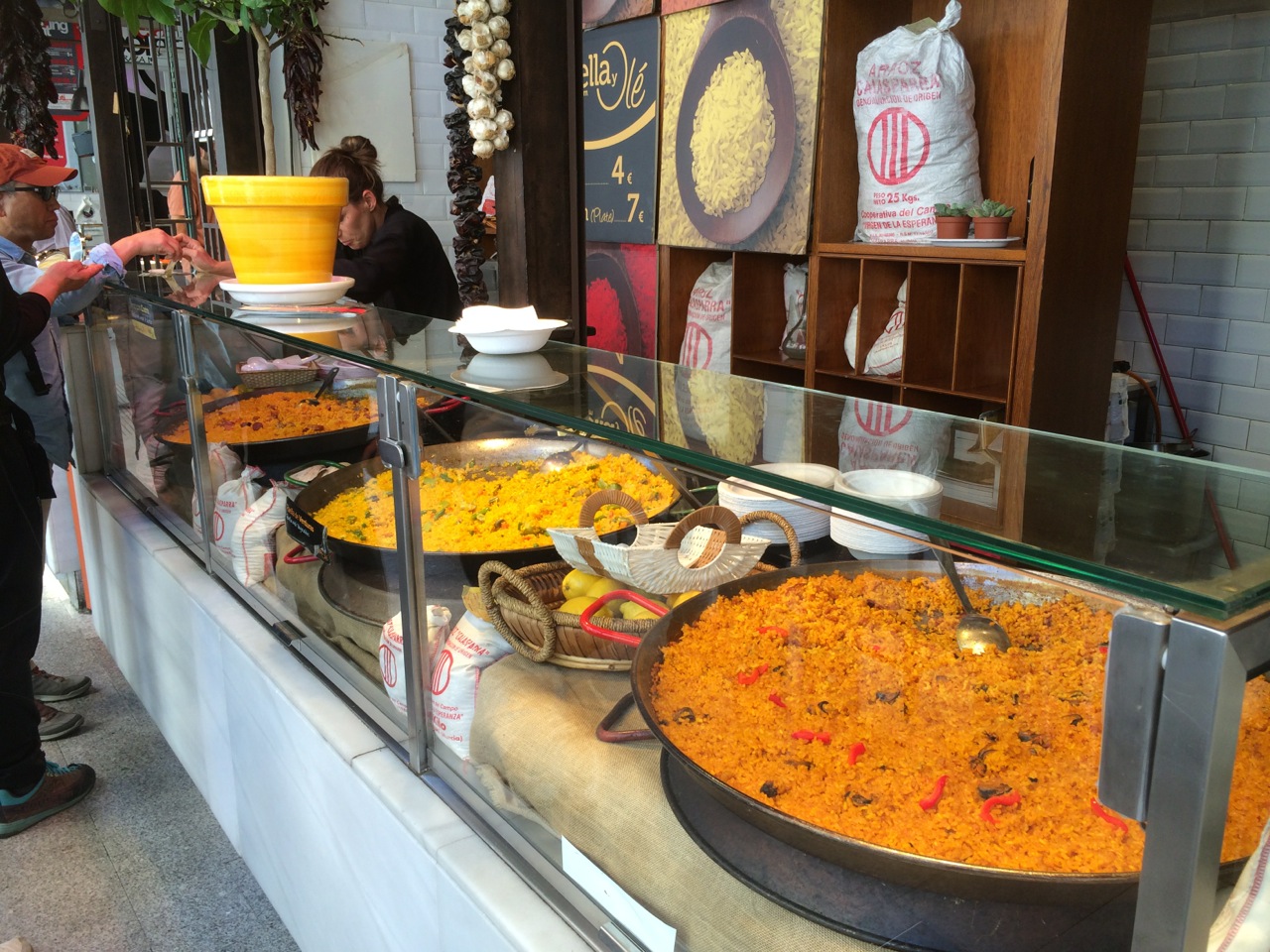
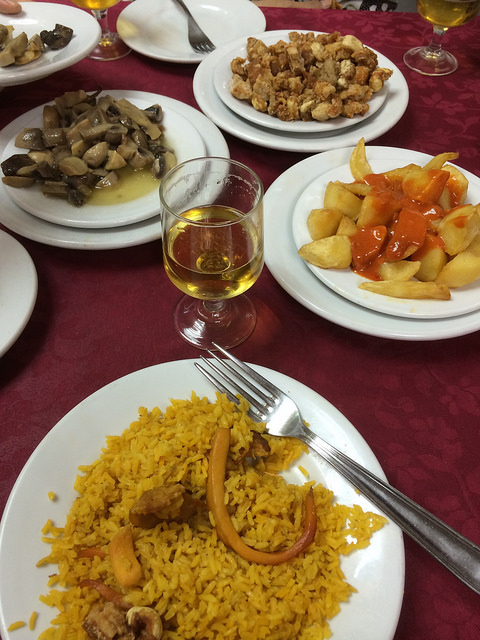
Aside from coffee, the most popular drinks seemed to be fresh coconut water and the local Bia Noi beer—all of which, of course, we joyfully imbibed. Just as naturally, food is one of the best reasons for visiting Vietnam, and Hanoi did not fail to satisfy in this department, with rice noodles, spring rolls, roast pork, and fresh fruit topping the menu.

But for all that they had to eat and drink, the Vietnamese we met remained slim and fit, ready for another long day’s work. Surely there must be poor and even very poor people in Vietnam—you just can’t find them on the streets of Hanoi; not once were we approached by a beggar or a street person; neither were the sellers as pushy with their wares as they might be elsewhere in many an Asian market. Come to think of it, we didn’t meet too many uniformed policemen, and no blue guards stood watch over stores and businesses.

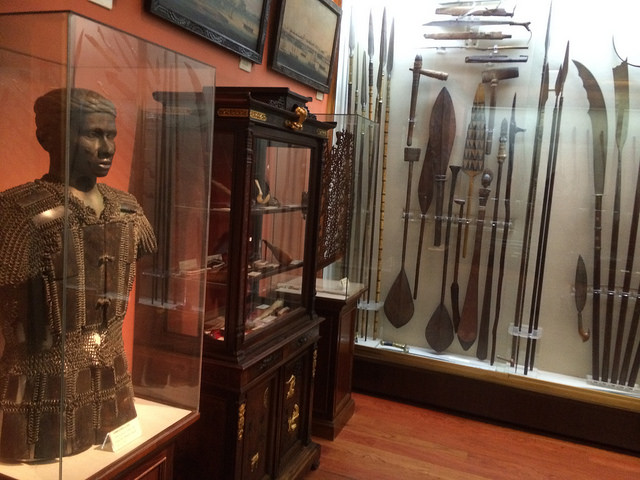
In the museums—such as the military memorial that impressed me the first time I saw it, with its display of scraps from fallen B-52s—grim reminders exist of the horrors of that terrible war by which alone many outsiders know Vietnam. Ho Chi Minh’s mausoleum—built in his honor against his express wishes—was closed the day we visited, but even among the milling crowds outside at Independence Park, the affection for the man was palpable; unlike Mao and Stalin, Ho was more a teacher and an uncle than a ruler or despot, and books of his poetry were still sold in the bookstores.

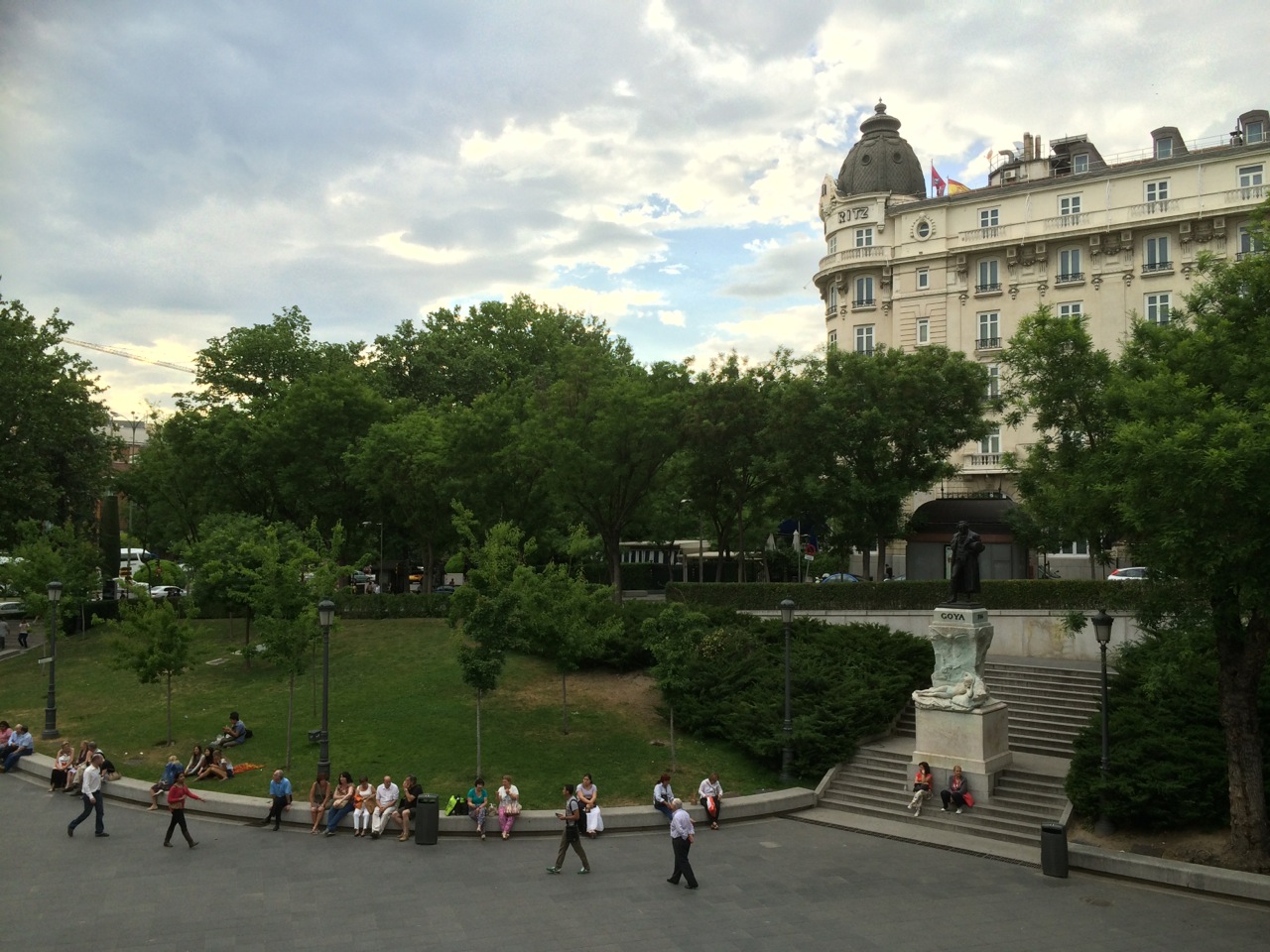
Hanoi is a city of parks and lakes, the most famous of them being Hoan Kiem in the Old Quarter, its centerpiece a temple to which pilgrims cross over a red bridge; I daresay that no one visits Hanoi without having his or her picture taken on that bridge. Nor will tourists miss the famous Water Puppet Theater in one corner of that lakeshore, a cultural institution that draws on the traditional affinity of the Vietnamese to the water, defined as the north and south are by the Red and Mekong Rivers. Playing for at least four one-hour shows every day, the theater was packed with tourists, each one paying just around 200 pesos for truly unique, ingenious, and wholesome entertainment.

The smiles on our faces as we stepped out of that theater pretty much summed up our long Hanoi weekend, and over coffee in a park beside Hoan Kiem, the inevitable question came up: if the Vietnamese can do this for themselves, why can’t we?

Penman No. 92: Nurturing Our Sense of Nationhood

IMG_3176Penman for Monday, April 14, 2014

AT THE University of the Philippines Institute of Creative Writing, we were happy to recently welcome into our ranks several new “associates”—UP colleagues who were also accomplished writers whom we felt could make significant contributions to the Institute’s programs. They were Chari Lucero, Luna Sicat-Cleto, Eugene Evasco, and Heidy Eusebio-Abad. Chari is a bilingual—indeed, a multilingual—fictionist and essayist, a very sharp reader of texts; Luna is a playwright and novelist in Filipino; Eugene, a Palanca Hall of Famer, is a writer of stories and poems for children in Filipino; and Heidi writes stories for children in English.

The entry of Eugene and Heidi into the UPICW was particularly timely, since we were severely short-handed as far as our expertise in writing for children and young adults was concerned. Puppetry advocate Amelia Lapeña-Bonifacio remains on our board of advisers, but we had lost Rene Villanueva to an early death and Carla Pacis to La Salle. By bringing Eugene and Heidi into our workshops, we wanted to remind ourselves—and the reading public, of course—of the primal importance of children’s literature as a means of nurturing our sense of nationhood in the imagination of our youngest citizens.

This renewed emphasis was evident at the 53rd UP National Writers Workshop, which we held last week in Baguio. At least three of our 12 workshop fellows were writers for children and young adults. Cyan Abad-Jugo, who already has a PhD in Creative Writing, is working on a book of 13 stories in the fantastic mode. Renato “Nats” Vibiesca, a Palanca award winner, teaches at the Polytechnic University of the Philippines; Marcy Dans-Lee is primarily an illustrator and artist, but also writes her own texts, often drawn from the wealth of indigenous lore that surrounds her in Davao, where she teaches at the University of the Philippines-Mindanao.

Cyan submitted what can most easily be described as modern horror stories; Nats contributed a comic piece about a poor kid who dreams of becoming a bossing, an entrepreneur; Marcy presented retellings of native creation myths. The fact that their material and their approaches vary so widely can only bode well for the future of children’s literature in the Philippines. Herewith, some excerpts from their “poetics”—their explorations into why and how they write what they write (I’ve translated Renato’s excerpt from Filipino):

Cyan Abad-Jugo: I wanted to see if I could achieve “a wider lens on ultimate reality” by making a slight detour “from direct representation of the surface of reality;” I wanted to skew it a little or reshape it a lot, and see if I could not arrive at better relevance and social commentary (which is what I thought Scholes meant by returning “towards actual life by way of ethically controlled fantasy”). This does not mean that I wanted to identify an aspect of social reality and then work it into my fiction. I never start out with such clarity of mind, and cannot give myself clear directions; my default mode is “lost mode,” and so must find my way out of the labyrinth I inevitably find myself in.

The project had more to do with finding out whether the fantastic mode inherently contained within it a metaphor for what it was like to live in our own world. I wanted to write first, as always, and see what came of each story in the end (hello, story, do you have a metaphor in you after all?); but I also wanted to limit what I wrote, I wanted to try my hand at writing particular kinds of tales, given their definitions or what I thought to be their definitions. As I clarified in my proposal:

Though stories never adhere to strict definitions of modes or genres, the definitions and characteristics of each kind of tale or story could serve a heuristic purpose; they could serve as guides to the writer who wants to explore the capabilities, flexibilities, and possibilities of the fantastic story, and how it expresses what we are and could become.

Renato Vibiesca: The short story “Sawsawan sa Padyak” deals with the experience of a boy (with the nickname Kadyot) who grows up in Gagalangin, Tondo—specifically, his transition from childhood to adolescence while confronting his family’s poverty. The story raises questions about the self, physical change, initiation, experimentation, confusion, observations about the adult world, vice, and other instances that address this period of transition. The story also illustrates the culture, the exploits, and the strategies employed by the poor to survive and stay in the city. Even as these problems aren’t solved in their entirety within the story, it does offer hope for the protagonist who keeps on dreaming as he moves along this new path in his life.

The story was written from the point of view of the protagonist, using a voice unique to a 12- or 13-year-old; often facing personal problems, tossing questions around in his mind, nudging forward and backward in his decisions…. Though often full of fear, experience and his station in life become drive him to become more creative and resourceful.

The story’s main aim is to give value to how such young persons face life’s challenges. It isn’t very often that the experiences of adolescents are taken up in fiction. This stage is an eventful one, which makes it more important for readers of this age to be given guidance. The author hopes that more works—both short stories and novels—will be written along this line.

Marcy Dans-Lee:Monsters are my personal inspiration
for writing for children, as children can relate
more to monsters than grown-ups. Children
believe that monsters are real; adults believe that monsters are real only in other adults. And because children believe in monsters, they have the ability to embrace “magic” in stories. As a writer for children, I depict magic with gentle care, never underestimating my little reader’s intelligence for they have been known to persistently demand “Why?” And the writer must be prepared to give them valid and reasonable magic, one that has practical logic, delicately balanced by its own breathtaking mystery.

In writing Luis and the Enchanted Creatures, my intention was to introduce children to six fearsome folkloric Filipino monsters. Under the shade of a balete tree, Luis reads about each monster in his grandmother’s old forbidden
book, from which the monsters soon emerge. In
a child’s mind, because the monsters are in the book, it is logical for them to come out of it. This is acceptable magic for children; it is completely reasonable.

Likewise, the adult’s choice of words in talking and writing is inarguably different from that of a child. Simplicity and straightforward narration are encouraged, while expanding a child’s vocabulary is the writer’s choice. Repeating a new word, a phrase or a sentence allows for remembering and internalizing meaningAs a writer, I particularly enjoy dialogues for these provide me the opportunity of acting
out character parts, drawing inspiration from every child’s unforgettable characters, like the pig’s chinny chin-chin and the wolf ’s huff and puff, as well as the nightly read-aloud sessions to become an incredibly angry Papa Bear, a delicately shocked Mama Bear and a whining spoiled Baby Bear when they see their bowls of half-eaten porridge, their chairs mussed up, and their bed sheets crumpled and undone.

The style of putting these words together however may lead a writer to unknowingly
“talk down” to children. Writers for children
are particularly vulnerable to this danger for as adults, we are sadly accustomed to innovating the strangest, most convoluted ways of controlling and negotiating with children in order to restrain their innate curiosity. We tend to be condescending, unaware that we are in fact the primary bullies
in their young lives. When I draft a story, I unconsciously converse with a child—with the same respect I converse with adults.

Simultaneously, my mind’s eye can see the illustrations that will go with the story. This anticipation allows me the luxury of fewer words since the illustrations will speak a thousand words. For after all, does a writer for children need to explain that a monster has a thin face, with big scary eyes, sharp yellow teeth and long unruly hair? Such descriptions are certainly better drawn than written.

In the end, “happily ever after” means that our stories and illustrations for children
must contribute to inspire a child’s imagination
to become real in adult life. For how else can technology, medicine, green urban planning, space and time travel be imagined and made real, if not for stories of monsters and magic?

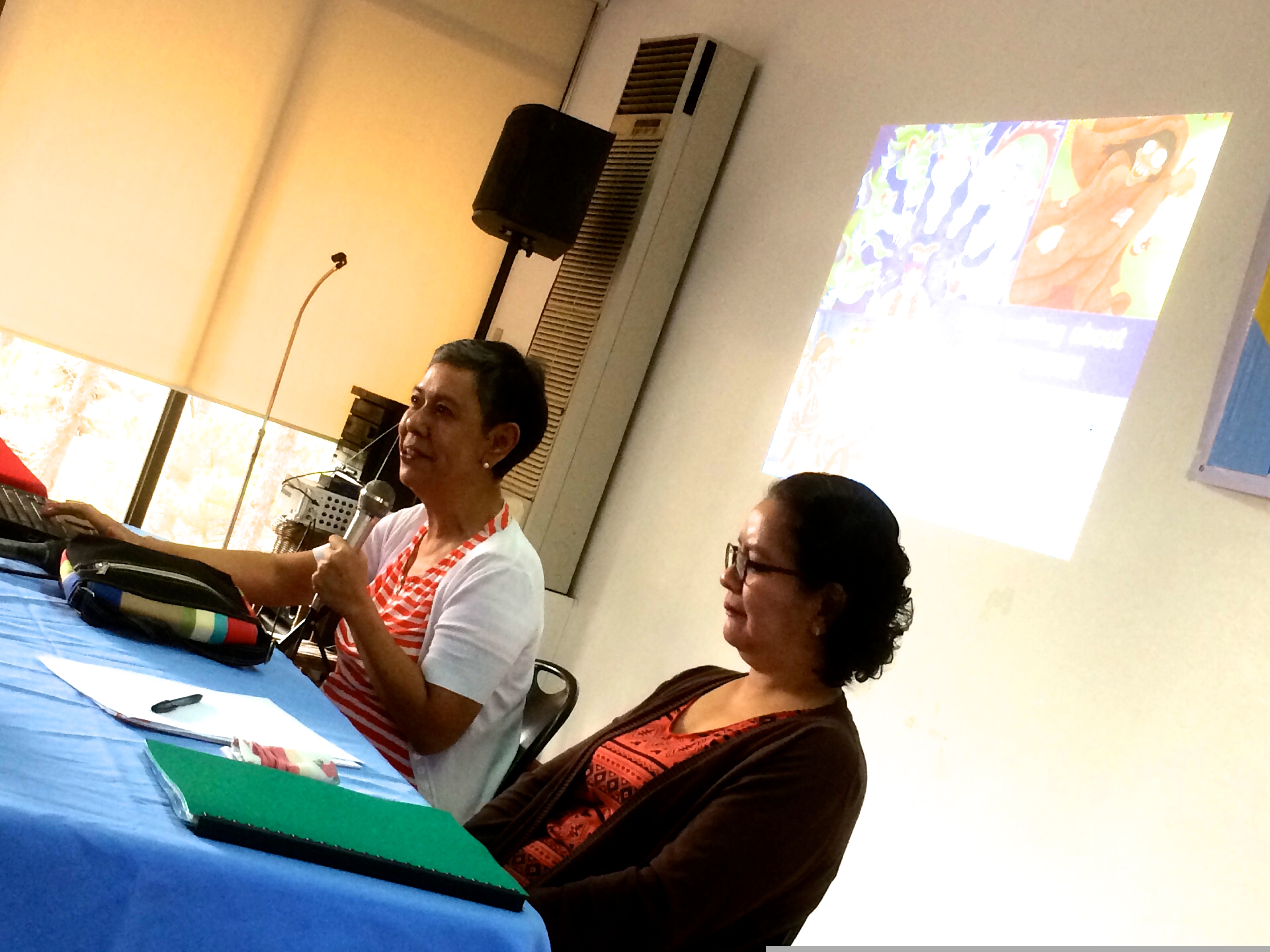
(That’s Marcy and Heidi in the pic.)

Penman No. 91: The Pinoy McManus (Part 2)

ButchMetroMSEPenman for Monday, April 7, 2014

IN CASE you’re wondering where “The Pinoy McManus, Part 1” is, it came out in this corner almost two years ago, on May 28, 2012; and in case you’re wondering who or what a “McManus” is, let me reprise what that first piece was all about.

Jim McManus is a prizewinning journalist, novelist, and director of the Master of Fine Arts Program at the Art Institute of Chicago, whose fiction won him the Carl Sandburg Prize for the novel in 1996, and whose journalistic pieces—on everything from stem cell research to poker—have been published by the New York Times, Esquire, and Card Player Magazine, among many other periodicals. He’s been a Guggenheim and Rockefeller fellow as well.

In other words, in the writing game, Jim’s no slouch, and you’ll pardon me if I’ve felt a certain affinity to him, having shared the same interests and experiences—not the least a passion for poker. The fact that Jim and I are both writers and creative writing teachers is my official excuse for posting this column-piece in Arts & Culture rather than in the sports page. Now let’s get to the fun part.

Jim McManus was assigned by Harper’s to cover the 2000 World Series of Poker in Las Vegas as the backdrop for a murder investigation, but rather than watch the game from the sidelines, he decided to use his advance to buy a satellite seat (a kind of pre-tournament tournament, with a much smaller entry fee). That started an incredible run to the main event itself and, against all the odds, to the final table, where he finished in fifth place, beating out many established pros to win almost $250,000. He later chronicled that miraculous ascent to poker stardom in the book Positively Fifth Street: Murderers, Cheetahs, and Binion’s World Series of Poker, a copy of which I picked up in a second-hand bookshop some years ago.

Some years ago—about eight years now, to be more precise—was when I began playing no-limit Texas Hold ‘Em poker semi-seriously, starting with beer-soaked Friday-night home games among friends and progressing to the Pagcor-vetted Metrocard Club in Pasig’s Metrowalk, where Manila’s pokerati regularly converge. Since then, I’ve spent many a night at Metro, usually on 16-hour binges, playing low-stakes poker while pecking away on a biography or an essay on my laptop and subsisting on dry saltine crackers and hot tea and black coffee.

My excuse to indulgent Beng for these excursions is that I’m gathering material for my third novel, on which I’ve been at work for three years now, and which features a call-center agent who moonlights as a poker grinder. But heck, I’ll admit it, the game’s addicting, and while other old guys might prefer golf, my turf’s the green felt table, and the swish of the cards is music to my ears. I’ve learned a few things about the game and have even won a few small tournaments, but I’m still basically what the pros would call a fish, an amateur whose rank enthusiasm for playing will often get the better of him.

As I wrote for a magazine a couple of years ago in a piece titled “Confessions of a Fish,” I’m in it more for the rush than the money: “For fish like me, winning is less an outcome than a moment—a surge of adrenalin, a flood of endorphins—that can pass very quickly, but is a high well worth buying. It’s the high you get when you hit your flush or your inside straight on the river, busting your cocky opponent’s three aces or two-pair. Never mind that that rush is followed by a long, slow slide back into the doldrums, and that you’ll be driving home in the wee hours many thousands of pesos poorer. All a fish has to do is to remember that instant—that look of utter horror and disgust on the other guy’s face—and all the pain of losing fades away, like dirty water down a drain.”

Part 1 of my McManus article came out because I’d just then placed 20th in a big million-peso tournament at Metro, my best-ever finish at that point. Jim McManus actually read my Star column online and congratulated me for it; we exchanged messages and pleasantries, and I promised to take him up on his invitation to have coffee or a beer with him in Kenilworth, Illinois one of these days and have my copies of his books signed (I also have his definitive history of poker, Cowboys Full).

Now, Jim, if you’re still out there, here’s an update from the fanboy and wannabe: last week, I did myself one better, and made the final table of another major tournament, the P1-million Metro Summer Event. A million pesos is small beans by Las Vegas standards, but the first prize could have wiped out my credit-card bills and bought me a Montblanc or two, so I was all worked up for the four-day marathon.

Like Jim, I entered the MSE through a pre-tourney satellite, winning a ticket to the big game. We started out with 15,000 in chips, and at one point on Day 1—among over 400 other players in the pool—my stack went down to 7K. On Day 2 and with the pool down to a hundred, I hit a lucky streak and nursed my 40K stack to almost 380K; on Day 3, that ballooned to over 1.2 million (these are just chips, folks, not real money, so don’t get too excited). On Day 4, down to the final table of ten players, I went in as second chip-leader, but also as the oldest guy and the biggest fish in the pool of sharks.

The technical details that follow will fascinate only the poker cognoscenti: I got that far in the tournament because of some of the most incredible, heart-stopping suckouts or last-card, last-second turnarounds you ever saw. At one point, my opponent drew a flush on the flop against my Q-10, but I hit trips on the turn and a full house on the river. The wildest hand of the tournament had me going all-in against the chip leader with a pair of 9s; he called, and tabled a pair of 10s: I was, 90 percent, a dead duck right at the start. The first three cards or the “flop” rolled out, none of them a 9 or a 10, but with two clubs; the fourth or turn card was the 6 of clubs. My opponent held the 10 of clubs, so he wasn’t just leading from the get-go but also had a backdoor flush draw.

Only one card in the whole deck remained that could beat him, the 9 of diamonds; if any other card showed up, I’d be homebound (even if the fifth and last or “river” card was the 9 of clubs, he would still hit his flush). At this point, I got up and shouldered my man-bag (loaded with crackers, a cellphone power bank, and Splenda sweetener); I needed the Splenda, as I could smell and taste the bitterness of certain defeat. Then the dealer drew and turned over the river card—hallelujah, the 9 of diamonds, the absolute, 2-percent one-outer. My opponent collapsed against the wall as I heard choirs of angels singing “Ode to Joy.”

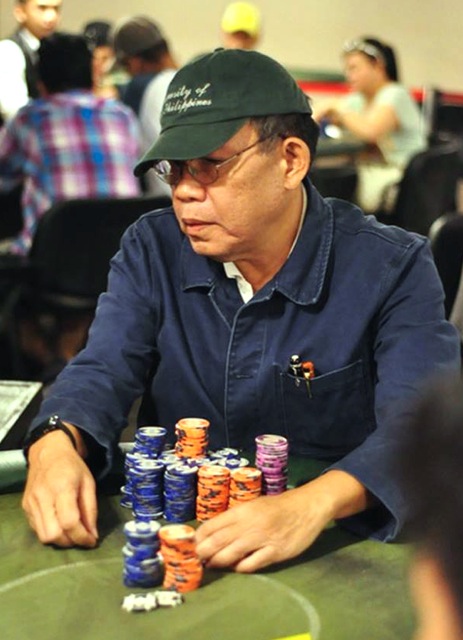
On the final day, after a good night’s sleep, I got up at 6, and did a 10-kilometer walk around the UP campus, running the “Chariots of Fire” theme in my head. This was my day of days; I showered, did my students’ grades and turned in my grade sheets, worked on one of the biographies in the pipeline, got a foot massage, then put on my “University of the Philippines” baseball cap and blue jacket—my battle gear—and went to the final table.

I held on that night, scribbling messages to myself over the breaks on a notepad with my faithful Agatha Christie, reminders like “Keep your head!” and “Patience, endurance, opportunity!” (It was probably the doodling more than the messaging that relaxed me.) With uncharacteristic smartness, I played it safe, tossing away nine out of every ten hands, preserving my stack while I let the others duke it out. Eventually I finished in second place, bowing to a friend and previous champion, a genial and exemplarily cautious player, TV and film director Tofie Runas.

The next day I brought Beng with me to Metro to claim my prize, to ensure that the money would go to good causes (I might treat myself to a pen or two, as a souvenir of the experience). “Heck, this beats the Palancas,” I told myself, remembering my first Palanca short-story win nearly 30 years ago, also a second-place finish. I could see Jim McManus grinning in Kenilworth, Illinois. He’d addressed me in his messages as “brother,” so here’s to you, brother Jim, and to all of us 60-somethings chasing thrills and spills on the green felt table.

Penman No. 89: Camels and Scribes

d4966305xPenman for Monday, March 17, 2014

A FEW months ago, I wrote about the fountain pens that famous people like T. S. Eliot, Winston Churchill, and Neil Gaiman used, and especially about how Eliot’s pen had been donated by his widow Valerie to the Royal Society of Literature for members to sign themselves with into the society’s logbook. The more practical-minded will and should, of course, dismiss any such discussions of celebrity memorabilia as mere fetishism, an adoration of idle and otherwise meaningless objects.

Happily, that’s a charge I can live with, as an incorrigible collector of lovable old junk, particularly pens to which I’m drawn by some deep Freudian current I won’t even try to palpate. I never even excuse the fact that I collect pens not so much to write as to doodle with—I enjoy laying wet bright lines on a crisp sheet of paper and watching the ink spread and shade. Whatever words I may be forming really mean little; it’s the sheer pleasure of forming the words that matters for the moment, the joy of the first pictographer tracing the outline of a bull on a cave wall, of the medieval scribe illuminating the Book of Genesis.

Eliot and Co. weren’t collecting Watermans and Conway Stewarts, of course; they were putting them to work. In their time, everyone wielded a pen, from insurance executives like Wallace Stevens to ambulance drivers like Ernest Hemingway and Walt Disney. Soldiers carried pens with them to the trenches, using ink pellets they could dilute in water; today these wartime pens and their embedded pellets are highly prized.

I was thinking of just this scene last week when I came across a thread in a pen forum talking about the pen or pens that T. E. Lawrence—Lawrence of Arabia, immortalized by Peter O’Toole in the 1962 film epic—used in his desert campaigns. Lawrence was an indefatigable writer, and his Seven Pillars of Wisdom remains as interesting today as when he published it in 1922.

The forum discussion wasn’t really even about Lawrence’s pen but the ink he used; apparently, he preferred a special French-made ink, one that his pen could safely ingest and expel. India or carbon ink is fine for drawing but is usually too thick for use with conventional fountain pens, whose feeds or ink channels it will clog. A forum member (many thanks to “carlos.q” from Puerto Rico) had dug up a typewritten letter from Lawrence, who was back in Southampton, dated May 3, 1934 and addressed to a friend initialed “FV”. In it, he complains (note his curious abuse of the colon) that “I apologize for the ink. The only carbon ink that will run in a fountain pen is Bourgeois: and that is sold only by Reeve in the bottom of Charing Cross Road. I have emptied my bottle of all but the too-thick dregs: I cannot demand more by post: but as soon as the R.A.F. will pay my expenses to London for a working day I shall go to the shop and buy some, and again charge the excellent pen. Only carbon ink is ink—that I wholly agree. I badly want to reach London again, but cannot afford a private visit.” (It’s sad enough to see this proud man in such dire straits, but sadder still to know that he would be dead in a year, from a motorcycle spill.)

Lawrence’s pen—two of them, actually, a Swan and a Conway Stewart—would turn up in a Christie’s auction in 2007, realizing over $5,000. The pens were accompanied by a 1969 letter from a Lawrence associate establishing their provenance, which noted that they had both been “trodden on by a camel & broken,” although this likely applied only to the Swan, as the Conway Stewart pictured had been made much later than Lawrence’s camel-riding days. The letter does end, presciently: “They may be worth something one day.”

That’s something we all wish we could say for our possessions, hopefully without requiring the chunky foot of a roving dromedary to enhance their narrative value. Having just stepped into the gray zone of seniorhood, I often wonder what will become of my trove of mostly vintage Parkers, Sheaffers, Montblancs, Pelikans and what-not once I sign my last signature. They’ll be worth something, for sure, but all of them put together might not even be enough to trade up for a Rolex, so it isn’t their bankable value I’m thinking about, but the stories they carry, especially the dozen or so in my daily rotation: “This one I got from the Thistle Pen Shop in Edinburgh, and it led to a story that became a book; this one I found in the Greenhills tiangge, selling for a tiny fraction of its actual worth; this one was being sold by a shop in Auckland, but it was missing a tiny part, a tassie which I later found online at the Berliner shop in New York; this one I found in an antique shop on Morato, inscribed to a ‘Consuelo,’ who would have worn it as a pendant on a chain….” And so on.

Last year I told myself that I would try to unload about a third of the collection, thinking to keep just the best dozen or so by the time I turn 70, but turning 60 gave me an excuse to acquire even more ink-spitting baubles. How to say no to a half-priced Montblanc Oscar Wilde, the flamboyant companion to my black-and-formal Agatha Christie? Or the Onoto Magna Classic in mottled tortoiseshell, its golden tongue spinning tales in a summery green-gold (known to ink connoisseurs as Rohrer & Klingner Alt-Goldgrun)? Let me declare this here and now: camels are strictly forbidden from entering my barangay in UP Diliman; any large humpbacked mammal coming within a hundred meters of my house will be shot on sight (with liberal squirts of india ink).

Scribe

Now, if all this talk of bygone pen-mongering strikes a responsive chord in you—evoking the inner Lawrence or the inner Agatha (Christie tracked Lawrence’s footsteps in Syria, intrigued by his spying)—you might want to pay a visit to the newest pen palace in town, a veritable emporium of pens, papers, inks, and even wax seals.

The members of our local (and still growing on its sixth year!) pen club, the Fountain Pen Network-Philippines, were a captive crowd at the recent launch of Scribe’s new flagship store at the East Wing of Shangri-La Plaza Mall. Scribe’s owner, the lovely and gracious Marian Yu-Ong, recalled how the business began in 2002 as an importer of writing and reading products, before opening its first store in Eastwood Mall in 2009. Also featured at the launch were the works of three master calligraphers whom Scribe has designated its ambassadors: hand-lettering maven Fozzy Dayrit, advertising executive Leigh Reyes, and architect-conservator Mico Manalo.

Today, if you want to feast your eyes on the largest and most sumptuous range of quality pens, papers, and inks in Metro Manila, there’s really no other place to go but Scribe Writing Essentials—make that “places,” because aside from Shang and Eastwood, Scribe can also be found at Glorietta 5, SM Aura Premier, and SM Megamall Fashion Hall.

I paid a visit to Scribe’s new flagship store after the launch, and was impressed to find an assortment of quality pens that we used to have to order online or fly to Hong Kong, KL, or Singapore for, and at very competitive prices, brands like Pelikan, Sailor, Platinum, Kaweco, and TWSBI, as well as the more familiar Cross and Lamy.

Here’s my standing advice to fountain-pen newbies, faced with these choices: if you want one good, classic pen you can expect to use for the next ten years, invest in a Pelikan; if you want a good, well-designed pen with a great nib for a price that won’t break the bank, try the Taiwan-made TWSBI (twis-bee), a huge hit among pen aficionados. Then treat yourself to a bottle of J. Herbin ink and a Midori notebook, and before long you’ll be scanning the horizon for wayward camels.

(Upper photo from christies.com)

Penman No. 87: The Art of the Title (2)

Penman for Monday, February 24, 2014

SOMETIMES WE authors fall in love with titles, especially if they’re ours and they come to us in a dream or in a flash of insight, begging to be written into a story or a poem. This could work, if the inspiration they provide is powerful enough to generate a whole series of thoughts, associations, and narratives that become art. I’ve done a couple of stories myself this way, out of the three dozen or so that I published.

But as I often remind my writing students, every title is a working title until the work is actually finished. That’s when you take a step back and look at what you’ve done, and try to figure out what title might work best for the piece. In other words, the title is most often a matter of hindsight rather than foresight because—especially in fiction—you never really know what you’ve written and what it’s about until you’ve put in that final period. Writing fiction is a process of discovery, not merely the execution of a pre-planned idea.

It’s a good thing, too, that authors decide or can be persuaded to change their minds about titles. I’d like to thank my colleague and student, Thomas David Chaves, for pointing me to a website that listed down a number of these last-minute switches that left us with some of literature’s most familiar titles.

Ernest Hemingway’s With Due Respect became A Moveable Feast; William Faulkner’s Twilight (not a vampire story!) became The Sound and the Fury; Tennessee Williams’ Blanche’s Chair in the Moon (not a bad title in itself) became A Streetcar Named Desire; D. H. Lawrence’s Tenderness became Lady Chatterley’s Lover; George Orwell’s The Last Man in Europe became 1984; Carson McCullers’ The Mute became The Heart Is a Lonely Hunter; Alex Haley’s Before This Anger became Roots; Vladimir Nabokov’s The Kingdom by the Sea became Lolita; Herman Melville’s The Whale became Moby Dick; Stephen Crane’s Private Fleming, His Various Battles became The Red Badge of Courage; John Steinbeck’s Something That Happened became Of Mice and Men; Leo Tolstoy’s All’s Well that Ends Well became War and Peace; Robert Louis Stevenson’s The Sea-Cook became Treasure Island; and Harriet Beecher Stowe’s The Man That Was a Thing became Uncle Tom’s Cabin.

This looking-back and revising applies as well to first paragraphs—I’ll develop this subject at greater length in another column—which could be very clear to us at the inception of the story and drive it forward, but which, at the end of everything, may no longer be the best possible way to open the narrative, and may even be clunky and unnecessary. We call this “scaffolding,” the way builders put up a temporary exterior shell just to get a project off the ground, then discard it later when the structure can stand on its own and be completed from the inside.

That’s how it goes with titles—you find and use a good working title that your story, poem, or essay can hang on to while it’s being written, and then you think about whether it’s still good (not just good, but the best) for the work, and decide whether to keep it or to change it. I’ve often found that the best source for titles is the work itself—there has to be a memorable, resonant line or phrase in the work that can carry the whole weight of the piece on its shoulders.

Right now, for example, I’m editing a book of 27 travel essays written by an American friend who’s been fortunate enough to visit some of the most beautiful and spectacular and yet also the most desolate and squalid places on the planet, from Timbuktu and Andalusia to Bhutan and Namibia; she’s fortunate, because it costs a lot of money to get around the world this way, but more than money, it takes insight and compassion to become more than another snapshot-happy tourist mingling with the natives. To acknowledge that privilege—now a double-edged word—up front, I suggested a title phrase that my friend used in one of her essays, and the book will come out later this year in the US under the title Privileged Witness.

While we’re on the subject, how about titling works of art like paintings? It’s a whole other challenge, because the artist—typically more of a visual than verbal person—is expected to find words for an image or an idea that should be able to stand on its own. But how do you refer to a painting or a sculpture without a title? (I’ve always thought of the practice of some artists to use, say, Untitled XXIV as a not-even-clever copout.) We don’t know if Leonardo da Vinci himself gave the title La Gioconda to his famous painting which later came to be known as the Mona Lisa, but that ‘s how Leonardo’s assistant Salai recorded the painting, which he inherited (“Mona Lisa” itself is a shortening of “ma donna Lisa,” my lady Lisa, referring to Lisa del Giacondo, the presumed subject).

For our amusement more than anything, Mark Hudelson, a professor of Art History in Palomar College, came up with his own list of the art world’s most remarkable titles—and you’d have to look up the art works themselves to see how the visuals match the words:

1. I Love You with My Ford (James Rosenquist, 1961)

2. The Raft of the Medusa (Theodore Gericault, 1819)

3. Clear Flippers, Release Fire Gods (James Bell, 1984)

4. The Treachery of Images (This Is Not a Pipe) (Rene Magritte, 1929)

5. Are You Jealous? (Paul Gauguin, 1892)

6. Studio of a Painter: A Real Allegory Summarizing My Seven Years of Life as an Artist (Gustave Courbet, 1855)

7. Dream Caused by the Flight of a Bee Around a Pomegranate, a Second Before Waking Up (Salvador Dali, 1944–see the pic above)

8. High Voltage Sphincter-Winking Livewire Laxative (Robert Williams, 1990)

9. In Advance of the Broken Arm (Marcel Duchamp, 1915)

10. Through the Night Softly (Chris Burden, 1973)

I did say last week that I was going to deal with movie titles as well—an arena of atrocities some of which I, the former scriptwriter, feel personally responsible for—but we’re out of space, so I’ll save that delectable topic for another time.

Penman No. 85: The Mac@30

MBAPenman for Monday, February 10, 2014

ONLY DIEHARD geeks and the tech and business media would have noted the event’s passing, but late last month, the Apple Macintosh computer marked its 30th anniversary. January 24, 1984 was the date when Apple introduced the Macintosh in what became an iconic commercial aired at the Super Bowl—directed by no less than Ridley Scott, who had already done the cult classics Alien and Blade Runner. In that video (which you can still see on YouTube), a female runner carrying a hammer smashes a screen on which an Orwellian dictator has been haranguing a hypnotized audience, breaking the spell. The clear implication, of course, was that a new hero had arrived, prepared to challenge and to crush the hegemony of industry leaders like Microsoft.

Today, three decades later, Apple has become the hegemon in many domains of computing, even outstripped in some respects by upstarts such as Samsung and Google’s Android platform. It’s sitting on one of the world’s largest stashes of cold cash—almost $150 billion, larger than the GDP of two-thirds of the world’s countries. The challenger has become the challenged; and with the loss and absence of its founder Steve Jobs, Apple under Tim Cook has had to deal with the “vision question”: what’s next for the company that built its fortune and reputation as the world’s most innovative? After the iPhone, what will Cupertino’s wizards come up with to create loops of frenzied buyers around city blocks, waiting for the Apple Store’s doors to open? In an age when most consumers have a choice between buying and using a tablet and a smartphone for everyday computing and communication, is there still room for a desktop or even laptop with an old-fashioned keyboard?

Apple thinks so. Interviewing Apple’s new bosses recently, Macworld editor Jason Snell reported: “What’s clear when you talk to Apple’s executives is that the company believes that people don’t have to choose between a laptop, a tablet, and a smartphone. Instead, Apple believes that every one of its products has particular strengths for particular tasks, and that people should be able to switch among them with ease. This is why the Mac is still relevant, 30 years on—because sometimes a device with a keyboard and a trackpad is the best tool for the job.”

(Okay, here, before anything else, let’s get our terms right: “Apple” is the company; “Macintosh” or “Mac” is the computer that Apple makes, in desktop and laptop versions; “iPhone” is the smartphone, “iPad” is the tablet, “iPod” is the music player; and no, there’s no such creature as the “iTouch”; it’s the “iPod Touch.” “MacOS” is the operating system that runs the Mac; “iOS” is the operating system that runs the iPhone, iPad, and iPod. The MacOS has increasingly begun to look and feel like the iOS, and people have begun talking of an ultimate point of convergence when the two might become one.)

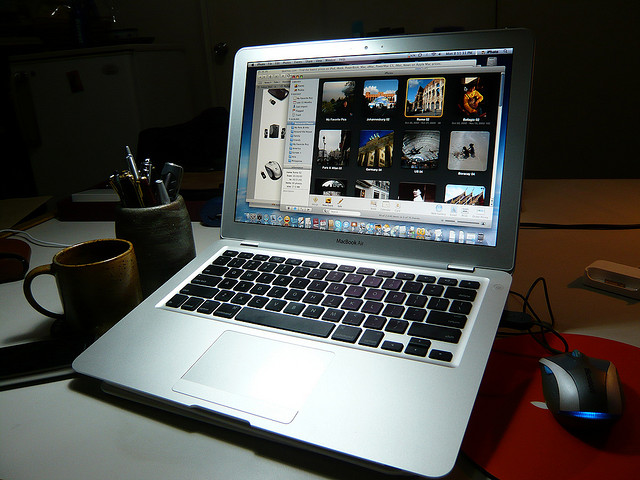
I can certainly testify to the fact that, yes, you can have all of these devices at your disposal (resistance is futile—sooner or later, you’ll have them all, even if you have to beg, steal, or borrow), and yes, you will pick out the best one for the specific job: I use an iMac for surfing, a MacBook Air for all my writing, an iPad for lectures, books, and schoolwork, and an iPhone for calls, messages, and nearly all of the above. (I’ve trained myself to write on an iPhone in a pinch, although I miss the BlackBerry’s tactile keypad.)

This, of course, is nothing short of digital indulgence and downright excess, something our fathers and mothers never experienced (although my non-emailing mother has become a gaming freak on her iPhone, and uses it regularly to speak to her brood here and abroad via FaceTime). Ours is the generation caught between the analog past and the digital future; and while that future will surely be more technologically dazzling and perplexing than we can imagine, we want and will get as much of it as we can now, because we can’t afford to wait. The computer is the baby boomer’s ultimate toy, and I’ve often explained my obsession with new digital gadgets (the flipside of my analog obsession with old fountain pens) as my way of cheating time.

Macs and I go a long way back. Thirty years is exactly half my life, and for most of that half-life—since 1986, when I met, touched, and used my first Mac as a graduate student at the University of Michigan, where they had a laser-printing Mac available 24/7 for every 10 of their 40,000 students—I’ve been an unabashed Apple fanboy. There were also some PCs on campus—and I’d eventually buy one, my first computer running on DOS 3.0 with a humongous 10-megabyte hard disk, because it was the only thing I could afford. But it was really the Mac I lusted after, for all the reasons Steve Jobs predicted people would flock to it—it was intuitive (I had brought my Olympia portable with me to the States, and had to be persuaded to give the Mac a chance), it was fun, and it was beautiful.

It wasn’t until I came home, in the early ‘90s, that I got my first Mac—a PowerBook 520c, beloved of Scully and Mulder in The X-Files—which was a gift from a benefactor, who at that moment might as well have been The Almighty. I haven’t looked back since, amassing a virtual museum of Macs, especially portables, from the PowerBook 100 to the MBA. I was glad to learn that, as few as we were like the early Christians, we were not alone. To be an Apple user then was to be a stubborn, persnickety, secretly happy but sometimes publicly sullen member of a distinct minority, derided by the Windows 95 herd (“Windows 95? Why, that’s just Apple 87,” we riposted.)

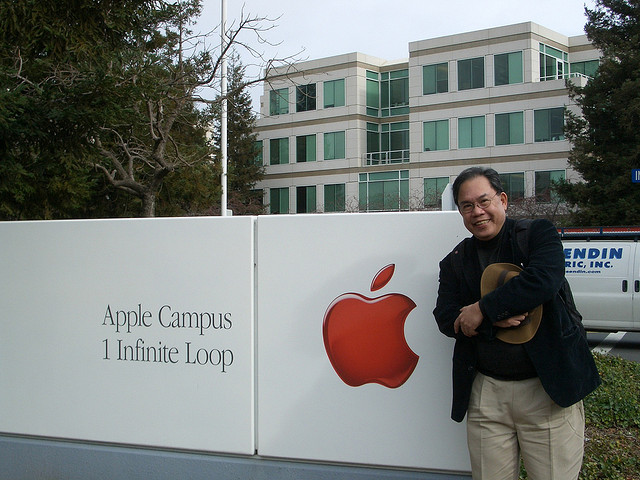
In the mid-1990s, I joined and later chaired the Philippine Macintosh Users Group or PhilMUG, a handful of Mac addicts—themselves descended from the Macky Mouse Club, an even earlier organization of Apple enthusiasts—who met for monthly get-togethers at Angelino’s on Pasay Road and then Nanbantei near Jupiter Street in Makati. I was part of the focus group Apple assembled for the local rollout of the original iMac, and seeing it in its full glory for the first time was like meeting the Ark of the Covenant. (And to push this semi-blasphemous analogy along, what could have been more mindblowing than meeting the Mac’s messiah himself, Steve Jobs, at MacWorld in San Francisco in 2006, albeit from about 20 feet away? That trip to MacWorld and to Apple headquarters was my visit to the digital Vatican and Holy Land combined.)

Cupertino

Today, PhilMUG has become one of the world’s most active and longest-running Apple User Groups and forums (www.philmug.ph), and I’ve become something of a village elder there, helping chairman Johannes Sia and the other moderators advise newbies on everything from upgrading their machines to choosing the best travel, fitness, and entertainment apps. Everyone, it seems, has an Apple device of one kind or other, or wants to have one. Apple is in commercial heaven, but we—its angels and avatars—aren’t necessarily OK and happy with everything Apple does. Apple’s staunchest supporters can also be its stiffest critics—and we should be, knowing the machines and having invested in them more than anybody else.

But as loudly as I might complain about the iPad’s inability to natively play Flash presentations, among other gripes, I’m resigned to the fact that when the next big Apple product comes around—maybe the iWatch (the precursor of which is the Pebble watch I got for myself and Beng for our 40th anniversary, along the corny theme of “more time together”)—I’ll be there in the front of the queue, asserting my senior citizen’s priority.

As for the Mac itself, I’m also fairly certain that no mobile device, however nifty, will replace a real keyboard and a big screen. At the end of this writer’s working day, a computer is still a glorified typewriter, and it just so happens that as digital Underwoods and Smith-Coronas go, there’s nothing better than a Macintosh. 


Penman No. 84: Pens & Inks

Penman for Monday, February 3, 2014

A YEAR ago, I wrote a piece for this column titled “The (ink and) paper chase,” where I talked about how obsessed some people get with finding just the right paper to write on, fussing over paper color, texture, thickness, and (important to us fountain pen users) feathering and bleed-through.

The last two factors have to do with how tightly the paper’s fibers are packed; the looser they are, the easier it is for ink to spread and scatter through the paper—not a good thing if you’re trying to write a legible letter. This is why ballpoints and cheap paper make better partners—and a good thing, too, that they do, because most people have neither the time, the inclination, nor the loose change to play around with fancy pens and papers, let alone exotic inks.

But what if you did?

In that column last year, I promised I would write a bit more about inks—the essential, indispensable companions of pens—but I never got around to doing it, at least until now.

Inks are the last thing people think about these days in connection with writing, except perhaps in respect of color, which invariably comes down to a choice among black (business formal), blue (a little more personal), and red (for marking something as “wrong!”). In my late father’s time—he worked as a clerk for a government office, so he used fountain pens regularly—you had the option of using blue-black, very likely as Parker Quink or Sheaffer Skrip, and it’s a color I came to associate with my dad, which is why I keep blue-black as a staple for one of my pens.

The fact is—before fountain pens underwent a kind of renaissance in the 1990s more as a fashion statement than as a clunky writing instrument, followed by a plethora of designer inks—there was a wealth of inks available to the discerning public. You could get them in green, purple, brown, pink, orange, and so on, in brands long vanished such as Carter’s, Sanford, and Stephens’, aside from the in-house inks of the major pen makers such as Parker, Sheaffer, Waterman, Montblanc, and Pelikan. There was also a lively competition among these makers in terms of packaging, specifically in labels and bottles (Carter made exceptionally pretty labels), and the bottles have now become highly collectible on their own, some with their vintage contents intact and still usable after 40 to 50 years.

But we’re getting ahead of ourselves. How did ink get its start, anyway? At the advent of writing, ink was made from soot or lamp black mixed with gum (says my trusty guide, The Fountain Pen: A Collector’s Companion by Alexander Crum Ewing); red ink was made from vermillion. In medieval times, the quill pen called for a more fluid ink, and this came from tannins culled from vegetables, converted to gallic acid, then mixed with ferrous sulfate (get that?), resulting in a blue-black iron-gall ink, which you can still procure these days. With the steel-nibbed pen (which acid corroded) came inks made with chemical dyes, which also led to an explosion of color.

“The range of ink available by the 1920s would bewilder many people today,” noted Ewing. “It is estimated that the German firm Pelikan alone produced 172 different types, colors, or bottles of ink. There were inks for writing, for drawing, for accountants (which could not be erased), for hoteliers (which could be erased) and so on.”

Which leads me to my first admonition about inks, lest I forget: never put India ink (like Higgins) into a fountain pen; it’s meant for calligraphic and technical pens, and will surely clog your fountain pen’s feed (the part of the pen beneath the nib that conveys the ink), possibly requiring repair. Use only ink clearly meant and often marked “For fountain pens.”

I used to say that I was a pen, not an ink person, in that for the longest time, I limited myself to four basic colors: black, blue, blue-black, and brown. I’m nowhere near becoming an ink fiend—some people collect basically just the inks and couldn’t care less about the pens—but over the past year, I’ve found my desk getting more crowded and cluttered by an invasion of ink bottles, in such sacrilegious colors as Diamine Oxblood and Rohrer & Klingner Alt-Goldgrun (more on these esoteric varieties later). In the ink department, I’m a novice compared to many of my confreres at the Fountain Pen Network-Philippines (at least one of whom, Los Baños-based Clem Dionglay, runs a globally recognized blog on inks, papers, and pens). Ask a newbie question like “What’s a nice bright blue ink?” and you’ll get a dozen responses within minutes (on fpn-p.org), answers such as “Pelikan Edelstein Topaz!” or “J. Herbin Bleu Pervenche!” or “Noodler’s Baystate Blue!”

Ah, Baystate Blue…. Many pen folk swear by it, but I’ve never used it myself, for a couple of reasons: I hate bright blue, and BSB (as it’s called, like LSD or MSG) has been notoriously known for staining if not eating into some pens, like vile acid. Some people love flirting with danger, anyway, in the quest of the perfect color.

That quest, of course, is what keeps the ink companies alive—companies that might as well be manufacturing precious wines and perfumes: Noodler’s, J. Herbin, Iroshizuku, Diamine, Private Reserve, Rohrer & Klingner, De Atramentis, and so on. These are no longer your basic Quink and Sheaffer inks that you can buy (and why not?) at National Bookstore. They’re specialty inks, selling on the average for something like P15 per milliliter, or P450 for a 30ml bottle. (To see a mindboggling assortment of these inks, check out a site like www.gouletpens.com, from where we order our supplies if we can’t get them from NBS or the pioneering Scribe Writing Essentials at Eastwood and Shangri-La malls.)

You won’t believe how exotic and even strange some of these inks are. Mahatma Gandhi would squirm if he learned that a 60ml bottle of his namesake ink—produced by Montblanc, in vivid saffron, of course—sells for $100 on eBay. There are inks with extravagant names such as Noodler’s Black Swan in Australian Roses (a lovely deep pink); Noodler’s even has an ink called Whiteness of the Whale, touted to be “invisible during the day, glows under black light.” Some inks are embedded with gold or silver flakes. De Atramentis makes inks that carry scents like apple blossom, or are actually made from wines like chianti and merlot.

And like fine wines and rare vintages, vintage and rare inks now command an audience and a premium. A few weeks ago, educated by online reading, I felt ecstatic to have located and landed two bottles of the now-rare, 1950s Sheaffer Skrip in Persian Rose on eBay for about $10; it’s a flaming pink ink, which makes it highly doubtful that I’ll ever write with it, but just ask the owner of that $300,000 bottle of Chateau Cheval Blanc 1947 when he’s going to take a sip.

Fountain pens come with all different nibs, nib qualities, and filling systems, making ink choice both a pleasure and a pain for the penman (and penwoman). Snooty collectors prefer piston fillers like most Montblancs and Pelikans, but these pistons require patient flushing to get all the old ink and its color out before switching to something new. This is why I generally prefer everyday converters, which make flushing and ink replacement a breeze. To make things even easier, I’ve matched my favorite pens with my favorite inks, going mainly by color—a black pen gets black ink—so I don’t have to guess, when I pick up a pen or two to bring along for the day, what’s in it. And just for the heck of it, I took a shot of these happy combinations, which I’m illustrating this column-piece with.

And I can’t blame you if, after reading this frothy talk about pretty pricey pigments, all you want to say is “Hand me that cheap blue Bic!” 

(The inks and pens in the topmost pic are, downwards: Pelikan Blue-Black in the Montblanc Agatha Christie; Diamine Oxblood in the Parker Vacumatic Oversize; Rohrer & Klingner Sepia in the MB Oscar Wilde; Montblanc Carlo Collodi in the Conway Stewart Marlborough; R & K Alt-Goldgrun in the Onoto Magna; Pelikan Brilliant Brown in the Faber-Castell Pernambuco; and Aurora Black in the MB 100th Anniversary.)

Penman No. 83: A Bag of Bread

IMG_20140110_155634Penman for Monday, January 27, 2014

ONE OF the most delightful gifts that Beng and I got a couple of weeks ago for my 60th birthday and our 40th wedding anniversary was a bag of oven-fresh bread, accompanied by a handwritten letter. I found the bread so literally warm, and the letter and its contents so unique, that I secured the permission of the sender to reproduce it for this column. It’s a testament to the persistence of good things and good intentions—and, of course, of good people in a world too often and too crassly ruled by the bottom line.

In part, the letter said: “I’m sending traditional pan de suelo breads which are pugon-baked on the suelo or floor of the 75-year-old wood-fired oven of Kamuning Bakery. The crust is crunchier and it should be reheated with a toaster and not with a microwave oven. Nick Joaquin, NVM Gonzalez, and others of past generations have written about this pan de suelo bread of the Philippines.

“I bought Kamuning Bakery just before Christmas, and have kept the old owners as minority shareholders so they can continue the traditions and tastes of this bakery. I also bought the land and old building. I invested here because I believe in the old owners, the pugon bakers who are artists and the staff with their unique commitment to their craft and vocation. I want to support this independent pugon bakery with their traditional no-preservative and no-additive Filipino breads, despite the huge challenges of this era of big multinationals, bakery chains and supermarkets and their mass-produced factory or industrial breads.”

2014-01-16 22.41.53

The sender of the bread and the letter was none other than my fellow STAR columnist Wilson Lee Flores, business chronicler extraordinaire and confidant of Filipino taipans. Wilson may move in those lofty circles, but his feet remain solidly on the ground—in this case, Kamuning and the oven floor on which pan de suelo is baked, unlike the more familiar pan de sal, which comes to life on metal trays. (Incidentally, many young Filipinos probably don’t know that kamuning—like the kamias that lends its name to the same street across EDSA—is a plant, Murraya paniculata, with tiny and fragrant white flowers.)

The Kamuning district is one of Quezon City’s oldest—in fact, the bakery was put up in its present location in 1939, when the city itself was established—and while modernization has inexorably overtaken many other parts of the city, Kamuning has managed to retain some of its 1940s charm and character, an effect assisted by the proliferation of antique and resale shops and even a vintage-car restoration outfit in the neighborhood.

You can’t get more original than Kamuning Bakery, which has stayed pretty much as it was when it opened. It’s been kept alive by the seventy-ish Ted Javier and his sister Beth Javier Africa, the son and daughter of the late Atty. Leticia “Letty” Bonifacio Javier, who co-founded the bakery with her husband Lt. Marcelo Javier.  Wilson tells the rest of the story: “It was President Quezon’s close ally Alejandro Roces, Sr. who suggested to the Bonifacio family of Los Baños Bakery that they open the new city’s first bakery. So they sent their newly-married daughter Atty. Leticia Bonifacio Javier and her husband Marcelo, who founded Kamuning Bakery.” Sadly, however, Marcelo, his father-in-law Major Miguel Bonifacio, and another of Ted’s uncles were killed by the Japanese during the Second World War.

So it fell to Letty to keep the bakery going with the help, in time, of her three young children, producing pan de suelo, described by Wilson as the “fist-sized version of pan de sal with a hard and crisp crust,” and of which Nick Joaquin wrote “colegialas got their gums toughened on their segundo almuerzo in the morning and, with hot chocolate, their meriendas in the afternoon.”

Indeed it was all the crunchy goodness that Wilson and Mang Nick promised, but don’t take it just from me. Just last month, a blogger named Tummy Traveler reported, after receiving her own gift bag of the bread, that “The pan de suelo was toasted just right. Just the right amount of crunch on the outside yet the bread still had that delicious moistness and softness on the inside. It had a faint hint of sweetness that went well with the salty corned beef together with my freshly brewed coffee and sausage.”

If all this sounds like a shameless plug, it is. Let’s help Wilson Lee Flores help keep a family and Pinoy tradition alive. I’m already planning a sortie there this weekend with Beng to stock up on the good stuff, and to visit an antique shop or two while we’re in the area. Kamuning Bakery can be found on 43 Judge Jimenez corner K-1st Street, one street inward on the left somewhere between EDSA and Tomas Morato, telephone 929-2216. They also have a Facebook page at https://www.facebook.com/kamuningbakery1939.

IMG_6589

WHILE I’M writing about bread and giving thanks to friends, let me thank another fantastic baker, Theresa Juguan, who with her family and husband Herwig hosted me and Beng in their home in Puerto Princesa over the post-Christmas break. A few months earlier, we had been first-time guests at their seaside villa just outside Puerto, and we struck up such a rapport that Theresa and Beng now call each other “sister.” I’ve also urged Theresa to write her cookbook-cum-autobiography, with her life-story being as remarkable as her cooking and baking.

What I most enjoyed about this second visit, though, was playing “Tito Butch” to Theresa’s granddaughters, particularly five-year-old Zanique and her elder sister Zitroenne and cousin Zantelle, who amazed me with their precociousness. Since the in-house wifi was down, my MacBook Air—hooked up to cellular Internet—became the center of the girls’ attention. “Tito Butch,” they cried, “we want to play! Can we use your computer?” “Sure,” I said, “where do you want to go?” And here’s what floored me: these girls knew what a URL was and could recite it by heart: “W-W-W-dot-Y-8-dot-com!”

So I keyed in the address and sure enough, a website for online games popped up. “Go to Games for Girls!” shrieked the kids, and so we did, and they quickly zoomed in on “Cooking Games,” which featured the step-by-step cooking and baking of everything from spicy corn and shrimp salad to tiramisu. “You cook this,” said Zanique, “and I’ll cook this!” And so they did, in all earnestness, arguing over the sequencing and the measuring of the ingredients. (Beng and I had watched Zanique stick by her grandma in the kitchen, helping with the making of fresh lumpia and admonishing a tita who was going about it the wrong way.)

Thus are great cooks and bakers and great traditions made.


Flotsam & Jetsam No. 35: New Pens for the New Year

THE HOLIDAYS and turning 60 this month gave me all kinds of excuses to acquire new pens, and here are two of the best ones: a Montblanc Oscar Wilde, issued in 1994, and an Onoto Magna Classic in tortoiseshell, handmade in the UK just last month. I’m broke but happy 😉

They do look good beside my old mainstay, the Agatha Christie. It’s like having three gorgeous girlfriends to take out on a date (shhhh, don’t tell Beng!).