Qwertyman No. 78: Fighting Windmills in Masungi

Qwertyman for Monday, January 29, 2024

“ONDOY STARTED here.” If that memory of the catastrophic flood that turned much of Metro Manila into a deadly swamp in 2009 doesn’t chill you, then little else will.

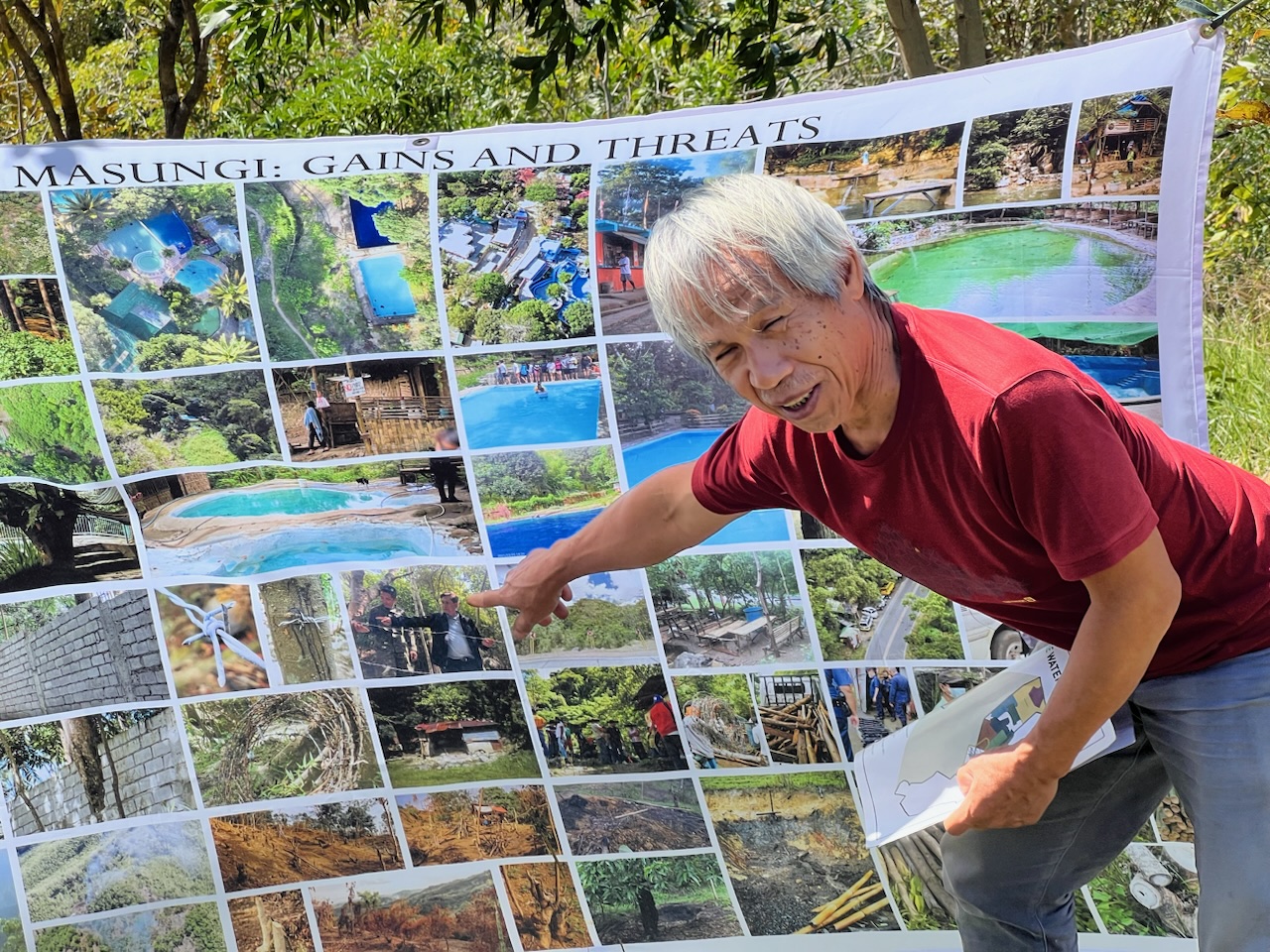
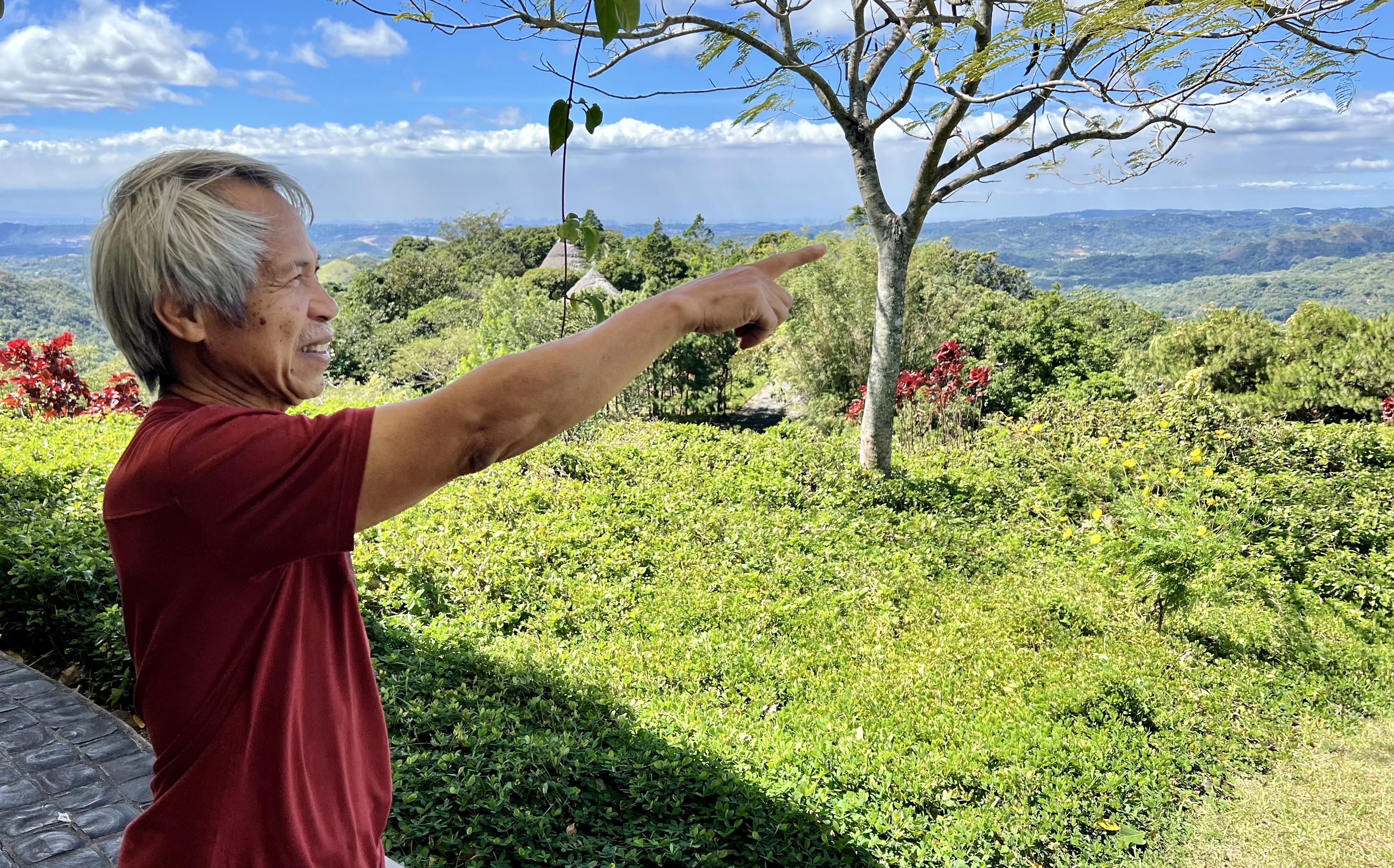
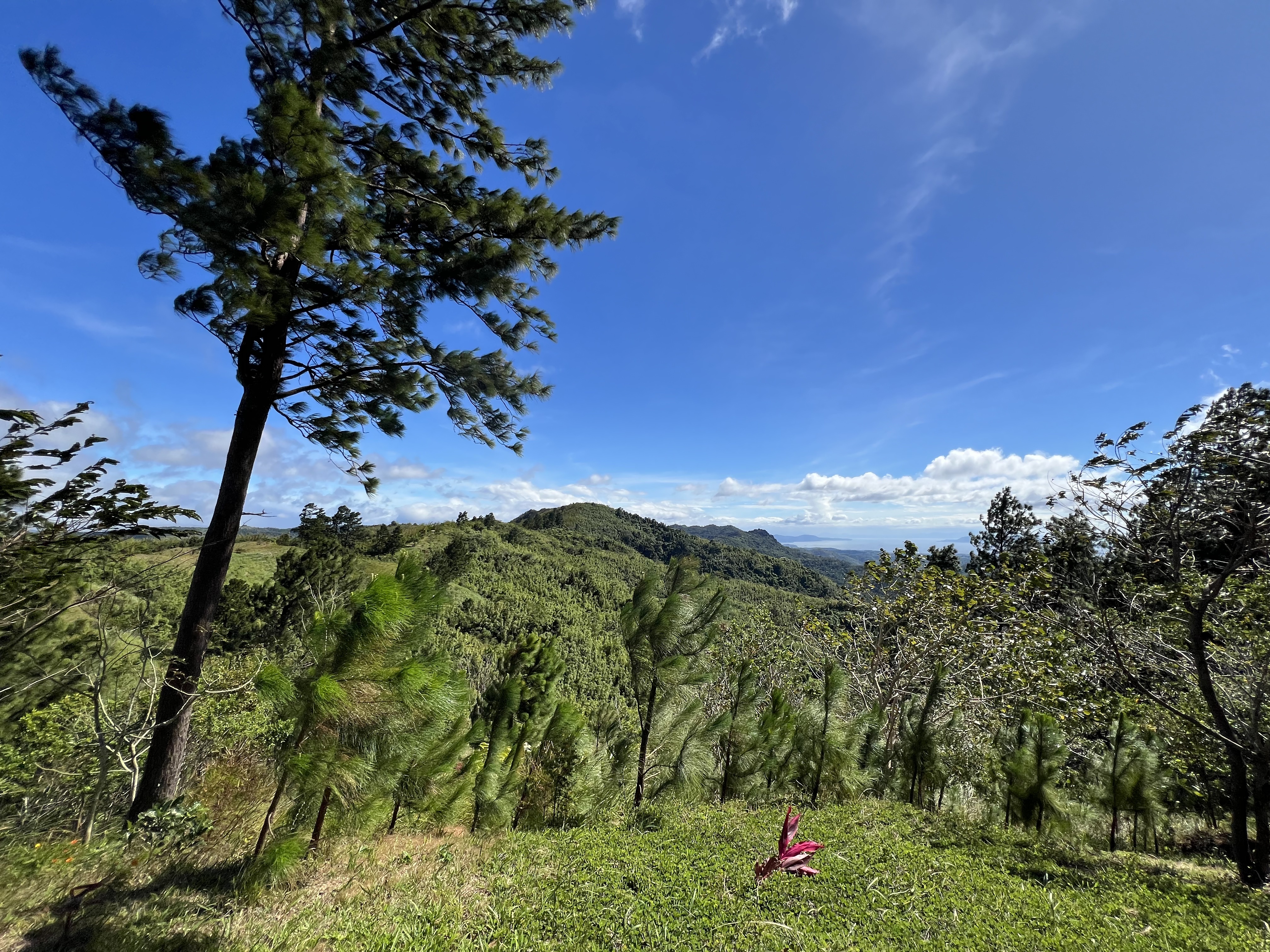
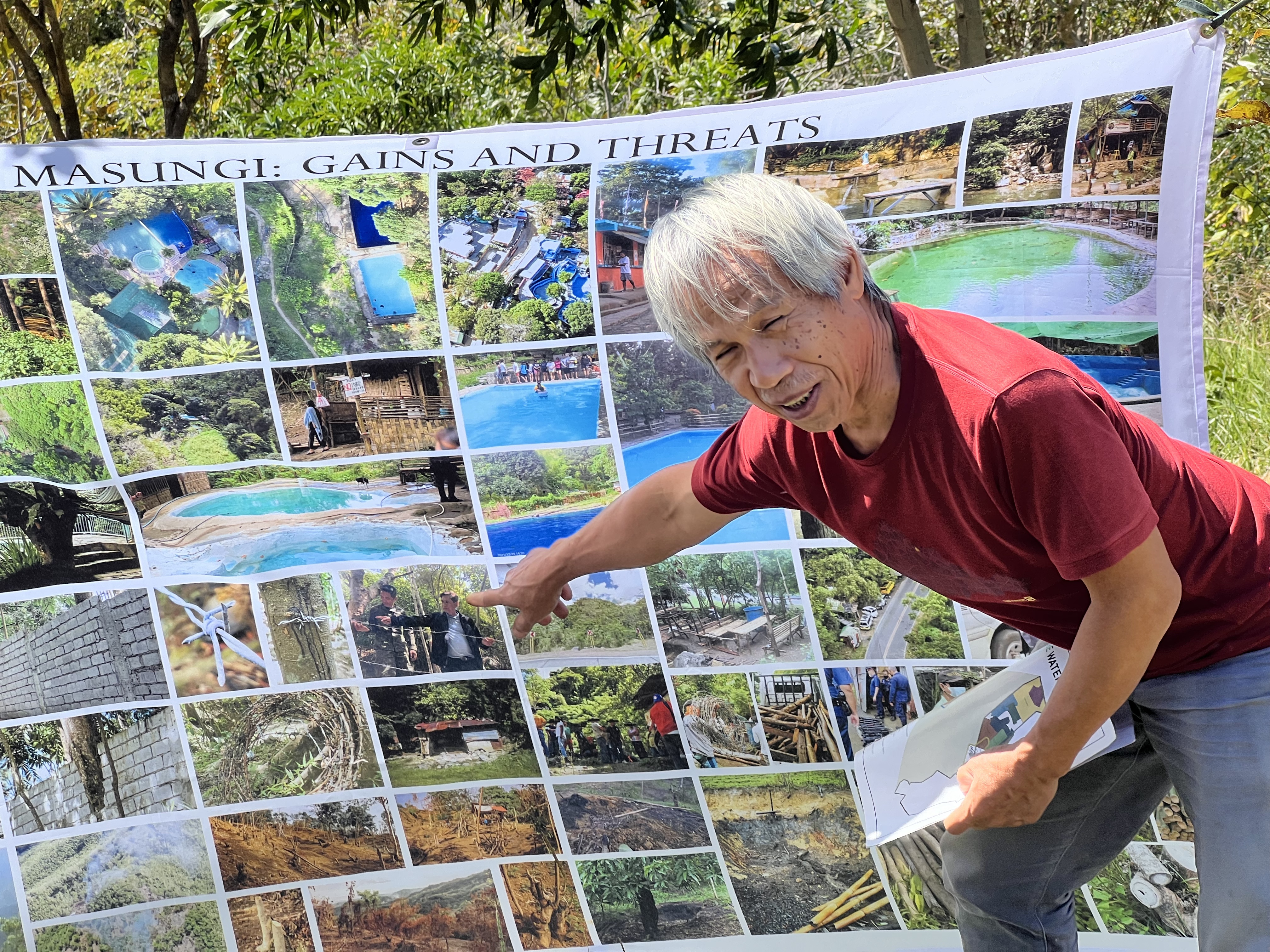
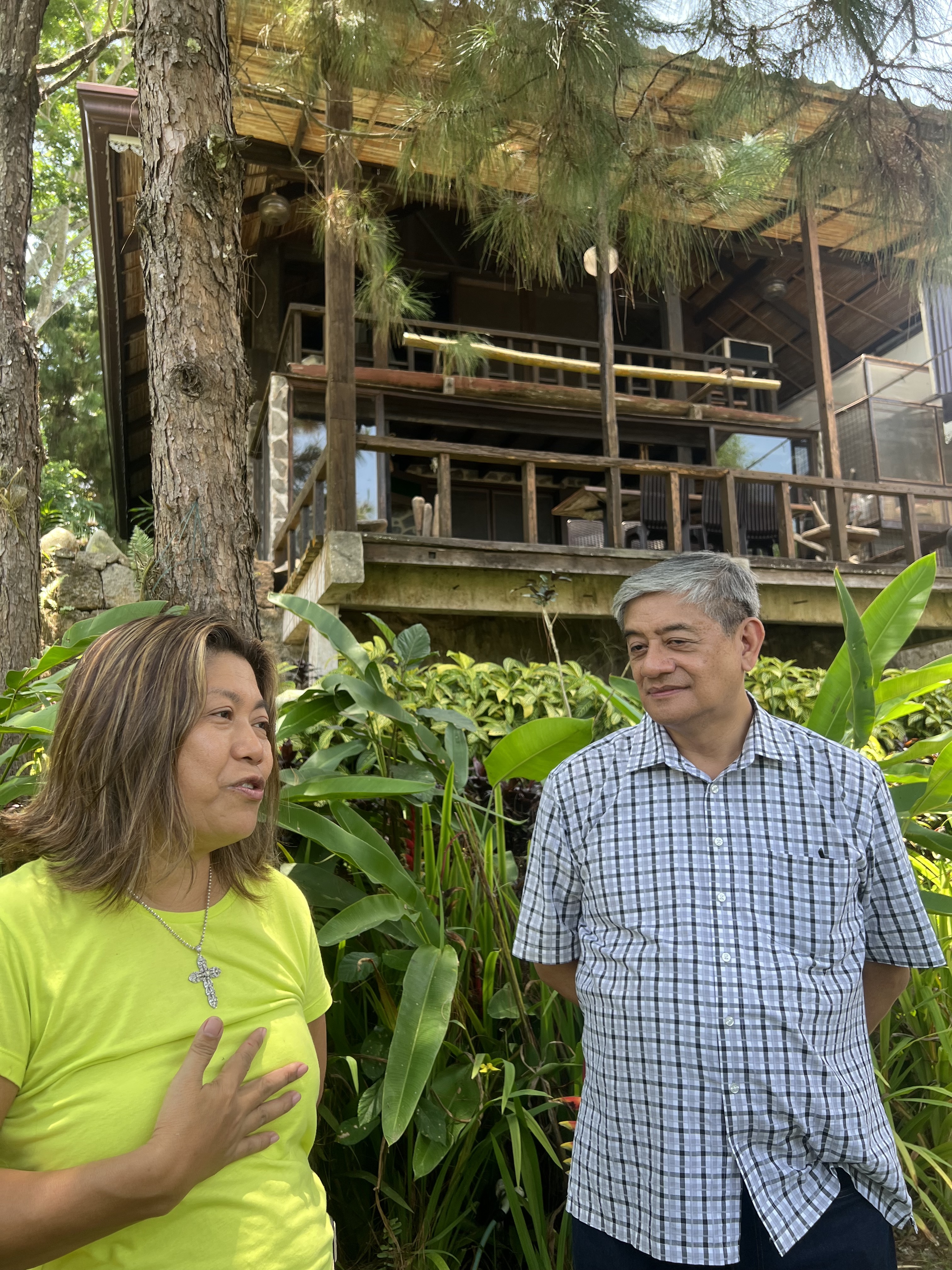
The man telling me this as he sweeps his hand over the vast Upper Marikina Watershed below and around us is Ben Dumaliang. At 68, Ben is exceptionally articulate for a civil engineer, but he needs to be, because he’s no longer just building houses. For almost 30 years, he’s been building the Masungi Georeserve—a 3,000-hectare expanse of mostly forest land on the slopes of the Sierra Madre along the boundary of Tanay and Baras, Rizal.

Masungi sits on the watershed that both nourishes and protects Metro Manila, providing it with fresh water while helping to keep flooding in check—if things like trees and streams are where and how they’re supposed to be. And there’s the problem, that helped a freak downpour like Ondoy become the biblical torrent it turned out to be. 

“Much of this was logged over not too long ago,” says Ben. “We had to reclaim the land from the loggers, the quarry companies, and the land speculators, and then reforest it.”

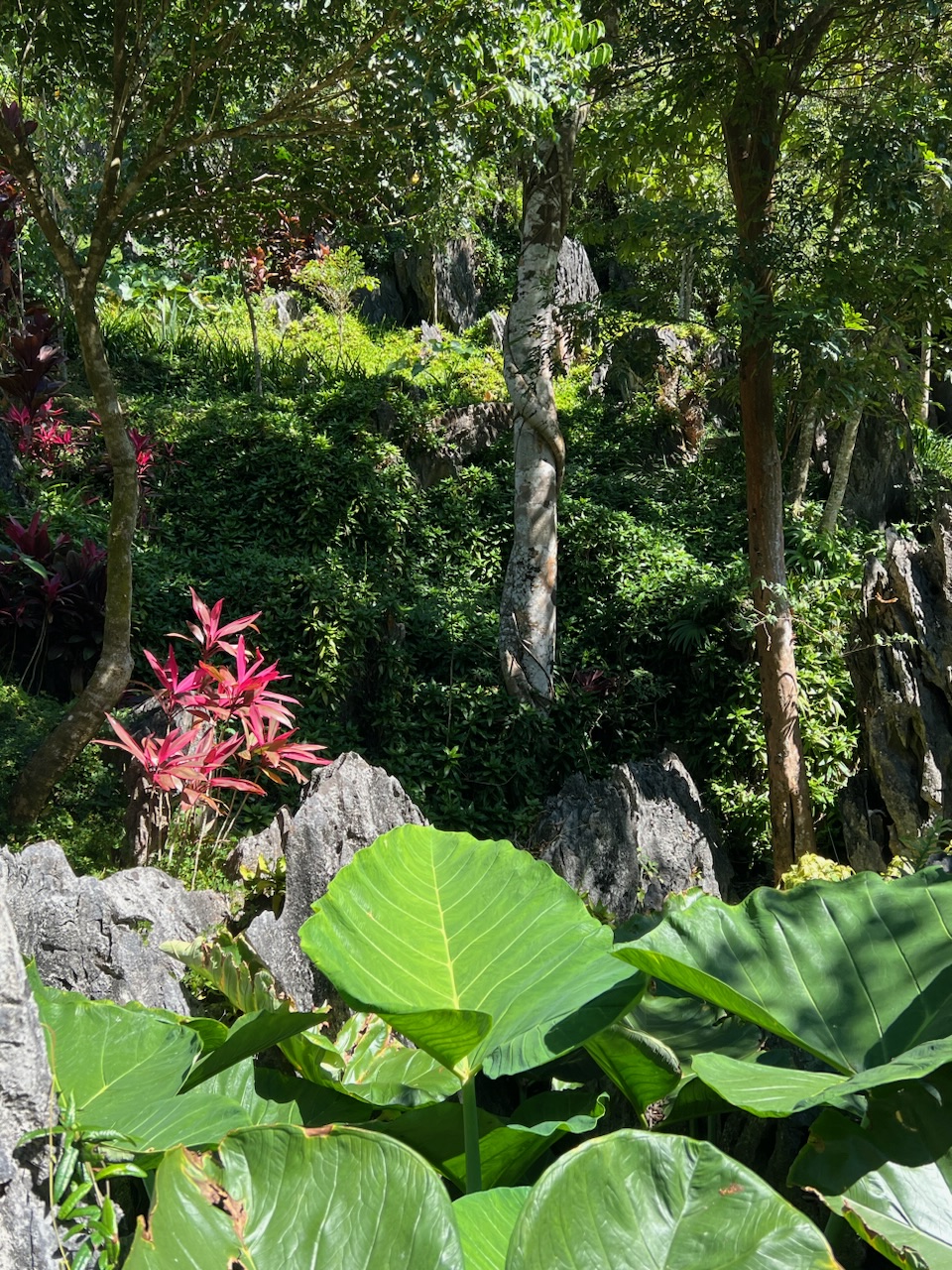
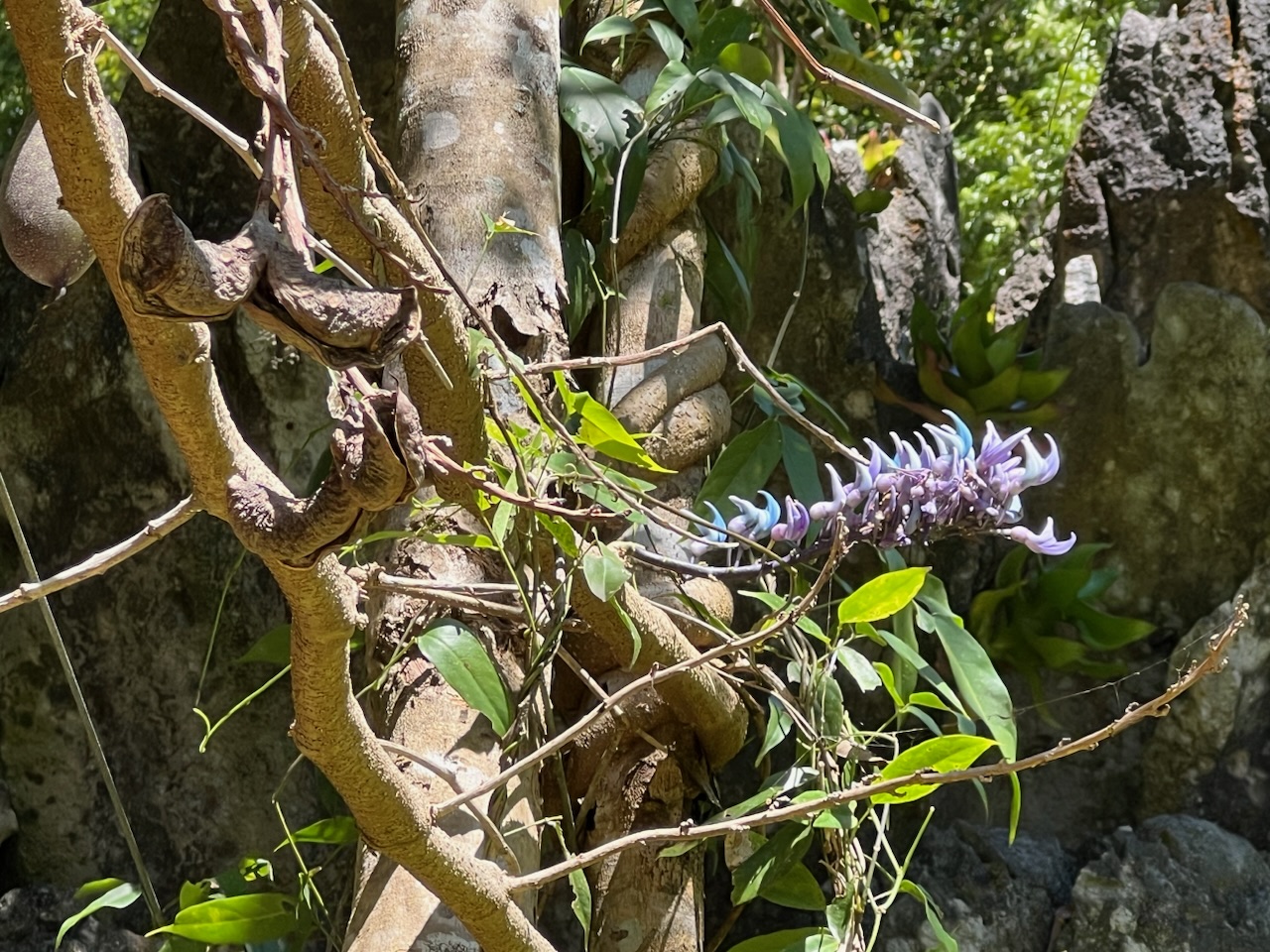
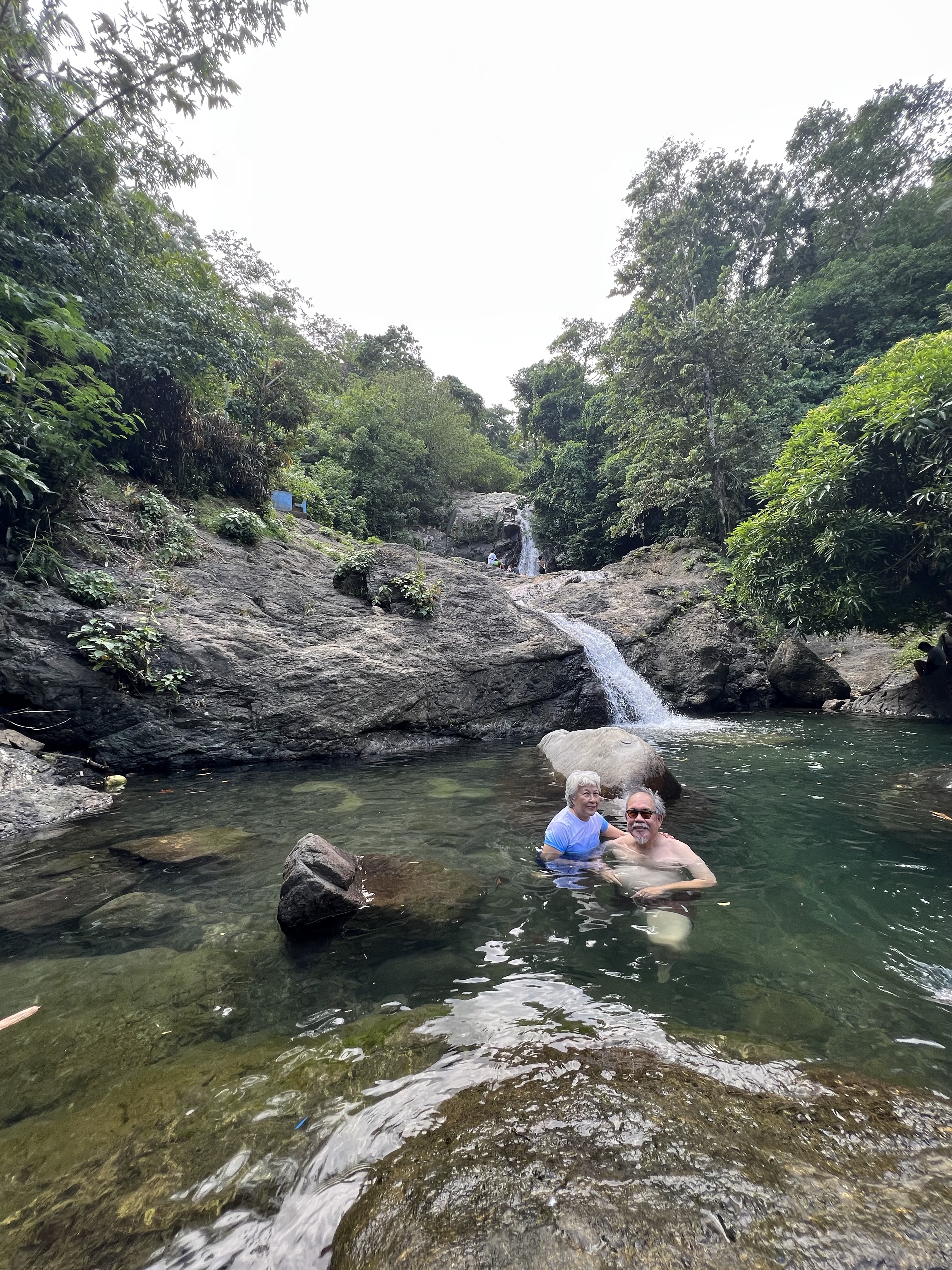
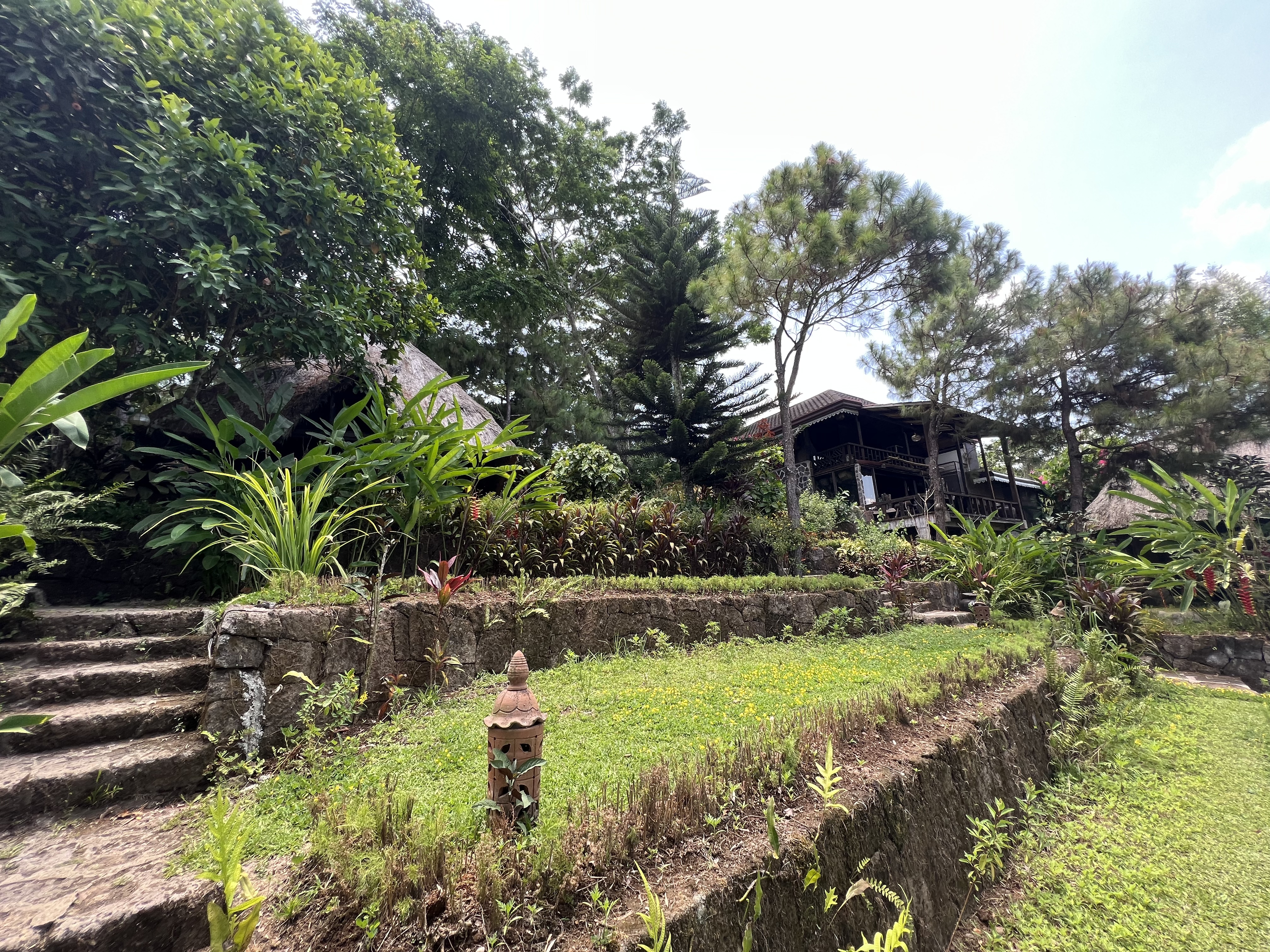
Today the Masungi Georeserve is about as close to a natural Eden as you can get this close to the city—about 30 kilometers from where I live in Diliman—with lush new growths of Philippine trees, unique plants and animals such as the purple jade vine and the Masungi microsnail, and hundreds of endemic species including 72 kinds of birds.

But it wasn’t always that way, as Ben recalls the georeserve’s unlikely beginning. “This was government land that the Department of Environment and Natural Resources (DENR) intended to use for employee housing back in the 1990s. In 1996, my construction company, Blue Star, won the bidding for the housing project, and we began building roads on the property and making improvements on it. However, the land had been chopped up among various syndicates, and the DENR failed to deliver on its obligation to clear the land of settlers, and after a while people lost interest in living here, and the housing project stalled.”

In the meanwhile, Ben had begun to appreciate the natural beauty of the place, despite its ravaged state, and started developing parts of it—particularly the centrally located Lot 10, which remains the hub of the georeserve. He began taking the land back from its illegal settlers, who included rich and powerful people who had put up cottages in the area.

Almost immediately, he began to get blowback. “Our rangers were shot at and mauled when they tried to do their job, and the police did nothing about it.”

Not surprisingly, Ben says that a group of police generals had apportioned parts of the watershed among themselves, citing the Marcos-issued PD 324 which had declared these lands alienable (conveniently forgetting that PD 324 was effectively repealed by Marcos himself under the Forestry Code aka PD 705 and by Presidential Proclamation 1636 prohibiting tree cutting and dwelling in the watershed). 

In 2015, Ben’s daughters Billie and Ann set up the Masungi Georeserve Foundation, to which Blue Star entrusted the care and management of the area. (Ben is a principal in both entities, and both daughters remain active in the foundation.)

It was in 2017 that the most auspicious turn happened for Masungi. Then newly appointed DENR Secretary Gina Lopez visited the place, liked what she saw—particularly what Ben and his people were doing to restore and conserve the forest—and had a contract drawn up between the DENR and the foundation granting it the right and obligation to replant the georeserve. 

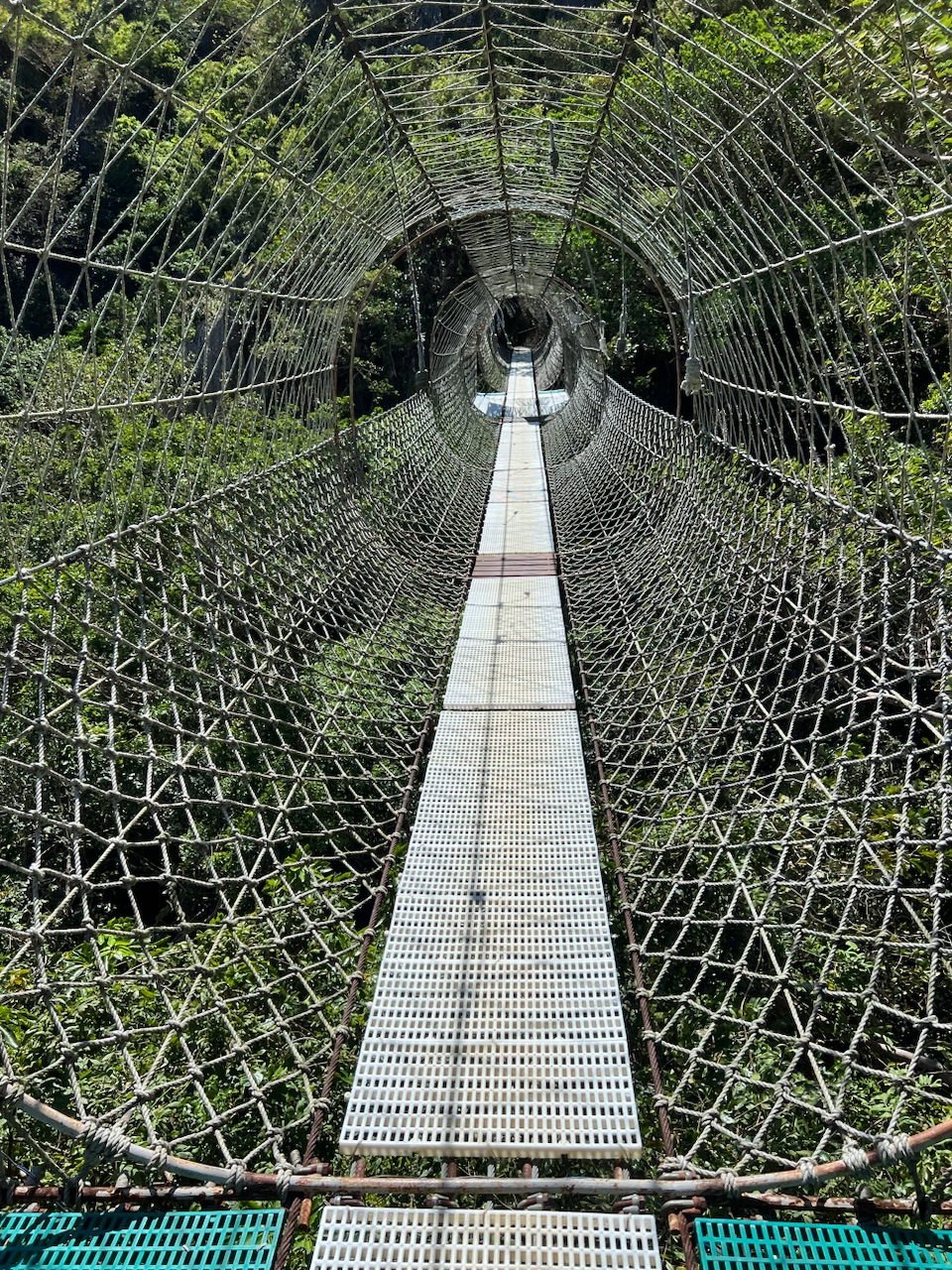
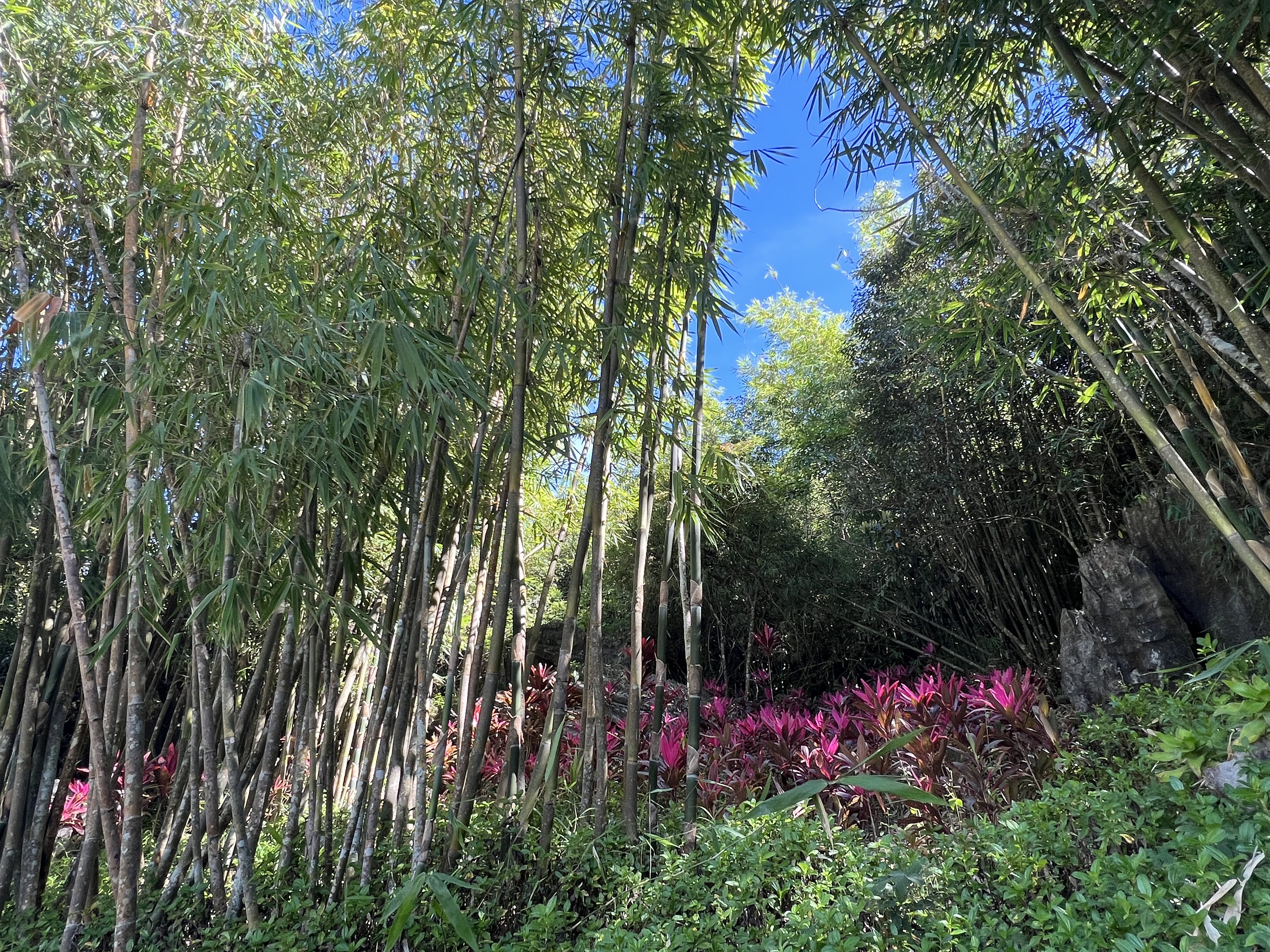
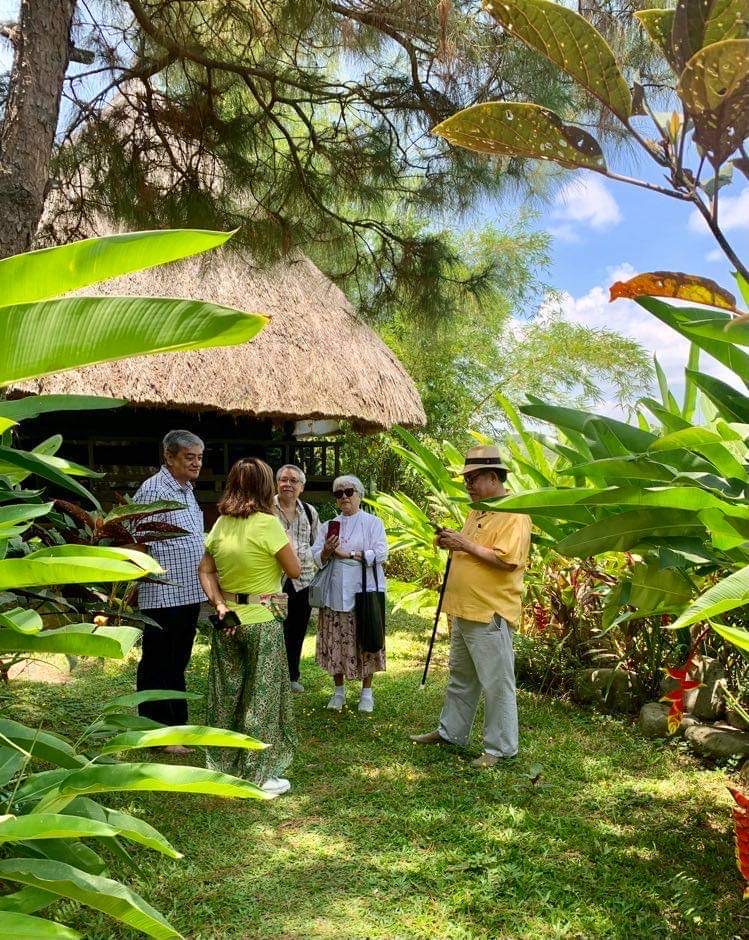
Today sturdy growths of Benguet pine crown the hilltops of the watershed. The georeserve is thick and picturesque with trees, orchids, and returning wildlife. A limited number of ecotourists come every day to hike trails that weave through the sharp karst limestone landscape.

But not far below the pine trees, Sitio San Roque in Baras remains host to a bustling community (that reportedly includes, yes, at least one police general and one high-ranking government official who owns a pool resort, against whom a case had been filed but who was allowed to retire with full benefits). “The syndicates and rogue officials are the root cause of deforestation and environmental degradation,” says Ben. “I fear for my life and my family’s,” he admits. “It’s very easy to die in a place like this.” (For more background information, refer to my fellow columnist Jarius Bondoc’s piece from September 13, 2023, titled “DENR ignoring public appeals to evict watershed landgrabbers.”)

The threats are more than personal. Insanely, the Bureau of Corrections managed to secure 270 hectares in the heart of the reserve to build a new national penitentiary and its headquarters there. The DENR also reportedly agreed for Tanay to build wind turbines on the ridge overlooking Lot 10. Neither project can possibly be good for jade vines, microsnails—and people, for that matter.

Some days, Ben feels like he’s fighting windmills in Masungi—and not just the literal ones, either. He doesn’t understand what he sees as the antipathy of the DENR toward him and the foundation. The DENR wants his contract canceled, ostensibly because he had gotten Sec. Lopez to sign it when she was ill and just before she left office after failing to be confirmed (Ben denies this, saying she was the one who insisted on the contract getting done. “They seem to think I’m getting rich from this, but in fact I’ve been drawing from my own resources for the georeserve,” he explains. The MGF gets no funding from the government and relies on its limited income and on private support for its operations.) DENR Sec. Ma. Antonia Yulo-Loyzaga, he says, has ignored all his letters and requests to meet to thresh out any issues between them.
Nature reserves don’t grow just trees—they breed enemies, few of them natural; most walk on two feet.

(On a rather distressing side note, I have good and trustworthy friends on both sides of this issue messaging me to believe this and not to believe that. For the moment, I’ll have to believe the evidence of my eyes, but to be fair, I invite the DENR to send me their comments, and specifically their answer to this simple question: “What is the Masungi Georeserve Foundation doing wrong?”) 

Qwertyman No. 69: Tabi Kayo Riyan!

Qwertyman for Monday, November 28, 2023

WHEN THE EDSA busway—a special lane just meant for public utility buses—was inaugurated in June 2020, I was among the many millions of Metro Manila motorists and commuters who breathed a sigh of relief and said, “Finally! Somebody’s come to their senses and did what had to be done.” 

It wasn’t going to banish the traffic problem for good—that burden still lies with our woefully inadequate mass transit system—but it applied a logical solution to a particularly oppressive aspect of our urban existence, the infernal sludge that tossing private cars and public buses into the same slurry produces. The traffic’s still bad in many spots on busy days and hours, but at least you could see some order in disorder. For this driver in his car, I can even find some ironic humor in watching buses speed down their lane while I struggle like a jockey in the middle of the pack to keep a nose ahead of the big SUV sniffing at my flank.

We’ve seen these special bus lanes in use elsewhere—most notably in Jakarta and Bangkok—and they seem to work. (Bangkok’s bus lanes have been around since 1980; Chicago adopted the world’s first bus lane in 1940.) London has set aside about 80 kilometers for 24/7 bus lanes, but some other roads also have designated bus lanes during peak hours; the fines are stiff, going up to as much as P11,000 for an infraction.

Here in Manila, according to the Management Association of the Philippines (MAP), just 550 buses transported as many as 450,000 people a day along EDSA as of December 2022; in its 30 months, the busway accommodated 154 million passengers. That’s a lot of traffic and a lot of people, and the true social benefit of a bus lane isn’t that these buses and their passengers are being shunted aside for our cars to move a little faster, but that those passengers—most of them the workers and wage-earners to whom we owe our other comforts—get to work and get to come home to their families sooner. It’s tacit acknowledgment that their lives are hard enough, and every bit of relief counts. In a sense, it’s social justice in practice. 

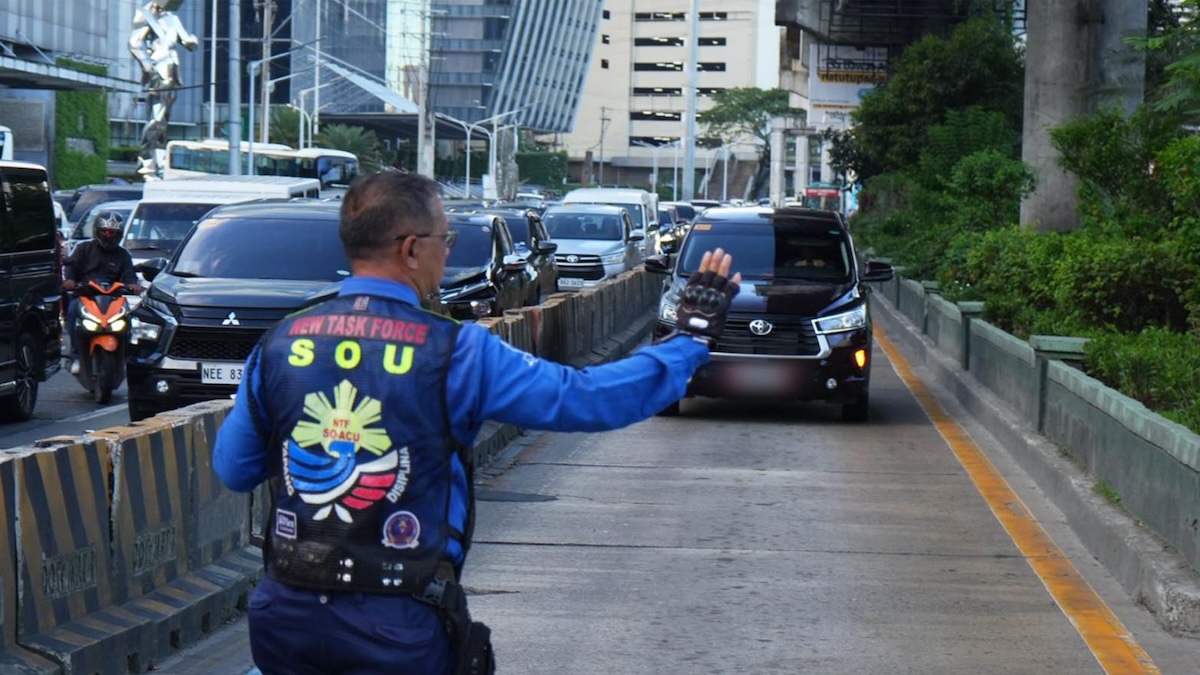
But now comes a proposal from the Metro Manila Development Authority (MMDA)—already approved by the Department of Transportation (DOTr), we’re told—to grant exemptions to the President, the Vice President, the Senate President, the Speaker of the House, and the Chief Justice, riding in five-car convoys, to use the bus lanes. Even more, senators and congressmen are also being considered for exemption (emergency vehicles and properly identified government vehicles are already exempted).

It might be argued, at least in theory (since the mischievous will ask for proof), that the big poohbahs have important national business to attend to, requiring their expeditious transport from Point A to Point B. (In Jakarta, only the President and the VP are exempt.)

The same cannot be said for senators and especially congressmen whose business it is to know the situation on the ground and to bring relief to their commonest complaints. Chief among those complaints for millions living in the metropolis is the horrendous traffic, a three-hour immersion in which should be part of every politician’s initiation into public service. 

As even Patricia Evangelista noted in her landmark book, Some People Need Killing, President Noynoy Aquino—for all of his virtues—lacked and almost disdained the common touch. But he understood the fundamental relationship between a leader and his people, and what he may have wanted in empathy, he compensated for in correctness. His proscription against the use of sirens and alarms to open a Moses-like path through traffic for government officials may seem trivial but sent absolutely the right message to citizens for whom “Daang Matuwid” might as well have been just another throwaway slogan. 

Sadly, our “wang-wang” culture—which, as a STAR editorial noted just last week, involves “not just the actual use of sirens and blinkers by VIPs whether in government or in the private sector, but the mindset itself that it’s OK to jump the line and that public officials deserve such VIP entitlements”—has crept back after PNoy, with a vengeance. 

The convoys of black, tinted SUVs with their sirens screaming “Tabi kayo riyan!” have become ubiquitous once again, flaunting the perks of power. The MAP deplored this by stating that “Accommodating convoys of officials demonstrates inconsistency of public policy: favoring the privileged few over the overwhelming majority of the commuters and motorists who deserve an efficient EDSA busway.” I’m sure that you and I have shorter and less Latinate words to say every time one of those convoys brushes past us on EDSA and along that larger avenue we call Philippine society.

That society, for better or for worse, takes its cues from the top. When our presidents behave, we (or most of us, at least) try to walk the straight and narrow; when they steal, their minions feel emboldened if not empowered to fill their own pockets; when their mouths spew obscenities like sewers, rudeness and vulgarity become excusable, and even fashionable.

In the Tang dynasty, the Emperor Taizong was known to be a wise ruler, and even wrote The Zenghuan Executive Guide, a kind of management manual. Among his best practices was the employment of “remonstrants”—as many as 36 of them—whose job was to provide the Emperor with “remonstrances,” to tell him to his face what he was doing wrong. “I often sit quietly and reflect on myself. I am concerned that what I have done may … cause public discontent. I hope to get advice and remonstrance from honest men so that I am not out of touch with the outside world,” Taizong was quoted as saying.

There’s no record of whether the Emperor Taizong’s soldiers pushed other wagons and pedestrians aside on the road to make way for the imperial train, but I suspect not. I just wonder, who will be our Taizong, and who will be his remonstrants?

(Photo from topgear.com.ph)

Penman No. 456: A Pocket of Peace and Quiet

Penman for Sunday, November 5, 2023

ROXAS CITY, the capital of Capiz, is proud to declare itself the “Seafood Capital of the Philippines” as well, but I didn’t even know that when I booked a flight for me and my wife Beng last month to spend a few days in Roxas. I still had a few “super passes” I’d bought a bunch of from an airline promo last year and they were expiring soon, so as Beng and I are wont to do, we decided to pick a place on that airline’s list of destinations, one where we’d never been before. It would help that Beng was Ilongga, and having been married to her for almost 50 years, I could understand Hiligaynon, so getting around would be no problem. The “seafood capital” tag popped up when I googled “Roxas City” for ideas about where to go and what to do—that was the clincher for me, the scourge of crabs, shrimp, scallops, and all aquatic arthropods. 

An hour-long plane ride from Manila deposited us in Roxas City’s airport, which has the advantage of being a short tricycle ride away from downtown. 

For our “hotel,” I picked out, online, a place called the Olive Hostel, which proved to be an adventure on its own. At just over 1K a night with free breakfast and within walking distance of Western civilization, it seemed just right for Beng and me, who don’t insist on five-star luxury. If you’ve ever wondered what it’s like to live in a container, well, we found out. It literally was built out of steel containers piled on top of each other, with doors and windows cut out. But don’t get me wrong: it was all very capably and tastefully done, and as tiny as our quarters were, it was actually quite cozy; the bathrooms were immaculately clean and the wi-fi was strong. There was no TV, but we made up for that by watching Netflix on my laptop, perched on my tummy. (Beng and I are used to tiny hotels in HK, Japan, and Korea; I’m usually claustrophobic, but I don’t feel that with Beng beside me.) 

The Olive Hostel’s grounds were, by contrast, spacious and very well maintained, lovely especially in the evening. For those seeking more traditional lodgings, the President’s Inn downtown comes highly recommended. Among the city’s newest and most modern hotels, three—the Veronica, the Urban Manor, and the Islands—can be found in Pueblo de Panay township.

Roxas City has one of the prettiest and cleanest plazas I’ve seen around the country, small but the very picture of what a plaza has always been in our provincial imaginations, with City Hall, the church, and a park with a bandstand beside a river.

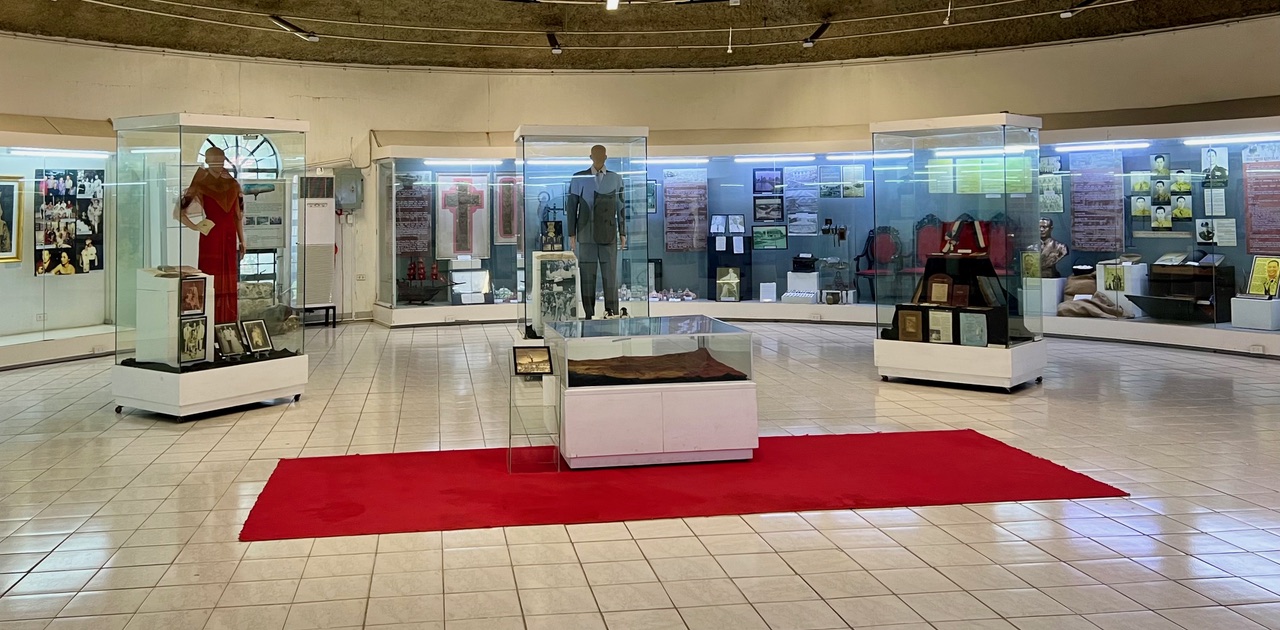
To one corner stands the Panublion Museum, a cleverly repurposed water tank that showcases highlights of Capiznon history and culture. Managed by its very capable director, Cheryl Anne del Rosario, Panublion features the personal memorabilia of the city’s favorite son, President Manuel A. Roxas, including the flag flown at the July 4, 1946 inaugural of Philippine postwar independence. (President Roxas’ ancestral home is not too far away and is open for public viewing, but was closed on the day we toured the city.)

The museum also showcases the tools and finery of the province’s and island’s indigenous peoples. Most captivating were the exhibits  featuring Capiz’s two female National Artists—Jovita Fuentes for Music and Daisy Avellana for Theater. Fuentes’ golden gown contrasted sharply with the suit of armor worn by Avellana as Joan of Arc. Entrance to the museum is free, but donations are welcome. 

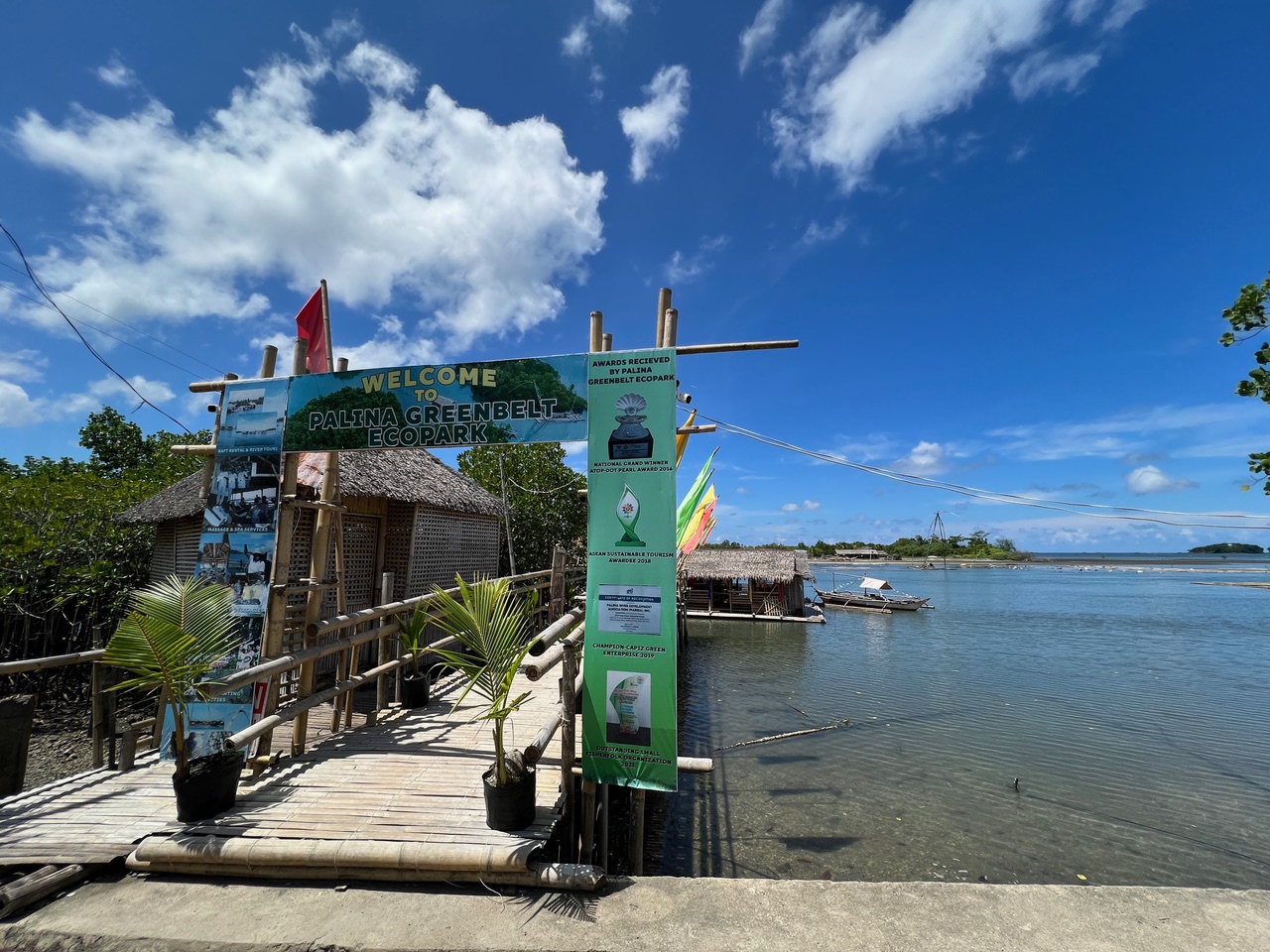
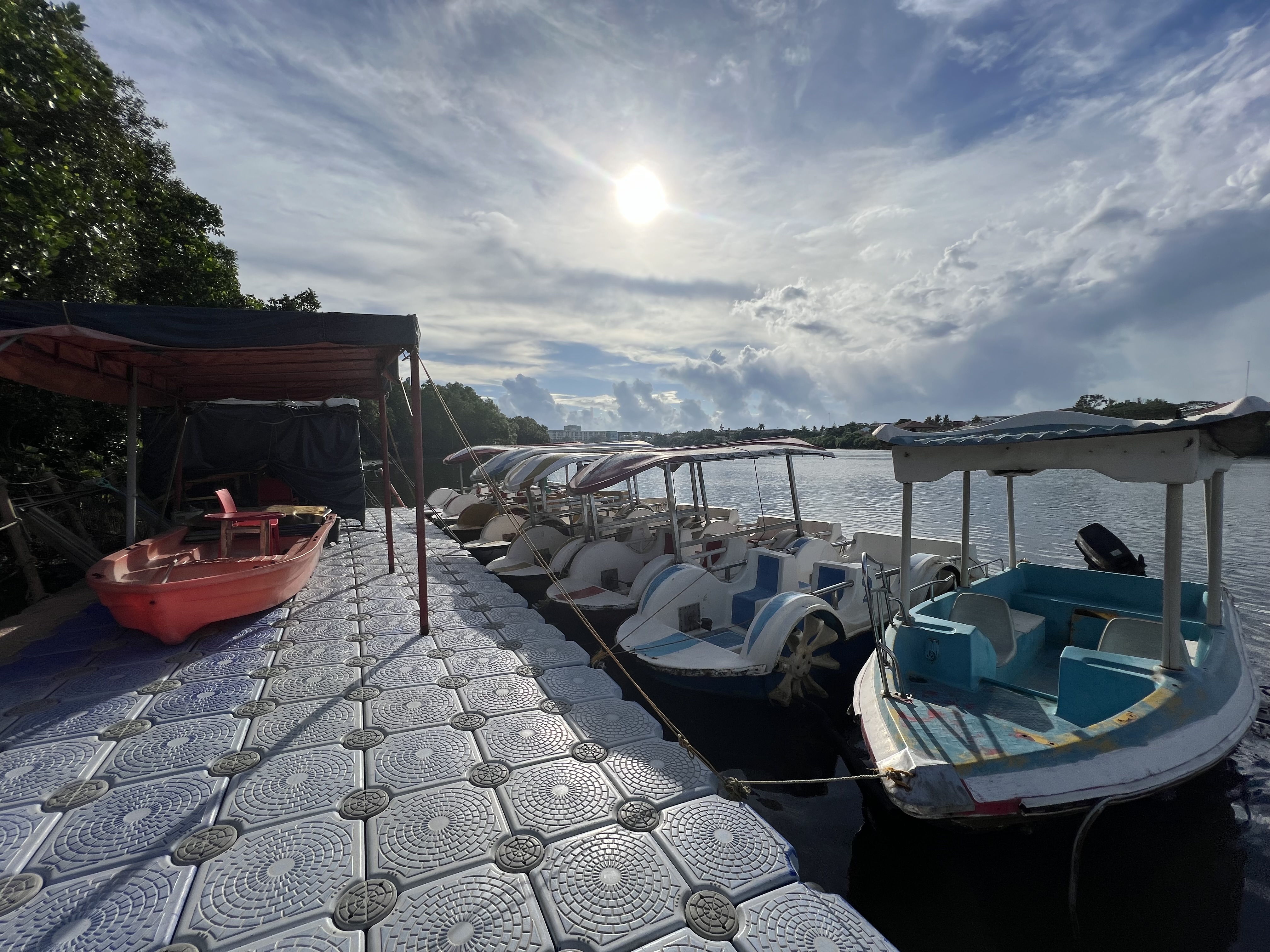
On our first night we walked out to a neighborhood restaurant where the chicken inasal was P108 with unlimited rice and a surprisingly good fruit drink, plus lomi at P68. We had the obligatory seafood lunch in one of the many restaurants along Baybay (literally, the beach), but much more charming and restful was a similar lunch on a bamboo raft on the river at the Palina Greenbelt Ecopark, normally part of a lazy cruise (the tide was too low when we arrived for any cruising, but the scenery was enough to soothe the senses).

Roxas has no shortage of malls for the urban dweller. The usual suspects—SM, Gaisano, CityMall—line the main highway downtown. Its equivalent of Metro Manila’s BGC is the 670-hectare Pueblo de Panay township, a residential and commercial development project master-planned by a Singaporean company and offering the most modern facilities and amenities to Capiz’s and Panay’s rising middle class. 

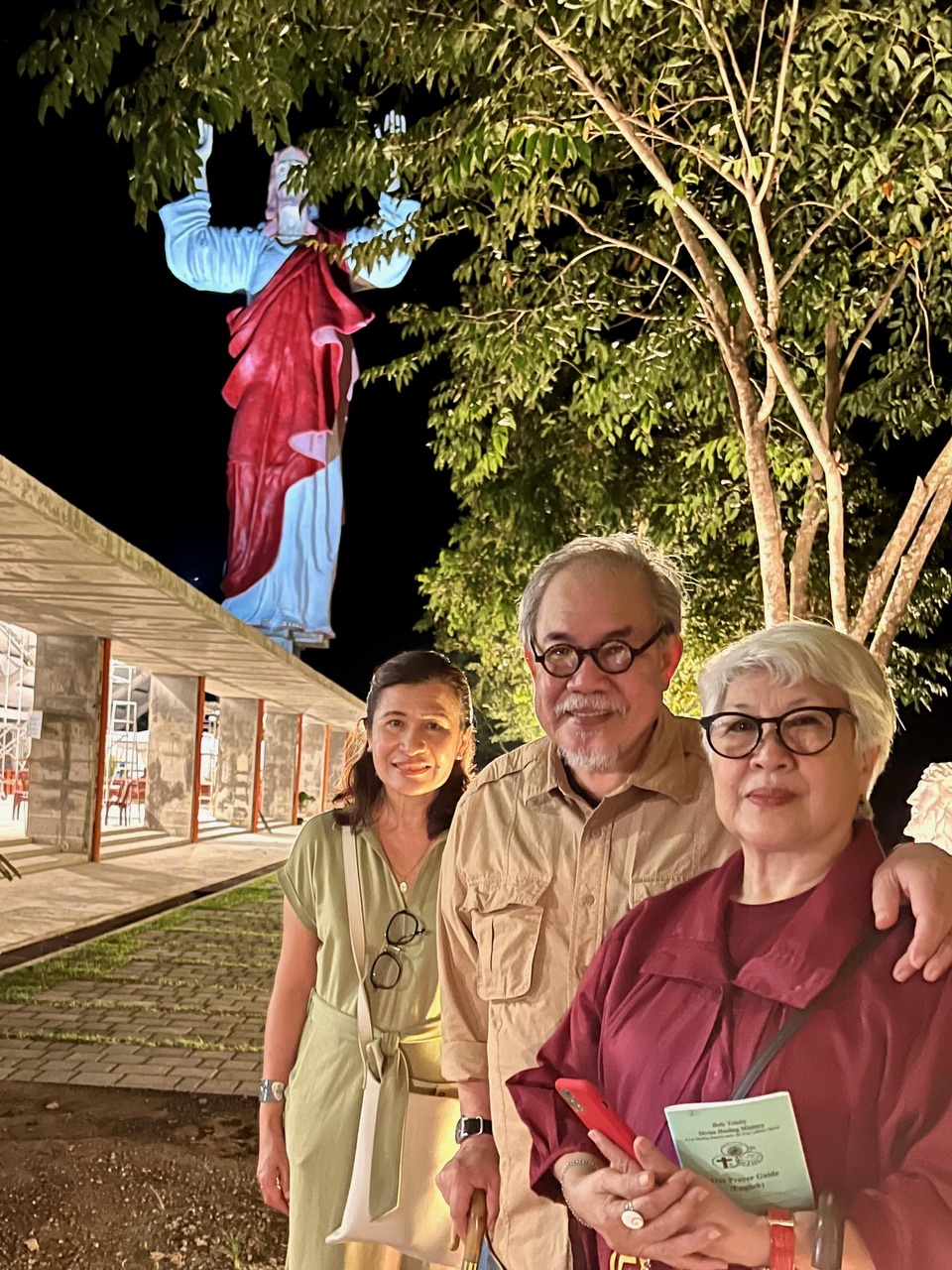
A mutual friend—the peripatetic Susan Claire Agbayani—introduced us to Hariette Ong Banzon and her husband Peter, the couple behind the Pueblo, who invited us to dinner at Cafe Terraza, their hilltop restaurant offering a panoramic view of the city far below. But before dinner, Hariette made sure to bring us to see the project dearest to her heart and now one of the city’s—indeed the island’s—most remarkable landmarks: the 132-foot statue of the Sacred Heart of Jesus, which Harriette commissioned following the miraculous cure of a relative. Hariette and Peter—incidentally both fellow PSHS alumni, so we had other memories to share—are people of faith and conscience, reflecting their values in their optimism about Roxas City’s prospects and the way they run their business.

For all the things we seek in this troubled world—a pocket of peace and quiet, good food, rejuvenation of body and soul, and friendly people—Roxas City has much to offer, and we can only give it our ultimate accolade: “We’ll be back!”

Qwertyman No. 67: Business with Culture in Iloilo

Qwertyman for Monday, November 13, 2023

OVER THE past year, still eagerly emerging from our post-pandemic stupor, my wife Beng and I have been traveling up a storm, limiting ourselves to local destinations such as Bacolod, Virac, Davao, Roxas City, and Iloilo City. We chose these places because we’d never been there before—such as Virac and Roxas—or hadn’t visited for many years.

We were most impressed by the progress shown by Iloilo, whose transformation into a rapidly urbanizing metropolis I had begun to observe well before the pandemic. City and provincial officials, under the initial leadership and with the strong support of former Sen. Franklin Drilon, had managed to unite behind the key objectives of a continuing comprehensive development plan that has straddled several local and national administrations. 

All over the country, you hear about politicians achieving national prominence and power, even to the point of aspiring for the presidency—except that back in their home provinces, they did little or nothing for their constituents, and may even have lost the local vote to an outsider as a result. Drilon never ran for President—a job I think he would have performed excellently, if our voters were thinking rationally—but if he did then he could have counted on a near-solid Iloilo vote for never forgetting where he came from and ensuring Iloilo’s emergence as a model of city planning.

Any visitor to Iloilo cannot fail to be impressed by its dynamic growth, from the minute he or she steps off the plane in the city’s airport in Cabatuan, about 20 kilometers from downtown Iloilo. The long drive to the city down the wide, smooth highway is a virtual introduction to the city’s progress, with new malls, office buildings, car dealerships, hotels, construction depots, hospitals, and housing lining both sides of the road; new bridges and overpasses were rising here and there. A Grab car service just opened this year, our driver said, happy to be lifted by that rising economic tide.

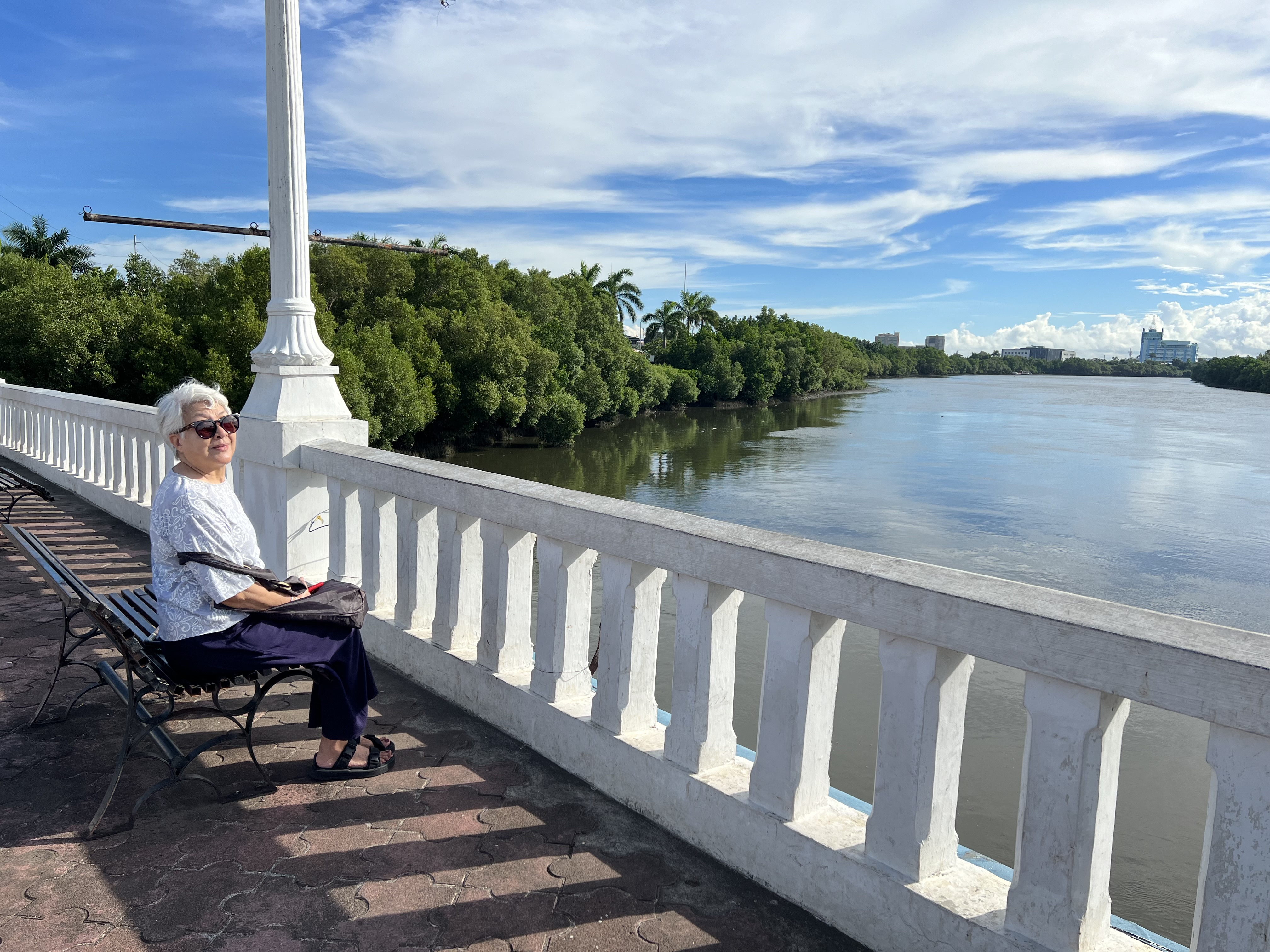
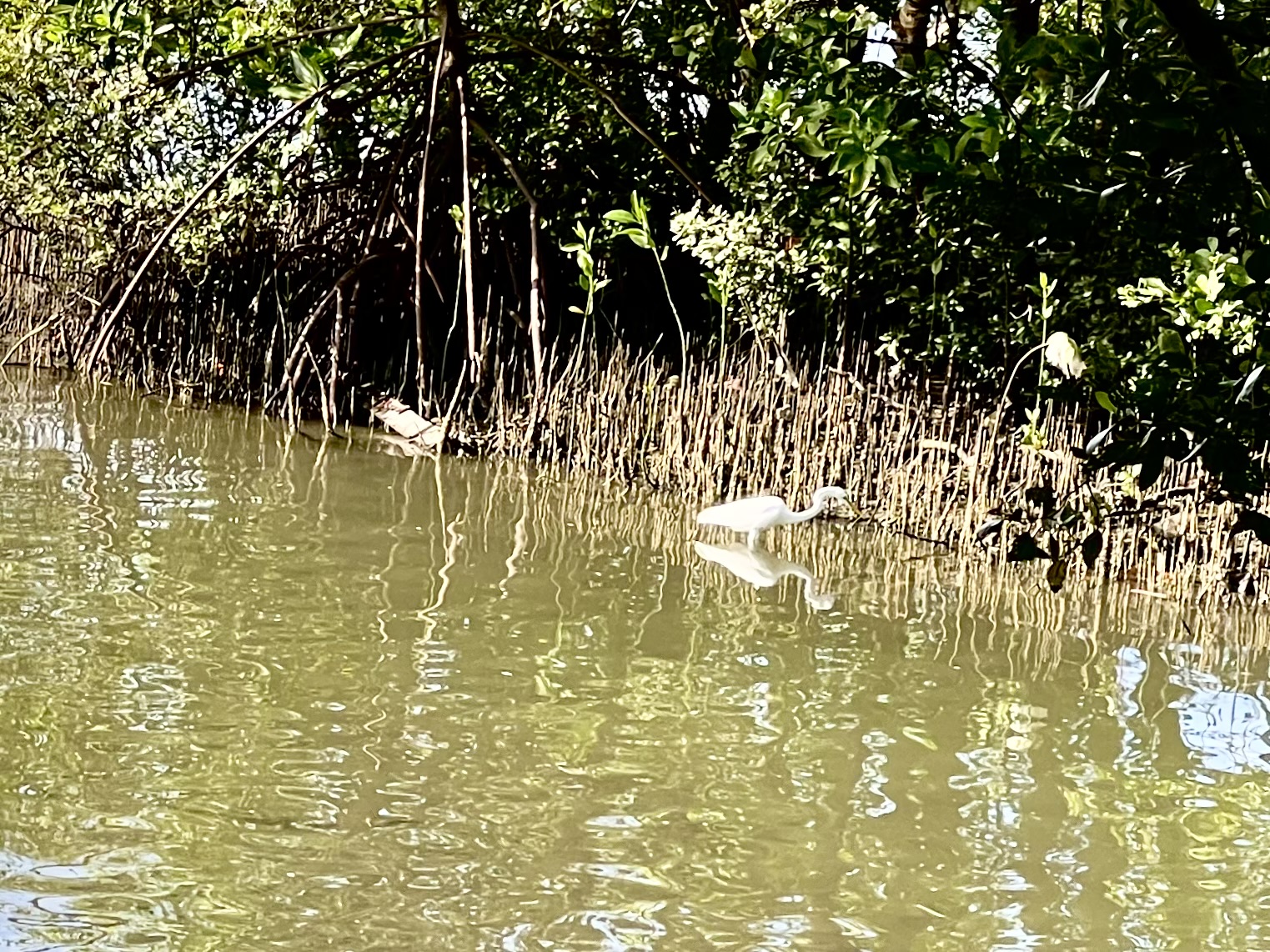
The crown jewel of Iloilo’s renaissance is clearly the Iloilo River Esplanade, now stretching nine kilometers along both banks of the river in its expanded form. Designed by the celebrated architect Paulo Alcazaren, the Esplanade is what we Manileños want our Pasig riverbank to look like, in our dreams, but here in Iloilo, it’s been a reality for over a decade now. From early morning until after sunset, the Esplanade is filled with joggers, couples, families, and tourists who can also duck for a drink or a meal into one of the restaurants and cafes lining the walk. The river itself, once described as a septic tank into which the effluents of the city’s factories, slaughterhouse, and beer gardens drained, is clean and clear, fringed by a healthy belt of mangrove where we spotted egrets taking refuge. 

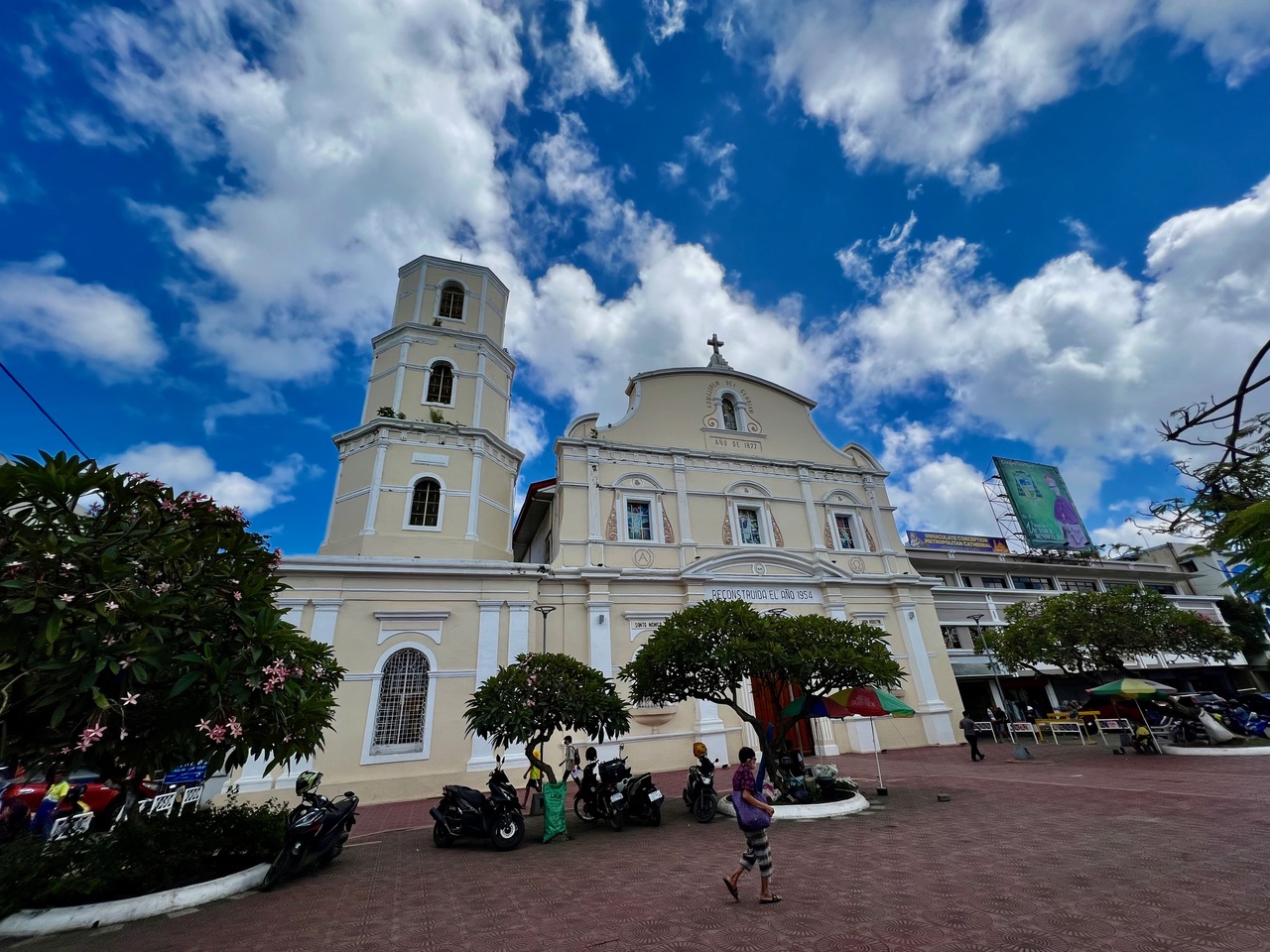
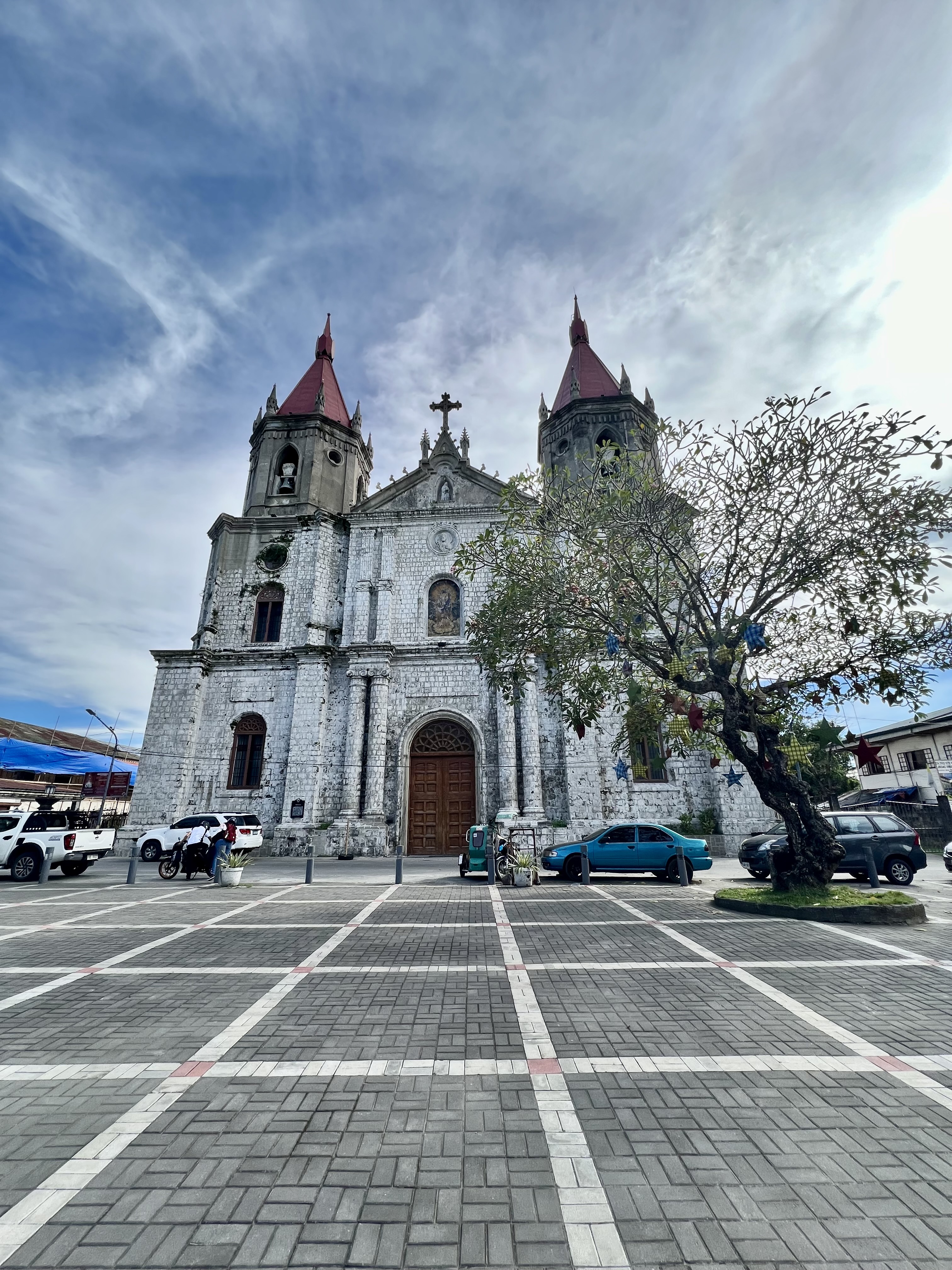
There’s a point of view that sees malls as the bane of urbanization and the death of small, artisanal businesses, and that’s been true in many places. It’s abundantly obvious that malls and mall culture have invaded Iloilo, with some negative consequences down the road. But so strong is local culture and tradition that it’s almost inconceivable that Iloilo will lose Tatoy’s, Breakthrough, Ted’s La Paz Batchoy, Panaderia de Molo, pancit molo, KBL, diwal, and all the other little things that make the city what it is. Indeed, instead of being pushed out, many of these institutions are now in the malls. At the plaza in front of Molo Cathedral, after a 3-km walk from our hotel via the Esplanade, we had breakfast of mini-bibingkas baked right before us the way they’d been done for decades.

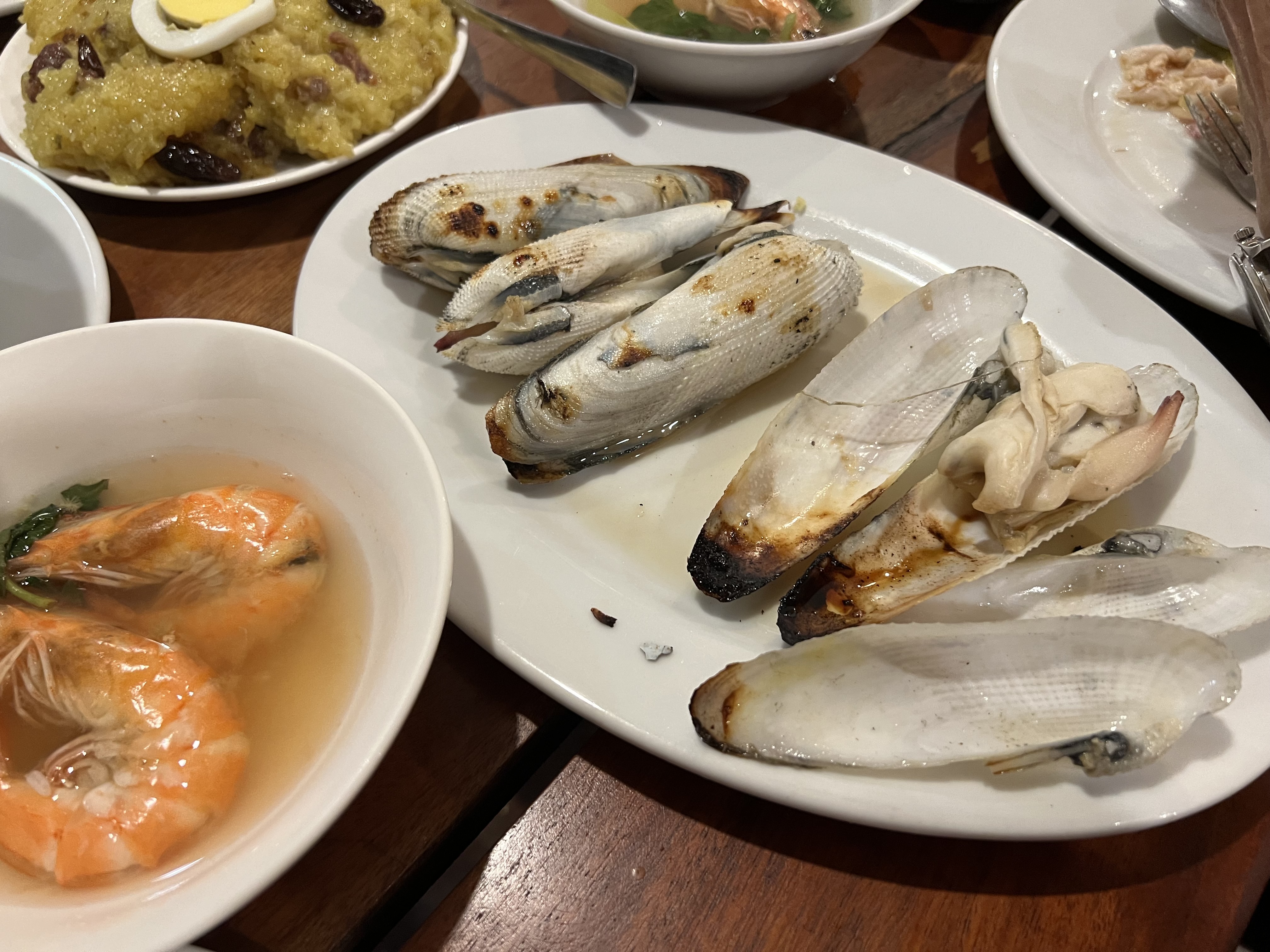
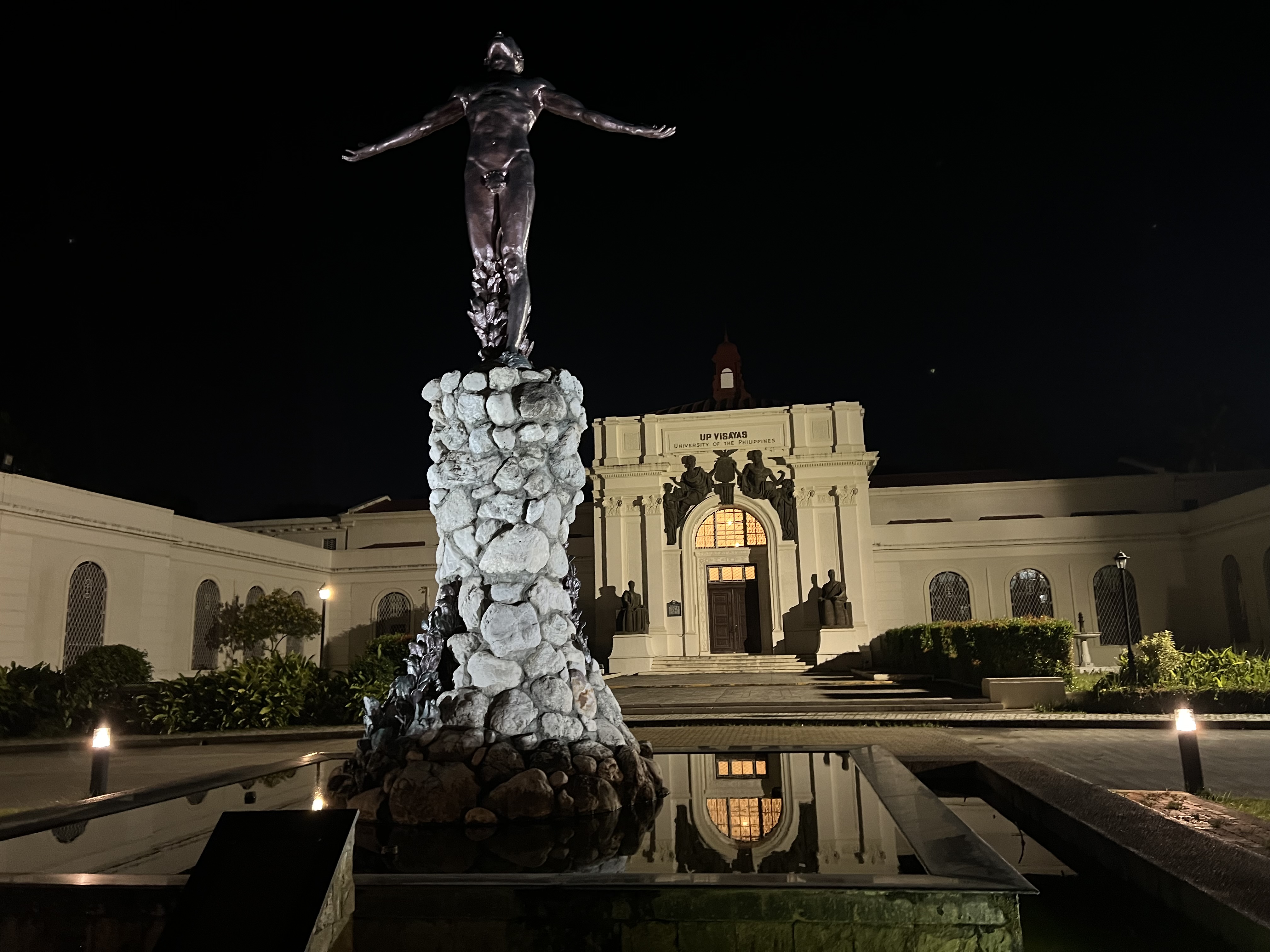
It was a happy coincidence that, during our visit, UNESCO named Iloilo as the country’s first Creative City of Gastronomy, in recognition of its outstanding culinary culture and heritage. This was achieved by the city government under Mayor Jerry Treñas with the assistance of a team from UP Visayas’ College of Management that facilitated a workshop for the city’s food-industry leaders last May. Education remains one of the city’s strengths; its West Visayas State University College of Medicine is now one of the country’s top-ranked medical schools, aside from UPV’s commanding role in the region.

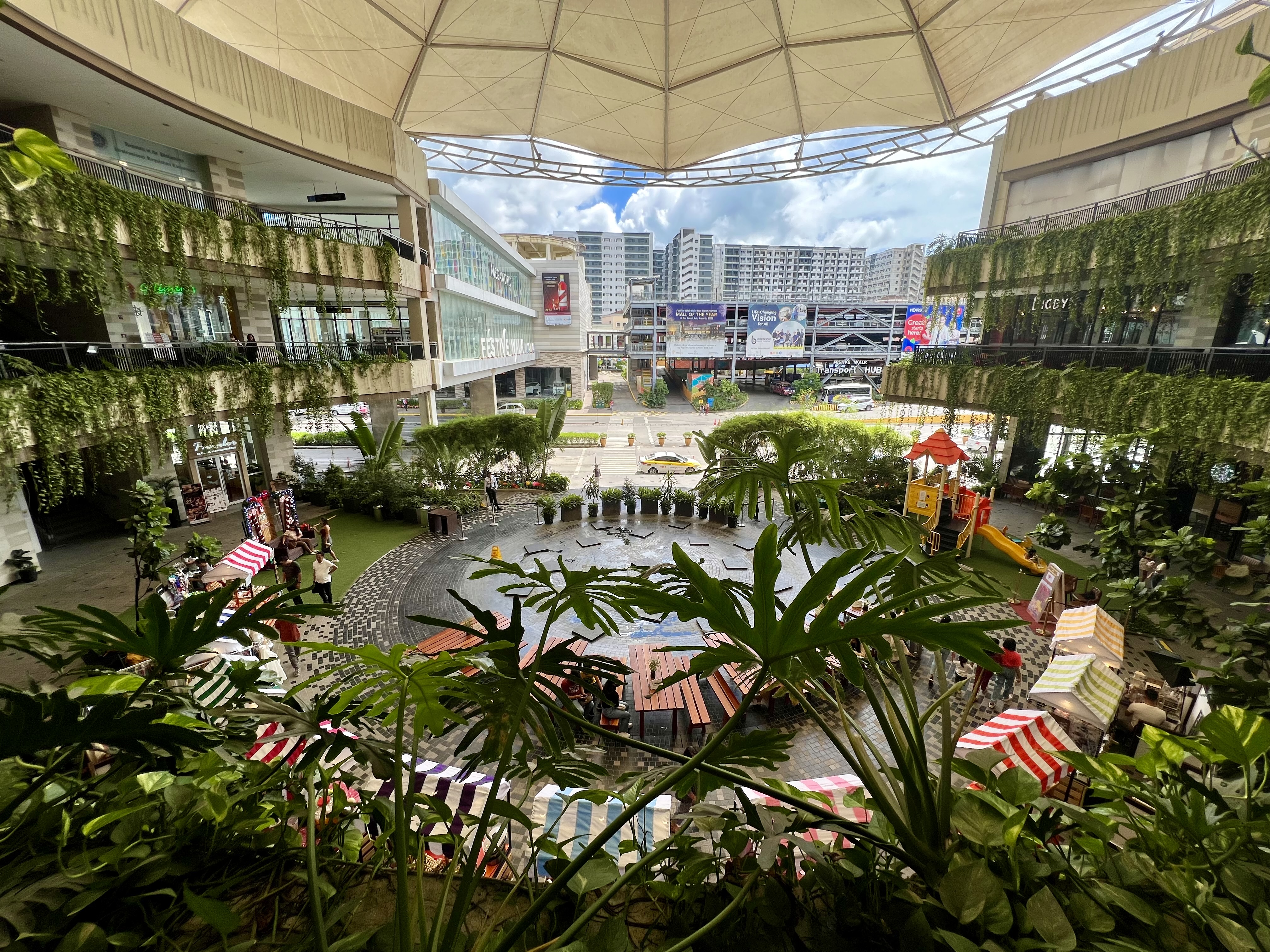
It was UPV Chancellor Clement Camposano who, after dinner in one of the many seafood restaurants that have cropped up in Leganes on the city’s outskirts, drove us around so we could appreciate the city by night. On our way to Molo, we passed through the new Megaworld/Festive Walk business district and were blown away by how smartly designed everything was; it was almost as if we were in Singapore or some such country. It was hard to believe that not too long ago, this was the old Iloilo airport in Mandurriao, and that the road we were traveling on had once been a runway. This is also where the Iloilo Convention Center is located, where the APEC 2015 summit was held (Drilon had negotiated the donation of the site from Andrew Tan, in exchange for the ICC’s being built there).

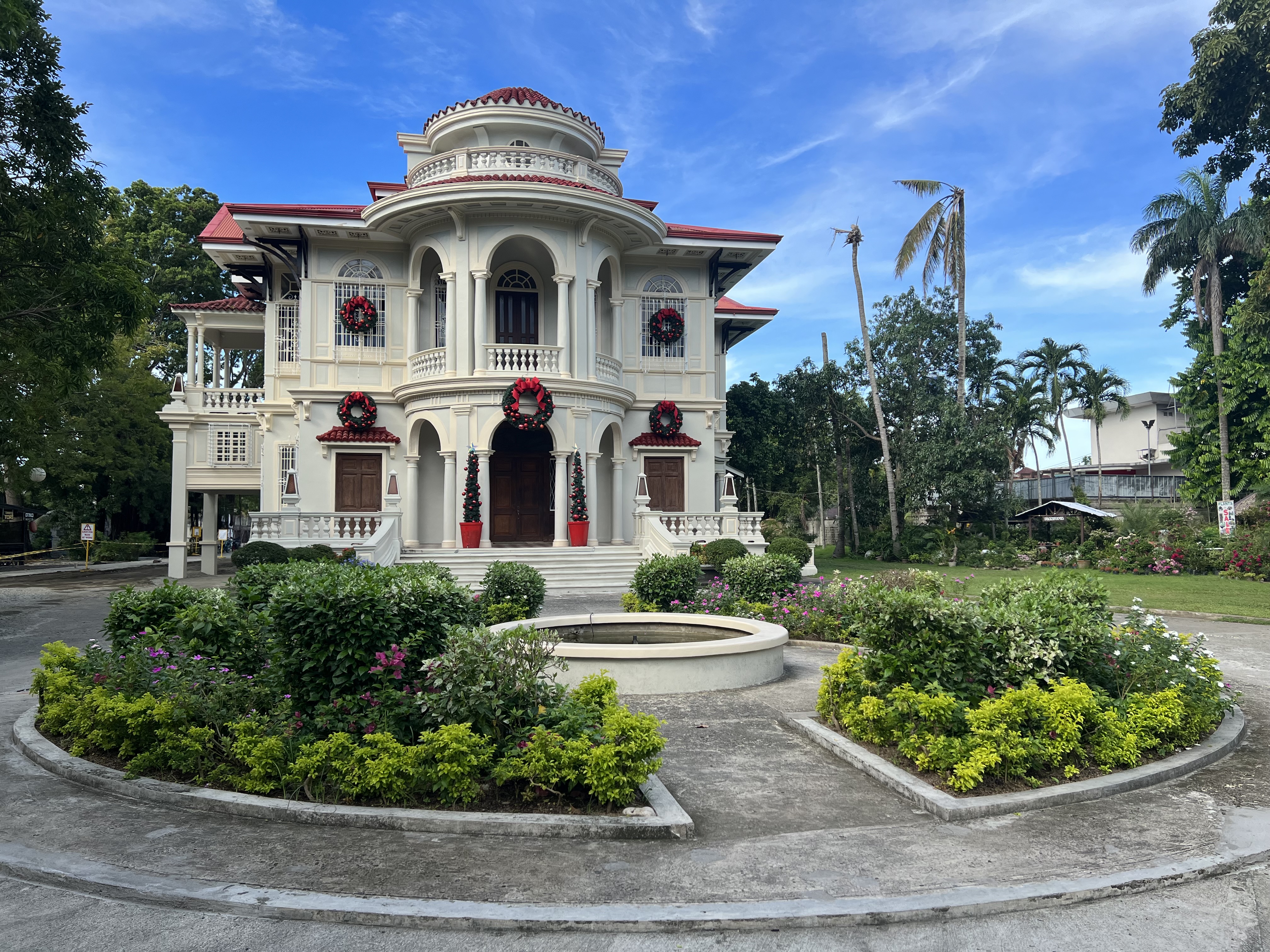
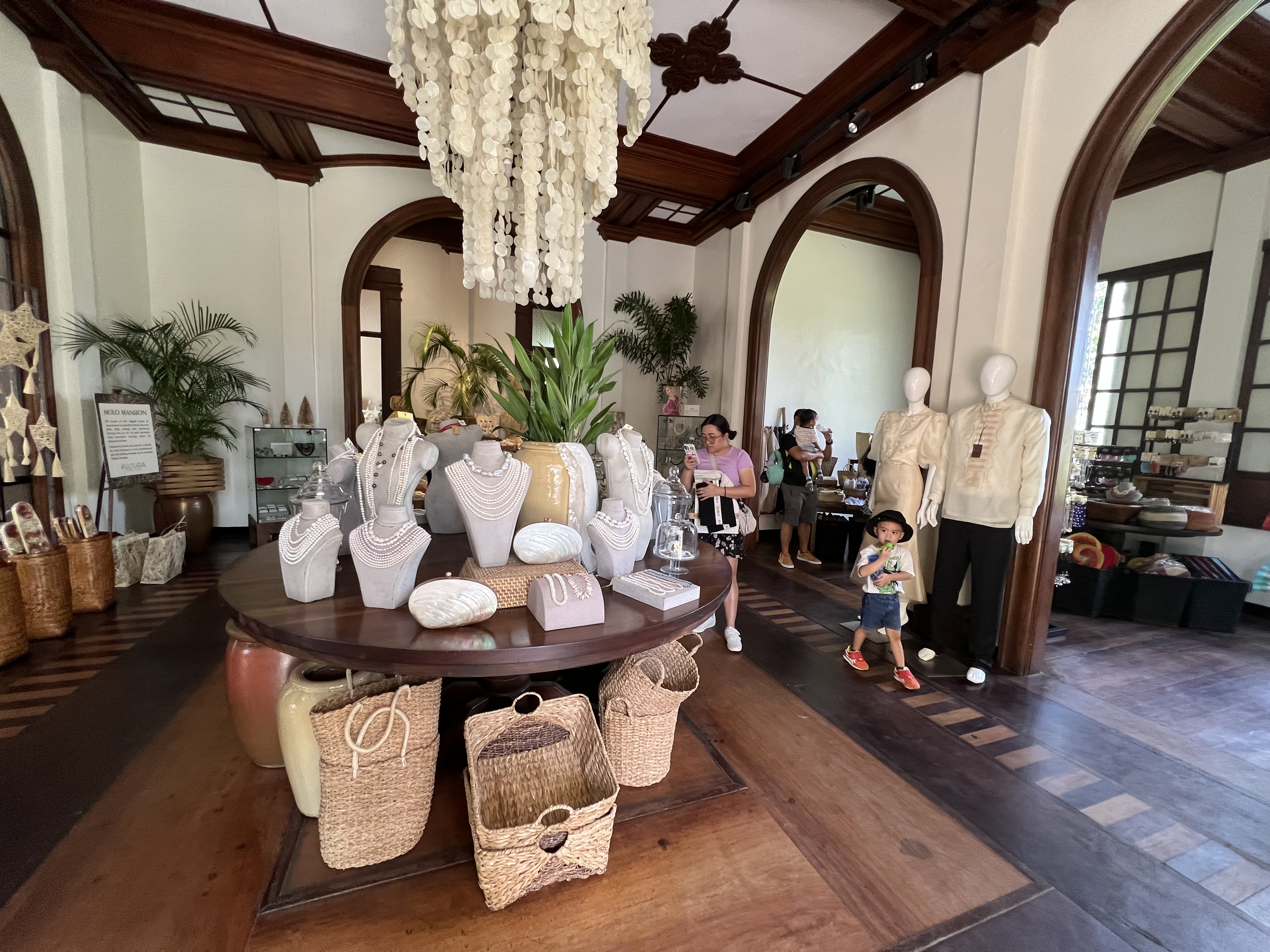
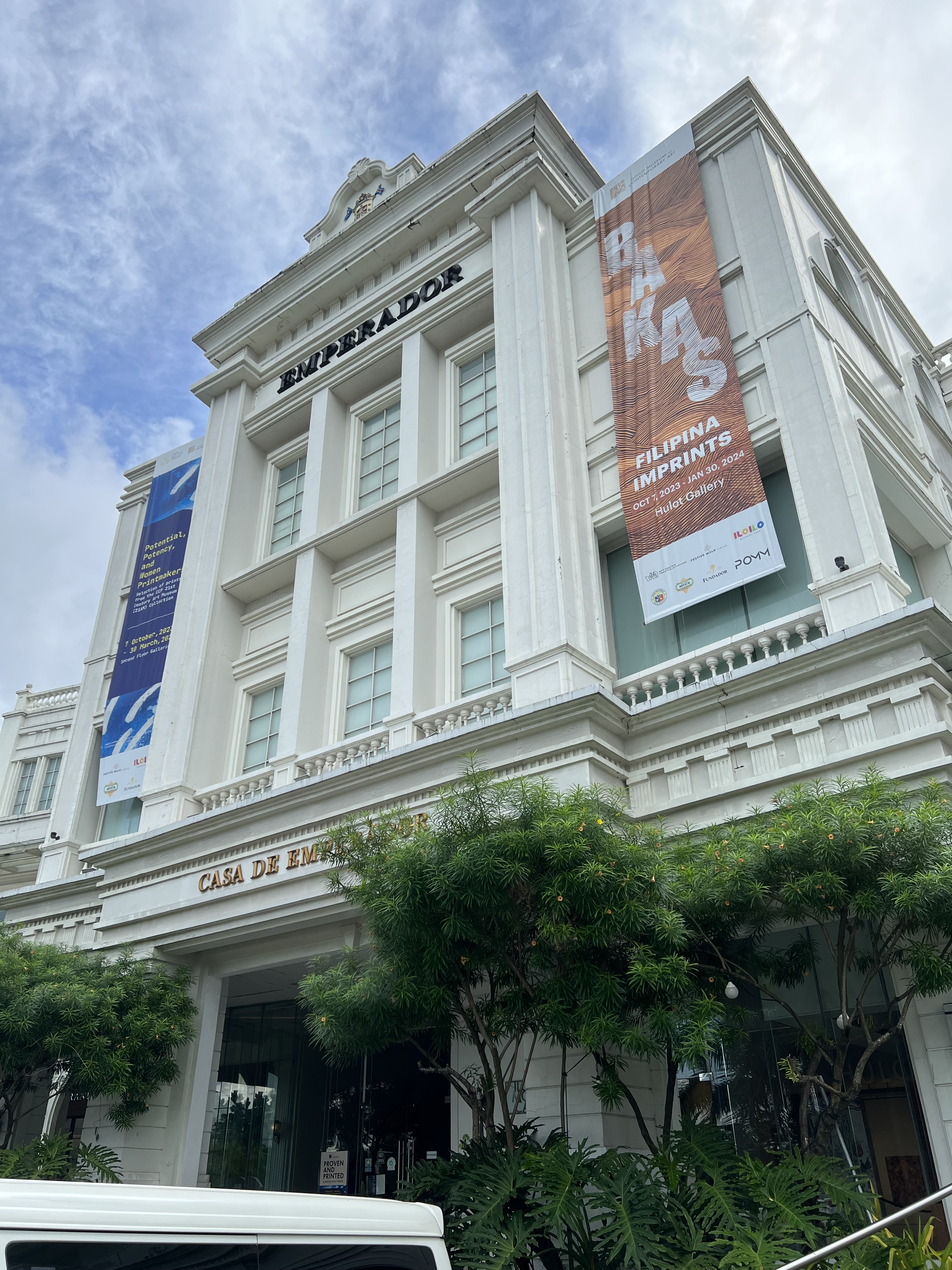
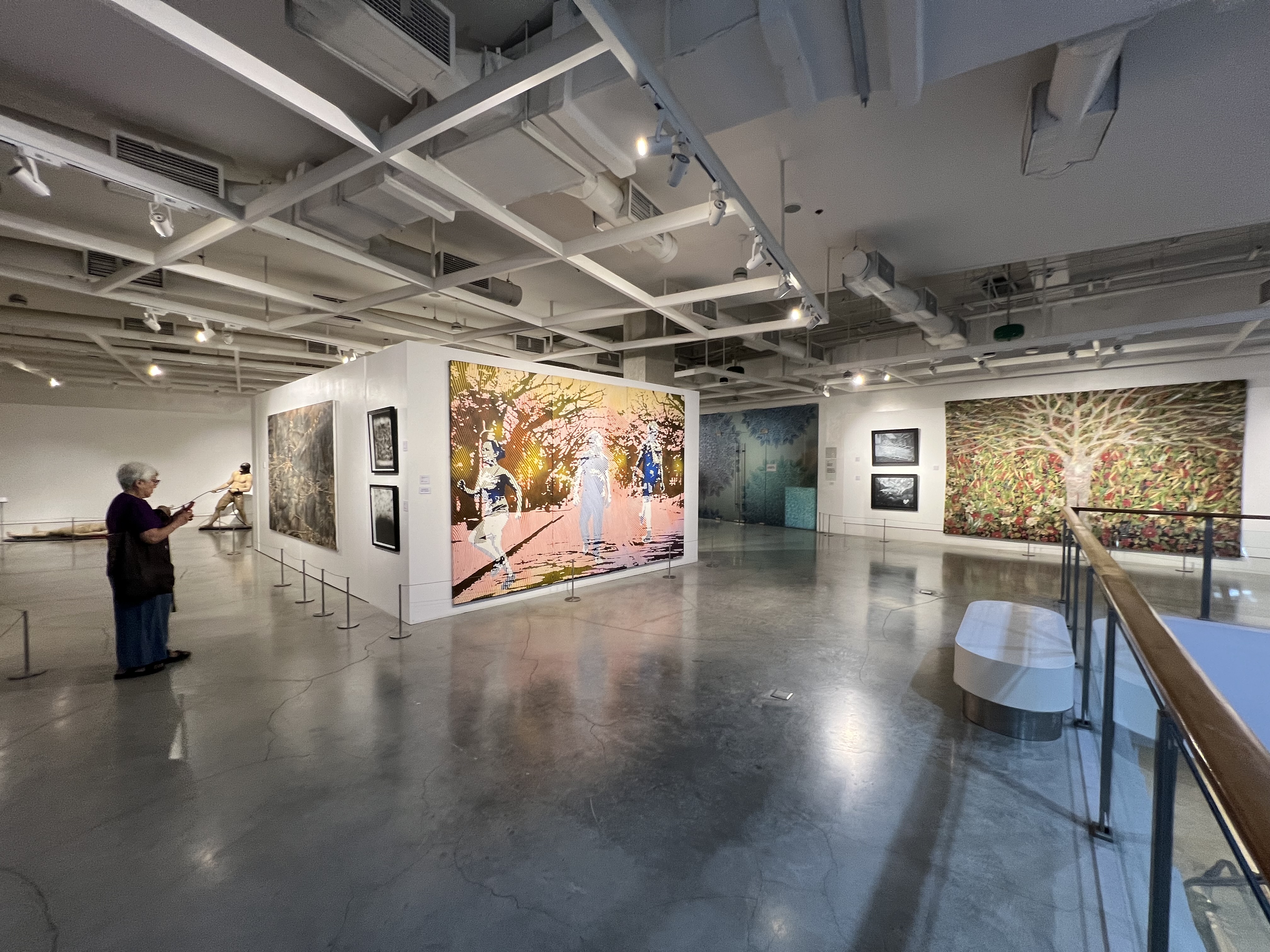
We returned to this place in the daytime to visit one of Iloilo’s most recent and also most impressive attractions: the Iloilo Museum of Contemporary Art or Ilomoca, a three-story showcase of both local and national talent. Ilomoca’s establishment in the middle of one of Iloilo’s CBDs demonstrates what seems to be the local formula for sustainability, the merging of the modern with the traditional, of business with culture. You can best see this in the majestic Consing mansion in front of the Molo Cathedral, which was bought by SM but tastefully renovated and transformed into its Kultura shop. There’s no doubt that modernization is coming to Iloilo in a big way, but its leaders are smart enough to know that the city’s appeal lies in what it has built over the past two centuries, which no money can buy.

You’d think that Iloilo has gotten this far just because of political patronage from Manila, but Iloilo was one of the 15 provinces that went for Leni Robredo in 2022. The city’s former mayor, Jed Mabilog, was hounded out of office by threats of tokhang under the previous administration, but the city seems to have weathered the political storms under Treñas, returning to his old job under the National Unity Party. What this tells me is that good local governance matters, whatever may be happening elsewhere. 

Email me at jose@dalisay.ph and visit my blog at http://www.penmanila.ph.

Penman No. 454: Revenge Travel, Local Edition

Penman for Sunday, September 3, 2023

WE PINOYS don’t really know what “summer” is any longer, with heavy rains falling out of the sky as much in March as they do in September, but especially with the new school calendar in place, most of us now do what used to be our summer traveling between May and August, if Facebook posts are any indication.

Many Filipinos—those who can afford it—still seem to be in “revenge travel” mode, flying off to Prague, Helsinki, Myanmar, and other parts off the usual travel charts. My wife Beng and I had a couple of dream spots halfway around the world in mind—recalling our pre-pandemic spree in 2019 when we blew a chunk of my retirement kitty on an escapade to Penang, Tokyo, England, Scotland, Singapore, the US, Turkey, and Macau—but our shrunken pesos and aching knees urged something kinder and more affordable: go local, and suffer no jetlag.

As it happened, we visited at least four places these past few months that I’d like to share with our readers looking for alternatives to the usual weekend destinations, ie, Tagaytay, Subic, Baguio, and Boracay. Some of these trips were partly for work, although I have to admit that pleasure pretty much overpowered anything else on our minds once we got there.

The first was a treat for the whole household—Beng, myself, my 95-year-old mom Emy, her caregiver Jaja, our housekeepers Jenny and Ara, Jenny’s husband and Beng’s assistant Sonny, and Jenny’s and Sonny’s kids Jilliane and Buboy. This is our extended family, whom we genuinely enjoy being with, so every year I promise to take them out on an overnight trip to water resort, as everyone (well, at least below 65) loves to swim. That means a wave pool, a place to cook, good and clean rooms for sleeping and showering, and not too long a ride (for my mom who gets carsick). 

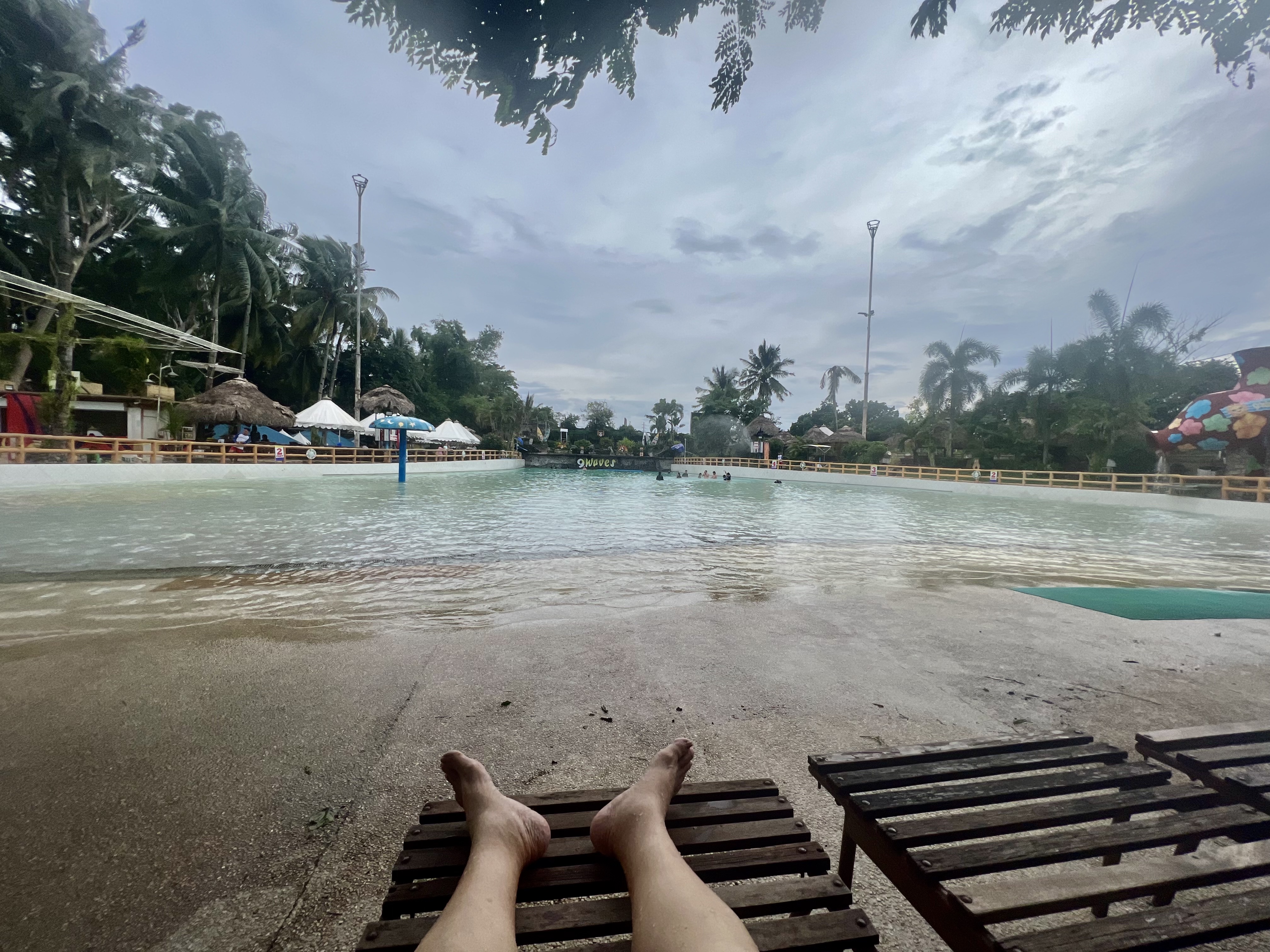
Last year it was the Villa Excellance Beach and Wave Pool Resort in Tanza, Cavite that did the trick for us—and it’s still worth a weekend for your family—but a little Googling yielded me something much closer to our home on UP Campus: the Ciudad Christhia Nine Waves Resort in San Mateo, Rizal, just a 30-minute hop away via the Commonwealth/Tumana route. The place had everything we were looking for—it’s an ideal venue as well for teambuilding seminars, if you don’t want to go too far, with very helpful staff and prices that won’t break the bank; you can do your broiling right beside the huge pool, and the cabanas were clean and cozy. While I flailed around in the knee-high water, six-year-old Buboy had a blast in the wave pool, which was all that mattered.

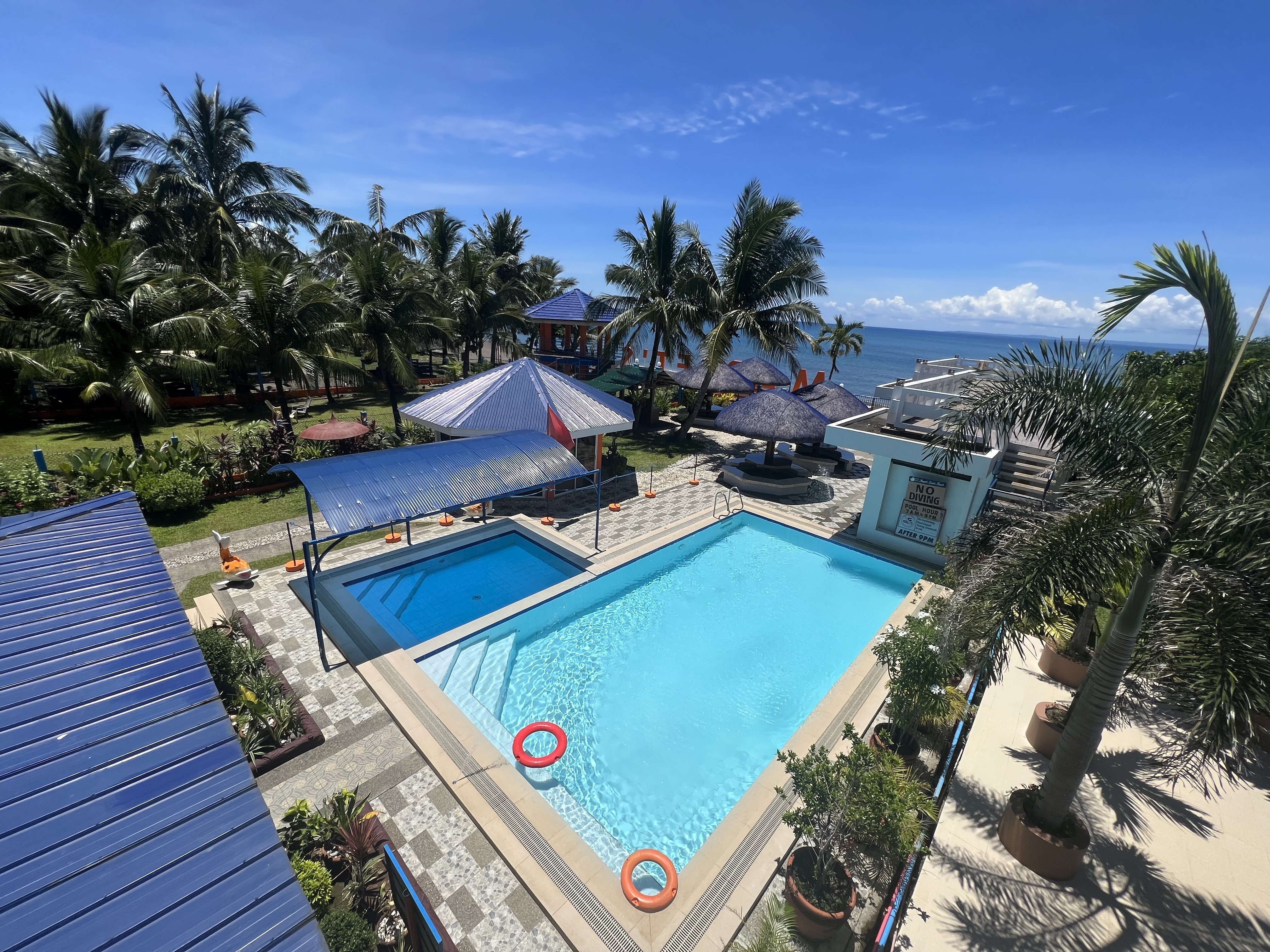
If you don’t mind driving through the mountains on a zigzag road for about three hours, then a trip to Infanta, Quezon will make the effort worth it. Facing the Pacific, but with Pagbilao Island buffering the waves in between, Infanta offers a bevy of beach resorts, of which Beng and I went to the Marpets Beach Resort, which was run by an American expat and his Filipino wife. Aside from its stretch of beach, the resort had three swimming pools, very livable quarters, and deliciously cooked food. The great thing about a roadtrip to Quezon—which is reachable via the zigzag Marilaque Highway from Marikina and also via the equally scenic though more moderate route passing Antipolo, Famy, and Real—is that the journey itself is an adventure, with much local produce to buy along the way, and breathtaking views to snap. 

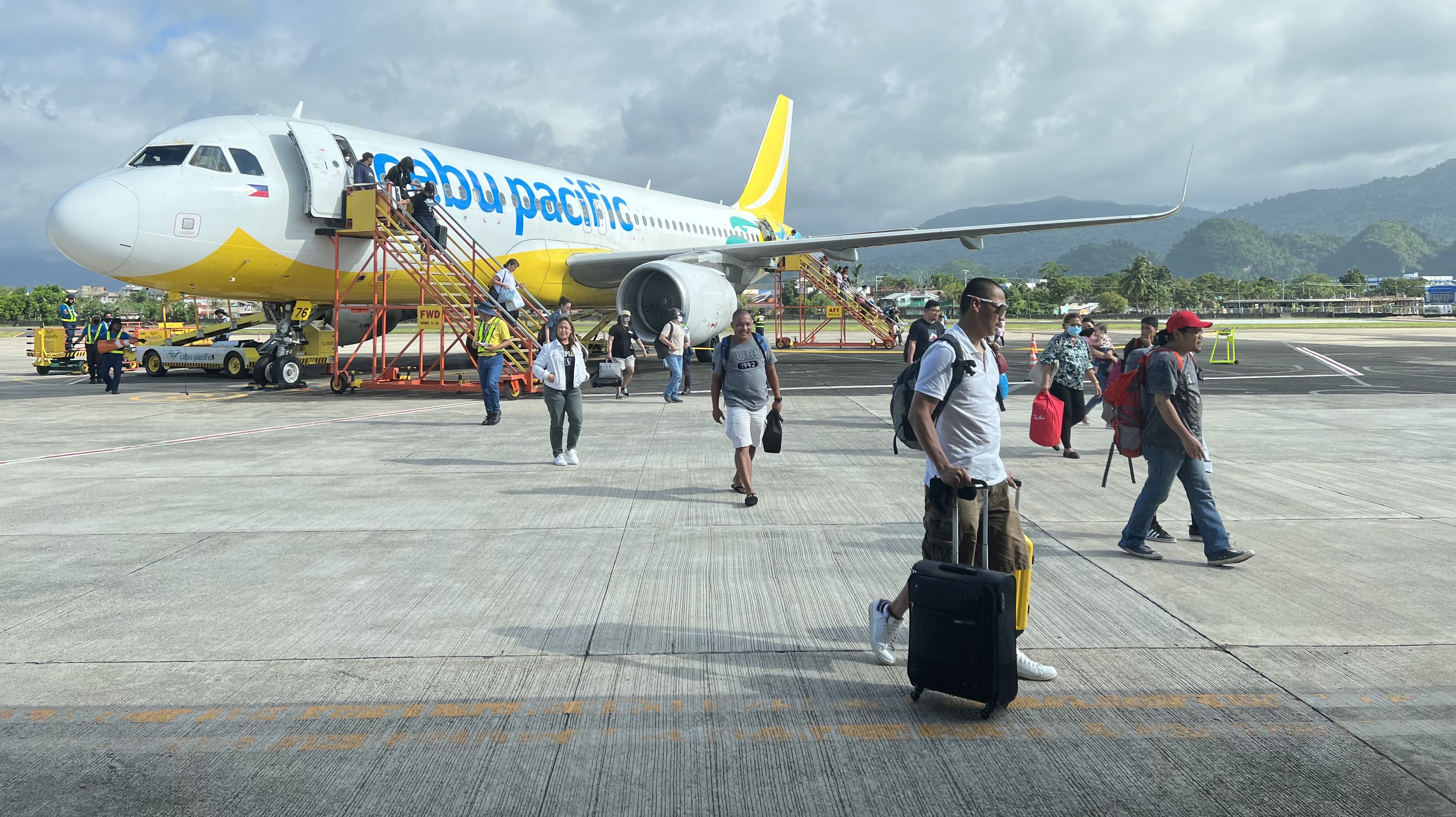
Our third destination was almost a random but providential choice. Looking for an inexpensive getaway far enough from Manila to require a plane, and with some airline credits to expend, Beng and I looked up Cebu Pacific’s destination map and settled on one spot we’d never been to—Virac, Catanduanes. We Manileños often hear of Virac only in the context of incoming typhoons, for which it’s probably unfairly used as a reference point, but if you catch it on a sunny day like we did, then you’d rather be here than busy Boracay. I found a new boutique hotel on booking.com called Happy Island Inn in San Vicente, a short tricycle ride from downtown fronting the water, and it turned out to be a winner, priced very reasonably with the friendliest front desk fellow I’ve ever met in all my travels.

Soon we learned that nearly everything in Virac is reachable by tricycle, which we hired for a day tour that included a beachside lunch at the ritzy Twin Rocks resort, a visit to the historic Bato church, hewn out of stone and coral, and a bracing dip into the cool and clear waters of Maribina Falls (entry fee, P25 per person). We made new friends of a lovely couple, Bobby and Myette Tablizo, with whom we shared stories under a full moon. There’s a lot more to be discovered of Catanduanes up north—the island can be circled on a first-class circumferential road—but we’ll save that for next time.

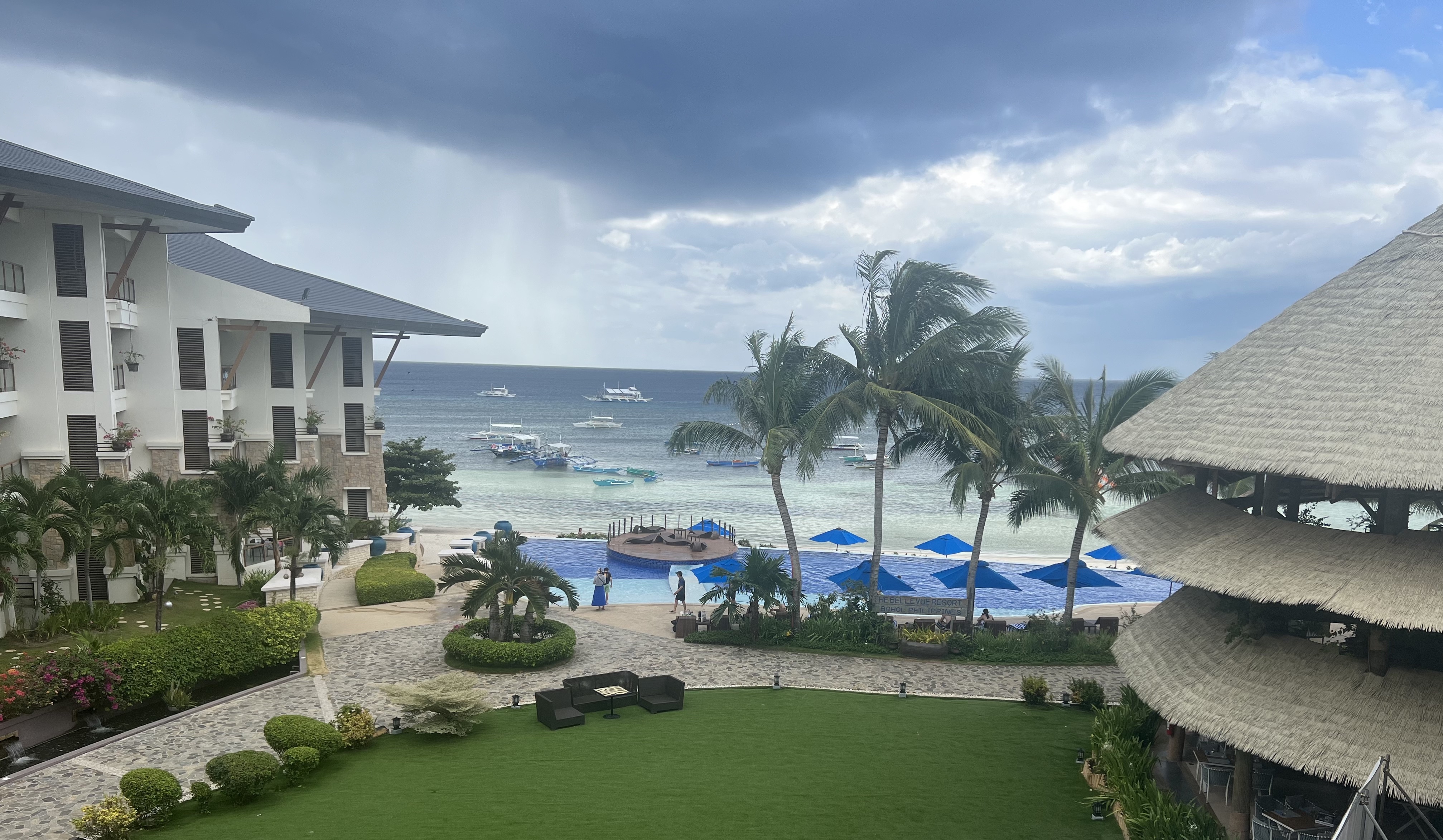
My last sortie was by my lonesome and work-related, but work gets doubly hard in a place meant to transport you to blissful oblivion. This was in Panglao, Bohol, which, the last time I looked many years ago, was little more than a cluster of huts. Imagine my surprise when we stepped off the plane into a world-class airport and then, just minutes later, were wheeled into the kind of resort you find on some glossy magazine cover or on the travel channel but never thought was right in your backyard. (Well, of course there’s a whole class of Pinoys who do know about such places, and I’ve been fortunate to have been invited to a few, but my poor-boy’s jaw still can’t help dropping in the face of luxury.)

The Bellevue Resort in Panglao is one such place that will make you wish you’d studied something like plastic surgery so you could spend a few weekends here every year. The rooms are as plush and comfortable as you should expect at its price point, but it’s the waterfront that will captivate the first-time visitor, with its white-sand beach, tour boats, infinity pool, and multilevel restaurant. Breakfast or dinner beachside is an option, and a tour of the rest of Bohol can be arranged.

Of course, there’s always Bali or the south of France, but with the new travel paperwork requirements, who needs the hassle at immigration? Save yourself the travel tax and go local. It’s still more fun in the Philippines, if you know where to look.

Qwertyman No. 45: Onward to Frankfurt?

Qwertyman for Monday, June 12, 2023

IF YOU were at the Philippine Book Festival (PBF) that took place at the World Trade Center earlier this month, you would have been surprised to find how many Filipinos were writing, publishing, selling, buying, and reading books. A project of the National Book Development Board (NBDB), the PBF was the first such event devoted solely to locally produced books—as opposed to, say, the Manila International Book Fair (MIBF) in September, which is open to books and publications from overseas. The NBDB wisely decided to showcase our homegrown literary talents—not only from Manila, and not only from my generation of old fogeys, but from all over the country, and writers of all persuasions and ages (as young as fourteen!).

We Pinoys have become so immersed in Netflix, YouTube, and social media that many of us have forgotten about reading, and what a good book can do for one’s mind and soul. We want everything delivered to us in short sentences—even in acronyms or, if possible, in memes—because long paragraphs (and, God forbid, pages) can only mean a waste of our precious time (which is, of course, best spent posting what we last ate on Instagram, and critiquing someone’s OOTD). Whether fiction or nonfiction, books challenge us to carry ideas through to the limits of our reason and imagination. The difference between a good meme and a good book can be that between wit and wisdom—between the bubbles that rise to the top of your champagne and the notes that linger on your tongue and senses long after you’ve put your drink down.

And despite the death knells that have been tolled for publishing and reading in this country, the droves of people who flocked to the PBF and the MIBF show otherwise; as I’ve noted elsewhere, more new authors and publishers are emerging across various genres and languages than ever before, spurred by writing programs and workshops, new technologies, and more exposure for Filipino writers in international markets.

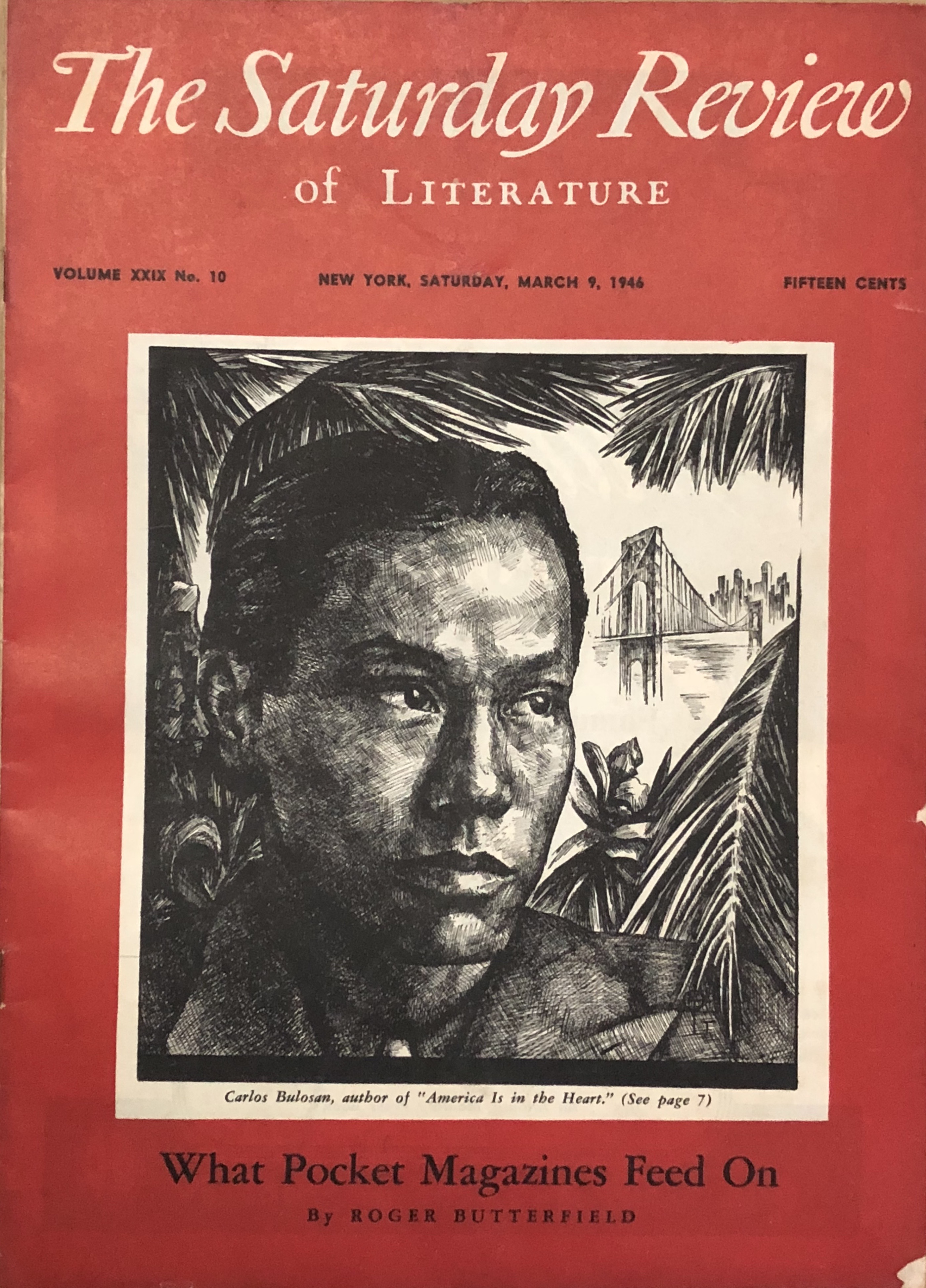
That last note—the emergence of Philippine writing in the global consciousness—has been a long time coming. We’ve had, of course, writers who’ve been published abroad, most notably Jose Rizal and the late National Artist F. Sionil Jose. In America, both expatriate and US-born writers such as Gina Apostol, Ninotchka Rosca, Jessica Hagedorn, Eric Gamalinda, Zach Linmark, and Brian Ascalon Roley have made important inroads into publishing, some with mainstream publishers. Of course, they were preceded by the likes of Carlos Bulosan, Jose Garcia Villa, NVM Gonzalez, and Bienvenido Santos, in a time when getting published in America seemed to be the apex of a literary career. We’re way past that now, having found our own voice and our own readers right here at home. 

I’ve often remarked that I’d rather be read by 10,000 Filipinos than 100,000 Americans, but I may have spoken too soon, as even those 10,000 Pinoys willing to buy and read a serious novel can be hard to round up. Therein lies the irony: we’re happy to write and publishers seem happy to publish, and the high attendance at the PBF could be a sign that things are changing, but creating a critical mass of local readers for literature remains a struggle. 

Even in America, where we imagine that almost four million Filipinos should be able to clear out an edition of 5,000 books without any trouble, that simply doesn’t happen. I suspect that that’s because we’ve never really been a book-reading culture, unlike the Japanese and the Indians, and the easy availability of entertainment on Netflix and Tiktok just aggravates the situation. (A more disturbing possibility is that our writers still haven’t learned to write the kind of stories with the kind of treatment that Filipino readers—and there are also many kinds of them—expect, without sacrificing literary “quality,” whatever that means. In my old age, this is what I’m aiming for—to give my readers stories that they’d want to see turned into movies.) 

There’s no doubt that we’re producing materials of high literary value—in English, Filipino, and our regional languages; we saw that in the PBF and we see it in our classes and workshops all the time. These works deserve to be shared with a broad audience—not just here, but overseas, where the Chinese, the Japanese, the Koreans, the Indonesians, and the Vietnamese have already made a name for themselves in the publishing world. 

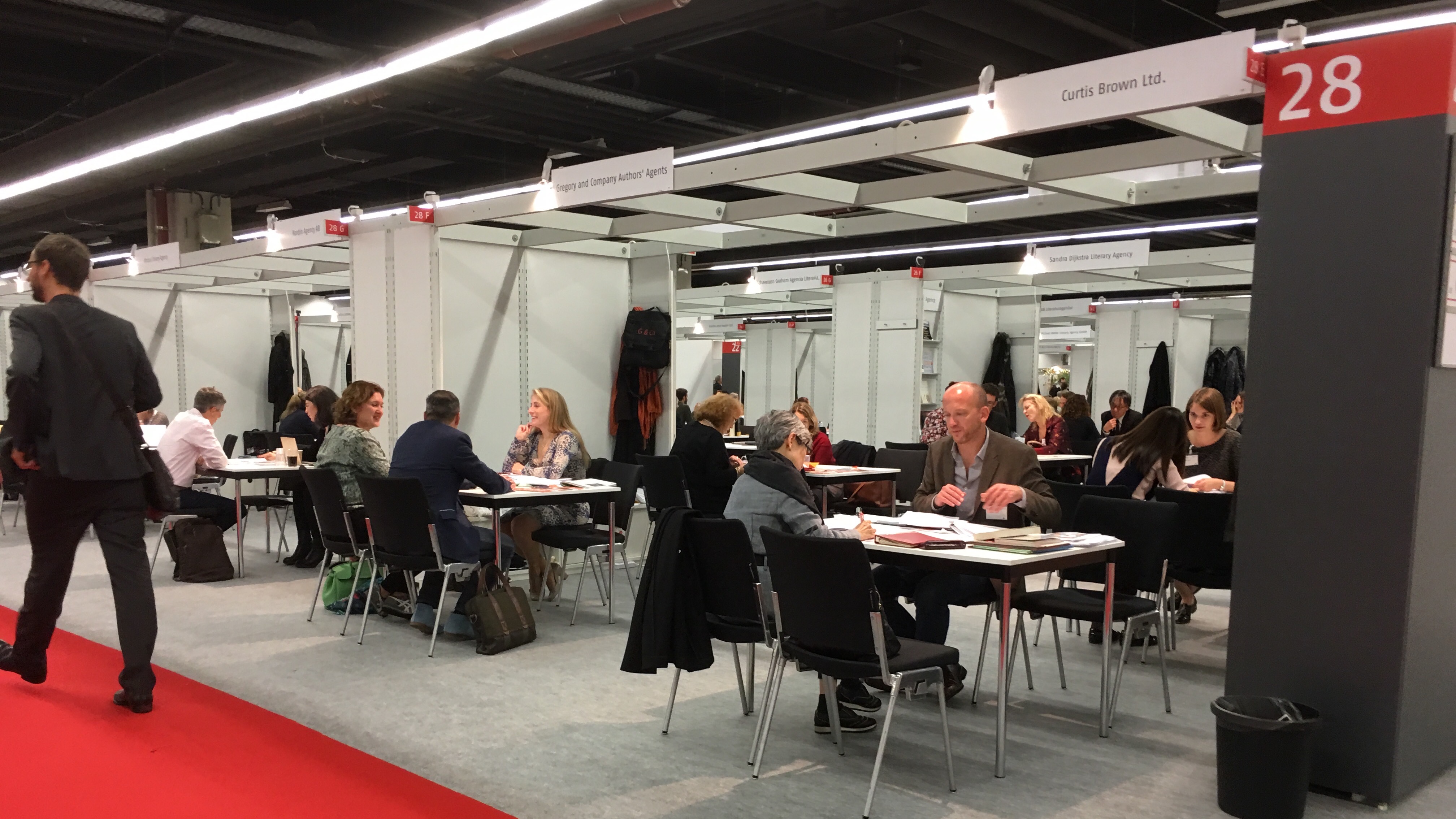
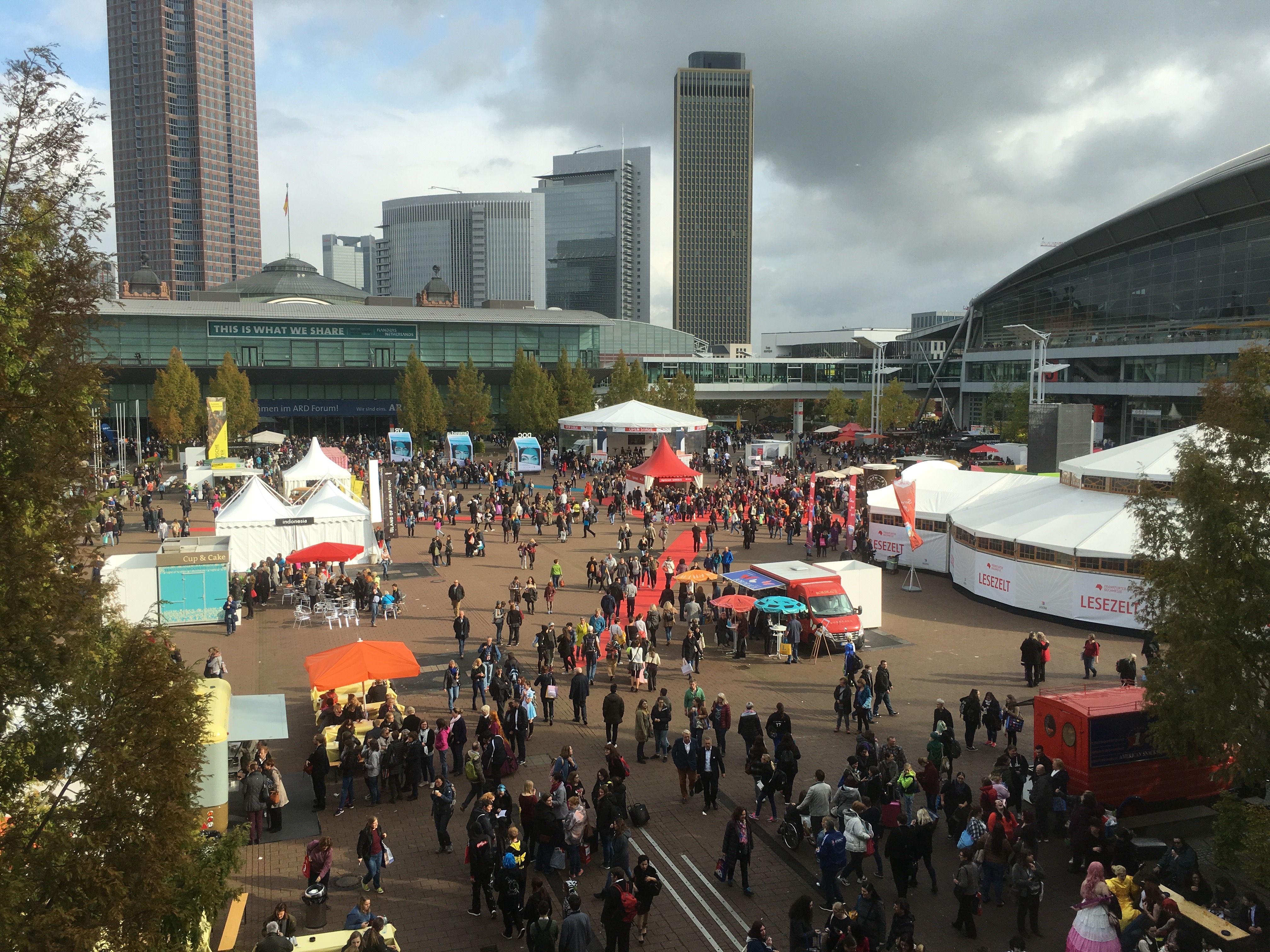
But that takes a network we still have to familiarize ourselves with and learn how to navigate—a network of translators, literary agents, editors, publishers, and booksellers largely unknown and therefore closed to us. We’re not totally clueless. Through the NBDB and local publishing stalwarts such as Karina Bolasco (just recently retired from the Ateneo Press and the founder of Anvil Publishing before that) and Andrea Pasion-Flores (our very first international literary agent, now owner of Milflores Publishing and president of the Book Development Association of the Philippines), the Philippines has been represented over the past few years in such major events as the annual Frankfurt Book Fair, the world’s largest such market of authors, publishers, and agents.

Not meaning to be immodest, thanks to my agents and publishers, I myself have benefited from this kind of exposure, having sold my second novel Soledad’s Sister in last year’s FBF into a German translation and edition, which just came out; before that, it had already been translated into and published in Italian and French, aside from an American edition. Imagine what that network could do for the rest of our writers.

This brings me to an idea whose time, I strongly believe, has come: focal representation in a forthcoming Frankfurt Book Fair as a “guest of honor,” a position reserved for a country wishing to showcase the best of its literary talent across all genres (two years ago it was Canada, followed by Slovenia). This has to be accompanied by a strong effort in translation—from the regional languages to English, and from English to other international languages like Spanish and French, perhaps even Chinese. It will take much planning and a sizeable budget, but as our recent forays into the Venice Biennale have shown on behalf of our leading artists, with the right cultural leadership and vision, it can be done.

Penman No. 450: A Hillside Haven

Penman for Sunday, May 7, 2023

“SHAMBALA’ IN Tibetan Buddhism is a mythical kingdom where, according to lore, resides a community devoted to good deeds. But there’s a real version of it, aligned with the same beneficent principle, and it’s just two hours from Manila on a good day.

Thanks to the herculean efforts of the wife-and-husband team of Riza and Albert Muyot, a place called Shambala Silang now exists to welcome city folk fleeing stress, pollution, and stop-and-go traffic for a day or two of blissful living.


The two-hectare hillside resort seems larger than it is, magnified by the panorama that opens behind it—the green sprawl of a provincial landscape under a bright blue bowl of sky. But “resort” seems a misnomer, because Shambala doesn’t have a swimming pool, a karaoke bar, a disco, or a zipline. Except for short walks around the property, you don’t come to Shambala to work up a sweat, but rather to relax, meditate, and celebrate life, whether by yourself or better yet, in the company of loved ones and friends.

That’s what we did on a recent day trip organized by fellow writer and academic and dear friend Edna Manlapaz, at the gracious invitation of the Muyots. (Albert—a lawyer and former Undersecretary of Education—is another old friend, a fellow fountain-pen enthusiast and Michigan alumnus.) The main invitee and guest of honor was actually National Artist for Literature Jimmy Abad who came with his wife Mercy, and we roped in novelist Charlson Ong to complete the party.

From Quezon City, Shambala is best reached by the Skyway, then CALAX, then a series of backroads winding through Silang. We have friends who have chosen to relocate here, and passing through groves of mango and other fruit trees, we can understand why. If you want to disengage from city life, Silang is an easy option, where you can vanish into the woods while still being a short drive away from modern necessities. A narrow dirt trail leads uphill to Shambala, and I have to admit that I wasn’t expecting much from what I could (or couldn’t) see on the road, but then it appears at the very end, and the magic begins.

Shambala is a cluster of several buildings containing art galleries, collections of Philippine tribal art and culture, halls for meetings and celebrations, restaurants, gardens, and the Muyots’ private residence. It has six tribal houses open for overnight (or longer) stays, operating as a B-and-B. The houses are authentic structures brought down from the north when their owners no longer needed them, and rebuilt piece by piece. “They were originally constructed without nails, but we had to reinforce them and to introduce some modern touches and conveniences to make them more comfortable for our guests,” said Riza. “For example, we expanded the space beneath the houses , which was traditionally used for farm animals like chickens, so we could put a platform around which people could sit and meet. We also added friendlier stairs.” The one-room houses are spacious and airy, and a modern bathroom stands outside each of them.
Below the houses, down the hillside, is a circle of stones with a fireplace at its center—a dap-ay traditionally used for meetings of tribal elders and for religious functions, but now serving as a virtual theater or arena for post-prandial get-togethers under the moonlight.
And everywhere you look, there are trees—about a thousand of them, according to the Muyots, a hundred of which are Benguet and Norfolk pine, specially brought in. “There was nothing here when we bought the place around 2000 but pineapples and coffee,” said Albert. The Muyots were then looking for a sylvan hideaway to run to from their workplaces in Manila. They found the property and fell in love with it, although today’s Shambala wasn’t necessarily what they had in mind. “This is all Riza’s doing,” Albert explained. “She’s the one with the vision, the one who saw the possibilities and brought them to reality.” Now the CEO of Save the Children Philippines, Albert is happy enough to work on his laptop from his home office on the property (yes, there’s wi-fi all around).

A CPA who once worked with SGV, Riza comes from a corporate background. She’s also a gifted poet whose works subtly appear among the art on the walls. “Culture, heritage, art, and nature—that’s what we devote ourselves to here in Shambala,” Riza said. “We have an ongoing exhibit of soil painting featuring artists from the Talaandig tribe in Bukidnon. Do you know that there are 21 colors of soil in Bukidnon? They add water to those soils and use them in their painting. “ Shambala brought over Mindanao artists such as Kublai Millan and Datu Waway Saway to share their experiences and insights in the TIBOK Community Art Fair last month.

“People discovered us during the pandemic,” said Albert. “They went to Tagaytay, only to be turned away because of local restrictions on visitors from out-of-town, like seniors who couldn’t be let in. They came here and liked it, and spread the word.” It’s no surprise that on busy weekends, as many as 200 people pass through Shambala’s gates. Shambala has consistently ranked No. 1 in TripAdvisor surveys of such resorts in the area.

So if you want to try something exquisitely different—like their signature welcome drink made from malunggay, luya, and calamansi—drive off the beaten track to Tagaytay and try Shambala one of these days. The food’s as heavenly as the place itself, and you’ll wonder why you didn’t come here sooner. You can find out more about Shambala and their rates on their Facebook page here: https://www.facebook.com/ShambalainSilang/.

Qwertyman No. 37: Time for Winter-Melon Soup

Qwertyman for Monday, April 17, 2023

AS I SHOULD have expected, last week’s Qwertyman piece on a recent visit I made to Taiwan as an ordinary tourist provoked a small firestorm from readers who berated me for my “ignorance” of the “one-China policy,” because I had described Taiwan as a “country” in my column.

I replied politely to these objections, explaining that (1) while I was aware that our government, among most others in the world, subscribed to the one-China policy, I wasn’t the government, and (2) that “country” to this writer was more of a state of mind, if not of fact (and if we have to be persnickety about fact, then consider that Wales and Scotland are accepted as countries within the United Kingdom). 

One of my reactors was gracious enough to yield the point and leave me be, but another insisted that I had China all wrong—that it had no unfriendly intentions toward the Philippines, and that its occupation of what we hold to be our islands in the South China Sea was a mere enforcement of its historic rights to those territories. “Absolutely no intentions of invading the Philippines?” Hasn’t that already begun?

My column also prompted some reflections from an old friend and comrade in the fight against the martial-law dictatorship. Commenting on China’s threats to bring Taiwan under its heel, by force if necessary, my friend remarked: “It’s hard to comprehend how the leaders of big, powerful China could feel justified in unleashing death and destruction against the people of small but proud Taiwan, a country that poses no threat, and against fellow Chinese of near identical racial and cultural origin. After all, isn’t this the China that I, and many of us, not too long ago, emulated as the model for ‘liberating’ our own country, and whose proletarian ideology we embraced as the formula for ushering a new and better age for humanity? How is this a manifestation of Mao’s ringing slogan to ‘Serve the People?’

“But then we’re seeing the same perversion of once lofty ideals in the current behavior of Russia, the progenitor of ‘egalitarian socialism,’ now immersed in a barbaric project to decimate the people of Ukraine, members of their own Slavic family. Yes, Putin doesn’t call himself socialist but it was this system that trained and tutored him, and whose humiliation he’s trying to undo…. However, in light of the current behaviors of Russia and China, the two foremost homes of the Marxist experiment, and in light of the incontrovertible failure of Joma Sison’s project in our country, we who dabbled in this belief system need to step back and take a good hard look.”

I thanked my friend for his ruminations, which I completely identify with. Indeed, as fervent if naïve activists in the 1970s, we looked up to Mao’s China as a beacon of socialist virtue. Today’s Red-taggers would have fulfilled their month’s quota with the likes of me. I kept Mao’s “Little Red Book” in my shirt pocket, and could spout quotations like “Political power grows out of the barrel of a gun” and “A revolution is not a dinner party, or writing an essay, or painting a picture, or doing embroidery; it cannot be so refined, so leisurely and gentle, so temperate, kind, courteous, restrained and magnanimous. A revolution is an insurrection, an act of violence by which one class overthrows another.” 

On my first visit to China in 1987, our guide was surprised that I could sing “Sailing the Seas Depends Upon the Helmsman” and that I wanted to visit Mao’s tomb. “What do you want to visit him for?” our guide asked in consternation. “He killed my father during the Cultural Revolution!” 

In various capacities as a tourist, a journalist, a writer, and academic, I have visited China many times since that first encounter, and have seen how its people—honest, hardworking, hopeful people like us—have managed to survive and prosper under a challenging succession of regimes and global conditions. I observed how the government was intent on modernizing its economic and physical landscape, razing down whole rows of hutongs or old communities in cities to make way for swanky new high-rises. On one visit to Shanghai, I couldn’t resist noting the irony of how the historic site of first National Congress of the Chinese Communist Party—a sacred shrine of that ideology—was located in the heart of what has become one of the city’s glitziest and most upscale districts, Xintiandi, in close proximity to a posh French restaurant.

I don’t think anyone can fault China for its transformation into an economic powerhouse, or even deny that its strong central planning was a key factor in making that happen, especially under Deng Xiaoping. What I’m sad about (and this statement will probably cost me my next Chinese visa, but no matter) is how this China has remained a tyrant to its own people and a bully to its neighbors—something that it doesn’t need to be, except to flex the almighty power of the CCP. 

If it wants to, it could yet become an example of a confident and benign socialism—something the CCP will never dare to embrace, for fear of seeming soft, especially in the face of American, Japanese, Korean, and yes, Taiwanese resistance. I can’t help thinking that while there may be “one China” in whatever configuration the politicians propose, there are indeed two Chinas in our hearts—the one we have been historically and culturally enmeshed with and want to love, and the other that won’t rest until we kowtow to its might.

And before the pro-Beijing troll machine springs into action, let me say this again: I separate governments and regimes from the people they theoretically represent and should be serving. (We also have to be reminded that there are significant political factions in both Beijing and Taipei, and that Chiang Kai-shek’s Kuomintang were no angels when they “liberated” Formosa from the Japanese, only to take it over.)

I have written favorably (and critically when I had to) about both China and Taiwan without any sponsorship from either entity’s government. There are powerful lobbies for both sides right here in this country—one even offered to send me on an “observation tour,” which I gently declined, aware of the political subtext; I would go, I said, on my own dime, and I did. (Which is not to say I will refuse “observation tours” of the south of France, Tahiti, the Nordic fjords, the Patagonian forests, and other bucket-list destinations not likely to invade the Philippines.)

To Beijing’s and Taipei’s cheerleaders, chill out and enjoy the scenery; some calming winter-melon soup might help to keep the vitriol down.

Qwertyman No. 36: A Tourist in Taiwan

Qwertyman for Monday, April 10, 2023

MY WIFE Beng and I visited Taiwan with friends on a five-day holiday just before Holy Week, and returned home dog-tired but deeply impressed by what we had seen: a country not just surviving but staunchly moving forward, progressive and optimistic, despite living under the constant threat of invasion by its hulking neighbor and self-declared owner, China.

It was my fourth visit to Taiwan and my wife’s second, so we had witnessed the island’s wonders before. But we went back—this time with friends who had never been there—precisely because it had much to offer as a vacation spot. For me, Taiwan has largely been about food (especially the beef-brisket noodles and fruits like the giant atis and cherimoya), technology (like the exhilarating 3D I-Ride it has exported to Hollywood), and culture (exemplified by the legendary jadeite cabbage at the National Palace Museum). Economists and political scientists will surely have much more to look for and investigate in Taiwan, but my unsophisticated cravings were fully satisfied. 

The tourist in me observed that Taiwan had achieved First-World status, with elevated expressways, high-rise housing, clean waterways, and extensive transport networks. Taipei’s shops were open past 10 pm, catering to a busy nightlife. We took a day trip out to visit the Chimei Museum in Tainan, and boarded the High Speed Rail that zoomed down the island’s west coast at 236 km/h. Despite Taiwan’s high level of industrialization, the countryside remained lush with forests and greenery, and Taipei’s streets were litter-free. True, there were homeless people gathered around Taipei’s Main Station, living out of shopping carts and camping tents, but we had seen far worse in New York and San Diego. Some old-school courtesies persisted: on the subways and buses, younger riders still stood up to yield their seats to seniors.

That said, it was hard for me to shake off the feeling that we were experiencing an ephemeral pleasure. As we took a bridge over a river in Taipei, and reveled in the vista of a thoroughly modern city rising from its ancient roots as a Spanish trading outpost, I remarked to Beng, half-facetiously, that a few Chinese bombs could pulverize all that. China, I said, could “Ukrainize” Taipei, and blow the 101-storey Taipei 101 building, the National Palace Museum, the Shilin Night Market, and all the other attractions we associate with this city into smithereens. Beng said that I shouldn’t be making such horrible jokes, but I had to wonder how much of what I said was indeed a joke and how much of it was dire possibility.

The threat is certainly there—and has been there since 1949, when Chiang Kai-Shek’s losing Nationalist forces retreated to the island, took it over, and turned it into a thorn in Communist China’s side. China has repeatedly used shows of force around Taiwan to demonstrate its readiness and capability to employ “resolute and forceful measures to defend (its) national sovereignty and territorial integrity,” and while no explosively significant confrontations have taken place, China’s saber-rattling has only grown louder, provoked by presumptive American guarantees to help defend Taiwan in the event of a Chinese attack, and possibly emboldened by Russia’s invasion of Ukraine. (The US, of course, has been rattling its own sabers, particularly with the acquisition of more basing rights in the Philippines.)

You’d think that the specter of invasion would switch Taiwan into full military mode, with air-raid drills and sirens and tanks and soldiers in the streets, but no. When we were there, it was business as usual, with no sense of urgency, even as Taiwanese President Tsai Ing-Wen met with US House Speaker Kevin McCarthy in California, raising the cross-straits temperature further.

Taiwan-watchers such as David Sacks, whose post was republished by the influential Council on Foreign Relations last November, have warned against complacency, especially in the wake of Russia’s Ukrainian misadventure. According to Sacks, “Despite these growing worries and initial steps, actions remain far below where they need to be to deter China and respond to potential Chinese aggression. The increases to Taiwan’s defense budget over the past six years are commendable, but at 2.4 percent of gross domestic product (GDP), it is still well below where it needs to be…. While there is a recognition that the civilian population will need to play a large role in defending the island, the conversation about how to reform Taiwan’s reserve force is still in its infancy, with little consensus on what its role should be. Taiwan’s military lacks the munitions it would need to withstand an initial Chinese assault and its military services continue to pursue legacy platforms such as fighter jets and large naval vessels that will have little utility during a conflict. It is far from certain that there is buy-in across the military for adopting an asymmetric defense strategy.

“Beyond the military realm, Taiwan needs to do much more to increase the resilience of its society and decrease its reliance on trade with China…. Over 40 percent of Taiwan’s exports go to China or Hong Kong. While there is wide agreement that this is a major vulnerability, there is a certain amount of defeatism, with few ideas of how to reduce this dependence without massive government intervention.

“While the government is taking steps (albeit insufficient) to address the growing threat China poses, there is a worrying gap between officials and the public. Opinion polls reveal that Taiwanese people are not concerned about an invasion and believe war is unlikely in the next decade…. Understandably, most want to focus on improving their lives. There is a fine line, however, between stoicism and complacency.”

Is this a fatalism that we Filipinos seem to share? If China attacks Taiwan, can the Philippines be next, and what will we or can we do about it? (In my admittedly  pedestrian view, China has no need for a military invasion of the Philippines—which will be costly and troublesome, given our geography—so long as it achieves full control of the South China Sea. It will be cheaper and easier to subvert and suborn the government, if it wants pro-China policies to prevail.)

I was glad to be just a tourist in Taiwan, enjoying my cherimoya, instead of being a defense analyst pondering the medium term—or, for that matter, being a local fruit seller who might one day find a gaping hole where the orchard used to be.

(Photo from thetimes.co.uk)

Qwertyman No. 34: America the Paradox

Qwertyman for Monday, March 27, 2023

“AMERICA THE Paradox” was the title of an undergraduate paper I wrote on Carlos Bulosan for my class in Philippine literature, in which I observed—as many had done before me—that Bulosan felt deeply conflicted by the two faces that he kept seeing in America. On the one hand, it was the mother with open arms, calling out to the world’s orphans, and accepting of all brave and enterprising spirits. On the other hand, it was the hard fist of racism, viciously averse to all complexions other than white. 

Bulosan arrived in Seattle in 1930, a time of great economic turmoil, and he soon found himself fighting for the exploited poor, becoming a labor organizer and writing radical poetry. He would remain poor for the rest of his short life, despite achieving some degree of literary celebrity following the success of his semi-autobiographical 1946 novel America Is in the Heart. He died of tuberculosis in Seattle in 1956, never having been able to come home. I was so moved by Bulosan’s travails that I gifted our daughter with a signed first edition of his novel as her wedding present, and paid my respects at his grave when I visited Seattle some years ago.

Last Thursday, March 23rd, I joined several hundred other guests for dinner at the Sofitel to celebrate a joyful event: the 75th anniversary of the Fulbright program in the Philippines. Over that period, the Fulbright program, which selects and sends scholars from all over the world to study in the US, has sponsored over 3,000 Filipino scholars and 1,000 American scholars coming to the Philippines. The Philippines—through the Philippine-American Educational Foundation (PAEF)—has the longest-running Fulbright program in the world, dating back to March 23, 1948, hence last week’s big commemoration.

It isn’t hard to see why Sen. J. William Fulbright believed that such a scholarship program was a good idea then, with the Cold War brewing and America projecting itself as the champion of the Free World. For the Philippines, it was a continuation of the prewar practice of sending pensionados to the US, thereby ensuring a cohort of Filipino intellectuals and administrators sympathetic to the American cause.

I myself went out on a Fulbright twice—in 1986, for my MFA at Michigan and then my PhD at Wisconsin, and then in 2014 as a senior scholar at George Washington University. It would be an understatement to say that the Fulbright—especially that first five-year stint—was life-changing for me. The learning was exhilarating, but the living—away from home and family—was fraught with pain.

Still, we Fulbrighters had it much better than Bulosan. Most of our expenses were borne by the American taxpayer (although, because of a budget crunch, I had to teach and also to work part-time as a cook, cashier, and busboy at a Chinese takeout). Our return home was guaranteed (indeed, legally mandated). Most of us enjoyed the hospitality and support of new Fil-Am and American friends. 

Although here and there we had the inevitable brush with racism, we saw America in the best possible light, as a source of knowledge and of the democratic spirit. Arriving in Michigan just after EDSA 1986, I too was seen as living proof of the long and beneficial reach of America’s cultural influence: I could speak English like they did, and (mild boast coming) could write at least as well if not better than they did. 

I recall how, in one Shakespeare class, I was the only one who could explain the difference between “parataxis” and “hypotaxis,” and how, in another class, our professor wrote up a long sentence from one of my stories on the board to demonstrate “Jose’s perfect command of punctuation.” But all that was presumably because of my Americanized education—not even in America, but in the Philippines, where we had seemingly prepared all our lives to come to America, only to find ourselves more indoctrinated than many Americans. (I had memorized all the state capitals in grade school in La Salle, confounding my American friends at Trivial Pursuit.)

Ironically, I also belonged to the First Quarter Storm generation that railed against “American imperialism,” that learned about our colonial exploitation and about the primacy of American self-interest in its transactions with the world. We rallied at the US Embassy against the war in Vietnam and against the US bases in the Philippines. We denounced Ferdinand Marcos as an American puppet, and saw Washington’s hand in every instance of political mayhem around the globe. Where did all that militancy go? Was a scholarship to Hollywood enough to negate these accusations?

Seated at that Fulbright dinner and listening to the speakers extolling our special relationship with America, I thought about Bulosan, the FQS, my Fulbright experience, our daughter in California, my teaching of American literature, and such recent issues as EDCA and the Chinese presence in our territorial waters to sort out my emotions. 

The America that had been such a paradox for Bulosan remains, in many ways, a chimera for us today—speaking with moral authority against the Russian invasion of Ukraine, and yet still enamored in many places of Trumpian demagoguery; espousing peace and human rights while allowing assault rifles on its streets; and promoting education and global literacy while hosting the world’s biggest engines of disinformation. We want to believe in the America that believed in us, although the cynical can argue that “believed” should be taken as “invested,” of whose efficacy this column offers ample proof. 

In the end, I reminded myself of what I tell my students: (1) The American government and the American people are not necessarily the same; (2) The American people are many peoples; there is no single, monolithic America; (3) We study America and its literature not to become Americans, but to be better Filipinos; and (4) We often take the terms “America” and “American” in an ideal or idealized sense, a compound of expectations and aspirations shaped by Abraham Lincoln, Hollywood, cable TV, and Spotify.

We went to America not just to study there, but to study America, and that study continues. 

(Image from pacforum.org)