Qwertyman No. 95: Till Divorce Do Us Part

Qwertyman for Monday, May 27, 2024

IS THERE anything about divorce—a bill legalizing which will soon be taken up in the Senate—that hasn’t already been said, or that most people don’t know? This was on my mind last week as I walked to school, wondering what my class of 20-year-old seniors thought about the issue. As young people likely to get married within the next five to ten years, they’re the ones who stand to be most affected by the outcome of the current drive to get the bill passed.

So I brought it up—we’re taking up argumentative or opinion writing, and how to handle contentious topics, and divorce was right up that alley. I didn’t tell them which side I stood on, although, knowing me to be a flaming liberal, they could have guessed that. I let them speak. Given that this was the University of the Philippines, and even factoring in the possibility that students tend to dovetail along with what they think their teachers believe, it was no big surprise that everyone who spoke up in that room did so in favor of legalizing divorce; if there was anyone in opposition, which I rather doubt, he or she chose to remain silent. 

Clearly, a majority favored the move, for the very reasons cited by the bill’s supporters. One student had a very personal take on the matter: “As the child of parents whose marriage was annulled,” she said, “I can remember all the things they had to do to get that annulment. The poor can’t afford it.” And economics aside, what did divorce offer that annulment didn’t? “The freedom to remarry!” everyone chimed in. (Correction: annulment allows for remarriage, but legal separation doesn’t.)

But—I said, just to probe a bit further—what about the argument that divorce will contribute to the break-up of marriages? “Those marriages are already broken,” said a student. 

But the Vatican opposes divorce, doesn’t it? (It’s the only other country in the world, aside from the Philippines, which doesn’t recognize divorce.) “Priests don’t get married. What do they know about marriage?”

At this point, I found it useful to introduce a fact that was news to everyone in the room. “Did you know that we used to have divorce in the Philippines?” No! Really? “Yes, a divorce law was enacted under the Americans in 1917. It was even expanded under the Japanese Occupation, and continued after the war until the Civil Code of 1950 abolished absolute divorce and replaced it with legal separation. Go on, look it up. I don’t know how many Filipinos actually availed themselves of divorce when it was legal—it would be interesting to see the statistics—but it’s not like we never had the option. It was there, but Church-supported politicians took it back.” Did the Filipino family collapse back then because of the availability of divorce? Show me the proof.

If this exchange sends chills up the spine of ultraconservatives who still think of UP as a haven of rebels, atheists, and devil worshippers, I’m happy to tell them that religion is alive and well in UP—the services in both Catholic and Protestant chapels are usually full. But so are reason and critical thinking, which to me remain the best antidotes to doctrinaire dogmatism, whether from the left or from the right. 

The Catholic Church’s steadfast resistance to legalizing divorce and my students’ apparent willingness to push back against that bulwark reminded me of a critical period back in the 1950s when UP was torn by a struggle between religious forces allied with the popular Jesuit Fr. John Delaney such as the UP Student Catholic Action and those who, like Philosophy Prof. Ricardo Pascual, believed in maintaining UP’s non-sectarian character. In the end, secularism prevailed, but at the price of Pascual and other liberal-minded professors being denounced as “communists” before the House Committee on Anti-Filipino Activities.

I’d like to think that a lot has changed since then, although sometimes things seem pretty much the same, given how the Red-tagging continues despite the sharply diminished power and influence of the CPP-NPA. One thing that has changed, at least in the public’s perception, is the presumption of moral superiority once claimed by a Church now embroiled in sexual and financial scandal. Its invocations of “divine law” or “natural law” in matters relating to homosexuality, contraception, and divorce sound almost medieval in a world that has largely moved in the opposite direction—something the conservative faithful will see as all the more reason to hold on inflexibly to their core convictions.

We can’t argue with those convictions, to which everyone has a right, but conversely, our people as secular citizens shouldn’t be subject to any religion’s doctrines when it comes to personal decisions that are no prelate’s or imam’s business. (And just for the record, I have no plans of divorcing my adorable wife, with whom I just celebrated 50 years of a typically mercurial but happily enduring marriage.)

I’ve written previously about my disaffection with organized religion, so that may provide some context; I do believe in God and in the value of faith and prayer in our lives, and in the right of others to practice their religion—for as long as they don’t insist that theirs is the only right way forward, and impose their way of life on me. If you want to stay married in mutual and lifelong misery because you believe it’s the right thing to do, fine; but don’t expect others to do the same, because their lives aren’t yours to mess up. Happiness is hard enough to find in this dystopic world we live in; let’s not make it harder for others looking for another chance at love and peace. 

I doubt that they’ll change the wedding vows—“For better or for worse, till death do us part” is always worth two people’s best shot, until worse comes to worst. But divorce should be an option better left to the individual’s God-given intelligence, conscience, and emotional honesty to sort out than to institutions more concerned with abstractions than reality. It’s ultimately a reminder of how human we are—people make mistakes, which can’t be corrected by prolonging them; we learn, we do better, and we live on. I think that’s what a just and kind Almighty would wish for his creations.

(Image from montanoflamiano.com)
Qwertyman No. 74: A Church for All Humanity

Qwertyman for Monday, January 1, 2024

YOU NEVER see me write about religion, because I believe it’s an intensely personal thing (albeit with a communal aspect), but I can’t help being surprised and saddened by what seems to me to be the latent homophobia—intentional or otherwise—brought to the surface by Pope Francis’ recent statement allowing Church blessings for same-sex couples. Despite the fact that that statement was heavily qualified—that it wasn’t to be seen as “sanctification,” etc.—it still triggered a violent backlash from conservative Catholics, clergy and lay persons alike, who protested that the edict violates established Church doctrine. 

Some of these objectors are my good friends (and they will remain so, unless they say otherwise). Many among them will proclaim that they’re not homophobic at all, that gay people and couples are among their best friends, and that they’re merely upholding a key tenet of their faith—which just happens to exclude homosexuals from the blessings of the Church, because they’re fundamentally living in sin.

But I can’t see how that attitude—which some might call a holier-than-thouness—advances Christian love and charity. Pope Francis’ halfway gesture is compromised enough as it is, but would still have been a welcome step toward redefining a church that’s tried to keep a stiffly male face—despite the many gay people in its ranks—for millennia.

I grew up a church-going Catholic boy (inevitably for a La Sallista) but stopped going to Mass a long time ago, as a liberal feeling distanced from the Church’s positions on such hot-button issues as birth control, abortion, divorce, and homosexuality, not to mention its too-cozy relationship with authoritarian regimes in many places around the world. 

I do admire and support the efforts of many priests, nuns, and other religious to confront and ameliorate our social problems and fight for justice and freedom. I continue to pray, many times a day and at bedtime, for the sick and the oppressed, and to thank God for my blessings. I never formally studied theology nor the history of religions, but from what I can gather (and here I invite the experts to instruct me) what distinguishes the Catholic Church from others is its emphasis on good deeds as the path to heaven, rather than faith alone. You have to earn your sainthood; it is neither promised nor can it be bought. If so, that appeals strongly to me, as I’m sure it does to others. 

But whenever I think of the Vatican and its hierarchy of old men whose meals are answered for by the alms of billions of the faithful and investments in blue-chip companies and real estate, among others, I remember a side of the Church that depends on its moral authority to survive as both a keeper of beliefs and as a global industry. 

No one is surprised by the sordid financial and sexual scandals that have rocked the Church, as they merely prove that some people who run it are as fallible as anyone else. This is not why I left the Church, which I still want to think of as something transcendent, an idea of community above the mortal men and women who make up its body. What disaffected me was the arrogance of its orthodoxy—in which, among religions, it is hardly alone.

I’ll grant that every religion needs a body of core beliefs, some of which will be non-negotiable; if you don’t like what you see, you’re free to go somewhere else. I understand the dismay of the faithful over “cafeteria-style” religion where you can pick and choose what to practice and what not. But I had thought, perhaps mistakenly, that religions have a stake in inclusivity, in upholding beliefs and values that embrace persecuted minorities (as the Christian church itself once was).

I’ll acknowledge that apostates like me probably have no business lecturing devout believers on matters of doctrine. But this isn’t even about the finer points of doctrine, but rather about the broad strokes of faith and, ultimately, what and who that faith serves. If issues like gay relationships and marriage and divorce are to be the line in the sand that separates the true Church from the false (rather than, say, love of neighbor), then sadly I must stay out (to which the conservative core can say “good riddance,” or otherwise pray for my wayward soul). Exclusionary policies are never just internal matters, because they affect the perception of the excluded; indeed, they affect the excluded, and those who identify with them.

Pope Francis has been the first Pope in a long time to have revived my hope in a Church that finally embraces the idea of an inclusive love of humanity as central to its practice, if not its survival. The closing of minds and hearts in our growing Trumpian dystopia calls for a far more powerful spiritual force to overwhelm the spitefulness gripping much of the world today. I would rather look up to Pope Francis and such other figures as the Dalai Lama—rather than a consistory of ambitious cardinals and bishops—to show the way forward. 

I hope I won’t be alone in suggesting that much more work remains to be done, even beyond Pope Francis, toward such liberative measures as the ordination of women, for the Roman Catholic Church to be not just a church for the 21st century, but for all time, and for all humanity.

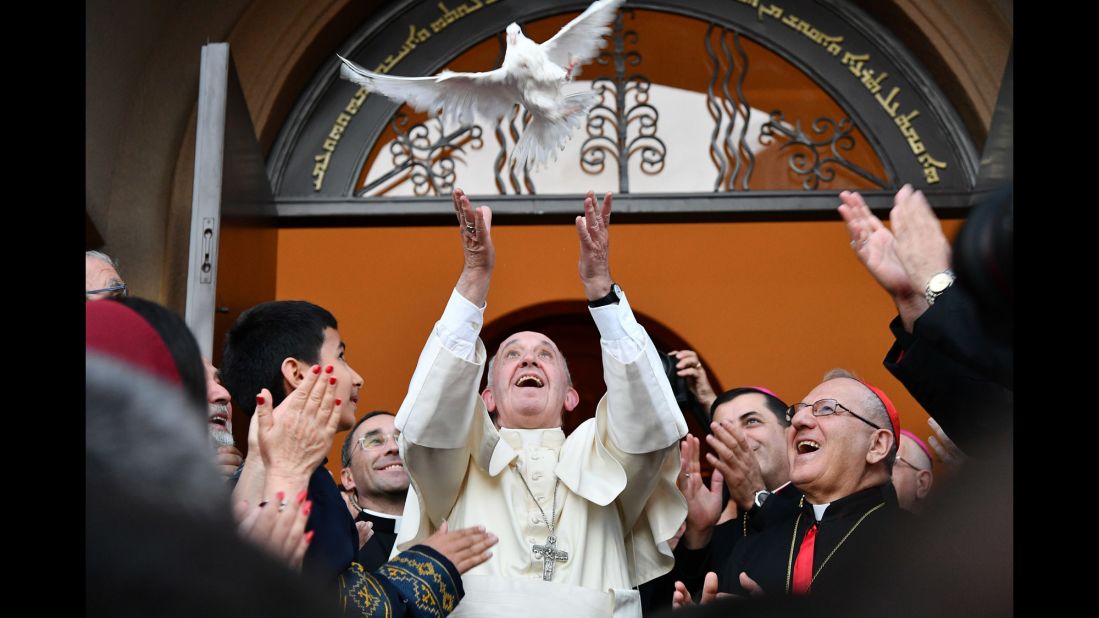
(Photo from cnn.com)

Penman No. 343: A Feast for the Eye and Spirit

IMG_9257.jpegPenman for Monday, March 4, 2019


IF YOU ever find yourself with a free morning or afternoon in Manila, with some loose change in your pocket and a bee buzzing in your head about what to do, think no further and just do as I say: get thee to the San Agustin Museum in Intramuros. Your P200 (or even less, with concessions for seniors and students) will never be spent better, certainly not for a movie at the mall.

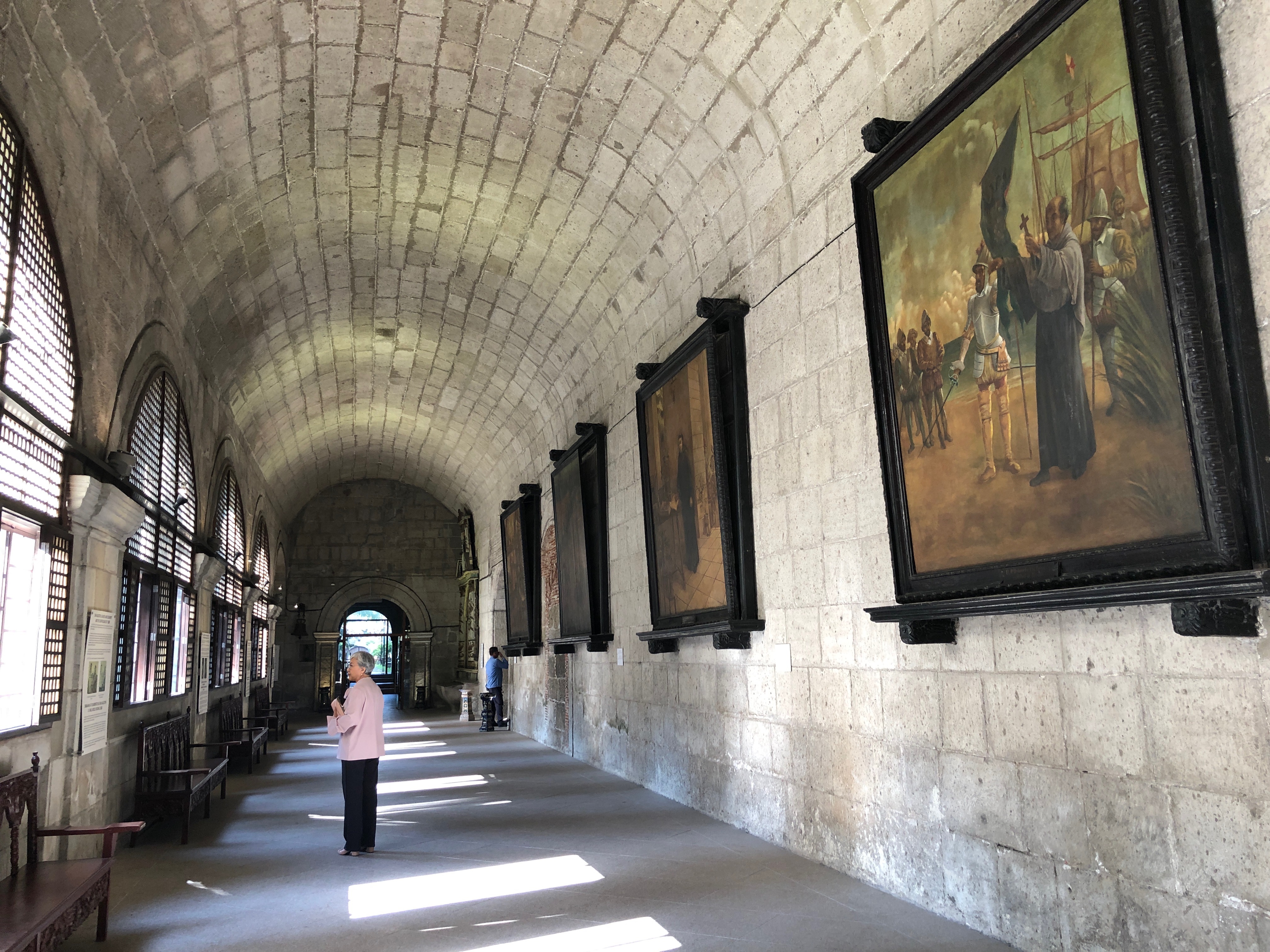
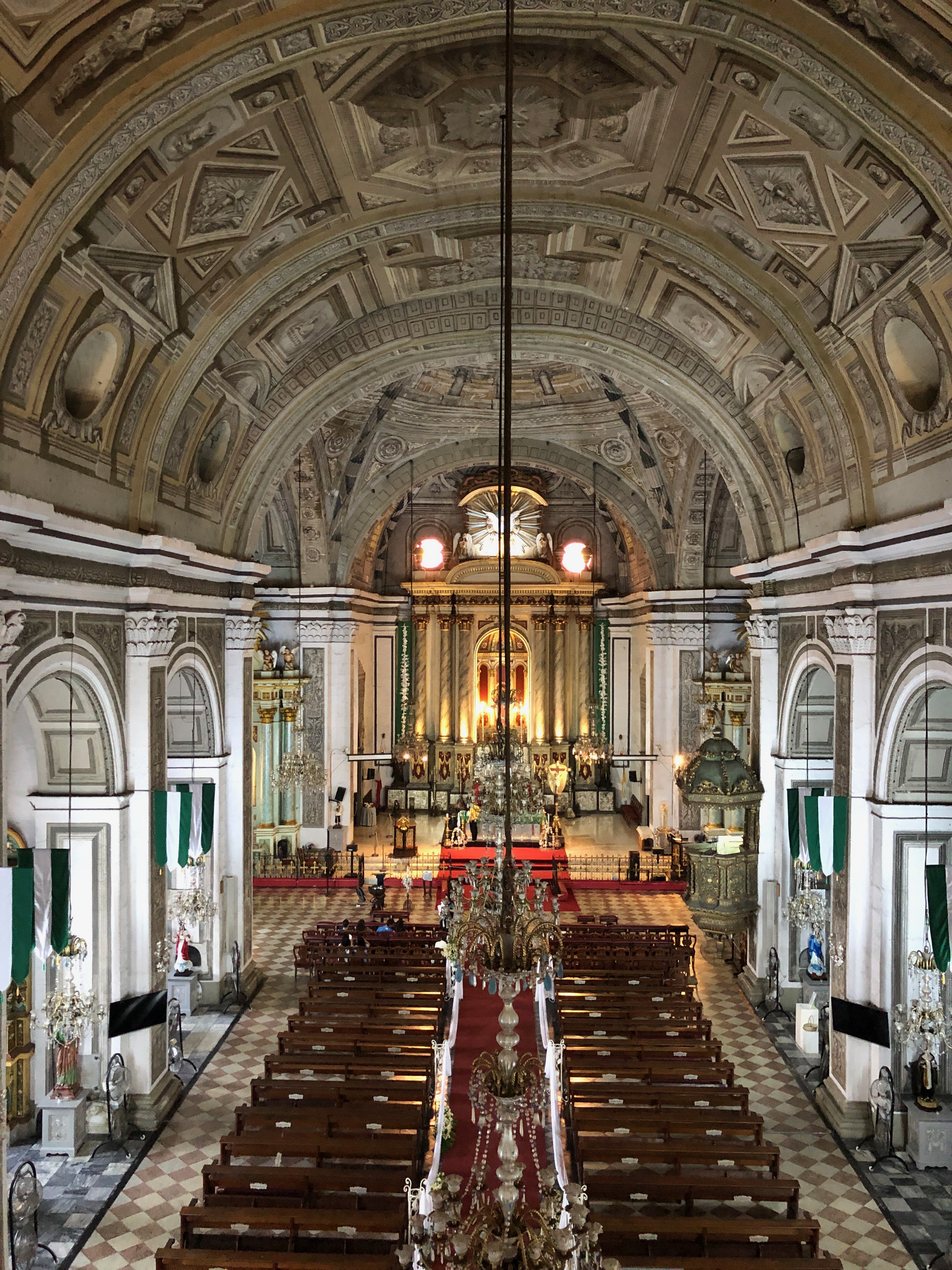
I hadn’t been to that museum in over 20 years; the last time I visited, it was a dark and gloomy place, as you might expect a 400-year-old institution to be. The museum is attached to the church of the same name, which was completed in stone in 1607 after two earlier and flimsier incarnations were destroyed by fire in 1574 and 1583. The Augustinians were inspired and industrious church builders—the corridors of the museum are lined with paintings of their glorious creations throughout the archipelago—and San Agustin Church itself remains the splendorous anchor of that evangelical effort.

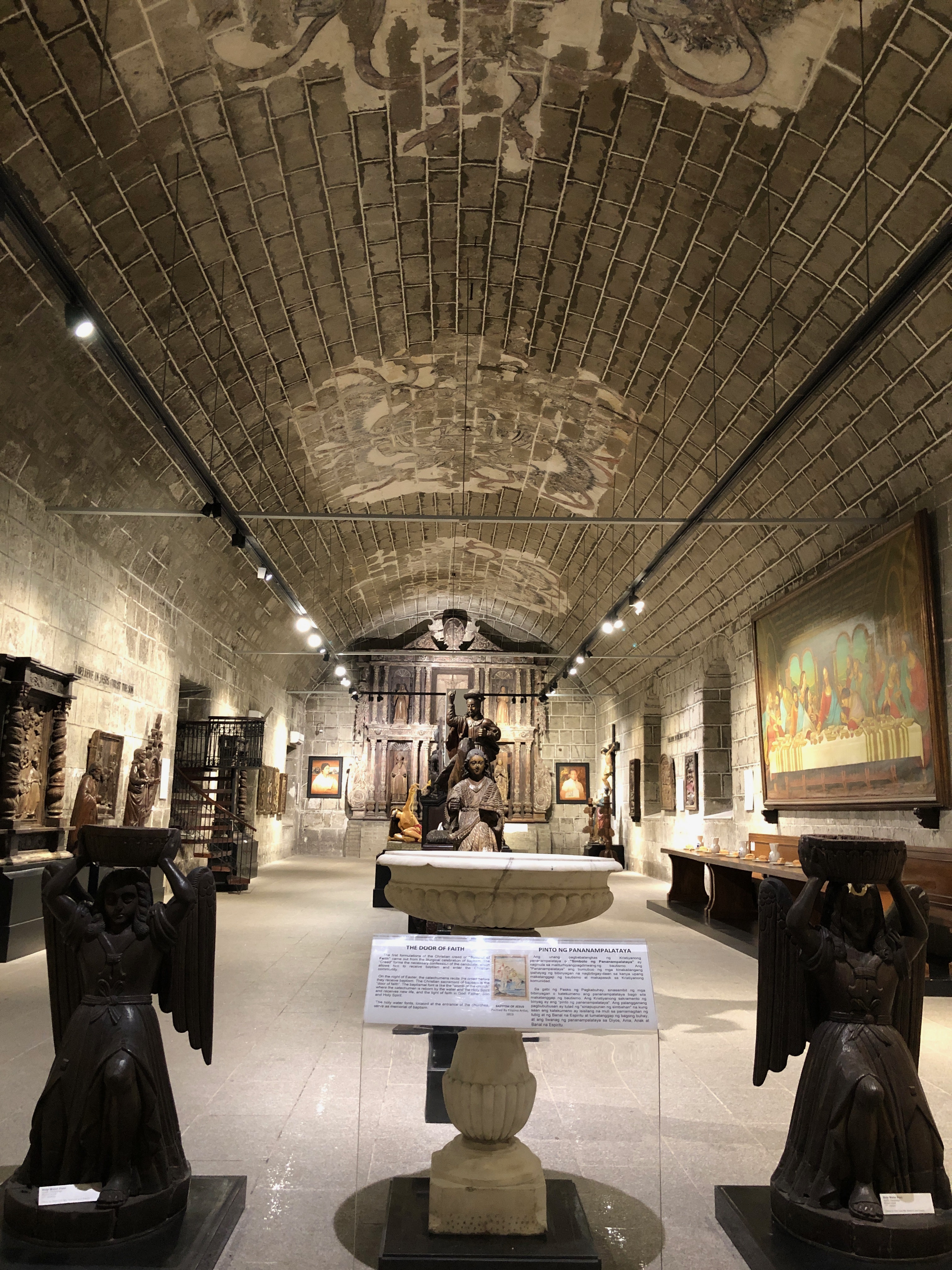
The church has become a favorite choice for weddings, and indeed it was for the wedding of a friend that Beng and I went to San Agustin a few weeks ago. We got there an hour early, so we stepped into the foyer of the museum, and decided to while away the time viewing the exhibits. And what a feast for the eye and spirit that turned out to be.

IMG_9278.jpeg

The museum is organized along six basic themes that circumscribe Augustinian life: Love for Songs, Love for Prayer, Love for Music, Love for Wisdom, Love for Science, and Love for Culture.

IMG_9265.jpeg

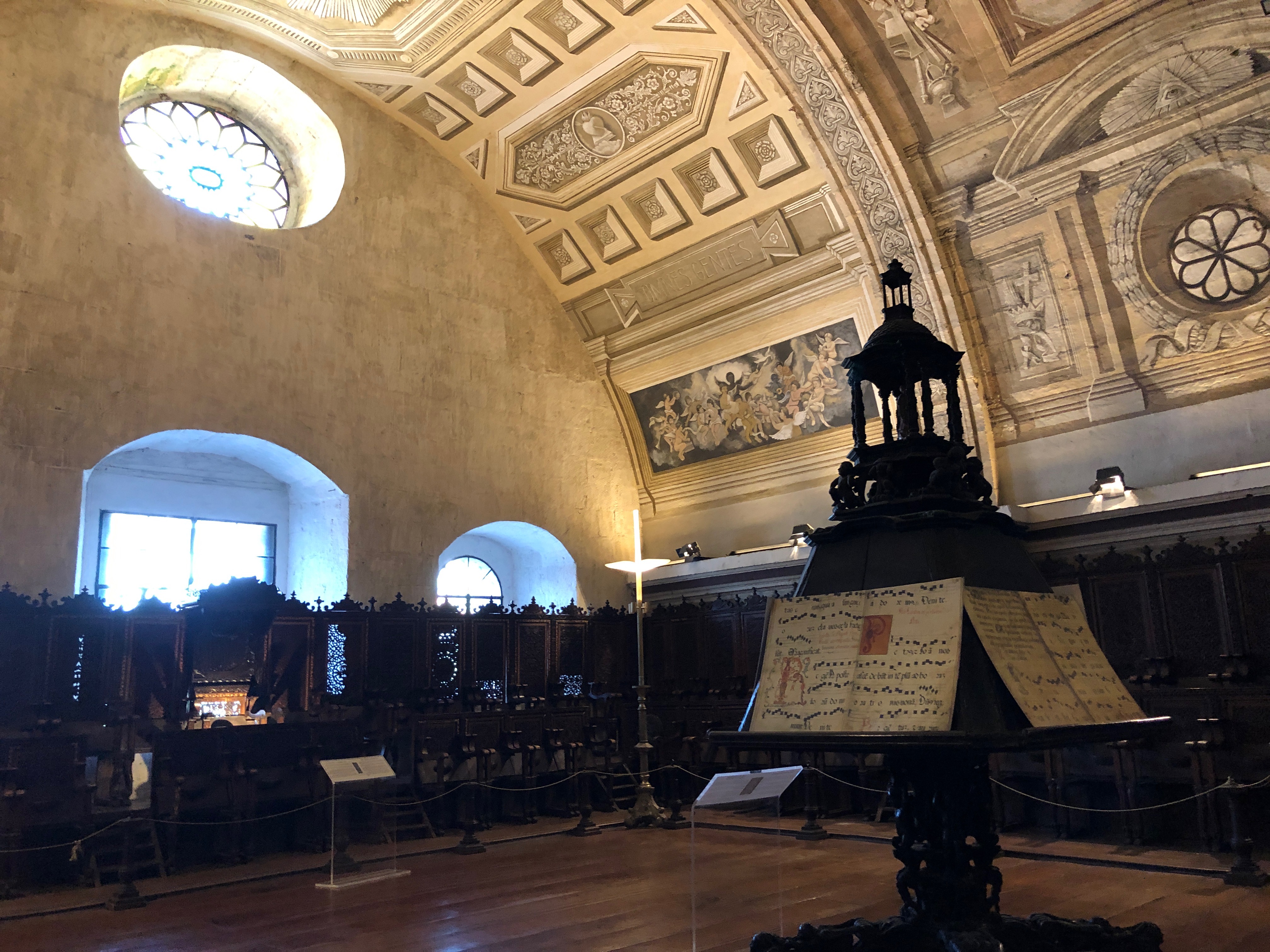
Love for Songs speaks of the order’s devotion to liturgical music, embodied in the old choir books, many still on parchment, that were used in the church’s famous and now accessible choir loft, from where the visitor can appreciate the church’s full majesty under the towering organ.

IMG_9277.jpeg

Love for Prayer describes the community’s gathering five times a day for prayer in that loft or coro, seated in intricately carved silleriaor choir stalls that go back to the early 1600s. The space is dominated by the lectern and organ. A tip for the visitor: peek behind the organ for a glimpse of the original colors of the place, preserved in the masonry.

Love for Music is a special exhibition of musical instruments employed for church services, highlighting the work of two important masters, the composer and organist Fr. Manuel Arostegui and musical director Marcel Adonay.

IMG_9286 2.jpeg

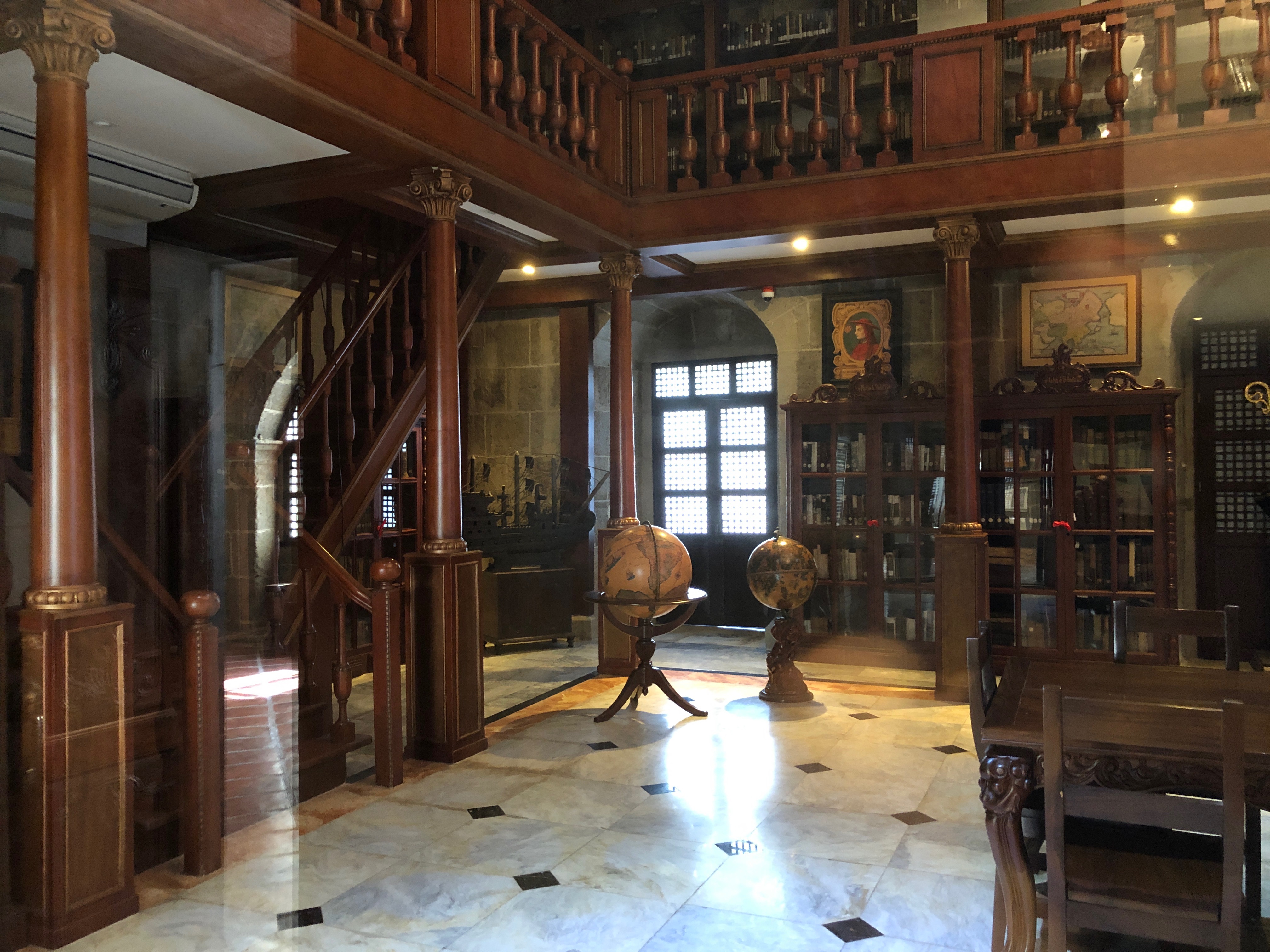
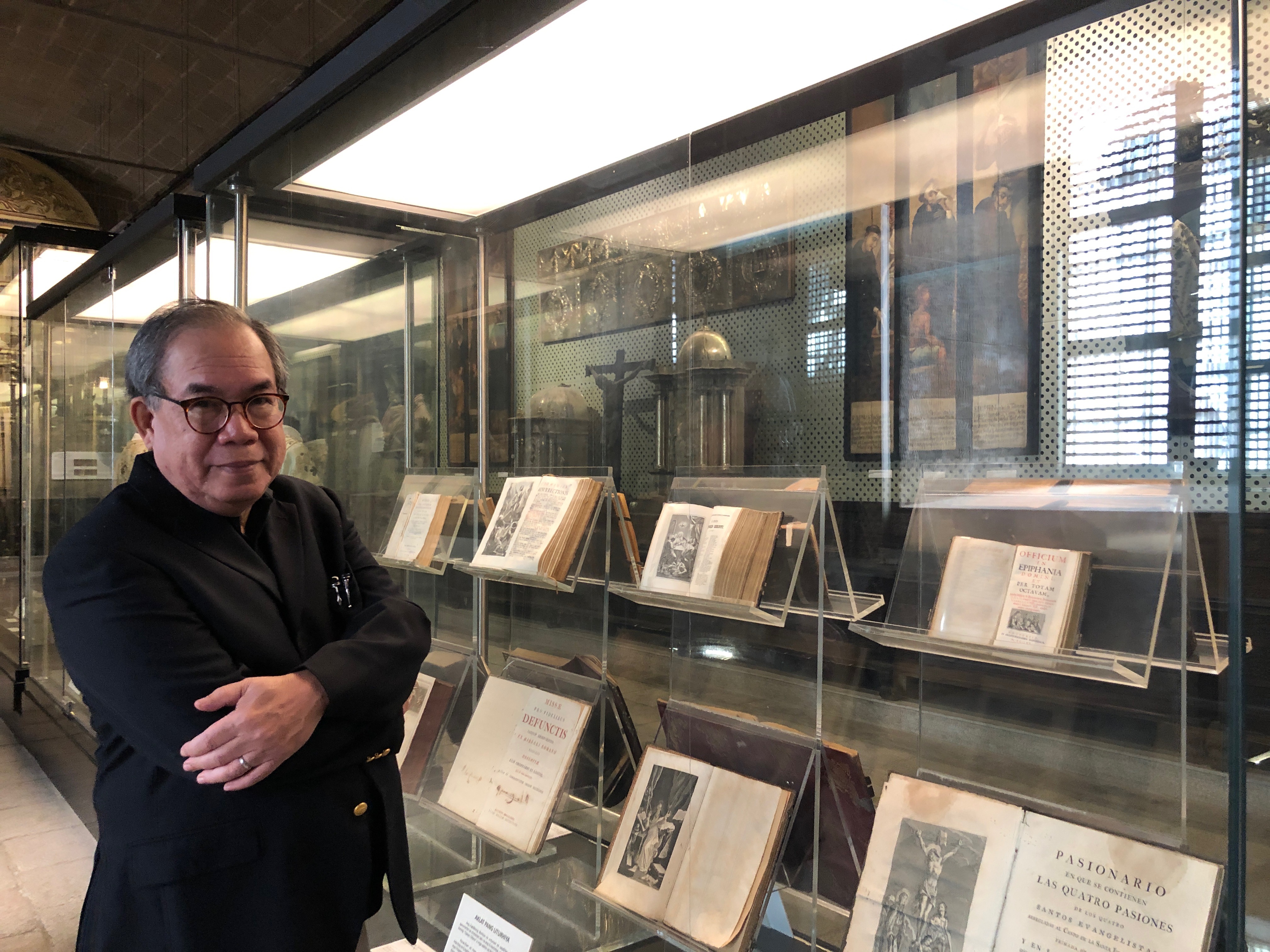
Love for Wisdom brings us to the order’s library which, despite the ravages of war—many thousands of volumes were lost to Manila’s sacking by the British and then to the city’s bombardment in the Second World War—still displays books dating back to the 1500s, proof of the Augustinian devotion to scholarship (particularly to linguistics, based on the exhibits). Being something of an antiquarian, this was of the greatest interest to me (I noted with some amusement that the oldest book in the room was said to have been published in 1552—one year younger than the oldest in my personal collection), but unfortunately the library as a whole can be seen only through a glass wall, perhaps to protect its precious contents.

IMG_9269.jpeg

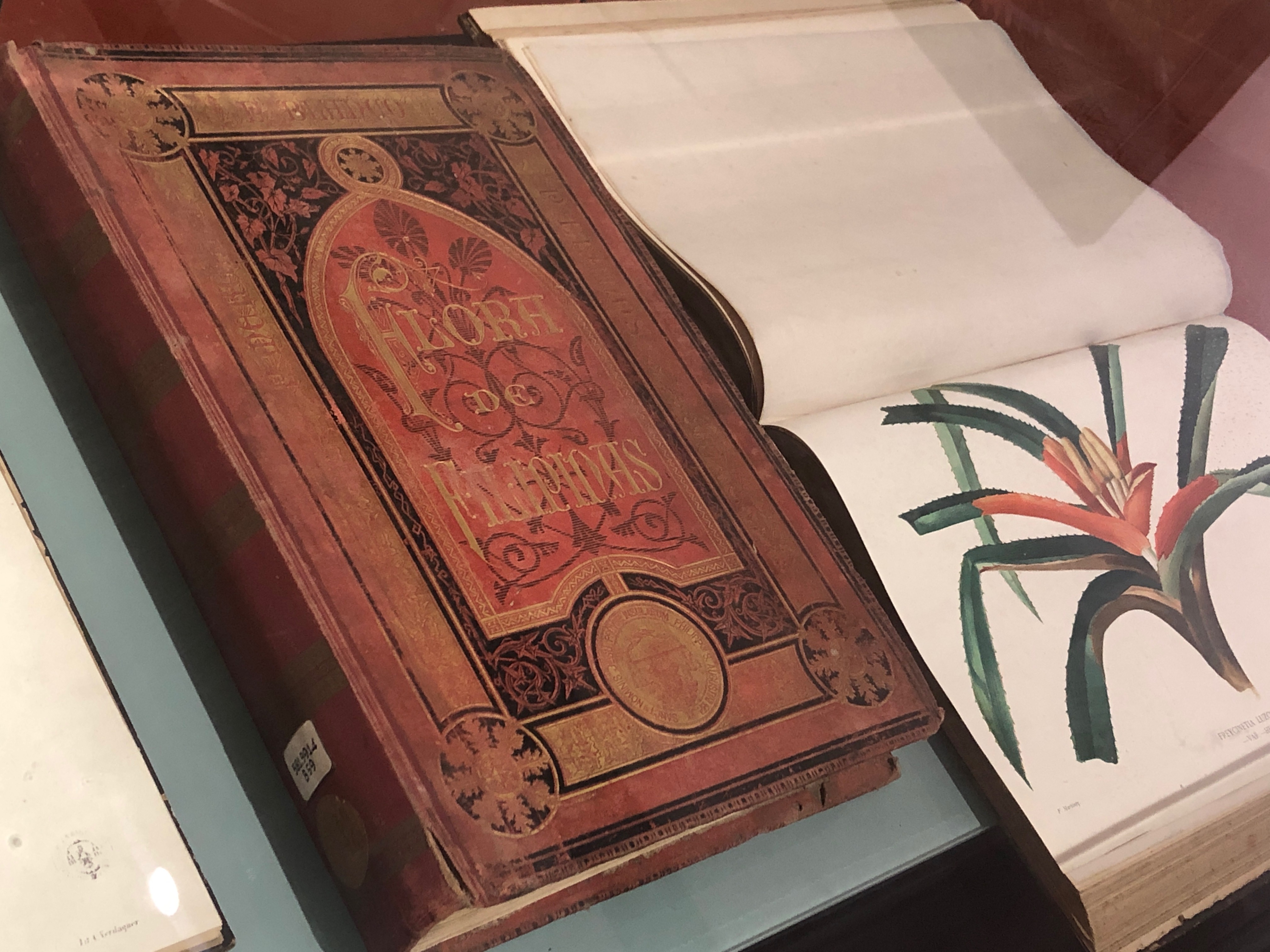
Love for Science brings us to the work of the pioneering botanist Fr. Manuel Blanco, alongside that of two other Augustinian scientists, Fr. Ignacio Mercado and Fr. Antonio Llanos. It was, of course, Fr. Blanco’s Flora de Filipinasthat put the Philippines’ horticultural wealth on the global map, and the book’s illustrated 3rd edition (since reproduced) remains among the most coveted of Philippine publications.

IMG_9288.jpeg

Finally, Love for Culture dwells on the Augustinian mission in education, starting with their first school in Cebu in 1565.

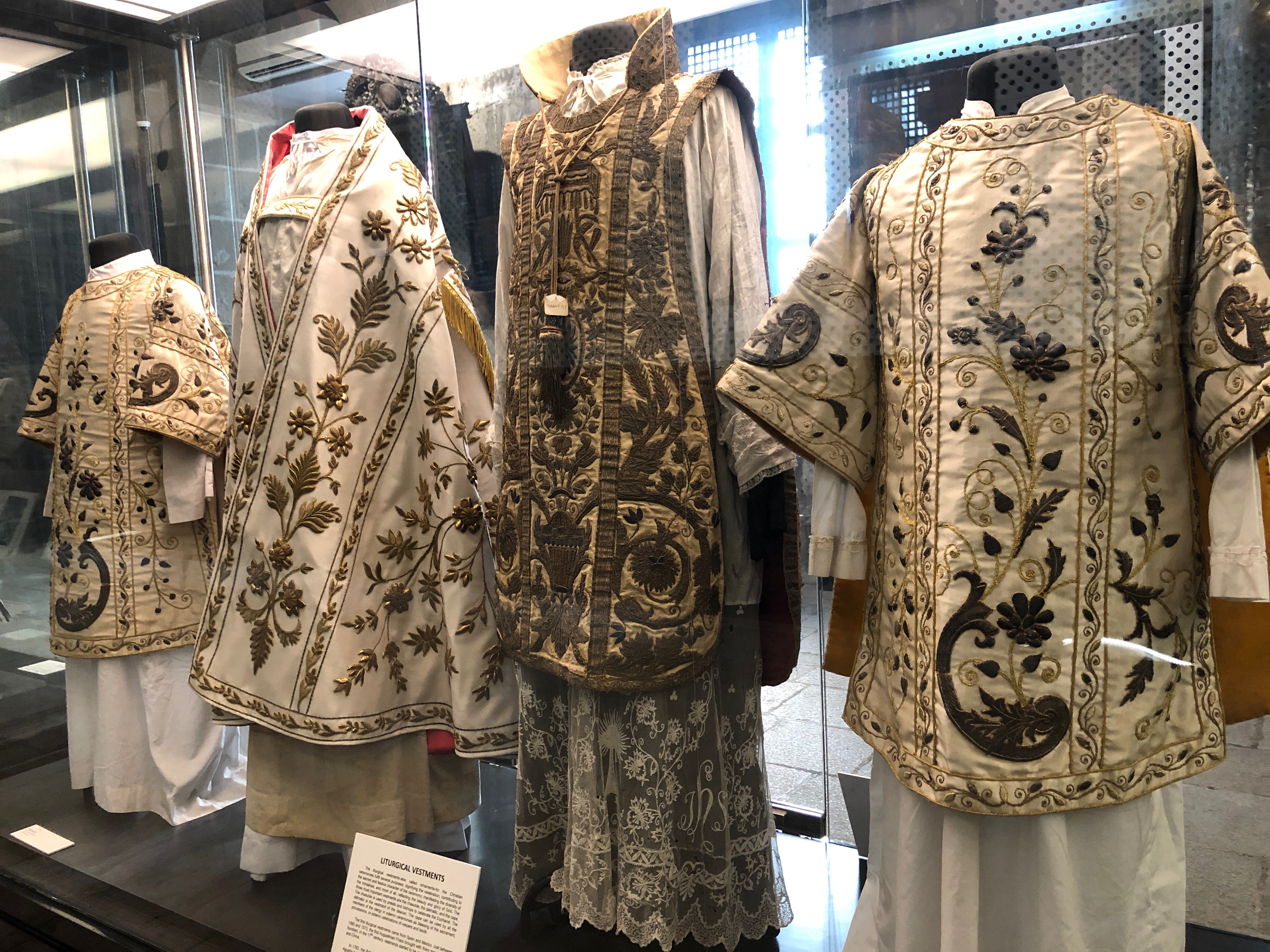
In a larger sense, that educational mission continues with the museum itself and what it offers the modern visitor—people like us who, immersed in the business and digital traffic of the 21stcentury, step into a time tunnel to be magically transported into a past materially composed of gold, ivory, parchment, and wood. Indeed, as we did, the best way to appreciate this museum is simply to walk through it, without too much thought to system or design, allowing the objects—whether they be glass-eyed Madonnas, gold-threaded priestly vestments, or the gravestone of Juan Luna y Novicio—to speak to you. I’m not even a particularly religious person—I’ve long had issues with the Church, despite my deep respect for its core intentions—but this exposure to specific aspects of the Augustinian mission in the Philippines strangely reassures me that good things survive.

Endowed by the likes of the late Don Luis Ma. Araneta, the museum has been very capably maintained and is well lit, and its two stories of exhibits, plus Father Blanco’s Garden, offer the visitor at least an hour of quiet wonderment—with an emphasis on “quiet,” an increasingly rare grace to be found in our frenetic city. Spare that hour and those 200 pesos; you will feel amply rewarded.

IMG_9262.jpeg