
Qwertyman for Monday, June 9, 2025
IN HIS controversial but surprisingly popular 1987 book The Closing of the American Mind, the philosopher Allan Bloom lamented what he saw to be the decline of intellectual inquiry in America, indicting its universities for failing their students by promoting “relativism” over the time-honored values embodied by the “Great Books” of Western thought. “The consequences of the abandonment of the quest for the best are far-reaching and destructive,” Bloom intoned.
Bloom was no flaming liberal; in fact, he was anything but—a true conservative who disdained rock music for its overtly sexual messages and its narcotic effects on the young (imagine what he would have said about TikTok). But his book and its arguments struck a responsive chord in many Americans—half a million of them bought hardcover copies—who were worried that the counterculture that had crept across American society since the tumultuous 196os had weakened it from within and had dulled the blade of American exceptionalism—the rock-solid article of faith that America was, or had to be, No. 1 in everything, because of its unique history and attributes.
That sounds a lot like “Make America Great Again,” although MAGA wasn’t driven by a longing to study Plato, but by deep-seated, grassroots-level grievances and prejudices. One wonders how Allan Bloom, who died in 1992, would respond to the political situation today, which on the surface mirrors some of his concerns, but only just so: a conservative President has declared war on America’s liberal universities, for all the wrong reasons, leading up to the “far-reaching and destructive consequences” that Bloom bewailed.
Of course, Donald Trump is no Bloomian or even Reaganite conservative; all he seems to be about is unbridled power and money, and testing the limits to where they can go. “Trumpism” has been described as a mash of nationalism, populism, and industrialism, with a generous dollop of pettiness and egotism.
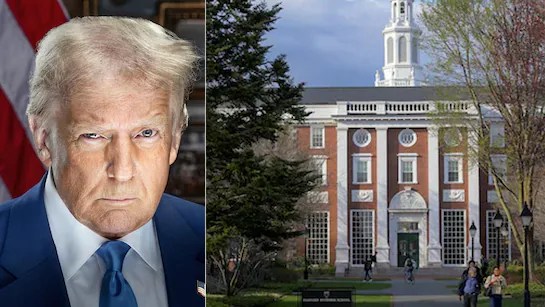
Sometime last April, messaging on Truth Social (with a shift key typically gone berserk), Trump attacked Harvard University, claiming that “Harvard is an Anti-Semitic, Far Left Institution, as are numerous others, with students being accepted from all over the World that want to rip our Country apart. The place is a Liberal mess, allowing a certain group of crazed lunatics to enter and exit the classroom and spew fake ANGER AND HATE.”
Shortly after, he ordered the federal government to withdraw more than $2 billion in funding for research grants to Harvard, and sought to cancel its ability to enroll international students. Trump wasn’t alone in declaring war on American academia. Years earlier, his VP-to-be JD Vance had told the National Conservatism Convention that “Universities in our country are fundamentally corrupt and dedicated to deceit and lies, not to the truth…. We have to honestly and aggressively attack (them).”
Not surprisingly, Harvard and a cohort of other leading universities have fought back, taking the administration’s tack as a frontal assault on academic freedom—and, more strategically, on America’s albeit waning intellectual leadership.
MAGAworld’s anti-intellectualism is interesting, because it draws on a long and dark tradition of tyrants from Franco’s Spain to Pol Pot’s Cambodia waging war on scholars—to cite only the most visibly horrifying examples under which hundreds of thousands of intellectuals were massacred. Mass murder makes the withdrawal of grants and visas seem benign, but they come from the same deep mistrust of critical thinking, contrary opinion, and the alien element. Dictatorships thrive on herd mentality and unquestioning obedience, both anathema to academia.
It’s not as if Trump and Vance never went to good schools. Trump went to Wharton and Vance to Yale Law; whether they learned something worth their tuition is another matter. Political instinct, not intellect, drives these men.
Right now, that instinct is telling them that culture (or its reversal) is more important than anything else—specifically “woke” culture, the greatest threat to the hegemony of straight white men: civil rights, women’s empowerment, abortion rights, gay and gender rights, minority representation, affirmative action, Black heritage, environmental protection, and internationalism, among other values espoused by the liberal Establishment and its bastions like Harvard.
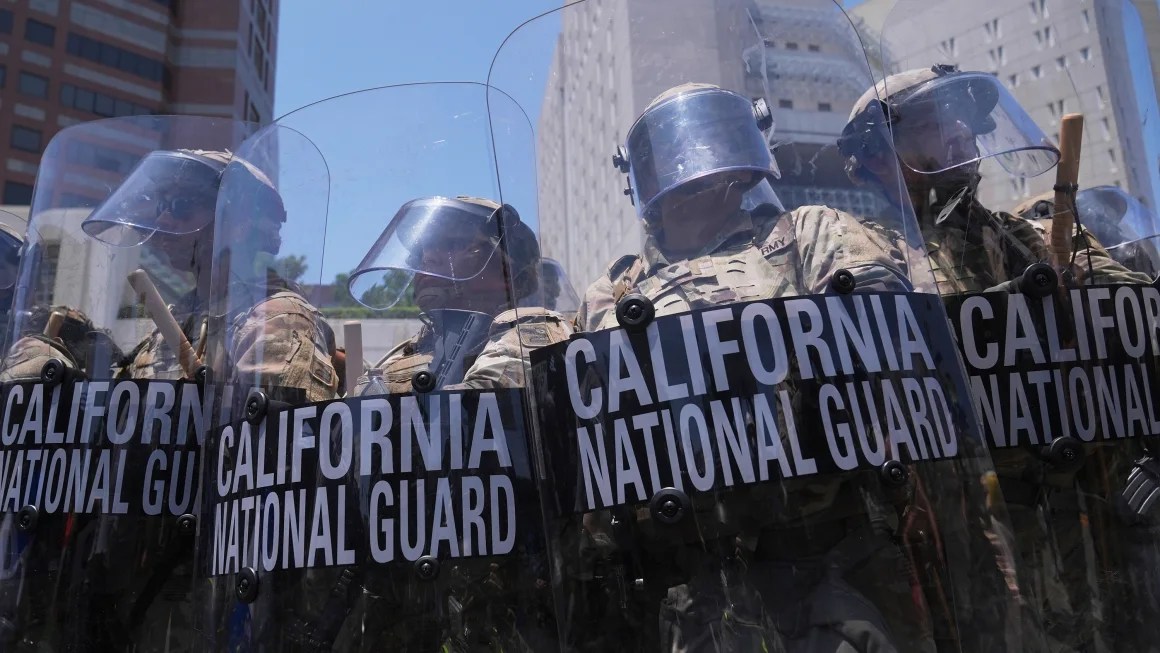
The collateral damage of this insane and reckless urge to reshape America in Trump’s own image has included truthfulness, justice, accountability, sound science, and, ironically, America’s own long-term economic and academic well-being. MAGA’s success will be America’s diminution from the intellectual powerhouse that has accounted for more than 70 percent of all Nobel Prize winners (about 30 percent of them immigrants to the US) to the fools’ paradise contemplated in the 2006 movie Idiocracy—a comedy that won’t be so funny when it materializes.
Trump’s insistence on characterizing foreign students as potential terrorists and troublemakers will be particularly counterproductive, as it will banish many of the world’s best young minds to more receptive climates, and erode America’s influence on global thinking.
That may not necessarily be a bad thing, as it reminds everyone that the US has no monopoly on excellence, and never really did. But as a two-time Fulbrighter who, like thousands of other pensionados to America, look back with gratitude and not a little pride on that opportunity to imbibe not just new knowledge but America at its welcoming best, I cannot imagine anything stupider than this willful squandering of American goodwill and soft power for the price of a few missiles.
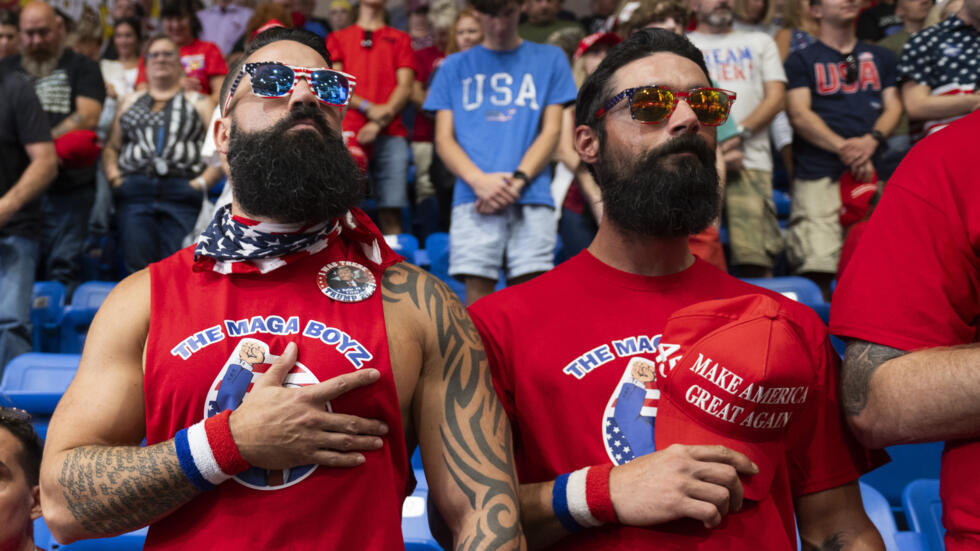
It will not even be Donald Trump & Co. who will pay that price, but generations of Americans down the road who will recall this period of infectious lunacy with bewilderment and regret. They will have no one to blame but their red-capped grandparents, who thought that trusting a despotic dunce with all that power was a bright idea. (And I know how much that statement smacks of the elitism that Trumpers hate, but tell me it isn’t true.)

 Pinoy Penman 3.0