Penman No. 467: Recovering Our Memory of the Sea

Penman for October 20, 2024
I’VE OFTEN remarked, in academic conferences, about the glaring absence of the sea in our mainstream and modern literature, beyond serving as a decorative backdrop or romantic element. I recently learned that this may not be so true of the native literatures of the Philippine South, for whose people the sea is their economic and cultural lifeblood, but for most of the rest of us, the only sea we’ll ever know is Boracay, or the Dolomite Beach.

That’s a sad thing when we consider that the Philippines—the world’s second largest archipelago after Indonesia—also has one of the world’s longest coastlines (over 36,000 kilometers), is rich in marine biodiversity, and can look back to a long, proud, and continuing seafaring tradition. Despite the alarming depletion of our marine resources due to overfishing and damage to marine ecosystems, we continue to rank high among the world’s fish producers; ironically, our fishermen are among our country’s poorest citizens. And for many decades now, the Philippines has sent out its seafarers to crew the ships of the world—over 550,000 of them last year, making up a fourth of all the world’s seaborne workers.
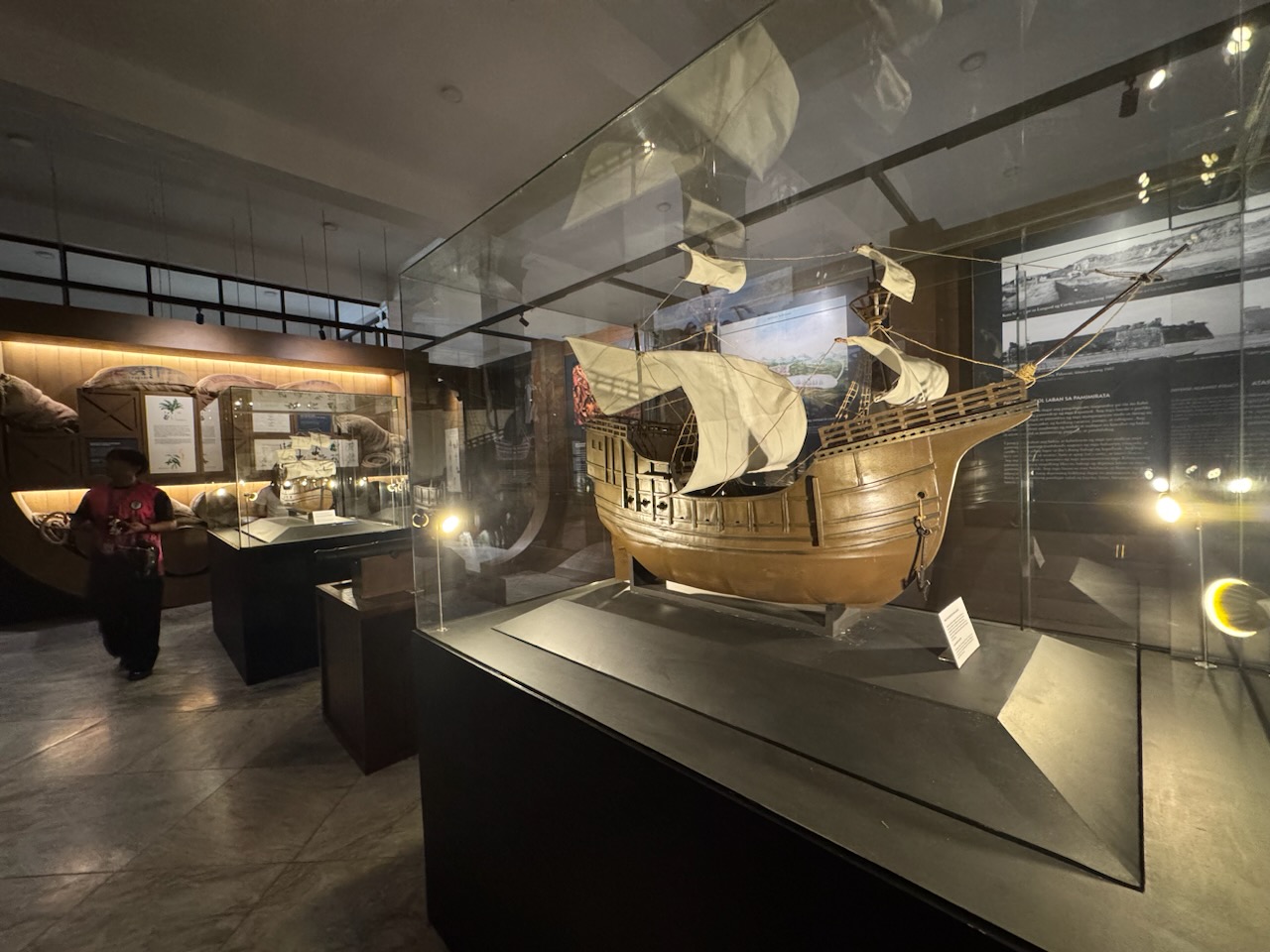
To go back even farther into the past, pre-Hispanic Filipinos built the balangay that helped populate Austronesia as well as the speedy warship, the caracoa; in Spanish times our ancestors built the galleons that crossed the oceans. In Moby Dick, Herman Melville referred to Filipinos aboard the whalers as “Manila men.”

Behind these figures runs a compelling human and social drama, but it’s a story largely unknown and untold to our own people, and what little we know is fading even faster as more of us leave our islands for the big cities, slowly but surely losing our personal connections to the sea. We encounter sea life only in the fish market or the seafood section of the grocery, or in tin cans; our children do not know the names of fish, which many now refuse to eat, in favor of sausages and noodles.

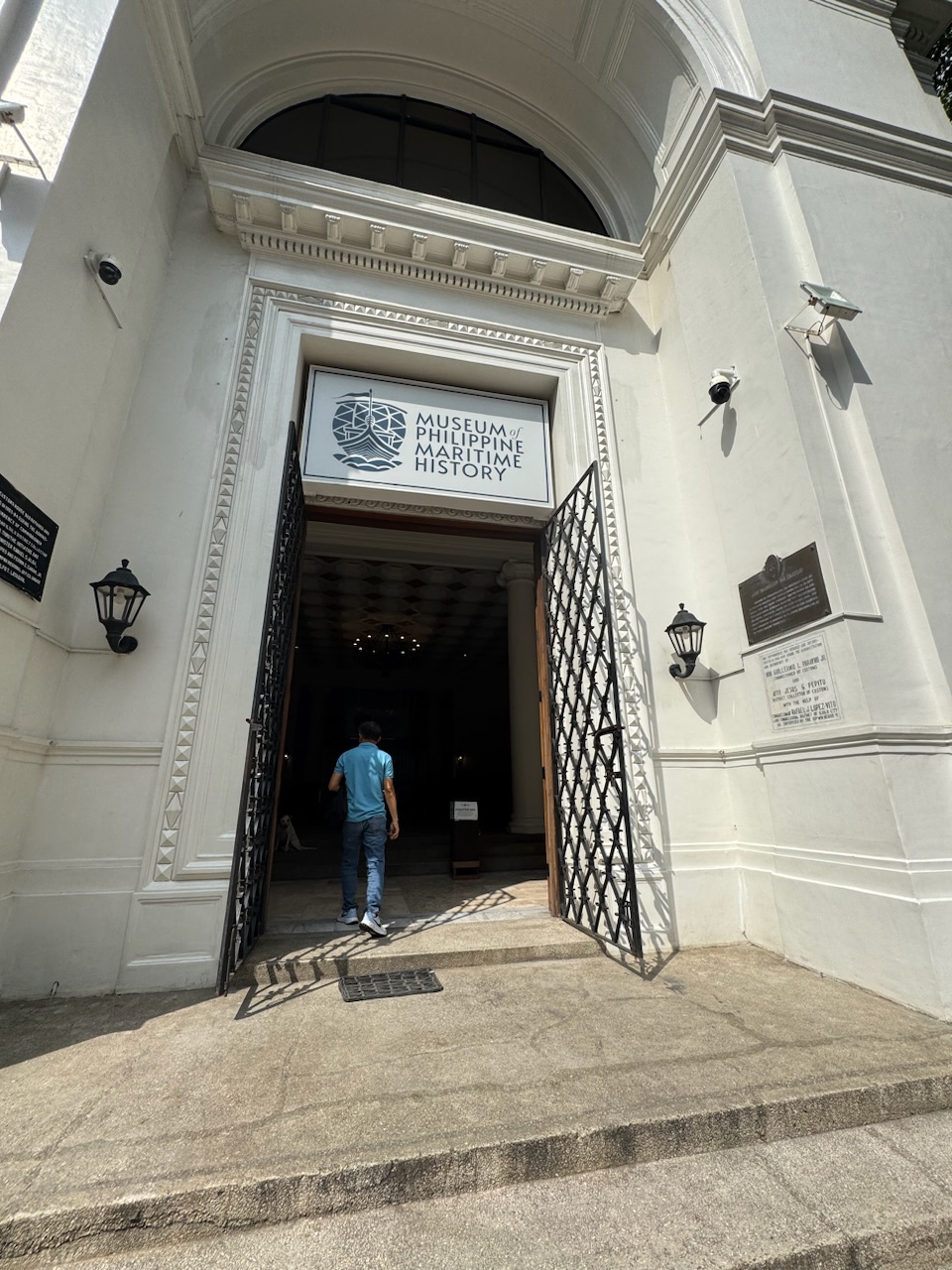
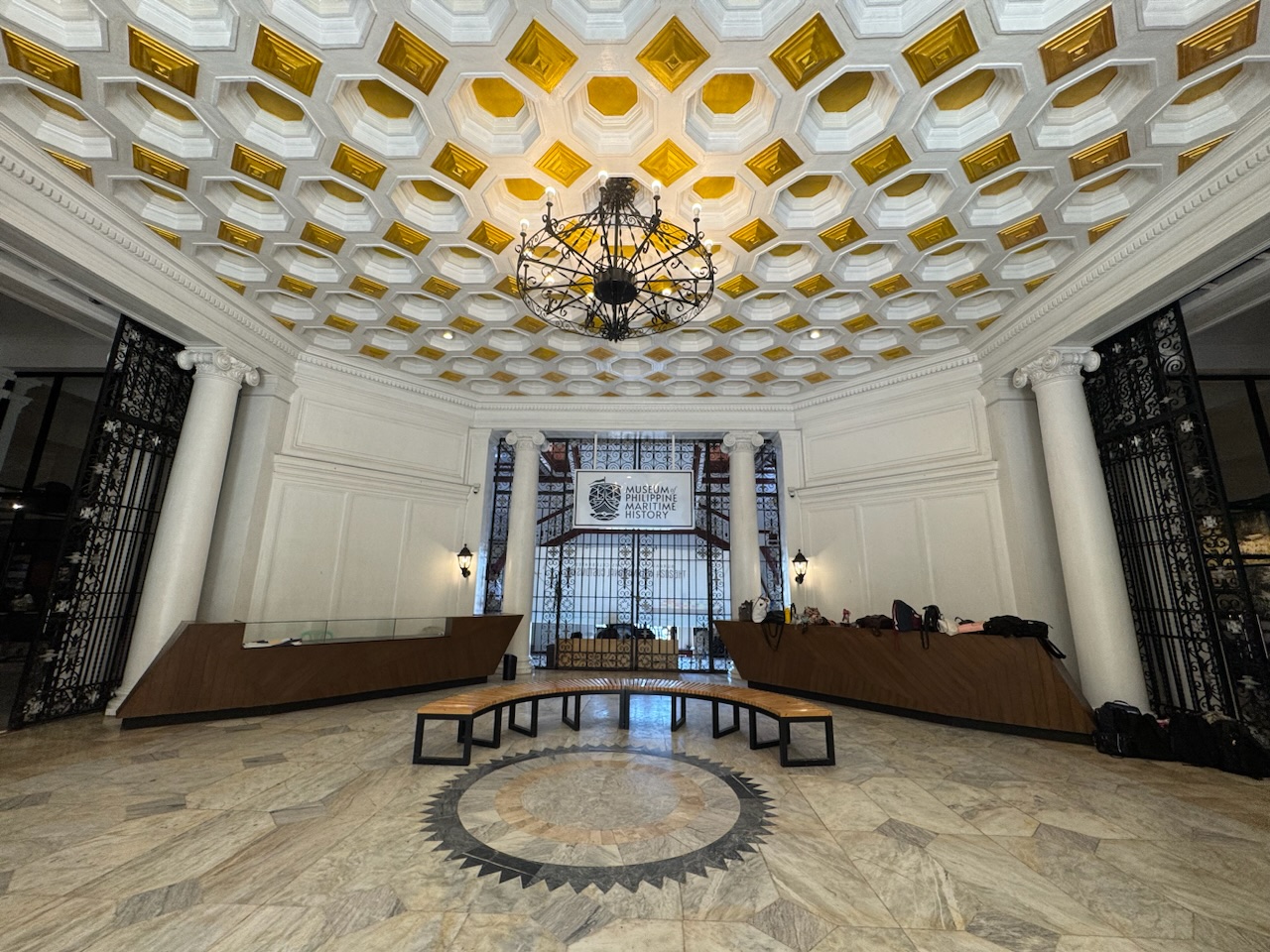
Thankfully, the National Historical Commission of the Philippines (NHCP) has done something critically important to fill this gap in our collective memory—by establishing a Museum of Philippine Maritime History (MPMH) that tells the story of our seafaring past. And it’s significant that this museum isn’t located in Manila, which would seem to be the logical first choice given Manila Bay and its port, but in Iloilo, which has also had a long and continuing affinity with the sea. Iloilo has historically supplied many if not most of the country’s seafarers to the global market. The city has a plethora of schools offering maritime courses, ensuring the continuity of talent.
I stumbled on the MPMH during a recent visit to Iloilo—among my favorite local destinations for all the obvious reasons (the food, the Esplanade, the heritage houses, the churches, the hospitality, the culture, and of course the people). The amazing boom it’s undergone over the past two decades under the sponsorship of former Sen. Frank Drilon and his local counterparts has dramatically transformed the city’s physical and economic landscape, but it hasn’t forgotten its past as it moves resolutely forward. 

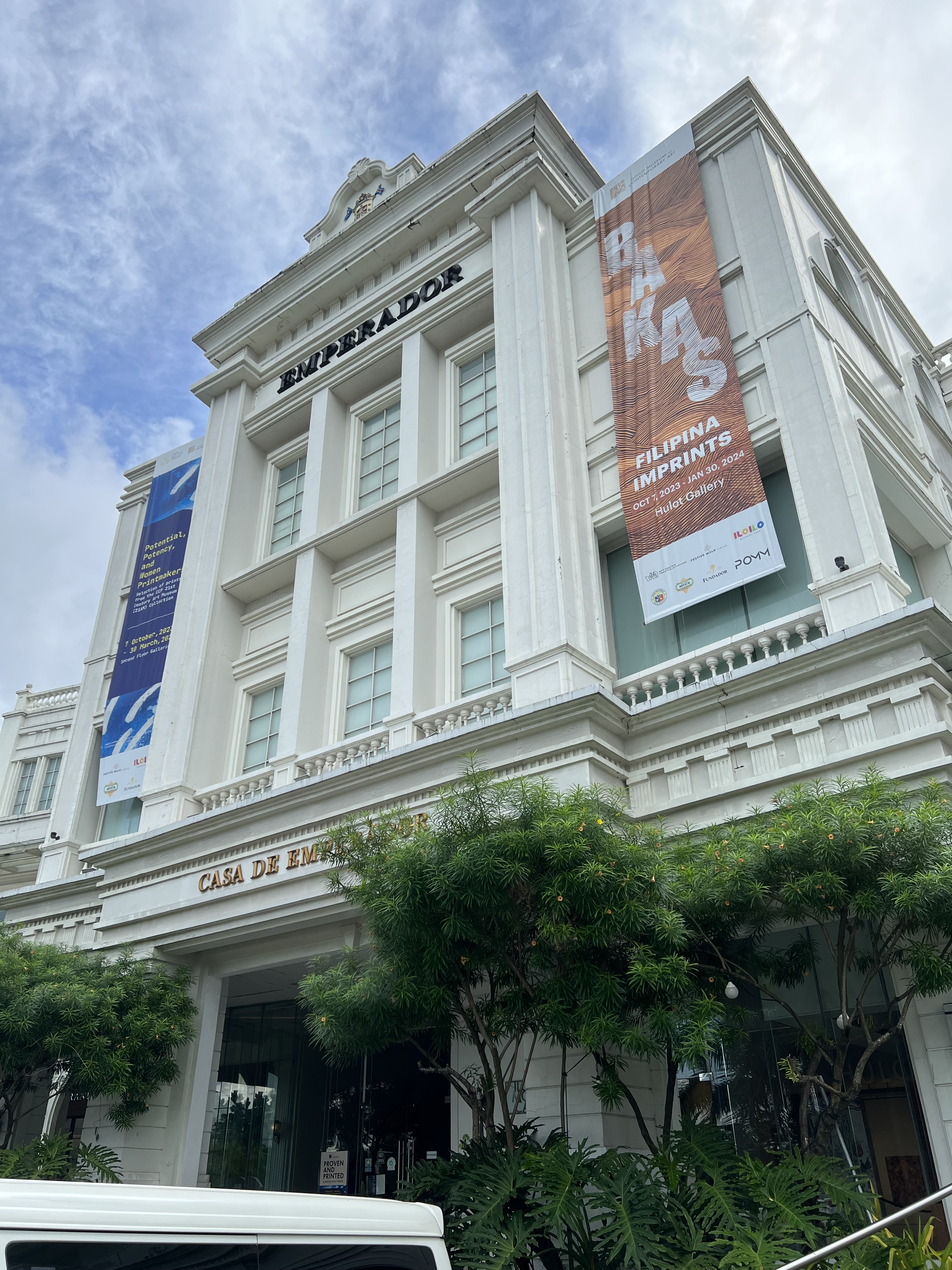
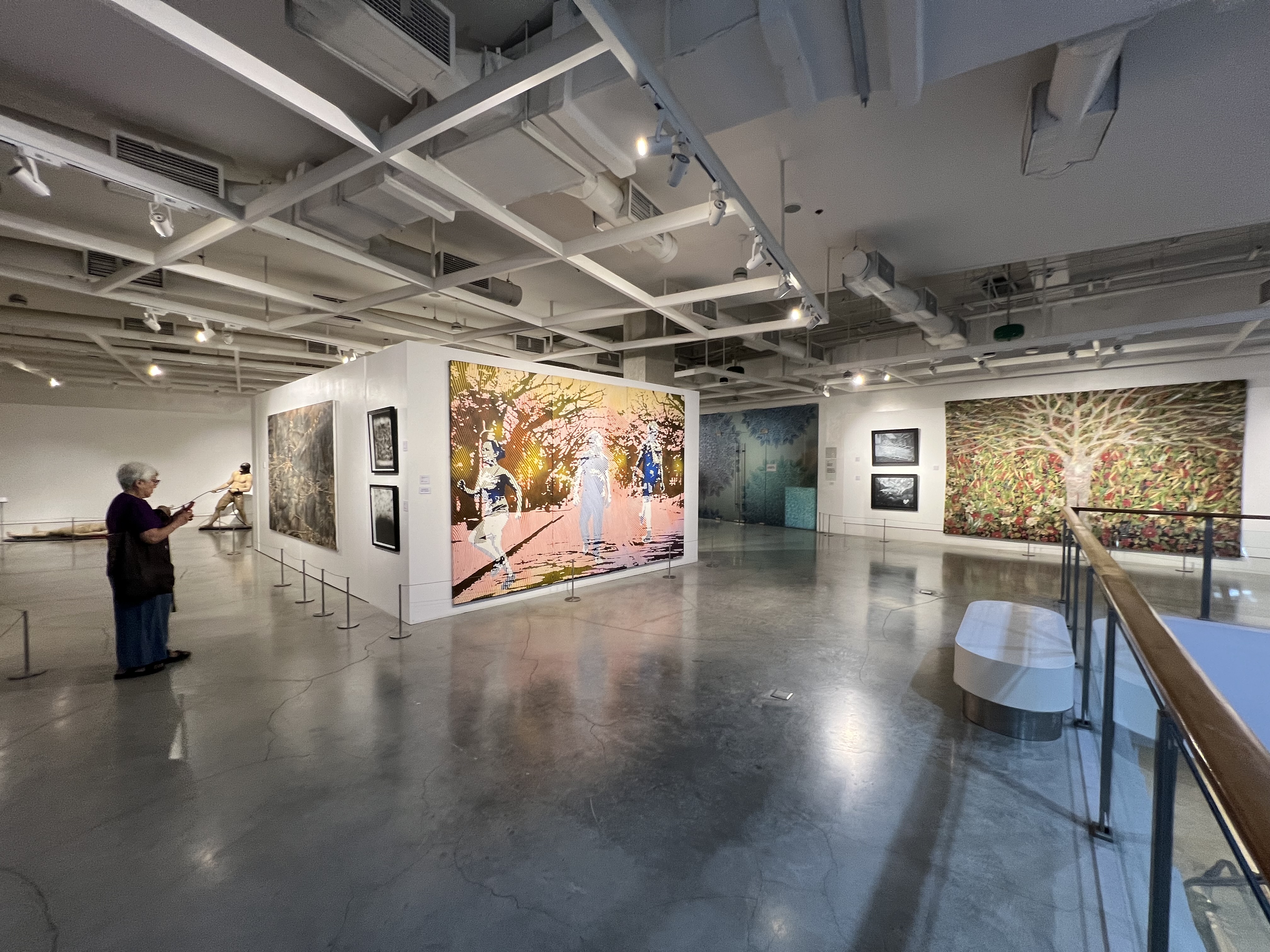
Iloilo has long been known as the city of museums. Aside from the Museo Iloilo and any number of restored mansions, it now boasts the Museum of Philippine Economic History, which chronicles the city’s and region’s central role in sugar, shipping, and commerce; the Rosendo Mejica Museum, which celebrates Iloilo’s journalistic heritage (and I’m proud to say that my wife Beng descends from a Mejica); and the Iloilo Museum of Contemporary Art, which places Iloilo squarely in the center of cutting-edge art production.
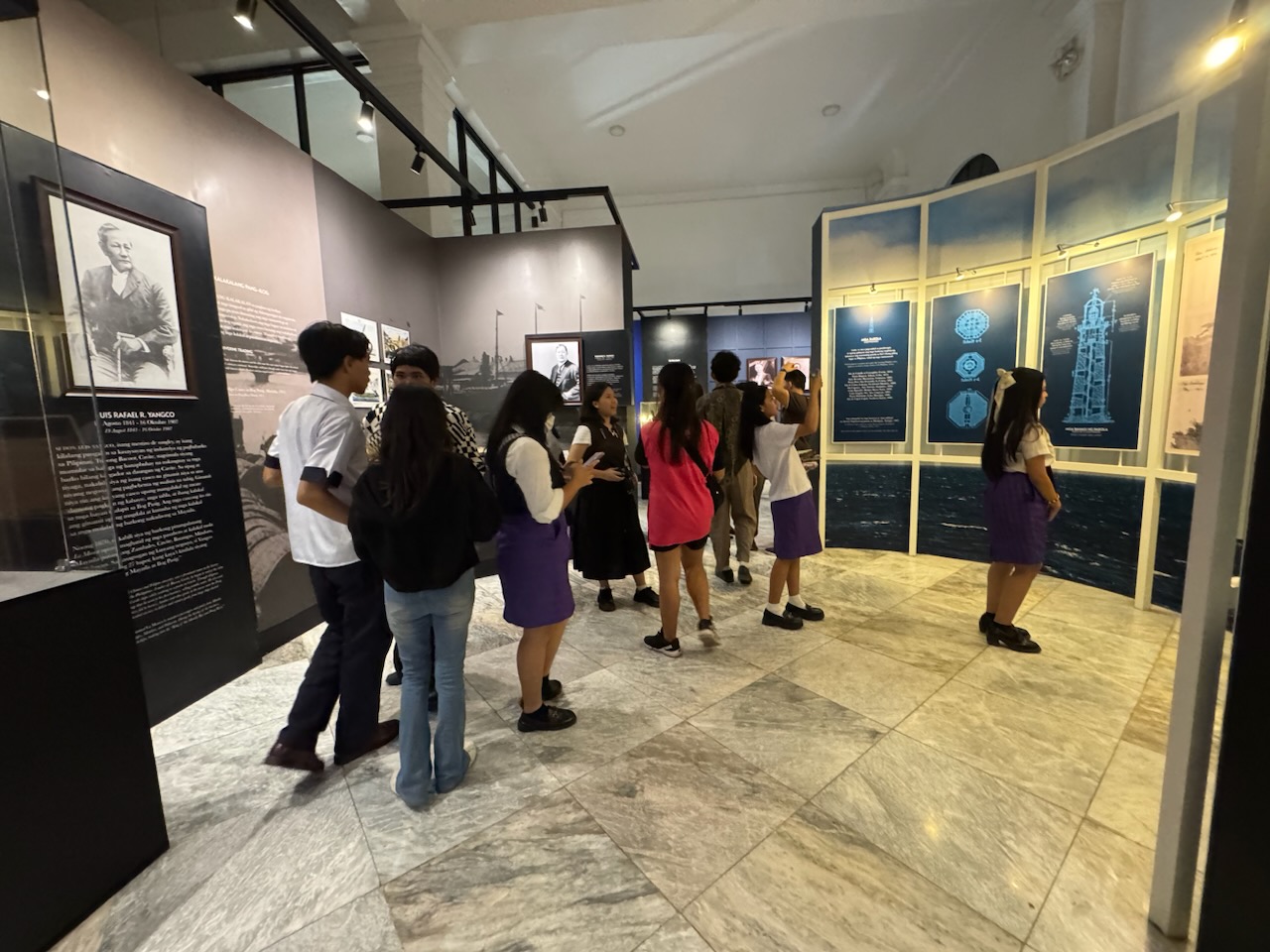
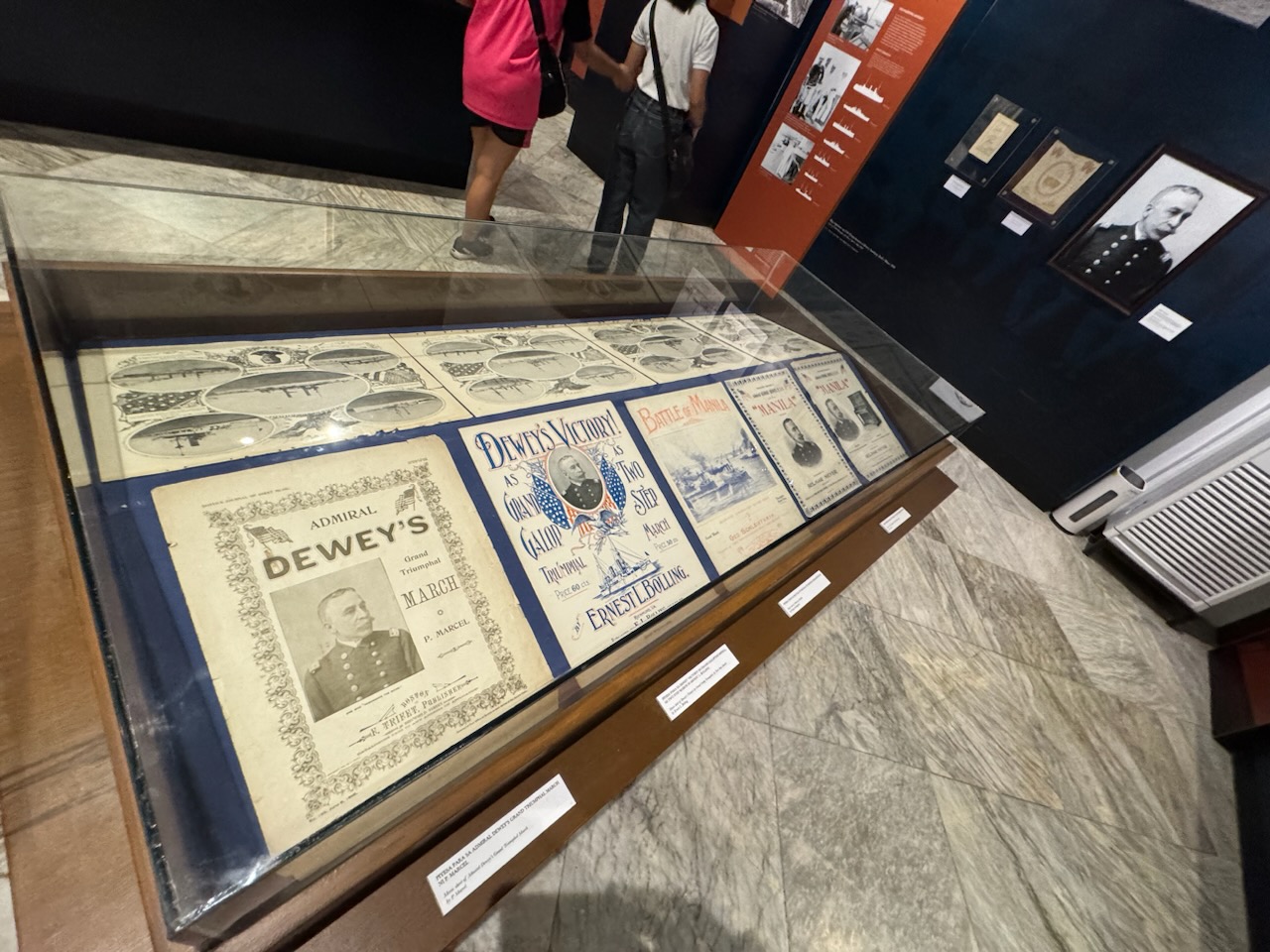
The MPMH, which opened in January 2023 at what used to be the Old Customs House on Calle Loney and Aduana in City Proper behind Sunburst Park, walks the visitor through exhibits covering the past until the Spanish era, and the American period to modern times. One very informative section presents the variety of Philippine boats (biray, casco, vinta, batil, etc.); scale models bring some to life. Key figures in our maritime history such as Luis Yangco (1841-1907), who had a shipping empire and supported the revolution are introduced. Historical photographs, posters, and other artifacts provide vivid visual proof of how vital the maritime industry was to our economy and society. Another panel notes the many waterborne festivals we Filipinos hold throughout the country, such as the Pista ‘Y Dayat in Lingayen, Pangasinan every May, and the Bangkero Festival in Pagsanjan, Laguna every March.

It’s not a huge gallery, and one wishes there were even more artifacts on display to ponder, but in terms of curation and presentation, the MPMH can hold its own, given its present limitations, against other international museums of its kind, with crisp, clear graphics, well-chosen items, and useful and interesting detail. (I’ve had the privilege of visiting the National Maritime Museum at Greenwich in the UK and the Museo Naval in Madrid, so as global standards go, those two maritime giants would be tough to match.) The MPMH’s best come-on—which probably accounted for the hordes of students present when we came by—is that it’s absolutely free, although donations are welcome. That’s a great start, with the kids, toward recovering our memory of the sea.
Qwertyman No. 67: Business with Culture in Iloilo

Qwertyman for Monday, November 13, 2023

OVER THE past year, still eagerly emerging from our post-pandemic stupor, my wife Beng and I have been traveling up a storm, limiting ourselves to local destinations such as Bacolod, Virac, Davao, Roxas City, and Iloilo City. We chose these places because we’d never been there before—such as Virac and Roxas—or hadn’t visited for many years.

We were most impressed by the progress shown by Iloilo, whose transformation into a rapidly urbanizing metropolis I had begun to observe well before the pandemic. City and provincial officials, under the initial leadership and with the strong support of former Sen. Franklin Drilon, had managed to unite behind the key objectives of a continuing comprehensive development plan that has straddled several local and national administrations. 

All over the country, you hear about politicians achieving national prominence and power, even to the point of aspiring for the presidency—except that back in their home provinces, they did little or nothing for their constituents, and may even have lost the local vote to an outsider as a result. Drilon never ran for President—a job I think he would have performed excellently, if our voters were thinking rationally—but if he did then he could have counted on a near-solid Iloilo vote for never forgetting where he came from and ensuring Iloilo’s emergence as a model of city planning.

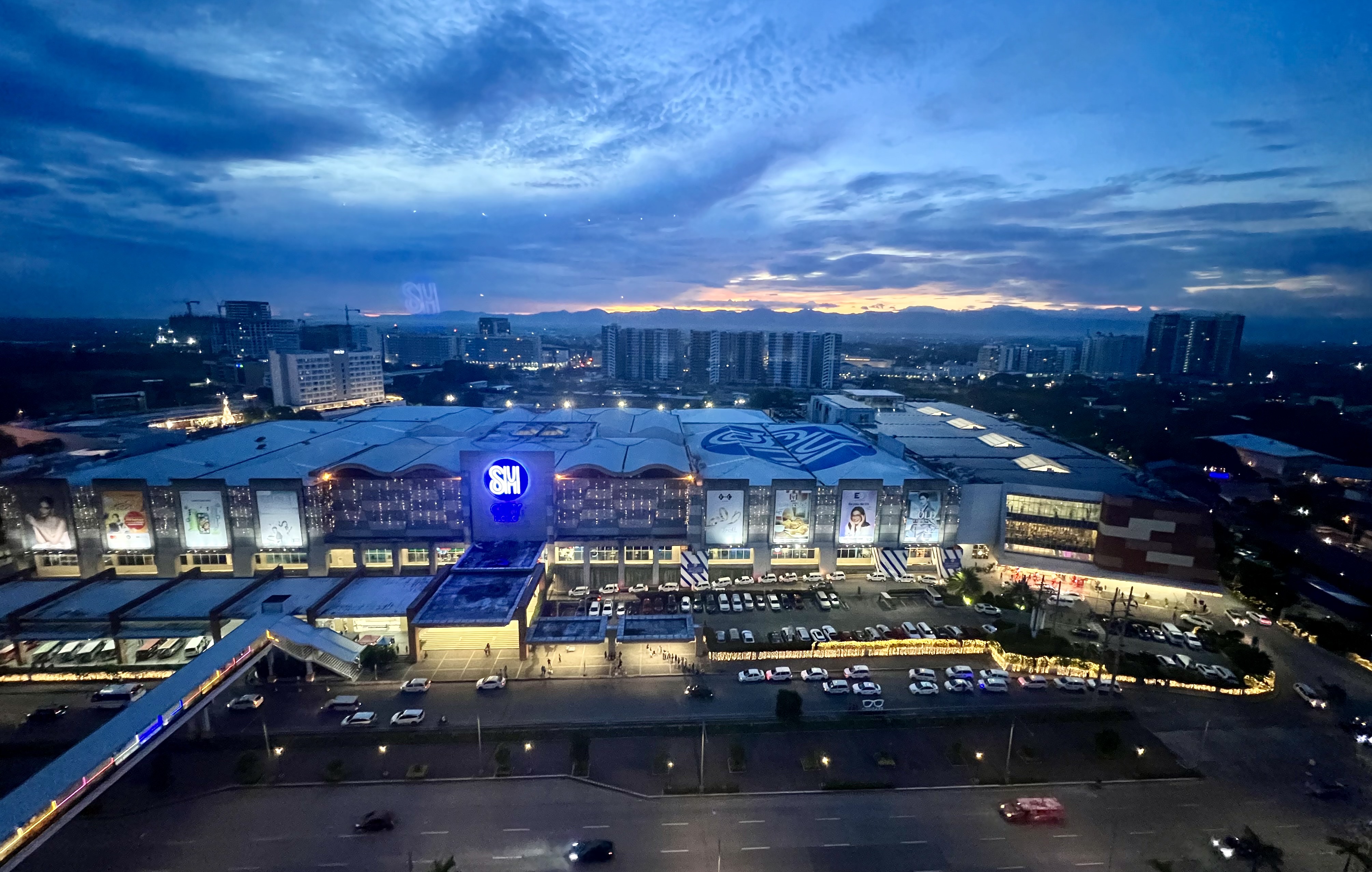
Any visitor to Iloilo cannot fail to be impressed by its dynamic growth, from the minute he or she steps off the plane in the city’s airport in Cabatuan, about 20 kilometers from downtown Iloilo. The long drive to the city down the wide, smooth highway is a virtual introduction to the city’s progress, with new malls, office buildings, car dealerships, hotels, construction depots, hospitals, and housing lining both sides of the road; new bridges and overpasses were rising here and there. A Grab car service just opened this year, our driver said, happy to be lifted by that rising economic tide.

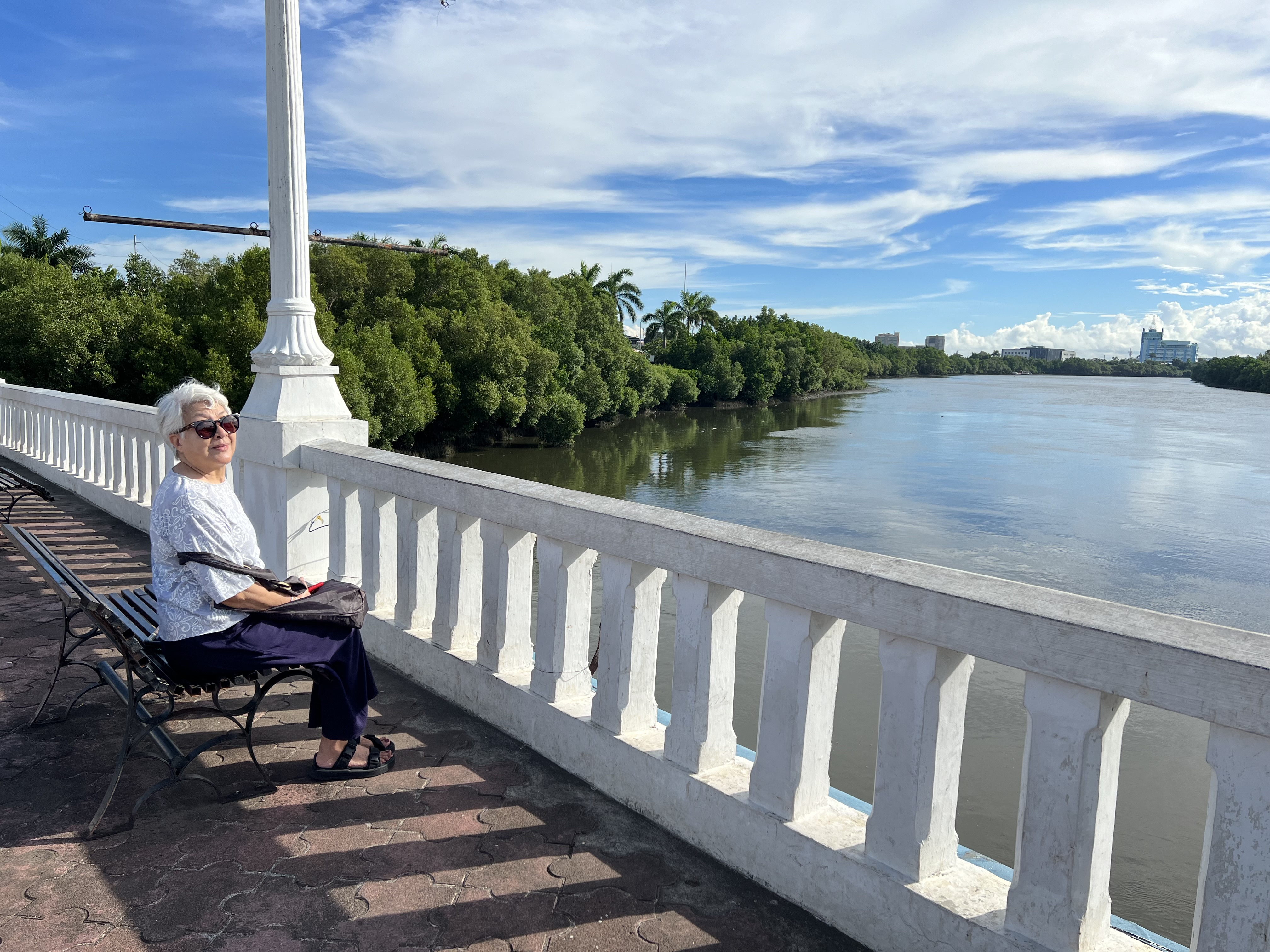
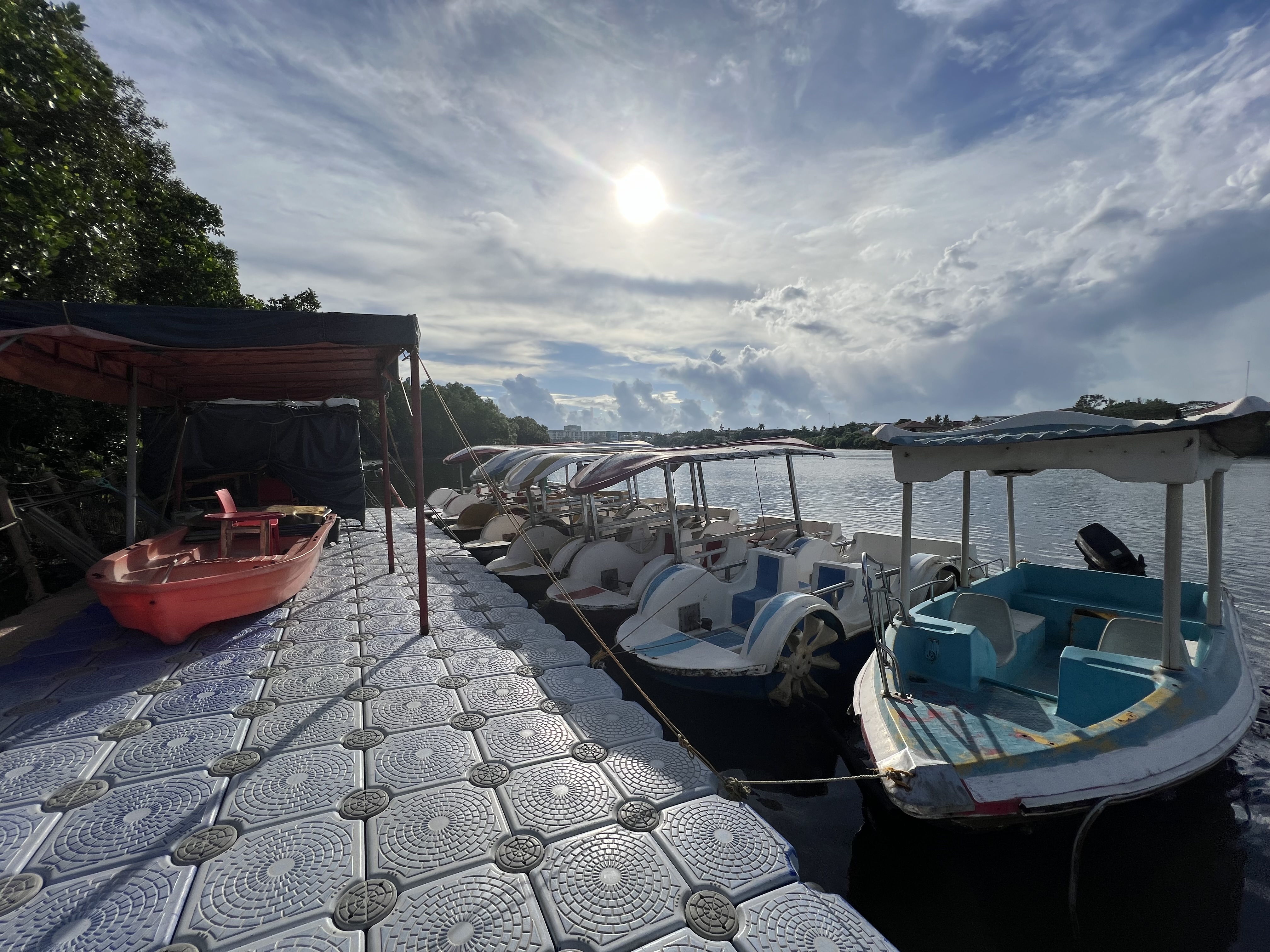
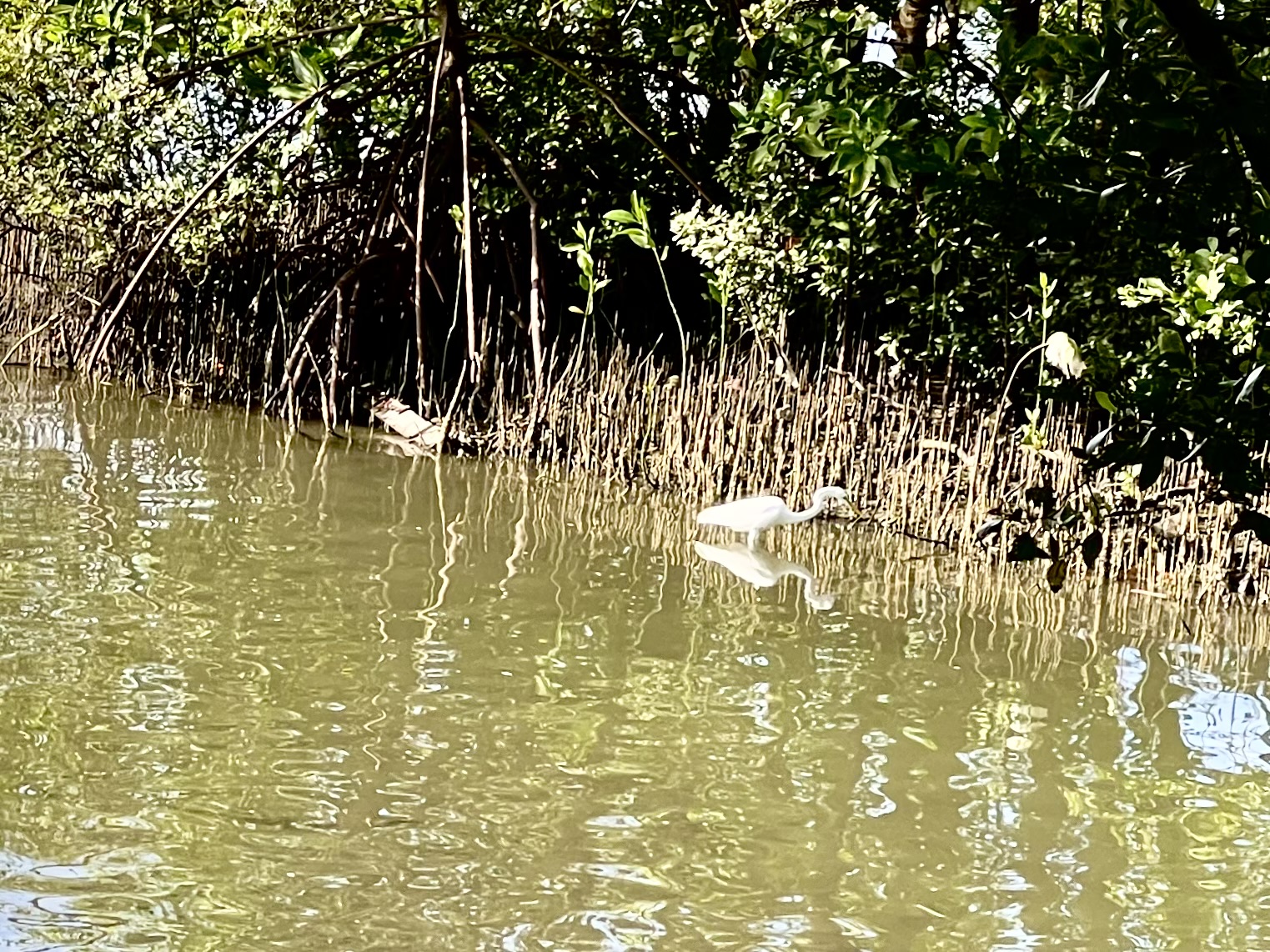
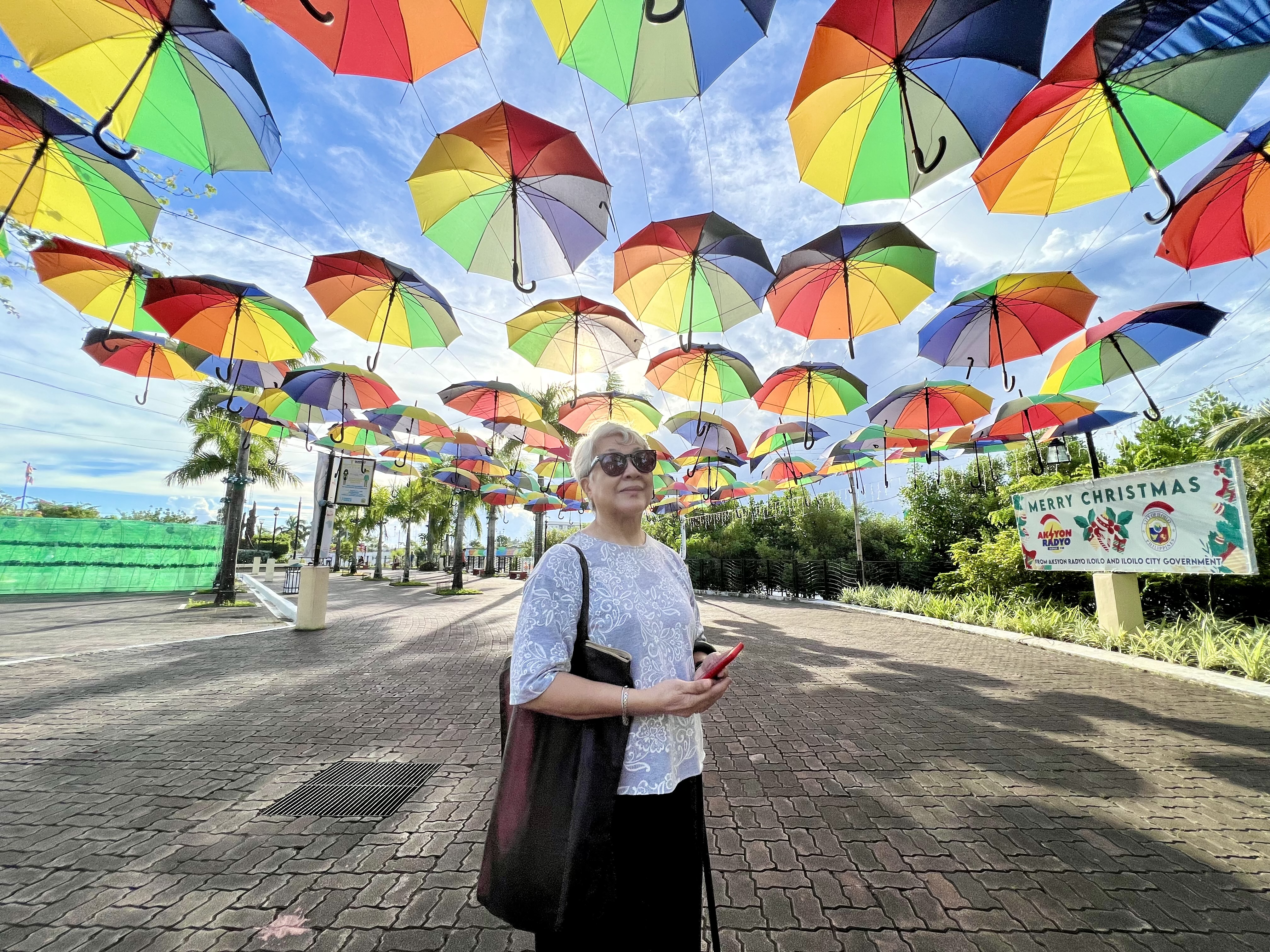
The crown jewel of Iloilo’s renaissance is clearly the Iloilo River Esplanade, now stretching nine kilometers along both banks of the river in its expanded form. Designed by the celebrated architect Paulo Alcazaren, the Esplanade is what we Manileños want our Pasig riverbank to look like, in our dreams, but here in Iloilo, it’s been a reality for over a decade now. From early morning until after sunset, the Esplanade is filled with joggers, couples, families, and tourists who can also duck for a drink or a meal into one of the restaurants and cafes lining the walk. The river itself, once described as a septic tank into which the effluents of the city’s factories, slaughterhouse, and beer gardens drained, is clean and clear, fringed by a healthy belt of mangrove where we spotted egrets taking refuge. 

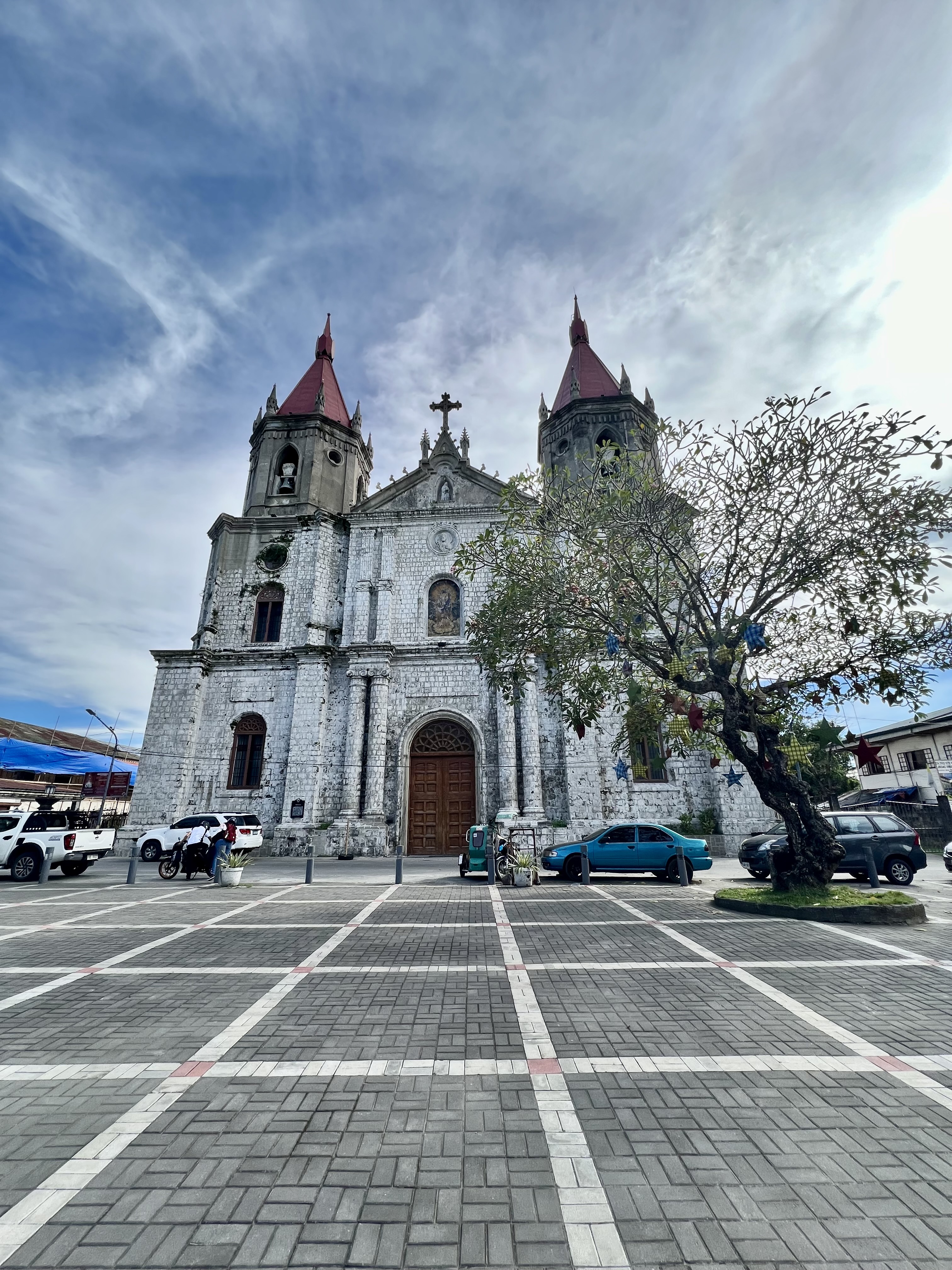
There’s a point of view that sees malls as the bane of urbanization and the death of small, artisanal businesses, and that’s been true in many places. It’s abundantly obvious that malls and mall culture have invaded Iloilo, with some negative consequences down the road. But so strong is local culture and tradition that it’s almost inconceivable that Iloilo will lose Tatoy’s, Breakthrough, Ted’s La Paz Batchoy, Panaderia de Molo, pancit molo, KBL, diwal, and all the other little things that make the city what it is. Indeed, instead of being pushed out, many of these institutions are now in the malls. At the plaza in front of Molo Cathedral, after a 3-km walk from our hotel via the Esplanade, we had breakfast of mini-bibingkas baked right before us the way they’d been done for decades.

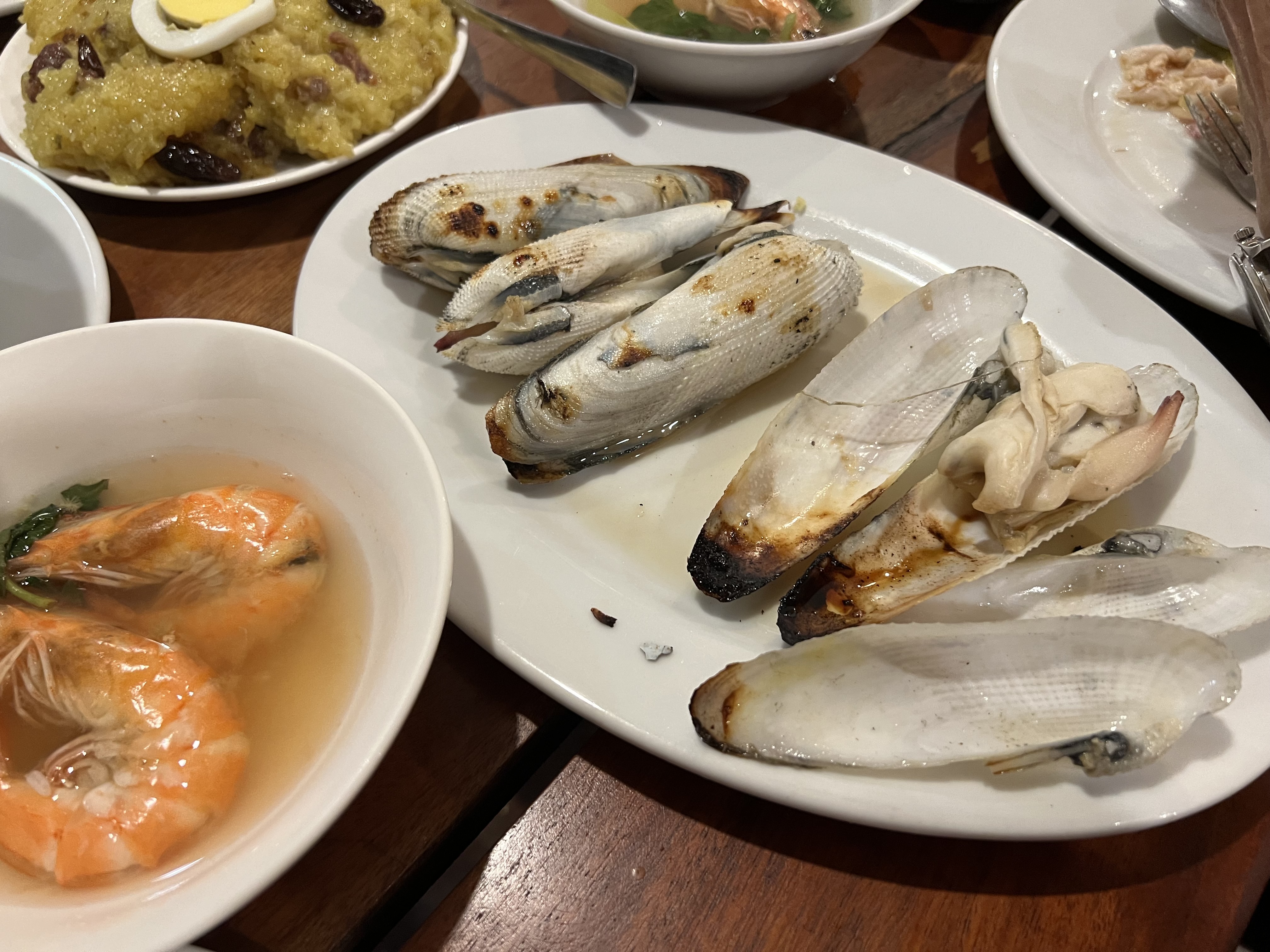
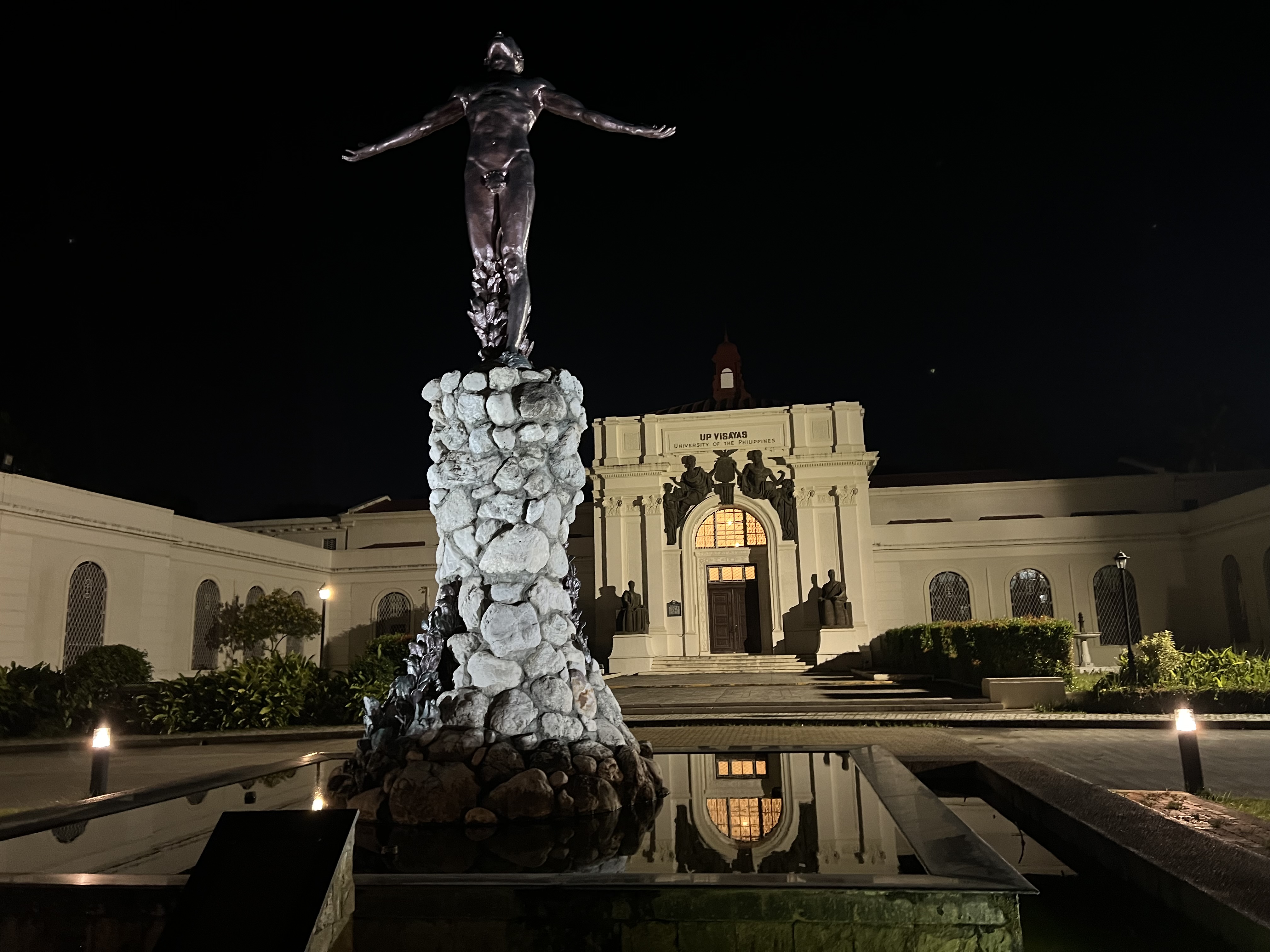
It was a happy coincidence that, during our visit, UNESCO named Iloilo as the country’s first Creative City of Gastronomy, in recognition of its outstanding culinary culture and heritage. This was achieved by the city government under Mayor Jerry Treñas with the assistance of a team from UP Visayas’ College of Management that facilitated a workshop for the city’s food-industry leaders last May. Education remains one of the city’s strengths; its West Visayas State University College of Medicine is now one of the country’s top-ranked medical schools, aside from UPV’s commanding role in the region.

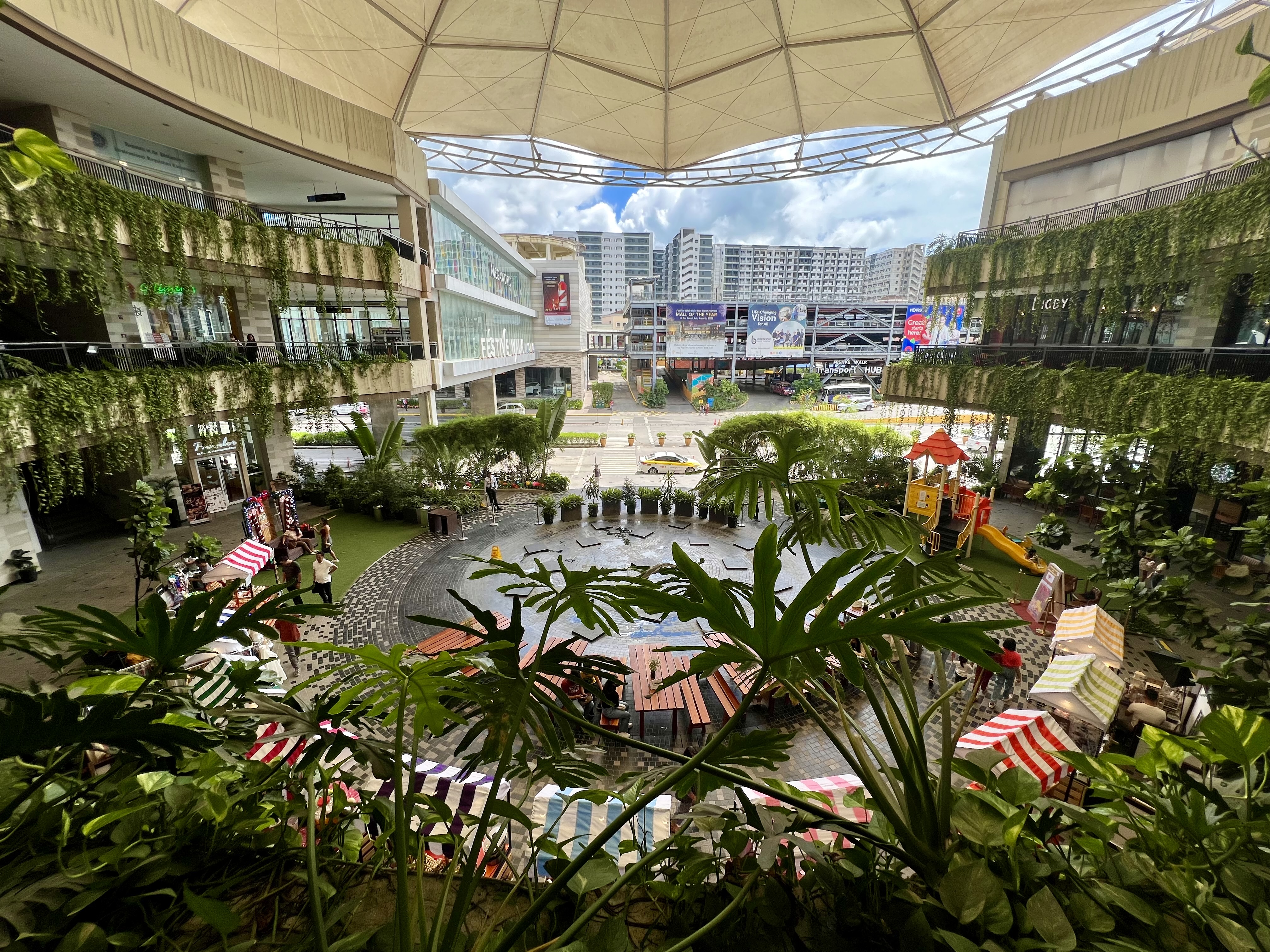
It was UPV Chancellor Clement Camposano who, after dinner in one of the many seafood restaurants that have cropped up in Leganes on the city’s outskirts, drove us around so we could appreciate the city by night. On our way to Molo, we passed through the new Megaworld/Festive Walk business district and were blown away by how smartly designed everything was; it was almost as if we were in Singapore or some such country. It was hard to believe that not too long ago, this was the old Iloilo airport in Mandurriao, and that the road we were traveling on had once been a runway. This is also where the Iloilo Convention Center is located, where the APEC 2015 summit was held (Drilon had negotiated the donation of the site from Andrew Tan, in exchange for the ICC’s being built there).

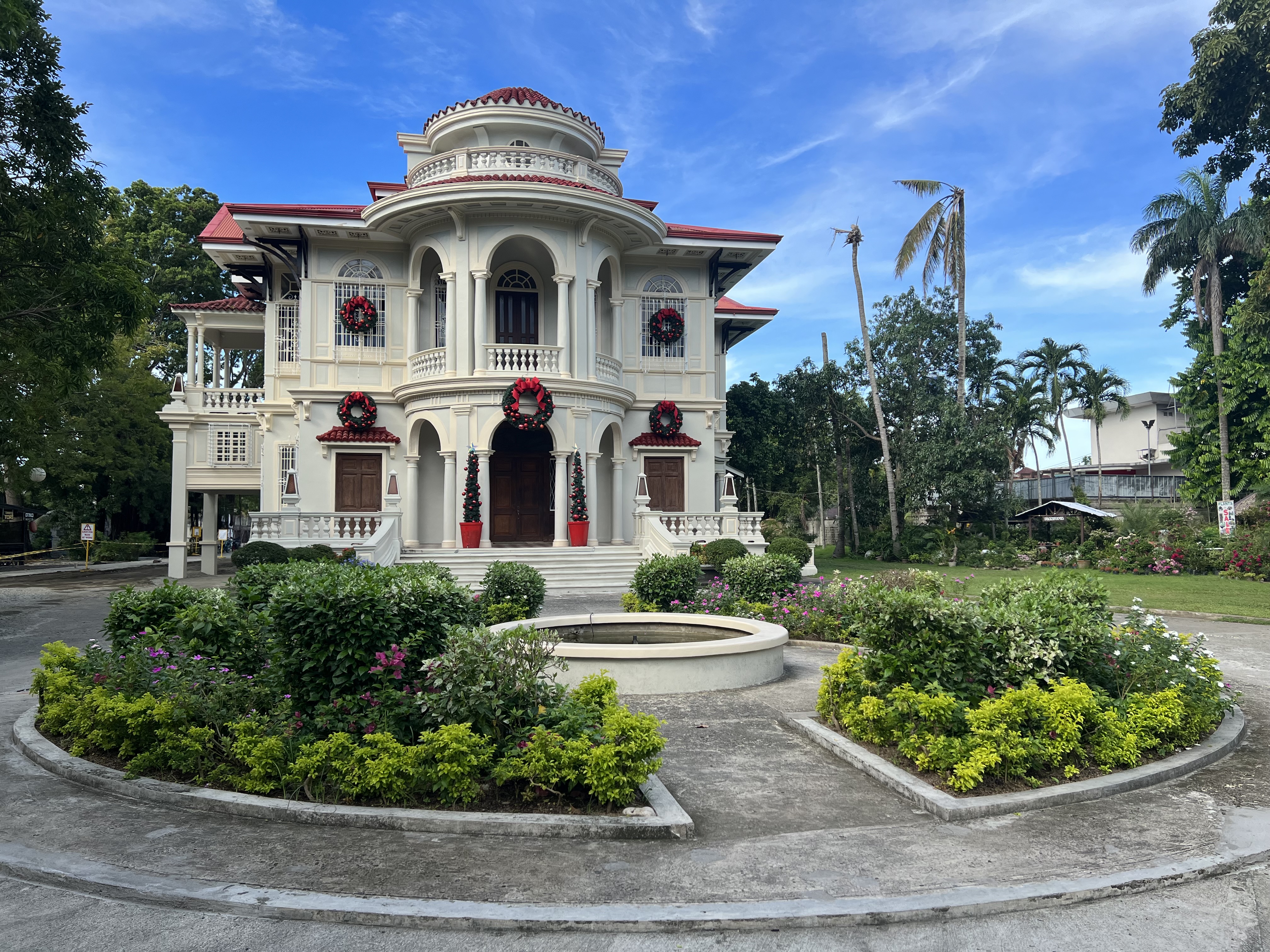
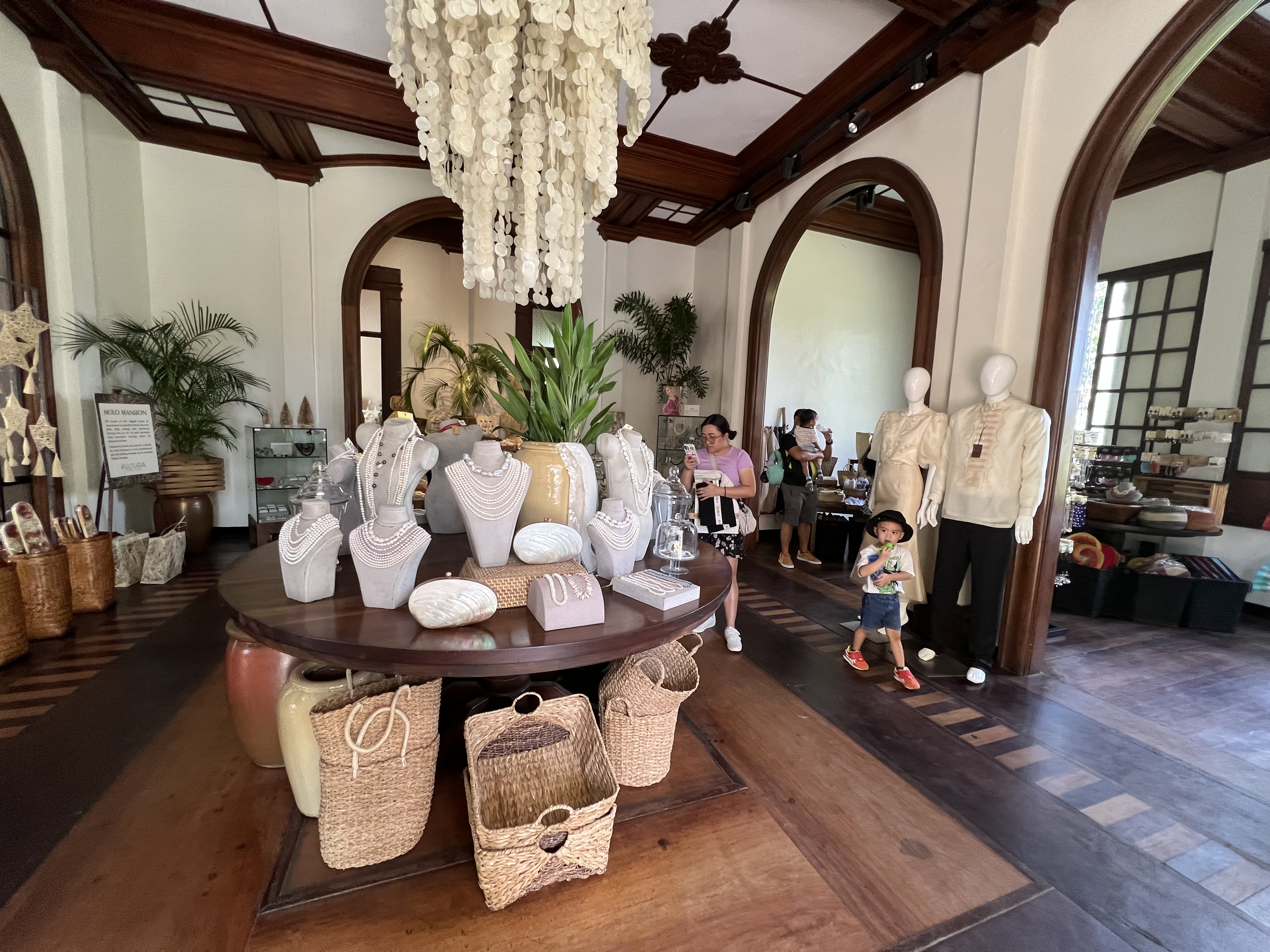
We returned to this place in the daytime to visit one of Iloilo’s most recent and also most impressive attractions: the Iloilo Museum of Contemporary Art or Ilomoca, a three-story showcase of both local and national talent. Ilomoca’s establishment in the middle of one of Iloilo’s CBDs demonstrates what seems to be the local formula for sustainability, the merging of the modern with the traditional, of business with culture. You can best see this in the majestic Consing mansion in front of the Molo Cathedral, which was bought by SM but tastefully renovated and transformed into its Kultura shop. There’s no doubt that modernization is coming to Iloilo in a big way, but its leaders are smart enough to know that the city’s appeal lies in what it has built over the past two centuries, which no money can buy.

You’d think that Iloilo has gotten this far just because of political patronage from Manila, but Iloilo was one of the 15 provinces that went for Leni Robredo in 2022. The city’s former mayor, Jed Mabilog, was hounded out of office by threats of tokhang under the previous administration, but the city seems to have weathered the political storms under Treñas, returning to his old job under the National Unity Party. What this tells me is that good local governance matters, whatever may be happening elsewhere. 

Email me at jose@dalisay.ph and visit my blog at http://www.penmanila.ph.

Penman No. 318: Mysteries of Fish

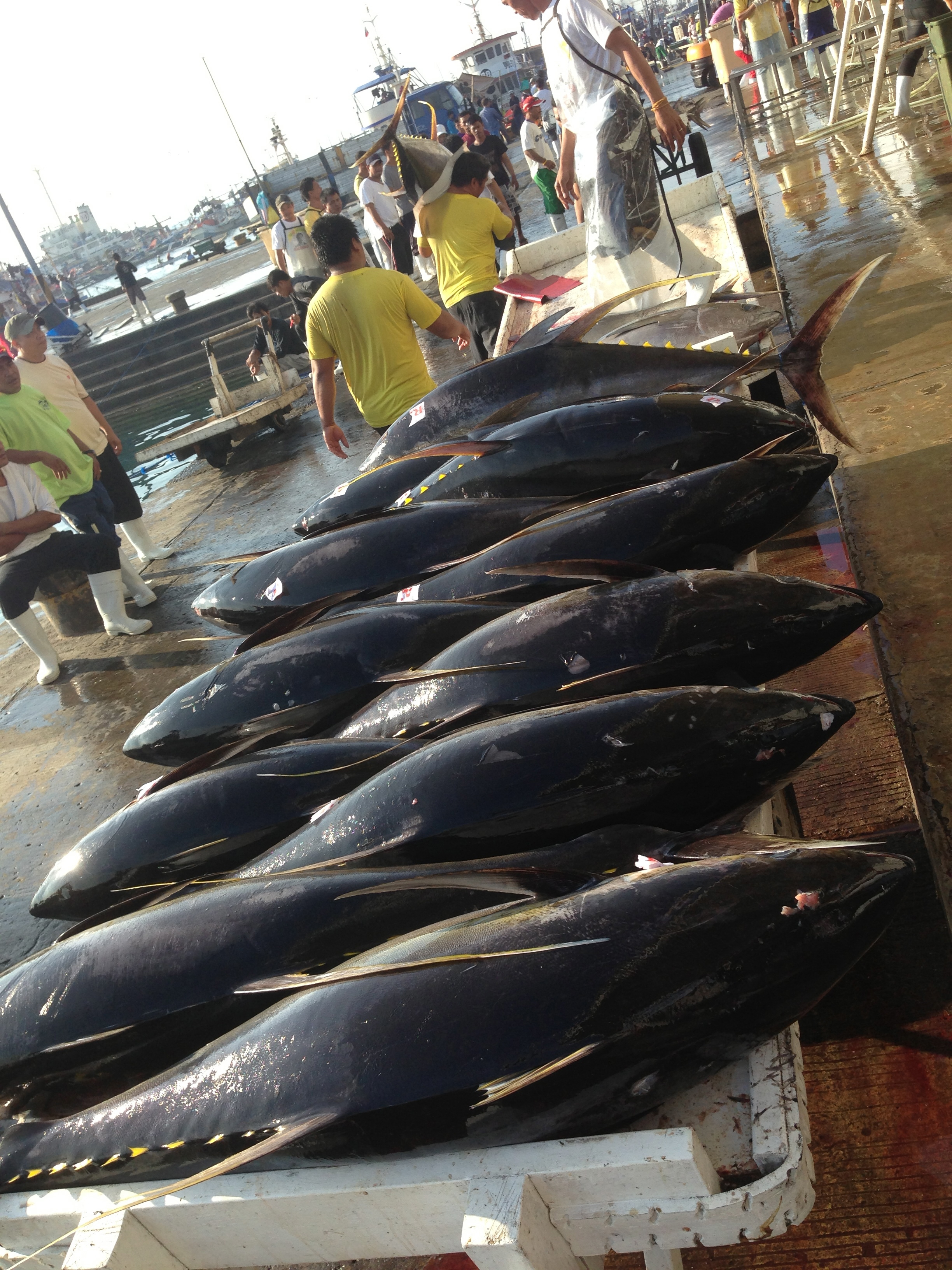
GenSanTuna.jpg

Penman for Monday, September 10, 2018


I’VE OFTEN written and spoken about how—despite the fact that we inhabit an archipelago of over 7,000 islands, bordered on all sides by the sea, and comprising one of the longest coastlines in the world—we seem to have very little by way of a maritime literature. By this I mean novels, stories, poems, and plays that have the sea as a central element, beyond serving as a romantic backdrop.

There’s a whole economy and culture to be found in our relationship with the sea, but much of this has been lost to a metropolitan generation bred on canned tuna and Starbucks coffee. Even among my students, I can count on my fingers the number of people who’ve taken a boat ride longer than a spin around a lake or the short hop from Caticlan to Boracay.

I myself was born in a house a stone’s throw from the beach, in a village on an island far from Manila, so the sea has never been far from my mind and imagination. I dream about it constantly, with recurrent images of huge waves rolling and breaking on the shore, and I as a boy walking on the sand with my father, now long gone.

But I too have to admit that save for a few scenes and the opening chapter of my novel in progress, the sea has figured minimally in my fiction. That’s probably because I feel responsible for creating credible characters whose lives are inextricably waterbound, and haven’t felt confident enough to do justice to the task. The fact is, we’ve lost touch with our marine heritage, which is supremely ironic given how Filipinos have distinguished themselves as seafarers, and how many Filipinos depend on the sea for a living.

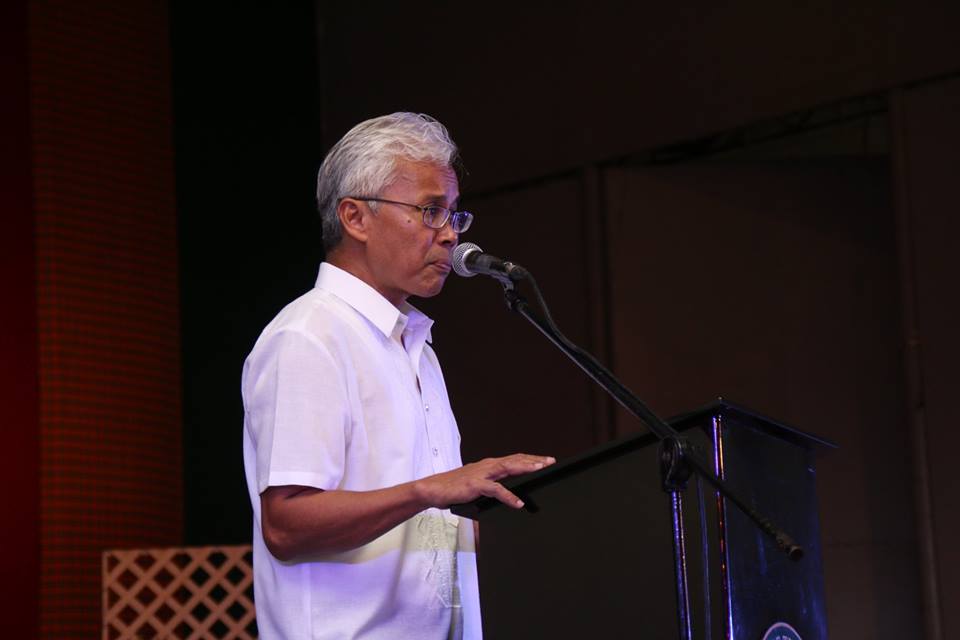
This was much on my mind two weeks ago when I flew to Iloilo to attend the formal investiture of Dr. Ricardo P. Babaran as the tenth Chancellor of the University of the Philippines-Visayas. A fisheries expert and nautical engineer, Ric recounted how, as a young boy far up north in Cagayan, he enjoyed going out to sea and to the river to fish.

“My fishing buddies generally used earthworms as bait, but they sometimes used live crickets using different fishing gear. As a young fisher, I observed that using either crickets or earthworms yielded different outcomes—certain fish seemed to prefer one or the other—but my fisher friends were never able to explain to me why. This mystery bothered me for a long time,” he told us.

RBabaran.jpg

Ric left Cagayan to study Fisheries in UP Diliman, and had to deal with the derision of other people who wondered “why Fisheries students needed four years just to learn how to capture fish with hook and line.” Even now, he says, this misappreciation of Fisheries partly explains why “fish-based industries are faring poorly in the Philippines.” (Indeed, an economist I know has pointed out that the recent spike in prices can be traced to some degree to a shortage of fish.)

Ric went on to take an MS in naval architecture and ocean engineering at the University of Washington, and then his PhD in Fisheries Science at Kagoshima University. It was in Japan where, Ric says, he finally found the answer to his childhood mystery: “I learned that catfish and mudfish responded differently to earthworms and crickets because of a process called chemo-reception.”

Dr. Babaran’s investiture was attended by many guests, including many academic officials and luminaries, but several of them stood out, for different reasons. Among them was Dr.  Loel Losanes, a UPV alumnus and the Filipino head of Japan’s Hikari Corporation, probably the largest producer of South Sea pearls in the world.

Just as significant was the presence of members of the Kamamado fishers group from Guimaras, many of them elderly women who, Ric noted, “supplement their daily income with the P40 they get from selling the equivalent of two-liter-sized containers of captured cardinal fish. Through this group, we will undertake a program that will promote responsible fisheries, which I believe will position the Philippines more strategically in the relation to the ornamental fish industry that generates $7 to 8 billion annually.”

I’m confident that the programs of Chancellor Babaran and UPV will improve the livelihoods of millions of our shore-dwelling countrymen, but I’m even more hopeful that a deeper and broader awareness of the importance of the sea in our lives will soon emerge, if only because of the crisis now roiling in the waters around us. (“About a third of our fish catch comes from the West Philippine Sea,” Ric told me.)

And I’m especially happy that a place like UPV exists to mind our waters. A young PhD in UPV, Noel Ferriols, recalled how he was convinced to study in UPV instead of Manila when he and his mother visited the campus in Miag-ao, which specializes in fisheries. “I was amazed when the security guard told me the scientific name of a certain kind of fish,” Noel said. “I thought to myself, if this is a place where even security guards can recite the genus and species of a fish, then it’s where I want to be.”


Penman No. 253: Wealth You Can’t Buy

IMG_1773Penman for Monday June 5, 2017
 

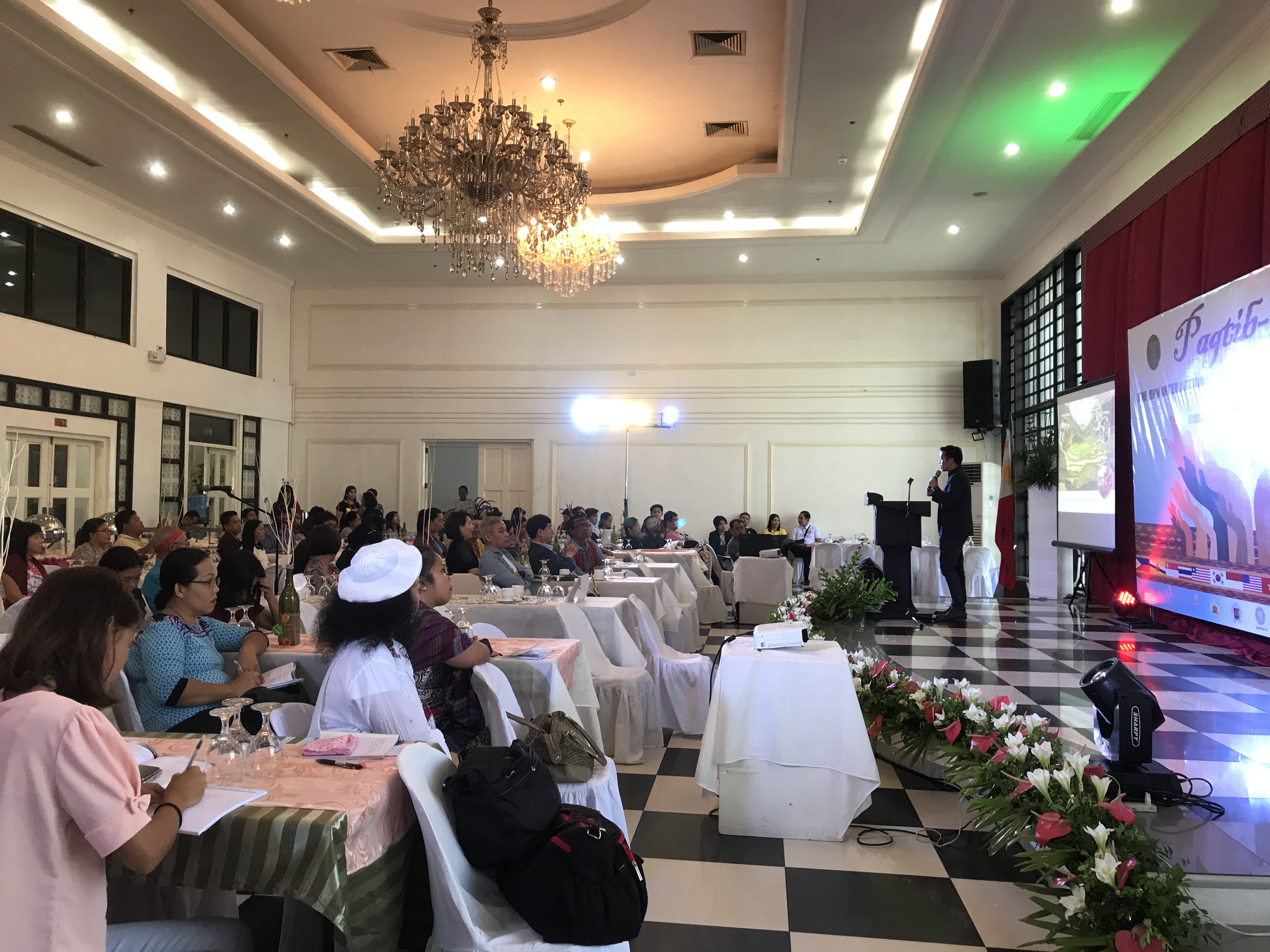
BENG AND I flew down to Iloilo City two weeks ago—she to hold a workshop on art restoration at the University of San Agustin, and I to attend Pagtib-ong, an International Conference on Intangible Heritage organized by the University of the Philippines Visayas at Casa Real—so it was a culture-heavy weekend, but happily so.

And what, exactly, is “intangible heritage”? Simply put, it’s wealth you can’t buy, of the cultural kind—the songs, stories, dances, traditions, practices, and beliefs of people, especially of those outside the increasingly homogenized and globalized mainstream. At a time when we’re all watching (and paying for) the same shows on Netflix and having the same Americano at Starbucks, younger Filipinos are fast losing touch with their own cultural roots. “Pagtib-ong” means “putting on a pedestal,” so this time and for a change, it’s our intangible heritage taking center stage.

UP President Danilo Concepcion framed the context well in his message that I read for him: “As nations and societies modernize and move deeper into the 21st century, the emphasis on material growth becomes even more pronounced, often obscuring all other considerations. Those considerations include intangible heritage—the cultural threads that bind not just people together but the past and the present, and indeed the present to the future. Our intangible heritage speaks to the very soul of our cultural community. It may not have much monetary value, if at all, but it is priceless in terms of containing, preserving, and propagating the values we seek to transmit from one generation to the next.”

Politicians will wonder how studying folk songs, kitchen practices, and the vocabulary of obscure languages can be important to national development, and it will be for us—both as scholars and cultural advocates—to show them how and why. Gatherings of scholars such as Pagtib-ong are rare and valuable, but we should also learn how to translate and communicate the significance of these events and their implications for our societies to a larger audience.

Just to give you an idea of what went on at Pagtib-ong, I’ll give you a sampler from the talks of the scholars who presented their research at the conference, and note the Asian and Filipino values and practices that I culled from their work.

Harmony. Pham Thai Tulinh of Lu TuTrong Technical College in Vietnam, the granddaughter of a general and a poet, had this to say about “QuanhoBac Folk Songs”: “The women traditionally wear distinctive round hats and scarves, while the men wear turbans, umbrellas and tunics. The Quanho folk songs are always performed voluntarily in groups of male or female (singers)…. A group of females from one village sings with a group of males from another village with similar melodies, but different lyrics, and always with alternating tunes. In each group, one person sings the leading tune and another sings a secondary part, but the two should be in perfect harmony at the same timbre.”

IMG_0920

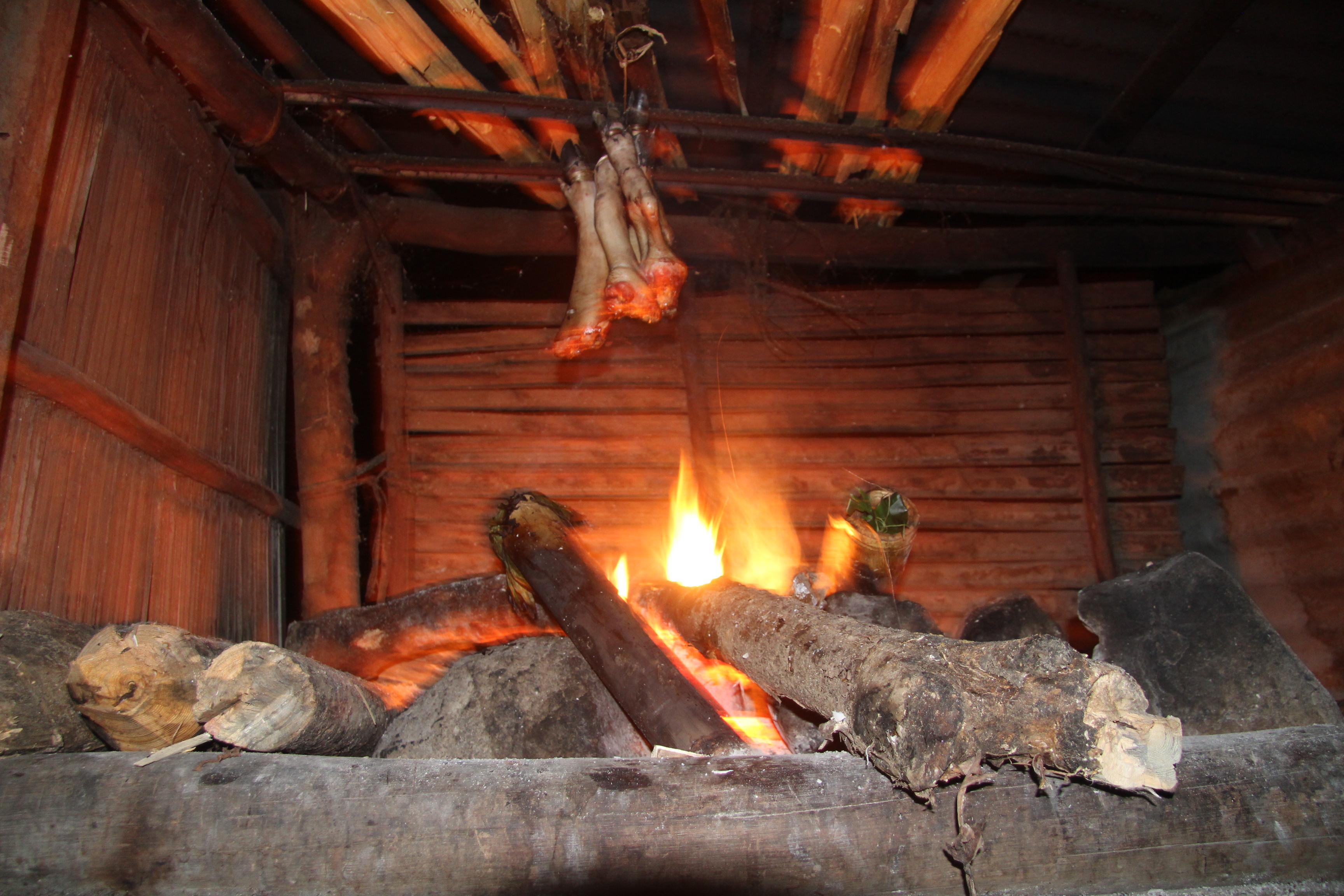
Continuity. Anna Razel L. Ramirez of the University of the Philippines Visayas reported on “Dungkulan: The Eternal Fire”: “A dungkulan is a large piece of wood that provides kitchen fire and ensures that an ember is always available to start a fire in the absence of matchsticks…. More than a fire starter for food, dungkulans are significant in the lives of people in the countryside and in the mountain areas. It is the source of warmth at nighttime, a reliable source of coffee on cold mornings; a steady source of warm water for health emergencies; and what many others need from that slow burning log that sustains the dapug and the lives of the people attached to the dungkulan.”

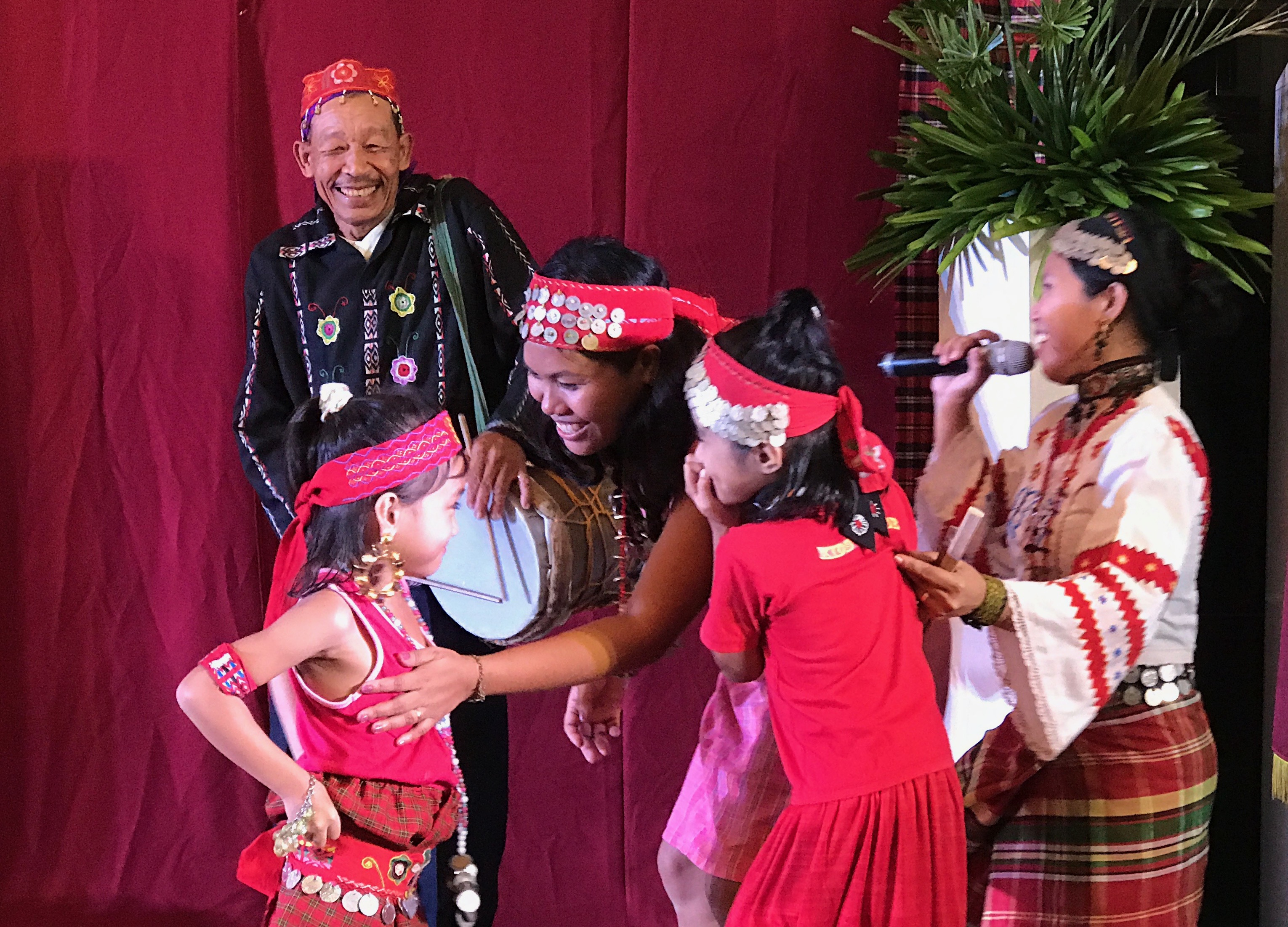
Conversation. Jose R. Taton Jr. of the Philippine Women’s University spoked on “Talda for Mixed Chorus”: “The talda is one of the various forms of musical repartee practiced by the Panay Bukidnon of Central Panay. Considered as a tukod-tukod (creative invention) tradition, it involves a dynamic altercation of deep sentiments of longing and love from singers who actively and spontaneously stream words (gina-gato) using metaphorical and figurative language. It is sung at leisure at any occasion, and the length of the musical conversation varies depending on the conscious and willful response of both parties.”

There were dozens more of these fascinating talks on the menu—I was especially taken by a lecture on Panay’s fabled golden boats by Dr. Alicia Magos, herself a legend in folklore studies, because it reminded me of the golden boat with my grandfather’s name emblazoned on it, reported to have been seen in Romblon off Calatong, our own enchanted mountain—but alas, we all had to return to our more tangible existences.

Many thanks and congratulations to UPV Chancellor Dr. Rommel Espinosa and Conference Chair Prof. Martin Genodepa for reaffirming the position of both the Visayas and intangible heritage in our cultural and social maps.

IMG_1758


Penman No. 227: The Southern Lights Shine Brightly

IMG_9859 2.jpeg

Penman for Monday, November 28, 2016


A RECENT gallbladder operation and the stitches in four corners of my belly couldn’t stop me from flying down to Iloilo City last week to catch the tail-end of VIVA Excon 2016, which I’d plugged here some time ago but just had to see for myself. The personal reason was that my wife Beng was one of the scheduled speakers, for a session on “Art Conservation and Restoration,” but I’d also heard that VIVA Excon was one of the most successful events of its kind in the country (“probably the only surviving and longest-running Filipino biennale,” VIVA Excon stalwart and chronicler Cecilia Locsin-Nava would emphasize to me). Here’s what I found.

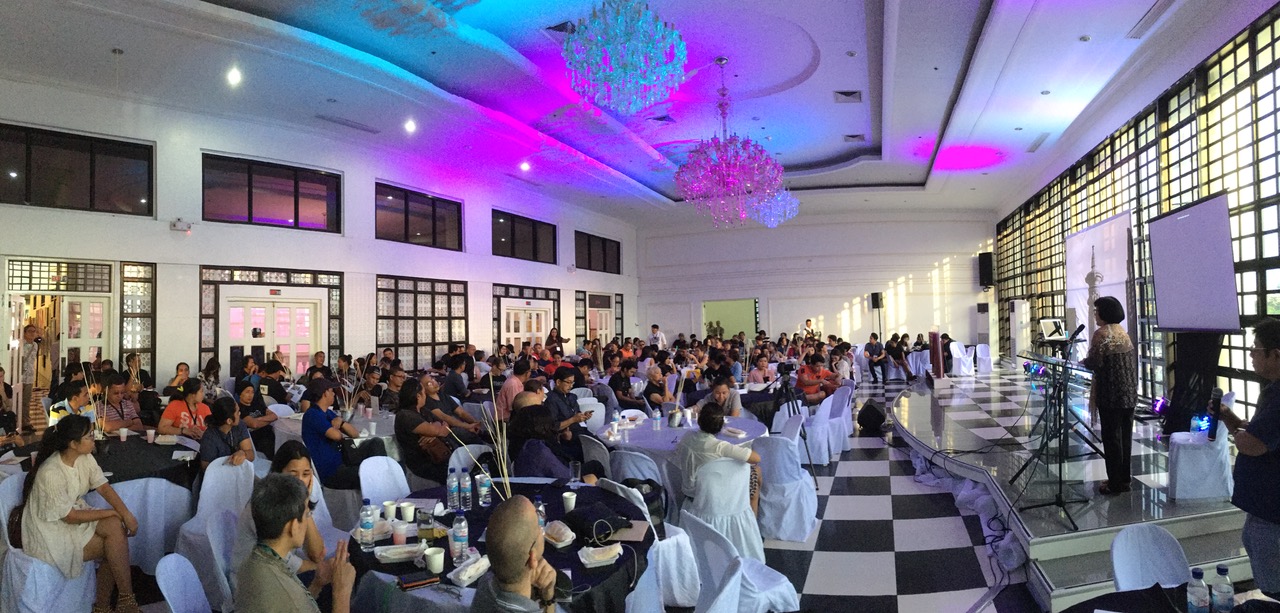
From November 17 to 20, more than 250 artists, speakers, and guests from the Visayas, Mindanao, and Manila gathered at Casa Real in the old provincial capitol of Iloilo to celebrate, interrogate, and propagate art in all its splendorous variety—the important qualifier being that this was new art produced south of Manila. It’s been around since 1990, moving around the major capitals of the Visayas such as Cebu, Bacolod, Dumaguete, and of course Iloilo. Surprisingly, it was only the second time that Iloilo hosted VIVA Excon, after a 20-year hiatus, so the local organizers made up for lost time by mounting one of its most vibrant editions ever.

When it started—spurred by the need to create a southern antipode for the arts, given the emergence of such bright new talents as the Negrense painter-sculptor Charlie Co—VIVA Excon had to be funded by the artists themselves, but this year Iloilo’s provincial and city government pitched in to guarantee the event’s success, with help from a host of sponsors led by the National Commission for Culture and the Arts (NCCA). On top of the local planning was painter Rock Drilon, assisted by a corps of wizards and elves who made sure that the dozens of events on the program went off like clockwork. VIVA Excon originals Ed Defensor, Charlie Co, Peewee Roldan, and Cecilia Nava were also around to lend their wisdom and support.

IMG_9862.jpeg

As its name suggests, VIVA Excon (the “VIVA” stands for Visayas Islands Visual Arts) was at once both an exhibition and a conference. As someone who has helped to organize quite a few literary conferences myself, I was much impressed by the scope and depth of the topics taken up at the conference and by the expertise of the speakers engaged for the occasion, some of them coming from as far as the US, Singapore, and Hong Kong. I missed most of the earlier sessions, but I would have loved to listen to Ma. Victoria “Boots” Herrera speak on “Museum Practices: What Artists Need to Know”; Silvana Diaz on “Creative Economics: Art Management and Economic Viability”; Elvert Bañares on “Creative Crossover: From Visual Art to Cinema and Back—The Visayan Artists’ Experience”; Rex Aguado on “Art, the Artist, and the Art Collector”; and Patrick Flores on “Art Criticism—Its Value to the Artist and the Artworld.”

Fortunately, I came in time to catch UP art theorist Lisa Ito address issues in writing about the arts—“for what and for whom,” she would say, “beyond the popular writing geared toward the art market, and the academic writing produced by scholars and theorists.” Lisa felt that more writing should be undertaken to “connect artistic production to social contexts and current realities, and developing publics and communities that validate the vitality of art and culture” as well as to “document design practices and projects and to record transient cultural events for future generations—how communities adapt, such as by using tricycles as mobile galleries and by putting up makeshift museums.”

She was followed by New York-based Carina Evangelista whose lecture on “When Forces Shape Form” led the audience to where art has gone far beyond and outside the museum, in performative gestures—often deeply and manifestly political—that emphasized process over product, transience over permanence, and repurposing over originality. (One example: the banknotes that Brazilian artist Cildo Meireles stamped with a political message and circulated in 1970 as a form of mobile graffiti, which nervous recipients couldn’t pass on quickly enough, thereby abetting its purpose.) It was truly a semester’s worth of material packed into 45 minutes on new forms of art from body mutilation to sound and video installation, reminding me of Marjorie Perloff’s lecture on avant-garde poetry just a couple of weeks earlier in Singapore; sometimes you learn the most wonderful things in the oddest places.

Of course, I was happiest and proudest to see Beng onstage walking the audience through the various stages of restoring Amorsolos and Botong Franciscos, and it was clear from the flurry of questions she fielded after her presentation that conservation and restoration were two of the least understood concerns of the art world, yet also two of the most vital if not inevitable. (Sculptor and installation artist Martin Genodepa graciously emceed the presentations.)

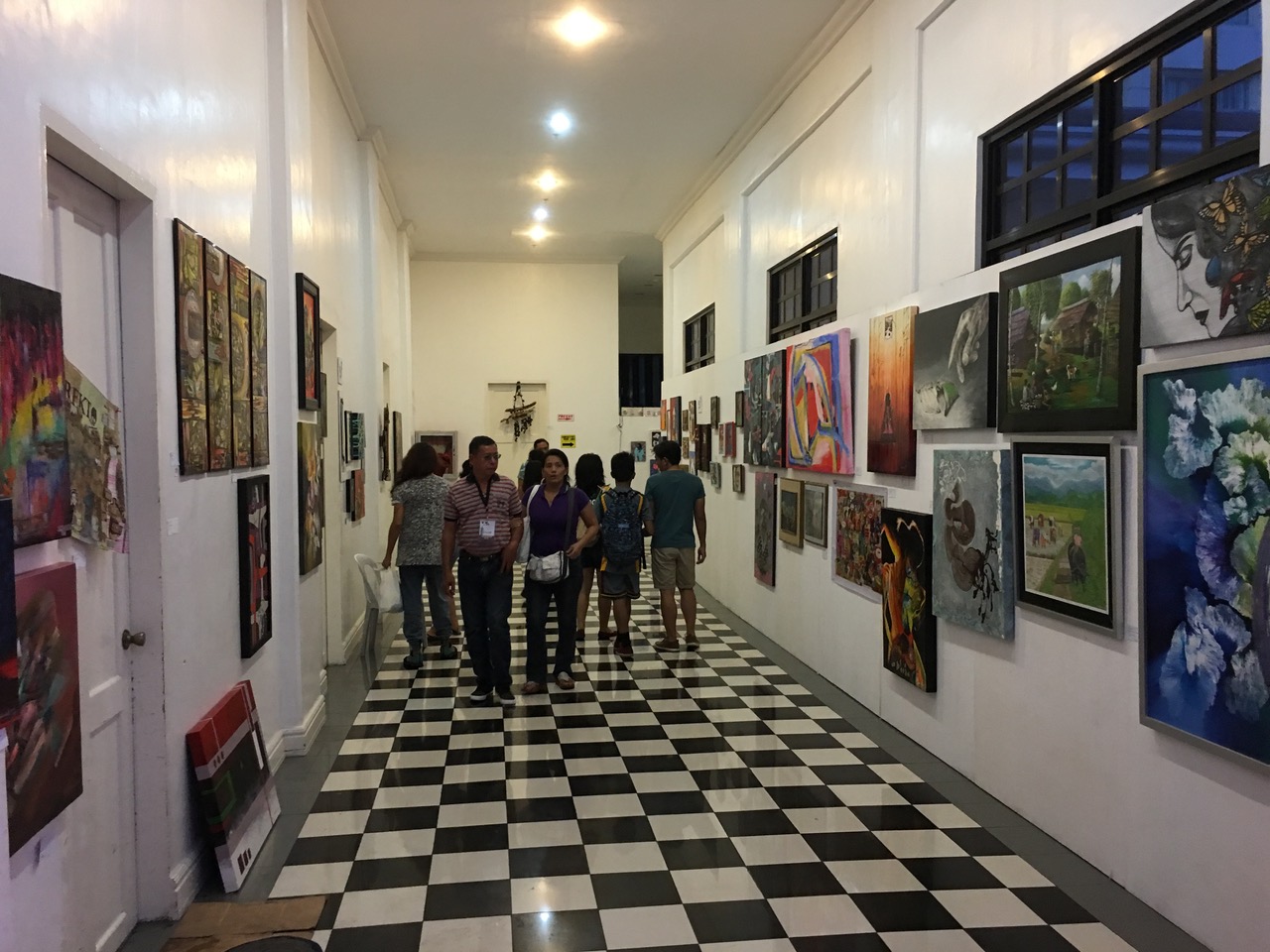
Outside the conference hall, three art exhibits were held: a curated one on “Contemporary Art of the Islands” at the UP Visayas Art Gallery, the more freewheeling Visayas Art Fair at Casa Real, and a special retrospective of the late Ilonggo sculptor Timoteo Jumayao at the Museo Iloilo.

IMG_9867.JPG

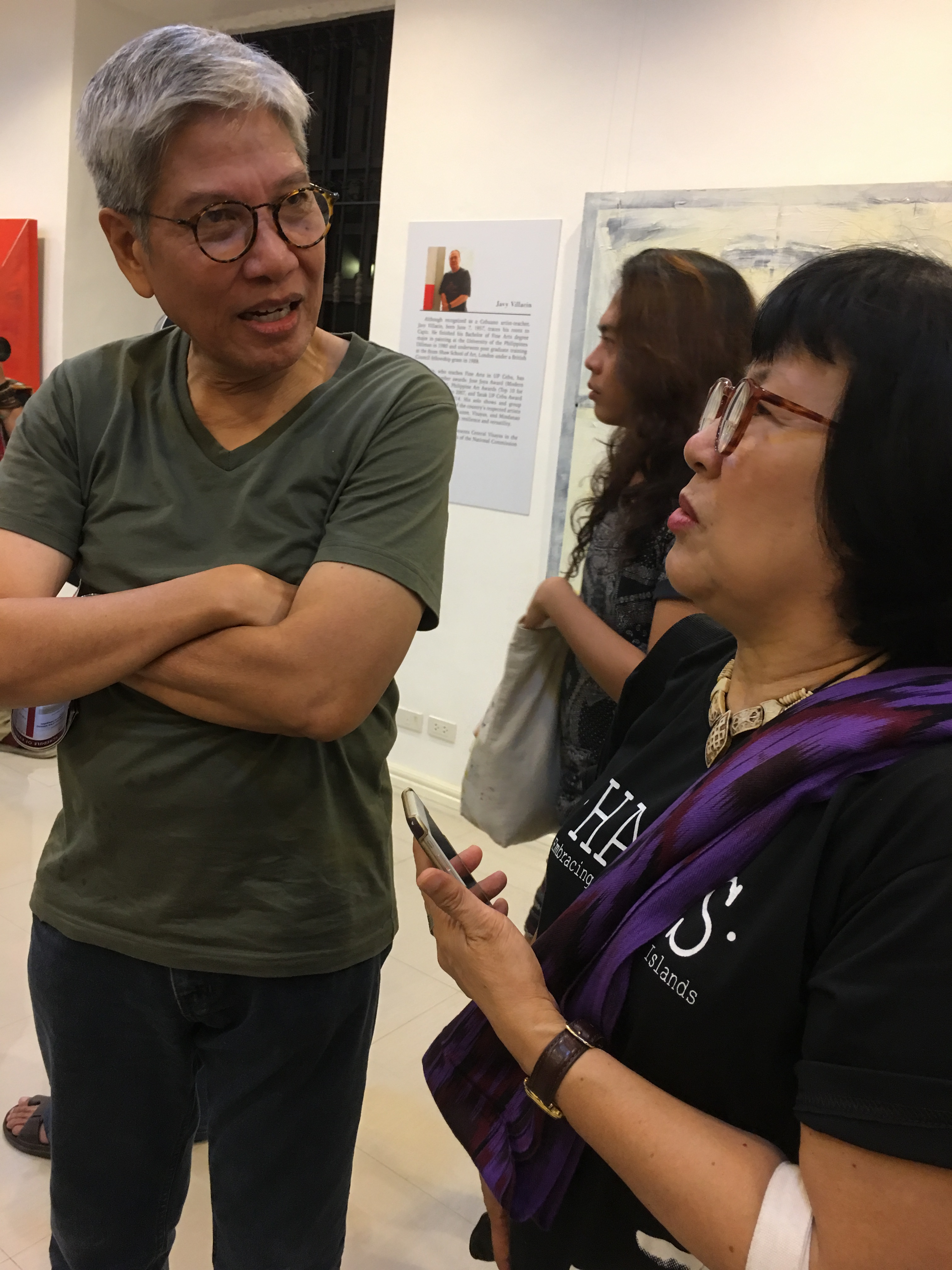
The culminating activity of VIVA Excon was the presentation of the Garbo sa Bisaya award to eight outstanding Visayan artists for excellence in their respective fields: painter Antonio Alcoseba (Cebu); scholar and painter Dulce Cuna Anacion (Leyte); film artist Elvert Bañares (Iloilo); film animator Oliver Exmundo (Iloilo); painter Allain Hablo (Iloilo); multimedia artist Manny Montelibano (Negros Occidental); painter Javy Villacin (Cebu); and painter and scholar Reuben Cañete (Cebu).

IMG_9887.jpg

But I’m sure that all the attendees will agree if I suggest that the best part of VIVA Excon was, ultimately, the company of fellow artists, a fraternity forged over beer and music as much as over linseed oil and plaster. Even if I was little more than an onlooker at the event, I was glad to meet up with old friends and acquaintances like Rock Drilon, whose Mag:Net bar and gallery on Katipunan Avenue used to be one of our favorite hangouts. He moved to Iloilo years ago to take care of his ailing mom, and found himself drawn inextricably into the local art scene, until he realized that he was truly home. “Viva should last beyond the Excon,” Rock told me, “so an artists’ cooperative has been organized to sustain the energy sparked by VIVA Excon.”

IMG_9881.JPG

Two years from now, the event will be hosted by Roxas City in Capiz. Iloilo could be hard to top, but these Visayans are full of surprises.

Penman No. 220: Viva Visayan Artists

Kat1.jpg

Penman for Monday, October 10, 2013


JUST LIKE the city itself, which has undergone a refreshing makeover these past few years under the watchful eye of its chief political patron, former Senate President Franklin M. Drilon, Iloilo’s artists have been brimming with a new vitality that art lovers beyond the region have begun to appreciate.

I know that, because a few months ago, my wife Beng—herself an Ilongga artist and conservator who’d gone briefly back to Iloilo on family business—came home with the news that while in Iloilo, she had found and purchased a large painting by one of the city’s brightest young talents. The word “large” pricked my ears because it somehow sounded like “expensive” to me, but then she said she was paying for it herself, so I asked no further.

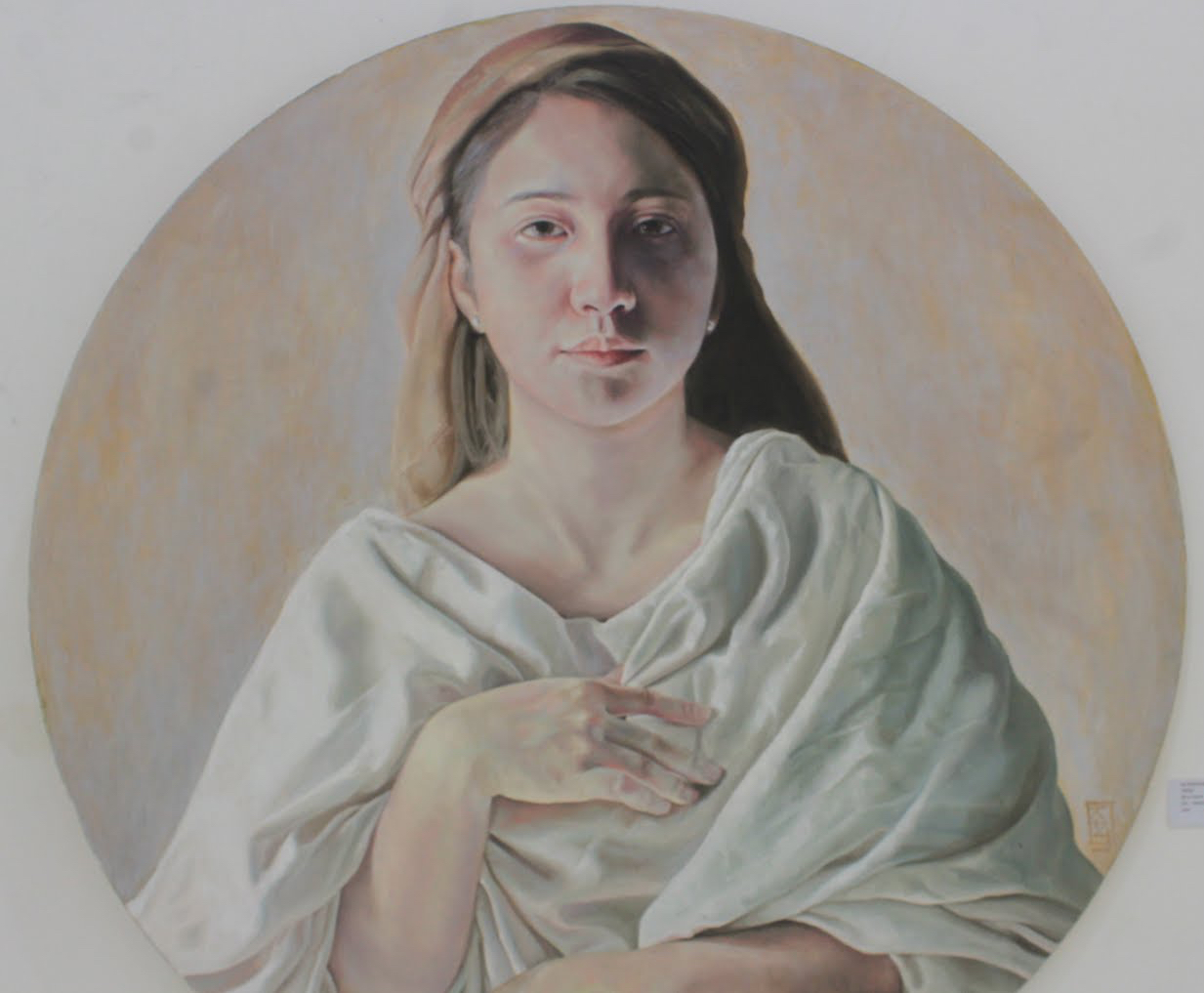
But I had to find out who the artist was, and Beng—who regularly tends to Amorsolos, Manansalas, Botongs, and Ocampos in her line of work—began gushing like a fangirl about a young painter she’d met while touring the Iloilo art scene with her old friend Rock Drilon. Rock, himself a painter of no mean stature (a recent exhibit at West Gallery displayed a penchant for organic, microbial forms), has been based in his home city for many years now, and has been a guru of sorts to younger artists there. So it was Rock who took Beng around to introduce her to his wards and their work, which was how this haunting painting of a young woman in white drapery found its way to our home in Quezon City. (It was too large to fly home with Beng and had to be professionally packed and shipped; I didn’t get to see it until months later.)
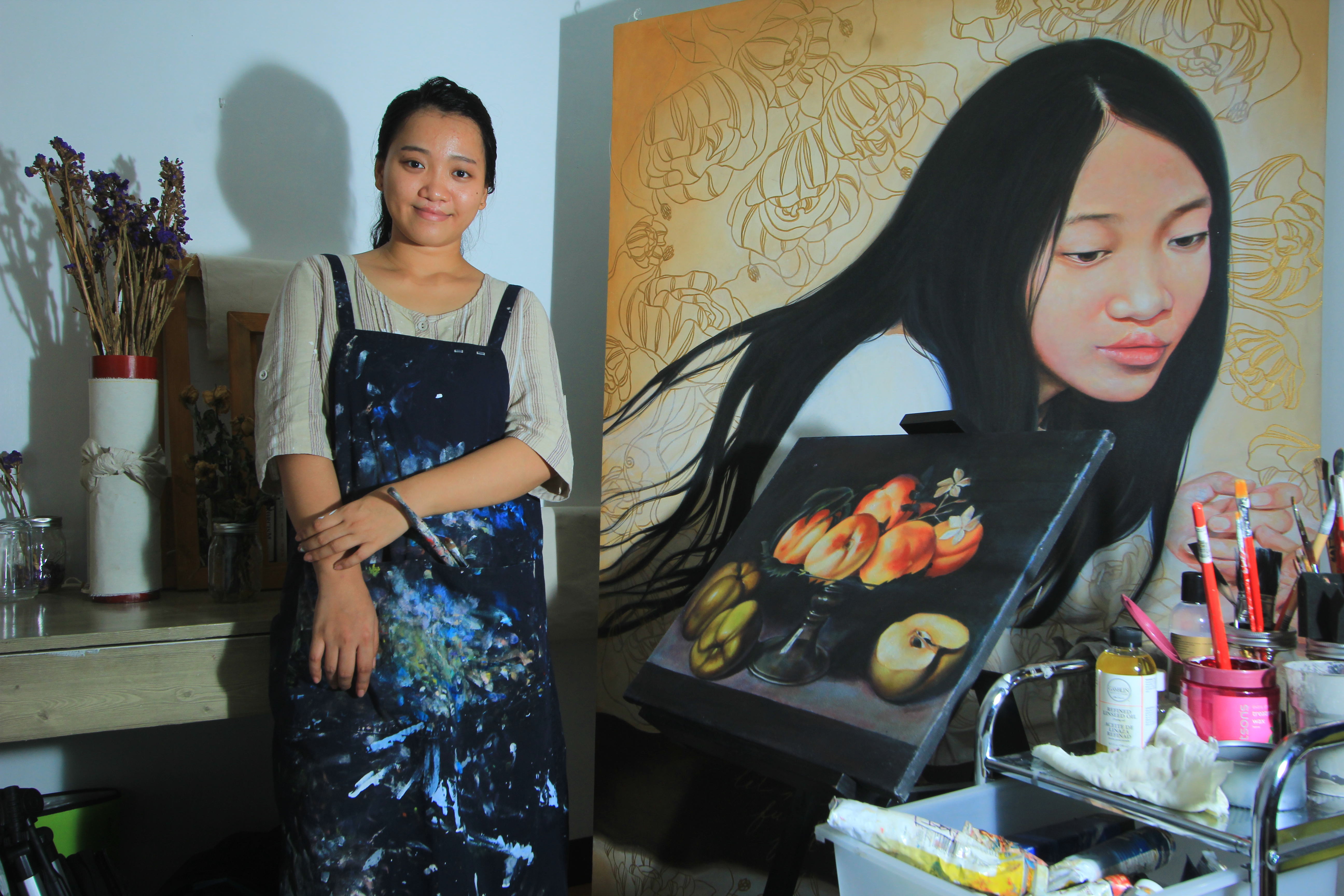
That’s when I first heard of Kat Malazarte, whose first solo exhibit Beng had seen at Casa Real de Iloilo, where Beng’s chosen work titled “Purity” (an apt choice for anyone surnamed Dalisay) had been the centerpiece. Just 20 at the time, she had already won the Vision Petron National Student Art Competition in 2015 for her video entry “Tingnan nang Malapitan, Damhin nang Malaliman” (Examine Closely, Feel Deeply). Indeed there’s a classical composure and pensiveness to Kat’s work, uncommon in artists of her age more prone to wanton kineticism. Her self-avowed themes of “purity, innocence, chastity, modesty, inner silence, contemplation, and state of nothingness” are monastic notions one might associate more closely with a nunnery (Kat’s a Fine Arts cum laude graduate of the University of San Agustin), and her subject’s luminous hands might have been rendered by a Renaissance master.

IMG_9403.JPG

So it was with much delight that Beng dragged me a couple of weekends ago to a three-day show at the Gallery at A Space on Legazpi Street in Makati, where a unique concept was being tried out by a pair of young and enterprising creatives, Karen Nomorosa and Prim Paypon. On show were the works of none other than Kat Malazarte and another rising Ilonggo star, the sculptor Harry Mark Gonzales. Dedicated to the theme of “The Quiet Strength of a Woman,” the show of Kat’s paintings and Harry’s sculptures proved a perfect pairing—much like the show’s instigators themselves, who both have outstanding corporate and science backgrounds (both are summas—she in CS, he in Biology) but who’ve taken on the more daunting challenge of promoting Filipino art through their startup venture, Curious Curator.

Kat Malazarte.JPG

“Curious Curator was conceptualized in order to help budding and potential artists from outside Metro Manila, especially from the Visayas and Mindanao, penetrate the mainstream art scene,” said Karen and Prim. “Keeping the welfare of the artist front and center, Curious Curator manages the financial, marketing and sales aspect of the collaboration so that the artist can focus on the creation process. Curated and conceptual art exhibitions are held in non-traditional venues to reach a wider audience. This enables the startup to promote the evolving Filipino artistry while diversifying and simplifying ways that budding art collectors can secure original but affordable art pieces.”

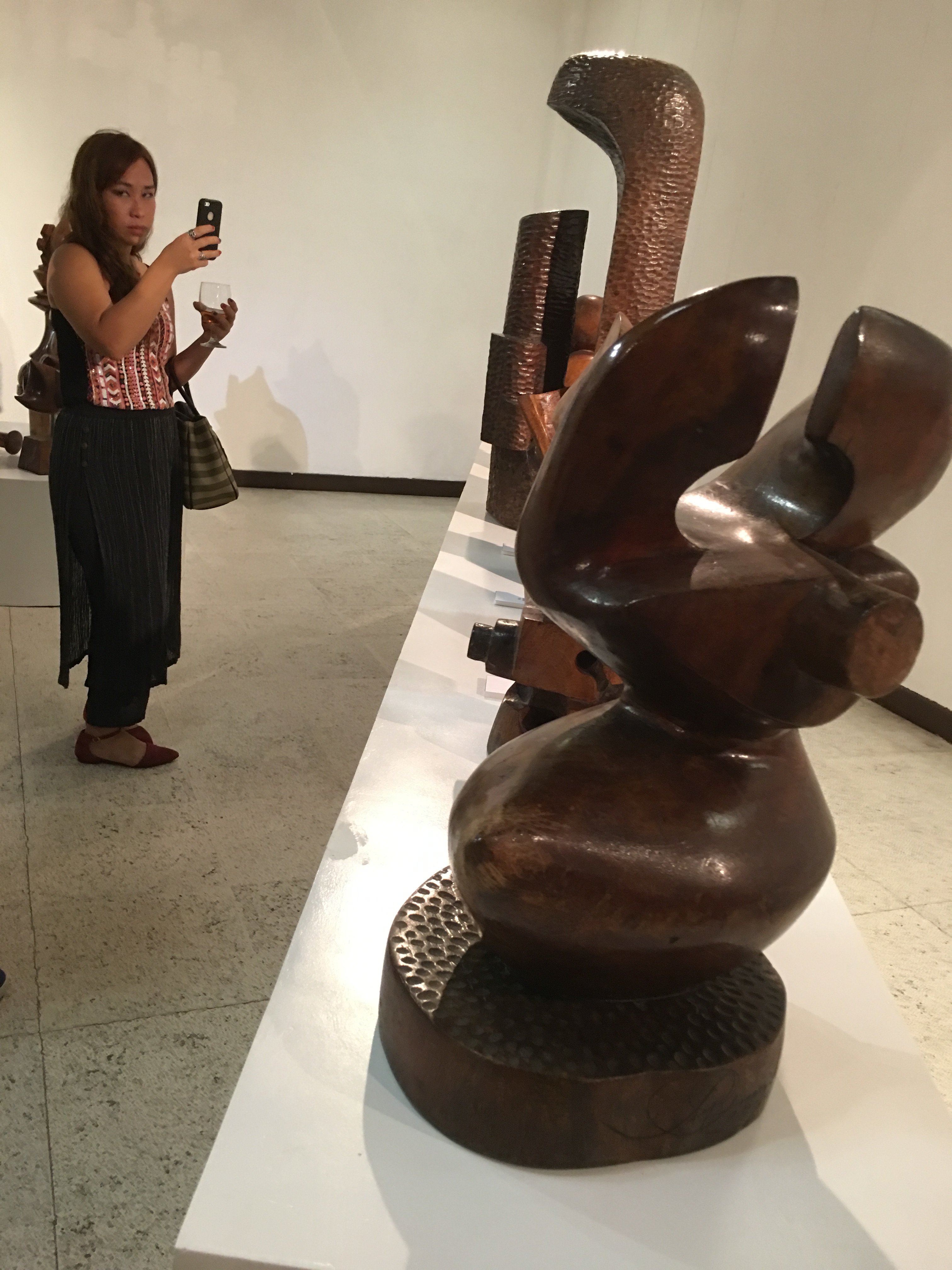
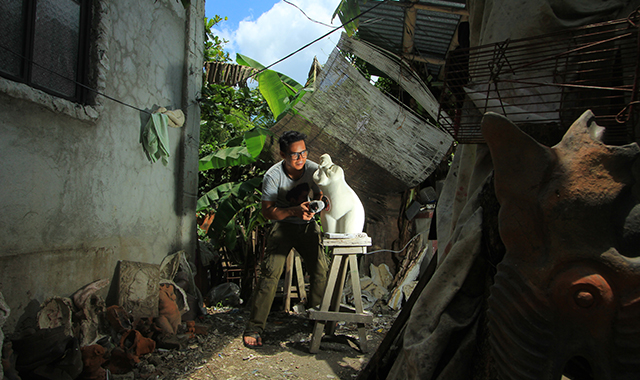
The two-person exhibit at A Space realized that mission. While we had already seen Kat’s work, Harry’s cold-cast marble figures, more than vaguely reminiscent of Henry Moore’s sinuous women, were another revelation. Coming from a background in IT and with a large brood of siblings to help support (he once drove a sikad around the city), this carpenter’s son put his faith in his vision and his hands, and began sculpting pieces that quickly won local collectors over. The self-taught artist won a Metrobank Art and Design Excellence Award in 2007 for a terracotta sculpture he crafted to protest an oil spill in Guimaras. “My main inspiration for these pieces is my mother,” he told me as we surveyed his pieces, whose exaggerated torsos suggested an overflowing fullness of all good things.

harrymark640.jpg

It was too bad the show ran for only three days, from September 30 to October 2, but with rentals at a premium, Karen and Prim have had to be more creative in their marketing, aggressively promoting the featured artists and their work online and selling a good number of them even before the show opened.

As for myself, I got the best part of the deal when Beng generously agreed to lend me Kat’s signature work “Purity” to hang in my new office at the UP Institute of Creative Writing (after the Faculty Center fire last April, we’ve found a new home in Room 3200 of Pavilion 3 at Palma Hall in Diliman).

But there are even more exciting events on the Iloilo art calendar to look forward to, chiefly the Visayas Islands Visual Arts Exhibit and Conference (VIVA Excon) which will be held from November 17 to 21 in Iloilo City. The event will take place in four different venues: the University of the Philippines Visayas (UPV) Art Gallery for the Garbo Sa Bisaya Awardees Exhibit; the Museo Iloilo for the Romeo Tabuena Tribute Exhibition; the UPV Auditorium for Turns in Form (Curated Contemporary Art from the Visayas); and the Visayas Art Fair.

VIVA Excon will also feature lectures on contemporary art practices, talks by artists, and workshops; an art conservator named June Poticar Dalisay, aka Beng, has been invited to talk about art conservation and restoration, and I’m going to do my darnedest best, my schedule permitting, to tag along. Left to herself, Beng just might drag home another local discovery—not that I’d mind too much.