Penman No. 455: A Musical for Our Generation

Penman for Sunday, October 1, 2023

PINOYS WHO came of age in the 1990s like our daughter Demi, born 1974, will swear by “Ang Huling El Bimbo” as their collective anthem—not just the song, but the whole musical and its score by the Eraserheads, who might as well be Martians to Beatles and Woodstock fans like me. On her last vacation her from her long and happy life in California, Demi made sure that she and her cousin KC got to see the show, no matter the cost, and the two girls stepped out of the theater misty-eyed. 

It got me wondering if our generation—boomers, I think we’re called—had something similar to get us all thoughtful and even weepy about what we’d been through. If you were born in the ‘50s, you’d be in your late 60s or in your 70s by now, and that’s a long time to be alive, relatively speaking, especially given that so many of us died so young (read my Qwertyman piece on this from a few weeks ago on “A long grace note”). That usually means college, jobs, marriage, kids, affairs, separations, houses, cars, debts, accidents, ailments, responsibilities, recognitions, disappointments, losses, homecomings, and all the sundry little things that make up a life. That’s what happened to us, and the ordinariness of it doesn’t seem to suggest much worthiness as entertainment material. 

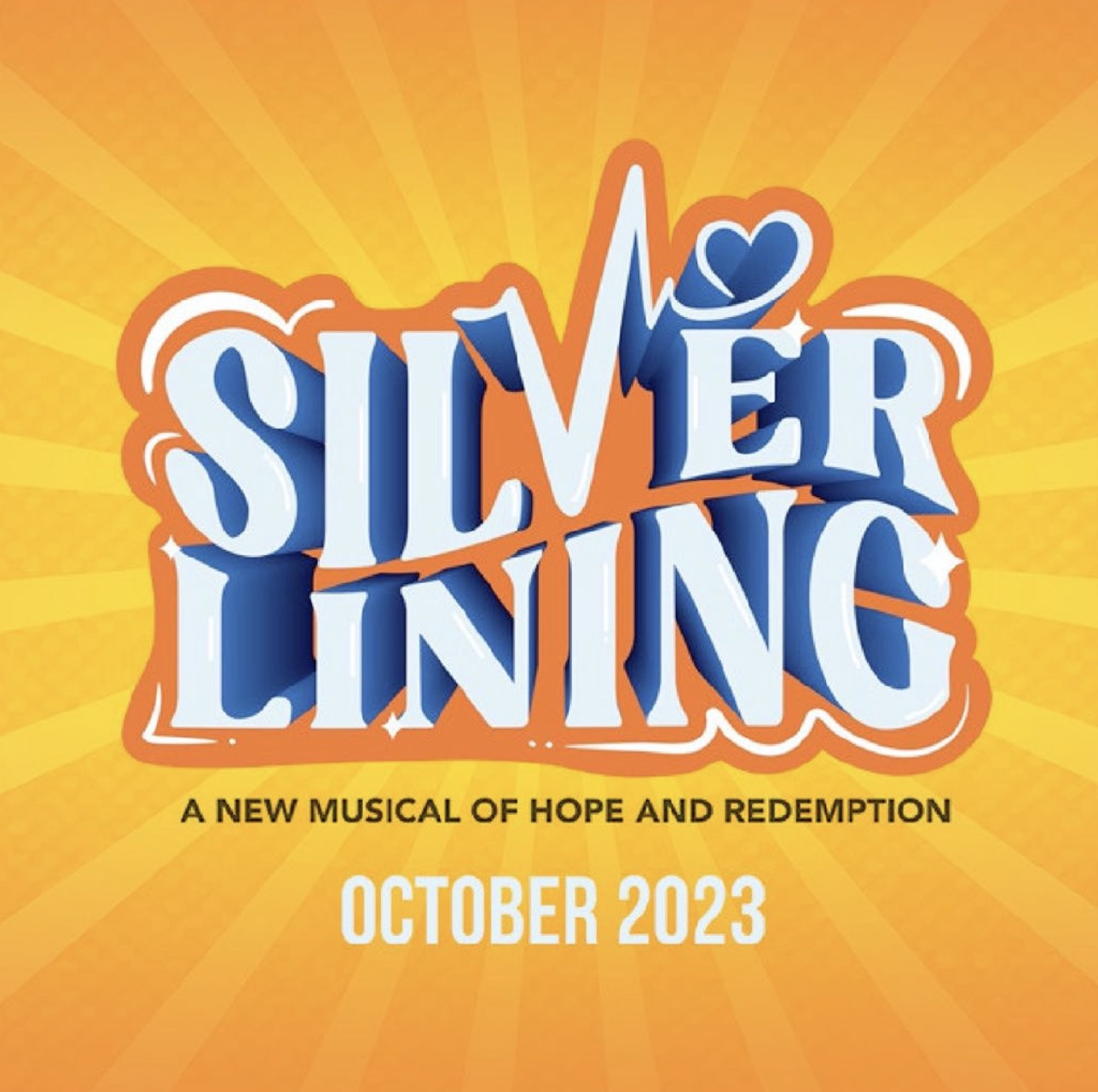
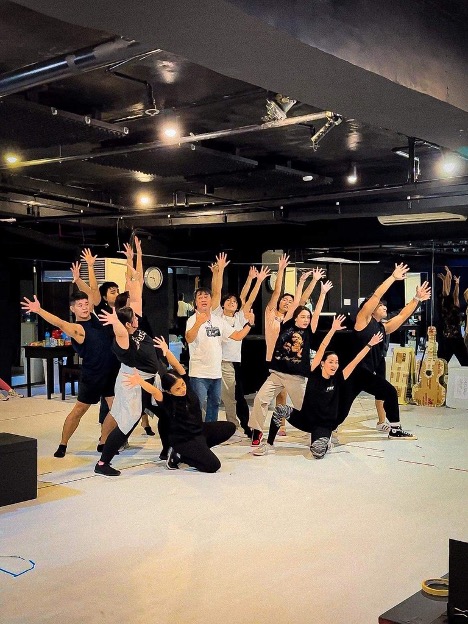
But someone our age apparently thinks otherwise, and beyond just thinking about it, has actually co-written and produced a musical titled “Silver Lining” for our generation—and our children who may want to understand what their folks went through, and why they think the way they do.

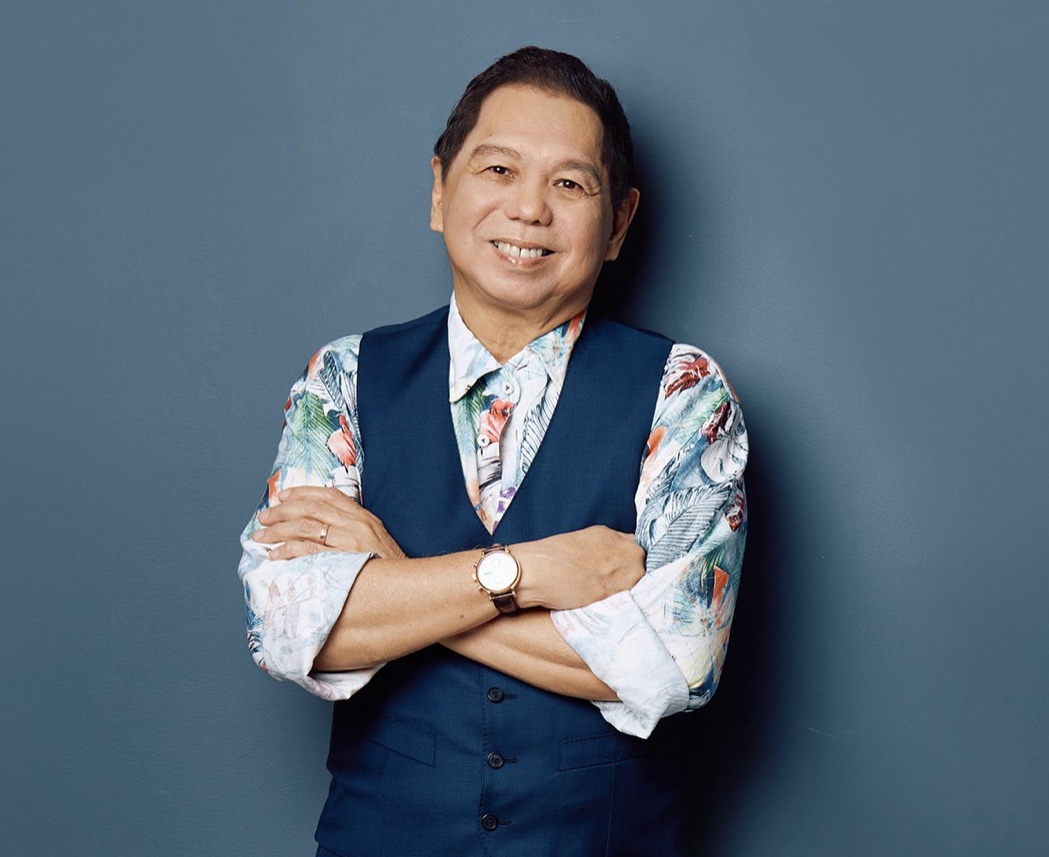
That someone is Jack Teotico, better known these days as the man behind Galerie Joaquin, Fundacion Sanso, and other art-related ventures that have opened doors for Filipino artists here and abroad. (When we last met, he was on his way to Madrid to scout prospects for a gallery there.)

Jack and I happen to be friends for half a century now, having met at UP where we were both student activists. We had actually been grade-school batchmates in La Salle Green Hills but hadn’t really connected there. We were both arrested after martial law, and our lives would inevitably intersect every now and then. An economist by training, he headed the Fiber Industry Development Authority at one time, while I worked for the National Economic and Development Authority. We ran into each other more often when he devoted himself almost exclusively to the art world.

Still, it was a great surprise when he told me, at his recent 70th birthday party, that he was staging a musical titled “Silver Lining,” using songs he had written over the years. I knew Jack also loved music and had been performing with a group called Rockitwell.

“I think it’s time to share our generation’s experience,” Jack said. “Not just the political part, but our story of growing up and growing old, the friendships we make along the way, the trials we’ve been through, and what life looks like today from our point of view.” No literary piece touching on the 1970s would be complete or credible without mentioning or implicating martial law, and it’s there in the dark shadows of Jack’s story, but he’s chosen to foreground what to most people were the more familiar rituals and milestones of early adulthood—high school and college life, relationships, love and loss, acceptance, and intimations of mortality. 

Based loosely on real-life events, the musical traces the journey of three high-school buddies who, in their senior years, form a band for their Golden Anniversary homecoming, drawing in their wives and children. They soon decide to work on a musical together—so yes, this a play within a play—and as they do so, the past unfolds in poignant contrast to the present. Even as the narrative unavoidably reaches into the darkest corners of our lives—dependencies, betrayals, disappearances, and such—it ends of a note of hope and redemption.

Working with Palanca-prizewinning scriptwriter Joshua Lim So and musical director Vince Lim, Jack tells these stories through songs with titles like “Brothers,” “Losing Our Way,” “Rambolan,” and “Atin Ito.” The script is in Taglish, given the middle-class milieu of the characters, and the melodies should be easily relatable, reflecting the musical variety of the period covered, from ballads to disco. 

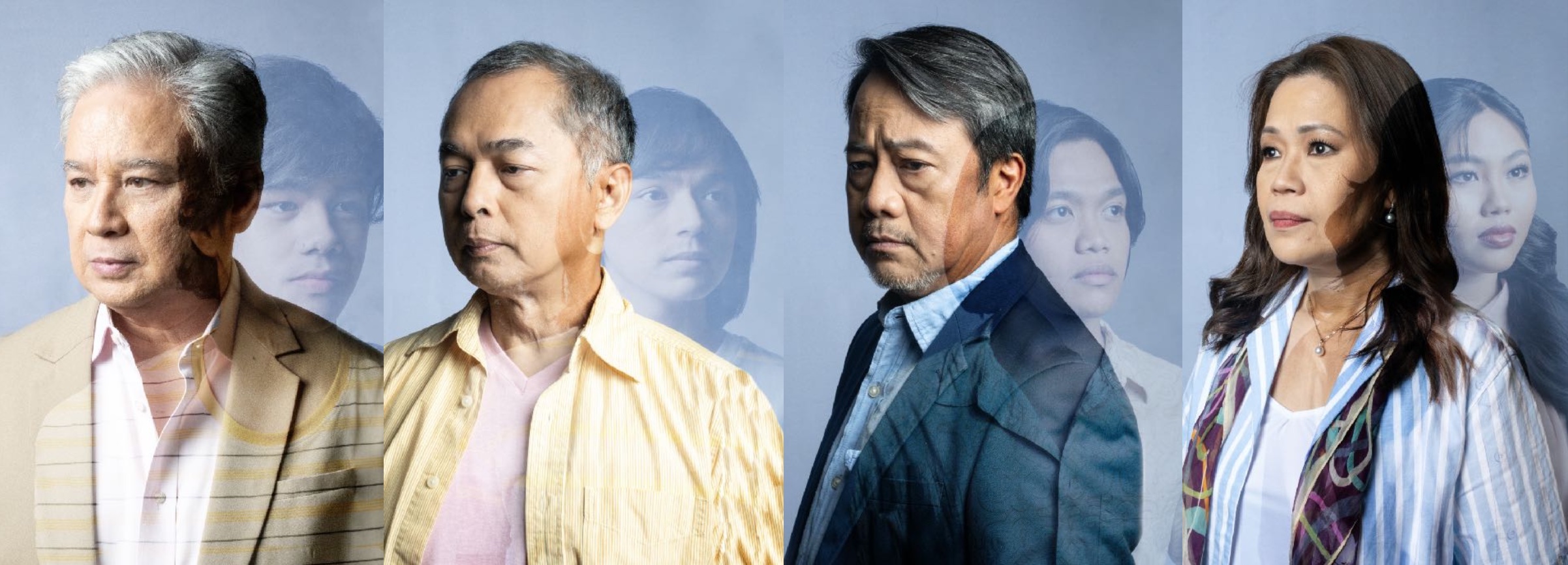
Directed by Maribel Legarda, the musical is headlined by veteran actor Ricky Davao as Leo, Joel Nuñez as Anton, Raul Montesa as Raul, and Nenel Arcayan as Josie, with Krystal Brimner playing a special role as Julia.

As every Broadway aficionado knows (and Jack is one), musical theater is a risky business, but I suspect that Jack really isn’t into this for the money, but rather to leave his signature on our cultural memory. He’s done more than enough to support and promote other artists, and indeed it’s time for him to tell his own story—our story.

“Silver Lining” will have a limited run of only six performances over two weekends  at the Carlos P. Romulo Auditorium in RCBC Plaza, Ayala Avenue, Makati City—at 8 pm on Fridays, October 20 and 27, 8 pm on Saturdays October 21 and 28, and a 3 pm matinee on Sundays, October 22 and 29. Book your tickets now via Ticket2Me or bit.ly/silverliningmusical.

Qwertyman No. 58: A Long Grace Note

Qwertyman for Monday, September 11, 2023

AT ABOUT this time fifty years ago, I was newly released from martial-law prison after seven months of what everyone euphemistically called “detention,” and wondering what to do with the rest of my life. I was just nineteen, so I suppose you could say that I had a lot of living ahead of me, but I felt very differently then. More than a dozen of my friends—all of them in their twenties or even younger—had died horrible deaths fighting the regime. We exalted them as the martyrs that they were, but grimly realized and acknowledged that given how things were going, we ourselves would be fortunate to see the ripe old age of thirty.

I had been arrested at home on a cold January morning in 1973, just past midnight. Like many student activists, I had dropped out of college during the First Quarter Storm of the early 1970s. But instead of joining “the movement” full-time, I improbably found a job with a newspaper as a general-assignments reporter. It was heady stuff at age eighteen, covering three-alarm fires, floodwater rescues, and the very same demonstrations I had joined on the other side of the police barricades. And then martial law was declared—I was actually covering a rally in UP, and thought I had a scoop when a radio station nearby came under fire from the Metrocom, only to be told by my night editor when I tried to phone the story in that we no longer had a newspaper to publish, because soldiers had taken over the office. 

Over the next few months I shuttled between part-time jobs and clandestine meetings with the anti-martial law underground, moving around the city. I wasn’t doing much, given how green I was, but I thought it was important to take part in the resistance in whatever way. And then when Christmas came, like a good boy, I went home to my parents and foolishly had a chat with a neighbor who turned out to be a military asset. Not long after, a posse of soldiers appeared at our door, and when my father nudged me awake, I had a gun pointed at my face. I was being arrested under a catch-all “Arrest, Search, and Seizure Order” or ASSO issued by the Defense Minister, Juan Ponce Enrile, for whom I would ironically be writing some speeches during his post-EDSA reincarnation (he won’t remember that, as I was a tiny mouse in the office).

My release in August 1973 came right out of a Kafka story. I was taking a shower one morning in our prison—which, by the way, is roughly where St. Luke’s BGC is today—when I heard my name being called over the PA system. “Dalisay, report to the guardhouse immediately!” The last time I had done that, after one Sunday dinner, I had been beaten up by some drunken guards just for the heck of it, so I groaned when I heard the announcement. Not again, and so early? As it happened, I was received by an Army officer with a stack of papers. He pulled mine out, squinted at it, and said, “Dalisay, you’re still here? Pack your things. We have nothing on you.” The first place I visited after I went home was the AS Steps in UP, where we had gathered for many a raucous rally; it was vacant and deathly silent, and I knew that I wasn’t going back to school just then. Only after a long detour—working as a printmaker, a writer, an economist, and meeting Beng and fathering Demi—did I return to UP and graduate with my degree at age thirty.

I’ve written about my activism and incarceration in my first novel, Killing Time in a Warm Place (Anvil Publishing, 1992), and it isn’t what this column is really about. Rather, it’s about the aftermath, about having a life after martial law, and an unexpectedly long one at that. 

For any activist from my generation who’s still alive, every breath we’ve taken after our 30th birthday is a grace note—what the dictionary describes as “an extra note added as an embellishment and not essential to the harmony or melody”—in other words, a bonus. Considering that we could have been gunned down like dogs or buried alive like some of our comrades were, you can understand why we feel that way. It’s almost absurd to contemplate, but education, marriage, career, success, fame, fortune—and all the downsides and flipsides that come with them—all these were a long string of surprises, any one of which might never have happened, but for a twist of fate or a stroke of luck (clichés, like life’s very milestones, but ones we appreciate).

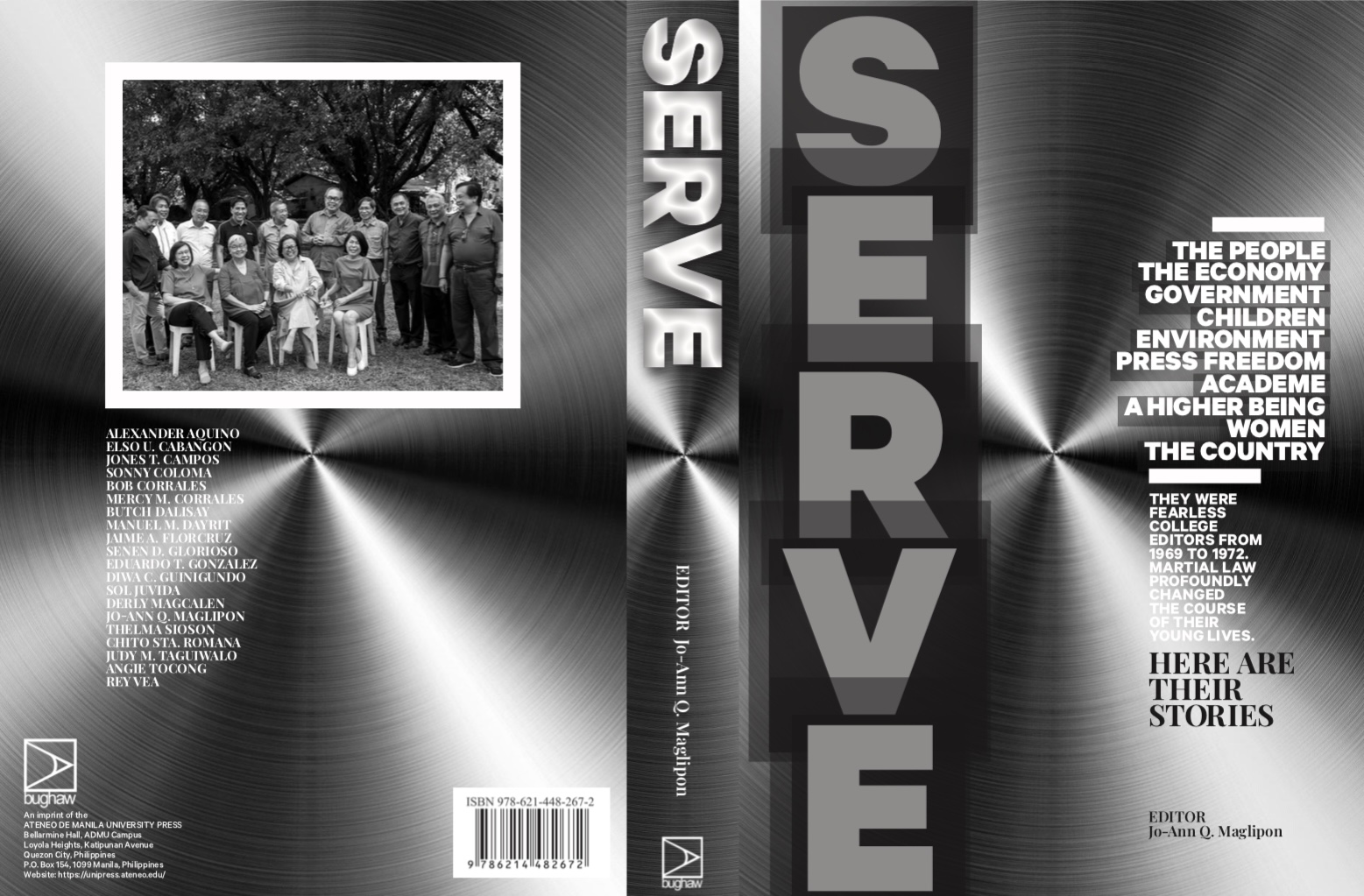
When my fellow FQSers and I—all college editors who were part of the SERVE book that I wrote about last week and that we launched last Saturday—gathered around a table before the launch to pre-sign some copies, we noted with much chuckling how surprisingly old we had become. We were beset by diabetes and hypertension, which were lethal enough but easier to bear than the four bullets one of us took to his face and body; he was with us that day, laughing, his spirits buoyed by his fervent Christian faith. 

We had become university presidents and professors, Cabinet secretaries, CEOs, magazine editors, pastors, and opinion-makers. I don’t think there was anyone in that room who believed any longer in the necessity nor the efficacy of violence, but neither did anyone imagine that our youthful goals had been met, that the country had become a kinder place, and that our work for justice and freedom was done. We had come to terms with our past, were busily in the present, and were hoping to enjoy what little we had left of our extended lives. But like those shaken passengers who stagger away from a crashed plane, leaving the uncounted dead behind, I’m sure that we felt driven by survivor’s guilt to make the most meaning of our gifted years, to do well and to do good, and to serve our people in any way we could. 

We learned that everything may be political, but also that politics is not everything, and that the road to happiness and deliverance may be wider than we had thought. I myself have resolved that even as I fight on for truth and beauty, I will not allow my happiness to be determined by our political vicissitudes, if I can help it. That will be my sweet revenge on my jailers. I will survive you, live a fuller life, and meet my Maker with a clear conscience and a smile.

Qwertyman No. 57: An Invitation to SERVE

Qwertyman for Monday, September 4, 2023

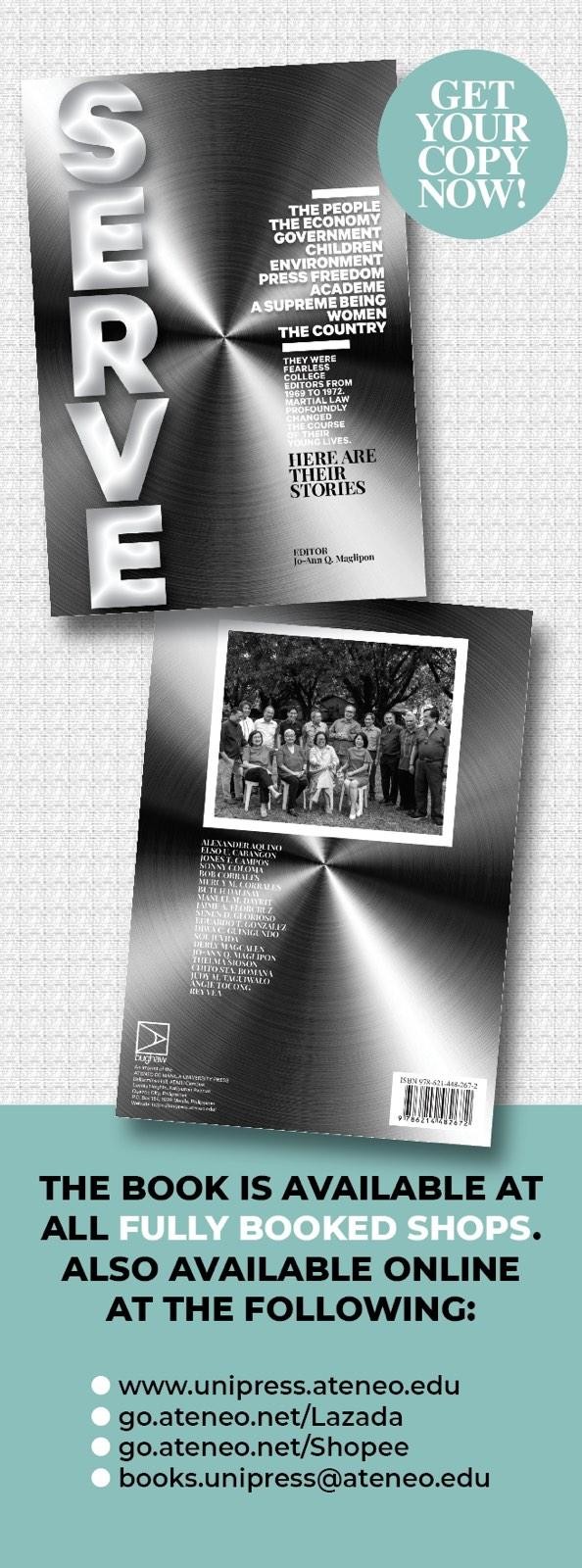
AT 5 PM next Saturday, the 9th of September, a new book will be launched at Fully Booked in BGC. Published by the Ateneo de Manila University Press and simply titled SERVE, the book has 19 authors—yes, I’m one of them—and one editor, the much-respected Jo-Ann Maglipon. What connects all is that they were college editors during the first Quarter Storm of the early 1970s, and survived to go on to distinguished careers in media, education, business, and public service. The book dwells much less on martial law—a previous volume titled Not on Our Watch: Martial Law Really Happened, We Were There that came out in 2012 dealt with that—than with its aftermath, and the afterlife that the activists of our generation were fortunate to have, given how many of our comrades gave up their lives to the cause of justice and freedom.

What did these activists do after martial law? What are they thinking now? Some of the names in this book will be familiar to the contemporary reader, who may not even have known of their activist background (reg-taggers, pay close attention).

Some of us—like Jimi FlorCruz, Sol Juvida, and Thelma Sioson San Juan—remained journalists all their working lives, stationed in very different places and capacities but bound by a commonality of interest in the truth. Others like Sonny Coloma, Manolet Dayrit, Ed Gonzalez, Diwa Guinigundo, the late Chito Sta. Romana, and Judy Taguiwalo took the path of government service, finding themselves in a position to effect real change, although sometimes under very difficult if not adversarial circumstances. Yet others including Angie Castillo, the late Jones Campos, Mercy Corrales, and Senen Glorioso found fulfillment in entrepreneurial and corporate work, applying their progressive values to management. For Elso Cabangon, Bob Corrales, and Diwa Guinigundo, their circuitous journey led to a re-encounter with their spirituality, and to embracing their faith as their personal advocacy. Like many veterans of the First Quarter Storm, Alex and Edna Aquino were able to build new and productive lives overseas, without yielding their investment in Philippine concerns. Quite a few of us—Derly Fernandez, Ed Gonzalez, Judy Taguiwalo, Rey Vea, and myself—chose to pursue our activism in academia, if only to ensure the transmission of critical inquiry to another generation. 

The authors were under no compulsion to conform to an ideological standard, except to extol the spirit of service to the people, the overarching theme of their youth and now their continuing commitment, indeed their legacy. There’s pathos in these accounts, but also humor and, inevitably, irony, perhaps the defining tone of our postmodern age: Thelma Sioson San Juan finds herself seated across Deng Xiaoping’s granddaughter at a Ferragamo show in Beijing’s Forbidden City; Manolet Dayrit learns of his appointment as Secretary of Health on a visit to President Gloria Macapagal-Arroyo in Malacañang; Ed Gonzalez becomes president of the Development Academy of the Philippines under President Joseph Estrada, but then joins EDSA 2; Sonny Coloma looks out the window of his Malacañang office to where students like him had demonstrated against Marcos.

With most of the writers here now in their seventies or inching close to it, we could have been chronicling the joys of grandparenting, journeys to far-off places, exotic menus, succulents and bromeliads, and homeopathic remedies for the aches of aging. Having retired from the formal workplace, we thought we had settled into a privileged and imperturbable kind of peace, earned over decades of political, economic, and spiritual struggle. 

We celebrated our seniorhood as the ultimate victory, for a generation that did not expect to live beyond thirty, and not because of some acquired disease but because of the throbbing cancer at the core of our society that claimed many of our peers in the prime of their youth. We may have thought for a while that we had defeated and expunged that cancer, only to realize that it had never left, was always there, lying cruelly in wait for a chance to ravage us again—and not only us this time, but our children and grandchildren as well.

And so—albeit no longer lean and shaggy-haired, perhaps benignly forgetful of car keys and personal anniversaries—we gather again at the barricades we put up against a fascist dictatorship fifty years ago, of which our memories remain surprisingly and painfully sharp. They say that the old remember distant things more clearly than what happened yesterday, and we offer proof of that. The experience of martial law coded itself into our DNA, and even the few among us who surrendered their souls to Mephistopheles cannot shake away that indelible past—one we bear with pride, and they with guilt and shame.

This time our barricades consist not of desks and chairs but of memory itself and, more formidably, of hope, courage, and a continuing faith in the good. Beyond memoirs, more than recollections of our youthful selves, we now present the stories of the lives we built and the paths we took after martial law, along with our reflections on how time and experience have reshaped us, clarified our values, and strengthened our resolve to serve our people in multifarious ways. 

Our view of politics inevitably evolved over time as the world itself changed over the past five decades. These essays and stories cover a wide range of themes and treatments, and demonstrate how “serve the people” has grown and evolved with its advocates, taking multifarious forms from working in civil society and practicing good governance to promoting artistic expression, academic freedom, and insightful journalism. We wish to prove that even the worst of times and the worst of leaders are not only survivable but can be changed, so that whatever lies ahead, the better Filipinos in us will prevail.

Given the number of authors and their families and friends, we expect a full house at the launch, so you might want to wait and get your copy of the book from Fully Booked or from AdMU Press’ online channels. However the book finds its way to you, it will be worth your while.

Penman No. 407: Fifty Februaries

Penman for Monday, February 15, 2021

FOR A certain segment of that generation called the “baby boomers”—people now in their mid-60s and 70s—this month will bring back memories both poignant and painful, harking back to a time when the unbridled fun of the 1960s (think of the Beatles, Woodstock, and Barbarella) was rudely replaced, top of mind, by the all-too-serious clamor of revolutionary politics.

I was 16 and a Philippine Science High School senior when I joined my first big march on January 26, 1970, and had just turned 17 when the nine-day-long “Diliman Commune”—whose 50th anniversary came last February 1st—was put up by students like me as a spontaneous response to what we saw to be an assault on the University of the Philippines campus by military and police forces.

I have many vivid memories of that uprising which I have dealt with in essays and in my first novel, the highlights of which include standing sentry at Area 14 with a kwitis and a home-made Molotov cocktail, as if either of them would have saved me in case of an attack; sneaking out of campus in Dr. Fred Lagmay’s little car to publish the Free Collegian; and being in the DZUP booth as a comrade played a tape of “Pamulinawen” (those of you old enough will know the reference).

Ironically, that anniversary took place at a moment when, once again and half a century after the Commune, UP and other universities were being tagged as leftist “havens” by people with very different ideas about what universities should be doing. This was the same half-century, come to think of it, that produced far more UP-alumni presidents, senators, congressmen, mayors, CEOs, entrepreneurs, lawyers, doctors, artists, scientists, singers, comedians, and even AFP officers than Red recruits. 

But let’s not go there. I don’t mean to engage in political polemics as much as to wonder how time and distance can change people—or maybe not. The freshman me, who carried that incendiary bottle during the Commune (and maybe thankfully never got to throw it), grew up to be a potbellied and balding professor of English, much to my own surprise. Ours was a generation (as our dear editor and my fellow time-traveler Millet might remember) that did not expect to live long, and so like Achilles, we did what we felt had to be done as soon as we could do it; history was theater and we were actors in it. Less than two years after the Commune, and fresh out of martial-law prison, I met Beng—to whom, against all odds, I remain married after 47 years.

To survive that long is both wonderful and perplexing, especially when we seem to be hearing the same refrains all over again. It’s hard to tell where you are when past and present seem indistinguishable in some ways, except that you now see an old man where the young buck was in the mirror. You pity the small boy at your knee who has to go through all that on his own; you want him to be safe and not take foolish risks as you once did—but he is even smarter than you, and you know he will.

They asked me to give a short speech in UP to commemorate the Commune, but instead of a talk I chose to write and read a poem (with apologies to Janis Ian) about what it was to be seventeen fifty Februaries past, and here it is:

AT SEVENTEEN

At seventeen I raised my left fist to the sky

And held, in my right hand, 

A bottle filled with gasoline—

And far more flammable,

Admixtured faith and folly,

Courage and a thumping fear

That my life would not last much longer than

That hour, at once so still and pensive,

The tall grass around my outpost

Silvered by some distant light.

A “Molotov cocktail” was what they called

That lethal brew, its ragged tongue the sacrifice

Of someone’s cotton underwear, its fuel

Of someone’s ride to Bulacan,

And my right hand, the young elastic limb

That would toss this long-tailed dragon to the sky

Against the dark-faced enemy, my arm,

Myself, the new, rough-hewn, imperfect

Oblation of that fraught age.

I was, I told myself, prepared to die

And perhaps I might have even 

Believed the lie. 

I never threw that bomb, nor any other

Of the kind. The enemy was more

Deceitful than I thought, refusing to appear

Just then—although I’ve seen him since, 

In the old FC and AS and Quezon Hall—

And I even stopped once to ask, “Excuse me,

Do I know you?” because I thought I did.

The intrepid and unwary die.

The articulate survive, to write poems

And raise fuseless cocktails with their right hands

While their left fingers cradle Marlboros

Or tap out the cadence of muted anthems

Once sung to red flags cresting in the wind.

These days I hold nothing

More menacing than hat and cane.

I should have feared, at seventeen,

That I would live this long, that I would know

Waywardness of memory and uncertainty of step—

And still, from time to time, looking down

The long, unfolding scroll of University Avenue,

Feel barricades of salvaged wood

And gathered stone rising in my chest.

Penman No. 380: Commemorating the FQS

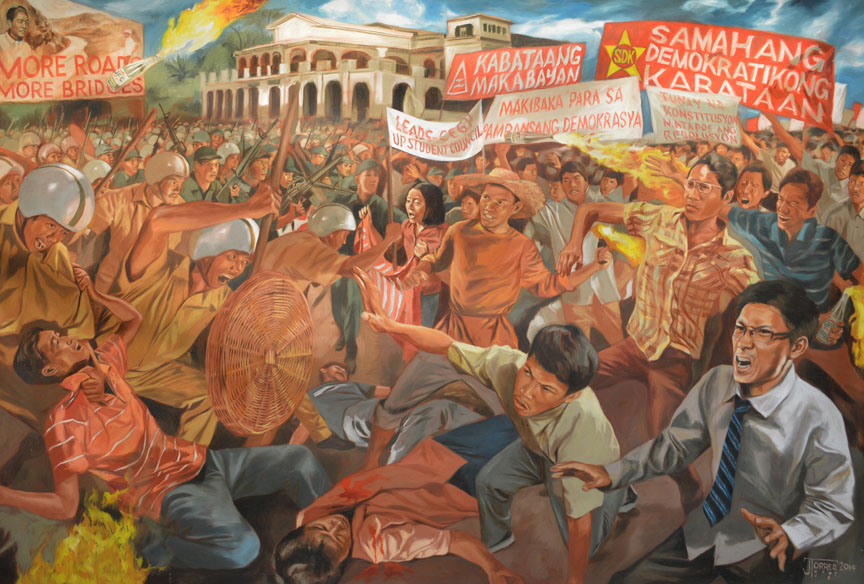
JTorres1.jpg

Penman for Monday, February 3, 2019


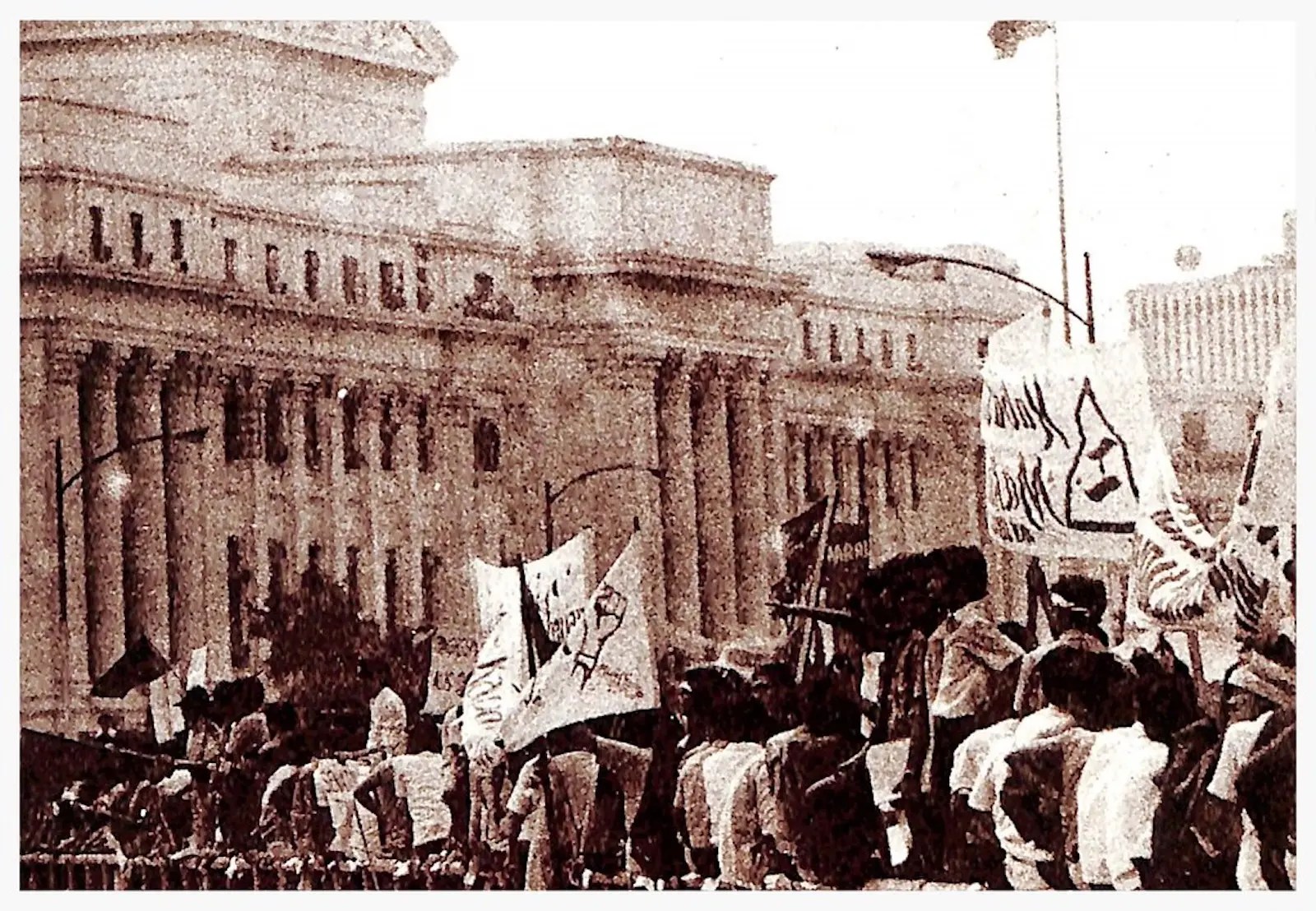
STARTING LAST January 26 and until early this month, some members of a generation of Filipinos now in their 60s and 70s would have commemorated—or at least noted in one way or another—the 50th anniversary of what came to be called the First Quarter Storm, or the FQS. It was a tumultuous season at the very start of the 1970s, a period that would see deepening disenchantment with the Marcos regime, the rise of student activism, and the subsequent declaration of martial law in 1972. For those of us who were part of that generation, it was also the abrupt abbreviation of our carefree youth and our hastened transformation into missionaries of a kind, idealists fired up by the notion of becoming the Rizals, Bonifacios, and Gabriela Silangs of our time.

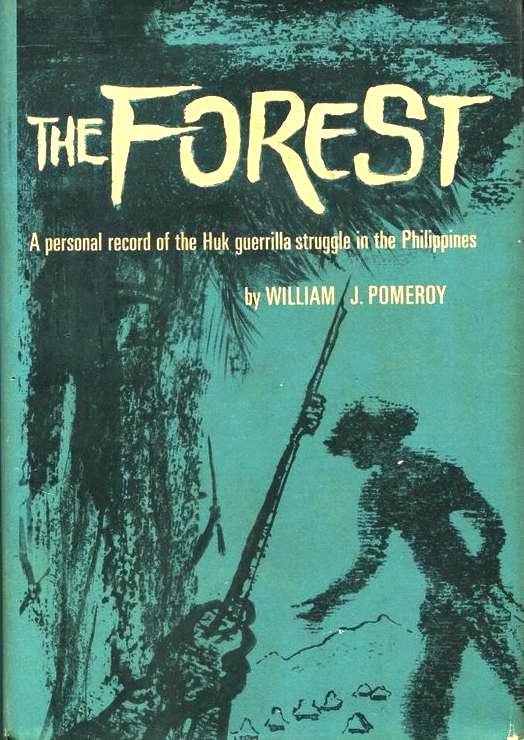
It was a political but—as with all politics—also a cultural awakening. We began by reading—not Marx or Mao, but Renato Constantino and, a bit later, Jose Ma. Sison. For me, it was William Pomeroy’s The Forest—a lyrical account of an American GI’s unlikely entry into the struggle of the postwar Huks—that sparked my fascination with rebels and revolutions. I was only in high school when I read it, but I swore that, in my own way, I was going to make a change in society.

8398741572.jpg

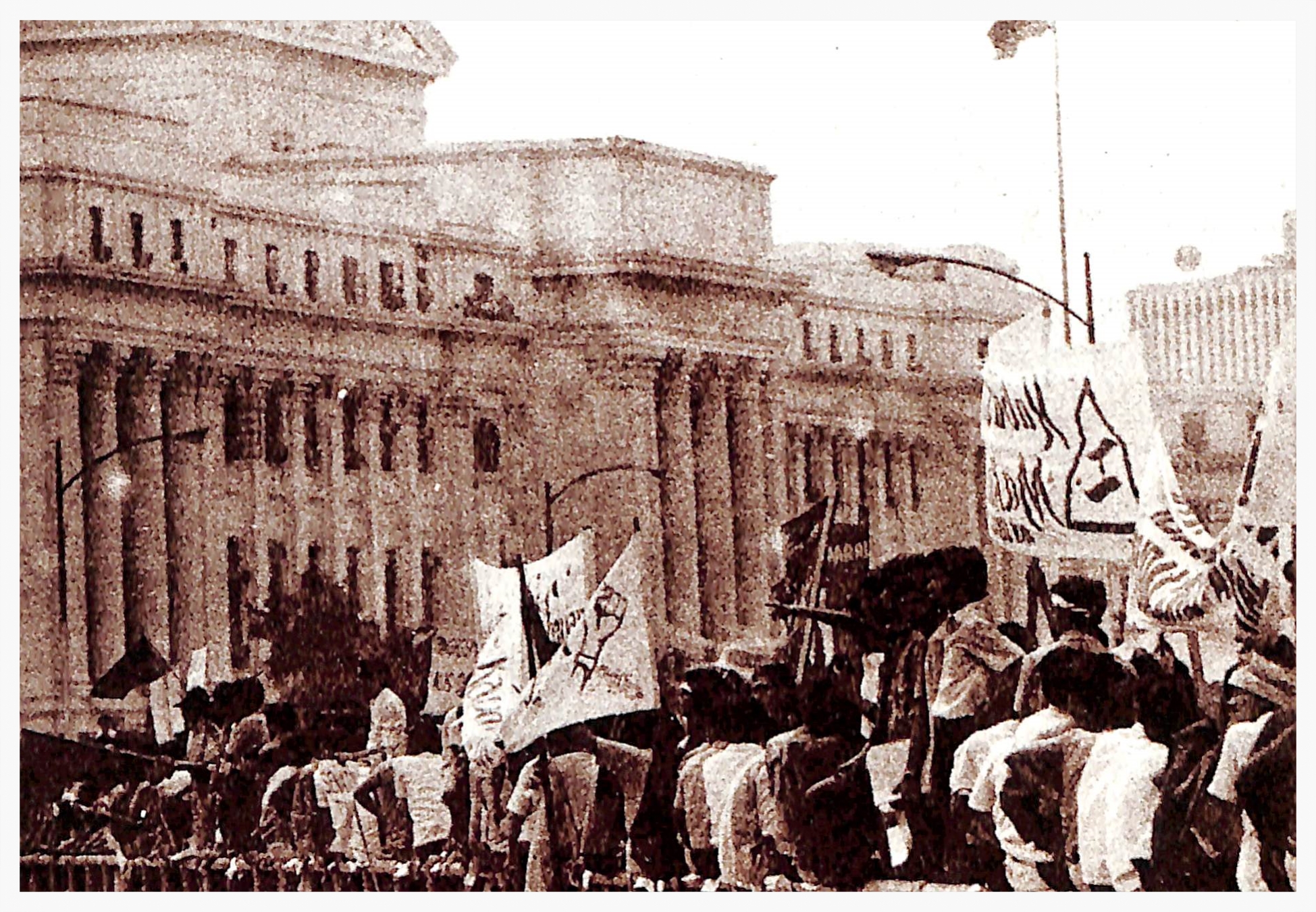
I didn’t even have to wait to get to college for that opportunity. On January 26, 1970, I joined the throngs of uniformed students who gathered in Manila to protest against Ferdinand Marcos, who was delivering the SONA at the old Senate building. I can’t recall now what the specific issues were, but we had a sense that there were very large causes involved of which Marcos was only a part. The Vietnam War was still raging and for many young people, “Make love, not war” was the answer; we had watched Woodstock as a movie on the big screen, we had memorized the Beatles, and Mao’s China was still shrouded in mystery. We were somewhere between dreaming of becoming hippies or becoming bomb-throwers.

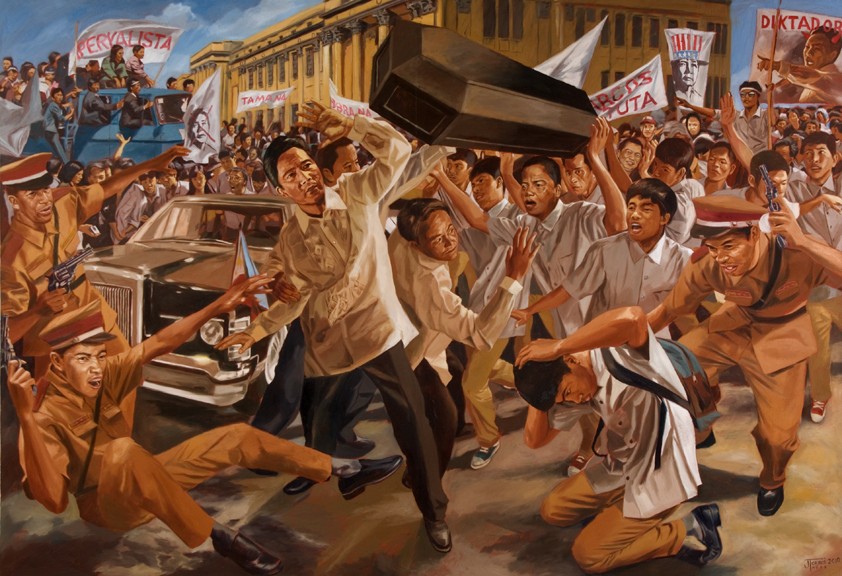
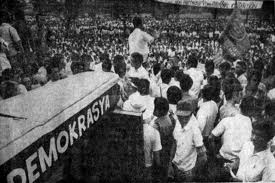
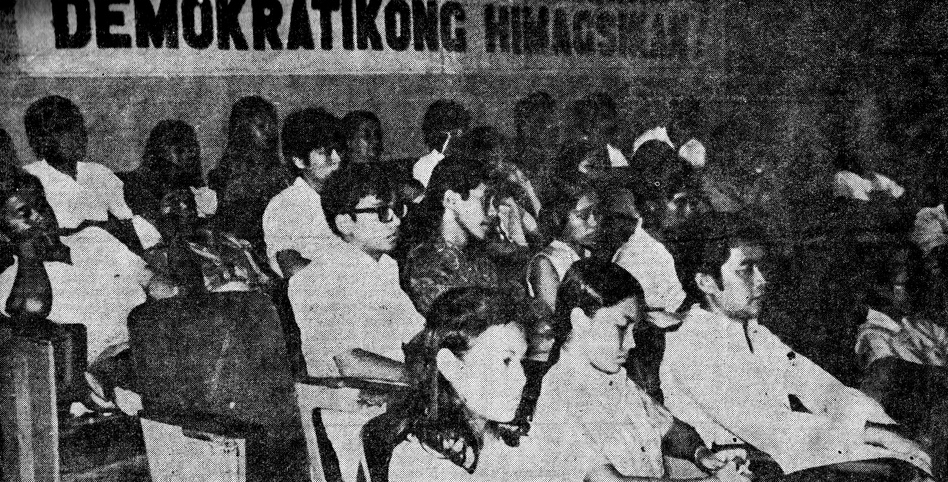
Indeed, on that day—a Monday, according to the calendar, so we were all skipping our classes—I still counted myself a moderate, marching under the banner of Ed Jopson’s National Union of Students of the Philippines. We filed out of our assembly grounds on the UST campus toward the Luneta, where large crowds had already gathered, some sporting the streamers of more vocal militants like the KM and SDK—whom, at that point, I held in both suspicion and awe. I was too far to listen to the speeches being made by the likes of Gary Olivar, whom my high-school English teacher had held up for me as a bright young man worth emulating. When things started flying through the air, beginning with the mock coffin someone had brought along to exemplify the death of democracy, and the police began wielding their truncheons, I scampered for the life of me, muttering oaths under my breath directed at both the police and the radicals for spoiling what had been a very nice day. I had just turned 16 barely a week earlier, and I was too young to die or even just to get my head bashed in.

image09.jpg

jopson-addressing-the-jan-26-crowd.jpg

As it happened, I did get radicalized; before that year was over, I was a freshman at UP, where I joined the Nationalist Corps and later the SDK. Within just three more years I would become part of the Diliman Commune, witness the killings of Francis Sontillano and Sonny Mesina (both of them my fellow scholars at the Philippine Science High School), drop out of UP to work as a newspaper reporter, lose my job under martial law, and be imprisoned in Fort Bonifacio for seven months. I grew up even faster than I thought I would; shortly after my release, I met and married my wife Beng (with so many people dying around us, we couldn’t wait too long), and I became a father at 20.

IMG_3148.JPG

That’s what a few books and the FQS all led to—a quick but bracing immersion in youthful rebellion and forced maturity, from which I learned quite a bit about myself and about other people, indeed about human nature itself, beyond providing material for the obligatory semi-autobiographical first novel. Today, as a retired professor, I’m often asked (and will be again, this week) about what all of that meant, and I say that it was about taking charge of your own life and taking your people’s interests to heart, and not just yours.

What I once disavowed as my vulnerable and wishy-washy liberal core turned out to be me at my most honest and perhaps my strongest. I still seek and fight for freedom from any kind of despotism, whether from the Right or the Left (and these days, when both extremes have cohabited, when the mouthpieces of the old Left now sing the praises of the Right, you have to trust your own compass to point northward). I commemorate the FQS not by boxing it in the past and putting it away, but by hoping that a new generation of Filipinos, made curious by books and refusing to accept easy answers, will see themselves as part of a larger struggle to be human, and to be free.

JTorres2.jpg

(Paintings by Juanito Torres, courtesy of Jack Teotico)


Penman No. 117: The Way We Were

IMG_4726Penman for Monday, October 6, 2014


I’D LIKE to thank the people who’ve given me their time and accorded me their hospitality during my current visit to the US. I’m here to do more research for a book project—an oral history of the First Quarter Storm (the story of my generation, in other words)—and so far I’ve had wonderfully productive interview sessions with some people who were either active participants in the anti-martial law movement or were on the other side of things (or simply on the roadside) at the time.

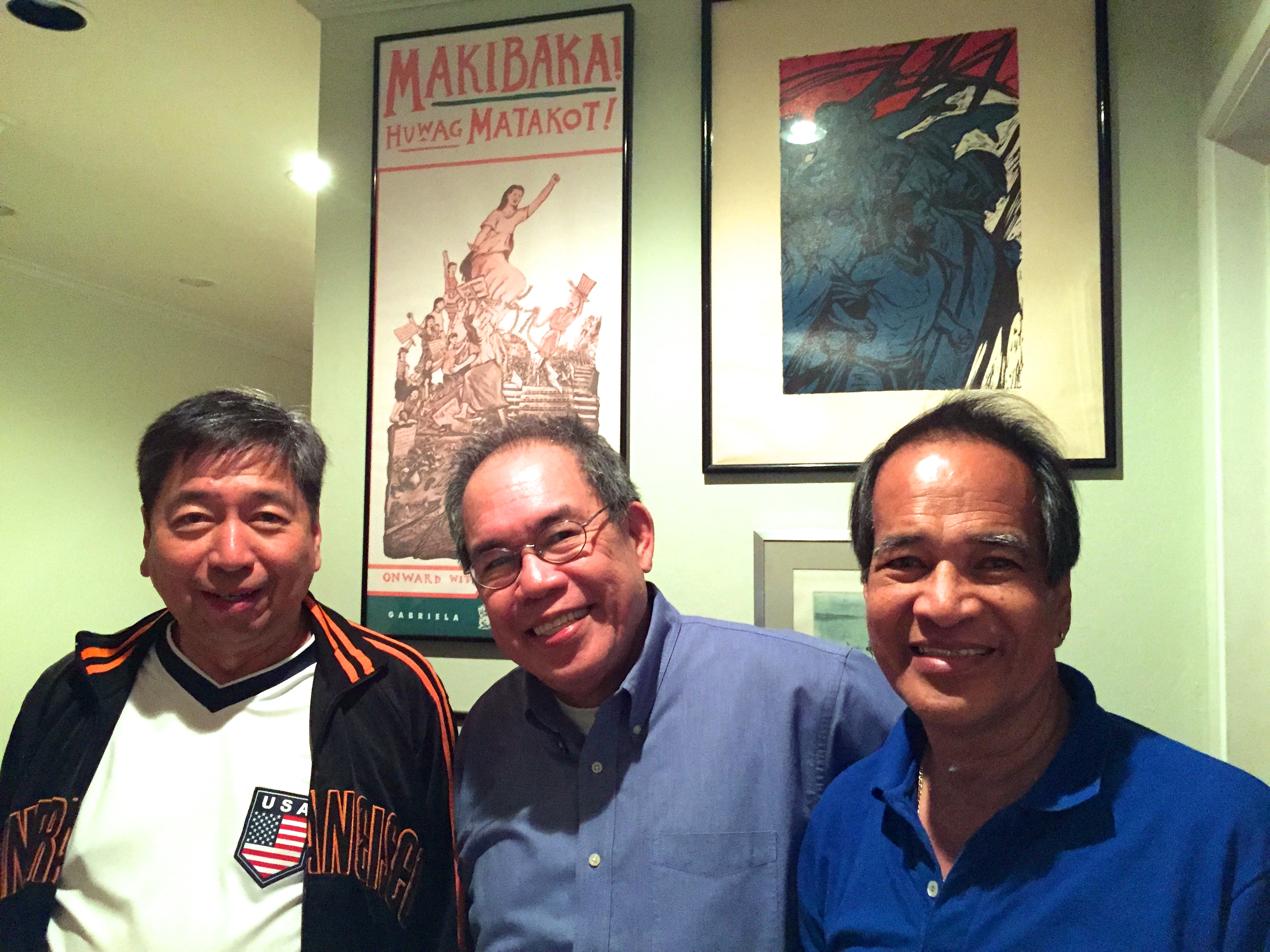
Those who’ve helped me out, either as interview subjects or facilitators, include former campus journalist and retired engineer Gerry Socco and his wife Chet; lawyer Rodel Rodis; editor Rene Ciria-Cruz; tech journalist and developer Joey Arcellana; and journalist Gemma Nemenzo and her husband, Col. Irwin Ver. All of them are conveniently based in the San Francisco Bay Area, so Beng and I flew out there from DC for a long weekend of interviews and reunions with old friends.

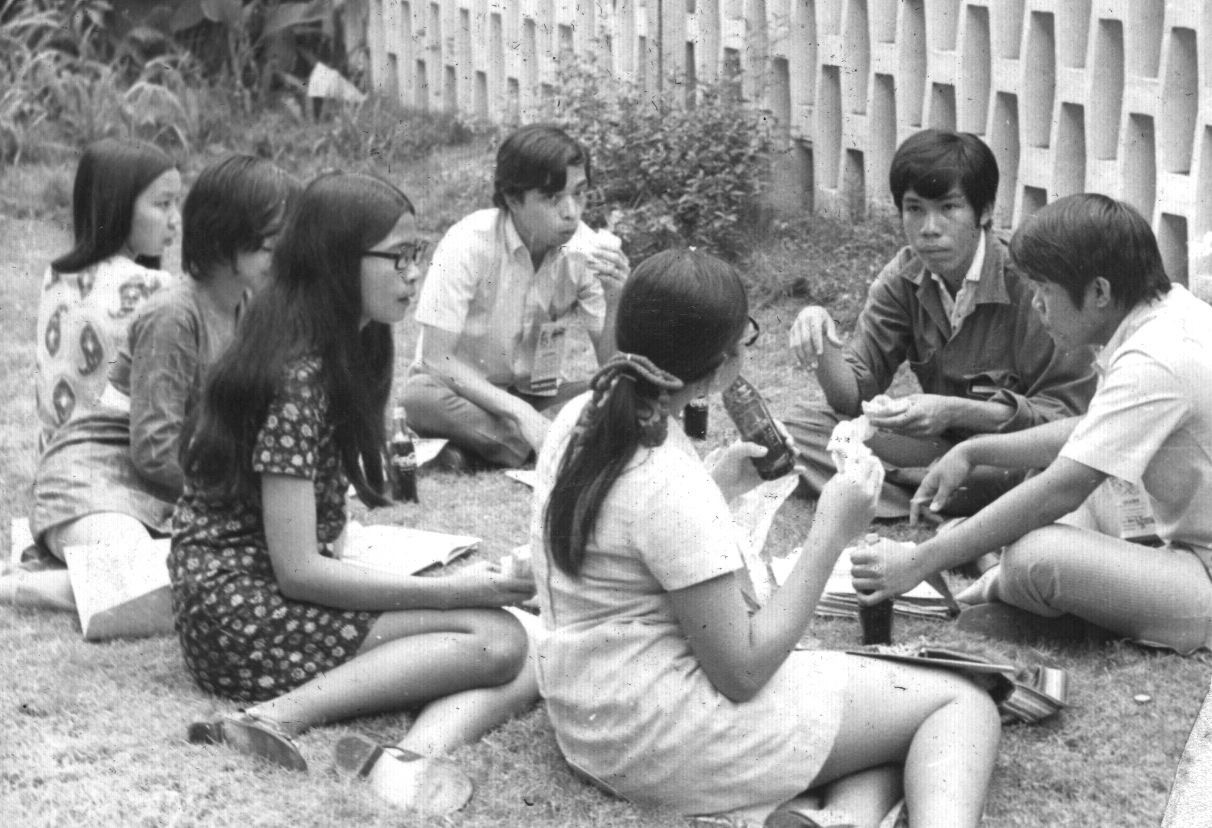
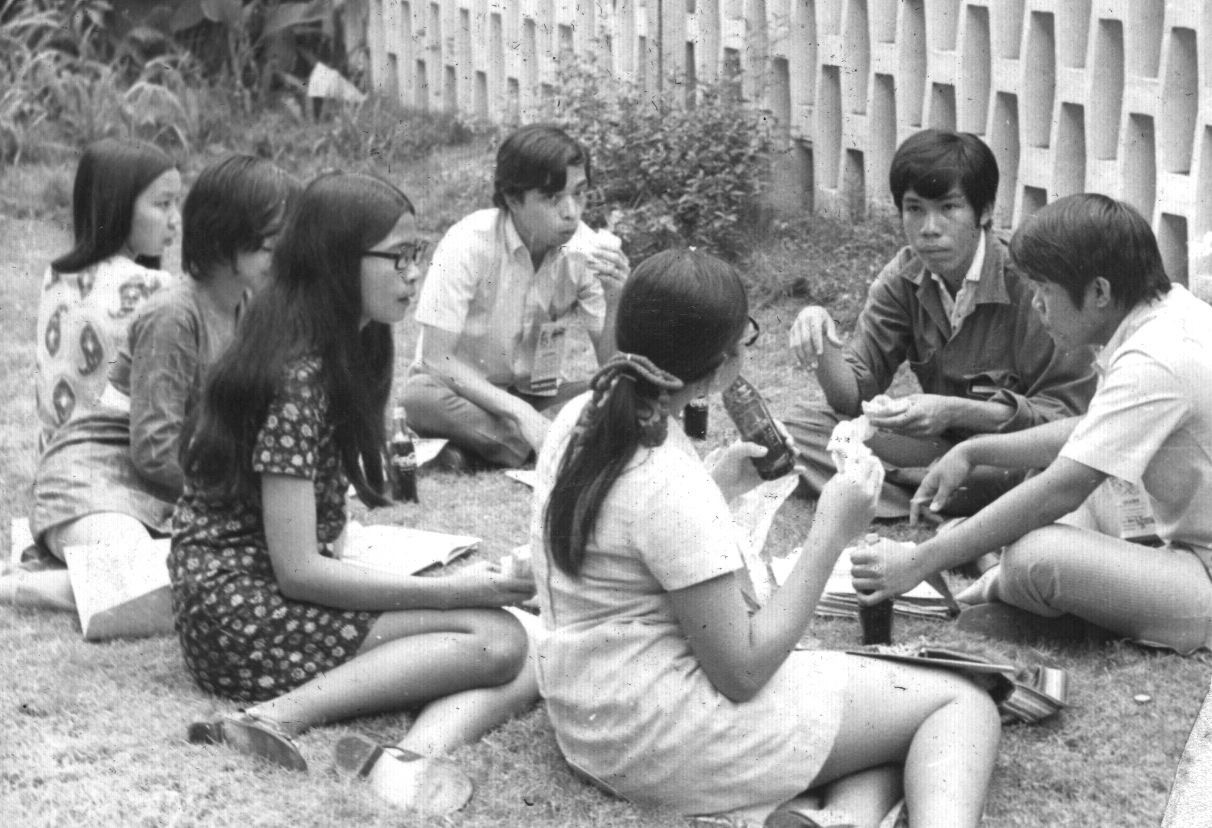
Rodel and I go back all the way to the Philippine Science High School, where I served as Rodel’s associate editor when he helmed The Science Scholar. It was also in high school—when I myself became editor in chief—that I first heard of Joey Arcellana from our adviser, Mrs. Agnes Banzon Vea (mother of the accomplished Doy and Rey Vea), who told me one day: “There are two young writers I’d like you to read. One of them writes for the UP Collegian, and his name is Joey Arcellana. The other is still in high school and writes for the Highlights, and his name is Gary Olivar.” Gemma, who now edits the ezine Positively Filipino, also edited the late, lamented Filipinas magazine, which I used to write a column for. Gerry I knew from the pre-martial law College Editors Guild of the Philippines, and we met again in the worst of possible circumstances—as fellow political prisoners in Bicutan; today, in our sixties, we share an unabashedly bourgeois passion for collecting vintage pens and watches.

In Washington, DC, where I’m formally based through my association with the George Washington University, I’ve been lucky to meet and to interview one of the torchbearers of the anti-Marcos resistance on the East Coast, Jon Melegrito, a retired librarian at GWU who now writes for the DC-based fortnightly Manila Mail. I’ve also been glad to gain the insights of three former State Department officials: former Ambassador John Maisto, who headed the old Office of Philippine Affairs and served in Manila in the late 1970s; his colleague Hank Hendrickson who now serves as executive director of the US-Philippines Society, of which Amb. Maisto is the president; and Santiago “Sonny” Busa, a Filipino-American who has served as consul in Manila, Addis Ababa, and Kuwait, and who has taught International Affairs at West Point. I’ll be doing a bit more traveling to see people in New York and possibly the Midwest.

So far, I’ve interviewed about 30 people for the book, which I’ve begun to write at my sister’s place in Virginia. It’s very strange in a way to write about bloody encounters in coconut groves in the Philippine South while reveling in the sight, outside my window, of bluejays and robins perched on the branches of trees just beginning to acquire an autumnal glow. But perhaps it’s precisely this physical and psychological estrangement that I need to handle such an emotional project—emotional, at least, for members of my generation.

Sometimes what I hear gets a bit too much; for the first time, after having written and published over 25 books with a very dry eye, I wept as I listened to an account of someone I knew shooting—executing—someone who had been her best friend. At the same time, events that might have been terrifyingly life-threatening 40 years ago can now sound absolutely hilarious—or deadpan ironic, such as when firebrand Fluellen Ortigas, selected as one of the Ten Outstanding Students of 1968, stands beside President Marcos at the awarding ceremonies, with a book titled The Essentials of Marxism in hand. “Join my staff,” Marcos tells him. “I can’t,” Ortigas replies. “You’re going to be a dictator!” Ortigas would later work for Ninoy Aquino, go underground in Panay, get arrested before martial law, get released in 1976, flee to the US via Sabah, get an MBA, and become a businessman in San Francisco.

I have many more stories like Flue’s to tell, each with its own highlights and insights—Elso Cabangon being ambushed on Taft Avenue and taking four bullets, one of them tearing through his cheek; Boy Camara auditioning for the role of Judas before eventually playing Jesus Christ, Superstar; a female comrade being married in the rites of the Party, one hand on her heart, and the other on Mao’s Quotations (it’s a marriage, like many in the movement, that will unravel). But they’ll have to wait until the book itself, which I hope to finish by early next year.

Even now, many old friends and comrades are probably wondering why I haven’t approached them yet or asked so-and-so to be interviewed, because they have interesting and important stories to tell. I’m sure they do, and I have to extend them my apologies in advance, simply because I just don’t have the time or space at the moment to include everything and everyone I should be covering. I’m almost certain that this oral history will lead to a sequel, all the way to EDSA (a book that someone else should begin writing soon). Some people I’ve asked haven’t replied or have declined, and I can only respect their implied wish to be left alone.

Again, this book will be about the past, and while we might bemoan the innocence we lost, or even wax romantic about the way we were, I don’t think too many of my respondents will want to relive their lives in exactly the same way, knowing what they do now. We might not regret what we did—it arguably needed to be done—but we or our children don’t have to repeat it, if it can be helped. That’s how history helps the future.

Penman No. 78: My FQS Project

CEGP Penman for Monday, December 23, 2013

FOR SEVERAL weeks now, some friends from way back—more than 40 years back—have been getting private messages from me, inviting them to take part in what could be an important historical project—important not only to our generation, but more especially to those who have come after us, who know so little about their past.

I’ve just begun what I consider to be my lifelong dream project: The First Quarter Storm: An Oral History. It’s not as if I don’t have enough books to write; at the moment, I’m working on five books in various stages (two nearly done, two halfway through, and this one just started), not to my mention my third novel, which has had to sit on the back burner. I’m no Superman, but I write books for a living, and take on every engagement as a privilege and a responsibility. Still, this one’s a special self-assignment.

After writing biographies and histories for such varied personalities as the Lava brothers, the business icon Washington SyCip, and the former Marcos associate Rudy Cuenca, I felt the time had come for me to do something for my own generation, whose political awakening came about in the late 1960s and early 1970s.

That was one of the most politically charged periods in recent Philippine history, a time many Filipinos my age call the “First Quarter Storm” or FQS, referring to the tumultuous years just before and after the declaration of martial law by President Ferdinand Marcos on September 21, 1972.

Those few months around martial law were both frightening and exhilarating, murderous and ennobling, challenging a generation of young Filipinos to offer themselves up to the altar of revolutionary resistance. The martial law regime would last for 14 years and claim thousands of lives, and cause deep damage to Philippine democratic institutions. By the time a peaceful street revolt restored democracy in 1986, the course of Philippine history and the complexion of that FQS generation had been irreversibly changed.

And yet today, 40 years later, many principals from the martial law regime remain entrenched in power along with pretty much the same ruling elite that prospered under martial law. Despite more democratic space, the same deep-seated problems of poverty and injustice remain. It is as if nothing has been learned—most Filipinos born after 1986 have no inkling of what happened before them—which is not surprising, because a definitive history of martial law and the FQS has yet to be written.

I’d like to help in redressing that amnesia by writing an oral history of the First Quarter Storm, a project that will involve conducting in-depth interviews with many of the surviving principals from that period—from the resistance, the government, the military, the religious, and ordinary citizens—while they are still alive and accessible. My interest in the subject is both personal and professional. As many readers know, I myself was imprisoned for seven months as an 18-year-old student activist in 1973, an experience that became the basis for my first novel, Killing Time in a Warm Place (Anvil Publishing, 1992).

I’ll focus less on the broad sweep of policy than on personal narratives, contextualizing these against particular flash points of the FQS. These personal accounts, I think, will reach deeper into the consciousness of Filipinos today and allow them to grasp the realities and implications of martial law more effectively than an academic paper could.

I’ll be looking for personal stories—including but not limited to or focused on the most harrowing cases of torture and imprisonment (although we’ll certainly have those, unavoidably and necessarily). I’ll be looking for stories of everyday life both aboveground and in the underground; of people preparing for demonstrations and for war, of dealing with separation from family and loved ones, of watching from the sidelines (or even the other side of the barricades), of trying to live an ordinary life amid the chaos, of achieving some kind of balance between the personal and the political. I want stories of courage, of doubt, of heroism, of betrayal, of commitment, of guilt, of loss, of survival. I’ll also be looking for funny, poignant, ironic stories. And then I’ll have an update on everyone interviewed—what they did and what they became after the FQS—for a brief epilogue.

I have no overarching agenda for this book, just an honest recording of people’s memories (as flawed or as self-serving as they may turn out to be), before those participants in and witnesses to history vanish. I don’t mean for this book to be a manifesto or an indictment or any kind of political treatise; I will maintain strict journalistic and scholarly neutrality, endeavoring to gather a multitude and a variety of voices. I will be contextualizing what people say with some factual background, but I will not editorialize or romanticize or make judgmental commentary. Rather than take an obvious stance, I will let the book’s stories speak for themselves, and will leave it to the professional historians and political scientists to use the book as material for their critical evaluations. (In the interest of full disclosure, let me acknowledge a grant from the National Historical Commission of the Philippines, which kindly offered their assistance after hearing about my project, as part of their own project for the documentation of the martial-law period.)

I’ve begun with a small group of people I know, which I expect to enlarge over the next year that I will devote to this project. (So far, they’ve included former SDK and later GMA spokesman Gary Olivar; former UP Vanguard and UPSCAn Ed Maranan; UP activist stalwart Rey Vea; former Makibaka member Sylvia Mesina; Cebu firebrand and now Judge Meinrado Paredes; colegiala-turned-activist Joy Jopson Kintanar; former UP Student Council Chairman and Upsilonian Manny Ortega; and Jesus Christ Superstar and Afterbirth mainstay Boy Camara, among others.) Of course, I’ll remain open to suggestions about whom else to reach out to. I’m particularly interested in stories from the military and the police, as well as from government officials, businessmen and ordinary citizens who may have vivid memories of that period. I’m interviewing people who were active in the Visayas and Mindanao. Sometime next year, on a visit to the US, I will also be interviewing US-based former activists and other principals.

If you think you have an interesting first-person story from that period that you can share with others—whatever your political position was then, or may be now—send me a message at my email at jdalisay@mac.com. (I’m not surprised—I do feel doubly responsible—when some interviewees tell me that “I’m telling you my story so my children will know what really happened and what I did.”) I can’t promise to include everyone’s story in the final manuscript, which will be subject to space and other editorial limitations (I’ll be sending everyone whose story will be included a copy of the text, for their final revisions and approval); but I can promise to be fair, and to render what people tell me as faithfully as possible.

By so doing, I hope that this book can contribute to a deeper understanding of how democracy has been challenged and has survived in the Philippines, and to continuing efforts at national reconciliation, by bringing out the human and more personal aspects of a nation in crisis and a society under stress. This way, it might also provide guideposts for the thinking and behavior of young 21st century Filipinos facing their own choices and challenges as individuals and as citizens. Wish me luck!