Qwertyman No. 147: Literature Has Many Flags

Qwertyman for Monday, May 26, 2025

IT WILL be a tempest in a teapot to most Filipinos still caught up in the aftermath of the midterm elections, a topic of interest to a limited few, but I’m bringing it up this week because it’s important enough for larger reasons.

The Philippines will be Guest of Honor (GOH) at this October’s Frankfurt Buchmesse (FBM), the world’s oldest and largest book fair. Being GOH means that the Philippines—its literature, culture, history, and politics—will be foregrounded in Frankfurt, through the dozens of writers, thousands of books, and the many exhibits and presentations that will be brought over to the FBM, through the combined efforts of the National Book Development Board (NBDB) and the National Commission for Culture and the Arts (NCCA), among other organizations. 

Much of the groundwork for this initiative, which began well before the pandemic, was laid by Sen. Loren Legarda, the principal advocate of arts and culture in the Senate. GOH status is an honor given every year to a different country, but it doesn’t come free; the project involves hundreds of millions of pesos, which its proponents see as a worthwhile investment in raising the global profile of the Philippines through its culture and expanding the international market for Philippine books and authors. The past two years have seen intensive efforts made by the NBDB and the Philippine GOH Committee to prepare the program, select the delegates, and arrange the logistics for our historic participation in October at the FBM.

Comes now a move, led by some prominent Filipino writers and activists, to boycott the FBM for various reasons, including what some see as the government’s misplaced priorities in funding our GOH participation, but primarily in protest of the FBM’s alleged support for Israel in its war in Gaza, and also of Germany’s complicity as an Israeli ally in that conflict. At the moment, it hasn’t gained much traction, but I wouldn’t be surprised if, in the intervening months between now and October, it gathers some steam—likely not enough to stop us from going, but enough to cause some dismay and dissension within our ranks.

I’m not in favor of this boycott, for reasons I’ll shortly explain, but first, full disclosure: I have been formally invited to attend the FBM as a delegate, and have accepted the invitation; I will be involved in several events—a launch of the new Spanish translation of my second novel Soledad’s Sister, several book readings, and possibly some panel discussions. All my expenses will be answered for. This will be my third (and at my age, likely my last) participation at the Frankfurt book fair, as an author whose books have been translated into Italian, French, German, and Spanish editions. In other words, I have a vested interest in going to Frankfurt. (To those who have never been to the FBM, it is no junket; expect long hours manning the booths, talking to people, selling book rights, and walking kilometers of hallways on the enormous fairgrounds. Frankfurt is not a particularly scenic city, although a side trip to nearby Heidelberg and its Rizal connections will be a welcome break.)

Some readers might find the connection between the FBM and Gaza tenuous and the call for a boycott bewildering, but it does have some basis worth serious consideration. The relationship between Germany and Israel, or the Germans and Jews, is long and complex (highlighted by the Holocaust before Israel even came to be, and the 1972 Munich Olympics massacre, among others), but the immediate trigger for the outcry was the FBM’s controversial cancelation of an awards ceremony for the celebrated Palestinian writer Adana Shibli in the immediate wake of Hamas’ attack on October 7, 2023. 

The outrage is justifiable and widely shared. In this column and other media, I myself have written against Israel’s assault on the Palestinian people (see “The Country I Wanted to Love,” from April 19, 2024), as have many other commentators. Indeed, I know of very few Filipino writers who have cheered the onslaught on—typically those holding orthodox Catholic views upholding Israel as God’s chosen nation. 

Israel’s relentless pounding of Gaza, resulting in the wanton slaughter of innocents, has long outlived its excuse of neutralizing Hamas. It is genocidal butchery by any standard, this calculated starvation of Gaza’s remaining residents, the killing of aid workers, and the mechanical attribution of atrocities to “operational errors.” Netanyahu’s encouragement of Trump’s crass and bizarre proposal to depopulate Gaza so he can turn it into “the Riviera of the Middle East” reveals the utter moral depravity of these two men. 

Israel’s barbarism in its campaign of terror and annihilation has now exceeded Hamas’ own (yes, unlike many protestors, I hold Hamas accountable for its own brutality—something that will surely not endear me to the far Left on this issue). Those of us who study Elizabethan revenge tragedy know this only too well: the line beyond which the revenger no longer seeks justice but mindless retribution, and becomes a horrifying, blood-soaked caricature of the very object it opposes.

The question for us writers is: will any of this be helped by withdrawing our participation from one of the world’s largest (if arguably not freest) exchanges of ideas through books? Will we prevent ourselves at Frankfurt—should the need and opportunity arise—from expressing our opinions on Gaza, among a host of other global issues concerning human rights? (Current German rules restrict financial support to artists seen as anti-Israel, especially those identified with the Boycott, Divest, and Sanctions movement or BDS, among other repressive measures.)

My answer is no. I stand for peace and justice for both the Palestinian and Israeli people—indeed, for all oppressed peoples of the world, including our own. But divesting ourselves of a historic opportunity to express our collective resistance to injustice—not just in Gaza or over this one issue, no matter how pressing, will only be counter-productive. Unless it catches fire (other prominent authors elsewhere, as in Indonesia—which was GOH some years ago—have expressed support), a symbolic boycott will be as deafening and as consequential as a tree falling in the forest.

In the end, this will come down to an individual act of conscience, however one decides, for which we must reserve our respectful acceptance. Whether one goes or stays, one’s reasons or motives have to be clear, so the gesture will not be wasted. I will go to Frankfurt proudly, with neither guilt nor shame, to speak about our people and our struggles for freedom through my books. Engagement, not withdrawal, will be the best service writers can perform for their country and for all oppressed and silenced people everywhere. 

Politicians like to wave one flag—Filipino, American, Israeli, Palestinian. Literature, like all art, has many flags: peace, justice, freedom, equality, truth, love, beauty, and harmony. Let all these fly in Frankfurt.

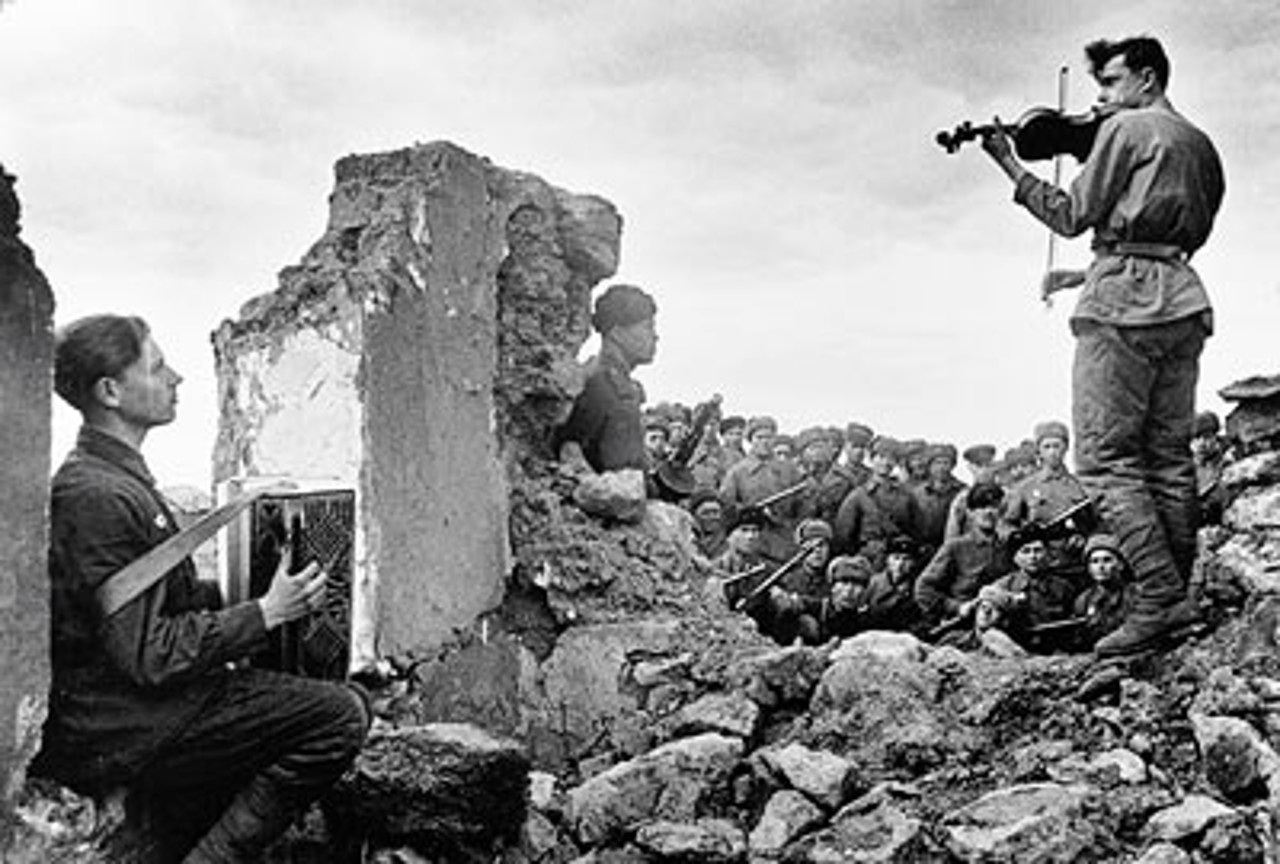
(Image from Studio Dialogo)

Qwertyman No. 124: In Sin and Error Pining

Qwertyman for Monday, December 16, 2024

IT WAS at an early Christmas lunch when a friend asked if I thought that Vice President Sara Duterte would be impeached, with all the motions now on the table to that effect. I wasn’t expecting politics to be taken up over the merrymaking, but this is the Philippines where we breathe politics, so I obliged. 

I said that while I certainly believed that the VP was fit to be impeached for all the obvious financial irregularities happening under her watch, I very much doubted that it was going to happen. And why not? Because it was going to come down to the votes in the House and in the Senate, and while President BBM and his allies doubtlessly had the muscle to push the motion through, I just didn’t see why they would. And again why not? You don’t think they can come up with the evidence to find her culpable for the misuse of hundreds of millions of public money in confidential funds? They could, if they want to, I said—but again, why would they? 

Think about it this way, I said. Impeachment is political, so the facts don’t really matter much, except for propaganda purposes—especially with elections coming up in a few months. Don’t get me wrong—there are people who take the process and its reasons seriously, as we all really should, because millions going to non-people like “Mary Grace Piattos,” “Chippy McDonald,” and “Fernando Tempura” in the guise of “intelligence operations” insults our non-artificial intelligence. 

VP Sara’s refusal to explain these strange endowments paints her further into a corner—which, it seems, is exactly where she wants to be. When she says, “I’ll be at peace when I’m impeached,” and when her drumbeaters exclaim that the hearings are turning the Dutertes into “folk heroes,” then you know that she’s not going to get what she wants. 

Why would PBBM let her go? What would be in it for him? He doesn’t need a functioning Vice President—he never had one; this VP can’t point to a single memorable deed beyond publishing an expensive book. Cutting off his “Uniteam” partner and depriving her of her last official job would simply give her free rein to wreak more mayhem with no accountability to the government or the people. 

Keeping her on the official payroll—but fundamentally powerless—would be the smarter thing. It was never in Sara’s nature to do a VP Leni, and turn political Siberia into a veritable factory of good deeds. She’ll stew in the OVP, sans her confidential kitty, until she can’t take it any longer and resigns, which could easily be spun into a form of surrender or an abandonment of her sworn duties.

The other reason, of course, is that while VP Sara is drawing fire, PBBM can enjoy some peace of mind, and make benign speeches at this and that forum with a heartfelt smile. He knows that he has benefited immensely from the odious alternative the Dutertes represent in the eyes of many Filipinos, even those who staunchly opposed his candidacy in 2022. 

The Dutertes have done Marcos Jr. the priceless favor of making him and whatever he does look good by comparison—a difference he has substantively emphasized by rejecting his predecessor’s slavishly pro-China policy and (despite reports of continued EJKs under his regime) withdrawing Digong’s murderous tokhangcampaign. He has had his missteps, like that bizarrely ill-conceived Maharlika Fund, but I have been hearing murmurs of approval from otherwise progressive friends—albeit grudging and cautious—for many of his positions, an unthinkable proposition just a year ago, when the wounds of 2022 were still fresh. 

But with more than half his term yet ahead of him, there’s opportunity aplenty for unraveling and for even graver misdeeds. Even now, while we profess shock and dismay over the P500 million spent by the OVP in confidential and intelligence funds for 2023, the House has given BBM a free pass on the even more staggering P4.57 billion his office disbursed for the same purposes that year. 

And that’s why I think it’s wiser to keep the focus on the Dutertes and to keep the VP where you can see and hear her, flailing around and squealing like a stuck pig. The impeachment drama will play itself out in the New Year with more twists and turns than a telenovela, and then, for some reason, the votes will fall short, and the VP will be censured and chastised before being sent back to the pen. For what it’s worth, I don’t think impeachment is the proper penalty here; criminal prosecution, conviction, and punishment should be, but that’s a whole other game.

* * * * *

Christmas will soon be upon us—my 70th, in my case, a milestone I never expected to reach given the many young deaths that marked my generation, but one I thankfully accept as the ultimate gift and blessing, no matter the turmoil in our world today. I personally have much to cheer about and be grateful for—so why can’t I be merrier?

We associate Christmas with joy and new life, with the Christ child’s coming, but there is nothing to be jolly about where wanton greed and senseless death are concerned. 

Everything today points to a headlong dive into a global cataclysm, a World War III that may not have a clear and time-stamped beginning like the invasion of Poland or the bombing of Pearl Harbor, but a prolonged and widespread series of provocative and catastrophic events occurring all over the planet—Russian incursions into Eastern Europe, Chinese occupation of Southeast Asian waters, Israel’s pyrrhic extermination of its enemies, North Korea’s incessant saber-rattling and nuclear brinkmanship, America’s surrender of the asylum to the lunatics, and the inexorable degradation of the environment—all of which will come to a head. It will be horrific, but a side of me wonders if we need this cataclysm to remind us of our most basic values and virtues as humans, beyond ideology, religion, power, and wealth.

The other week I had a reader, a pro-Israel partisan, writing me to contend that there was no one else to blame for all the dead children in Gaza but their parents who refused to stand up to Hamas. It saddened more than infuriated me to see that this is where all our presumably educated reasoning has come to—a justification for the slaughter of innocents. I wanted to shake the man by the shoulders, across the Internet, to awaken the terrified and hungry child in him.

Our world will become yet darker and more difficult before it comes to its senses, rediscovers the value of truth, beauty, and courage, and pulls back from the brink of self-annihilation. Yes, I remain optimistic about the future of humanity, about a time when reason and justice will prevail, but I am quite sure I will not live to see this “new and glorious morn.”

Qwertyman No. 91: 1968 Redux

Qwertyman for Monday, April 29, 2024

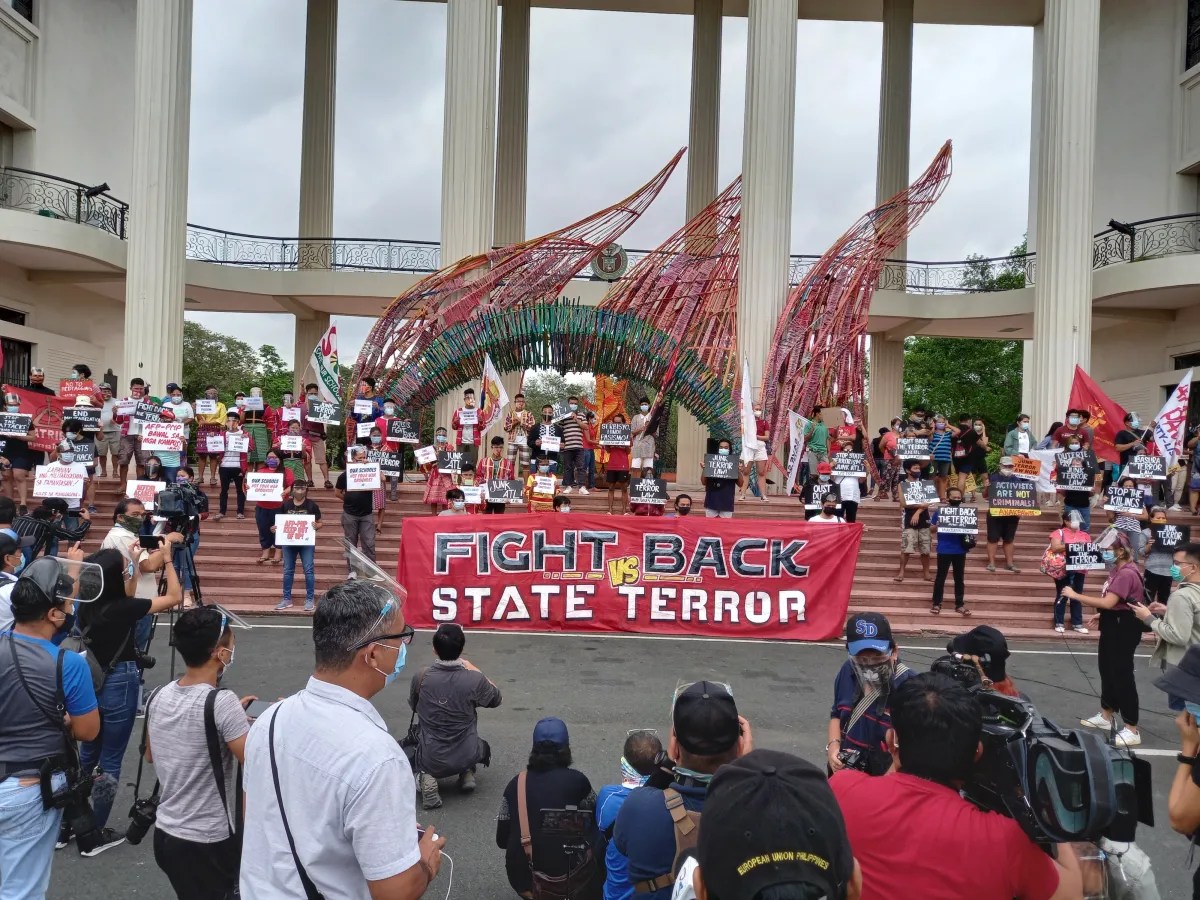
A WAVE of pro-Palestinian protests has been sweeping American college campuses, prompting academic administrators and political leaders to push back and invoke their powers—including calling in the police—to curtail the demonstrations. 

House Speaker Mike Johnson—a Trump ally and staunch supporter of Israel—probably spoke for his ilk when he told protesting students at Columbia to “Go back to class! Stop wasting your parents’ money!” He also called on Columbia University president Minouche Shafik—an Oxford Economics PhD and English baroness who also happens to have been born in Alexandria, Egypt to Muslim parents—to resign for not moving strongly enough against antisemitism on the Columbia campus, despite Shafik’s controversial suspension of pro-Palestine student groups earlier and her resort to police action, resulting in mass arrests.

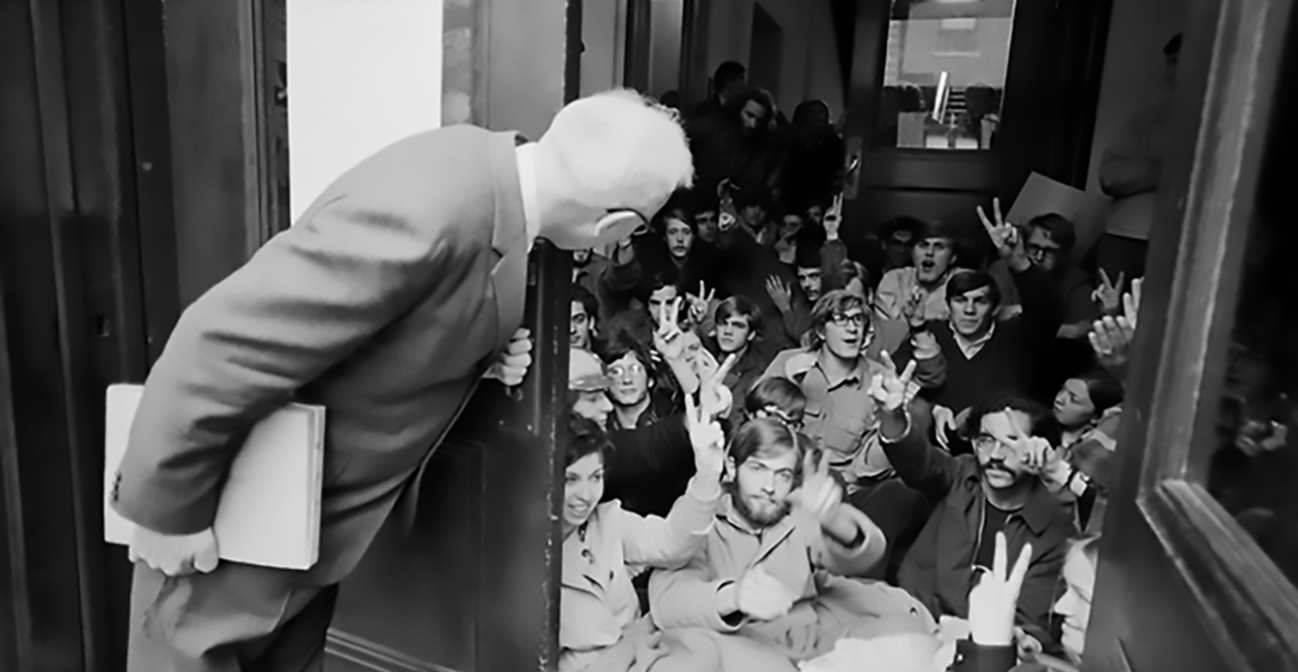
The protests and the violent response to them threw me back to 1968, when the world’s streets from Chicago to Paris shook from the boots of students and workers marching against the Vietnam War, for civil rights, and for women’s liberation. In the Philippines, student organizations such as the SCAUP and the newly formed SDK took up the same causes, on top of a resurgent nationalism. I was too young to have been part of these great movements then, although we marched in high school for “student power,” whatever that meant. I would get deeply involved as the decade turned, infected by the inescapable ferment in the air; in 1973 I would realize that protest had a price when I spent seven months in martial-law prison.

I’ve tried hard to think what it would be like to be 18 and a student today, what cause would drive me to the streets and to pitch a tent on the campus grass. While we Pinoys have our sympathies, Gaza seems too distant for us to mobilize for, and certainly we don’t lack for domestic issues to be bothered by, although our level of tolerance appears to have risen over time. In 1971, a 10-centavo increase in oil prices was enough for us to trigger the Diliman Commune; today we routinely wait for Tuesday’s inevitable announcement of gas price hikes and sigh.

Perhaps time and age do bring about shifts in perspective; some leftist firebrands of my youth have now become darlings of the right, and I myself have moved much closer to the center, ironically morphing from student activist to university official at the time of my retirement.

As that administrator—at a university where protesting is practically part of the curriculum—I can appreciate the bind Dr. Shafik now finds herself in, hemmed in from both left and right, with the complexity of her thinking and the brilliance of her own achievements reduced to a single issue: how to deal with students who won’t “go back to class and stop wasting their parents’ money,” as Speaker Johnson would have it, and will instead insist on their right to self-expression, whatever the cost. Aggressiveness, audacity, and even insolence will come with the territory. Persons in authority become natural targets of one’s rejection of things as they are; the preceding two generations are to be held immediately responsible for things gone wrong. 

I recalled a time when UP students barged into Quezon Hall to interrupt a meeting of the Board of Regents to plead their cause. Some furniture was scuffed, but the president sat down with the students and discussed their demands. No one left happy, of course, but what had to be said on both sides was said. At another meeting later, someone asked if the students involved should have been sanctioned for what they did. I had to butt in to pour cold water on that notion, knowing that any punitive action would just worsen the problem. Open doors, I said, don’t shut them; this is UP—that kind of protest is what makes us UP, and our kind of engaged response is also what makes us UP.

Some will say that these outbursts are but cyclical, and that young people never learn, in repeating what their now-jaded seniors did way back when. But then the State never learns either, by responding to student protests today the way they did back in 1968, with shields and truncheons, effectively affirming everything the young suspect about elderly authority.

The Israel-Hamas war—now magnified, through many lenses, into an Israeli war on Palestinians—is a particularly thorny issue for American academia and for a public habituated to looking at the Jewish people as biblical heroes and historical victims. Gaza has turned that perception around for many, with the aggrieved now seen as the aggressors. In my column two weeks ago, I agreed with that re-evaluation, although I was careful to take the middle road and to condemn the excesses—committed for whatever reason—on both sides. 

Not surprisingly, I quickly got blowback from both my pro-Israel and pro-Palestinian friends. War is always ugly, one said, and Israel has to do what it must to save itself; the Hamas attack on October 7 was overblown by propaganda, said another, and it was something that Israel had coming. 

I still accept neither extreme; call me naïve and even Pollyannish, but I stand not with Israel nor with Palestine, but for peace and justice, which are not exclusive to one side, and can only be achieved by both working and living together. You can argue all the politics and the history you want, but there is absolutely no humane rationalization for the rape of women, the murder of children, and yes, even the killing of innocent men—not even the prospect of potentially saving more lives, the very argument behind the incineration of 200,000 Japanese in Hiroshima and Nagasaki, an act of war we all benefited from, but cannot call guiltless.

In a conflict as brutal and as polarizing as this one, “middle” never quite cuts it, and the excess of one will always be justified by the excess of the other. (To complicate my ambivalence, some issues do seem to have no middle, like Ukraine.) There have been no mass protests or demonstrations to advance my kind of moderation, and I don’t expect students, whether in Columbia or UP, to take to the streets flashing “peace” signs. 

And in mentioning that, I think I’ve put a finger on one difference between 1968 and 2024: “peaceniks” were neither pro-Saigon nor pro-Hanoi, although her critics were quick to paint Jane Fonda red; they just wanted America out of a war that was none of its business. There was an innocence to that that seems to have been lost in our hyper-informed and over-analyzed century. We feel compelled to choose with passion and precision, and are defined by our choices, from politics to sneakers.

Qwertyman No. 89: The Country I Wanted to Love

Qwertyman for Monday, April 15, 2024

FOURTEEN YEARS ago, I received a writing assignment that any journalist would have jumped at: to go with other media representatives on a week-long visit to Israel and to report on our observations. Although the trip was sponsored by the Israeli government, and therefore clearly a PR initiative, we were under no instructions as to what to write about, or how. Of course there were implicit or effective restrictions: our itinerary did not include visits to Gaza, the West Bank, or other Palestinian-controlled areas, and we had no interviews with Palestinians (interestingly, one of our companions, ABS-CBN’s Uma Khouny, was half-Filipino and half Arab-Israeli). 

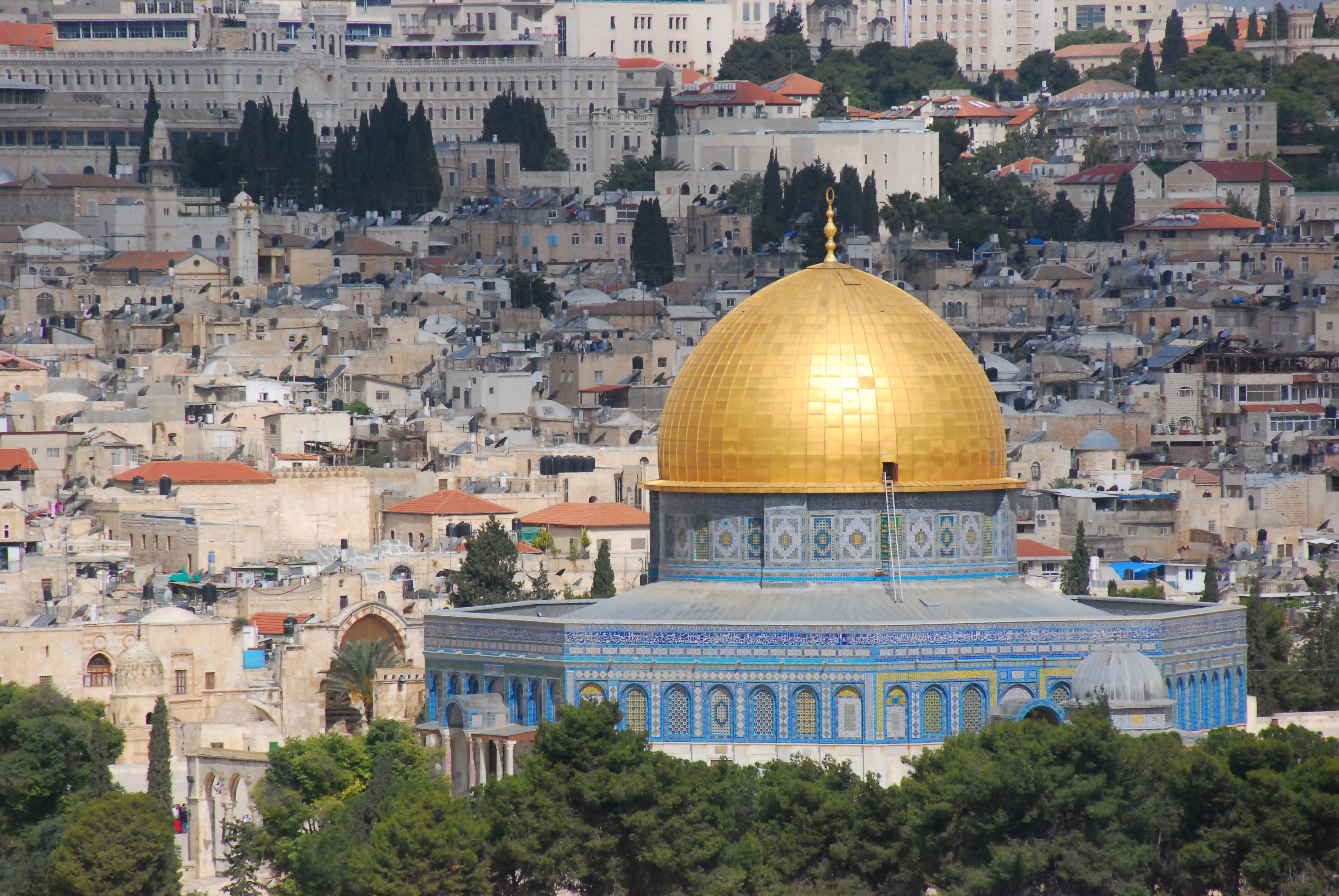
As expected, we saw the best of Israel, the sites that any “Holy Land” tour would have included: the Temple Mount, the Holy Sepulchre, the Wailing Wall, the Dead Sea, Masada, the bazaars, and so on. We also visited a kibbutz and marveled at how its inhabitants could coax so much life and verdure out of barren desert. We were brought to a state-of-the-art facility where we drove an Israeli-made, 100%-electric car around a track (this was in 2010, mind you). Just outside Tel Aviv, we met children at a hospital where they had heart operations they couldn’t have afforded or gotten otherwise; these children included Palestinians, Angolans, Chinese, and yes, a Filipino. We watched  vibrant performances of contemporary Israeli dance and music. We were moved close to tears by a visit to the Holocaust exhibits at Yad Vashem.

We left deeply impressed by the Israel we had seen and experienced, and I reported as much in two “Penman” columns for the STAR. We were aware that we had not seen everything on our carefully curated tour, and we understood that there were simmering tensions behind the high walls that were rising all over the place to block off zones that the government might have considered unsafe, but there was a time for every story, and this time was our hosts’.

Israel did not even need to invite me to gain my sympathy. Like many Catholic boys in the 1960s, I grew up steeped in the belief that the Jews were God’s chosen people—why else would he have delivered them out of Egypt (a scene replayed over and over again in Technicolor on Holy Week) to the Promised Land? I read Leon Uris’ Exodus and enjoyed the movie version with its memorable theme, “This Land Is Mine.” I learned to sing “Hava Nagila,” and so did you.

Over the next decades I would watch countless documentaries on the Mossad and its exploits in capturing Adolf Eichmann, freeing the hostages at Entebbe, going after the leaders of Black September in the wake of the Munich Olympics massacre, and gathering intelligence leading to the Yom Kippur War. The eye-patched Moshe Dayan and the grandmotherly Golda Meir were both cinematically compelling. More than biblical heroes, Israelis and Jews represented the finest of human qualities—tenacity, ingenuity, resolve, courage, and imagination. Even beyond Israel, who could argue with the brilliance of Isaac Bashevis Singer, Jascha Heifetz, Woody Allen, Barbra Streisand, and Marc Chagall? Never mind the Rothschilds and the Shylocks.

But now much of that luster has tragically vanished, lifted like so much vapor, in the wake of Israel’s invasion of Gaza and its horrific toll on human life. 

Like most onlookers from afar, I was appalled and outraged by Hamas’ attack on Israeli communities and citizens last October 7; subsequent reports of rapes and executions showed these assaults to have been premeditatedly barbaric, calculated to sow fear and terror in the enemy. No matter the history behind them, no matter the grievances that may have led to their unleashing, the violence committed especially against innocent civilians was brutish and repulsive.

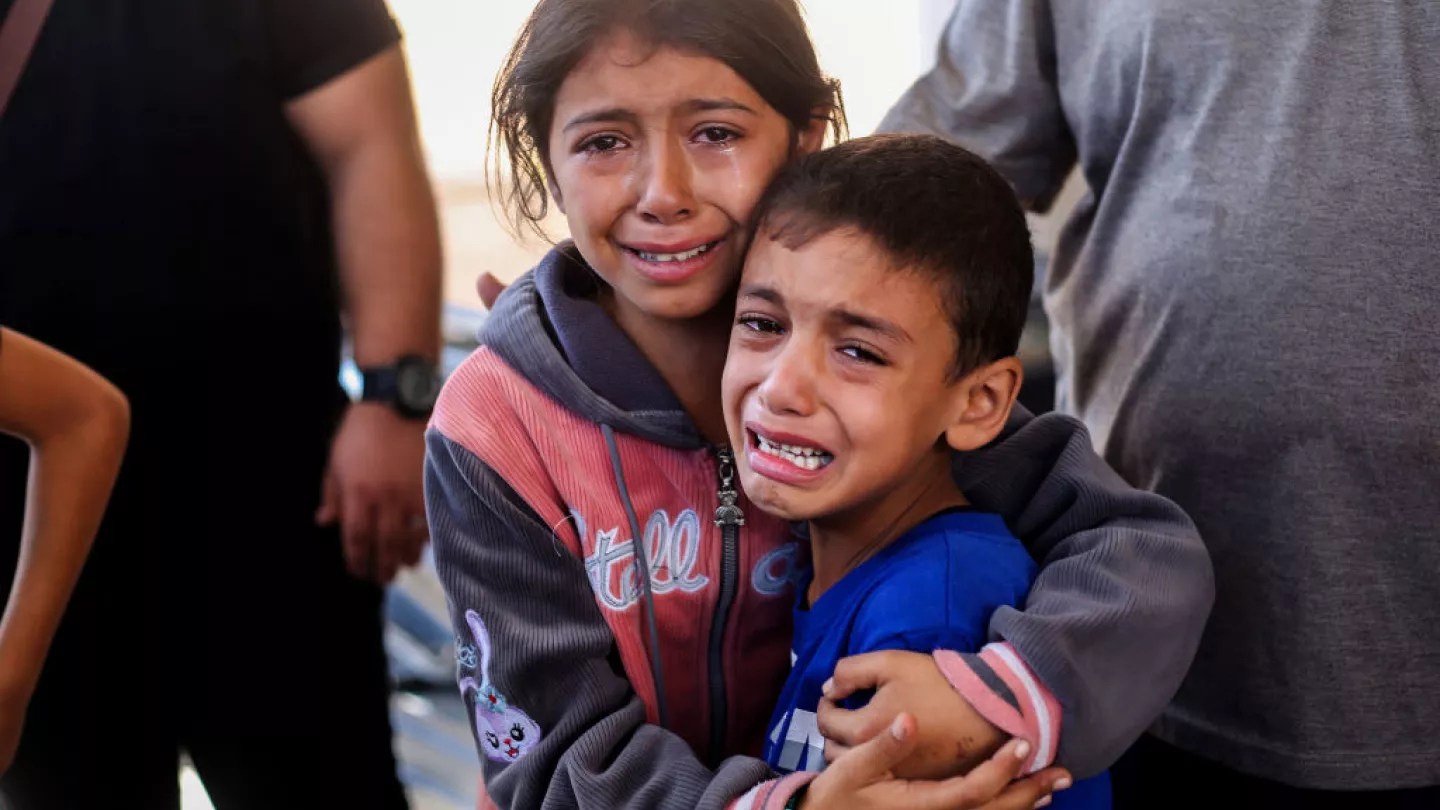
Israel may have gained the moral high ground at that point in its pledge to avenge the victims, recover the hostages, and destroy Hamas, but it soon lost that superiority in its disproportionately savage invasion of Gaza. All its claims to sophistication and efficiency in waging war—the kind of surgical operation on display at Entebbe and elsewhere—went out the window in air strikes that have killed thousands of Palestinian civilians, including hapless children; even those who miraculously survive will forever bear the scars and trauma of this assault. To “weed out” Hamas, Netanyahu’s Israel has chosen to flatten and to destroy the whole garden. And as if the world were not watching, an Israeli commander even declared on TV that “There is no famine in Gaza.” 

This has gone far beyond “an eye for an eye, a tooth for a tooth.” The Israelis have claimed buckets of Palestinian eyes and teeth for every one lost to an Israeli. They have exceeded even the Roman practice of decimation, by which every tenth man in a cohort was executed in punishment for the offenses of the lot; instead, ten Palestinians seem to have suffered for every Hamas member deemed at fault for the October 7 attack (the actual kill ratio has been 30 to 1). The supreme irony of it is that Israel has merely guaranteed that Hamas’ age-old causes and resentments will live on, and even prosper with global sympathy for Palestinian self-determination, as may have been Hamas’ game plan all along.

Of course, the State of Israel does not need our admiration and affection, and we understand that it is engaged in an existential fight for its life on many fronts, as it has been since its inception in varying degrees of intensity; the same can now be said for the Palestinians. My opinion as a distant Filipino commentator will change nothing (except perhaps preclude me from further invitations to deplane at Ben-Gurion airport). I realize that what I am saying here will please neither side of this conflict and their partisans, and I expect to receive mail to insist that I failed to see this and that and to justify the ferocity of their actions. I know that we are no longer watching a movie with a billowing theme song and clear heroes and villains. 

But I suspect I am not alone in expressing my great sadness over the turn taken by a country I wanted to love. I can only take refuge in thinking that not all Israelis are Netanyahus, and not all Palestinians are Hamas. “Vengeance is mine, saith the Lord.” I wonder if that line from Deuteronomy has its equivalent in the Torah, or the Koran for that matter.

Qwertyman No. 72: Bullets to Ballads

Qwertyman for Monday, December 18, 2023

MAYBE IT’S that time of year, when we get all wishful and start asking for things that will likely never come or never happen—like peace on earth and goodwill to men—but it’s the wishing that keeps us human.

Two weekends ago, I had the extraordinary privilege of spending Saturday night and then Sunday morning listening to two different concerts. The first, at Manila Pianos in Magallanes, featured tenor Arthur Espiritu and soprano Stefanie Quintin Avila in a program that brought the audience to its feet and singing along at the end of many encores.

After that wonderful performance, I messaged my deepest thanks to concert producers Pablo Tariman and Joseph Uy, noting that they made “magical interludes like this possible in these stress-filled times. If only all those bombs and bullets in Ukraine and Gaza were music. Fire symphonies, concertos, fugues, and cantatas across the border!”

The next morning, we drove out to Batangas City for another friend’s birthday celebration, which was heralded by a sparkling mini-concert with soprano Rachelle Gerodias and tenor Jonathan Abdon. At lunch that followed, I sat down at a table with a renowned journalist, a composer-performer, and a senator, and we were all breathless with joy at the music we had just experienced. It was the composer who put it best: “How can anyone argue with that?”

Indeed, in a world and at a time prone to argument and conflict, where even the most innocuous remark can ignite scorching disputation, the enjoyment of music seems to serve as a universal balm, a hushing power that creates a pause just long enough for us to remember our better selves—taming fangs, retracting claws, infusing tenderness into the coarsest of sensibilities. As William Congreve put it more than three hundred years ago, “Music hath charms to soothe the savage breast” (not “beast” as it’s often misquoted, although it could apply just as well).

As I’ve noted elsewhere, whenever I think of music as a discipline, what comes to mind is Leonard Bernstein’s description of it as “the only art incapable of malice.” That may or may not be true—music in specific historical contexts such as Nazi Germany and our own martial law has certainly been made to serve the purposes of despotism. 

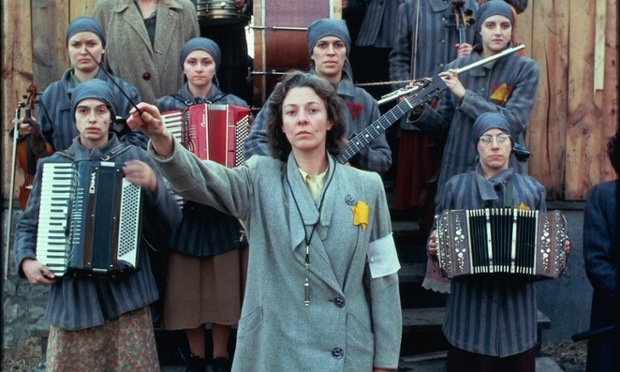
I recall that in 1980, in particularly disturbing example of music perverted for fascist pleasure, a film titled “Playing for Time” (written by Arthur Miller as an adaptation of the French Jewish singer-pianist Fiana Fenelon’s autobiography The Musicians of Auschwitz) showed how concentration-camp musicians were forced to play to entertain their jailers as well as to stay alive. It still chills me to the bone, as a prisoner under martial law, to hear the New Society anthem “May Bagong Silang” being played anew over the radio as though the past half century never happened.

Still, most people will surely agree that music has wielded a beneficent influence on human life and society, in ways that appeal directly to the heart and mind. 

In my own lectures, whenever I need to reach for metaphorical illustrations of the power of art to compel the human spirit, I turn to music. I advert to composer Dmitri Shostakovich, whose Symphony No. 6 in C Major, which came to be known as the “Leningrad Symphony,” was premiered during the siege of Leningrad by the Germans in July 1942, and became a kind of anthem of Soviet resistance, and to the story of the Berlin Philharmonic persisting in recording Brünnhilde’s Immolation Scene and the finale from Wagner’s Götterdämmerung despite the Allied forces knocking on Berlin’s gates in April 1945 (supposedly you can hear artillery in the background of that recording). 

It may be too romantic to hope that music will waft over the bunkers in Ukraine and Gaza this Christmas season and still the gunfire, however briefly. We’ve all seen that movie and know how it ends, with a renewed barrage of rockets—ordered by stiff-backed men far away from the trenches—drowning out the carols.

But there are other battles being waged much closer to us this season where a little night music might help quell the temptation to savage one another—even across the dinner table. 

I can imagine how many Christmas parties will settle down to drinks and coffee and devolve into a discussion of the Israel-Hamas conflict, and explode quickly into partisan debate over proportionality, Biblical prophecy, Hiroshima, the Holocaust, Vietnam, Zionism, British colonialism, Arab nationalism, Munich, Entebbe, Eichmann, George Soros, anti-Semitism, Netanyahu, 9/11, and the Yom Kippur War (have I missed anything?). Half the world away from the frontlines, I haven’t seen an issue divide Filipinos—at least those who keep abreast of the news—so sharply as this one, which has become a kind of litmus test of one’s faith or humanity.

Much of that acrimony has, of course, been enabled by the Internet and the ease it provides for instant (often unthought) response—a habit we’ve ported over, perhaps unconsciously, into our daily lives.

Against this backdrop, music is a call to order, a shaping of emotions across a roomful of rampant urges, longings, and resentments. We can choose but not control it; the best response to music is one of sublime submission, from which experience we emerge refreshed and ready to be human again. 

A meaningful and peaceful Christmas to us all!

(Image from economist.com)

Qwertyman No. 63: The Slaughter of Innocents

Penman for Monday, October 16, 2023

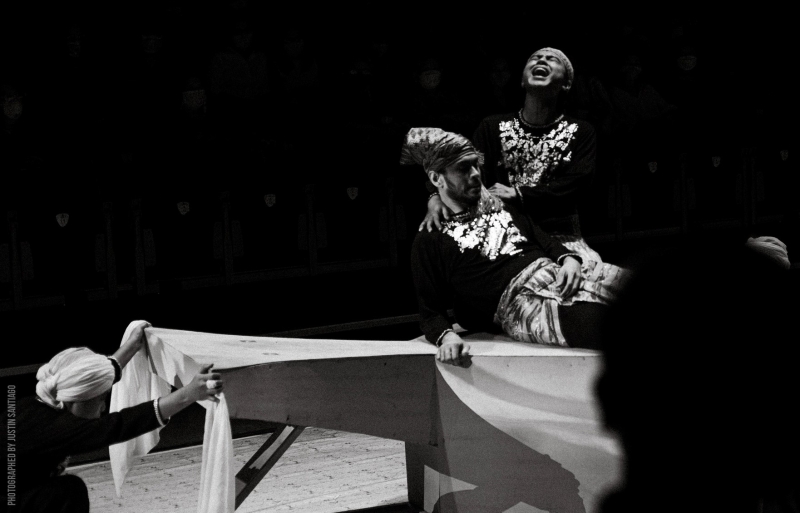
TWO SATURDAYS ago, my wife Beng and I sat enthralled as we watched a brilliant performance of the play “Anak Datu” at the CCP’s Black Box Theater. It was a play that, among other objectives, sought to trace the roots of the armed conflict in Mindanao to a series of massacres perpetrated by the military against Muslims just before and after the declaration of martial law. It began with the well-documented killings of young Tausug recruits being trained in Corregidor for an abortive invasion of Sabah in 1968 and went on to the less-known Malisbong massacre in Sultan Kudarat on September 24, 1974, in which 1,500 men were reportedly killed.

For us—and I’m sure for the packed crowd in the theater as well—it was a harrowing revelation. We had known about the troubles in Jolo and had followed the rise of the MNLF, but to most Manileños then and now, Mindanao was another country, tourist-pretty but woeful, home to exotic fruits, fabrics, and dances, but otherwise mired in poverty, corruption, and bloodshed. The play tries to break through those stereotypes even as it acknowledges the complexities of politics and culture as they apply to Mindanao, especially to people just trying to catch a breath of peace.

In pointed irony, earlier that same day on the other side of the world, Hamas militants had begun to mount an attack on Israel, eventually killing about 1,000 people and taking hundreds more hostage. In retaliation, Israel bombed the Gaza Strip and killed about as many. This nightmarish war of attrition is still continuing more than a week on, with no clear end in sight.

Like many Filipinos far from that war zone, all we could do was to mutter prayers for the dead, the displaced, and the suffering on both sides. On top of the war in Ukraine and natural disasters ravaging the planet, it seemed like the world was in the sorriest mess it had ever been since the Second World War, emerging from a pandemic only to destroy itself with more willful deliberation.

I know that some were not so generous as to seek or see a moral balance, and immediately identified with Israel, invoking the Bible, Washington, and common sense, especially with the reports and pictures of brave Filipino nurses standing their ground and being murdered by Hamas.

For certain, whatever and however long the history may be behind the legitimate grievances of Palestinians suffering under Israeli occupation, Hamas’ brutal assault on ordinary citizens will not win them any sympathy, at least in the Western media which we depend on for our news. We know that there has to be another side to the story, perhaps one just as terrifying, but we go with what we see. It could be argued that Hamas’ actions were the result of decades of oppression, like a man running amok; but this was cold premeditation, factoring in the inevitable retaliation it would provoke.

Still, with both Jews and Palestinians fighting for survival, we forget that not all Palestinians are Hamas, and that not all Israelis supported Netanyahu. The guns will drown out the voices of moderation in both camps, those who understand that there can be no real victors in these messy wars, only losers. Lives are lost, the truth is lost, our humanity is lost.

Countless posts on social media claim that the Lord has already taken a side in the conflict. But not being particularly devout, I remember only how often the Almighty’s name has been invoked to kill. The skeptic in me suspects that the Lord is, must be, indifferent, so we can use our own hearts and minds to sort things out; he will not play deus ex machina.

Nothing, not even quoted Scripture, will convince me that the slaughter of innocents in the name of God, Allah, or Yahweh is morally justified. It has happened, it happens, and will always happen because of our brutish nature, but that will be an explanation, not an excuse. The hard-nosed men in the war room will dismiss all this preciousness as so much sentimental handwringing, and raise the killer question: “If the enemy goes for your wife and daughter, won’t you go for theirs?” Revenge and retribution, an eye for an eye, will prevail over reason and compassion, often devalued as suicidal weakness.

Come to think of it, no one ever called the nuclear bombings of Hiroshima and Nagasaki—in which over 100,000 people died—“massacres.” Most of them were ordinary citizens just going about their business, with little or no say in their country’s militarist policies. Instead, conventional political and military wisdom has always insisted that these deaths were necessary for other deaths—particularly American, in a projected invasion—to be averted. One hundred thousand innocent lives wiped off the face of the earth in a literal flash, and no one in power even blinked, because of course it was justified as the lesser evil, made more acceptable by the savagery unleashed by Japanese soldiers on their captive populations.

In graduate school, I developed a keen and rather morbid interest in a genre of English Renaissance drama called “revenge tragedy” (think “Hamlet,” but there were many cruder, bloodier and frankly more entertaining examples). The object of all those plays was to show that “revengers” begin with a just cause, the victims of insufferable oppression and humiliation. But ultimately they prove little better than the beasts they seek to extinguish, wreaking havoc on the innocent. They cross a line, and lose all moral superiority.

That line is drawn somewhere in the sands of the Middle East, but  just as importantly, it also crosses our conscience. When we recall how easy it was for many Filipinos—even those who professed to be devout Christians—to condone and even applaud extrajudicial killings, thinking that society was merely ridding itself of riff-raff, we see how righteousness and evil can so comfortably cohabit.

I have no easy and firm conclusions to draw from this most recent conflagration, and I feel that we have to look beyond the intricacies of history and politics for answers. Diplomats, scholars, and zealots have tried almost all the formulas at their disposal, to no avail—with the notable exception of the two-state policy, an elusive political solution that will come with its own challenges.

It may be that only the hopelessly naïve or the naively hopeful—and I plead guilty—still imagine that any kind of just and enduring peace can be achieved in these circumstances. But before or while we condemn barbarity elsewhere, we have our own hordes of howling ghosts to confront, coming out of the Chinese pogroms under the Spanish, Bud Dajo, Samar, Corregidor, Malisbong, Mendiola, Maguindanao, and Mamasapano, among others. Let more “Anak Datus” be written, to lift and save us from Facebook’s summary judgments.

(Image from broadway world.com)