Qwertyman No. 58: A Long Grace Note

Qwertyman for Monday, September 11, 2023
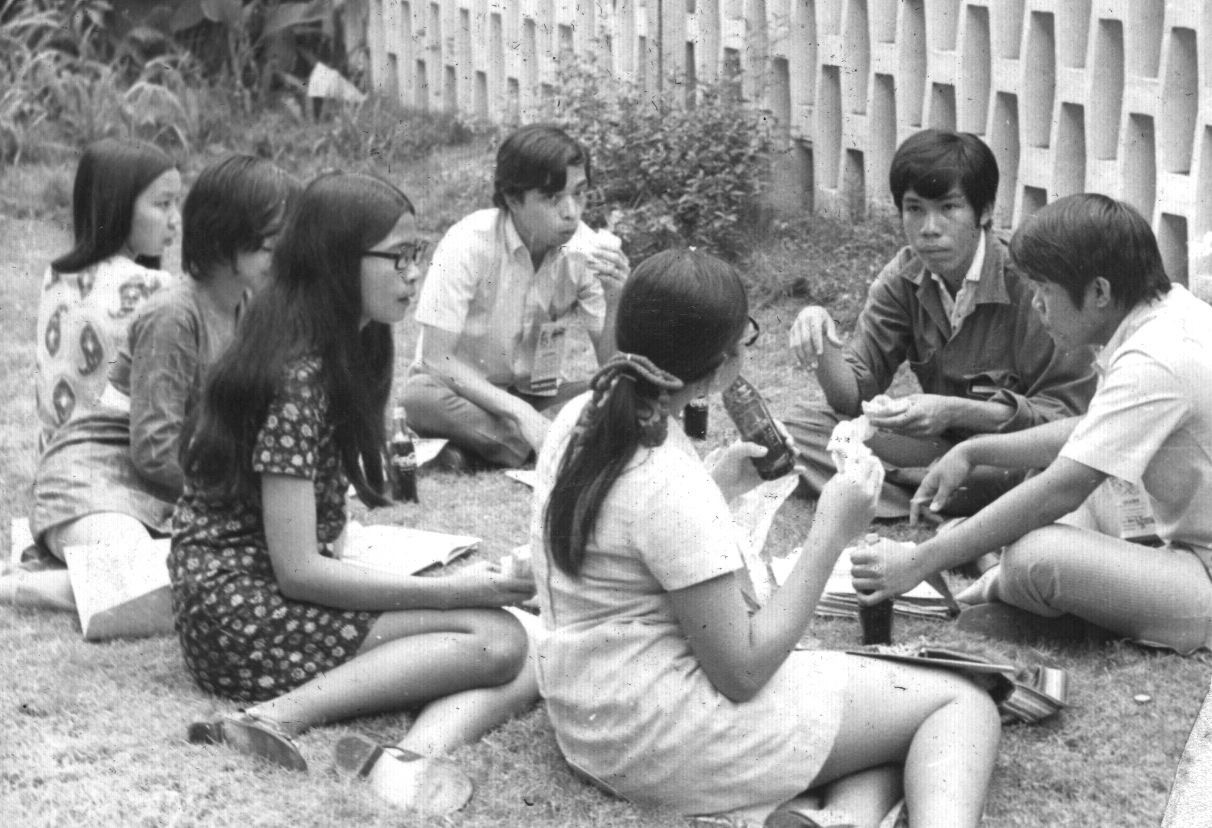
AT ABOUT this time fifty years ago, I was newly released from martial-law prison after seven months of what everyone euphemistically called “detention,” and wondering what to do with the rest of my life. I was just nineteen, so I suppose you could say that I had a lot of living ahead of me, but I felt very differently then. More than a dozen of my friends—all of them in their twenties or even younger—had died horrible deaths fighting the regime. We exalted them as the martyrs that they were, but grimly realized and acknowledged that given how things were going, we ourselves would be fortunate to see the ripe old age of thirty.

I had been arrested at home on a cold January morning in 1973, just past midnight. Like many student activists, I had dropped out of college during the First Quarter Storm of the early 1970s. But instead of joining “the movement” full-time, I improbably found a job with a newspaper as a general-assignments reporter. It was heady stuff at age eighteen, covering three-alarm fires, floodwater rescues, and the very same demonstrations I had joined on the other side of the police barricades. And then martial law was declared—I was actually covering a rally in UP, and thought I had a scoop when a radio station nearby came under fire from the Metrocom, only to be told by my night editor when I tried to phone the story in that we no longer had a newspaper to publish, because soldiers had taken over the office. 

Over the next few months I shuttled between part-time jobs and clandestine meetings with the anti-martial law underground, moving around the city. I wasn’t doing much, given how green I was, but I thought it was important to take part in the resistance in whatever way. And then when Christmas came, like a good boy, I went home to my parents and foolishly had a chat with a neighbor who turned out to be a military asset. Not long after, a posse of soldiers appeared at our door, and when my father nudged me awake, I had a gun pointed at my face. I was being arrested under a catch-all “Arrest, Search, and Seizure Order” or ASSO issued by the Defense Minister, Juan Ponce Enrile, for whom I would ironically be writing some speeches during his post-EDSA reincarnation (he won’t remember that, as I was a tiny mouse in the office).

My release in August 1973 came right out of a Kafka story. I was taking a shower one morning in our prison—which, by the way, is roughly where St. Luke’s BGC is today—when I heard my name being called over the PA system. “Dalisay, report to the guardhouse immediately!” The last time I had done that, after one Sunday dinner, I had been beaten up by some drunken guards just for the heck of it, so I groaned when I heard the announcement. Not again, and so early? As it happened, I was received by an Army officer with a stack of papers. He pulled mine out, squinted at it, and said, “Dalisay, you’re still here? Pack your things. We have nothing on you.” The first place I visited after I went home was the AS Steps in UP, where we had gathered for many a raucous rally; it was vacant and deathly silent, and I knew that I wasn’t going back to school just then. Only after a long detour—working as a printmaker, a writer, an economist, and meeting Beng and fathering Demi—did I return to UP and graduate with my degree at age thirty.

I’ve written about my activism and incarceration in my first novel, Killing Time in a Warm Place (Anvil Publishing, 1992), and it isn’t what this column is really about. Rather, it’s about the aftermath, about having a life after martial law, and an unexpectedly long one at that. 

For any activist from my generation who’s still alive, every breath we’ve taken after our 30th birthday is a grace note—what the dictionary describes as “an extra note added as an embellishment and not essential to the harmony or melody”—in other words, a bonus. Considering that we could have been gunned down like dogs or buried alive like some of our comrades were, you can understand why we feel that way. It’s almost absurd to contemplate, but education, marriage, career, success, fame, fortune—and all the downsides and flipsides that come with them—all these were a long string of surprises, any one of which might never have happened, but for a twist of fate or a stroke of luck (clichés, like life’s very milestones, but ones we appreciate).

When my fellow FQSers and I—all college editors who were part of the SERVE book that I wrote about last week and that we launched last Saturday—gathered around a table before the launch to pre-sign some copies, we noted with much chuckling how surprisingly old we had become. We were beset by diabetes and hypertension, which were lethal enough but easier to bear than the four bullets one of us took to his face and body; he was with us that day, laughing, his spirits buoyed by his fervent Christian faith. 

We had become university presidents and professors, Cabinet secretaries, CEOs, magazine editors, pastors, and opinion-makers. I don’t think there was anyone in that room who believed any longer in the necessity nor the efficacy of violence, but neither did anyone imagine that our youthful goals had been met, that the country had become a kinder place, and that our work for justice and freedom was done. We had come to terms with our past, were busily in the present, and were hoping to enjoy what little we had left of our extended lives. But like those shaken passengers who stagger away from a crashed plane, leaving the uncounted dead behind, I’m sure that we felt driven by survivor’s guilt to make the most meaning of our gifted years, to do well and to do good, and to serve our people in any way we could. 

We learned that everything may be political, but also that politics is not everything, and that the road to happiness and deliverance may be wider than we had thought. I myself have resolved that even as I fight on for truth and beauty, I will not allow my happiness to be determined by our political vicissitudes, if I can help it. That will be my sweet revenge on my jailers. I will survive you, live a fuller life, and meet my Maker with a clear conscience and a smile.
Penman No. 454: Revenge Travel, Local Edition

Penman for Sunday, September 3, 2023

WE PINOYS don’t really know what “summer” is any longer, with heavy rains falling out of the sky as much in March as they do in September, but especially with the new school calendar in place, most of us now do what used to be our summer traveling between May and August, if Facebook posts are any indication.

Many Filipinos—those who can afford it—still seem to be in “revenge travel” mode, flying off to Prague, Helsinki, Myanmar, and other parts off the usual travel charts. My wife Beng and I had a couple of dream spots halfway around the world in mind—recalling our pre-pandemic spree in 2019 when we blew a chunk of my retirement kitty on an escapade to Penang, Tokyo, England, Scotland, Singapore, the US, Turkey, and Macau—but our shrunken pesos and aching knees urged something kinder and more affordable: go local, and suffer no jetlag.

As it happened, we visited at least four places these past few months that I’d like to share with our readers looking for alternatives to the usual weekend destinations, ie, Tagaytay, Subic, Baguio, and Boracay. Some of these trips were partly for work, although I have to admit that pleasure pretty much overpowered anything else on our minds once we got there.

The first was a treat for the whole household—Beng, myself, my 95-year-old mom Emy, her caregiver Jaja, our housekeepers Jenny and Ara, Jenny’s husband and Beng’s assistant Sonny, and Jenny’s and Sonny’s kids Jilliane and Buboy. This is our extended family, whom we genuinely enjoy being with, so every year I promise to take them out on an overnight trip to water resort, as everyone (well, at least below 65) loves to swim. That means a wave pool, a place to cook, good and clean rooms for sleeping and showering, and not too long a ride (for my mom who gets carsick). 

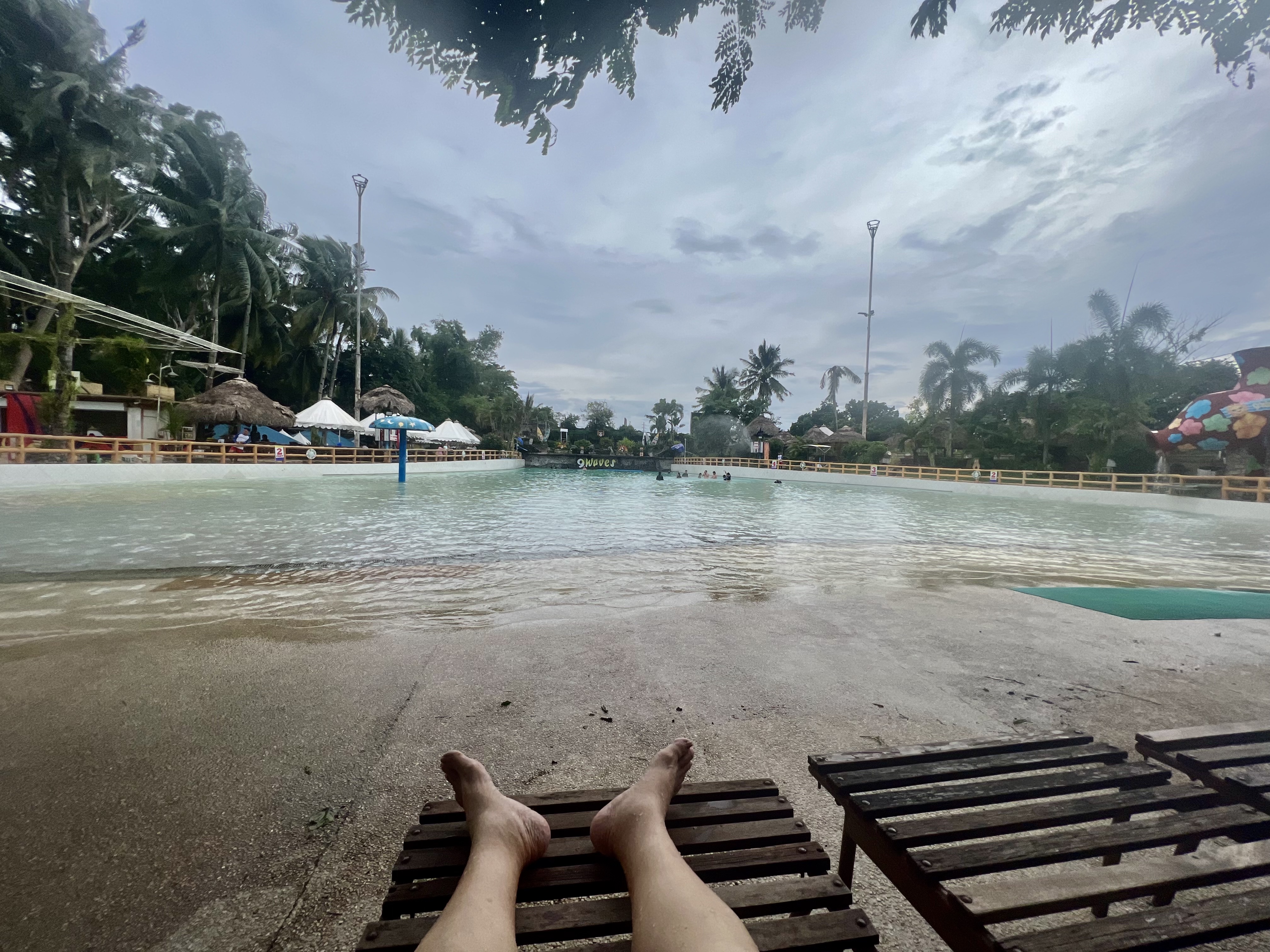
Last year it was the Villa Excellance Beach and Wave Pool Resort in Tanza, Cavite that did the trick for us—and it’s still worth a weekend for your family—but a little Googling yielded me something much closer to our home on UP Campus: the Ciudad Christhia Nine Waves Resort in San Mateo, Rizal, just a 30-minute hop away via the Commonwealth/Tumana route. The place had everything we were looking for—it’s an ideal venue as well for teambuilding seminars, if you don’t want to go too far, with very helpful staff and prices that won’t break the bank; you can do your broiling right beside the huge pool, and the cabanas were clean and cozy. While I flailed around in the knee-high water, six-year-old Buboy had a blast in the wave pool, which was all that mattered.

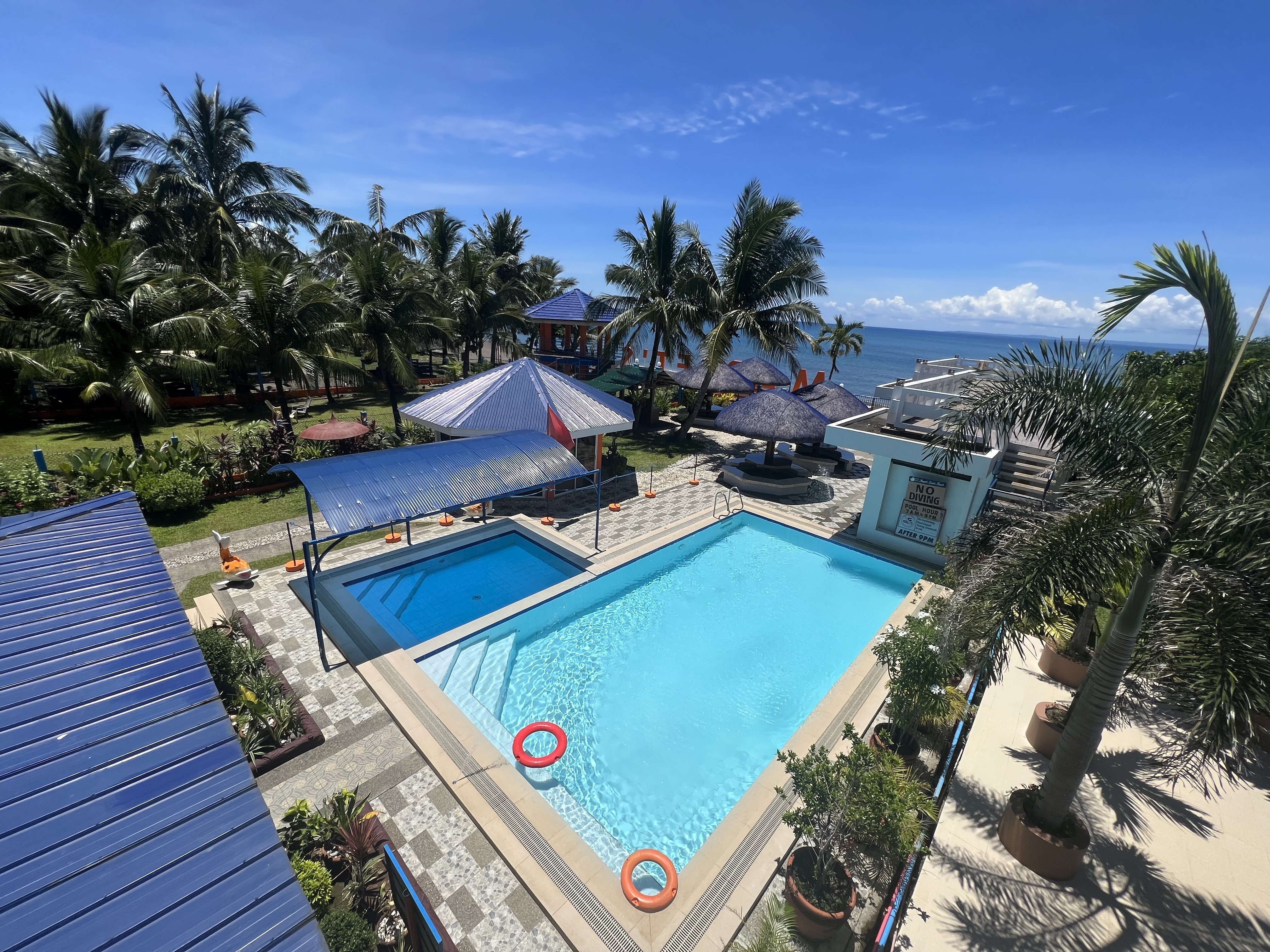
If you don’t mind driving through the mountains on a zigzag road for about three hours, then a trip to Infanta, Quezon will make the effort worth it. Facing the Pacific, but with Pagbilao Island buffering the waves in between, Infanta offers a bevy of beach resorts, of which Beng and I went to the Marpets Beach Resort, which was run by an American expat and his Filipino wife. Aside from its stretch of beach, the resort had three swimming pools, very livable quarters, and deliciously cooked food. The great thing about a roadtrip to Quezon—which is reachable via the zigzag Marilaque Highway from Marikina and also via the equally scenic though more moderate route passing Antipolo, Famy, and Real—is that the journey itself is an adventure, with much local produce to buy along the way, and breathtaking views to snap. 

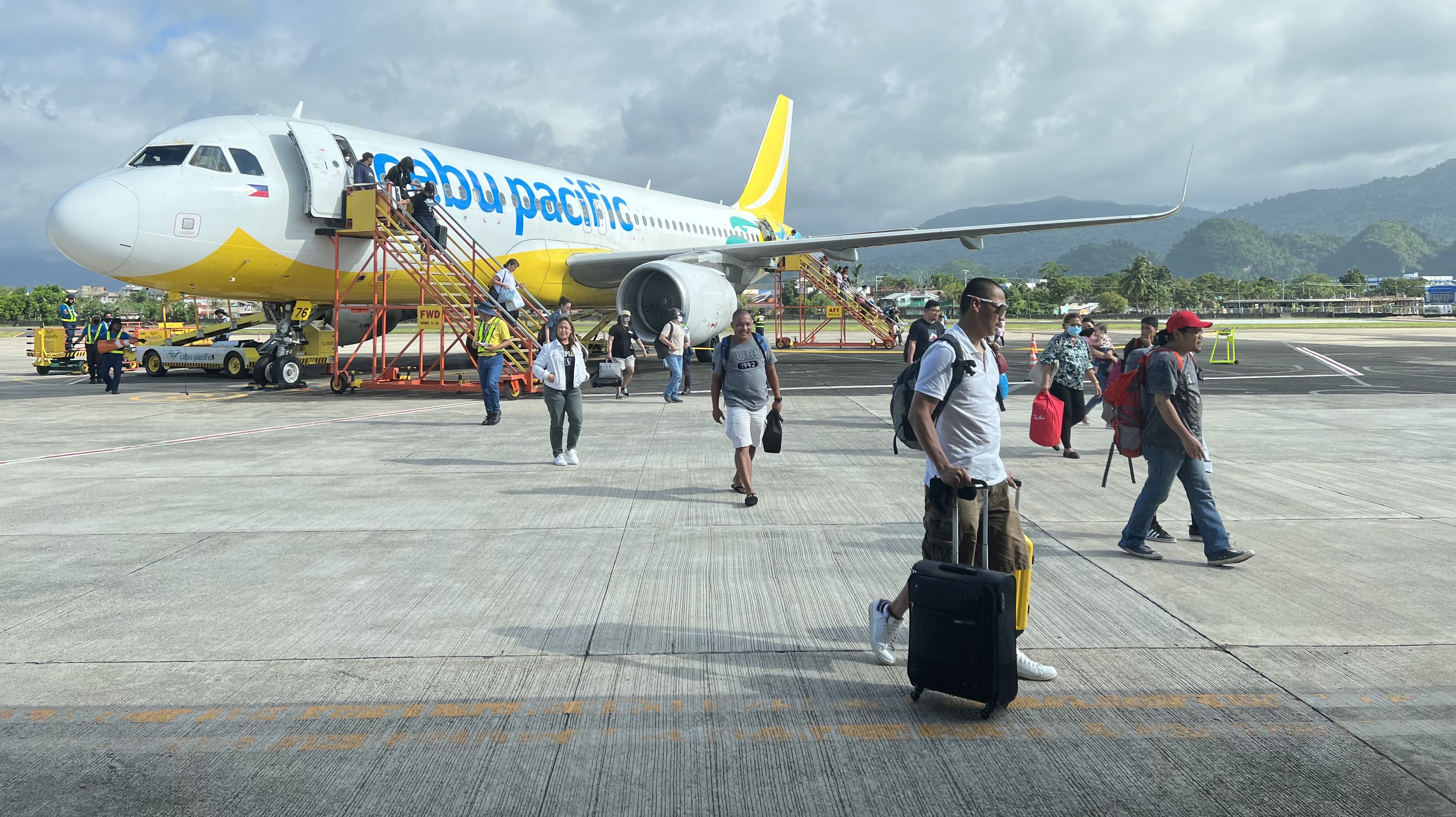
Our third destination was almost a random but providential choice. Looking for an inexpensive getaway far enough from Manila to require a plane, and with some airline credits to expend, Beng and I looked up Cebu Pacific’s destination map and settled on one spot we’d never been to—Virac, Catanduanes. We Manileños often hear of Virac only in the context of incoming typhoons, for which it’s probably unfairly used as a reference point, but if you catch it on a sunny day like we did, then you’d rather be here than busy Boracay. I found a new boutique hotel on booking.com called Happy Island Inn in San Vicente, a short tricycle ride from downtown fronting the water, and it turned out to be a winner, priced very reasonably with the friendliest front desk fellow I’ve ever met in all my travels.

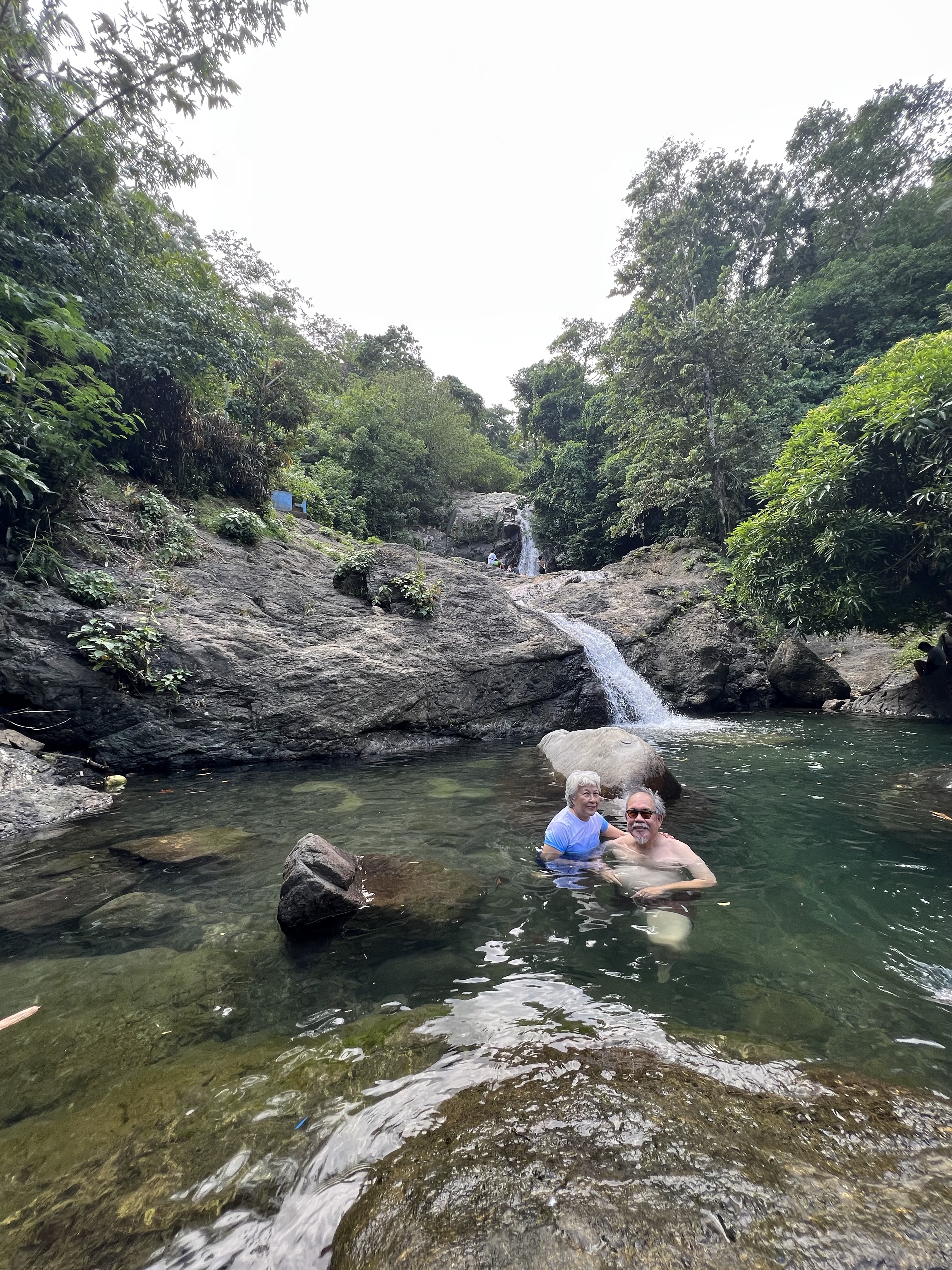
Soon we learned that nearly everything in Virac is reachable by tricycle, which we hired for a day tour that included a beachside lunch at the ritzy Twin Rocks resort, a visit to the historic Bato church, hewn out of stone and coral, and a bracing dip into the cool and clear waters of Maribina Falls (entry fee, P25 per person). We made new friends of a lovely couple, Bobby and Myette Tablizo, with whom we shared stories under a full moon. There’s a lot more to be discovered of Catanduanes up north—the island can be circled on a first-class circumferential road—but we’ll save that for next time.

My last sortie was by my lonesome and work-related, but work gets doubly hard in a place meant to transport you to blissful oblivion. This was in Panglao, Bohol, which, the last time I looked many years ago, was little more than a cluster of huts. Imagine my surprise when we stepped off the plane into a world-class airport and then, just minutes later, were wheeled into the kind of resort you find on some glossy magazine cover or on the travel channel but never thought was right in your backyard. (Well, of course there’s a whole class of Pinoys who do know about such places, and I’ve been fortunate to have been invited to a few, but my poor-boy’s jaw still can’t help dropping in the face of luxury.)

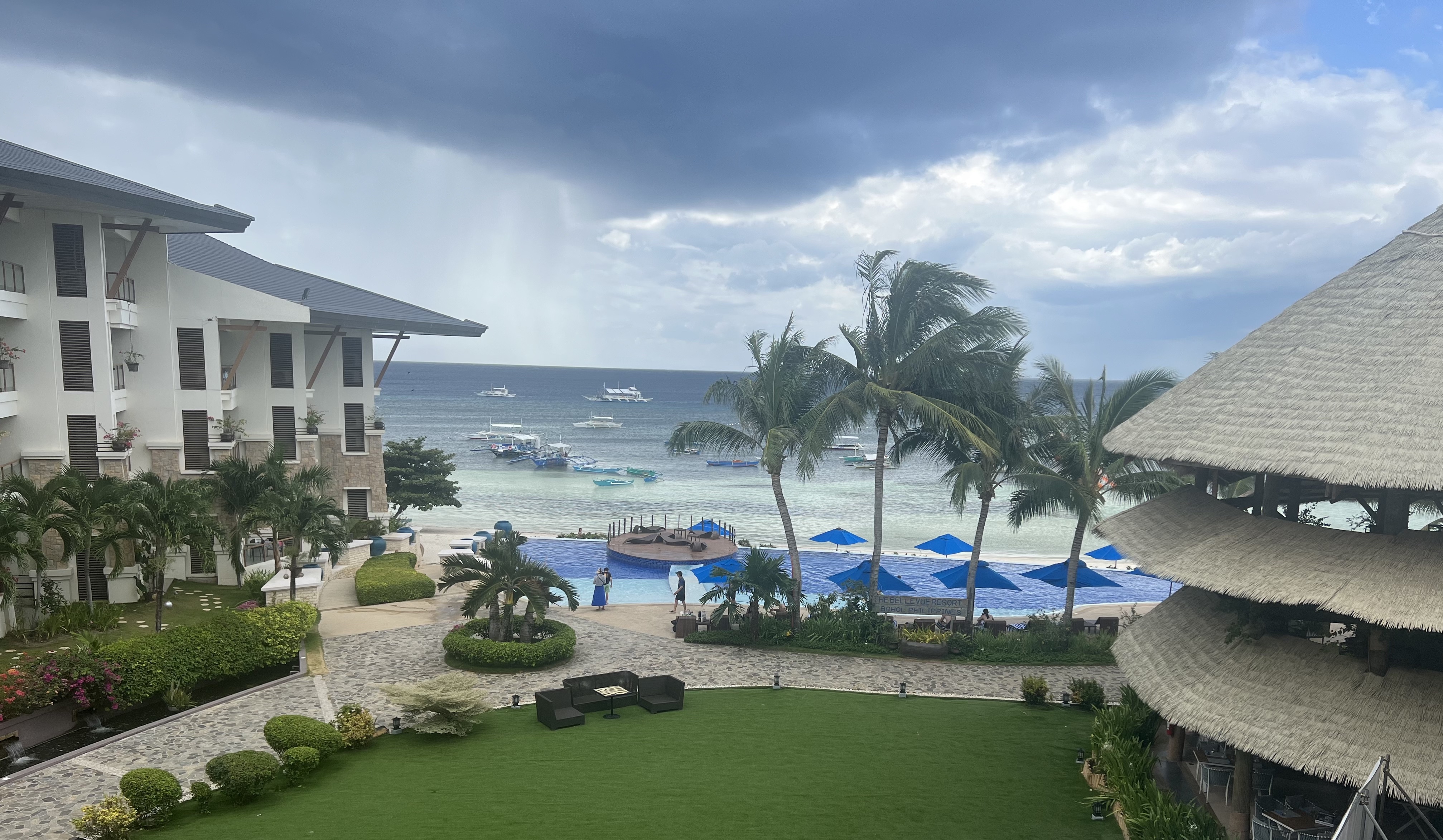
The Bellevue Resort in Panglao is one such place that will make you wish you’d studied something like plastic surgery so you could spend a few weekends here every year. The rooms are as plush and comfortable as you should expect at its price point, but it’s the waterfront that will captivate the first-time visitor, with its white-sand beach, tour boats, infinity pool, and multilevel restaurant. Breakfast or dinner beachside is an option, and a tour of the rest of Bohol can be arranged.

Of course, there’s always Bali or the south of France, but with the new travel paperwork requirements, who needs the hassle at immigration? Save yourself the travel tax and go local. It’s still more fun in the Philippines, if you know where to look.