The continuing chronicles of Jose Dalisay Jr., aka Butch Dalisay, a Filipino collector of old fountain pens, disused PowerBooks, '50s Hamiltons, creaky cameras and typewriters, VW spare parts, poker bad beats, and desktop lint.
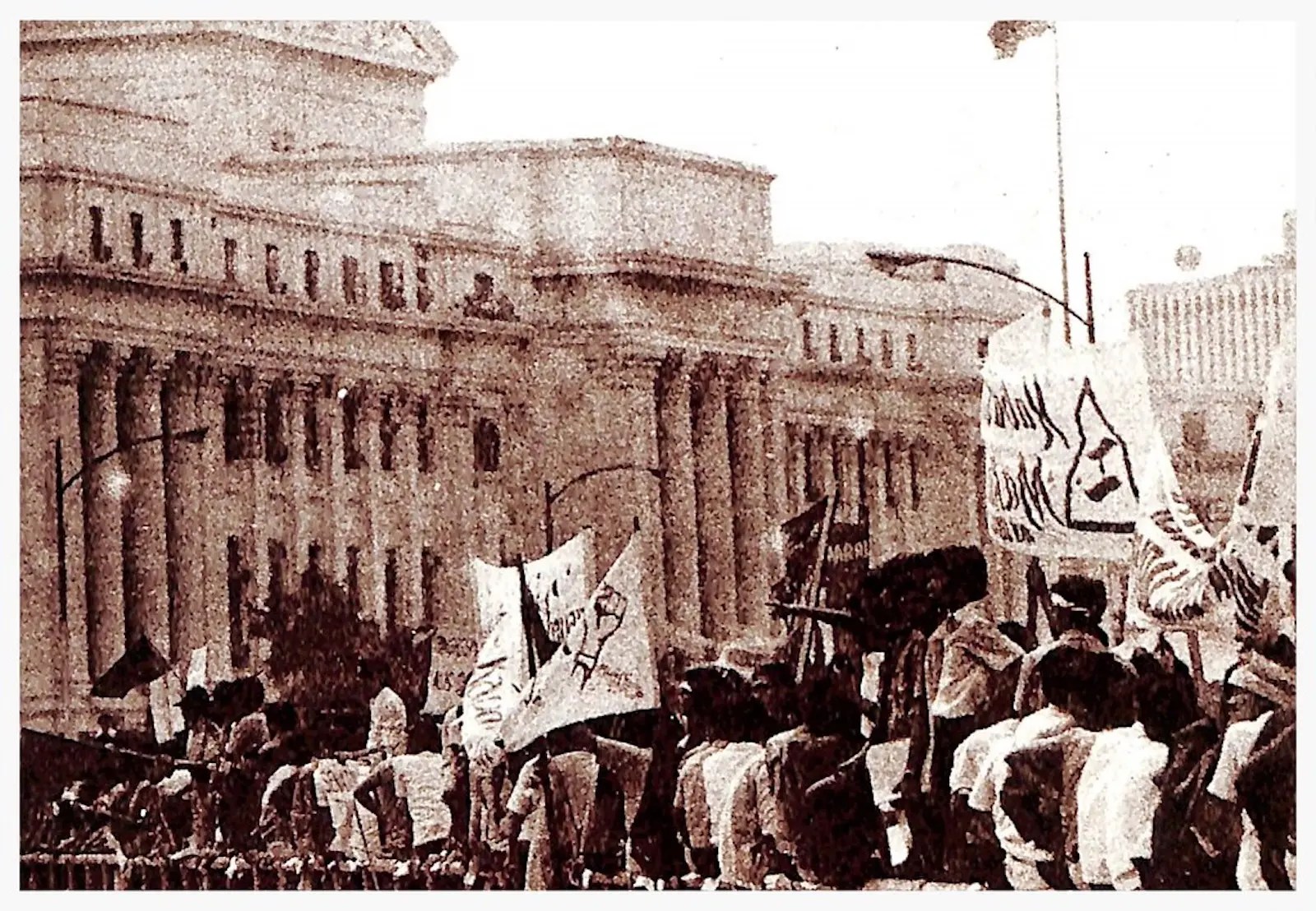
I’M WRITING this piece on my 72nd birthday, so I hope you’ll indulge me if I revert to the memory of another January 56 years ago. On the afternoon of January 26, 1970, I milled with thousands of other young students on the campus of the University of Sto. Tomas, the staging ground for a large contingent of demonstrators marching to the Legislative Building near the Luneta (now the National Museum). President Ferdinand Marcos was going to deliver his State of the Nation Address, and a mass action had been called to protest a host of issues, from Marcos’ increasingly authoritarian rule to rising prices, militarization, corruption, and Philippine subservience to American interests.
I had just turned 16, and was a senior and an activist at the Philippine Science High School. But I was no radical—not yet; I stood under the banner of the National Union of Students of the Philippines (NUSP), among so-called “moderates” led by Edgar Jopson, derided by FM as the “grocer’s son” and later to become a revolutionary martyr. Unlike the far-Left Kabataang Makabayan (KM) and the Samahang Demokratiko ng Kabataan (SDK, which I would soon join) who were railing against “imperialism, feudalism, and bureaucrat capitalism,” the NUSP’s cause sounded much more tangible albeit modest: a non-partisan 1971 Constitutional Convention.
What happened next that afternoon, when both groups of protesters converged at the Senate, would change Philippine political history. The moderates had paid for the rental of the protest mikes and loudspeakers, and wanted to pack up early, but the radicals literally seized the paraphernalia—and figuratively seized the day—launching into a verbal offensive that soon turned physical. Then a young journalist covering the event, Jose “Pete” Lacaba provides the reportage:
“Where the demonstration leaders stood, emblems of the enemy were prominently displayed: a cardboard coffin representing the death of democracy at the hands of the goonstabulary in the last elections; a cardboard crocodile, painted green, symbolizing congressmen greedy for allowances; a paper effigy of Ferdinand Marcos. When the President stepped out of Congress, the effigy was set on fire and, according to report, the coffin was pushed toward him, the crocodile hurled at him. From my position down on the street, I saw only the burning of the effigy—a singularly undramatic incident, since it took the effigy so long to catch fire. I could not even see the President and could only deduce the fact of his coming out of Congress from the commotion at the doors, the sudden radiance created by dozens of flashbulbs bursting simultaneously, and the rise in the streets of the cry: “MARcos PUPpet! MARcos PUPpet! MARcos PUPpet!”
“Things got so confused at this point that I cannot honestly say which came first: the pebbles flying or the cops charging. I remember only the cops rushing down the steps of Congress, pushing aside the demonstration leaders, and jumping down to the streets, straight into the mass of demonstrators. The cops flailed away, the demonstrators scattered. The cops gave chase to anything that moved, clubbed anyone who resisted, and hauled off those they caught up with. The demonstrators who got as far as the sidewalk that led to the Muni golf links started to pick up pebbles and rocks with which they pelted the police. Very soon, placards had turned into missiles, and the sound of broken glass punctuated the yelling: soft-drink bottles were flying, too. The effigy was down on the ground, still burning.”
The January 26 rally and the trouble that erupted would lead to the January 30-31 demos that would prove even more violent, and what would become the First Quarter Storm or the FQS was born. “First quarter” would turn out to describe not only the beginning of 1970 but of the decade itself, as the start of 1971 would prove just as incendiary, with the establishment of the Diliman Commune (and of course, now as a UP freshman, I was there). It seemed that the entire country was politically on fire, with protests mounting by the week, and it would all culminate in what everyone predicted: the declaration of martial law in September 1972.
It took another 14 years and another “first quarter storm”—the tumultuous months of January and February 1986, following the snap election—to depose Marcos. Fifteen years later in 2001, on another January, yet another president, Joseph Estrada, would be hounded out of office over issues of corruption.
What is it about these first quarters that provoke such firestorms? And do we still have it in us to begin the year on a note of political resolve?
I’ve been worried, like many of us, that the Christmas break, the congressional recess, and intervening issues may have sucked the steam out of the public outrage that boiled over the flood-control scam last year, and lulled the government into thinking that the worst was over and that we could all just settle back into the old routine: let the Ombudsman and the courts do their job, etc.
What’s worse is if we fall into that mindset, too. The budget deliberations, the Cabral death mystery, the Leviste files, the Barzaga antics, and even a traffic violation episode have all seemed to be distractions from our laser-sharp focus on bringing the crooks to justice. But in fact, they’re all of one piece: demanding better and honest government, the overarching issue we need to press.
And just as the radicals seized the initiative from the moderates 56 years ago, FM’s son, PBBM, can still seize the day by going against all expectations, even against his own nature, and finishing what he may have inadvertently begun: weeding out corruption in government. Never mind the motive—reviving his sagging poll numbers, saving his skin, redeeming the Marcos name, or leaving a worthy legacy behind. He has little choice, if he and his family are to survive.
There are immediate and concrete steps he can take to achieve this:
1. Activate the Independent People’s Commission. The people are waiting for his next move in this respect; get the enabling law passed and the job done.
2. Impeach VP Sara Duterte. The grounds haven’t changed, and the urgency can only increase as 2028 approaches.
3. Revamp the Cabinet, but replace the non-performers. PBBM knows who they are as well as the public—especially the publicity-seekers whose departments haven’t delivered.
4. Find Atong Ang, Zaldy Co, Harry Roque, etc. and jail the big fish—including political allies. It’s hard to believe that with billions in intelligence funds, the administration can’t track and nail these highly visible fugitives down. Justice is perception.
Do these, and maybe we’ll avoid the generational kind of flare-up and meltdown that followed January 26, 1970.
ALMOST TWO weeks after the New Year, I’m sure many of us are still struggling with the resolutions we made—you know, the same ones we announced a year ago, like losing weight, buying no more (supply the object—shoes, watches, dresses), emptying the closet, and being nicer to (supply the officemate or in-law). I had to think that there must be resolutions we can make and actually keep—not easy or frivolous ones, but resolutions that will make a real difference in how we think, behave, and live. Here’s what I came up with:
1. I will not help spread fake news and hoaxes. Fighting for the truth begins with a healthy skepticism and the patience to verify. There’s no such thing as “harmless” fake news passed on.
Last year I had to gently warn a score of friends—smart people with outstanding reputations—who posted on Facebook about Meta claiming the rights to their pictures and about pages turning blue (“It really happened!”) It’s a hoax that’s been going around for years, I told them; there was no such thing as the post described. What’s the harm, they said, just wanted to be sure. Well, the harm is in the propagation; every repost expands the space for fake news to grow, and the poster’s credibility only magnifies it further. That credibility also takes a hit, when it’s shown to absorb and help spread falsehood. Next time, visit a reputable fact-checker like http://www.snopes.com to verify a dubious post. The days are gone when you can assume that what you see is true unless proven otherwise; if you have to assume anything, assume the opposite.
2. I will think before I respond. I will reserve judgment until I understand the situation better, with clearer context and trustworthy and verifiable sources. It’s been said that today, especially online and on social media, people don’t read to understand, but to reply. Many of us have trigger itch—the compulsion to react to and comment on anything and everything that crosses our gunsights. And we do that literally without second thought, drawing on little more than scant knowledge and ample prejudice, and the unflinching conviction that we are right.
The rise of the provocative meme—extremely compact and blunt, digitally manufactured to make a very specific point—has made this even easier, more efficient and more vicious. Memes eschew context, and invite uncritical concurrence. When I see a witty meme, I might smile and even smirk—but I will pause before joining a bashing spree if I have the slightest suspicion that something isn’t quite right. And while I’m at it, I will keep my sense of humor; I will not be baited or feel obliged to respond in anger, and I will remember that forbearance or silence is not surrender, but often victory.
3. I will use AI responsibly. I will use it as an assistant, but not let it do my thinking for me. I will use it to learn, understand, teach, and create. I will not use it to lie, malign, exaggerate, or aggrandize. I will not pretend to know everything AI can do or is doing. I will neither fear nor ignore it, but I will be wary—especially if what it produces is too clean, too good, or too intent to please. Truth often has rough edges that AI could polish out, like it enhances our portraits.
I was watching a video on YouTube last week that purported to show the detailed production process by which the fashion house Hermes made its hyper-expensive and hard-to-get Birkin bag (am no fashionista, but am deeply curious about that industry’s workings). The video went to great lengths to demonstrate why the company’s bags commanded such high prices—the quality of the leather, the workmanship, the exclusivity—in purposeful contrast to the numerous fakes being made of the popular bag. But there was something about that video that made me uncomfortable—it seemed too luminous, its people too handsome, its tableaux too staged. An outdoor scene, supposedly outside the boutique, gave it away: the large shop sign clearly said HERMEES, with the extra E; it was no mistake—a few scenes later, they showed the sign again. The whole video was AI-driven, and no human seemed to be home and sharp enough to note the error. Now, its content may have been entirely factual, but its implied condemnation of fakery in business can’t possibly be helped by such a clumsy use of AI.
4. I will not expect of others what I cannot expect of myself. This was something I learned during martial law, when I was imprisoned with all kinds of people—activists and common criminals, from both privileged and impoverished families. There and elsewhere, I saw how people who could speak so boldly and so well about revolution and liberty could break, sometimes so easily, under pressure. I witnessed and understood the marks of torture. I realized that everyone probably has a breaking point. I wondered what mine was. (My dentist would later tell me that I had a high threshold for pain, which surprised me.) But I came away thinking that if I asked another person to make an extraordinary sacrifice, it should be something I would be willing and prepared to do as well. I say this not to excuse weakness in other people, but to demand more of myself.
I will, however, hold public officials to a higher standard. They chose to lead—for which many are also handsomely rewarded—and so they must prove themselves better than the led. I have a right to expect that my President and congressman will act more wisely and more responsibly than me.
That said, I will live as honorably as I can, despite and especially because of the morally degraded environment in which we find ourselves today. I will not abet corruption in any way. This might be the hardest of all to keep, given how we have all somehow been complicit in this crime.
5. I will be more charitable, and share more of what I have. I will rescue “charity”—among the most human of values—from the political dustbin to which it has been relegated as useless and even harmful tokenism. I’ve heard too many people speak loudly and articulately about big themes like “social justice,” “Gaza,” and “anti-poverty” without yielding a peso from their own pockets or actually doing something concrete for the afflicted. Give, or serve. If you can’t change the system, change a life—you might even change yours.
THIS COMES a bit too late to affect the box office in any way (and it’s not as if anything I write sends people scurrying anywhere), but my wife Beng and I just saw “Manila’s Finest,” and we left much impressed and hopeful for Philippine cinema.
We were out of town for most of the Christmas holidays so we unfortunately got to see only this one film among all of the Metro Manila Film Festival entries. We’d heard good things about the other entries as well, and the fact that “Manila’s Finest” ended up in only third place for Best Picture tells me that we probably missed out on what seems to be a bumper crop. But this isn’t about the MMFF, and I won’t even call it a formal review. It’s more of an emotional reaction to a period and a milieu I happen to have some familiarity with.
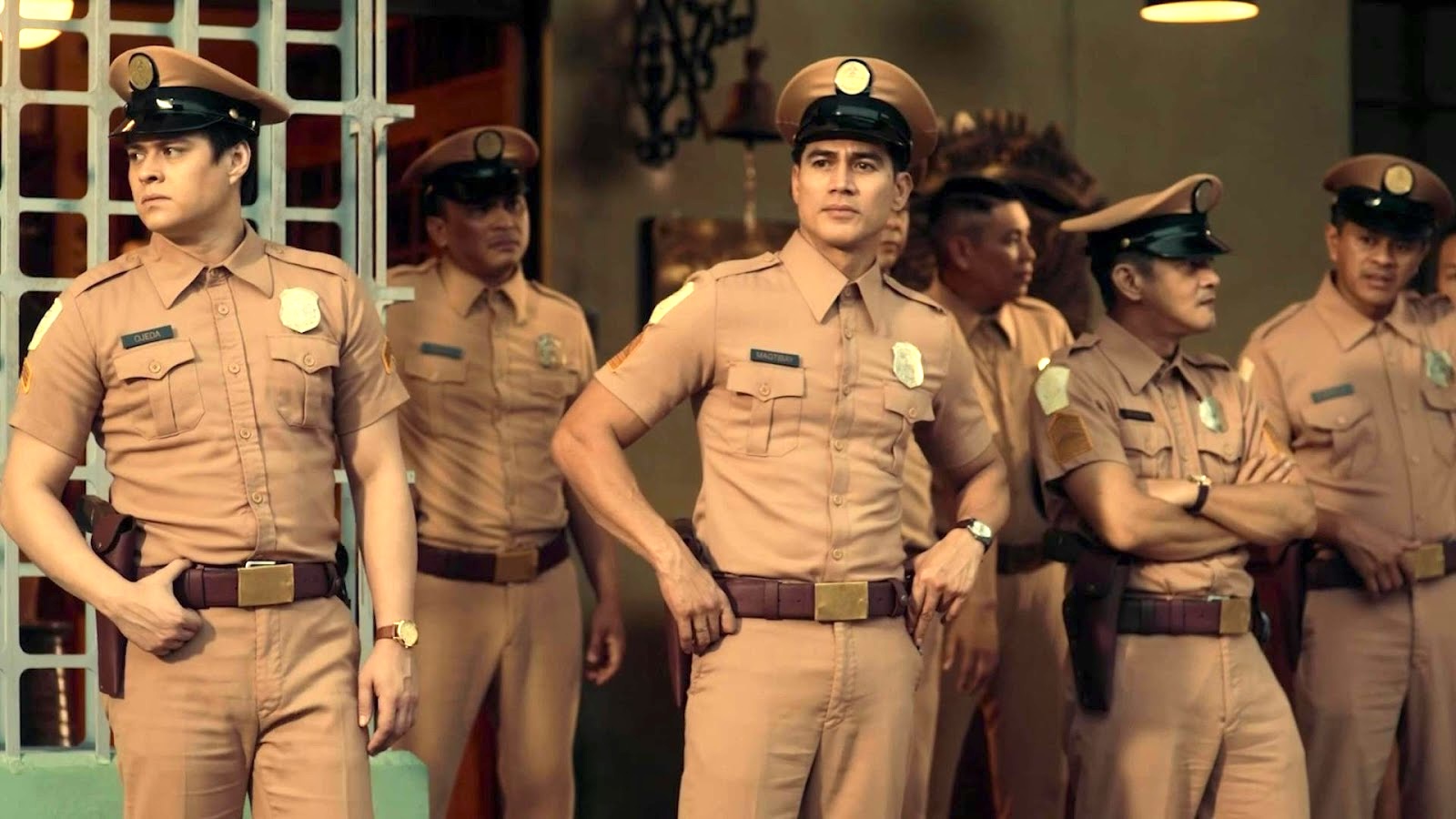
“Manila’s Finest” is set in a precinct of the Manila Police from 1969 to 1972, a time of great social and political turmoil. It revolves around the character of Lt. Homer Magtibay (very capably played by Piolo Pascual), a policeman who, despite his flaws, holds on to an old-fashioned sense of duty just when the police service is becoming more politicized in preparation for martial law. He has his hands full with a gang war, only to realize that an even deadlier kind of factionalism is emerging within the force itself, with the rising power of the Philippine Constabulary’s Metropolitan Command, or Metrocom. He also has to deal with trouble at home, as his daughter has become a student activist, the kind that he and his fellow cops have to face with truncheons at the rallies. It dawns on him that it isn’t petty crooks creating chaos in the streets, but the government itself, setting the stage for a crackdown. The movie ends, rather abruptly, on a dire note of warning, hinting at darker times ahead.
The film appealed to me on many levels—the political, the aesthetic, the narrative—but most strongly at the personal, because of the memories it inadvertently brought up. To begin with, my late father Jose Sr. was a cop—or almost. A law student who never finished (like the movie’s Homer), he joined the police academy, in the same batch that produced the future MPD chief James Barbers. The very first picture in my photo album is that of him in police uniform, at parade rest. He never joined the force, perhaps because he married, but he did become an agent for the Motor Vehicles Office, and I remember how impressed I was by his silvery badge when he flashed his wallet open on the jeepney rides we took. That was the kind of thrall in which lawmen at the time were held, or at least I so imagined; they kept the world safe and peaceful, and held evil at bay. (I was too young to understand that my dad’s MVO badge got us free rides.)
I became an activist in college and joined many rallies and street marches; this changed my view of the police, who became fascist pigs, the enforcers of laws for the rich and powerful. During the Diliman Commune of 1971, I held a kwitis that I was supposed to fire if I saw cops approaching on the perimeter of UP’s Area 14. And then something happened that would reverse my perspective: I dropped out of school to find a job. At age eighteen, I finagled my way into becoming a reporter for the Philippines Herald, with zero units in Journalism but with loads of pluck and some writing talent. Seeing what they were dealing with, my editors led by Oskee Villadolid and Joe Pavia decided to give me a crash course in journalism by designating me as General Assignments reporter and making me do the rounds of the beats: police, education, sports, and so on.
Of course, the police beat turned out to be the most challenging and instructive. I was stationed at MPD headquarters on UN Avenue, and put on the graveyard shift that ra through midnight until the morning. When nothing much was going on, we played ping-pong and waited for the fire alarm bell to ring (we ran out only for major fires, like the Family Clinic fire where my job was to count the dead). I kept a little black book of phone numbers where I could ring up hospitals to ask if any major accidents had come in. I learned of a restaurant near the Luneta where killers could be hired for not too much. Being a snot-nosed newbie, I trailed veterans like Ruther Batuigas to avoid being kuryented or bum-steered. I covered murders and suicides, visited the city morgue at three in the morning, and joined cops on their drives along Ermita, checking on vagrants, just like in the movie. It was all heady stuff for an eighteen-year-old.
But what proved to be most stressful was covering demonstrations, now that I was looking at them from the other side of the barricades, parked in a Herald jeep with a driver and photographer. Despite my job, my sympathies strongly remained with the activists, and I dreaded watching the police donning their riot gear and preparing for certain trouble. These being the days long before cellphones and pagers, there was no way I could warn my comrades about what I thought to be snipers or provocateurs or just agents taking their pictures from the rooftop of the Shellborne Hotel near the US Embassy. When the tear gas canisters began flying all I could do myself was duck and run, and I remember visiting some wounded marchers in the ER later. After I covered the funeral of a rebel killed in combat, praising him effusively and playing up the drama, an editor cleaned up my prose and gave me a very dry lesson in reportage: “Omit flowers.”
That’s the kind of treatment director Raymond Red gives his material in “Manila’s Finest.” Nothing is romanticized, no hero left unsullied, except perhaps for the young activists whose further awakening yet lies ahead of them. This well-crafted and well-acted film deserves all its plaudits; the mature Piolo Pascual is outstanding, as is the period production design (except again perhaps for everyone’s new-looking uniform, the bane of period movies, and a few questionable references time-wise—“barangay,” “the New Society,” and Pierre Cardin-style barongs all came after 1972, if memory serves me right). Most of all, “Manila’s Finest” deserves and indeed demands a sequel, into the time of tokhang, when the moral choices facing the police became even starker. But as it is, at least for me, “Manila’s Finest” may indeed have been the finest of its kind this year.
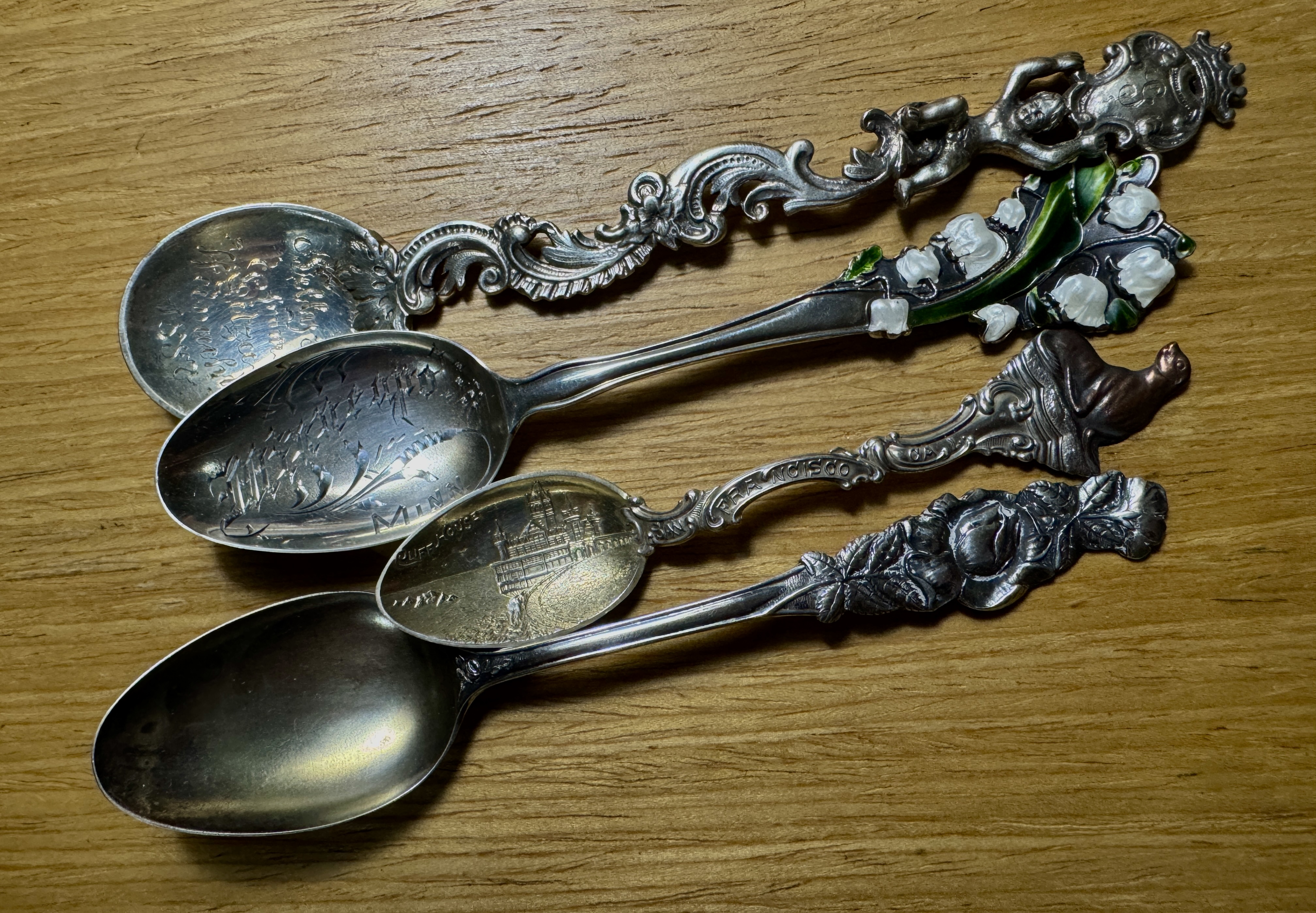
MAYBE BECAUSE of the name I chose for it, longtime followers of this column which I began more than 25 years ago will associate me with collecting vintage fountain pens, and they’d be right—partly. That’s because while I continue to collect pens with a passion, I’ve since branched out in half a dozen other directions, including typewriters, blotters, antiquarian books, midcentury paintings, canes, and even silver spoons.
It’s the kind of behavior that drives collectors’ wives crazy (although I’ll have more to say about the gender issue later), and I can only be thankful that my wife Beng has indulged me all these years. Beng collects bottles, tin cans, and pens herself, but nowhere near the intensity with which I check out eBay three times a day, scour the FB Marketplace, converse in geek-speak with fellow collectors, and subject my collections to never-ending cataloguing.
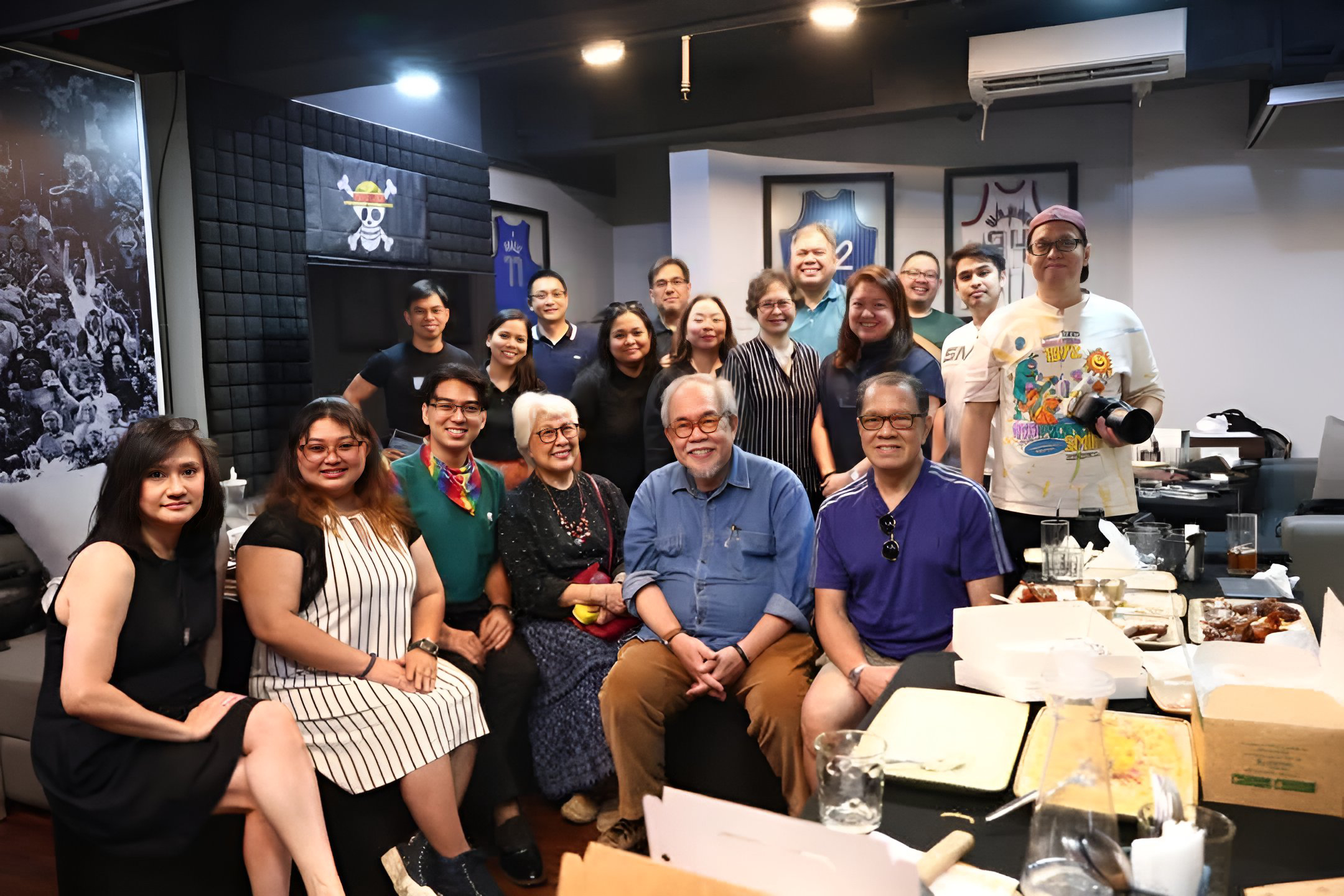
Seventeen years ago, some twenty people who must have thought they were the only ones interested in fountain pens met in our front yard in UP to form the Fountain Pen Network-Philippines. Those twenty have since grown to over 15,000 members on our FPN-P Facebook page. Unusually among hobbyist groups, and despite its explosive growth, FPN-P has remained one of the Internet’s friendliest and safest spaces, thanks to strict moderation and its openness to all kinds of pens and members, whether they come in with P100 pens from Temu or six-figure Montblancs (yes, there are Rolexes in pendom, although pens are far more pocket-friendly than watches).
One natural offshoot of FPN-P’s expansion has been the emergence of sub-interest groups, among which is the “PlumaLuma” group, which began as one devoted to vintage pens and desk accessories, but which soon evolved into “PlumaLuma Atbp.” as it became clear that pens weren’t our only obsession.
Some collectors maintain a clear and strict focus, like watches, santos, and tea sets. Others branch out into tangential areas (like other writing instruments and books and ephemera for me). The latter far outnumber the former, as collectors soon realize that one is never enough—not just of an object, but of collectibles. There are also “completists” who must have every single item known to have existed, catalogued and off-catalogue, in every collecting band (among my vintage Parker pens, for example, I have about 80 “Vacumatics” from the 1930s and 1940s—still far short of the hundreds of variants made).
Any serious collector in any field will tell you that a good collection takes more than money—although money surely matters in the rarefied realms. What’s just as important is connoisseurship—knowing what to want and why, and understanding the market. For budget-challenged collectors like me, knowledge and determination help balance out the odds, allowing me to buy low, sell high, and eventually trade up to the best goods without paying MSRPs. That also means taking more risks on places like eBay, but then there’s the thrill and pleasure of the hunt, which stepping into a boutique and plunking down a credit card simply can’t buy.
Those of us who collect vintage and antique items (by convention, “vintage” means at least fifty years and “antique” at least a century old) take even more risks , because what we collect could be damaged, stolen, or even fake. With the rise of auction houses and the allure of parking one’s money in some conversation-piece or status-symbol artifact, the stakes have risen even higher; there have been reports, for example, of forged master paintings sold and of “rare” coins being doctored to acquire more value at the auctions.
None of this has daunted the fatally bug-bitten collector, for whom the bar has simply risen; the Internet and the emergence of collecting groups has enlarged the competition, but at the same time it has opened more markets (I’ve bought pens and rare Filipiniana from as far as Bulgaria and Argentina).
That explains the amazing range you’re about to see in the collections of four gentlemen I’ve picked out from PlumaLuma Atbp. who exemplify, for me, the finest in collecting and connoisseurship, being virtual walking encyclopedias of their particular specialties. (And to clarify an earlier point, PlumaLuma has many lady members with formidable pen collections—lawyer Yen Ocampo and cardiologist Abigail Te-Rosano among them—but despite what’s been said about women and shopping, they don’t seem to be anywhere near as profligate as most of these men.)
The exception to the charge of profligacy (to which I will readily confess) is Raphael “Raph” Camposagrado. Barely in his thirties, Raph trained in the UK and often travels to Europe as a software and AI consultant, imbibing Old World culture with keen devotion. He is the model of collecting focus and discipline, keeping his world-class collection of vintage fountain pens within clear numerical bounds. The one thing they have to be, aside from being old, is beautiful—as in Art Deco beautiful. No pen epitomizes that more than the 1930s Wahl Eversharp Coronet, as Raph explains:
“Considered the peak of Art Deco within the world of pen collecting, the Coronet is abundantly adorned with the symmetry, sharp angles, and geometric forms that enjoyers of the design movement obsess over. The cap and barrel are gold filled and strewn with longitudinal striations. Triangular red pyralin inserts and the pyramidal cap finial give a bold pop of color echoing the beams of search lights that would have streaked over 1930s Manhattanites. This particular piece is equipped with a slide adjuster that allows the user to change the stiffness of the nib from a firm writer of business letters to one with line variation for calligraphic pursuits. It even sports an ink view letting the user see if the pen is due for a refill. While modern pen making tends toward the large, gilded, and ornate, the Coronet achieves extravagance with just the right amount of restraint. It is golden without being a rococo explosion. It is diminutive and so maintains the dimensions of classic jewelry. It knows just how much to show like many other luxury pieces made in the late 1930s.”
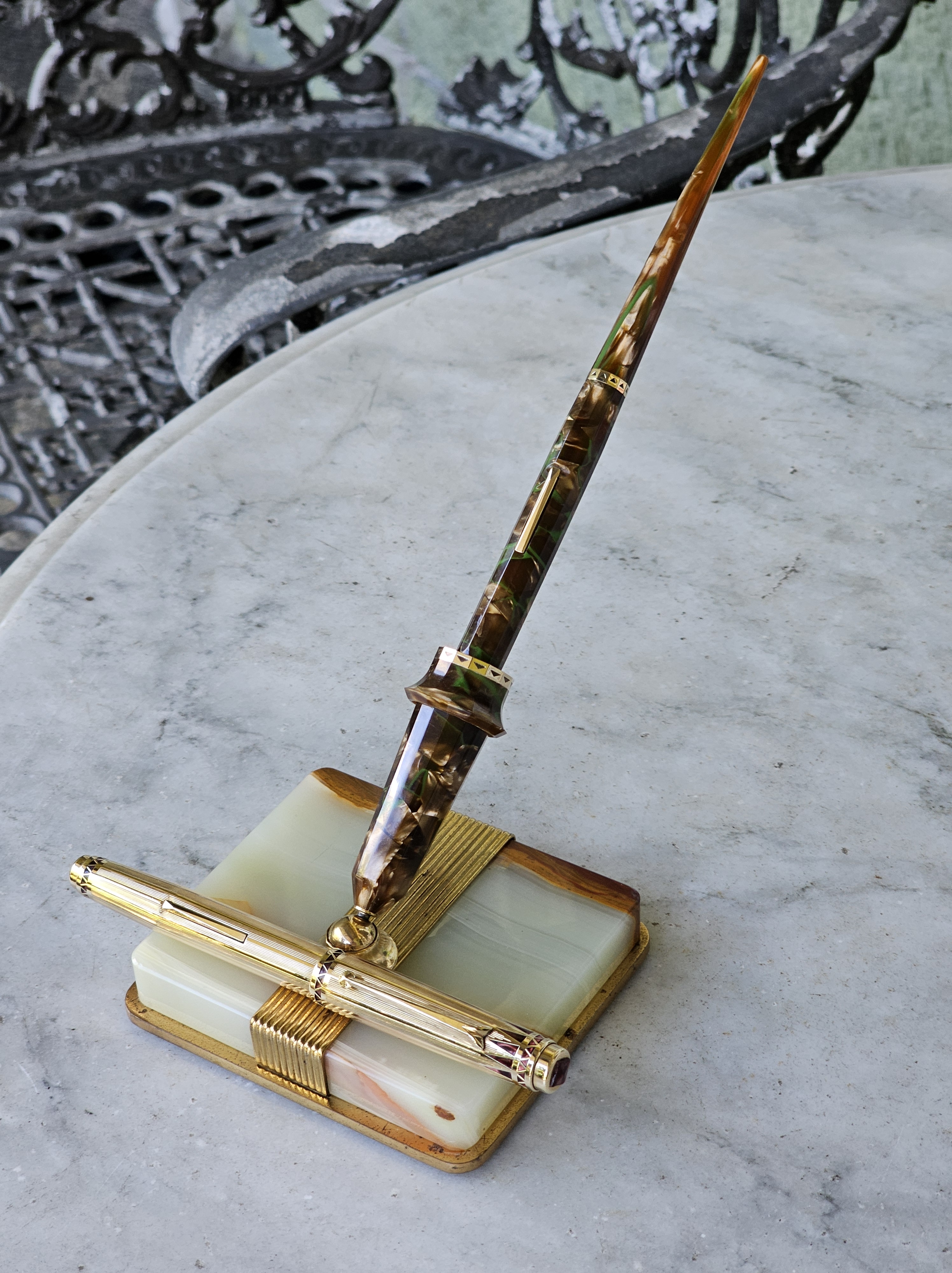
Raph is also known for his sub-collection of exquisite desk pen sets, once the hallmark of executive success. The Wahl-Eversharp Doric sets, in particular, are visual stunners.
“I personally scoured Ebay to build a mini collection around this model by Wahl-Eversharp called the Doric,” says Raph. “Other than the Coronet, the Doric is quintessentially Art Deco, sporting twelve facets. The marble desk base is supported by a thin chrome bed and has bracing that reminds me of a hawk’s neck and beak when viewed from the front or back. The depth of the celluloid on the various pens looks as if it were of stone as natural as the desk base itself.”
Investment consultant Alexander “Sandy” Lichauco has long been known in the collecting world as a collector of Philippine medals and tokens, having co-authored a seminal book on it with Dr. Earl H0neycutt (Philippine Medals and Tokens 1780-2024). However, dismayed by the rampant commercialism in that hobby (forgeries and malpractices abound), Sandy turned to fountain pens, amassing an amazing vintage collection in less than two years (including many Parkers that I—his budolero—wish I had).
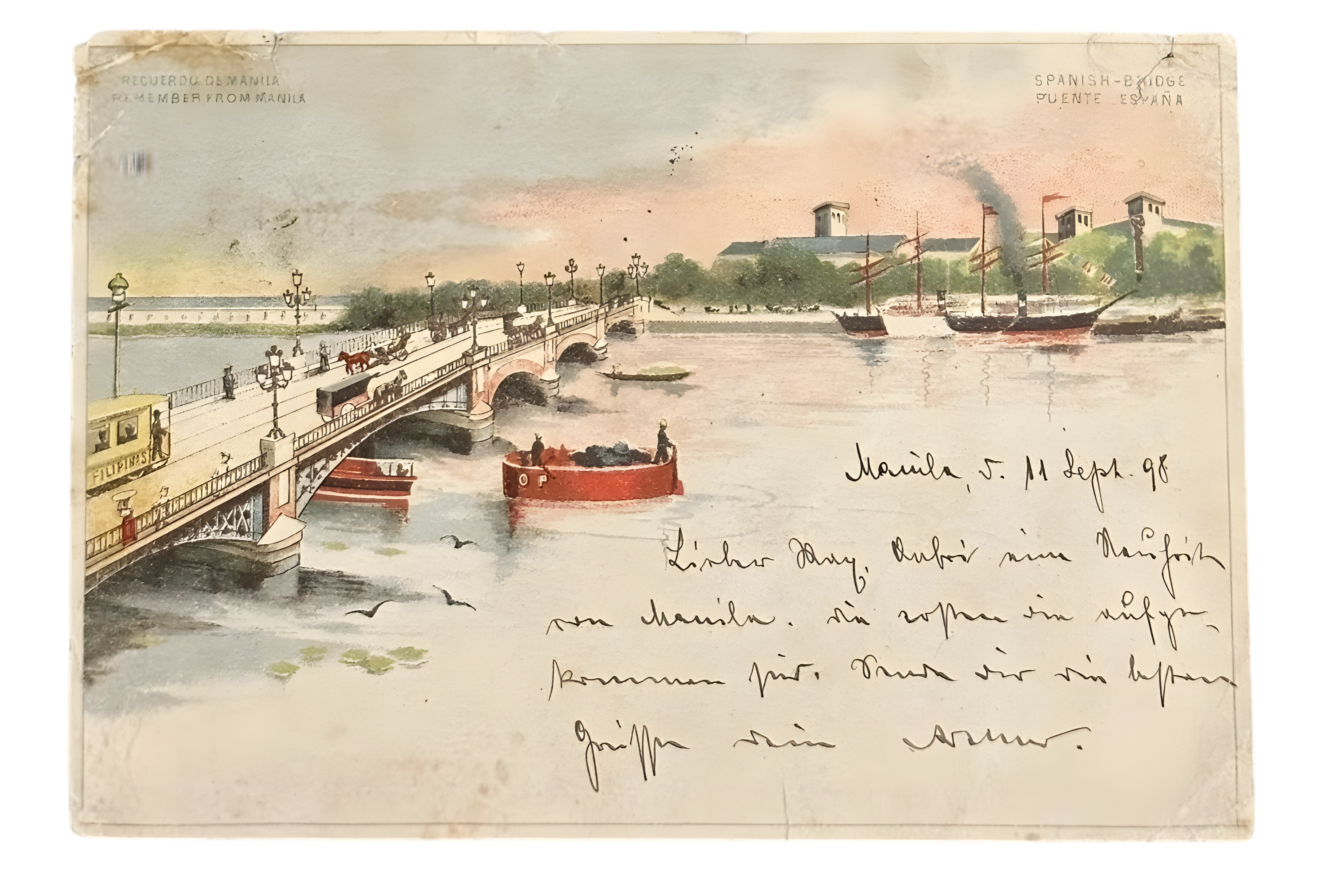
But aside from medals and pens, Sandy is also one of the country’s foremost deltiologists—that’s “postcard collector” to most of us. “I’m deep into deltiology now and have tracked down nearly 100 private mailing cards (which isn’t much compared to other collectors, but I’ve become very intentional and selective about these cards) from the turn of the century, including these two newly acquired color cards,” he says. “But the crown jewel is my 1898 Pioneer card of the Puente de España. I snagged it at a London auction, and I love the unique watercolor art. It’s postmarked and was used just three months after we gained our independence from Spain. It’s been on exhibit at the Ortigas Library since August.”
Sandy also maintains the highly informative and interesting blog www.nineteenkopongkopong.com (and he can explain the origin of that word).
When he’s not practicing his trade as a licensed architect and project and construction manager, Melvin Lam—our newest convert to fountain pens—collects historical artifacts and documents such as the silver quill pen given as a prize to the young Jose Rizal, a letter from Andres Bonifacio to Emilio Jacinto, 1st Republic revolutionary coins and banknotes, a photograph of Rizal’s execution, the 1898 Malolos menu, revolutionary flags from the First Republic, the Murillo Velarde map, and an Ah Tay bed, among many others.
Melvin is also an expert on the anting-anting, co-authoring the Catalogue of Philippine Silver Anting-Anting Medals. “My passion for history and culture was influenced by my father, Robert Lam, who began collecting antiques and artifacts in the 1970s. It has taken my family over 50 years to acquire our current collection. Our collection ranges from early prehistoric Philippine artifacts, items from the pre-colonial, Spanish colonial, American occupation, and Commonwealth eras, up to World War II Filipiniana items. It also includes antique anting-anting, antique santos, Philippine indigenous items, antique furniture, and Martaban jars.”
Not surprisingly, Melvin serves as president of the Bayanihan Collectors Club, known for its webinars, exhibits, auctions, and other historical celebrations, and as a board member of the Filipinas Collectibles and Antique Society (FCAS), which organizes international conventions for antiques and collectibles.
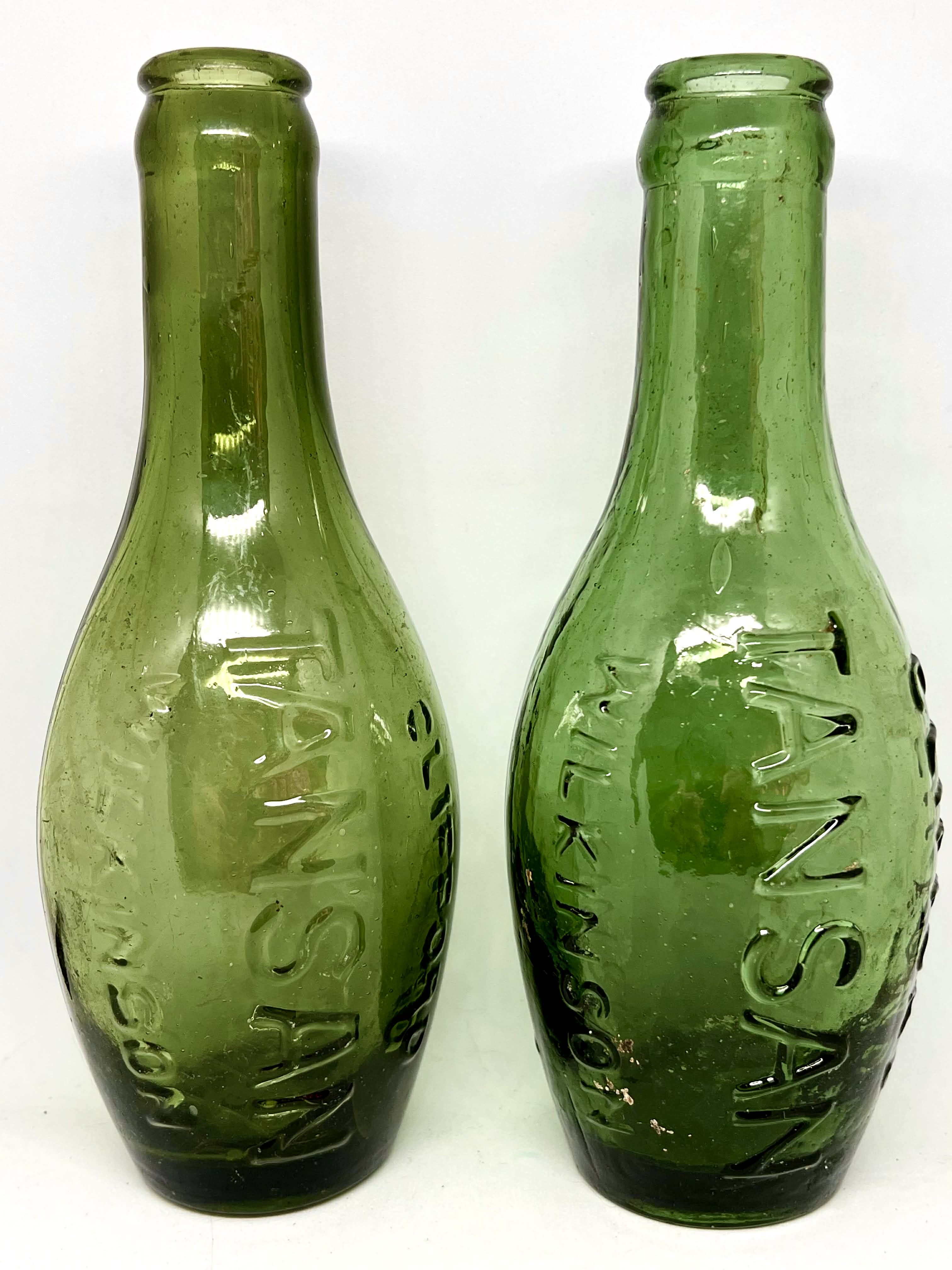
For sheer collecting range and prowess, few can hold a candle to Augusto “Toto” Lozada Toledo, who retired from banking and insurance broking ten years ago. Never mind his 400 fountain pens (older than Toto by a few months, I have about just half that). It would be more accurate to describe Toto as a collector of collections, which comprise, aside from pens, mainly bottles (vintage and modern, soft drinks, medicines, ink, liquor, perfumes, pomades, insulators, Avon figurals, milk and baby bottles, and kitchen glassware) and Batman (action figures, vehicles, Lego sets, and comics).
Ask Toto about the history of Parker Quink (no, not invented by a Filipino as the urban legend has it), and you’ll get a half-hour lecture on Quisumbing Ink and Quesada ink, aside from Quink itself—with all the right props, of course.
A coffee fan, Toto also collects old brewing equipment, coffee cups, used (!) coffee bags, and Starbucks prepaid cards. From his banking and insurance background, he collects old passbooks and checks, vintage fire extinguishers and alarms, metal coin banks, prewar insurance policies, and Zuellig ephemera. (I’m leaving out a lot here, but you get the idea.)
“My main collection is vintage glass bottles—maybe 3,000 specimens—of Philippine products, because of my interest in Philippine history, and how bottles provide clues of their provenance, their makers, their likely users (who actually drank from them), art work (for bottles with paper labels), and the evolution of their logos, which are often tied in to changes in corporate history and ownership,” Toto explains. “The next largest collection is Batman objects—some 2,000 action figures alone. As a seven-year old boy, I read the 1939 issue of Detective Comics No. 27, featuring the debut of Batman, and have always been fascinated by his mental and physical skills that did not originate from alien powers but from his individual training and intellectual prowess.
“The coffee collection comes from a lifelong affair with the brew. The banking and insurance collection comes from a 40-year career in these professions. My first fountain pen was a Wearever Pennant (still with me), that my father gave me as Grade 1 student in 1960. Briefly interrupted by the emergence of Bic ballpens in the 1960’s era, I picked up the collecting in the late 1970s. The others are a result of my interest in the Art Deco aesthetic, my career with the Zuellig Group, my love for Philippine history, and my longing for a return to the mid-century era. It’s always difficult to choose favorite pieces, but for bottles, it would be the Tansan Aerated Water because of the actual etymology of its name, and the (misplaced) brand association with the crown metal cap. The bottle is also very much a part of the American colonial era (strictly recommended for the US military), and was exclusively distributed by F. E. Zuellig, Inc. I also count the San Miguel Beer bottles, from its ceramic containers (from Germany), dark green bottles (from Hong Kong), and the establishment of its own bottle making plant which produced the now-ubiquitous and iconic amber steinies.”
My own most recent acquisitions beyond pens have been, of all things, paper blotters and silver spoons, which began as I idly searched for items Nouveau and Deco. It didn’t help the budget that there are literally hundreds if not thousands of such baubles to be found on eBay at any given time (220,000-plus for fountain pens this very minute). Like Raph, Sandy, Melvin, and Toto, I can spend sleepless nights sighing over some obscure object of desire that might leave wives and mates suspicious, but which they will accept in resignation over more dangerous liaisons.
I’m well aware that there are people who would consider us insane, but let me put it this way: to a world full of ugliness and discord, we bring beauty and order in the cabinets and cases that home and organize our collectibles, and at a time when people forget things after five minutes, we keep the memories of centuries.