The continuing chronicles of Jose Dalisay Jr., aka Butch Dalisay, a Filipino collector of old fountain pens, disused PowerBooks, '50s Hamiltons, creaky cameras and typewriters, VW spare parts, poker bad beats, and desktop lint.
ASK YOUR Boomer uncles and aunts what period of life shaped them the most, and I’ll bet you anything I have that their answer won’t be grade school, when they were still wetting their pants and wondering why God had to make the other, completely unnecessary sex as well. It won’t be college, either, by which time you were convinced you had the world figured out and that it was obliged to conform to your vision for it.
No, it’ll be that time of our lives that never seems to lose its vividness—not the metamorphosis of one’s body and of its most secret parts, not the quivering thrill of a first kiss or the crushing finality of a rejection, not the ecstasies and the embarrassments. That period, of course, is high school, when we all suddenly grew up, perhaps more in body than in mind.
If there’s any doubt that high school stays with us longest for the rest of our lives, just take a look at Facebook—today the social dominion of Boomers and Gen Xers, deserted by the young ones for Instagram, TikTok, and Discord. Some days you just don’t want to open Facebook because of all the flickering candles you’re bound to see—but you do, anyway, because you’re curious to know if Classmates X and Y are still together, how Classmate Z surely must have botox’ed or AI’d her way to that profile picture, and—on your Messenger or Viber group chat—when and where the next batch reunion is going to happen.
Ah, the high-school reunion! Time to look one’s best, to line-dance and to cha-cha, to trot out the family pictures, to share stories of doing the Camino and of struggling with sciatica, to scan the poundage on one’s old crush, to revive rumors and recriminations dormant for fifty years, to compare maintenance meds, Holy Land tour packages (well, maybe not right now), dermatologists and urologists, and adobo recipes. Most reunions are fun and happy, but not a few end up with someone grumbling, “I knew I should’ve stayed home!” While they say that time heals all wounds, nothing will tear the scabs off like a class reunion.
But then of course it all depends on the class chemistry, and I’m glad to report that mine has been blessed with extraordinary goodwill—maybe because, unlike many alumni batches, we don’t have class officers, we never published a jubilee yearbook (a surefire prescription for High School Horrors Part 2), and we don’t handle money beyond pooling it for impromptu causes.
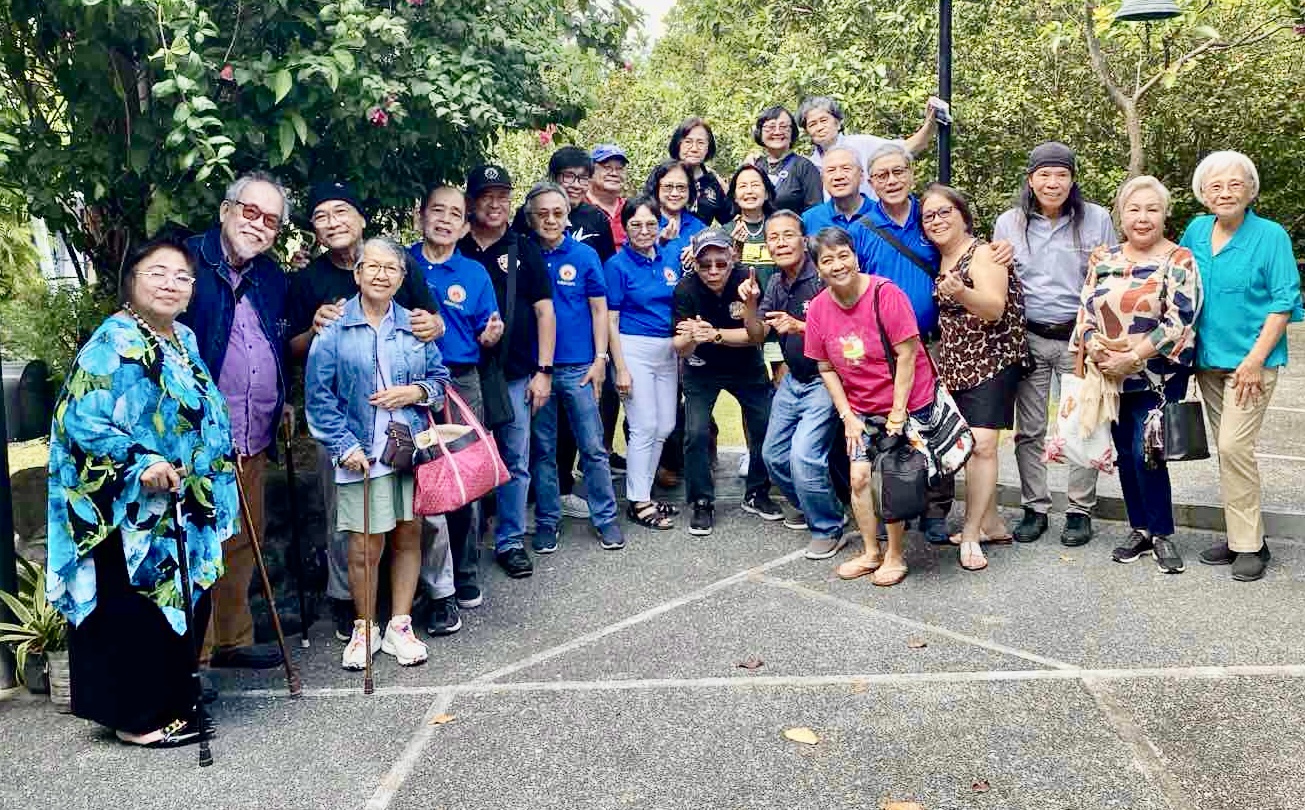
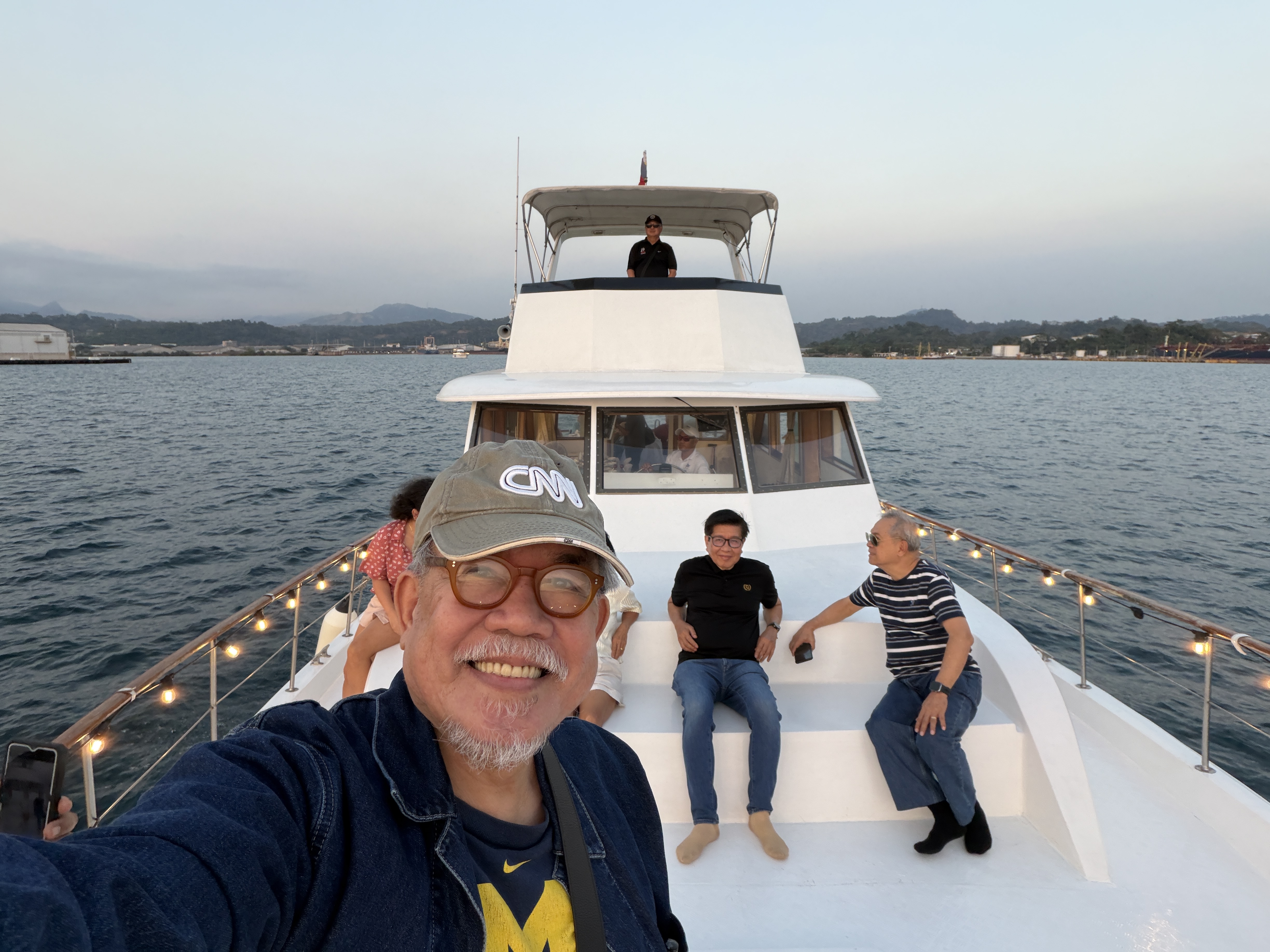
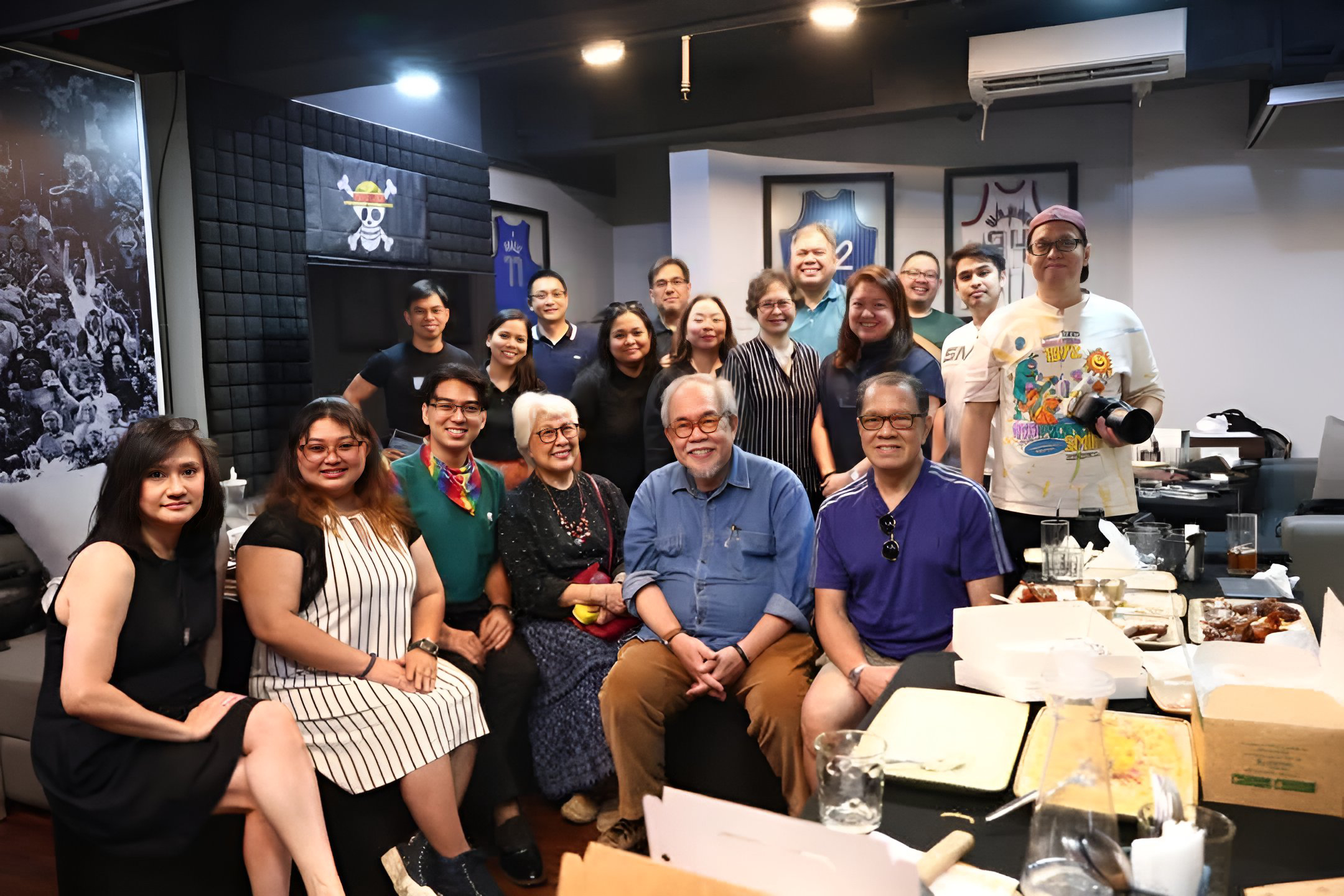
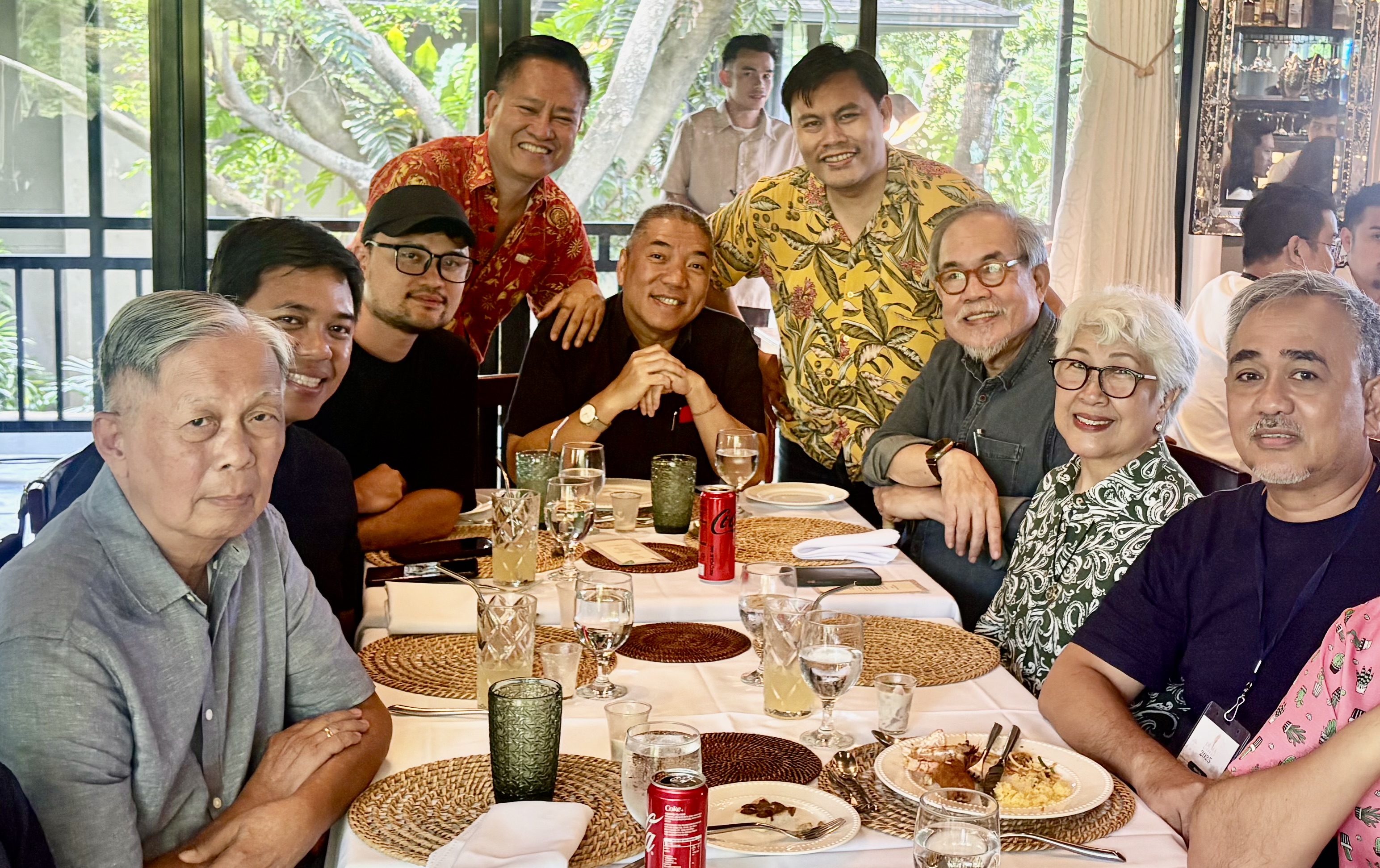
A Subic sortie last weekend with my batchmates in the third cohort of the Philippine Science High School, which we entered in 1966, proved exactly that—get together for fun and food, no great overarching agenda like “Let’s contribute our talents to the betterment of the Filipino future!” (we’ve been doing that for half a century), just spend time chilling out, healing and commiserating, and feeling good to be alive, given that class reunions never really get larger over the years.
If there’s a group of people I know I should speak plainly and humbly with, it’s these guys and gals. If I think I’m smart, well, many of the folks I went to Subic with are certainly smarter—not just in math and science but in the complicated business of life itself (and I don’t mean just in making money—although some of them have done that quite nicely—but in such existential decisions as spending years in the revolutionary resistance and resurfacing to seek social justice in other ways). My friends are engineers, chemists, physicians, managers, educators, pastors, etc., all achievers and leaders in their own ways. But what I appreciate about them is that, in each other’s presence, no one feels obliged to boast about this and that—except perhaps about grandchildren. (Fair warning: if you start a bragging war in this company, you will lose.)
The thing about high school is that forty years down the road you could become a hotshot CEO or a senator, but your classmates will never forget when you were caught caricaturing the teacher or were busted by a crush or locked yourself in the restroom. High-school truths are for life, and you will never outlive your high-school self. That weekend in Subic allowed us to revert to those younger selves, albeit burdened by excess avoirdupois and challenged memory.
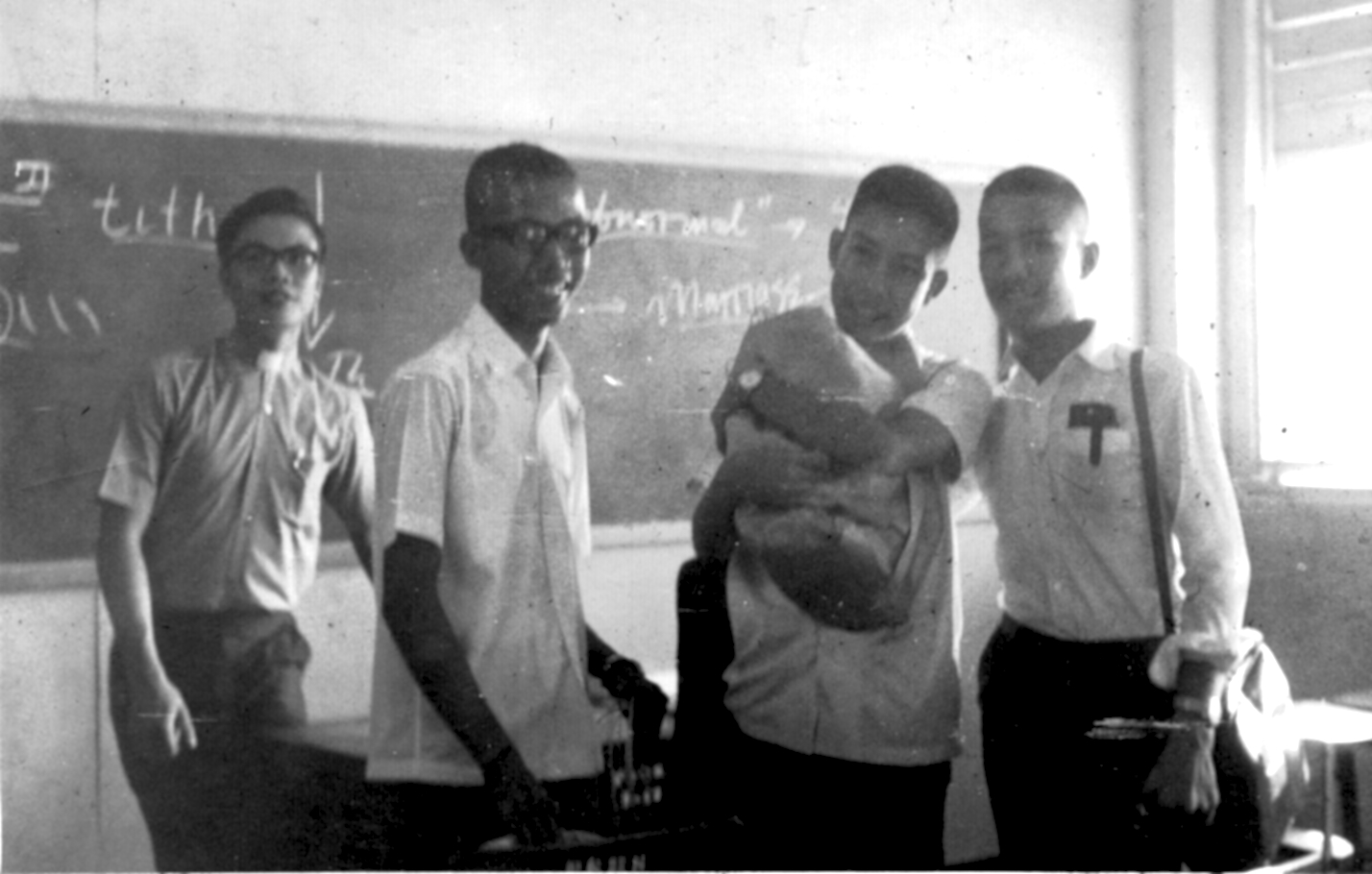
My PSHS life was anything but studiously boring. I came in as the entrance exam topnotcher in 1966, almost got kicked out after our freshman year (my grade in English was 1.0 but in Math was 5.0, saved only by a letter of appeal in my best 12-year-old, 1.0 English).
Having gone to an all-boys elementary school, girls were an exciting mystery to me and I became something of a party animal and I jerked, boogalooed, and shingalinged to the Beatles, the Rolling Stones, DC5, the Bee Gees, Herman’s Hermits, the Monkees, Spiral Starecase, Procol Harum, the Hollies, Freddie and the Dreamers, Gerry and the Pacemakers, etc. etc. I sometimes came to these dances in a green-and-white striped turtleneck and red-and-green checkered bellbottoms.
We watched “Woodstock,” “The Graduate,” and “Camelot” in the moviehouses of Avenida and Cubao, huddled around a black-and-white TV in a boarding house on Maginhawa Street to watch the moon landing, and marched in the streets shouting “Student Powah!” Our eyes popped when we stumbled on a cache of Playboy magazines in a friend’s house. We bought Lumanog guitars in Raon and followed “Shindig” and “Combat” and “Ang Hiwaga sa Bahay na Bato” on TV. Despite the Vietnam War and the stirrings of activism in our ranks, there was an innocence about the ‘60s that vanished in a poof when the ‘70s opened and the tear gas and the truncheons began to hurt us more than heartbreaks.
That weekend we didn’t talk about anything much more serious than ER and OR survival stories—followed by the familiar catalogue of metformin, statins, saw palmetto, vitamin XYZ—the sort of chatter that would turn Gen Zers catatonic.
A war broke out above our heads and we all sadly agreed that the world we were leaving was worse than the one we entered. We knew something about wars, but thankfully also knew something about having a good time, in spite of time. We went home thinking that indeed, like it or not, high school is forever.
U.S. President Donald Trump places a note in the Western Wall in Jerusalem May 22. (CNS photo/Jonathan Ernst, Reuters) See TRUMP-JERUSALEM-HOLY-SEPULCHER May 22, 2017.
I JUST love it when a piece of mine about the goings-on in the US gets a rise out of some MAGA expat—and you’ll be surprised how many of them have chosen to reside here, forsaking what I would have thought would have been the sweet comforts of life in Fortress America.
A message from a guy we’ll call “Bob” reacted to my recent column on “What I Told the Fil-Ams” by suggesting that I had imbibed too much “Cali water,” referring to that state’s trenchant liberalism. I responded by sending him a joke about an American President in the Holy Land, which I hope he appreciated. (I’ve resolved that this is how I’ll deal with my critics from now on, as long as they remain friendly enough—which to his credit Bob was—kill them with kindness, or at least with corny jokes, of which I have a barrelful. I’ll save a special section for MAGA Pinoys, who keep telling me to butt out of their business but who can’t help doling out prescriptions for their ex-countrymen to find their way to the light.)
I’ve often wondered if our world can get much worse than it already is, knowing all the while that the answer can only be yes, yes, emphatically yes. Still, it comes as a rude shock every time fresh confirmation arrives of a new Marianas Trench in human greed, crassness, and stupidity.
All by himself, Donald J. Trump accounts for more than half of every week’s lows, and I’d like to think that I’ve become immune to further aggravation by this man, only to be roundly disabused. Last week, Trump outdid himself in crudity by putting out a meme on his social network depicting Barack and Michelle Obama as monkeys.
When called out by even his own, usually docile partymates for the patently racist post, Trump passed it off to some unnamed “assistant” who supposedly made the mistake, which Trump claimed to have been too occupied to pay close attention to. Why the President of the United States would leave his personal account open to some junior flunky is ludicrous enough; that he would expect anyone to believe his lame excuse is beyond laughable. His spokesperson derided the ensuing protest as “fake outrage” and called for renewed attention to “the things that truly matter to the American people,” as though racism, decency, and honesty no longer mattered.
But Trump isn’t even the issue here any longer; the man is irredeemably vain, vile, and vicious. (Let’s not even mention—but heck, let’s—his offensiveness to beauty and good taste, with his insistence on gilding the White House, plastering his name all over the place, and picking Kid Rock over Bad Bunny.) Like our own Rodrigo Duterte, he has long cast his lot with Darth Vader & Co., not even pretending to be good, or to be aiming for such banalities as truth, freedom, and justice. In the words of one of his chief lieutenants, Stephen Miller, the age of “international niceties” is over; the only things that count today are “strength, force, and power,” which Trump & Co. have liberally deployed—not against global bullies like Vladimir Putin, but chiefly against the American people themselves.
But again, let’s put the Orange Man aside for a minute. The real danger is that there are tens of millions of people who think the way he does, and who probably thought that way even before he gave Trumpism a face, a voice, and a name. These are people for whom daily doses of falsehood have become the norm, and I really couldn’t care less if they believe that Satanic Democrats drink the blood of kidnapped children, except that their weirdness creeps up to the White House and into the kind of domestic and foreign policy that makes life difficult for us 8,000 miles away, and emboldens other despots.
I’m not saying here that we don’t have our own version of Trumpers to deal with (and I’m adding this paragraph for the MAGAs who’ll remind me to stick to the local, a description I expect them to extend, in MAGA logic, to Greenland). Our DDS, in many ways, offer a parallel constituency; like many MAGA members, their grievances are rooted in historical neglect and a sense of displacement in rapidly changing times. They pinned their hopes on a man who was supposed to improve their lives—but who didn’t, distracted by a megalomaniacal drive to reshape society to his grim vision.
This is why I haven’t given up on Digong’s faithful; there’s a valid cultural dimension to their disaffection in terms of Mindanao and Manila-centrism, but their issues can be addressed by attentive and equitable governance. The corruption issues that have gutted the country have devastated them as well. Except for the shrillest and most invested in a Sara succession, I feel that many can yet be persuaded to choose responsible leadership.
In this respect—and this may not be shared by many, given the lows to which our own politicos have fallen, with some in need of growing a spine and others a brain or at least a heart—I feel more hopeful for the Philippines in the medium term than I do for America, and I think that’s saying a lot.
Now let’s wait for the MAGA backlash; I have lots of Trump jokes lined up to brighten their day, restore their sense of humor, and maybe help bring about world peace.
HAVING NO idea how Gen Z people write love letters (and if they even do), I asked AI, and this is what it told me:
“Gen Z love letters are characterized by digital-native, emotionally fluent, and, often, casual expressions that prioritize vulnerability, mental health, and boundary-setting. They frequently use lowercase, rapid-fire, multi-message formats, and ‘ily’ (informal) or ‘love ya’ to avoid excessive intensity. Common themes include a rejection of traditional, performative romance in favor of ‘soft launching’ relationships (gradually revealing a partner online) and a focus on authenticity over aesthetics.”
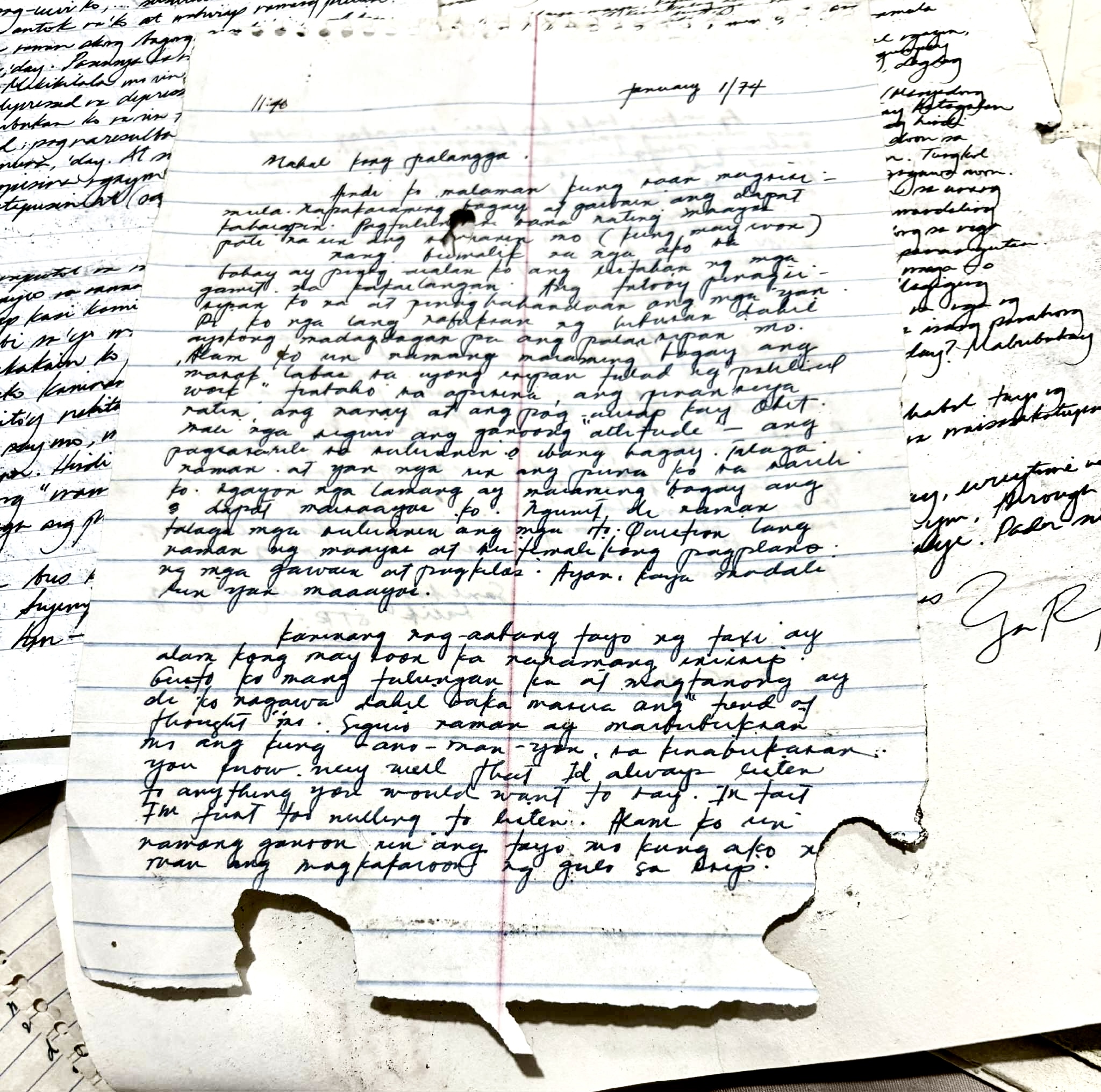
I have to confess that the answer left me feeling much relieved to be 72 years old and increasingly irrelevant. If I were young and seventeen today but with the mind and heart that I had back in 1971, I seriously doubt that I could make a significant connection to the Gen Z girl of my dreams, from whom I would have drawn derisive laughter for a long, convoluted, meandering letter asking for a first date (I will neither confirm nor deny that this actually happened). I may have lacked in “emotional fluency,” but certainly not for words, which were all I had when, in 1973, I met a pretty girl named Beng and pounded her with prose, in my crabbed, ungainly penmanship using a technical pen; within months we were married (and still are, 52 years later).
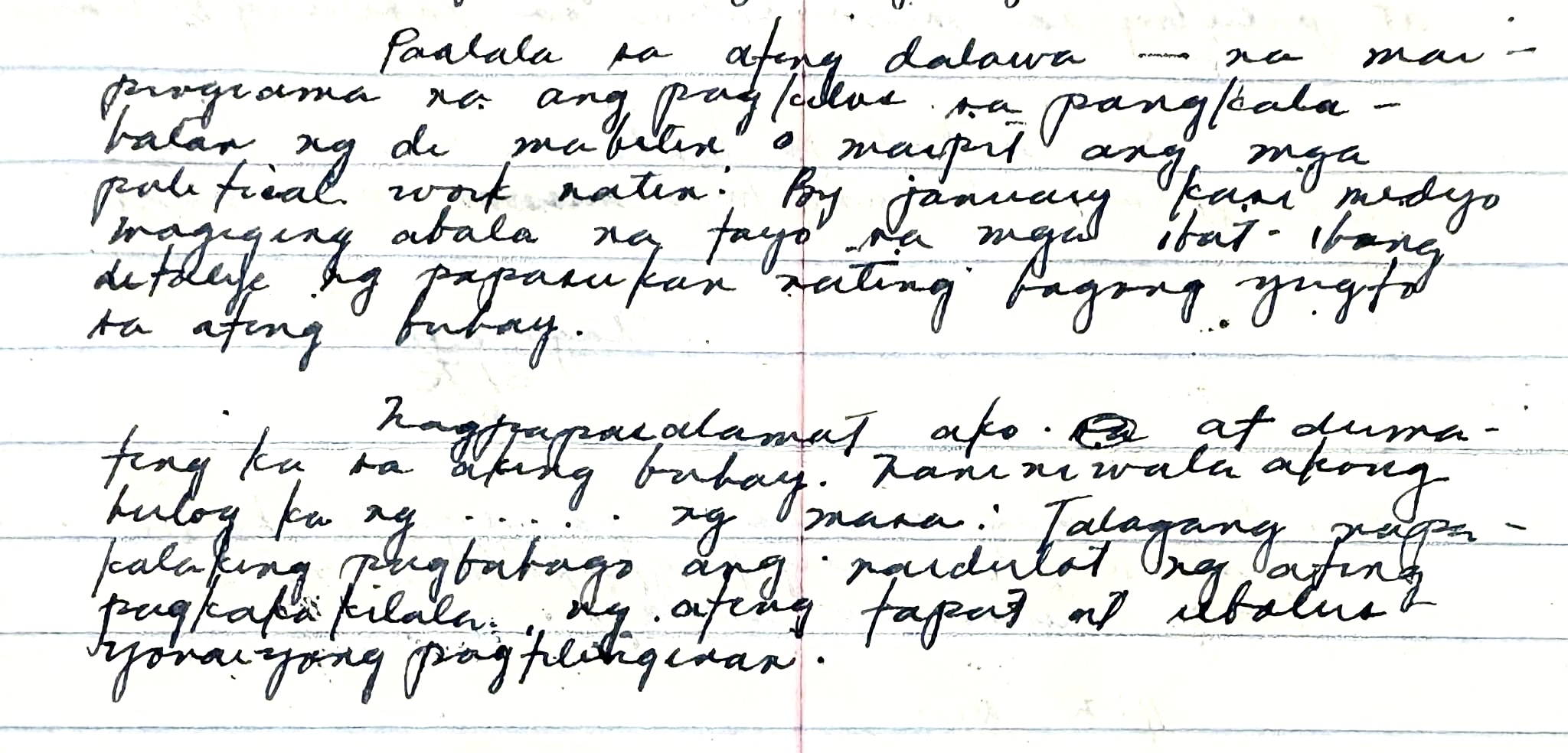
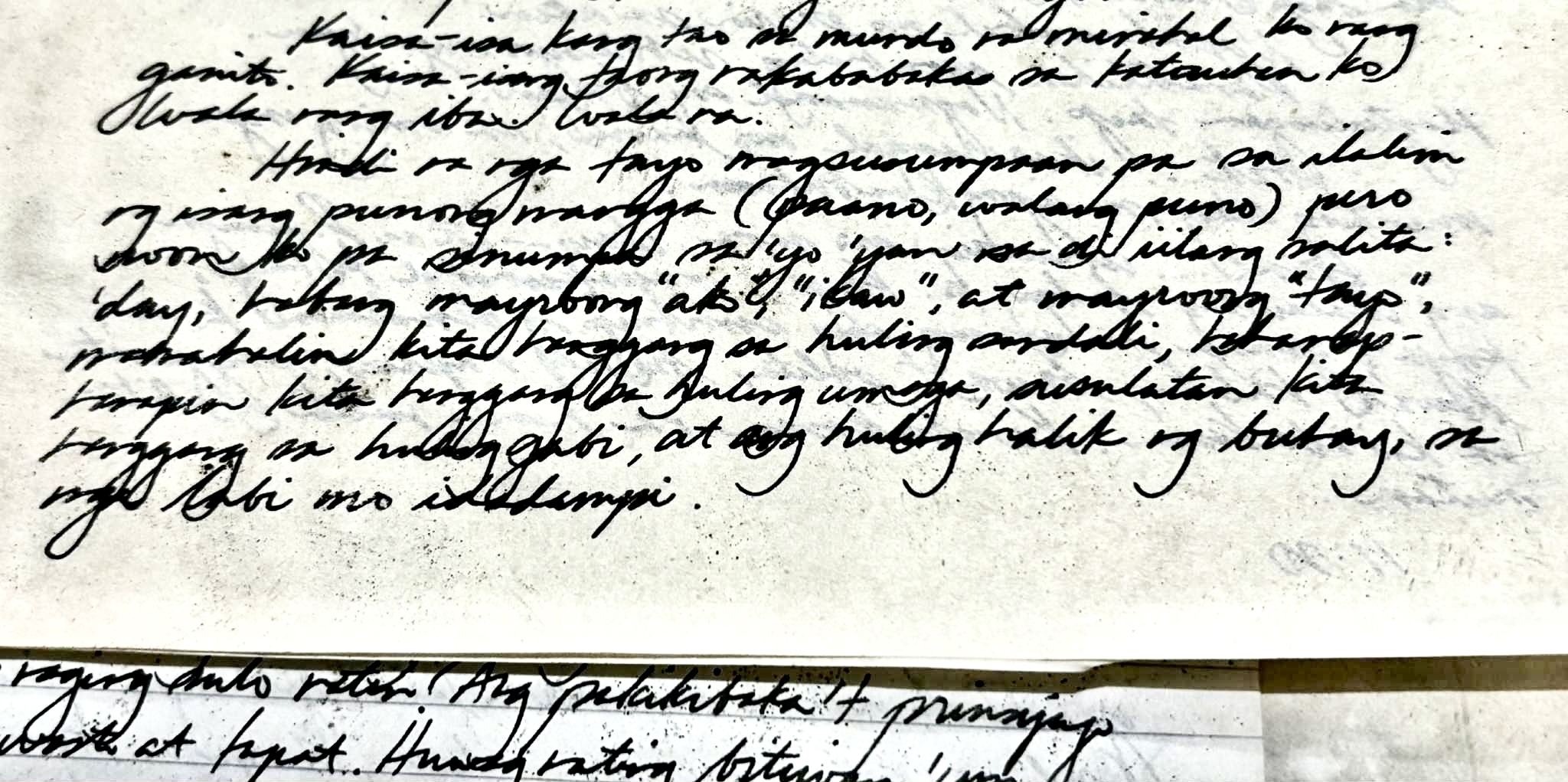
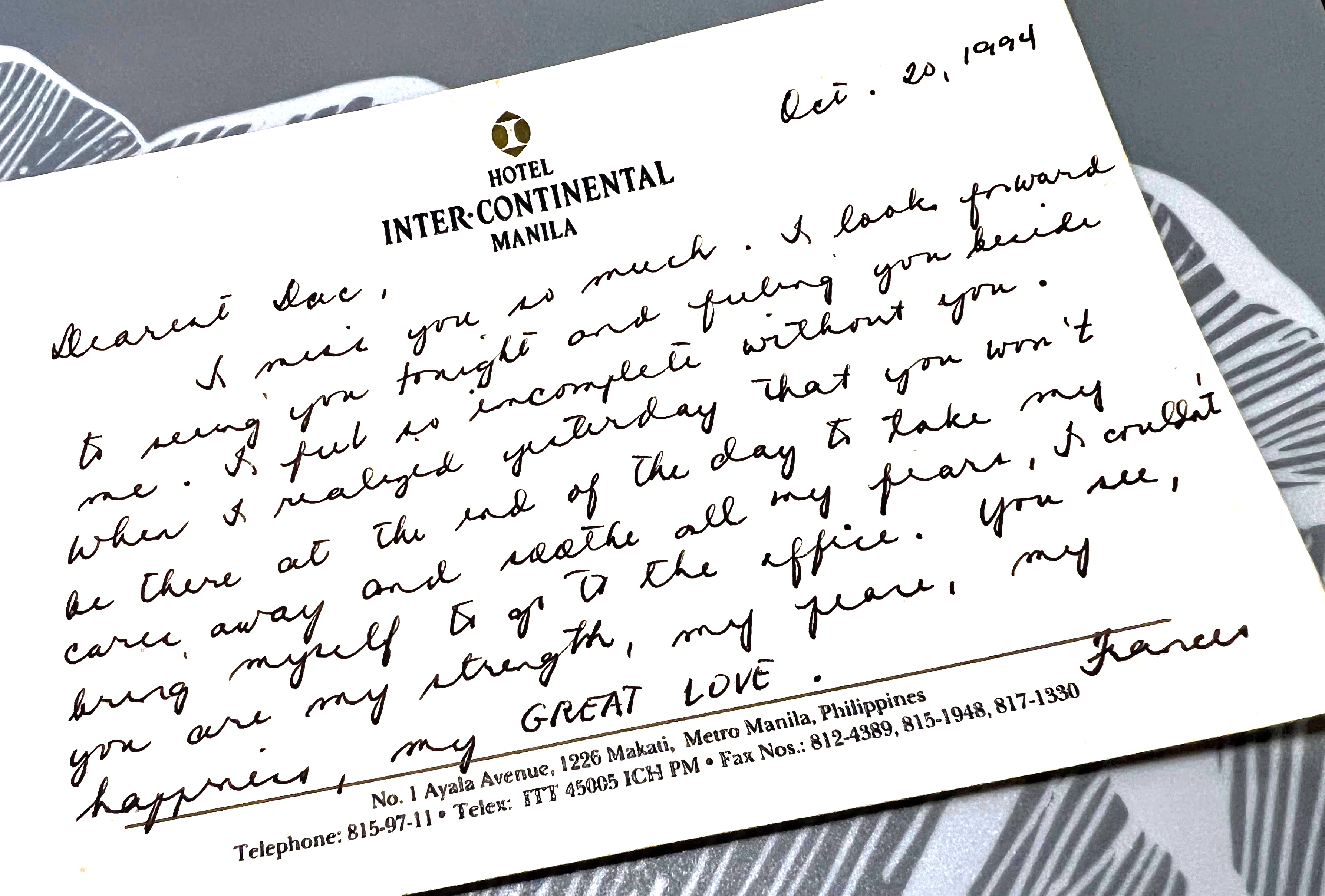
Time was when love needed to be declared in big, bold, wet letters—and I don’t mean letters as in ABC, but letters as in pages of paper filled with scribbled and impassioned professions of affection, sometimes of hurt, sometimes of longing, but always of desire for the addressee. Setting everything else aside, overtaken and overwhelmed by this most urgent need, a man or a woman sat at a desk—or kitchen table, or any hard surface on a beach or a moving vehicle—and put pen to paper to release a flood of pent-up emotion.
It all came down to the same three-word idea: “I love you” (sometimes, or more often, with a fourth word, “but”). As with love poems, some letters were better, more unique, more persuasive than others; most, in hindsight, were likely mawkish or mediocre. But rarely—except perhaps to writers keen on grammar and style—did literary merit matter, neither to sender nor receiver; the profession of love alone was monumental enough. Because it was handwritten and signed, it was personal and deliberate, a statement of commitment impossible to deny.
Indeed what was thought to be intimate and ephemeral sometimes became history. Little did lovers realize or perhaps care they would become famous, and that their private correspondence would become known—thankfully not to their peers but to posterity and the critical judgment of strangers.
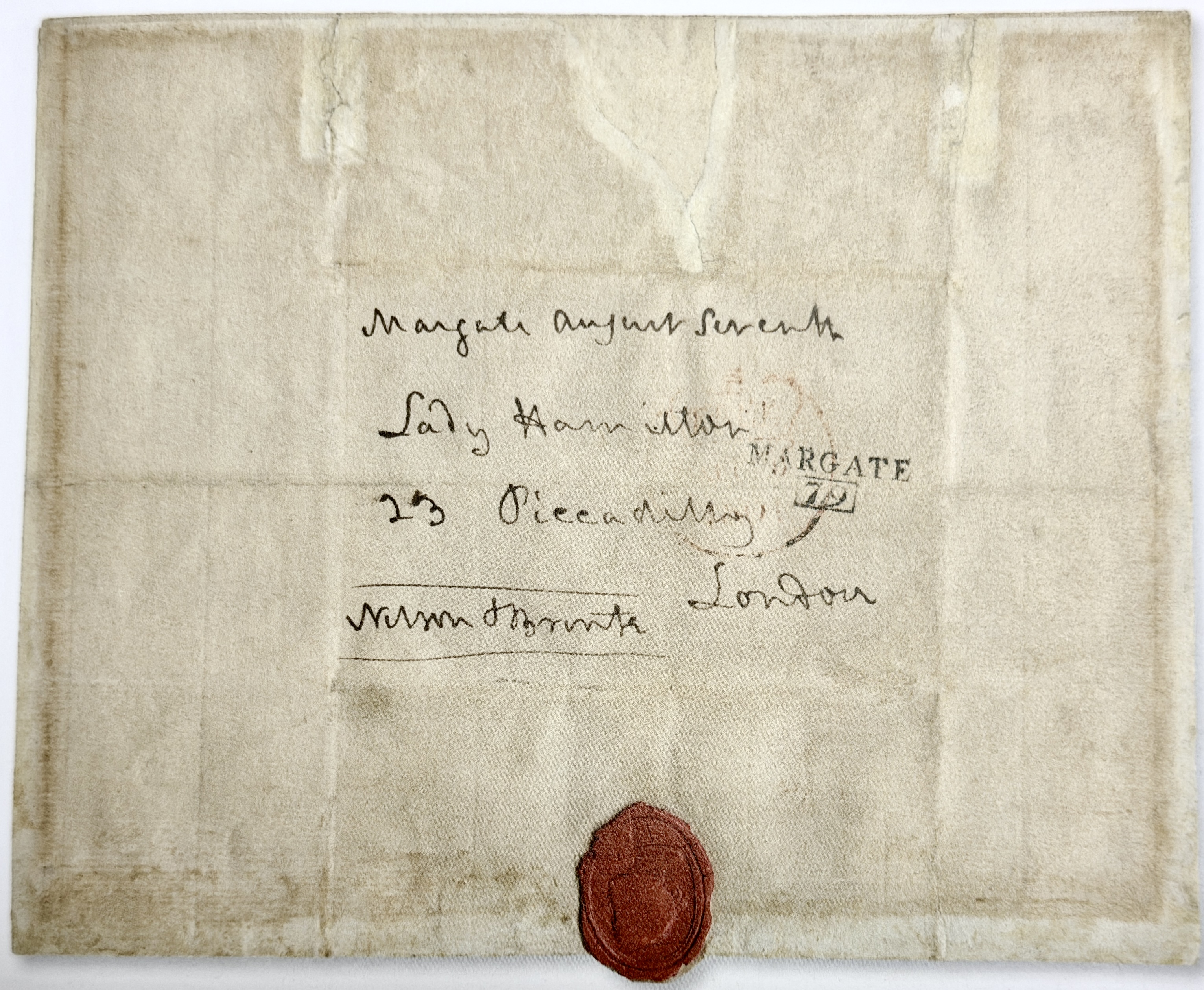
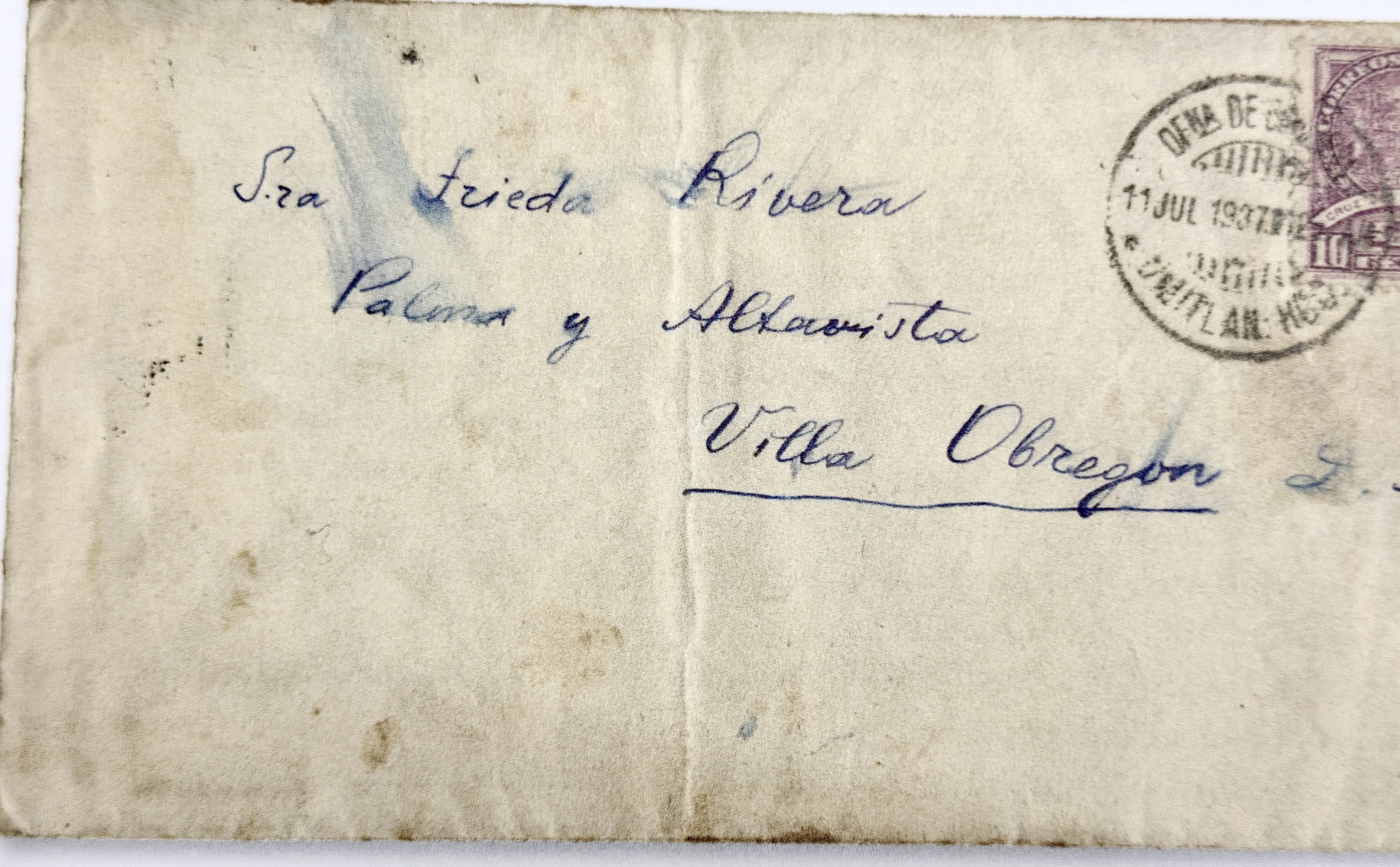
In one of the books I treasure most in my library titled The Magic of Handwriting: The Pedro Correa de Lago Collection (Taschen, 2018), two envelopes offer proof of love affairs—illicit in this case, as all the parties concerned were married to someone else—between Lord Nelson and his mistress Lady Hamilton, and between the revolutionary Leon Trotsky and artist Frida Kahlo (who had given the outcast Trotskys refuge in her home).
This was the same free-spirited Frida who would write her husband Diego Rivera that “Nothing compares to your hands, nothing like the green-gold of your eyes. My body is filled with you for days and days. You are the mirror of the night. The violent flash of lightning. The dampness of the earth. The hollow of your armpits is my shelter. My fingers touch your blood. All my joy is to feel life spring from your flower-fountain that mine keeps to fill all the paths of my nerves which are yours.” (To be fair to Frida, Diego was far more liberal with his vagrant attentions.)
In one of literary history’s worst-kept secrets, Vita Sackville-West would write to Virginia Woolf that “I am reduced to a thing that wants Virginia… I composed a beautiful letter to you in the sleepless nightmare hours of the night, and it has all gone: I just miss you, in a quite simple desperate human way. You, with all your undumb letters, would never write so elementary a phrase as that; perhaps you wouldn’t even feel it. And yet I believe you’ll be sensible of a little gap. But you’d clothe it in so exquisite a phrase that it should lose a little of its reality…. I suppose you are accustomed to people saying these things. Damn you, spoilt creature; I shan’t make you love me any more by giving myself away like this — But oh my dear, I can’t be clever and stand-offish with you: I love you too much for that. Too truly. You have no idea how stand-offish I can be with people I don’t love. I have brought it to a fine art. But you have broken down my defenses. And I don’t really resent it.”
Jose Rizal’s letters to Leonor Rivera were reportedly all burned, but as Ambeth Ocampo notes, two of her letters to Rizal survive, in which she uses the pseudonym “Taimis” and tells him that “I was very much surprised that you had a letter for Papa and none for me; but at first when they told me about it I did not believe it, because he did not expect that a person like you would do such a thing. But later I was convinced that you are like a newly opened rose, very flushed and fragrant at the beginning, but afterwards it begins to wither…. Truly I tell you that I’m very resentful for what you have done and for another thing that I’ll tell you later when you come.” We know how that story ended, with the both of them going their separate ways and marrying another, although Leonor was said to have pined for Pepe to the end.
Again thanks to Ambeth, I can quote Manuel L. Quezon’s 1937 letter to his wife Doña Aurora, where he engages in what today might be called “gaslighting”:
“Darling, I am still wondering if you really think that I love you less. Please don’t doubt me, my love has never changed from the first day I have realized that I was in love with you. I have my weakness as you know, but, dear, it’s all superficial and you know also, that, except for the case of that bailarina, my weaknesses in this respect have not been serious. When you married me, you were frankly informed by me of my shortcomings. I did not want to deceive you by promising something that I could not fulfill. After we have been married you have placed [me], sometimes, in a position when I thought that it was better that I should not confess to you what I had done that might hurt your feelings, but I want you to know that whenever such a thing took place I have felt very bad about it, because nothing I dislike more than not to tell the truth and I always resented the fact that you should prefer to put me in such a situation, thus making me almost hate myself.”
That would still have been more preferable than receiving this ardent letter from a king, and falling for him: “But if you please to do the office of a true loyal mistress and friend, and to give up yourself body and heart to me, who will be, and have been, your most loyal servant, (if your rigour does not forbid me) I promise you that not only the name shall be given you, but also that I will take you for my only mistress, casting off all others besides you out of my thoughts and affections, and serve you only…. And if it does not please you to answer me in writing, appoint some place where I may have it by word of mouth, and I will go thither with all my heart. No more, for fear of tiring you.” The recipient, Anne Boleyn, lost her head in more ways than one, and the sender, Henry VIII, went on to court her successor, Jane Seymour, who wisely returned his love letter unopened—sparking his interest in her even more intensely.
The letter I found too coarse and too embarrassing (brimming with scatological detail) to even quote was written by James Joyce to his wife Nora, but the technologically adept will surely find it online.
My own letters to Beng, and hers to me, are stored in a moldering box that occasionally gets lost and then resurfaces in a year or two, and when we go over them we laugh and cringe at their melodramatic prolixity, as though life itself would run out soon (as it did for many of our generation, under the cloud of martial law, and thus the urgency).
So how do the love letters that we—perhaps the last of the art’s practitioners—have written stack up against history’s and literature’s most memorable? But first, who are “we?”
The immediate “we” are members of our Fountain Pen Network-Philippines who still value and use pens for handwritten communication, beyond signing checks and office forms. Old fogeys like me naturally fall into that category, but surprisingly, given the fountain pen’s and handwriting’s resurgence as a form of protest, if you will, against digital homogenization, many younger people, even some Gen Z’ers, have taken up the cause. Ballpoints are all right—but there’s still nothing better than a vintage fountain pen nib, which flexes with pressure and gives the inked line more character, to convey emotion.
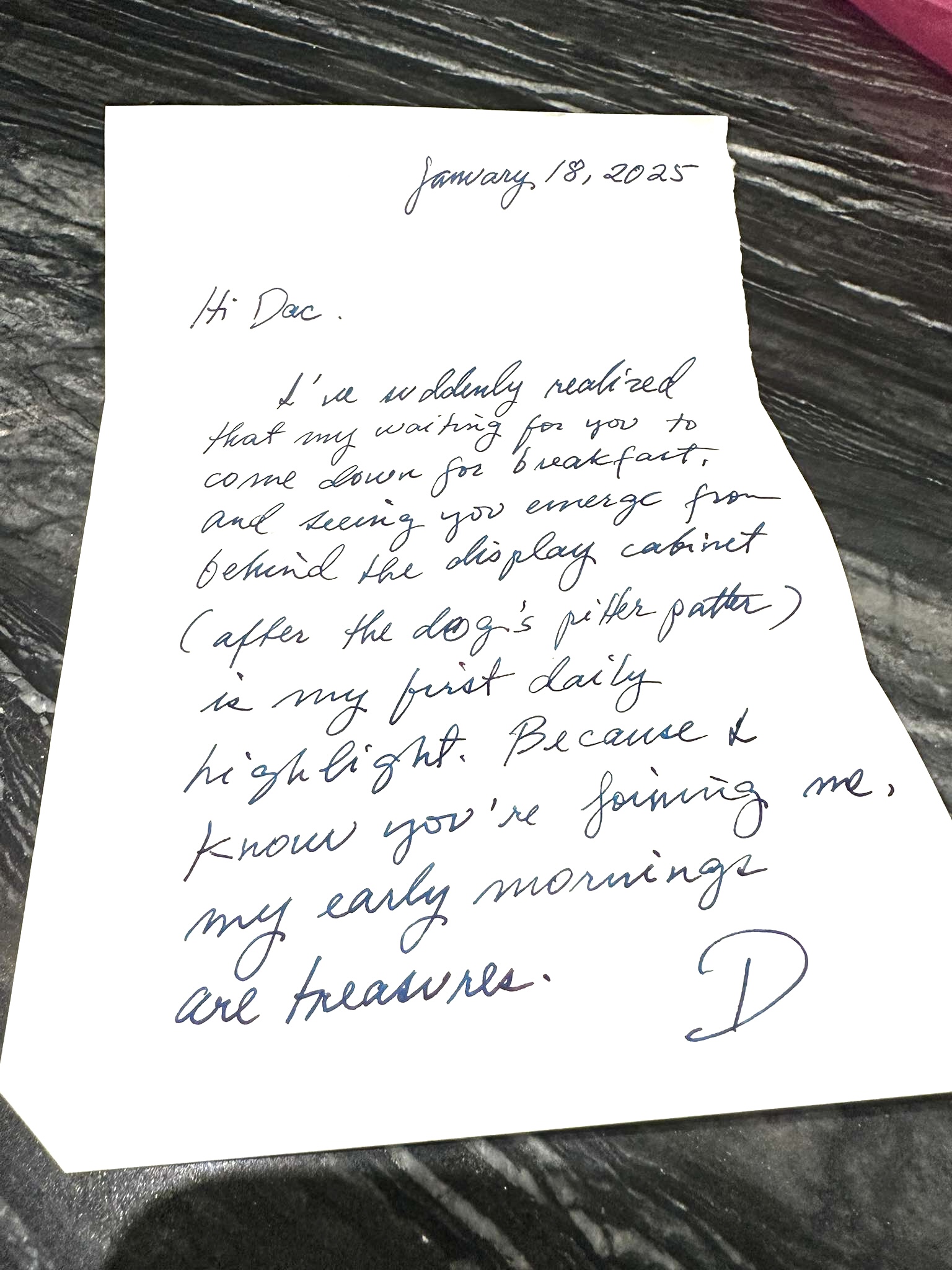
From what I’ve gathered, the best love letters people write go far beyond the often vapid promises and profuse assertions of courtship. They’re unbidden reminders and reassurances of affection, a note quietly written in the morning, a message of congratulations. This, too, is love with a deeper, more hushed voice that comes with maturity and assurance.
I should take my own advice and write Beng more love letters with my hundreds of pens, every single act of which would validate that pen’s existence and probably exorbitant purchase price. I should employ all the colors of ink stored in the dozen bottles that crowd my desk to express love in all its shades and moods, in the same spirit that Robert Graves wrote: “As green commands the variables of green, so love my loves of you.”
But sadly this old man’s fingers have become cramped from being curled too long over keyboards, and can barely finish a page of handwriting before tiring. So instead—though not quite a Gen Z’er accustomed to “lowercase, rapid-fire, multi-message formats”—I write articles like this and stories on Facebook that suggest, ever so obliquely, how central she remains to my life, albeit in Georgia 12 points and .DOCX rather than flowing script. My idle pens, dear Beng, are like the books I’ve yet to write for you, the words still forming in the opaque ink, like the colorful and wide umbrellas I keep buying to shield you with, waiting for rain. So there, and Happy Valentine’s.
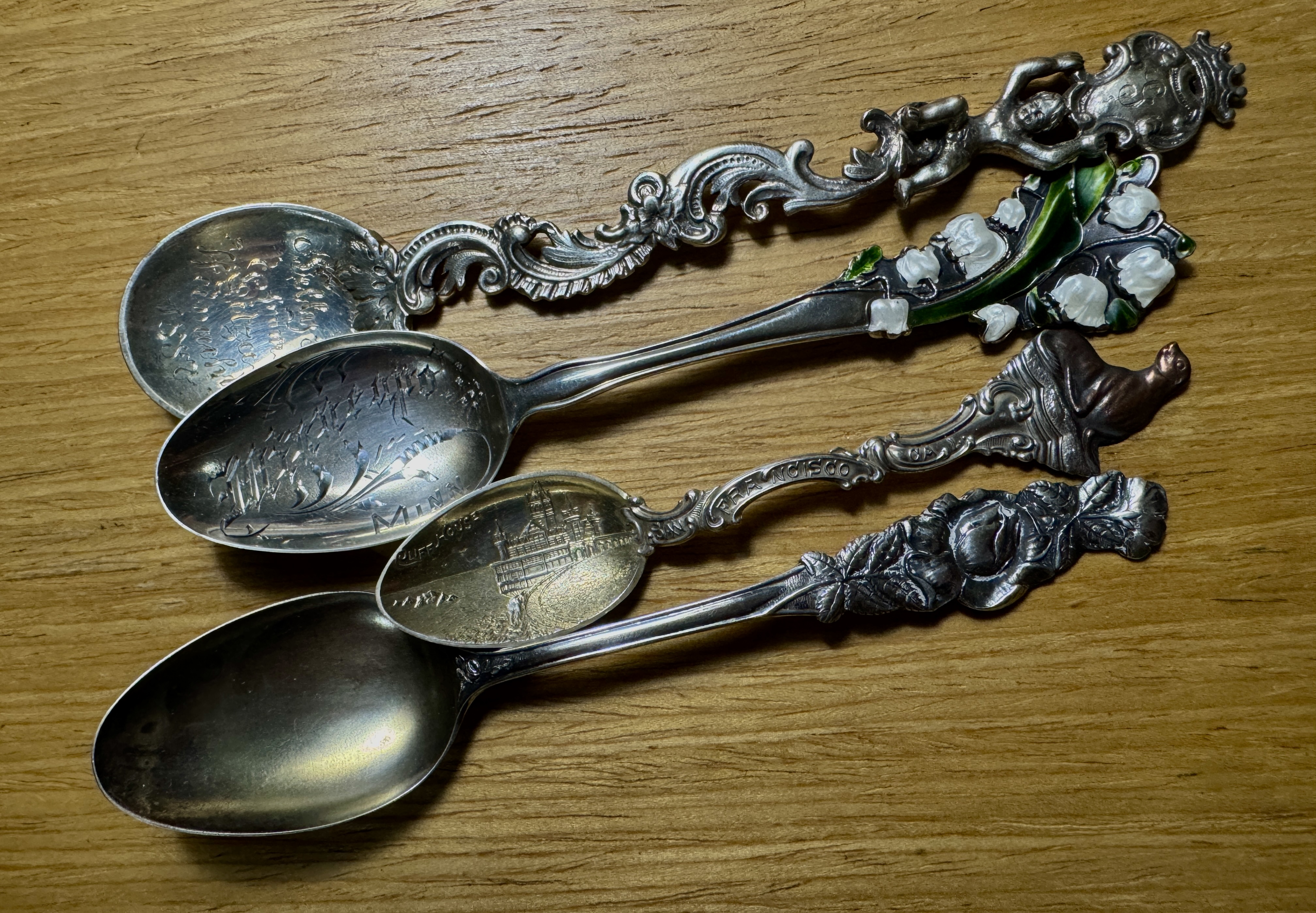
MAYBE BECAUSE of the name I chose for it, longtime followers of this column which I began more than 25 years ago will associate me with collecting vintage fountain pens, and they’d be right—partly. That’s because while I continue to collect pens with a passion, I’ve since branched out in half a dozen other directions, including typewriters, blotters, antiquarian books, midcentury paintings, canes, and even silver spoons.
It’s the kind of behavior that drives collectors’ wives crazy (although I’ll have more to say about the gender issue later), and I can only be thankful that my wife Beng has indulged me all these years. Beng collects bottles, tin cans, and pens herself, but nowhere near the intensity with which I check out eBay three times a day, scour the FB Marketplace, converse in geek-speak with fellow collectors, and subject my collections to never-ending cataloguing.
Seventeen years ago, some twenty people who must have thought they were the only ones interested in fountain pens met in our front yard in UP to form the Fountain Pen Network-Philippines. Those twenty have since grown to over 15,000 members on our FPN-P Facebook page. Unusually among hobbyist groups, and despite its explosive growth, FPN-P has remained one of the Internet’s friendliest and safest spaces, thanks to strict moderation and its openness to all kinds of pens and members, whether they come in with P100 pens from Temu or six-figure Montblancs (yes, there are Rolexes in pendom, although pens are far more pocket-friendly than watches).
One natural offshoot of FPN-P’s expansion has been the emergence of sub-interest groups, among which is the “PlumaLuma” group, which began as one devoted to vintage pens and desk accessories, but which soon evolved into “PlumaLuma Atbp.” as it became clear that pens weren’t our only obsession.
Some collectors maintain a clear and strict focus, like watches, santos, and tea sets. Others branch out into tangential areas (like other writing instruments and books and ephemera for me). The latter far outnumber the former, as collectors soon realize that one is never enough—not just of an object, but of collectibles. There are also “completists” who must have every single item known to have existed, catalogued and off-catalogue, in every collecting band (among my vintage Parker pens, for example, I have about 80 “Vacumatics” from the 1930s and 1940s—still far short of the hundreds of variants made).
Any serious collector in any field will tell you that a good collection takes more than money—although money surely matters in the rarefied realms. What’s just as important is connoisseurship—knowing what to want and why, and understanding the market. For budget-challenged collectors like me, knowledge and determination help balance out the odds, allowing me to buy low, sell high, and eventually trade up to the best goods without paying MSRPs. That also means taking more risks on places like eBay, but then there’s the thrill and pleasure of the hunt, which stepping into a boutique and plunking down a credit card simply can’t buy.
Those of us who collect vintage and antique items (by convention, “vintage” means at least fifty years and “antique” at least a century old) take even more risks , because what we collect could be damaged, stolen, or even fake. With the rise of auction houses and the allure of parking one’s money in some conversation-piece or status-symbol artifact, the stakes have risen even higher; there have been reports, for example, of forged master paintings sold and of “rare” coins being doctored to acquire more value at the auctions.
None of this has daunted the fatally bug-bitten collector, for whom the bar has simply risen; the Internet and the emergence of collecting groups has enlarged the competition, but at the same time it has opened more markets (I’ve bought pens and rare Filipiniana from as far as Bulgaria and Argentina).
That explains the amazing range you’re about to see in the collections of four gentlemen I’ve picked out from PlumaLuma Atbp. who exemplify, for me, the finest in collecting and connoisseurship, being virtual walking encyclopedias of their particular specialties. (And to clarify an earlier point, PlumaLuma has many lady members with formidable pen collections—lawyer Yen Ocampo and cardiologist Abigail Te-Rosano among them—but despite what’s been said about women and shopping, they don’t seem to be anywhere near as profligate as most of these men.)
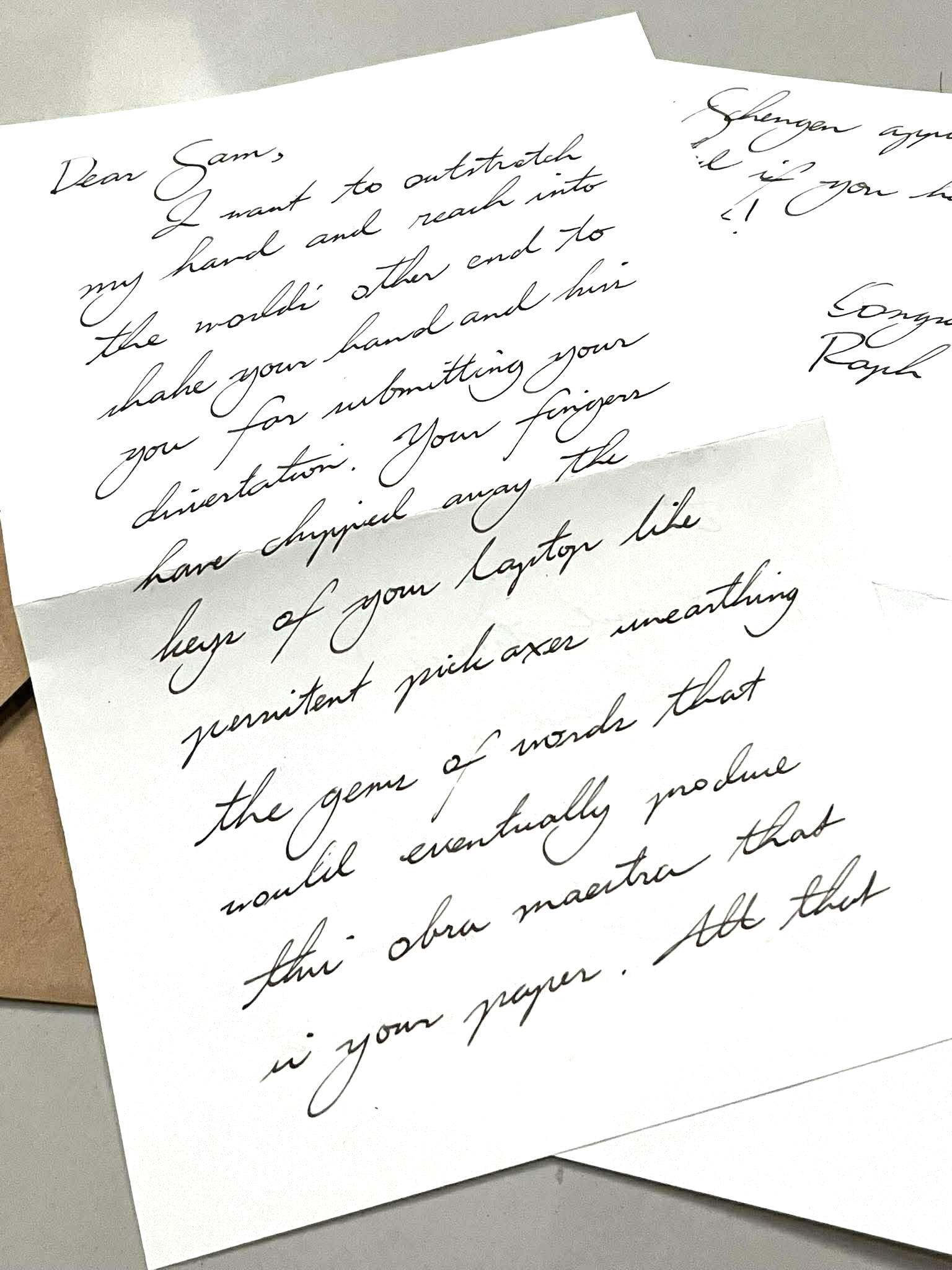
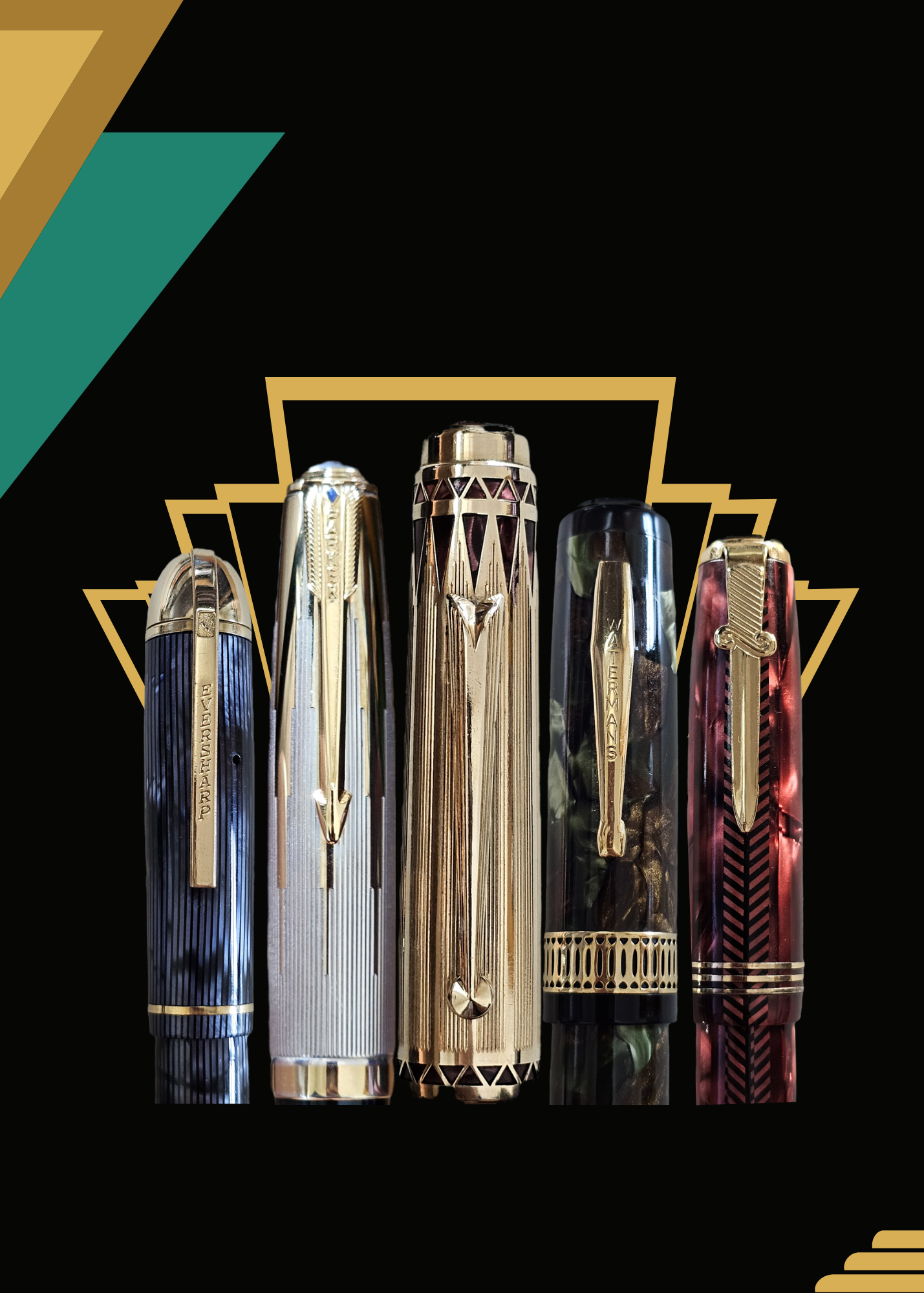
The exception to the charge of profligacy (to which I will readily confess) is Raphael “Raph” Camposagrado. Barely in his thirties, Raph trained in the UK and often travels to Europe as a software and AI consultant, imbibing Old World culture with keen devotion. He is the model of collecting focus and discipline, keeping his world-class collection of vintage fountain pens within clear numerical bounds. The one thing they have to be, aside from being old, is beautiful—as in Art Deco beautiful. No pen epitomizes that more than the 1930s Wahl Eversharp Coronet, as Raph explains:
“Considered the peak of Art Deco within the world of pen collecting, the Coronet is abundantly adorned with the symmetry, sharp angles, and geometric forms that enjoyers of the design movement obsess over. The cap and barrel are gold filled and strewn with longitudinal striations. Triangular red pyralin inserts and the pyramidal cap finial give a bold pop of color echoing the beams of search lights that would have streaked over 1930s Manhattanites. This particular piece is equipped with a slide adjuster that allows the user to change the stiffness of the nib from a firm writer of business letters to one with line variation for calligraphic pursuits. It even sports an ink view letting the user see if the pen is due for a refill. While modern pen making tends toward the large, gilded, and ornate, the Coronet achieves extravagance with just the right amount of restraint. It is golden without being a rococo explosion. It is diminutive and so maintains the dimensions of classic jewelry. It knows just how much to show like many other luxury pieces made in the late 1930s.”
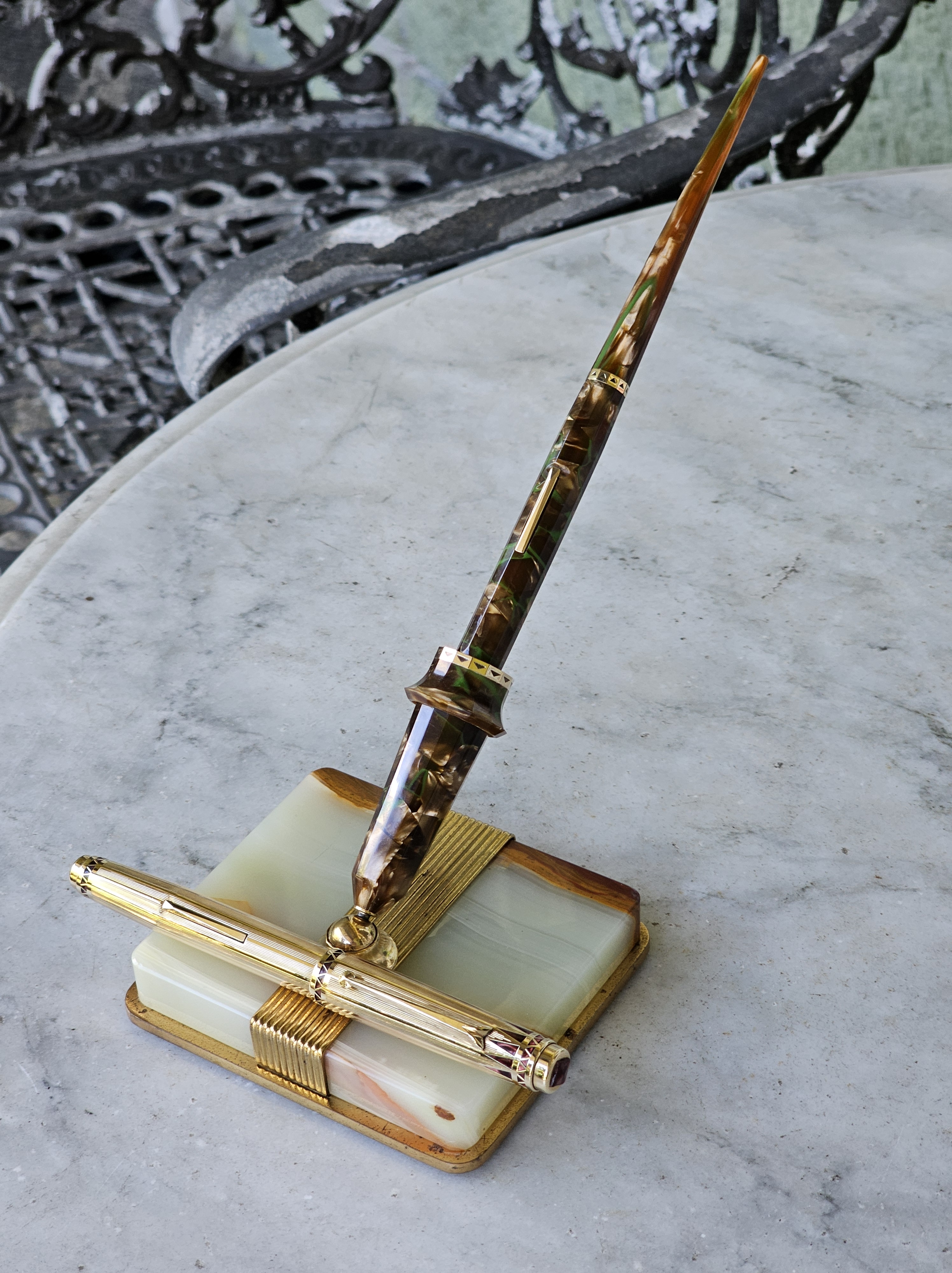
Raph is also known for his sub-collection of exquisite desk pen sets, once the hallmark of executive success. The Wahl-Eversharp Doric sets, in particular, are visual stunners.
“I personally scoured Ebay to build a mini collection around this model by Wahl-Eversharp called the Doric,” says Raph. “Other than the Coronet, the Doric is quintessentially Art Deco, sporting twelve facets. The marble desk base is supported by a thin chrome bed and has bracing that reminds me of a hawk’s neck and beak when viewed from the front or back. The depth of the celluloid on the various pens looks as if it were of stone as natural as the desk base itself.”
Investment consultant Alexander “Sandy” Lichauco has long been known in the collecting world as a collector of Philippine medals and tokens, having co-authored a seminal book on it with Dr. Earl H0neycutt (Philippine Medals and Tokens 1780-2024). However, dismayed by the rampant commercialism in that hobby (forgeries and malpractices abound), Sandy turned to fountain pens, amassing an amazing vintage collection in less than two years (including many Parkers that I—his budolero—wish I had).
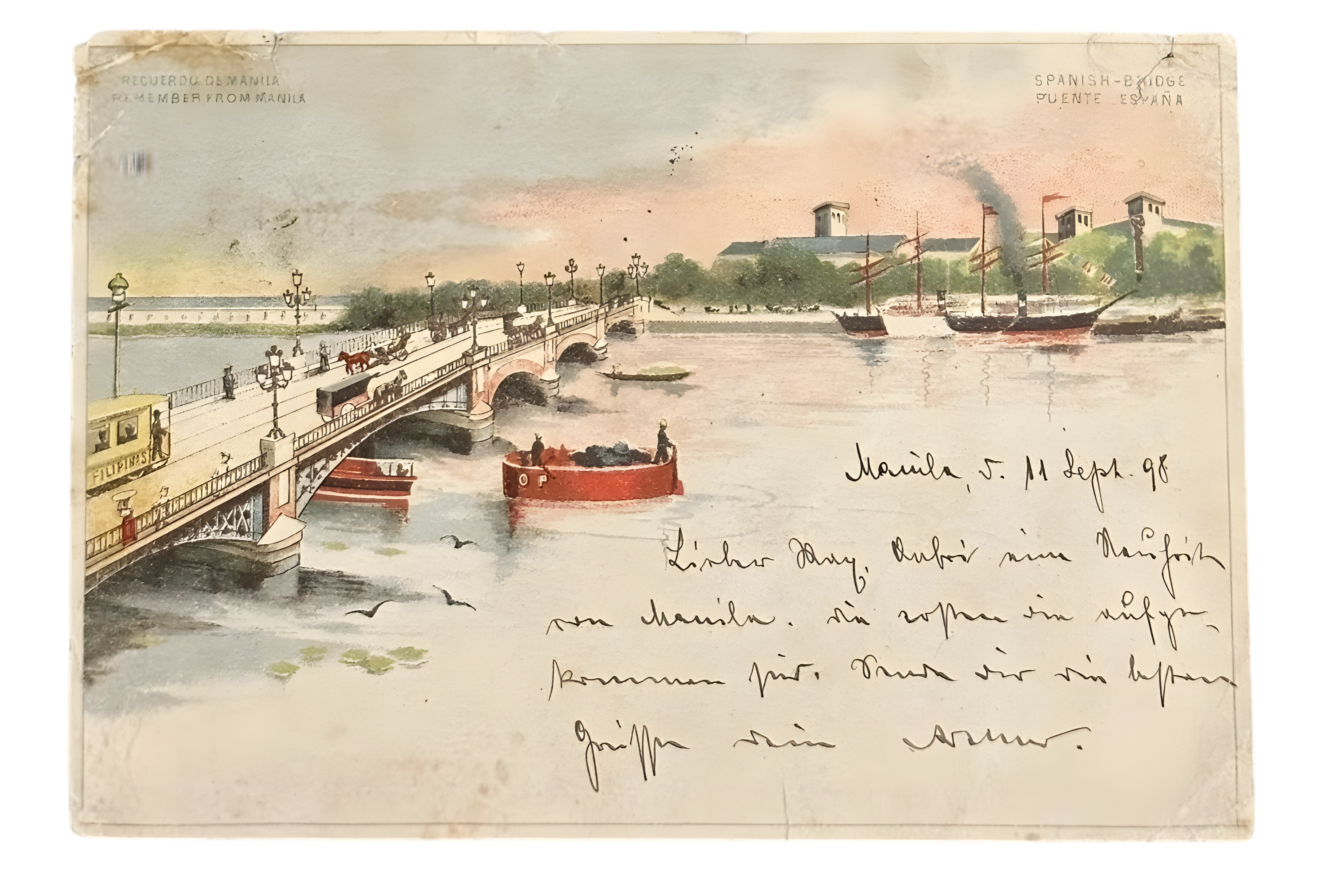
But aside from medals and pens, Sandy is also one of the country’s foremost deltiologists—that’s “postcard collector” to most of us. “I’m deep into deltiology now and have tracked down nearly 100 private mailing cards (which isn’t much compared to other collectors, but I’ve become very intentional and selective about these cards) from the turn of the century, including these two newly acquired color cards,” he says. “But the crown jewel is my 1898 Pioneer card of the Puente de España. I snagged it at a London auction, and I love the unique watercolor art. It’s postmarked and was used just three months after we gained our independence from Spain. It’s been on exhibit at the Ortigas Library since August.”
Sandy also maintains the highly informative and interesting blog www.nineteenkopongkopong.com (and he can explain the origin of that word).
When he’s not practicing his trade as a licensed architect and project and construction manager, Melvin Lam—our newest convert to fountain pens—collects historical artifacts and documents such as the silver quill pen given as a prize to the young Jose Rizal, a letter from Andres Bonifacio to Emilio Jacinto, 1st Republic revolutionary coins and banknotes, a photograph of Rizal’s execution, the 1898 Malolos menu, revolutionary flags from the First Republic, the Murillo Velarde map, and an Ah Tay bed, among many others.
Melvin is also an expert on the anting-anting, co-authoring the Catalogue of Philippine Silver Anting-Anting Medals. “My passion for history and culture was influenced by my father, Robert Lam, who began collecting antiques and artifacts in the 1970s. It has taken my family over 50 years to acquire our current collection. Our collection ranges from early prehistoric Philippine artifacts, items from the pre-colonial, Spanish colonial, American occupation, and Commonwealth eras, up to World War II Filipiniana items. It also includes antique anting-anting, antique santos, Philippine indigenous items, antique furniture, and Martaban jars.”
Not surprisingly, Melvin serves as president of the Bayanihan Collectors Club, known for its webinars, exhibits, auctions, and other historical celebrations, and as a board member of the Filipinas Collectibles and Antique Society (FCAS), which organizes international conventions for antiques and collectibles.
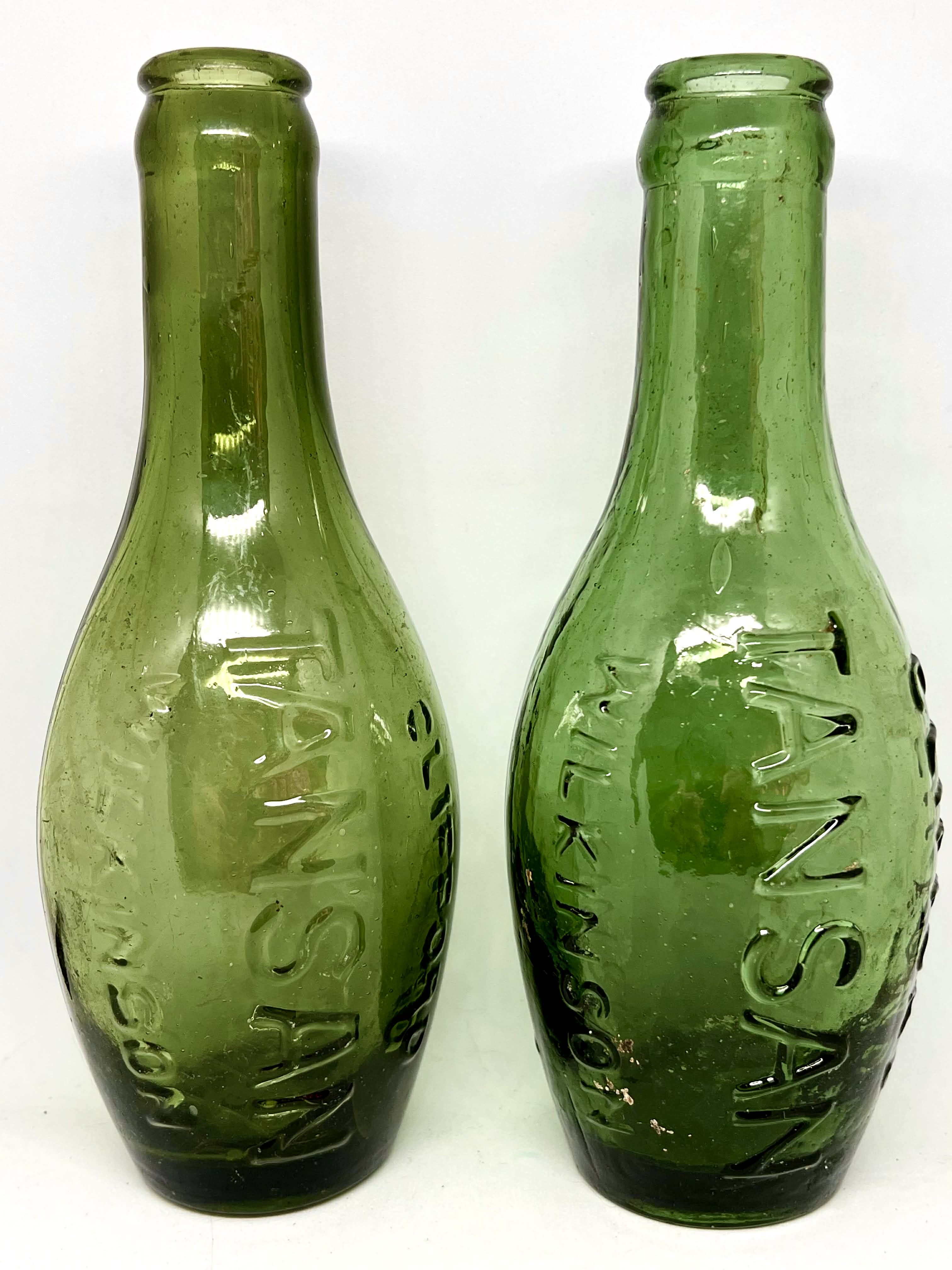
For sheer collecting range and prowess, few can hold a candle to Augusto “Toto” Lozada Toledo, who retired from banking and insurance broking ten years ago. Never mind his 400 fountain pens (older than Toto by a few months, I have about just half that). It would be more accurate to describe Toto as a collector of collections, which comprise, aside from pens, mainly bottles (vintage and modern, soft drinks, medicines, ink, liquor, perfumes, pomades, insulators, Avon figurals, milk and baby bottles, and kitchen glassware) and Batman (action figures, vehicles, Lego sets, and comics).
Ask Toto about the history of Parker Quink (no, not invented by a Filipino as the urban legend has it), and you’ll get a half-hour lecture on Quisumbing Ink and Quesada ink, aside from Quink itself—with all the right props, of course.
A coffee fan, Toto also collects old brewing equipment, coffee cups, used (!) coffee bags, and Starbucks prepaid cards. From his banking and insurance background, he collects old passbooks and checks, vintage fire extinguishers and alarms, metal coin banks, prewar insurance policies, and Zuellig ephemera. (I’m leaving out a lot here, but you get the idea.)
“My main collection is vintage glass bottles—maybe 3,000 specimens—of Philippine products, because of my interest in Philippine history, and how bottles provide clues of their provenance, their makers, their likely users (who actually drank from them), art work (for bottles with paper labels), and the evolution of their logos, which are often tied in to changes in corporate history and ownership,” Toto explains. “The next largest collection is Batman objects—some 2,000 action figures alone. As a seven-year old boy, I read the 1939 issue of Detective Comics No. 27, featuring the debut of Batman, and have always been fascinated by his mental and physical skills that did not originate from alien powers but from his individual training and intellectual prowess.
“The coffee collection comes from a lifelong affair with the brew. The banking and insurance collection comes from a 40-year career in these professions. My first fountain pen was a Wearever Pennant (still with me), that my father gave me as Grade 1 student in 1960. Briefly interrupted by the emergence of Bic ballpens in the 1960’s era, I picked up the collecting in the late 1970s. The others are a result of my interest in the Art Deco aesthetic, my career with the Zuellig Group, my love for Philippine history, and my longing for a return to the mid-century era. It’s always difficult to choose favorite pieces, but for bottles, it would be the Tansan Aerated Water because of the actual etymology of its name, and the (misplaced) brand association with the crown metal cap. The bottle is also very much a part of the American colonial era (strictly recommended for the US military), and was exclusively distributed by F. E. Zuellig, Inc. I also count the San Miguel Beer bottles, from its ceramic containers (from Germany), dark green bottles (from Hong Kong), and the establishment of its own bottle making plant which produced the now-ubiquitous and iconic amber steinies.”
My own most recent acquisitions beyond pens have been, of all things, paper blotters and silver spoons, which began as I idly searched for items Nouveau and Deco. It didn’t help the budget that there are literally hundreds if not thousands of such baubles to be found on eBay at any given time (220,000-plus for fountain pens this very minute). Like Raph, Sandy, Melvin, and Toto, I can spend sleepless nights sighing over some obscure object of desire that might leave wives and mates suspicious, but which they will accept in resignation over more dangerous liaisons.
I’m well aware that there are people who would consider us insane, but let me put it this way: to a world full of ugliness and discord, we bring beauty and order in the cabinets and cases that home and organize our collectibles, and at a time when people forget things after five minutes, we keep the memories of centuries.
AS ANY friend who’s had the privilege of being invited to his Makati home quickly realizes, Ambeth Ocampo is more than the engaging public intellectual we all know, whose Looking Back series has made history come alive for young Filipinos. He’s also an inveterate collector of rare Filipiniana—books, ephemera, art, and historical objects—all of which come with the territory he works in.
There have been many Filipinos of a similar bent—the legendary Alfonso Ongpin and the late Ramon Villegas come to mind, as well as the more contemporary Jimmy Laya, Melvin Lam, and Edward de los Santos, among others—but the way Ambeth has amassed his collection is noteworthy on its own, as it folds the personal almost imperceptibly into the professional.
It comes pretty close to the classic prescription for murder—means, motive, and opportunity—all captured in his classic story of how he stumbled on and picked up Emilio Jacinto’s silver quill, a writing prize, from an antiques dealer who didn’t bother to learn what it was and let it go for its scrap value. (Having as much of Ambeth’s desire for antiquarian junk but with much less knowledge and certainly less means, I’ve often joked, between the two of us, that Ambeth’s the scholar and I’m the scavenger.)
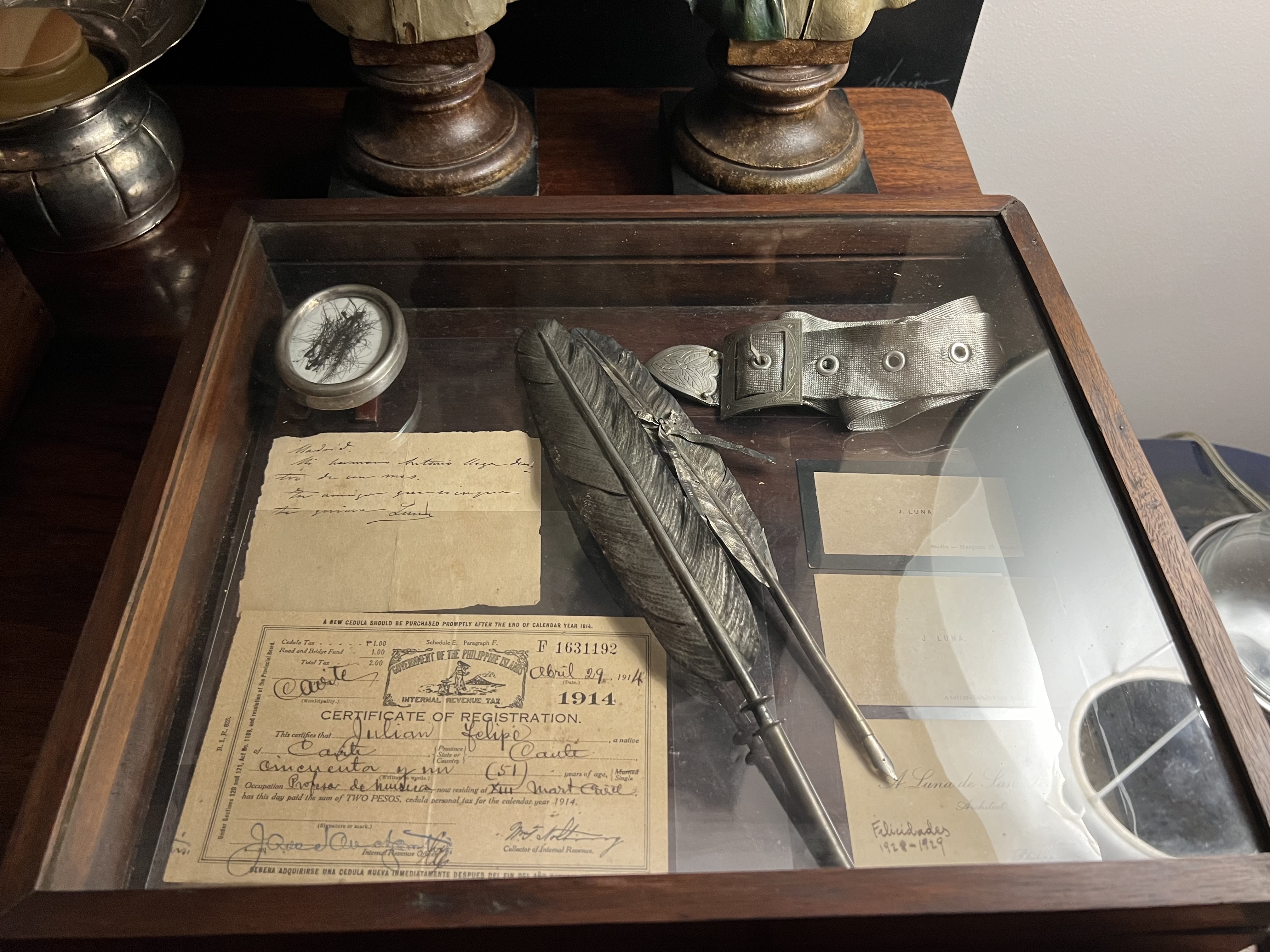
Jacinto’s quill, along with a trove of other historical treasures from Ambeth’s personal collection, will be up for auction on June 7 at Leon Gallery. They include Juan Luna’s silver belt, Felix Resurreccion Hidalgo’s walking stick, an official copy of the Malolos Constitution, Philippine maps from 1616 and 1647, and the Noceda and Sanlucar Vocabulario de la Lengua Tagala from 1860, among many others.
Knowing how precious these objects were, I had to ask Ambeth more about them, and this is what he said.
What made you think of selling these treasures now? Surely it can’t be easy letting go of them after being their caretaker all this time?
Over the years, I have come to the realization that collecting is not the hobby it used to be. As a boy I collected stamps and learned geography, history, and the culture of foreign countries in the process. I was fortunate that my father’s company had an international correspondence, so every week his secretary would send me a batch of envelopes to sort out.
I started collecting Filipiniana books in the 1980s, stocking up from the National Bookstore Quezon Boulevard branch bargain bin where I completed my Nick Joaquin essay collection because they cost one peso each. After school, I went to the Heritage Art Center in Cubao that I learned only years later was the site of the old Philippine Art Gallery. It was a ramshackle grouping of rooms upon added rooms made from old house parts that Mario Alcantara, the owner, bought from mambubulok. I had a favorite nook where I did my homework and when bored I would explore the rooms that I think gave me an eye for art and the ability to choose what I thought was good or not.
Looking back my collecting, and my life, has been the happy intersection of skill and opportunity. Napoleon once said “ability is nothing without opportunity.” I have always seen collecting as a responsibility. Collecting significant Filipiniana is not a hobby. It is not an investment. Collecting is a responsibility, the collector a steward who preserves the collection for the next generation.
The objects I put at auction have enriched my life in many ways and I think they will enrich the life of their next steward. Some of the lots like the Malolos Republic one-peso banknote and the printed copy of the Malolos Constitution have been tucked away in a drawer. If I drop dead tomorrow these might be carelessly thrown away as trash. They should go where they are better appreciated. Collectors de-accessioning keeps the market alive and buzzing.
Let’s get this out of the way: it’s none of our business, but what will you do with the money?
Since I am not a dealer the material reward does not really factor in the equation. I have sold other things before at cost or even at a loss, just thinking that my gain was the enjoyment I got chasing after them and acquiring them. What will I do with the proceeds? When I started selling my rare Filipiniana I thought that instead of having shelves of books, maybe I should just sell and use the proceeds to buy one or two incunabula or samples of early Philippine printing from 1593-1640. Instead of caring for a whole library I will just care for half a dozen very important books.
How did you start out as a collector of historical objects? How and where did you find them? Aside from Jacinto’s pen, what was your most serendipitous find?
Collecting historical objects came naturally from my work as a historian. I would find things in used bookstores and when supply was still plentiful in the Ermita antique shops. One of the serendipitous finds was the cedula or residence certificate of a certain Julian Felipe, a musician from Cavite. It was in a heap of old papers, initially priced at one hundred pesos. I haggled it down to fifty, paid, and ran away.
Another time my favorite antique dealer brought a “European painting” of a Virgin and Child to my home. I looked at it and knew it was Philippine. When I opened the frame to inspect the painting, hidden under the frame was the signature of the Filipino master Mariano Asuncion (1802-1855). The silver belt of Juan Luna and the bank draft in his name were acquired from Mario Alcantara. It came with the famous trove of paintings inherited by Grace Luna de San Pedro that are now in the National Museum. While everyone was going wild over the paintings, I spent many afternoons browsing the boxes of memorabilia that included the bloodied uniform Antonio Luna wore when he was assassinated, the palettes and brushes of Juan Luna, the memorabilia, some architectural plans of Andres Luna de San Pedro, and much more. I offered to buy the palettes and brushes and the painter’s smock but Mario said these were destined for the National Museum. There was also the last letter Juan Luna wrote to his son from Hong Kong, written a day before his death, not only was this letter significant, Luna did a watercolor of Hong Kong Harbor on the first page of the double-sided letter. All I could afford was the silver belt that came with Luna’s black suit that Mario said was also destined for the National Museum. Unfortunately, the Heritage Art Center burned down and with it all these memorabilia.
Do you or can you separate the collector from the scholar? Did the collecting happen naturally as a consequence of the scholarship?
The collecting grew and was enriched by my research and scholarship. If I had a PhD in Math I probably would not have recognized these odds and ends now considered treasures. I have been divesting over the years. A large part of my Filipiniana collection was donated to the Center for Kapampangan Studies, Holy Angel, Pampanga. All I keep at home are the books I need for work for teaching, lecturing, and writing, but now that I am retired from Ateneo (but still employed on a post-retirement appointment) it is easier to let go.
The full catalog of Leon Gallery’s Spectacular Mid-Year auction can be accessed on its website at https://leon-gallery.com.
THIS PAST weekend, I was down in Dumaguete City with National Artist for Literature Resil Mojares, historian Ambeth Ocampo, and scores of other writers for the 2nd Dumaguete Literary Festival. At my age, I’ve frankly tired of going to literary festivals, conferences, and workshops, preferring to work quietly at home—Dr. Mojares apparently feels the same way—but we couldn’t resist the allure of Dumaguete, a city central to the development of Philippine postwar literature, and always well worth visiting on its own for its gentle charms.
I personally have much to thank Dumaguete for, for what it contributed to my own budding literary and academic career. Early in 1981, shortly after I had returned from my first visit to the US, I received an invitation from Dr. Edilberto Tiempo to join the Silliman Writers Workshop which he and his wife Edith—the poet and future National Artist—had started two decades earlier upon their own homecoming from America.
I had dropped out of college for a decade by then, and was working at NEDA, which had sent me to the US for an observation tour. What that trip to the American Midwest—mainly the campus of Michigan State in East Lansing—did for me was to rekindle my interest in learning. Dr. Tiempo’s invitation could not have come at a better time: a summer devoted to talking about poetry and fiction at Silliman University felt dreamlike, and by the time the workshop ended, my head spinning with magical lines from Robert Graves, I had resolved to quit my job, go back to UP, and just study, write, and teach for the rest of my life. And that’s what happened.
I wasn’t alone in that kind of transformative experience; as the country’s oldest writers’ workshop, the Silliman summer workshop became a virtual rite of passage for young writers, especially in English (some writers in Filipino have also attended, with works in translation). Silliman itself (older than UP by several years) has produced many of the Philippines’ finest writers, aside from the elder Tiempos—among them Ricaredo Demetillo, Aida Rivera-Ford, Merlie Alunan, Leoncio Deriada, Cesar Ruiz Aquino, Elsie Coscolluela, Rowena Tiempo-Torrevillas, Marjorie Evasco, Lakambini Sitoy, Artemio Tadena, and Myrna Peña-Reyes. It also has a strong performing arts tradition, contributing the likes of National Artist Eddie Romero, Gilopez Kabayao, Amiel Leonardia, Junix Inocian, and Elmo Makil, among others.
For all these, Dumaguete has been formally nominated to be designated as a UNESCO City of Literature—one of many such distinctions listed under UNESCO’s Creative Cities Network program that was launched in 2004 to recognize and celebrate cities around the world—350 of them form more than 90 countries to date—for their signal achievements in Crafts & Folk Art, Design, Film, Gastronomy, Literature, Music, and Media Arts. So far, 53 cities in 39 countries have been named Cities of Literature—among them Barcelona, Heidelberg, Iowa City, Lahore, and Norwich. (Iloilo has already been named a City of Gastronomy, and Quezon City is vying to be designated a City of Film.) With the Philippines serving as this year’s Guest of Honor at the Frankfurt Book Fair, Dumaguete’s recognition as a UNESCO City of Literature will raise our global cultural profile even higher, and let the Philippines be known for more than Boracay, Manny Pacquiao, and Imelda’s shoes.
Leading that charge for Dumaguete is Silliman University literature professor Ian Rosales Casocot, one of our best fictionists and co-director of the festival with Gayle Acar. Working with the Dumaguete City government, the Department of Trade and Industry, and the Buglas Writers Guild which Ian heads, Ian notes that aside from developing writers, “Dumaguete itself has been a constant subject of many literary works, from novels to poetry, from essays to plays. It is high time that Dumaguete is recognized for its role in shaping literature in our corner of the world.” The well-attended Dumaguete Literary Festival, now on its second edition, offers proof positive of that city’s continuing centrality to our literary life and culture.
We had been invited to share our views on various aspects of Philippine literature in this age of artificial intelligence. I joined a panel of writers dedicated to that specific topic—or, as they put it, “Can AI Win a Nobel Prize for Literature?”—which happened to be something I’ve given much thought to.
Understandably, there’s been a lot of fear and anxiety—even outright hostility—generated by the emergence of AI in nearly every aspect of human life and society. Studio Ghibli’s Hayao Miyazawa, for example, has forsworn the use of AI in his work, calling it “an insult to life itself.” While it has been hailed for its contributions to such fields as medicine and criminology—shortening diagnostic procedures and sharpening digital forensics—AI’s application to less mechanical endeavors is more fraught with both ethical and technical questions.
In previous lectures and again in Dumaguete, I showed how—at this point—AI poses little threat to the writer of truly good and imaginative literature, by yielding execrable responses to such prompts as “Write a paragraph about a summer night in Spanish Manila in the style of Nick Joaquin.” It’s worth a laugh, but I’m not sure how long we’ll be laughing; AI’s present ineptitude simply means it has a lot to learn—and it will, with the kind of training it’s being fed off our books, our texts, our manner of writing. It will only be a matter of time—I’d say less than a decade—before AI can mimic the best of global writing. For me, the best response is neither to hate nor to ignore it, but to understand it and employ it for helpful uses we have yet to find. (We’re already tapping AI every time we use Google, and no one seems to mind.) It should even be possible for authors to creatively interact with AI in what I’m calling a game of prompts.
What we can reasonably certain of is that while literary styles can be copied, the human imagination is far richer and stranger than we think. AI tends to homogenize; the good creative writer strives to be unique. Like Dumaguete, there’s a whole city, a labyrinthine cosmopolis, of stories in every writer’s mind to be discovered and explored.
FOR A group that began in our Diliman front yard with less than 20 people almost 17 years ago, the Fountain Pen Network-Philippines (FPN-P) has come an awfully long way. With over 14,000 members online, meeting physically by the dozens in regular “pen meets” held in hapless cafes and restaurants, and thousands more informal recruits among families and friends, FPN-P should really register soon as a partylist devoted to “spreading the joy of handwriting with fountain pens.” We have active chapters in Baguio, Bacolod, and Davao, among other places; quite a few members even reside abroad but keep in regular touch through the group’s FB page.
As I’ve often written here before, the allure of fountain pens lies in their rediscovery by digital natives as a means of self-expression—of recovering one’s uniqueness in a universe homogenized and anonymized by computer code. Our ranks include Supreme Court judges, Cabinet undersecretaries, artists, professors, doctors, and lawyers, but most of our members are young professionals in their twenties and thirties for whom writing in cursive is itself an adventure. There are probably hundreds of thousands of pen fanciers (as they used to be called) around the world, mainly in the US and Europe, but what distinguishes FPN-P is its youthful vibe and the infectious fanaticism of its members.
Some fall in love not just with the pens but with penmanship itself, and become calligraphers. Others grow enamored of inks and papers of a bewildering assortment—inks that shimmer and sheen, combining lustrous gold with a deep oceanic blue, and papers that range from silken smoothness to almost parchment-like toughness.
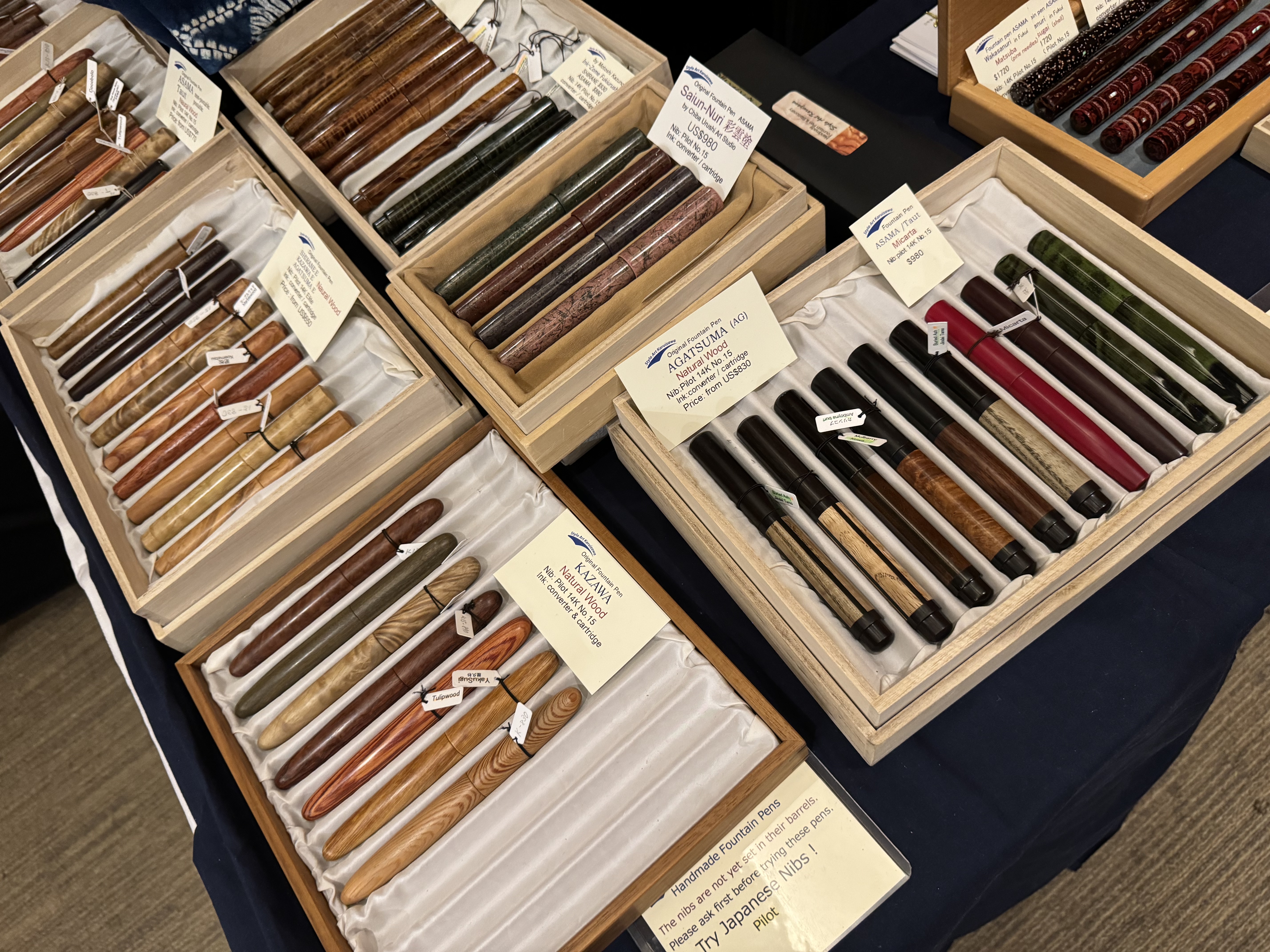
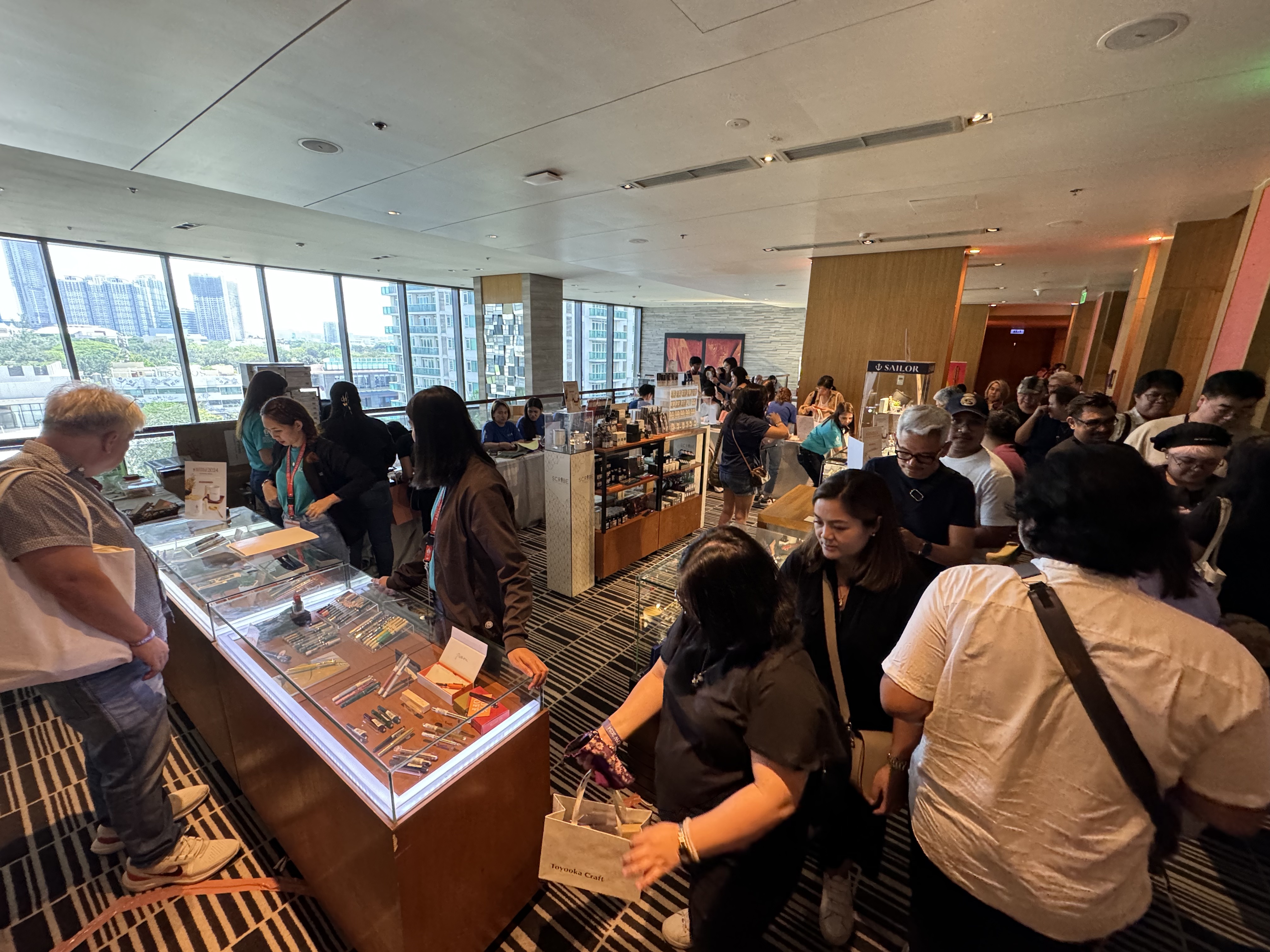
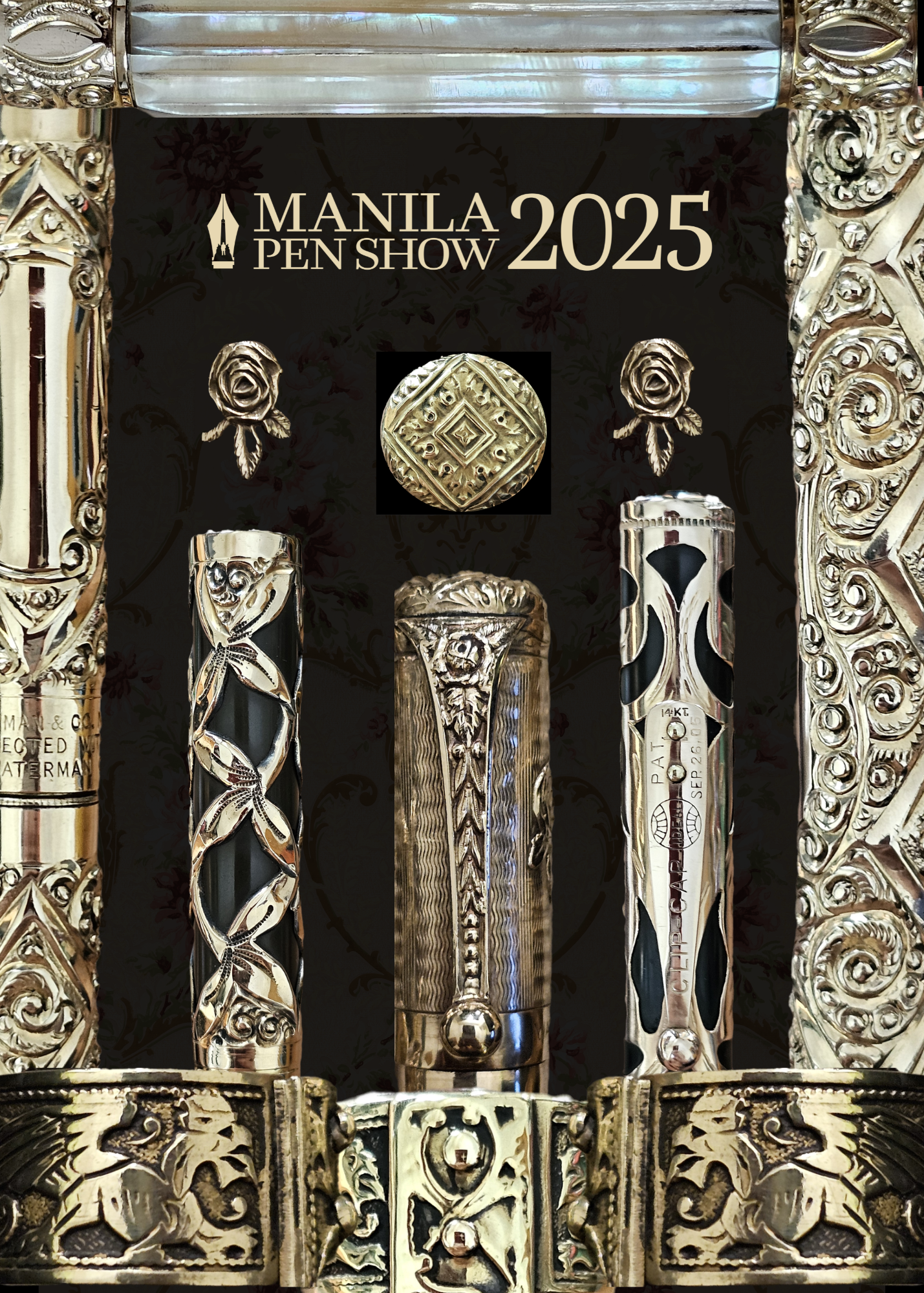
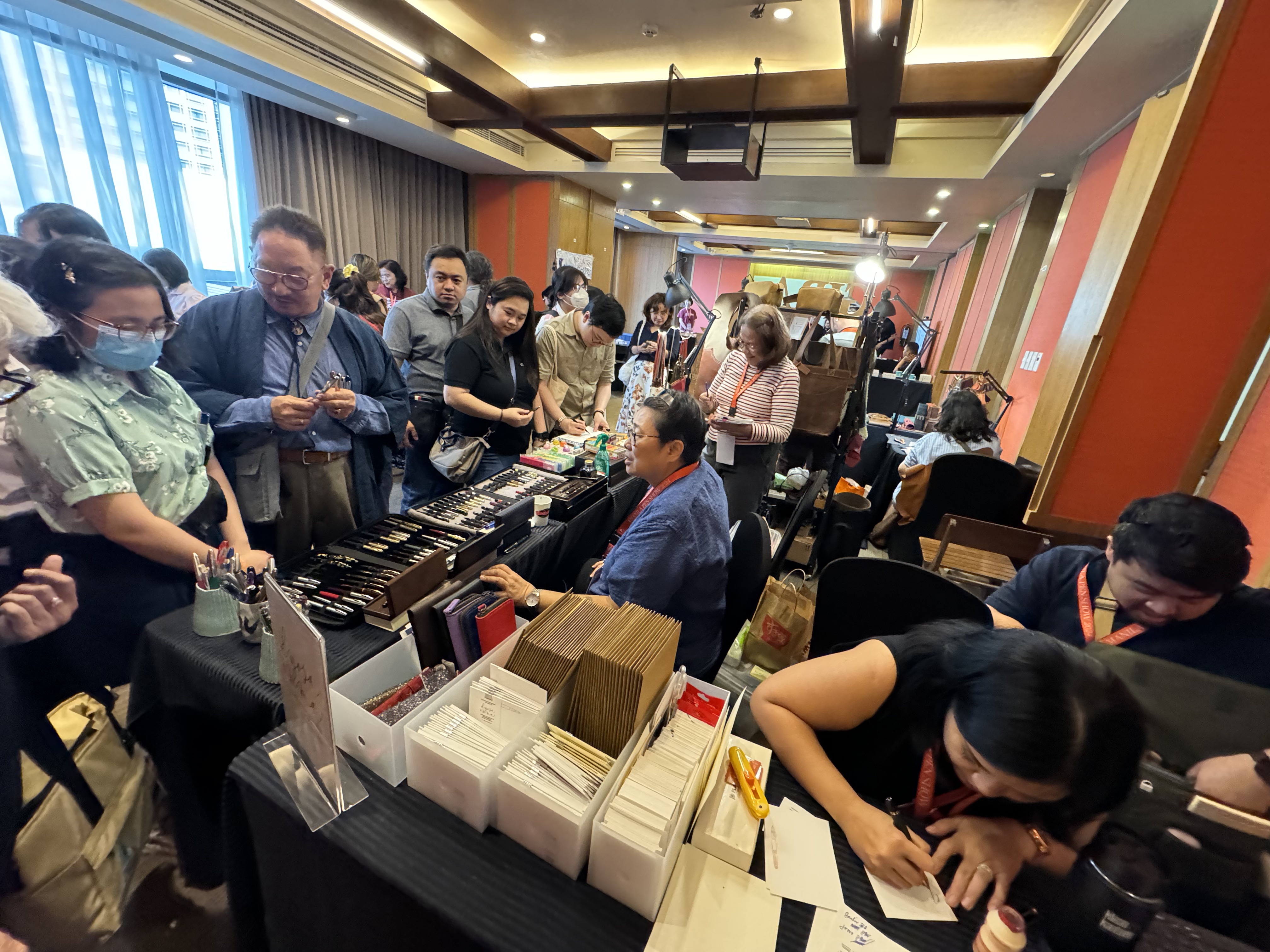
Next weekend, hundreds of these penfolk (and the general public) will converge at the 5th Manila Pen Show that will be taking place March 15 and 16 at—fittingly enough—the Peninsula Manila.
Top pen makers and dealers from Japan, Hong Kong, Singapore, and Malaysia have been coming to the MPS, attracted and impressed by the level of sophistication—and the deep pockets—of Filipino pen collectors. While the MPS has pens for everyone at every price point—from the low hundreds for students to six figures for the big guns—Filipino pen collectors and users at any level have been known for their deep knowledge and obsessive familiarity with all aspects of the hobby.
They can tell you how Japanese artisans produce the various kinds and textures of urushi resin that renders pen surfaces impermeable to even acid. They can discuss minuscule but hundred-dollar differences in Parker Vacumatics from the 1930s, or argue passionately for vintage Pilot Myus and exotic inks like the perfume-scented De Atramentis.
This year’s MPS will not only bring sellers of pens and assorted writing paraphernalia, but also feature workshops and panel discussions on topics ranging from nature journaling and nib care to Art Nouveau and Deco pens (and, most intriguingly, “Your Pen and Your Brain: A Love Story,” to be conducted by Gang Badoy Capati). A group of advanced collectors will discuss the finer points of pen connoisseurship (including that point when pens stop just being writing instruments but become jewelry or even art).
I’ll be on the Art Nouveau and Deco panel, but this time, instead of discussing pens (which others will do this time, all of them experts at particular models and periods), I’ll talk about the peripherals and accessories of the writing trade—the desk pen sets, inkwells, and ink blotters of the kind you would have seen in a typical office desk of the 1930s.
As with past Manila Pen Shows, nibmeisters or professional pen repairmen will be around to fix that Montblanc nib you dropped on the kitchen floor or your Lolo’s gunked-up Sheaffer that’s been lying in a drawer since he died. One thing most people don’t realize is that most pens, no matter how old, can be fixed (I myself routinely revive 100-year-old Parker Duofolds among other vintage pens in my workshop—you’ll need some special skills and parts, but it’s not rocket science).
You don’t have to be an FPN-P member or even a current fountain pen user to come and enjoy the show. Indulge your curiosity and feel free to see, touch, and test the pens on display (with the exhibitor’s permission, of course, as some pens may require very careful handling). Most sellers will take credit cards or online payment. There will be a modest charge for entry and for the presentations, but all funds raised will be donated after expenses to the Save the Children Philippines, FPN-P’s sponsored charity for the past MPSes. You can find more details about the show at https://manilapenshow.helixpay.ph.
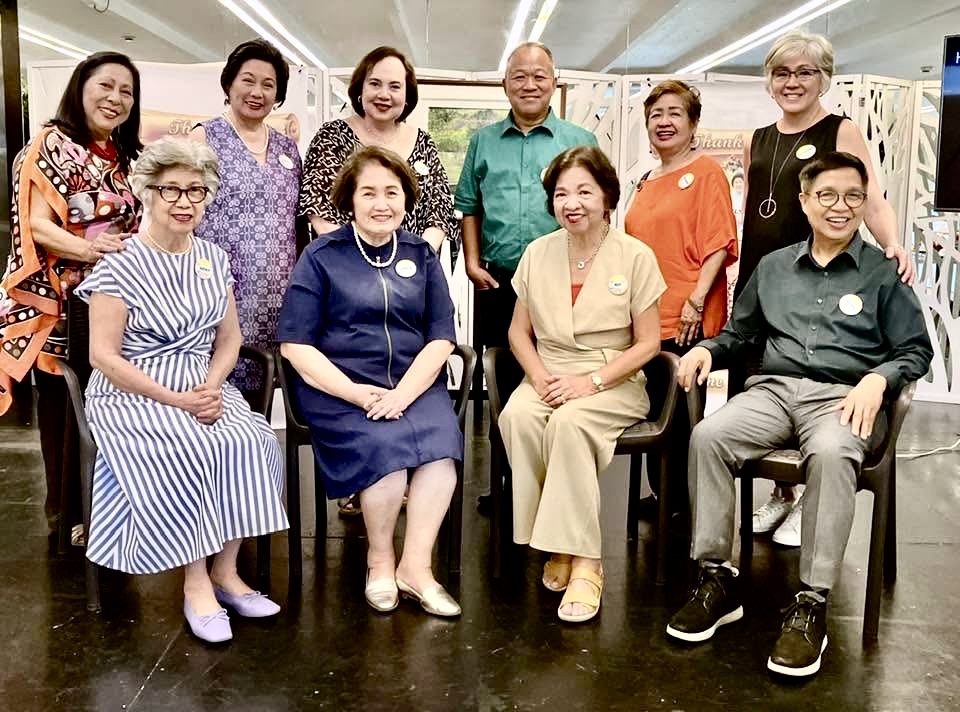
I HAD the privilege of attending the private launch of a book in Makati recently, a book titled Bridges of Memory produced by a group of seniors who had each contributed their poems, stories, and essays to the collection. None of them was a professional writer; I gathered that they came from distinguished backgrounds in banking, law, public service, and other pursuits.
Prior to publishing the book, they had been mentored by an accomplished and experienced writer, the San Francisco-based poet Oscar Peñaranda, who just happened to be an old friend of mine. Oscar was in the US when the launch took place, so he sent a congratulatory video. I was pleasantly surprised to learn that this was already the “Sunshine” group’s (so named because they meet at the Sunshine Place for seniors in Makati) second such book.
As you might expect, the book contains the authors’ musings on life, love, and loss, the funny with the sad, the joyful with the tragic. The styles and the quality of the writing predictably varied, but the enthusiasm was palpably even, with all the contributors present eager to share their work.
At that very same moment, way across town, another mass book launch was being held at a major university, where one of the featured books was a long and distinguished biography that had partly been edited by me. I had also been invited to that event, but chose to attend the Makati one despite the Christmas traffic, because I had the feeling that it would somehow be a more enjoyable occasion, at least for me, as it would put me in touch with writers of a gentler disposition.
Having been caught in a whirlwind of literary activities over the past two months—from the Frankfurt Book Fair to the Palanca Awards to the PEN Congress—you’d think that I’d shy away from a small book launch, but aside from the fact that some of the authords were friends, I wanted to show my support for this kind of more personal writing and publishing that we too often take for granted as self-indulgence.
I’d seen books like this before, the output of writing groups, barkadas, high-school chums, and fellow alumni. They’re often triggered by an impending milestone, like a 50th anniversary or a grand reunion and homecoming.
The professional crowd might think of such volumes as vanity projects published by people who could never put out their own books. But then that’s the whole point: one person’s vanity is another person’s self-empowerment, and such private publishing reclaims the right to self-expression from the academic and commercial gatekeepers. The works they contain may not win any literary prizes, but they are as honest and heartfelt as writing can get, and satisfy the most basic urge that impels all good writers: to use words to give shape to one’s thought and feeling, and to share those words with others so they might think and feel the same way. They’re written neither for fame nor fortune, but to leave some precious memories behind for a very specific audience—although some pieces may be of such merit as to be more widely appreciated.
I’ve always said, even in my own creative writing classes at the university, that I believe that every person has at least one good story in him or her—and that it’s my job as a teacher to bring that story out. And people know this, too—many of them are dying to tell their story, but don’t know where and how, and who will listen. That’s particularly true for digitally-challenged seniors, who don’t have access to blogging, and who use Facebook for little more than “Happy Birthday!”
I’m particularly taken by the fact that these books are produced by seniors, who are increasingly being left out of a social world ruled by schemes and products for young people. Even within families—let’s admit it—very few grandchildren now have the time nor the patience to listen to their elders’ stories, much less to ply them with questions; they’d rather scroll through their social media than ask what a typical summer vacation was like half a century ago, or what people did before there were cellphones, computers, and satellite TV.
Years ago, fearing we would lose her soon because of her illness, I’d asked my mother to write down her memoirs in notebooks which I still keep. As it happened, she recovered magnificently, miraculously, and is approaching 97, still strong and alert, albeit a little slow. She walks every day, plays games on her iPad, and navigates Netflix on her own. When she’s staying with us (we siblings share her company), Beng and I pepper her with questions about her childhood in their village in Romblon, where she rode a horse and scooped fish out of the plentiful sea. The youngest of a dozen children, she was the apple of her father’s eye, and the only girl he sent to Manila for high school and college at UP. They had a rice mill, and snakes roosted in the large straw bins that kept the unhusked rice. But the snakes were to be feared much less than the beautiful encantos that came down from Kalatong on fiestas and lured their victims to join them with offerings of black rice. How could you not like and want to retell stories like that?
Our seniors are a treasury of stories to be told. They just need to be asked, encouraged to write, and published.
(For your copy of Bridges of Memory, email marketing@sunshineplaceph.com.)
I WAS in Dumaguete recently for a seminar organized by the Intellectual Property Office of the Philippines to encourage local authors and publishers to break out into the international market, following through on our participation at the Frankfurt Book Fair. I was asked to talk about “The Future of Literature,” but I chose to turn that around and talk instead about the literature of the future.
Taking off from the challenges and opportunities posed by artificial intelligence, I put forth a series of “provocations” that writers and publishers could think about. Let me share part of what I said:
My first provocation: the literature of the future, or some part of it, will be a game of prompts: not just or not mainly to copy existing writers, but to produce results that will be a hybrid of the author’s creativity in prompt-making and AI’s selectivity, drawing from its enormous stock of possible responses. This will be writing as a form of play, of co-authorship between man and machine.
Following through from this is Provocation No. 2: Expect the growth of the literature of hybridity—of more crossovers from one genre or form to another, from one language to another, from one sensibility to another. This is by no means new and has been happening for some time now, but there will be an even greater and more deliberate blurring of traditional boundaries, more experimentation.
To some extent, that will be because—and here’s Provocation No. 3, and to use this generation’s favorite trigger-word—there will be less gatekeeping. Or, if not less, then more resistance to or disregard of it. There will be more independent publishing and self-publishing to counter the influence of traditional publishing houses. But this free-for-all will also likely lead to a general decline of standards, as writers forgo the services of editors and the critical evaluations of quality- and market-minded publishers.
Provocation No. 4: The big novel will survive, simply because of the power of inertia, and because there will always be a need for something as capacious to contain and possibly comprehend the ever-growing complexity of human life. Our exposure to the international market at the Frankfurt Book Fair will also provide more impetus to the production of novels, something at which we Filipinos have not been particularly good at, historically speaking.
On the other hand—Provocation No. 5—there will be a general shortening and simplification of form, as writing seeks to approximate the meme, or Tiktok. I don’t know exactly how this will happen, or what form it will take, but when I look at the frankly scary popularity of Lang Leav, I worry that people will see that kind of poetry as the new standard. Of course Emily Dickinson was just as short if not even shorter 150 years ago; she would have made a fine poet for our time.
Given what the world is going through, and the even bleaker future humanity faces, I propose—Provocation No. 6—that the literature of the future will be one of survival, of coping, of enduring. I have recently been advocating the need to produce a literature of hope, but that will be a difficult ask for young writers just trying to keep their heads above the water, and more understandably concerned with this life than with anything that may follow. Science fiction and fantasy will always go over the visible horizon, anticipating a distant future albeit in often dystopian terms, but for most, it will be the literature of next week.
And in that increasingly diminishing and threatening universe—Provocation No. 7—when our precious selves are all we have left to cling to, the literature of “I am,” the first-person narrative, and the politics of identity will prevail. When we no longer trust the government, business, education, our parents, the Church, and even God, and on the verge of losing control of our own petty lives, we will desperately fight to be recognized, acknowledged, and maybe even loved. We will leave nations and societies to the editorialists and social scientists; in fiction and poetry, we will seek solace and sense.
Let me just say a few words about the Frankfurt Book Fair, the 2024 edition of which I and some of us here attended last month. As you know, the Philippines will be Guest of Honor next year, which will do much to project the visibility of Philippine literature overseas. Even this year, many gains were already achieved by our writers and publishers, with dozens of deals signed for the translation and publication of our books in foreign markets.
Post-Frankfurt, Filipino writers will think of writing for the world—not necessarily in English although that’s always an option, but through translation, which will be the great equalizer. The huge surge in translation coming out of Frankfurt—not just from Filipino to English but from our other Philippine languages, including English, to other global languages—will forever change our literary culture, which has traditionally and quite unfairly favored our writers in English when it comes to recognition beyond our shores.
Also, and this may be a controversial point, I’ve long had this suspicion—and maybe Frankfurt proves it—that the rest of the world doesn’t really care about (because it doesn’t know about nor understand) the differences between Tagalog, Iluko, Bikol, and Cebuano etc. literature. When we reach foreign readers in translation, we’re all Filipino—and only Filipino—just as African or Indian literature appear to us as cultural blocs rather than deeply variegated constructs. This has its positives and negatives, but I tend to lean on the positives, which are a reminder that our literature helps define a cohesive national experience and identity above the regional and ethnic markers otherwise so precious to us.
In one of my sessions in Frankfurt, I was asked a question, to which I replied: “I will always be more optimistic about literature than politics.” Given what has just happened in America, and what that will mean for the rest of the world, I have to believe this even more than ever.
WHO’S THE English-educated Pinoy of my generation who doesn’t remember this verse by Edward Lear, a so-called “nonsense” poem which we happily recited even if, as expected, it made no sense? It had animals who had fun doing outrageously improbable things together, and we were so caught up in the magic of a pig who sells his nose-ring so the owl and pussycat could get married by a turkey that we even believed a word like “runcible” existed, even if it didn’t, at least not before the poem. After the poem—and because of the poem, first published in 1871—“runcible spoon” entered the English dictionary as “a sharp-edged fork with three broad curved prongs.” That’s why MS Word no longer flagged “runcible” as a misspelling as I typed it on my computer a few minutes ago.
That’s the power of true literature, something that gets beneath your skin and deep into your subconscious imagination, more effectively than reason or logic can, so that it becomes more real and more credible than reality itself. There’s a disarming honesty to nonsense poetry that doesn’t pretend to be anything else but. (Of course, given how students of literature have to sound deathly scholarly to earn or deserve their PhDs, a lot more nonsense has been written and published in ponderous journals about what “The Owl and the Pussy-Cat” really, really means.)
As adult readers or reciters, we can all just enjoy the image of the owl and the pussycat dancing “by the light of the moon,” and think about how good that would be to do with our owl, our pussycat, so why can’t or don’t we? We’re amused but wistful at the same time, and that’s a complex emotion—wistfulness or “regretful longing” especially cuts backward through time and experience to make spot valuations, mostly about losses.
But let’s get back to the fun part—or maybe not so fun.
Last week, it came to our attention that our multi-talented Vice President Sara Duterte—fresh out of her role as the “mother of Philippine education”—is apparently also an author of children’s books, having come out with one titled Isang Kaibigan (A Friend). We should all be happy when our political leaders turn to writing (presumably without the aid of a ghost writer), because it offers proof that (1) they actually think; (2) they still know their subjects, predicates, and objects, and therefore understand that people commit acts that lead to consequences; and (3) they know they won’t be in power forever, and want to be remembered in a good way for a long time.
That said, it’s a pity that most politician-authors throw away their chance at real greatness (in literature, if not in politics) by churning out some commissioned biography inflating or embellishing his or her accomplishments while leaving out the tricky ((and truly interesting) stuff. Good business for peons like me, but usually so poorly done as to be forgettable, the worst fate a book can suffer. If you think of pole vaulting, the bar was set highest at 7 meters by Winston Churchill, who became both Prime Minister and Nobel Prize winner for Literature (yes, literature). At around 5.5 meters we have genuinely talented fellows like Jeffrey (now Baron) Archer, the colorful Conservative MP who wrote popular novels, one of which sold 34 million copies (out of 320 million total for his entire oeuvre). Most others can barely hop over the bar at one meter.
Enter VP Sara, whose maiden venture, a 16-page book, reportedly touts the virtues of friendship among people in dire straits. While it makes me wonder why the VP’s thoughts are drifting in this direction, it’s surely a worthwhile message, given all the unfriendliness in Philippine politics—even in the Philippine Senate.
That’s where VP Sara went to ask for a P2-billion budget for her office, including a paltry item of P10 million for the printing and distribution of 200,000 copies of her book. Rather reasonably, Sen. Risa Hontiveros asked the VP what her book was about, prompting this strangely tart reply:
“This is an example of politicizing the budget hearing through the questions of a senator. Her problem is, my name is listed in the book. And we will be giving that book to the children. And those children have parents who will be voting. And my name will be spread wherever the book is given.”
I became even more curious about what was in the book, so I went online and discovered that it was the story of an owl whose nest is destroyed by a typhoon and who then finds refuge with a friendly parrot. So, okay, maybe it won’t win any PBBY book prizes for writing for children. And I’m afraid to say that with answers like that, Author Sara won’t fare too well in the writers’ workshops, where the panelists are far nastier than Sen. Risa.
But Isang Kaibigan establishes an important point, right? Friendships are important; friendships can save you; what you do for a friend in need today will be remembered tomorrow. (Never mind what the naughty wags will say about the VP being left out in a political storm—who will offer succor? Who will prove her true friends while she rebuilds her house toward 2028?) And where more pretentious authors typically load their “About the Author” pages with cloying lists of “awards won” and annoying cliches like “He divides his time between Bacolod and Berlin,” VP Sara keeps it simple and gets straight to the point: “Isa siyang kaibigan.” She’s a friend!
So what’s not to like? Well, maybe the P10 million bill, which lesser writers like me can only be envious of, having to wait years to watch our print run of 1,000 copies vanish book by painful book. VP Sara’s 200,000 guaranteed sales will surely break bestseller records, and we can gnash our teeth all we want but it still won’t answer our question, “How to be you?”
I don’t know how many millions of pounds Sir Winnie asked for and got from His Majesty’s government to print and distribute his books during the war, but it must have been a lot and the Brits must have read all of them because they certainly came through with just their blood, tears, and sweat. Sometimes, some honey and plenty of money is all an author needs to shine and be happy.





 Pinoy Penman 3.0