Penman No. 427: Lights and Loudspeakers

Penman for Monday, November 8, 2021

THE ELECTION season is upon us, and for Pinoys for whom Christmas begins in September, November 15 can’t come soon enough to start figuring out who they’ll be voting for on May 9, a full half-year down the road. That date should really have been October 8, the official deadline for the filing of candidacies, but given our penchant to further complicate the already-complicated, we just had to set the stage for the last-minute substitution dramas we expect to happen by next Monday.

What couldn’t wait for November 15 or even October 8 was the onset of the propaganda war—the long series of campaigns and battles for our hearts and minds, with the prize being the right to seat someone you think you know and who thinks they know you in the Palace by the Pasig. And if there’s anything we can depend on to display Pinoy character and creativity at their best and worst, it will be a political exercise like a presidential election, during which people who had been largely content with watching telenovelas, munching sweet corn, playing pusoy, and sharing some kakanin with the neighbors suddenly rediscover their convictions, prejudices, longings, and peeves, and jump onto one bandwagon or another, many with knives drawn. (Of course, there are others who had been suffering in silence and gritting their teeth for the past five years, just waiting for the trumpet to sound from the top of the hill.) 

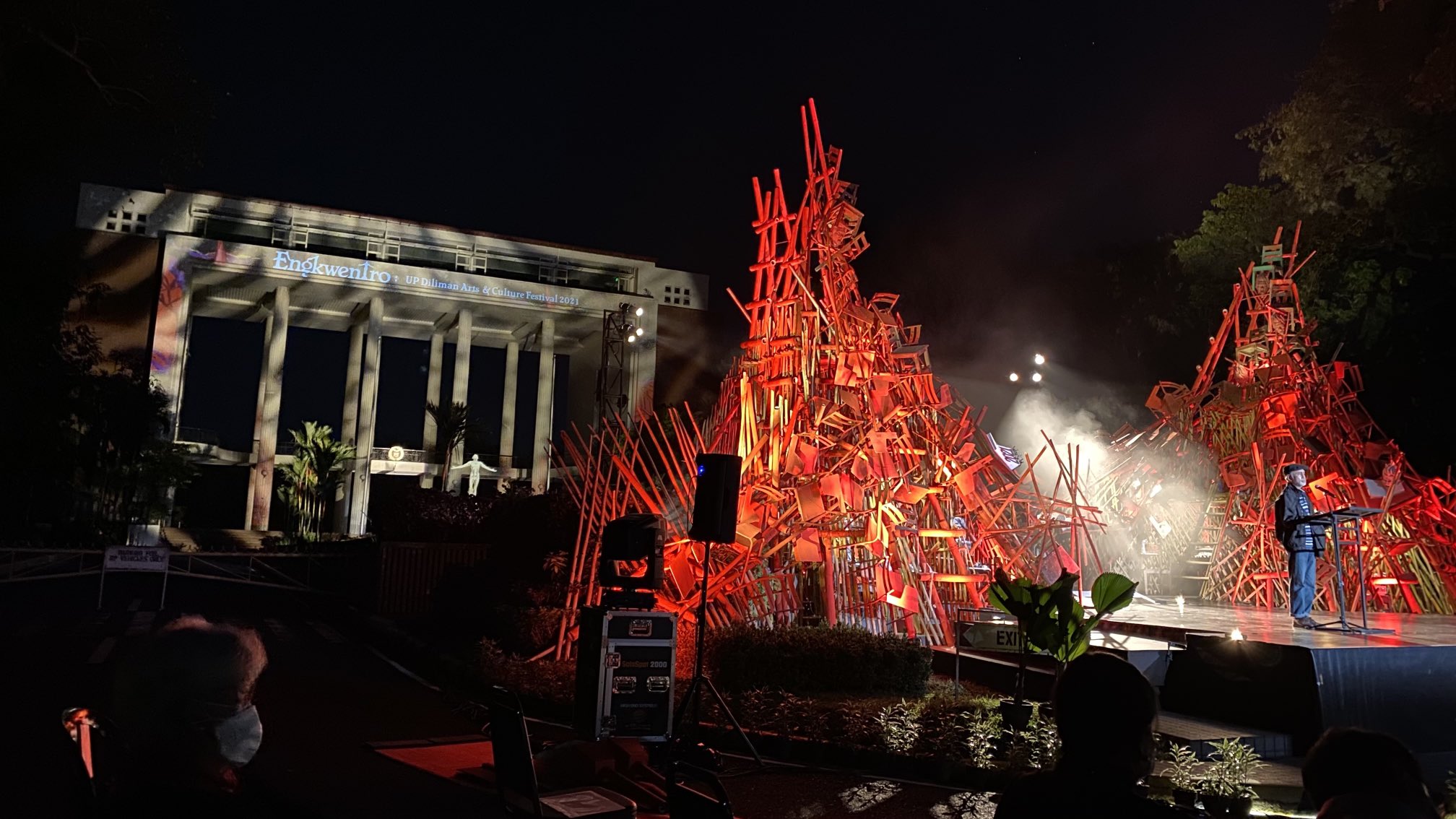
As a boy in the 1960s whose father kept getting roped into some politico’s campaign, I reveled in the hoopla that heralded every election. The contending parties held rallies in the plaza or the bukid (depending, I guess, on whose side the incumbent mayor was), and places more often attended by dog poo and carabao dung were transformed into one-night circuses. 

The stages were festooned with banderitas, and the lights and loudspeakers promised an evening of entertainment, at least from the movie stars, singers, and comedians whom the people really came for, before the real jokers running for congressman or mayor came onstage. Bands played as pickpockets worked the crowd. They gave away fans, hats, key fobs, stickers, and anything they could stamp a candidate’s face on, and if you were lucky you got a T-shirt—flimsy as hell and reeking of paint thinner or whatever it was they used for silkscreening. I’m sure some folks got more than that, but being too young to vote, I missed out on the serious stuff backstage.

The speeches were loud and bombastic, and you stood in rapt attention, feeling like a droplet in a huge surging wave about to engulf the nation. (Decades later, someone would call this “astroturfing.”) One particularly artful speaker might weave a tale of woe, of how the people had only themselves to blame for all the misery they had sunk into, because they had cast their lot with the other party in the previous election. (Decades later, someone would call this “gaslighting.”) Every candidate promised the moon, the stars, and a galaxy or two of blessings dependent on his or her election: more artesian wells, more puericulture centers, free dental clinics, free coffins, and a lechon for every barrio’s fiesta (loud applause). At some point, some bags of rice and boxes of milk might even go around, the word “RELIEF” overstamped with its new donor’s name.

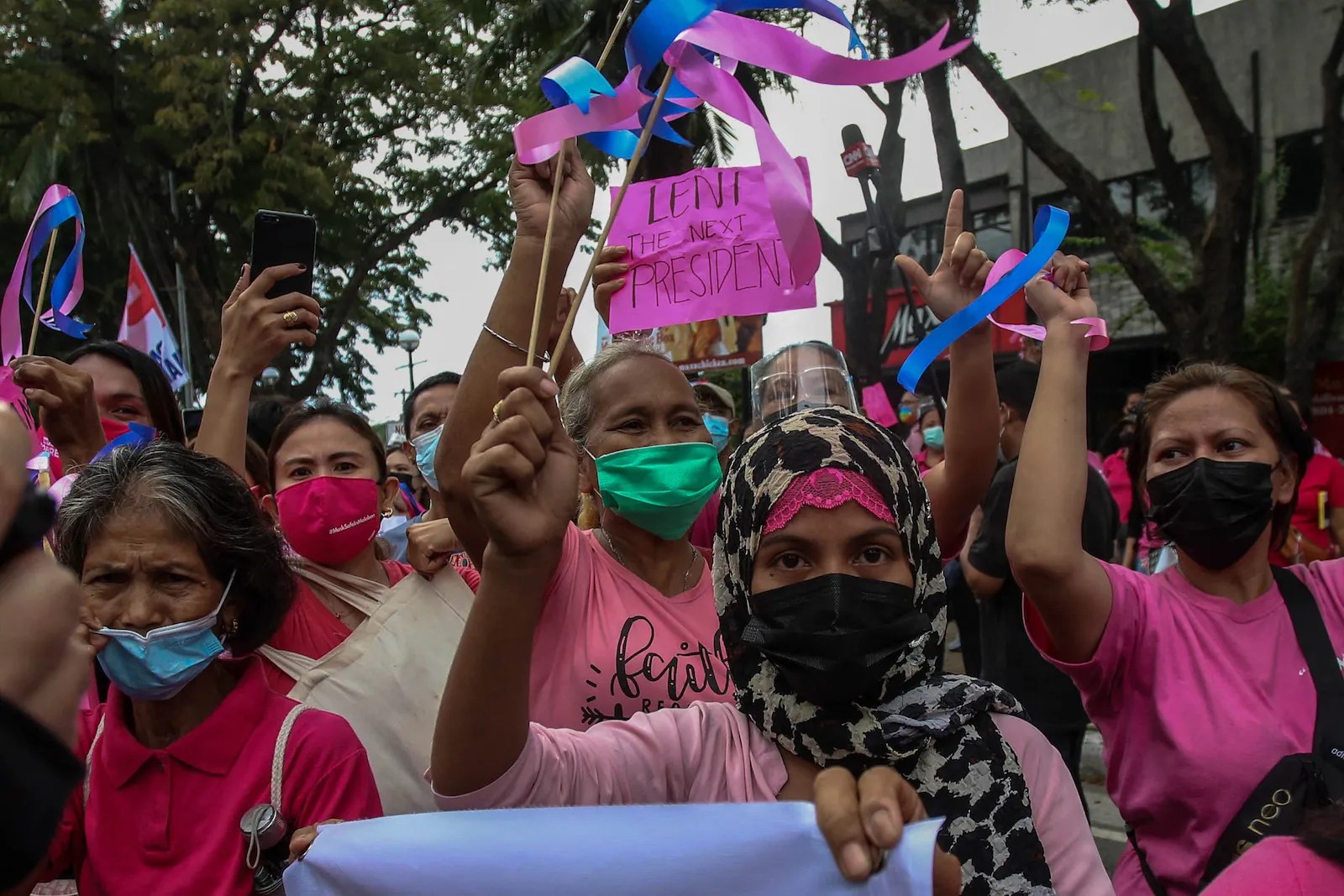
No self-respecting campaign today would not claim a party color or motif—pink, white, blue, checkered, etc. (What was that? Pink as well? Maybe I should have said “No self-respecting campaign today would claim another party’s color.”) Back in the day, this didn’t seem to be a big deal. The Nacionalista Party’s colors were red, white, and blue, while the Liberal Party’s colors were—well, red, white, and blue. At least, if you were a Liberal today and a Nacionalista tomorrow, which sometimes happened, you didn’t have to change your wardrobe or your paraphernalia.

Neither do I recall proprietary hand signs then, like the Cory-Laban “L” that helped to overthrow her predecessor, and FVR’s jaunty thumbs-up. Ferdinand Marcos flashed the “V” sign, but that had been around for ages, and is now more widely associated with young girls in white socks trying to look their cutest for the camera. I suppose it stands for “victory,” although the “V” word that springs to mind most quickly when I hear that particular name is “vaults.” (Is there such a word as “villions,” like a billion billions?) Mayor Isko has appropriated the “No. 1” sign, with the forefinger pointing up, as if to suggest he has nowhere else to go. (That other mayor who became President, which must inspire Isko, prefers raising the next finger.) 

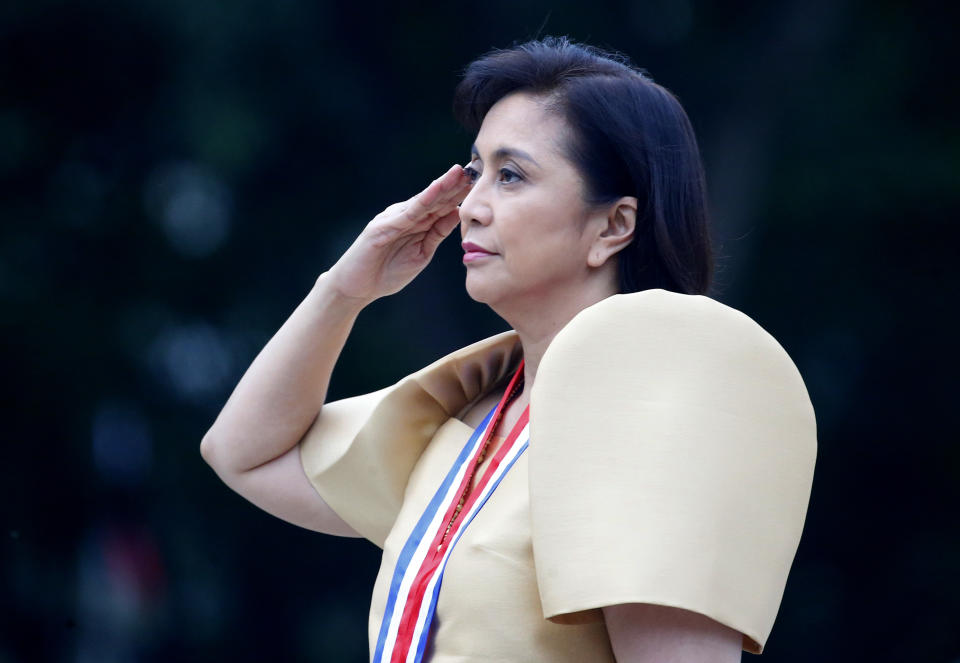
Frankly Leni’s hand sign remains a bit of a mystery to me, and I haven’t seen one from the boxer and the police general. At any rate I doubt this election will be won with carpal contortions. After all, there are only so many things you can do with your fingers, and the Vulcan “Live long and prosper” hand salute is difficult enough to master.

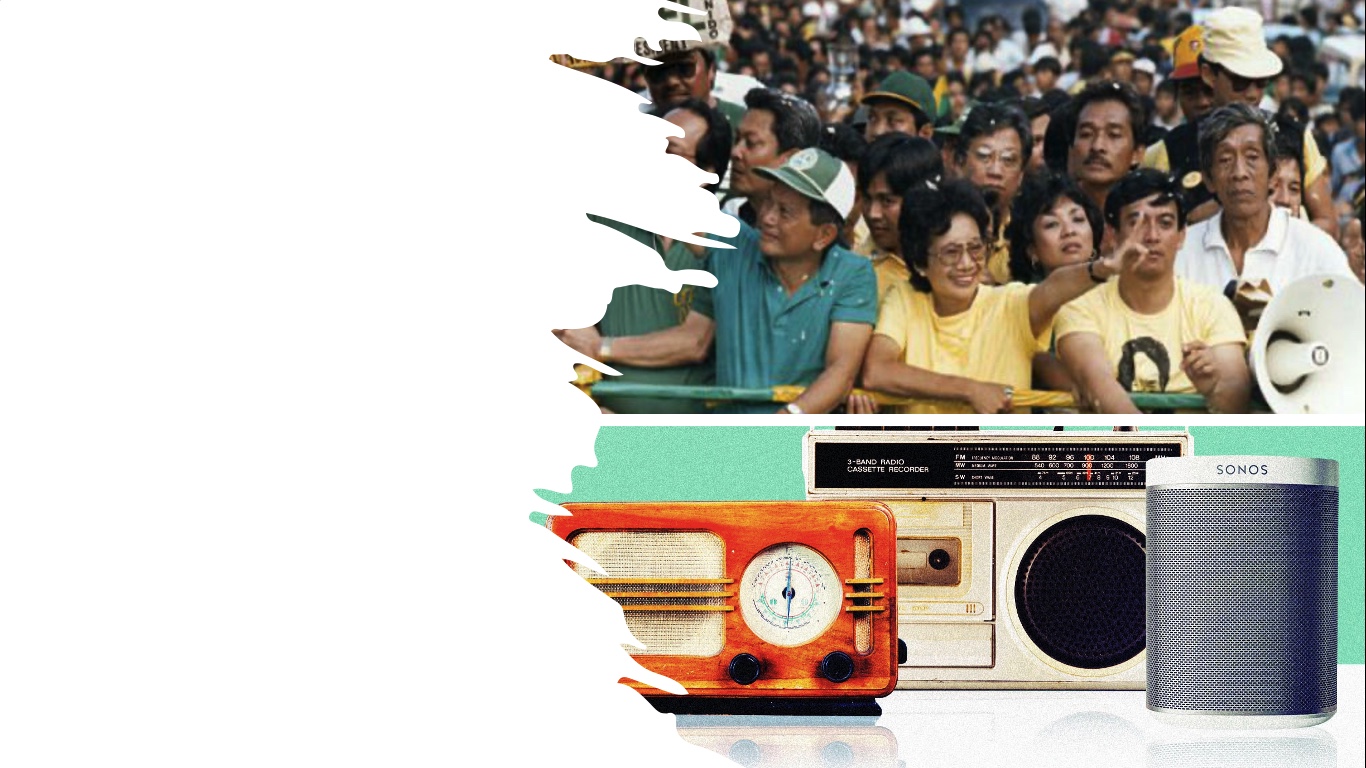
The fight, as everyone says, has gone to the Internet and the airwaves, and while we may like to believe that everything has changed in half a century, the very players on the field tell us they haven’t—only the lights and the loudspeakers have. So now, as ever, truth, reason, and justice will remain the underdogs, and those who root and clap for the jokers will end up getting their pockets picked.

(Photo from asiatimes.com)
The President We Deserve

I GREW up a Marcos believer.

He was the guest of honor at my grade school graduation in 1966. Newly elected, he looked every inch the hero he said he was—handsome, dashing, gifted with a golden tongue. Watching him I thought that a President was a great man, greater than all of us.

Just seven years later, I spent most of my 19th year in martial-law prison. I was there because the President I admired as a child had lied to me. He said he wanted to make the Philippines great again. Instead he acquired more power and more wealth, for which he stole from both the rich and poor, and punished those who opposed him. 

That included young students like me. They called us “radicals” and put many of us in prison, and many of my friends suffered horrible deaths. Sadly, many more Filipinos didn’t care. Happy to see new roads, they did not know that billions that should have gone to their food, housing, and education went to secret bank accounts abroad.

I was at EDSA when Marcos left, and I was overjoyed that a good and honest woman would now bring change. But even Cory couldn’t do it alone. The system was too strong. Many Presidents followed Cory, some better than others, but the lust for wealth and power did not leave with Marcos. And instead of being remembered as the man who destroyed Philippine democracy, Marcos became a model for some of his successors, who not only buried him as a hero but who now want to resurrect him in his son.

When VP Leni Robredo offered herself for the presidency and said “Mas radikal ang magmahal,” I had to think long and hard about what she meant, and what kind of difference she would make in our lives and futures. Was she asking us, like Jesus, to love our enemies? After all the evil—the corruption, the oppression, and the despotism—we have been through, could we find it in ourselves to love those who clearly do not love us?

And then I remembered what another visionary, Martin Luther King, preached on the same subject. He said: “In the final analysis, love is not this sentimental something that we talk about. Love is creative, understanding goodwill for all men. It is the refusal to defeat any individual. When you rise to the level of love, of its great beauty and power, you seek only to defeat evil systems.”

And that’s when it struck me that the real enemy is not people, but the “evil systems” that have created and supported the Marcoses among us. It is not one man or family we must vote against, but what they represent.

The easy temptation is to focus on personalities and their shortcomings. The harder option is to fight for the good and the positive.

These are the values and ideals that many of our national leaders, by their speech and behavior, have forsaken over the past five years. These are what VP Leni reminds us are worth loving and living for. And in today’s environment of violence, fear, and falsehood, to love them is to be radical indeed:

God. Country. Freedom. Justice. Peace. Truth. Life. Beauty.

Big words, they take big hearts and minds to accommodate. If I can find that largeness in me, then I can be a radical again, and instead of imprisoning us, our new President will free us from our past to become the nation we aspire to be. And that President—the President we deserve—can only be as great as we ourselves can be.

(Photos from ph.news and the Friedrich Naumann Foundation.)

Penman No. 423: From Poetry to Treason

Penman for Monday, September 13, 2021

AS A COLLECTOR of old books and other objects of interest more ancient than me, I sometimes stumble across manuscripts and documents that turn out to be a bit more private than the usual accounts of travels to Sulu or the history of Negros sugar. I’ve found ardent and very carefully composed love letters (apparently never sent), poems to the departed, and receipts for unmentionables. Coming from a past where people wrote with physical ink on physical paper, these inadvertent mementoes of lives lived and loves lost convey emotion and meaning in a way that digital ones and zeroes never will.

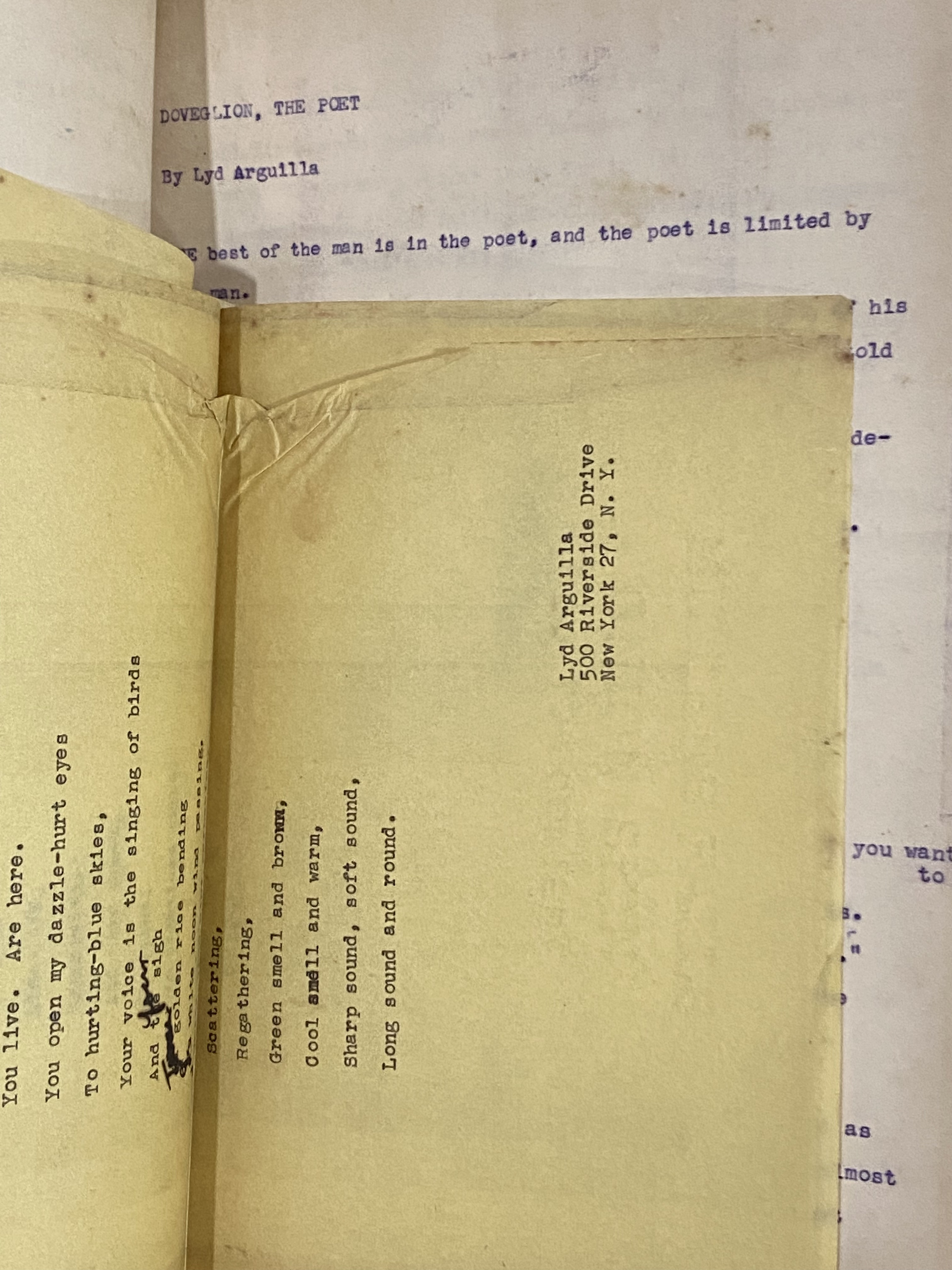
Some of these discoveries have been particularly poignant. A few months ago, I wrote about finding a typewritten collection of essays written by Lyd Arguilla in the 1950s, where she stoically recounts her husband Manuel’s execution by the Japanese; tucked into that folder was a love poem she wrote in his memory after the war, in New York.

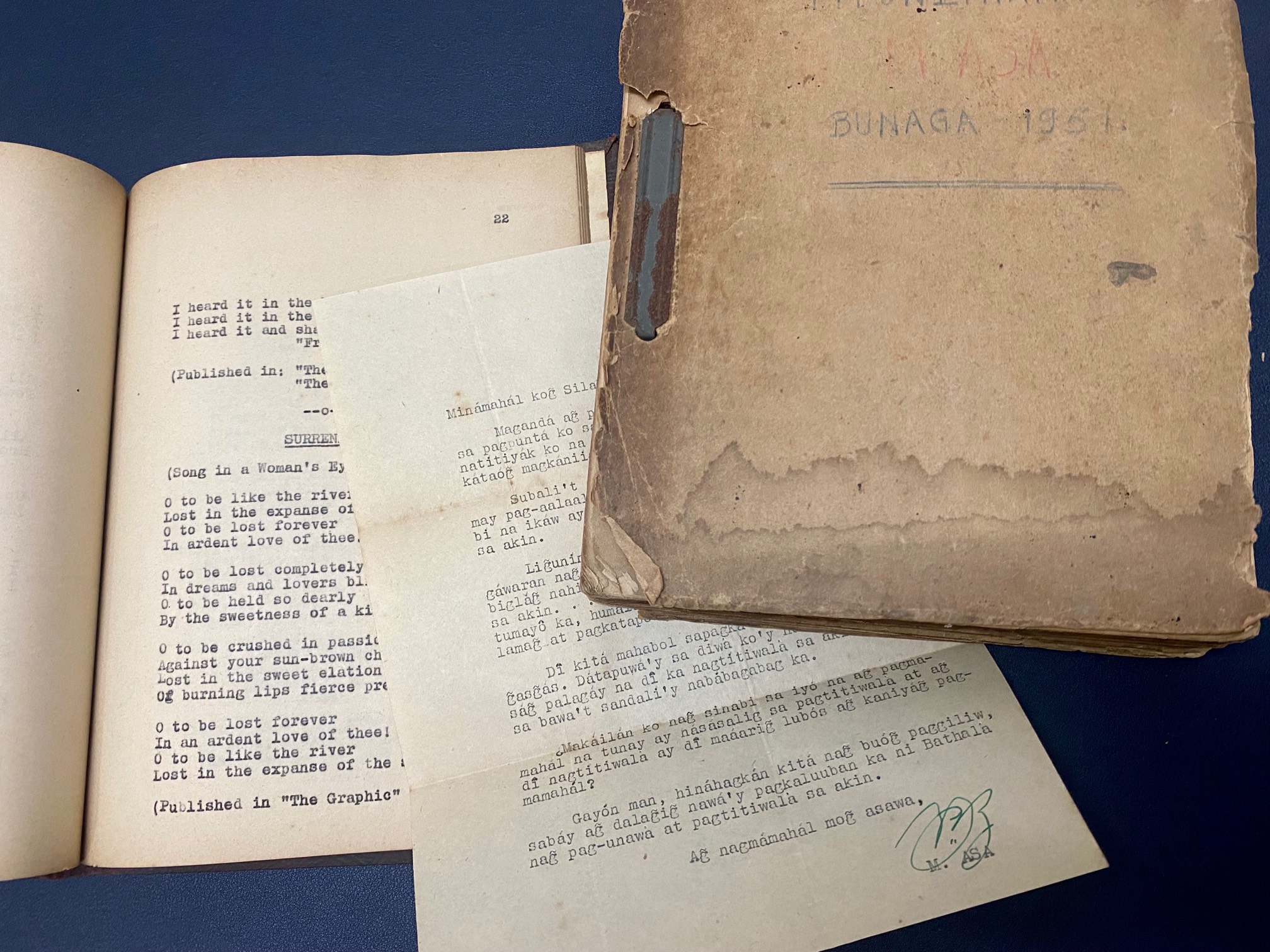
Last month, a bookseller offered me three items that had to do with one subject, from whose personal library they likely came. One was a scrapbook of sorts by this Filipino author, another a short biography—also typewritten—of the man and samples of his most popular works, and the third a published play written by his illustrious mother. The writer’s name was vaguely familiar to me: Aurelio S. Alvero, otherwise known by the pseudonym he adopted after the war, “Magtanggol Asa” (he himself spelled it “Magtanggul”), a play on his initials and on his ambition to become a lawyer—as well as being, of course, a self-descriptive epithet as the defender of hope. He was born in 1913  in Tondo to illustrious parents—Emilio Alvero, an artist and interior decorator, and Rosa Sevilla, writer, suffragette, and educator who founded the Instituto de Mujeres, a pioneering school for women in the Philippines.

Generations of Filipino schoolchildren have known him for his poem “1896,” written before the war, a favorite piece for choruses, because of its hypnotic rhythm and refrain. It begins:

The cry awoke Balintawak

And the echoes answered back…

“Freedom!”

All the four winds listened long 

To the shrieking of that song…. 

“Freedom!”

Just by this piece, no one can be faulted for thinking of Alvero as a patriotic poet—or in the very least a writer of patriotic poetry, and that he was. Indeed he was lauded by his peers and even later by scholars such as Grant Goodman and Augusto de Viana as a “brilliant” intellectual, one who could write equally well in Tagalog, English, and Spanish. He was a star student at the Ateneo and UST, winning a raft of medals for his scholastic achievements. 

But he was also described as a “complex” artist, a rather evasive and much kinder term for what his harshest critics would call him: a traitor to his people, convicted and imprisoned for wartime collaboration with the Japanese. The charges brought up against him by the postwar court were formidable: up to 22 counts of treason, from his active role in such pro-Japanese organizations as the Kalibapi and Makapili to selling war materiel to the enemy and participating in the destruction of Manila. The most outrageous offenses were damnably detailed: among them, that within one year, his trading firm—capitalized at only P15,000—earned a whopping P2,000,000 from sales to the Japanese (shades of Pharmally!), and that he personally directed the burning of a part of Pasay toward the end of the war. For these, and despite his spirited protestations, he was sentenced to life imprisonment in Bilibid, cut short by an amnesty granted by President Quirino in 1952. 

How could the same man, so gifted and so promising, turn out so badly? Even before the war, Alvero had railed against American imperialism, and—like Gen. Artemio Ricarte, among others—saw Japan as a friend and liberator. But unlike more rabid pro-Japanese Filipinos like Benigno Ramos, he opposed the atrocities of the Makapili, although he urged his countrymen to resist the Americans to the end. Complex indeed. Arguing that neither “patriot” nor “traitor” could fairly describe him, Dr. Goodman calls him “a romantic opportunist” who thought he could achieve his ideals by casting his lot with the devil.

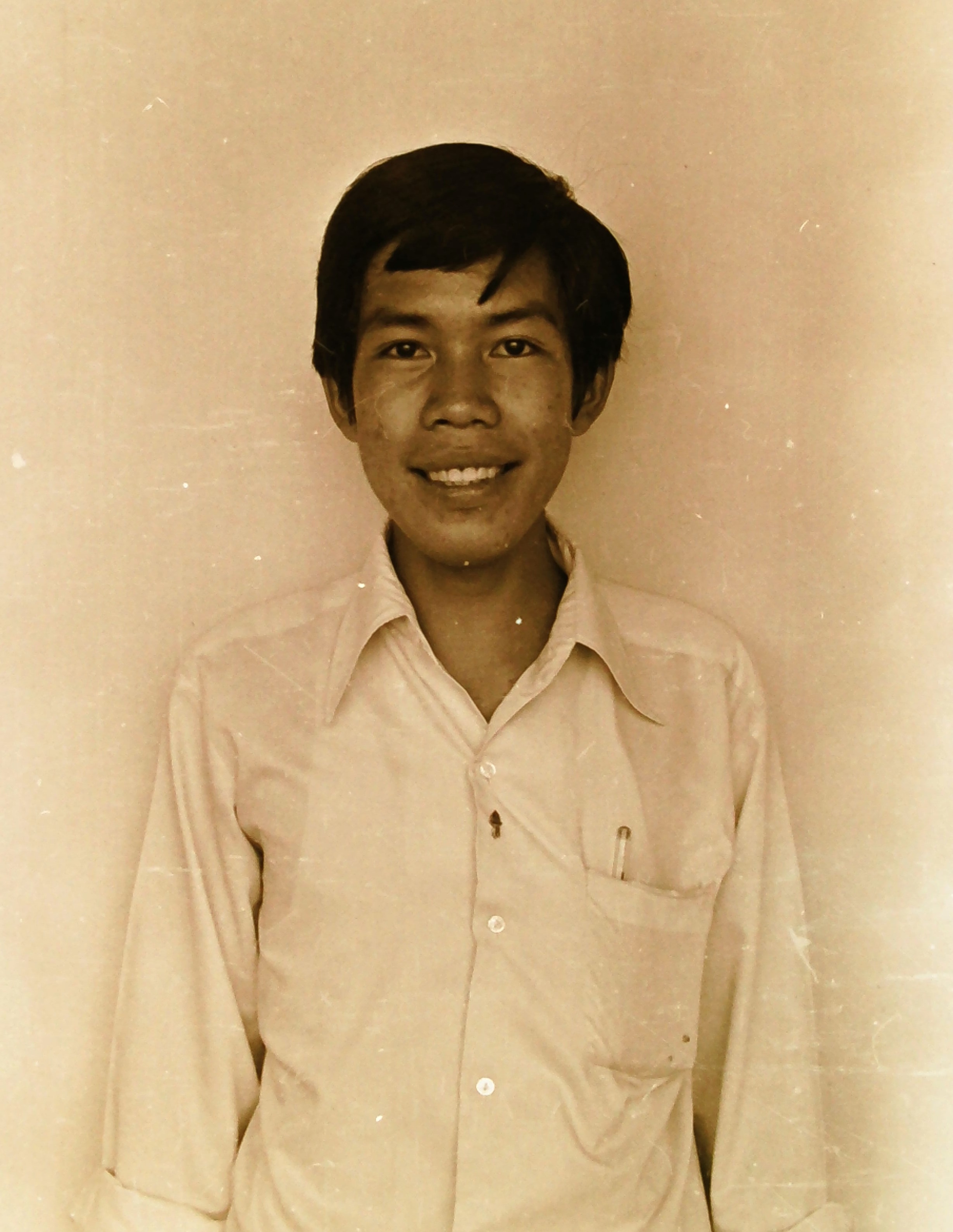
Despite his early release from prison, the ordeal took its toll. While other writers accused of helping the Japanese like Camilo Osias lived on and even prospered, Alvero died of a heart attack in 1958 aged just 44, leaving a stain on his family’s name (his mother, Rosa Alvero, continues to be honored with a street in her name in Katipunan, Quezon City). Hardly any pictures of him can be found today, even on the Internet.

A letter from prison to his second wife, whom he called “Silahis,” reveals an inner torment that was probably the greatest cost of all. He writes:

“Makailan ko nang sinabi sa iyo na ang pagmamahal na tunay ay nasasalig sa pagtitiwala at ang di nagtitiwala ay di maaring lubos ang kaniyang pagmamahal? Gayon man, hinahagkan kita nang buong paggiliw, sabay ang dalanging nawa’y pagkaluuban ka ni Bathala ng pag-uunawa at pagtitiwala sa akin. Ang nagmamahal mong asawa, M. Asa.”

(How often have I told you that true love depends on trust, and that one who cannot trust cannot love completely? Nonetheless, I kiss you with all my heart, even as I pray that the Lord grant you trust and understanding for me. Your loving husband, M. Asa.)

Penman No. 422: An Anti-Troll Army

Penman for Monday, August 30, 2021

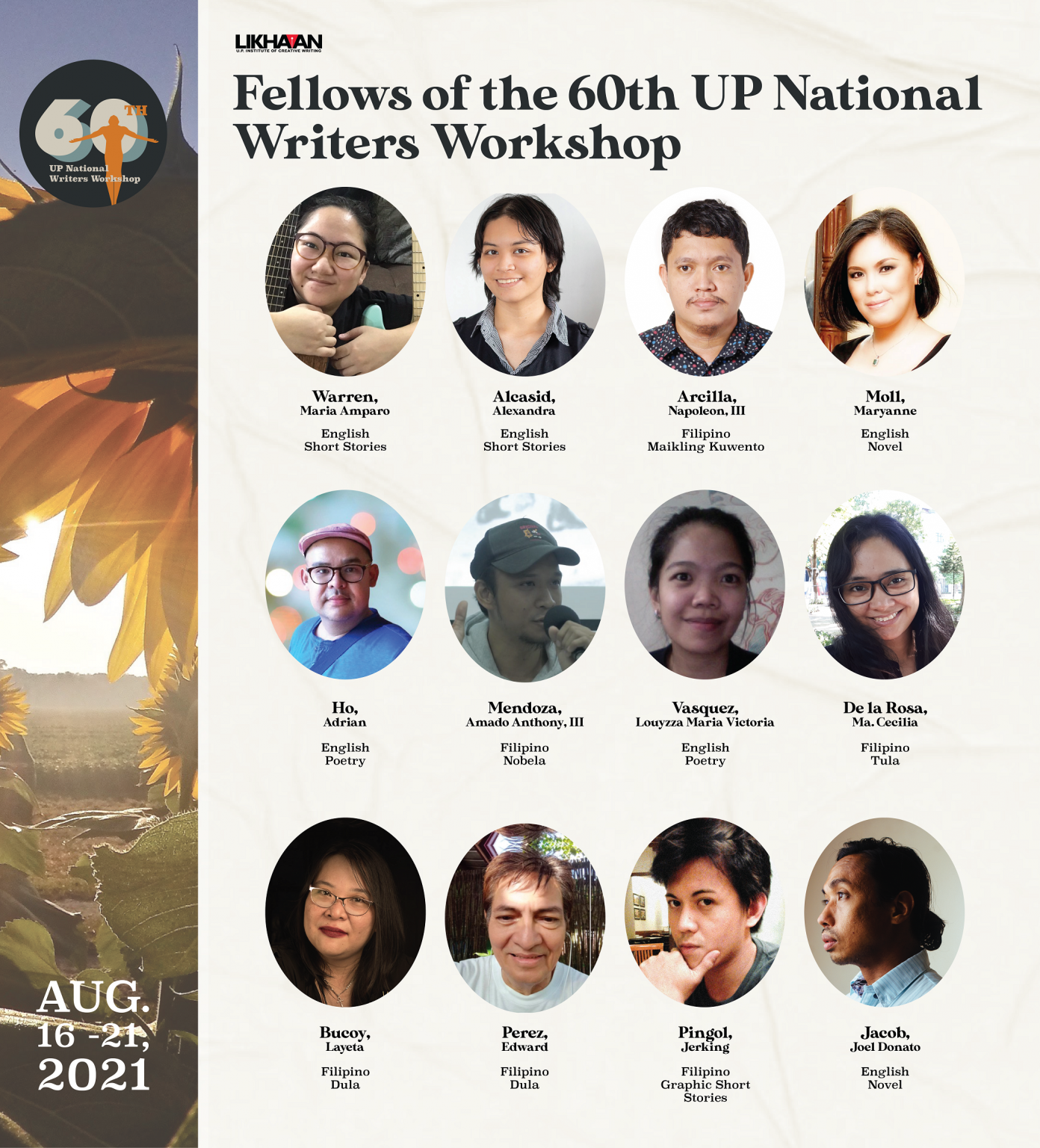
DESPITE THE PANDEMIC, the UP Institute of Creative Writing (UPICW) succeeded in holding the 60th UP National Writers Workshop from August 16 to 21, introducing 12 of the country’s brightest authors to each other and to their literary peers. The fellows for Filipino were Jerking Pingol (graphic fiction); Amado Anthony Mendoza III (novel); Edward Perez (play); Layeta Bucoy (play); Napoleon Arcilla III (short story); and Ma. Cecilia de la Rosa (poetry). Those for English were Joel Donato Jacob (novel); Maryanne Moll (novel); Maria Amparo Warren (short story); Alexandra Alcasid (short story); Mark Adrian Ho (poetry); and Louyzza Maria Victoria Vasquez (poetry). One of Switzerland’s best contemporary novelists (and a fluent speaker of Filipino, having studied here for her master’s), Annette Hug, also joined us for a talk about her current project.

For the second year in a row, the entire workshop was held online over Zoom and livestreamed on Facebook, allowing a much broader audience—some even tuned in from abroad—to follow the sessions. It was a big shift from the workshop’s traditional summer venue in Baguio, but contrary to many apprehensions, it went off smoothly and productively, thanks to the UPICW’s top-notch technical team which seems to have mastered the intricacies of online conferencing (the UPICW holds many other events online, including another workshop for beginning writers, an interdisciplinary book forum, and the annual Writers’ Night). By the end of the workshop, both fellows and panelists agreed that its objectives had been squarely met: to create a community of writers who would encourage each other to keep writing so that literature can train a bright light on the Filipino’s condition. 

Unlike other writers’ workshops, UP’s focuses on what we’ve been calling “mid-career” writers—those who’ve already published at least one book (or have had a play or film produced)—who may need that extra push to keep going, especially in an environment often indifferent if not hostile to creativity. At this level, we’re no longer talking about grammar and basic technique; instead, we discuss the larger issues of writing—social, political, philosophical, and professional—without the flogging and the ego-tripping that made a horror show of workshops in the old days. Writing is lonely enough for writers to make life difficult for each other. In this age of fake news, we need as many truth-seekers as we can find—an anti-troll army, if you will. 

Every workshop and every batch of workshoppers is different in some way (this year, we had a preponderance of fellows from Bicol and the Southern Tagalog region), so the complexion of our discussions can also change. What stuck in my mind from what I read of our fellows’ work (a sample of their current projects, prefaced by their personal poetics) was the strong undercurrent of pessimism, a deep-seated belief that things can only get worse. To be fair, not all of them—indeed just a minority—manifested this, but it’s been such a pervasive strain in literatures all over that I felt obliged to address it.

It’s totally understandable, of course, why people should feel pessimistic, especially in these times of global distress and anxiety. And if it’s the writer’s conviction that all is lost or soon will be, that’s his or her privilege to express.

I posited, however, that in spite and indeed because of these bad times, the greater challenge for writers and artists is to defy despair and find a way forward to hope and happiness. And by “hope and happiness” I don’t mean escapist confections or illusory promises, or tacked-on endings meant to force a smile, but true insights into what makes life worth living and fighting for—despite despotism, disease, and the constant degradation of one’s worth. The easiest thing to write today is another story about how miserable and unjust life is. Reading it won’t tell me anything new. I want to be surprised by someone who will persevere and fight for joy, beauty, peace, freedom, and redemption amid all this suffering. 

Psychologists talk of “cherophobia”—“fear of happiness” or “happiness aversion,” stemming from the expectation that happiness is fragile and fleeting, and will therefore only lead to unhappiness. True, that often happens, as our lives are always in flux, but since life can only lead to death, why are we alive at all? (Even our celebration at the end of the workshop was gutted by the tragic news that Kerima Tariman—our workshop fellow in 1999—had been killed in an encounter with the military; her poetry will live and fight on.) If we are to battle trolls with the truth, we have to believe in ultimate victory, no matter the costs until then, and shore up each other’s spirits.

I urge my fellow authors to look up and read Kelsey Capps’ essay “On Happiness, Literature, and Happy Literature,” where she argues that “The truth that happiness is defined and pursued by each of us, for ourselves, lies between the destruction of what society tells us will make us happy and the acceptance of our inherent need to seek meaning. Perhaps this airy freedom is too difficult to articulate in stories that lack tragedy as counterweight, but, as a writer, how powerful and radical it would be to tell stories that are positive and insightful and authoritative, and which give hope where there is little to be found.”

Penman No. 419: Pages from the Past

Penman for Monday, July 19, 2021

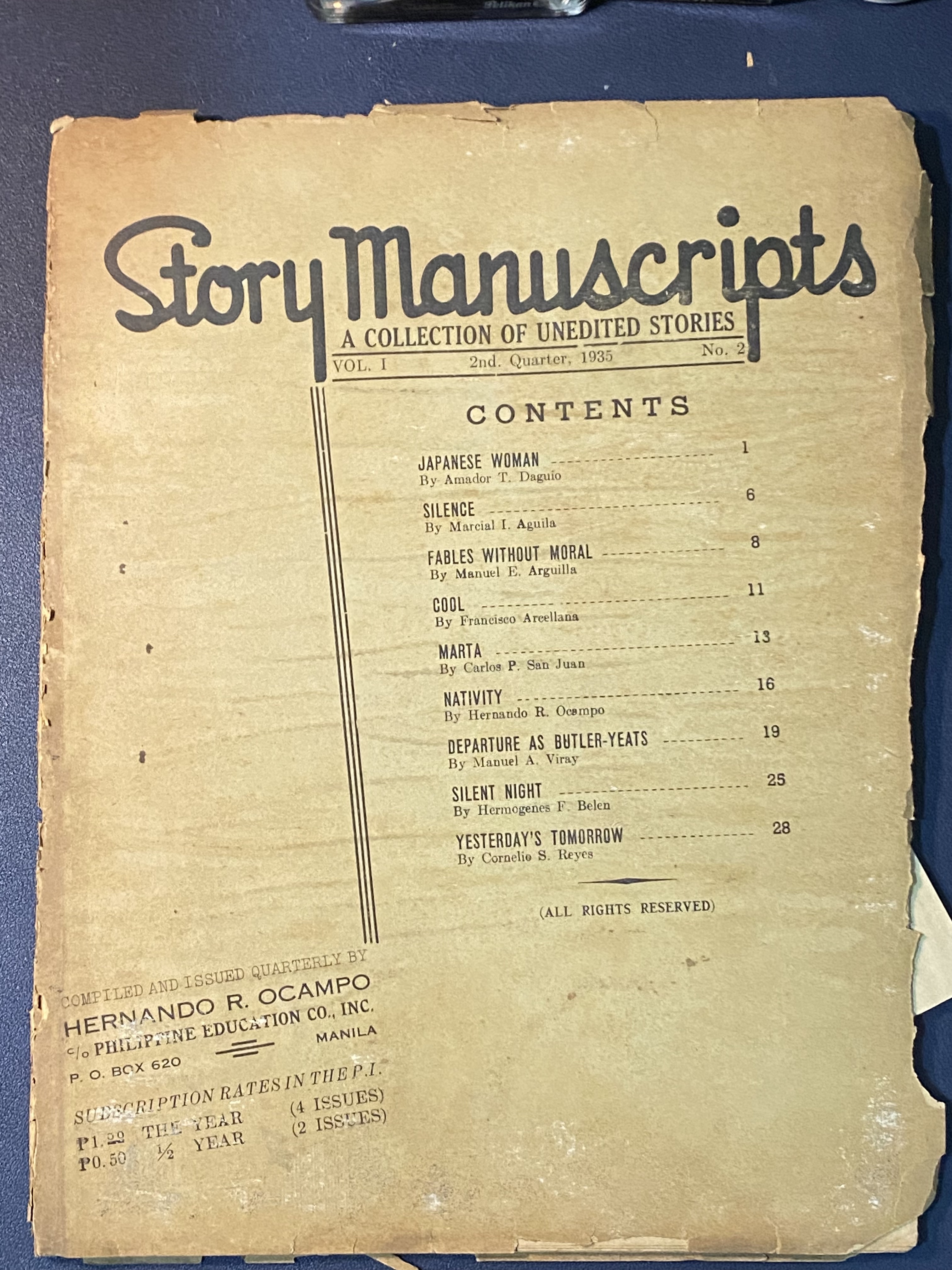
LAST MONTH, two precious documents came my way. The first was a magazine with a unique idea behind it. It was a copy of Story Manuscripts, “a collection of unedited stories,” Vol. 1, No. 2, from February 1935. No more than mimeographed copies of the authors’ typewritten manuscripts between two hard covers, this issue brought together stories from Amador Daguio, Manuel Arguilla, Francisco Arcellana, Manuel Viray, and H. R. Ocampo, among others. 

Ocampo’s presence was especially interesting. I knew that National Artist Hernando Ruiz Ocampo (1911-1978) was a short story writer before he turned to painting, but he was this magazine’s publisher as well. What was exciting for me (as a writer and literary editor, especially of Arguilla) is that I’d never come across these stories before under these titles, so they’re very likely undiscovered stories or early drafts of later ones, being “unedited,” as the Story Manuscripts tagline claims. 

Arguilla’s three “Fables Without Moral”—I have to check if they appeared in the book of fables that his wife Lyd published after his death and credited him for as co-author—are a surprise. They all have to do with, uhm, procreation, rendered in a mock-mythic tone. I would have to revise my introduction to the Arguilla anthology I edited three years ago to account for these risqué diversions. Here’s a sample:

“But soon he awoke for an earthquake shook his newly-found home and a storm tossed the forest of hair and a groaning and moaning filled the air. Then a downpour such as he had never before known drenched him, buried him in its thick flood.” (Hint: “he” is a vagabond ant.)

The Arcellana story, “Cool,” is quintessentially Franz—the young and ardent admirer (the author himself was just 18 then) watching his beloved from a distance, chanting over and over again, “I see her but I do not want to see her looking at me.”

H. R. Ocampo’s “Nativity” is, unsurprisingly, visual: “The big round eye floated gently upward and upward. Then it ceased floating upward. It ceased floating and winging upward and was suspended in space. Then it was dark. Darkness all around. Darkness for a brief one millionth second.

“After the brief one millionth second the big round eye came back seeing everything and nothing in a whirling sphere of soft jelly-like mass of white and black and red and green and orange and blue and violet.”

There’s an interesting biographical footnote to the Ocampo story: “Hernando R. Ocampo was born on April 28, 1911 in Sta. Cruz, Manila. Began writing two years ago on a dare and thought that writing was ‘just like that’ when his first effort was immediately accepted by Mr. A.V.H. Hartendorp of the PHILIPPINE MAGAZINE, but a series of rejection slips from the same and other local editors later toned down his ultra-optimistic viewpoint—so much so that he actually considered giving up writing ‘for good.’ Fortunately he met Manuel E. Arguilla who through patient coaching gave him courage to try anew.”

The other document I felt extremely lucky to acquire was a plain black folder, rather worn, with about 60 to 70 pages in it of what was obviously a carbon paper copy. It was also clear, however, that the author of these pages had used this copy to make handwritten revisions on. 

It was a collection of essays written by Lyd Arguilla—and I’m not sure if they were ever published—during a sojourn to the United States in the early 1950s, when she received a grant for further studies in New York. This was just a few years after the war; in 1944, she had lost her husband Manuel, who was executed by the Japanese for his guerrilla activities. Lyd had been active in the resistance herself, and was away when Manuel was arrested. We can only imagine the pain she went through on discovering his loss. By the time she writes about the experience, she has composed herself, but she leaves it to Manuel’s fellow prisoner, a Major Moran, to relate what happened:

“On a tip from Pete Mabanta, Manuel E. Arguilla had already escaped with us out of the city. Friends and fellow members of our guerrilla unit had helped: the Lansang brothers, Ramon Estela, S.P. and Mary Lopez, Koko and Lina Trinidad. But Manuel sneaked back into the city to destroy or put in a safer place some records. He was able to protect the lives of his associates, but did not escape with his own.

“‘Arguilla was accused of being a major in Marking’s guerrillas, of heading an espionage and propaganda unit against the Japanese. Liling (Rafael R.) Roces was charged with publishing Free Philippines and various other acts against the Japanese military.’

“‘Arguilla had enough material, according to him, for two books. All he asked was to be able to live through to write them.

“‘It was on August 29th, early in the morning, about seven o’clock, maybe earlier, that the prisoners in Bilibid were given old clothes to put on (we all wore our underwear), put in handcuffs, and blindfolded. The blindfold was either green or white. The 28 men wore white bands. I thought, being most of them influential men that they would be given better treatment than those of us who were given green bands. I was wrong of course. For I and others were taken to Muntinlupa where we were finally liberated, and the 28, as we learned later, were beheaded at the Chinese cemetery.’

I could imagine Lyd typing those words on a chilly morning in New York and running that awful moment through her imagination. Elsewhere in the folder, she tucked away a love poem she had written for Manuel. Holding those pages, I felt myself in the presence of something close to sacred.

Penman No. 418: Hello, Goodbye

Penman for Monday, July 5, 2021

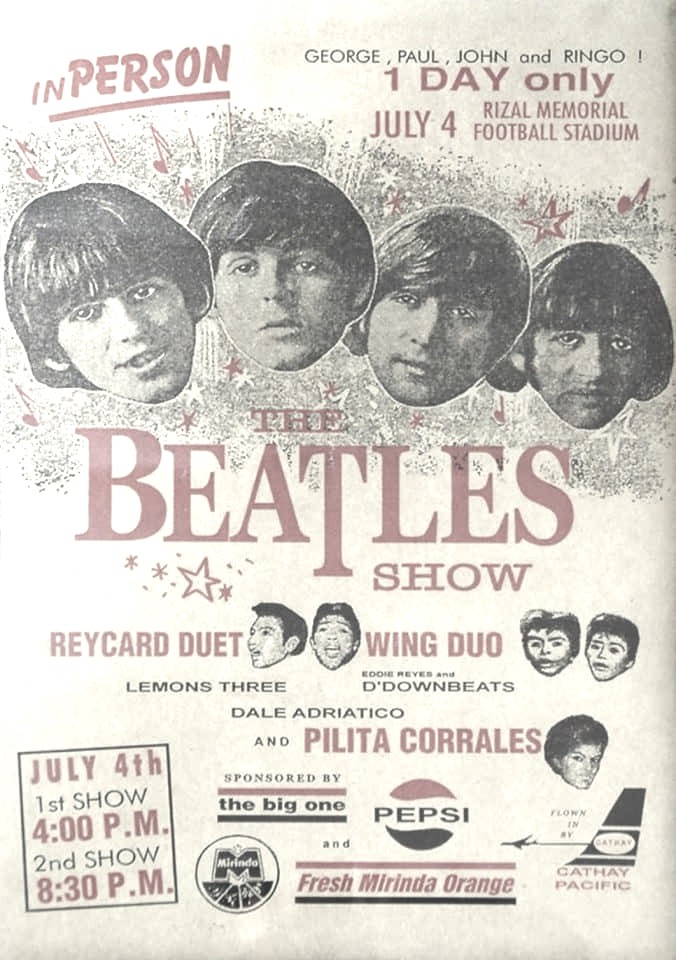
YESTERDAY, JULY 4, marked the 55th anniversary of the controversial visit of the Beatles to the Philippines in July 1966. 

I was 12, in transition between grade school at La Salle Green Hills and the Philippine Science High School, when the Beatles came to Manila. I can still remember that day, the 4th of July, quite clearly. We were living in Pasig, and my mom and I took a bus to Quiapo, from where we were going to take a jeepney to go to the Rizal Coliseum. She was going to take me to see the Beatles, perhaps as a treat for having made it to the PSHS, a school for smart kids. I certainly felt smart. I knew all the Beatle songs by heart. We didn’t have a record player, but I listened to them on the radio, and sometimes on our neighbor’s TV, when they appeared on the Ed Sullivan Show. We didn’t have tickets, but I was sure we could buy them at the gate. 

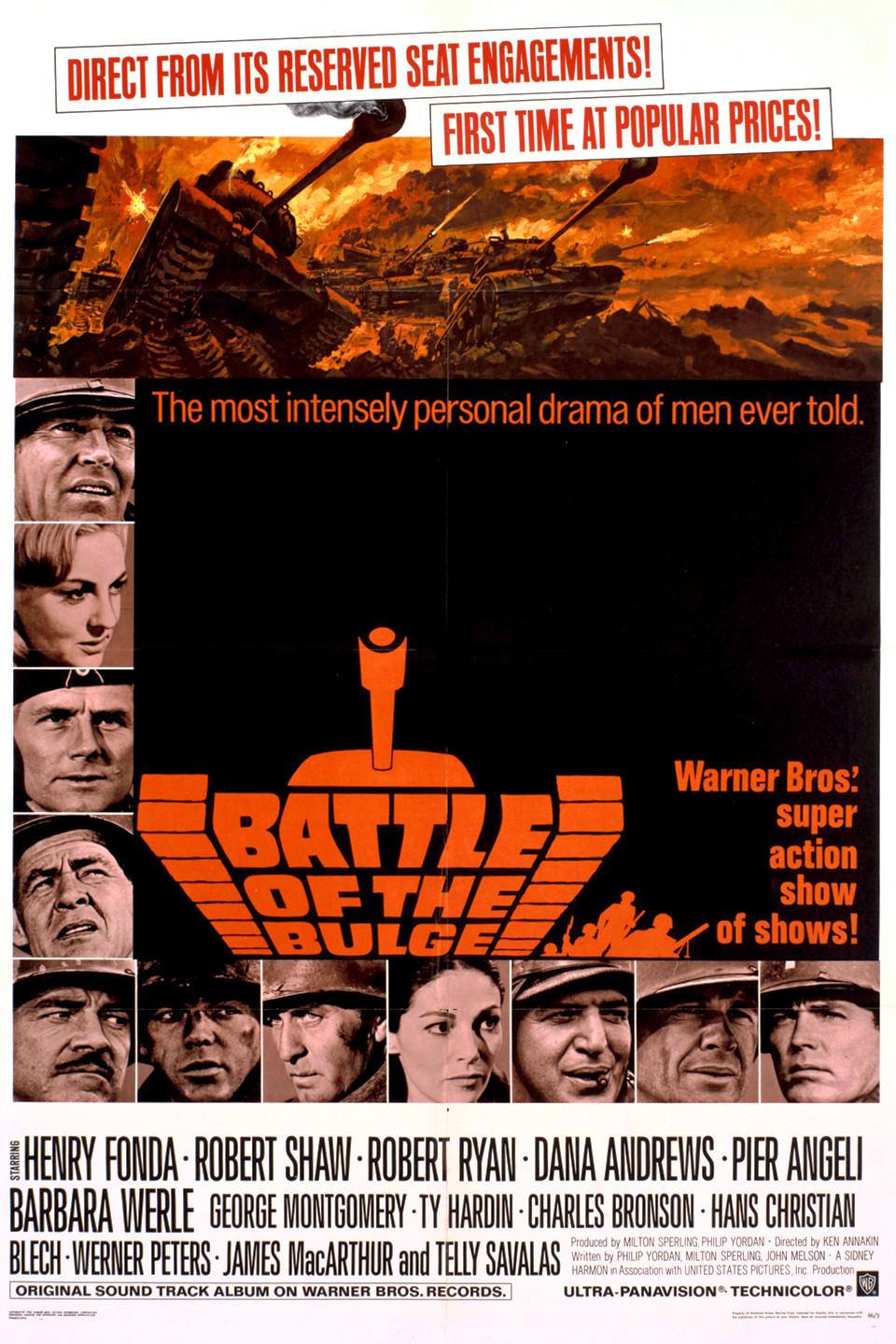
We got off at Quiapo, in front of a new theater that had just opened: the Cinerama, which boasted something called “Sensurround,” guaranteed to make you feel an earthquake in your seat. The theater’s inaugural offering was a war movie titled “The Battle of the Bulge.” My mom stopped on the sidewalk, looking up at the marquee. “Let’s watch this instead,” she said. And so we did, and so I missed seeing the Beatles; you could say that I almost saw them standing there.

I was in grief, although to be fair to my mom, the movie was fun, full of tanks and military mayhem.

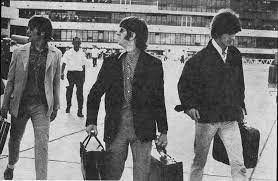
Not long after came the news that the Beatles were being chased out of the airport by an angry mob, and the story I got was that they had failed to show up at Malacañang for what would have been a command performance. I could imagine Bongbong—three years younger and a few grades behind me at La Salle—standing forlorn on an empty stage, waiting for the stars that never came. I felt torn between sympathy for him and my allegiance to the Fab Four. I thought that the rude send-off was too much, but I also couldn’t understand why the Beatles couldn’t have swung by the Palace and sang a song or two. How hard was that? 

Today, more than 50 years later, I think I can understand that ambivalence. In 1966, Ferdinand Marcos was very much the good guy—heck, he was the guest of honor at our graduation in La Salle! (Incidentally, the sons of his presidential opponents—Diosdado Macapagal and Raul Manglapus—were also in the same school.) He had just assumed the presidency, and still exuded the charisma of a winner. While a private impresario had brought the Beatles over, they were—in some fuzzy official sense—guests of the Republic, hosted by no less than the President of the Philippines. They were ambassadors of goodwill, of the Republic of Liverpool or wherever they came from, and it would have been a normal courtesy to pay a visit to Malacañang for some polite chit-chat and indulge their hosts with a song or two. 

John could have leaned over to ask the young Bongbong, “What’s your favorite song of ours?” while Imelda looked on with a glowing smile, and Bongbong could have shyly answered, after some prodding, “She loves you ye-ye-ye….” Whereupon John would have winked at Paul, who would have protested “But John, we didn’t bring any instruments with us,” leading Papa Ferdinand to pull a curtain aside to show a full array of Gibson and Rickenbacker guitars and Ludwig drums. And that would have led to one, two songs, the obligatory encore, with Imelda and Ferdie launching into an impromptu dance, and cheers and laughter all around, culminating in a Rajah Sikatuna award or some such for the quartet.

But of course none of that happened. The Palace invitation went unanswered, the catered leche flan cooled and curdled, and the tapping of Ferdie’s and Imelda’s fingers on their hardwood armrests telegraphed disbelief, then irritation, then anger. A dejected Bongbong might then have muttered, “I like the Rolling Stones more, anyway….” Ferdie would have whispered a few words to an aide; Imelda would have stood up, and with a wave of a hand ordered all the dish covers and warmers shut—“Serve it to the dogs!”—and retired in a huff to a drawing room. Meanwhile the Palace aide would have gone down to the Beatles fans gathered at the gates below, and ordered them to go home: “They’re not coming. They snubbed the President!… Who do they think they are?”

“More popular than Jesus,” of course, John had said in an interview with a London newspaper just four months earlier, commenting on the general decline of faith in modern life more than anything else, but now was a perfect time to lift that out of context and expose the Beatles as heathen ingrates. Southern Baptists burned their records and the Ku Klux Klan picketed their US concerts. Some Pinoys chased them to their plane—as many others wept, just to make that clear; to them, the Beatles were certainly more popular than Marcos.

Penman No. 417: From Cory to Covid: An Alternative History

for the Star’s 35th anniversary, July 2, 2021

WHEN THE Philippine STAR was founded 35 years ago, we were still enveloped in the euphoric glow of having successfully deposed a dictator peacefully and installing an icon of democracy in his place. I was one of that happy throng on EDSA celebrating what we believed was a new dawn of hope, a fresh opportunity for our people to grow in freedom and prosperity. Like many writers, I ran out of metaphors and superlatives to describe that moment, which seemed nothing short of miraculous. 

Nowadays it has become commonplace—indeed even fashionable in some quarters—to revise and reject that narrative, and to claim that it was a foolish mistake to have replaced a seasoned politician with a rank amateur. Martial law wasn’t so bad; no wanton thievery took place; only a few were hurt for the good of the many; we were never so disciplined, and our streets were never so clean.

How we came to this point—like the resurgence of Nazism in Europe and of racism in Trump’s America—is for me the great mystery of those 35 years, an arc of sorts marked by Cory on one end and by Covid on the other. There’s certainly no pot of gold at the end of this rainbow, as should happen in fairyland—which we rather quickly realized, right after EDSA, was not where we were.

For some such as Jose Rizal, Alexander the Great, Wolfgang Mozart, Manuel Arguilla, Bruce Lee, Eva Peron, and, yes, Jesus Christ, 35 years was a lifetime. You could have been born in a hospital while the tanks were massing at EDSA, and died this year of Covid, gasping for breath in that same place. Had that happened to me, I would have protested and pleaded, albeit inaudibly through my tubes, that it wasn’t fair, that I deserved a peek over the horizon, at least through to the May election, to see if it was worth the wait—or not, and then slink into sullen slumber. 

During that time, I grew from a young father and a writer on the verge of a teaching career to an aching retiree surrounded by old books and creaky machines, and I have to wonder if our nation fared better and learned as much. Or should I say “unlearned”? At EDSA I learned to hope, to trust in the ideal and the good again, to have positive expectations of the new century looming ahead. FVR and his “Philippines 2000” thumbs-up may have seemed hokey at the time, but there was a genuine spring in that step, a sense of things going in the right direction. And then they began falling apart, the old mistrust and suspicions returned, and we took one president down and nearly succeeded with yet another.

But it wasn’t just us. The closing decades of the 20th century were a time of sweeping changes all over the world. Soon after Marcos fell, a tide of reform and revolution washed across Eastern Europe and eventually into the Soviet Union itself; that union collapsed, the Berlin Wall fell, and it seemed like the era of dictators and despots was over, but it was not. With Hong Kong in its navel, China morphed into a commercial colossus, proving that freedom and capitalism do not necessarily go together. The 1997 financial crisis shook the planet.

After 9/11, whatever remaining hopes we had of a better new century vaporized, and the new specter of terrorism now stalked the globe. Barely had ISIS retreated from the sands of Syria when a new and even more insidious plague, Covid-19, threatened to annihilate mankind. 

Others will remember this period as the age of cocaine, corporate greed, mass shootings, and, generally speaking, a culture of excess, of over-the-top indulgence on whatever floated your boat: drugs, sex, money, power, toys. Very few people had actual access to them, but the media—that’s another whole story—kept glorifying vice as virtue, until many began to believe it well enough to dream. It was Dickens’ “best of times and worst of times” all over again.

That would be the sober—and sobering—summary of what tomorrow’s history books will be saying about those decades. But of course—and thankfully—it wasn’t all politics and the misery that often comes with plays for power.

There’s a part of me that wants to tell the story of these past 35 years as the rise of consumer technology toward near-total domination of our daily lives. Humor me as I recall little vignettes to show what I mean.

When the EDSA uprising broke out, we heard the news over a big black Panasonic radio-cassette player that I had picked up years earlier at the Zamboanga barter trade place (along with the obligatory sotanghon and White Rabbit candies). It was—beside our 12-inch, black-and-white, red plastic-bodied TV—our news and entertainment center in the boonies of San Mateo. It sat on our dinner table, accompanying our meals like a permanent guest, sometimes directing the conversation.

When it spewed out the news that something dramatic was taking place at EDSA, and when we heard Cardinal Sin calling on people to go, we knew we had to. Not long after, we piled into my VW Beetle, turned on its radio for updates, and headed for the trenches. For the next few days or so, radio was king, whether at home, in your car, or in your pocket (yes, boys and girls, there was pocket radio; TV was around but only the coolest people had portable versions).

I missed out on most of the Cory years because I went to America for my graduate studies, and there I became anchored to the payphone for my calls home, clutching a handful of quarters to feed the machine. I had hand-carried an Olympia typewriter to write my thesis on, but then I discovered computers, and in 1991 I lugged home a 20-pound behemoth with all of 10 megabytes to fill up. I felt like a gunslinger—I was going to write the next Noli, protect the weak, and get justice with one floppy disk after another.

Nothing would define the ‘90s more than the personal computer, and I soon equated the machine with creation, the blinking cursor with a challenge to produce. I drooled (and lost the plot) when I watched Scully and Mulder hunched over a super-sexy PowerBook 540c in the X-Files, and when I got my own, it was like Moses receiving the tablets—with a trackpad and an active-matrix display. 

Soon another gadget emerged with which we felt even more tethered to some central brain: the pager, whose insistent buzz enhanced our importance, even if it all it asked was where you were and could you please come home. Fake news had yet to be invented as a cottage industry, but a lot of it, I’m sure, went through EasyCall and PocketBell.

By the time the next EDSA happened, we had something far snappier and more personal than radio with which to undertake regime change. Yes, I was now writing speeches on a Mac, but the messages flew thick and fast on a new gadget—the cellphone. If EDSA 1 succeeded because of radio, this iteration flew on the wings of SMS, the millions of texts (the jokes, the rumors, the calls to action) whose accretion would spell the end for an inebriated presidency. 

As it happened, 2001 would be memorable for another image seared into our consciousness: the collapse of the Twin Towers, brought to us slightly delayed and in full color by satellite TV. We’d had TV before, of course, but had always seen it more as Comedy Central, a box to gather the family around. CNN changed that, and brought the world’s torments to our living rooms. Cheaper TVs, one in every room, had long fragmented the family, especially when Betamax and VHS, the precursors of Netflix, became available.

A few years later, a cellular phone call and a recorder almost took another political giant down, causing millions to gasp and laugh as the tape was replayed on TV and radio over and over. “Ang importante hindi madamay yung sa itaas,” said a female voice, which was exactly what happened. That year, 2005, was also the year a platform called YouTube was born—and thanks to YouTube, the tape can still be heard, for all digital eternity.

Indeed, video, the Internet, and social media would soon change the political and cultural landscape, not just here but the world over, although the Pinoy—perhaps in response to that elusive quest for Olympic gold—has towered over much of humanity in terms of Facebook usage (and earlier, in SMS transmissions). One way of putting it would be that we are the world’s champion usiseros and chismosos, resorting to Twitter or Instagram at the merest hint of an idea, no matter how malformed. 

Today we have an abundance of information and information sources at our disposal—and yet we seem to be as ill-informed as ever, with opinions shaped and manipulated by Sith Lords in the Dark Web. Dismissing newspapers and editors as gatekeepers of the truth—which not all of them have been—we create our own versions and peddle them instantly for a thousand “likes,” the supreme accolade of the early 21st century. Most others might prefer to be simply receivers and forwarders of whatever crosses their screens, the passive agents of mindlessness.

Thirty-five years ago, we drove to EDSA on pure conviction that it was the right thing to do. Without Twitter or even SMS, no one could tell us “Right on!” or “Me, too!” We listened for scraps of news and turned them over and over in our hushed minds; we could be killed; we could be free; would our friends be there; what else did we study for. It was a long drive from San Mateo to my in-laws’ place in Project 4, where we parked the car and walked to EDSA. It was a lot of time to think. 

Thirty-five years is a lot of time, but looking around today, with Filipinos still dying by the gun or by drowning in one’s own fluids in some alien hospital, I have to wonder how this narrative arc from Cory to Covid will end—or how much longer it will go, at least in my lifetime, which naively still yearns for a happy ending.

Penman No. 412: CPR and the Art of Autobiography

Penman for Monday, April 26, 2021

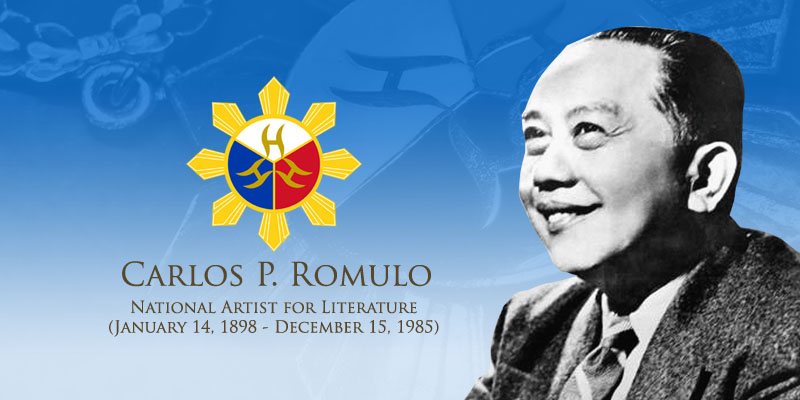
TWO WEEKS ago, I gave an online lecture sponsored by the National Commission for Culture and the Arts (NCCA) and the University of the Philippines Baguio on the subject of Carlos P. Romulo as a National Artist for Literature. I was frankly surprised to have been asked to speak on CPR, or “the General” as he preferred to be addressed. I am no expert on Romulo, and while our lifetimes coincided for about 30 years, I never had a chance to meet the man, not even at the University of the Philippines, which he served as President from 1962 to 1968.

I did have a brush with Romulo’s writing in grade school when, for reasons I now forget, my declamation piece was his exuberant essay “I Am a Filipino.” Of course I already learned from our Social Studies class that he had been the President of the United Nations General Assembly, so I had a sense of the man as a Filipino who had proudly made a name for himself and for his country in the world.

Like many of you I also remembered Romulo as the diminutive figure sloshing through the surf in Leyte Gulf behind the hulking Douglas MacArthur. But indeed he was someone whose physical stature, at five-foot-four, was often preceded and magnified by his towering reputation. 

Romulo’s was unquestionably a long and stellar life, stretching from the start of the American occupation in 1899 to the last year of Marcosian rule in 1985. He was a participant in and witness to many of the most dramatic moments of the 20th century. Even his association with President Marcos in his later years as Foreign Minister—an appointment clearly meant to lend credence to the martial-law regime, as CPR himself realized and later regretted—has now largely been overlooked by scholars and critics. 

But of all the tributes paid to CPR, the one that seems to have escaped the public imagination is that of Carlos P. Romulo as National Artist for Literature—a fact that many Filipinos, including writers, appear to be ignorant of. I must confess to wondering myself how Romulo’s literary achievements stack up alongside those of Nick Joaquin, F. Sionil Jose, Jose Garcia Villa, Virgilio Almario, Amado Hernandez, and so on.

Romulo was declared a National Artist, along with the film director Gerardo de Leon, by virtue of Presidential Proclamation No. 2207, signed by President Marcos on June 10, 1982. He was only the third awardee for literature, following Amado Hernandez in 1972 and Nick Joaquin in 1976.

We are not privy to the deliberations of the awards committee for that year and to what procedures were followed. But somehow there arose the suspicion that CPR was summarily given the National Artist Award by Marcos, whom he served as Foreign Minister from 1978 to 1984, as a political favor or reward. Putting politics aside for the time being, the niggling question remains: what exactly should Carlos P. Romulo be recognized as a National Artist for Literature for? What can he teach contemporary Filipino writers?

That Romulo was a prodigious and talented writer cannot be disputed. He is on record as having published 22 books, including one novel (The United, 1951) and a book of plays, but comprising mostly what we would today call creative nonfiction—autobiography, biography, and historical reportage. While his novel—set in the US, with American characters—achieved some success, I strongly doubt that this was or could be the main foundation on which his literary reputation rests. 

Rather, I propose that it is Romulo’s nonfiction reportage that distinguishes him most strongly as a writer of and about his time, and one of the most articulate chroniclers and propagandists of the Philippine midcentury. 

Much of this achievement has to do with Romulo’s uncanny ability to position himself in our history as witness and party to some of its most momentous events. He lived an extraordinary life that led him from Camiling, Tarlac to Columbia University and then back to the Philippines, where he became a teenage reporter, then editor, then university professor, presidential adviser, aide-de-camp to Gen. MacArthur, US Army general, “the last man off Bataan” as one of his book titles says, postwar diplomat, presidential candidate, university president, foreign secretary, and international statesman. 

That life and his encounters with the world became the raw material for his books and his reportage, which won him the Pulitzer Prize for Correspondence in 1942. If you want to know Romulo and his times, look no farther than his 1961 autobiography, I Walked with Heroes. It best displays him as a master of what could be a vanishing literary form in these days of Twitter, Instagram, and generally abbreviated and instantaneous commentary.

I was not expecting to appreciate the book and its author as much as I eventually did. It is a pleasurable, engaging, and instructive read, written by someone who has a story to tell and knows how to tell it. The problem with Romulo, to be plain about it, is, well, Romulo. Like most people whose reputations precede them, he invited the impression of possessing a well-nourished ego, which the armchair psychoanalyst might say was likely a form of overcompensation for his short stature. 

What we get at the end of I Walked with Heroes is, to be sure, a varnished portrait of CPR and his contemporaries, but not incidentally we also follow a nation in progress, emerging from colonialism to a fragile postwar independence. And therein, I suggest, lies its value and Romulo’s strongest claim to literary fame, in his ability to interweave the personal with the public—not on the tiny frame of selective memoir but on the wall-sized tapestry of comprehensive autobiography, a diminishing art for many reasons. Our writing has become increasingly smaller in scope and ambition. Accustomed to tweets and Facebook tags, our writers and readers today think of time in terms of fleeting seconds, and lack the memory and capacity for historical reflection.

And then again perhaps we simply lack the kind of larger-than-life personas (pun intended) that CPR and his contemporaries represented. With or without ghostwriters, our Presidents no longer write their autobiographies, or even their memoirs, as Quezon and Elpidio Quirino did. Perhaps they fear that the written word will return to haunt them. But then again why should autobiographies be expected to tell the whole truth and nothing but?

Subjected to scholarly interpellation, Romulo’s reportage on himself and the history swirling around him will surely raise many questions about whether this and that really happened the way he recalls it. But he is a master of narrative, and as fastidious as he was about his suits and uniforms, he clearly sought to portray a positive image of himself as the avatar of his people—“a small man from a small country”—for which no autobiographer in his position can be faulted for attempting.

Penman No. 408: Windows on the Filipino Soul

Penman for Monday, March 1, 2021

SOON TURNING 80, the veteran journalist and fictionist Amadis Ma. Guerrero has added another feather to his cap as one of this country’s foremost chroniclers of culture, particularly the visual arts. Less than two years ago, he gave us the splendid book Philippine Social Realists (Quezon City: Erehwon Artworld Corp.), where he reviewed ten of the country’s most accomplished advocates of social realism, prompting our own Juaniyo Arcellana to call him “a master of reportage, which he puts to good use in this series of portraits of the artist as Philippine social realist.”

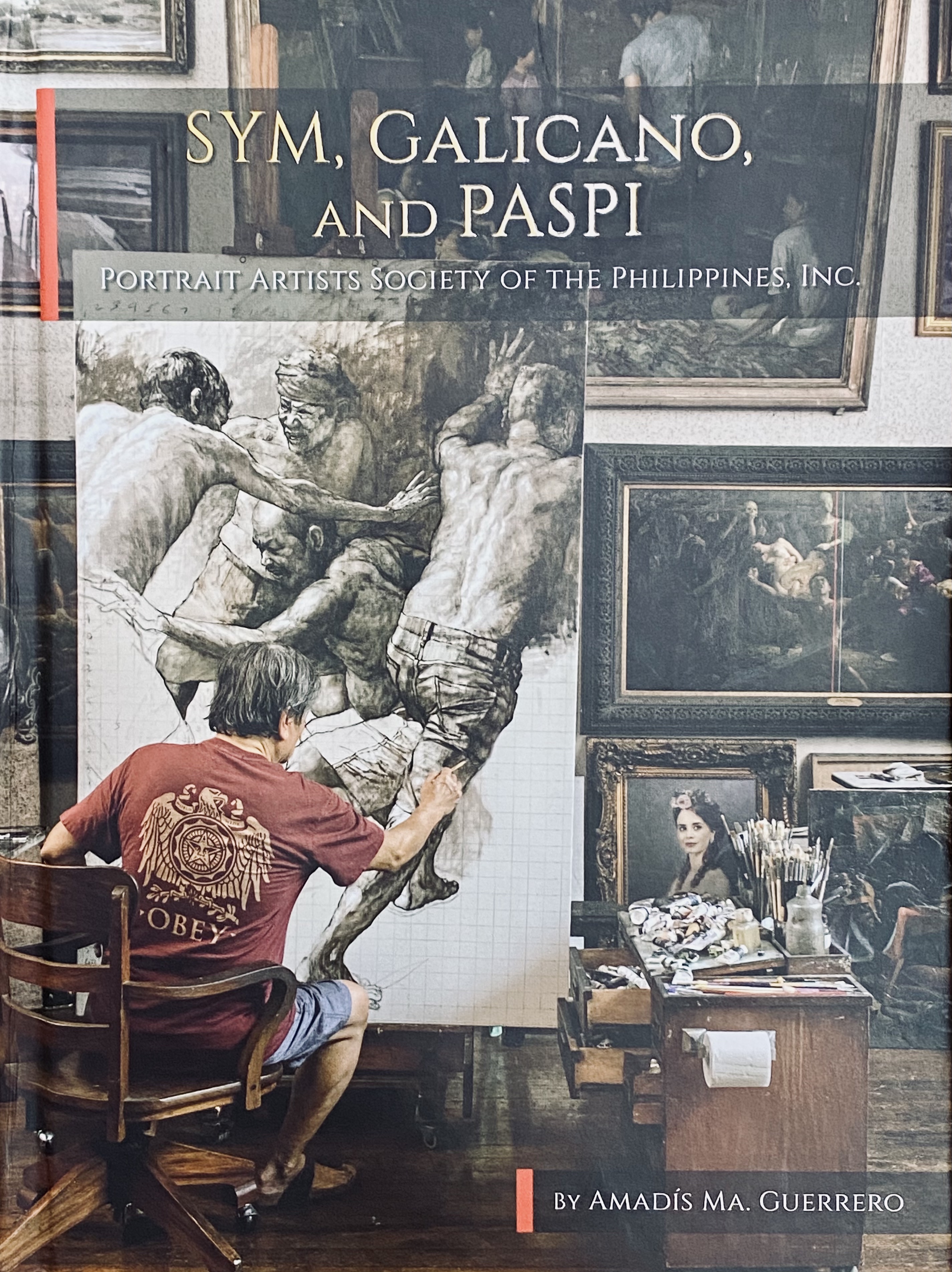
This time, with the launch last week of SYM, Galicano, and PASPI, also published by Erehwon, Guerrero takes on the art of portraiture itself, and the Filipino artists who have devoted themselves to—and distinguished themselves in—this most difficult of artistic challenges.

Say the word “portrait” and what will likely spring to mind for most Filipinos—excluding the “Mona Lisa”—is Jose Rizal looking pensive and noble, as he should, frozen in a print that has become almost obligatory in most government offices (at least until certain Presidents and lesser politicians deemed themselves worthier of that spot on the wall). The older and well-heeled crowd will default to Fernando Amorsolo, who seems to have painted everyone’s rich and famous grandfather or grandmother. The more art-savvy might bring up John Singer Sargent, Lucien Freud, Andy Warhol, and Frida Kahlo. 

Indeed, portraits have served throughout history to glorify the sitters and their families, made to order by the most talented painters of their time, and paid for by the most powerful patrons of that same era. They were, and still are, quite frankly made for money, which usually meant a softer line here and a scatter of stardust there to idealize the hopefully happy subject. Occasionally and perhaps increasingly, they have also been made for love—if not love of art itself, then (to venture sideways into more theatrical territory) of the subjects who became their artists’ muses if not their lovers, such as Andrew Wyeth’s Helga Testorf or Gustav Klimt’s Adele Bloch-Bauer.

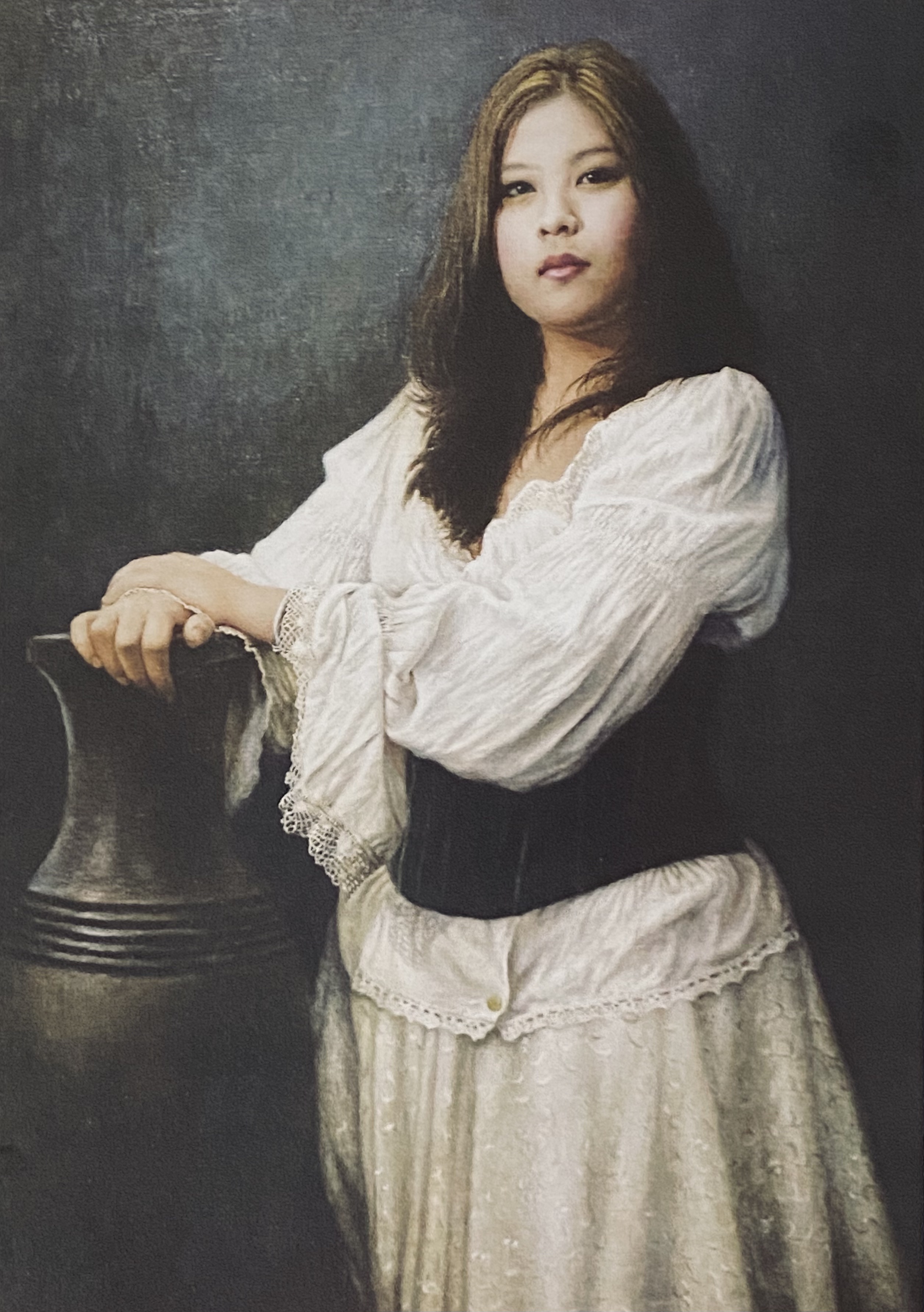
In his overview of contemporary Philippine portraiture, Guerrero provides us not only with a visual feast of styles and talents but also with—in his own way—verbal portraits of the artists themselves: their back stories, their struggles, and how they came to see and use portraiture as their window on the Filipino soul. 

The title of the book may be cryptic to many, so let’s explain that “SYM” is Sofronio Y. Mendoza, the brother-in-law of fellow portraitist Romulo “Mulong” Galicano, and that “PASPI” is the Portrait Artists Society of the Philippines, Inc., whose members the two masters have mentored. 

In his typically well-wrought foreword, Dr. Patrick Flores notes how important it is that “the story of art that this publication tells does not begin in Manila, perceived to be the center of the solar system of the Philippine art world. It rather unfolds in Carcar in Cebu. This in itself contributes to the body of literature on a species of Philippine art that takes root in and flourishes beyond the metropolitan privileges of Manila.” Carcar was where both Mendoza and Galicano studied at the foot of Cebu’s pre-eminent postwar painter, Martino Abellana, the so-called “Amorsolo of the South.”

Both men have since overtaken their teacher to become mentors to a new generation of gifted portraitists in PASPI, and the book offers glimpses into the life and works of many of its members—Wilfredo Baldemor, Romeo Ballada, Publio Briones, Jr., Carlos Cadid, Wilfredo Cañete, Jr., Ariel Caratao, Ramon de Dios, Efren Enolva, Carlos Florido, Alvin Montano, Maridi Nivera, Joemarie Sanclaria, Dante Silverio (yes, the Dante Silverio), and Lita Wells. 

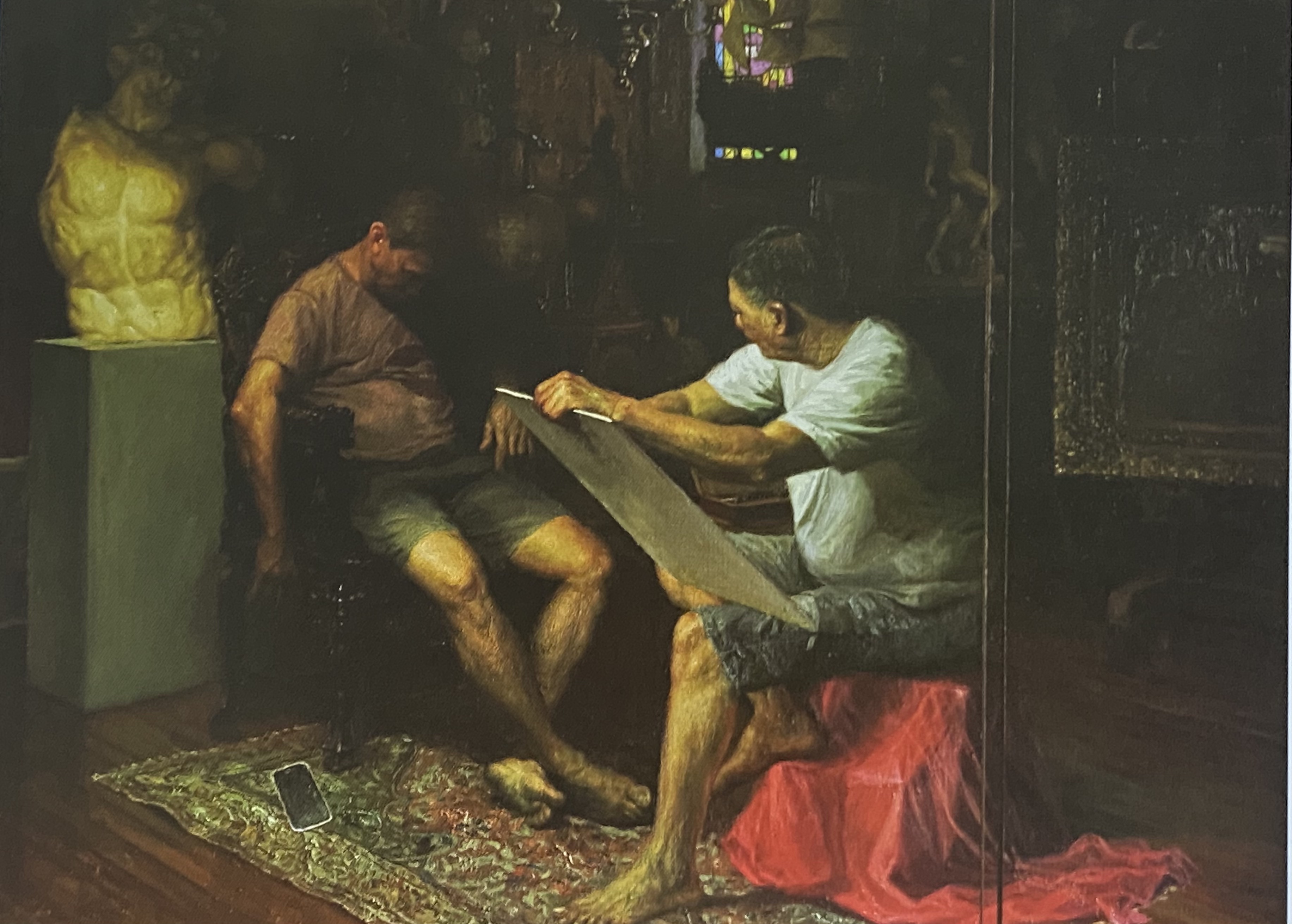
With the exception of the former Toyota coach and long-time art enthusiast, few of these names will be familiar to most Filipinos, although many have attained some degree of professional accomplishment. Some, like Romy Ballada and Boboy Cañete, never went to art school (born poor, Cañete didn’t even get to high school), but their work is suffused with what matters most in portraiture: character—which, as a fictionist, I take to be the promise of a deeper story beyond the picture. The stylistic range presented runs from the classically posed to the problematic postmodern, but I enjoy it best when the painter takes a break from his or her usual material, such as Galicano’s decidedly anti-romantic “The Sleeping Model.” (The book also explains why Galicano adopted his trademark stripe in his paintings.)

Amadis Guerrero tells well-framed stories of the artists and their passions with great empathy and efficiency, and I hope that he will be commissioned (as this is the only way this will happen here) to do full-length biographies of our National Artists such as Botong Francisco and Mang Enteng Manansala. Also praiseworthy is Erehwon’s continuing commitment to art publishing, and to producing such handsome volumes (this one was designed and photographed by Willie de Vera). A recent winner of Quezon City’s Gawad Parangal for its leadership in the arts, Erehwon and its visionary founder, Raffy Benitez—who has sunk millions into his baby knowing he’ll never get it all back—deserve our gratitude and admiration. 

Penman No. 407: Fifty Februaries

Penman for Monday, February 15, 2021

FOR A certain segment of that generation called the “baby boomers”—people now in their mid-60s and 70s—this month will bring back memories both poignant and painful, harking back to a time when the unbridled fun of the 1960s (think of the Beatles, Woodstock, and Barbarella) was rudely replaced, top of mind, by the all-too-serious clamor of revolutionary politics.

I was 16 and a Philippine Science High School senior when I joined my first big march on January 26, 1970, and had just turned 17 when the nine-day-long “Diliman Commune”—whose 50th anniversary came last February 1st—was put up by students like me as a spontaneous response to what we saw to be an assault on the University of the Philippines campus by military and police forces.

I have many vivid memories of that uprising which I have dealt with in essays and in my first novel, the highlights of which include standing sentry at Area 14 with a kwitis and a home-made Molotov cocktail, as if either of them would have saved me in case of an attack; sneaking out of campus in Dr. Fred Lagmay’s little car to publish the Free Collegian; and being in the DZUP booth as a comrade played a tape of “Pamulinawen” (those of you old enough will know the reference).

Ironically, that anniversary took place at a moment when, once again and half a century after the Commune, UP and other universities were being tagged as leftist “havens” by people with very different ideas about what universities should be doing. This was the same half-century, come to think of it, that produced far more UP-alumni presidents, senators, congressmen, mayors, CEOs, entrepreneurs, lawyers, doctors, artists, scientists, singers, comedians, and even AFP officers than Red recruits. 

But let’s not go there. I don’t mean to engage in political polemics as much as to wonder how time and distance can change people—or maybe not. The freshman me, who carried that incendiary bottle during the Commune (and maybe thankfully never got to throw it), grew up to be a potbellied and balding professor of English, much to my own surprise. Ours was a generation (as our dear editor and my fellow time-traveler Millet might remember) that did not expect to live long, and so like Achilles, we did what we felt had to be done as soon as we could do it; history was theater and we were actors in it. Less than two years after the Commune, and fresh out of martial-law prison, I met Beng—to whom, against all odds, I remain married after 47 years.

To survive that long is both wonderful and perplexing, especially when we seem to be hearing the same refrains all over again. It’s hard to tell where you are when past and present seem indistinguishable in some ways, except that you now see an old man where the young buck was in the mirror. You pity the small boy at your knee who has to go through all that on his own; you want him to be safe and not take foolish risks as you once did—but he is even smarter than you, and you know he will.

They asked me to give a short speech in UP to commemorate the Commune, but instead of a talk I chose to write and read a poem (with apologies to Janis Ian) about what it was to be seventeen fifty Februaries past, and here it is:

AT SEVENTEEN

At seventeen I raised my left fist to the sky

And held, in my right hand, 

A bottle filled with gasoline—

And far more flammable,

Admixtured faith and folly,

Courage and a thumping fear

That my life would not last much longer than

That hour, at once so still and pensive,

The tall grass around my outpost

Silvered by some distant light.

A “Molotov cocktail” was what they called

That lethal brew, its ragged tongue the sacrifice

Of someone’s cotton underwear, its fuel

Of someone’s ride to Bulacan,

And my right hand, the young elastic limb

That would toss this long-tailed dragon to the sky

Against the dark-faced enemy, my arm,

Myself, the new, rough-hewn, imperfect

Oblation of that fraught age.

I was, I told myself, prepared to die

And perhaps I might have even 

Believed the lie. 

I never threw that bomb, nor any other

Of the kind. The enemy was more

Deceitful than I thought, refusing to appear

Just then—although I’ve seen him since, 

In the old FC and AS and Quezon Hall—

And I even stopped once to ask, “Excuse me,

Do I know you?” because I thought I did.

The intrepid and unwary die.

The articulate survive, to write poems

And raise fuseless cocktails with their right hands

While their left fingers cradle Marlboros

Or tap out the cadence of muted anthems

Once sung to red flags cresting in the wind.

These days I hold nothing

More menacing than hat and cane.

I should have feared, at seventeen,

That I would live this long, that I would know

Waywardness of memory and uncertainty of step—

And still, from time to time, looking down

The long, unfolding scroll of University Avenue,

Feel barricades of salvaged wood

And gathered stone rising in my chest.