Penman No. 478: Best Foot Forward in Frankfurt

Penman for Sunday, October 5, 2025

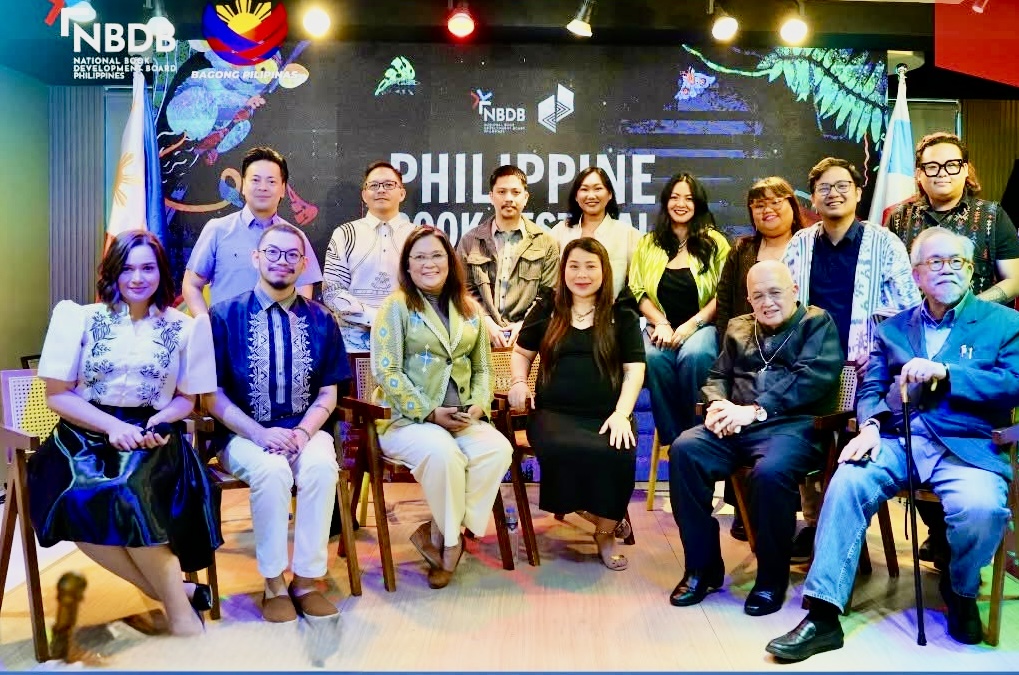
ON MONDAY next week, several hundred Filipino writers, publishers, artists, journalists and other workers in the book trade will be flying off to Germany for the Frankfurter Buchmesse (FBM), better known as the Frankfurt Book Fair, running this year until October 19.

Led mainly by the National Book Development Board (NBDB) and the National Commission for Culture and the Arts (NCCA), it will probably be the largest cultural mission ever sent out by the country to an international event—the equivalent of an Olympic delegation—and for good reason. This year, the Philippines is the FBM’s Guest of Honor (GOH), an annual distinction designed to draw attention to that particular country’s literature and culture, chiefly through its books. 

As GOH, the Philippines will have its own pavilion of curated exhibits highlighting our literary history and production, as well as the diversity of our works from historical novels and crime fiction to children’s stories and comic books.

Going back over 500 years, the Frankfurt book fair is the world’s largest gathering of publishers, authors, and booksellers, drawing thousands of attendees from all over the world to what is essentially a marketplace for publishing and translation rights. For countries like the Philippines, far away from the global publishing centers in New York and London, it is a matchless opportunity to showcase the best of one’s work. 

Looming largely over our GOH presence will be the work and legacy of Jose Rizal, whose deep personal ties to Germany—where he studied ophthalmology and completed Noli Me Tangere—continue to inform our relationship with that country. Indeed, our GOH slogan—“The imagination peoples the air”—is drawn from Rizal’s Fili, turning Sisa’s frantic search for her missing sons into a metaphor for the power of words to create moving realities.

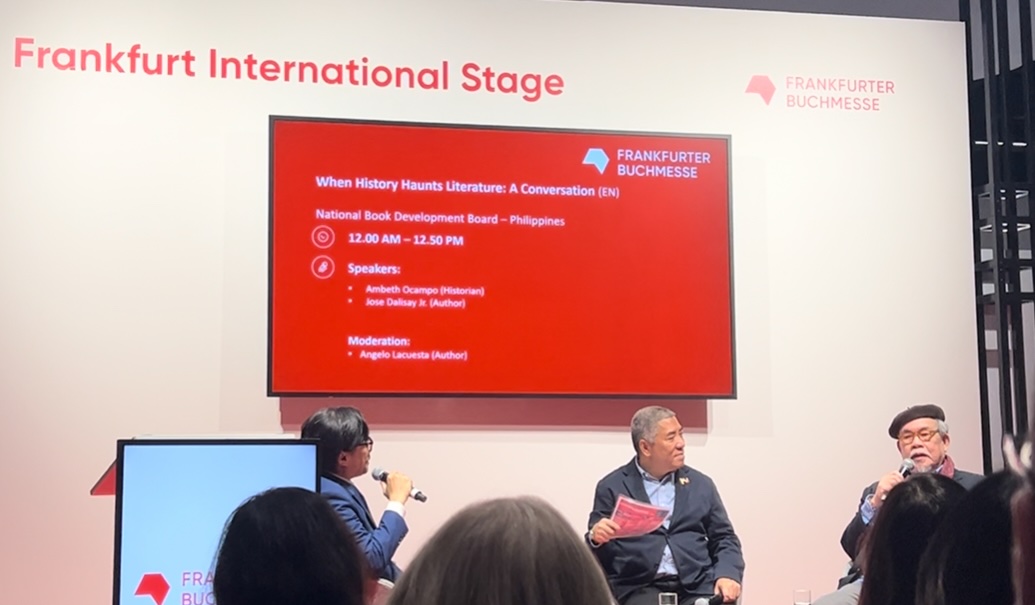
There are hundreds of events on the Philippines’ official FBM schedule, both onsite and off-site. They range from panel discussions on “Our National Literature: Filipino Spirit and Imagination” with Merlie Alunan and Kristian Cordero, “Women’s Fiction from the Global South” with Cecilia Manguerra Brainard, Jessica Zafra, and Ayu Utami, and “Dismantling Imperial Narratives” with Filomeno Aguilar Jr., Lisandro Claudio, and Patricia May Jurilla to performances by National Artist for Music Ramon Santos and the Philippine Madrigal Singers, a demonstration of Baybayin by Howie Severino, and a book launch of the German editions of the Noli and Fili with historian Ambeth Ocampo. (For the full program, see https://philippinesfrankfurt2025.com/events/)

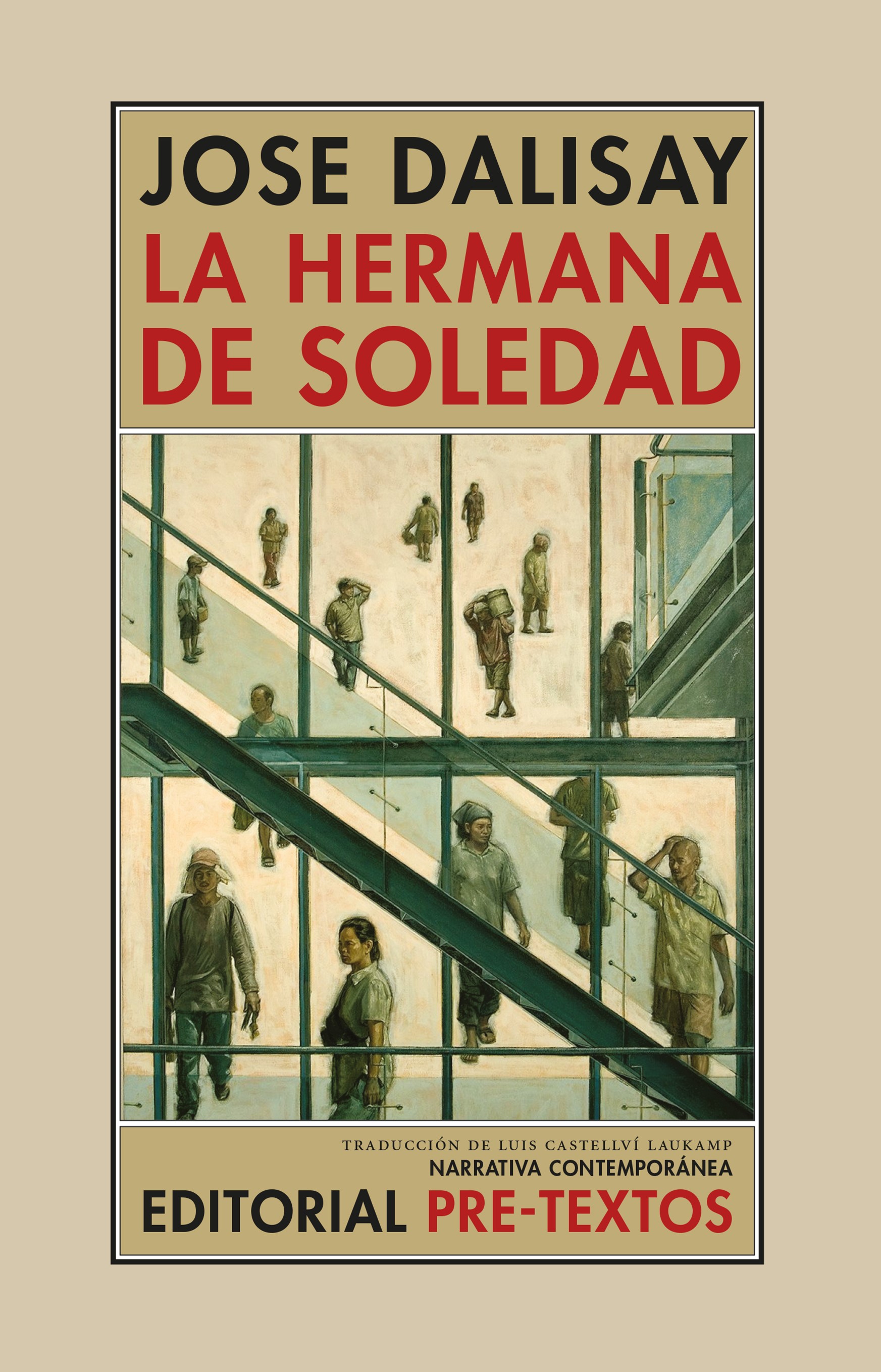
I have eight events on my personal calendar, ranging from the launch of the Spanish edition of my novel Soledad’s Sister to readings at the Union International Club and Bad Bergleburg, so it’s going to be a hectic time for this septuagenarian. This will be my third and likely my last sortie into the FBM, and I know how punishing those long walks down the hangar-sized halls can get. 

Practically all aspects of Philippine art and culture will be on display in Frankfurt, going well beyond books and literature into theater, film, music, dance, food, and fashion. In short, we will be putting our best foot forward on this global stage, although there will be no papering-over of our political and social fractures and crises. (Journalists Maria Ressa and Patricia Evangelista will be there to make sure of that.)

As with any large-scale national enterprise, our GOH effort has not been without controversy. A campaign by cultural activists to boycott the FBM—premised on Germany’s and the book fair’s perceived support for Israel in its genocidal war on Gaza—took off earlier this year and gained some traction, leading to the withdrawal of some authors from the delegation. There was spirited and largely respectful debate over this issue, but it was clear to both sides from the outset that a complete disengagement from the FBM—for which we had planned for many years running—was not going to happen. (I argued, like many others, for our critical participation, minding Gaza as one of the foremost issues facing humanity today. Not incidentally, on the Philippine program is a panel on “Writing Through the Wounds: Filipino and Palestinian Literatures in Relational Solidarity” with Nikki Carsi Cruz, Dorian Merina, Tarik Hamdan, Atef Abu Saif, and Genevieve Asenjo, among other initiatives in support of Palestinian freedom.)

Another criticism raised was the cost of our GOH participation—an effort bannered and sustained by Sen. Loren Legarda, the chief and most consistent supporter of the arts and culture in the Senate. Why not just pour all that money, some have said, into publishing and printing more books for Filipinos? There’s no argument that Philippine education needs more support (the trillion-peso infrastructure scam tells us the money was always there) but the targeted exposure that the GOH opportunity provides comes once in a lifetime, and Sen. Legarda wasn’t about to let it pass. 

As she noted in recent remarks, “When I first envisioned the Philippines as the Guest of Honor at the Frankfurter Buchmesse, some felt that it was far too ambitious, that we were too diverse and too complex for the world’s largest book fair to embrace. But I believed then, as I believe now, that our diversity is our greatest advantage, a gift and never a hurdle.

“The Philippines is more than an archipelago of 7,641 islands. It is a vast constellation of ideas and innovation, of ingenuity and distinct cultures and traditions joined together by the tides of hope and resilience. The 135 languages identified and described by the Komisyon sa Wikang Filipino turn into the voices and stories of Filipinos resonating around the world, reaching across cultures, transcending borders, challenging assumptions, and expanding the boundaries of human empathy.”

Let those voices and stories fill the air in Frankfurt, and spread around the planet.

Qwertyman No. 45: Onward to Frankfurt?

Qwertyman for Monday, June 12, 2023

IF YOU were at the Philippine Book Festival (PBF) that took place at the World Trade Center earlier this month, you would have been surprised to find how many Filipinos were writing, publishing, selling, buying, and reading books. A project of the National Book Development Board (NBDB), the PBF was the first such event devoted solely to locally produced books—as opposed to, say, the Manila International Book Fair (MIBF) in September, which is open to books and publications from overseas. The NBDB wisely decided to showcase our homegrown literary talents—not only from Manila, and not only from my generation of old fogeys, but from all over the country, and writers of all persuasions and ages (as young as fourteen!).

We Pinoys have become so immersed in Netflix, YouTube, and social media that many of us have forgotten about reading, and what a good book can do for one’s mind and soul. We want everything delivered to us in short sentences—even in acronyms or, if possible, in memes—because long paragraphs (and, God forbid, pages) can only mean a waste of our precious time (which is, of course, best spent posting what we last ate on Instagram, and critiquing someone’s OOTD). Whether fiction or nonfiction, books challenge us to carry ideas through to the limits of our reason and imagination. The difference between a good meme and a good book can be that between wit and wisdom—between the bubbles that rise to the top of your champagne and the notes that linger on your tongue and senses long after you’ve put your drink down.

And despite the death knells that have been tolled for publishing and reading in this country, the droves of people who flocked to the PBF and the MIBF show otherwise; as I’ve noted elsewhere, more new authors and publishers are emerging across various genres and languages than ever before, spurred by writing programs and workshops, new technologies, and more exposure for Filipino writers in international markets.

That last note—the emergence of Philippine writing in the global consciousness—has been a long time coming. We’ve had, of course, writers who’ve been published abroad, most notably Jose Rizal and the late National Artist F. Sionil Jose. In America, both expatriate and US-born writers such as Gina Apostol, Ninotchka Rosca, Jessica Hagedorn, Eric Gamalinda, Zach Linmark, and Brian Ascalon Roley have made important inroads into publishing, some with mainstream publishers. Of course, they were preceded by the likes of Carlos Bulosan, Jose Garcia Villa, NVM Gonzalez, and Bienvenido Santos, in a time when getting published in America seemed to be the apex of a literary career. We’re way past that now, having found our own voice and our own readers right here at home. 

I’ve often remarked that I’d rather be read by 10,000 Filipinos than 100,000 Americans, but I may have spoken too soon, as even those 10,000 Pinoys willing to buy and read a serious novel can be hard to round up. Therein lies the irony: we’re happy to write and publishers seem happy to publish, and the high attendance at the PBF could be a sign that things are changing, but creating a critical mass of local readers for literature remains a struggle. 

Even in America, where we imagine that almost four million Filipinos should be able to clear out an edition of 5,000 books without any trouble, that simply doesn’t happen. I suspect that that’s because we’ve never really been a book-reading culture, unlike the Japanese and the Indians, and the easy availability of entertainment on Netflix and Tiktok just aggravates the situation. (A more disturbing possibility is that our writers still haven’t learned to write the kind of stories with the kind of treatment that Filipino readers—and there are also many kinds of them—expect, without sacrificing literary “quality,” whatever that means. In my old age, this is what I’m aiming for—to give my readers stories that they’d want to see turned into movies.) 

There’s no doubt that we’re producing materials of high literary value—in English, Filipino, and our regional languages; we saw that in the PBF and we see it in our classes and workshops all the time. These works deserve to be shared with a broad audience—not just here, but overseas, where the Chinese, the Japanese, the Koreans, the Indonesians, and the Vietnamese have already made a name for themselves in the publishing world. 

But that takes a network we still have to familiarize ourselves with and learn how to navigate—a network of translators, literary agents, editors, publishers, and booksellers largely unknown and therefore closed to us. We’re not totally clueless. Through the NBDB and local publishing stalwarts such as Karina Bolasco (just recently retired from the Ateneo Press and the founder of Anvil Publishing before that) and Andrea Pasion-Flores (our very first international literary agent, now owner of Milflores Publishing and president of the Book Development Association of the Philippines), the Philippines has been represented over the past few years in such major events as the annual Frankfurt Book Fair, the world’s largest such market of authors, publishers, and agents.

Not meaning to be immodest, thanks to my agents and publishers, I myself have benefited from this kind of exposure, having sold my second novel Soledad’s Sister in last year’s FBF into a German translation and edition, which just came out; before that, it had already been translated into and published in Italian and French, aside from an American edition. Imagine what that network could do for the rest of our writers.

This brings me to an idea whose time, I strongly believe, has come: focal representation in a forthcoming Frankfurt Book Fair as a “guest of honor,” a position reserved for a country wishing to showcase the best of its literary talent across all genres (two years ago it was Canada, followed by Slovenia). This has to be accompanied by a strong effort in translation—from the regional languages to English, and from English to other international languages like Spanish and French, perhaps even Chinese. It will take much planning and a sizeable budget, but as our recent forays into the Venice Biennale have shown on behalf of our leading artists, with the right cultural leadership and vision, it can be done.

Penman No. 451: A Harvest of Books

Penman for Sunday, June 4, 2023

IF YOU’RE reading this on this Sunday morning, then it’s not yet too late for you to find a cab and get yourself over to the World Trade Center in Pasay City to catch the last day of the Philippine Book Festival, and have your favorite Filipino authors sign their books for you.

Organized by the National Book Development Board (NBDB) in partnership with the National Library and other agencies and organizations, the PBF will showcase the best of new Philippine writing and publishing, with the bonus of having most of the authors around for signings, chats, and the now-obligatory selfies.

Since the Internet took off thirty years ago, people have been declaring that “Books are dead!” (And even before that, “The Author is dead!”—although, of course, not quite in that almost literal sense). Well, guess what—both are very much alive, whole new generations of them, as if the Internet never happened. I don’t have the hard figures to show—I’m sure the NBDB has them—but just from what I’ve seen at the past Manila International Book Fairs (the next one of which will be held in September), there’s much more new writing and publishing happening now than there was before the Internet. 

There are many drivers for that, one of which has to be the proliferation of writing programs and workshops, whose graduates really succeed only when they come out with books. (Like I often remind Creative Writing grad students who take forever to “perfect” their thesis projects, “You’re writing for no more than five readers—your dissertation committee—and when you’re done, your thesis will be sitting on a solitary shelf. Just do what you need to pass the damned defense and focus on producing your first book out of that draft! Your real examiners will be your readers.”) 

Another factor is the growth of the publishing industry, which has become much more diversified in terms of ownership, material, and audience. The long years of martial law drove much creative output underground, so to speak, with few available venues for literary publishing and only competitions like the Palancas providing incentives for continued production. (On the other hand, the government presses kept churning out books on the First Couple’s abounding wisdom.) Post-EDSA, the pent-up dam broke, and literature flourished, but still hardly on the scale we’re seeing today.

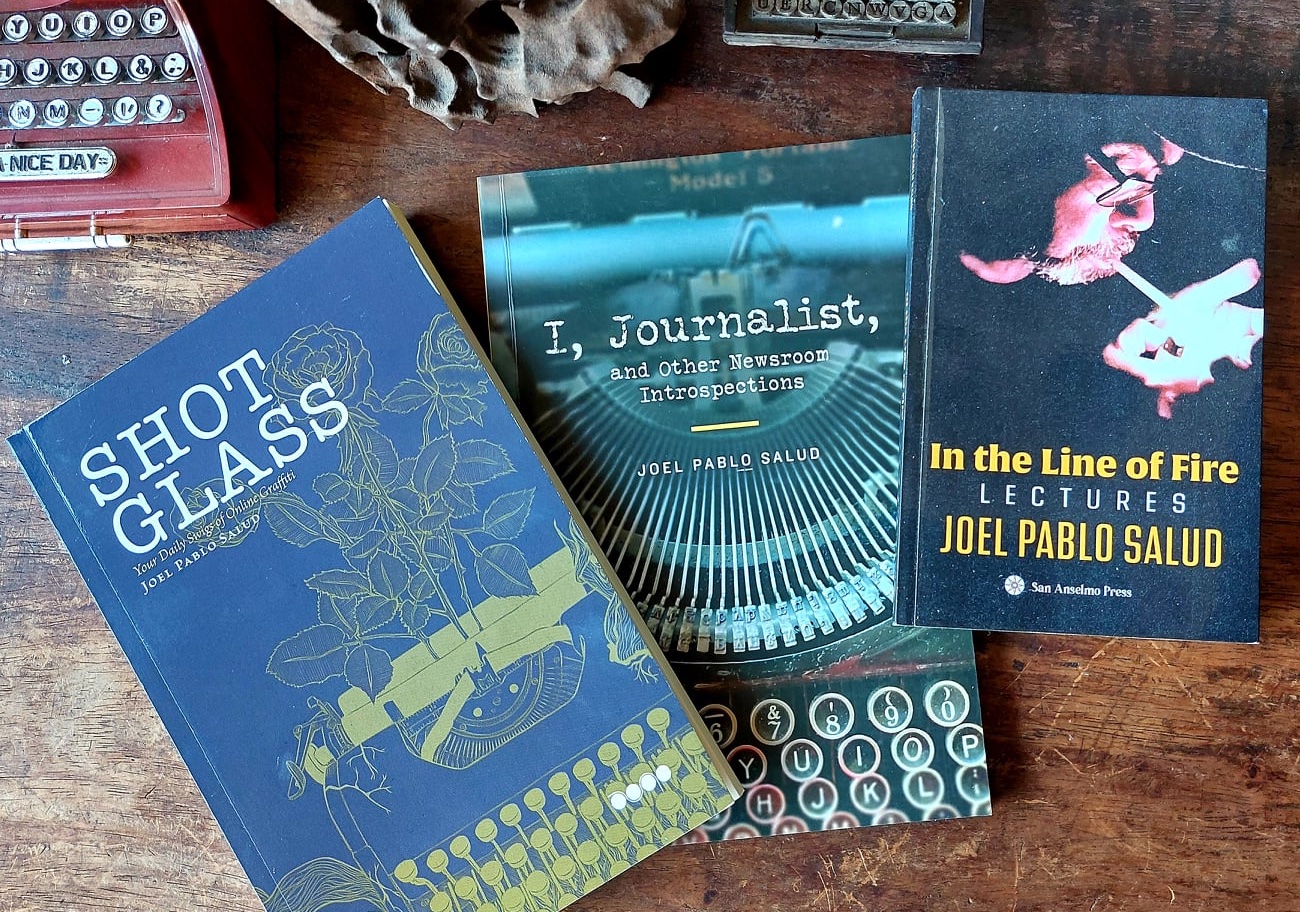
I suspect that’s because many new players have gone into publishing, finding niche markets for everything from religious and self-help books to graphic novels and high-end coffee-table books. Among these, I’d count Milflores Publishing, founded by the late Tony Hidalgo and now in the hands of the very capable Andrea Pasion-Flores. Balangay Books, focused on local literature, has been opening doors for new young authors, and belongs to the Indie Pub Collab PH, a group of independent publishers. Down south, Savage Mind Bookshop and the Ateneo de Naga University Press have made great strides in literary publishing not just in the Bicol region but well beyond. Emerging in the wake of the Pink Revolution, San Anselmo Publications has made a name for itself as a purveyor of progressive thought. A recent visit to OMF Literature’s bookshop and office along Boni Avenue showed me how Christian literature is flourishing, attracting both new authors and readers. 

Let’s not forget self-publishing, which with such new technologies as print-on-demand and e-books has outgrown the stigma of “vanity” publishing and has produced both commercial and critical successes. While overall quality remains highly variable, the free Internet has empowered and enabled a new generation of young people to feel like they can become “writers” by posting on such sites as Wattpad—and some of them will be. (The irony here is that, as on Amazon, writers who succeed in their e-book debuts then get picked up by publishers of physical books.) Professional design and editorial outfits such as Studio 5 and Perez NuMedia also exist to help individuals and institutions turn their ideas into prizewinning books.

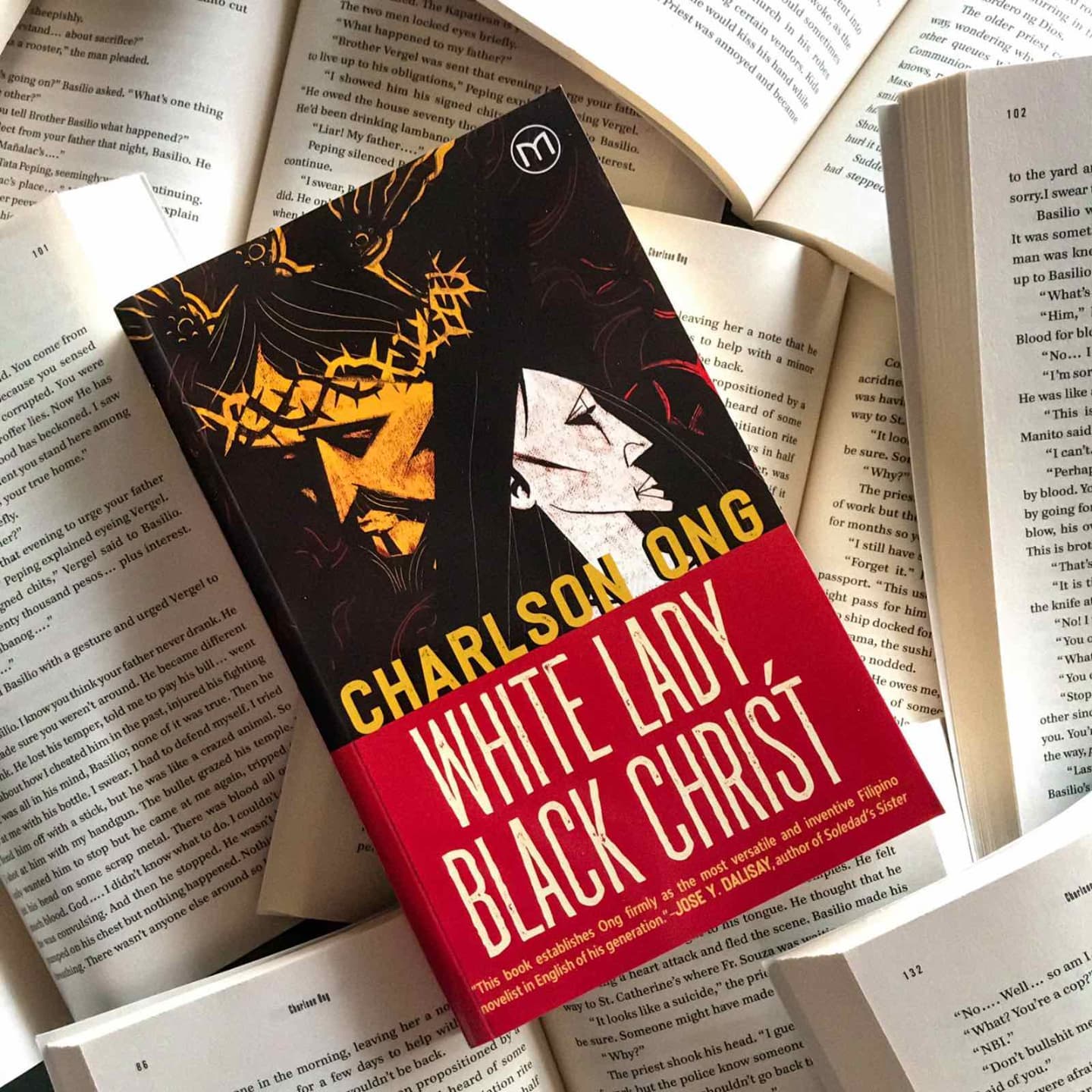
And then of course the long-established big-name publishers and academic publishers are still around: Anvil Publishing, UP Press, Ateneo de Manila University Press, UST Publishing House, and the University of San Carlos Press, among others. Vibal Publishing has produced impressive and sumptuously printed historical books—as has, let’s not forget, the National Historical Commission. They remain the publishers of choice for what might generally be considered prestigious but non-commercial projects, although their marketing savvy has vastly improved, from book design to distribution (much of the bookselling has moved online, to Shopee and Lazada). But since the wait at these publishing houses tends to be long, even established Filipino authors like novelist Charlson Ong (White Lady, Black Christ) have gone with such alternatives as Milflores (as did I, in its previous incarnation), which can often provide speedier results with no sacrifice of quality.

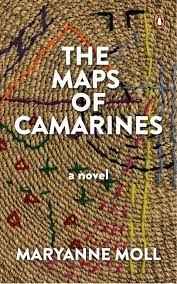
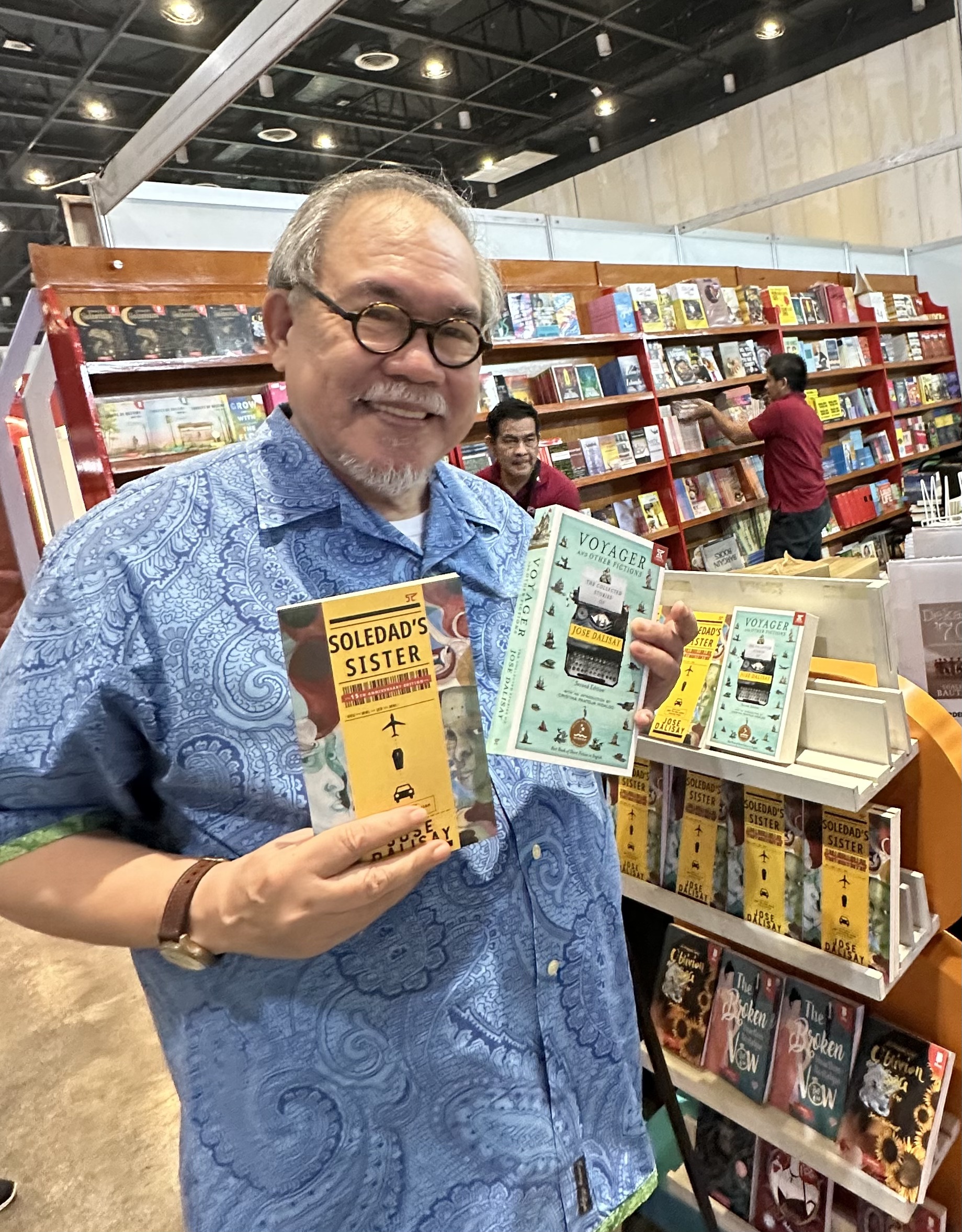
One more thing: more Filipino authors have begun to get published and noticed abroad, beyond America. Note the recent publication of Ulirát: The Best Contemporary Stories in Translation from the Philippines, edited by Tilde Acuña et al., and the South Africa-based Jim Pascual Agustin’s Waking Up to the Pattern Left by a Snail Overnight, both by Gaudy Boy in Singapore. Singapore is also where Penguin Random House SEA is based, and from where it published Danton Remoto’s novel Riverrun and his book of stories The Heart of Summer(aside from his translations of our classic works in Filipino), and Maryanne Moll’s novel The Maps of Camarines. I’m also happy to report that my novel Soledad’s Sister just came out in a German hardcover edition (as Last Call Manila) from Transit Buchverlag, following earlier editions in Italy, France, and the US. A 15th-anniversary edition of the novel, along with a new edition of my Voyager collected stories, are on sale at PFB—as are almost all of the books I mentioned here, with their authors on hand to sign them.

So wait no further and grab that ride to the WTC, for your share of this bountiful harvest of Filipino books. (Did I say that entrance is free?)

Penman No. 358: A Feast for Book Lovers (2)

IMG_0731.jpg

Penman for Monday, June 17, 2019


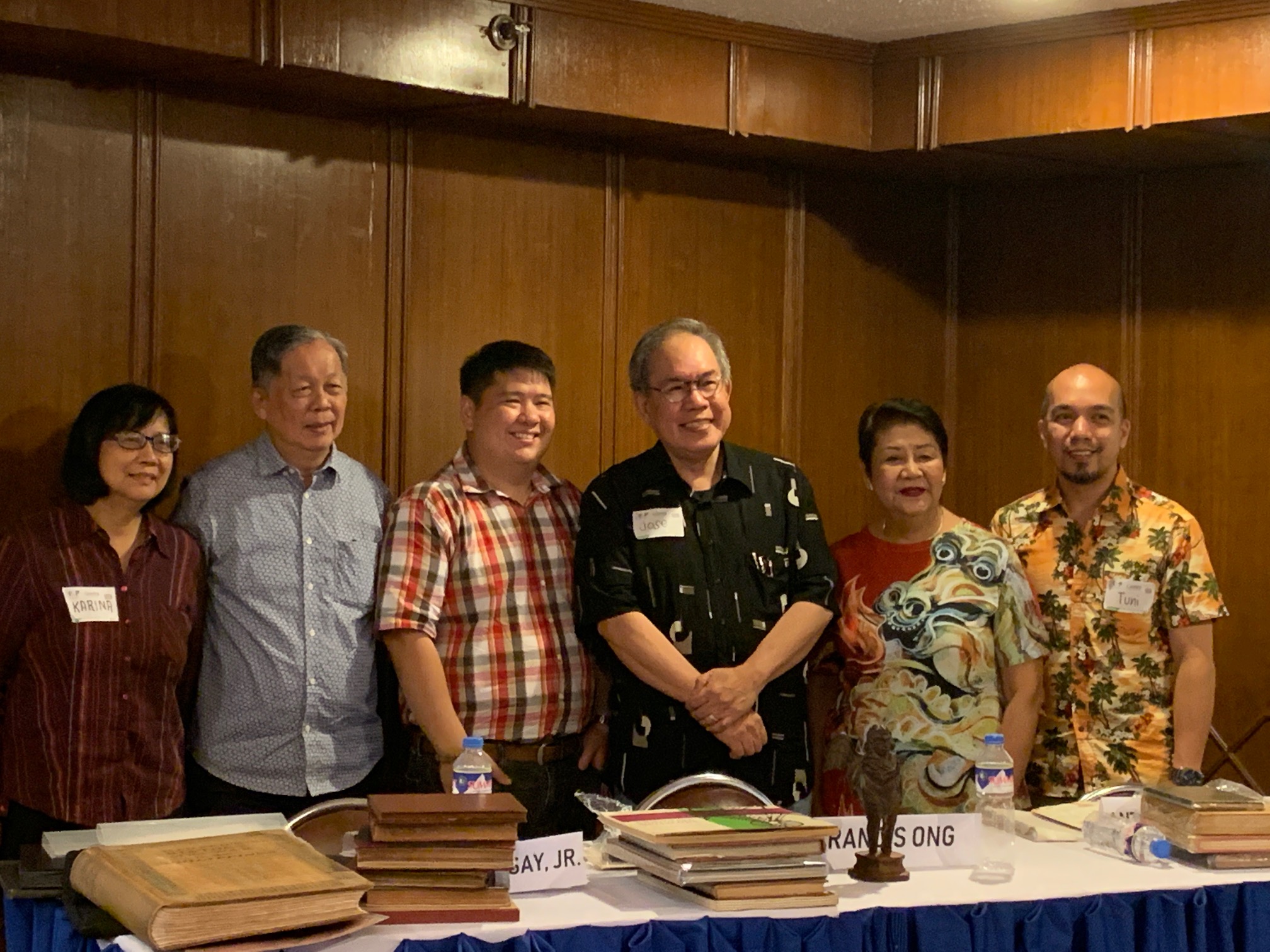
LAST SATURDAY, at the 10thPhilippine International Literary Festival sponsored by the National Book Development Board, I joined a panel discussion on “Advanced and Antiquarian Book Collecting,” and since most of you weren’t there to hear me and my fellow panelists Anthony John Balisi and Francis Ong, I’d like to share part of what I said.

As most of my readers know, I’ve long been a collector of fountain pens, especially vintage ones going back to the early 20thcentury. I still have a couple of hundred pens in the collection, which I’ve begun trimming down for the inevitable day when our only daughter will have to deal with all the junk her weird papa left behind. Well, she’s going to have to deal with a lot more than pens, because over the past few years or so, I’ve also begun to amass collections of midcentury paintings, typewriters, and, yes, old books.

I’ll talk about those other afflictions some other time—although I’m sure you see a pattern somewhere there. To focus on book collecting, let’s start with the basic proposition that people buy books to read, usually for education or entertainment. That’s how all book collectors begin: as readers who enjoy the word on the page. But collectors are excited by more than what books contain or mean; they enjoy the book itself as a cultural artifact (and yes, as a tradeable commodity), as a physical manifestation of ideas, and as a work of art and technology in itself.

Book publishing has a long and fascinating history, and important books—like the Gutenberg Bible (1455), our own Doctrina Christiana (1593), and Jose Rizal’s Noli Me Tangere (1887) and El Filibusterismo (1891)—are much sought after. Because of the sheer number of books published since Gutenberg, collectors tend to focus on specific areas like art, religion, history, geography, cooking, horticulture, and such.

I’m not even going to pretend that I’ve read or can read many of the books in my library; some are in languages like Latin or old French and Spanish, and while I can guess at some meanings with the help of a dictionary, I’d be better off with a readily available translation. So why do I buy and keep these books? Why even go for, say, first editions when cheap copies of modern editions abound?

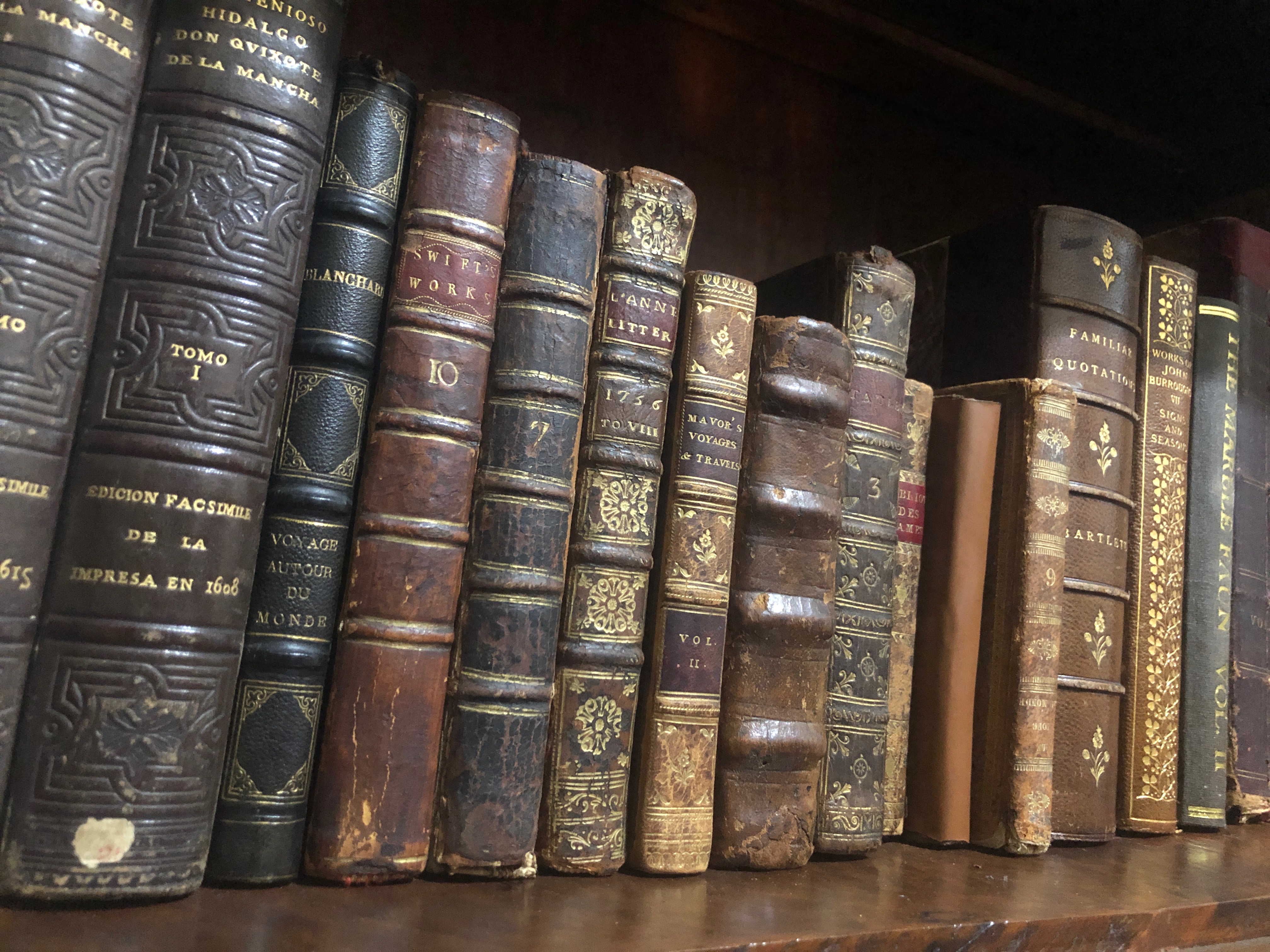
It’s because I feel like I’m saving many of these books from oblivion, and that it’s important for future generations to see and appreciate these texts in their original state. In fact, many items in my collection began as props for teaching; you can’t imagine how surprised and thrilled my literature students are when I show them an actual copy of The Gentleman’s Magazine from 1773 when we discuss what the early colonists in America must have been reading, or a 1935 issue of The Prairie Schooner where a story by Manuel Arguilla titled “Midsummer” appeared. It’s what I’ve been calling “the materiality of literature,” its occurrence as a phenomenon as physical and as necessary as the Internet and satellite TV today. Like I told a historian-friend who couldn’t figure out why I was obsessed with finding original texts of easily accessible books, “The object is the object.”

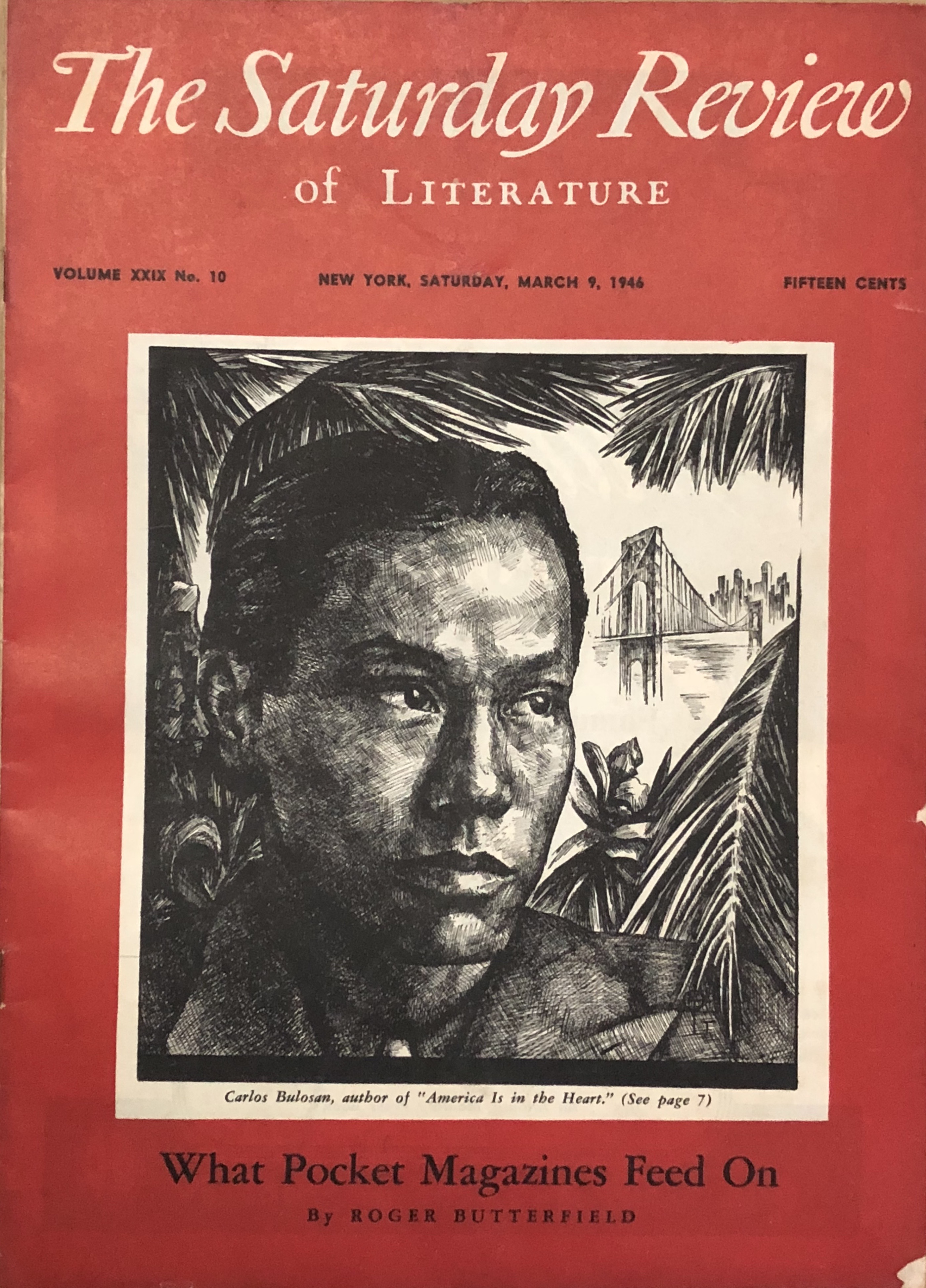
Most of my books these days come from eBay, which gives me access to a global trove of books, many of them obscure and unappreciated where they are. I’ve gotten choice books from as far as Portugal and Guatemala this way. But some of my most remarkable finds have been local pickups—like books signed by Amado V. Hernandez and Atang de la Rama, delivered to me in Intramuros by a seller on a bicycle, or a signed first edition of Carlos Bulosan’s America Is in the Heart, which I bought in Jollibee Philcoa.

For show-and-tell last Saturday, I was happy to share some of these best finds:

  1. An Abridgement of the Notable Works of Polidore Vergil by Thomas Langley. Published in London in 1551, it’s the oldest volume in my collection—found, of all places, in olx.ph, and picked up by me from its seller in Cubao one dark Christmas Eve. (And how does a 470-year-old English book of essays end up in Cubao? Via Paris, where the seller’s mother worked as an OFW, and was gifted by her client with the book.)
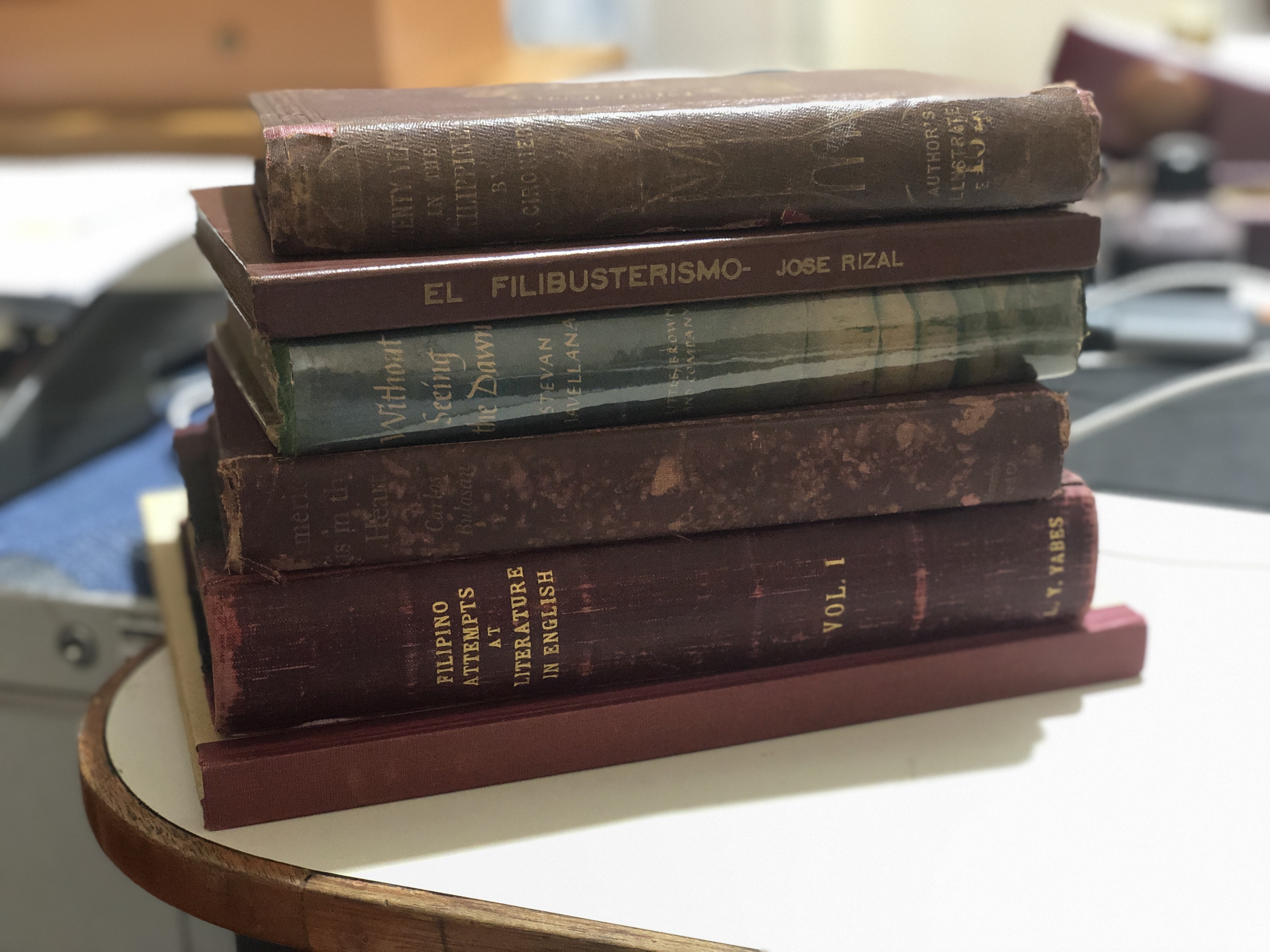
  2. El Filibusterismo by Jose Rizal, in the second edition published by Chofre in Manila in 1900. Another local pickup, found online.
  3. America Is in the Heart by Carlos Bulosan, another copy of the 1946 first edition, second printing, gifted to me by Greg Brillantes to replace the copy I gave my daughter as a wedding present.
  4. Without Seeing the Dawn by Stevan Javellana, a 1947 first edition, signed by its first owner Zoilo Galang, our first Filipino novelist in English, found in Megamall.
  5. Doctrina Christiana, a facsimile edition published by the Library of Congress in 1947, very soon after this oldest of Philippine books joined the LOC collection, my copy signed by its donor and benefactor, Lessing J. Rosenwald, found on eBay.
  6. Filipino Attempts at Literature in English, a one-of-its-kind compilation put together by a young Leopoldo Yabes in the 1930s, who gifted it to poet Jimmy Abad, who passed it on to me for restoration. (This book, like many others, will be bequeathed to the University of the Philippines.)

If these precious books survive me—and they will—then my mad chase for them will make final and total sense.

IMG_2193.JPG


Penman No. 357: A Feast for Book Lovers

IMG_0651.jpeg

Penman for Monday, June 10, 2019


IF YOU love books—whether as a reader, writer, or collector of them—you have to put this on your calendar: June 15, Saturday, 1 pm, Great Eastern Hotel, Quezon Avenue. That’s when I join a panel of fellow bibliophiles to talk about “Advanced and Antiquarian Book Collecting” at the 10thPhilippine International Literary Festival sponsored by the National Book Development Board.

It was actually at my suggestion that this panel was put together, when the NBDB solicited panel proposals a few months back. I asked Anthony “Tuni” John Balisi and Francis Ong, two prominent members of our online Filipiniana Book Collectors Club (FBCC), to sit on the panel with me, and happily they agreed.

There are, of course, far more accomplished, knowledgeable, and comprehensive book collectors out there—the formidable tandems of Mario Feir and Steven Feldman and of Jonathan Best and John Silva come to mind, as well as the likes of Jimmy Laya and Ambeth Ocampo—and we hope they can join us to share their experiences and insights. But for the purposes of the panel, we wanted to keep things on a strictly amateur and fun level, to focus on the joy and the excitement of acquiring desirable books that remain fairly accessible to new and middling enthusiasts like us.

You’d think that book collecting—especially in this digital age—would be a pastime for old fogies who never really made the transition to e-books and who still write notes with a fountain pen or a typewriter (two of my other collecting passions), but you’d be surprised by the number of young people, male and female alike, looking for and selling books on FBCC and other online sites. Perhaps, as with pens and typewriters, it’s a romantic gesture, a tip of the hat to a less troublous past. But the fact is that a lot of book collecting now happens online, putting to rest the notion that these old guys (and gals) can’t key in a URL or do a Google search to find a signed first edition of Carlos Bulosan’s America Is in the Heart if their lives depended on it.

As my rationale for the panel put it, books are an invaluable resource as repositories of knowledge, experience, and analysis. In the Philippines, they have figured prominently in our history both as keepers of the national memory and as instigators of change, even of revolution. Collecting and preserving our most important book is a mission and passion shared by advanced collectors who complement the efforts of libraries and other institutions to ensure that the best and most significant books of the past and present can be bequeathed to the future.

Our panel’s focus will be on Filipiniana, particularly history, literature, art, and religion. Through this session, we seek to engage the Filipino public in book collecting both as a hobby and as a means of preserving and promoting the value of books as cultural artifacts and keepers of the national memory. The discussion can also include where and how we source rare books, how to restore and conserve them, and the book market. The session should result in a greater public awareness of the value of books as cultural artifacts and of book collecting as a specialized art in itself.

I’m going to save the better and more detailed parts of this discussion for my talk at the PILF—and for this column next Monday—but let me just say, as a teaser, that we will be bringing some of our most interesting acquisitions to the event, for show and tell. (Aside from Filipiniana, I plan on exhibiting some of my oldest books, including one in English from 1551, and manuscripts from the 1500s and 1600s.)

And we’d just be a morsel in a veritable feast for the book lover at the PILF, which this year is devoted to the theme of “Gunitâ: a pursuit of memory”—which means, according to the NBDB, “making a mark in the age of forgetting by remembering our roots and fostering new voices through our literature. Gunitâ is the ability to remember. We are at a time when forgetting is common and we are chasing after our memories and history so that it is not forgotten.” Keynoting the festival will be National Artist Resil Mojares—one writer I deeply admire for the lucidity of his scholarship—whose talk will be followed by a plenary discussion that will also include Miguel Syjuco, Lualhati Abreu, and Joel Salud.

You can view the full PILF program here: tinyurl.com/program10thPILF. Entry to the festival is free, but you have to pre-register for it for Day 1 at tinyurl.com/10thPILFDay1and for Day 2 at tinyurl.com/10thPILFDay2.


Penman No. 223: Fantastic, Frenetic Frankfurt (1)

IMG_9550.jpeg

Penman for Monday, October 31, 2016


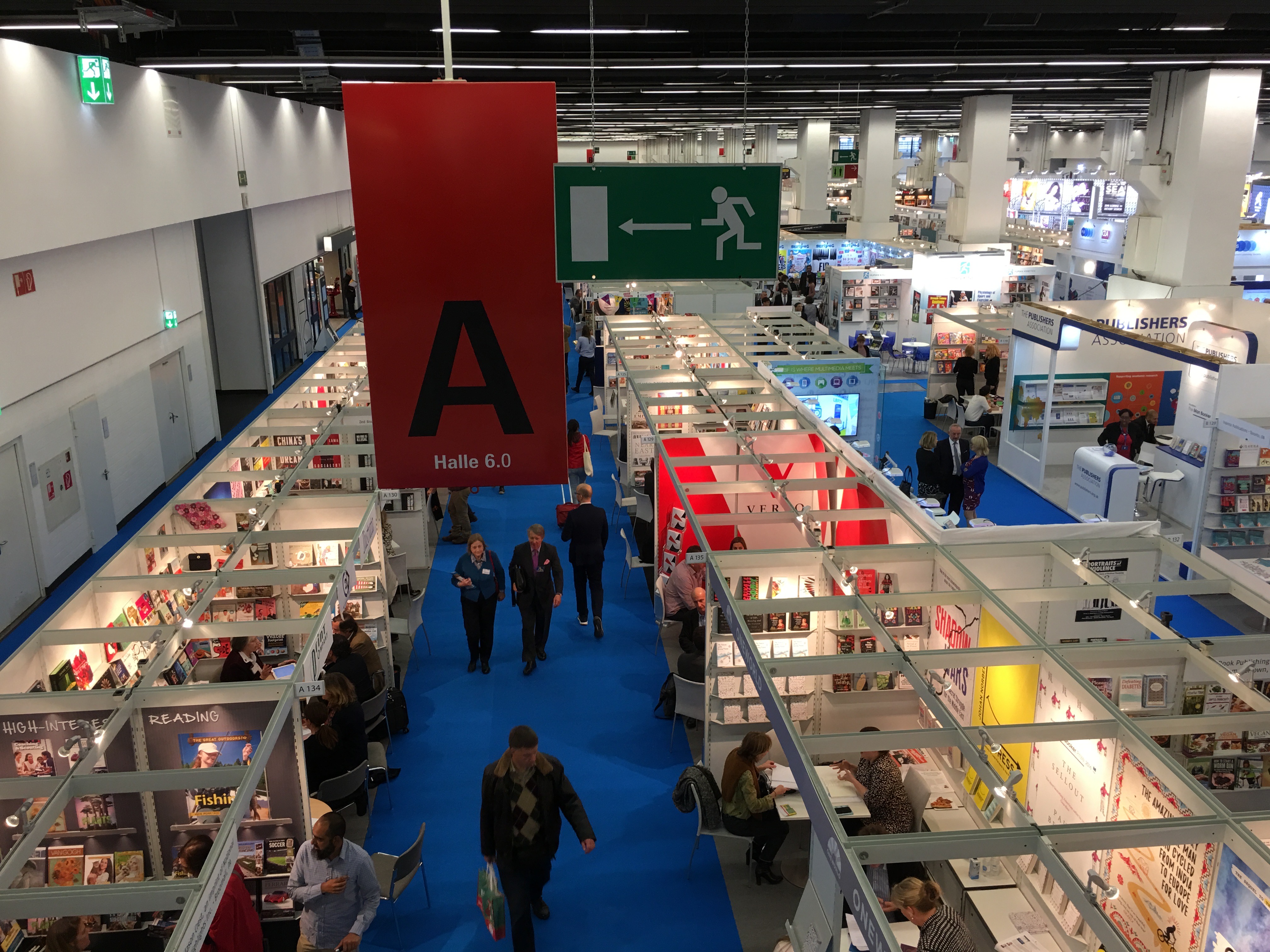
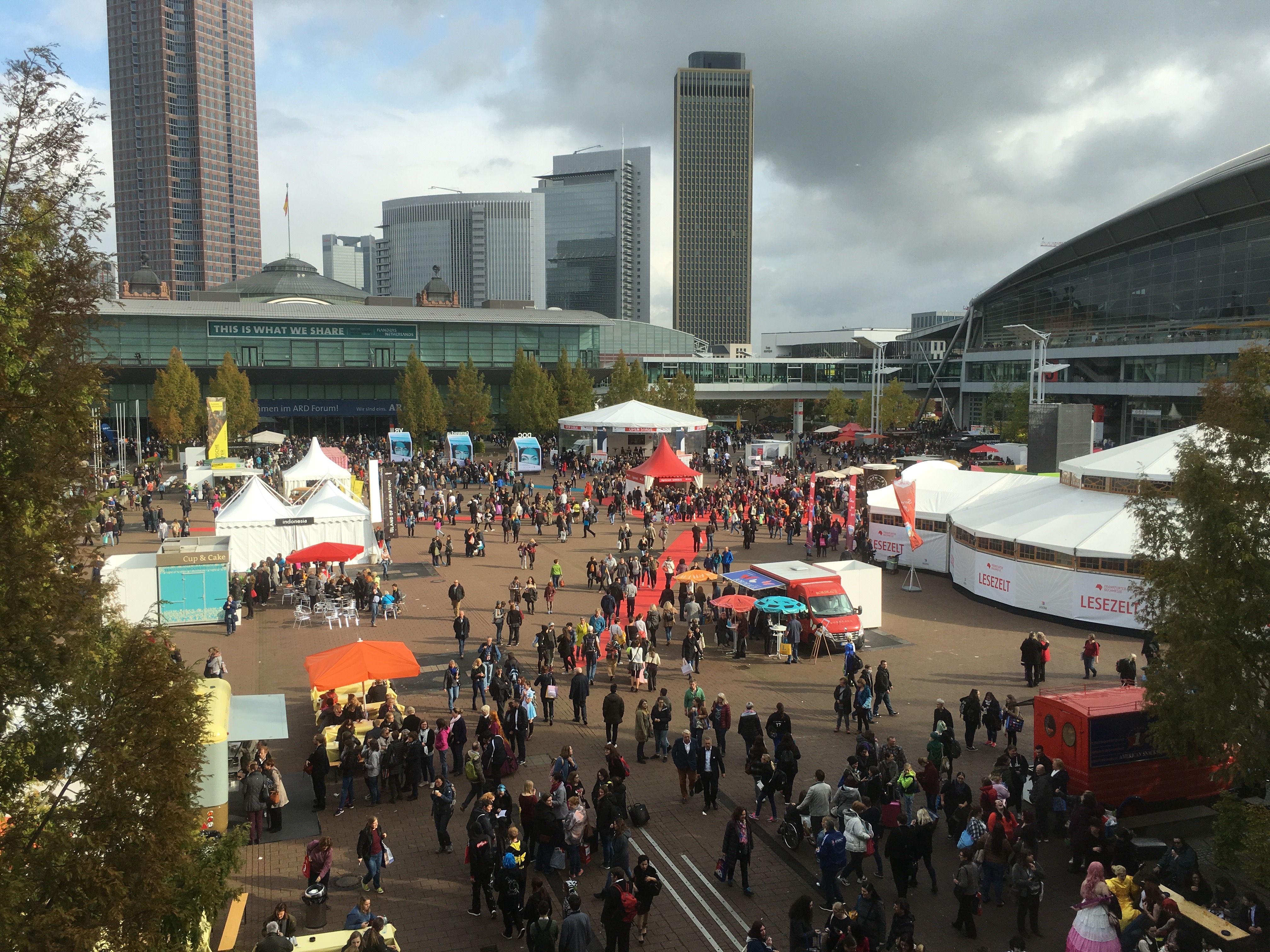
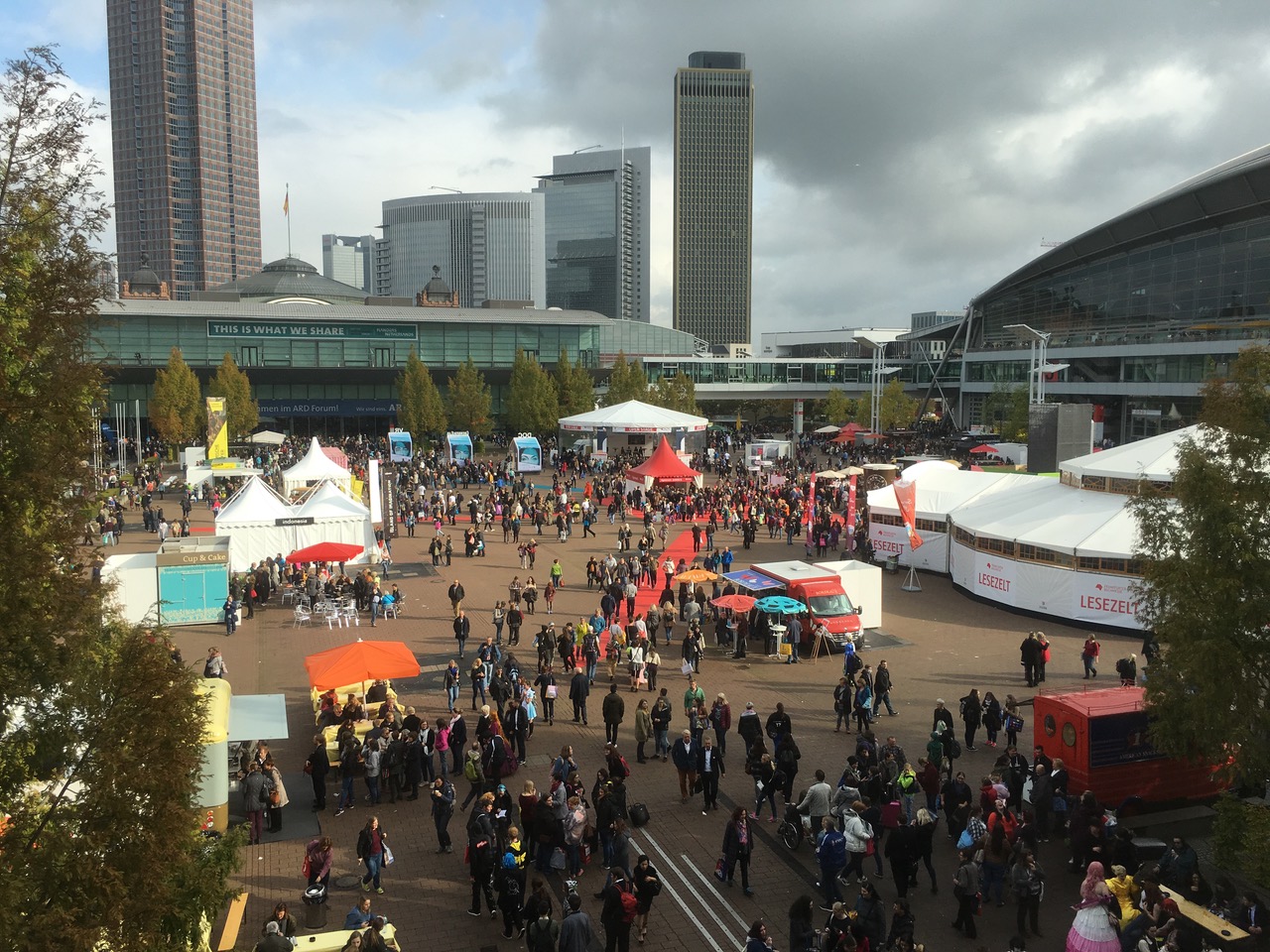
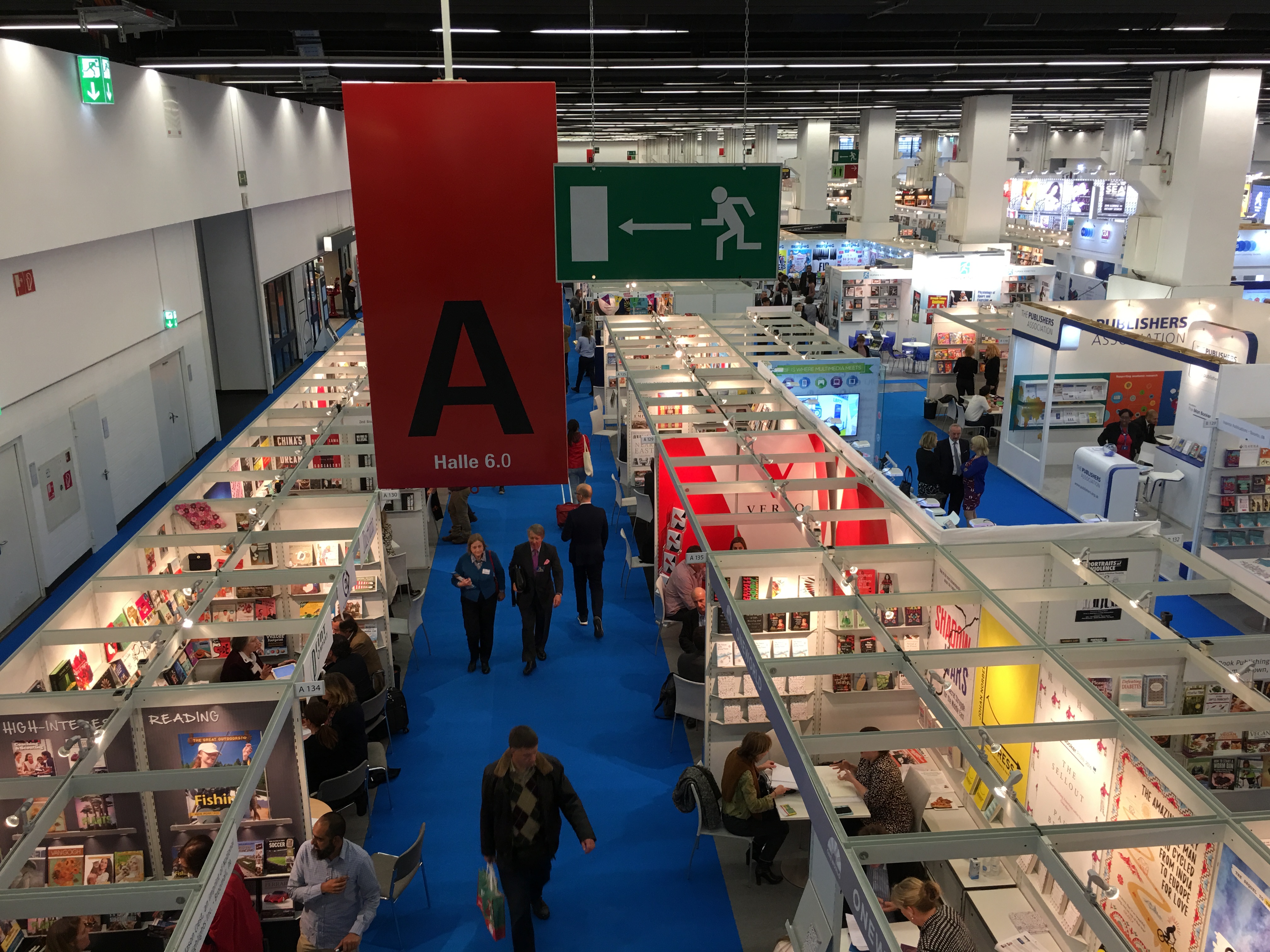
I’VE BEEN to mammoth meetings before—the Modern Languages Association in Chicago, MacWorld in San Francisco, Comic-con in San Diego, for instance—but nothing comes close to the Frankfurt Book Fair in size and scope. Covering over ten hectares of exhibition space spread out over several buildings and many floors, it’s certainly the world’s biggest and best-known book fair, gathering participants from nearly 200 countries.

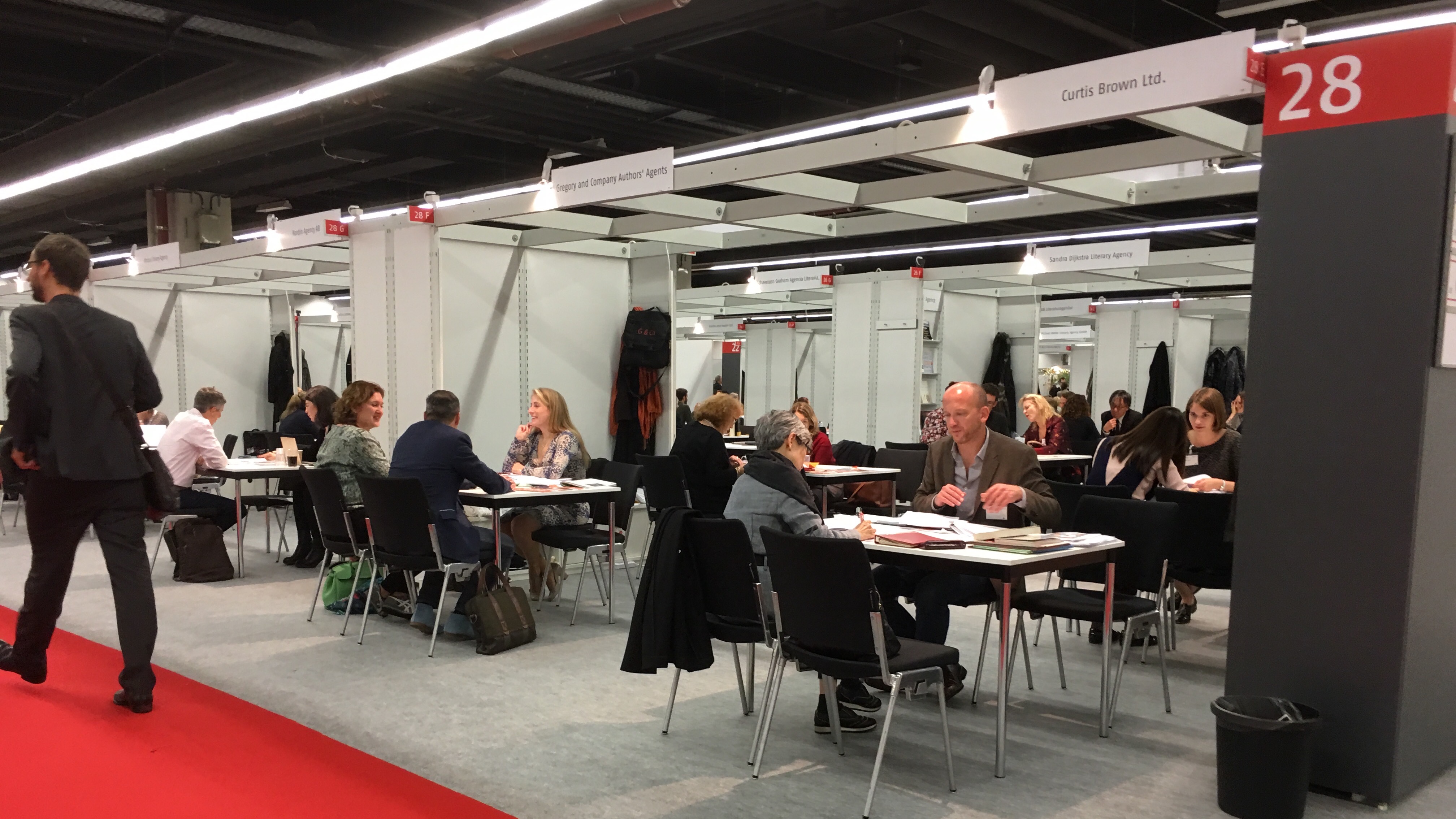
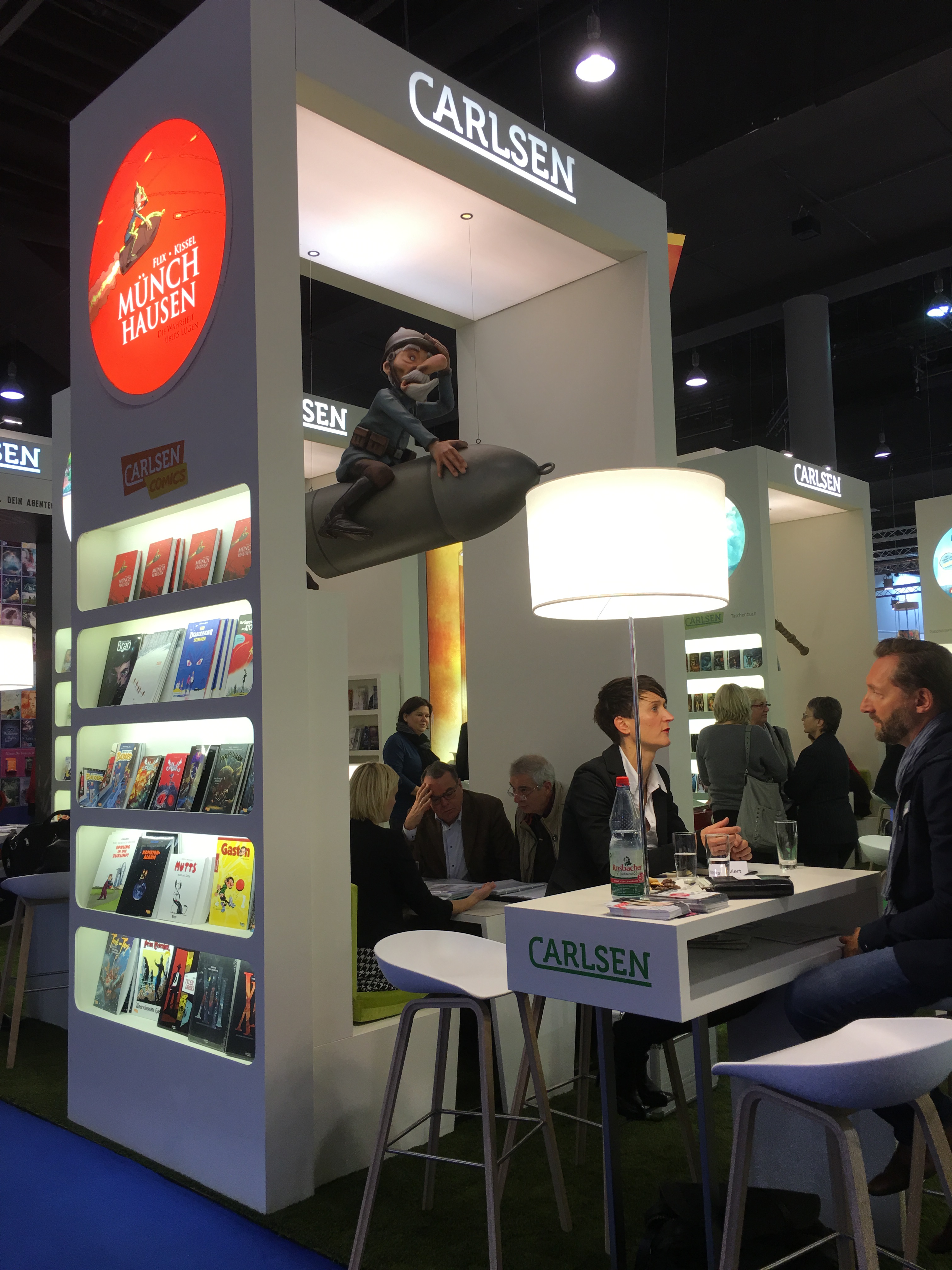
Unlike author-focused literary festivals, the vast majority of those participants are publishers, booksellers, editors, literary agents, and printing industry representatives, all looking to make a pitch and a sale of their wares across the globe. That globe may have been made much smaller by the Internet, but nothing still beats a face-to-face transaction with one’s possible partners, and that’s where a book fair like Frankfurt’s comes in, as a week-long physical marketplace where the world’s publishers, from the biggest to the smallest ones, all go.

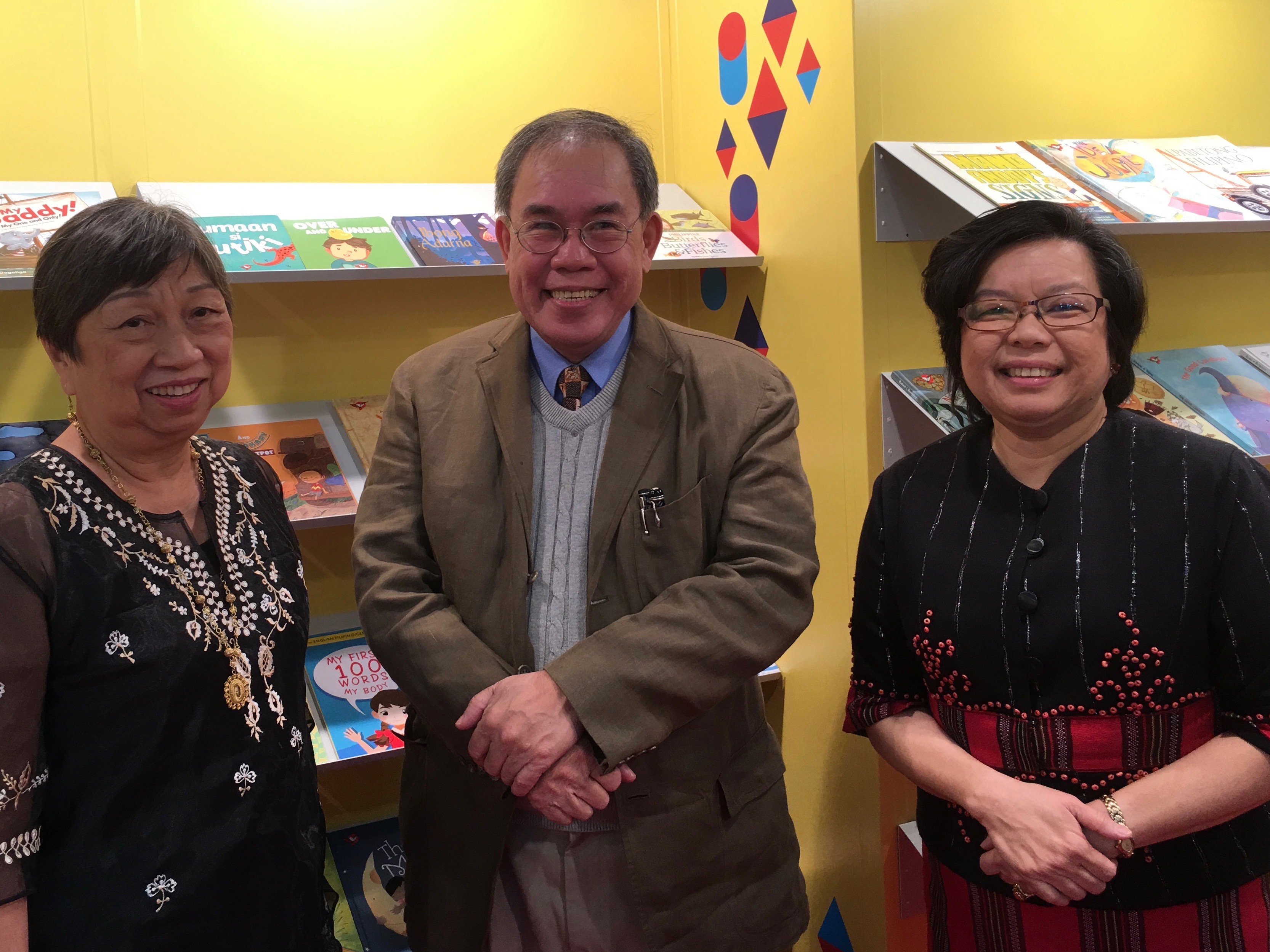
Inevitably a few writers and artists stray into the mix (we spotted David Hockney through a crack in the wall being interviewed at the Taschen booth by German TV), and this year I was one of those lucky few, with some help from the National Commission for Culture and the Arts and the University of the Philippines. Spearheaded by the National Book Development Board and invaluably assisted by the prime advocate of culture and the arts in the Senate, Sen. Loren Legarda, the Philippines expanded and upgraded its representation at FBF 2016, with a much larger booth and an impressive array of books from all our major commercial and academic publishers. The NCCA also sponsored one of our top graphic artists, Manix Abrera, and it didn’t hurt that National Artist Virgilio Almario came along in his private capacity to accompany his wife Lyn and daughters Asa and Ani who were representing Adarna Books and the Book Developers Association of the Philippines.

IMG_9720.jpeg

While Filipinos have attended the FBF in dribbles for some time now, it was only this year that we went all out, helped incalculably by our bigger booth. Last year, publishers had to chip in P100,000 each to rent a tiny plot of real estate at the fair, which starts at 400 euros per square meter. Sen. Legarda’s timely intervention meant that publishers could put their rental money into bringing more representatives and more books, and our 2016 delegation hit a historic high at over 40 members.

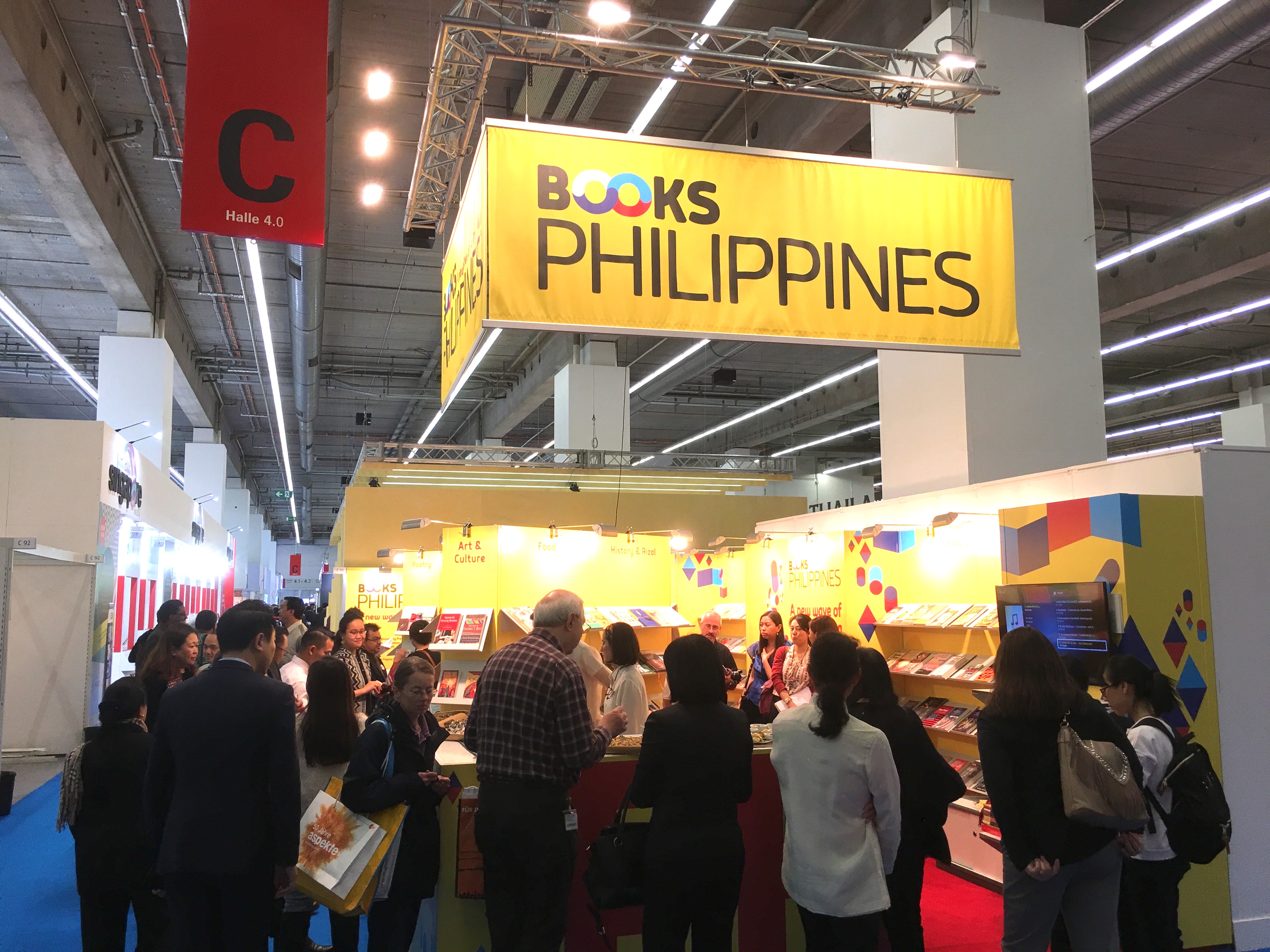
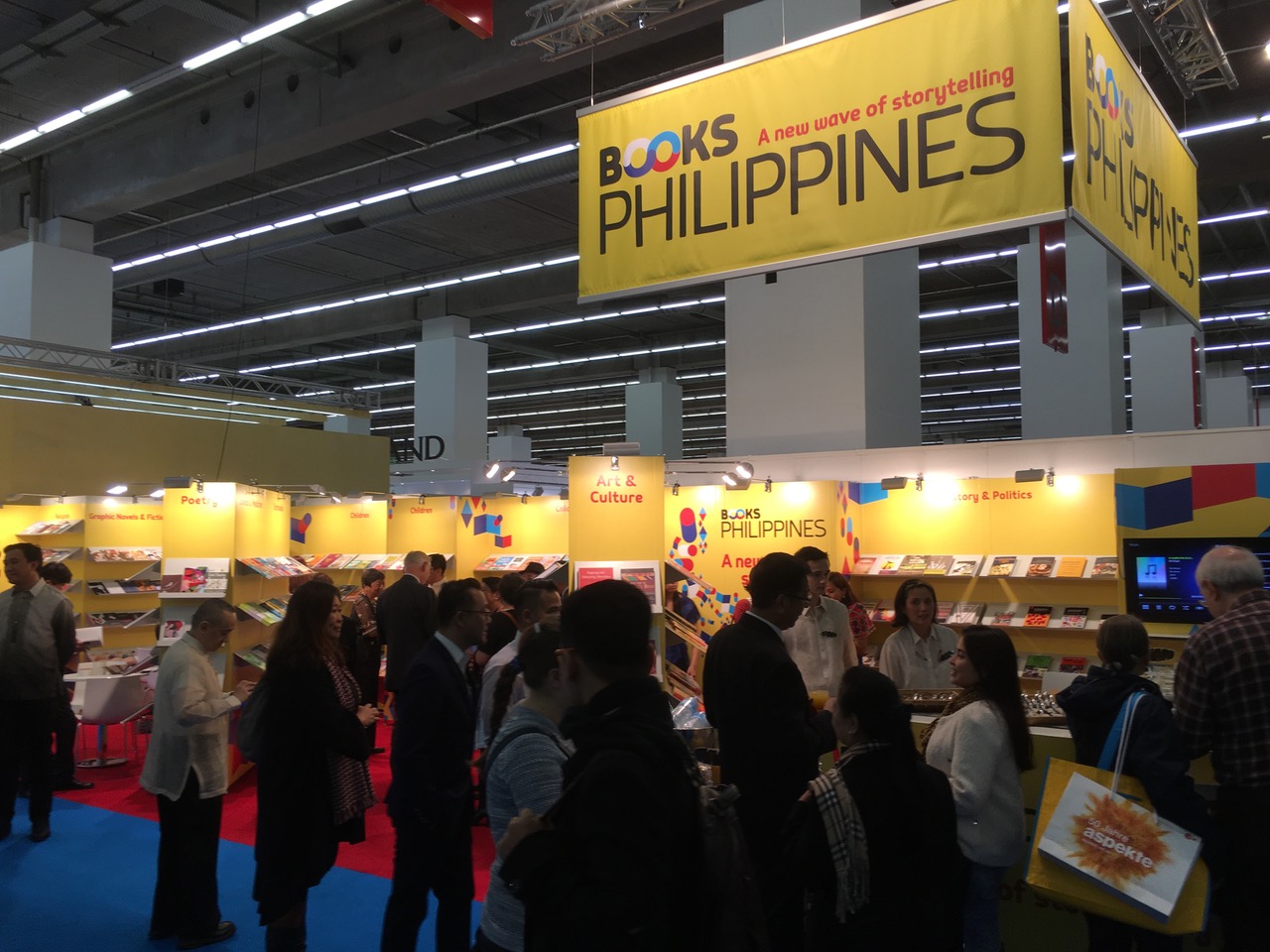
Though not yet quite the pavilion that countries like China and Singapore could afford, our corner booth was colorful and visually attractive—a plus in a fair with thousands of such offerings, all competing for the passing viewer’s eye. Through the Ateneo University Press (now headed by Karina Bolasco, formerly of Anvil Publishing), the Philippines also had another albeit smaller booth in another hall as part of the FBF’s invitational program, an affirmative-action project that brings in and sponsors selected publishers from developing countries. Predictably, China’s exhibit occupied a whole city block (for the price of which they could have gotten a better English editor for their signs, which proclaimed “Chinese Publication”).

On the other end of publishing pomp and circumstance, the FBF annually invites and celebrates a Guest of Honor, and this year it was the Netherlands and Flanders, which decked out an enormous hall as a haunting landscape reminiscent of the Dutch flatlands. The Guest of Honor status focuses attention not only on that country’s literature but its entire culture and society, providing an opportunity to put one’s best foot forward (Dutch royalty attended the opening ceremonies, lending a touch of glamor to the event—and ratcheting up security for everyone). The Guest of Honor also gets to choose a theme for its exhibit, which this year was “This Is What We Share” (last year, New Zealand—on the other side of the world, for Europeans—whimsically chose “While You Were Sleeping”). My fancy tickled, I asked what the Philippines needed to be named Guest of Honor—one can both apply or be invited—and received an unequivocal answer: “Millions of dollars.” I shut up.

Its cultural import aside, the book fair means big business for Frankfurt, which, in partnership with the private sector, leases out the fair grounds to such clients as the publishers’ association which directly runs the book fair; at other times the venue hosts other big events such as automotive fairs and a forthcoming Justin Bieber concert. Last year the FBF brought in 250,000 participants, a figure the organizers expect to rise to 280,000 in 2016.

IMG_9573.JPG

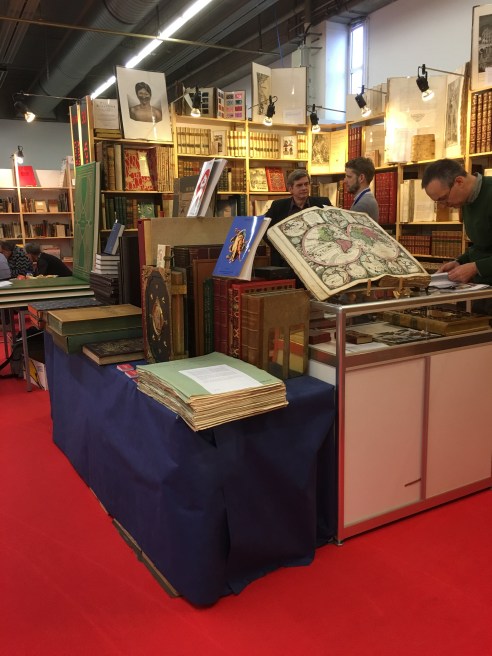
This year’s edition of the Frankfurt Book Fair is officially the 68th, but it traces its lineage much farther back to medieval times, when friars traded pages of illuminated Biblical manuscripts. There’s still a special section of the FBF devoted to the antiquarian trade, to which I gravitated naturally, being interested in all things ancient. Other than this parchment-heavy and leather-bound corner, the FBF dwells and thrives on nothing but new, newer, and newest—new books, new ideas, new authors, new media, new technologies, new markets, new connections, new networks.

Exhibits are grouped by geographic region, by language, and by theme, so one has to roam far and wide to get the full scale of things and to zero in on specific interests. Much of the business at Frankfurt, however, is pre-planned; with table space at a premium, publishers and agents would have emailed each other months or weeks in advance to set up meetings for specific dates and times in Frankfurt.

IMG_9584.JPG

The publishers of so-called “trade books”—novels, cookbooks, children’s books, etc. aimed at the general public—showcase their works to attract attention from international publishers and booksellers who may want to translate them into another language, or to sell the books on consignment in other countries. Academic publishers—this year we were represented by the UP Press, Ateneo de Manila University Press, and UST Press—negotiate among each other for reprint rights, which can make costly works more easily available to local readers.

Led by NBDB Chair Neni Sta. Romana-Cruz, the Philippines launched its exhibit with a reception at its booth on the fair’s formal opening on October 19, a well-attended event graced by Ambassador Melita Sta. Maria-Thomeczek (who was happy to recall that she had once been an employee in Rio Almario’s Adarna Books and had been a student of Rio’s wife Lyn at Maryknoll) and by First Secretary and Consul Cathy Rose Torres, who herself happens to be a prizewinning fictionist. The reception was catered by Maite Hontiveros, who laid out a scrumptious spread that featured lumpia, spoonfuls of adobo on rice, mango juice, and Philippine chocolate, which were clearly a hit among our foreign guests.

IMG_9536.jpg

Filipino books, of course, remained on top of the menu, and for the next week, we took turns at the booth to entertain visitors and book buyers from other countries, while occasionally slipping out to survey the vast array of exhibits and inevitably to marvel at the scope, vitality, and quality of global publishing in the 21st century. I came away even more convinced that culture is a global battleground, and that books are weapons—of mass instruction, if you will.

Next week, I’ll share the highlights of my conversations with key people at the book fair, and report on retracing Rizal’s footsteps in Heidelberg.

IMG_9564.JPG

Penman No. 165: Going for the Bestseller

IMG_8046

Penman for Monday, September 7, 2015

AUGUST AND SEPTEMBER are usually busy months in the cultural calendar, and this year’s been no exception. UMPIL—the Writers Union of the Philippines—held its annual conference toward the end of August, with the economist and columnist Solita “Winnie” Monsod delivering the customary Adrian Cristobal Lecture. On September 1st—perhaps the most important date on many a young Filipino writer’s calendar—the 65th Carlos Palanca Memorial Awards for Literature were given out, with poetry titan Gemino “Jimmy” Abad arguing eloquently for the power of literary language to create its own reality.

In that same week, National Book Store, among other sponsors, put on the Philippine Literary Festival at the Raffles Hotel in Makati, headlined by visiting authors Matthew Quick and Meg Wolitzer. I went on a panel at that festival with my friends Krip Yuson and Jing Hidalgo, with Marivi Soliven as moderator, to talk about writing the novel. I was surprised to walk into a packed room at the Raffles, despite the fact that Meg Wolitzer was holding forth in another session at the same time.

Now, I’ll admit that I’d never read Meg before, although I’d read about her recent novel Belzhar. She was advertised as a bestselling author, as was Matthew Quick, who wrote The Silver Linings Playbook.

I overheard a mild complaint in the hallway to the effect that the NBDB should have invited the powerhouse cast of Pulitzer prizewinners that Manila festivalgoers have been used to seeing (I remember hosting a chat with the wonderfully encouraging Junot Diaz a few years ago). I didn’t have the time to stop and respond to that comment, but I would’ve said, ”Hey, no problem! There’s a lot we can learn about producing bestsellers! And bestsellers can and should be well-written, too!”

Indeed, in our panel on the novel, one of the recurrent themes that came up was that we Filipinos don’t write enough novels (“We’re world-class sprinters,” I noted, “but not marathoners”), at a time when the only thing international publishers are looking for are novels, which can lead to fat Hollywood contracts and all kinds of other spin-offs.

Toward the end of that discussion, in the Q&A, a young lady in the audience asked about what we (presumably the literary Establishment, going by our senior-citizen cards) thought of newer and less traditional routes to literary fame like Wattpad. Thankfully, I’d heard of Wattpad, and had even actually registered on the site a few months earlier out of curiosity, so I could peek into what was going on there. I knew that Wattpad was generating stories that were already being adapted into commercial movies, so it was more than another digital pastime. (For my fellow 60-somethings, Wattpad’s a website where people—usually very young people—upload stories of all kinds, typically love stories, vampire stories, science fiction, and fantasy.)

I told the questioner that while it was likely that much of the material on Wattpad wouldn’t come up to conventional literary standards, I didn’t see that as a problem. What was important was that—at some level and with little or no intervention from their elders—young people were writing and reading, and that can’t ever be a bad thing. Tastes mature and change, and even within those young-adult genres, truly good work is bound to emerge and be recognized and rewarded. And even mainstream literature itself would ultimately benefit from the spillover; as Shakespeare put it, “When the tide comes in, all the ships in the harbor rise.”

But beyond supporting what younger writers were doing, I brought up another pet theme of mine, which is that we older writers write way too serious (if not sometimes inaccessible) stuff, and have thereby separated ourselves from our potential readers. Creative writing has become way too academicized—produced in, for, and by formal writing programs, with little regard for what ordinary readers are really concerned about in their daily lives. In other words, while we seek to develop our readership, or work on the demand side, we should also work on the supply side by writing material of more popular appeal, with little or no reduction in quality.

This train of conversation ran on a couple of nights later at the Palancas, where I had a chance to chat at the sidelines with Graphic fiction editor Alma Anonas-Carpio and essayist Ferdie Pisigan-Jarin. (I don’t smoke—and I would urge everyone not to—but I happen to find people who smoke usually more interesting to chat with than those who don’t, so I usually join the smokers out on the patio of the Rigodon Ballroom at these Palanca dinners, especially when the program—with my apologies to the gracious hosts and the contest winners—goes on for too long.)

I told Ferdie that I suspected that, outside of school, young readers these days didn’t really care much about author’s reputations, or about what critics or other old people say about a work. Ferdie agreed. “We undertook a survey,” he said, “and we found out that what makes young readers decide to buy a book is what they can get of the story from the back cover. They can’t even leaf through the pages, because most books these days are shrink-wrapped.”

From Alma came the astounding news that one young Filipino writer, Marian Tee, was making a regular six-figure income from the Amazon sales of her e-book novels. Though based here, Marian writes dreamy romantic comedies set in places like Greece, with titles like The Werewolf Prince and How Not to Be Seduced by Billionaires, and with covers displaying a surfeit of naked male muscle. The female protagonist may be blond, swears Alma, but she’s really Sarah Geronimo in disguise.

I’m not saying that we should all write like Marian, because we probably couldn’t even if we wanted to. But it’s good to know that there’s someone among us who knows the market and can play the global game, because there’s a lot we can learn from her—in adaptability, in audacity, in humility, and in plain hard work.

I don’t think that literature as a fine art will ever be threatened (any more than it already is); there will always be authors who won’t mind being read by a precious few, and thankfully so, because these are the writers who will keep pushing the envelope of language and exploring uncommon sensibilities. For most other writers, or most other times, it’s worth keeping in mind that “bestseller” isn’t necessarily a bad word.