Qwertyman No. 199: Making It about Themselves

Qwertyman for Monday, May 25, 2026
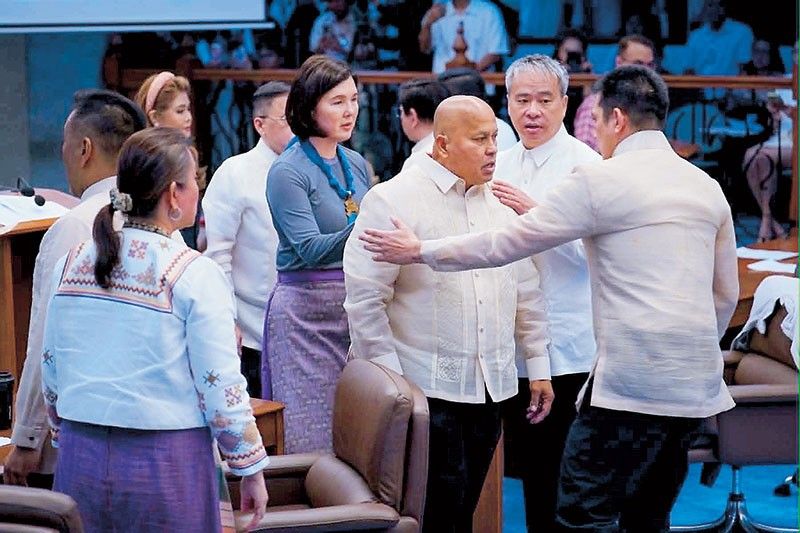
NEVER IN our political history has a sitting Senate been held in such disrepute, been so reviled in public opinion than over the past two weeks. You’d think that the outrage over the leadership coup couldn’t be topped, but then came the obviously staged shooting and a fugitive’s escape—and then a lady senator’s histrionics over that fake attack.

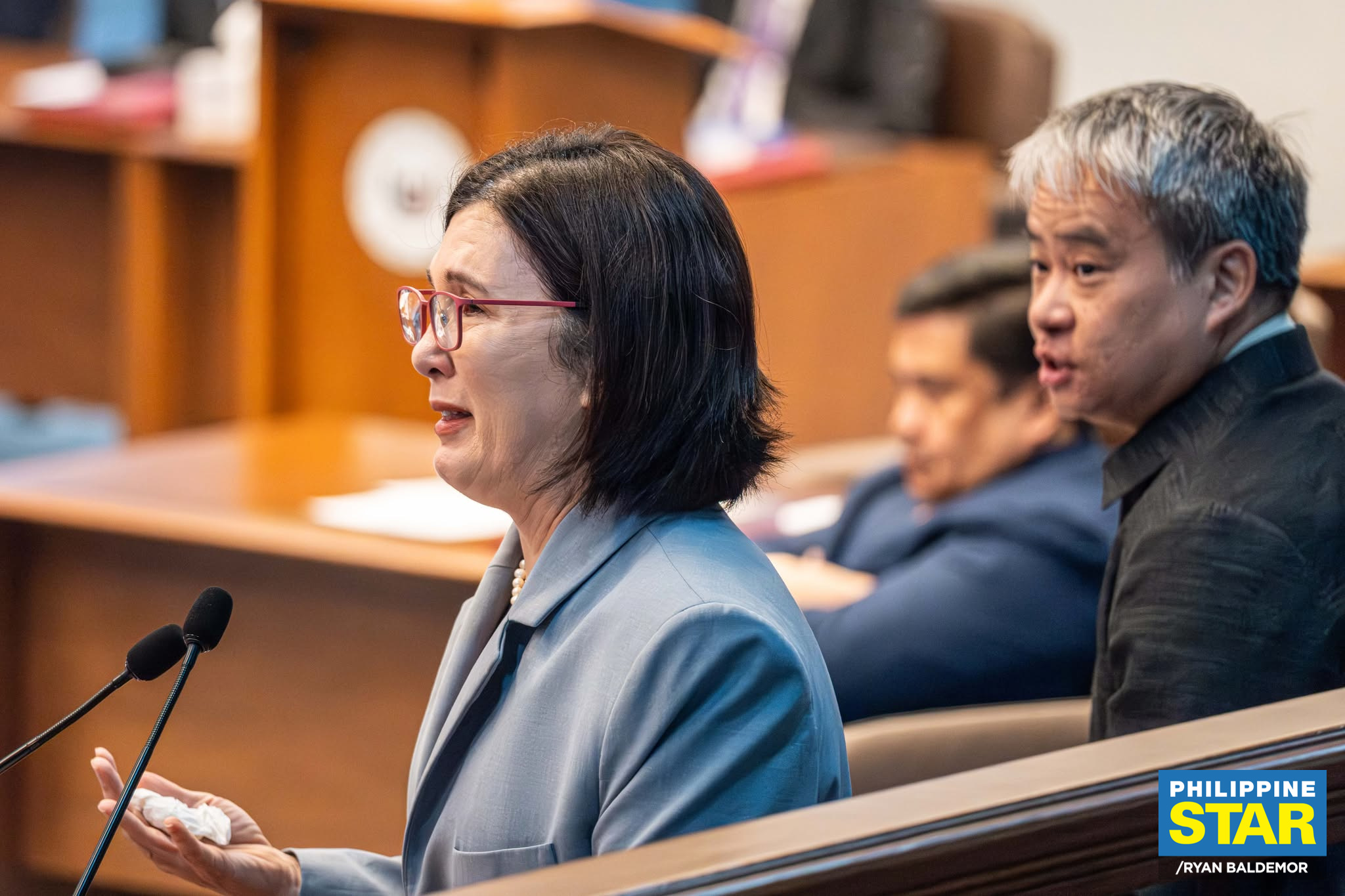
What sticks in the craw—at least in mine—isn’t even the leadership turnover, or the assisted escape. We saw those coming, and even if we didn’t, they make cynical sense; of course they would do it. What’s extremely galling was having to listen to Pia Cayetano’s pained depiction of herself as a victim in the whole affair, terror-stricken and forlorn. 

Even accepting that her fear may have been genuine, she sounded shrill and shallow, peevish and petulant, completely unmindful of the deeper and more harrowing terrors ordinary Filipinos—people without staff, security, bulletproof SUVs, and generous salaries—have suffered, with far more courage and even grace. 

Terror and fear are givens in this country. Like many others of my age, I was shot at during the First Quarter Storm—at the Diliman Commune and at any number of rallies disrupted by the police and military. During martial law, I was beaten up as a political prisoner. Later, our home was raided early one morning by military agents hunting down “subversives” they thought were there, and our four-year-old daughter was interrogated by them. They were traumatic at the time, but they were nothing compared to the unspeakable torture my friends and comrades went through, the horrible deaths others suffered, the grief and loss sustained by those left behind. 

Multiply that by many thousands, not just under Marcos Sr. but under Rodrigo Duterte, and you’ll know what true terror feels like. Heard shots two doors down the hallway? Scary, yes, but Sen. Pia’s histrionics should have been directed at her mates who failed to warn her of the plan to spring Bato, which evidently at least some of them knew.

Pia Cayetano’s outburst, Robin Padilla’s posturing, Bato de la Rosa’s pop-up show, even Allan Cayetano’s propensity to fall on his knees and raise his arms to heaven—all gestures they had to know would only raise the political temperature—display a skill mastered by politicians, usually those with skeletons to hide: making it all about themselves, employing theatrics and embracing notoriety, effectively deflecting attention from the larger issues at hand.

What we’ve seen is but a preview of the spectacle to come. We can expect even more drama at the impeachment trial itself, on and off the Senate floor. More tears, more swearing, more gnashing of teeth, maybe even a scuffle or two. The public expects it, the theater of the Senate will provide it. 

It will become obvious at some point that it will no longer be Sara Duterte on trial, but the Senate itself—its credibility, its viability, and ultimately its utility and necessity as a political institution.

It should probably be clear by now that if we just go by the present numbers, VP Sara Duterte’s impeachment is dead in the Senate, was dead before it even started. More optimistic observers have opined that a conviction remains possible if some senators are persuaded—whether by the evidence or the pressure of public opinion—to change their minds, or even somehow vanish. 

I myself think that while a few conversions can be secured, the nine votes needed to keep Sara free and happy are locked in place. The shamelessness with which the current majority pulled off their coup on the eve of the impeachment court’s convening shows that these people are prepared to do anything—to run the country to the ground if necessary—to save their skins and even prosper again under a Sara administration. 

We Pinoys have hurtful words for this—walanghiyakapal-mukha—and they’ve made the rounds of social media many times over, but these people are beyond hurting, impervious to all injury but to their power and their pockets.

These are the robed jurors who will sit through VP Sara’s trial and listen stoically to the litany of evidence detailing her crimes, none of which will matter to them. They will brazen it out to the end, confident that a resurgent Sara will rescue their political fortunes, and that a forgetful people will restore their reputations. They have no respect for the people’s intelligence, expecting us to swallow the preposterousness of these claims:

1. That the timing of the Senate leadership coup had nothing to do with the impeachment trial of VP Sara Duterte;

2. That Allan Peter Cayetano and Co. had no foreknowledge of Bato de la Rosa’s appearance at that key Senate session;

3. That the shooting incident had nothing to do with the escape of de la Rosa from the Senate with the assistance of Robin Padilla;

4. That no one in the Senate majority knew or knows of fugitive de la Rosa’s whereabouts.

And that’s why I can safely predict that no matter what they throw at her at the approaching trial, VP Sara’s hardcore Group of Nine—which will likely remain intact regardless of whether Sen. Sotto et al regain leadership of the Senate, as some expect to happen before too long—will guarantee her acquittal. If they think we can believe these fictions—or worse, don’t give a damn about what we think—then they’ll give Sara (and thereby themselves) a pass. That’s impunity on another level. 

Sen. Pia’s flare-up was reportedly provoked by Sen. Risa Hontiveros’ remark that it seemed that “nothing happened”—“walang nangyari”—in the wake of the Senate shooting. “But something did!” Pia insisted. 

I hope we can say the same at the end of the impeachment trial, but I’m not holding my breath. Against all my hopes, I’m afraid that walang mangyayari, and there’ll be at least nine senators who won’t be the least bit bothered.
Qwertyman No. 198: A Refuge of Scoundrels

Qwertyman for Monday. May 18, 2026

THE MINUTE I saw the news on my phone last week that a Senate coup had just taken place with 13 senators voting to replace Tito Sotto as Senate President, I felt overcome by physical revulsion, like I wanted to throw up. Abysmal as it already is, Philippine politics had reached a new low. 

Democracy and justice had once again been hijacked by a crew of shameless opportunists whom we are paying P300,000 a month, plus many millions more in other emoluments, to screw us. Apart from funding this whole production, the Filipino people were fed a poorly scripted smoke-and-mirrors drama involving the surfacing of a fugitive from justice (or a ghost employee) for the sole purpose of casting one crucial vote, and then spiriting him away under a hail of bullets and hysterical screams of “We are under attack!”

I’m normally a pretty placid and I think level-headed person, mistrustful of conspiracies and averse to violence. But I have to admit, Father forgive me, that on that particular day I wished the attack were real—not to kill anyone but to strike fear into the hearts of politicians who’ve become impervious to the people’s wrath. I know, I know, it’s a sick and desperate idea, and as I’ve said before, nothing good ultimately ever comes out of violence. 

Still—and seriously now—it’s happened before, with deadly consequences, and not always for the right reasons. The most famous case was that of the five Puerto Rican nationalists who fired on members of the US Congress from the gallery while it was in session in 1954, injuring six, in their bid for Puerto Rican independence. Much worse, in 1993, Russian President Boris Yeltsin himself ordered the army to attack the parliament when it voted to remove him from office, resulting in almost 200 deaths around Moscow. The infamous January 6, 2021 assault on the US Capitol by a MAGA horde egged on by Donald Trump to foil Joe Biden’s proclamation was responsible for at least five deaths and many more casualties, not the least of which was American democracy itself.

In a saner frame of mind after many deep breaths, I’ll say that we’re not quite there yet with our legislature—the lower half of which at least performed its constitutional duty by impeaching a patently corrupt Vice President. His denials notwithstanding, new Senate President Alan Peter Cayetano knows very well in his bones—he should, at least during those photogenic moments when he falls on his knees to implore Divine Wisdom—that the impeachment and all the political and economic fortunes that ride on it were behind the coup. 

The second and crucial Senate phase of that hearing was due to begin today, May 18, but I wouldn’t be surprised if, under Cayetano, some issue (like the fitting of jurors’ robes and such) were to be raised to delay it further. After all, they now have the Supreme Court’s blessings to stretch “forthwith” from here to eternity, way beyond the limits of the people’s patience. I hold no high expectations for this trial, because if Cayetano’s bloc of 13 (or even make that 12) were to hold throughout, no amount of factual evidence will matter, at which point only some form of divine justice will save our democracy.

Indeed it may be time to revisit the wisdom of having a Senate at all, with such abundant proof of its profligacy, obstructionism, and opportunism. Its new and yet unfinished building alone—now reported to cost P30 billion, or ten times its original estimate—stands as a testament to wasteful folly, especially in the light of the privations ordinary citizens are going through in this period of economic crisis. There is nothing this Senate can do that a unicameral, party-based legislature can’t, and even if we keep electing the same set of crooks and jokers, at least it will be cheaper to maintain.

True, there are a few good men and women in the Senate who deserve their salaries and our continued support and respect. They now remain to mirror the conscience of the nation, to speak the truth to the record and for posterity. But they can also perform just as well in Congress, unless we elevate them to higher office. While in the Senate, they should stand their ground and refuse to validate such a spurious privilege as “protective custody,” which a despot like former President Rodrigo Duterte would have ignored without second thought. (He had even, let’s not forget, threatened to imprison senators in 2021 if they cited his Cabinet members for contempt.)

And what of the hapless and seemingly clueless Marcos administration? What has happened to the trillion-peso infrastructure mess, to the giant web of corruption that even the Sara Duterte impeachment is but a part of? If it were as driven and as inventive as its DDS adversaries, it could at least allow Bato de la Rosa to sneak out of hiding through his military and police connections and board a waiting plane (along with a mustachioed senator, please)—and then divert the plane to the Hague.

Senates and legislatures, of course, have never been havens of virtue. The Roman Senate was particularly notorious. Not only did over 40 senators stick a knife into Julius Caesar in 44 BC; even earlier, in 133 BC, senators murdered the tribune Tiberius on Capitoline Hill for proposing to give land to the poor—land that would have belonged to the patrician solons. The emperor Caligula thought so poorly of the Senate that he was said to have nominated his favorite horse Incitatus to become consul—effectively, Senate President. At least the Romans would have had a prized stallion to lead them; here we have asses.

“Patriotism is the last refuge of a scoundrel,” wrote Samuel Johnson in 1775, and today, it’s the Philippine Senate that best lays claim to that distinction. Not all of those scoundrels are even fugitives.

Qwertyman No. 197: Cultural Lobotomy

Qwertyman for Monday, May 11, 2026

OUR FRIEND Toym Imao, among our most talented and productive sculptors, also serves as dean of the UP College of Fine Arts where my wife Beng teaches art conservation. Lately, like many academic administrators, Toym’s been feeling embattled because of the lack of resources given to his college, whose buildings may look new and good on the outside but whose roofs leak, among other ailments and deficiencies. (At least they have a building; my home College of Arts and Letters is still a vagrant in Diliman, more than ten years after the Faculty Center burned down.) Beng—who envisions the creation of a formal art conservation program and center in UP to serve the country’s longstanding needs in this area—sometimes has to teach in the garage of our campus home for lack of table space in their department. 

Let me quote a few salient lines from Toym’s self-described “rant,” which he published online:

“When students are treated as customers (rather than our future), when education becomes a service (than a mission), and when institutions are driven by metrics, compliance, and efficiency, we lose something essential.

“We lose the art school as a space of imagination. As a space of critique and discourse. As a space where we form not just skills, but ways of thinking. A space of engagement and confrontation. A space to take risks and make mistakes in a nurturing environment.

“An art school is not a diploma factory, it is a well of souls, it is a spirit house. If we lose these purposes, we do not just weaken education. We weaken our culture, we lose our spirit as a nation.”

But now Toym & Co. are up against an even bigger enemy, beyond leaking roofs and bureaucratic indifference: a government-sponsored initiative to gut the humanities and to bleed it out of the college curriculum so young Filipinos could enter the workforce sooner. 

The comeuppance of certain pseudo-journalists aside, no issue stood out in our FB feeds over this past week as much as the widespread outrage over the Commission on Higher Education’s proposed “Reframed General Education” program, cutting required GE units from 36 down to 18. They’ll do this by shoehorning the old (and already much-compressed) arts and humanities courses into such brainy-sounding but essentially hollow subjects as “Data, Evidence, and Ethics in a Knowledge Society” (which sounds to me like a puffed-up way of saying “Don’t use AI to plagiarize and write your homework,” which I’ll bet is how it’s going to be taught).

It isn’t hard to imagine how this act of cultural lobotomy came about: the CHED people were given marching orders from the start to find a way of cramming some GE subjects into a three-year curriculum. Never mind what kind of chop suey recipe they would come up with—like mixing a smattering of Philippine history into a sludge of Rizal; just fit everything in three years, and all will be well. 

I’m not even going to discuss in detail how and why the CHED proposal is such a sad, silly, an even stupid solution to a problem that, to begin with, is ill-defined. You can look up the analyses of people more attuned to the theory of education than I am—aside from Toym Imao, experts like Profs. Antonio P. Contreras, Mark Joseph Calano, and Jose Wendell Capili have already written extensively about this, and about the necessity of the humanities in our formation as humans and citizens. 

I will, however, raise a few points and questions for further thought:

Is the problem employability, of not teaching our young the skills our workplaces require? Are the arts and humanities–including language and history—therefore excess baggage that workers don’t need to do their jobs well?

General education isn’t about creating unemployable artists. It’s about helping ordinary people think like artists do—creatively, intuitively, critically, out of the box, to find better viewpoints and solutions than numbers alone can provide. And speaking of unemployed artists, why not build up and support creative industries like South Korea and other countries do, to channel our natural abilities in design, performance, and expression into globally competitive endeavors?

And who and where are the synoptic geniuses who are going to teach these massively integrated courses? Instructors who have a hard time teaching even basic English, and whose own grasp of history and philosophy is tenuous at best?

There’s a lot of the “digital” in the “reframed” GE program, a nod to the pervasiveness of the Internet and AI in education. But the real challenge is not how to detect and use AI, but to be naturally intelligent: to think and reason for yourself without reaching for your phone.

Bad education isn’t going to fix a bad economy and bad governance. But a good education that teaches young people the difference between right and wrong and between good and bad—and only the humanities can do that—will help them elect good leaders who can then make the best decisions for our economic well-being. 

“We have to do something!” cried Beng, as always the more ardent activist between the two of us. “Let’s rally in front of CHED. Let’s show them how strongly we feel about this issue!”

Of course I’ll go march with Beng wherever she goes, but I suspect that in this day and age, rallies don’t work as well as they used to. You’ll shout yourselves hoarse telling your co-marchers things they already know, while the people inside the office go about making coffee and sharing BTS chismis. You might get on the evening news, in between a mugging and a fashion piece.

You have to find the people who can actually change policy, and exert pressure there. They’re in Congress and the Senate, which controls the pursestrings and can make state university presidents and agency heads mumble like marionettes at budget hearings.

The trouble is, even people you’d expect to know better don’t seem to know any better. Sen. Sherwin Gatchalian, who chairs the Senate Basic Education  Committee while co-chairing the influential Edcom 2, is behind the push to cut college down to three years. His proposed Senate Bill 51 aiming for just that is the wind behind the CHED technical committee’s wings. That leaves us with Higher Education Committee Chair Loren Legarda, a staunch champion of the arts and culture, to bear the burden of our arguments in the arena where it matters.

She’ll have a lot of championing to do, against the likes of Sen. Robinhood Padilla, (mind you, the one in charge of constitutional amendments) who has opined that the job of opposition senators is, well, to oppose anything and everything. Indeed, the fact that we have people like him in the Senate is the best argument for a strong GE program—not just to educate them, but to make sure young Filipinos don’t vote donkeys (I’m using the kinder term here) into the Senate ever again.

Just thinking about it makes me want to put on my marching shoes, and I don’t care if Beng and I end up shouting into the wind. 

Qwertyman No. 196: Caught in the Crossfire

Qwertyman for Monday, May 4, 2026

THIS IS a piece I dread writing, knowing that I am bound to say something over the next thousand words that will almost certainly offend, dismay, and even enrage some people who might have thought better of me otherwise. But I also feel that it will be a gross dereliction of the duty that comes with the privilege of being published on this page if I avoided commentary on one of the most painful headlines to have sprung up this past week. 

I am not a political scientist, a theorist, or a coffeeshop regular with access to backroom information, so as I often do, I will draw on personal memory and experience—on the distant but insistent past—to reflect on the present.

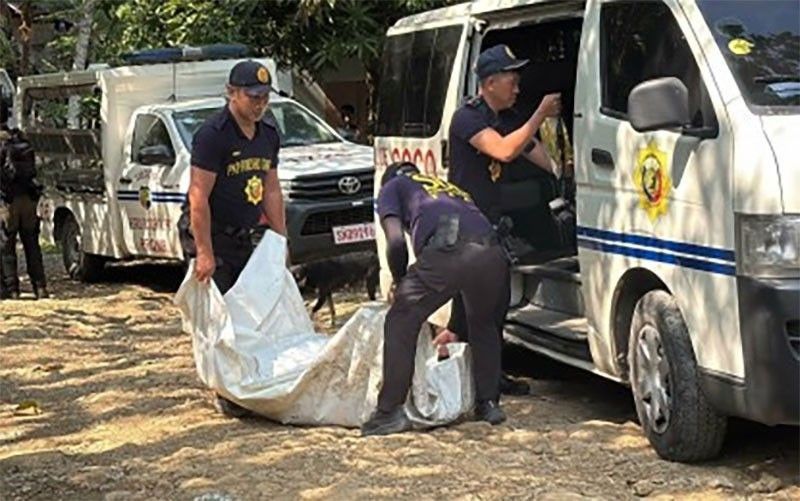
I refer, of course, to the recent deaths of 19 young Filipinos—two of them American citizens—at the hands of the Philippine military in Toboso, Negros Occidental in what the military described as an “armed encounter,” which a New People’s Army spokesman denounced as a “ruthless massacre” that included civilian students and activists embedded in the community.

It is not difficult for me to see how a bright young college student like Alyssa Alano would find herself in that far-off barangay, living with the locals and studying their way of life. I think she and her comrades knew the risks of being there and getting caught in the crossfire of a long-running war. Whether they believed or not in the armed struggle, they entered its deadly embrace. Even RJ Ledesma’s presence in a combat zone, I could understand. As an 18-year-old reporter at the Philippines Herald, I begged my editors to send me to Isabela, when we heard that a ship called the Karagatan had arrived to deliver arms to the NPA; I was certain it was a government plot (it was not) and wanted to discredit it. The desk sagely ignored me.

But one thing I can assume is that Alyssa & Co. were spurred by a genuine desire to serve the people, in that particular way, in that particular place and time. We may disagree with the methodology and certainly the results, but we can grant them the sincerity if not the nobility of their intentions. 

I recall a summer back in the early 1970s when I joined a cohort of UP Nationalist Corps members—mostly city-bred teenagers—in week-long “learn from the masses” trips to the countryside in Quezon and Bulacan where we lived with the common folk and subsisted on our purposely meager rations and whatever shrimp we could catch in the leech-infested river. There were no NPAs with us, nor did anyone indoctrinate us; we were there to realize our fundamental ignorance of and disconnection from the vast majority of our impoverished people. However, I have to admit that if the purpose of these sorties was to de-romanticize life in the countryside, to steer our perceptions away from Amorsolo’s gilded sunsets, the effect (at least on me) was the exact opposite. I came away even more convinced that struggle and sacrifice in the midst of suffering were heroic. The experience only confirmed what I had read in high school, in William Pomeroy’s The Forest, detailing the arduous treks of the old Huks in the mountains: I was looking at hard reality through a soft lyrical lens.

If I had not been arrested and imprisoned here in Manila in 1973, I would very possibly have gone on to the countryside, like many of my comrades did, and been killed within two weeks because of my sheer incompetence and ineptitude at guerrilla warfare, which most college boys and girls are simply not trained to do (and then again, quite a few learned and survived). 

And that perhaps was the most traumatic part of those times—receiving and viewing the horribly mangled bodies of our fallen friends, hearing the screaming at the UP Chapel over someone whose skull had been blown open: “That’s not him, that’s not him!” There was much criticism last week of someone’s use of “corned beef” to describe the Toboso dead as crassly inhuman, but I can confirm that it was a term we ourselves used—carne norte—for the bodies that came back shredded not even in hermetic body bags but in rice sacks.

Now we, too, have been caught in the crossfire, horrified by the wanton slaughter of our young but unsure of whom and what to believe in. An independent inquiry is absolutely called for, yes, to establish what happened, determine accountability, and define the rules of engagement in these circumstances. The brutality of that assault was barbaric in its execution. But exactly who are accountable, and what for?

I worry that these remarks could create more confusion than clarity. But sometimes we need to be unsettled or unmoored from our stoutest presumptions to begin to understand ourselves, and what we believe in, and why. One thing I’ve noticed about both extremes on the Left and Right is how certain they seem to be about everything, as if they had the whole universe and its rights and wrongs all figured out, and expect nothing less than absolute belief and compliance from their recruits and adherents. At one point in my life this was true of me; I could quote from Chairman Mao’s “Little Red Book” chapter and verse, and lived by its tenets (or at least tried to, inevitably failing in matters of personal discipline).

As I grew older, I began to appreciate the value of doubt, and even of skepticism. Mao may have been a brilliant revolutionary, but he also became a fat and filthy sexual predator (whose tomb I even visited twice in Beijing). The organ that generations of idealistic young people venerated turned out to be as murderous and as cynical as its professed enemies. 

If I were asked to advise a granddaughter or a nephew in college how to fight for justice and freedom, and if that girl or boy seemed intent on joining the armed struggle, whether as an observer or combatant (note that the military does not distinguish between them), this is what I will probably say: “I cannot stop you from doing what you so fervently believe in, because I would have done the same thing in my time. But think about this, before you go: your time is different, and many things have changed. I know that poverty and injustice have not gone away, and may even have worsened. 

“But if there is something that half a century of struggle has taught us, it is that violence, however justified, never really works; it will only be met with even greater violence, with tragic results for all. The harder battles to fight are right here—in the communities you know and can influence, for the issues that matter to them. You do not need to go far to reach the suffering and the underserved: they are around you, wherever you turn. 

“Fifty years ago we may have had little choice but to go underground; today we have civil society to embrace your causes. Call me defeatist, cowardly, or myopic, or even a comfort to the enemy; but I remain alive and fighting for truth, justice, and freedom the best ways I can, which include what I’m telling you now—the strongest weapons are in your hearts and minds, not in your hands.”

Penman No. 485: Forever Young—in Yearbooks

Penman for Sunday, May 3, 2026

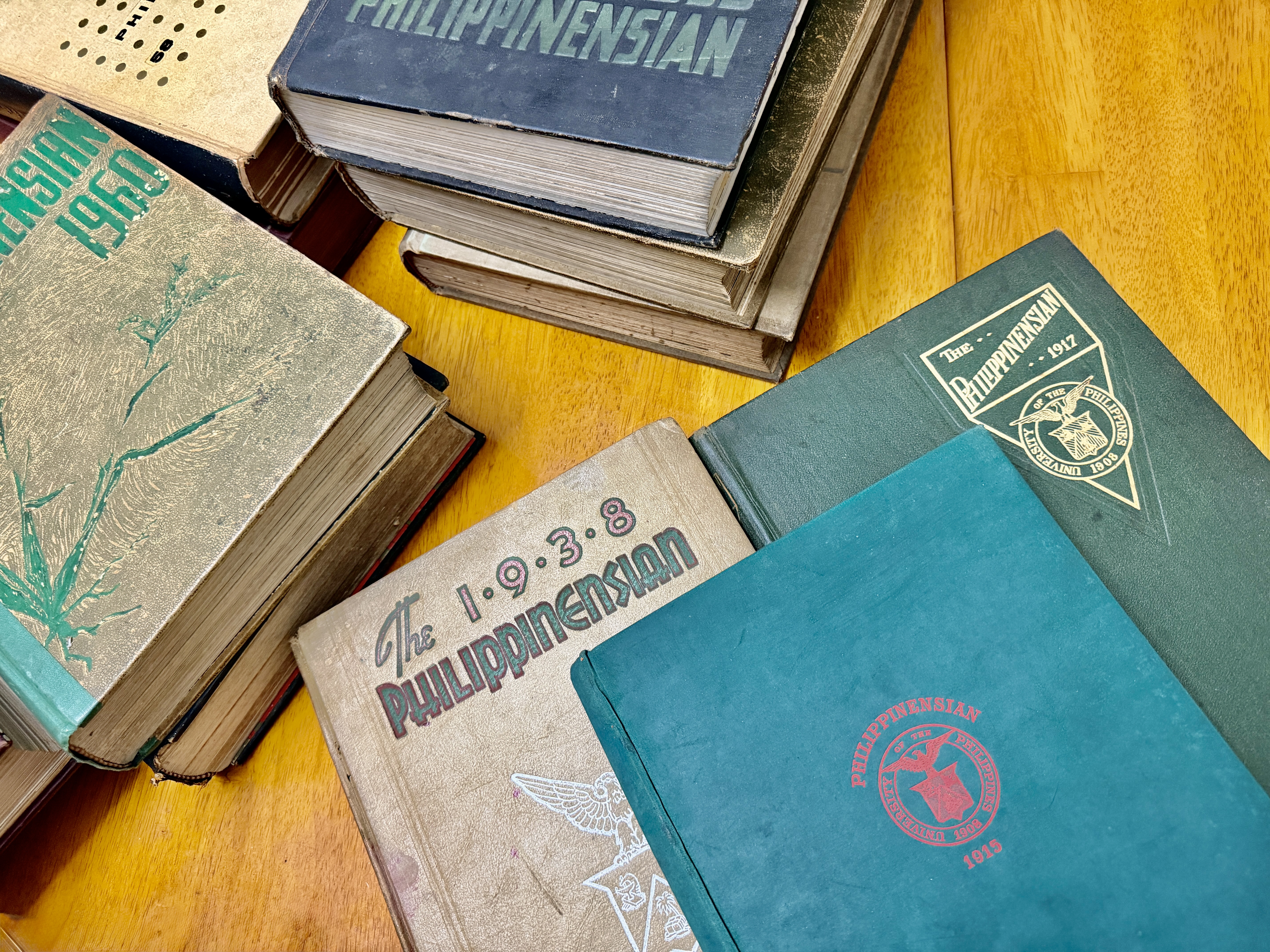
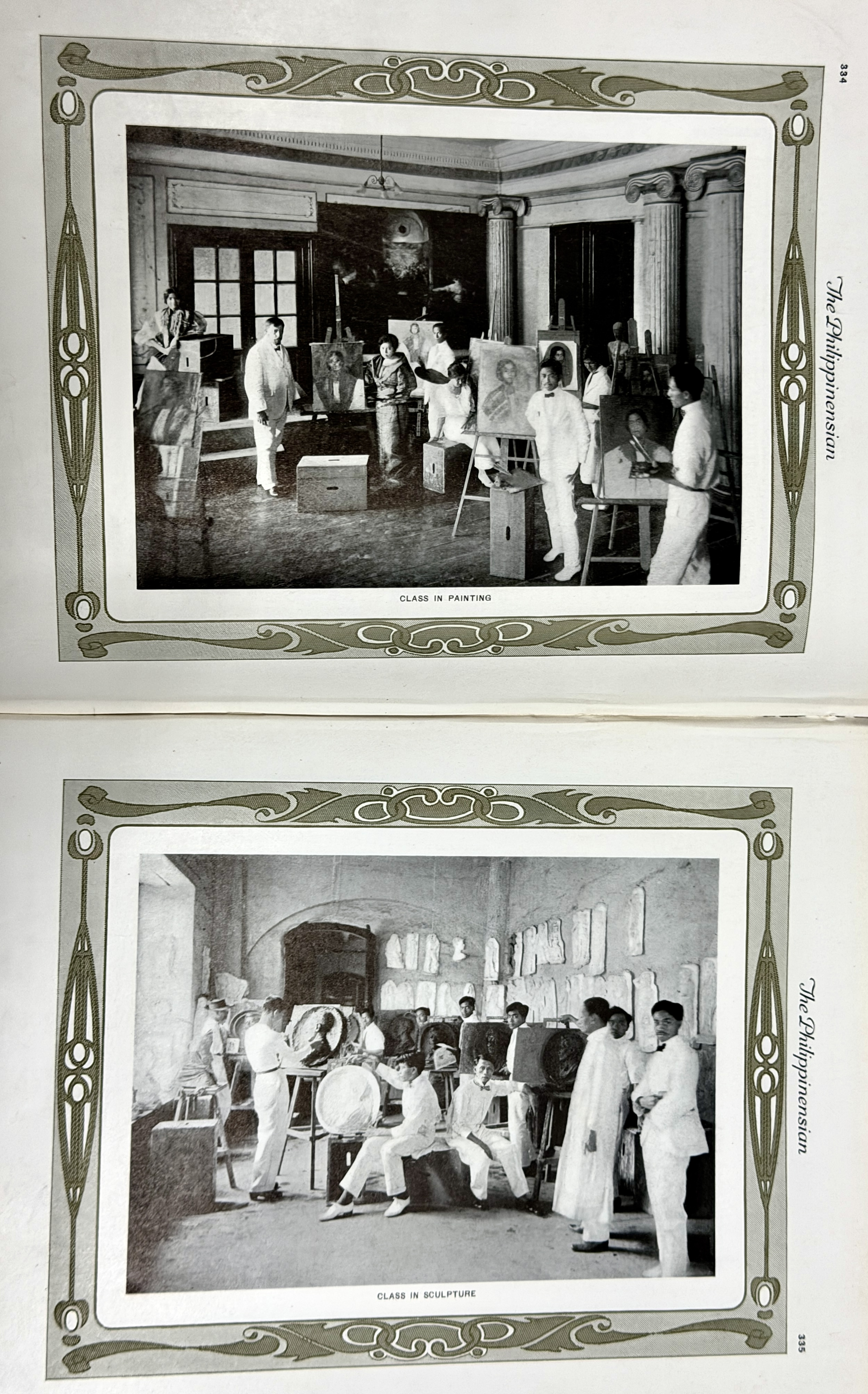
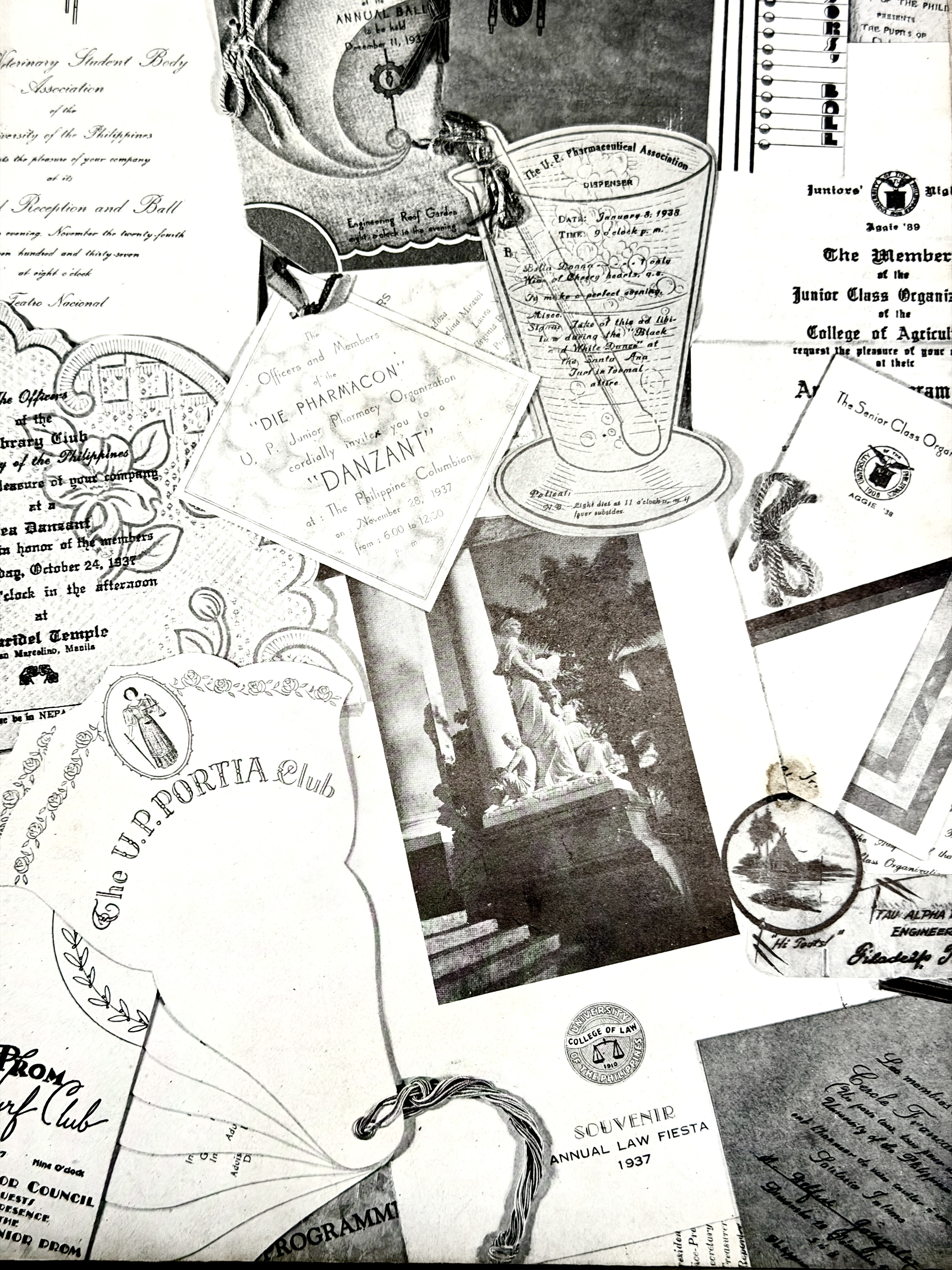
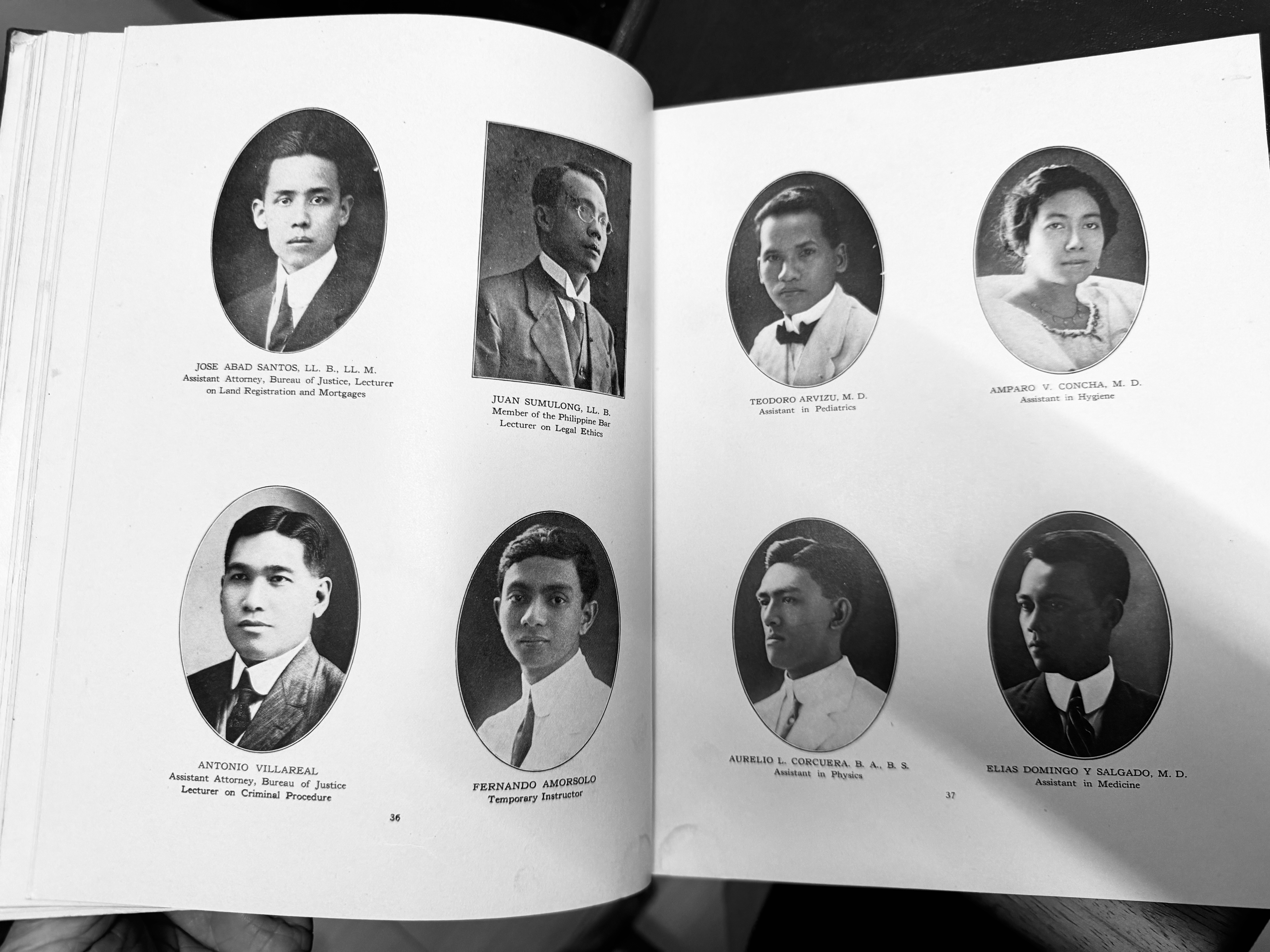
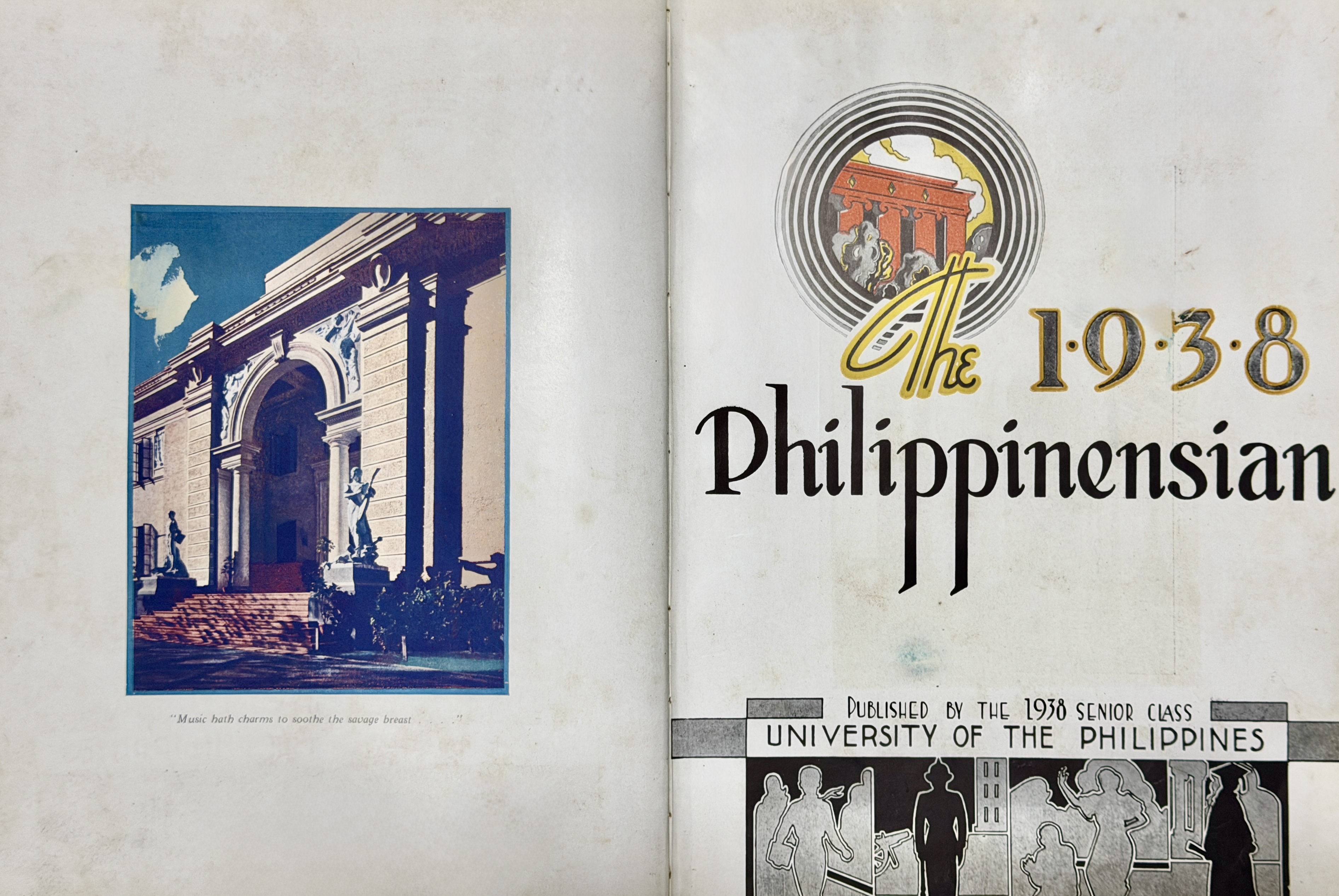
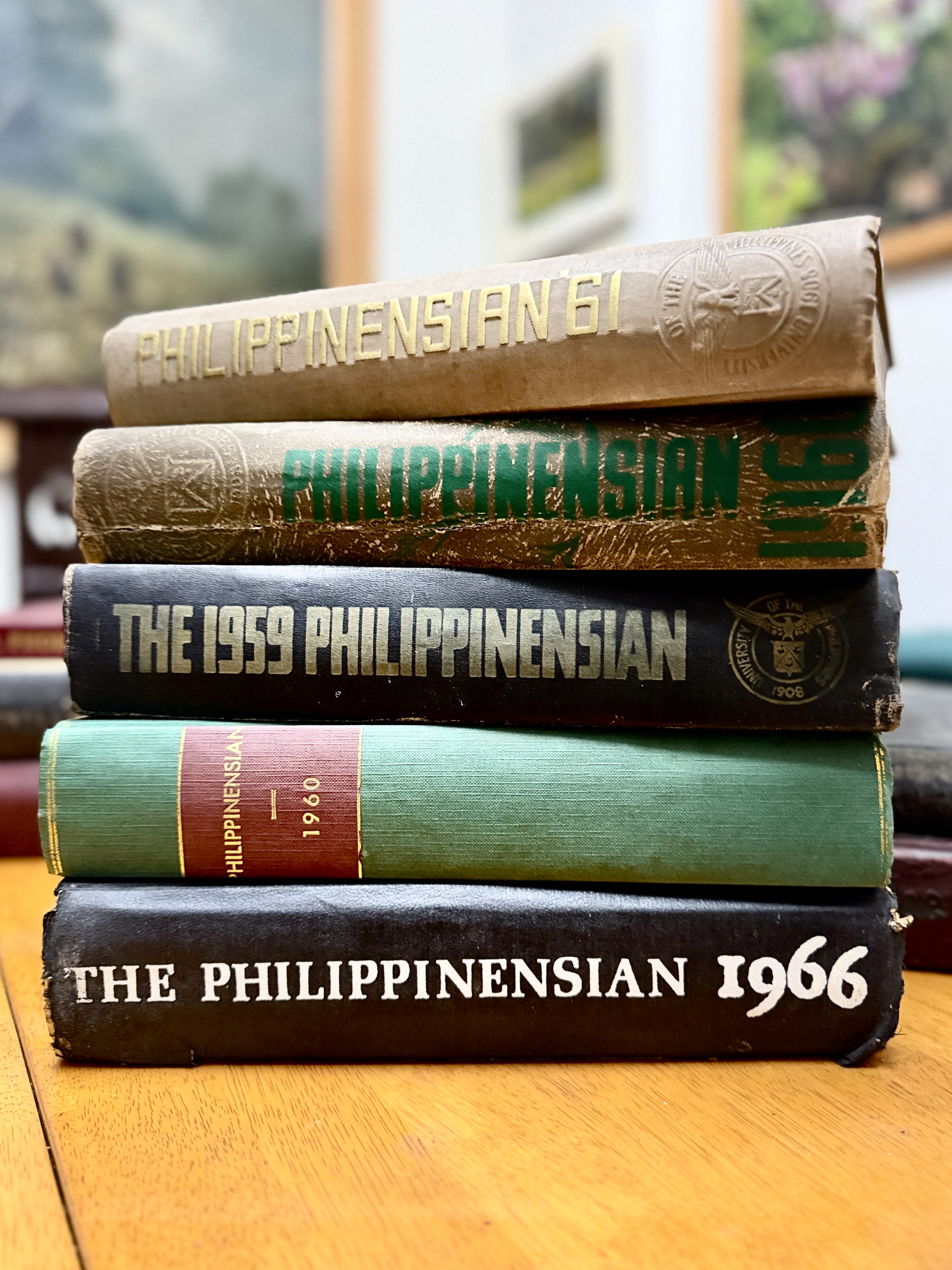
THERE’S SOMETHING terribly sad and yet also strangely soothing about thumbing through the pages of college and high school yearbooks from decades past. As a diehard UP alum and collector of UP memorabilia, I’ve accumulated a stack of yearbooks from the University of the Philippines called the Philippinensian (a name likely inspired by that from one of UP’s formative models, the University of Michigan’s Michiganensian). 

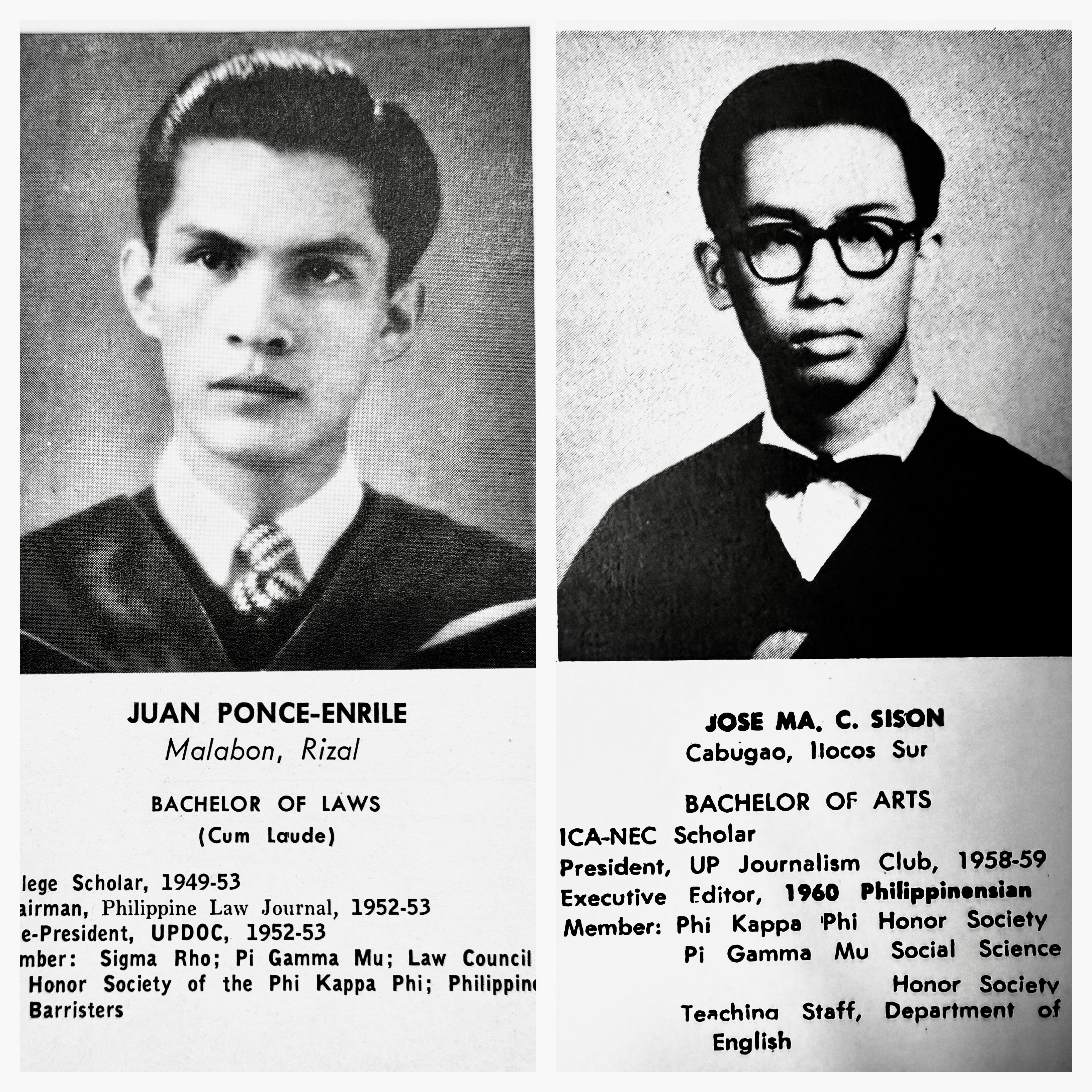
Going through them inevitably fills me with what I know to be a naïve longing for seemingly simpler times; the past gets rosier the farther we move away from it. But these images, imbued with innocence, still offer relief from today’s sordid realities. When I look at the youthful visages of such figures as Juan Ponce Enrile and Jose Ma. Sison, I am reminded that we had choices, and that, while indicative, college could be too soon to plot the full trajectory of our lives. Yearbooks are also, of course, an intellectual and social history of the university itself, balancing the frilly fun of a Cadena de Amor with the sonorous seriousness of editorial commentary.

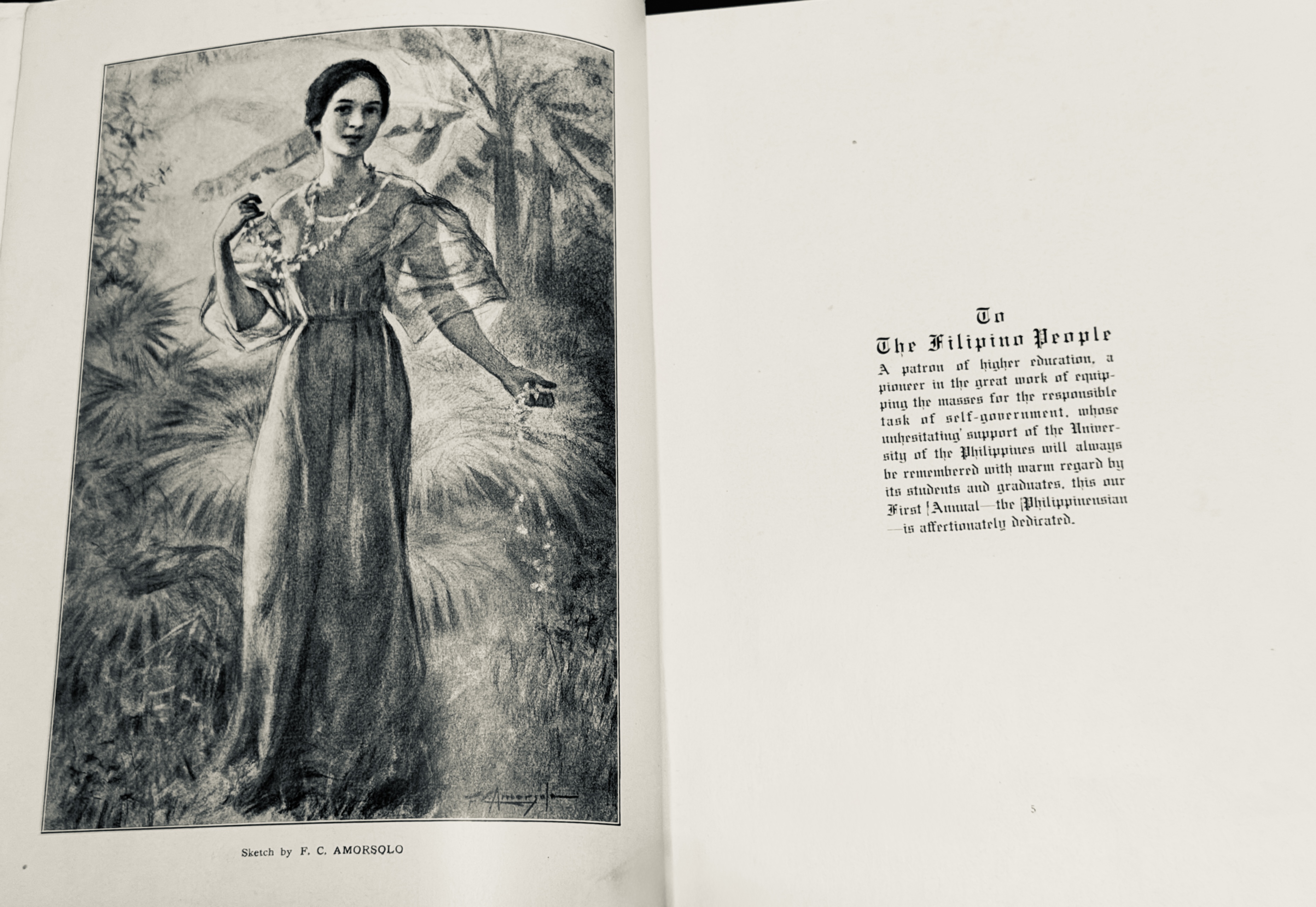
The first issue of the Philippinensian came out in 1915, seven years after UP opened in 1908—occasioned, argued its editors, by the realization that “There has heretofore been little consolidation of interests on the part of students of the University and the so-called University spirit, which should be stronger here because of the maturer quality of the students enrolled, was subordinated to the college spirit.” (I was fortunate to find a copy of this maiden volume, once owned and signed by Guillermo Tolentino.) 

In 1928, the Philippinensian apparently assumed the name of UP Alpha. If you studied then at the College of Liberal Arts your professors would have been people like Maximo Kalaw, Conrado Benitez, H. Otley Beyer, Vidal Tan, Carlos P. Romulo, Maria Agoncillo, Paz Marquez Benitez, Manuel Bernabe, Jose P. Laurel, Marcial Lichauco, Mauro and Mendez, and Pura Santillan. The college’s editorialist expressed the tenuous hope that education would resolve the class struggle: “Far out in the villages away from cities reign ignorance, selfishness, suspicion, all things that a life of isolation and narrow-mindedness afford. We recognize the need for light in those nooks, that light which will add strength of vision to the eyes of the unlearned, which will make them see the invisible ties that unite hearts the world over. We are aware of the selfish exploitation of the poor by those who have greater cunning, and higher intelligence; but we believe that the broadening of the sympathies of the latter and the opening of their closed, hard hearts will banish away all suspicion and hatred that rend souls asunder.”

A decade later, the 1938 Philippinensian opened with a dedication to that year’s commencement speaker, Field Marshal Douglas A. MacArthur, followed by postcard-worthy shots of UP’s Manila campus, carefully curated to show off its best facets. The staging creates ironic if not tragic overtones, especially when taken with the photographs at book’s end of UP’s cadets in smart formation, many of whom would march into the maw of war in a few years. Padre Faura itself would be bombed to ruins, albeit with the Oblation statue still standing defiantly.

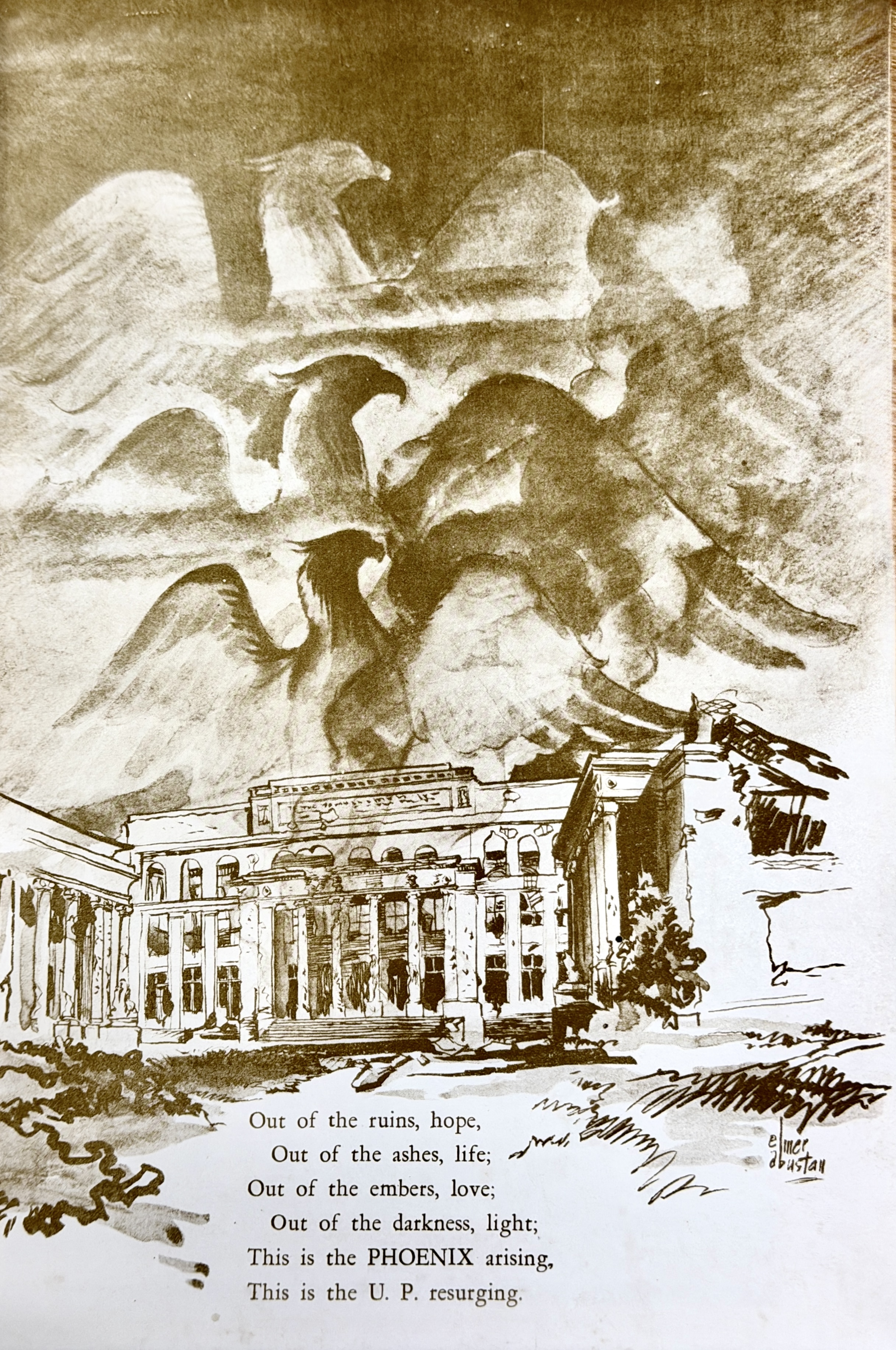
After the war, with school having been closed for a while and the whereabouts of hundreds of students and graduates unknown, the Philippinensian resumed in 1946 under the temporary banner of the UP Phoenix 1942-1946, to cover the lost years. The yearbook staff could only note that “Some letters [of invitation to the yearbook] were received postmarked ‘return to sender’ for various reasons: “addressee unknown,” “no such address,” “moved.” In many cases, the addresses were among those burned or shelled during the war. In a few cases, the graduates were already dead. But so long as there was a clue, no matter how unreliable, the staff did not fail to track it down, sending letters, again and again, to the same person, at different addresses.”

Among those who fortunately responded were Narita Manuel of San Andres, Manila, BSE 1942 (soon to marry a writer named NVM Gonzalez); Damiana Ligon Eugenio of Cabanatuan, Nueva Ecija, BSE 1942, cum laude(long before assuming the deanship of Philippine folkloric studies); and Renato Constantino of Manila, PhB 1946, cum laude, then already working for the Malacañang PR Office. (There were no privacy issues then, and one’s full address could be published at will.)

The closer we get to the present, the more familiar the names become, although their juvenile faces always come as a surprise. My mother Emy—who turns 98 next Sunday—was among those who first made the move from Padre Faura to Diliman. She appears as Emilia A. Yap, BSE, from Guinbirayan, Sta. Fe, Romblon, in the 1953 Philippinensian, a volume in which also appear such luminaries as Rafael M. Salas, Rony V. Diaz, Amelia Lapeña, Andrez Cristobal Cruz, Jose T. Joya, and Napoleon V. Abueva. For many alums, the ‘50s were UP’s golden age, and the yearbook reflects that; with the war over, it could claim that “The UP spirit is of beauty…. The tradition of looking for beauty everywhere, even where none is supposed to exist, is born… to temper an otherwise skeptical, cynical mind.”

But by the end of that decade, on the cusp of the ‘60s, and in the midst of the great debates between secular liberals and sectarian conservatives on campus, UP had to be ever reminded of its unique position as social critic. Introducing the 1958 Philippinensian marking UP’s golden jubilee, E. San Juan intoned that “Ours is an age of rebellion…. Man of the twentieth century… strives for a blessedness yet unbestowed, the blessedness incarnated in him as rebel-artist.” Petronilo Bn. Daroy would warn the following year that “It is at this point that we begin to see the estrangement of the university from the mainsprings of life, from the fact of the national reality. With politics controlling the focus and acting as guidepost from which the university must stand to gain its angle of vision, the reality that is revealed for inspection is necessarily fragmented and false.” 

UP’s vibrant social and cultural life continued, with the fraternities and sororities leading the way. The yearbooks lauded the smartest and the prettiest. But the dark clouds were gathering, and the mood was shifting. Writing in the 1966 Philippinensian, Temario C. Rivera began his essay with a stinging line: “Frivolity has always been the most vicious stigma of youth.” But, he concludes, invoking protests around the world, “The youth have finally come of age.”

In a few more years, the First Quarter Storm and the Diliman Commune would erupt, and the last Philippinensian would come out in 1971; the last Cadena de Amor had taken place in 1968. Many of those street warriors, myself included, would live on to their seventies and eighties, brandishing canes and hostage to metformin.

But in these yearbook pages, full of faces brimming with hope and idealism, we remain forever young and forever free.