Penman No. 452: A Cultural Treasure Chest

Penman for July 9, 2023

A NEW book launched last month by the Bangko Sentral ng Pilipinas once again brings up how unlikely—and yet in a way also how logical—it is for a nation’s central bank to be the repository and protector of the country’s cultural heritage. 

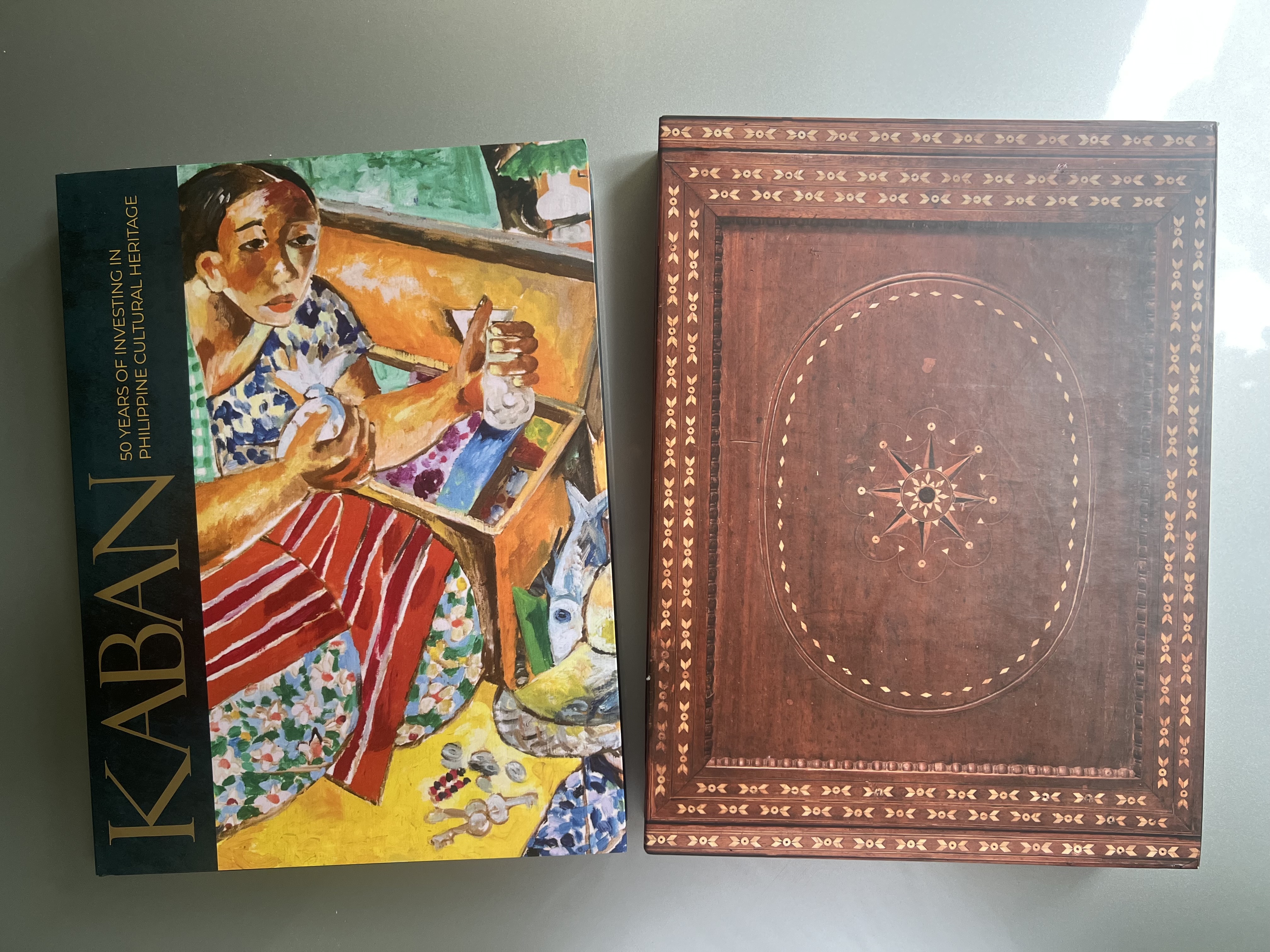
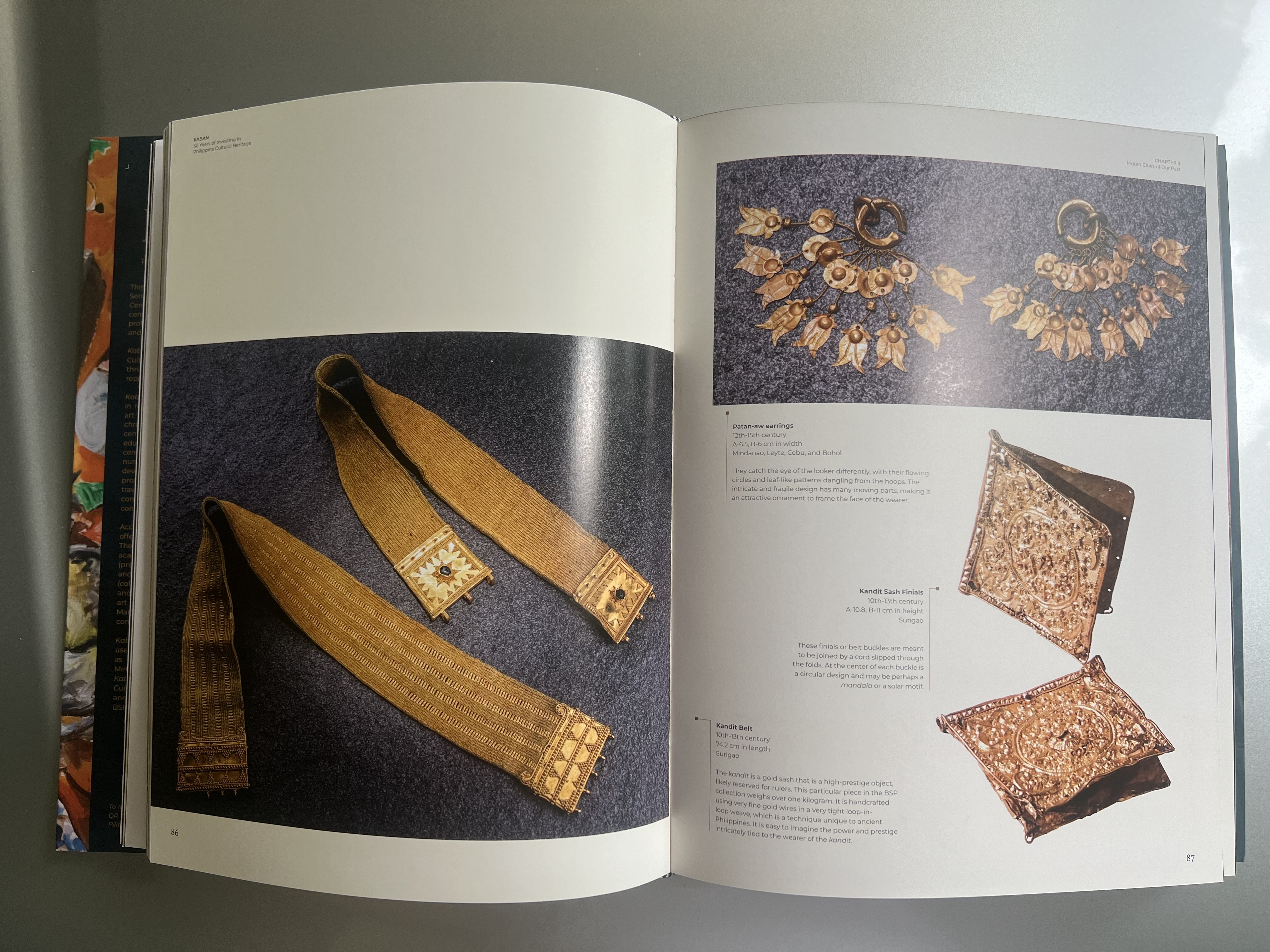
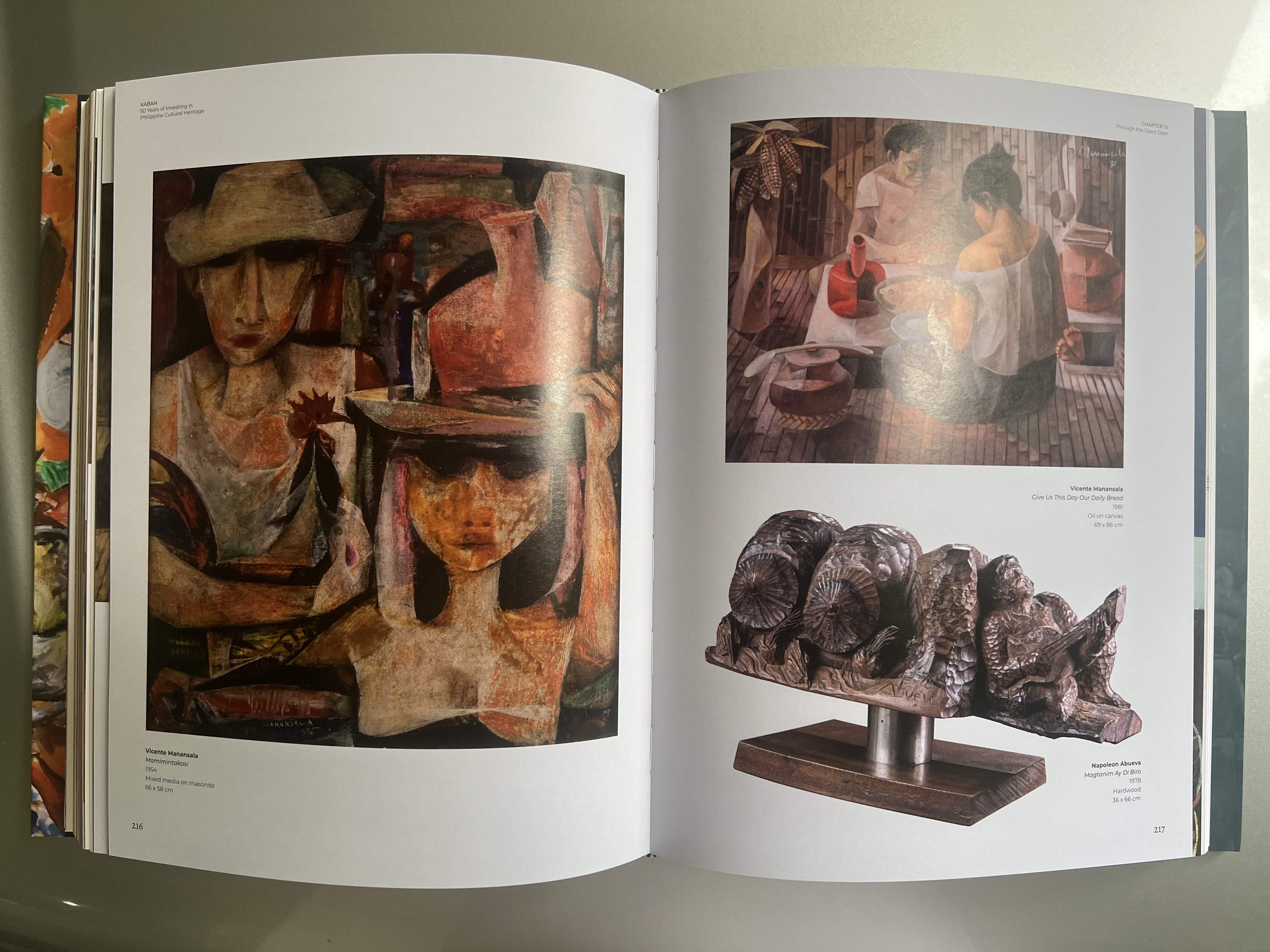
Simply titled Kaban (treasure chest), the sumptuous 340-page book offers a guided tour of the BSP’s fabled cultural collections, from pre-Hispanic gold to contemporary art, with each section curated by experts in the field. The book’s writers include Portia Placino, Victor Paz, Dino Carlo Santos, Clarissa Chikiamco, Tessa Ma. Guazon, and Patrick Flores; I contributed a preface, from which I quote some excerpts below. 

Banks represent resources, stability, and continuity, and central banks even more so, for the financial sector. They will often purchase art for décor, and perhaps even for investment; but they will not routinely spend vast amounts on the acquisition, storage, and exhibition of valuable cultural artifacts, as the BSP (and its predecessor, the Central Bank) has done.

Only inspired and visionary leadership can achieve this fusion between the seeming banality of money and the transcendence of art. The Central Bank and BSP have had the good fortune of being led at various times by men who embodied this integration—among them, the CB’s founding father Miguel Cuaderno, a lawyer with a passion for history, culture, and art.

Decades later, Cuaderno was followed at the Central Bank by Jaime Laya—a banker, accountant, writer, collector, and cultural administrator. It was under Gov. Laya that the Central Bank embarked on its most ambitious acquisitions and began to be known for minding more than the nation’s money, but its cultural heritage as well.

Cuaderno and Laya were supported by the likes of Benito Legarda, at one time the Central Bank’s head of research, who was not only an economist but also an avid numismatist and historian who initiated the Money Museum, which became the base for the bank’s later forays into other areas of culture.

The release of Kaban—following a series of other beautifully produced books about the precious objects in its collection—highlights the value accorded by the BSP to the idea of wealth: its generation, propagation, and preservation, which is, after all, the core business of banks. But this isn’t just flaunting wealth for wealth’s sake, an exercise in ostentation and in investment by the numbers. 

The BSP collection is imbued with historical and cultural value, and the objects in its catalogues—from ancient coinage and currency to contemporary art and furniture—are physical embodiments of the things and notions we hold dear, our sensibilities and aspirations as a people, the heritage and the legacy we want to pass on down the generations. It is another bank, a cultural bank, but one whose elements have been carefully chosen and curated to reflect our finest traditions and brightest memories.

It’s interesting and important to note that the BSP is not alone in this extracurricular preoccupation. Beyond the Philippines—where many other banks and financial institutions have been known for their impressive art collections and generous support for culture—banks around the world have associated themselves with art, amassing stupendous collections and employing art to project a positive and more humane image of what most people might otherwise see as cold and soulless financial corporations. Indeed, Professor Arnold Witte of the University of Amsterdam calls banks “the new Medici,” referring to the Renaissance’s most important patron of the arts, Lorenzo de Medici, not incidentally himself a banker. 

Among the world’s most important art collections held by banks, that of the Banco de España in Madrid goes back to the late 15th century and forward all the way to contemporary sculpture and photography. The Swiss UBS holds 35,000 pieces of modern art. JP Morgan Chase, the Bank of America, the Royal Bank of Canada, the European Central Bank, and the Societe Generale have also been leaders in the field. 

Central banks have also been known for their art collections, although their origins, sourcing, and contents vary. According to a report by the Official Monetary and Financial Institutions Forum, “In the US, the Federal Reserve’s fine arts program was established in 1975 by Chair Arthur Burns in response to a White House directive encouraging federal partnership with the arts. Unlike other collections, the Fed relies on donations of artwork or outside funds to purchase works of art. 

“Most European central banks’ art collections consist mainly of paintings, but this is not a global trend. In Colombia, Costa Rica and the Philippines for example, the central banks are also home to museums with exhibits ranging from archaeological treasures to medieval goldwork and pottery.

“The central banks of Colombia, Austria and South Africa, among others, host catalogues of their collections on their websites. The Central Bank of Iran’s website hosts a video documentary on the Crown Jewels collection. Many other central banks including Greece, Hungary, the Netherlands and the Philippines have physical catalogues of their collections, though these have not been digitalized.” It quoted then Governor Amando Tetangco as saying that “The BSP ensures that outstanding examples of Filipino genius in its gold, art, and numismatic collections are shared with the people through exhibits, books, CDs, social media, and provincial lectures.”

This puts the BSP in the fine company of other central banks that have recognized the special relationship between monetary and cultural wealth, and the importance of preserving heritage for the future. If, as Benjamin Franklin once said, “An investment in knowledge yields the best interest,” then an investment in cultural heritage cannot yield any less, as it shows us at our best, for all time.

The arts, indeed, are another treasure trove of spiritual resources needing constant care and replenishment. This long, historic, and mutually beneficial partnership between our central bank and the arts sector makes that reality physically manifest, and we can only hope that it will continue even more strongly in the decades to come.

Tastefully photographed and designed by Willie de Vera and produced by Bloombooks (the publishing arm of Erehwon Arts Corporation), Kaban is a treasure on its own, and is available for sale to the public at the BSP.

Qwertyman No. 48: Beauty and Horror

Qwertyman for July 3, 2023

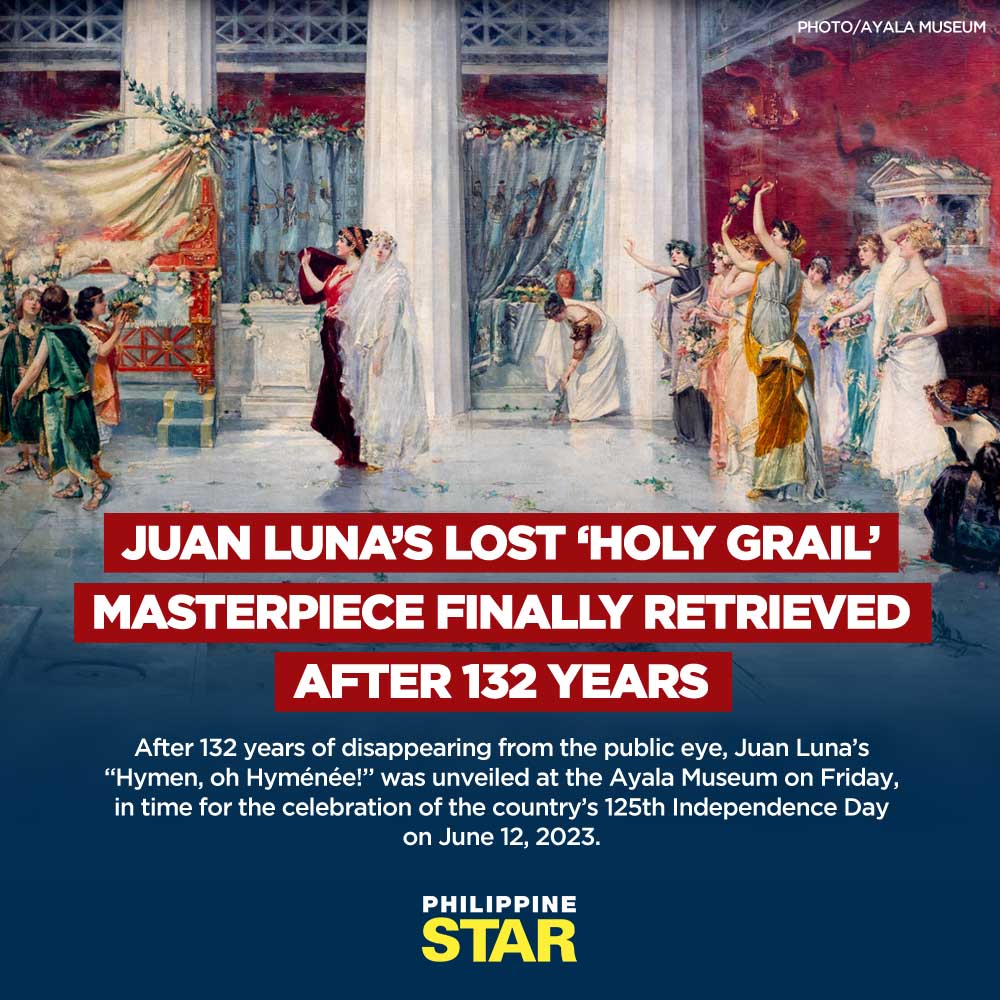
I WAS surprised, a bit amused, but also deeply bothered by the reactions of Filipino netizens to an event that hogged the headlines two weeks ago—the special exhibit of Juan Luna’s painting “Hymen, O Hyménée.” 

The painting, said to have been lost for over 130 years, was put on display in all its solitary glory at the Ayala Museum, evidently a prize catch and worthy of public attention. The attention came—not all of it positive. Quickly a thread developed online scoring the artist, the painting, the museum, and the curious who trooped to Makati to see the painting. Why, posters asked, was praise being heaped on a deranged man who murdered his wife and mother-in-law? Where was our outrage? Speaking of the painting, why, technically it wasn’t even that good. 

They were, of course, all fair points to raise, designed to provoke some serious re-evaluation of why we like the things (and the people) we do. While there was some quibbling about the aesthetic merits and demerits of the painting, most of the negative reaction was clearly aimed at Juan Luna’s homicidal and presumably misogynistic streak. Just to be clear, he did admit to killing the two women (he suspected his wife of having an affair with a Mr. Dussaq), but was later acquitted on grounds that merely prove how partial to men the old judicial system was.

This brings up the inevitable question—not about Luna’s guilt, which seems to have been settled in the court of public opinion, but about that of those professing to admire Luna’s talent as a painter: knowing what we know now about an artist, should his or her work be judged by his or her character? Can or should we put our blinders on when gazing at a painting or reading a book, and savor the work in denial of its creator’s evil history? Should we resist Google, adopt or feign ignorance, and leave moral judgments to others?

I know that some esteemed writers and artists, like the late F. Sionil Jose who preceded me in this space, were severe and unforgiving in their application of a moral frame to creative work. To Manong Frankie, if you supported the Marcos dictatorship and profited from it, your credentials as an artist were forever compromised. Today we would call this “cancel culture,” which has been appropriated by right-wingers to complain about being punished for being, well, right-wingers.

It seems like a logical proposition: if you don’t like someone for good reason, then reject his or her work, which could be tainted by all manner of subliminal malice. You can stand proud in your clarity of mind and emotion, in your spirited defense of the good and just.

But this also raises a very practical problem: entering a museum or a library, how am I to know which artists or authors led upright lives, and which ones flourished in depravity? If I enjoy a work, only to discover later that its creator attempted to rape a teenage girl (as the Nobel prizewinner William Golding did, and even wrote about it privately) or tortured animals and adored Hitler (like Salvador Dali did), am I supposed to regurgitate my admiration and pronounce the work worthless?

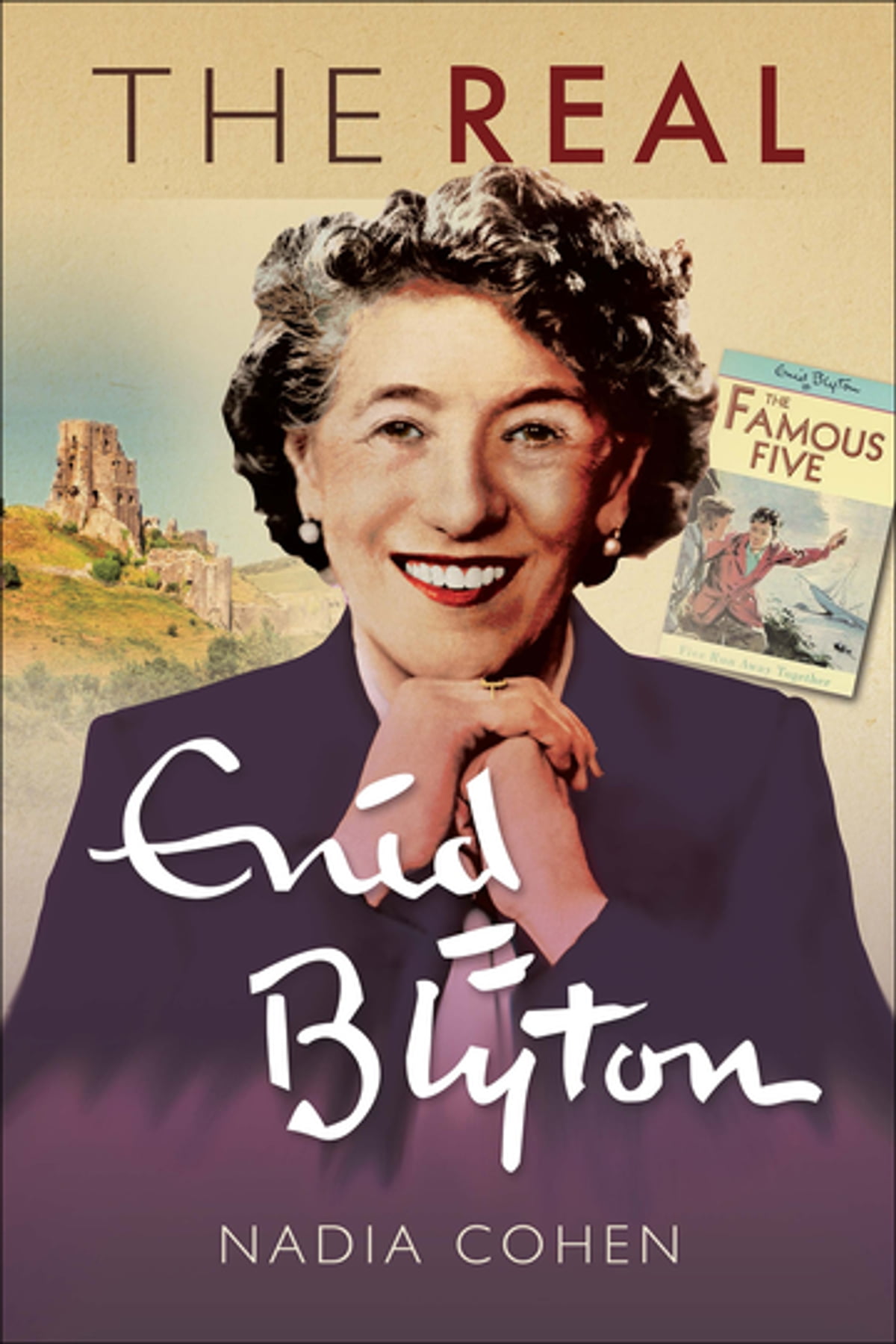
The list of artists and writers who were less than paragons of moral virtue is a long and (dis)honorable one. For this we go to Google, which has been asked the question so often that so-called “listicles” exist of the answers, which inevitably throw up the same names. Paul Gauguin abandoned his family and fled to Tahiti where he took on three child brides, infecting them all with syphilis. TS Eliot and Ezra Pound were Jew haters, as were, for that matter, Richard Wagner, Edgar Degas, and Roald Dahl. Picasso abused his women and drove them mad, calling them “machines for suffering.” Beloved writer of children’s stories Enid Blyton was a terrible mother, neglectful and vindictive, described by her own daughter as “without a trace of maternal instinct.” What am I to tell our daughter Demi, now 49, who grew up on Enid Blyton and who carefully rounded up all her Blyton books and tied them up in a ribbon during her last visit, for passing on to another child?

I recall when, years ago, a renowned actress (whom I need not name, as you can surely guess who she is) was denied the National Artist Award by Malacañang because of her reported use of drugs at some point in her troubled life. (I know, because the Palace official who recommended the disapproval told me the story.) Thankfully this was later rectified.

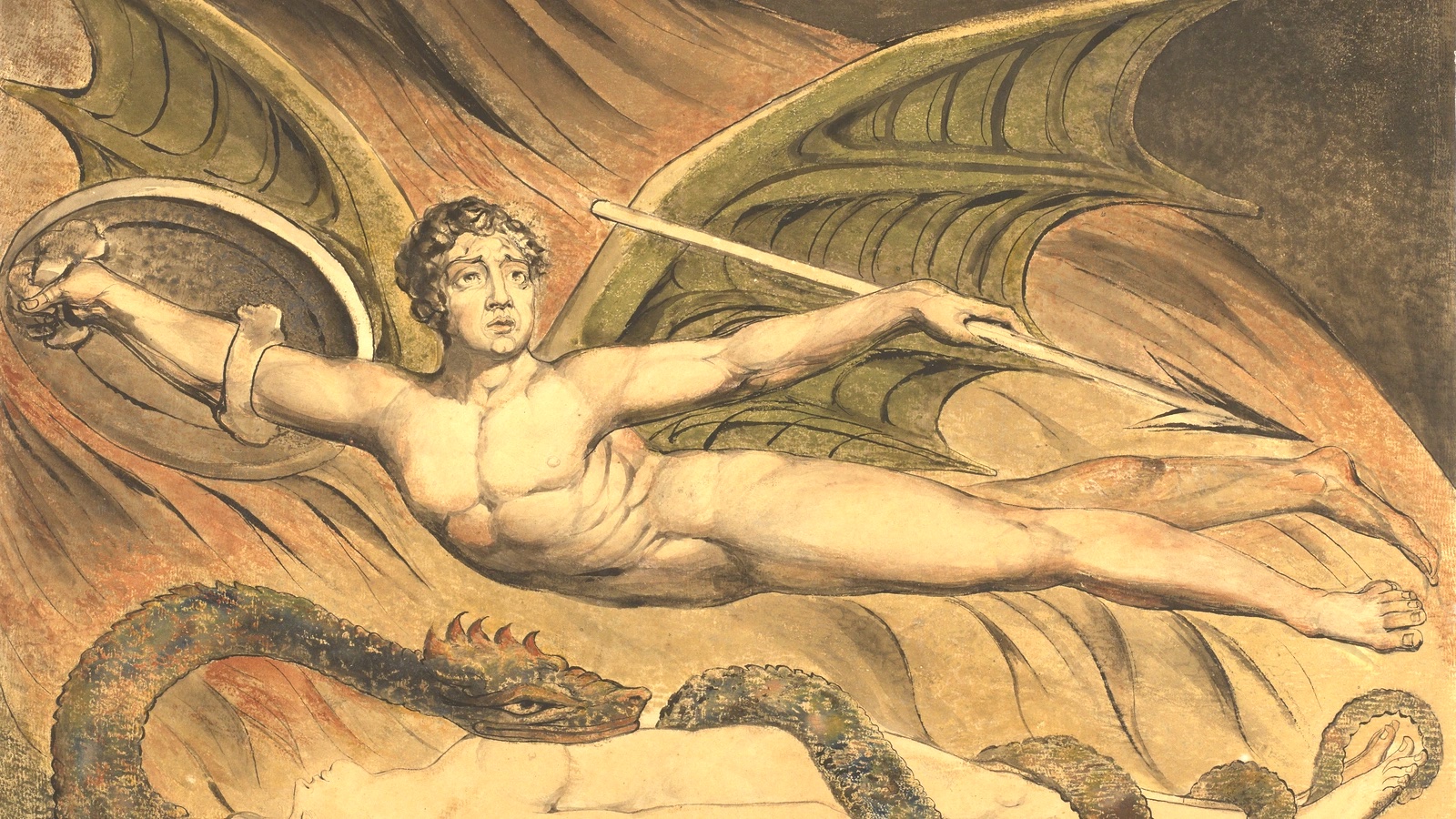
And as soon as I say that, you can see where I incline in this debate. I hate evil as much as any sane person would, but also recognize and accept that some of that is always latent within me and within others, and that it is my awareness of it—or my guilt when I give in to it—that grounds and deepens my art. I’m not saying evil is a prerequisite for artmaking, as surely saintly folk have produced great art (although I still have to find that listicle); it’s just there, like a shadow in the forest, the Lucifer without which the aura of our angels would dim. 

And what about the deplorable if not detestable excess of it in these aforementioned geniuses? Do we excuse or absolve their failings by accepting their art? I think not. What we are accepting is not their wrongdoing, but rather the fact of how one of art’s and indeed of life’s great mysteries is how often beauty and horror cohabit. Thus we can come to an informed appreciation of a work and its maker, wonder at how so much darkness could produce so much light, and begin to understand our complexity as humans, which artists give form and voice to.

Myself, I like to think of art as a personal act of redemption, or at least of restitution. It will never excuse one’s bad behavior, or repair the damage done. But it will show how capable we are of refined and abstract expression, despite our brutish selves.

The greater problem for me is that, today, we inhabit a moral minefield where art itself has been conscripted to disguise falsehood and deception. Artificial intelligence has neither heart nor conscience, but its manipulators can produce breathtakingly attractive lies. Much more than a long-interred Juan Luna, this worries me.

Qwertyman No. 46: The Writer as Liberator

Qwertyman for Monday, June 19, 2023

AS PART of its Independence Day celebration, the J. Amado Araneta Foundation asked me to give a talk on “The Writer as Liberator” last Saturday, and today being Jose Rizal’s birthday, I’m very happy to share that talk in full (a shorter version appeared as my Qwertyman column in the Star):

When I was first asked to talk about “The Writer as Liberator,” the first thought that went through my mind was probably the thought that’s now going through yours, which was that of the writer as political revolutionary or dissident, in the mold of Jose Rizal, Marcelo H. del Pilar, Lorraine Hansberry, Alexander Solzhenitsyn, Nadine Gordimer, Wole Soyinka, and so many others of their caliber and stature.

That presumption, of course, is certainly valid and reasonable. Indeed, human history is fraught with examples of writers who fought colonialism, slavery, racial prejudice, and feudal and capitalist oppression and exploitation in India, South Africa, and the United States, particularly the American South, among many if not most other countries in the world. Wherever evil has reared its head, writers have arisen to call it out by name in all its forms—overweening pride among the ancient Greeks, blind ambition in Shakespeare’s time, lust and greed everywhere down the ages. 

The Philippines has been no exception. Decades before Rizal, Francisco Baltazar or Balagtas employed allegory in Florante at Laura to depict suffering and denounce injustice. Rizal and the whole Propaganda Movement followed, in a story of resistance and revolution that many of us already know. It’s a high climactic point that we could talk about all day but I won’t, because I’d rather talk about other things that most of us don’t know about writers and liberation. 

Again, to deal with the obvious, writers of all kinds have been at the forefront of political and social change. They included poets, playwrights, novelists, journalists, screenwriters, and today we would have to count bloggers and comic book script writers.

Our heroes and champions of freedom were poets—Rizal’s Mi Ultimo Adios and Bonifacio’s Pag-Ibig sa Tinubuang Lupa spring to mind, but they were also followed by the likes of Claro M. Recto, Francisco “Soc” Rodrigo, Carlos P. Garcia, and Diosdado Macapagal. These men—sadly, our political and even our cultural life was dominated then by the patriarchy—came from a generation when there was a very thin line between journalism and creative writing, when an opinion column could appear in verse, and when senators were expected to be literate and eloquent.

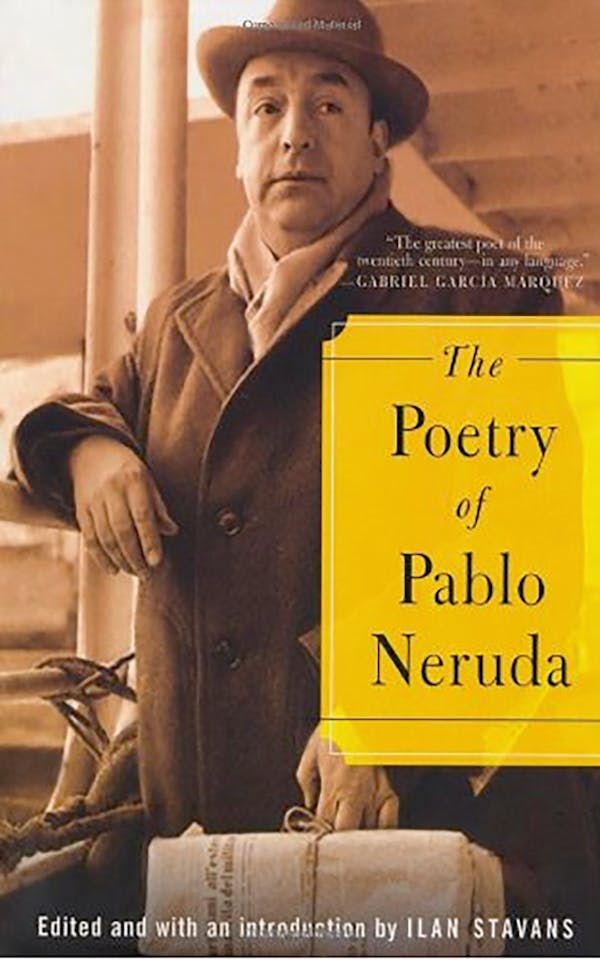
As I mentioned earlier, this was true of many countries around the world where people were fighting for freedom and justice. In South America, Simon Bolivar—who was known as The Liberator or El Libertador—led the fight for independence from Spain of what are now his native Venezuela, Colombia, Bolivia, Peru, Ecuador, and Panama, but he was also a poet, alongside the Cuban Jose Marti, among others. The Chilean poet and Nobel Prize winner Pablo Neruda wrote a poem in tribute to Bolivar, titled “A Song for Bolivar,” which I will read to you:

Our Father thou art in Heaven,
in water, in air
in all our silent and broad latitude
everything bears your name, Father in our dwelling:
your name raises sweetness in sugar cane
Bolívar tin has a Bolívar gleam
the Bolívar bird flies over the Bolívar volcano
the potato, the saltpeter, the special shadows,
the brooks, the phosphorous stone veins
everything comes from your extinguished life
your legacy was rivers, plains, bell towers
your legacy is our daily bread, oh Father.

The line “everything comes from your extinguished life” might as well have applied go Neruda himself, who was murdered by the fascist Pinochet government he opposed. Many writers have died for what they have written—and again we go back to Rizal—but others fought, lived on, and even succeeded in their struggles for national liberation. Two of the most prominent were Ho Chi Minh and Mao Zedong, who led long and ferocious wars against both local and foreign oppressors.

Imprisoned in China during the war, Ho Chi Minh wrote this poem in 1943 upon reading a book called the Anthology of a Thousand Poets:

The ancients liked to sing about natural beauty:
Snow and flowers, moon and wind, mists, mountains and rivers.
Today we should make poems including iron and steel,
And the poet should also know how to lead an attack.

In 1950, shortly after the Communists took over in China, Mao wrote this poem in reply to another poet named Liu Yazi:

The night was long and dawn came slow to the Crimson Land.

For a century demons and monsters whirled in a wild dance,

And the five hundred million people were disunited.

Now the rooster has crowed and all under heaven is bright,

Here is music from all our peoples, even from Yutian,

And the poet is inspired as never before. 

Note how, in these two poems, Ho and Mao locate the poet at the center of a collective struggle. This idea is developed even more strongly by Jose Ma. Sison—who by the way was an English major in UP—in his poem from the 196os titled “The Guerilla is Like a Poet”:

The guerilla is like a poet 
Keen to the rustle of leaves 
The break of twigs 
The ripples of the river 
The smell of fire 
And the ashes of departure. 

The guerilla is like a poet. 
He has merged with the trees 
The bushes and the rocks 
Ambiguous but precise 
Well-versed on the law of motion 
And master of myriad images. 

The guerilla is like a poet. 
Enrhymed with nature 
The subtle rhythm of the greenery 
The inner silence, the outer innocence 
The steel tensile in-grace 
That ensnares the enemy. 

The guerilla is like a poet. 
He moves with the green brown multitude 
In bush burning with red flowers 
That crown and hearten all 
Swarming the terrain as a flood 
Marching at last against the stronghold. 

An endless movement of strength 
Behold the protracted theme: 
The people’s epic, the people’s war. 

Given the aesthetics of the Philippine Left at that time, you could actually reverse this proposition to read “The poet is like a guerilla,” which Emman Lacaba certainly was, as was Ma. Lorena Barros, whose poem “Sampaguita” follows:

This morning Little Comrade

gave me a flower’s bud

I look at it now

remembering you, Felix,

dear friend and comrade

and all the brave sons and daughters

of our suffering land

whose death

makes our blades sharper

gives our bullets

surer aim.

How like this pure white bud

are our martyrs

fiercely fragrant with love

for our country and people!

With what radiance they should still have unfolded!

But sadness should not be

their monument.  

Whipped and lashed desperately

by bombed-raised storms

has not our Asian land

continued to bloom?

Look how bravely our ranks

bloom into each gap.

With the same intense purity and fragrance

we are learning to overcome.

Decades later, her namesake Kerima Lorena Tariman would write “Pagkilos,” a poem that celebrates motion in both nature and society:

Ang lahat ng bagay ay tila kitikiti,
Palagiang kumikilos at hindi mapakali.
Ang paggalaw ay kakambal ng bawat bagay,
Likas na kaugnay at hindi maihihiwalay.

Ang mga bagay-bagay ay kay hirap isipin,
Kung walang paggalaw, kung kaya, gayundin,
Ang paggalaw mismo ay di natin matatanto,
Kung wala ang mga bagay dito sa mundo.

Sa daigdig, halimbawa, nagpapahinga man ang pagod,
Matikas man ang estatwa at patay-malisya ang tuod,
Sila’y hindi naliligtas sa paggalaw ng planeta,
Ang pag-ikid at pag-inog ang palagiang sistema.

Kung kaya ang masa na akala mo’y walang imik,
Kapag natutong lumaban ay nagiging matinik!
May mga kasama man na natitigil sa pagkilos,
Ang rebolusyon sa daigdig ay hindi natatapos!

A, lahat ng bagay ay saklaw ng ating kilusan,
Katotohanan ito na di maaaring iwasan.
Kung kaya’t habang tayo ay may lakas at talino,
Sa pagkilos natin ialay ang ating bawat segundo!

Tragically, both Lorenas—and Emman Lacaba before them—would be killed in the struggle that they took on, and be hallowed as revolutionary martyrs.

Now, all this may sound like an open invitation for our favorite red-taggers to call all poets rebels, and all rebels communists. That would be ridiculous. Most poets are still happy and perfectly within their rights to write about the moon and the stars and undying love. Some rebel-poets were proud and self-admitted communists, at a time when the word was invested with a sheen of holiness. But the abject failure of communism to set up a truly free and egalitarian society and its appropriation in both China and Russia by new and autocratic elites has shed much of that romantic mystique, and it is supremely ironic that those writers and artists now fighting for civil liberties in both countries are considered enemies of the state.

“The Writer as Liberator” was an easier concept to deal with when we had a foreign occupier like Spain, America, or Japan. Today, our oppressors are internal, lodged within our society, and within our hearts and minds. The liberation we need today is from our worst selves, which is often the hardest enemy to face. Bad leadership has enabled and encouraged that side of us that accepts extrajudicial killing and unjust imprisonment as normal. 

The minds of so many of our people remain shackled by ignorance, falsehood, prejudice, superstition, fear, and a crippling dependency on the old and familiar, however self-destructive they may be. In an increasingly polarized and intolerant world, people everywhere face racial violence and discrimination, gender inequality, economic exploitation, and political repression.

The writers who will battle this chimera have many weapons at their disposal—not just books and the traditional press but social media, a universe of communication unto itself that Rizal and his contemporaries never dreamed of. Journalists fight with the truth, creative writers fight with the truth dressed up as artistic lies. 

I have often said that the best antidote to fake news is true fiction. By this I mean that it often takes artistry and good storytelling, more than a mere recitation of facts, to show people what is true.

Long before there were newspapers, writers gave voice to their people’s hopes and fears through what today would be called fiction: through myths, legends, tales, epics. These stories transported people from the crushing routine of their everyday lives to the realm of the gods, to a romantic past cloaked in the mists of fable and fancy. Indeed, these stories came even earlier than literacy itself, transmitted orally from one generation to the next. Creation myths validated and gave meaning to a tribe’s or a people’s existence; tragic drama reminded them of the consequences of our moral choices. 

When I started my Qwertyman column in the Philippine Star and began writing what I called “editorial fiction,” a columnist in another newspaper immediately cried “Foul!”, claiming that fiction cannot possibly be taken as opinion. I responded that all fiction is opinion, if you know how to read it closely enough. Like the mirror Perseus used to kill Medusa, we employ fiction to deal with truths we cannot bear to face.


I am under no illusion that the next revolution, whatever it may be against or when, will be sparked by a novel or a poem. Very likely, it will be a viral video that will ignite that flame. I pray it will not be violent, but rather a comprehensive conversion of our people’s minds and spirits for the good. But there will always be a place for the writer in the offices, kitchens, and workshops of democracy, on the bunkbeds where we lie dreaming of justice and prosperity for all. 

Let me close with a short poem that I wrote last year, titled “Freedom Is When”:

Freedom is when 

We don’t think about it

But it’s there like air

We seek only in its absence

When we’re gasping for breath.

Freedom is when

We can choose whom to love

Or whom or what to believe 

Without any fear

Of punishment or death.

Freedom is when

We can sleep without guilt

And dream without ghosts

Waking up to the aroma

Of steaming rice and stewed fish.

Ang kalayaan ay kung

Hindi natin ito iniisip

Tulad ng hangin

Hanggat ito’y mawala

At tayo’y maghingalo.

Ang kalayaan ay kung

Malaya tayong pumili

Ng iibigin, o paniniwalaan

Nang walang katatakutang

Parusa o kamatayan.

Ang kalayaan ay kung

Mahimbing tayong makakatulog

At managinip nang di minimulto

Hanggang tayo’y pukawin ng halimuyak

Ng bagong saing na kanin at pinangat.

Qwertyman No. 45: Onward to Frankfurt?

Qwertyman for Monday, June 12, 2023

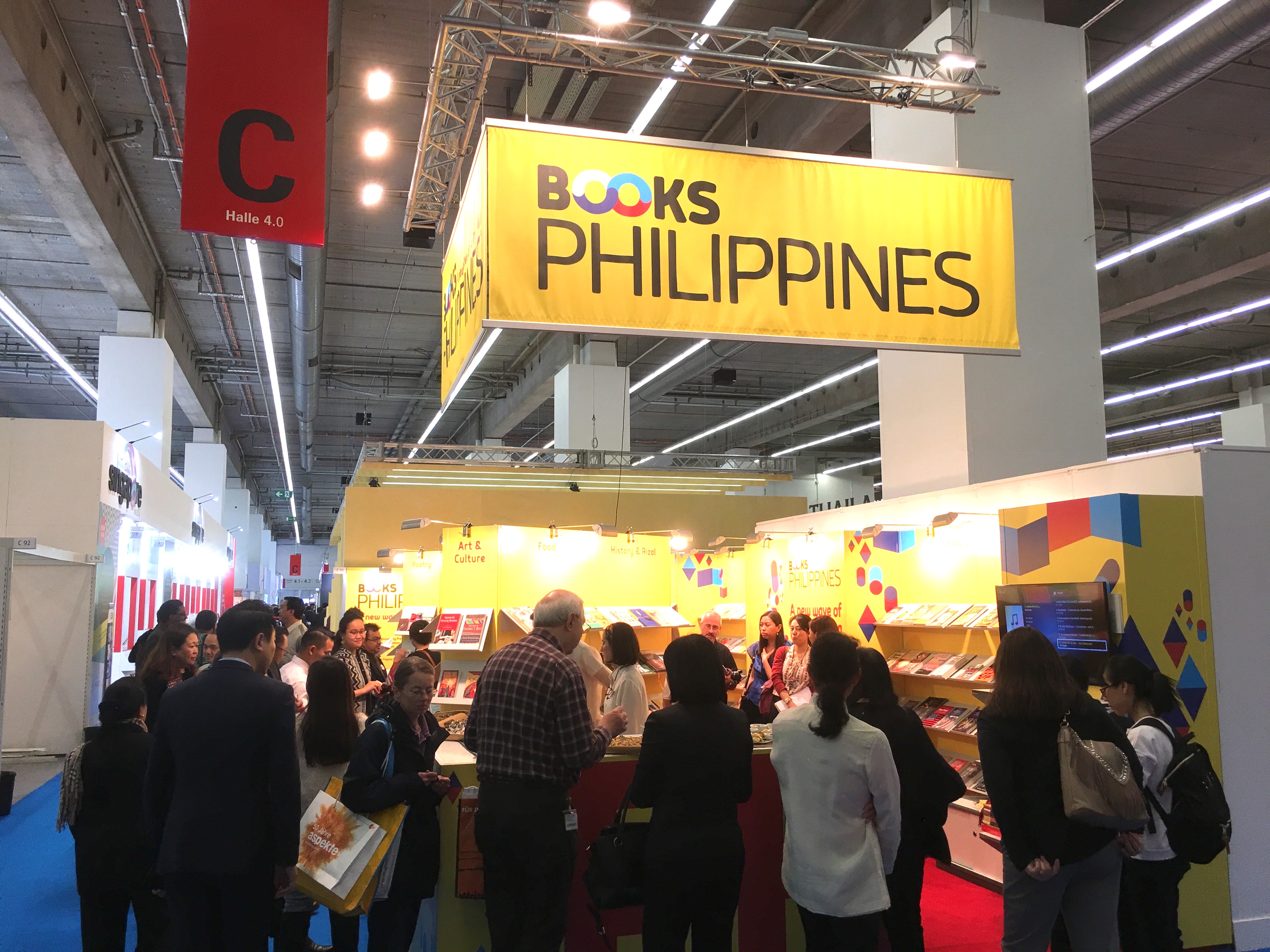
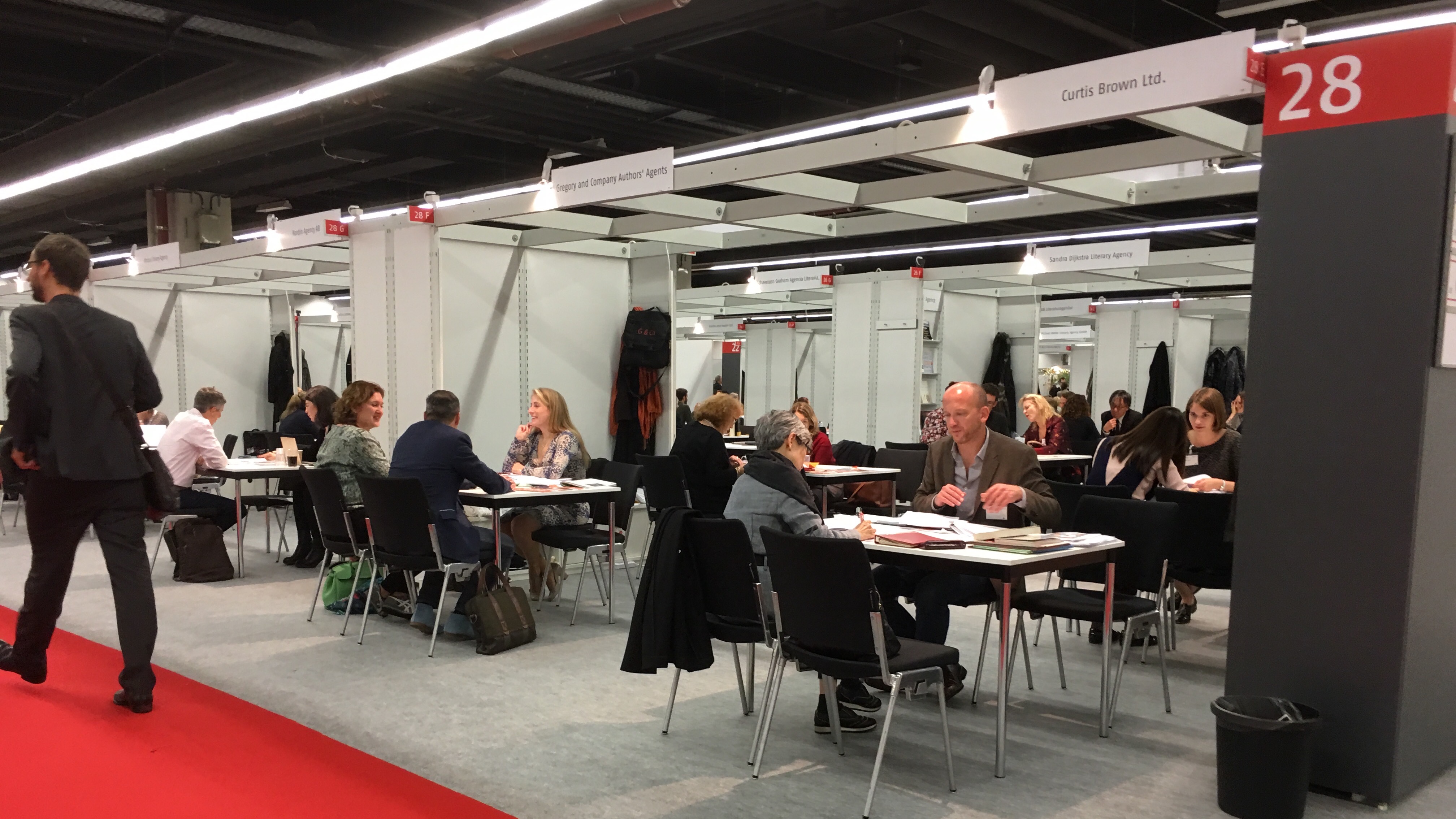
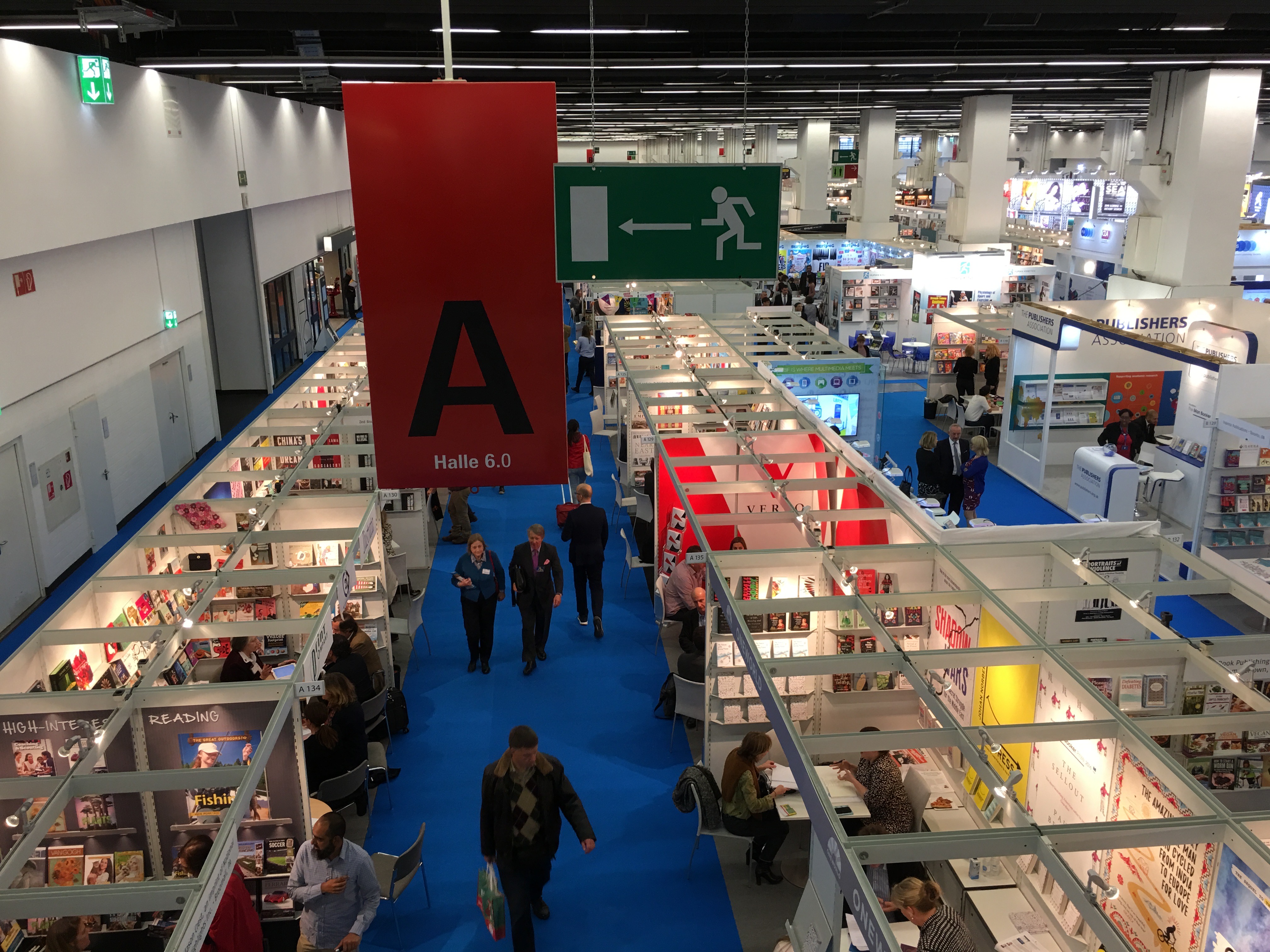
IF YOU were at the Philippine Book Festival (PBF) that took place at the World Trade Center earlier this month, you would have been surprised to find how many Filipinos were writing, publishing, selling, buying, and reading books. A project of the National Book Development Board (NBDB), the PBF was the first such event devoted solely to locally produced books—as opposed to, say, the Manila International Book Fair (MIBF) in September, which is open to books and publications from overseas. The NBDB wisely decided to showcase our homegrown literary talents—not only from Manila, and not only from my generation of old fogeys, but from all over the country, and writers of all persuasions and ages (as young as fourteen!).

We Pinoys have become so immersed in Netflix, YouTube, and social media that many of us have forgotten about reading, and what a good book can do for one’s mind and soul. We want everything delivered to us in short sentences—even in acronyms or, if possible, in memes—because long paragraphs (and, God forbid, pages) can only mean a waste of our precious time (which is, of course, best spent posting what we last ate on Instagram, and critiquing someone’s OOTD). Whether fiction or nonfiction, books challenge us to carry ideas through to the limits of our reason and imagination. The difference between a good meme and a good book can be that between wit and wisdom—between the bubbles that rise to the top of your champagne and the notes that linger on your tongue and senses long after you’ve put your drink down.

And despite the death knells that have been tolled for publishing and reading in this country, the droves of people who flocked to the PBF and the MIBF show otherwise; as I’ve noted elsewhere, more new authors and publishers are emerging across various genres and languages than ever before, spurred by writing programs and workshops, new technologies, and more exposure for Filipino writers in international markets.

That last note—the emergence of Philippine writing in the global consciousness—has been a long time coming. We’ve had, of course, writers who’ve been published abroad, most notably Jose Rizal and the late National Artist F. Sionil Jose. In America, both expatriate and US-born writers such as Gina Apostol, Ninotchka Rosca, Jessica Hagedorn, Eric Gamalinda, Zach Linmark, and Brian Ascalon Roley have made important inroads into publishing, some with mainstream publishers. Of course, they were preceded by the likes of Carlos Bulosan, Jose Garcia Villa, NVM Gonzalez, and Bienvenido Santos, in a time when getting published in America seemed to be the apex of a literary career. We’re way past that now, having found our own voice and our own readers right here at home. 

I’ve often remarked that I’d rather be read by 10,000 Filipinos than 100,000 Americans, but I may have spoken too soon, as even those 10,000 Pinoys willing to buy and read a serious novel can be hard to round up. Therein lies the irony: we’re happy to write and publishers seem happy to publish, and the high attendance at the PBF could be a sign that things are changing, but creating a critical mass of local readers for literature remains a struggle. 

Even in America, where we imagine that almost four million Filipinos should be able to clear out an edition of 5,000 books without any trouble, that simply doesn’t happen. I suspect that that’s because we’ve never really been a book-reading culture, unlike the Japanese and the Indians, and the easy availability of entertainment on Netflix and Tiktok just aggravates the situation. (A more disturbing possibility is that our writers still haven’t learned to write the kind of stories with the kind of treatment that Filipino readers—and there are also many kinds of them—expect, without sacrificing literary “quality,” whatever that means. In my old age, this is what I’m aiming for—to give my readers stories that they’d want to see turned into movies.) 

There’s no doubt that we’re producing materials of high literary value—in English, Filipino, and our regional languages; we saw that in the PBF and we see it in our classes and workshops all the time. These works deserve to be shared with a broad audience—not just here, but overseas, where the Chinese, the Japanese, the Koreans, the Indonesians, and the Vietnamese have already made a name for themselves in the publishing world. 

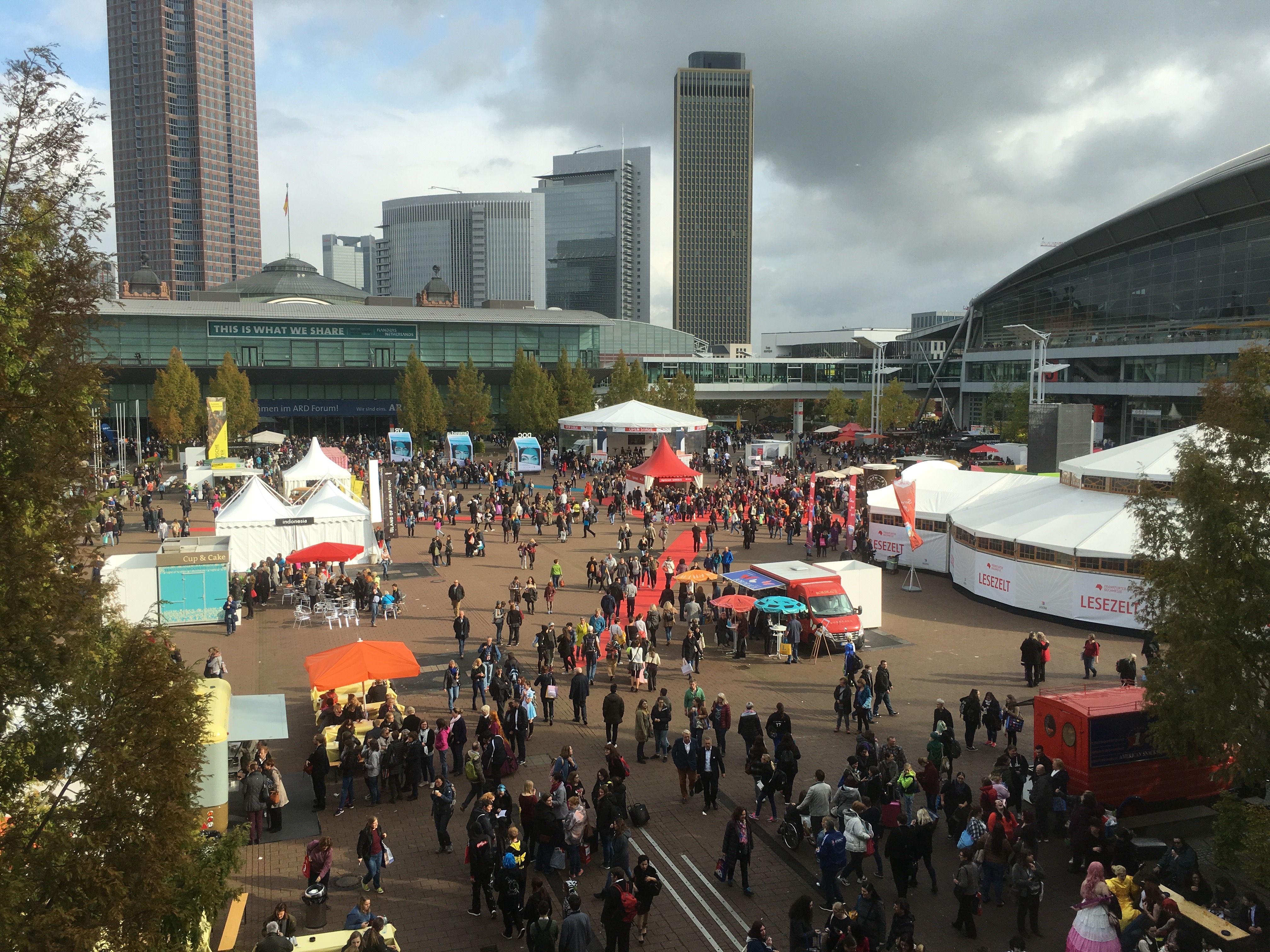
But that takes a network we still have to familiarize ourselves with and learn how to navigate—a network of translators, literary agents, editors, publishers, and booksellers largely unknown and therefore closed to us. We’re not totally clueless. Through the NBDB and local publishing stalwarts such as Karina Bolasco (just recently retired from the Ateneo Press and the founder of Anvil Publishing before that) and Andrea Pasion-Flores (our very first international literary agent, now owner of Milflores Publishing and president of the Book Development Association of the Philippines), the Philippines has been represented over the past few years in such major events as the annual Frankfurt Book Fair, the world’s largest such market of authors, publishers, and agents.

Not meaning to be immodest, thanks to my agents and publishers, I myself have benefited from this kind of exposure, having sold my second novel Soledad’s Sister in last year’s FBF into a German translation and edition, which just came out; before that, it had already been translated into and published in Italian and French, aside from an American edition. Imagine what that network could do for the rest of our writers.

This brings me to an idea whose time, I strongly believe, has come: focal representation in a forthcoming Frankfurt Book Fair as a “guest of honor,” a position reserved for a country wishing to showcase the best of its literary talent across all genres (two years ago it was Canada, followed by Slovenia). This has to be accompanied by a strong effort in translation—from the regional languages to English, and from English to other international languages like Spanish and French, perhaps even Chinese. It will take much planning and a sizeable budget, but as our recent forays into the Venice Biennale have shown on behalf of our leading artists, with the right cultural leadership and vision, it can be done.

Penman No. 451: A Harvest of Books

Penman for Sunday, June 4, 2023

IF YOU’RE reading this on this Sunday morning, then it’s not yet too late for you to find a cab and get yourself over to the World Trade Center in Pasay City to catch the last day of the Philippine Book Festival, and have your favorite Filipino authors sign their books for you.

Organized by the National Book Development Board (NBDB) in partnership with the National Library and other agencies and organizations, the PBF will showcase the best of new Philippine writing and publishing, with the bonus of having most of the authors around for signings, chats, and the now-obligatory selfies.

Since the Internet took off thirty years ago, people have been declaring that “Books are dead!” (And even before that, “The Author is dead!”—although, of course, not quite in that almost literal sense). Well, guess what—both are very much alive, whole new generations of them, as if the Internet never happened. I don’t have the hard figures to show—I’m sure the NBDB has them—but just from what I’ve seen at the past Manila International Book Fairs (the next one of which will be held in September), there’s much more new writing and publishing happening now than there was before the Internet. 

There are many drivers for that, one of which has to be the proliferation of writing programs and workshops, whose graduates really succeed only when they come out with books. (Like I often remind Creative Writing grad students who take forever to “perfect” their thesis projects, “You’re writing for no more than five readers—your dissertation committee—and when you’re done, your thesis will be sitting on a solitary shelf. Just do what you need to pass the damned defense and focus on producing your first book out of that draft! Your real examiners will be your readers.”) 

Another factor is the growth of the publishing industry, which has become much more diversified in terms of ownership, material, and audience. The long years of martial law drove much creative output underground, so to speak, with few available venues for literary publishing and only competitions like the Palancas providing incentives for continued production. (On the other hand, the government presses kept churning out books on the First Couple’s abounding wisdom.) Post-EDSA, the pent-up dam broke, and literature flourished, but still hardly on the scale we’re seeing today.

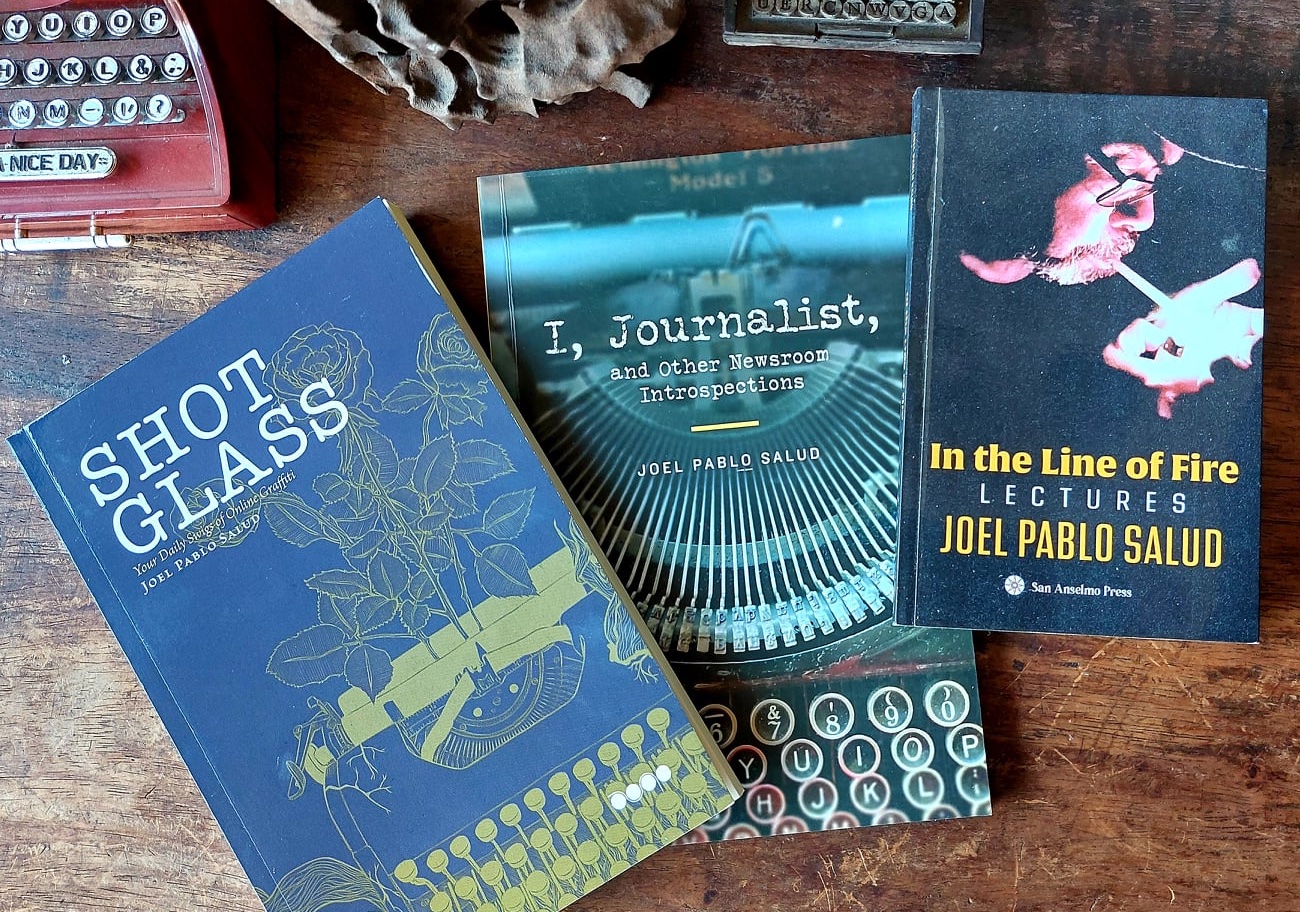
I suspect that’s because many new players have gone into publishing, finding niche markets for everything from religious and self-help books to graphic novels and high-end coffee-table books. Among these, I’d count Milflores Publishing, founded by the late Tony Hidalgo and now in the hands of the very capable Andrea Pasion-Flores. Balangay Books, focused on local literature, has been opening doors for new young authors, and belongs to the Indie Pub Collab PH, a group of independent publishers. Down south, Savage Mind Bookshop and the Ateneo de Naga University Press have made great strides in literary publishing not just in the Bicol region but well beyond. Emerging in the wake of the Pink Revolution, San Anselmo Publications has made a name for itself as a purveyor of progressive thought. A recent visit to OMF Literature’s bookshop and office along Boni Avenue showed me how Christian literature is flourishing, attracting both new authors and readers. 

Let’s not forget self-publishing, which with such new technologies as print-on-demand and e-books has outgrown the stigma of “vanity” publishing and has produced both commercial and critical successes. While overall quality remains highly variable, the free Internet has empowered and enabled a new generation of young people to feel like they can become “writers” by posting on such sites as Wattpad—and some of them will be. (The irony here is that, as on Amazon, writers who succeed in their e-book debuts then get picked up by publishers of physical books.) Professional design and editorial outfits such as Studio 5 and Perez NuMedia also exist to help individuals and institutions turn their ideas into prizewinning books.

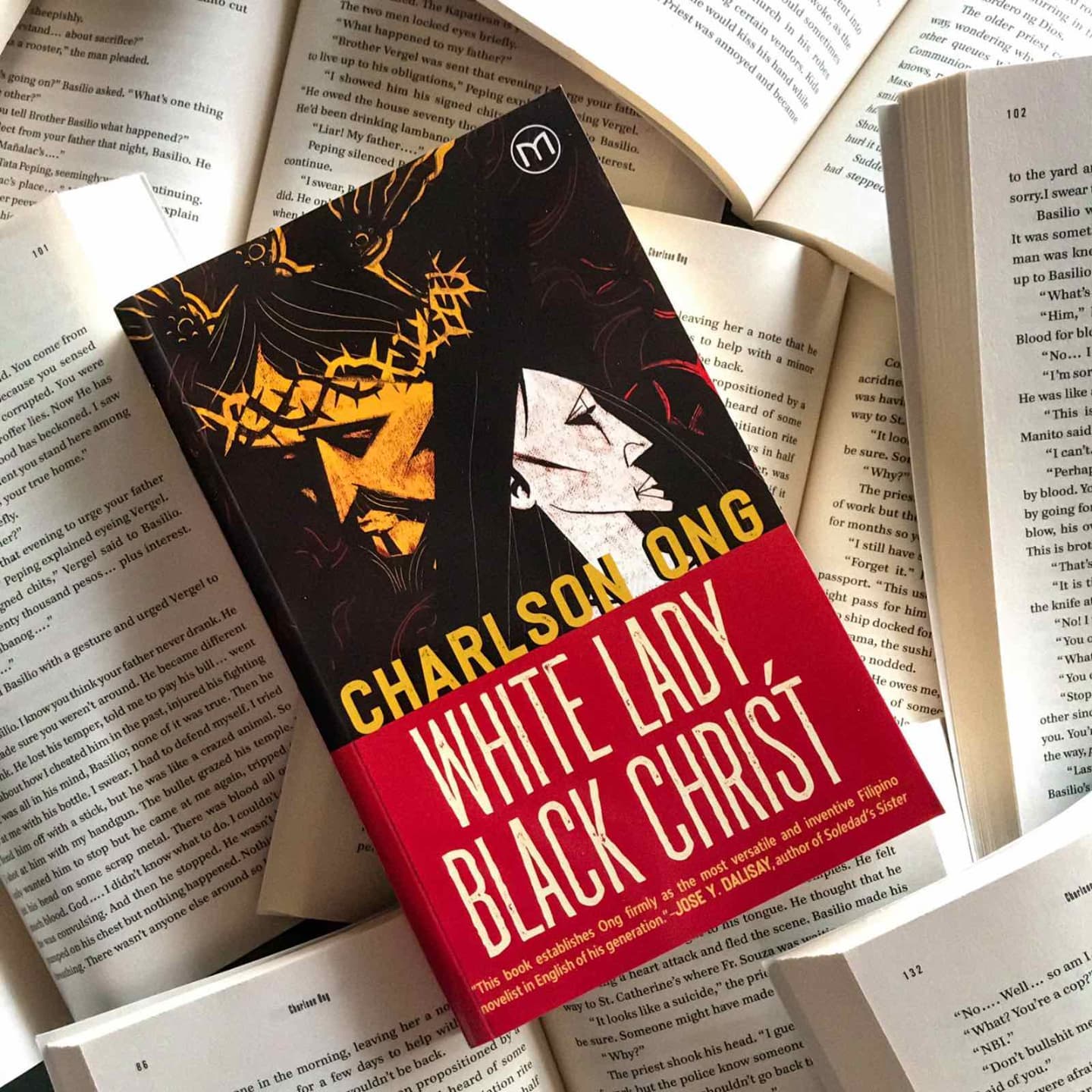
And then of course the long-established big-name publishers and academic publishers are still around: Anvil Publishing, UP Press, Ateneo de Manila University Press, UST Publishing House, and the University of San Carlos Press, among others. Vibal Publishing has produced impressive and sumptuously printed historical books—as has, let’s not forget, the National Historical Commission. They remain the publishers of choice for what might generally be considered prestigious but non-commercial projects, although their marketing savvy has vastly improved, from book design to distribution (much of the bookselling has moved online, to Shopee and Lazada). But since the wait at these publishing houses tends to be long, even established Filipino authors like novelist Charlson Ong (White Lady, Black Christ) have gone with such alternatives as Milflores (as did I, in its previous incarnation), which can often provide speedier results with no sacrifice of quality.

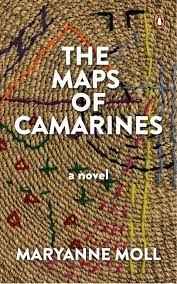
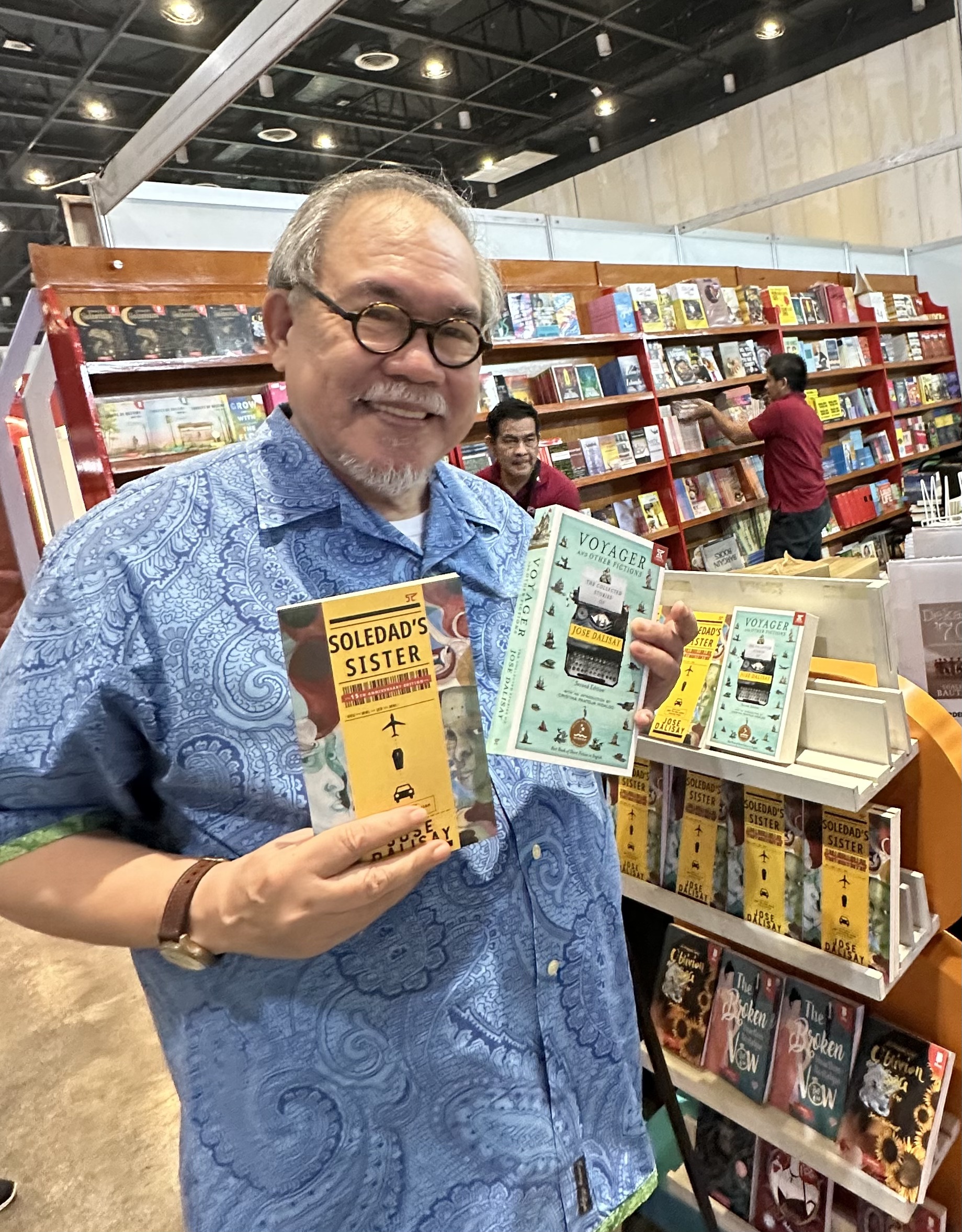
One more thing: more Filipino authors have begun to get published and noticed abroad, beyond America. Note the recent publication of Ulirát: The Best Contemporary Stories in Translation from the Philippines, edited by Tilde Acuña et al., and the South Africa-based Jim Pascual Agustin’s Waking Up to the Pattern Left by a Snail Overnight, both by Gaudy Boy in Singapore. Singapore is also where Penguin Random House SEA is based, and from where it published Danton Remoto’s novel Riverrun and his book of stories The Heart of Summer(aside from his translations of our classic works in Filipino), and Maryanne Moll’s novel The Maps of Camarines. I’m also happy to report that my novel Soledad’s Sister just came out in a German hardcover edition (as Last Call Manila) from Transit Buchverlag, following earlier editions in Italy, France, and the US. A 15th-anniversary edition of the novel, along with a new edition of my Voyager collected stories, are on sale at PFB—as are almost all of the books I mentioned here, with their authors on hand to sign them.

So wait no further and grab that ride to the WTC, for your share of this bountiful harvest of Filipino books. (Did I say that entrance is free?)

Qwertyman No: 40: Teaching History

Qwertyman for Monday, May 8, 2023

I HAVE a subscription to the New York Times, which I enjoy for its features and commentary as much as its news coverage, and the other day my attention was piqued by a small headline: “It’s Not Just Math and Reading: US History Scores for 8th Graders Plunge.”

According to the article, recent test scores reveal that young Americans (about 13-14 years old for eighth-graders) have become much less knowledgeable about their history and civics over the past decade—with 40 percent scoring “below basic” and only 13 percent ranked as “proficient.” 

I immediately wondered how our students would score given similar tests. Would they be able to answer even simple questions about why Ferdinand Magellan sailed to the Philippines, what prompted Filipinos to revolt against Spain, why the Americans occupied us, what led to our involvement in the Second World War, and what martial law and EDSA were all about? I’ll probably be safe in my prediction that they would score dismally, from what I’ve seen in my own classes in UP (yes, in UP), where I’ve been dismayed to find a yawning ignorance of history and literature among my students, supposedly among the best in the country. 

Don’t get me wrong: these are bright, idealistic kids, desirous of all things good for their people and their families. They perform well in class and will likely succeed in whatever career lies ahead of them. But when I ask a roomful of English majors if they know or have read NVM Gonzalez and only a couple of hands go up, I get worried. When I ask when or what year the Americans arrived to conquer us and I get strange answers like “1945,” I get worried. 

However shocked we may profess to be, we can’t blame the students. In 2014, following the passage of the Enhanced Education Act of 2013 or the K-12 Law, the Department of Education issued Order No. 20, Series of 2014, effectively removing Philippine History as a high school subject and subsuming it as an “integrated subtopic” under “Asian Studies,” supposedly to provide students with a wider global perspective. The idea sounds nifty, but as many educators have since pointed out, its practical effect has been to dilute the teaching of Philippine history to the point of oblivion. The result is that we have young Filipinos with no knowledge of the most basic facts and issues of their past, and no appreciation of how that past brought us to where we are today.

That vacuum has been an open invitation to misinformation and historical distortion, the stock-in-trade of political propagandists, trolls, and spinmeisters. It’s become much easier to sell myths like a golden age under martial law to impressionable youngsters who were never told or taught the truth. Not surprisingly, Order No. 20 has been attacked by its critics as a means to lobotomize the youth and to render them more susceptible to alternative narratives (aka fake news) concerning our history. 

And yes, I have to acknowledge that all this began under the late President Noynoy Aquino, a champion of K-12, whom I prefer to believe had no such nefarious motives in mind, as he and his family would have had little to gain by erasing history. But the policy was upheld and sustained by the following administration, with DepEd Secretary Leonor Briones arguing strenuously that History (including our martial-law experience) was being taught in Grade 6 under Araling Panlipunan, and again in high school as a component of Asian and World History.

Given the current DepEd’s expressed desire to review K-12, it might be a good time to test how effective that policy has been: just how much Philippine History are our high school students learning and retaining? How much should they know by the time they get to college, where thornier issues such as nationalism, agrarian reform, and foreign policy will be threshed out in all their nuances?

Long before these questions arose, it was a common complaint among students and even teachers that our problem with History was how badly it was taught, often as a collection of names and dates rather than a coherent narrative (which I must say I sometimes wonder about, fact often being stranger and messier than fiction). We generally agree that History should involve more reasoning than rote memorization. But as the New York Times reports, “That emphasis can contribute to a troubling lack of background knowledge,” with experts observing a “rapid and very significant decline in what students know about history and geography—like the fact that Africa is a continent, not a country.” So the basics of names, dates, and places remain important—getting the facts straight before getting into more complicated arguments.

It’s even more troubling to note that on top of this decline in historical knowledge and awareness among young Americans, there’s now a ham-fisted effort from conservative politicians to purge school curricula of what they see as “woke” content—subjects that have challenged the longstanding impression of America as a nation forged by whites. Governors like Florida’s Ron DeSantis—eager to present themselves as the flag-bearers of political and moral rectitude—have supported moves to eliminate African-American and LGBTQ studies from the curriculum. Others have called for banning books that threaten their view of traditional America, including books titled “The Infinite Moment of Us” (a young adult novel about love and sex) and “How to Be an Antiracist” (a nonfiction book about racism and ethnicity). This reminded me of how some Philippine state universities, not too long ago, went on their own book-banning spree, on some silly suspicion that books by such authors as National Artist Bienvenido Lumbera were “subversive.”

The New York Times piece came with an irresistible teaser: a brief five-question, multiple-choice history quiz for readers to test themselves on how well they know American history. I scored four out of five (failing a question about post-Civil War reconstruction)—not too bad, I thought, for a guy living seven thousand miles away. But then I come from a generation schooled on American textbooks, who know American history and geography better than many Americans. That’s a topic for another column.

In the meanwhile, let’s ask ourselves: how well do we know our history, and how important is that knowledge to understanding our present and shaping our future? Is “Maria Clara and Ibarra” pointing the way forward?

Penman No. 450: A Hillside Haven

Penman for Sunday, May 7, 2023

“SHAMBALA’ IN Tibetan Buddhism is a mythical kingdom where, according to lore, resides a community devoted to good deeds. But there’s a real version of it, aligned with the same beneficent principle, and it’s just two hours from Manila on a good day.

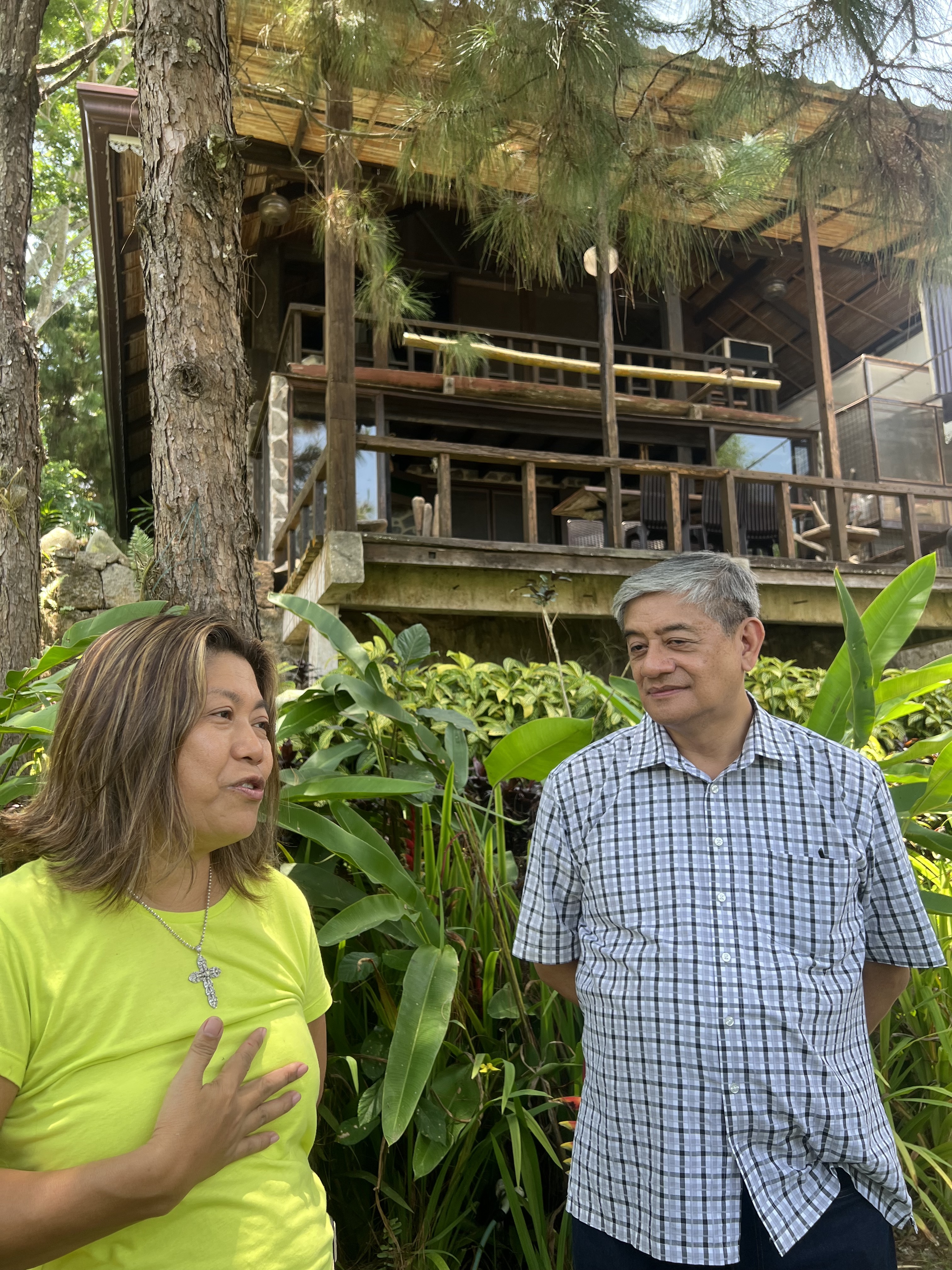
Thanks to the herculean efforts of the wife-and-husband team of Riza and Albert Muyot, a place called Shambala Silang now exists to welcome city folk fleeing stress, pollution, and stop-and-go traffic for a day or two of blissful living.


The two-hectare hillside resort seems larger than it is, magnified by the panorama that opens behind it—the green sprawl of a provincial landscape under a bright blue bowl of sky. But “resort” seems a misnomer, because Shambala doesn’t have a swimming pool, a karaoke bar, a disco, or a zipline. Except for short walks around the property, you don’t come to Shambala to work up a sweat, but rather to relax, meditate, and celebrate life, whether by yourself or better yet, in the company of loved ones and friends.

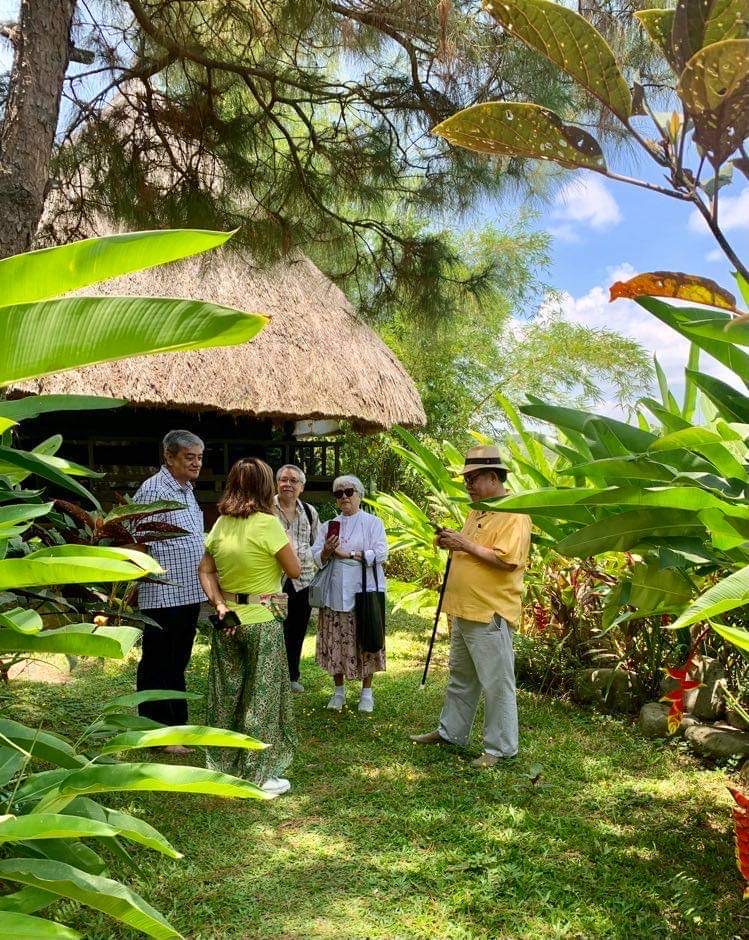
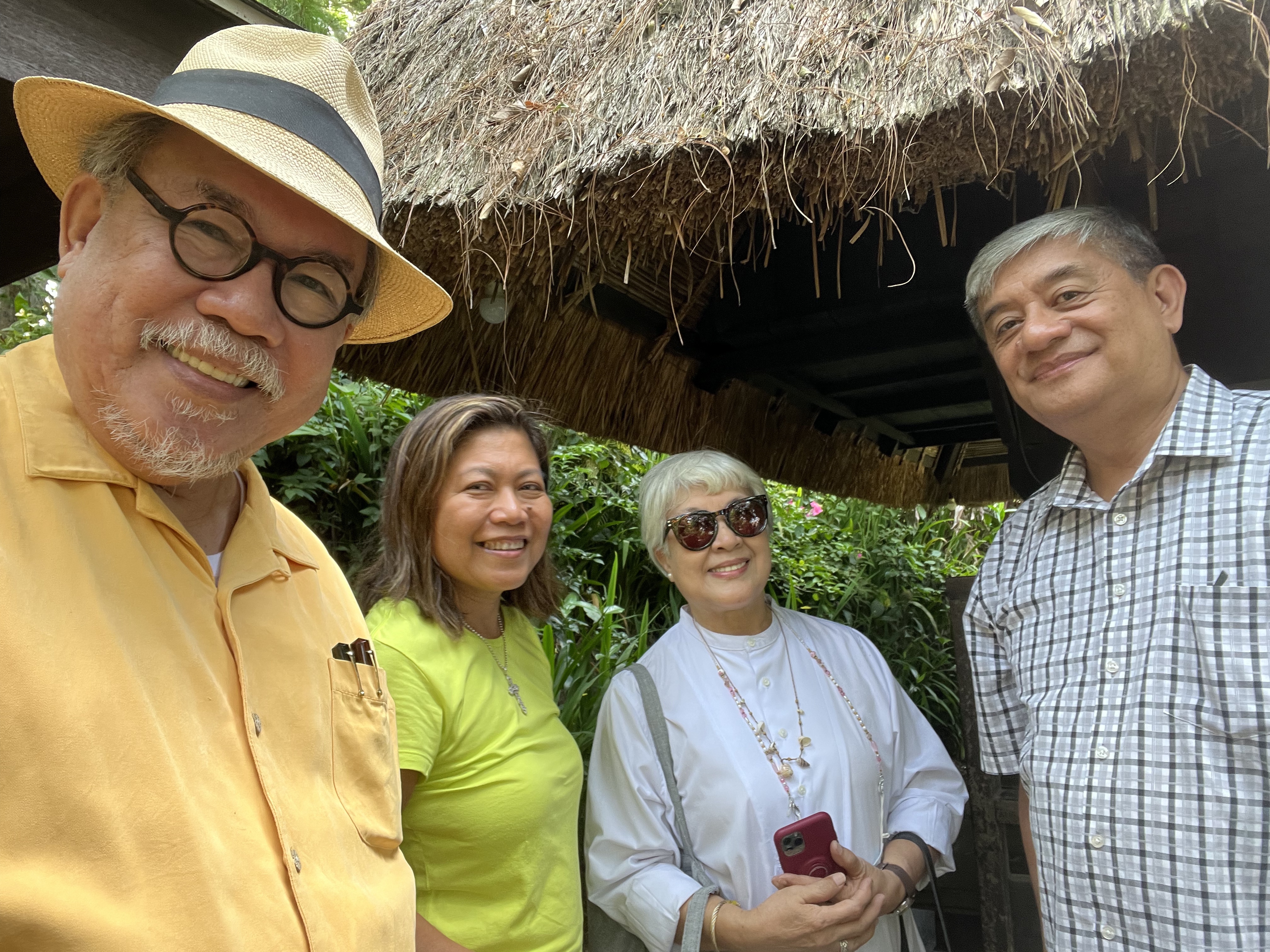
That’s what we did on a recent day trip organized by fellow writer and academic and dear friend Edna Manlapaz, at the gracious invitation of the Muyots. (Albert—a lawyer and former Undersecretary of Education—is another old friend, a fellow fountain-pen enthusiast and Michigan alumnus.) The main invitee and guest of honor was actually National Artist for Literature Jimmy Abad who came with his wife Mercy, and we roped in novelist Charlson Ong to complete the party.

From Quezon City, Shambala is best reached by the Skyway, then CALAX, then a series of backroads winding through Silang. We have friends who have chosen to relocate here, and passing through groves of mango and other fruit trees, we can understand why. If you want to disengage from city life, Silang is an easy option, where you can vanish into the woods while still being a short drive away from modern necessities. A narrow dirt trail leads uphill to Shambala, and I have to admit that I wasn’t expecting much from what I could (or couldn’t) see on the road, but then it appears at the very end, and the magic begins.

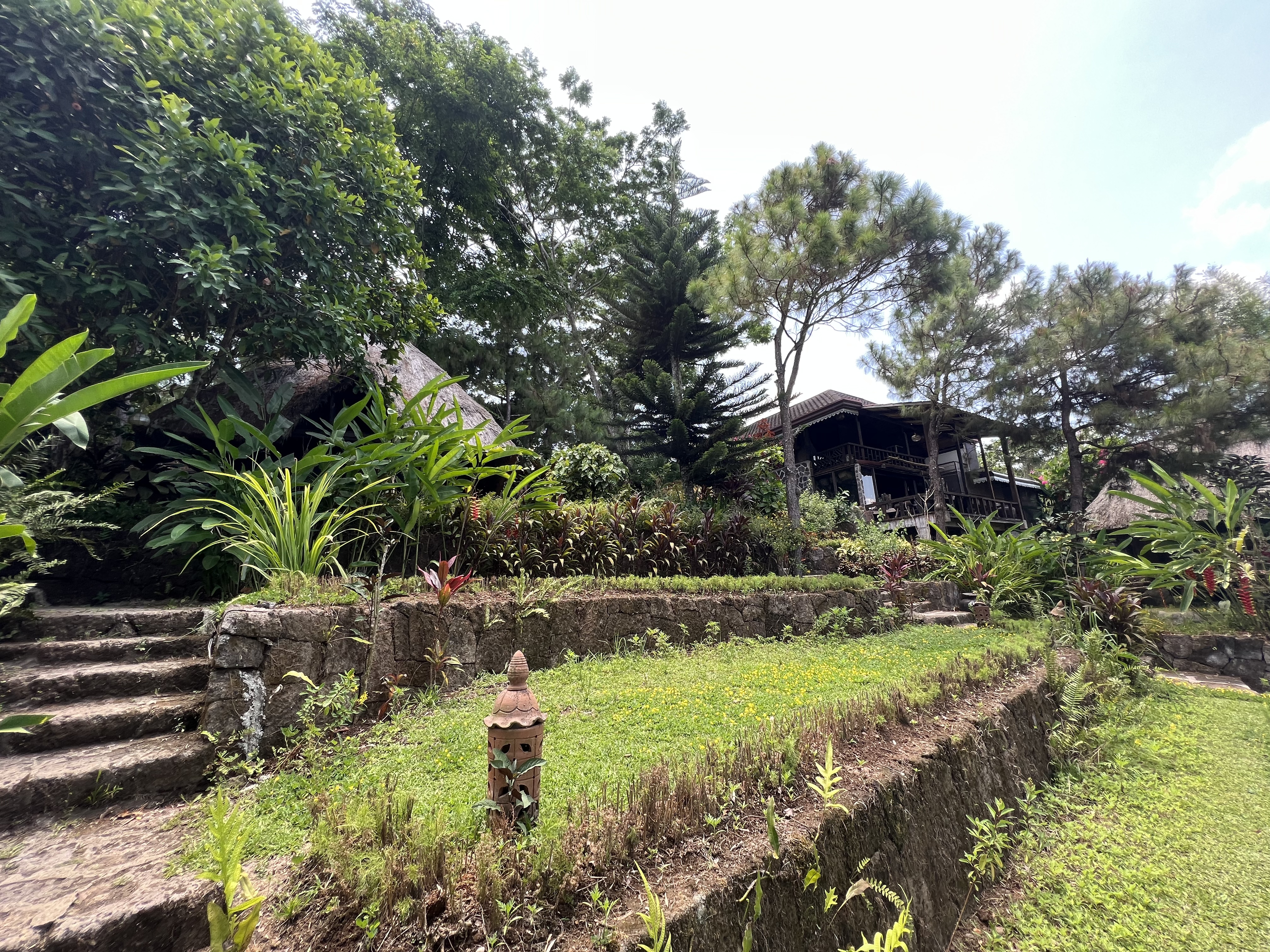
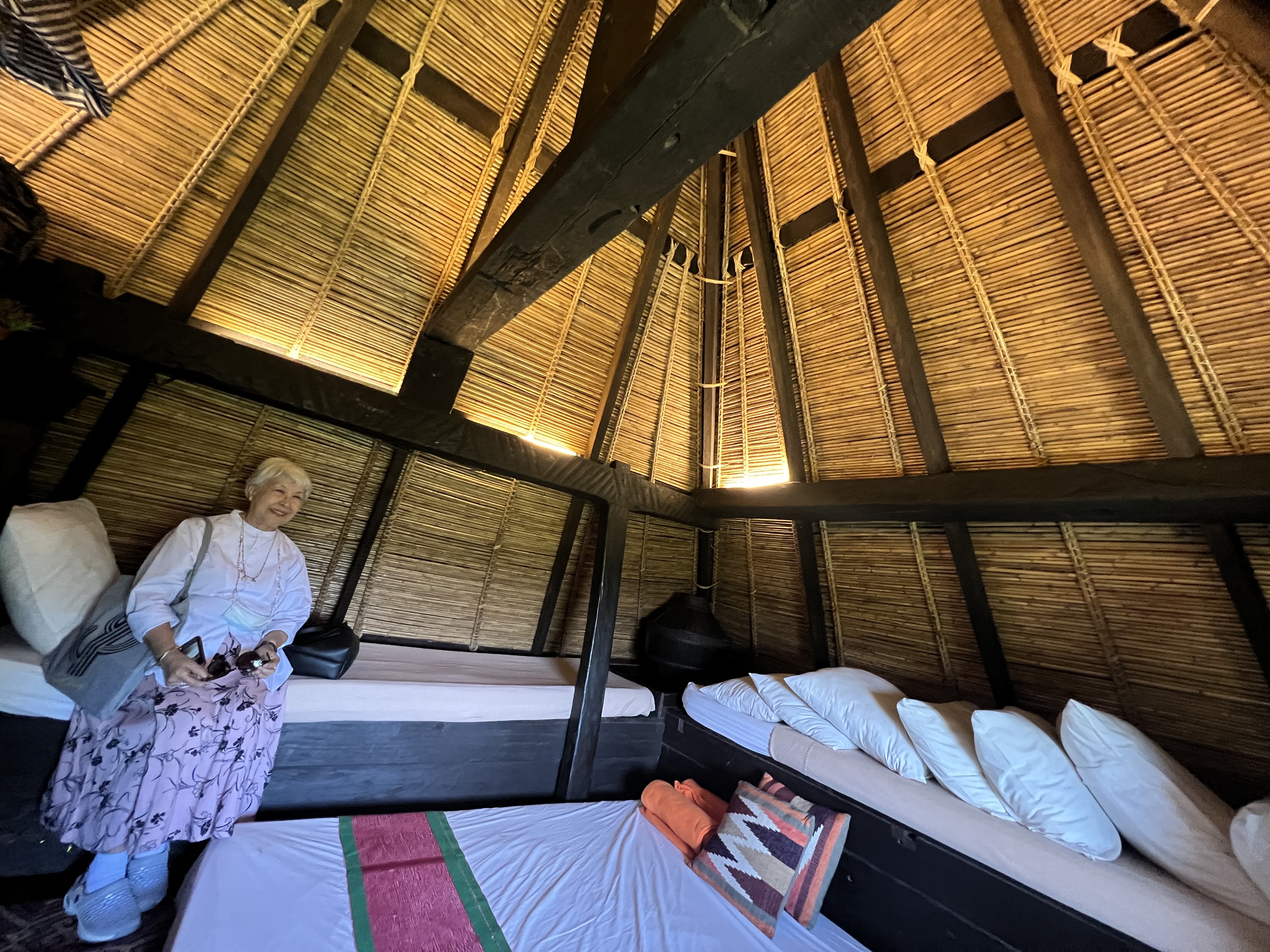
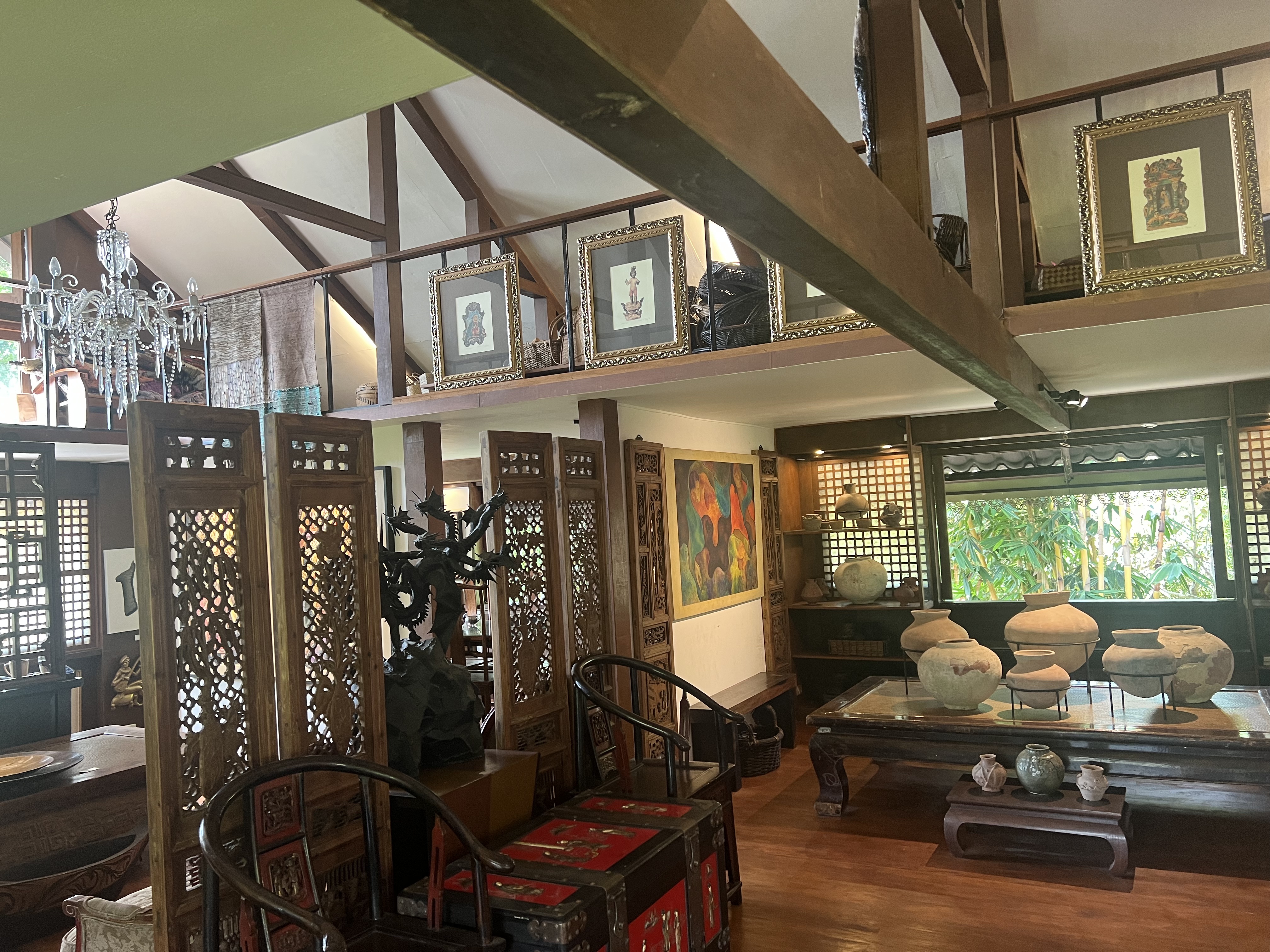
Shambala is a cluster of several buildings containing art galleries, collections of Philippine tribal art and culture, halls for meetings and celebrations, restaurants, gardens, and the Muyots’ private residence. It has six tribal houses open for overnight (or longer) stays, operating as a B-and-B. The houses are authentic structures brought down from the north when their owners no longer needed them, and rebuilt piece by piece. “They were originally constructed without nails, but we had to reinforce them and to introduce some modern touches and conveniences to make them more comfortable for our guests,” said Riza. “For example, we expanded the space beneath the houses , which was traditionally used for farm animals like chickens, so we could put a platform around which people could sit and meet. We also added friendlier stairs.” The one-room houses are spacious and airy, and a modern bathroom stands outside each of them.

Below the houses, down the hillside, is a circle of stones with a fireplace at its center—a dap-ay traditionally used for meetings of tribal elders and for religious functions, but now serving as a virtual theater or arena for post-prandial get-togethers under the moonlight.

And everywhere you look, there are trees—about a thousand of them, according to the Muyots, a hundred of which are Benguet and Norfolk pine, specially brought in. “There was nothing here when we bought the place around 2000 but pineapples and coffee,” said Albert. The Muyots were then looking for a sylvan hideaway to run to from their workplaces in Manila. They found the property and fell in love with it, although today’s Shambala wasn’t necessarily what they had in mind. “This is all Riza’s doing,” Albert explained. “She’s the one with the vision, the one who saw the possibilities and brought them to reality.” Now the CEO of Save the Children Philippines, Albert is happy enough to work on his laptop from his home office on the property (yes, there’s wi-fi all around).

A CPA who once worked with SGV, Riza comes from a corporate background. She’s also a gifted poet whose works subtly appear among the art on the walls. “Culture, heritage, art, and nature—that’s what we devote ourselves to here in Shambala,” Riza said. “We have an ongoing exhibit of soil painting featuring artists from the Talaandig tribe in Bukidnon. Do you know that there are 21 colors of soil in Bukidnon? They add water to those soils and use them in their painting. “ Shambala brought over Mindanao artists such as Kublai Millan and Datu Waway Saway to share their experiences and insights in the TIBOK Community Art Fair last month.

“People discovered us during the pandemic,” said Albert. “They went to Tagaytay, only to be turned away because of local restrictions on visitors from out-of-town, like seniors who couldn’t be let in. They came here and liked it, and spread the word.” It’s no surprise that on busy weekends, as many as 200 people pass through Shambala’s gates. Shambala has consistently ranked No. 1 in TripAdvisor surveys of such resorts in the area.

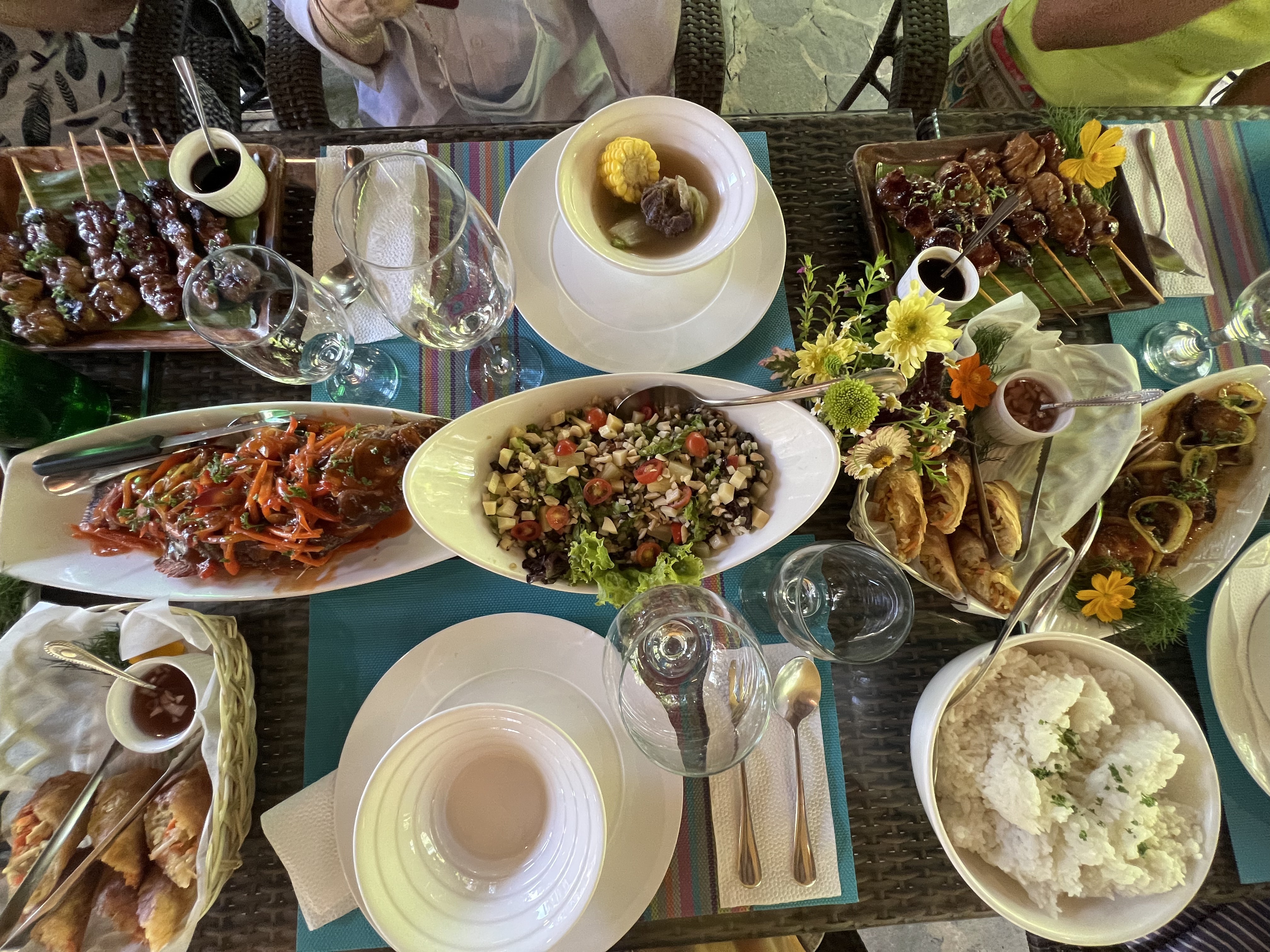
So if you want to try something exquisitely different—like their signature welcome drink made from malunggay, luya, and calamansi—drive off the beaten track to Tagaytay and try Shambala one of these days. The food’s as heavenly as the place itself, and you’ll wonder why you didn’t come here sooner. You can find out more about Shambala and their rates on their Facebook page here: https://www.facebook.com/ShambalainSilang/.

Penman No. 449: Sharing the Joy of Pens

Penman for April 2, 2023

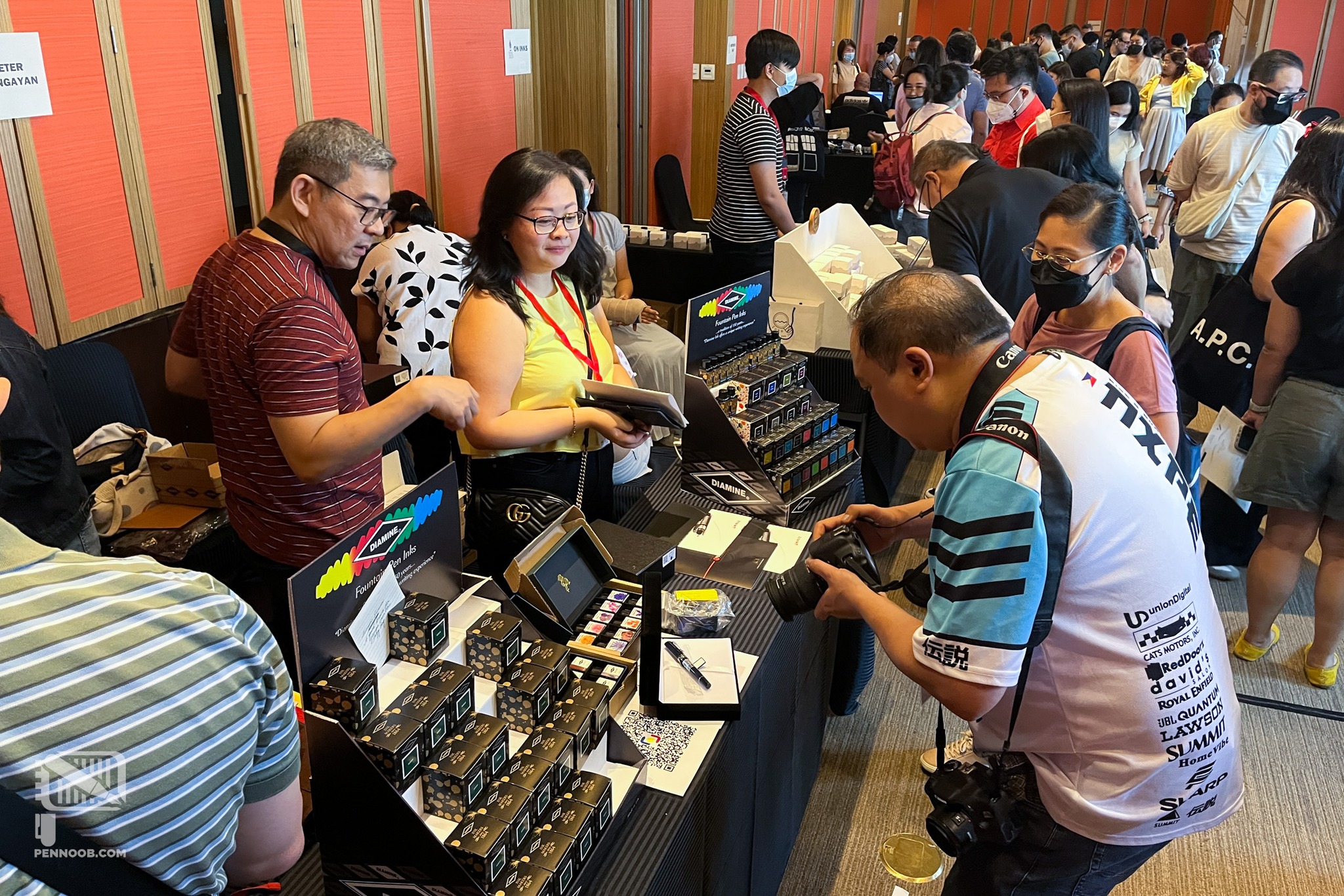
With the successful holding of the 2023 Manila Pen Show last March 18 and 19 at the Holiday Inn Makati, the Philippines firmly established itself as Southeast Asia’s Pen Central—the largest and liveliest marketplace of items and ideas related to one of the world’s fastest-growing hobbies: collecting fountain pens and other writing peripherals (inks, papers, and cases). 

The last MPS in 2019, just before the pandemic, had brought in 700 visitors. This year, that number was eclipsed on just the first day, and by closing time Sunday, over 2,000 pen lovers—from hardcore and advanced collectors picking up $2,000 Nakayas to eager newbies thrilled to get sub-P200 Wing Sungs—had showed up. The turnout wasn’t totally surprising, considering that Fountain Pen Network-Philippines (FPN-P), the pen show hosts and organizers, now counts more than 12,000 members on its Facebook page.

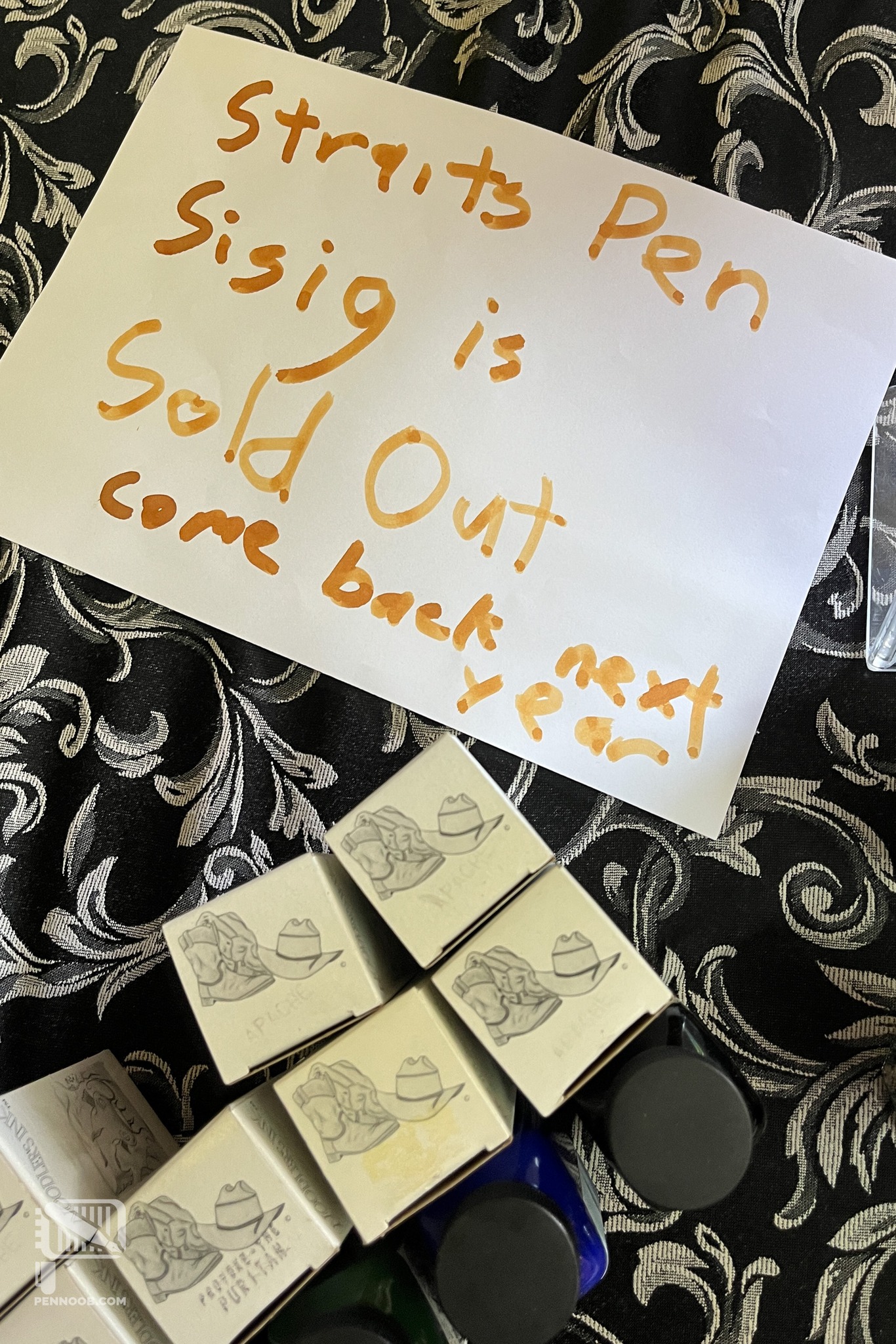
Aside from the country’s leading purveyors of writing paraphernalia—familiar names such as Scribe, Everything Calligraphy, Pengrafik, Stationer Extraordinaire, Leather Library, Leather Luxe, Shibui, Gav N Sav, JumpBid, and Kasama—foreign sellers from Singapore, Malaysia, and Japan such as Aesthetic Bay, Pen Gallery, Straits Pens, Musubi, and Toyooka Craft flew in just for the show. Nearly all the sellers reported robust sales at all price points.

As a longtime pen collector and co-founder of FPN-P, I’m proud of how the hobby has taken off in this country over the past decade, and also frankly amazed by how different our demographics are from the rest of the world. Fountain pen collecting, especially in the West, has long been the domain of predominantly old white men, inclined like I am toward vintage pens and high-end, limited-edition modern pens. 

FPN-P’s profile is distinctly different: mostly young professionals between 20 and 40, with far more women than men, happy to purchase the entire color range of inexpensive Chinese-made Jinhao 82s (and inks to match) but just as savvy about the latest Montblanc release, keen on using and enjoying their pens rather than keeping them in boxes. As the MPS attendance showed, ours is an exuberant, generous, and democratic community, with little sense of entitlement or competition, dedicated to sharing the joy of pens, of expressing your individuality and artistry with the ink on your nib, of doing something personal and authentic in this age of artificial intelligence.

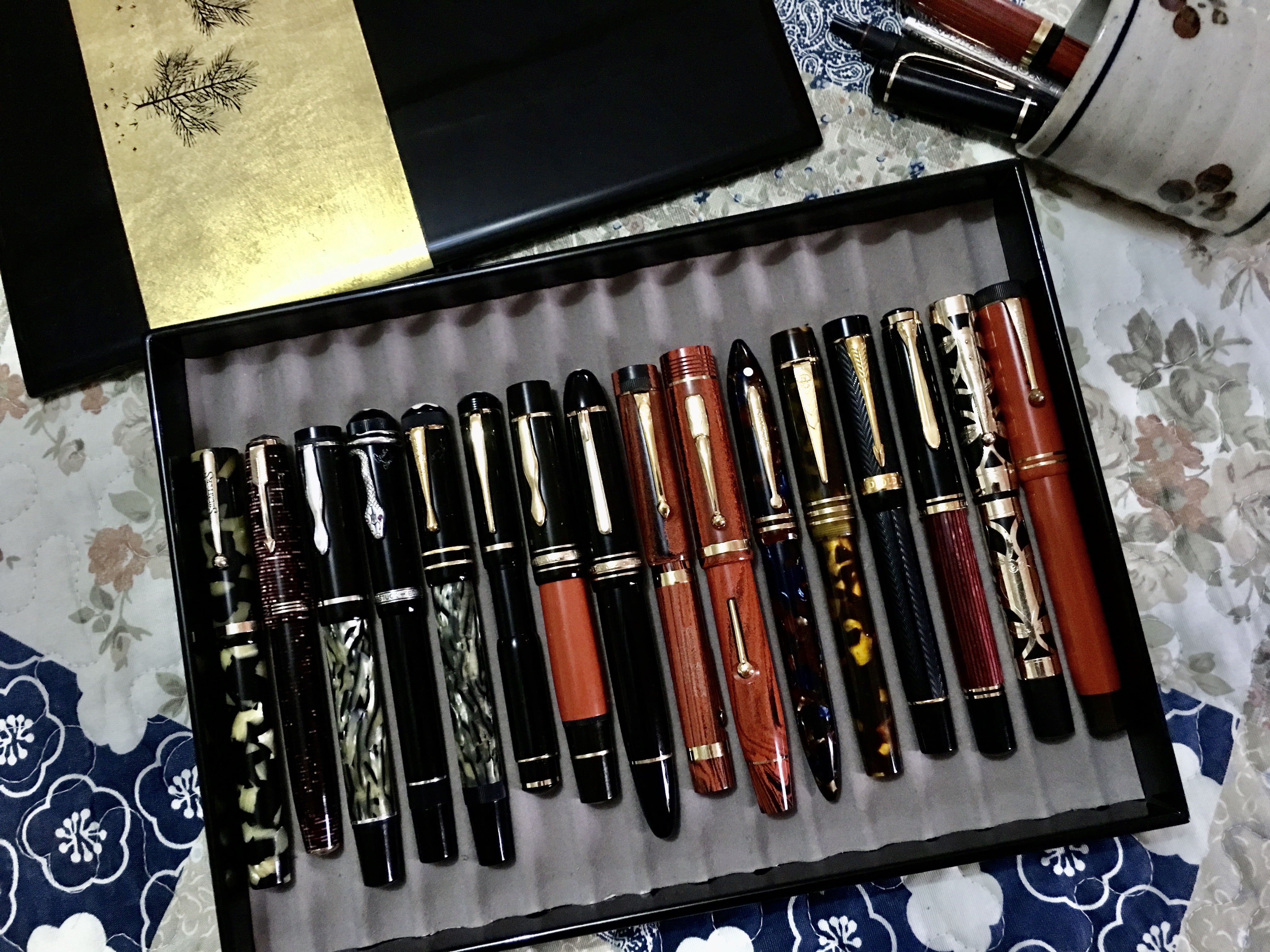
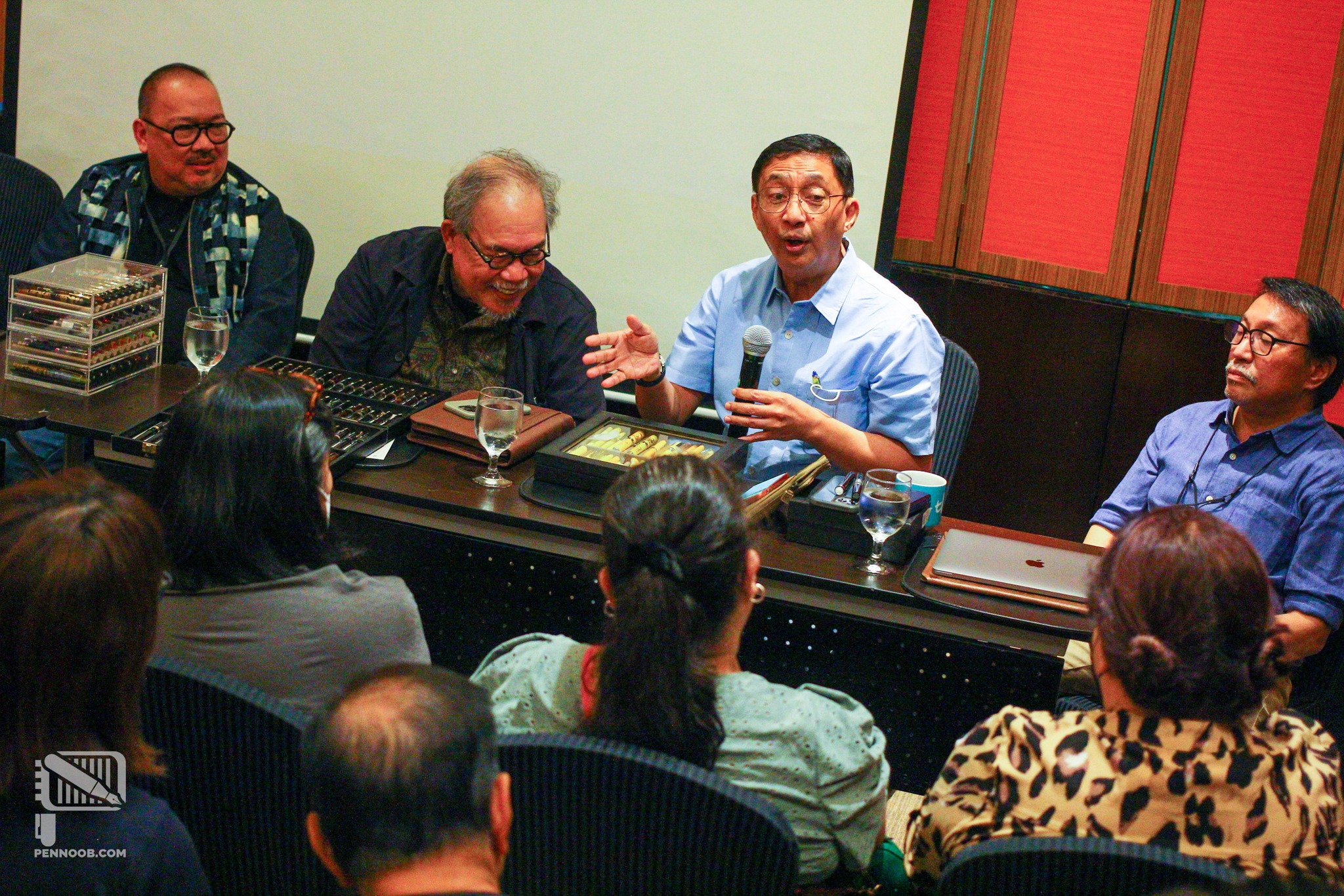
A highlight of MPS 2023 was a panel discussion devoted to the topic of “Curating a Fountain Pen Collection,” and I was privileged to share the table with fellow collectors Reggie Reginaldo, Amanda Gorospe, Jun Castro, Ronnie Geron, and Raffy Aquino. Each of us said a few words about how and why we put our collections together, given that each of us had a different focus: inexpensive pens, high-end pens, vintage pens, yellow pens, and so on.

Before talking about my passion for vintage pens (i.e., pens at least 50 years old, in many cases a hundred years old), I tried to explain what “curation” was all about. Here’s part of what I said:

Every collection begins as most love affairs do—with fleeting glimpses of the loved one, then seemingly chance encounters, then long chats over coffee before the steep and blissful freefall into a dizzying madness. 

For a moment, happiness and contentment reign. And then sadly follow the inevitable regrets, the disaffections, the “It’s not you, it’s me’s,” the parting with the old object of desire and its replacement by a new flame.

Today we’ll try to introduce some sense into this seeming cycle of bliss and despair. Curation means bringing some method into the madness, finding the inner logic that threads many disparate elements together.

The word “curation” is rooted in the Latin curare, “to take care of,” or to treat an illness, and here clearly the illness is in the collector, whom curation treats by providing guideposts to follow and guardrails against excess.

There are several kinds of collectors:

  1. Those who want anything and everything, although they might be more properly called accumulators (this describes 90 percent of us at the beginning);
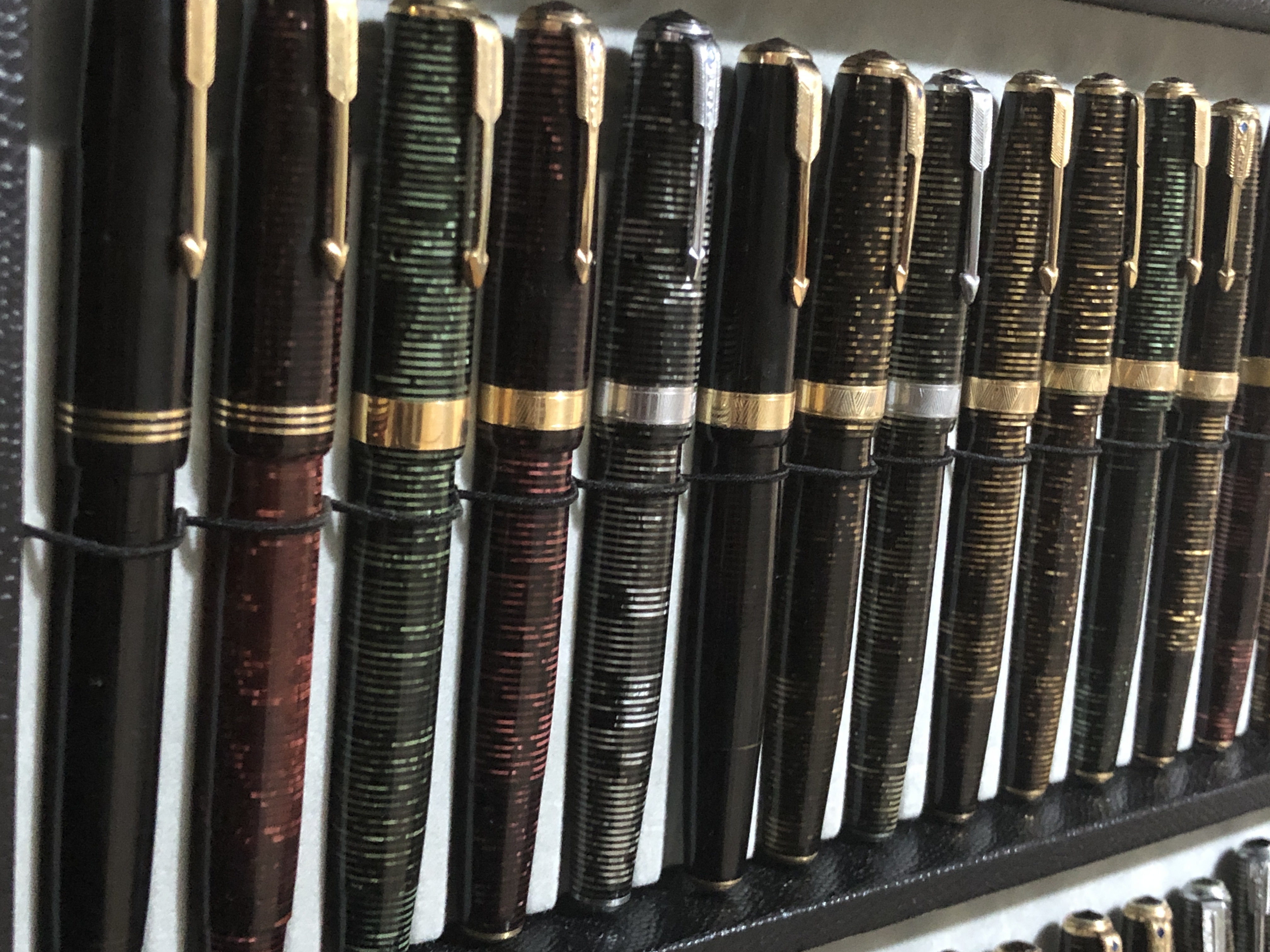
  2. Those who want everything of a kind (this applies to my fetish for Parker Vacumatics);
  3. Those who want the best or the most impressive of everything (this implies having the budget to go with your taste);
  4. Those who want some very specific things, for personal or even idiosyncratic reasons; and
  5. Those who get only what they need or can afford—perhaps the rarest of all collectors, the practical and disciplined kind.

Vintage collecting relies heavily on connoisseurship—on knowing the field and knowing what to look for. Surprisingly, it often involves less money than buying new pens. Of course there’s a cost to factor in for restoration and repairs, but even so few vintage pens reach the stratosphere of the thousands of dollars you would pay for a shiny new Montblanc.

You can collect based on brand, material, filling system, size, and of course price. For vintage you can add age and scarcity. Good working or repairable condition is presumed, although vintage collectors should always be on the lookout for cheap parts pens. 

Every quest for collectibles also involves what we might call “unicorns”—ultra-rare or one-of-a-kind pieces that exhibit some distinguishing hallmark of quality or technical innovation. These could be prototypes, custom jobs, or things in almost mint condition despite their age.

It also helps to know what you don’t like, or no longer like. For example, I generally don’t go for small and light pens, nor for blingy or too colorful pens. My pens are “lolo” pens—staid, conservative, almost severe, corny to most young collectors today.

Culling or cutting down is a good exercise, financially and mentally. I built up my collection over the years by selling five good pens to get one better pen. I have also sold very good pens that I once lusted after, but no longer spoke to me.

Curation, ultimately, is about knowing yourself. At a certain point in your collecting life, you have to take stock of your collection and ask yourself, “What do these objects say about me?” Is this the self-image I want to project, the one I’m happiest with? 

My answer to my own question is, I’m an old guy who likes old things, because they offer physical proof of life after death. We die, but our words—and the wording—go on. A vintage pen is an old guy lucky enough to find a new home. I’m happy to give him a shower and a warm bed, and all the ink he wants to drink.

Qwertyman No. 36: A Tourist in Taiwan

Qwertyman for Monday, April 10, 2023

MY WIFE Beng and I visited Taiwan with friends on a five-day holiday just before Holy Week, and returned home dog-tired but deeply impressed by what we had seen: a country not just surviving but staunchly moving forward, progressive and optimistic, despite living under the constant threat of invasion by its hulking neighbor and self-declared owner, China.

It was my fourth visit to Taiwan and my wife’s second, so we had witnessed the island’s wonders before. But we went back—this time with friends who had never been there—precisely because it had much to offer as a vacation spot. For me, Taiwan has largely been about food (especially the beef-brisket noodles and fruits like the giant atis and cherimoya), technology (like the exhilarating 3D I-Ride it has exported to Hollywood), and culture (exemplified by the legendary jadeite cabbage at the National Palace Museum). Economists and political scientists will surely have much more to look for and investigate in Taiwan, but my unsophisticated cravings were fully satisfied. 

The tourist in me observed that Taiwan had achieved First-World status, with elevated expressways, high-rise housing, clean waterways, and extensive transport networks. Taipei’s shops were open past 10 pm, catering to a busy nightlife. We took a day trip out to visit the Chimei Museum in Tainan, and boarded the High Speed Rail that zoomed down the island’s west coast at 236 km/h. Despite Taiwan’s high level of industrialization, the countryside remained lush with forests and greenery, and Taipei’s streets were litter-free. True, there were homeless people gathered around Taipei’s Main Station, living out of shopping carts and camping tents, but we had seen far worse in New York and San Diego. Some old-school courtesies persisted: on the subways and buses, younger riders still stood up to yield their seats to seniors.

That said, it was hard for me to shake off the feeling that we were experiencing an ephemeral pleasure. As we took a bridge over a river in Taipei, and reveled in the vista of a thoroughly modern city rising from its ancient roots as a Spanish trading outpost, I remarked to Beng, half-facetiously, that a few Chinese bombs could pulverize all that. China, I said, could “Ukrainize” Taipei, and blow the 101-storey Taipei 101 building, the National Palace Museum, the Shilin Night Market, and all the other attractions we associate with this city into smithereens. Beng said that I shouldn’t be making such horrible jokes, but I had to wonder how much of what I said was indeed a joke and how much of it was dire possibility.

The threat is certainly there—and has been there since 1949, when Chiang Kai-Shek’s losing Nationalist forces retreated to the island, took it over, and turned it into a thorn in Communist China’s side. China has repeatedly used shows of force around Taiwan to demonstrate its readiness and capability to employ “resolute and forceful measures to defend (its) national sovereignty and territorial integrity,” and while no explosively significant confrontations have taken place, China’s saber-rattling has only grown louder, provoked by presumptive American guarantees to help defend Taiwan in the event of a Chinese attack, and possibly emboldened by Russia’s invasion of Ukraine. (The US, of course, has been rattling its own sabers, particularly with the acquisition of more basing rights in the Philippines.)

You’d think that the specter of invasion would switch Taiwan into full military mode, with air-raid drills and sirens and tanks and soldiers in the streets, but no. When we were there, it was business as usual, with no sense of urgency, even as Taiwanese President Tsai Ing-Wen met with US House Speaker Kevin McCarthy in California, raising the cross-straits temperature further.

Taiwan-watchers such as David Sacks, whose post was republished by the influential Council on Foreign Relations last November, have warned against complacency, especially in the wake of Russia’s Ukrainian misadventure. According to Sacks, “Despite these growing worries and initial steps, actions remain far below where they need to be to deter China and respond to potential Chinese aggression. The increases to Taiwan’s defense budget over the past six years are commendable, but at 2.4 percent of gross domestic product (GDP), it is still well below where it needs to be…. While there is a recognition that the civilian population will need to play a large role in defending the island, the conversation about how to reform Taiwan’s reserve force is still in its infancy, with little consensus on what its role should be. Taiwan’s military lacks the munitions it would need to withstand an initial Chinese assault and its military services continue to pursue legacy platforms such as fighter jets and large naval vessels that will have little utility during a conflict. It is far from certain that there is buy-in across the military for adopting an asymmetric defense strategy.

“Beyond the military realm, Taiwan needs to do much more to increase the resilience of its society and decrease its reliance on trade with China…. Over 40 percent of Taiwan’s exports go to China or Hong Kong. While there is wide agreement that this is a major vulnerability, there is a certain amount of defeatism, with few ideas of how to reduce this dependence without massive government intervention.

“While the government is taking steps (albeit insufficient) to address the growing threat China poses, there is a worrying gap between officials and the public. Opinion polls reveal that Taiwanese people are not concerned about an invasion and believe war is unlikely in the next decade…. Understandably, most want to focus on improving their lives. There is a fine line, however, between stoicism and complacency.”

Is this a fatalism that we Filipinos seem to share? If China attacks Taiwan, can the Philippines be next, and what will we or can we do about it? (In my admittedly  pedestrian view, China has no need for a military invasion of the Philippines—which will be costly and troublesome, given our geography—so long as it achieves full control of the South China Sea. It will be cheaper and easier to subvert and suborn the government, if it wants pro-China policies to prevail.)

I was glad to be just a tourist in Taiwan, enjoying my cherimoya, instead of being a defense analyst pondering the medium term—or, for that matter, being a local fruit seller who might one day find a gaping hole where the orchard used to be.

(Photo from thetimes.co.uk)

Qwertyman No. 34: America the Paradox

Qwertyman for Monday, March 27, 2023

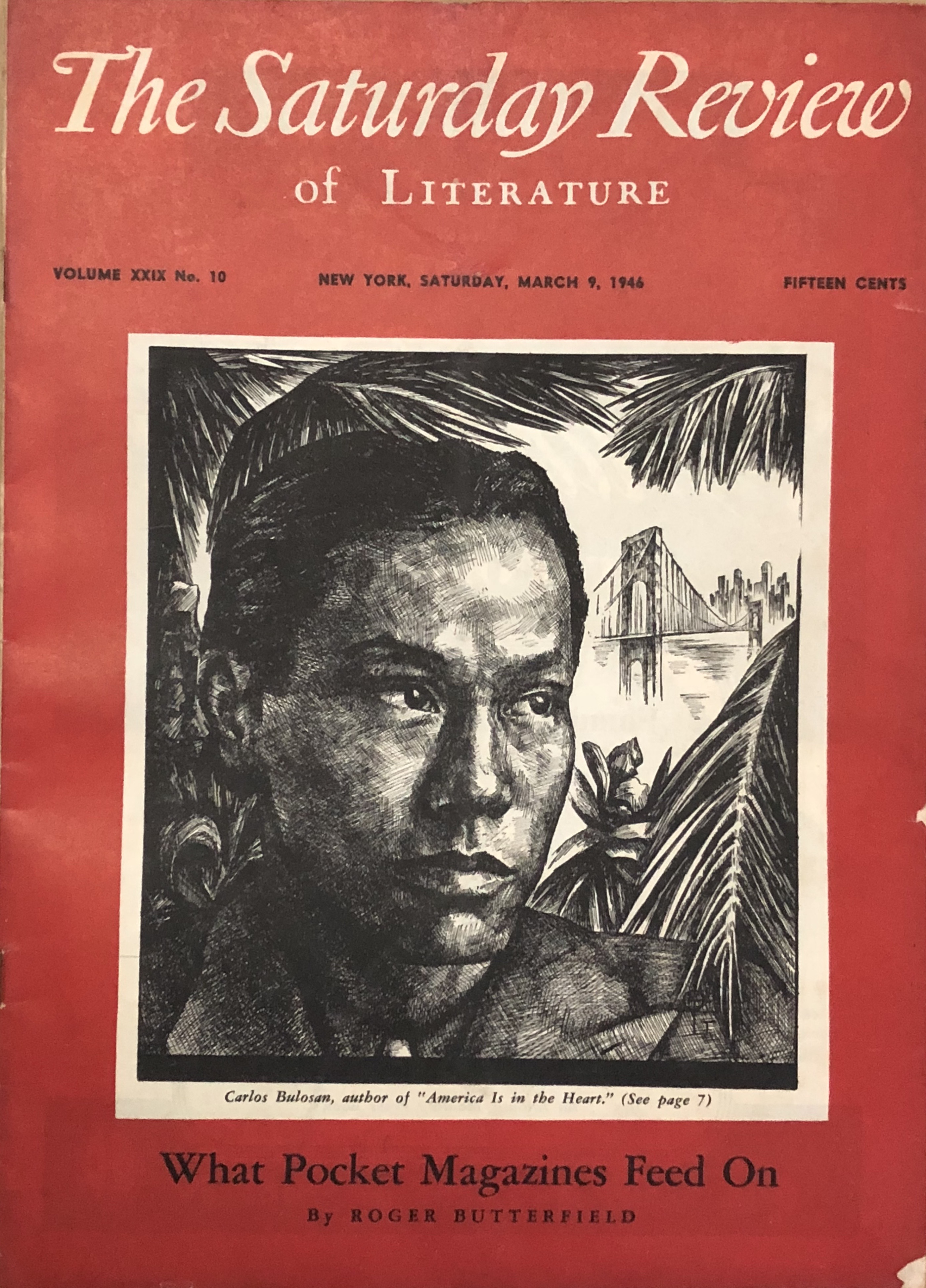
“AMERICA THE Paradox” was the title of an undergraduate paper I wrote on Carlos Bulosan for my class in Philippine literature, in which I observed—as many had done before me—that Bulosan felt deeply conflicted by the two faces that he kept seeing in America. On the one hand, it was the mother with open arms, calling out to the world’s orphans, and accepting of all brave and enterprising spirits. On the other hand, it was the hard fist of racism, viciously averse to all complexions other than white. 

Bulosan arrived in Seattle in 1930, a time of great economic turmoil, and he soon found himself fighting for the exploited poor, becoming a labor organizer and writing radical poetry. He would remain poor for the rest of his short life, despite achieving some degree of literary celebrity following the success of his semi-autobiographical 1946 novel America Is in the Heart. He died of tuberculosis in Seattle in 1956, never having been able to come home. I was so moved by Bulosan’s travails that I gifted our daughter with a signed first edition of his novel as her wedding present, and paid my respects at his grave when I visited Seattle some years ago.

Last Thursday, March 23rd, I joined several hundred other guests for dinner at the Sofitel to celebrate a joyful event: the 75th anniversary of the Fulbright program in the Philippines. Over that period, the Fulbright program, which selects and sends scholars from all over the world to study in the US, has sponsored over 3,000 Filipino scholars and 1,000 American scholars coming to the Philippines. The Philippines—through the Philippine-American Educational Foundation (PAEF)—has the longest-running Fulbright program in the world, dating back to March 23, 1948, hence last week’s big commemoration.

It isn’t hard to see why Sen. J. William Fulbright believed that such a scholarship program was a good idea then, with the Cold War brewing and America projecting itself as the champion of the Free World. For the Philippines, it was a continuation of the prewar practice of sending pensionados to the US, thereby ensuring a cohort of Filipino intellectuals and administrators sympathetic to the American cause.

I myself went out on a Fulbright twice—in 1986, for my MFA at Michigan and then my PhD at Wisconsin, and then in 2014 as a senior scholar at George Washington University. It would be an understatement to say that the Fulbright—especially that first five-year stint—was life-changing for me. The learning was exhilarating, but the living—away from home and family—was fraught with pain.

Still, we Fulbrighters had it much better than Bulosan. Most of our expenses were borne by the American taxpayer (although, because of a budget crunch, I had to teach and also to work part-time as a cook, cashier, and busboy at a Chinese takeout). Our return home was guaranteed (indeed, legally mandated). Most of us enjoyed the hospitality and support of new Fil-Am and American friends. 

Although here and there we had the inevitable brush with racism, we saw America in the best possible light, as a source of knowledge and of the democratic spirit. Arriving in Michigan just after EDSA 1986, I too was seen as living proof of the long and beneficial reach of America’s cultural influence: I could speak English like they did, and (mild boast coming) could write at least as well if not better than they did. 

I recall how, in one Shakespeare class, I was the only one who could explain the difference between “parataxis” and “hypotaxis,” and how, in another class, our professor wrote up a long sentence from one of my stories on the board to demonstrate “Jose’s perfect command of punctuation.” But all that was presumably because of my Americanized education—not even in America, but in the Philippines, where we had seemingly prepared all our lives to come to America, only to find ourselves more indoctrinated than many Americans. (I had memorized all the state capitals in grade school in La Salle, confounding my American friends at Trivial Pursuit.)

Ironically, I also belonged to the First Quarter Storm generation that railed against “American imperialism,” that learned about our colonial exploitation and about the primacy of American self-interest in its transactions with the world. We rallied at the US Embassy against the war in Vietnam and against the US bases in the Philippines. We denounced Ferdinand Marcos as an American puppet, and saw Washington’s hand in every instance of political mayhem around the globe. Where did all that militancy go? Was a scholarship to Hollywood enough to negate these accusations?

Seated at that Fulbright dinner and listening to the speakers extolling our special relationship with America, I thought about Bulosan, the FQS, my Fulbright experience, our daughter in California, my teaching of American literature, and such recent issues as EDCA and the Chinese presence in our territorial waters to sort out my emotions. 

The America that had been such a paradox for Bulosan remains, in many ways, a chimera for us today—speaking with moral authority against the Russian invasion of Ukraine, and yet still enamored in many places of Trumpian demagoguery; espousing peace and human rights while allowing assault rifles on its streets; and promoting education and global literacy while hosting the world’s biggest engines of disinformation. We want to believe in the America that believed in us, although the cynical can argue that “believed” should be taken as “invested,” of whose efficacy this column offers ample proof. 

In the end, I reminded myself of what I tell my students: (1) The American government and the American people are not necessarily the same; (2) The American people are many peoples; there is no single, monolithic America; (3) We study America and its literature not to become Americans, but to be better Filipinos; and (4) We often take the terms “America” and “American” in an ideal or idealized sense, a compound of expectations and aspirations shaped by Abraham Lincoln, Hollywood, cable TV, and Spotify.

We went to America not just to study there, but to study America, and that study continues. 

(Image from pacforum.org)