Penman No. 446: Our Oldies

Penman for Sunday, January 1, 2023
IT’s BAD enough to be out of touch with the present, so it must be worse to be out of touch with the past—or at least, someone else’s past. 

Nothing reminded me more starkly of the great divides that exist between generations than last month’s Eraserheads reunion concert, hailed by its attendees as nothing less than the Second Coming. “A spectacle unto itself. It was like mix-mashing the Super Bowl’s half-time show and a rock concert. Except it went one better as it was also like one four-hour-long karaoke set,” wrote reviewer Rick Olivares in the Inquirer. “The four-hour, three-part show was filled with nothing but singing our hearts out, jumping for joy, and all the while taking in the fact that yes—this is the Eraserheads, and we are ever so lucky to hear them live again,” gushed Nikka Olivares on GMA-7. 

What struck me was how so many of my younger friends—writers, artists, and teachers now in their 40s and 50s—posted pictures of themselves waving their concert tickets like some generational badge of honor. And indeed it was, if the reported crowd of 75,000 that drove out to the reunion was to be believed. It was a paean to the 1990s and to Generation X, to 486-DX PCs and clunky cellphones, to mixtapes and dressing down, to self-reliance and partying on. (Hold it—why is this so familiar? Now I know why I should know—our daughter Demi, born 1974, is a card-carrying Gen-X’er. “I caught up with the Eraserheads in UP,” she told me from California, “and I used to watch them at the UP Fair at the Sunken Garden!”)
I’ll take my former students’ word for it and believe that the Eraserheads were the best Pinoy band of their time, and that their songs captured the heartbeat of their generation. I’m sure that there’s a thesis or dissertation to be written there somewhere, if it hasn’t been done already—a project that will go far beyond melody and rhythm to dissect the E-heads’ contributions to political and social commentary (not much fun, but academia is the land of the morose). 

For Demi’s mom Beng and me, however, much of that remains a mystery, because it all begins with the music, which somehow went past us. “Do we know any of their songs?” Beng asked me. “Well, yes, one of them,” I answered, “the one that goes ‘Magkahawak ang ating kamay at walang kamalay-malay….’” And I went on to hum the tune for her, and she remembered. “I think its title is ‘Ang Huling El Bimbo,’” I added helpfully. Totally geriatric dialogue, but there we were, trying to figure out a context for that snippet of a song. Of course we knew the original El Bimbo dance, where your conjoined arms opened like a fan, but that was about it. We were lost in this strange territory.

That reminded me of that time, maybe thirty years ago or more, when drove Demi to school in our VW, and turned the radio on. Demi asked if she could change the station, because she wanted to hear some “oldies.” Oh, great, I thought, finally, my daughter’s wising up to the classics—maybe to some Sinatra? And then she played Earth, Wind, and Fire. “Do you remember, the 21st night of September…” (I remembered another September 21!)

So, all right, my oldies aren’t your oldies, and we respond to music on different wavelengths. There’s nothing that unites us more than music—think Christmas carols, church hymns, fight songs, and national anthems—and also nothing that divides us more than music.

I suppose we Boomers can be typecast as Beatles fans, and that won’t be unfair, as it was de rigueur for teenagers of the ‘60s to know the Beatles songs by heart if not to play them on a Lumanog guitar, with the aid of a chord book. But to be even fairer, I don’t think our taste in music could be pegged to any one band or genre. The fact is, we were incredibly eclectic, and liked everything from crooners like Tony Bennett, folk singers like Joni Mitchell, and bossa-nova masters like Antonio Carlos Jobim to rock bands like Queen, divas like Barbra Streisand, and disco kings like VST & Co. And let’s not forget the birth of OPM at the first Metro Pop festivals, with the Circus Band and the New Minstrels.
Life was a big jukebox, and you had a song and a singer for certain moods and certain days. (That probably explains the Beatles’ popularity—they could go from soulful ballads like “Michelle” and “She’s Leaving Home” to barnburners like “Rock ‘N Roll Music” and “She Loves You.”) Feeling, more than idea, was key to a song’s full enjoyment, and much of that feeling was generated by the melody and arrangement. 

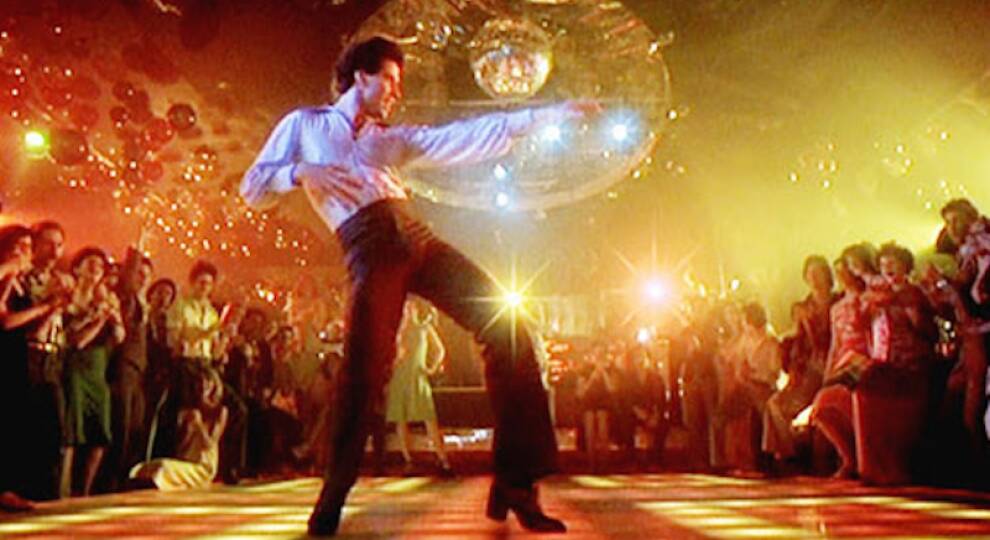
Bottom line, a song had to be singable. (The master of singability for me was Burt Bacharach.) For a while back there, we might have put on snooty airs and publicly disdained cheesy acts like ABBA—only to embrace them and warble along at their revival. Danceability was another important factor. The shift from the ‘70s to the ‘80s was the golden age of disco, spurred on by “Saturday Night Fever.” (Miserably, my dancing skills never went beyond the jerk and the boogaloo, so doing the hustle with Beng remains on the bucket list.)

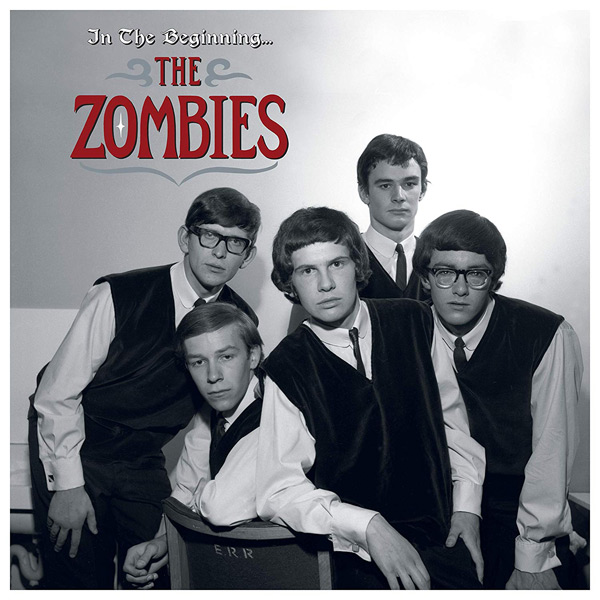
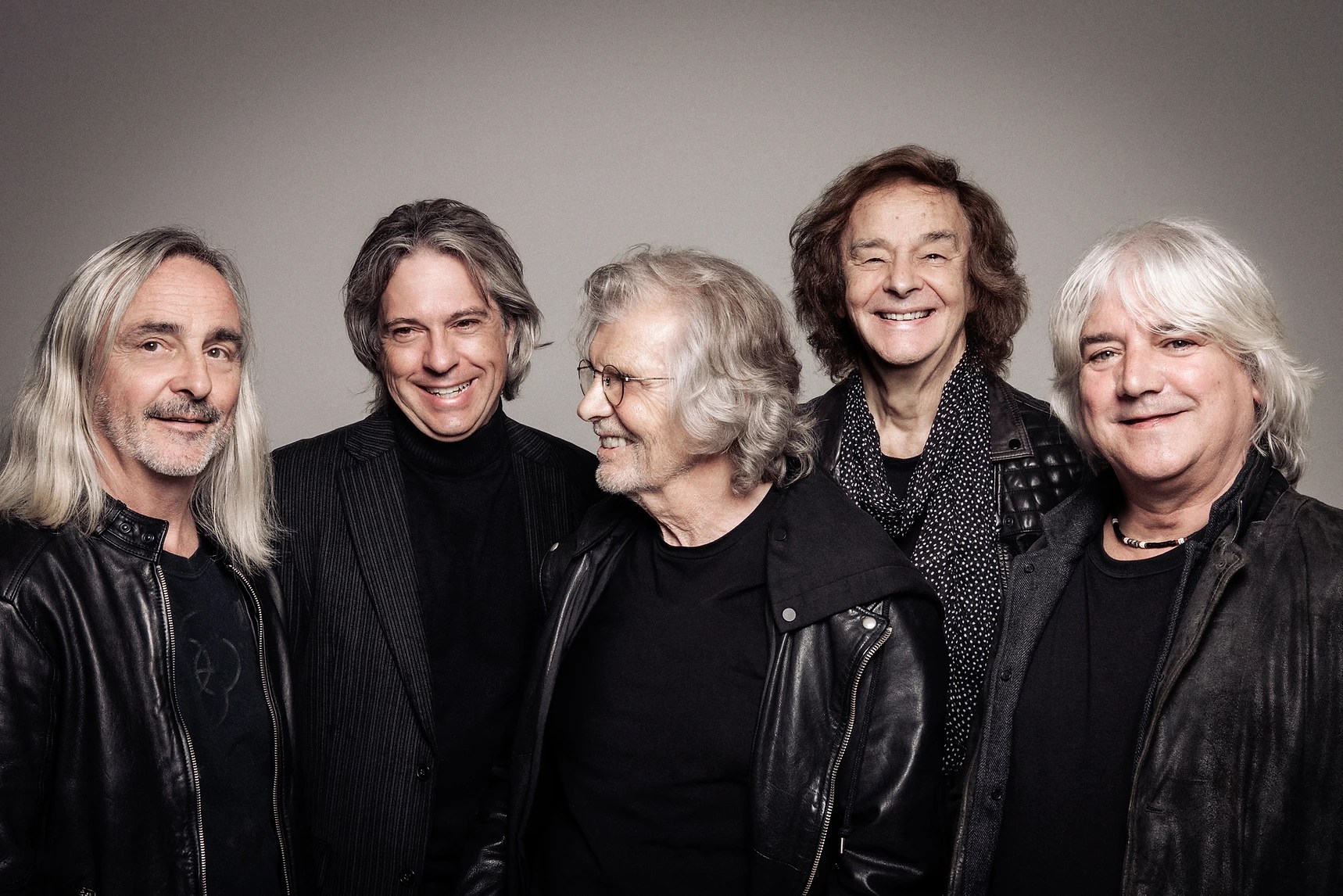
I guess this all means we have a lot of “reunion concerts” to look forward to—the only problem being, most of the singers we’d like to hear have croaked their last. The last one Beng and I attended, a few years ago at the Araneta Coliseum, was that of the Zombies (yes, they were big, cool, and British). Instead of 75,000 screaming fans, ours was a crowd of several hundred white-haired, well-behaved seniors, happily humming along to “The Way I Feel Inside” and “She’s Not There.” Maybe we forgot the lyrics here and there, but hey, we were feeling groovy, as we might have said back in 1969. So, kids, here’s to the next Eraserheads reunion, sometime in 2042. 
Penman No. 445: Some Notes on Travel Writing

Penman for Sunday, December 4, 2022

I’M SURE you’ve noticed—with much envy in my case—how so many of your friends have been traipsing around the world these past few months on what’s been called “revenge travel,” that perfectly human impulse to flee the cage after years of imposed isolation. 

And whether you’re guzzling down a pint of beer in Munich, chasing pintxos in San Sebastian, or crossing a bridge in Kyoto, the chances are you’ll be happy with a raft of digital photographs to show for your adventures. Many will want to post about their tours on their blogs, while a much smaller group will—perhaps months later—sit down to reflect on their experience and write about it in an effort to make better sense of what they went through. 

That’s something I’ve done myself from time to time, and so I thought of sharing some notes for the prospective travel writer—not just of the usual travel feature we produce for commercial media, but of a more personal kind of travel essay, one focused as much on the traveler as on the place itself. Beyond reportage citing facts and figures, this is writing that implicates and engages the traveler, the writing persona, and makes him or her a character in the piece. 

At my age, I consider myself a fairly well-traveled person, but one of the first things I want to say about good travel writing is that it’s really not about where you’ve gone or how many countries you’ve been to. It’s not about quantity, but quality of experience, perspective, and insight. The challenge isn’t to go to what to most Filipinos would be an exotic place like Paris or Tahiti. It’s to go there and to find and to tell us something about it that millions of other visitors or tourists have never seen.  

And when I say “something others have never seen,” it’s not about looking for obscure places, new bars, strange customs, or unique souvenirs. They could all be part of a great story because they’re intrinsically interesting, and if all you want to do is a standard feature story for a magazine, that would be all right. You could even make a good and exciting living writing these travel features, because the industry travel constantly needs them and they sell. 

For many of us, that would be a dream job: fly off to faraway destinations and to first-class hotels with all your expenses paid, just to write about how wonderful the place and the experience was. In my two decades as a columnist for the Lifestyle Section of the Philippine Star, I was lucky to have had a taste of that kind of luxury, having been sent on special assignment to the US, Germany, Israel, and Malaysia, among many other places. When I traveled for academic or professional conferences, which was quite often, I wrote those up too as travel pieces.

But—putting on my creative writing teacher’s hat—I also want you to think of travel writing not just as a function of place, but rather a function of mind. I want you to realize that you don’t need to go to an African safari or to ride a gondola in Venice to be a good travel writer—or a good writer, period. I want you to be able to turn a place you may have been to a thousand times or even lived in—say, Cubao—into a travel destination, and to explore not just its surface but its culture and subcultures, its inhabitants, its range of markets, its daytime and nighttime versions.

There are always two tracks embedded in a good travel essay: the story of the place itself, and the story of the traveler. To put it another way, there is the external journey, and the internal journey. 

The external journey is the story of the journey itself—the purpose of the travel, the choice of destination, the mode of travel, observations along the journey, reaching the destination, first impressions, engagements with the local people, sights, food, experiences, and other vignettes until departure time. 

The internal journey is the story of the traveler’s life situation at the start of the travel—his or her expectations, anxieties, distractions—and then his or her reactions to the unfolding environment, his or her interactions with the place and people, and his or her terminal thoughts and feelings about the whole experience, whether explicitly stated or implied. Very often, the internal journey involves some kind of quest—a search for something beyond the place itself, or some object in it, but an answer to some personal question, which gives meaning to the visit and the encounter with the place. 

That question could be “Who am I?” or “Where do I belong?” or “What do I really want?” or “Is there hope?” As the travel progresses, the answers to these questions begin to be formed or revealed. Thus do the external and internal tracks run parallel or congruent until they bend and meet at a certain point. Indeed, it can be argued that the external track, the travelogue itself, is simply an excuse or a device to tell the personal story, which emerges as the true point of interest in the piece. 

The internal track could also be subtle and subdued, embedded in the main narrative, and palpable only upon closer reading. Nevertheless it will be there, the result of a place or an experience’s impact on a person. In the travel essay, therefore, it is the interaction between person and place and the insight that comes from it that is the real, unified story. 

As the great travel writer Pico Iyer put it, “We travel, initially, to lose ourselves; and we travel next to find ourselves. We travel to open our hearts and eyes and learn more about the world than our newspapers will accommodate. We travel to bring what little we can, in our ignorance and knowledge, to those parts of the globe whose riches are differently dispersed. And we travel, in essence, to become young fools again—to slow time down and get taken in, and fall in love once more.” 

So when you write your next travel story or travel essay, don’t just tell us about what you’re looking at, which many thousands of visitors before you have already seen. Try to look at it from another angle, or find an interesting detail that’s been paid little attention to, and reflect on what it says to you. Your perspective is as important as the place itself; it may not be shown or expressed too strongly, but it will be there and should be there, for the work to be truly yours, truly unique, and truly worth doing. Happy trails!

Qwertyman No. 21: AI in the House

Qwertyman for Monday, December 26, 2022

I’D BEEN wanting to write about this for a long time, since last year when my artist-friends first alerted me to the amazing new possibilities being opened by artificial intelligence (AI) in such traditional fields as painting. Before that, like many people, I’d thought of AI in terms of subjects like warfare, medicine, and gaming. It had to be only a matter of time before the technology was ported over to the arts—not just to painting, but to creative writing and music, among other pursuits.

If you don’t know how AI works, just think of it this way (which is the way a lot of people, many of them not even artists, are having fun these days). You download a software program called an “AI generator” (such as starryai for painting, Rytr for creative writing, and AIVA for music), then put it to work by demanding that it produce “a portrait of Jose Rizal in the style of Van Gogh.” Minutes later (or just seconds if you pay), you’ll get what you asked for. What your computer (or in fact, many other computers working together) just did was to run a search for all the images of “Jose Rizal” it could find, then establish what “the style of Van Gogh” means in terms of brush strokes, colors, and so on, and apply one to the other. It’s all about “algorithms” or instruction sets that get sent out and executed until the desired outcome pops up.

That sounds like harmless entertainment, and much of AI is or appears to be, but it isn’t hard to see how even a touch of mischief (not to mention loads of malice) can quickly change the complexion of things. Driven by a fear of computing or what we might call Faustian science, popular culture is replete with examples of AI gone berserk, from HAL 9000 in 2001: A Space Odyssey to the master kidnapper Sark in Tron. But positive applications such as those employed in medicine, where AI helps analyze CT scans, MRIs, and X-rays with a sharper eye than a human radiologist sees with, continue to push AI research forward. IBM itself declares that “At this point, there is little doubt that AI will become a core part of the digital health systems that shape and support modern medicine.”

My own first brush with AI happened last week when I stumbled on an article in the New York Times titled “A New Chat Bot Is a ‘Code Red’ for Google’s Search Business.” Intrigued, I read on and found out about ChatGPT, one of many new programs that are threatening to replace Google’s famous search engine. We all know how Google works: you enter a search term, you get a long list of links to possible answers. Chat bots cut through that mess and give you a short, clear, grammatically correct answer (although nobody can guarantee that the answer itself is correct). That’s good if you want a quick reply to a question, but I can just imagine the epidemic of college term papers cutting and pasting unsourced chat-bot answers with gay abandon. 

All this led me to wonder how chat bots would respond to truly important questions, so I decided to download ChatGPT to my iPhone, and to ask it some test questions that would tell me about itself as much as what I was asking about. Below are my questions and the answers that artificial intelligence produced, verbatim (I purposely asked the first question to see if AI was capable of some kind of self-awareness):

1. Q. What are the dangers of artificial intelligence? A. 1. Unintended Consequences – Algorithms designed to reach specific goals could have unintended consequences that produce unforeseen results. 2. Job Loss – AI could displace workers by automating jobs, leading to severe economic disruption in the near future if nobody is trained to take over for the machines. 3. Black Box AI – AI systems are often difficult to understand, making it hard to debug the system when something goes wrong. 4. Over-Reliance on AI – Dependency on AI could lead to cognitive laziness, where humans rely too heavily on algorithms for decision-making and problem-solving. 5. AI Biases – AI systems trained on biased data and algorithms can end up replicating the same flawed assumptions and stereotypes. 6. Security Breaches – Malicious actors could exploit vulnerabilities in AI systems to commit cyber-attacks, data breaches and fraud.

2. Q. What’s wrong with the Philippines? A. The Philippines faces a wide range of problems that must be addressed in order to progress forward. These issues include corruption, overpopulation, environmental destruction, poverty, inequality, and unequal access to education. Additionally, Filipino infrastructure and public services are in dire need of improvement in order to create a more livable and equitable society. Other issues such as illegal drugs, crime, and terrorism also remain major problems facing the Philippines.

3. Q. When should a country have a sovereign wealth fund? A. A country should have a sovereign wealth fund when it has a large amount of assets (such as revenues from oil exports) that can be used for investments and for stabilizing government finances during economic downturns.

4. A. How can we reduce corruption in government? A. The best way to reduce corruption in government is to increase transparency and accountability. This could include strengthening laws and regulations to ensure that government officials are held to high standards, creating independent oversight and auditing systems, and engaging civil society and community members in governance processes. Additionally, investing in training for government officials on ethics, anti-corruption policies and procedures, and proper financial management can help to reduce corruption. Finally, engaging the public to report and discuss any allegations of corruption can help to both curb and address existing instances of corruption.

5. Q. Can volcanoes be punctured? A. No, volcanoes cannot be punctured. Volcanoes are made of molten rock, known as magma, that is too hot and too deep to be pierced with any known tool.

Now, you tell me if those answers sound any worse than the malarkey we’ve been hearing from some of our esteemed senators and congressmen, who cost billions to maintain, feel unbound by the rules of logic and grammar, and can take forever to give you a straight answer. Of course, they can well afford to buy a program like ChatGPT in aid of legislation (it’s free for three days, then P499/mo.). But then, why resort to chat bots when there’s already so much artificial intelligence going around in both august chambers?

Qwertyman No. 19: The Real Maria Ressa

Qwertyman for Monday, December 12, 2022

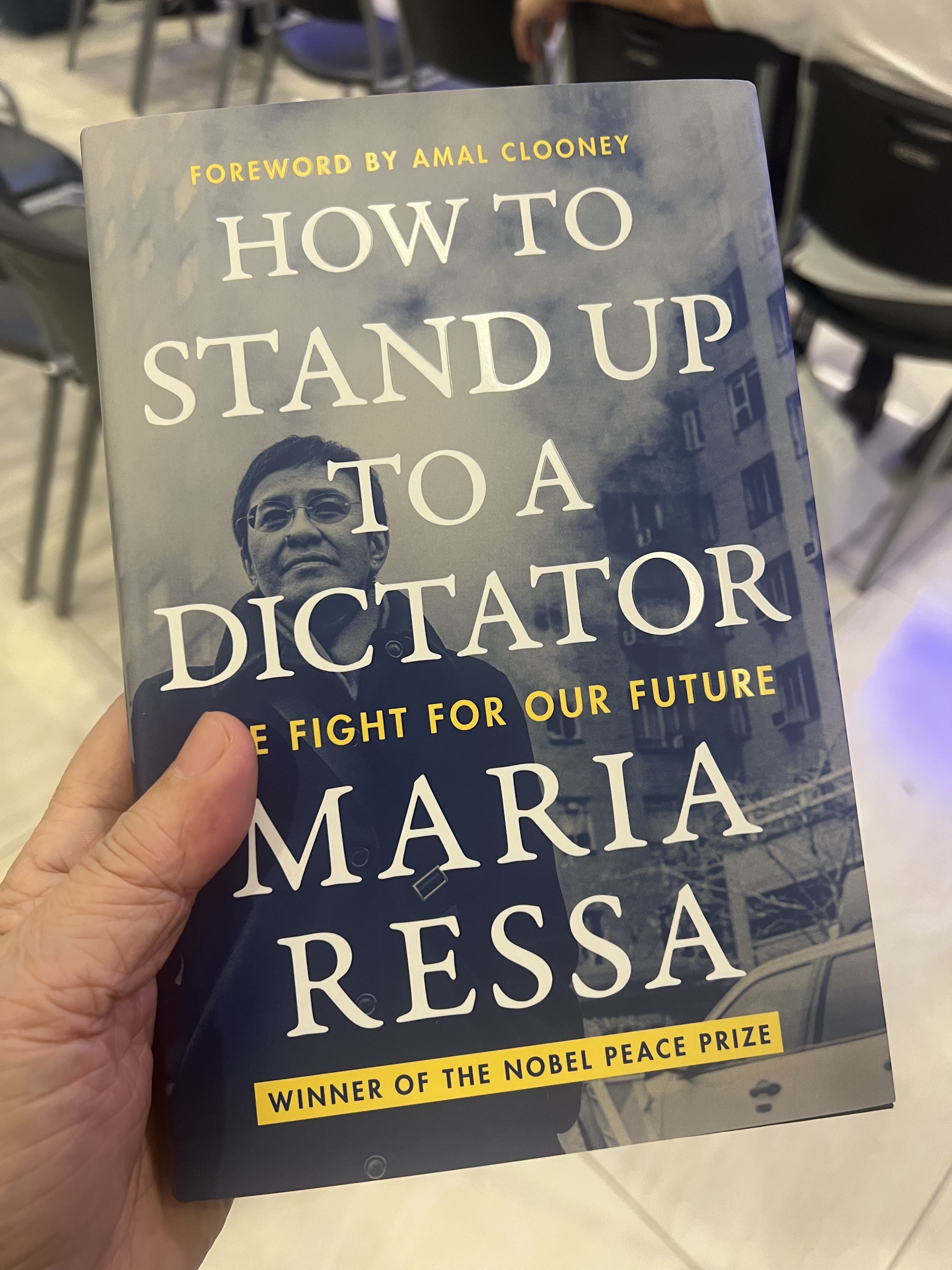
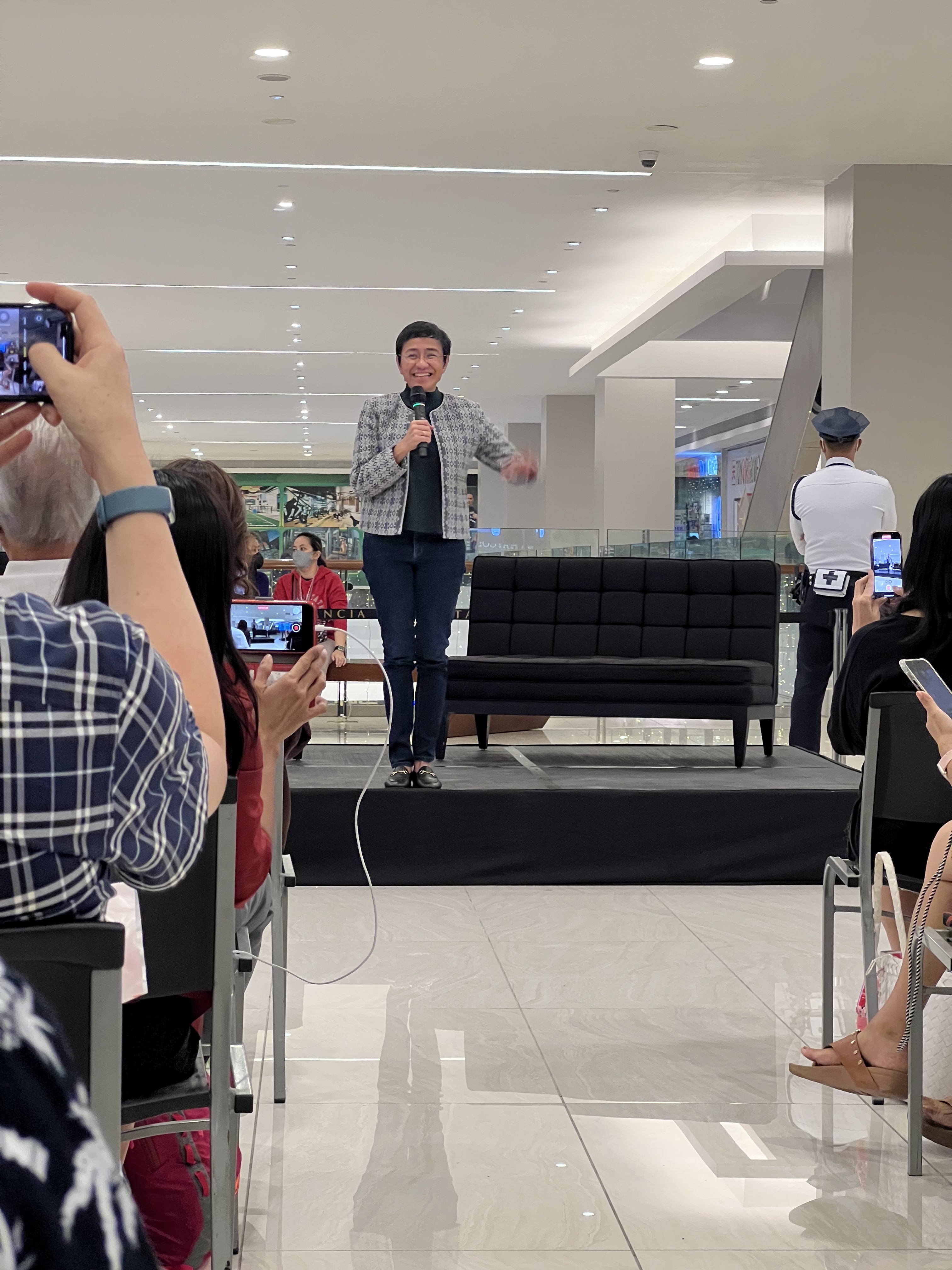
I WAS very honored to speak last Saturday at the launch of Maria Ressa’s new book, How to Stand up to a Dictator: The Fight for Our Future (Harper, 2022). I’d read an advance copy of it a couple of weeks ago, and to cut to the chase, if you’re thinking of buying a book to read for the holidays or to gift to friends, look no further. This book, for me, is among the year’s best in nonfiction.

I have to emphasize that word—nonfiction. As we all know we live in times when fiction has taken over as the most influential form of human discourse, particularly in the political arena. As a practicing fictionist, I should be happy about that, but I’m not and I can’t be, because so much of it is bad fiction, crudely written—and surprisingly, infuriatingly effective, at least with a certain kind of reader. 

Maria’s book cuts through all that. It’s undisguised, old-fashioned, in-your-face truth-telling, told in the same voice and tone we’ve become familiar with over the years of listening to her reportage over CNN. I’m sure that, like me, many of you wondered the first time you heard her: “Who was this little brown-complexioned woman speaking with an American accent?” She looked Filipino, but how come we’d never seen her before?

This was all before she rose to prominence—some would say notoriety—as the moving spirit behind Rappler, and subsequently to global fame as a Nobel Prize winner for Peace. We identified with her travails, shared her anger and sadness at the abuse she has received, and rejoiced in her victories, whether in the courts or in the larger sphere of public opinion. 

But how well do we really know Maria Ressa, and whatever drives her to be who and what she is? This book takes us to the person behind the phenomenon, and answers many questions we may have had about her and her stubborn advocacies.

The book’s title sounds like that of an instruction manual—which it is, and also is not, being part autobiography, part journalism, and part testimonial. As a manual for freedom fighters, it emphasizes the need for collaborative and collective action against seemingly insurmountable forces. Those forces now include the Internet, which, as Maria documents with both precision and profound dismay, has morphed from a medium that once held all kinds of liberative promises into a medium for mass deception and targeted assault. She draws her counsel not from some esoteric guru or academic paradigm, but from some very basic values that have informed her own life—the Honor Code she followed in school, and the Golden Rule.

“That’s what I lay out in this book,” she says, “an exploration into the values and principles not just of journalism and technology but of the collective action we need to take to win this battle for facts. This journey of discovery is intensely personal. That’s why every chapter has a micro and a macro: a personal lesson and the larger picture. You will see the simple ideas I hold on to in order to make what have—over time—become instinctive but thoughtful decisions.”

It’s this constant back-and-forth between the personal and the political—and at some point they become inextricably fused—that forms the fiber of Maria’s narrative and gives it strength. Her convictions are grounded in personal experience; they have not been paid for—as the hacks in the journalistic trade will allege, seeking to bring her down to their own level—except in the coin of personal suffering under the constant threat of imprisonment and violence.

But we learn from this book that trauma is nothing new to Maria. (We also learn that Maria Ressa wasn’t the name she was born into, but to find out her birth name, you’ll have to buy the book.) From her abrupt relocation from Manila to America at the age of ten, to her journalistic immersion in the horrors of conflict and disaster in Indonesia and Ormoc, the book chronicles Maria’s quest for truth, meaning, and purpose in her life, and that of others. She stresses the importance of remembering the past to make sense of the present, quoting TS Eliot’s phrase, “the present moment of the past.”

And so can we, she seems to suggest, even in these times of high anxiety, when we can see the vultures hovering over such once-sacrosanct treasures as our pension funds, while billions more go to feed the dogs of an increasingly untenable counter-insurgent war. The big words we have become used to tossing around—truth, freedom, reason, justice, democracy—they all come down to a personal choice to do the right thing, and the courage to do it. 

Nowhere is this matter of choice more evident than in the fact that Maria is here in the Philippines, having willfully subjected herself to our brand of justice, however imperfect it may be, instead of escaping to the safety of America or another haven, which her dual citizenship if not her celebrity can certainly afford her. She will see her own story through to the end, in the locale where it matters, among the people to whom it matters most.

I’ve often remarked, as a creative writer and professor of literature, that in this country, the writers most in danger of political persecution and retribution are really not fictionists or poets like me. Not since Rizal has a Filipino novelist been shot dead for what he wrote. For sure, we have lost many brilliant writers to the struggle for freedom and democracy—Emman Lacaba, and most recently Lorena Tariman and her husband Ericson Acosta. But they were killed by the State not for what they wrote—the State is illiterate when it comes to metaphor—but for what they allegedly did.

Rather, the most imperiled writers in the Philippines as in many other places are the journalists who speak the language of the people and of their plaints in terms too clear to ignore. They could be radio announcers like Percy Lapid, or the victims of wholesale murder in Maguindanao, or high-profile and exemplary targets such as Maria Ressa. It would have been easy for her to lash back at her critics and tormentors with the same viciousness. But, she says, “I will not become a criminal to fight a criminal. I will not become a monster to fight a monster.”

That, too, is a difficult choice, and one I am sure we are often tempted to cast aside. But Maria’s equanimity in the face of savagery shames us back into our better selves. It will be that kind of quiet resolve that we will need to survive and prevail. After all, we survived martial law. We can survive this regime—with agility, patience, and courage. But don’t take my word for it. Read Maria’s book to know that we can, and why we must.

Qwertyman No. 14: An Oppa for Pinoy Culture

Qwertyman for Monday, November 7, 2022

THE HON. Victor M. Dooley was in a quandary once again. He had struggled with his maiden speech, but thanks to the timely assistance of his rumored girlfriend and sometime girl Friday Yvonne Macahiya, he had delivered a brilliant address on “Culture and the Environment: Shared Survival through Values Education,” which the footnotes failed to say had been Yvonne’s term paper for her Political Science 104 class at the Western Aklan Institute of Technology. 

It didn’t matter that most of his esteemed colleagues were absent or nodding off when he gave his speech with all the passion he exuded back when he was “Mr. Disaster,” the TV-radio hero of the typhoon-flooded, the earthquake-shaken, and the fire-singed. When Yvonne’s press release came out, it was just like he had spoken before the UN General Assembly, the world’s grandest stage; never mind that some audiences there weren’t too hot, either. 

“We are the world’s most disaster-prone country not because we are weak,” he said, thumping his fist on the lectern before letting his gaze travel across the gallery to turn up the drama, “but because disasters visit other countries less. The Lord Almighty has brought these disasters upon us to test our faith, to strengthen our spirits, and to breed true champions of the desperate and the dispossessed!” Again he paused for dramatic effect, but all he heard was the snorting of a venerable gentleman from a northern province, dreaming of Lamborghinis landing in his Special Economic Zone.

Still, something from his speech must have registered in someone’s mind—the word “education”?—because Sen. Dooley found himself appointed to the Committee on Basic Education, Arts, and Culture, which to him sounded like the wimpiest assignment anyone could get. He had expected to be named chair of the Committee on Environment, Natural Resources and Climate Change (that went to a real estate developer), or the one on Public Information and Mass Media (that went to a retired general), or to something that could have used his mestizo heritage, like the Committee on Foreign Relations (that went to a Chinoy movie producer). 

Basic education? Other than passing grade school, what did he know about classrooms and curricula? But then the committee also covered Arts and Culture, so, hmmm, maybe that was what they saw in him, his stellar career as a singer-dancer-TV show host, the way the ladies swooned when he winked at them at the end of his “Buchikik” song. Arts and Culture was entertainment, right? It was about keeping people happy, so they could smile through Covid, unemployment, EJKs, 60-1 peso-dollar rates, and P300/kilo pork. 

There wasn’t much he could do about those things—blame it on the pandemic, on Ukraine (he did have some important foreign-policy views: those darned Ukrainians should just have given over some potato fields to the Russians instead of endangering world peace with their silly resistance), and on troublemakers who even won Nobel prizes for having nothing good to say about hardworking despots.

But now, the Hon. Victor M. Dooley had to come up with a program that would leave his indelible mark on Philippine culture, and he convened an ad hoc committee composed of himself, his chief of staff Roy, the indispensable Yvonne, and a special guest who sashayed into the room and planted wet kisses on both of Vic’s cheeks, much to his embarrassment and to Yvonne’s utter surprise. 

“Ms. Terry! I never thought you would respond to my invitation!” 

“Why ever would I not? How long has it been, dearie? The last time  I saw you, you were still a struggling singer trying your best to hold your note—so I held it for you, hihihi.  And look at you now, an honorable Senator of the Republic!”

“And who, may I ask, might you be?” interjected Yvonne.

“Ah! Yvonne, this is Ms. Terry, who sponsored my entry into show business many years ago. I asked him—I mean her, ahaha, we better get our preferred pronouns right, especially after that gender-sensitivity workshop we all had to take—to come and help us devise a program for our country’s cultural revival.”

“Why didn’t you tell me?” said Yvonne. “I could’ve called on some of my National Artist friends—”

“What’s a National Artist?” asked Vic.

“Never mind. Welcome aboard, Ms. Terry—oh, I get it now, mystery herself! I’m Yvonne, the congressman’s Chief Political Affairs Officer. Can we offer you some coffee?”

“If you have low-acid coffee with non-dairy creamer and gluten-free scones, I’d much appreciate it. But I’ll take what you have.”

“Our Chief of Staff here makes an excellent three-in-one and I’m sure he hasn’t finished all the Sky Flakes.” Yvonne cocked an eyebrow at Roy, who slunk away muttering. “Now let’s get down to business. The senator wants a new program with strong popular appeal that will raise our people’s spirits, promote national unity, and put Philippine culture on the global map. You said you have some ideas?”

“I do! Two, in fact. One, boy bands. We should undertake a nationwide search for cute mop-haired boys from the age of six up and train them in a camp for singing and dancing. Two, a cooking competition for girls, who don’t know how to cook anymore. We’ll have regional and then national contests for the best pinakbet, sinigang, and adobo. We can even have a Fil-Am edition, but let’s do it in West Covina so I can visit my cousin there. What do you think?”

“Nice, but I have an even more inspired idea!” said the senator. “To promote our own, let’s ban all Korean shows for a year. Tama na mga K-drama, P-drama naman. Nakakainis na, e!”

Yvonne groaned. “Are you crazy? Do you want to bring the wrath of the BTS Army down on you, not to mention my mama who’s in love with Hyun Bin?” Yvonne turned to their guest. “I like your ideas, Ate! I think you and I will make a great team—between you and me, we can make Vic Dooley the oppa of Philippine culture!”

“Thanks, but what’s an oppa?” asked the senator.

Penman No. 444: A San Diego Sojourn

Penman for Sunday, November 6, 2022

A FEW weeks ago, for the first time since the pandemic, my wife Beng and I took a plane out of the country, and I can’t tell you how liberating that felt after three years of being landbound. I’d had few complaints about the long lockdowns, because I’m used to working and writing in isolation, and have become much less sociable as I age. But I did miss the travel, the foreign air, the view from the other side of the ocean. 

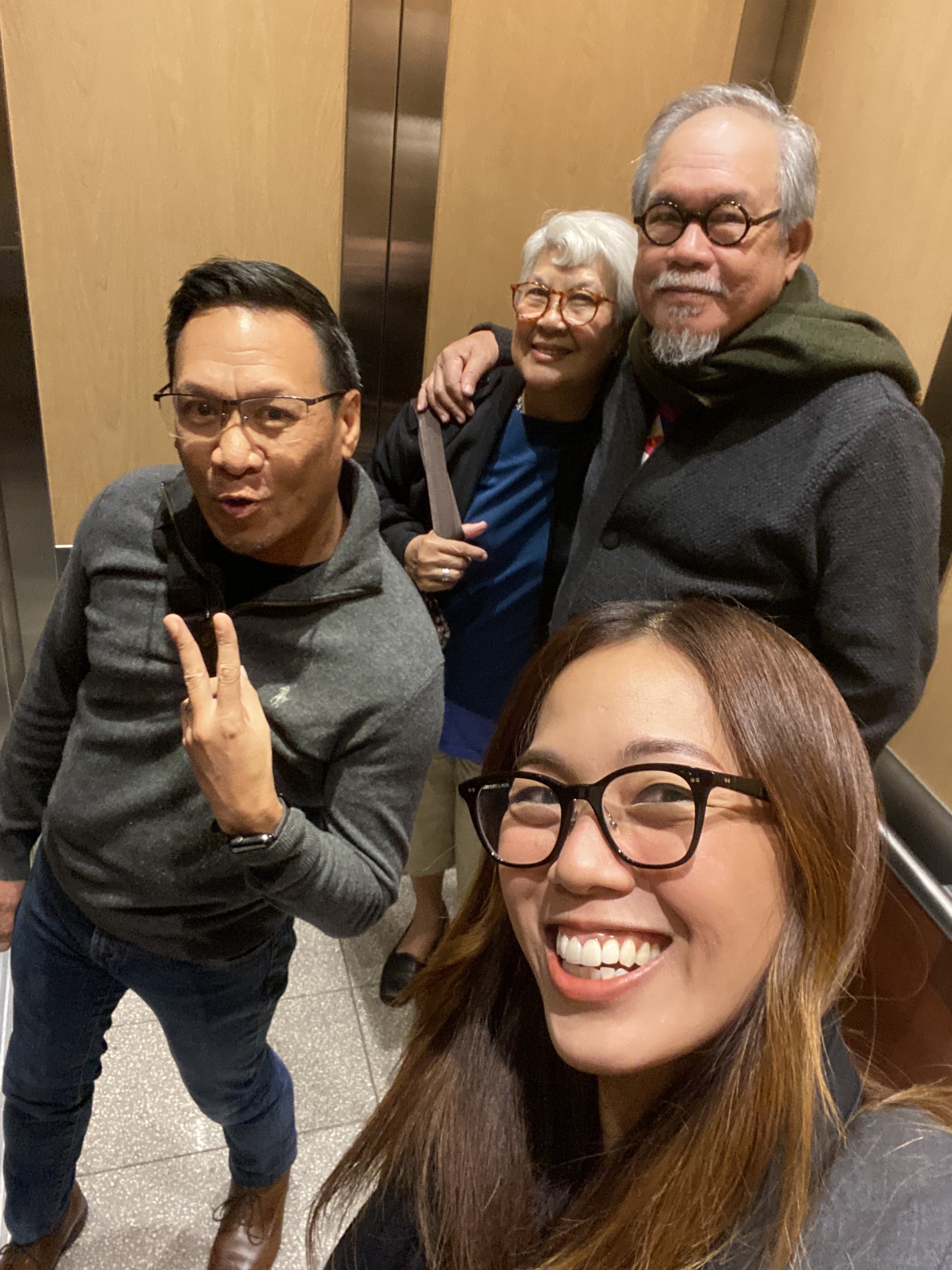
Just before the pandemic hit, Beng and I had spent my first year in retirement (and a good chunk of my retirement kitty) gallivanting around seven countries, against the advice of family and friends who thought that we were overdoing it; perhaps we were, but now we know that the world we saw then will never be the same again, and that we ourselves—in or approaching our seventies—will never be able to do that again. And so it was with a huge sigh of relief that we boarded our flight to San Diego, where our daughter Demi has been living with her husband Jerry for the past 15 years. We’d visited San Diego often before, but probably not with this much anticipation, having been away for years. 

Sitting on the Mexican border, San Diego isn’t the first place most Filipinos would choose when they think of visiting America, unless, like us, they have personal reasons to go there. Los Angeles and San Francisco seem to be more exciting places, have large Fil-Am communities, and have long been the ports of entry for Pinoys landing on the West Coast. (Our Japan Airlines flight was that rare straight flight via Tokyo to San Diego.) But San Diego has its own charm and its own attractions, most notably Balboa Park, the San Diego Zoo, and Comic-Con, that annual extravaganza of pop culture that draws about 150,000 fans from around the galaxy. (Much to my young students’ chagrin, I’ve been to Comic-Con twice, happily ignorant of much of what I was looking at.) 

And whether you’ve lived there for decades or are just passing through, San Diego will always give you a taste of home, with dozens of Pinoy foods stores and restaurants, especially in National City and Chula Vista where you can shop at Seafood City for daing na bangus and Chocnut and at Goldilocks for your party cake while dropping packages off at LBC—or you can run to Mira Mesa for your Jollibee fix. (For me, an American sojourn would be incomplete without a trip to Arby’s and Red Lobster.)

Inevitably San Diego also has its own spotted history of East-West relations, in which Filipinos have figured; the better part of that history was celebrated last month as Filipino-American Heritage Month in the city. The worst part remains in the archives, in the memories of early immigrants such as Emeterio Reyes, who recalls that “I asked the driver if he could take me to a Catholic church. As soon as we got there, I told him to wait for me because I had a funny feeling I might not be welcome at this church. As I entered the door, a priest approached me and told me that the church was only for white people. That moment, I wanted to cry and die!” 

When Sebastian Vizcaino sailed into what he would name San Diego Bay on November 10, 1602, he found that he had “arrived at a port which must be the best to be found in all the South Sea, for, besides being protected on all sides and having good anchorage, it is in latitude 33½o. It has very good wood and water, many fish of all kinds, many of which we caught with seine and hooks. On the land there is much game, such as rabbits, hares, deer, very large quail, royal ducks, thrushes, and many other birds. On the 12th of the said month, which was the day of the glorious San Diego, the general, admiral, religious, captains, ensigns, and almost all the men went ashore. A hut was built and mass was said in celebration of the feast of Señor San Diego.”

As a major port facing the Pacific, San Diego has long been home to the US Navy’s Pacific Fleet, its base harboring over 50 ships. The naval presence defines much of San Diego’s character, and provides a good part of the reason why about 200,000 Filipino-Americans live there today. Since early in the American occupation, Filipinos have signed up with the US Navy as their passport to what they hoped would be a better life and to a bit of adventure. 

I just learned, for example, that the first Filipino to have joined the US Navy, back in 1903, was a seminarian in Manila named Potenciano Parel who snuck out of his vows to be a sailor, but not having the right papers, he used those of a friend and assumed his identity, Tomas Dolopo; the Dolopos continue to be San Diegans. Demi’s late father-in-law, Ric Ricario, joined in 1957; his eldest son, Ray, followed him into the Navy; Ray’s brother Jerry met and married Demi. And so we find ourselves now tied by blood to that long tradition, as did many thousands of others before us.

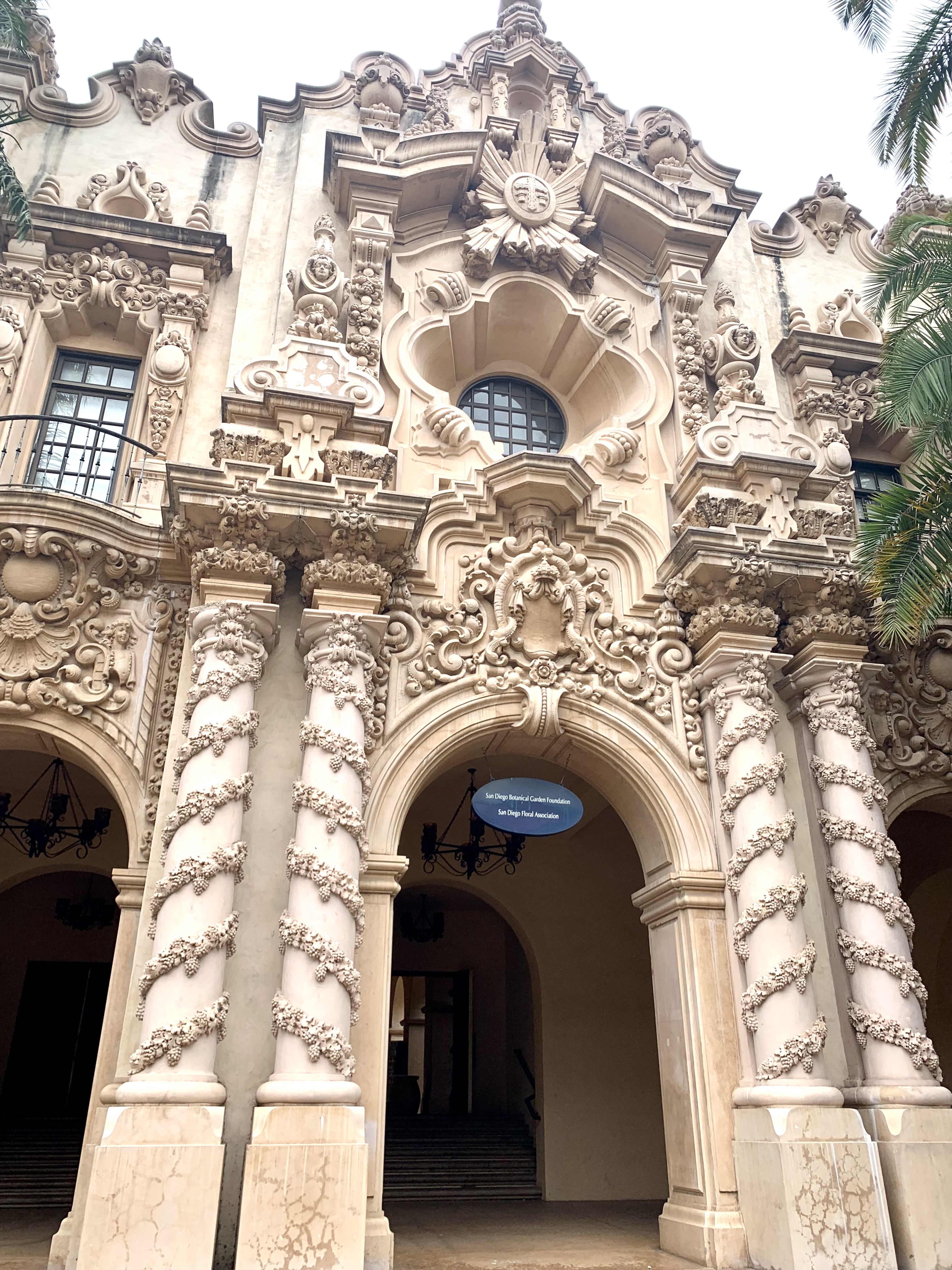
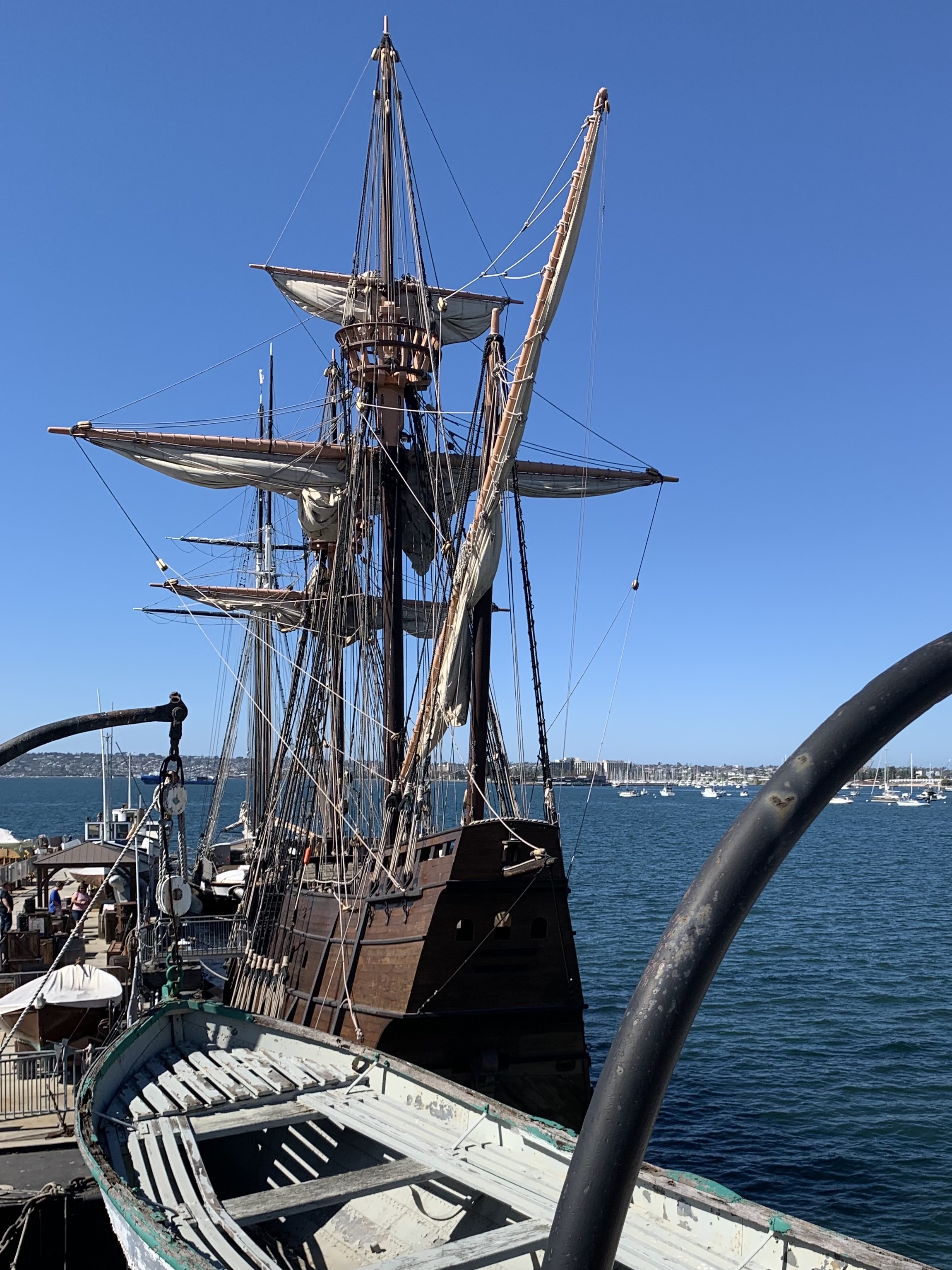
Despite having visited San Diego many times before, and having enjoyed its more popular attractions, we felt more acutely aware of history this time around. We finally stepped into the city’s Maritime Museum, a complex of many ships from various centuries that allows visitors a hands-on experience at traveling the world on water. The ships on display range from a full-size and fully functional replica of a Spanish galleon ca. 1542, the San Salvador, to the world’s oldest sailing ship, the grand, mid-1800s Star of India, to a ca. 1970s submarine that still holds the record for the deepest dive, the USS Dolphin. For just $15 for seniors and just slightly more for others, you can hop from one ship to another, and imagine what it was like to cross a tempestuous ocean with only the stars to light the way and nothing to eat but stale bread and salted pork. 

We enjoyed history of another kind by having dinner with our in-laws in a National City dive that our son-in-law Jerry chose for its unique ambience, which you can either call seedy or loaded with character. (There was a famous sailor’s bar in the area called the Trophy Lounge, Jerry told us, that used to be run by ladies from Olongapo…. But that’s another story, and San Diego has books of them, yet to be told.) La Maze is the kind of leatherbound ‘50s restaurant that the Rat Pack and other Hollywood celebrities frequented when in San Diego, and you can still order the same great steaks they had. A local band played dance music, and to the tune of “Solamente Una Vez,” I took the pretty silver-haired fox next to me to the floor and slow-dragged the night away. 

Penman No. 443: A Hairy Experiment

Penman for Sunday, October 2, 2022

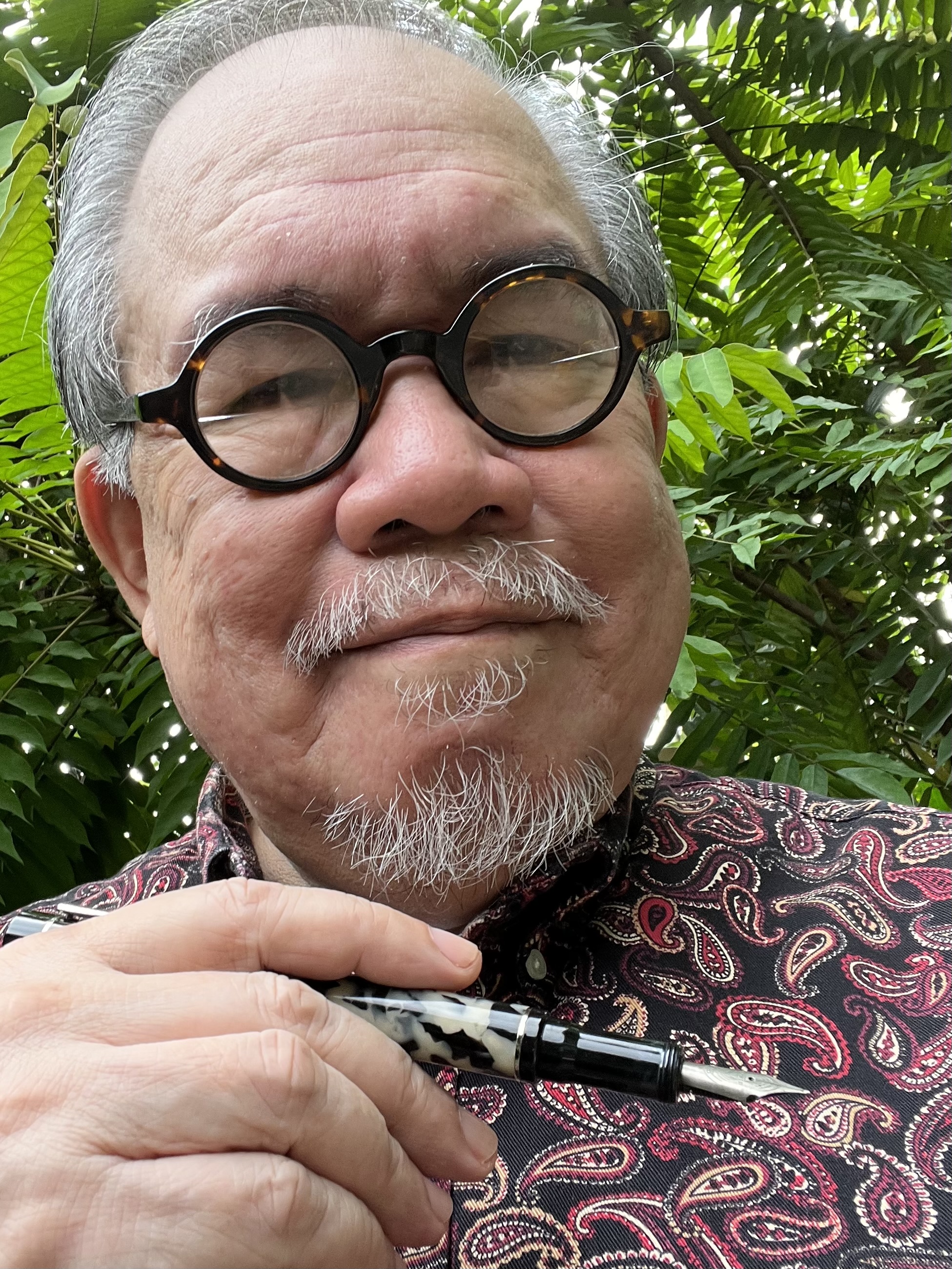
FOR THE first time in my 68 years, I tried something new these past two months: grow a mustache and a beard. It began when Beng caught Covid—thankfully the rather benign Omicron variety—and I followed suit, which required us to self-isolate for at least a week. Either out of laziness or perhaps to give some purpose to my enforced enclosure, I didn’t shave until I woke up one morning to find some whiskers germinating on my upper lip and chin, and decided to wait some more. 

No one in my family has ever sported facial hair, for good reason—our forefathers must have been chasing wild goats in the forest when they handed out genes for abundant hair. They got home just in time to catch some scraps, which was why my two brothers and I enjoyed luxuriant mops on our tops in our younger days, only to lose much of it to male-pattern baldness in our senior years. We grow hairy chests and bristly forearms only in our deepest sleep—in other words, we morph into Tom Selleck (or maybe Chewbacca)—and wake up to the pathetic reality of a pimple forming right where a respectable thicket’s supposed to be.

Much to my surprise, a perceptible fuzz did grow around my mouth, and for a minute back there I entertained the possibility of doing a Hemingway (for which I already have the girth), until I had to accept the fact that the Lord was already being exceedingly generous in making me feel like Johnny Depp for a day (hey, we even have the same initials). 

It was nothing to crow about (a Facebook friend admitted to shaving off his incipient mustache when someone remarked that “I have more hair around my anus”), but I was happy. I looked different, and—okay—I felt just a bit different, maybe a tad more writerly, as if anything coming out of my mouth was going to sound like godly wisdom. It was comforting to know that while I’m never going to grow a mohawk on top, I can still go bald and whiskered, Yoda-like. Additionally, I thought that Beng would be tickled and thrilled to be kissed by a new man in her life (tickled, yes, thrilled, no).

All this has led me to explore the history of the mustache (“moustache” is its British version). The BBC’s “The Moustache: A Hairy History” gives a fascinating account of the ups and downs of facial hair (and even a new word: “pogonotrophy,” the art of its cultivation). The highlights include Peter the Great’s “beard tax,” which led to shaved chins and flowery mustaches; Lord Byron’s preference for the pencil-thin trim; the association of bushy beards with bacteria, and the subsequent falling out of fashion of the hirsute look (also, World War I gas masks didn’t work with grizzly faces); the resurgence of the handlebar mustache (strictly no beards) postwar; and the now-popular “Movember” charity event in November, for which men grow mustaches to raise awareness of men’s health issues (a most noble excuse, to my mind).

Since Samson established the link between hair and testosterone, mustaches and beards have also implied more masculinity, about which The Gentleman’s Journal has an interesting story. When the British colonized India, the native men—who brandished their mustaches like scimitars—looked down on their clean-shaven sahibs as wimps, forcing the white masters to grow their own, and bringing the fashion back to England with them. (The e-zine also offered up this etymology: “‘Mastax’, a Greek word, was stolen by the Scottish and turned into ‘Mystax’, with both meaning ‘jaws, mouth or lips’. The Medieval Greeks took the word back, and that ‘Moustakion’ grew out into the Italian ‘Mostaccio’ — before the French combed it into submission, giving us ‘Moustache’ around 1580, with a final definition of: ‘The hair that grows on the upper lip of men’.”)

The history of beards seems just as complicated; at one point, says Beardpilot, you could pay off a debt with your beard. Ancient societies punished erring men by cutting off their beards. In the Middle Ages, touching someone else’s beard could be cause for a duel. Before Peter the Great, Henry VIII and Elizabeth I also taxed beards. Of course, wherever you went, hair on your face meant virility and wisdom. What it did not guarantee was money, if one recent survey is to be believed, claiming that “Ninety-eight percent of the men on the Forbes 100 list of the world’s richest individuals are clean-shaven.”

Me, I’d rather be wise than virile at 68 (and should I say wealthy rather than wise?), but I’m just trying to get used to feeling something furry and sometimes wet beneath my nose, especially when I’m slurping soup or sneezing. I’ve learned to trim what passes for a mustache where I can touch it with my tongue, and to snip off vagabond whiskers from my scraggly beard. Beng seems indifferent to my experiment, in fair exchange for me not saying anything untoward about her pixie cut (I miss her bangs). I told our apu-apuhan Buboy that his Tatay Butch was going to be a pirate, but he appears unimpressed; I’m not menacing enough, needing to put more growl into my act. I hope Demi agrees that the bearded-guru effect makes her dad look smarter than he is.

One of these days I’m sure I’ll say that I’ve had enough, and reach for a razor—but not just yet. I’m just getting the hang of pogonotrophy, and while I guess I’m never going to be as shaggy as a Wookiee, I’d like to have fun playing Johnny Depp just a little bit longer, before the dementia gets real.

Qwertyman No. 9: Fiction Counter-Fiction

Qwertyman for October 3, 2022

(Photo from pond5.com)

“LADIES AND gentlemen, we have a problem.” Ma’am Ventura, no less than the Queen of Trolls herself, looked down the long table through her oversize Versace shades at her social media managers, who were nervously fixing their ties and tapping their Jinhao pens in anticipation of what she had to say. Their managers’ meetings usually didn’t start until ten p.m.—when the day’s news would have aired and they had the whole night to prepare for the next day’s barrage of posts—but today she had messaged them to come in at eight, apparently at the request of the mystery guest who sat to her left. He was, they were told, an important man, an opinion-maker like they were, only more visible.

He seemed fidgety himself, his eyes somewhat crossed and unfocused, as if he had had laser surgery in the belief that he would look better without glasses, but the operation had gone awfully wrong. Now he simply looked stunned and misplaced, and the others couldn’t be sure if he was smiling or grimacing. Ma’am Ventura had lit up one of her Dunhill Lights and the smoke was drifting past her visitor’s face but she wasn’t apologizing for it, which told her staff that she didn’t think he was that special after all, despite what she would say.

“We have a special guest with us tonight who’ll explain why. This is Mr. Rutherford or Rudy Tuklaw, and he comes from the Bureau.” Her mention of “the Bureau” drew some gasps. It was rumored to be a top-secret, off-the-books grouping of some of the President’s most rabid supporters and enforcers. Some brought money; some were paid. To Ma’am Ventura, Rudy looked like the paid kind. 

“Thank you all for being here,” Tuklaw said after clearing his throat, as if they had a choice. “In fact, we have more than one problem.” He brought out some folded newspapers from his bag and tossed them on the table to be handed around. “Look at these columnists—this one, and this one. There might be more I don’t know about yet. These people are a disgrace to journalism and should be weeded out!”

One of the managers, Nico, read one of the columns and began giggling, showing it to his seatmate Bruce. “You should read this piece about nuns playing poker,” he whispered. “It’s hilarious!”

“You think that’s funny?” Tuklaw said, becoming even more cross-eyed. “That’s fiction! These are supposed to be serious Op-Ed columns, but these guys are writing fiction!”

A young woman named Ms. Morales raised her hand and Ma’am Ventura nodded to acknowledge her. “May I ask—sir—exactly what’s wrong with that?” Ms. Morales liked fiction—not the boring Hemingway or Faulkner stuff her English teacher had force-fed them with, but real, honest fiction like Fifty Shades of Gray.

“Why? Because it’s not fair! These people are making fun of the President, of democracy, of sensible reform measures like the ‘report-your-subversive-sister’ law and the ‘no-car, no-garage’ law, and they’re getting away with it! You and I—all of you here—we’re engaged in a war of words with these low-life misfits. Granted, some of our methods are, uhm, unconventional—but even among combatants, there are rules of engagement. Like should beget like! If I write a column attacking you, well, then write a column attacking me—don’t hide behind this cowardly contrivance called fiction, which is all made up and contains not one smidgen of fact!”

“But if it’s all made up and totally without factual basis, then—why should we be worried—sir?” Ms. Morales pursued.

“That’s exactly it!” Tuklaw responded, sputtering. “They make no clear assertions, no claims to truth, so we can’t pin them down for anything.”

Another manager named Bruce had been staring at the piece before him for minutes. “I don’t get it. I’ve been trying to make sense of it, but—I don’t see anything funny here. I just don’t get it.”

Nico leapt at the chance to score a point. “Well, there you go! If Bruce can’t make heads or tails of it, then so will most people. People are stupid.” Bruce’s eyebrows shot up. “That’s why we use short posts like Twitter. That’s all most people can deal with. Nobody reads these—these novels!”

“Maybe you can do the same thing!” Ms. Morales said. “Give them a dose of their own medicine. Fiction counter-fiction!”

Rudy was about to say “I can’t” but pursed his lips and said instead, “I won’t. I refuse to dignify the form.” It rankled him that the column-stories, written in a breezy style, seemed like they had been done in fifteen minutes while he labored into the night on his own diatribes against the enemy, especially when he had to be more creative with his scenarios, which his principals expected. 

“So what do you want us to do, Mr. Tuklaw?” Ma’am Ventura mopped some of her ashes off the table with a wet napkin. She saw herself as the professional who produced the deliverables with cool and bankable efficiency for a specified sum, not a seething hack like her visitor who kept hoping to parlay his influence into some cushy appointment with a four-syllable title. She was receiving him out of sheer courtesy, and because she had always been curious to see what Rutherford Tuklaw was like in person. Now she knew. She blew more smoke into his face.

“I want you to destroy them—these—these jokers!” 

“Isn’t that the Bureau’s department, Mr. Tuklaw? They can make people go away.”

“I don’t mean that—yet—although it’s not a bad idea, at least to scare them. I mean, we could say, if I killed these idiots, emphasize IF, then show me some leniency, something like that.”

“So destroy them in words? On Facebook? And Twitter? Maybe even longer blog posts? Go after their families, their reputations, their sexuality, their food preferences—”

“Whatever, whatever—invent what you need. I just want them to squirm like—like the worms they are!” His legs were twisted around each other beneath the table.

Ms. Morales felt chirpy. “So we can use fiction, Mr. Tuklaw? I took up six units of Fiction Writing in UP!”

Tuklaw stared grimly at his knotted fingers on the table. “Like I said. Whatever!”

Penman No. 442: Yes, You Cane!

Penman for Sunday, September 4, 2022

AS IF I didn’t have enough junk filling up every corner of the house, I’ve lately gone on another collecting binge, for which the only justification I can offer is that, well, it’s age-appropriate. 

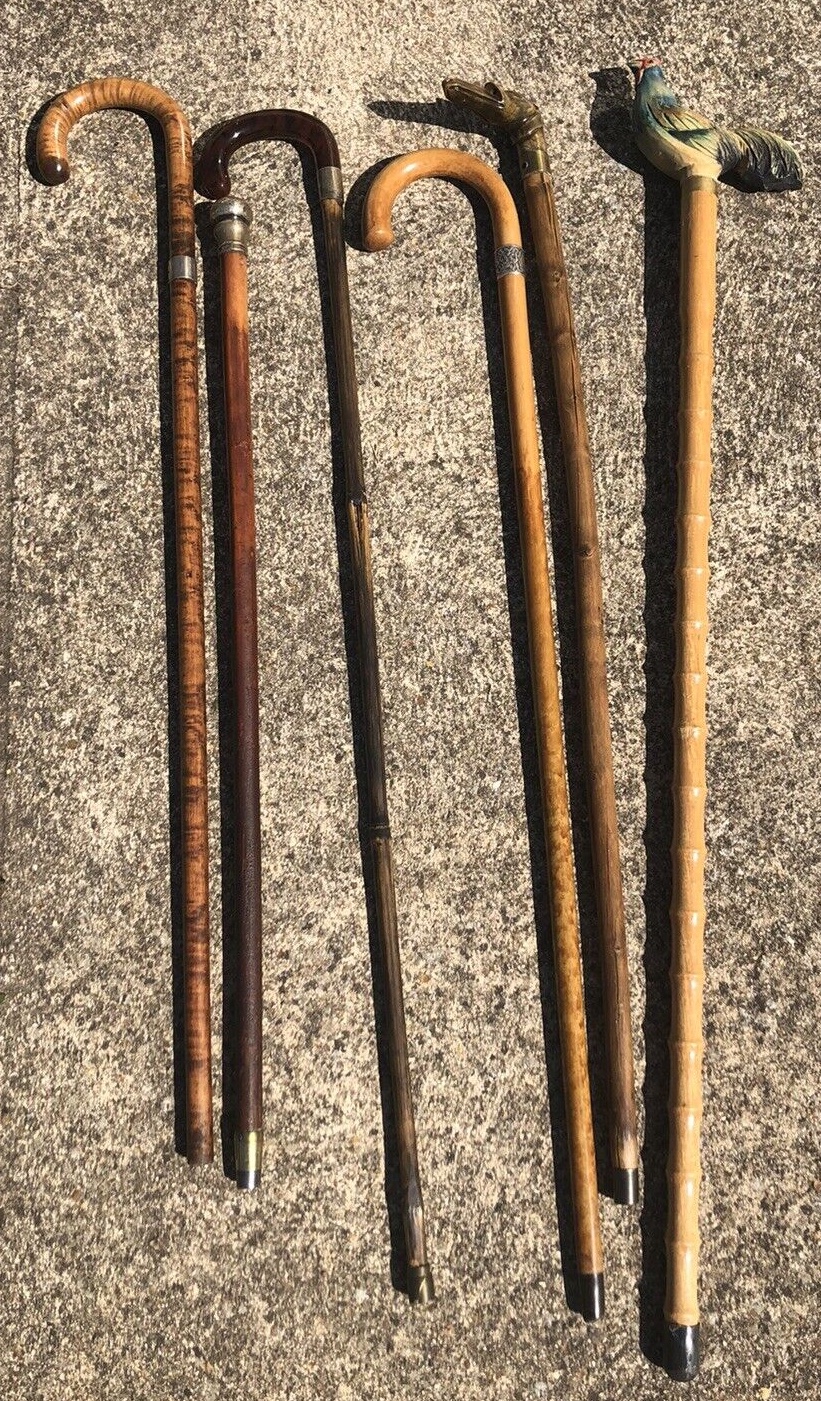
I’m talking about collecting canes and walking sticks (we’ll use those terms interchangeably for this article, although there are technical differences between them), accessories we now associate with the onset of decrepitude or some other infirmity. I’m not quite there yet—although, at 68, I should need no excuse for carrying a cane, especially for my periodic attacks of gout—but I thought it prudent to prepare now for the inevitable, and acquire artful and functional canes while I’m still sentient enough to know between wood and plastic.

I’m not sure when this newfound diversion began for me. I’d been using the familiar, adjustable metal canes you can buy at drugstores for my gout, which Beng has also leaned on for her arthritis. At some point—as with my other follies—I must have said to myself, “If I’m going to carry this around all day, it might as well be nice. No, forget nice, it might as well be grand!”

And so began my hunt—online, in Japan-surplus shops, and wherever else you can find them—for the perfect cane, which, as soon as you say it, you realize is an impossibility, because the next one is always going to be better, or at least different.  That’s just how it is for collectibles, and how my few working fountain pens grew to 400 at one point (now trimmed down to a more modest 150). 

To bring some reason into this passion, let’s go back to the utilitarian roots of walking sticks and canes, supposedly in the long sticks or poles that shepherds carried to protect themselves and their flocks from predators like wolves. The same sticks were used as walking aids, to climb up hills and mountains with, as well as for taking measurements. By the 1500s, with the use of cane for the shafts, the word “cane” entered popular usage.

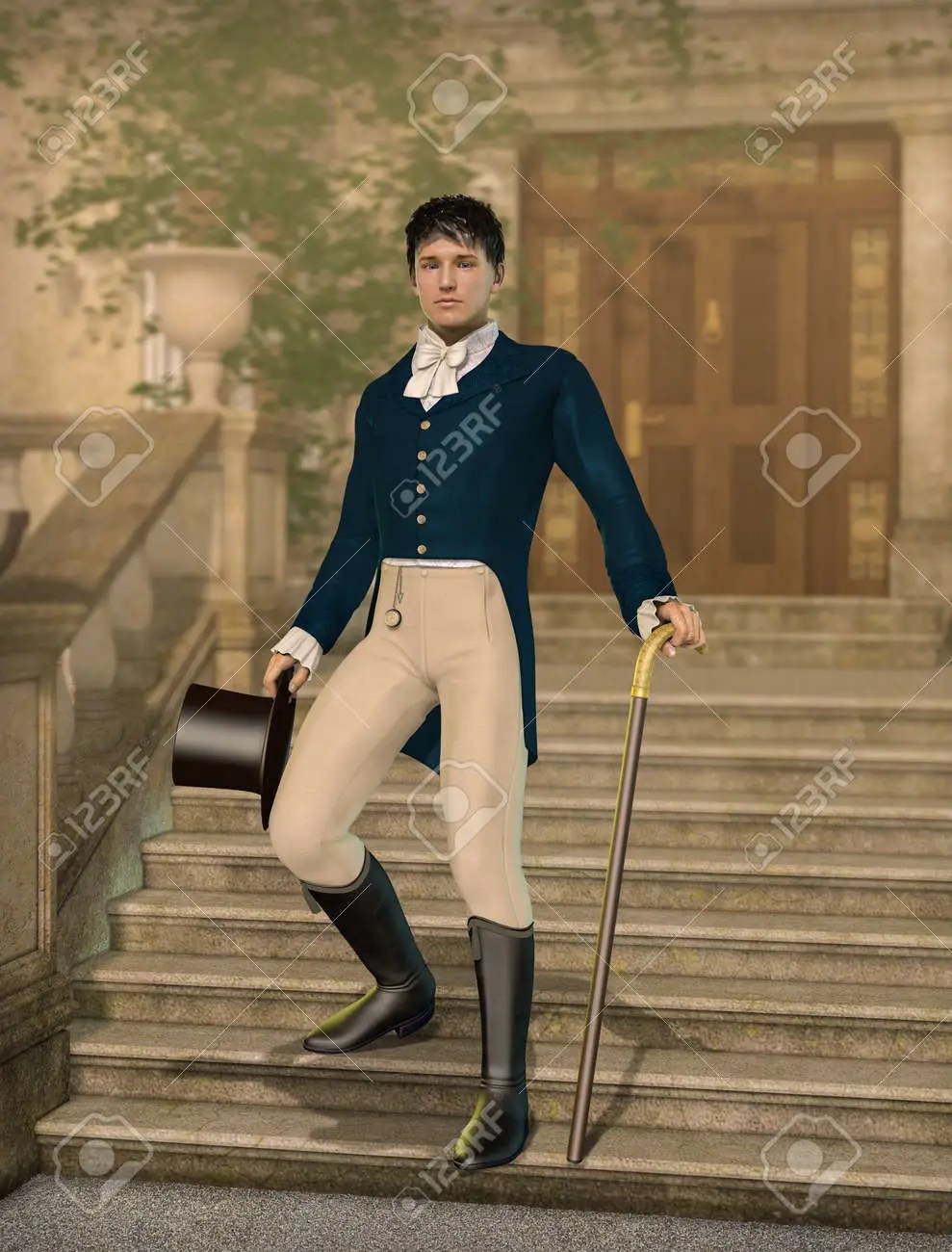
Meanwhile, beyond saving you from a bad fall, these wooden sticks found a new and loftier purpose in the hands of men (and some women) who ruled over vast kingdoms and had to show something for it. They became scepters for emperors, kings, and queens—bishops also took to holding even longer staffs—and as such had to look the part, acquiring embellishments of silver, gold, and precious gemstones. When you had to say something like “Off with his head!”, it seemed more convincing to do it with an upraised stick. Moses, of course, had the most potent rod of all, good for getting water out of rocks and for smiting down the detested Amalekites. 

(Image from 123rf.com)

All that pomp and pageantry associated with carrying sticks must have rubbed off on the bourgeoisie, who took to canes as fashion accessories, one more way of showing (or showing off) how prosperous and important one was. Carrying a cane didn’t mean you were lame; to the contrary, it suggested that you wielded power as a bona fide member of the gentry. Genteel ladies had their own versions, some of which had secret compartments for perfumes, combs, fans, and even mirrors; the men liked theirs with swords, knives, and guns—these multipurpose sticks were called “system” canes.

In the London of the 1700s, according to one history of canes, “A gentleman had to procure licenses for the privilege of carrying canes. It was expected that they would abide by certain rules or risk loss of the privilege. The authorities actually policed rules for canes and walking sticks vehemently. It was considered an extreme violation of manners to carry a walking stick under one’s arm, to brandish it in the air, drag it on the ground or to lean on it while standing.”

Thankfully today no such licenses are required, and the etiquette of canes is observed mainly in the breach. Canes are back to being the implements of the sick and the aged, and eyebrows will rise if you appear on the street or in your workplace sporting an antique derby (a popular style with a short wavy handle) or a shillelagh (a cane made from a rough piece of wood with a knob on top).

As a senior, I consider myself exempted from all licenses, excuses, and medical prescriptions in this regard. I collect canes because, like my pens, they’re both tools and works of art, relics from an age of manners and elegance. That they’re out of fashion is an even bigger plus, because it means very few other people want them, and their prices will be reasonable. 

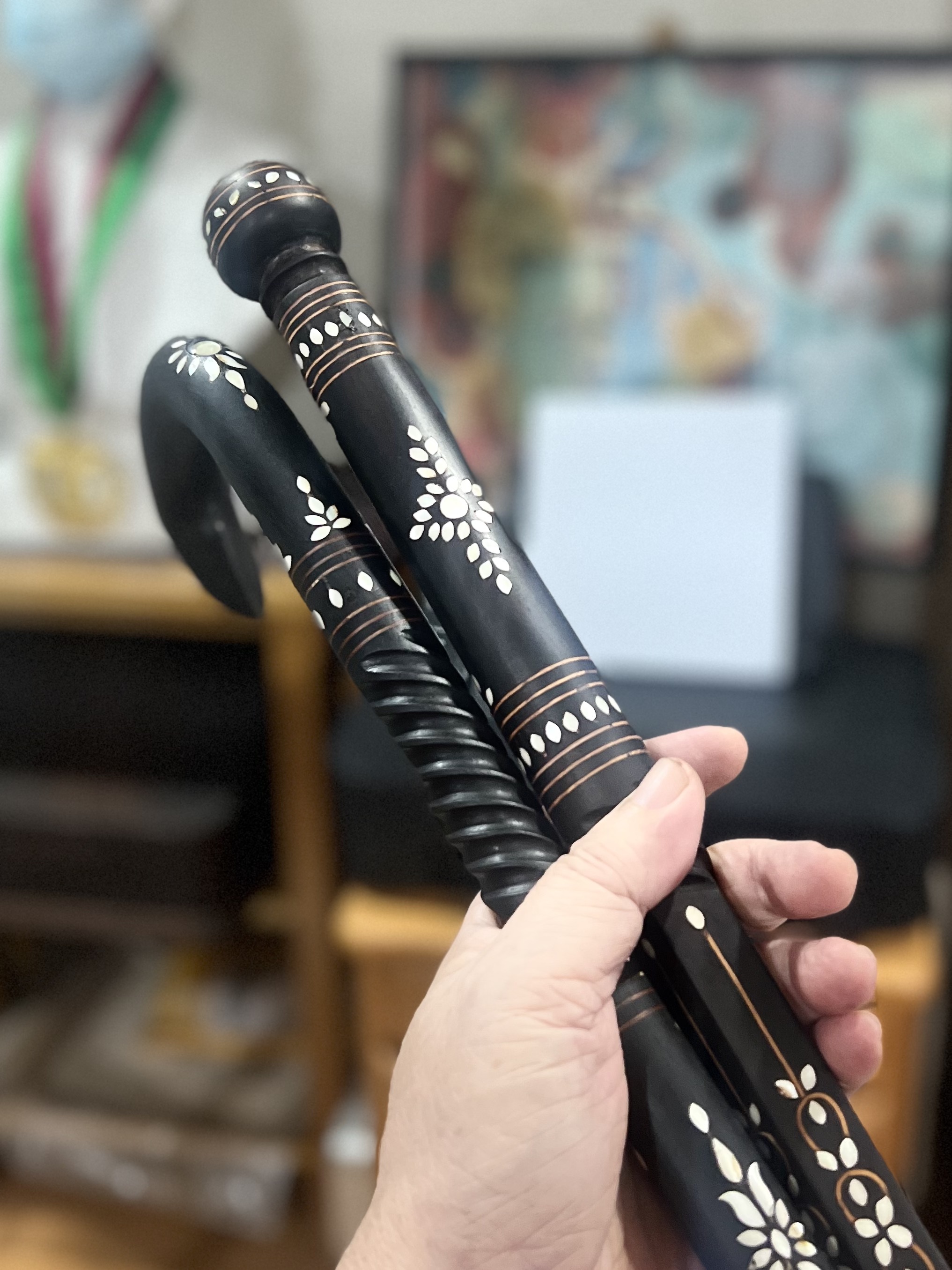
The Philippines is a great place to start collecting canes, because we have very fine antique and vintage ones, made of kamagong or some other hardwood, intricately carved with mother-of-pearl inlays. Some others have silver pommels, handles, bands, and ferrules (the metal caps at the tips) and fine repoussé (hammered) work on the silver. Japanese canes often come in bamboo, which can be very expressive at their bent handles. 

What I’ve looked for outside of our region are canes from Europe and the US, which employ horn, silver, brass, and other materials for their handles, which can be elaborately carved and decorated with animals, skulls (not my thing), and whatever floats the owner’s boat. Vintage canes can also come with bands or badges that denote provenance, such as the owner’s monogram or his military service. There are many websites online devoted to this hobby, and eBay is always a rich source for canes (new but vintage-style ones made in India can be had for not too much). It’s important, by the way, to trim your canes down to size—your hand should be just resting lightly over the handle beside you—not bent upward or reaching down. I do this myself with a hacksaw, and use one of those rubber plugs sold in True Value for chairs to cap the bare tip.

I’m not waiting for my next bout with gout to enjoy my walking sticks. Having resumed my walks around the UP campus, I’ve found that carrying a cane not only supports me but improves my balance and rhythm (I swing it out in front of me like a pendulum). Beng, who needs them more (and who has her own mini-collection), has also discovered that being a cane-carrying senior has its advantages: people are more courteous, service is faster, and seats miraculously appear. I’ll try that the next time we fly!

Qwertyman No. 3: The Book Convention

Qwertyman for Monday, August 22, 2022

THE ANNUAL convention of the National Association for the Advancement of Books of the Democratic Republic of Kawefo was about to begin, and after a rowdy rendition of the National Hymn that was sung in two keys when the video failed, followed by a ten-minute prayer in five different languages invoking Divine Guidance in the formulation of a “coherent, cohesive, and comprehensive national book development policy,” the Introduction of the Honorable Guest Speaker began, properly enough with the birth of the speaker in the country’s easternmost islands, better known for brigandry than textual poaching. 

“Minister Fwefwe could not have arrived at her exalted position at the helm of Kawefan higher education and cultural development without her deep and abiding commitment to the promotion of knowledge, which she gained through her lifelong immersion in the world’s intellectual foundries,” intoned her introducer, the current Vice-Minister of Propaganda whom everyone knew was angling for Fwefwe’s job at the next Cabinet reshuffle. An ex-Marine colonel who had been sacked for leading his men into a rebel ambush while searching for a cellular signal on which he could call his mistress, Vice-Minister Penpen had been rehabilitated through the good graces of his cousin, the chief cook at the Palace who served President Ongong his favorite dishes. “Who could have known that a chance encounter at the circulation desk of the Manoa Public Library on that fateful day of the 23rd of November, 1986, would lead to her elevation from a humble library assistant to our republic’s Chief Cultural Czarina?”

“Good Lord,” muttered Dr. Gawgaw in his corner, “he’s going to tell the full story all over again, is he?” Gawgaw dipped a nacho into the puddle of cheese before him and munched on it noisily. He sat with a group of old men sporting flowery ties and silver-tipped canes, with a sprinkling of elderly ladies whispering in an arcane Creole-like dialect. A retired Professor of Kawefan History, Gawgaw would have preferred to stay home in his library, sniffing the powdery biblichor out of his pigskin-bound volumes on “Robinaux’s Account of Kawefan Border Crossings, 1773” and admiring the faux-Victorian binding of “Society in a Centrifuge: Sugar and the Colonial Domestication of Kawefo,” which he wrote himself. But he had to attend this silly convention on behalf of his Society for the Preservation of Kawefan History, to ensure that any new book policy did not forget to account for the past, of which he was both protector and gatekeeper. “Madame Minister, republish our books!”

Across the aisle, the Kawefan Educational Publishers Guild had other ideas. “Books are everyone’s business!” And indeed it was, especially for Mrs. Krekre, lifetime president of the guild, the grande dame of Kawefan textbook publishing, and supplier of choice to all the government’s informational requirements. The guild employed hundreds of moonlighting schoolteachers to write textbooks that satisfied whatever Kawefan industry and ideology required (the ideology changed every six or twelve years, except for the occasional coup in between), and there was always a need to refresh history and its interpretation. The new administration was anxious to encourage the rumor that its ruling family’s wealth had been founded on ancient treasure, so new myths were being discovered and stories being written about the Lost Kingdom of Lifofo, to which President Ongong could trace his divine ancestry. New material meant new editions and teaching supplements, all of which required thorough vetting by the Ministry of Public Instruction, where Mrs. Krekre’s patient goodwill ensured everyone’s satisfaction.

Oblivious to the proceedings onstage were the members of the Kawefan Popular Writers League, an association dedicated to the principle of literature as entertainment, toward which they concocted dizzying romances set in the Swiss Alps, deep-space honeymoons, movie-star ghost stories, and murder sprees provoked by a secret kimchi recipe. They sipped their wintermelon-flavored milk tea at their table, sharing stories of their latest forays and frolics, and when Minister Fwefwe screeched into the mike about something that sounded like “social responsibility,” they screeched right back and giggled, annoying everyone else, but no one could shut them up or leave them out of the party, because everyone read them in their cars and bathrooms, including Dr. Gawgaw and Mrs. Krekre.

Looking much less happier were the dozen-odd members of Kawefan PEN, who stood forlorn just outside the convention hall, clutching placards that mentioned words like “FREEDOM” and “JUSTICE” alongside a slim stand of books illustrated with skulls, barbed wire, and raised fists. They were led by Prof. Mikmik, who had done his dissertation on Baudelaire at Harvard but who, after the Vietnam War, had seen the Marxist light and now sported a goatee and wrote inflammatory poetry. He had once been friends with Dr. Gawgaw until they quarreled over whose books mattered more in the grand scheme of things. Mikmik was convinced that he was under constant and intense surveillance, especially since his FB account was barraged by friend requests from nubile ladies masquerading as masseuses and escorts.

There were spies, indeed, on the convention floor, shuttling from one exhibition booth and table to another, deputized by the Inter-Agency Counter-Subversion Agency to locate, expose, and denounce subversive literature “in whatever form, format, or genre, for the purpose of undermining the people’s faith and belief in duly constituted authority….” The IACSA’s operatives had attended a workshop in Camp Ngungu, where important questions like “What’s a genre?” were addressed by retired professors of comparative literature (“A novel, a cookbook, a nursery rhyme!”). Key words like “liberal,” “gay,” “rejection,” and “penguins” were dissected and discussed to lay bare the insurgent cancer throbbing at the heart of Kawefan society.

Agent Pogpog had joined the IACSA after sleeping on his call-center job, and was now intent on making a name for himself by bagging his first major subversive author, following the recent, high-profile arrests of poets Gemgem, Kripkrip, and Ricric. For the past three hours, pretending to be a graduate student, he had been keeping Prof. Mikmik company, trying to figure out if Mikmik’s autobiographical epic, Seven Seasons of Solipsism, was subversive or not. It contained a line about “the promethean susurrus of unvanquished desire,” which sounded suspiciously rebellious. “It’s totally subversive, I assure you,” said Mikmik, “and if those fools in the military only knew their Homer, I should have been locked up and shot dead thirty years ago when this book came out. And then this book would be in its tenth edition!”

Inside the convention hall, Dr. Gawgaw burped, Mrs. Krekre laughed, and Minister Fwefwe raised a toast to all authors past and present, and to their boundless imagination.