Qwertyman No. 50: Doro’s Times and Ours

Qwertyman for Monday, July 17, 2023

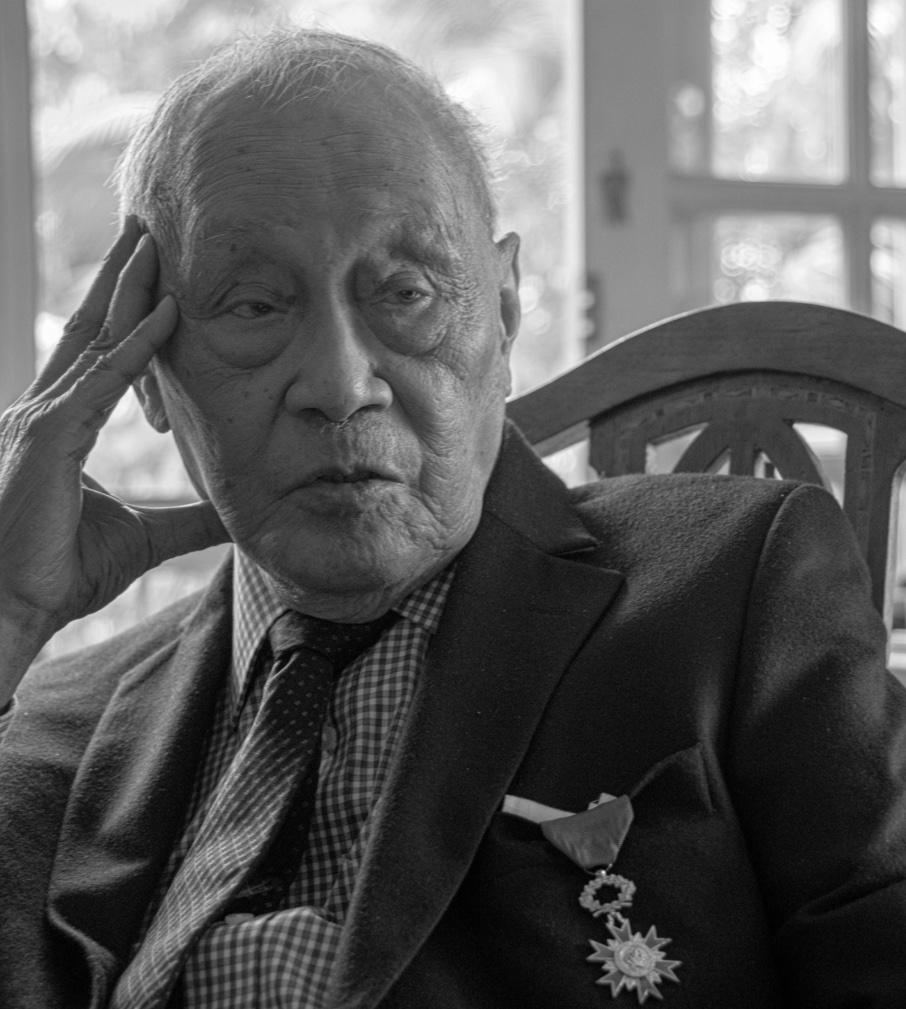
THE NEWS of Amando “Doro” Doronila’s recent passing in Canberra at age 95 marked the end of an era, as Doro was the last of his generation of journalists who made newspapers and their Op-Ed pages compelling reading. Whichever side of the political fence they were on, these journalists and columnists gave it all they had; many reveled in their prominence and some shamelessly parlayed their influence into all manner of profitable enterprise, back when it seemed the sensible thing to do, before the darker complicities of martial law set in.

Doro seemed to me to be above all this. His personality was, shall we say, poorly suited for TV or even radio, which was just as well, because it drew a clear line between journalists who did nothing better than think and write deeply, and those who confused their calling with show business.

I didn’t really know Doro personally. My one memorable encounter with him was when I was 18, a freshman dropout from UP who was dying to get into the newspapers, by hook or by crook. (Like some precocious teenagers, I was convinced I had the writing talent to skip journalism school. I would later pay for that hubris in tearful rewrites in the newsroom.) 

One of the doors I knocked on was that of the Manila Chronicle, which Doro was the editor of in 1972. I remember striding into its office and walking up to Doro’s desk, sucking in my stomach. He seemed puzzled to see my pimply face, which probably belonged to a messenger boy’s, except that I came empty-handed. “Yes?” What did I want? “Sir, I want to apply for a job—as a reporter,” I must have croaked, mumbling something about my writing for the Collegian and my high school paper. “How old are you?” I said that I was “going to be nineteen soon”—“soon” being about nine months away. 

I can’t recall if he looked back at me with pity or sympathy, or if he was laughing inside. I do remember him saying something like “Why don’t we talk again in a few years?” I was disappointed but not dejected; at least he didn’t throw me out of the place, or ridicule me before a roomful of the kind of people I wanted to be—hunched over typewriters, smoking up a storm, shaping tomorrow’s news, their bylines embedded crisply and imperishably on fresh paper.

Eventually, sometime that summer, and through sheer persistence, I did land a newspaper job, as a features writer and then a general-assignments reporter with the Philippines Herald, very likely the youngest fellow working full-time for the papers then. With the Herald and later Taliba  just before martial law, I met all kinds of journalists on the job, and saw how human we all were, the creatures of our noblest ambitions and pettiest grievances. One reporter I was on the police beat with loved playing cop, interrogating suspects each one of whom he was convinced was nursing a confession. Many had an enormous capacity for alcohol and the unapologetically macho bluster that came with it. Despite their gruffness, some had marshmallow hearts; two or three even took me under their wing to spare me from the usual gauntlet that rookies had to undergo. We were the peons of the profession, entry-level Hemingways and Woodwards chasing stories down the city’s tenebrous alleyways, and we loved every minute of it.

That was our world, but when I reported to the newsroom in the afternoon to file my story, I was ever aware that even above the copyeditors’ desk was another tier of men (as they mostly were) who perorated boisterously in a corner office on the day’s politics over scotch and cigars, the people whose opinions mattered and who made opinion matter. Never having worked with or for Doronila, I could only imagine him in that company, sitting sagely with his fingers crossed while allowing the thunder to roll above his head.

Today, half a century later, and finding myself just as old or even older than those titans of Philippine journalism then, I can savor the irony of having the privilege to write an Op-Ed column in times that mirror, in many ways, the early 1970s—with a Marcos in Malacañang, an opposition at bay, a scandal a week, and yet a people hard at work, striving for economic and moral deliverance. 

The great difference is that newspapers no longer have a monopoly of opinion-forming; that ground has been taken over by the Internet and social media (and elsewhere, by early-morning and late-afternoon AM radio, perhaps the hardiest of public platforms). Certainly, some Op-Ed stars remain—again on either side of the political divide—with faithful followers in need of sharper articulation and affirmation of their own sentiments. But even those readers tend to be aged or aging, people with the time and patience to read prose in paragraphs instead of bullets and memes, and who might even look for and appreciate that elusive quality called “style.” (Doronila’s no-frills prose, to be honest, was straight and guileless to the point of being starchy.) These 1,000-word pieces we produce now belong to what they call “long-form” writing, as if to write and read them were a test of endurance. 

But against the cheeky punchiness of Twitter and the ugly street brawls on Facebook, and above all stylistic considerations, I have to applaud this new generation of journalists (not all of them for sure) for their adherence to the truth and to fact-based reporting, and for holding themselves up to a higher standard of ethical behavior than their predecessors. Battling the bots and trolls of disinformation, they put their lives and well-being on the line, story by story, column by column; most are young, many are women, some even gay—the old gray men of the newsroom no longer dictate the headlines or the editorial slant. I think Doro himself would have been happy to see this, having mentored many of his successors.

And so as we grieve Amando Doronila’s demise at an age few of us can hope to approach, we can celebrate the continuity of upholding courage, virtue, and incorruptibility in Philippine journalism, with deepest thanks for the example the man set for us to follow.

(Photo by Pablo Tariman on FB)

Qwertyman No. 47: An Open Door

Qwertyman for June 26, 2023

A FEW weekends ago, the traffic was tied up in knots around the University of the Philippines campus in Diliman, where we live, and we knew why. Many thousands of high school seniors hoping to enter UP were taking the university’s UPCAT or entrance exam, which had gone back to its old physical, face-to-face format after two years of being suspended in favor of a statistical formula because of the pandemic. This year, over 100,000 applicants took the UPCAT, out of whom about a tenth will be taken in, the actual number of admissions being determined by the capacity of UP’s eight “constituent universities” like UP Los Bañ0s and UP Mindanao, aside from Diliman, to absorb new freshmen.

As a campus resident and now a retired professor who still teaches a course every semester (an option I avail myself of, just to keep my foot in the classroom and know what the young people are thinking), I witness this ritual every year, and smile every time I see those bright and eager faces, squinting at the sun and looking a little lost; the first challenge every UP freshman faces is finding out where things are and the fastest way to get from Point A to Point B. 

That’s literally thinking on your feet, which is a survival skill we inculcate in our students. If there’s a smarter way to solve a problem than brute force, we’ll find it. (I recall how, in the middle of an exam for a Shakespeare class which I usually aced, I was stumped for the right answer, and in despair just responded with a quotation from A Midsummer Night’s Dream: “So quick bright things come to confusion!” My professor let me off with a 1.25.)

Frankly or perhaps unkindly, UP people are called pilosopomagulang, or maangas by those unfamiliar or uncomfortable with the forthrightness and cleverness that our academic culture encourages. At worst, we’re called “godless communists” by those who don’t see how packed our chapels and parking lots are (although of course, today, the most successful communists are called oligarchs). On this point, I can guarantee you that no one can be more annoyed if not enraged by a UP person than another UP person; our faculty feuds are legendary. Indeed that has become a liability with some employers who prefer to hire graduates who will simply do as they’re told without asking “Why?”

“Why?” may indeed be the wrong entry-level thing to say, but it’s also what has moved science and society forward, quickly followed by “How?” If no one asked it, we’d still be chasing animals over clifftops for food and sacrificing our first-borns for bigger harvests. This urge to apply reason to the most basic of human and natural functions again can be occasionally irritating, especially when it is accompanied by the unflinching (or perhaps juvenile) certitude that one is absolutely right. 

As a teenage activist in Diliman, I was sure that the only way out of the mess we were (and continue to be) in was an armed revolution; Marxist logic said so. Approaching 70, I’m just glad that I lived long enough to reason my way out of it, but looking back at that pimply 17-year-old who carried Harry Shaw’s College English in one hand and Mao’s Little Red Book in the other, I can understand why I thought the way I did. And no, it wasn’t like my professors force-fed me with rebellious notions. I was a reasonably bright kid who read the news—murders and massacres here, extreme poverty and hunger there, corruption and scandal all around, with few of our leaders seeming to care—and I was looking for a comprehensive and compelling framework to explain all this and map out a route forward. The Left offered that.

It’s important to note that then, as now, most UP students and certainly most Filipino students didn’t feel the same way and do as I and my comrades did, which was to put activism over academics. Our protests may have hogged the headlines and typecast UP for good as a school for rebels (although it had been a hotbed of student protest since Quezon’s time), but the majority of UP students then continued attending their classes, turning in their assignments, and picking up their diplomas, as was their right. Like I often emphasize, as vocal dissidents, we were (and are) in a distinct minority. That comes with the territory of resistance—not just in a university but in society as a whole.

Given what’s happened since, were we wrong to protest and did we waste our youth (and, as some politicians and red-tag-happy trolls might say, our people’s money as well)? Some of us persisted and stayed on that path; many paid with their lives, or devoted the entirety of their lives to their cause. Some turned 180 degrees and now rabidly renounce their past, casting their lot with their former enemies. Some, like me, now see moderate liberalism as the only viable way forward—to endure and survive, gaining ground from one generation and one community to the next, instead of in one fell swoop. Somehow I understand all of these outcomes, which are all human, all fallible, and none of them assured of success. I can only be hopeful, and not certain, that my option is the best one.

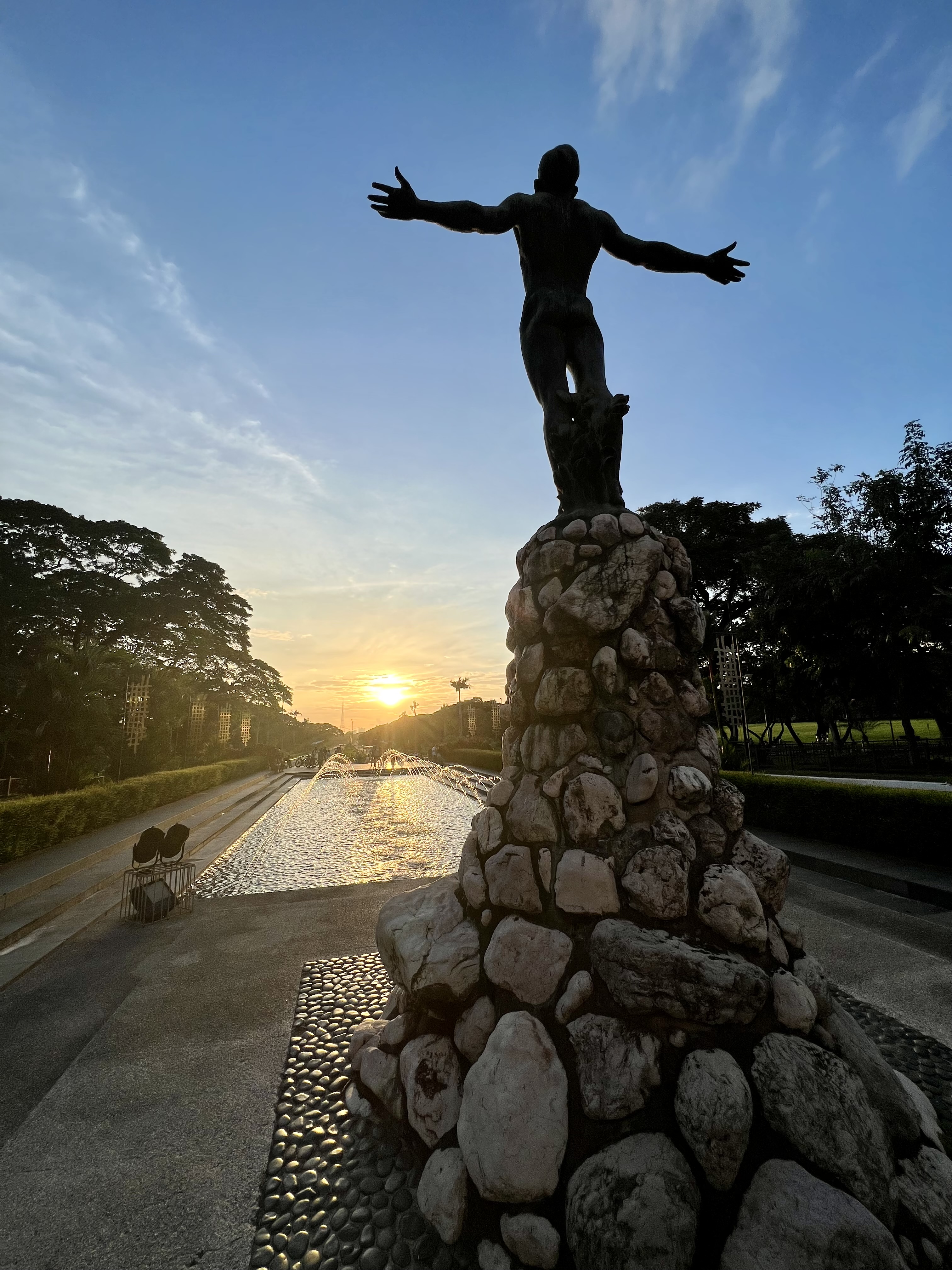
As I looked at the UPCAT examinees posing for selfies in front of the Carillon and the Oblation in Diliman, I remembered that eight UP students are now facing charges for their recent attempt to storm past a closed door at Quezon Hall to protest an unpopular decision by the Board of Regents. Among the complainants’ grievances, ostensibly, was that the wooden door was part of UP’s heritage, and had to be protected at all costs.

That saddened me, because the last image that one could imagine to stand for a university like UP is that of a closed and impregnable door. UP’s true heritage doesn’t lie in its furniture but in its tradition of free speech, and even of protest, the occasional overflow of passion included. I can only pray that UP’s new and compassionate president, Jijil Jimenez, can draw on his own activist past to see that point, and to keep an open door for his constituents to his mind and heart.

Qwertyman No. 44: Again, America

Qwertyman for Monday, June 5, 2023

I HAVE a good friend whom we’ll call Ted, a Fil-Am who retired a few years ago as a ranking officer in the US Navy. He was in town recently on some family business, and like we always do when circumstances permit, we had dinner and a good chat just before he and his wife flew back home.

Most of us have friends if not relatives in America, and all of this would be pretty routine except for one fact: I’m a flaming liberal, and Ted is a Trump Republican. Over the fifteen years or so that we’ve known each other—well before Donald Trump entered the picture—we’ve been aware of those political differences, but rather than politely skirt them in our conversation like many sane people would, we feel comfortable enough with each other to talk at length about them, and even exchange some friendly barbs.

Much of that level of comfort comes from my belief that, in his own way, Ted sincerely and deeply loves his country—and his ancestral home, the Philippines. He’s smart, curious, eager to learn and understand. In his former naval job and as a private citizen, Ted—who was born in the US but spent some of his formative years in his family’s hometown in Bicol, and speaks some of the local language aside from Filipino—has visited the Philippines as often as he can, trying his best to improve relations between the two countries on a personal level. (On this last visit, for example, he also took part in a ceremony to celebrate the commissioning of the USS Telesforo Trinidad, named after an Aklan-born Filipino petty officer who was awarded the Medal of Honor for bravely rescuing his shipmates from an explosion aboard their ship in 1915.)

Given his naval background—his dad joined the Navy in the 1970s—I’m not surprised that Ted is a Republican, like many military Fil-Ams are. (One notable exception is a mutual friend of ours, the former West Pointer, Army Ranger, and diplomat Sonny Busa, as staunch a Democrat as they come, and a key figure behind Filipino veterans’ causes in Washington.) His support for Trump despite the man’s many failings continues to mystify me, but I’m guessing that in his calculations, Ted chose to cast his lot with the man best positioned to thwart the liberal agenda. That includes items that Ted and other Republicans feel extremely uncomfortable with, such as what he calls the “celebration, beyond just acceptance” of transgender rights, and their judicial enforcement.

Perhaps with any other person, my liberal hair-trigger would have fired away at such comments with a fusillade of counter-arguments, but with Ted I find more value in listening and trying to understand a certain mindset, as different as some of its premises may be from mine. In our last conversation, what Ted had to say was profoundly disturbing. I’m paraphrasing here, but essentially it was this: “America is a mess. People can’t talk civilly to each other anymore. When I say I’m a Republican, people instantly assume I’m a racist.” To which I said that people at the top like Trump (and our own version of him here) greenlighted that kind of boorish discourse, with additional pressure brought on by right-wing militias armed with AR-15s. We talked about January 6 (which he opined was not an insurrection) and the Second Amendment (which I said seemed sacrosanct in American politics). “You have cancel culture,” he sighed, “to which the other guy responds by going bam bam bam!” He was deploring, not endorsing it, trying to get a fix on his own society’s ailments. “It’s in our DNA,” he said glumly about guns.

Thankfully Ted and I always have other things to talk about—like the Philippines, in which Ted said he feels much more relaxed than his own country. He knows how worked up I can get about politics and our own leadership (or the lack thereof), but as far as he could see on this trip, I and my fellow Filipinos (including those he met in Bicol) were just chugging along. “We’re survivors,” I said, “and we’ll do what it takes to get by from day to day.”

That brings me to another friend, “Tony,” who messaged me out of the blue the other day, obviously distraught by the Senate vote on the Maharlika Fund bill and asking if it was time for him and his family to leave the country, given how we seem to be back on the road to political plunder and economic ruin. It wasn’t just a rhetorical question; he was really thinking about it. Here’s what I said:

“Hi, Tony—If it’s a realistic option, I don’t think anyone can or should blame you for leaving or wanting to leave. We have only one life and we have to make the most of it in all ways. Politics is important, but it’s only one of many other factors that define who we are—love, art, family, and faith, among others. That said, it can have a way of complicating our lives and life choices. 

“Moving to the US has also been an option for me for some time now. Our only daughter lives in California and has been wanting to petition us. But my wife and I have been strongly reluctant to move there, although we visit almost every year and are familiar and comfortable with living in the US, where I spent five years as a grad student. We are artists, and our work is culture-bound. We feel appreciated here, within our small circle of friends. However good we may be, in America we would be marginalized; we don’t want to become an American minority and deal with all the issues that will come with it. And America has become much less inviting now, with all the intolerance and racial violence provoked by Trumpism. 

“So unless it were a matter of life and death, we’ll stay here, despite the present dispensation and many more aggravations like the Maharlika Fund to come in the years ahead, because I feel that my continued survival and success will be my best way of fighting back. Having survived martial law, we can survive this as well. Everyone’s circumstances are different, and again you should feel free to find your place where you can best live with your family and secure their future. Nothing is ever final anyway, and you can always come back. Follow your heart and conscience, and you should be all right, wherever you may go. All best!”

(Image from bu.edu)

Qwertyman No. 43: Perhaps It Takes a Fire

Qwertyman for May 29, 2023

THE WORST fire I ever witnessed was that of the Family Clinic hospital near Quiapo in Manila in 1972. I was a police reporter for the Philippines Herald, on the graveyard shift at the MPD HQ, when the three-alarm alert came in and we sped out in our jeep to the fire. Flames were billowing out of the upper floors and people were on the roof when we got there, and soon, sickest of all, I began to hear the thuds of bodies falling onto the pavement, of those who could no longer bear the heat and chose the only other terminal option. When I called the night editor to tell him what I was looking at, he had an additional assignment for me: “Count up the bodies, we need a figure.” I spent the early morning making the rounds of the nearby hospitals and their morgues, seeing up close what fire can do to a human body, the weeping of burnt flesh. I was eighteen, a college dropout eager to work; that night was worth a year in journalism school for me.

Many decades later, early in the morning of April 1, 2016, I was playing poker with some friends when I got a text message from another night owl that the UP Faculty Center was burning. Ever the skeptic, my first thought was that it was the first of what would be many April Fool’s Day jokes, but then other messages confirmed the terrible news. I dropped my cards and drove back to the campus—where I also live, by the way—behind the blare of firetrucks speeding to the scene of the fire, their loudness and haste almost superfluous in the stillness of the night. 

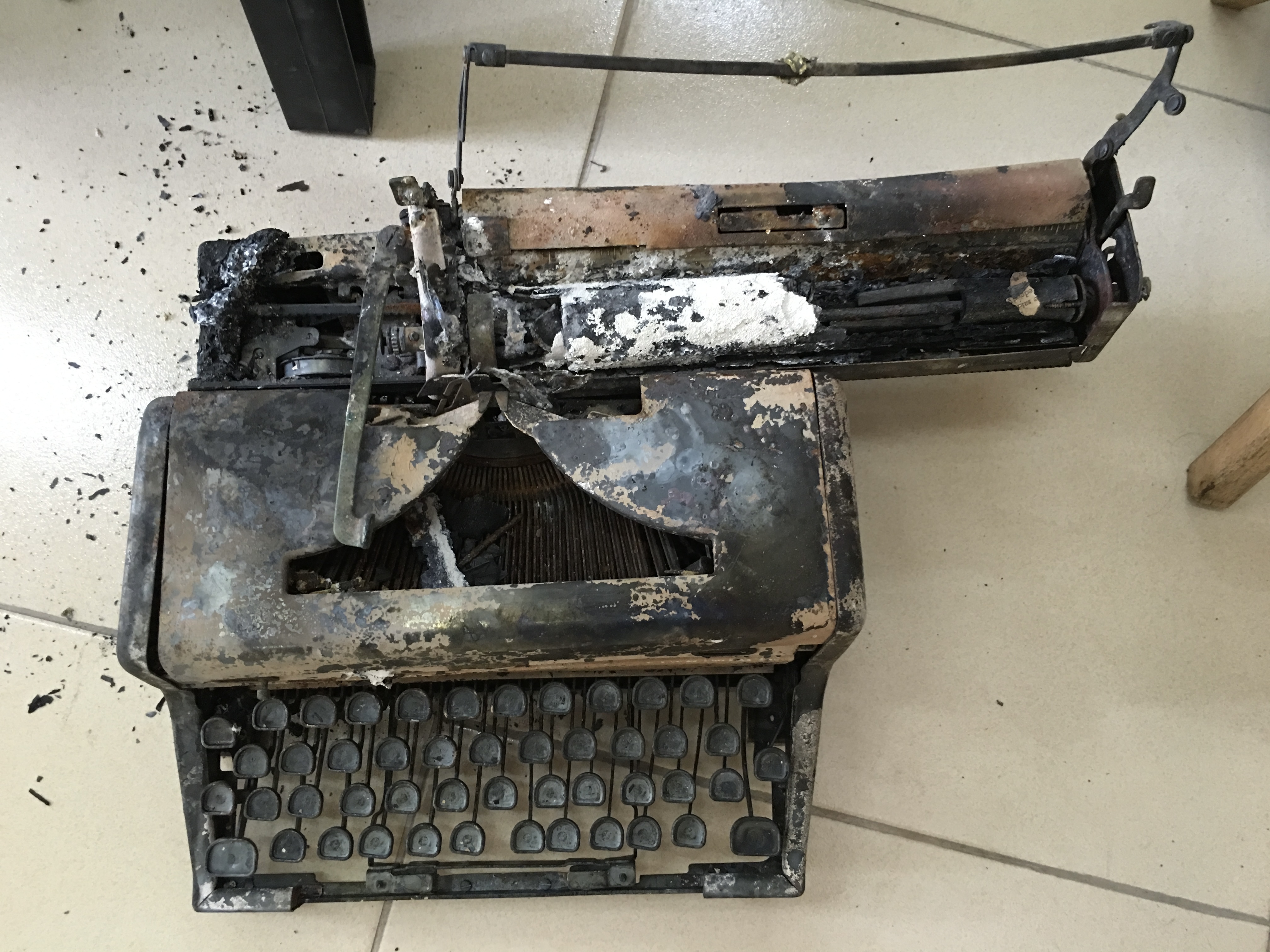
I arrived in time to catch the sight of my office burning—the whole first floor, our whole department, was burning. Strangely at that moment I felt no pain, no sense of loss; I didn’t flail around or throw up my hands in anguish. I suppose that was a form of shock, the way our brain throws a cold, wet blanket around us to insulate us from the heat, to keep us immobilized and therefore safe in the face of catastrophe. Unavoidably my mind began taking inventory of what was in my room—books, paintings, the best student papers of thirty-some years, twenty first-edition copies of my book Penmanship I had saved for its special paper, a computer, flotsam and jetsam from an academic life. There were many precious and irreplaceable pieces in that office, for sure, but again strangely, as soon as I remembered them, I said goodbye; I realized that I was muttering what amounted to a prayer.

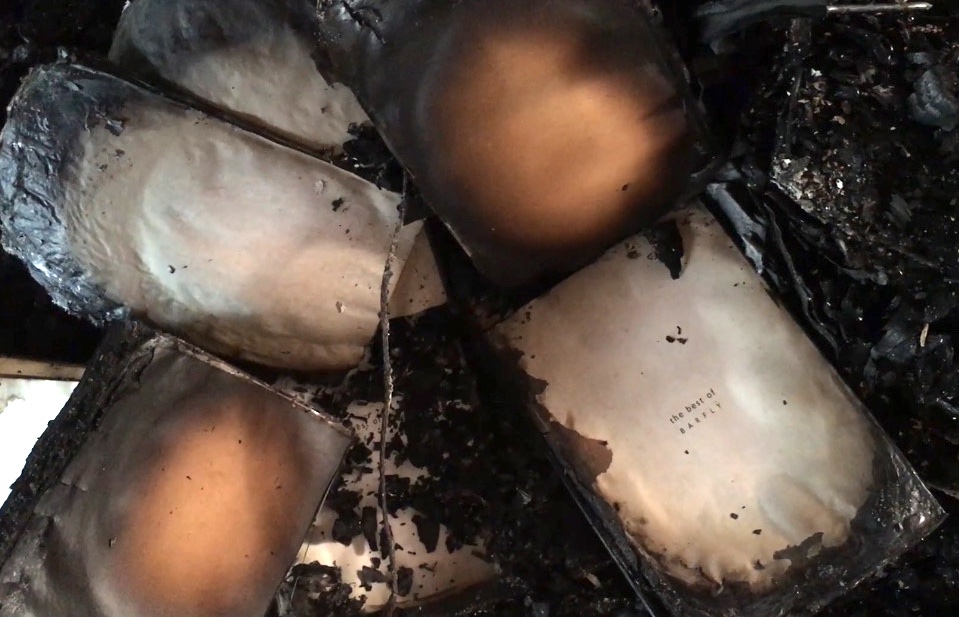
Two days later, when the smoke had cleared, I stepped into the gutted building and took a video with my phone. The embers were still steaming beneath my feet. I confirmed with my own eyes the finality of things. Everything but the shards of a ceramic cup was gone—and my book of stories, prettily charred around the pages as though for some theatrical presentation. My writer’s mind was compensating, salvaging scraps of beauty from the crushing loss. That comes to us like second nature; we want to give our grief exquisite form, hoping for meaning and consolation.

There is something about a fire, a compelling majesty, that Filipinos instinctively respond to—not necessarily to help, which is beyond most of us, but to watch and be spellbound by. Where is the child who didn’t jump out of bed and dash into the street at the shouts of “Sunog!”, followed by the festive clangor of alarms and firetrucks? Nighttime fires are especially dramatic, as the sky glows orange and the smoke curls into your nostrils. You are aware that something terrible is happening to someone, and the next morning the news will carry the grim details: a family trapped, a mother curled over her baby, a son who had just graduated the week before. We feel sorry for these victims, while being secretly relieved that we ourselves were spared. Perhaps what attracts us to fire is its anticipation of The End, with science assuring us that the sun will scorch the earth in its last embrace and religion threatening yet more heat for miscreant souls.

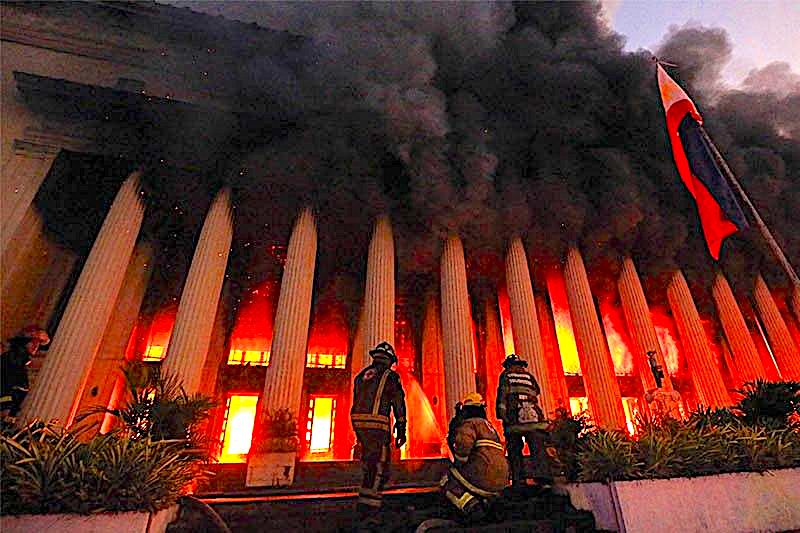
When I heard about the fire at the Manila Central Post Office building last week and began seeing the pictures coming online, I reacted with the same stunned silence, trying to absorb the enormity of it all, while morbidly, guiltily, indulging my fascination with fire. It was epic theater—the inferno raging behind and through the neoclassical columns that had withstood a war. I should have been mourning the loss of hand- and typewritten letters—rarities themselves in these days of email—and of other valuables in that building (oh, the stamp collection of the Bureau of Posts!), but my mind drew me back to my childhood, when my father was working at what was then the Department of Public Works, Transportation, and Communications, which was housed in that building.

I must have been just five or six when my dad brought me there to his mezzanine office; I recall rocking on his wooden swivel chair, and playing with the double-tipped red-blue pencils on his desk. At lunch, we crossed an inner courtyard to the cafeteria. My father was just a clerk then, but to me, he seemed like the boss of the place, and I wanted to be like him, seated behind a big table with a pen in hand (in my sixties, I would buy a similar swivel chair). 

Editorials will and should be written about the MCPO building’s loss and for its reconstruction. Explosive words like “arson,” “heritage,” “accountability,” and “negligence” will fly up in the air. For a while, like the fire itself, they will consume us, hold us in thrall, until they flicker out and we return to our daily business, our outrage expended.

Once again we find ourselves loving what is gone too late. But perhaps it takes a fire to awaken love and memory, and to teach us important albeit bitter lessons about impermanence, and thus the need to care and to give value while we can. Whether started by accident or by diabolical intent, fires remind us that we are not what we accumulate but what we regret losing, and struggle to rebuild and recover.

(MCPO photo from philstar.com)

Qwertyman No. 39: My Mother Emy

Qwertyman for Monday, May 1, 2023

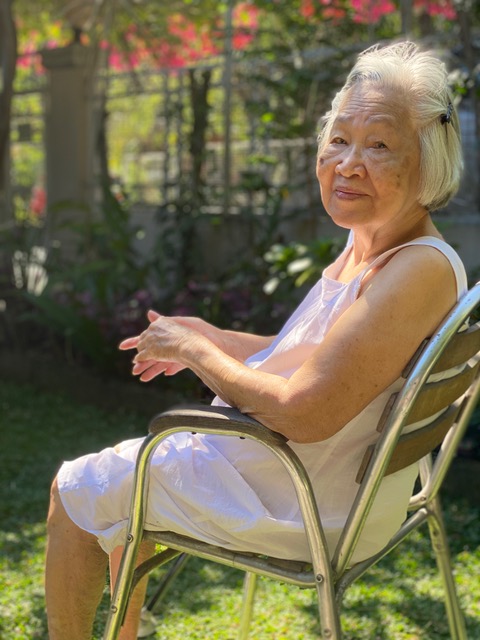
Pardon me if my column this week is a bit personal, because its subject is my mother Emilia, who will turn 95 next week, against all odds and through the grace of the One she prays to every night and every morning, and in the loving embrace of her five children and many grandchildren and great-grandchildren.

In this age of murderous Covid, rampant cancers, devastating disasters, and political turmoil, to reach 95 is extraordinary. To be 95 and be reasonably healthy, free of dementia (but for a few memory lapses that even I at 69 am prone to), able to walk a few hundred meters for her daily exercise, read without glasses, and comment tartly on the day’s political and entertainment news is almost superhuman. 

Like today’s children, my mom Emy can’t be removed from her iPhone and her iPad; she loves to play word games, beats my wife Beng at Scrabble, devours Netflix by the series, and has her telenovela programming graven in stone. She has daily Facetime audiences with our daughter Demi in California and my sister Elaine in Toronto. She even gave up her US green card to spend, she says, the rest of her time at home. In her “Tuesday Circle” of elderly friends, she is now the most senior, but hardly the most infirm. Best of all, she looks forward to reading my books and columns, and although I suspect that they sometimes bewilder her as much as they do my other readers, she invariably likes them because they were written by her first-born, who cannot possibly write anything badly. (This week’s surprise column, I think, will be a hit with her.)

A quarter-century ago, shortly after my father Jose Sr. died, we thought we were going to lose her as well. That’s what they say often happens—one dies, and then the other follows, in the utmost expression of devotion and sympathy. Emy was diagnosed with tuberculosis, so serious and advanced that we felt we were gathering at her deathbed, her sheets spotted with the blood she was coughing up. I had never seen her so frail and so helpless. She was missing my father terribly, and I’m sure she wouldn’t have minded leaving us to join him at that moment. 

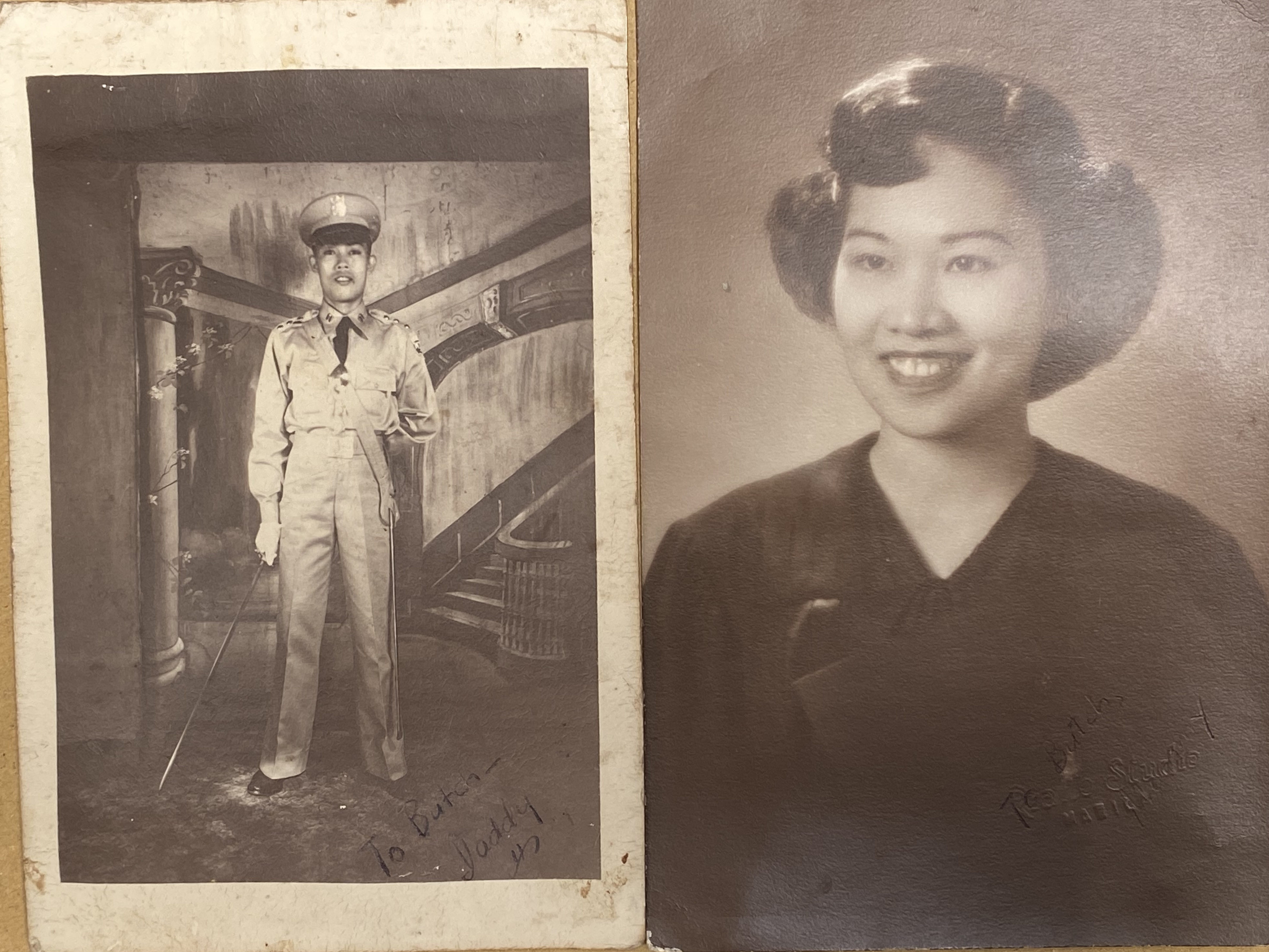
Theirs had been a storybook, whirlwind romance. She was the youngest daughter of a landowner in Romblon, the only one in their brood of twelve whom her father had trusted to study and go to college in UP in Manila. She was her father Cosme’s pet, a girl who rode horses on his farm and who accompanied him when he took a boat to the big city to off-load his copra harvest and to buy necessities and a few baubles for his large family. It must have pained him when she decided to finish her high school in Manila (“I was walking on Padre Faura and saw UP High, and so I went in to see how I could study there,” she says) and to stay there so she could study to become a teacher.

My father Joe was the brightest boy in his school and, so the local legend goes, in the whole province. He was an eloquent writer and speaker and cut a dashing figure. The only problem was, his family was poor—his grandfather had been a sharecropper, his father a farmer. His parents had separated shortly after he was conceived—another story that deserves a telling of its own—and lived about a kilometer apart for the rest of their lives. Raised by my grandmother Crispina, Joe seemed destined for great things far beyond Romblon. He already had a girlfriend, among the town’s prettiest bachelorettes (I met her once when I was a boy, unaware of why she was looking at me a certain way.)

One day Emy and Joe met at the pier in Manila waiting for other people and other things. Some sparks must have flown, because not long after, they were together and engaged to be married. I was the first outcome of that improbable union, born in a nipa house in Alcantara, Romblon, pulled out of my mother by a midwife (whom I would meet about twenty years later, walking barefoot on the asphalt road, and whom I would rather awkwardly gift with a pack of Marlboros in token thanks for my delivery).

The decades following would be a mixture of toil and triumph, of struggle and hope. Both my parents had enrolled in law school, but the need to sustain us foiled that dream. Joe had even gone to the police academy, in the class of James Barbers. He clerked for Public Works, became a Motor Vehicles Office agent with a shiny badge, and took on all kinds of jobs to support us. My mother Emy, despite her pride as a UP Education graduate, soldiered on beside him and sold stamps as a postal clerk. We went through some very rough times, constantly moving around the city with all our worldly possessions on the back of a truck in search of more affordable lodgings. Sometimes my father would be gone for long periods, working as far away as Mindanao to be able to send us some money. 

But one thing they always held up for us was the value of education. My parents slaved and my siblings sacrificed so I could go to a private school, thinking like most Filipinos of their generation that a facility in English would be my ticket to success. It was a huge relief for all (and a good excuse to buy our first TV) when I got a full scholarship to the PSHS. So it must have felt like a stab in my mother’s heart when I announced, shortly after entering UP on the swell of activism, that not only was I not going to be a scientist (my Math grades were miserable) but that I was also dropping out of college to find work (which I did at 18, to write for the Philippines Herald). Despite everything, I wanted to follow in my father’s footsteps and gamble on my talent.

But I did come to my senses and many years later returned to school, where I remain to this day, with a lofty title my wife Beng prefers to downplay to “Chauffeur Emeritus.” Instead of following Joe to his grave, my mom Emy fought back, miraculously recovered, traveled the world, and cradled her great-grandchildren. So good things do happen to those who persevere and survive, for as long as we’re willing to give life another chance.

I honestly don’t think I’ll reach 95 myself, but I have the privilege—and the challenge—of living with someone to inspire me every day. Happy 95th, with all our love, Nanay!

Qwertyman No. 38: Getting into UP

Qwertyman for Monday, April 24, 2023

(For this week, let me offer a little family drama about my favorite school, this being exam season, and before I get the usual calls from anxious friends.)

“HEY, UPCAT is back, they’re holding UPCAT live again!” Marides waved the newspaper in her husband Bong’s face. Bong was watching a car show on TV where they found old cars in barns and turned a bucket of rust into a gleaming, raging roadster. Somehow it gave him hope that, down the road when he became a senior and ached all over, they could ply him full of oils and sealants and make him go like a teenager again.

“What UPCAT?” At least the question proved he was listening. Marides had that godawful habit of intruding on his most blissful moments with some real-world problem, and then getting on his case when he ignored her. Twenty-five years of marriage, four kids, and she still didn’t know when to leave him be. 

“UPCAT—the University of the Philippines College Admission Test, the same one I took and passed thirty years ago, which led to me representing UP and meeting and beating you in an inter-collegiate debate, remember? After which you got my number and asked me out and proposed to me three months later, remember?”

Bong hated it when Marides reminded him of that first encounter and its outcome, which became a given of sorts in their household—she was smarter than him, she had all the better arguments, and who knows what she could have become—a corporate genius, a Supreme Court justice—if he hadn’t saddled her with babies and insisted on working for the both of them. He was good with the money, she had to grant him that, because he was the agreeable type who made all the right connections and who could hustle his way out of a guilty verdict if he had to, as he more than once had to. 

“So what if UPCAT’s back?” he asked for the sake of asking. On the TV, two mechanics were staring at a big hole where a Corvette’s engine should have been.

“Dondon is in his senior year. He’s supposed to be taking it soon. We need to make sure his papers are in order. Where’s that boy? Dondon! Come out for a minute, will you?” 

A teenager with frizzy hair and a phone glued to his ear straggled out of his room and deposited himself in the nearest chair, across the room from his parents, still mumbling on his phone.

“You know UPCAT is happening, right? Have you filed your application yet?”

“Yes, Ma—mumble mumble….”

“Will you please put that phone down while your parents are talking to you? Bong, could you teach your son some manners—”

Bong: “Mumble mumble….”

“I’m serious! You two listen to me—our family’s reputation is on the line!”

“What reputation, Ma?” Dondon grudgingly put his phone aside, and Bong yawned and stretched his arms to acknowledge that he was in for a long spell.

“The one I started, by passing the UPCAT, getting into UP, and serving the people any way I could!”

“But, Ma, all you ever did was to bear us babies, and look what we became—Ate Glo is divorced in the States, all Kuya Jeff does is drive Papa around, and Kuya Milo thinks more tattoos will make him a better rocker. And all of them passed the UPCAT because you told them to!”

“Well—that was my service—to them, and to our people. I give you the opportunity, and what you make of it, well, that’s your business….” Marides started sobbing, and Dondon ran across the room to embrace her.

“Aw, Ma, that’s not what I meant. I just wanted you to see that getting into UP doesn’t guarantee anything.”

“That’s what I’ve been saying all these years!” Bong added. “We’ve been sending our kids to a school for communists, and they don’t even make good communists anymore!”

“No, they don’t,” Marides shot back, “because those communists took the top five places in the bar exams!” She sniffled and Dondon handed her a box of tissues.

“Don’t cry, Ma. It’s all right, it’s all okay. Applications are done online now and my school sent all my papers in last week. I just didn’t tell you both because—well, Papa wanted to explore other options—”

“Other options? Like what?”

“Like sending him abroad to a school of his choice. We have the money—”

“What, you’ll be sending my baby, our bunso, away for the next four years?”

“Or he can pick any other school here he wants to! UP’s not the only good school for engineering or science in this country—”

“I don’t want to be an engineer, Pa….”

“What? You’re a science high school scholar! You have to be an engineer—or a chemist, a physicist, do something with numbers, you don’t have a choice!”

“I never did, Pa, you and Ma chose my high school for me, I just took the exam. Maybe I should have just failed it.”

“So what the hell do you want to do with your life? Who’s going to take over the business when I’m gone?”

“Maybe you should trust Kuya Jeff more. Keep him in the backseat with you. Me, I want to draw, to paint, to design, do something creative. I know I’m good—you’ve seen my sketches, you just haven’t paid much attention to them.”

“We just want you to be happy, son,” said Marides. “We’ll support whatever you decide—won’t we, Bong?”

“Uhm—yes, okay, sure, if it makes you happy, but will you stop crying? I’ll make sure Dondon gets into UP, even if he fails the UPCAT—”

“Pa!”

“I’ll call an old friend of mine, you know me, I know all the right people. He used to be a VP in Quezon Hall, I’m sure he can pull a few strings and get you in—”

“Pa, that’s not how I want to get into UP, that’s not what UP’s about—”

“Oh, you mean that guy who now writes a column about funny things like fountain pens and his wife Weng for a newspaper? Forget it. Chuchay called him last year to ask for the same favor, but he said sorry, no, he won’t do anything of the sort, that it’s just not done in UP!”

“Why, that useless jerk! Doesn’t he know how things work in this country? I’m sure UP’s just as full of jokers and crooks as Customs, Congress, the Palace, you name it! Don’t half the people in those places come from UP?”

“Maybe, Pa—but that’s why I want to go there, because it still has people like your friend who won’t let me in unless I pass the UPCAT! Don’t worry, Ma—I’ll do my best, I promise.”

“Oooh, my son’s going to be the next Amorsolo!” Starts singing: “UP naming mahal, pamantasang hirang….”

“I have a friend who owns a gallery….” Bong began.

Qwertyman No. 36: A Tourist in Taiwan

Qwertyman for Monday, April 10, 2023

MY WIFE Beng and I visited Taiwan with friends on a five-day holiday just before Holy Week, and returned home dog-tired but deeply impressed by what we had seen: a country not just surviving but staunchly moving forward, progressive and optimistic, despite living under the constant threat of invasion by its hulking neighbor and self-declared owner, China.

It was my fourth visit to Taiwan and my wife’s second, so we had witnessed the island’s wonders before. But we went back—this time with friends who had never been there—precisely because it had much to offer as a vacation spot. For me, Taiwan has largely been about food (especially the beef-brisket noodles and fruits like the giant atis and cherimoya), technology (like the exhilarating 3D I-Ride it has exported to Hollywood), and culture (exemplified by the legendary jadeite cabbage at the National Palace Museum). Economists and political scientists will surely have much more to look for and investigate in Taiwan, but my unsophisticated cravings were fully satisfied. 

The tourist in me observed that Taiwan had achieved First-World status, with elevated expressways, high-rise housing, clean waterways, and extensive transport networks. Taipei’s shops were open past 10 pm, catering to a busy nightlife. We took a day trip out to visit the Chimei Museum in Tainan, and boarded the High Speed Rail that zoomed down the island’s west coast at 236 km/h. Despite Taiwan’s high level of industrialization, the countryside remained lush with forests and greenery, and Taipei’s streets were litter-free. True, there were homeless people gathered around Taipei’s Main Station, living out of shopping carts and camping tents, but we had seen far worse in New York and San Diego. Some old-school courtesies persisted: on the subways and buses, younger riders still stood up to yield their seats to seniors.

That said, it was hard for me to shake off the feeling that we were experiencing an ephemeral pleasure. As we took a bridge over a river in Taipei, and reveled in the vista of a thoroughly modern city rising from its ancient roots as a Spanish trading outpost, I remarked to Beng, half-facetiously, that a few Chinese bombs could pulverize all that. China, I said, could “Ukrainize” Taipei, and blow the 101-storey Taipei 101 building, the National Palace Museum, the Shilin Night Market, and all the other attractions we associate with this city into smithereens. Beng said that I shouldn’t be making such horrible jokes, but I had to wonder how much of what I said was indeed a joke and how much of it was dire possibility.

The threat is certainly there—and has been there since 1949, when Chiang Kai-Shek’s losing Nationalist forces retreated to the island, took it over, and turned it into a thorn in Communist China’s side. China has repeatedly used shows of force around Taiwan to demonstrate its readiness and capability to employ “resolute and forceful measures to defend (its) national sovereignty and territorial integrity,” and while no explosively significant confrontations have taken place, China’s saber-rattling has only grown louder, provoked by presumptive American guarantees to help defend Taiwan in the event of a Chinese attack, and possibly emboldened by Russia’s invasion of Ukraine. (The US, of course, has been rattling its own sabers, particularly with the acquisition of more basing rights in the Philippines.)

You’d think that the specter of invasion would switch Taiwan into full military mode, with air-raid drills and sirens and tanks and soldiers in the streets, but no. When we were there, it was business as usual, with no sense of urgency, even as Taiwanese President Tsai Ing-Wen met with US House Speaker Kevin McCarthy in California, raising the cross-straits temperature further.

Taiwan-watchers such as David Sacks, whose post was republished by the influential Council on Foreign Relations last November, have warned against complacency, especially in the wake of Russia’s Ukrainian misadventure. According to Sacks, “Despite these growing worries and initial steps, actions remain far below where they need to be to deter China and respond to potential Chinese aggression. The increases to Taiwan’s defense budget over the past six years are commendable, but at 2.4 percent of gross domestic product (GDP), it is still well below where it needs to be…. While there is a recognition that the civilian population will need to play a large role in defending the island, the conversation about how to reform Taiwan’s reserve force is still in its infancy, with little consensus on what its role should be. Taiwan’s military lacks the munitions it would need to withstand an initial Chinese assault and its military services continue to pursue legacy platforms such as fighter jets and large naval vessels that will have little utility during a conflict. It is far from certain that there is buy-in across the military for adopting an asymmetric defense strategy.

“Beyond the military realm, Taiwan needs to do much more to increase the resilience of its society and decrease its reliance on trade with China…. Over 40 percent of Taiwan’s exports go to China or Hong Kong. While there is wide agreement that this is a major vulnerability, there is a certain amount of defeatism, with few ideas of how to reduce this dependence without massive government intervention.

“While the government is taking steps (albeit insufficient) to address the growing threat China poses, there is a worrying gap between officials and the public. Opinion polls reveal that Taiwanese people are not concerned about an invasion and believe war is unlikely in the next decade…. Understandably, most want to focus on improving their lives. There is a fine line, however, between stoicism and complacency.”

Is this a fatalism that we Filipinos seem to share? If China attacks Taiwan, can the Philippines be next, and what will we or can we do about it? (In my admittedly  pedestrian view, China has no need for a military invasion of the Philippines—which will be costly and troublesome, given our geography—so long as it achieves full control of the South China Sea. It will be cheaper and easier to subvert and suborn the government, if it wants pro-China policies to prevail.)

I was glad to be just a tourist in Taiwan, enjoying my cherimoya, instead of being a defense analyst pondering the medium term—or, for that matter, being a local fruit seller who might one day find a gaping hole where the orchard used to be.

(Photo from thetimes.co.uk)

Qwertyman No. 34: America the Paradox

Qwertyman for Monday, March 27, 2023

“AMERICA THE Paradox” was the title of an undergraduate paper I wrote on Carlos Bulosan for my class in Philippine literature, in which I observed—as many had done before me—that Bulosan felt deeply conflicted by the two faces that he kept seeing in America. On the one hand, it was the mother with open arms, calling out to the world’s orphans, and accepting of all brave and enterprising spirits. On the other hand, it was the hard fist of racism, viciously averse to all complexions other than white. 

Bulosan arrived in Seattle in 1930, a time of great economic turmoil, and he soon found himself fighting for the exploited poor, becoming a labor organizer and writing radical poetry. He would remain poor for the rest of his short life, despite achieving some degree of literary celebrity following the success of his semi-autobiographical 1946 novel America Is in the Heart. He died of tuberculosis in Seattle in 1956, never having been able to come home. I was so moved by Bulosan’s travails that I gifted our daughter with a signed first edition of his novel as her wedding present, and paid my respects at his grave when I visited Seattle some years ago.

Last Thursday, March 23rd, I joined several hundred other guests for dinner at the Sofitel to celebrate a joyful event: the 75th anniversary of the Fulbright program in the Philippines. Over that period, the Fulbright program, which selects and sends scholars from all over the world to study in the US, has sponsored over 3,000 Filipino scholars and 1,000 American scholars coming to the Philippines. The Philippines—through the Philippine-American Educational Foundation (PAEF)—has the longest-running Fulbright program in the world, dating back to March 23, 1948, hence last week’s big commemoration.

It isn’t hard to see why Sen. J. William Fulbright believed that such a scholarship program was a good idea then, with the Cold War brewing and America projecting itself as the champion of the Free World. For the Philippines, it was a continuation of the prewar practice of sending pensionados to the US, thereby ensuring a cohort of Filipino intellectuals and administrators sympathetic to the American cause.

I myself went out on a Fulbright twice—in 1986, for my MFA at Michigan and then my PhD at Wisconsin, and then in 2014 as a senior scholar at George Washington University. It would be an understatement to say that the Fulbright—especially that first five-year stint—was life-changing for me. The learning was exhilarating, but the living—away from home and family—was fraught with pain.

Still, we Fulbrighters had it much better than Bulosan. Most of our expenses were borne by the American taxpayer (although, because of a budget crunch, I had to teach and also to work part-time as a cook, cashier, and busboy at a Chinese takeout). Our return home was guaranteed (indeed, legally mandated). Most of us enjoyed the hospitality and support of new Fil-Am and American friends. 

Although here and there we had the inevitable brush with racism, we saw America in the best possible light, as a source of knowledge and of the democratic spirit. Arriving in Michigan just after EDSA 1986, I too was seen as living proof of the long and beneficial reach of America’s cultural influence: I could speak English like they did, and (mild boast coming) could write at least as well if not better than they did. 

I recall how, in one Shakespeare class, I was the only one who could explain the difference between “parataxis” and “hypotaxis,” and how, in another class, our professor wrote up a long sentence from one of my stories on the board to demonstrate “Jose’s perfect command of punctuation.” But all that was presumably because of my Americanized education—not even in America, but in the Philippines, where we had seemingly prepared all our lives to come to America, only to find ourselves more indoctrinated than many Americans. (I had memorized all the state capitals in grade school in La Salle, confounding my American friends at Trivial Pursuit.)

Ironically, I also belonged to the First Quarter Storm generation that railed against “American imperialism,” that learned about our colonial exploitation and about the primacy of American self-interest in its transactions with the world. We rallied at the US Embassy against the war in Vietnam and against the US bases in the Philippines. We denounced Ferdinand Marcos as an American puppet, and saw Washington’s hand in every instance of political mayhem around the globe. Where did all that militancy go? Was a scholarship to Hollywood enough to negate these accusations?

Seated at that Fulbright dinner and listening to the speakers extolling our special relationship with America, I thought about Bulosan, the FQS, my Fulbright experience, our daughter in California, my teaching of American literature, and such recent issues as EDCA and the Chinese presence in our territorial waters to sort out my emotions. 

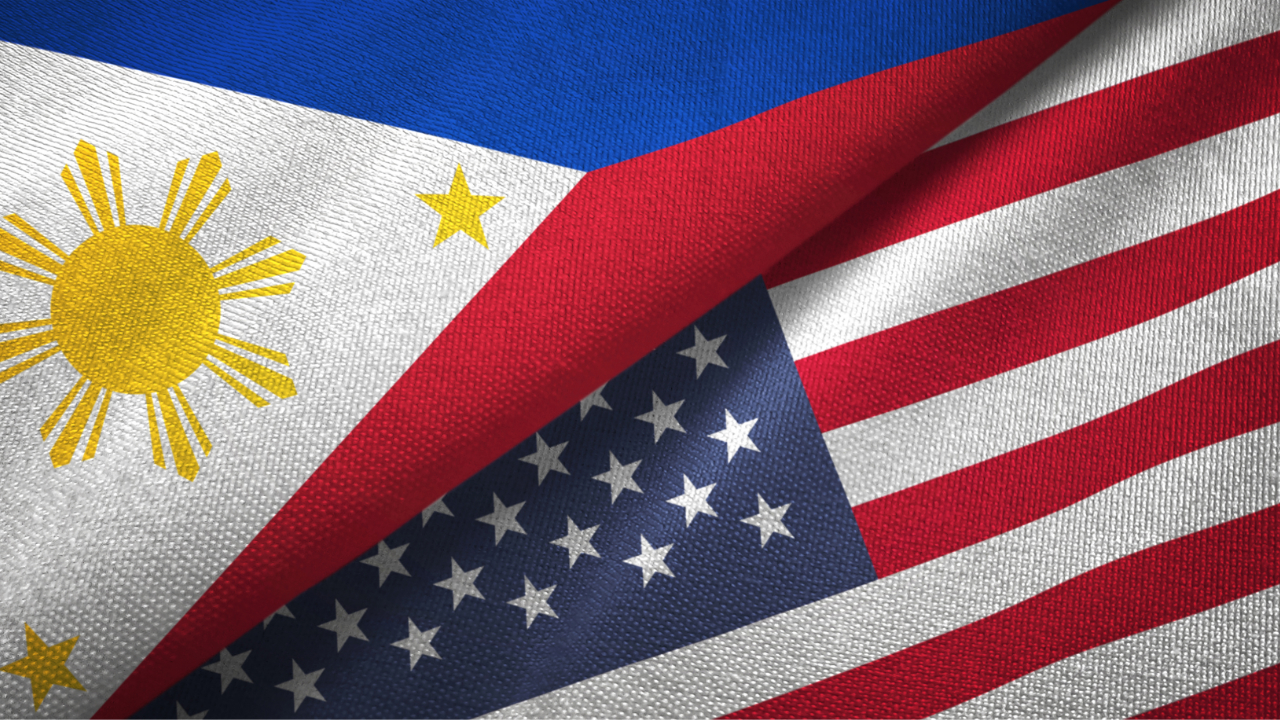
The America that had been such a paradox for Bulosan remains, in many ways, a chimera for us today—speaking with moral authority against the Russian invasion of Ukraine, and yet still enamored in many places of Trumpian demagoguery; espousing peace and human rights while allowing assault rifles on its streets; and promoting education and global literacy while hosting the world’s biggest engines of disinformation. We want to believe in the America that believed in us, although the cynical can argue that “believed” should be taken as “invested,” of whose efficacy this column offers ample proof. 

In the end, I reminded myself of what I tell my students: (1) The American government and the American people are not necessarily the same; (2) The American people are many peoples; there is no single, monolithic America; (3) We study America and its literature not to become Americans, but to be better Filipinos; and (4) We often take the terms “America” and “American” in an ideal or idealized sense, a compound of expectations and aspirations shaped by Abraham Lincoln, Hollywood, cable TV, and Spotify.

We went to America not just to study there, but to study America, and that study continues. 

(Image from pacforum.org)

Qwertyman No. 20: The Gift

Qwertyman for Monday, December 19, 2022


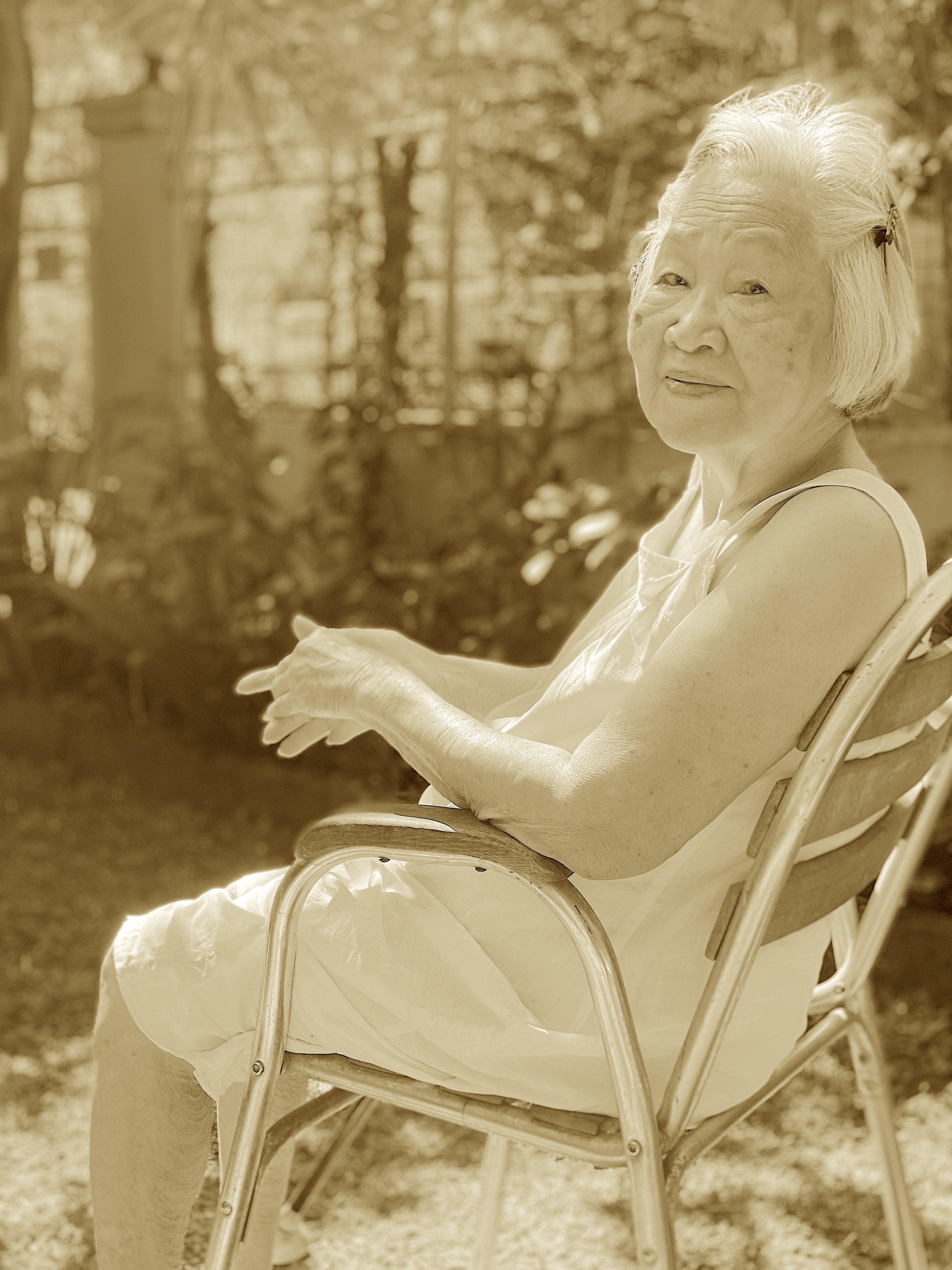
(Taking a break from politics, I wrote this Christmas story that might take a little effort to figure out, but which I hope will be worth your while. With apologies to my mom Emy for using her picture above.)

I’M NOT deaf, she wanted to shout, I can hear, I can understand what you’re saying—I’m not stupid, I’m just… lost. I don’t know who you are or what I’m doing here. You seem to be a nice man, and thank you for the chocolate and the barquillos—I don’t know how you knew I liked those—but I have to say that I don’t feel comfortable sitting here with you asking me how I am, asking all these questions about names and places I can’t recall. You’re very nice and very kind and speak to me like I know you, like I should know you, and it makes me feel very bad that I don’t have the answers you seem to be looking for. Like “the champaca near the fence of the house on Tagumpay Street.” Of course I know champaca and how nice it smells—but the house, a house, on Tagumpay Street? You say we lived there? When? Why should I have lived there, with you? 

They laughed and Jovy shrugged and said, “She’s somewhere else—again.” Laura cast her a pitying glance and said, “I wonder if there’s something we can do or say to bring her back, even just for tonight. I mean, it’s Christmas, right? Surely God can work some miracle to allow Mama to enjoy her family? It would be such a gift to the kids. Where are they, anyway? It’s past nine.”

Jovy reached for a bottle of Macallan and poured himself a shot. “They’ll come if they will. I don’t remember them talking much to her when she was still okay. Don’t see why it should be any different this time.”

Laura stared out the window at all the Christmas lights that made their gated village look like a bed of stars. From the kitchen wafted the confused but beguiling hints of vinegar, red pepper, and other pungent flavorings.

Laura liked to think of herself as the family minder, the one whose job tonight was to make sure everyone had a filling noche buena and wished each other well, like a good Filipino family, albeit with one somewhat distracted member. With the pandemic still festering and the world they knew upended, a return to some sense of order and normalcy felt overdue. In Decembers past, she and Jovy would take the children, Toby and Rina, to chilly getaways in Baguio, with Mama maddeningly singing carols from the back of the van all the way up Kennon Road.

“I’m sure the kids will come,” Laura said, adjusting a bell on the Christmas tree. “I told them they were getting special gifts from us.”

“They are? “ Jovy said, surprised. “Like what gifts?”

“Papa’s Longines and Mama’s bridal necklace,” Laura replied under her breath, as if she expected Jovy to react badly. “It’s about time we passed them on.”

“Papa’s gone so I guess the watch is okay, but have you spoken to Mama about the necklace?”

“And tell her what? She won’t even know what she’s looking at.”

“Maybe we should wait for Rina’s wedding—“

“That girl’s not getting married for another ten years, if ever. I just want us to make something special happen tonight, like families do.”

“At least you could show it to Mama. Make it look like she’s the one giving it to Rina. As if Rina will even care. You know she hates old things. She’ll probably just sell it on eBay.”

“What she does with it is her business. What’s important is that we’ve discharged our generational responsibility.”

“If you insist—“

“Leave Mama to me.”


“IT’S A VERY small watch,” Toby said, unable to mask his disappointment. He was a stockbroker who lived in his own condo and came for dinner once or twice a month to brag about his  new girlfriend, or his new bike. 

“That’s what men wore back in the ‘50s. I guess you could give it to what’s-her-name, Nikka, now,” said Jovy.

“Nikka would like Mama’s necklace more, I think. Maybe Rina and I can do a trade.”

In her corner, Mama stared as Laura opened the blue velvet box that held her necklace of white gold and tiny emeralds, sold by a prominent Escolta jeweler before the war. Rina was on her phone near the door, mumbling an apology to someone. She wasn’t even vaguely interested in the necklace that Laura was bribing her with; she’d come home for a bunny costume she needed for a New Year party. She hated being asked about marriage, and the bridal jewelry was another not-too-subtle nudge.

“I wanted to show this to you, Mama, before we—before you—give it to Rina. You remember Rina, your granddaughter? She’s almost thirty, and should get married soon!”

I don’t know this Rina you’re talking about, Mama thought. And why do you always ask me to remember, why should I remember? Isn’t it enough that I eat my porridge and drink my tea?… But—this shiny thing in the box, I know it, for some reason…. It’s very pretty, so sparkly, those little green eyes…. I know I’ve seen it, in the mirror—around my neck! It was a happy day, I was happy all in white with these green sparkles, and I was all so white and so very happy.

“Do you want to be the one to give it to Rina?” Laura said, unsure of what was passing through Mama’s mind. She noticed some agitation, some flicker of anxiety, although Mama was smiling.

“Give it? Why?”

“Because it’s Christmas, Mama. Because it makes us happy to give gifts.”

“I thought this was my gift. It makes me happy.”

Laura tried not to sound exasperated. “You don’t need it anymore, Mama. It’s time it went to Rina.”

Mama now remembered: her wedding day, the carriage, the lilies along the aisle, the choir, and her groom Miling, so blindingly handsome in his white sharkskin suit. 

She saw Rina, the girl they said was her granddaughter, still on her phone across the room. From that distance she looked virginal, almost angelic. Mama could imagine her in a white gown. Mama looked at Laura, who seemed distressed, waiting for an answer. Now that she had finally remembered something, they wanted to take it away. 

She ran the necklace through her fingers. She recalled how the clasp had pricked her thumb that morning, but she was in such bliss she hardly felt the pain. She looked at Rina, and sensed the younger woman’s deep unhappiness. It seemed so unfair.

Mama shut her eyes and shut the box and turned her face away. “I don’t know what this is for,” she told Laura. “Give it to her.”

“Thank you, Mama,” Laura said, much relieved. “And Merry Christmas.”

Mama seemed more distant than ever, lost in her thoughts. “I don’t think she even knows what Christmas is, anymore,” Laura sighed.

Penman No. 444: A San Diego Sojourn

Penman for Sunday, November 6, 2022

A FEW weeks ago, for the first time since the pandemic, my wife Beng and I took a plane out of the country, and I can’t tell you how liberating that felt after three years of being landbound. I’d had few complaints about the long lockdowns, because I’m used to working and writing in isolation, and have become much less sociable as I age. But I did miss the travel, the foreign air, the view from the other side of the ocean. 

Just before the pandemic hit, Beng and I had spent my first year in retirement (and a good chunk of my retirement kitty) gallivanting around seven countries, against the advice of family and friends who thought that we were overdoing it; perhaps we were, but now we know that the world we saw then will never be the same again, and that we ourselves—in or approaching our seventies—will never be able to do that again. And so it was with a huge sigh of relief that we boarded our flight to San Diego, where our daughter Demi has been living with her husband Jerry for the past 15 years. We’d visited San Diego often before, but probably not with this much anticipation, having been away for years. 

Sitting on the Mexican border, San Diego isn’t the first place most Filipinos would choose when they think of visiting America, unless, like us, they have personal reasons to go there. Los Angeles and San Francisco seem to be more exciting places, have large Fil-Am communities, and have long been the ports of entry for Pinoys landing on the West Coast. (Our Japan Airlines flight was that rare straight flight via Tokyo to San Diego.) But San Diego has its own charm and its own attractions, most notably Balboa Park, the San Diego Zoo, and Comic-Con, that annual extravaganza of pop culture that draws about 150,000 fans from around the galaxy. (Much to my young students’ chagrin, I’ve been to Comic-Con twice, happily ignorant of much of what I was looking at.) 

And whether you’ve lived there for decades or are just passing through, San Diego will always give you a taste of home, with dozens of Pinoy foods stores and restaurants, especially in National City and Chula Vista where you can shop at Seafood City for daing na bangus and Chocnut and at Goldilocks for your party cake while dropping packages off at LBC—or you can run to Mira Mesa for your Jollibee fix. (For me, an American sojourn would be incomplete without a trip to Arby’s and Red Lobster.)

Inevitably San Diego also has its own spotted history of East-West relations, in which Filipinos have figured; the better part of that history was celebrated last month as Filipino-American Heritage Month in the city. The worst part remains in the archives, in the memories of early immigrants such as Emeterio Reyes, who recalls that “I asked the driver if he could take me to a Catholic church. As soon as we got there, I told him to wait for me because I had a funny feeling I might not be welcome at this church. As I entered the door, a priest approached me and told me that the church was only for white people. That moment, I wanted to cry and die!” 

When Sebastian Vizcaino sailed into what he would name San Diego Bay on November 10, 1602, he found that he had “arrived at a port which must be the best to be found in all the South Sea, for, besides being protected on all sides and having good anchorage, it is in latitude 33½o. It has very good wood and water, many fish of all kinds, many of which we caught with seine and hooks. On the land there is much game, such as rabbits, hares, deer, very large quail, royal ducks, thrushes, and many other birds. On the 12th of the said month, which was the day of the glorious San Diego, the general, admiral, religious, captains, ensigns, and almost all the men went ashore. A hut was built and mass was said in celebration of the feast of Señor San Diego.”

As a major port facing the Pacific, San Diego has long been home to the US Navy’s Pacific Fleet, its base harboring over 50 ships. The naval presence defines much of San Diego’s character, and provides a good part of the reason why about 200,000 Filipino-Americans live there today. Since early in the American occupation, Filipinos have signed up with the US Navy as their passport to what they hoped would be a better life and to a bit of adventure. 

I just learned, for example, that the first Filipino to have joined the US Navy, back in 1903, was a seminarian in Manila named Potenciano Parel who snuck out of his vows to be a sailor, but not having the right papers, he used those of a friend and assumed his identity, Tomas Dolopo; the Dolopos continue to be San Diegans. Demi’s late father-in-law, Ric Ricario, joined in 1957; his eldest son, Ray, followed him into the Navy; Ray’s brother Jerry met and married Demi. And so we find ourselves now tied by blood to that long tradition, as did many thousands of others before us.

Despite having visited San Diego many times before, and having enjoyed its more popular attractions, we felt more acutely aware of history this time around. We finally stepped into the city’s Maritime Museum, a complex of many ships from various centuries that allows visitors a hands-on experience at traveling the world on water. The ships on display range from a full-size and fully functional replica of a Spanish galleon ca. 1542, the San Salvador, to the world’s oldest sailing ship, the grand, mid-1800s Star of India, to a ca. 1970s submarine that still holds the record for the deepest dive, the USS Dolphin. For just $15 for seniors and just slightly more for others, you can hop from one ship to another, and imagine what it was like to cross a tempestuous ocean with only the stars to light the way and nothing to eat but stale bread and salted pork. 

We enjoyed history of another kind by having dinner with our in-laws in a National City dive that our son-in-law Jerry chose for its unique ambience, which you can either call seedy or loaded with character. (There was a famous sailor’s bar in the area called the Trophy Lounge, Jerry told us, that used to be run by ladies from Olongapo…. But that’s another story, and San Diego has books of them, yet to be told.) La Maze is the kind of leatherbound ‘50s restaurant that the Rat Pack and other Hollywood celebrities frequented when in San Diego, and you can still order the same great steaks they had. A local band played dance music, and to the tune of “Solamente Una Vez,” I took the pretty silver-haired fox next to me to the floor and slow-dragged the night away.