Qwertyman No. 143: I or AI?

Qwertyman for Monday, April 27, 2025

I’VE RECENTLY been asked to talk about literature in the time of artificial intelligence (AI) in a couple of conferences in Dumaguete and Manila. What that tells me is that, with AI’s emergence and growing popularity, there’s been much uncertainty, anxiety, and fear—even outright hostility—generated by the seemingly unstoppable intrusion of artificial intelligence not just into literature but into almost every aspect of human life and society. As I’ve said before, depending on how you see and use it, AI is either God’s gift to humanity or the destroyer of civilizations. 

While it has been hailed for its contributions to such fields as medicine and criminology—shortening diagnostic procedures and sharpening digital forensics—AI’s application to less mechanical endeavors is more fraught with both ethical and technical questions. Studio Ghibli’s Hayao Miyazawa, for one, has forsworn the use of AI in his work, calling it “an insult to life itself.” 

For writers and other creatives, the big questions are: Will and can AI replace the author? Is AI capable of artistic imagination? Should writers, publishers, and readers feel threatened by its future development? Might there be a positive role for AI in literary creation? 

Now, we can be very brave and declare that the worst piece of writing or art done by a human is still better than the best of what AI can produce. I’ve heard many authors proudly insist that “AI can never replace me!” But do you honestly think that’s true, and will the readers of the future—say, the consumers of popular fiction—care? The sobering fact is that there is so much bad art and bad writing done by real humans that it shouldn’t be too hard to artificially produce something better, for which people will gladly pay. 

I know that this will strike some of us as being crassly commercial, but it would be naïve to deny that much of what know to be culture today has been commodified—produced and sold as entertainment, whether it be a book, a movie, a concert, a computer program, or the hardware with which to access them. These are all media in which AI is already playing an increasingly important role—initially, perhaps, merely as a facilitator, a simplifier of complex or difficult tasks, or as an aid to the imagination, but also as a co-creator or collaborator, such as in the generation and animation of images. 

Given the fact that most of us produce art to sell—and why shouldn’t we, especially when we promote the idea of “creative industries”—the entry of AI into our thought processes and methods of work could be a matter of survival for many. The question is, will it improve the mediocre, or degrade the excellent? Can we excel without it, or because of it?

Early AI’s clumsy mistakes or “hallucinations” are worth a laugh, but I’m not sure how long we’ll be laughing; AI’s present ineptitude simply means it has a lot to learn—and it will, with the kind of training it’s being fed off our books, our texts, our manner of writing. It will only be a matter of time—I’d say less than a decade—before AI can mimic the best of global writing especially as literary texts get digitized and tossed into the meatgrinder, until it can produce a decent if not impressive approximation of certain styles and approaches. 

(For AI professionals, the next phases of the AI revolution will move into Artificial General Intelligence or AGI, at which point AI can match human intelligence, and ASI or Artificial Super Intelligence, when AI becomes self-aware enough to improve and replicate itself without human intervention and possibly beyond human control. These scary scenarios will not take, they say, a century to happen—some experts predict that AGI could be realized as early as 2027.)

What’s going for us is that while literary styles can be copied, the human imagination is far richer and stranger than we think. AI tends to homogenize; the human artist strives to be unique. Even so, researchers are already talking about algorithmic imagination and experimental humanities as “true collaborations with culture machines.”

Given that it’s inescapable, I propose that instead of fearing it, ignoring it, or maligning it as I’m sure many of us are inclined to do, we study AI and use for what it might be able to offer in aid of the imagination—as unsettling or unappetizing as that proposition sounds.

We’re already tapping AI every time we use Google, and no one seems to mind. I don’t mind admitting that I have used AI—not in fiction but in creative nonfiction or CNF, specifically in writing the biography, where I ask AI to summarize and organize biographical material that I would have eventually found on my own, anyway—in days rather than seconds. 

I suspect that the use of AI in CNF is much less troubling for writers and theorists than its employment in, say, writing the novel or the poem, which we have been trained to think of as more personal, more “us,” than nonfiction. We will yield CNF to AI, but draw the line at fiction and poetry, where we feel we should resist the intrusion of the beast or the machine into the recesses of our imagination. 

I wonder, however, how long this fortress will hold, or what the first crack in the wall will be, if it isn’t there already. I’m pretty sure that somewhere out there, a plodding novelist is already using AI to chart a tree of plot possibilities—What will happen if Maria marries Oscar? What if they decide to live in Davao instead of Baguio? And so on. I wouldn’t do this myself, because the fun of writing for me is in working out the future of my characters in my head. 

And then again I write fiction for the love of it—unlike almost all other kinds of writing that I do for a living. But if I were a novelist under contract to produce a novel a year, I’m not so sure that I wouldn’t seek AI’s help to lighten my load and get the job done. So is AI OK for money but not for love? Is that what it all comes down to?

So right now we have many more questions than answers, and at the pace the world is changing, most answers we come up with will soon be obsolete anyway. But the basic questions will remain, the most vital of which could be, when we say “I am,” is that “I” me, or is it AI speaking?
Penman No. 471: A Promise to Keep

Penman for Sunday, February 9, 2025

Now and then we come across stories of foreigners who fall under the spell of the Philippines so completely that wherever else they go, the Philippines and its panoply of wonders—its mangoes, its waters, its sunsets, and above all its smiling people—stay with them, urging them to return, in spirit if not in person.

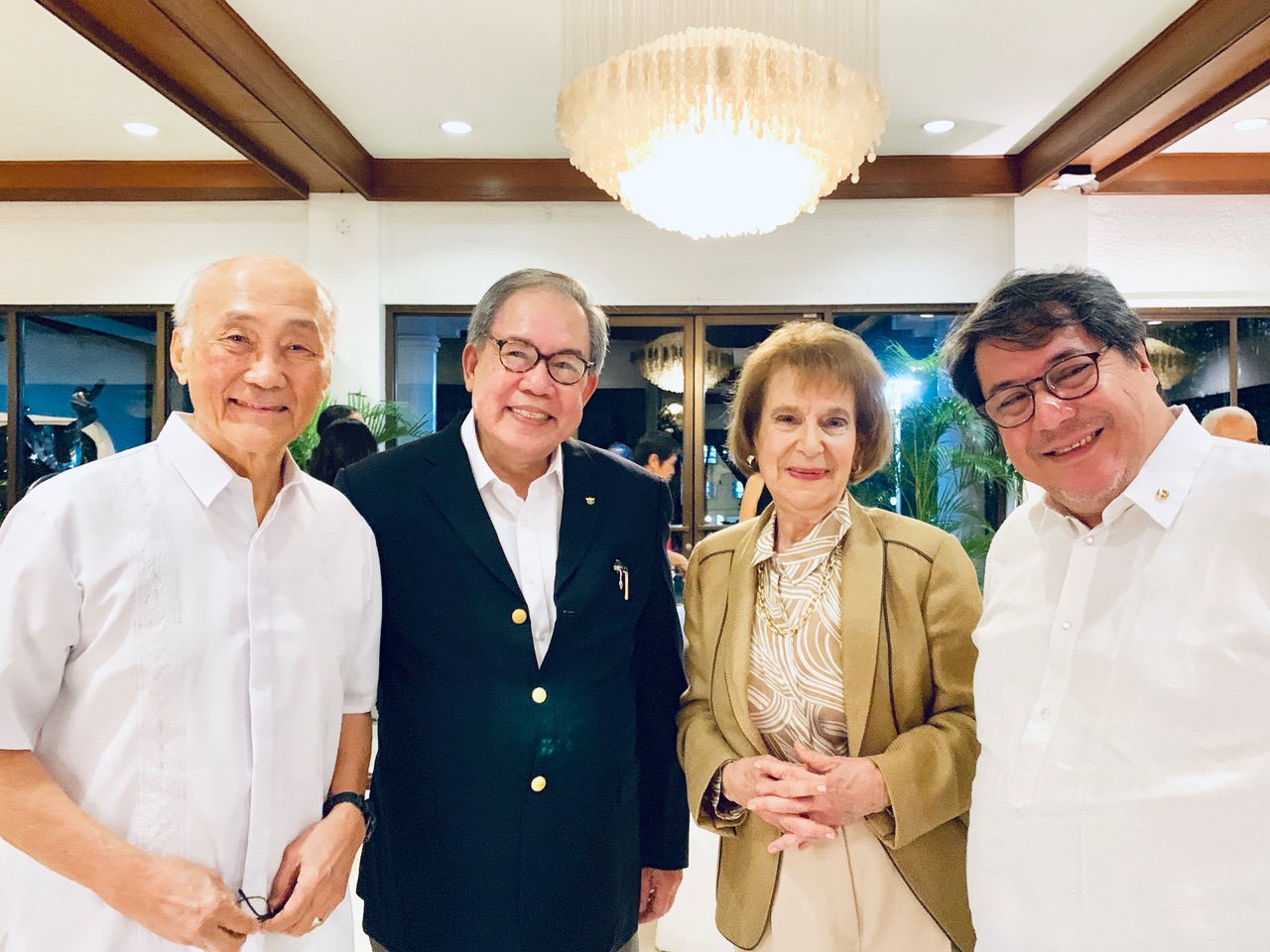
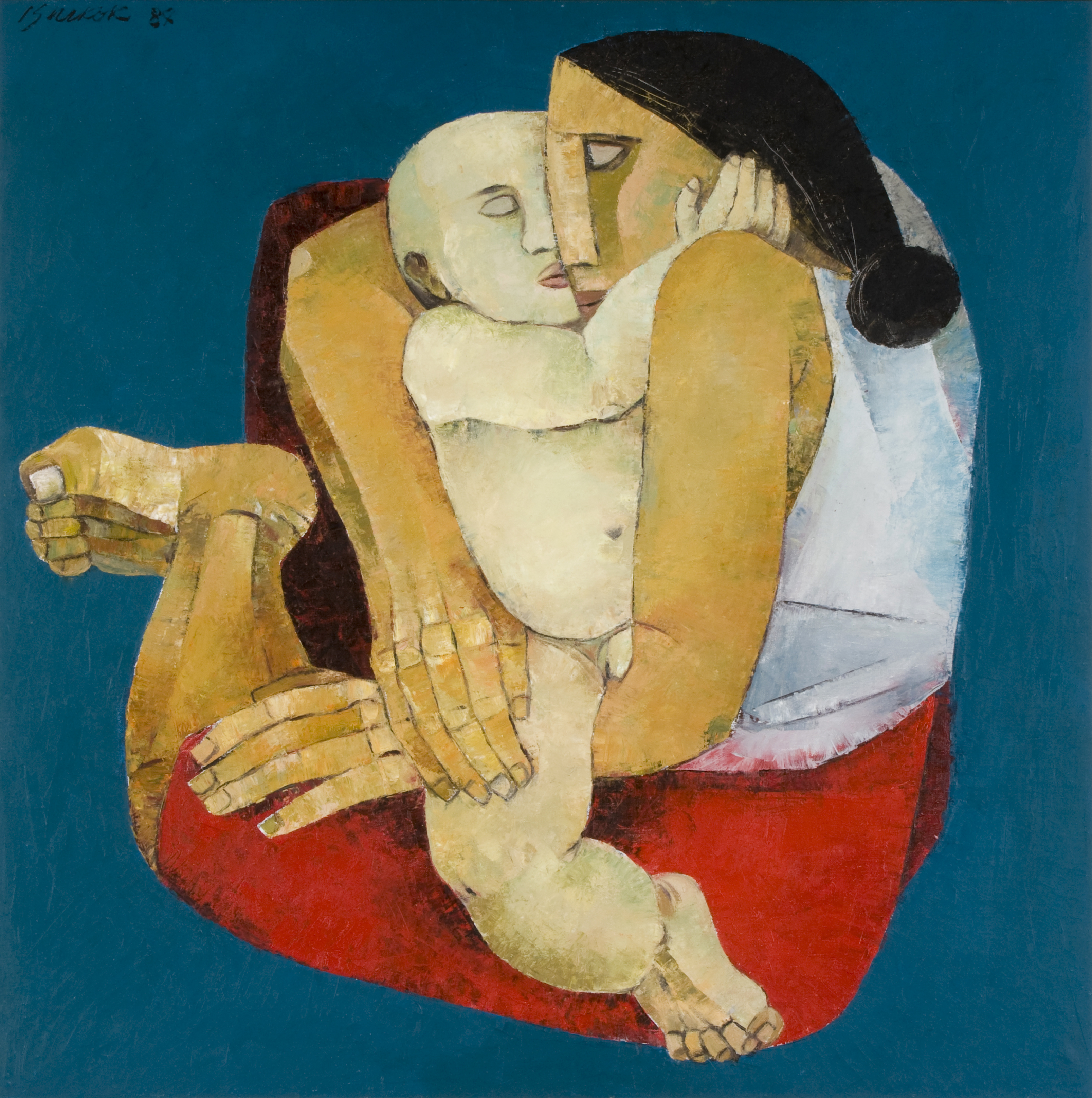
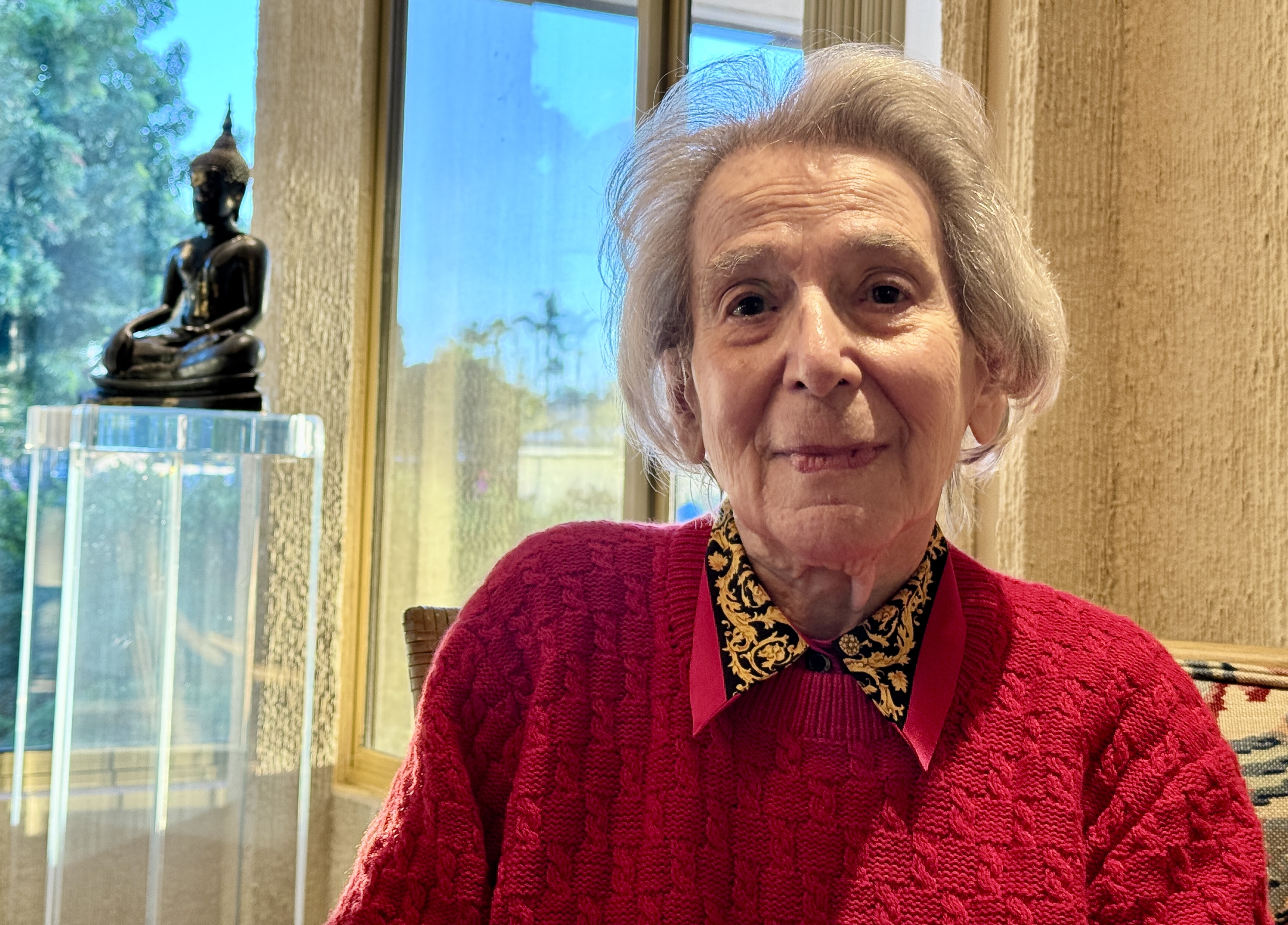
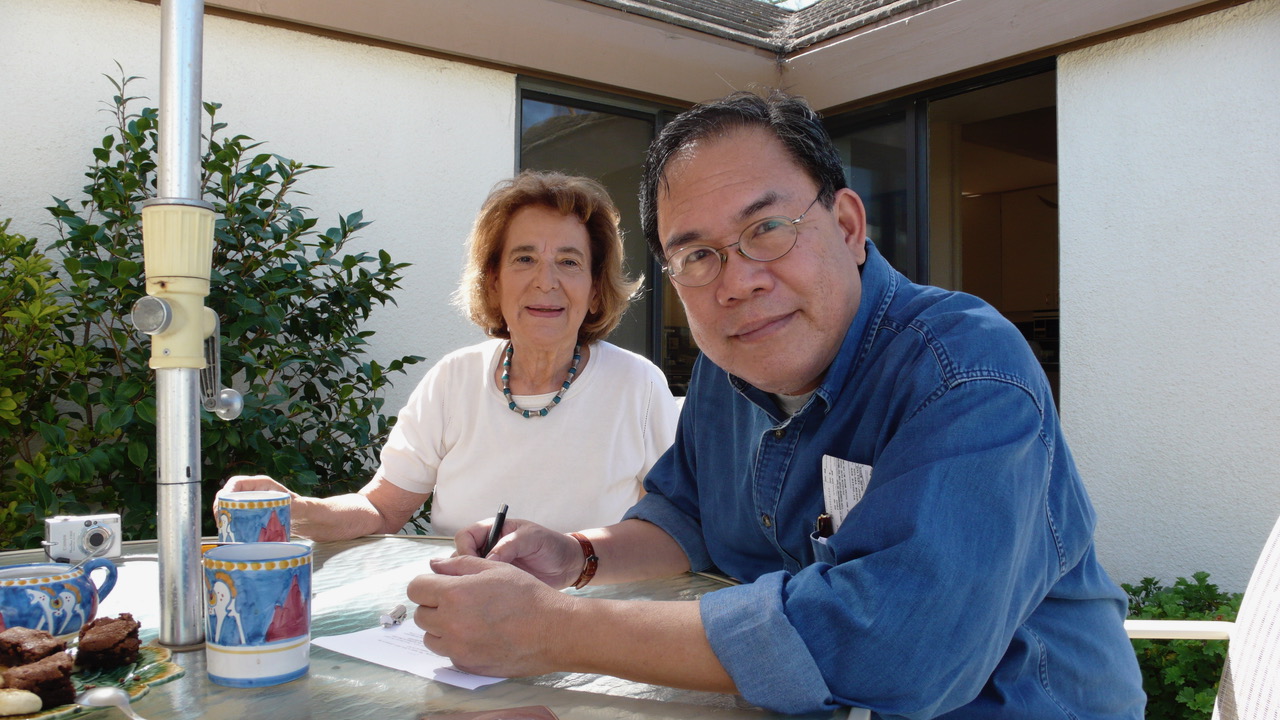
One such visitor was my good friend Julie Hill, who with her late husband Arthur first came to Manila in 1968 on a mission to help improve Philippine education, among other concerns. Almost six decades later, after having traveled the world and settled in America, Julie’s thoughts and affections remain bonded to this country and to its future. In the twilight of her life, she has decided to gift poor but bright young Filipinos with a life-changing opportunity to study at the University of the Philippines, from the forthcoming sale at auction of two paintings by National Artists HR Ocampo and Ang Kiukok.

Born in Alexandria, Egypt to Greek parents, Julie Hill went on to a fulfilling life in the United States and around the world with Arthur, who represented the Ford Foundation in the Philippines. Forced to leave Egypt when Nasser took over, Julie found a scholarship for her master’s degree in chemistry at the University of Minnesota. There she met Arthur, an Australian taking his PhD in Education and Mathematical Statistics. 

The two fell in love, married, and embarked on a lifelong adventure around the world—to Western Samoa, Thailand, Indonesia, and Afghanistan, where Arthur’s expertise in education and agricultural development was much sought after. Arthur passed away in 2002, but Julie went on to her own career as an international marketing executive for Lucent and later AT&T. Since retiring at their home in Rancho Sta. Fe, California, she has written and published five books of travel and memoirs—all of which I edited after being introduced to her by our mutual friend Jimmy Laya, turning our business connection into a long and dear friendship.

From the first of those books, A Promise to Keep (2003), come many vivid impressions of a country and society transitioning to modernity, troubled but brimming with energy and promise. Arthur got busy working with UP and the International Rice Research Institute, among others, and the Hills became good friends with the rising technocrats of the time—Cesar Virata, Gerry Sicat, and Jimmy Laya. It was Laya—who remains close to Julie—who introduced her to the local art community.

“The art scene was vibrant,” Julie would write. “Manila, a centuries-old entrepot, was rich in art and culture, and we were privileged to visit many private art collections….

“Art galleries flourished. A self-exiled painter stormed into town and set new price ceilings. The audience increased. So did the column inches devoted to art in the newspapers and magazines….

“The Luz Gallery in Makati was run by Arturo Luz, a leading painter, known for his high standards of professionalism. His gallery gained the trust of the public and the artists. The Solidaridad gallery and bookshop was located in Ermita, run by novelist Frankie Sionil Jose. Solidaridad was the middle ground between the established artists exhibiting at Luz and smaller galleries where new talent was championed. You could find superb examples of prints, drawings, miniatures, relief metal sculptures, collage, photographs, and paintings all over Manila.

“We were interested in meeting the artists and visiting their studios, but were reluctant to pay the gallery prices. If we liked the work of a particular artist, why not buy directly from him or her? This was how we searched for and found the home of Hernando Ocampo.”

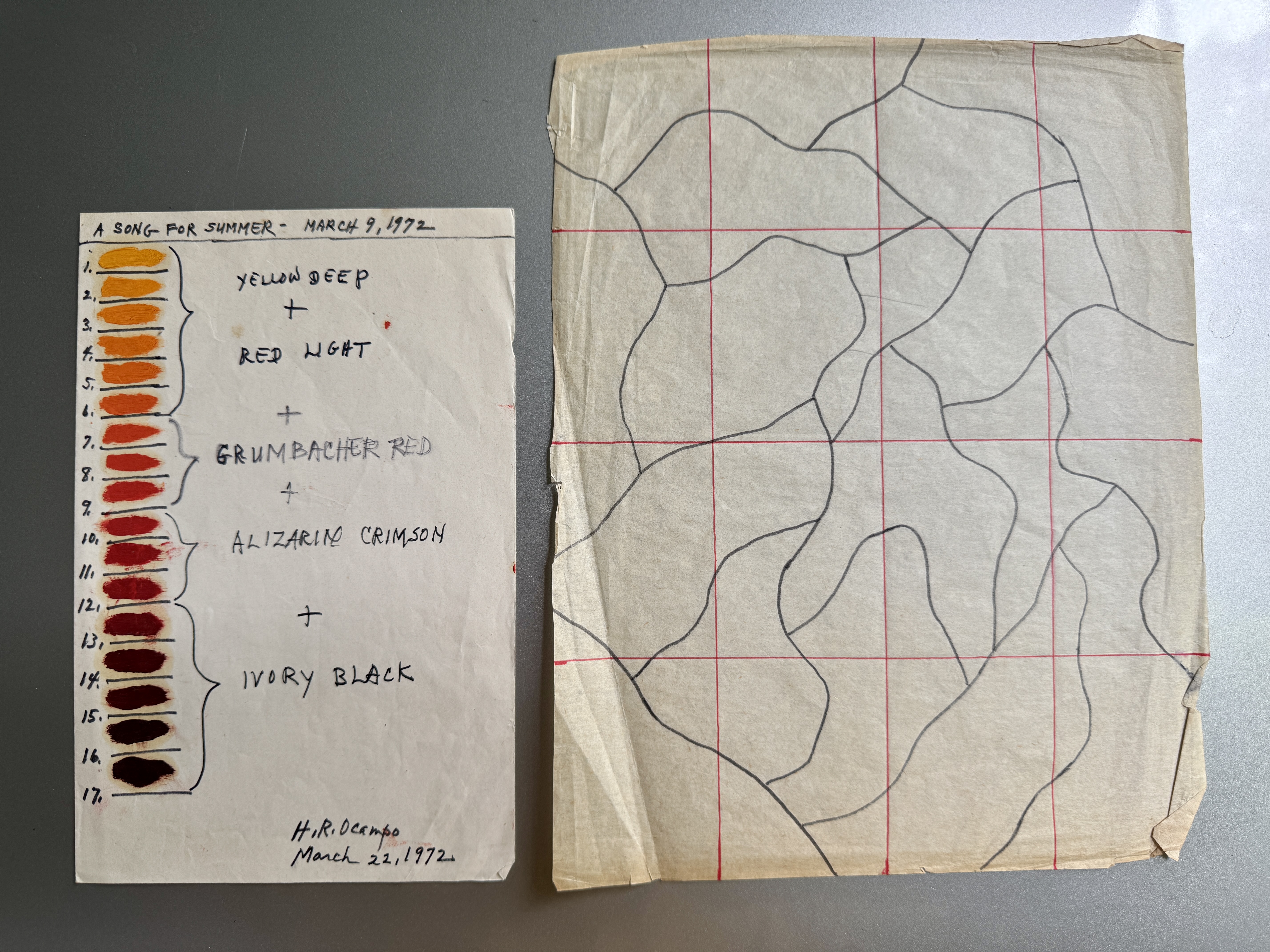
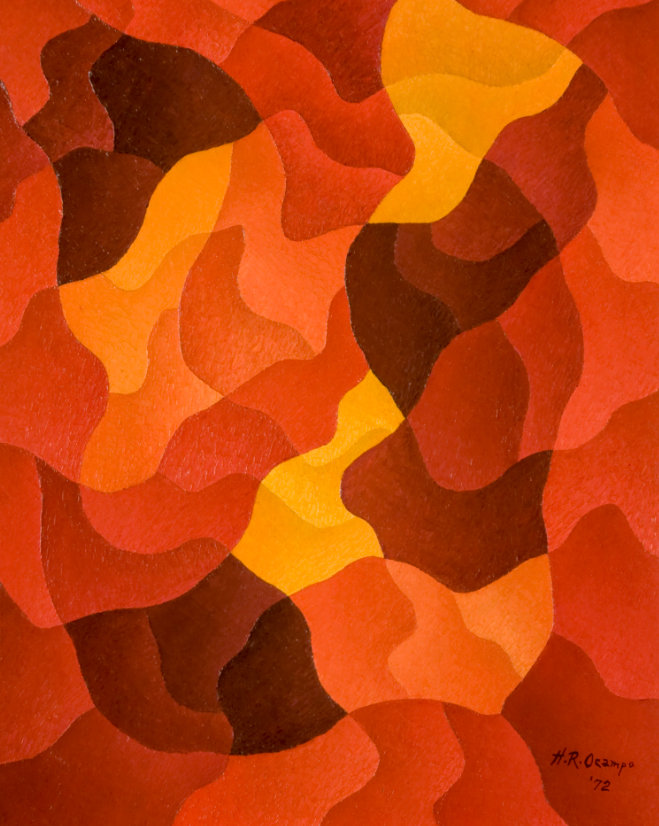
“Hernando Ocampo was a pure abstract expressionist with a daring originality in his paintings. His work was unmistakably Filipino, ascribing this national character to his unique, tropical colors. A typical Ocampo painting is not unlike a honeycomb, a complex weave of color and tone with each individual cell suggesting a large, more real life form. His work is tropical and warm and suggestive of symmetry. The colors and shapes seem to dance before the eyes. His home in Maypajo was a mecca for friends, admirers, and collectors. He had an open house on Sundays. Good food and hard and soft drinks were ready for guests. Visiting Ocampo, we felt welcomed not only by the artist but also by his family. We commissioned a painting. Sketches were drawn; we followed the progress of our painting with our weekly Sunday visits, and sampled the wonderful pancit, that ubiquitous Filipino noodle dish, that was offered. We photographed the progress of his work. He completed the ‘Song of Summer’, a mastery of color in 17 different shades of red. It would hang proudly in our home in California, and continue to provide intense, pleasurable excitement, another reminder of our times in the Philippines.” (Note: Ocampo’s sketch and color guide for the painting will go with the artwork at auction.)

The Hills left Manila for Indonesia shortly after martial law, but on a return visit in the early 1980s, their old friends at the Ford Foundation presented them with another painting by another Filipino master, Ang Kiukok.Julie recalls seeing several works by accomplished Filipino painters in the foundation office, purchased back when they were far more affordable, and this may have been one of them. Like the Ocampo, it traveled with the Hills around the world all the way to Rancho Sta. Fe, where I have been visiting Julie over the years (our daughter Demi conveniently lives nearby in San Diego).

It was during our most recent visit there that Julie brought up the idea of donating her two paintings for the benefit of poor UP students. A lifelong but quiet supporter of students as far away as Mindanao and a staunch believer in the transformative power of education, Julie also honored me by anonymously (but no more) endowing the Jose Y. Dalisay Jr. Professorial Chair in Creative Writing at UP, over my embarrassed pleas to put it in her name.

This time, she wants the money to go to UP’s poorest—specifically, those exceptionally bright and mainly provincial students who, against all odds, pass the UPCAT but fail to enroll, lacking the means to afford the cost of living on a UP campus. We’ll need to work out the mechanics, but this will go much farther than professorial chairs in changing Filipino lives.

“I had a privileged education in Alexandria and was fortunate to receive a scholarship for my graduate education in America,” Julie says. “During our years in Manila, Arthur and I developed a deep affection for the people of the Philippines, and I am hoping that this donation will contribute to creating a generation of talented and hopeful Filipinos who will serve their country well.”

The Ocampo and Ang Kiukok paintings will be sold at auction by Leon Gallery on February 22. I pray that generous buyers will help Julie keep her promise to the Filipino people.

Penman No. 463: Masters of the Old and New

Penman for Sunday, June 10, 2024

THE WORK of two outstanding Filipino artists drew my attention last month, in events that could be considered retrospectives of remarkable if somewhat divergent careers. 

The first was the exhibition “Looking Back” mounted by Fernando Modesto at the Galerie Hans Brumann in Makati, running until June 30, which gathers some of the painter’s best work over the past five decades, many of them from the private collection of the longtime Manila resident Brumann himself. That Brumann—now 83, and also a renowned artist and jeweler—was letting go of these pieces struck me much less as a disposal of worthy objects than a bequeathal, an opportunity to share the best of Modesto with other collectors. Laid low by a stroke some years ago, “Mode” as his friends know him remains mentally as sprightly and mischievous as ever; and he has striven and managed to produce new work despite his condition, taking off from the Mode we knew.

That Mode was irrepressibly bright, witty, and playful. In contrast to the somber and even dismal realism of many of his contemporaries from the 1970s onwards, Mode made light of things, opening up a world of freedom and delight in an oppressive universe. 

The playfulness, at one point, was literal. In 2018, writing in Frieze magazine, Cristina Sanchez-Kozyreva reported on the Ateneo Art Gallery’s recreation of an early Modesto installation from 1974 titled Dyolens(Marbles) that involved laying out thousands of marbles on the floor for visitors to kick around. That was about the time I first met him during my days as a printmaker in Ermita; Mode had already gained fame—or notoriety if you will—for his depictions of pendant penises, which even then were clearly meant not to offend but to make one smile.

The Brumann exhibit documents Mode’s progression from tongue-in-cheek wit to transcendent wisdom, opening a door into a world we can only hope to inhabit, where angels reach for a shimmering sun (or are they playing volleyball?) in an iridescent haze, or float face-up in a cosmic pool. His most recent work such as King of the Islands II (2021) retains that rare equanimity in the cool blue gaze of its subject.

If Fernando Modesto is a master of the modern, the second painter who caught my eye reminded me of how much richness remains to be discovered in our artistic past. May 24 saw the launching of Matayog na Puno: The Life and Art of Hugo C. Yonzon, Jr. (published by Onyx Owl, 248 pages), on the centennial birthdate of Yonzon. Authored by Hugo’s son Boboy and the late Neal Cruz, the book chronicles the life and work of a man for whom art was both a passion and a living. Hugo’s career harkened back to a time when the line between fine and commercial art was blurry and perhaps not all that important, for as long as the artist gave the work his all. 

Yonzon had to leave school early to take a job—just the first of one or many—and he would go on to become much more of a journeyman, one viscerally engaged in the trade, than an aesthete or academic. “Yonzon was always invited to the various sessions held by the Saturday Group and other weekday groups that tried to establish their name and weight in the art scene,” says the book. “But he never stayed long nor drew enough on-the-spot sketches; although he had an eye for women, nude sketching did not interest him. He would rather banter and drink a cup of coffee, then return promptly to his favorite themes in his perpetually makeshift studio.”

He was friends with some of the best artists and illustrators of his time, including Mauro “Malang” Santos and Larry Alcala. Having worked as an illustrator and as an art director for an advertising agency, Hugo wielded an extremely versatile brush, adjusting his style and treatment to the client’s needs. It got to the point that visitors to his one-man show became confused, seeing so many different styles on display, but that range was a great part of the reason for Hugo’s popularity. 

But he kept returning to his favorite themes—the pastoral, the folk, the heroic, the visual representation of what he imagined Filipinos at their best and most essential to be. This appealed to the sensibilities of patrons such as First Lady Imelda Marcos, who generously supported Yonzon. Hugo was tireless in his painting and gave his friends huge discounts to the point that his wife Betty felt compelled to manage his financial affairs.

His lifestyle was appropriately flamboyant. “Dad was a loud but chic dresser,” recalls his eldest daughter Minnie. “When psychedelic colors and prints were in vogue, his long-sleeved shirts were in paisleys and reds and greens. Why, he even painted the air scoop of our brand-new Beetle in paisley!”

The life depicted in the book is fascinating, full of struggle and drama, but ultimately it is the art that imprints itself in our consciousness—one full of vigor, color, inventiveness, and variety, celebratory in every way of the near-mythic Filipino. The writer and art critic Lisa Nakpil would say that Yonzon, who died in 1994, was the “underrated master of heroic Filipino iconography,” and this book clearly shows us why.

Qwertyman No. 87: A French Sojourn

Qwertyman for Monday, April 1, 2024

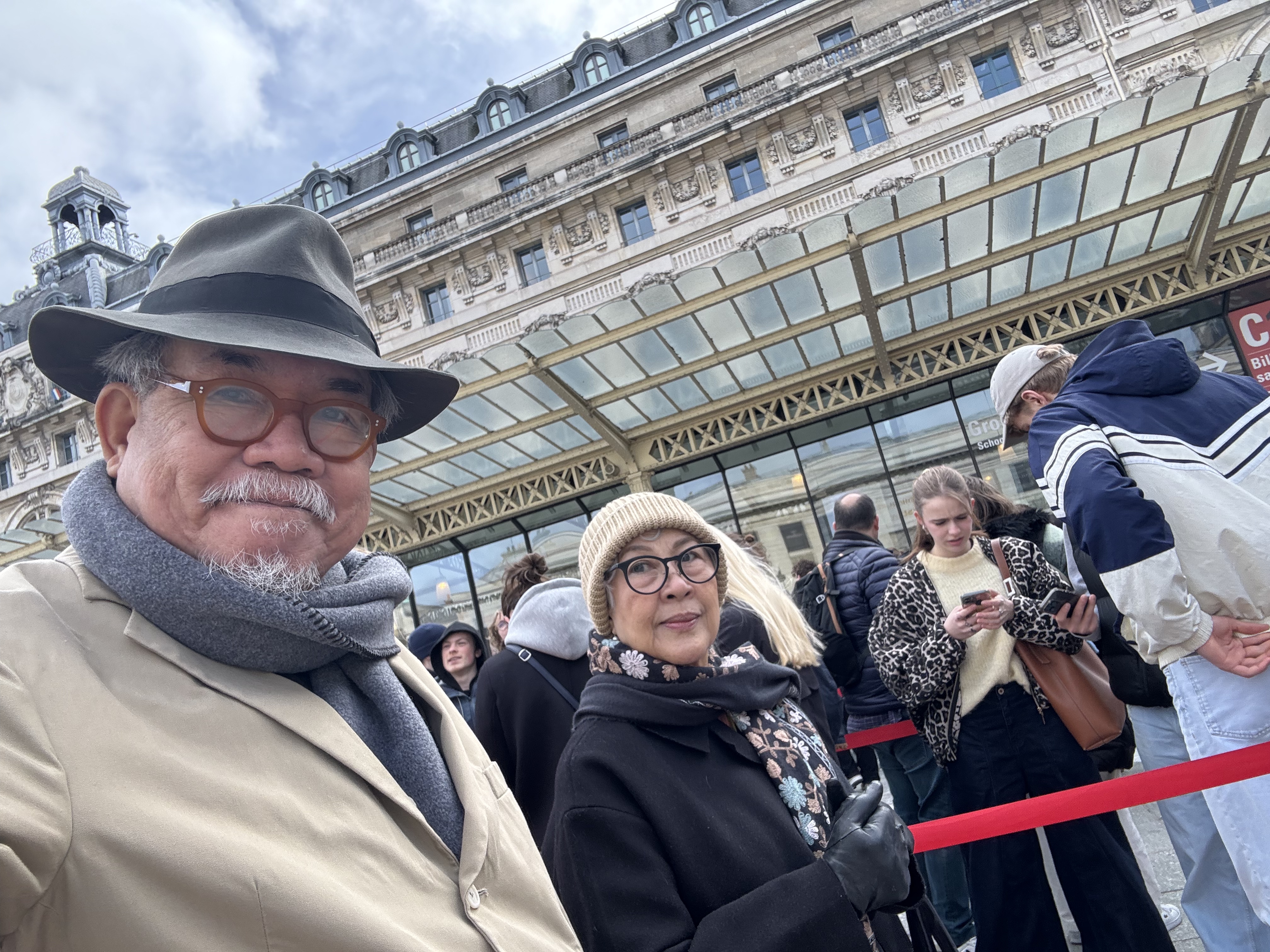
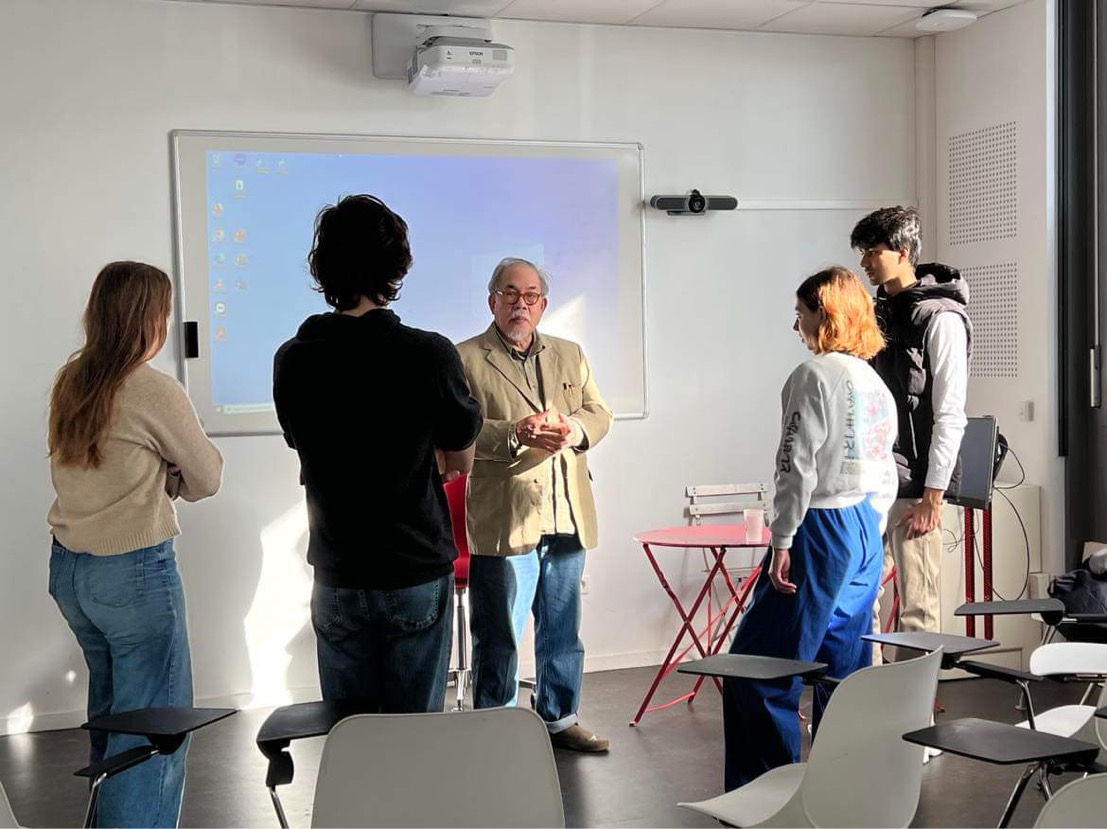
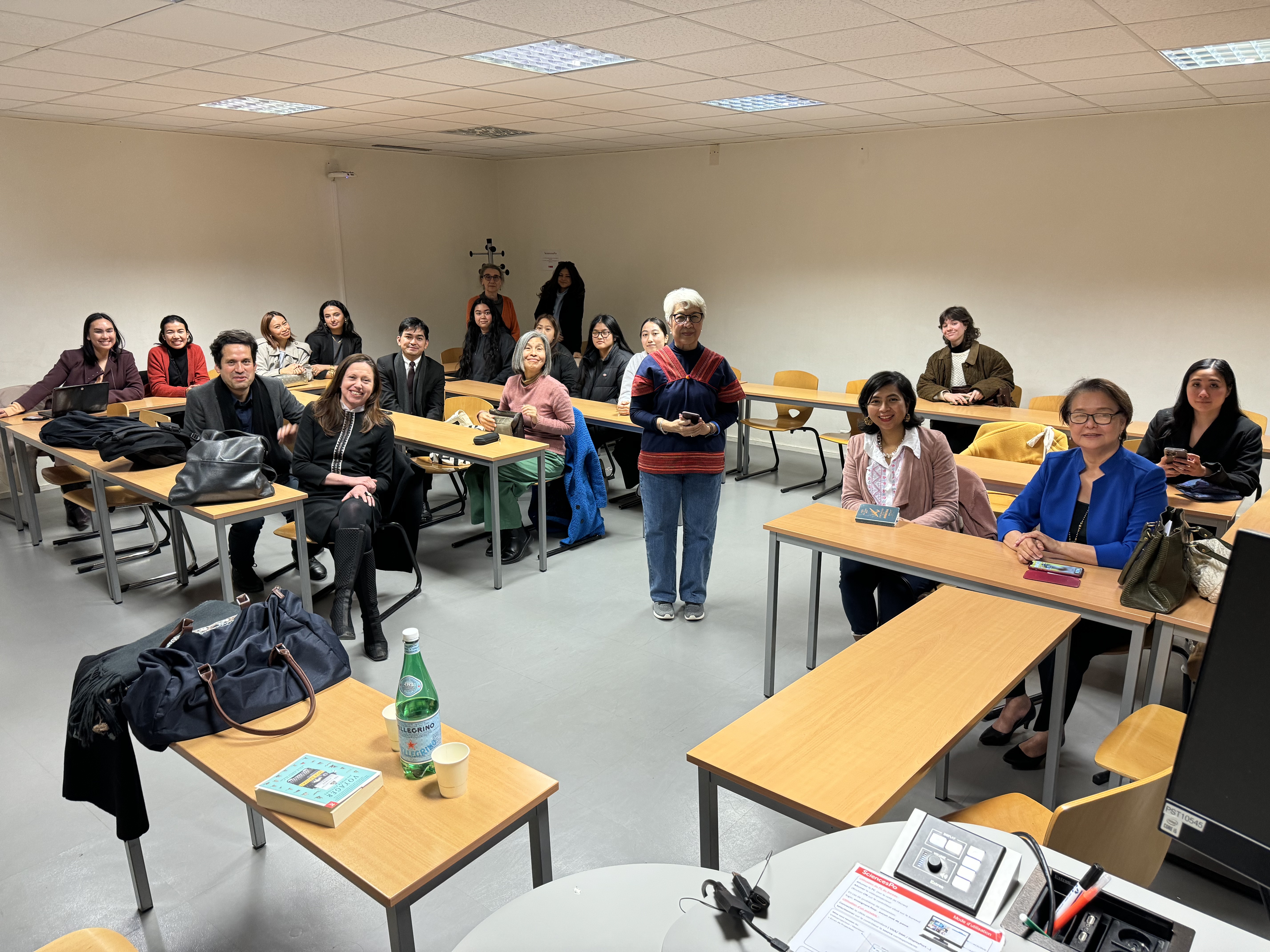
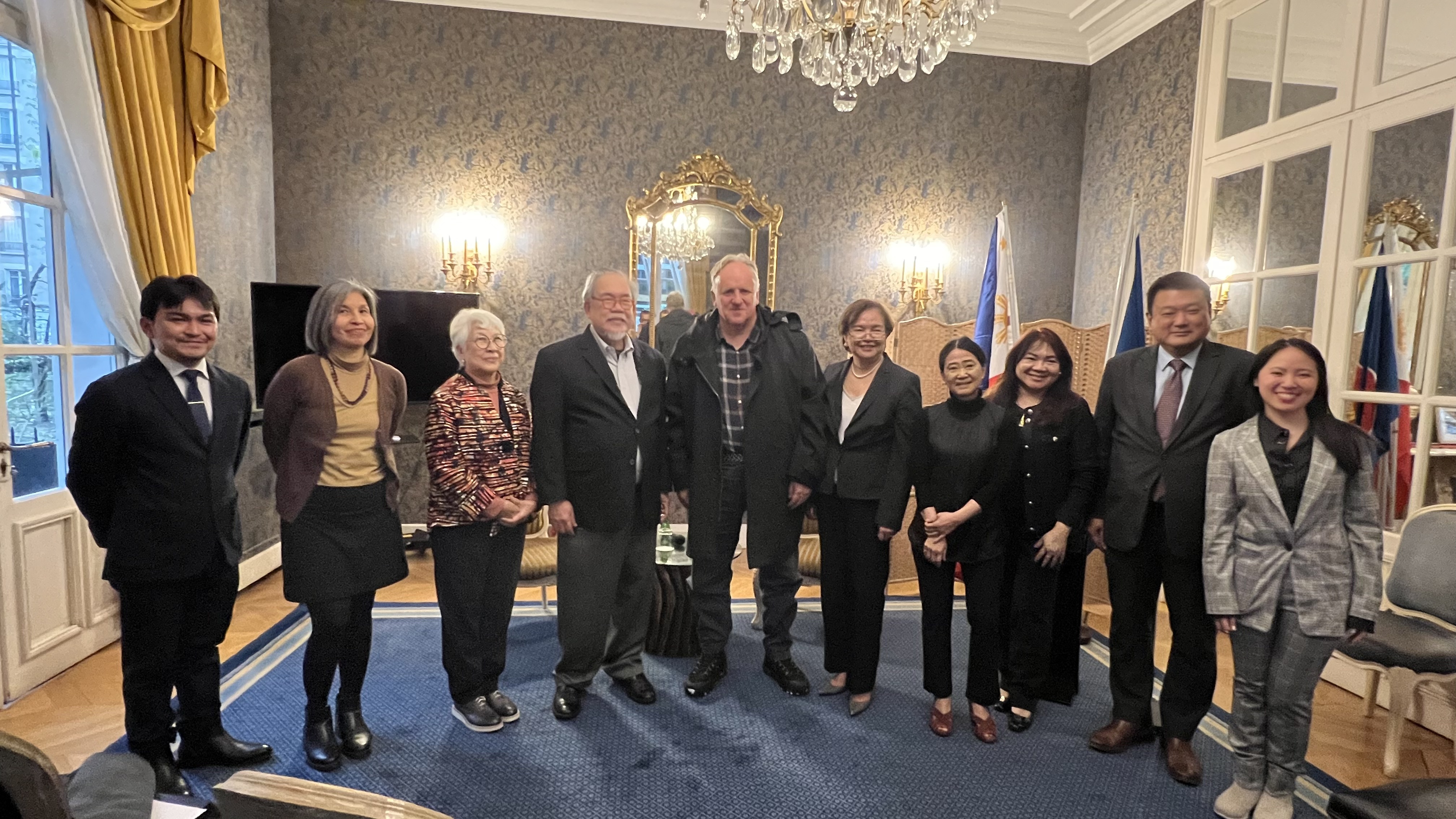
MY WIFE Beng and I were in France last week to give a series of lectures at the invitation of the Paris Institute of Political Studies, better known as SciencesPo. They don’t formally observe Holy Week in France (nor, for that matter, do many Filipinos to whom it’s simply come to mean “long weekend”). So we thought that it was the best time to come over and share some of our insights into Philippine literature, art, and politics with young French students as well as our countrymen in Paris, for whom I and fellow writer Cris Yabes, who’s based in France, gave a special reading at the Philippine embassy.

For those who’ve never heard of it—which won’t be too surprising given our Pinoy fixation on top American and British universities—SciencesPo (pronounced SEE-ansPO) is France’s leading university in the social sciences. It now has 14,000 students spread out over seven campuses across the country. Only 4,000 of those students are undergraduates; the rest are graduate students, including 350 taking their PhD. Unlike our universities, SciencesPo’s undergrads can finish in only three years, with their last year spent abroad. I was told that there are about 20 Filipino students currently enrolled at SciencesPo, and about half of its students come from overseas. As a public research university, SciencesPo is supported by the government through a private foundation, an arrangement that gives it a high degree of autonomy.

Founded in 1872, the university has served as the training ground for France’s political elite, producing five out of France’s eight presidents: Pompidou, Mitterand, Chirac, Hollande, and the incumbent Macron. Marcel Proust studied here for a year, and Christian Dior was a graduate.

With that kind of elite status comes criticism and controversy, and SciencesPo has had its share over the years. Nevertheless, it remains high on the list of desirable universities, especially for students with plans of joining the French civil service, after further studies at the Ecole Nationale d’Administration. (At Inalco, another Fremch university, we were surprised to find eight Filipino-French students studying Filipino for their degree under Prof. Elisabeth Luquin, who studied in UP and speaks Filipino like a local.)

Beng and I gave presentations on the Philippines at SciencePo’s main campus in Paris—a sprawling complex comprising ten buildings in some of Paris’ most precious real estate—and I had an additional three sessions in Le Havre, where SciencePo’s campus focuses on Asian studies. Wherever we went, we could see signs of intellectual and political ferment; like their predecessors at the Sorbonne whom we admired for their militancy 60 years ago, SciencesPo students have protested and rallied over many causes from domestic violence to Gaza.

To be fair, these concerns have occupied much of the rest of France as well. In a country where street protests are a time-honored tradition that have a real bearing on political outcomes, differences of opinion can run deep and long, and controversy stalks nearly every issue, from the wearing of religious headgear to the extension of the retirement age. To “liberté, egalité, fraternité,” we must now add “identité,” the subject of identity so central to political discourse in many countries today, especially those with large and strong immigrant populations like America and France.

“Over the last few years, France has been torn by culture wars—a shift that was less the effect of American concepts imported into French universities, as many on France’s right claim, than of the long-term decline, beginning in the early 1980s, of class politics and alternatives to capitalism. In a post-ideological France, class struggle has been displaced onto the terrain of identity,” noted sociologist Daniel Zamora in an article for Catalyst in 2021. “Despite Macron’s professed disdain for identity politics, his alternative can scarcely be construed as anti-identitarian. Building on what we have in common, Macron argued, meant finding an answer to the question, ‘What does it mean to be French?’”

Identity, at least, was not in question when Cris Yabes and I gave our reading at the Philippine embassy, thanks to the invitation of Ambassador Junever “Jones” Mahilum-West, one of the most amiable, gracious, and artistically inclined ambassadors I’ve ever met. (She was very game as well, happy to hoist an IPA beer with my wife Beng after our talks.) To a fairly sizeable group from the Filipino community in Paris, Cris and I read pieces that had to do with our foreign relations, particularly in my case with our diaspora, which my second novel Soledad’s Sister (which has been published in French by Mercure de France) dealt with. 

In the conversations that followed, I learned that there are around 26,000 documented Filipinos in France, with perhaps just as many existing belowground, most of them domestic helpers. One of them, Zita Cabais, was a victim of human trafficking more than two decades ago, having been enticed to come to Europe with the promise of a visa and a good job. Instead she was brought to Hungary, from where she was led on foot through Europe to finally reach France, whereupon her employer confiscated her passport, effectively holding her hostage. But unlike many other DH’s, Zita fought back, sued her employer, and succeeded. Since legalized, she now works for organizations devoted to fighting human trafficking. (The path to legalization is reportedly shorter in France, but knowing the French language is a prerequisite.)

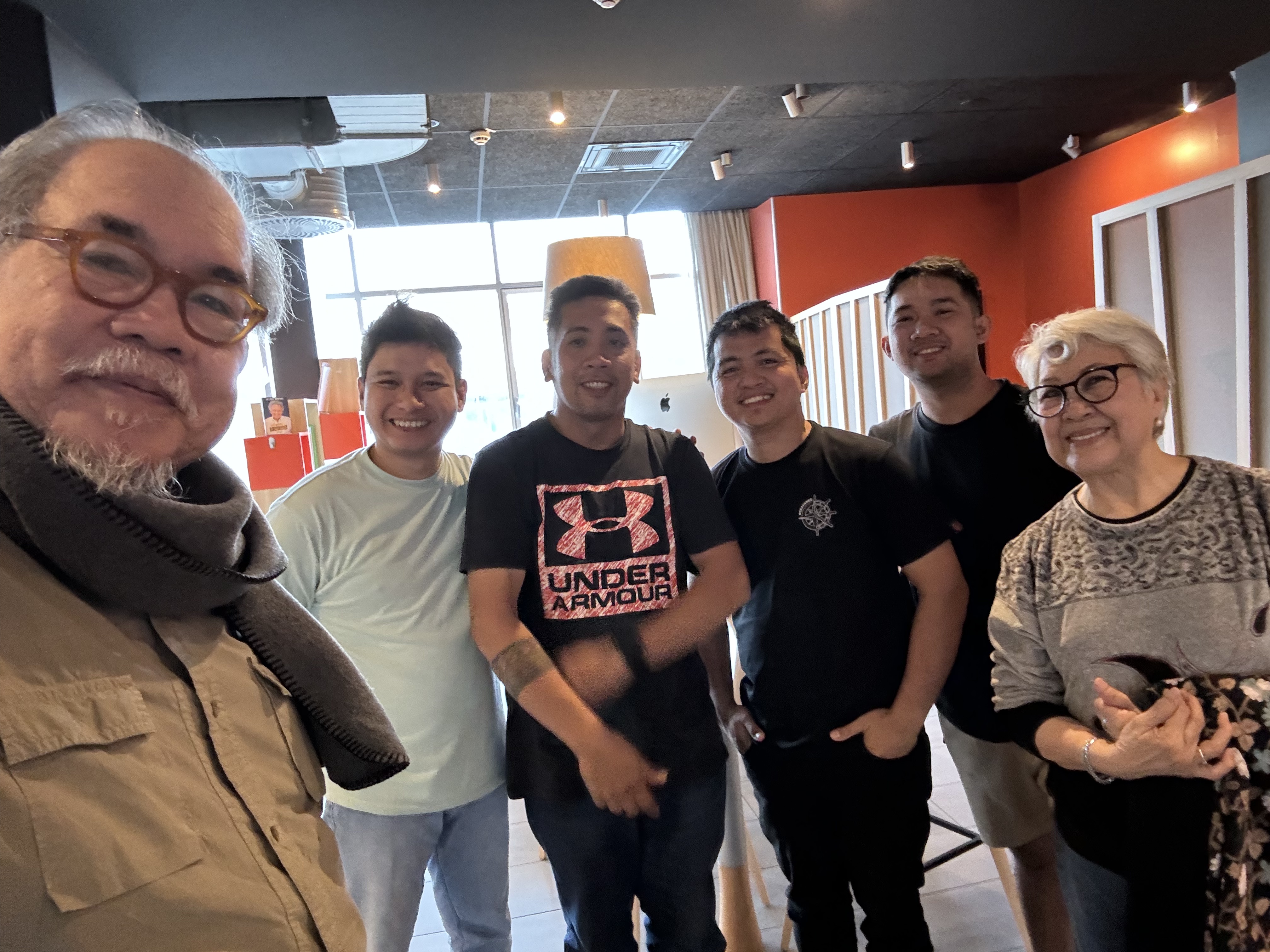
One unexpected highlight of our visit was running into a group of Filipino seamen in our hotel in Le Havre, prior to my lecture. Beng and I had just come down for breakfast when we heard the familiar chatter of Filipinos at a nearby table. We came up to them and introduced ourselves, and we had a lively conversation during which they explained that they were still waiting for their ship to dock because of the bad weather. I’d met and chatted with seamen like them before in Hamburg and in Christchurch, among other places; as a writer and as a Filipino, I take it as a pleasant obligation.

Competition, they said, was driving them to accept shorter four-month stints at sea. “We barely break even, and it’s a tough life at sea, but we have no choice, since our families depend on us.” Part of my lecture that day was going to be about our Filipino notion of the hero as martyr, of Christ-like sacrifice for the common good. I suddenly realized that it was Good Friday. We had our smiling selfies taken, and they seemed proud to stand with UP professors, but it was Beng and I who felt honored to be there with them.

Penman No. 452: A Cultural Treasure Chest

Penman for July 9, 2023

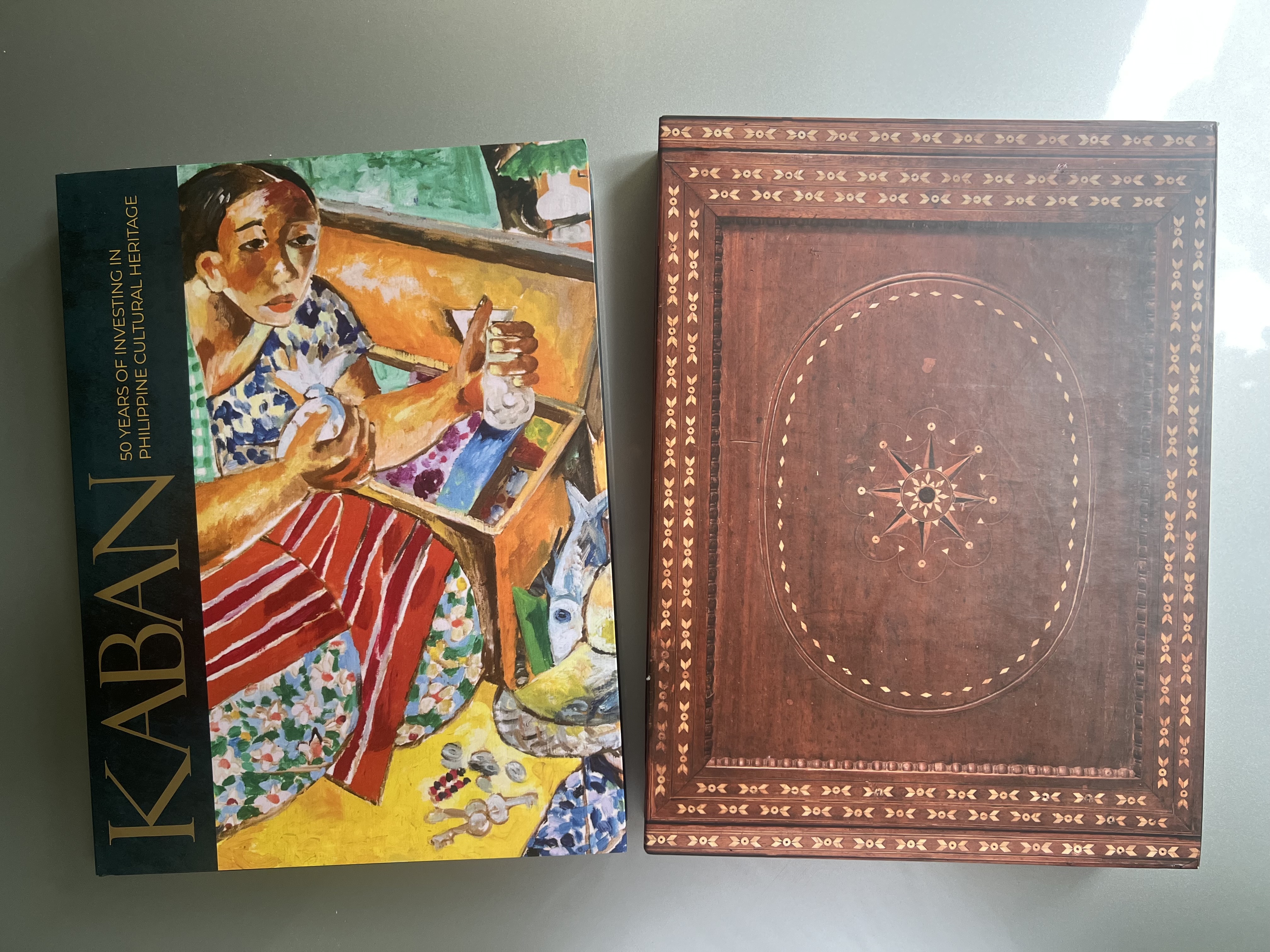
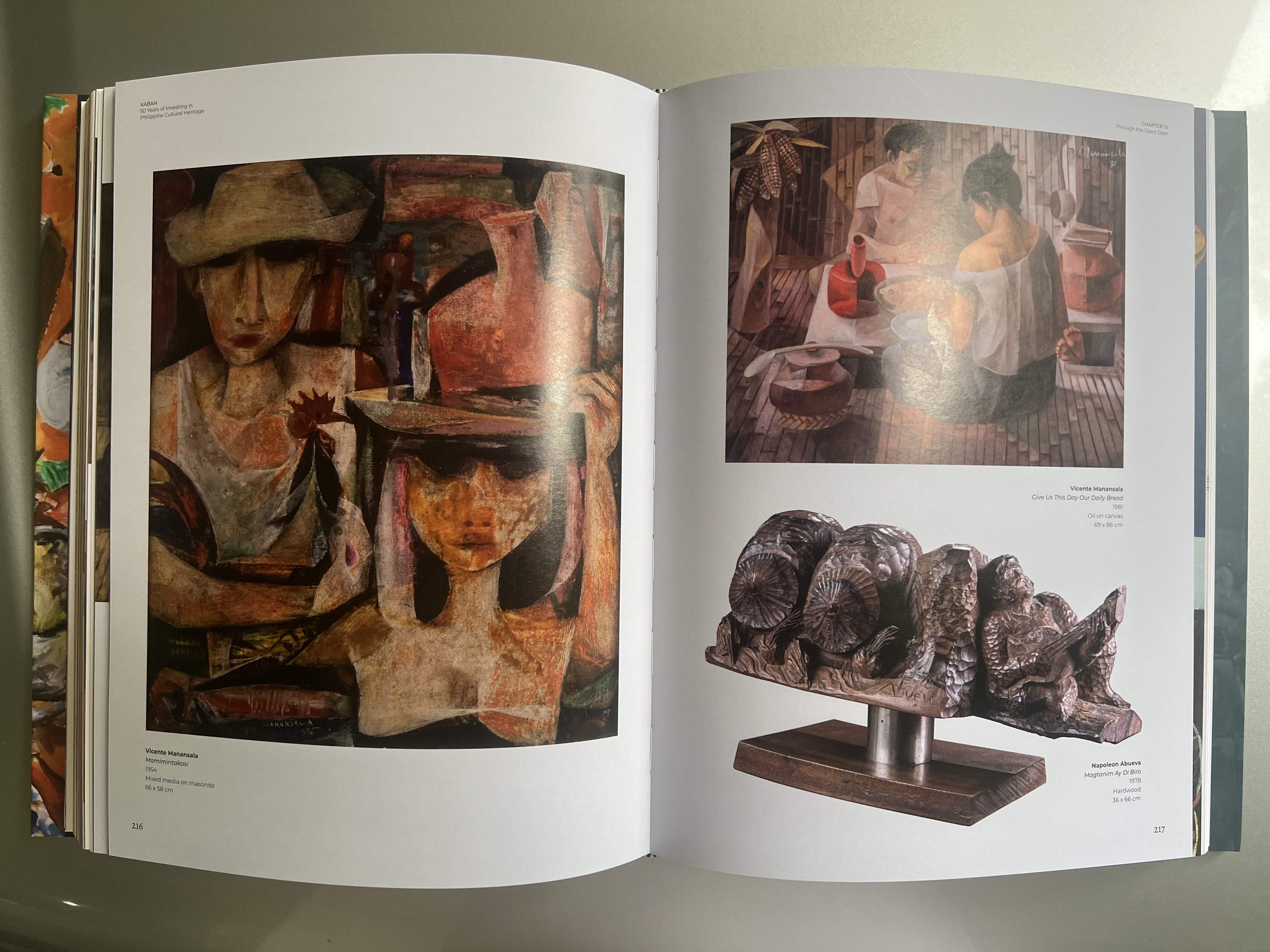
A NEW book launched last month by the Bangko Sentral ng Pilipinas once again brings up how unlikely—and yet in a way also how logical—it is for a nation’s central bank to be the repository and protector of the country’s cultural heritage. 

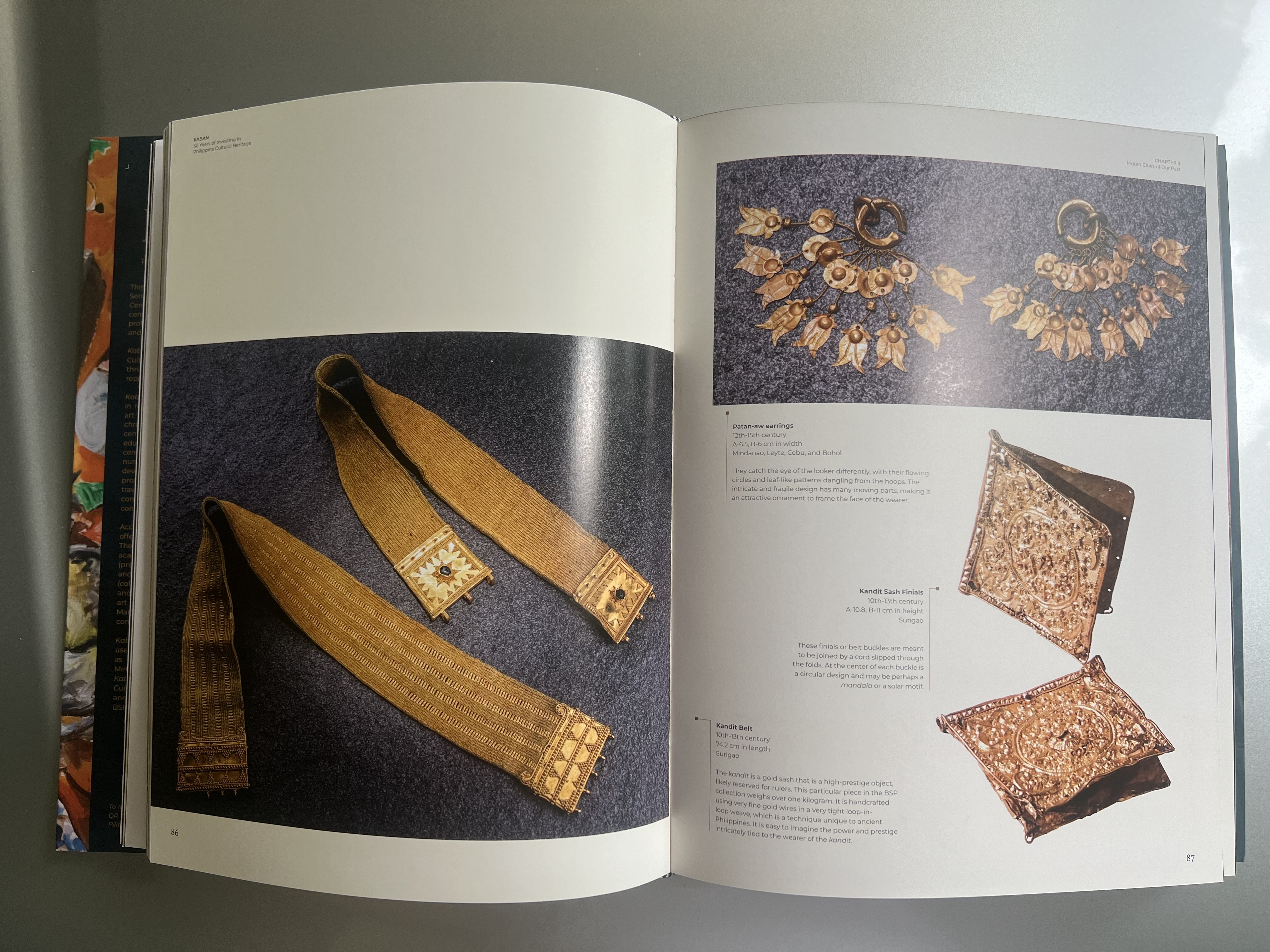
Simply titled Kaban (treasure chest), the sumptuous 340-page book offers a guided tour of the BSP’s fabled cultural collections, from pre-Hispanic gold to contemporary art, with each section curated by experts in the field. The book’s writers include Portia Placino, Victor Paz, Dino Carlo Santos, Clarissa Chikiamco, Tessa Ma. Guazon, and Patrick Flores; I contributed a preface, from which I quote some excerpts below. 

Banks represent resources, stability, and continuity, and central banks even more so, for the financial sector. They will often purchase art for décor, and perhaps even for investment; but they will not routinely spend vast amounts on the acquisition, storage, and exhibition of valuable cultural artifacts, as the BSP (and its predecessor, the Central Bank) has done.

Only inspired and visionary leadership can achieve this fusion between the seeming banality of money and the transcendence of art. The Central Bank and BSP have had the good fortune of being led at various times by men who embodied this integration—among them, the CB’s founding father Miguel Cuaderno, a lawyer with a passion for history, culture, and art.

Decades later, Cuaderno was followed at the Central Bank by Jaime Laya—a banker, accountant, writer, collector, and cultural administrator. It was under Gov. Laya that the Central Bank embarked on its most ambitious acquisitions and began to be known for minding more than the nation’s money, but its cultural heritage as well.

Cuaderno and Laya were supported by the likes of Benito Legarda, at one time the Central Bank’s head of research, who was not only an economist but also an avid numismatist and historian who initiated the Money Museum, which became the base for the bank’s later forays into other areas of culture.

The release of Kaban—following a series of other beautifully produced books about the precious objects in its collection—highlights the value accorded by the BSP to the idea of wealth: its generation, propagation, and preservation, which is, after all, the core business of banks. But this isn’t just flaunting wealth for wealth’s sake, an exercise in ostentation and in investment by the numbers. 

The BSP collection is imbued with historical and cultural value, and the objects in its catalogues—from ancient coinage and currency to contemporary art and furniture—are physical embodiments of the things and notions we hold dear, our sensibilities and aspirations as a people, the heritage and the legacy we want to pass on down the generations. It is another bank, a cultural bank, but one whose elements have been carefully chosen and curated to reflect our finest traditions and brightest memories.

It’s interesting and important to note that the BSP is not alone in this extracurricular preoccupation. Beyond the Philippines—where many other banks and financial institutions have been known for their impressive art collections and generous support for culture—banks around the world have associated themselves with art, amassing stupendous collections and employing art to project a positive and more humane image of what most people might otherwise see as cold and soulless financial corporations. Indeed, Professor Arnold Witte of the University of Amsterdam calls banks “the new Medici,” referring to the Renaissance’s most important patron of the arts, Lorenzo de Medici, not incidentally himself a banker. 

Among the world’s most important art collections held by banks, that of the Banco de España in Madrid goes back to the late 15th century and forward all the way to contemporary sculpture and photography. The Swiss UBS holds 35,000 pieces of modern art. JP Morgan Chase, the Bank of America, the Royal Bank of Canada, the European Central Bank, and the Societe Generale have also been leaders in the field. 

Central banks have also been known for their art collections, although their origins, sourcing, and contents vary. According to a report by the Official Monetary and Financial Institutions Forum, “In the US, the Federal Reserve’s fine arts program was established in 1975 by Chair Arthur Burns in response to a White House directive encouraging federal partnership with the arts. Unlike other collections, the Fed relies on donations of artwork or outside funds to purchase works of art. 

“Most European central banks’ art collections consist mainly of paintings, but this is not a global trend. In Colombia, Costa Rica and the Philippines for example, the central banks are also home to museums with exhibits ranging from archaeological treasures to medieval goldwork and pottery.

“The central banks of Colombia, Austria and South Africa, among others, host catalogues of their collections on their websites. The Central Bank of Iran’s website hosts a video documentary on the Crown Jewels collection. Many other central banks including Greece, Hungary, the Netherlands and the Philippines have physical catalogues of their collections, though these have not been digitalized.” It quoted then Governor Amando Tetangco as saying that “The BSP ensures that outstanding examples of Filipino genius in its gold, art, and numismatic collections are shared with the people through exhibits, books, CDs, social media, and provincial lectures.”

This puts the BSP in the fine company of other central banks that have recognized the special relationship between monetary and cultural wealth, and the importance of preserving heritage for the future. If, as Benjamin Franklin once said, “An investment in knowledge yields the best interest,” then an investment in cultural heritage cannot yield any less, as it shows us at our best, for all time.

The arts, indeed, are another treasure trove of spiritual resources needing constant care and replenishment. This long, historic, and mutually beneficial partnership between our central bank and the arts sector makes that reality physically manifest, and we can only hope that it will continue even more strongly in the decades to come.

Tastefully photographed and designed by Willie de Vera and produced by Bloombooks (the publishing arm of Erehwon Arts Corporation), Kaban is a treasure on its own, and is available for sale to the public at the BSP.

Qwertyman No. 48: Beauty and Horror

Qwertyman for July 3, 2023

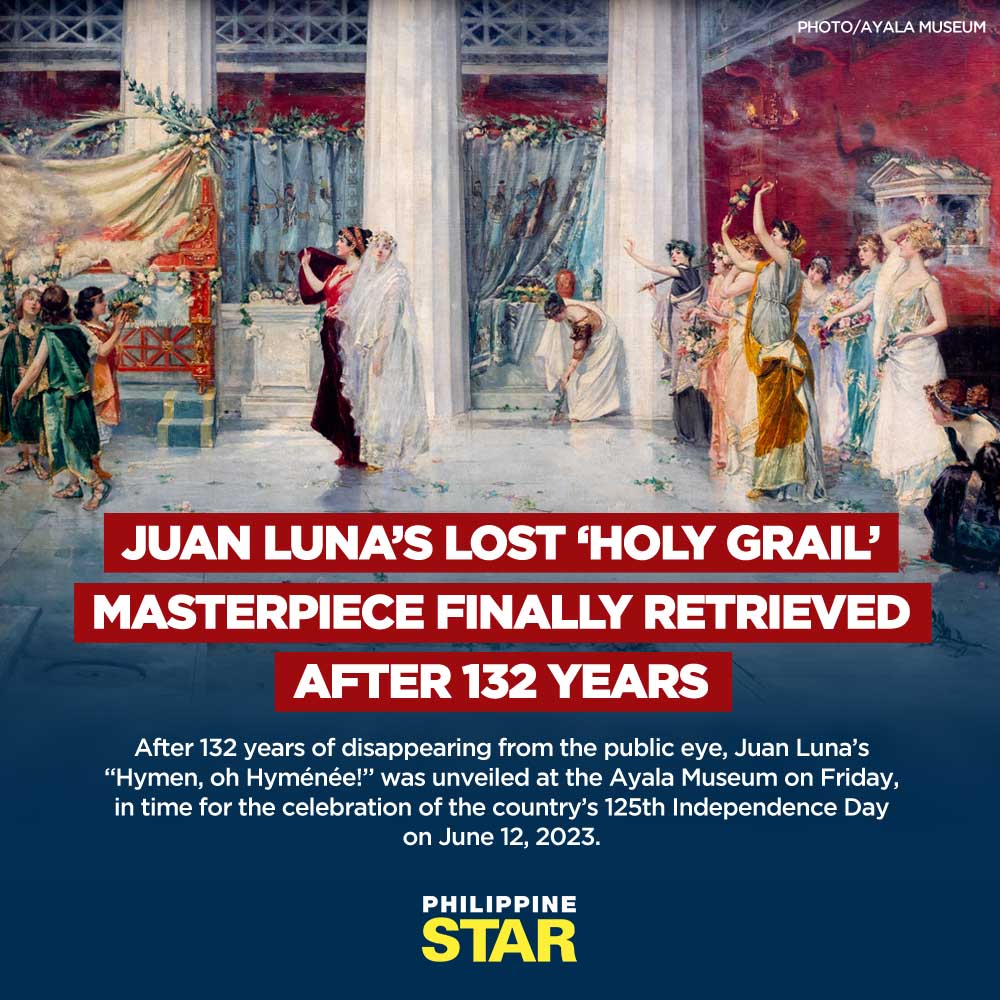
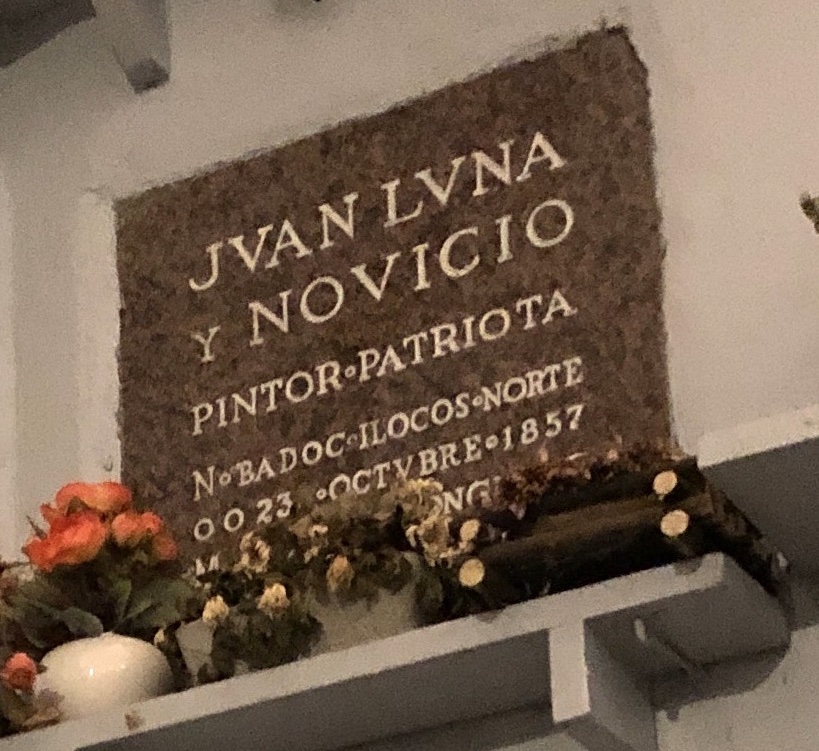
I WAS surprised, a bit amused, but also deeply bothered by the reactions of Filipino netizens to an event that hogged the headlines two weeks ago—the special exhibit of Juan Luna’s painting “Hymen, O Hyménée.” 

The painting, said to have been lost for over 130 years, was put on display in all its solitary glory at the Ayala Museum, evidently a prize catch and worthy of public attention. The attention came—not all of it positive. Quickly a thread developed online scoring the artist, the painting, the museum, and the curious who trooped to Makati to see the painting. Why, posters asked, was praise being heaped on a deranged man who murdered his wife and mother-in-law? Where was our outrage? Speaking of the painting, why, technically it wasn’t even that good. 

They were, of course, all fair points to raise, designed to provoke some serious re-evaluation of why we like the things (and the people) we do. While there was some quibbling about the aesthetic merits and demerits of the painting, most of the negative reaction was clearly aimed at Juan Luna’s homicidal and presumably misogynistic streak. Just to be clear, he did admit to killing the two women (he suspected his wife of having an affair with a Mr. Dussaq), but was later acquitted on grounds that merely prove how partial to men the old judicial system was.

This brings up the inevitable question—not about Luna’s guilt, which seems to have been settled in the court of public opinion, but about that of those professing to admire Luna’s talent as a painter: knowing what we know now about an artist, should his or her work be judged by his or her character? Can or should we put our blinders on when gazing at a painting or reading a book, and savor the work in denial of its creator’s evil history? Should we resist Google, adopt or feign ignorance, and leave moral judgments to others?

I know that some esteemed writers and artists, like the late F. Sionil Jose who preceded me in this space, were severe and unforgiving in their application of a moral frame to creative work. To Manong Frankie, if you supported the Marcos dictatorship and profited from it, your credentials as an artist were forever compromised. Today we would call this “cancel culture,” which has been appropriated by right-wingers to complain about being punished for being, well, right-wingers.

It seems like a logical proposition: if you don’t like someone for good reason, then reject his or her work, which could be tainted by all manner of subliminal malice. You can stand proud in your clarity of mind and emotion, in your spirited defense of the good and just.

But this also raises a very practical problem: entering a museum or a library, how am I to know which artists or authors led upright lives, and which ones flourished in depravity? If I enjoy a work, only to discover later that its creator attempted to rape a teenage girl (as the Nobel prizewinner William Golding did, and even wrote about it privately) or tortured animals and adored Hitler (like Salvador Dali did), am I supposed to regurgitate my admiration and pronounce the work worthless?

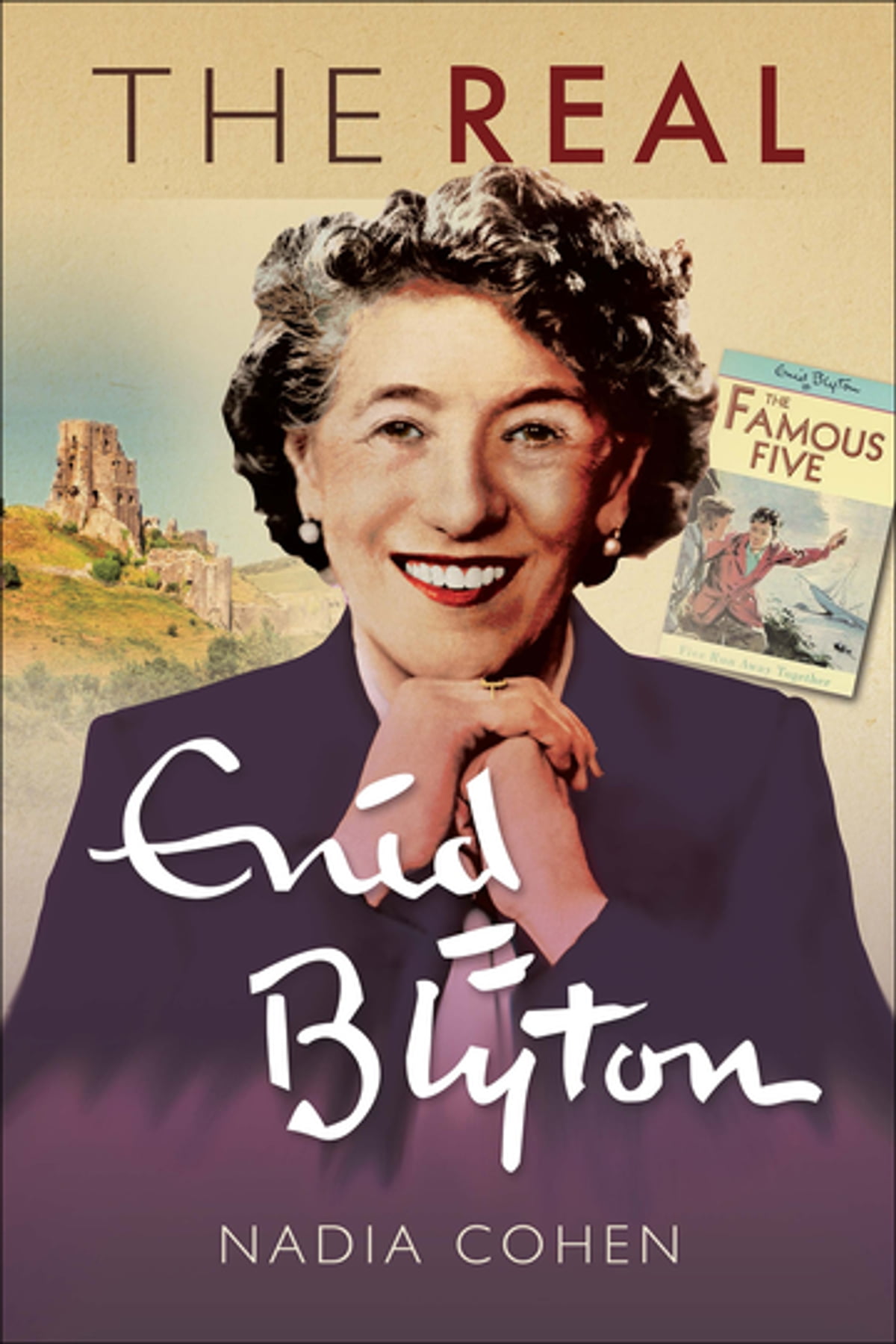
The list of artists and writers who were less than paragons of moral virtue is a long and (dis)honorable one. For this we go to Google, which has been asked the question so often that so-called “listicles” exist of the answers, which inevitably throw up the same names. Paul Gauguin abandoned his family and fled to Tahiti where he took on three child brides, infecting them all with syphilis. TS Eliot and Ezra Pound were Jew haters, as were, for that matter, Richard Wagner, Edgar Degas, and Roald Dahl. Picasso abused his women and drove them mad, calling them “machines for suffering.” Beloved writer of children’s stories Enid Blyton was a terrible mother, neglectful and vindictive, described by her own daughter as “without a trace of maternal instinct.” What am I to tell our daughter Demi, now 49, who grew up on Enid Blyton and who carefully rounded up all her Blyton books and tied them up in a ribbon during her last visit, for passing on to another child?

I recall when, years ago, a renowned actress (whom I need not name, as you can surely guess who she is) was denied the National Artist Award by Malacañang because of her reported use of drugs at some point in her troubled life. (I know, because the Palace official who recommended the disapproval told me the story.) Thankfully this was later rectified.

And as soon as I say that, you can see where I incline in this debate. I hate evil as much as any sane person would, but also recognize and accept that some of that is always latent within me and within others, and that it is my awareness of it—or my guilt when I give in to it—that grounds and deepens my art. I’m not saying evil is a prerequisite for artmaking, as surely saintly folk have produced great art (although I still have to find that listicle); it’s just there, like a shadow in the forest, the Lucifer without which the aura of our angels would dim. 

And what about the deplorable if not detestable excess of it in these aforementioned geniuses? Do we excuse or absolve their failings by accepting their art? I think not. What we are accepting is not their wrongdoing, but rather the fact of how one of art’s and indeed of life’s great mysteries is how often beauty and horror cohabit. Thus we can come to an informed appreciation of a work and its maker, wonder at how so much darkness could produce so much light, and begin to understand our complexity as humans, which artists give form and voice to.

Myself, I like to think of art as a personal act of redemption, or at least of restitution. It will never excuse one’s bad behavior, or repair the damage done. But it will show how capable we are of refined and abstract expression, despite our brutish selves.

The greater problem for me is that, today, we inhabit a moral minefield where art itself has been conscripted to disguise falsehood and deception. Artificial intelligence has neither heart nor conscience, but its manipulators can produce breathtakingly attractive lies. Much more than a long-interred Juan Luna, this worries me.

Penman No. 421: Giving Spirit: A Requiem for Riel

Penman for Monday, August 16, 2021

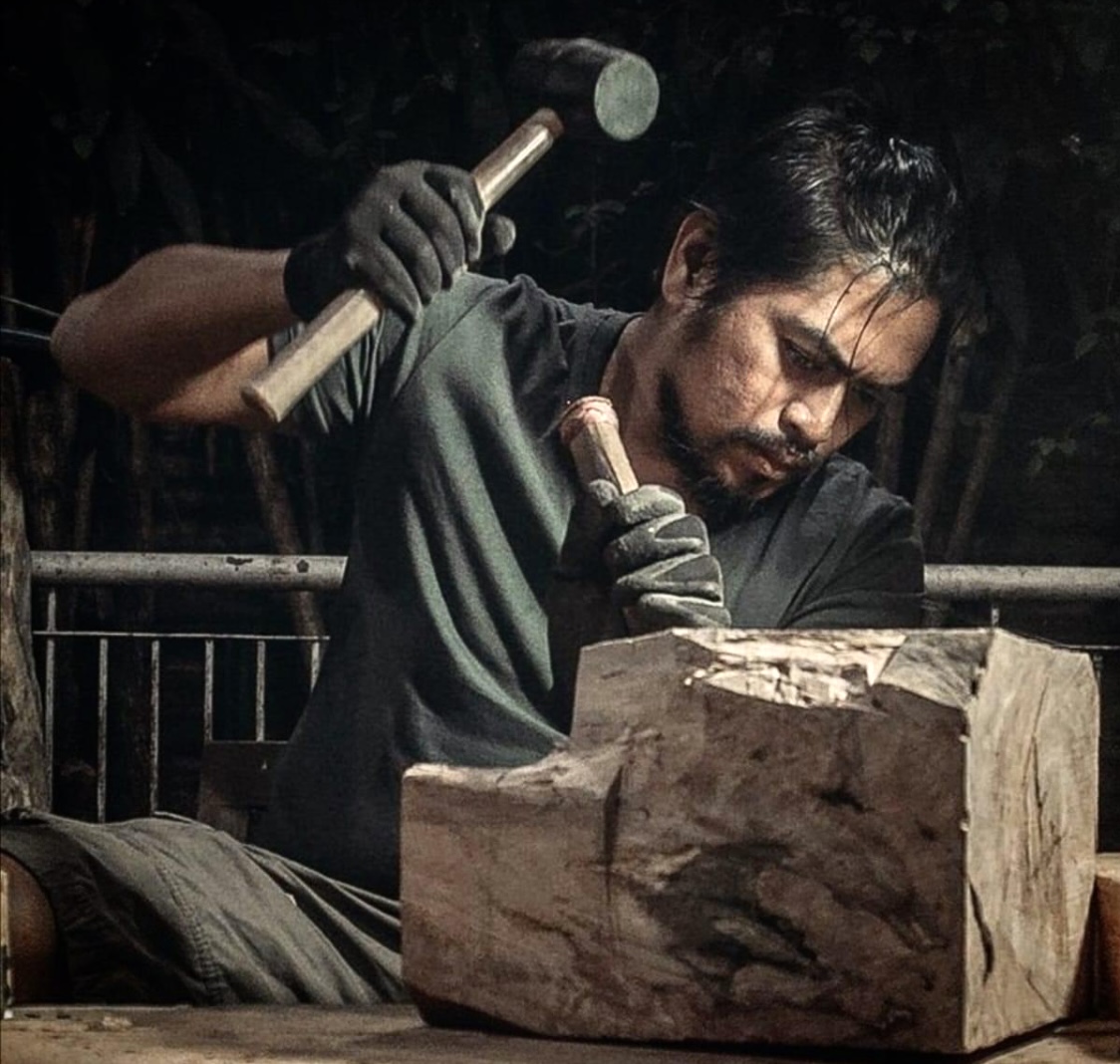
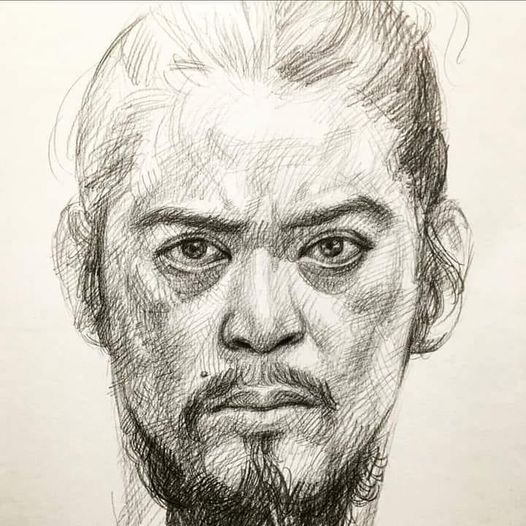
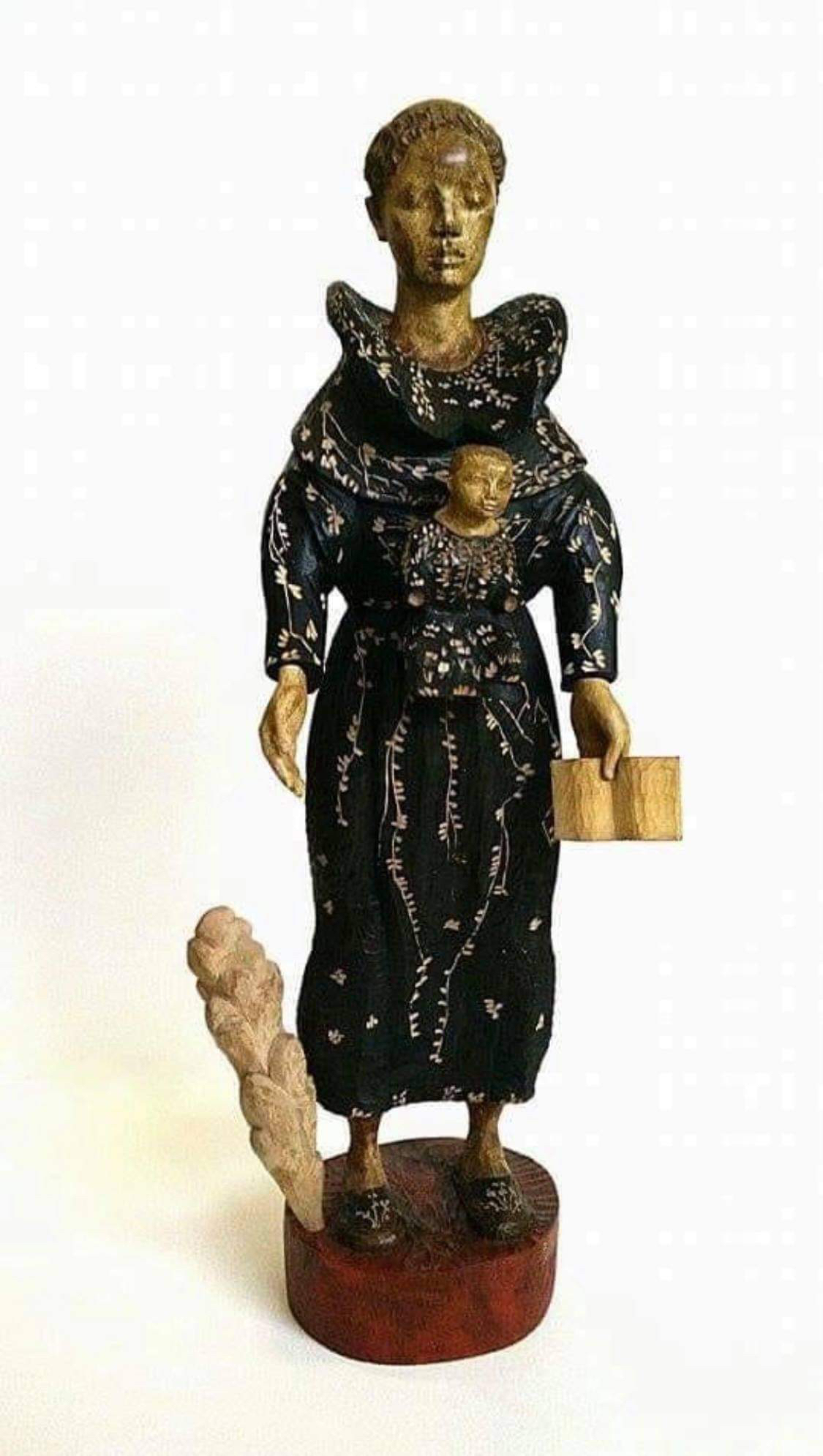
WHEN I woke up to the sound of my wife Beng crying as she clutched her phone, I knew instantly what had happened in the night: “Riel is gone,” she said. “Riel” was Ronald Jaramillo Hilario, a sculptor and fellow alumnus of the UP College of Fine Arts. 

No institution in this country has been spared by Covid—every school, office, factory, and hospital will have more than one sad story to tell of unexpected loss and bereavement, of someone who was there with them one minute, laughing and shooting off on the issues of the hour, and then gone seemingly in the blink of an eye.

For the UP College of Fine Arts, it has been an exceptionally terrible year. One after the other, it lost artists and faculty members such as Jak Pilar, Leo Abaya, Joey Tañedo, and Neil Doloricon, and alumni Virgie Garcia and Riel Hilario. The arts community was still reeling from the passing of Neil—one of the stalwarts of social realism in Philippine art—when news of Riel’s death came through, and as she had done much too often since the pandemic began, Beng wept again.

Oddly, neither Beng nor I had actually met Riel—he lived in Lucban with his muse Joyce Campomanes—but he had quite a large digital footprint, from which I gleaned enough, and Beng became a kind of tita figure to him, always ready to lend an ear, albeit online. He was one of those rare artists (Neil Doloricon was another one) who was extraordinarily articulate, and who didn’t hesitate to let the world know what he thought. 

“Art is my religion, and I am a priest of that faith,” he asserted, and his life offered ample proof of that sacerdotal devotion to art—to its creation, its study, and its promotion in a society threatened by destructive and diabolical forces. 

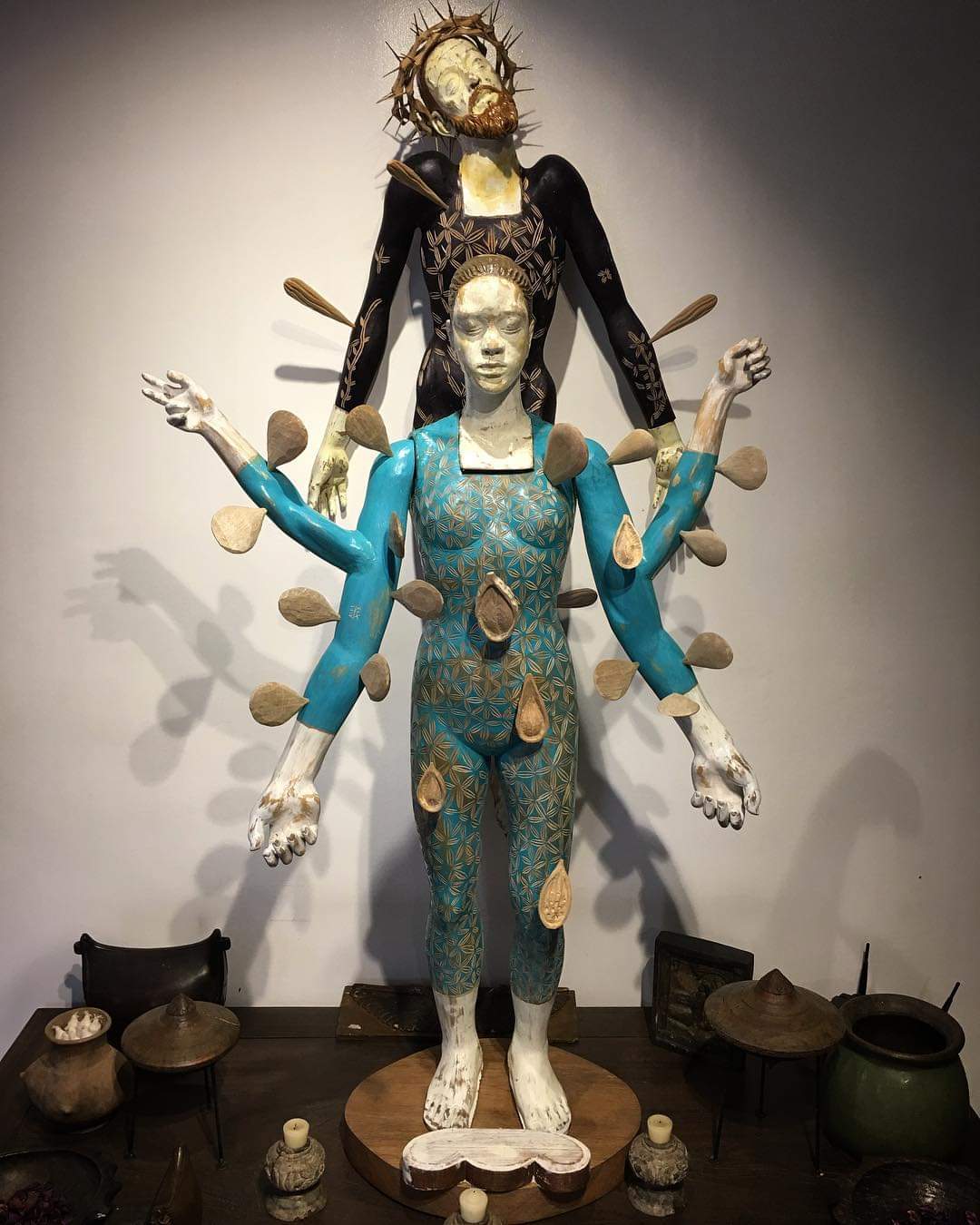
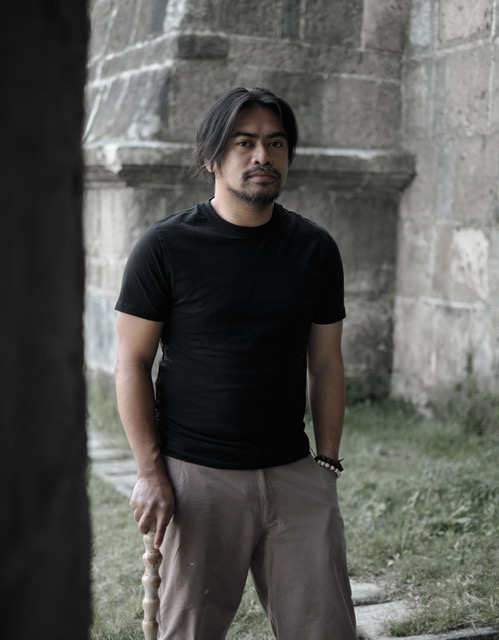
Indeed he looked every inch the part of an avenging angel (and his name summons those winged, sword-bearing creatures), bearded and muscular, with piercing eyes that seemed like they could see right through falsehood and deception. (Lorenzo Gabutina described him as “warrior, sultan, larger-than-life… a Pinoy Thor.”) His sense of mission, his critical intelligence, and his expressiveness may not have made him the easiest person in the room to sit with, but his seriousness was a reminder that art involves far more than decorating the homes of the rich, even as he created playful objects and rebultos that drew on native folklore and religion.

His formal résumé was more than sufficiently impressive. Coming out of the woodcarving tradition of Ilocos Sur, Riel went on to the Philippine High School for the Arts and UP, transitioning from painting to full-time sculpture in 2008. He undertook residencies and explorations in the US and Europe and served as curator for the Boston and Pinto art galleries. He also co-founded Artinformal, an art-education collective. In 2012, he was the winner of the Ateneo Art Awards-Fernando Zóbel Prizes for Visual Art, and in the same year was named one of the Cultural Center of the Philippines’ Thirteen Artists. 

Wood sculpture, he told Glenn Martinez, “served as my self-directed therapy following a debilitating episode of manic-depression in 2007. I had schizoid visions and dreams that were terrifying and disturbing. I felt the need to find an outlet that was more tactile than painting or writing. The following year I started carving wood sculptures based on the tradition of the rebulto, but following the urgings and suggestions of my visions. The practice had a cathartic effect and also helped me refocus my cultural work to do research on the craft.”

But as brilliant and productive as his own art was, Riel was also appreciated by his fellow artists for his advocacy of artists’ rights and his generosity toward others. A Facebook page dedicated to his memory and maintained by his relative and close friend Paul, “The Feathered Angel: A Tribute to Riel Hilario (1969-2021),” is full of testimonials to that giving spirit. Riel was on a mission to make sure his fellow artists were never taken advantage of by galleries and dealers, and for them to get their due recognition and respect. (In one recent episode, he recounted how he and Joyce had been turned down by a prominent bank’s branch in Antipolo when they tried to open an account, allegedly because artists can’t show proof of regular income; outraged, he recalled how solicitous the teller was in New York when he presented a $50,000 check for deposit.)

He was still brimming with ideas and plans for the future—having taught at PHSA, he was thinking of teaching at UP—when both he and Joyce were stricken by the virus. From Lucban came desperate calls for help—especially for oxygen—to friends like Glenn Martinez, Jason Moss, and Ricky Francisco. Glenn did what he could from Metro Manila to coordinate assistance, and Riel and Joyce were brought to a hospital in Lucena. But it was too full to accommodate them, and they were sent home. 

Joyce survived; Riel did not. But as one of Riel’s favorite sayings (and mine, from Hippocrates) goes, “Ars longa, vita brevis”—art is long, art endures, as short as our lives may be.

(Images courtesy of Joyce Campomanes)

Penman No. 403: Bad Times, Good Art?

Penman for Monday, December 21, 2020

IN MY last column, I wrote about how art and literature respond to times of great distress, like plagues and wars. My spoilsport proposition was that—against most expectations—crisis and chaos are not the best environments for great art, not just because the artists are too busy just trying to survive, but because it takes time, distance, and reflection to integrate, to re-order, the experience of falling apart.

Citing previous examples like Albert Camus’ The Plague and Daniel Defoe’s A Journal of the Plague Year, I said that this current pandemic will surely be the stuff of both bestsellers and ponderous novels, but the best writing about it will very likely not emerge for many more years, if not decades, to come.

If you need more proof, consider this: the best war stories were written long after the wars they dealt with. War and Peace by Leo Tolstoy, about the War of 1812, came out as a book in 1869. Stephen Crane’s The Red Badge of Courage, about the Civil War, was published in 1895; World War I’s All Quiet on the Western Front by Erich Maria Remarque in 1929; Kurt Vonnegut’s World War II-era Slaughterhouse Five in 1969; and Tim O’Brien’s Vietnam-era The Things They Carried in 1990.

That’s not to say that artists don’t or shouldn’t immediately respond to the tumult swirling around them. Something traumatic like plague and war can be both material for, and instigator of, great art.

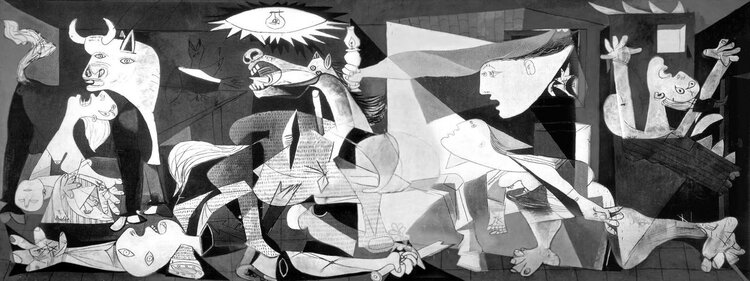
The one outstanding example that comes to mind is Picasso’s Guernica, made in 1937 during the Spanish Civil War. The story goes that Picasso was in Paris working on another commission when he heard about Franco’s bombing of the town of Guernica in April that year, whereupon he shifted his attention to producing the now-iconic antiwar painting, which he finished in five weeks. 

Another oft-quoted story is that of the composer Dmitri Shostakovich, whose Symphony No. 6 in C Major, which came to be known as the “Leningrad Symphony,” was premiered in Russia during the siege of Leningrad by the Germans in July 1942, and became a kind of anthem of Soviet resistance. In the more cinematic retellings of this episode, it is said that the Germans realized they would lose the battle when they heard the symphony being played by a ragtag band of Russian musicians on the radio.

On the German side, there’s the story of the Berlin Philharmonic persisting in recording Brünnhilde’s Immolation Scene and the finale from Wagner’s Götterdämmerung despite the Allied forces knocking on Berlin’s gates in April 1945.

These examples, with their heroic if not tragic overtones, seem to suggest that in periods of great disorder and distress approaching chaos, artists of all kinds rise to the occasion and summon up their finest talents in the service of—and here one is tempted to say “humanity,” but I am more inclined to say “order,” which is inherent in every artist. The desire for justice, for example, is a form of outrage over the disturbance of some natural equilibrium, a sense of fairness, and bringing music into the battlefield is a willful imposition of structure and narrative into the cacophony of war. These creative outbursts in the middle of the fray are also affirmations of one’s higher consciousness, a civilized rejection of the easier option to submit to brutishness.

This reminds me of Umberto Eco’s insightful description of how art works as “a minimum of order compatible with a maximum of chaos.” The artist’s impulse is to bring method into the madness, to see pattern and narrative in the mess of things. 

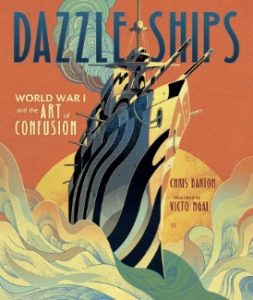
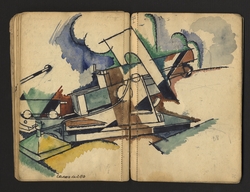
Sometimes art has responded to war in the most striking ways. There was a very close relationship between Cubism and the development of military camouflage in the aftermath of World War I, with Cubism providing the inspiration for the abstraction of natural forms, culminating in the so-called “Dazzle” ships whose wild geometric designs, by the marine artist Norman Wilkinson, were meant less to hide ships than to confuse U-boat rangefinders.

But for all these illustrations of disorder as the handmaiden of great art, I suspect that they are exceptions, and that the more commonplace product is that enemy of good art, cliché. 

Dystopic times invite posterization, where subjects can either be romanticized or demonized. There’s that overwhelming urge to settle for the literal or cartoonish depiction of the obvious, which would be hardship and pain, violence and sorrow, over and over again. I’ve often pointed out to my writing students—long before the pandemic—that the easiest thing to write is a lament about how terrible and unfair life is, and how awful one feels. Walk into any serious art gallery (real or virtual) and you’ll see that most works by young artists are predominantly dark and gloomy.

I’m not suggesting that we get all Pollyanish and paint an artificially happy world; but I do expect great art to be transcendent and complex, to move beyond the immediate and the literal and to remind us of the need for beauty and hope amid the suffering. Michelangelo did that with the Pieta, which is not only about a son’s passing but a mother’s deathless love. 

Bad times and bad things may even prefigure or provoke some inner good, as the poet Rainer Maria Rilke put it: “Perhaps all the dragons in our lives are princesses who are only waiting to see us act, just once, with beauty and courage. Perhaps everything that frightens us is, in its deepest essence, something helpless that wants our love.” 

Penman No. 398: Bringing New Life to Old

Penman for Monday, October 12, 2020

BEING MARRIED to an art restorer who regularly salvages battered or tattered Amorsolos, HRs, Botongs, Kiukoks, and the like and turns them into objects of joy and wonder again, I know what it’s like to give new life to something that at one point seemed utterly ruined. 

Not that I can do it myself, as I’ve often been better at messing things up than fixing them. It’s a shame to admit, being a PSHS alum and an aspiring engineer at some wistful point, but I’m generally worthless around cars, for example. I can fix a flat if it comes to that, but anything else will have to be solved by a phone call to the tow truck. Neither is carpentry my strong suit; I’d probably break a saw before it could cut through a two-by-four, or lose a finger.

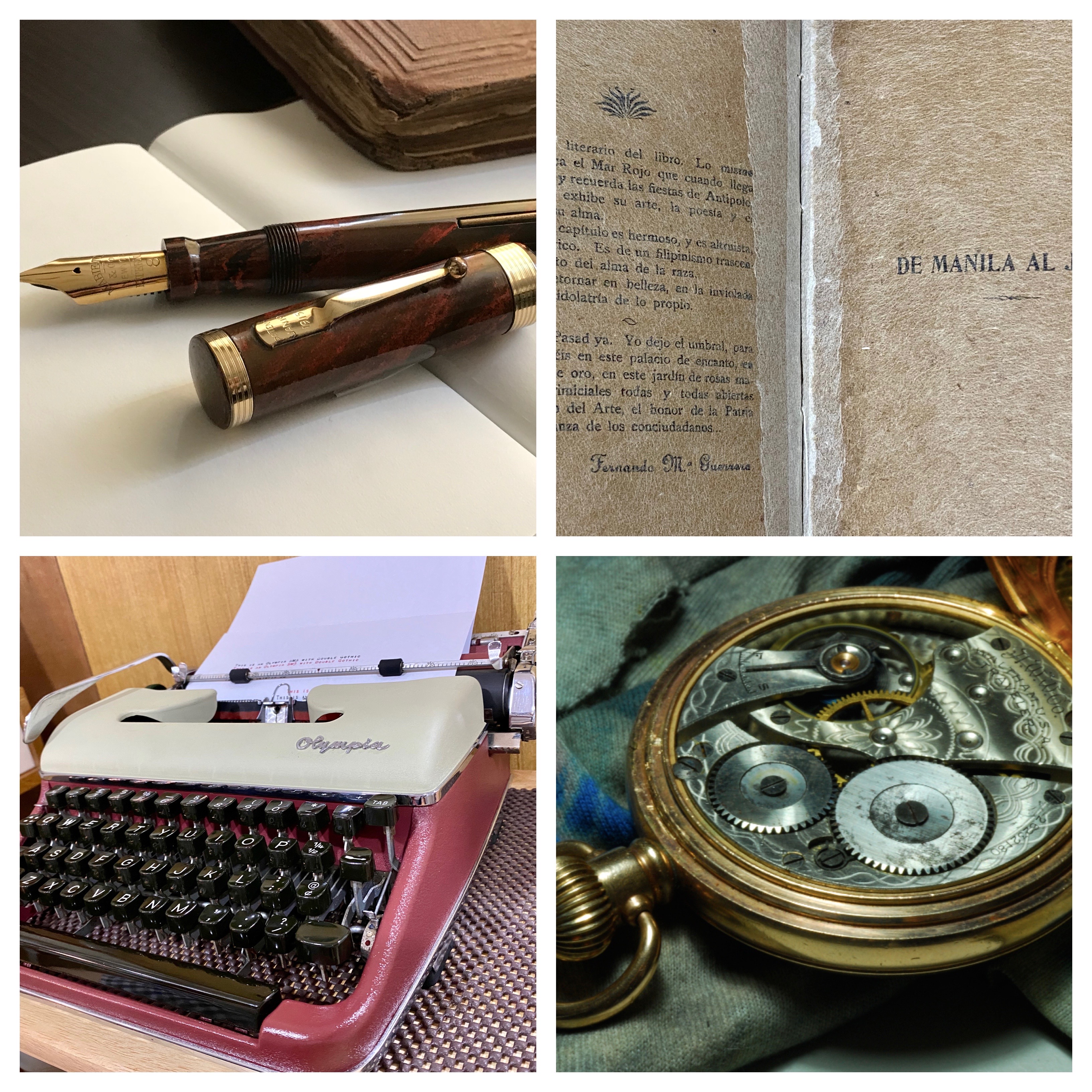
There are a few things that I’ve learned to repair—many old fountain pens, for example, though not all, as some require highly specialized skills and tools. Pens from the 1920s up to the 1950s that used rubber sacs or bladders are pretty easy to fix, with some help from a hair dryer to soften (but not melt) the plastic, and a dab of shellac. I can also DIY some basic computer fixes, like replacing laptop hard drives and batteries, making sure not to lose any tiny screws by mounting their heads on upside-down tape. As I collect pens and, yes, old Macs, this has not only saved me a mint of service fees but also amplified the pleasures of collecting and connoisseurship. 

But I reserve my admiration for people who really know and love what they’re doing, are extremely good at it, and who are struggling to preserve a dying art as threatened as the objects they minister to. 

We live in a repair-conscious society; unlike the throwaway Americans and even the Japanese, for whom labor could cost more than the appliance itself, we will fight to keep our TVs, fridges, aircons, and electric fans chugging until their last breath. We suffocate our new sofas with plastic so they will live 100 years.

But repair is one thing, and restoration another. You can always buy another 60-inch TV if it can’t be fixed, but not another 1928 Parker Duofold Senior, or another signed copy of Carlos Bulosan’s America Is in the Heart, or another 1922 Corona 3 folding typewriter, at least not that cheaply or that easily.

Happily and thankfully, we still have people who, like my wife Beng, possess the arcane skills required to bring new life to old. And “old” is the operative word here, because the things they care for and care about tend to be far older than their owners and decidedly appeal to the senior set, although they’ve begun to acquire a certain charm for some millennials eager to connect to some thread of history.

Take vintage pens, for example. For those jobs that amateurs like me can’t do, there’s J. P. Reinoso, a retired bank executive, who’s turned his hobby into a full-on pen spa (yep, that’s what he calls it). Sheaffer Snorkels from the 1950s and Parker Vacumatics from the 1930s and 1940s will almost certainly defeat the uninitiated, but JP has the know-how and just as importantly the parts for them. (Sadly and surprisingly, modern piston-fillers like Montblancs and Pelikans will often require a long and expensive trip back to the factory in Germany for servicing, although some basic repairs can also be done here, subject to parts.)

For my old books that have begun to fall apart—and I mean books from as far back as the 1600s and 1700s, although books from the early 20th century tend to get more brittle and fragile because of their acidified paper—I turn for help to Josie Francisco of Bulwagang Recoletos, who uses gossamer-thin Japanese paper to make a crumbling page whole again. Another genius in this department is Loreto Apilado of the Ortigas Foundation Library, which accepts book restoration jobs.

Local watch aficionados swear by Andrew “Andy” Arnesto, whose shop at Makati Cinema Square has become a mecca for savvy collectors and users seeking to revive their vintage Rolexes and Omegas without having to pay boutique rates, especially for the simplest fixes. 

And what about those typewriters? I’ve written about him here before, but the guy we call Gerald Cha, based in Quiapo, is still the go-to person to get your Lolo’s venerable Underwood 5 or Smith-Corona Silent Super going clackety-clack again. Beyond giving your machine the basic CLA (cleaning, lubrication, adjustment) service, he can also repaint it to your specifications—like he did with a dull-olive 1959 Olympia SM3 that I fancied turning into my “UP Naming Mahal” standard-bearer, with its maroon-and-cream body accented by the original green platen knobs. 

As I quoted Hippocrates last week, ars longa, vita brevis—art is long, life is short. Taken another way, a bit of the restorer’s art can lengthen the life of your dearest toys and possessions.

(Privacy concerns inhibit me from giving out their numbers, but a little Googling should go a long way.) 

Penman No. 397: Vision 2020: An Artist Responds to Covid

Penman for Monday, September 28, 2020

WHILE SHE was undergoing therapy for depression, the celebrated American poet Anne Sexton explained why she kept doing what she did: “Poetry, after all, is the opposite of suicide.” That she ultimately and tragically succumbed to her inner demons, like her friend with whom she shared revelations and martinis, Sylvia Plath—is, in a way, almost irrelevant: what matters is that she fought back, and beautifully, leaving behind the luminous corpus of her poetry.

History tells us that this is what many artists do, under great stress and even in the face of direct threats to their lives: they use their art to resist death and annihilation, as if to say “I am here, I matter, and I will survive.” It is, of course, the art that survives, both as a testament to the moment and subject of its creation and as the indelible handprint of its creator, left on the cave walls of Time. The Greek physician Hippocrates put it well in his reminder: “Ars longa, vita brevis.” Life is short, but art is long—art endures, art is forever.

Today in 2020, in the face of a horrifyingly catastrophic pandemic that has brought the world to its knees and claimed close to a million lives, the artist is once again challenged to respond to the global crisis in an intensely personal way, both as an act of self-affirmation and as the inevitable chr0nicler of one’s times. Like a traveler surveying a landscape ravaged by death and disease, the artist seeks to depict not only the obvious carnage and the accompanying cacophony of grief but also the larger patterns and movements of people in a stricken society, as well as the startling efflorescence of goodness and hope here and there amid the suffering.

From the first scientific drawings of the human anatomy onwards, there has been a long tradition of connections and interactions between art and medicine or art and science. Artists have been credited for their uncannily accurate portrayals of disease; reports exist of how dermatologists identified two dozen skin lesions on the subjects of paintings at the National Art Gallery in London, how Caravaggio depicted goiter, and so on. 

But when it strives for or achieves sublimity, art is more than illustration, and rarely is the disease itself the subject, but rather the excuse to draw attention to the responses to it—of the directly afflicted, of the physician, of the family and the neighbors, and of us the onlookers; in other words, of society itself as a complicit agent in the process of infection and perhaps also of healing. 

Indeed, if there is anything that the pandemic has achieved, it has been to force us to think of ourselves as a society, as one organism, the infection of one part of which could lead to the death of all. But despite the political rhetoric of “healing as one,” it has not made us think as one or act as one—yet; we remain as fractious as ever, trapped in feudal modes and mindsets of privilege and power. Death should have been the Great Equalizer, reaping patrician and peon alike, but yet again this plague, like its predecessors, has merely revealed and emphasized the disparities and infirmities that were there all along, with the affluent able to convert the long lockdown into albeit boring staycations and the huddled poor—already socially distanced from their neighbors across the wall long before Covid—struggling to subsist on donated rice and sardines. 

And so the artist steps back to ask: where is the body, and what is the disease? Is it just the intubated patient who is ill? 

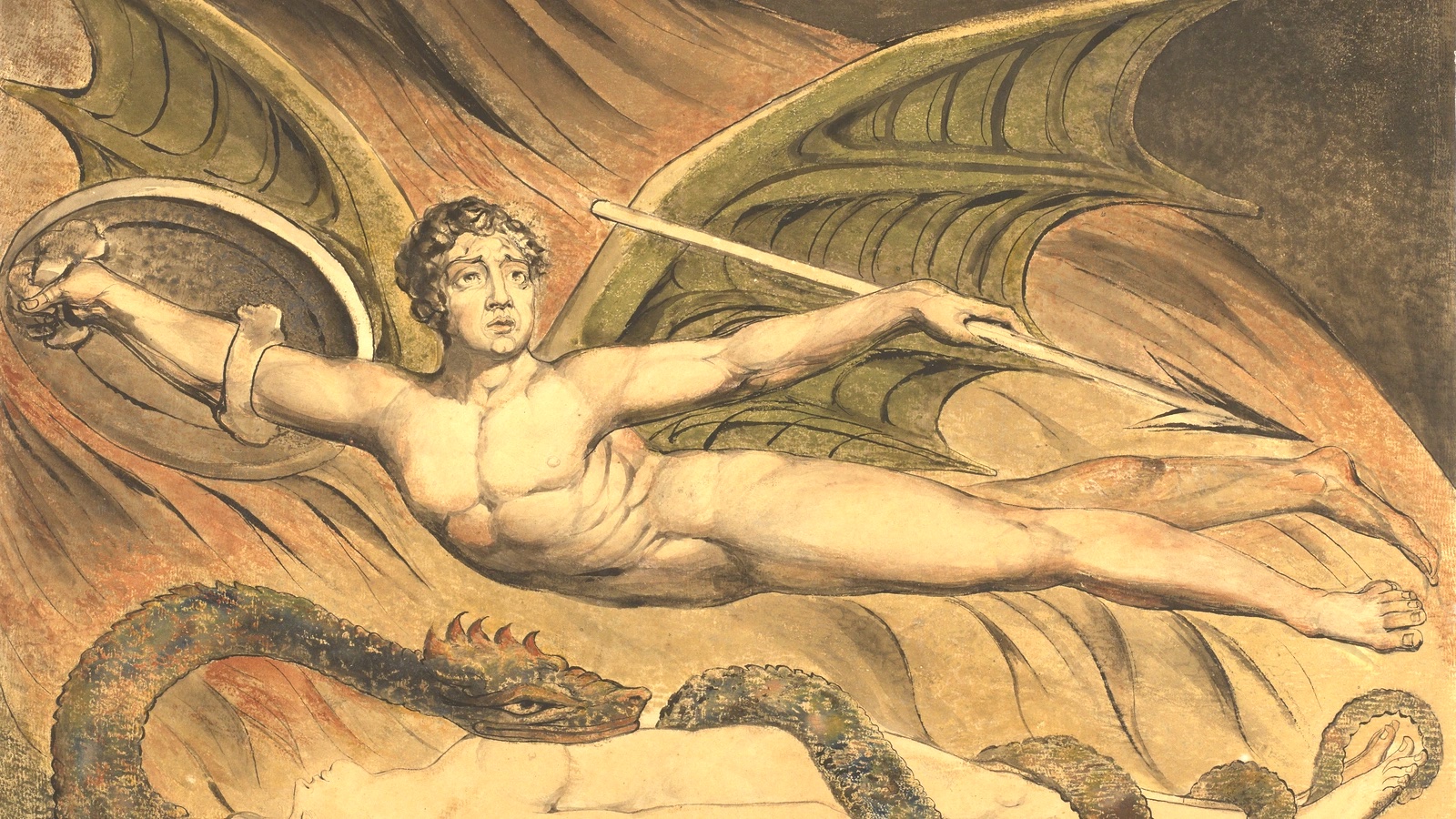
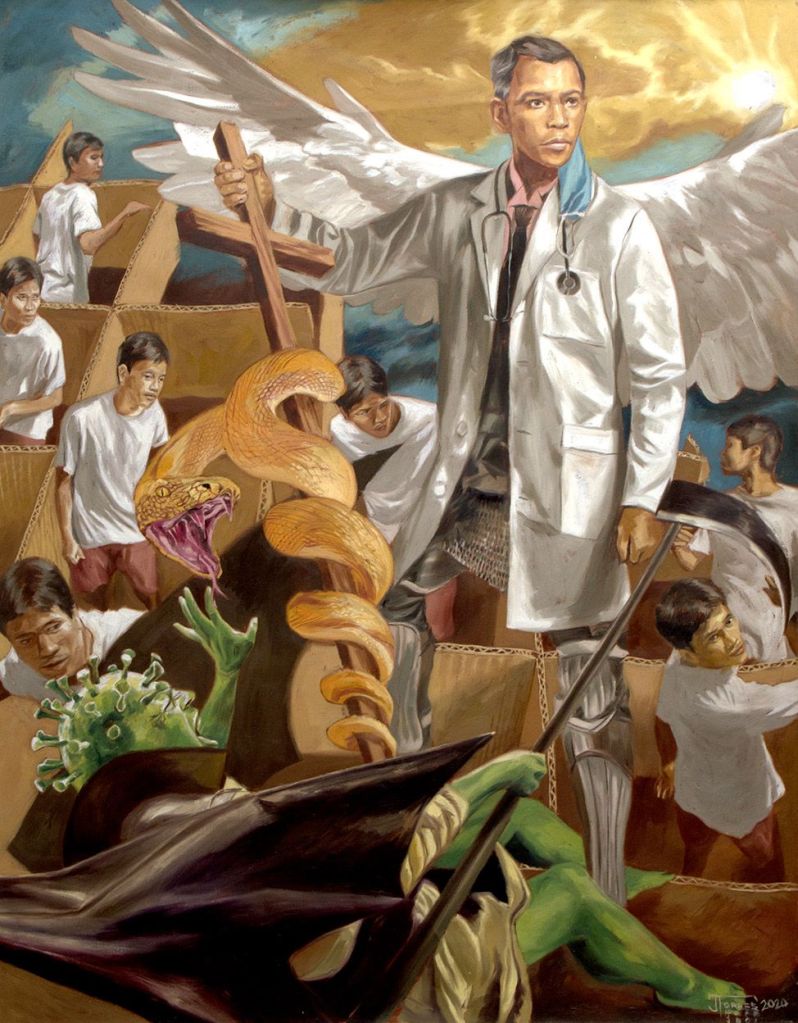
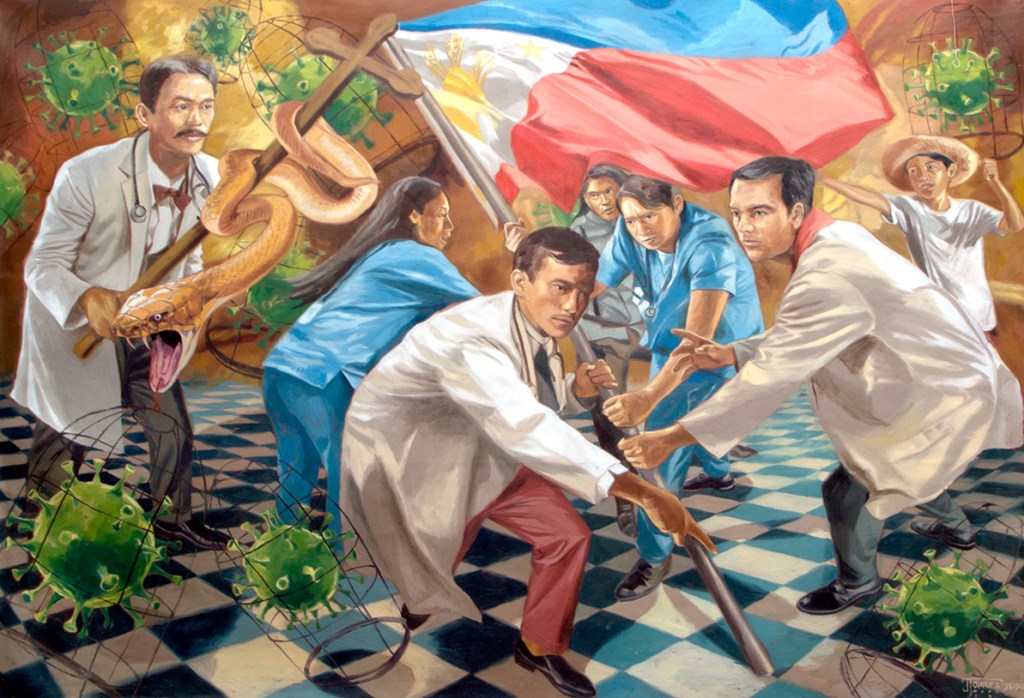
In a new exhibit of works that he has prepared for Galerie Joaquin (www.galeriejoaquin.com), the painter Juanito Torres takes us through many of the tropes that the past six months of lockdown have embedded in the Filipino psyche: chiefly, that of the physician as hero and savior, most strikingly portrayed in “Darating Din ang Bagong Umaga,” a painting steeped in iconography—the doctor sprouting angel’s wings standing victorious over a demonic virus and holding a cross that also serves as the staff of Asclepius, entwined with his healing serpent. It’s St. Michael the Archangel, treading on Satan’s dragon. In another work, “Lupang Hinirang,” Rizal, Bonifacio and other heroes are dressed as doctors raising the Filipino flag, like the Marines on Mt. Suribachi in Iwo Jima. 

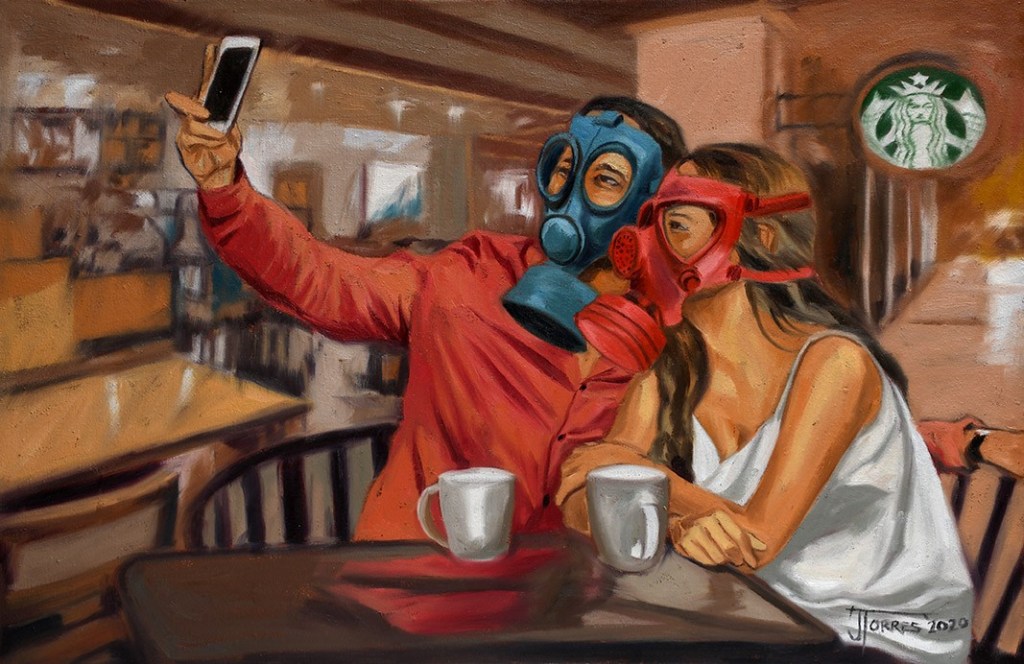
But most of the other paintings are decidedly contemporary, a dramatically enhanced rendering of the new normal, with citizens wearing gas masks in the most ordinary places, seemingly resigned to their fate.

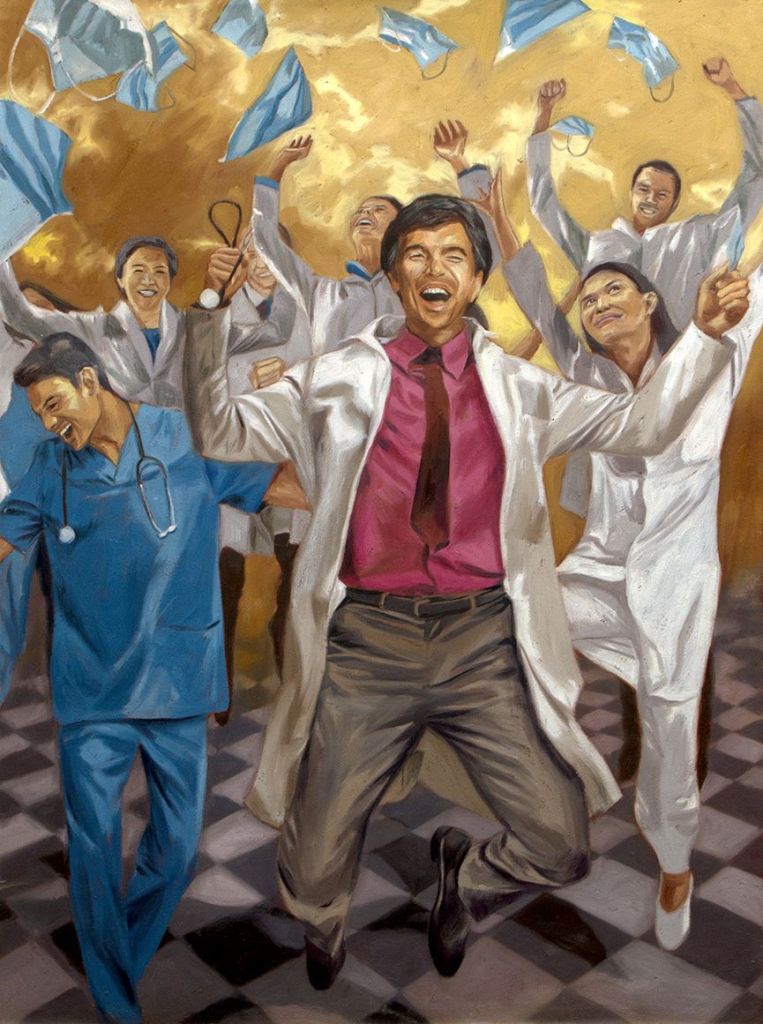
These are works that clearly demand interrogation, beyond the admiration that their technical excellence will generate. In reaching for metaphor, almost to the point of parody, Torres raises the question of whether we might have overdone the “hero” bit, not because they’re not heroes, but because they may not want to be. As it is, some doctors and medical workers have resisted if not refused the “hero” tag, not out of modesty but because it has become an excuse of sorts, an easy way out for the non-heroes to underperform and lay the burden of saving society on the medical frontliners. The banality of gas masks in everyday life implies acceptance of—if not surrender to—an occupation army. But notably, the frontliners in “Tagumpay,” who toss their medical masks into the air in joyous celebration, are wingless and entirely human—as if to say, this is when we will win, when we can be again as we were, as we truly are.

We know that that will not be easy, and between now and then we may have to draw and depend on mythologizing and self-enlargement to slay the dragon in our midst. The true St. Michael may be the artist yet, and the true dragon may be even larger than corporeal disease. 

(The physical exhibit will be staged at Galerie Joaquin at the UP Town Center from October 21 to 31, 2020.)