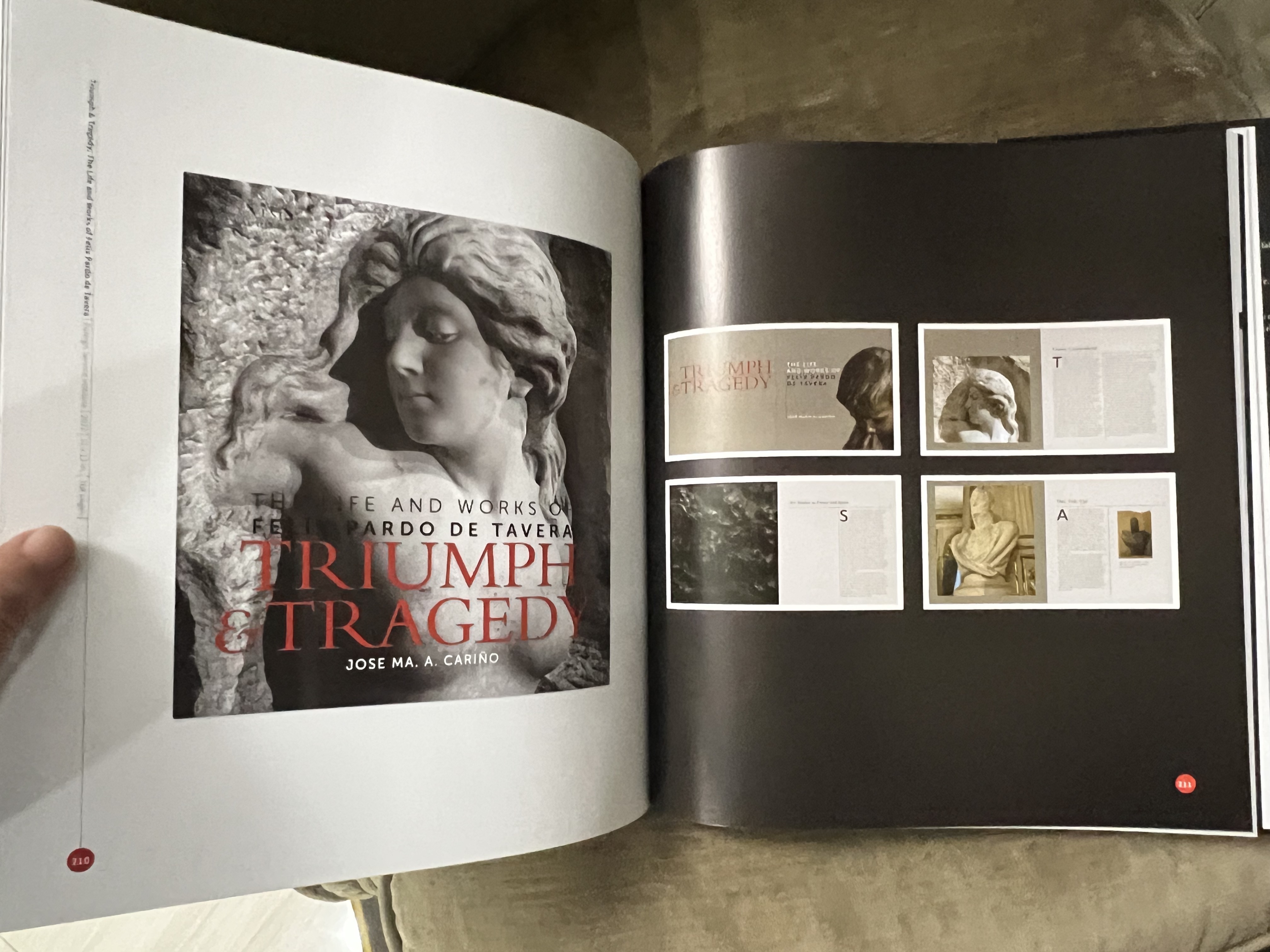
Penman No. 455: A Musical for Our Generation

Penman for Sunday, October 1, 2023

PINOYS WHO came of age in the 1990s like our daughter Demi, born 1974, will swear by “Ang Huling El Bimbo” as their collective anthem—not just the song, but the whole musical and its score by the Eraserheads, who might as well be Martians to Beatles and Woodstock fans like me. On her last vacation her from her long and happy life in California, Demi made sure that she and her cousin KC got to see the show, no matter the cost, and the two girls stepped out of the theater misty-eyed. 

It got me wondering if our generation—boomers, I think we’re called—had something similar to get us all thoughtful and even weepy about what we’d been through. If you were born in the ‘50s, you’d be in your late 60s or in your 70s by now, and that’s a long time to be alive, relatively speaking, especially given that so many of us died so young (read my Qwertyman piece on this from a few weeks ago on “A long grace note”). That usually means college, jobs, marriage, kids, affairs, separations, houses, cars, debts, accidents, ailments, responsibilities, recognitions, disappointments, losses, homecomings, and all the sundry little things that make up a life. That’s what happened to us, and the ordinariness of it doesn’t seem to suggest much worthiness as entertainment material. 

But someone our age apparently thinks otherwise, and beyond just thinking about it, has actually co-written and produced a musical titled “Silver Lining” for our generation—and our children who may want to understand what their folks went through, and why they think the way they do.

That someone is Jack Teotico, better known these days as the man behind Galerie Joaquin, Fundacion Sanso, and other art-related ventures that have opened doors for Filipino artists here and abroad. (When we last met, he was on his way to Madrid to scout prospects for a gallery there.)
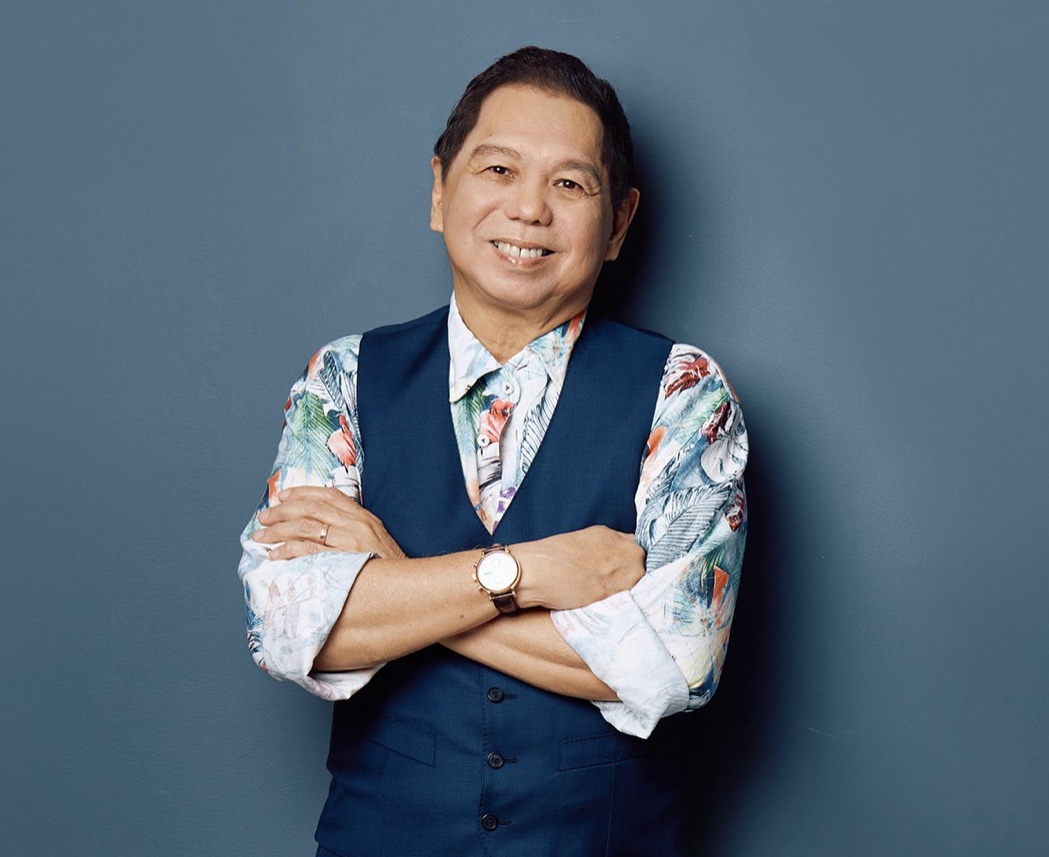
Jack and I happen to be friends for half a century now, having met at UP where we were both student activists. We had actually been grade-school batchmates in La Salle Green Hills but hadn’t really connected there. We were both arrested after martial law, and our lives would inevitably intersect every now and then. An economist by training, he headed the Fiber Industry Development Authority at one time, while I worked for the National Economic and Development Authority. We ran into each other more often when he devoted himself almost exclusively to the art world.

Still, it was a great surprise when he told me, at his recent 70th birthday party, that he was staging a musical titled “Silver Lining,” using songs he had written over the years. I knew Jack also loved music and had been performing with a group called Rockitwell.

“I think it’s time to share our generation’s experience,” Jack said. “Not just the political part, but our story of growing up and growing old, the friendships we make along the way, the trials we’ve been through, and what life looks like today from our point of view.” No literary piece touching on the 1970s would be complete or credible without mentioning or implicating martial law, and it’s there in the dark shadows of Jack’s story, but he’s chosen to foreground what to most people were the more familiar rituals and milestones of early adulthood—high school and college life, relationships, love and loss, acceptance, and intimations of mortality. 

Based loosely on real-life events, the musical traces the journey of three high-school buddies who, in their senior years, form a band for their Golden Anniversary homecoming, drawing in their wives and children. They soon decide to work on a musical together—so yes, this a play within a play—and as they do so, the past unfolds in poignant contrast to the present. Even as the narrative unavoidably reaches into the darkest corners of our lives—dependencies, betrayals, disappearances, and such—it ends of a note of hope and redemption.

Working with Palanca-prizewinning scriptwriter Joshua Lim So and musical director Vince Lim, Jack tells these stories through songs with titles like “Brothers,” “Losing Our Way,” “Rambolan,” and “Atin Ito.” The script is in Taglish, given the middle-class milieu of the characters, and the melodies should be easily relatable, reflecting the musical variety of the period covered, from ballads to disco. 
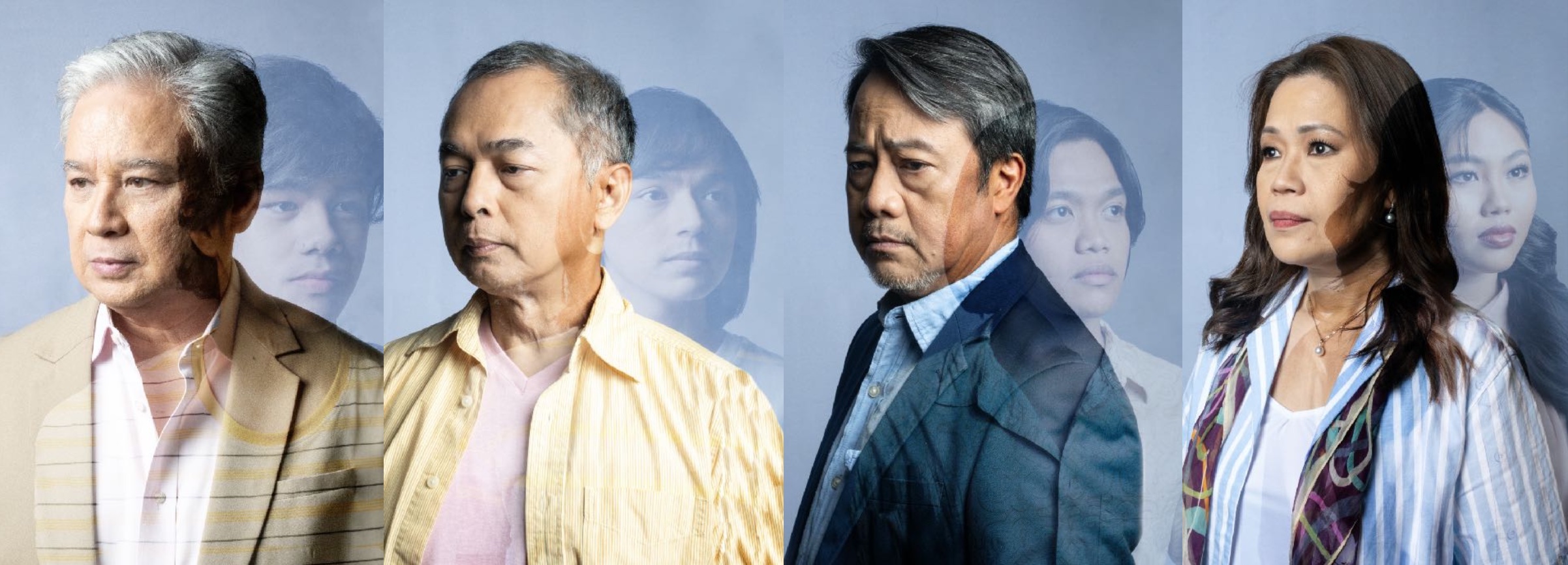
Directed by Maribel Legarda, the musical is headlined by veteran actor Ricky Davao as Leo, Joel Nuñez as Anton, Raul Montesa as Raul, and Nenel Arcayan as Josie, with Krystal Brimner playing a special role as Julia.

As every Broadway aficionado knows (and Jack is one), musical theater is a risky business, but I suspect that Jack really isn’t into this for the money, but rather to leave his signature on our cultural memory. He’s done more than enough to support and promote other artists, and indeed it’s time for him to tell his own story—our story.

“Silver Lining” will have a limited run of only six performances over two weekends  at the Carlos P. Romulo Auditorium in RCBC Plaza, Ayala Avenue, Makati City—at 8 pm on Fridays, October 20 and 27, 8 pm on Saturdays October 21 and 28, and a 3 pm matinee on Sundays, October 22 and 29. Book your tickets now via Ticket2Me or bit.ly/silverliningmusical.
Qwertyman No. 57: An Invitation to SERVE

Qwertyman for Monday, September 4, 2023

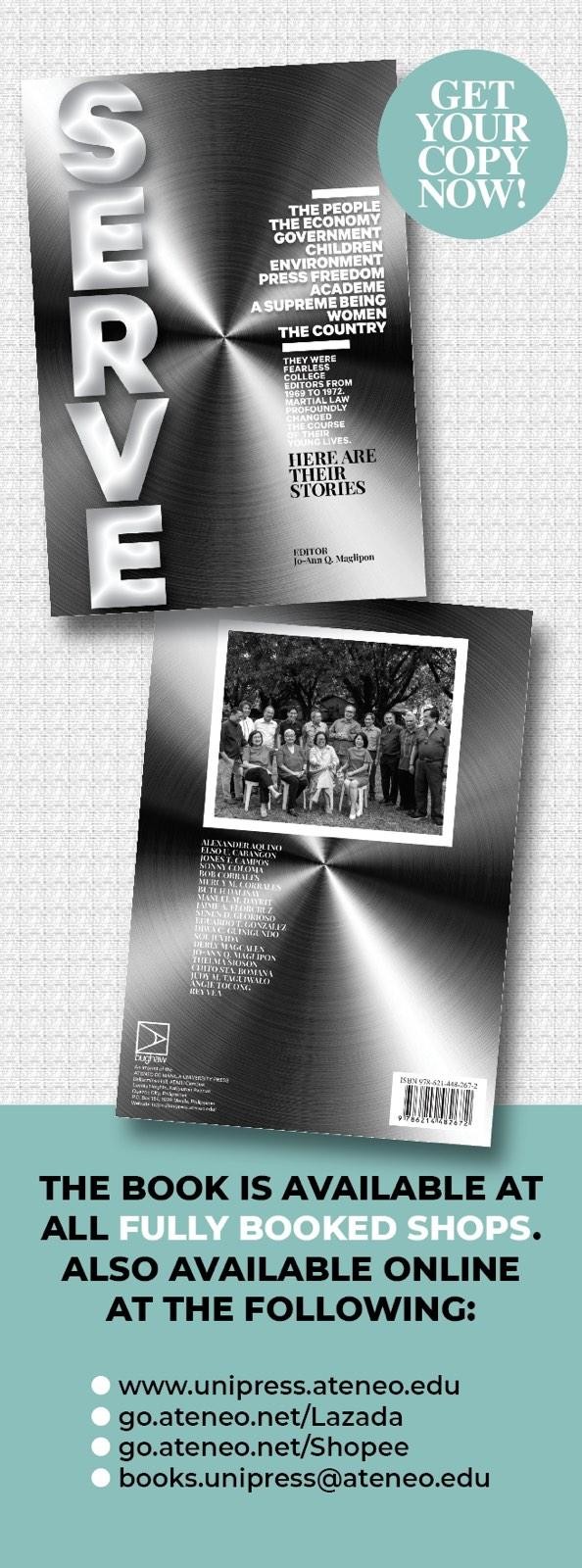
AT 5 PM next Saturday, the 9th of September, a new book will be launched at Fully Booked in BGC. Published by the Ateneo de Manila University Press and simply titled SERVE, the book has 19 authors—yes, I’m one of them—and one editor, the much-respected Jo-Ann Maglipon. What connects all is that they were college editors during the first Quarter Storm of the early 1970s, and survived to go on to distinguished careers in media, education, business, and public service. The book dwells much less on martial law—a previous volume titled Not on Our Watch: Martial Law Really Happened, We Were There that came out in 2012 dealt with that—than with its aftermath, and the afterlife that the activists of our generation were fortunate to have, given how many of our comrades gave up their lives to the cause of justice and freedom.

What did these activists do after martial law? What are they thinking now? Some of the names in this book will be familiar to the contemporary reader, who may not even have known of their activist background (reg-taggers, pay close attention).

Some of us—like Jimi FlorCruz, Sol Juvida, and Thelma Sioson San Juan—remained journalists all their working lives, stationed in very different places and capacities but bound by a commonality of interest in the truth. Others like Sonny Coloma, Manolet Dayrit, Ed Gonzalez, Diwa Guinigundo, the late Chito Sta. Romana, and Judy Taguiwalo took the path of government service, finding themselves in a position to effect real change, although sometimes under very difficult if not adversarial circumstances. Yet others including Angie Castillo, the late Jones Campos, Mercy Corrales, and Senen Glorioso found fulfillment in entrepreneurial and corporate work, applying their progressive values to management. For Elso Cabangon, Bob Corrales, and Diwa Guinigundo, their circuitous journey led to a re-encounter with their spirituality, and to embracing their faith as their personal advocacy. Like many veterans of the First Quarter Storm, Alex and Edna Aquino were able to build new and productive lives overseas, without yielding their investment in Philippine concerns. Quite a few of us—Derly Fernandez, Ed Gonzalez, Judy Taguiwalo, Rey Vea, and myself—chose to pursue our activism in academia, if only to ensure the transmission of critical inquiry to another generation. 

The authors were under no compulsion to conform to an ideological standard, except to extol the spirit of service to the people, the overarching theme of their youth and now their continuing commitment, indeed their legacy. There’s pathos in these accounts, but also humor and, inevitably, irony, perhaps the defining tone of our postmodern age: Thelma Sioson San Juan finds herself seated across Deng Xiaoping’s granddaughter at a Ferragamo show in Beijing’s Forbidden City; Manolet Dayrit learns of his appointment as Secretary of Health on a visit to President Gloria Macapagal-Arroyo in Malacañang; Ed Gonzalez becomes president of the Development Academy of the Philippines under President Joseph Estrada, but then joins EDSA 2; Sonny Coloma looks out the window of his Malacañang office to where students like him had demonstrated against Marcos.

With most of the writers here now in their seventies or inching close to it, we could have been chronicling the joys of grandparenting, journeys to far-off places, exotic menus, succulents and bromeliads, and homeopathic remedies for the aches of aging. Having retired from the formal workplace, we thought we had settled into a privileged and imperturbable kind of peace, earned over decades of political, economic, and spiritual struggle. 

We celebrated our seniorhood as the ultimate victory, for a generation that did not expect to live beyond thirty, and not because of some acquired disease but because of the throbbing cancer at the core of our society that claimed many of our peers in the prime of their youth. We may have thought for a while that we had defeated and expunged that cancer, only to realize that it had never left, was always there, lying cruelly in wait for a chance to ravage us again—and not only us this time, but our children and grandchildren as well.

And so—albeit no longer lean and shaggy-haired, perhaps benignly forgetful of car keys and personal anniversaries—we gather again at the barricades we put up against a fascist dictatorship fifty years ago, of which our memories remain surprisingly and painfully sharp. They say that the old remember distant things more clearly than what happened yesterday, and we offer proof of that. The experience of martial law coded itself into our DNA, and even the few among us who surrendered their souls to Mephistopheles cannot shake away that indelible past—one we bear with pride, and they with guilt and shame.

This time our barricades consist not of desks and chairs but of memory itself and, more formidably, of hope, courage, and a continuing faith in the good. Beyond memoirs, more than recollections of our youthful selves, we now present the stories of the lives we built and the paths we took after martial law, along with our reflections on how time and experience have reshaped us, clarified our values, and strengthened our resolve to serve our people in multifarious ways. 

Our view of politics inevitably evolved over time as the world itself changed over the past five decades. These essays and stories cover a wide range of themes and treatments, and demonstrate how “serve the people” has grown and evolved with its advocates, taking multifarious forms from working in civil society and practicing good governance to promoting artistic expression, academic freedom, and insightful journalism. We wish to prove that even the worst of times and the worst of leaders are not only survivable but can be changed, so that whatever lies ahead, the better Filipinos in us will prevail.

Given the number of authors and their families and friends, we expect a full house at the launch, so you might want to wait and get your copy of the book from Fully Booked or from AdMU Press’ online channels. However the book finds its way to you, it will be worth your while.

Penman No. 453: The Distance to Brillantes

Penman for Sunday, August 6, 2023

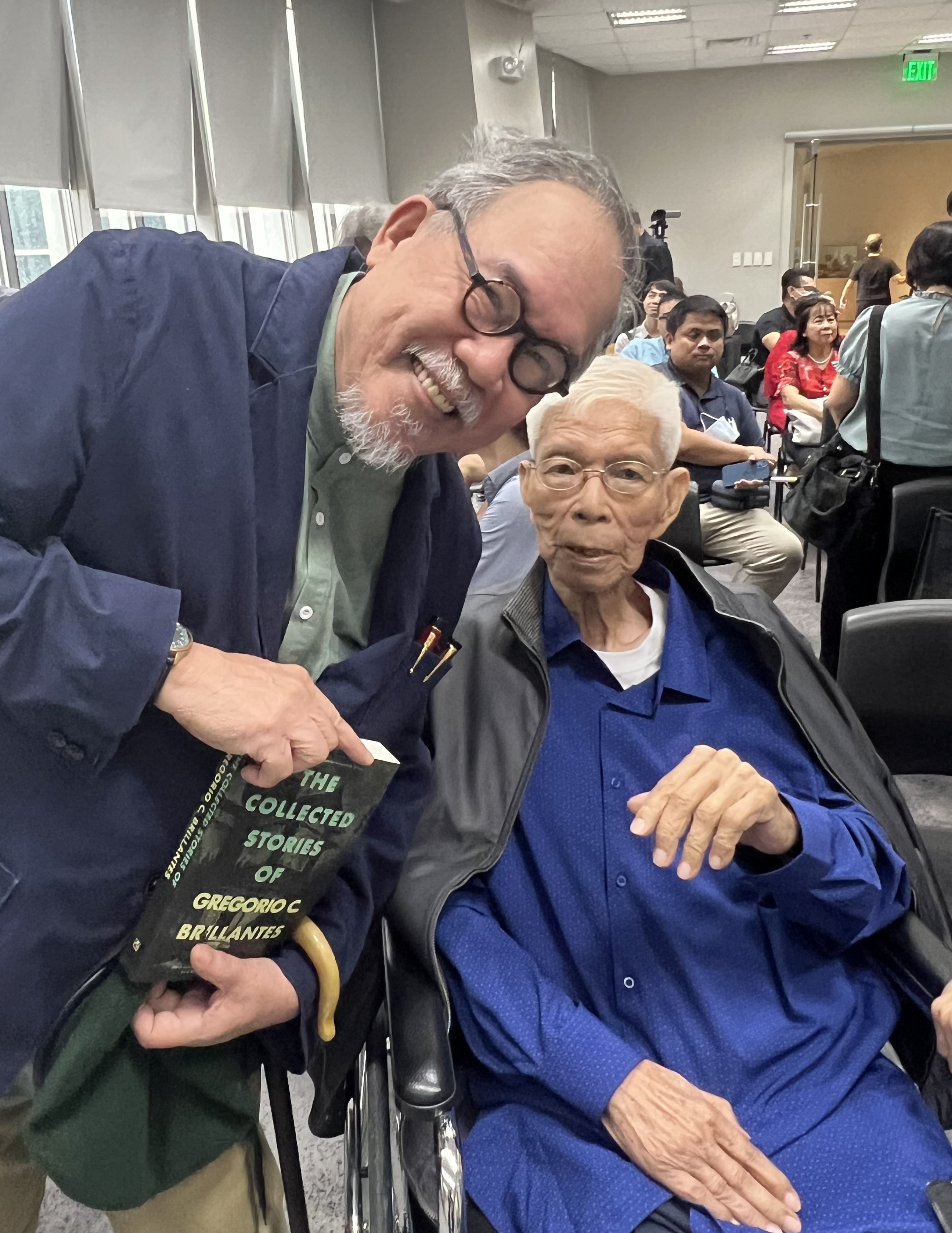
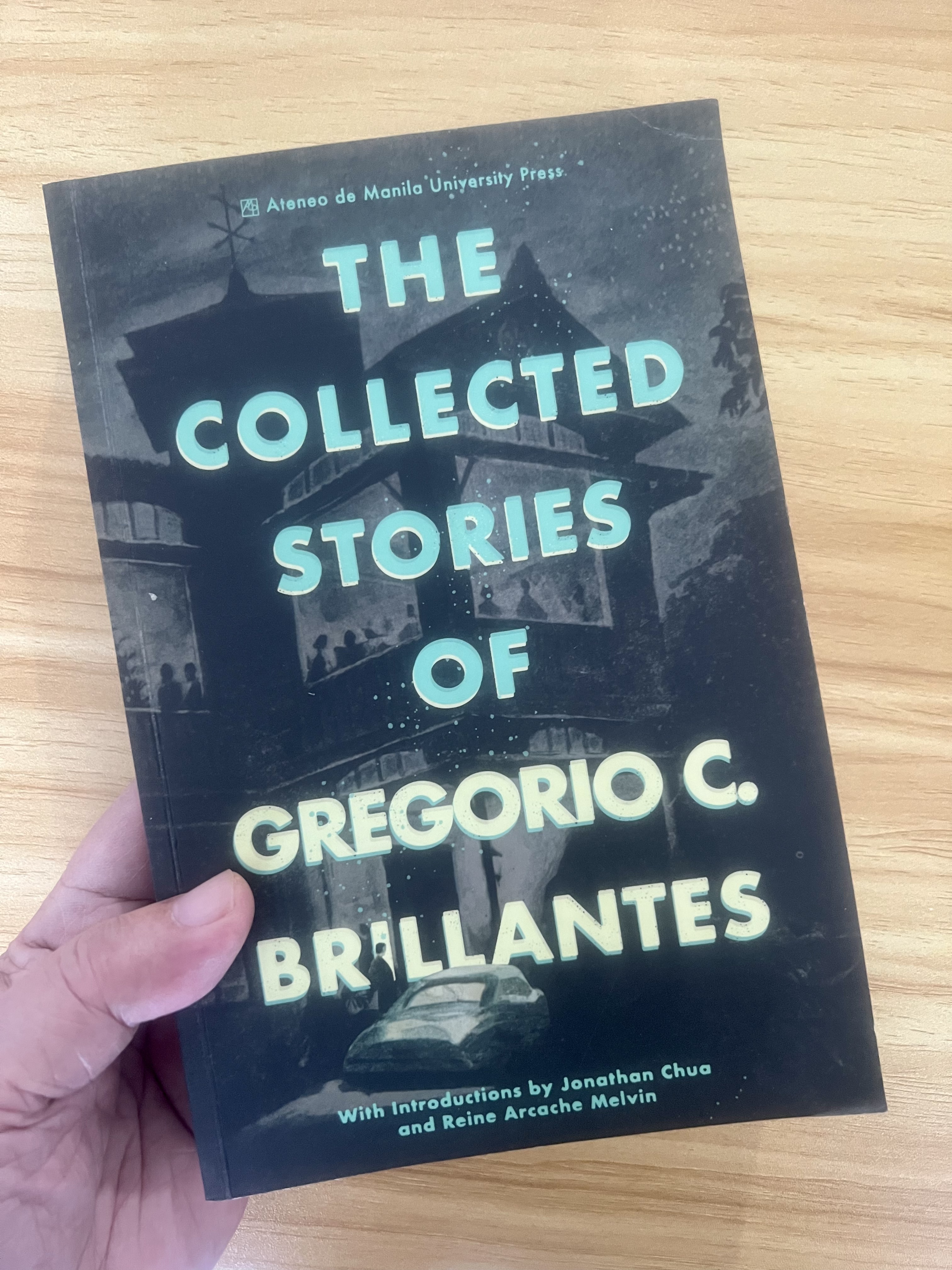
I’VE OFTEN written about how Gregorio C. Brillantes has been the bane of my writing life, a fellow short story writer and Palanca Hall of Famer whom I never had the pleasure of seeing in second place after me (the reverse has been the natural order of things). When the Ateneo Press recently launched his Collected Stories and asked me to speak at the event, I felt like a jealous juvenile again at 69, with the 90-year-old Greg in a wheelchair in front of me, and cheekily boasted that, at last, I had one over him: his collection had 39 stories while mine (Voyager and Other Fictions, 2019) had 44. 

Of course, it was a hollow boast, because any one of Greg’s stories is easily worth two or three of mine. That’s how highly I hold this man in my esteem, and why I wrote this blurb for him: “Few writers turn me into a blushing fan. Gregorio C. Brillantes is one of them. Like his papal namesake Gregory the Great, who wrote a massive 35-volume commentary on the Book of Job, Greg Brillantes has been an untiring and unsparing chronicler of his time and place…. His fiction is infused with power and luminosity; he surprises, but never screams.” 

In an art card that Ateneo Press used to promote the book, I said further: “More than a master of language, Gregorio Brillantes is a master of our Filipino sense and sensibility, particularly those parts we find hard to put into words or to recognize as our truest selves. We see life in his stories as through a gossamer screen that filters out  the harshest light; that screen is his own sensibility, suffused with a deep and tolerant understanding of pain as pleasure’s shadow.”

(The young Greg with John Updike.)

But really—putting all the fanboy talk aside—why Brillantes? What did I and my students—and what can every young writer of fiction—learn from him?

To get right down to brass tacks, I’ll take one of his best-known stories and dissect parts of it that should show what not only good but masterful writing is all about. 

“The Distance to Andromeda” has been mistakenly described by some as a science-fiction story, but it is not, although science fiction figures prominently in it. Without going into what the story means, what Brillantes demonstrates here, technically, is his acuity of observation and grasp of relevant detail, which is basic to any writer’s armamentarium. Too many young writers fuss over the elements of what their Ultrawave Galactic Terminator Machine should contain, glossing over the seemingly inconsequential gray matter of daily living that congeals into human drama. 

In “Andromeda,” the boy Ben’s post-apocalyptic fantasies are foregrounded by domestic business. See how Brillantes constructs a scene: “He dribbles an imaginary basketball toward the kitchen, skidding on the floor, feints and jackknifes a neat shot through the door. His sister-in-law Remy is giving her baby his supper of porridge from a cup. The child gurgles a vigorous greeting at the boy, and Remy laughs at the wonder of her son’s knowing the infant-accents of his language. The kitchen is bright and intimate with its rich cooking smells: Pining bustles about the old Mayon stove, and the girl with the pigtails smiles her crooked-toothed smile from the lithographed calendar on the wall.”

It doesn’t seem much and the young reader may feel bored by the lack of “action,” but note how, in fact, the scene is full of action—physical and emotional action, of the kind absent from too many stories being written today about morose characters sipping cappuccinos at Starbucks and ruminating over their wayward romances and work-life balance. “Get your characters off their butts,” I always tell my students, and Brillantes does.

A Brillantes story is an accretion of impressions, ideas, and emotions. It’s that kind of preparation that earns Brillantes the right to orchestrate this kind of paragraph later in the story: “He catches the streak of a shooting star from the corner of his eye. Instantly his waiting becomes a sharp alertness: he holds his breath and the strangeness comes into him once more, the echo of an endless vibration. But it is no longer an abstract aching for the relief of words: it speaks within him, in a language full of silence, becoming one with his breathing, his being, and the night, and the turning of the Earth: incomprehensible, a wordless thought, an unthought-of Word: like the unseen presence of One who loves him infinitely and tenderly. The fear has gone, the lonely helpless shrinking he felt on the bridge, walking home: love surrounds him, and no evil can touch him here, in his father’s house.”

For a story written in the author’s mid- to late twenties, “The Distance to Andromeda” already lays out, in full, Brillantes’ talent and vision, his familiar themes of family and love, of doubt and faith, of Rilke’s God “who holds this falling / Gently in his hands, with endless gentleness.”

It is a story that I myself could not have written, as I inhabit a more sordid and much sadder world in my fiction, with little to draw on but my characters’ residual sense of goodness for their salvation. Brillantes celebrates—consecrates—the mundane joys of the middle class, even as he underscores their fragility and transience. I write as well about these people—doctors, teachers, boys on the verge of manhood—but they tend to be more visceral in their responses. My other literary hero and model is Bienvenido Santos, who can make music of melancholy, and I try to straddle the breach between these two gentlemen, although again my characters prefer the low life.

But young writers: read Gregorio Brillantes. Understand what truly breathtaking means by reading two of my favorite stories of his: “The Cries of Children on an April Afternoon in the Year 1957” and “The Flood in Tarlac.” If you read them and still wonder what good fiction is, then you might as well be looking up at the sky to find Andromeda, because that’s how far you have to go.

Qwertyman No. 44: Again, America

Qwertyman for Monday, June 5, 2023

I HAVE a good friend whom we’ll call Ted, a Fil-Am who retired a few years ago as a ranking officer in the US Navy. He was in town recently on some family business, and like we always do when circumstances permit, we had dinner and a good chat just before he and his wife flew back home.

Most of us have friends if not relatives in America, and all of this would be pretty routine except for one fact: I’m a flaming liberal, and Ted is a Trump Republican. Over the fifteen years or so that we’ve known each other—well before Donald Trump entered the picture—we’ve been aware of those political differences, but rather than politely skirt them in our conversation like many sane people would, we feel comfortable enough with each other to talk at length about them, and even exchange some friendly barbs.

Much of that level of comfort comes from my belief that, in his own way, Ted sincerely and deeply loves his country—and his ancestral home, the Philippines. He’s smart, curious, eager to learn and understand. In his former naval job and as a private citizen, Ted—who was born in the US but spent some of his formative years in his family’s hometown in Bicol, and speaks some of the local language aside from Filipino—has visited the Philippines as often as he can, trying his best to improve relations between the two countries on a personal level. (On this last visit, for example, he also took part in a ceremony to celebrate the commissioning of the USS Telesforo Trinidad, named after an Aklan-born Filipino petty officer who was awarded the Medal of Honor for bravely rescuing his shipmates from an explosion aboard their ship in 1915.)

Given his naval background—his dad joined the Navy in the 1970s—I’m not surprised that Ted is a Republican, like many military Fil-Ams are. (One notable exception is a mutual friend of ours, the former West Pointer, Army Ranger, and diplomat Sonny Busa, as staunch a Democrat as they come, and a key figure behind Filipino veterans’ causes in Washington.) His support for Trump despite the man’s many failings continues to mystify me, but I’m guessing that in his calculations, Ted chose to cast his lot with the man best positioned to thwart the liberal agenda. That includes items that Ted and other Republicans feel extremely uncomfortable with, such as what he calls the “celebration, beyond just acceptance” of transgender rights, and their judicial enforcement.

Perhaps with any other person, my liberal hair-trigger would have fired away at such comments with a fusillade of counter-arguments, but with Ted I find more value in listening and trying to understand a certain mindset, as different as some of its premises may be from mine. In our last conversation, what Ted had to say was profoundly disturbing. I’m paraphrasing here, but essentially it was this: “America is a mess. People can’t talk civilly to each other anymore. When I say I’m a Republican, people instantly assume I’m a racist.” To which I said that people at the top like Trump (and our own version of him here) greenlighted that kind of boorish discourse, with additional pressure brought on by right-wing militias armed with AR-15s. We talked about January 6 (which he opined was not an insurrection) and the Second Amendment (which I said seemed sacrosanct in American politics). “You have cancel culture,” he sighed, “to which the other guy responds by going bam bam bam!” He was deploring, not endorsing it, trying to get a fix on his own society’s ailments. “It’s in our DNA,” he said glumly about guns.

Thankfully Ted and I always have other things to talk about—like the Philippines, in which Ted said he feels much more relaxed than his own country. He knows how worked up I can get about politics and our own leadership (or the lack thereof), but as far as he could see on this trip, I and my fellow Filipinos (including those he met in Bicol) were just chugging along. “We’re survivors,” I said, “and we’ll do what it takes to get by from day to day.”

That brings me to another friend, “Tony,” who messaged me out of the blue the other day, obviously distraught by the Senate vote on the Maharlika Fund bill and asking if it was time for him and his family to leave the country, given how we seem to be back on the road to political plunder and economic ruin. It wasn’t just a rhetorical question; he was really thinking about it. Here’s what I said:

“Hi, Tony—If it’s a realistic option, I don’t think anyone can or should blame you for leaving or wanting to leave. We have only one life and we have to make the most of it in all ways. Politics is important, but it’s only one of many other factors that define who we are—love, art, family, and faith, among others. That said, it can have a way of complicating our lives and life choices. 

“Moving to the US has also been an option for me for some time now. Our only daughter lives in California and has been wanting to petition us. But my wife and I have been strongly reluctant to move there, although we visit almost every year and are familiar and comfortable with living in the US, where I spent five years as a grad student. We are artists, and our work is culture-bound. We feel appreciated here, within our small circle of friends. However good we may be, in America we would be marginalized; we don’t want to become an American minority and deal with all the issues that will come with it. And America has become much less inviting now, with all the intolerance and racial violence provoked by Trumpism. 

“So unless it were a matter of life and death, we’ll stay here, despite the present dispensation and many more aggravations like the Maharlika Fund to come in the years ahead, because I feel that my continued survival and success will be my best way of fighting back. Having survived martial law, we can survive this as well. Everyone’s circumstances are different, and again you should feel free to find your place where you can best live with your family and secure their future. Nothing is ever final anyway, and you can always come back. Follow your heart and conscience, and you should be all right, wherever you may go. All best!”

(Image from bu.edu)

Penman No. 450: A Hillside Haven

Penman for Sunday, May 7, 2023

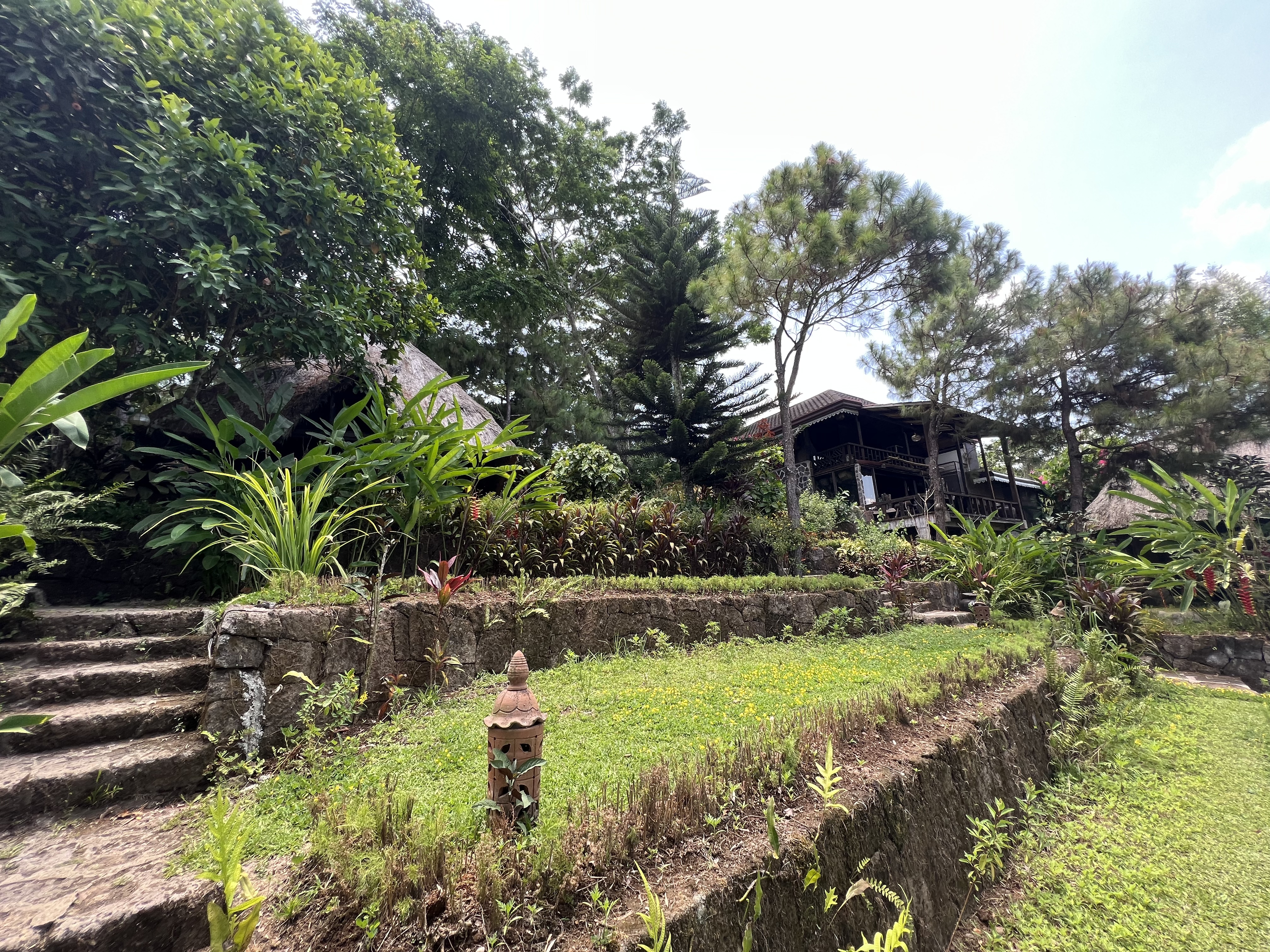
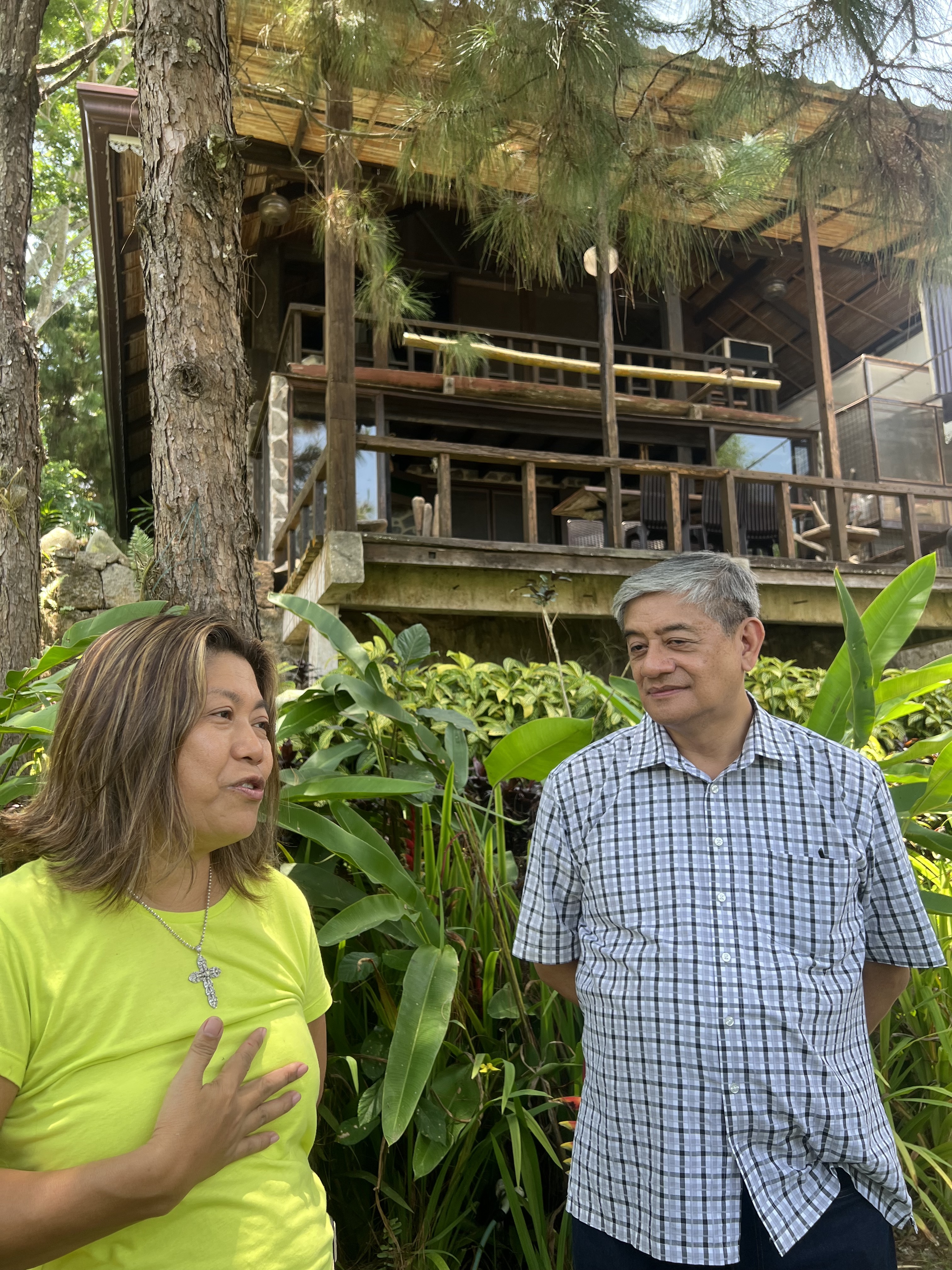
“SHAMBALA’ IN Tibetan Buddhism is a mythical kingdom where, according to lore, resides a community devoted to good deeds. But there’s a real version of it, aligned with the same beneficent principle, and it’s just two hours from Manila on a good day.

Thanks to the herculean efforts of the wife-and-husband team of Riza and Albert Muyot, a place called Shambala Silang now exists to welcome city folk fleeing stress, pollution, and stop-and-go traffic for a day or two of blissful living.


The two-hectare hillside resort seems larger than it is, magnified by the panorama that opens behind it—the green sprawl of a provincial landscape under a bright blue bowl of sky. But “resort” seems a misnomer, because Shambala doesn’t have a swimming pool, a karaoke bar, a disco, or a zipline. Except for short walks around the property, you don’t come to Shambala to work up a sweat, but rather to relax, meditate, and celebrate life, whether by yourself or better yet, in the company of loved ones and friends.

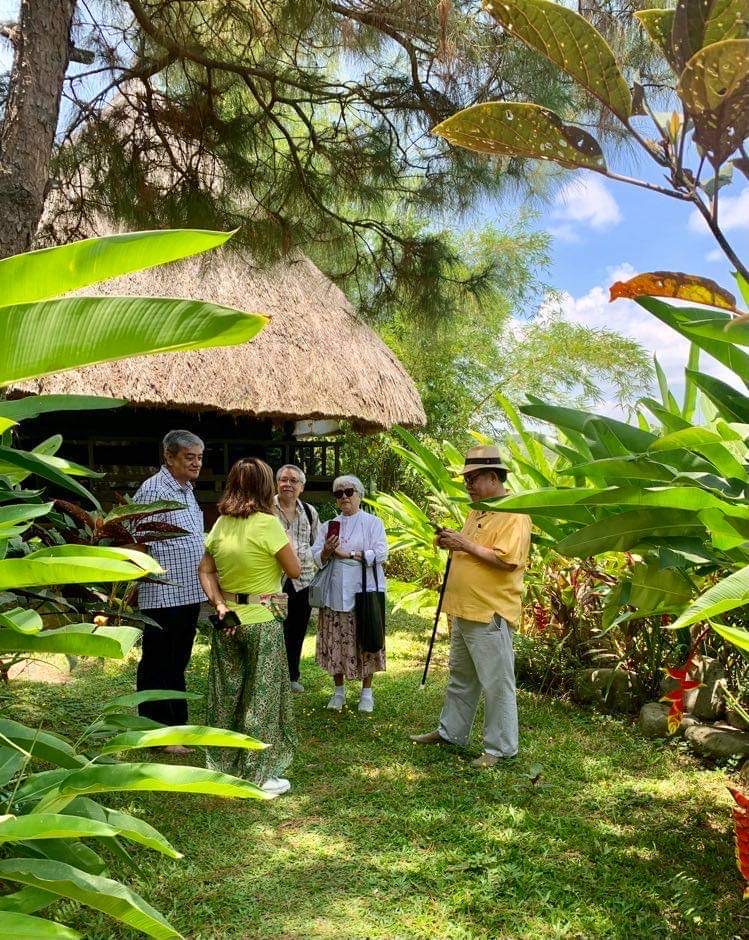
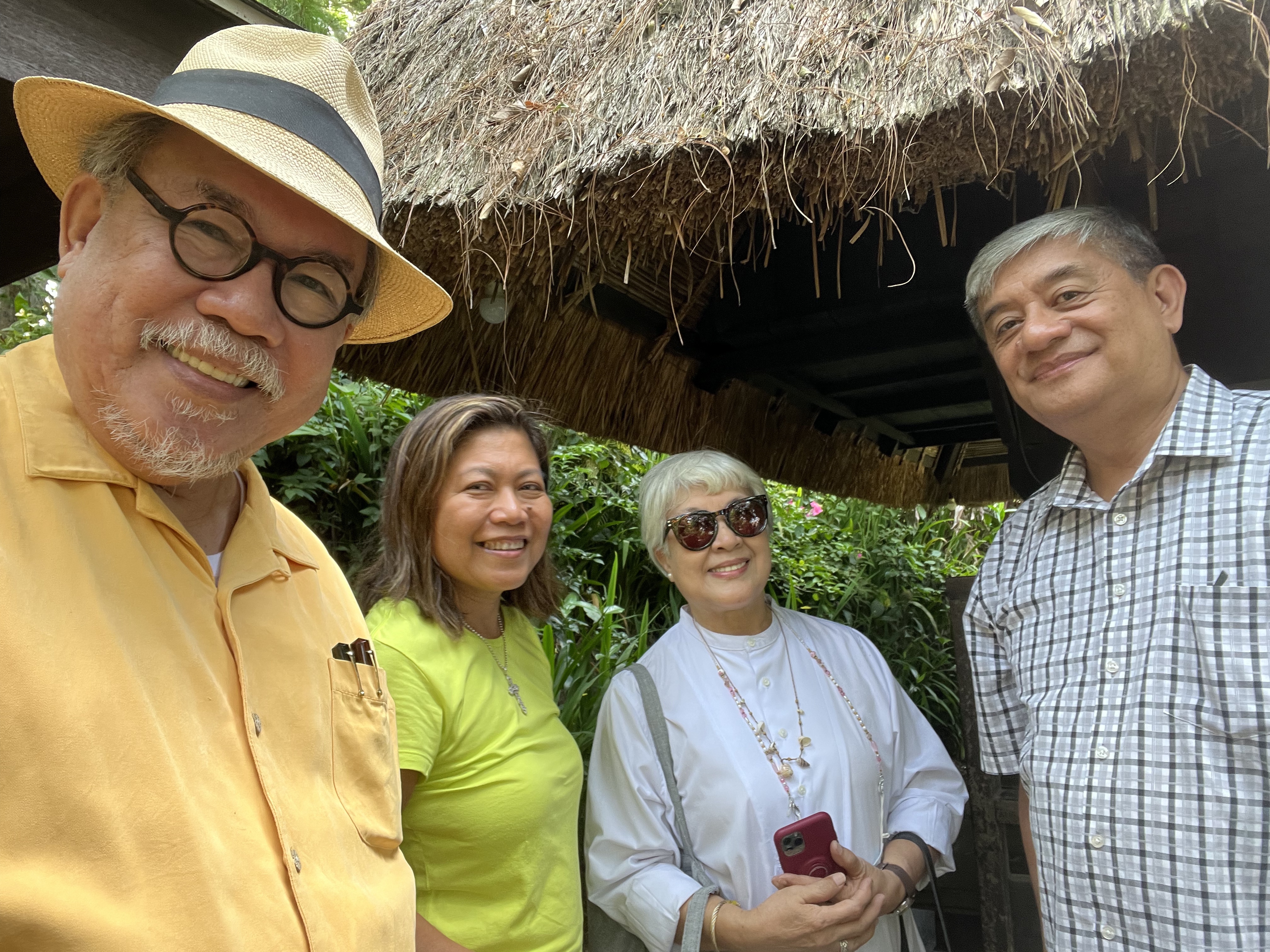
That’s what we did on a recent day trip organized by fellow writer and academic and dear friend Edna Manlapaz, at the gracious invitation of the Muyots. (Albert—a lawyer and former Undersecretary of Education—is another old friend, a fellow fountain-pen enthusiast and Michigan alumnus.) The main invitee and guest of honor was actually National Artist for Literature Jimmy Abad who came with his wife Mercy, and we roped in novelist Charlson Ong to complete the party.

From Quezon City, Shambala is best reached by the Skyway, then CALAX, then a series of backroads winding through Silang. We have friends who have chosen to relocate here, and passing through groves of mango and other fruit trees, we can understand why. If you want to disengage from city life, Silang is an easy option, where you can vanish into the woods while still being a short drive away from modern necessities. A narrow dirt trail leads uphill to Shambala, and I have to admit that I wasn’t expecting much from what I could (or couldn’t) see on the road, but then it appears at the very end, and the magic begins.

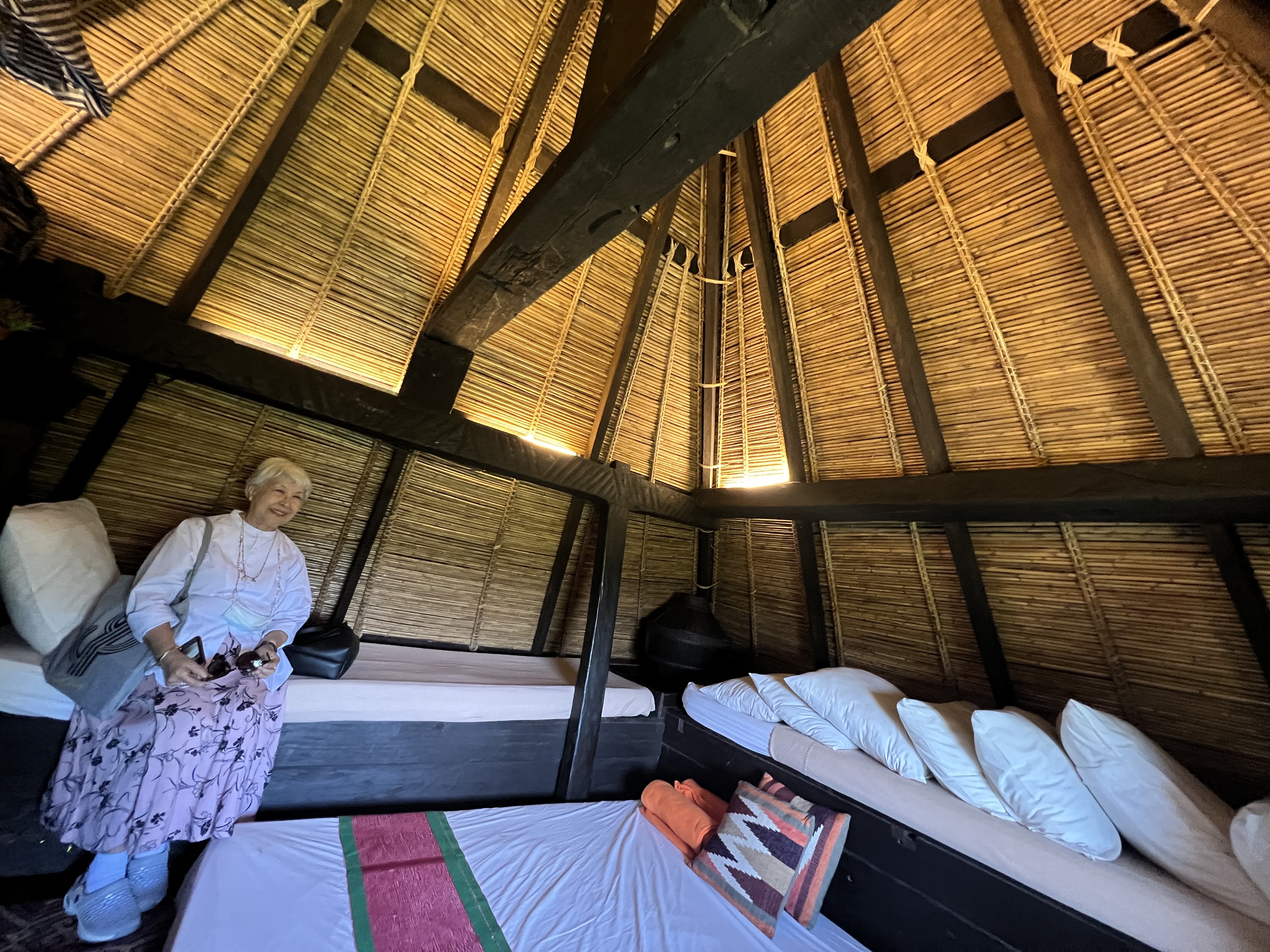
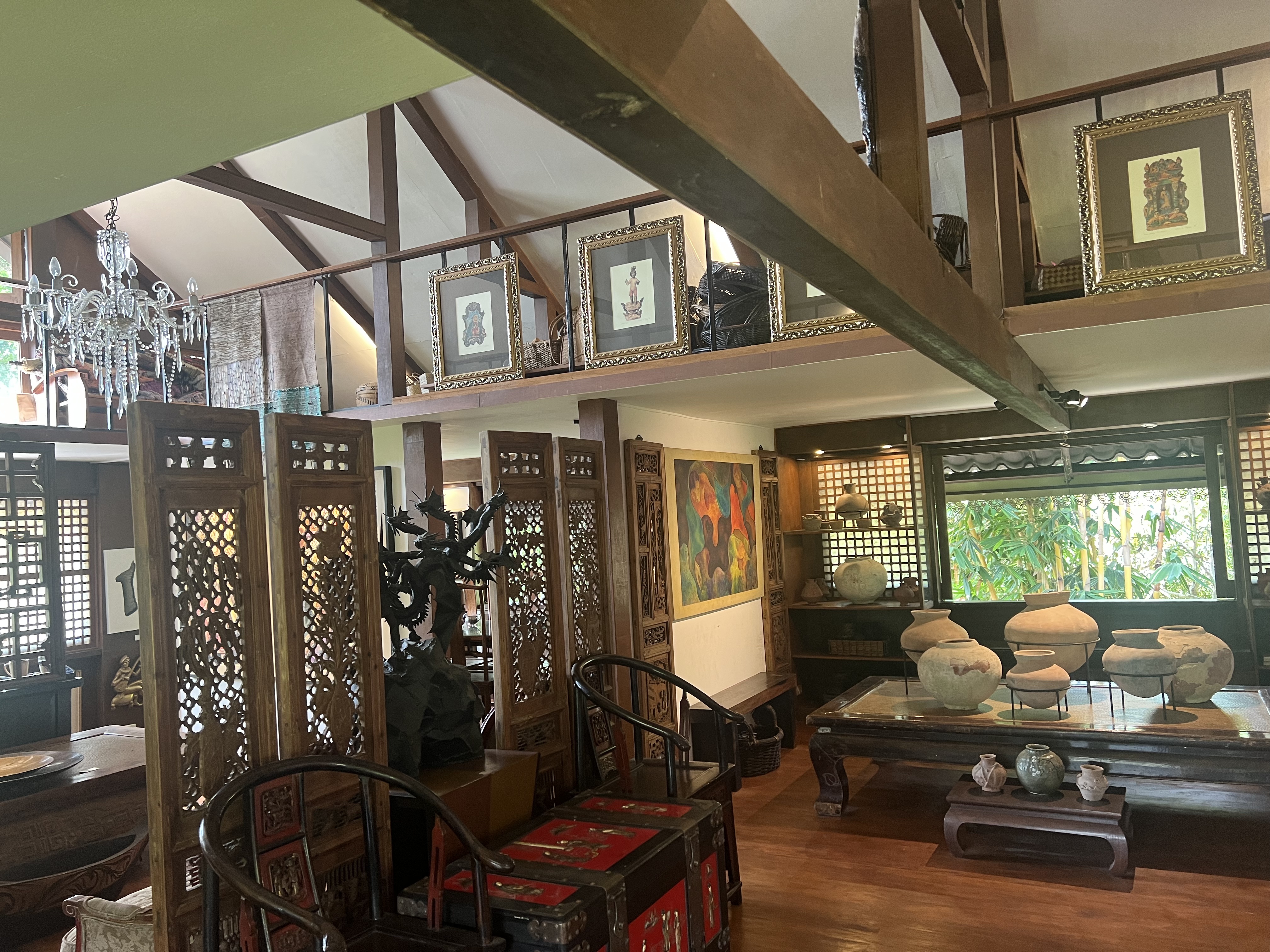
Shambala is a cluster of several buildings containing art galleries, collections of Philippine tribal art and culture, halls for meetings and celebrations, restaurants, gardens, and the Muyots’ private residence. It has six tribal houses open for overnight (or longer) stays, operating as a B-and-B. The houses are authentic structures brought down from the north when their owners no longer needed them, and rebuilt piece by piece. “They were originally constructed without nails, but we had to reinforce them and to introduce some modern touches and conveniences to make them more comfortable for our guests,” said Riza. “For example, we expanded the space beneath the houses , which was traditionally used for farm animals like chickens, so we could put a platform around which people could sit and meet. We also added friendlier stairs.” The one-room houses are spacious and airy, and a modern bathroom stands outside each of them.

Below the houses, down the hillside, is a circle of stones with a fireplace at its center—a dap-ay traditionally used for meetings of tribal elders and for religious functions, but now serving as a virtual theater or arena for post-prandial get-togethers under the moonlight.

And everywhere you look, there are trees—about a thousand of them, according to the Muyots, a hundred of which are Benguet and Norfolk pine, specially brought in. “There was nothing here when we bought the place around 2000 but pineapples and coffee,” said Albert. The Muyots were then looking for a sylvan hideaway to run to from their workplaces in Manila. They found the property and fell in love with it, although today’s Shambala wasn’t necessarily what they had in mind. “This is all Riza’s doing,” Albert explained. “She’s the one with the vision, the one who saw the possibilities and brought them to reality.” Now the CEO of Save the Children Philippines, Albert is happy enough to work on his laptop from his home office on the property (yes, there’s wi-fi all around).

A CPA who once worked with SGV, Riza comes from a corporate background. She’s also a gifted poet whose works subtly appear among the art on the walls. “Culture, heritage, art, and nature—that’s what we devote ourselves to here in Shambala,” Riza said. “We have an ongoing exhibit of soil painting featuring artists from the Talaandig tribe in Bukidnon. Do you know that there are 21 colors of soil in Bukidnon? They add water to those soils and use them in their painting. “ Shambala brought over Mindanao artists such as Kublai Millan and Datu Waway Saway to share their experiences and insights in the TIBOK Community Art Fair last month.

“People discovered us during the pandemic,” said Albert. “They went to Tagaytay, only to be turned away because of local restrictions on visitors from out-of-town, like seniors who couldn’t be let in. They came here and liked it, and spread the word.” It’s no surprise that on busy weekends, as many as 200 people pass through Shambala’s gates. Shambala has consistently ranked No. 1 in TripAdvisor surveys of such resorts in the area.

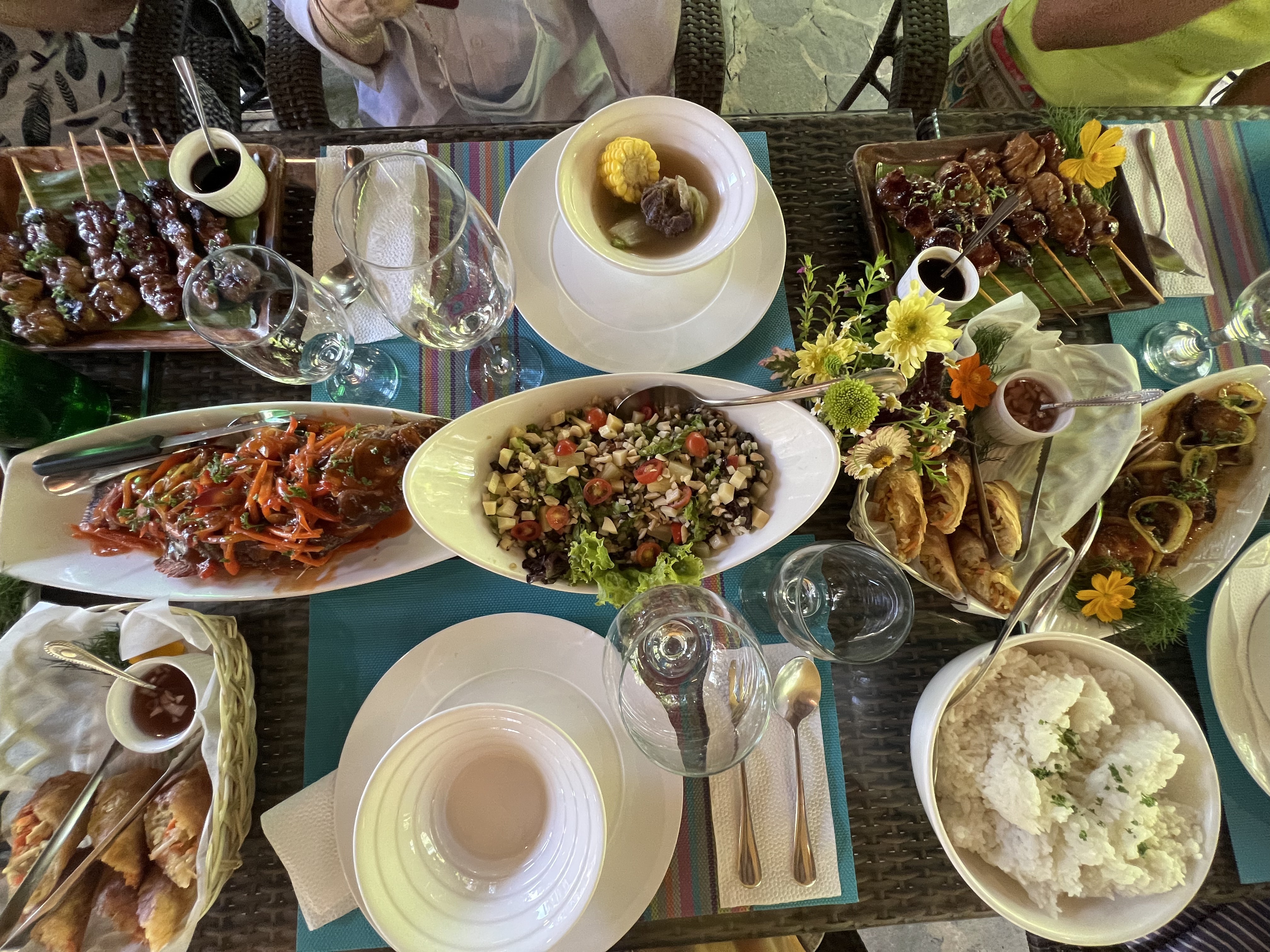
So if you want to try something exquisitely different—like their signature welcome drink made from malunggay, luya, and calamansi—drive off the beaten track to Tagaytay and try Shambala one of these days. The food’s as heavenly as the place itself, and you’ll wonder why you didn’t come here sooner. You can find out more about Shambala and their rates on their Facebook page here: https://www.facebook.com/ShambalainSilang/.

Qwertyman No. 38: Getting into UP

Qwertyman for Monday, April 24, 2023

(For this week, let me offer a little family drama about my favorite school, this being exam season, and before I get the usual calls from anxious friends.)

“HEY, UPCAT is back, they’re holding UPCAT live again!” Marides waved the newspaper in her husband Bong’s face. Bong was watching a car show on TV where they found old cars in barns and turned a bucket of rust into a gleaming, raging roadster. Somehow it gave him hope that, down the road when he became a senior and ached all over, they could ply him full of oils and sealants and make him go like a teenager again.

“What UPCAT?” At least the question proved he was listening. Marides had that godawful habit of intruding on his most blissful moments with some real-world problem, and then getting on his case when he ignored her. Twenty-five years of marriage, four kids, and she still didn’t know when to leave him be. 

“UPCAT—the University of the Philippines College Admission Test, the same one I took and passed thirty years ago, which led to me representing UP and meeting and beating you in an inter-collegiate debate, remember? After which you got my number and asked me out and proposed to me three months later, remember?”

Bong hated it when Marides reminded him of that first encounter and its outcome, which became a given of sorts in their household—she was smarter than him, she had all the better arguments, and who knows what she could have become—a corporate genius, a Supreme Court justice—if he hadn’t saddled her with babies and insisted on working for the both of them. He was good with the money, she had to grant him that, because he was the agreeable type who made all the right connections and who could hustle his way out of a guilty verdict if he had to, as he more than once had to. 

“So what if UPCAT’s back?” he asked for the sake of asking. On the TV, two mechanics were staring at a big hole where a Corvette’s engine should have been.

“Dondon is in his senior year. He’s supposed to be taking it soon. We need to make sure his papers are in order. Where’s that boy? Dondon! Come out for a minute, will you?” 

A teenager with frizzy hair and a phone glued to his ear straggled out of his room and deposited himself in the nearest chair, across the room from his parents, still mumbling on his phone.

“You know UPCAT is happening, right? Have you filed your application yet?”

“Yes, Ma—mumble mumble….”

“Will you please put that phone down while your parents are talking to you? Bong, could you teach your son some manners—”

Bong: “Mumble mumble….”

“I’m serious! You two listen to me—our family’s reputation is on the line!”

“What reputation, Ma?” Dondon grudgingly put his phone aside, and Bong yawned and stretched his arms to acknowledge that he was in for a long spell.

“The one I started, by passing the UPCAT, getting into UP, and serving the people any way I could!”

“But, Ma, all you ever did was to bear us babies, and look what we became—Ate Glo is divorced in the States, all Kuya Jeff does is drive Papa around, and Kuya Milo thinks more tattoos will make him a better rocker. And all of them passed the UPCAT because you told them to!”

“Well—that was my service—to them, and to our people. I give you the opportunity, and what you make of it, well, that’s your business….” Marides started sobbing, and Dondon ran across the room to embrace her.

“Aw, Ma, that’s not what I meant. I just wanted you to see that getting into UP doesn’t guarantee anything.”

“That’s what I’ve been saying all these years!” Bong added. “We’ve been sending our kids to a school for communists, and they don’t even make good communists anymore!”

“No, they don’t,” Marides shot back, “because those communists took the top five places in the bar exams!” She sniffled and Dondon handed her a box of tissues.

“Don’t cry, Ma. It’s all right, it’s all okay. Applications are done online now and my school sent all my papers in last week. I just didn’t tell you both because—well, Papa wanted to explore other options—”

“Other options? Like what?”

“Like sending him abroad to a school of his choice. We have the money—”

“What, you’ll be sending my baby, our bunso, away for the next four years?”

“Or he can pick any other school here he wants to! UP’s not the only good school for engineering or science in this country—”

“I don’t want to be an engineer, Pa….”

“What? You’re a science high school scholar! You have to be an engineer—or a chemist, a physicist, do something with numbers, you don’t have a choice!”

“I never did, Pa, you and Ma chose my high school for me, I just took the exam. Maybe I should have just failed it.”

“So what the hell do you want to do with your life? Who’s going to take over the business when I’m gone?”

“Maybe you should trust Kuya Jeff more. Keep him in the backseat with you. Me, I want to draw, to paint, to design, do something creative. I know I’m good—you’ve seen my sketches, you just haven’t paid much attention to them.”

“We just want you to be happy, son,” said Marides. “We’ll support whatever you decide—won’t we, Bong?”

“Uhm—yes, okay, sure, if it makes you happy, but will you stop crying? I’ll make sure Dondon gets into UP, even if he fails the UPCAT—”

“Pa!”

“I’ll call an old friend of mine, you know me, I know all the right people. He used to be a VP in Quezon Hall, I’m sure he can pull a few strings and get you in—”

“Pa, that’s not how I want to get into UP, that’s not what UP’s about—”

“Oh, you mean that guy who now writes a column about funny things like fountain pens and his wife Weng for a newspaper? Forget it. Chuchay called him last year to ask for the same favor, but he said sorry, no, he won’t do anything of the sort, that it’s just not done in UP!”

“Why, that useless jerk! Doesn’t he know how things work in this country? I’m sure UP’s just as full of jokers and crooks as Customs, Congress, the Palace, you name it! Don’t half the people in those places come from UP?”

“Maybe, Pa—but that’s why I want to go there, because it still has people like your friend who won’t let me in unless I pass the UPCAT! Don’t worry, Ma—I’ll do my best, I promise.”

“Oooh, my son’s going to be the next Amorsolo!” Starts singing: “UP naming mahal, pamantasang hirang….”

“I have a friend who owns a gallery….” Bong began.

Qwertyman No. 37: Time for Winter-Melon Soup

Qwertyman for Monday, April 17, 2023

AS I SHOULD have expected, last week’s Qwertyman piece on a recent visit I made to Taiwan as an ordinary tourist provoked a small firestorm from readers who berated me for my “ignorance” of the “one-China policy,” because I had described Taiwan as a “country” in my column.

I replied politely to these objections, explaining that (1) while I was aware that our government, among most others in the world, subscribed to the one-China policy, I wasn’t the government, and (2) that “country” to this writer was more of a state of mind, if not of fact (and if we have to be persnickety about fact, then consider that Wales and Scotland are accepted as countries within the United Kingdom). 

One of my reactors was gracious enough to yield the point and leave me be, but another insisted that I had China all wrong—that it had no unfriendly intentions toward the Philippines, and that its occupation of what we hold to be our islands in the South China Sea was a mere enforcement of its historic rights to those territories. “Absolutely no intentions of invading the Philippines?” Hasn’t that already begun?

My column also prompted some reflections from an old friend and comrade in the fight against the martial-law dictatorship. Commenting on China’s threats to bring Taiwan under its heel, by force if necessary, my friend remarked: “It’s hard to comprehend how the leaders of big, powerful China could feel justified in unleashing death and destruction against the people of small but proud Taiwan, a country that poses no threat, and against fellow Chinese of near identical racial and cultural origin. After all, isn’t this the China that I, and many of us, not too long ago, emulated as the model for ‘liberating’ our own country, and whose proletarian ideology we embraced as the formula for ushering a new and better age for humanity? How is this a manifestation of Mao’s ringing slogan to ‘Serve the People?’

“But then we’re seeing the same perversion of once lofty ideals in the current behavior of Russia, the progenitor of ‘egalitarian socialism,’ now immersed in a barbaric project to decimate the people of Ukraine, members of their own Slavic family. Yes, Putin doesn’t call himself socialist but it was this system that trained and tutored him, and whose humiliation he’s trying to undo…. However, in light of the current behaviors of Russia and China, the two foremost homes of the Marxist experiment, and in light of the incontrovertible failure of Joma Sison’s project in our country, we who dabbled in this belief system need to step back and take a good hard look.”

I thanked my friend for his ruminations, which I completely identify with. Indeed, as fervent if naïve activists in the 1970s, we looked up to Mao’s China as a beacon of socialist virtue. Today’s Red-taggers would have fulfilled their month’s quota with the likes of me. I kept Mao’s “Little Red Book” in my shirt pocket, and could spout quotations like “Political power grows out of the barrel of a gun” and “A revolution is not a dinner party, or writing an essay, or painting a picture, or doing embroidery; it cannot be so refined, so leisurely and gentle, so temperate, kind, courteous, restrained and magnanimous. A revolution is an insurrection, an act of violence by which one class overthrows another.” 

On my first visit to China in 1987, our guide was surprised that I could sing “Sailing the Seas Depends Upon the Helmsman” and that I wanted to visit Mao’s tomb. “What do you want to visit him for?” our guide asked in consternation. “He killed my father during the Cultural Revolution!” 

In various capacities as a tourist, a journalist, a writer, and academic, I have visited China many times since that first encounter, and have seen how its people—honest, hardworking, hopeful people like us—have managed to survive and prosper under a challenging succession of regimes and global conditions. I observed how the government was intent on modernizing its economic and physical landscape, razing down whole rows of hutongs or old communities in cities to make way for swanky new high-rises. On one visit to Shanghai, I couldn’t resist noting the irony of how the historic site of first National Congress of the Chinese Communist Party—a sacred shrine of that ideology—was located in the heart of what has become one of the city’s glitziest and most upscale districts, Xintiandi, in close proximity to a posh French restaurant.

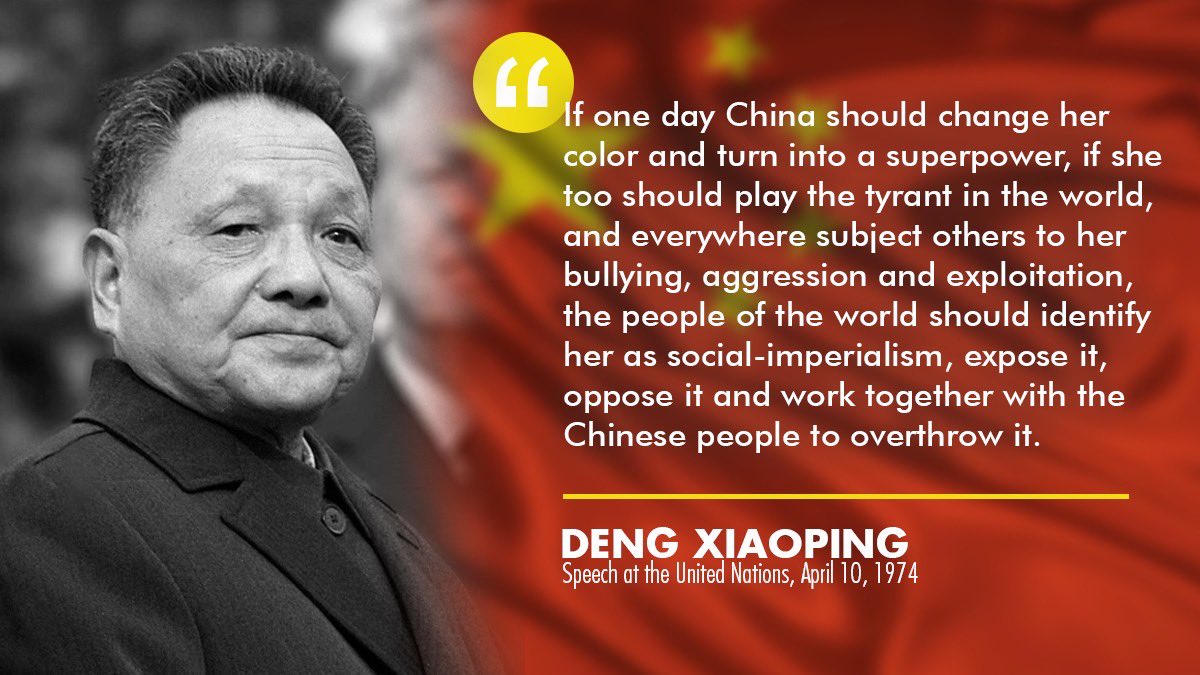
I don’t think anyone can fault China for its transformation into an economic powerhouse, or even deny that its strong central planning was a key factor in making that happen, especially under Deng Xiaoping. What I’m sad about (and this statement will probably cost me my next Chinese visa, but no matter) is how this China has remained a tyrant to its own people and a bully to its neighbors—something that it doesn’t need to be, except to flex the almighty power of the CCP. 

If it wants to, it could yet become an example of a confident and benign socialism—something the CCP will never dare to embrace, for fear of seeming soft, especially in the face of American, Japanese, Korean, and yes, Taiwanese resistance. I can’t help thinking that while there may be “one China” in whatever configuration the politicians propose, there are indeed two Chinas in our hearts—the one we have been historically and culturally enmeshed with and want to love, and the other that won’t rest until we kowtow to its might.

And before the pro-Beijing troll machine springs into action, let me say this again: I separate governments and regimes from the people they theoretically represent and should be serving. (We also have to be reminded that there are significant political factions in both Beijing and Taipei, and that Chiang Kai-shek’s Kuomintang were no angels when they “liberated” Formosa from the Japanese, only to take it over.)

I have written favorably (and critically when I had to) about both China and Taiwan without any sponsorship from either entity’s government. There are powerful lobbies for both sides right here in this country—one even offered to send me on an “observation tour,” which I gently declined, aware of the political subtext; I would go, I said, on my own dime, and I did. (Which is not to say I will refuse “observation tours” of the south of France, Tahiti, the Nordic fjords, the Patagonian forests, and other bucket-list destinations not likely to invade the Philippines.)

To Beijing’s and Taipei’s cheerleaders, chill out and enjoy the scenery; some calming winter-melon soup might help to keep the vitriol down.

Penman No. 449: Sharing the Joy of Pens

Penman for April 2, 2023

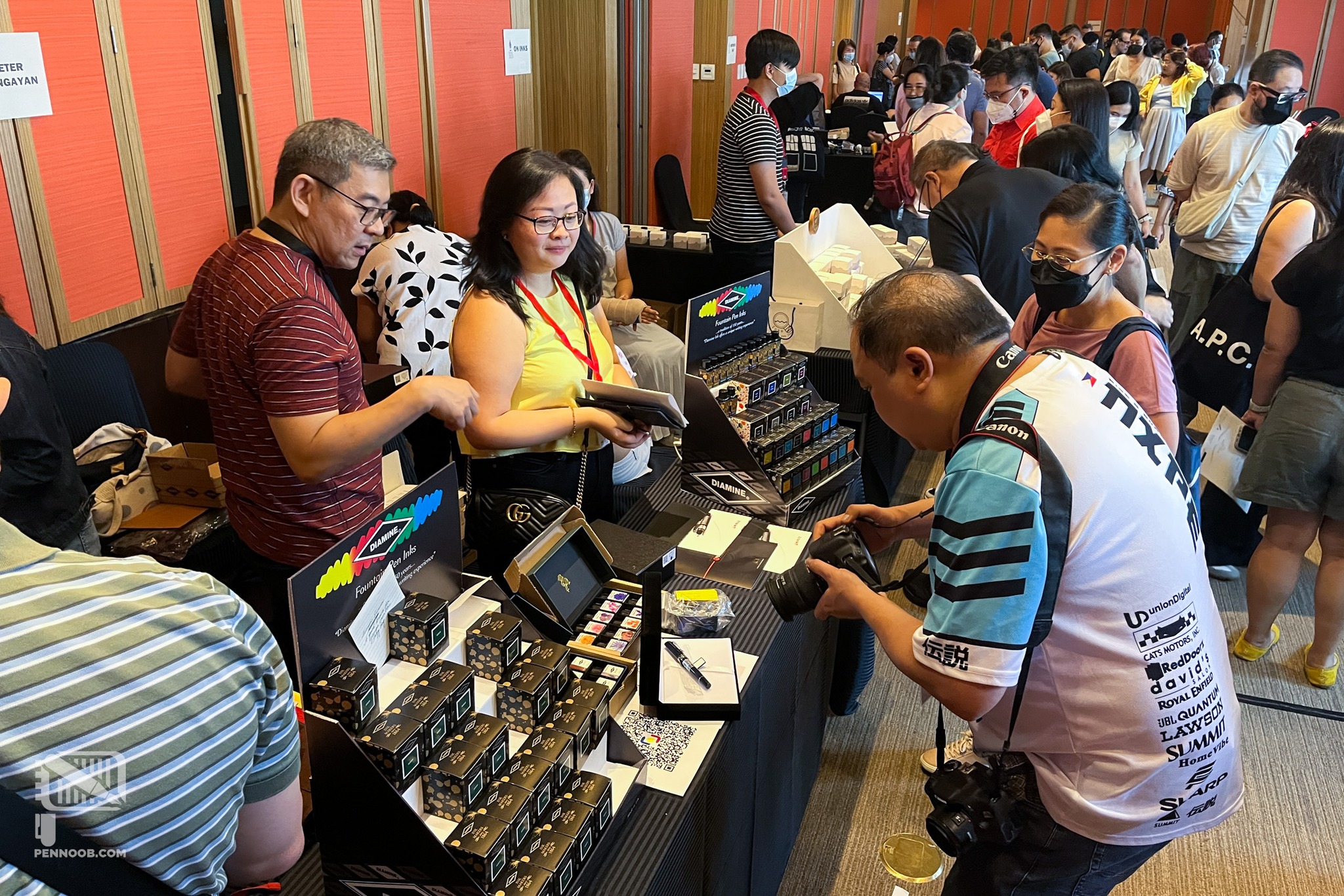
With the successful holding of the 2023 Manila Pen Show last March 18 and 19 at the Holiday Inn Makati, the Philippines firmly established itself as Southeast Asia’s Pen Central—the largest and liveliest marketplace of items and ideas related to one of the world’s fastest-growing hobbies: collecting fountain pens and other writing peripherals (inks, papers, and cases). 

The last MPS in 2019, just before the pandemic, had brought in 700 visitors. This year, that number was eclipsed on just the first day, and by closing time Sunday, over 2,000 pen lovers—from hardcore and advanced collectors picking up $2,000 Nakayas to eager newbies thrilled to get sub-P200 Wing Sungs—had showed up. The turnout wasn’t totally surprising, considering that Fountain Pen Network-Philippines (FPN-P), the pen show hosts and organizers, now counts more than 12,000 members on its Facebook page.

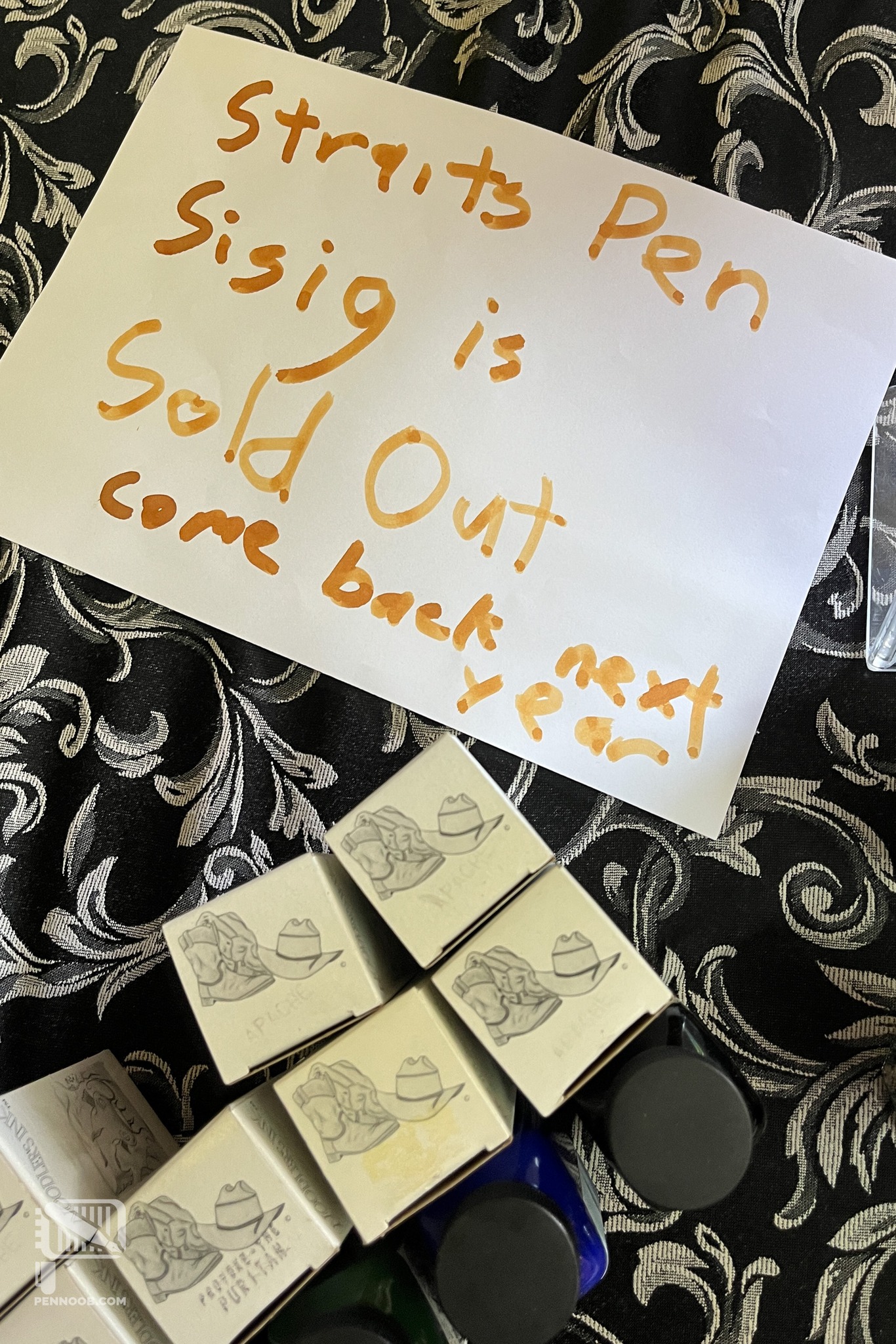
Aside from the country’s leading purveyors of writing paraphernalia—familiar names such as Scribe, Everything Calligraphy, Pengrafik, Stationer Extraordinaire, Leather Library, Leather Luxe, Shibui, Gav N Sav, JumpBid, and Kasama—foreign sellers from Singapore, Malaysia, and Japan such as Aesthetic Bay, Pen Gallery, Straits Pens, Musubi, and Toyooka Craft flew in just for the show. Nearly all the sellers reported robust sales at all price points.

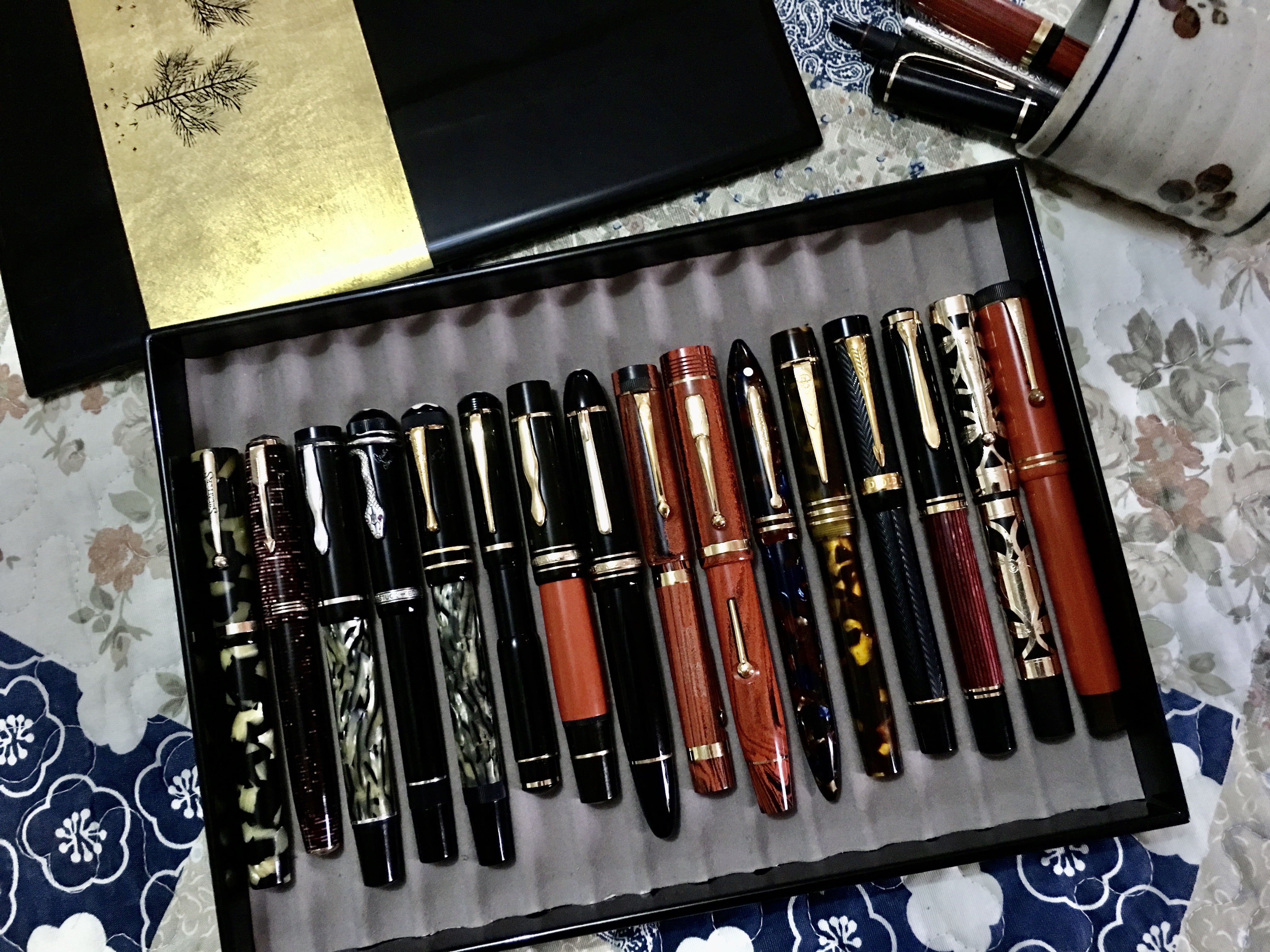
As a longtime pen collector and co-founder of FPN-P, I’m proud of how the hobby has taken off in this country over the past decade, and also frankly amazed by how different our demographics are from the rest of the world. Fountain pen collecting, especially in the West, has long been the domain of predominantly old white men, inclined like I am toward vintage pens and high-end, limited-edition modern pens. 

FPN-P’s profile is distinctly different: mostly young professionals between 20 and 40, with far more women than men, happy to purchase the entire color range of inexpensive Chinese-made Jinhao 82s (and inks to match) but just as savvy about the latest Montblanc release, keen on using and enjoying their pens rather than keeping them in boxes. As the MPS attendance showed, ours is an exuberant, generous, and democratic community, with little sense of entitlement or competition, dedicated to sharing the joy of pens, of expressing your individuality and artistry with the ink on your nib, of doing something personal and authentic in this age of artificial intelligence.

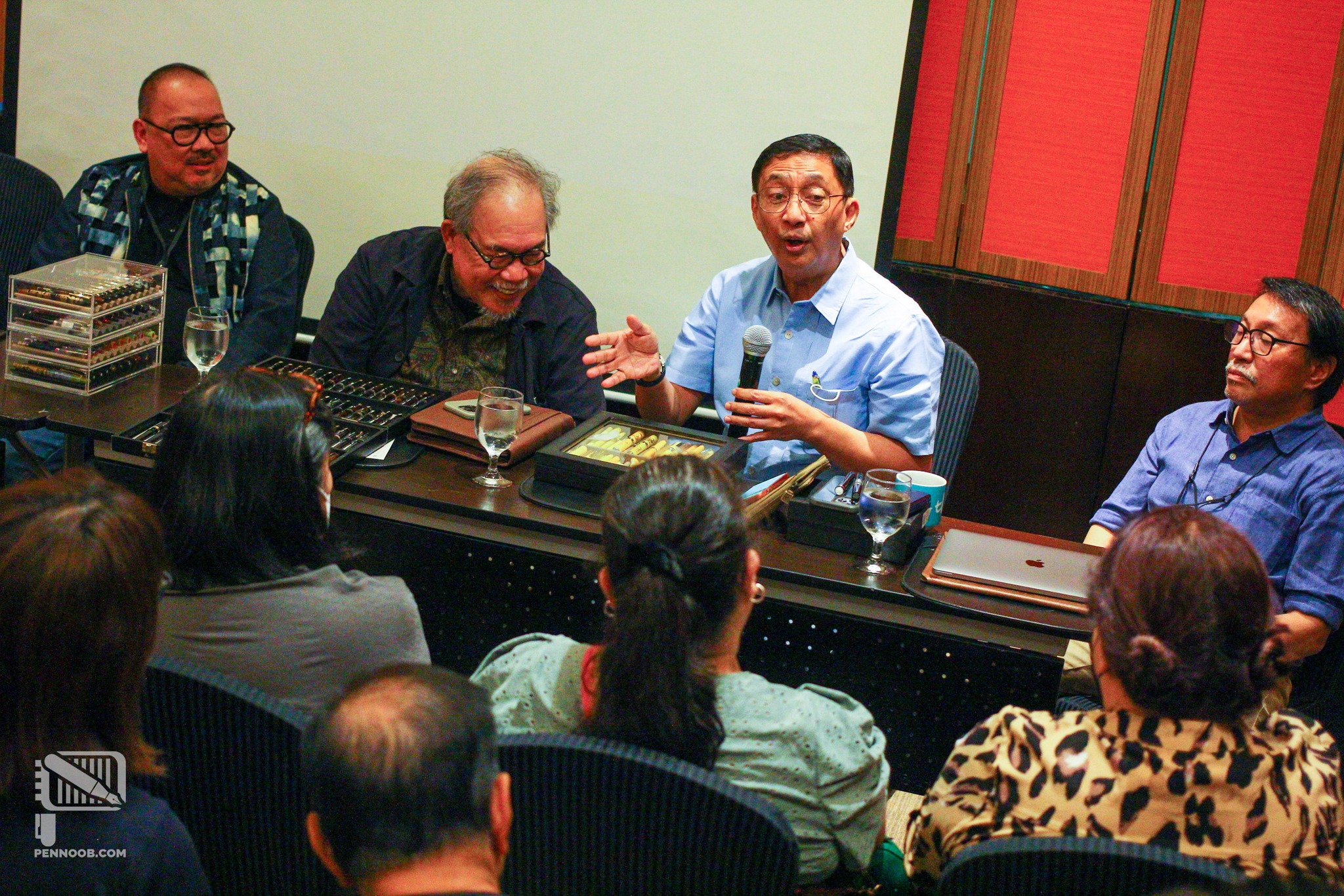
A highlight of MPS 2023 was a panel discussion devoted to the topic of “Curating a Fountain Pen Collection,” and I was privileged to share the table with fellow collectors Reggie Reginaldo, Amanda Gorospe, Jun Castro, Ronnie Geron, and Raffy Aquino. Each of us said a few words about how and why we put our collections together, given that each of us had a different focus: inexpensive pens, high-end pens, vintage pens, yellow pens, and so on.

Before talking about my passion for vintage pens (i.e., pens at least 50 years old, in many cases a hundred years old), I tried to explain what “curation” was all about. Here’s part of what I said:

Every collection begins as most love affairs do—with fleeting glimpses of the loved one, then seemingly chance encounters, then long chats over coffee before the steep and blissful freefall into a dizzying madness. 

For a moment, happiness and contentment reign. And then sadly follow the inevitable regrets, the disaffections, the “It’s not you, it’s me’s,” the parting with the old object of desire and its replacement by a new flame.

Today we’ll try to introduce some sense into this seeming cycle of bliss and despair. Curation means bringing some method into the madness, finding the inner logic that threads many disparate elements together.

The word “curation” is rooted in the Latin curare, “to take care of,” or to treat an illness, and here clearly the illness is in the collector, whom curation treats by providing guideposts to follow and guardrails against excess.

There are several kinds of collectors:

  1. Those who want anything and everything, although they might be more properly called accumulators (this describes 90 percent of us at the beginning);
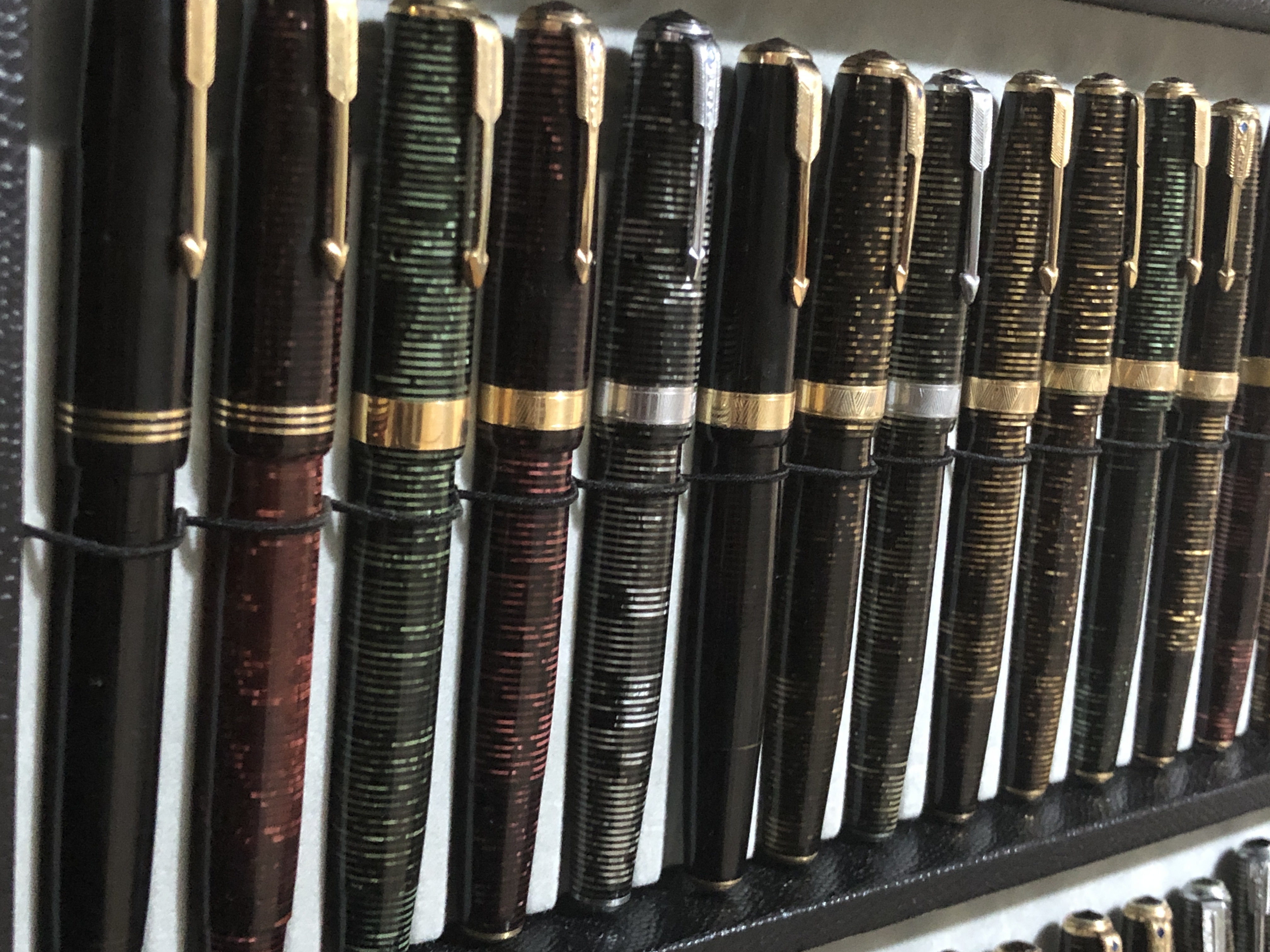
  2. Those who want everything of a kind (this applies to my fetish for Parker Vacumatics);
  3. Those who want the best or the most impressive of everything (this implies having the budget to go with your taste);
  4. Those who want some very specific things, for personal or even idiosyncratic reasons; and
  5. Those who get only what they need or can afford—perhaps the rarest of all collectors, the practical and disciplined kind.

Vintage collecting relies heavily on connoisseurship—on knowing the field and knowing what to look for. Surprisingly, it often involves less money than buying new pens. Of course there’s a cost to factor in for restoration and repairs, but even so few vintage pens reach the stratosphere of the thousands of dollars you would pay for a shiny new Montblanc.

You can collect based on brand, material, filling system, size, and of course price. For vintage you can add age and scarcity. Good working or repairable condition is presumed, although vintage collectors should always be on the lookout for cheap parts pens. 

Every quest for collectibles also involves what we might call “unicorns”—ultra-rare or one-of-a-kind pieces that exhibit some distinguishing hallmark of quality or technical innovation. These could be prototypes, custom jobs, or things in almost mint condition despite their age.

It also helps to know what you don’t like, or no longer like. For example, I generally don’t go for small and light pens, nor for blingy or too colorful pens. My pens are “lolo” pens—staid, conservative, almost severe, corny to most young collectors today.

Culling or cutting down is a good exercise, financially and mentally. I built up my collection over the years by selling five good pens to get one better pen. I have also sold very good pens that I once lusted after, but no longer spoke to me.

Curation, ultimately, is about knowing yourself. At a certain point in your collecting life, you have to take stock of your collection and ask yourself, “What do these objects say about me?” Is this the self-image I want to project, the one I’m happiest with? 

My answer to my own question is, I’m an old guy who likes old things, because they offer physical proof of life after death. We die, but our words—and the wording—go on. A vintage pen is an old guy lucky enough to find a new home. I’m happy to give him a shower and a warm bed, and all the ink he wants to drink.

Qwertyman No. 36: A Tourist in Taiwan

Qwertyman for Monday, April 10, 2023

MY WIFE Beng and I visited Taiwan with friends on a five-day holiday just before Holy Week, and returned home dog-tired but deeply impressed by what we had seen: a country not just surviving but staunchly moving forward, progressive and optimistic, despite living under the constant threat of invasion by its hulking neighbor and self-declared owner, China.

It was my fourth visit to Taiwan and my wife’s second, so we had witnessed the island’s wonders before. But we went back—this time with friends who had never been there—precisely because it had much to offer as a vacation spot. For me, Taiwan has largely been about food (especially the beef-brisket noodles and fruits like the giant atis and cherimoya), technology (like the exhilarating 3D I-Ride it has exported to Hollywood), and culture (exemplified by the legendary jadeite cabbage at the National Palace Museum). Economists and political scientists will surely have much more to look for and investigate in Taiwan, but my unsophisticated cravings were fully satisfied. 

The tourist in me observed that Taiwan had achieved First-World status, with elevated expressways, high-rise housing, clean waterways, and extensive transport networks. Taipei’s shops were open past 10 pm, catering to a busy nightlife. We took a day trip out to visit the Chimei Museum in Tainan, and boarded the High Speed Rail that zoomed down the island’s west coast at 236 km/h. Despite Taiwan’s high level of industrialization, the countryside remained lush with forests and greenery, and Taipei’s streets were litter-free. True, there were homeless people gathered around Taipei’s Main Station, living out of shopping carts and camping tents, but we had seen far worse in New York and San Diego. Some old-school courtesies persisted: on the subways and buses, younger riders still stood up to yield their seats to seniors.

That said, it was hard for me to shake off the feeling that we were experiencing an ephemeral pleasure. As we took a bridge over a river in Taipei, and reveled in the vista of a thoroughly modern city rising from its ancient roots as a Spanish trading outpost, I remarked to Beng, half-facetiously, that a few Chinese bombs could pulverize all that. China, I said, could “Ukrainize” Taipei, and blow the 101-storey Taipei 101 building, the National Palace Museum, the Shilin Night Market, and all the other attractions we associate with this city into smithereens. Beng said that I shouldn’t be making such horrible jokes, but I had to wonder how much of what I said was indeed a joke and how much of it was dire possibility.

The threat is certainly there—and has been there since 1949, when Chiang Kai-Shek’s losing Nationalist forces retreated to the island, took it over, and turned it into a thorn in Communist China’s side. China has repeatedly used shows of force around Taiwan to demonstrate its readiness and capability to employ “resolute and forceful measures to defend (its) national sovereignty and territorial integrity,” and while no explosively significant confrontations have taken place, China’s saber-rattling has only grown louder, provoked by presumptive American guarantees to help defend Taiwan in the event of a Chinese attack, and possibly emboldened by Russia’s invasion of Ukraine. (The US, of course, has been rattling its own sabers, particularly with the acquisition of more basing rights in the Philippines.)

You’d think that the specter of invasion would switch Taiwan into full military mode, with air-raid drills and sirens and tanks and soldiers in the streets, but no. When we were there, it was business as usual, with no sense of urgency, even as Taiwanese President Tsai Ing-Wen met with US House Speaker Kevin McCarthy in California, raising the cross-straits temperature further.

Taiwan-watchers such as David Sacks, whose post was republished by the influential Council on Foreign Relations last November, have warned against complacency, especially in the wake of Russia’s Ukrainian misadventure. According to Sacks, “Despite these growing worries and initial steps, actions remain far below where they need to be to deter China and respond to potential Chinese aggression. The increases to Taiwan’s defense budget over the past six years are commendable, but at 2.4 percent of gross domestic product (GDP), it is still well below where it needs to be…. While there is a recognition that the civilian population will need to play a large role in defending the island, the conversation about how to reform Taiwan’s reserve force is still in its infancy, with little consensus on what its role should be. Taiwan’s military lacks the munitions it would need to withstand an initial Chinese assault and its military services continue to pursue legacy platforms such as fighter jets and large naval vessels that will have little utility during a conflict. It is far from certain that there is buy-in across the military for adopting an asymmetric defense strategy.

“Beyond the military realm, Taiwan needs to do much more to increase the resilience of its society and decrease its reliance on trade with China…. Over 40 percent of Taiwan’s exports go to China or Hong Kong. While there is wide agreement that this is a major vulnerability, there is a certain amount of defeatism, with few ideas of how to reduce this dependence without massive government intervention.

“While the government is taking steps (albeit insufficient) to address the growing threat China poses, there is a worrying gap between officials and the public. Opinion polls reveal that Taiwanese people are not concerned about an invasion and believe war is unlikely in the next decade…. Understandably, most want to focus on improving their lives. There is a fine line, however, between stoicism and complacency.”

Is this a fatalism that we Filipinos seem to share? If China attacks Taiwan, can the Philippines be next, and what will we or can we do about it? (In my admittedly  pedestrian view, China has no need for a military invasion of the Philippines—which will be costly and troublesome, given our geography—so long as it achieves full control of the South China Sea. It will be cheaper and easier to subvert and suborn the government, if it wants pro-China policies to prevail.)

I was glad to be just a tourist in Taiwan, enjoying my cherimoya, instead of being a defense analyst pondering the medium term—or, for that matter, being a local fruit seller who might one day find a gaping hole where the orchard used to be.

(Photo from thetimes.co.uk)

Penman No. 448: Designing for the Eye and Mind

Penman for Sunday, March 5, 2023

I DON’T normally review books—even books sent to me with a request to be reviewed, which I apologetically ask authors not to do, unless they’re willing to wait a year or two. That’s because I prefer to enjoy books rather than to critique them, which sounds too much like the kind of work I happily retired from. But every now and then, along comes a book I simply can’t ignore, because it’s just too important or maybe just too beautiful to be put aside.

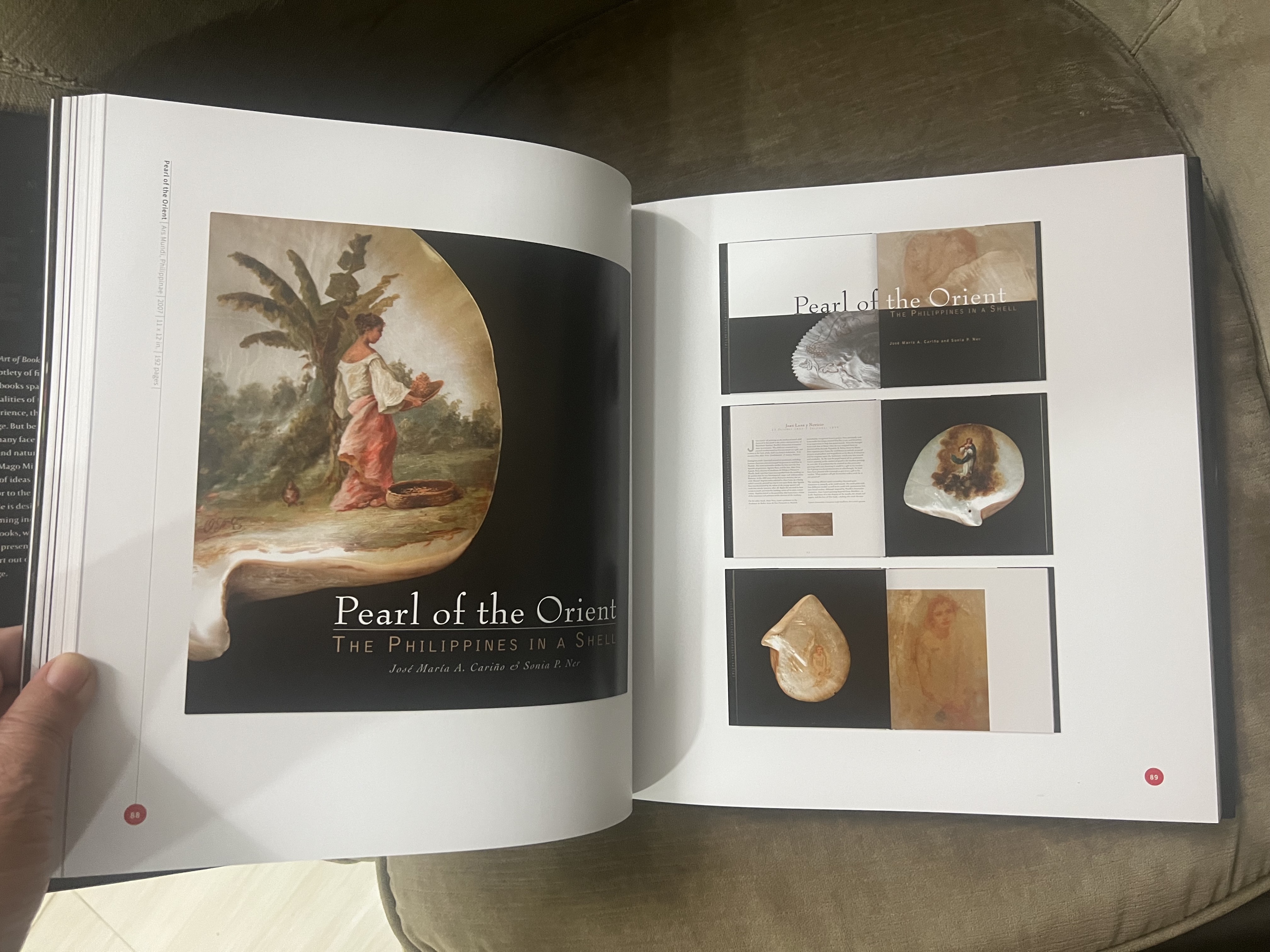
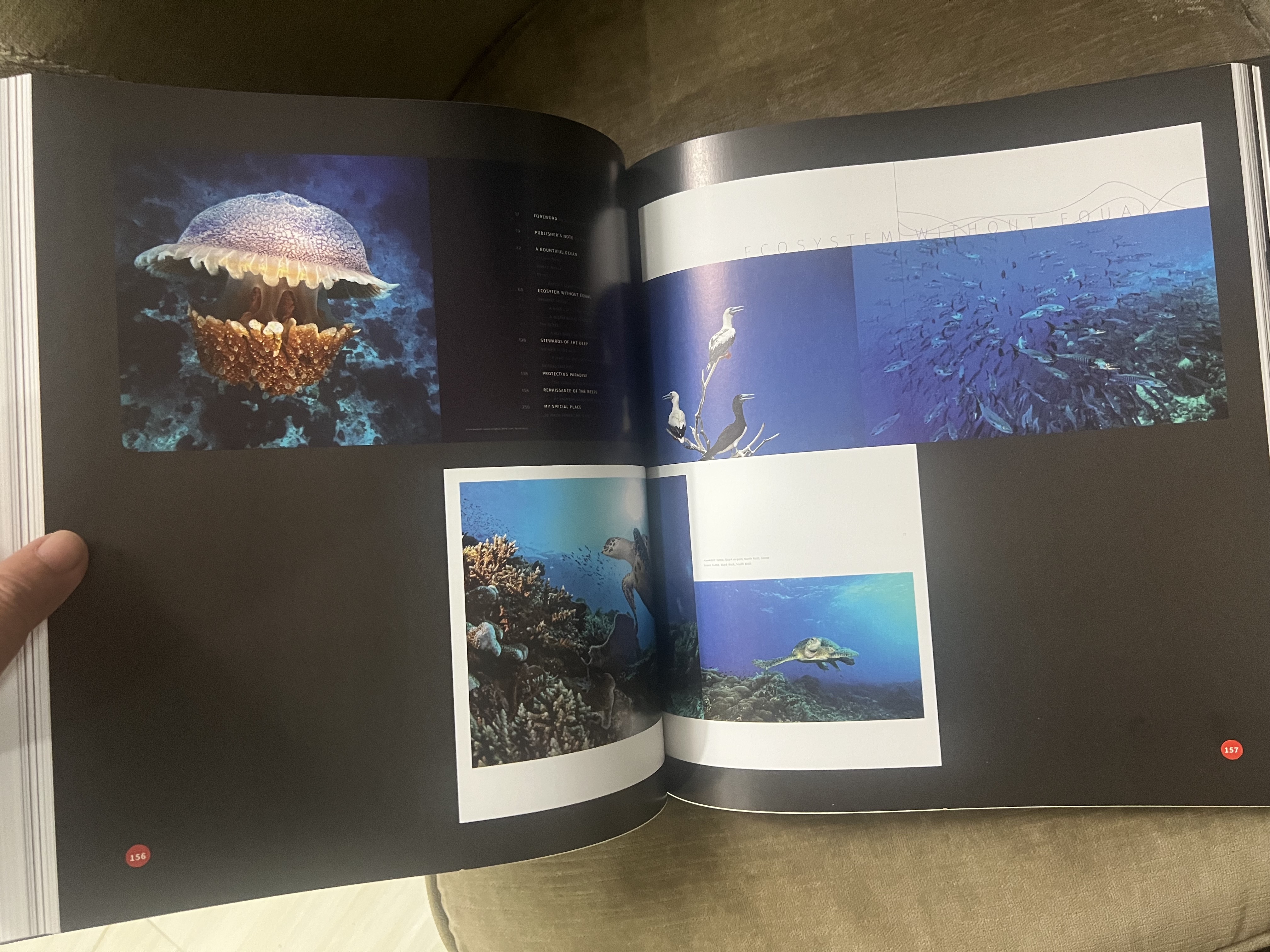
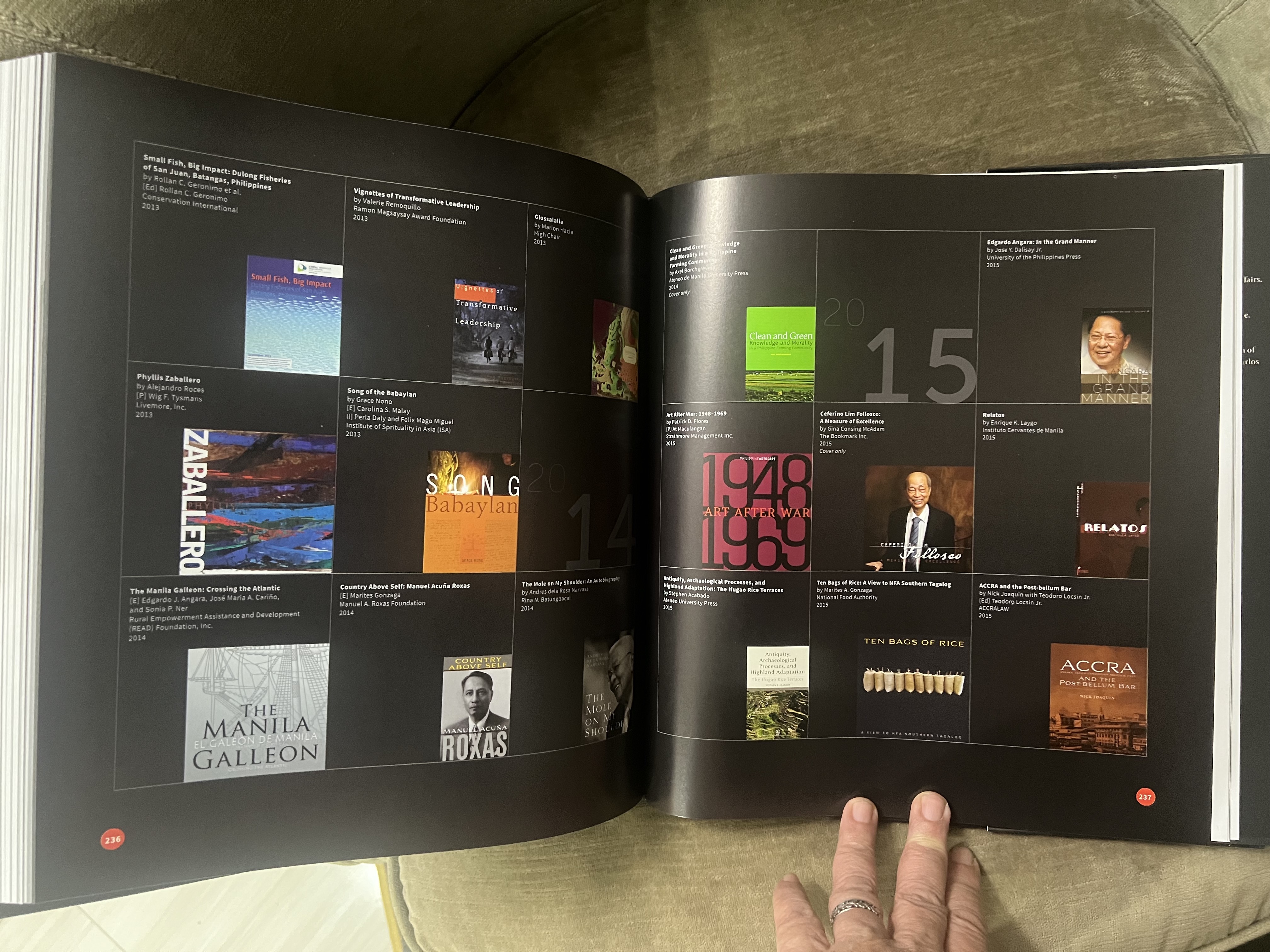
One such book—both important and beautiful—was dropped off at my doorstep last week, and as soon as I opened it, I knew I had to share my knowledge of its existence with fellow enthusiasts of art and design. The book was Felix Mago Miguel: The Art of Book Design, written by Felix’s wife Amelia F. Zubiri-Miguel, edited by Ambassador Jose Ma. Cariño, and published by the Foreign Service Institute.

One of the most talented and prolific Filipino book designers of our time, Felix has designed more than 130 books over the past 20 years, and I’ve been fortunate to have authored and edited a good number of those, including several coffee-table books and the biographies of Edgardo J. Angara and Leonides S. Virata. This hefty 264-page book is a biography, treatise, and catalogue all in one, a fine embodiment and example of its own subject, sumptuously produced not just to showcase Felix’s work but also to discuss his theory and experience of book design.

Ours has always been a country of gifted authors with endless stories to tell, but only recently has enough attention been paid to the proper design, production, and marketing of our books. The growth of Philippine publishing and the opening of foreign markets to Philippine material has spurred some of that interest as a matter of economic necessity, but the general appreciation of book design remains low. 

As an author myself, I’ve always been fussy about how my books look; I didn’t work that hard just to come out with an ugly book with my name on it. But sadly not all authors or publishers share that worry. As Felix himself laments, we Pinoys have a famous fear of spaces—horror vacui—and tend to cram our pages with as much text as we can, as if wide margins (and better readability) were a waste of precious paper.

Coffee-table books, which are Felix’s particular area of expertise, present both special challenges and opportunities. Being typically meant for promotional rather than commercial purposes, CTBs have large budgets that will allow for better production. But a poorly thought-out or executed design can render those millions useless. I’ve groaned at obviously expensive book projects ruined by gaudy or overly busy covers, barely readable type, narrow margins, and bad paper. (One of my biggest pet peeves is printing text over a photograph for that artsy effect, rendering it illegible.)

Felix’s background as a painter (and as a graduate of the Philippine High School for the Arts and the UP College of Fine Arts) allows him to see a book project not just as a technical challenge but also an intellectual exercise—a process of understanding what the book really wants to say, and translating that into a visual language.

“A book project is always like a thesis, a problem to be solved, an experience to be fleshed out,” he says. “Everything for me begins with figuring out what the book is trying to say and how best to say it. I do my best to learn the narrative, reading to understand it, absorbing its contents. If there are visuals already, I go through them, looking for the narrative that I just read among the photos and illustrations. Doing these things enables me to better feel the book and the direction it will go. My goal is to find the personality of the book, to figure out who is talking and to decide on what kind of experience is best—to design the book in such a way that, as Rita Jacobs says, it may be the only way that it can be presented.”

He designs as much for the mind as for the eye. As Amelia puts it, “Though people may say that a designer’s job is all simply a matter of art, my years of seeing Felix working have told me that it is not. At the end of the day, he always ends up more knowledgeable, better informed, and wiser with insights not just from the manuscripts but from the totality of the discussions and the time he had spent with his clients, which is probably the best bonus and priceless privilege that comes with the job, because at the end of every project, a really beautiful book needs to be more than just pretty to look at.”

Felix adds: “As designers, we become builders of experience. We may not have the privilege of letting our audience touch the skin or the sinews of what they are looking at, but if we did well in our work, what one designed becomes an exhilarating, unforgettable experience. Not only do we introduce the authors and their voices, but through a well-designed book, readers may experience the same things vicariously. What is separated by time and space is connected through emotions. And a book that touches your soul is indeed an experience to be cherished.

“After learning the technical aspects of design—the use of typography, colors, spaces, photos and illustrations, pages, covers, and printing—I realized, I have a new medium. And just like in painting, the medium is not the end of the painting; it is just part of it, because more importantly, there is a story to be told and that story is the priority of the design. My role is to ensure that this invisible visual force will allow the story to be told.”

And tell the story Felix does, in an inimitably pleasing and tasteful style that more than does justice to his material. I look forward to our next project together, whatever that may be—a writer can only write better knowing how superbly his work will look in a capable designer’s hands.