Penman No. 435: A Dying Swan at Midnight

Penman for Sunday, February 6, 2022
YOU’VE BEEN reading about some of my book-buying adventures and the most unlikely places I’ve found some of my most valuable books—like a 1551 book of English essays under a lamppost in Cubao, a signed first edition of Carlos Bulosan’s America Is in the Heart at Jollibee on Commonwealth Avenue, and an 1868 two-volume facsimile of Don Quixote at a McDonald’s on that same road.

Now here’s an incredible story that happened to me one night a couple of weeks ago—very late that night, just as I was about to go to bed. Beng had just finished another episode of another interminable K-drama, and I was too sleepy to switch to my own program (typically some violent crime show, which gives me a good night’s sleep). And then as I always do, I checked my messages on my laptop before moving from the La-Z-Boy to the bed, and I saw something that instantly woke me up again.

Let’s backtrack a few days earlier to another idle moment when I was poking around the usual FB sites for garage-sale and Japan-surplus flotsam and jetsam—the “antique” Coke trays (probably China-made), the Ambassador furniture sets, the bobblehead figurines, the wooden fruit bowls, etc. And then I came across a rack of paintings being sold for just P1,000 each—most of them quite awful and not even worth the price, even to a bottom-feeder like me.

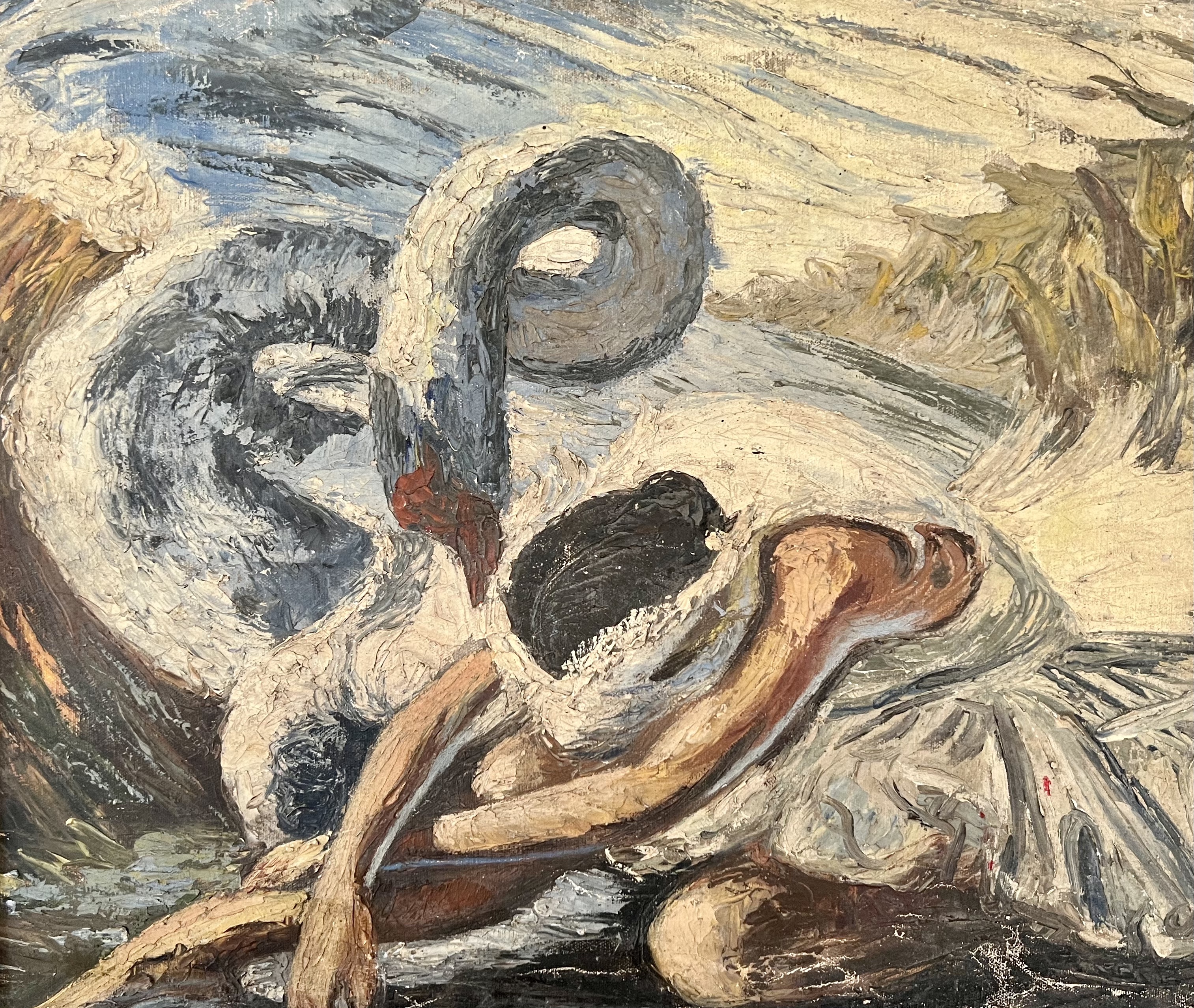
But then I spotted a painting that had rather intriguing lines and colors, one that was clearly different in theme and treatment from the nipa huts and carabaos that populated the other canvases. 

In the foreground was a young woman in a white dress—a dancer immediately came to my mind—set against what first seemed to me a backdrop of the sea, a huge curling wave threatening to envelop her. But there was another element, aside from the strange shape of the “water”, that didn’t make sense: an orange something near the woman’s face.

And then it all snapped into place: the background figure was a swan with one wing outstretched and the other practically smothering the woman, and the orange thing was its beak. What sprang to my mind was Leda and the Swan, the old Greek myth that has been one of art and literature’s most reinterpreted and most referenced stories (where Zeus, in the guise of a swan, rapes or seduces Leda, and has two children by her). 

This could not have been done by a naif painter; it took some education and sophistication to take on a subject like that, and to represent it with both grace and power. This painting could not have been a recent work; its strokes and colors belonged to another age. It felt old, in a good way. I thought that it had to be decades old, possibly even pre-war.

I immediately messaged the seller to reserve the painting for me. For P1,000, it was a no-brainer. Usually the seller would respond within minutes, and we would do the GCash and Lalamove song-and-dance within the hour. But the day passed with no response. I messaged him again that night, and next morning I still heard nothing back. Another day passed; I had saved the picture of the painting on my phone and returned to it now and then, stewing inside, increasingly annoyed by the seller’s silence.

And then I got the message: did I want it? Of course, I messaged back quickly. It will cost you P1,000, he said. Sure, I said, give me your GCash number. I hope you can book it for pickup now, he said, because I’m leaving very early tomorrow morning—unless you want to get it in the afternoon. No, no, I said—I’ll book it right now. It was 11:30 pm, and Beng was sound asleep. 

And so it happened that just past midnight, a Lalamove rider roared up to my gate to deliver the painting, which I examined immediately. It had been very badly framed, with ragged edges of the painted canvas hanging over the back. Since the edges had been pulled over, I could find no signature. Still it was every bit as powerful as I had thought it to be, the colors laid on in a thick impasto. 

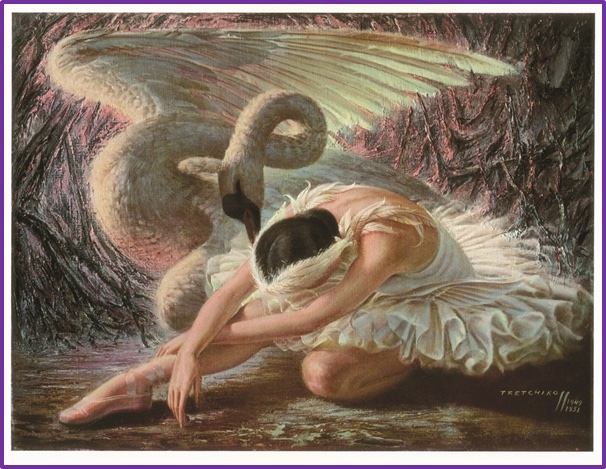
So the mystery was, who painted it, and when? I posted it on FB the next morning, and immediately the writers and artists in my group identified it with Leda and the Swan. I felt vindicated. And then my Toronto-based friend, the poet Patty Rivera (whose husband Joe also paints), posted a link to a story from South Africa, where a painting by a Russian-born artist named Vladimir Tretchikoff was up for auction. It was titled “The Dying Swan,” from the ballet by Mikhail Fokine; Tretchikoff had even persuaded the great ballerina Alicia Markova to pose for him in 1949, when he began the work (one of two he gave that title).

So my midnight acquisition was a copy done by a local painter in the 1950s, possibly by an amateur or even a student. Was I disappointed? How could I be, especially for the price I paid? Tretchikoff’s original was clearly much finer and more radiant; but my rougher copy, in Patty’s words, showed more “torment and despair.” When Beng restores this and we have it reframed, it will have its own life and energy, and the swan will die, over and over again, which means it never will.
Hindsight No. 2: Myth over Matter

Hindsight for Monday, January 24, 2022

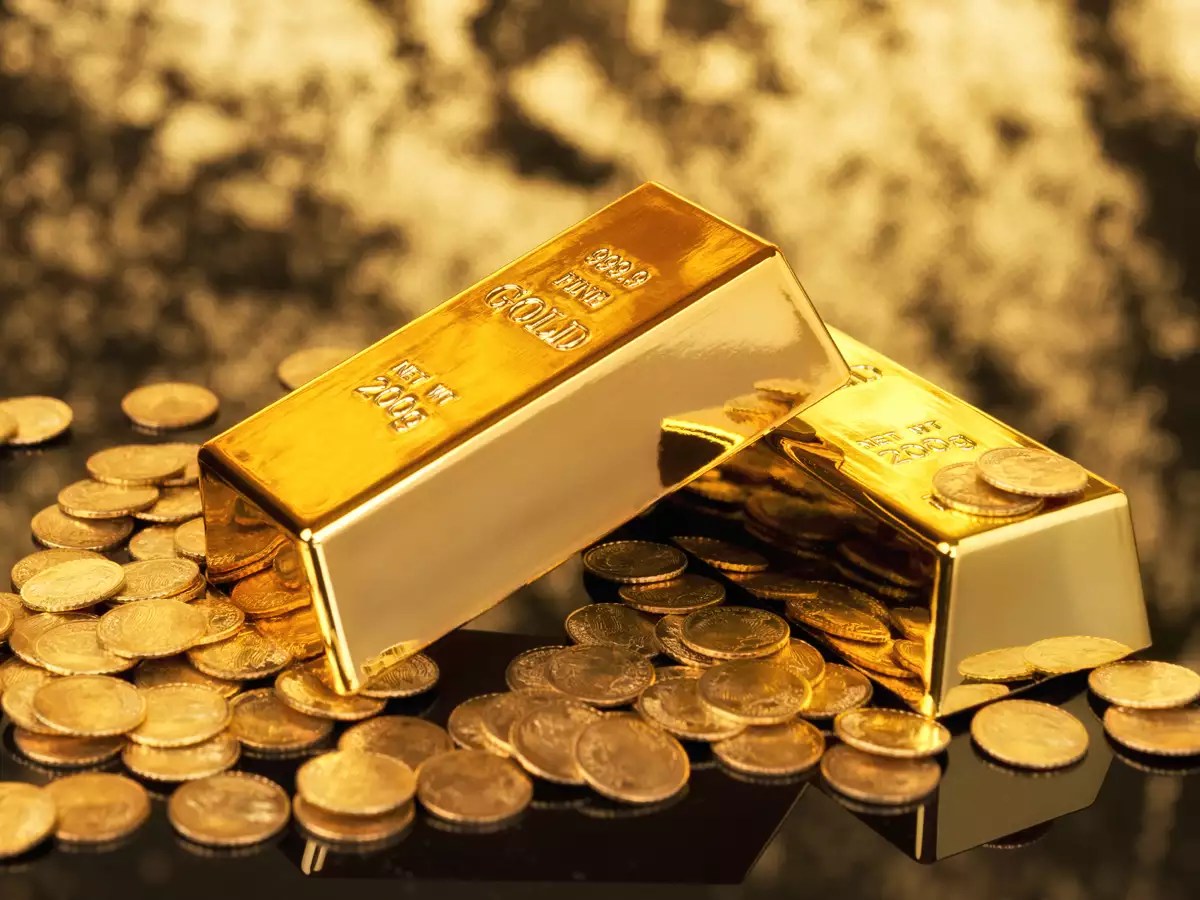
(Image from indiatimes.com)

THERE’S HARDLY a week that goes by without me receiving a Viber notice from a friend warning me about another incoming message containing some innocuous line like “Let’s go to Latvia” or “Your mother will love this,” clicking which will trigger a dizzying spiral into digital damnation: your phone will freeze, all your passwords will be stolen, your half-naked selfies will be posted to your Village Association chat group, and whatever gender you declared will be reversed in all your official records. 

It’s all well-meant, of course; some friends will even add “Sharing, just in case”—meaning, they also suspect it’s fake, but meaning further, they’ll pass final judgment on to you, a privilege you should be thankful for—on the one-percent chance that it’s true.

I’ve taken it as my civic duty to look up the particular hoax online (easy: just add “hoax” or “scam” to whatever the key words are, and Google away) and to inform the senders of their mistake. Many will reply with a terse “Thank you.” Some will protest: “It wasn’t me—it was my silly sister-in-law who swore it was true, so I passed it on!” A few (some of these senders have PhDs) will even argue back: “Now, how sure are you that snopes.com is a real fact-checker? Who’s funding them? What’s their angle?” (Makes you wonder: if they were going to be that investigative, why didn’t they ask it about the hoaxer in the first place?)

Living in the age of fake news (or “alternative truths” as Donald Trump’s aide so nicely put it), we can’t be surprised any longer by the seemingly infinite pliability of the truth, which can be warped and twisted to the point of being barely recognizable. But as it turns out, that “barely recognizable” element is key. 

An article in WIRED from 2019 on “Why People Keep Falling for Viral Hoaxes” points this out: “The narrative that Big Bad Instagram is going to take all of your most intimate personal data points and use them for nefarious secret purposes is the sort of story that is primed to appeal to the average person… because it contains a kernel of truth: You have all this data out there on the internet, and God knows who has access to it.”

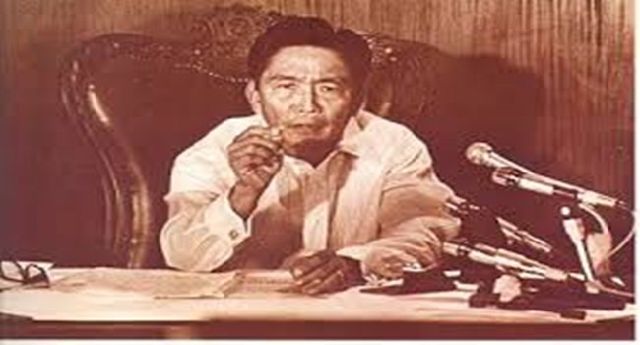
We sort of knew that already—the best lies have a little truth in them, encouraging our gullibility. When Ferdinand Marcos claimed to be a war hero with 33 medals to his name—only two of which were actually given in 1945, and both contested by his superiors—all the fellow basically had to show for proof was his picture in a uniform, surrounded by pretty hardware that you can buy today on eBay, and that was enough to make many believe that he had to be a hero.

What’s more breath-taking—and possibly more dangerous—are the outright fabrications, the brazen claims to this and that outrageous deed or achievement. You’d think that they’re too absurd to be swallowed by even the most credulous, but think again.

The story of the Tallano gold, now being trotted out on social media as the source of the Marcos fortune, is a case in point. The story that went around on Facebook is that the Tallano family—the descendants of the rulers of a pre-Hispanic, pan-Pacific kingdom called Maharlika—had paid the young lawyer Marcos 192,000 tons of gold. With one kilo of gold today at around P3 million, I don’t have enough zeroes on this line to tell you what that’s worth. And for what lawyerly labor, one wonders—a gazillion affidavits and deeds of sale? 

Never mind that Imee Marcos herself has denied this story, and even the “Yamashita gold” that her mother claimed in 1992 to have found its way to Ferdie. The late Bob Couttie had been exposing the Tallano claims as a fraud even in 2018. But the story has legs. You just have to go online to find testimonials like this from a “BQ”: “It’s true but they’re burying the truth. I myself held those documents—three reams of A4-sized paper, including the mother title of all the land here in the Philippines, which came from Great Britain!”

Never mind, too, that it’s clearly a minority of believers. It’s how and why they believe kooky fantasies like this that’s more intriguing. The WIRED article again points to a reason: that, for many people, mythmaking provides a coherent narrative, a story easier and more convenient to believe than the truth, which is often too messy and complicated to figure out.

In my fiction writing class, I often bring up my favorite quote from Mark Twain, paraphrased: “Of course fact is stranger than fiction; fiction, after all, has to make sense.” Like myth, traditional fiction has a familiar beginning, middle, and end—and even a “lesson” to clarify the haze in which we stagger through daily life.

As I said in a lecture sometime ago, “The most daring kind of fiction today is out of the hands of creative writers like me. It is being created by political propagandists who are spinning their own versions of the truth, and who expect the people to believe them. The short story and the novel are no longer the best media for this type of fiction, but the tweet, the Facebook feed, the YouTube video, and even the press conference.”

Today’s savviest political operators know this: spin a tale, make it sound appealing, trust ignorance over knowledge, and make them feel part of the story. “Babangon muli?” Well, who the heck who dropped us into this pit? It doesn’t matter. Burnish the past as some lost Eden, when streets were clean, people were disciplined, and hair was cut short—or else. Never mind the cost—“P175 billion recovered in ill-gotten wealth” is incomprehensible; “a mountain of gold to solve your problems” sparkles like magic.

Imagination is more powerful than reason—myth over matter. I hope the forces of the good and right can work with that.

Penman No. 433: Finally, Facebook

Penman for January 16, 2022

My Lifestyle column in the Philippine STAR, “Penman,” has now been moved to every other Sunday, to avoid the awkwardness (and extravagance) of having two of my columns appear in the paper on Mondays. My takeover of F. Sionil Jose’s “Hindsight” on the Op-Ed page debuts tomorrow.

I WAS sixteen years late to the party, but I finally gave in and opened a Facebook account last June under my name, initially just for family. A few weeks ago I began accepting “friends,” of which I now have about 600, and I don’t intend to add too many more, although time and tolerance could change that reticence as well.

I resisted joining Facebook all those years for all the reasons some of my real-life friends remain staunch holdouts. Foremostly, it seemed to diminish and commodify the idea of friendship, replacing what should have been forged over conversation, coffee, and even conflict with a few keystrokes. Even now, looking at the roster of my newfound “friends,” I know—and do not really regret—that less than half of them are people I have actually broken bread or raised a toast with.

Honest to God, not being a politician, I don’t need 5,000 friends; I wouldn’t even know what to do with 1,000 of them. If they all pledged to buy my next book, then maybe I’d reconsider and lower the bar by a foot or two, in the cause of promoting literacy and my Fountain Pen Rescue Fund.

And then of course Facebook is a total timesuck, defined by the Urban Dictionary as “the void that gets created by engaging in an activity that seems like it will be short but ends up taking up huge amounts of time.” It’s just not human not to read and then not to respond to comments on your posts, and then not to read the posts of others and not to react to them.

Every “tag” might as well be a distress call; somewhere out there you’re being praised or reviled, and you just have to pause that report you’re drafting for the Board of Regents or that article you’re refereeing for the Journal of Linguistics to see what Cookie has been saying about that encounter in Boracay or Chef Dodo’s opinion of your dinuguan recipe.

As it is, even deciding who gets to be your Facebook “friend” or not raises all kinds of vexing and time-consuming moral dilemmas. I don’t know how others do it, but I review nearly every request I receive, going through that person’s profile—and not just our common “friends”—to see who and what’s behind the name. My rule of thumb is, if I really know you—and like you—then you’re in; if I know you by reputation, I might even feel honored, and click “confirm.” If I’ve never met or heard about you at all—which isn’t your fault or any fault for that matter—then I evaluate your application for virtual “friendship” using my shamelessly subjective criteria.

First, I check to see if you’re a real person, or that you are who you say you are. Early on in this “friendship” game, I received a slew of requests from impossibly pretty and shapely ladies, which made me wonder why I had waited sixteen years to enter paradise. (They all seemed to have one or two common “friends” with me, always the same persons, so I know who’s been extraordinarily amiable out there.) Out of curiosity (I swear!), I accepted one such request, and almost instantly got a private message that invited me to become her digital pen pal, because she was lonely and unoccupied in some far-off country. I wanted to tell her to buy my book of funny essays, or even my short stories, to relieve her boredom, but I had an inkling that creative nonfiction wasn’t going to be the bridge between us.

I checked out her posts—all of them suggestive of her good health and weight maintenance, and of her preference for clothes that did not consume too much fabric (kudos for sustainability)—only to notice that they had all been posted on the same day! My wonderment quickly turned to dismay, realizing that I, among other papas of the world, was being suckered into hell by this honeypot, who was very likely some ugly fellow like me named George or Brando. And so I sadly punched “delete,” as I did for the many others who would follow in Ms. Lonely’s wake.

Second, I check to see if you’re interesting and if we’ll get along. If all you can show me are endless updates of your profile picture—here’s me on the beach, here’s me with my dog, here’s me with a balloon, here’s me lifting weights—then we really don’t need each other, thank you. I have a soft spot for all kinds of artists, and I don’t necessarily just go for the famous or abundantly talented ones; I’ve signed in struggling young people because I admire honest effort.

If you’re a benign plantita proud of your grandkids, your succulents, and your muffins, you’re in—the world needs you! If you became my friend just to sell me something, you’re out (unless you buy my book first). Now here’s a killer: if I see even the slightest sign of you supporting dictatorship, book-banning, EJK, and fake news, you’re out. (I know we’re supposed to make friends across the political divide, hold hands, and sing “Kumbaya,” but I didn’t join Facebook to get my daily dose of aggravation.)

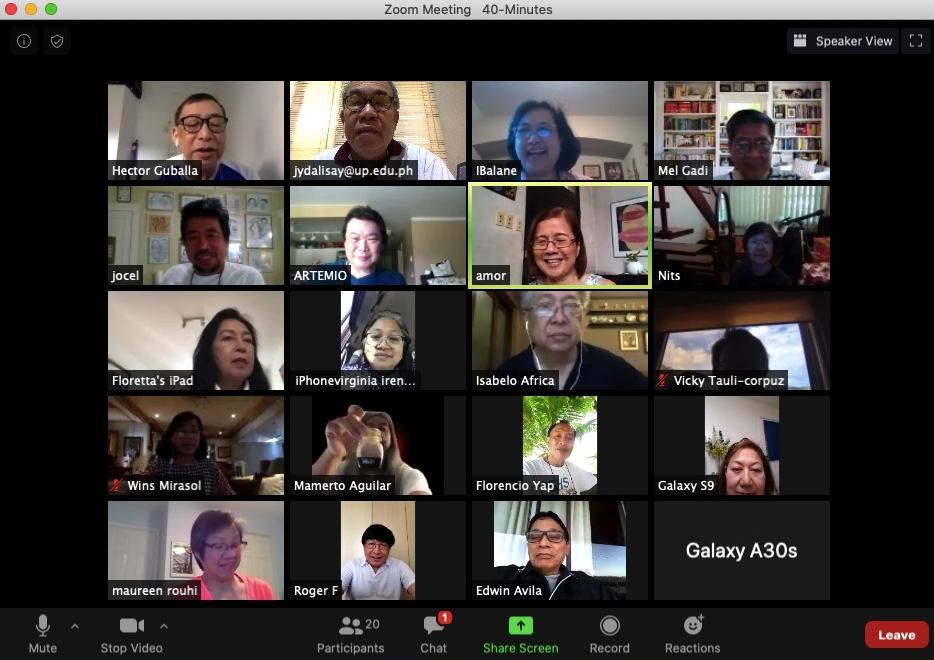
Penman No. 394: Zoom-time

PSHS.png

Penman for Monday, August 17, 2020


IF THERE’S anything that this Covid pandemic will leave in its wake—aside from a long, deep trail of sorrow and suffering—it will be Zoom, the app that’s become the boon and bane of billions of people worldwide. All at once, it’s become the default alternative to air travel, the telephone, even email and Skype, because it means you can talk to a roomful (or more) of people wherever they may be on the planet in real time, see if they’re listening to you (maybe), make everyone shut up if you’re the host, and pretend to be there if you’re not.

A few months ago, as it just began to be clear that the world as we knew it was never going to be the same again, the word “Zoom” (both noun and verb) entered our vocabulary. Upon learning that it was a “Chinese” invention, many friends loudly declared that they were not going to use the app, because all conversations were going to be routed through servers on the mainland, and who knew what those Red imperialists were going to do with your chit-chat about your 50th high-school reunion and your mom’s recipe for buko pie? Had they stood their ground since, those friends would now probably be, well, friendless, because the rest of humanity has apparently gone on to embrace Zoom, or be embraced by it. (My take on the security issue—Zoom has said that it won’t be routing traffic through China—is that if it’s good enough for our cyber folks at UP, then it’s good enough for me; and frankly I don’t think my dog-face or my desultory comments on Zoom will be of much strategic interest to Beijing.)

And there I was looking at the bright side of the lockdown—finally, I said, I was going to have the time, the peace, and the quiet to finish all my book projects, which had been backed up for years. I was pecking happily away at them, too—until all these Zoom meetings popped up, demanding my attendance and attention: seminars or “webinars,” committee meetings, high-school get-togethers, shibashi sessions, and soon, online classes.

It takes a while, but you soon get the hang of Zoom: inputting the meeting numbers and passwords (and some people, of course, just can’t resist making “statement” or cutesy passwords like “Venceremos1234” and “HelloKittyXYZ”), testing your mike and lighting, and, more important than all the digital to-dos, choosing what to wear (at least above the waist) and what to put in the background.

There are now all kinds of “Zoom etiquette” manuals online—and I predict these guides to “a better Zoom experience” will soon be a sub-industry unto itself—and nearly all of them will say things like “Don’t wear your pajamas or tank tops” or “Don’t wear a suit and boxer shorts.” We understand the need for sartorial prudence, but in these days of work-from-home, it’s easy to get overdressed. A couple of weeks ago, for the first time in months, I felt obliged to put on a blazer and even wear long pants under the table because I was going to interview a bigshot CEO in New York for a book—only to find that he was totally comfy in a tennis shirt (which of course CEOs can wear anytime).

Your choice of background can be just as compelling—especially since you have a stack of vacation photos, all just waiting for a pandemic to be inflicted on your friends. The Boracay sunset? The Eiffel Tower (nah, you need to go horizontal)? The Grant Park skating rink? Academic types like me love to default to the racks of books in the background—which I now have to review to make sure no stray copies of Sweet Valley High or 50 Shades of Gray appear on the shelves.

And what about eating, drinking, family pets, and three-year-old toddlers to liven up the show? You’ll get an earful from the guides—who, I suspect, have never really done Zoom live, every day, for interminable hours. My way of dealing with the time has been to use two computers—one dedicated to Zoom, and the other to real work, so if you catch me looking sideways or turning off my video, you know I’m working on my Nobel Prize.

Most of us didn’t even know that there was a “Zoom attendee attention tracking feature” that should’ve told you if your student was dutifully listening or taking down notes, but that feature, Zoom now says, was removed last April as part of its security and privacy update. (You can, however, report a participant for “inappropriate behavior” to Zoom—which hopefully will dispatch a SWAT team to the offending party and switch him/her off forever.)

No one’s more anxious about Zoom than my sweet wife Beng, who was all set to teach art conservation in UP, the historic first time it’s going to be taught there. All her plans were set—the hands-on assessments of artworks, the field trips to the museums, the on-the-spot discussions and practical exams. And then Covid happened, and it all now has to go online, and all theoretical, at least for the first semester. It’ll be like teaching brain surgery by looking at pictures, but with everything she knows, I know Beng will manage, and so will her lucky students, until she can actually bring them to the Manansala murals at the UP Chapel and show them how to address its pitiful crumbling. (If you want to enroll in her class, it’s SFA 192AC, Art Conservation Techniques, TTh, 8:30-10.)

Even if and when they find a vaccine for Covid, I doubt that they’ll find a cure for Zoom. Let’s just pray no prankster finds a way of spreading a virus through it.

Penman No. 287: Mysteries Solved

1934LetterB.jpg

Penman for Monday, January 22, 2018


AS I’VE been writing and tweeting about recently, my forays into collecting on the Internet have led to all kinds of serendipitous discoveries—people and stories I never knew, places I never visited.

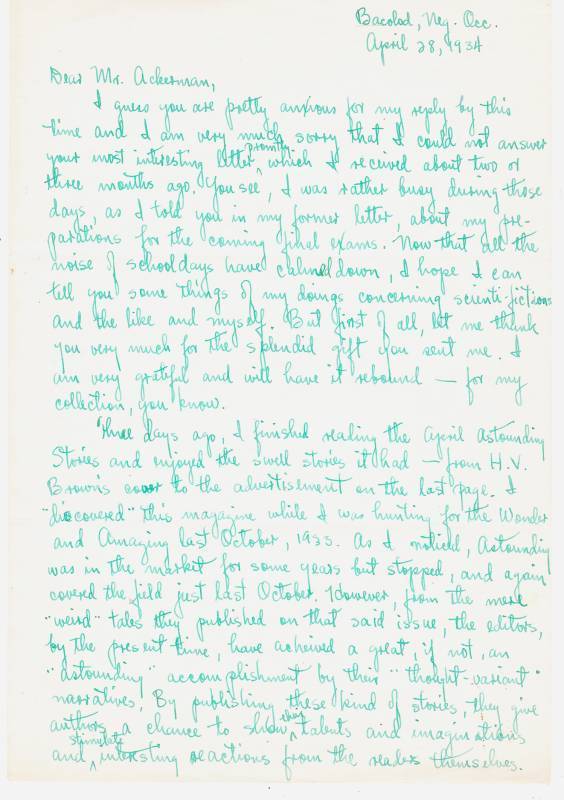
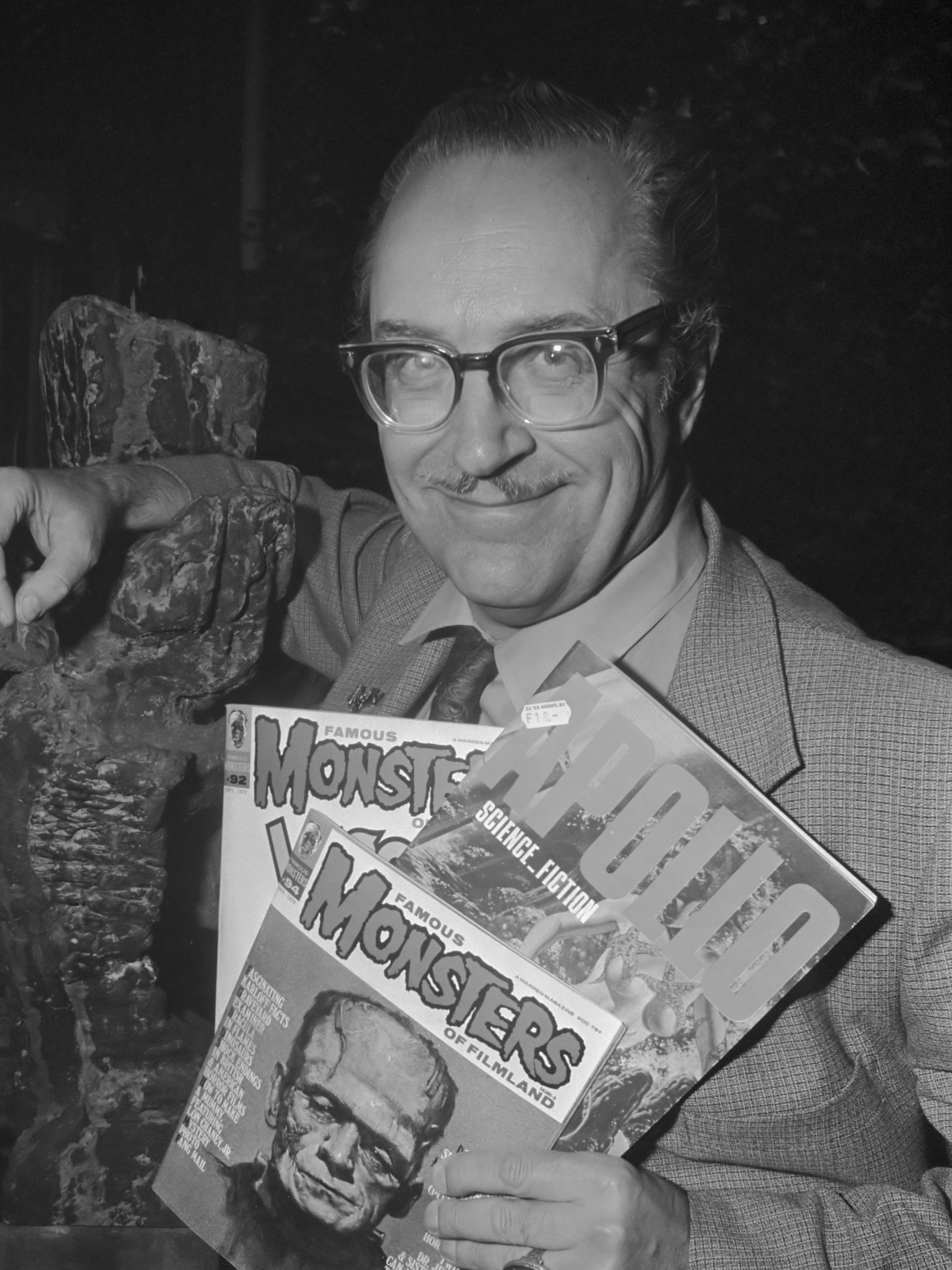
I began telling one such story a couple of weeks ago, when I mentioned coming across letters on eBay written in the 1930s by a young man from Bacolod to sci-fi pioneer Forrest J. Ackerman, then also a precocious teenager in California. We can’t tell how the two of them first made contact, but it likely had to do with the sci-fi magazines both of them were following.

Forrest_J_Ackerman_(1972).jpg

In a letter dated April 28, 1934 and written in green ink, the Filipino remains deferential to the American, addressing him as “Dear Mr. Ackerman” despite the fact that they were practically the same age and apparently had already been corresponding for some time. “I guess you are pretty anxious for my reply by this time and I am very much sorry that I could not answer your most interesting letter promptly, which I received two or three months ago,” the Pinoy begins. He explains that he’s been busy with schoolwork, then he goes on to rave about the sci-fi magazines and stories he’s been reading.

On another page, the writer talks about movies and their common idol, Marlene Dietrich. “She’s such a charming and exotic personage,” he says. “How did you like her new picture ‘The Scarlet Empress’? I liked Dietrich when I first saw her in ‘Morocco’ with Gary Cooper.” He signs off by sending Ackerman a picture of himself, with “a poor imitation of a Karloff smile,” and jokes that they’ll see each other at “the Far Eastern Olympics” which, of course, never happens.

It’s amusing and a bit astounding to see how up-to-date Filipinos were with American pop culture (as our correspondent was at pains to show) in these prewar days without the Internet, but I had an even bigger surprise in store when a reader who’d met me and Beng before, Sony Ng, wrote me to say that she knew who the writer was.

Ayco2.jpg

I’d read his signature as “J. R. Oyco” but it was actually “J. R. Ayco,” the “J” being “Jess,” who had gone to Ateneo with Sony’s father. “I remember my father borrowing his copy of their yearbook Aegis (Class ’34, if I am not mistaken) and how I enjoyed it very much…. My mother had a friend, Amparo Ayco, whose husband Loth was Jess’ brother, I think. And they are the parents of Dr. Alex Ayco, the doctor of Cory [Aquino],” wrote Sony.

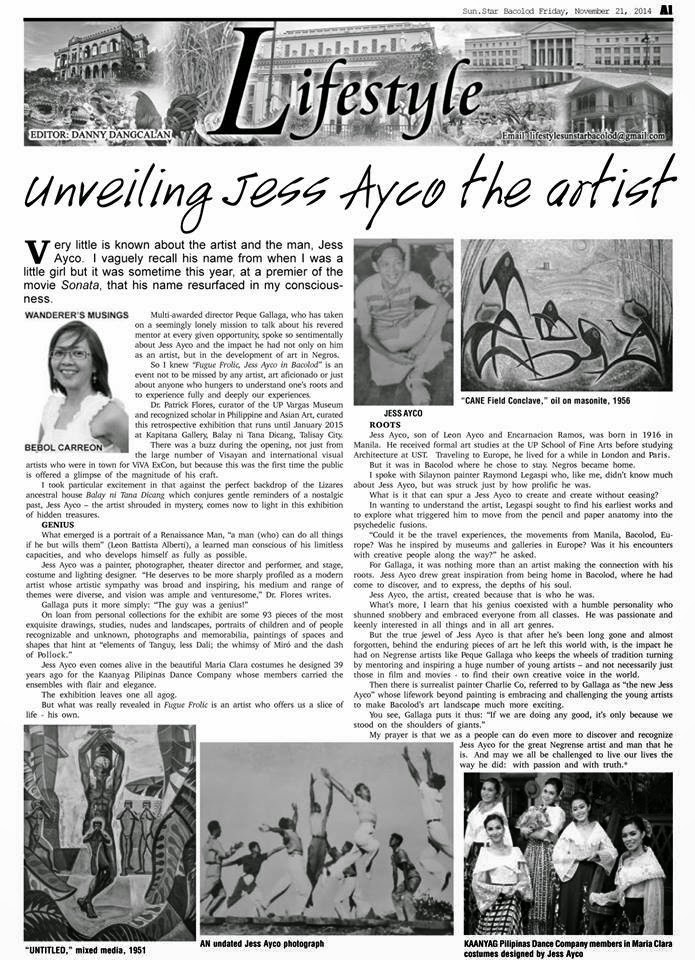
Jess, as it turns out, became an accomplished and quite famous painter in Bacolod. Further research showed that the Manila-born but Bacolod-based Jess studied painting in UP and architecture at UST, had an “avant-garde sensibility,” and won prizes for his works, some of which can be found at the UP Vargas Museum. Critics described him as a “Renaissance man,” being a theater director, performer, and costume and lighting designer at the same time. Sadly, he reportedly died penniless, unwilling to market his work.

Sekido.jpg

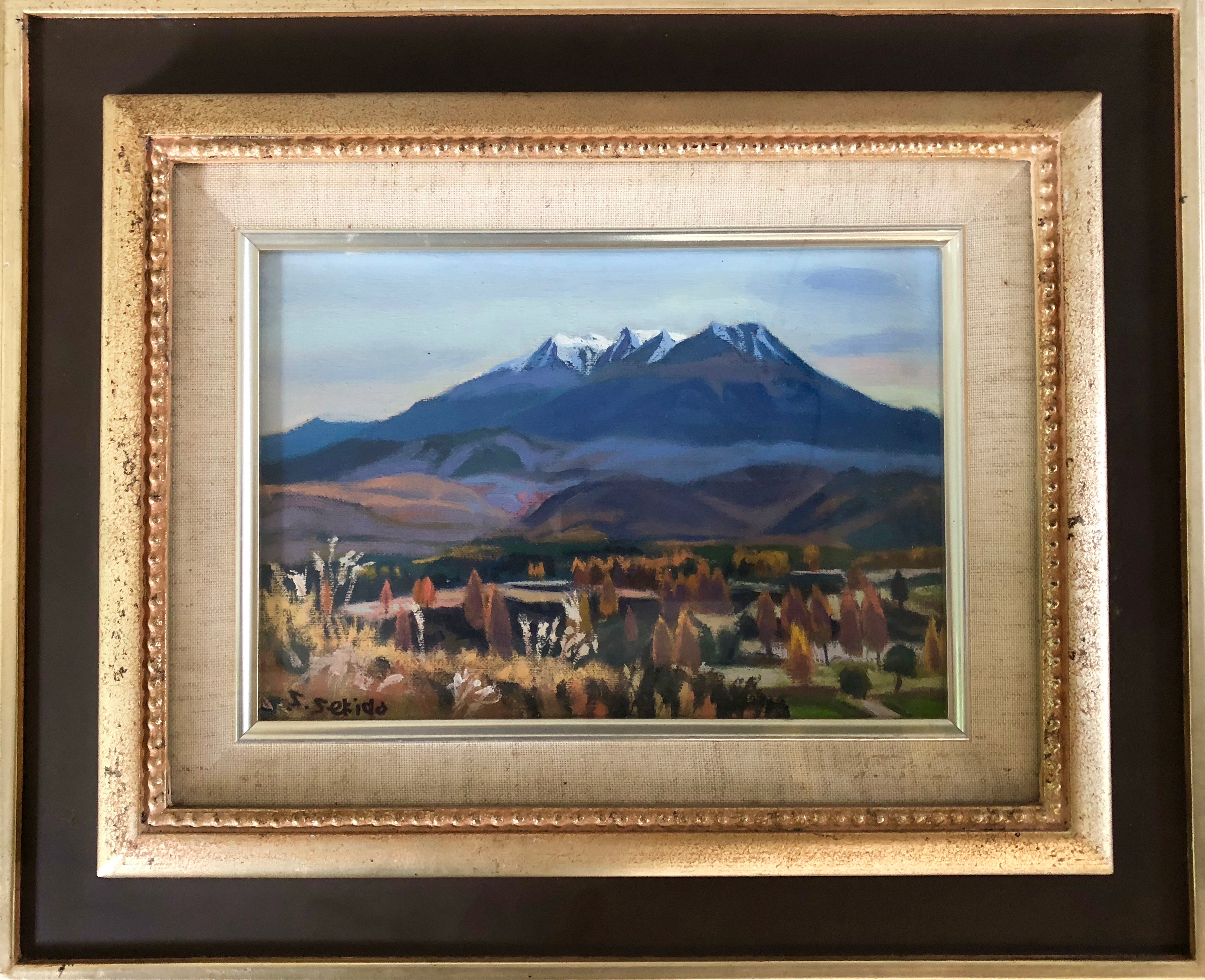
Speaking of painting, I had another mystery on my hands when I picked up a small painting that I saw online—a charming autumnal landscape done in the Western style by a Japanese painter surnamed “Sekido.” That was all I could see from the ad, aside from the irresistible price (for which you could get a throwaway cellphone). A quick run to Caloocan later, the painting—and a mystery—was mine.

Who was “Sekido”? Where was the place depicted? A Google search showed that a Yoshida Sekido (1894-1965) achieved some popularity for his exotic watercolors, but mine was an impressionistic oil, and likely newer; the signature was in Western letters. There was, however, something written in Japanese written at the back of the painting, and I posted an image of it to my international fountain-pen group and to my friends Lita and Fumio Watanabe.

After a day or two I got a tentative response. The painter’s name was Shosaku Sekido, born in 1939, and a member of Hakujitsukai, an association of Japanese artists who had studied abroad. There was nothing further on him online. Only one other word stuck out of the translation: “Kaida,” a place name. I looked it up, and found my quarry, in a series of pictures nearly identical to my painting: popular views of Mt. Ontake in the Kaida Highlands of Nagano Prefecture, Japan.

f2077fb5-c0eb-4fc4-b9ea-15a3a389e716.wide.jpg

Now, I said, to complete the experience, Beng and I will have to go there on our next sortie to Japan—but we’ll have to keep our distance, as Mt. Ontake is an active volcano, whose last eruption in 2014 tragically killed 63 people, including many tourists. The beauty is a beast—the kind of mystery we have few answers for.

(Photo of Forrest Ackerman from Wikipedia; photo of Jess Ayco article from Sun-Star Bacolod; photo of Mt. Ontake from trulyjapan.net)

Penman No. 283: (Happy (Digital) Anniversary

ebay2

Penman for Monday, December 25, 2017


IT USED to be, in simpler times, that we marked and celebrated only the most meaningful of anniversaries—birthdays, weddings, the passing of loved ones, and maybe the day when we became a lawyer, a professor, or a boss. In my case, things got even simpler because Beng and I decided to get married on my 20th birthday (44 years ago in a few weeks). It’s a decision I’ve regretted since—not the marriage, but the twinning of these events, because it would have been nice to have two separate days and two separate excuses to celebrate.

But in this era, when relationships don’t seem to last much longer than cellphone batteries and when people can instantly “unfriend” each other for the most peevish of reasons, anniversaries have become precious things, with millennials having to invent such clumsy portmanteaus as “monthsaries” or “mensversaries” to find relief in the completion of another month’s tetchy togetherness.

And then there’s the turn of the consumer year that merchandisers won’t let you forget; if it’s September, then it’s not only the start of Yuletide in the Philippines, but also the inevitable announcement of the new iPhone X, Y, or Z (accompanied by a deep intake of breath as the awesome new gadget is unveiled, followed by the gnashing of teeth once the price is mentioned).

And yes, of course, I have the new X, which I was intrigued by but surely didn’t need—people my age could have lived happily ever after with the iPhone 4s, if truth be told—but I felt like rewarding myself for having stuck with the iPhone for ten years since the first one came out. That’s what anniversaries usually do—compel you to repeat a lunatic act. (Those of us now screaming about the X’s price tag will do well to remember that the first one, with all of 16 gigs of memory, cost a princely 45K in September 2007, plus another 5K to hack for use with local telcos. And before anyone subpoenas my SALN as a UP prof, I got my X at a steep discount through my telco, by hocking my soul for two more years.)

The decade-defining X reminded me of two more anniversaries that fell this year, of the kind that makes sense only in the context of our new digital reality, where a few years might as well be a lifetime in terms of changes in the way we think and work.

Last December 17, I marked my 20th year on eBay, which means I’ve been a digital consumer for longer than some of my students have been alive. EBay began as Auction Web in 2005, but it was in September 1997 when it opened shop as eBay, so it turns out that I signed up just a few months after its official launch. My first eBay purchase was a 1950s Pelikan 140 fountain pen from Germany, which stayed with me until I foolishly sold it a couple of years ago; my most recent one this month, again from Germany, was a 1950s Montblanc 234 ½ fountain pen—how odd is that? (But perhaps no odder than another recent acquisition—a book of letters of the Jesuits in the Philippines to the King of Spain, in a French edition published in 1706.)

DPb-BQ_UEAAmCOg

Between those two purchases lies a long green trail of about 1,000 other eager buys (my 100%-positive feedback score stands at 869)—mostly pens, watches, and books, but also computers, phones, spare parts for everything, and things you can’t get from any store (like original Apple shirts, the blue ones Apple Store employees wear). Like the cliché goes, one man’s junk is another man’s treasure, and I’ve very often been that other man, crazy and willing enough to take your grandfather’s Parker 51 or that weird-looking Hamilton Piping Rock (yes, that’s what it’s called) off your hands.

Friends scared of doing business online often ask if I’ve ever been scammed or burned on eBay. In those hundreds of transactions, maybe two or three times, I either never received what I bought, or got something else; but since eBay has an ironclad guarantee, I got refunded in the end. Presuming you take the right precautions—examine advertisements down to the minutest detail; read feedbacks (although they’re not infallible); know your product; review its price history, etc.—eBay’s safe and easily the world’s largest bazaar open to Filipinos. My only word of caution: it can get addictive, especially since it’s cashless; expect your PayPal/credit card bill to soon read “eBay eBay eBay…”

My other anniversary thankfully came free: last March, I marked my tenth year on Twitter. Ironically, I’m not much of a social-media guy, and that Twitter account (@penmanila), which I must’ve opened in 2007 on a whim, lay dormant for most of that decade until two years ago, when—uhm—a certain candidate in a certain election got me so worked up that I quickly found my meek and gentle self embroiled in a full-scale Twitter war with a vandal army. (“Something wicked this way comes,” I tweeted, quoting Macbeth; it didn’t stay that lofty or that literate for long.)

Wicked

I’m now up to 760 tweets, and counting—still nowhere near the many thousands that my younger readers have unleashed upon the universe, but old guys think more slowly and our fingers take more time to travel across the keyboard. That’s actually good for social media and its trigger-happy culture, and I can only wish I were that pokey and that deliberate on eBay.

Still, happy anniversary, and Merry Christmas, all!

Penman No. 245: The Devil Is in the Data

movie-mistakes-5-the-matrix-1091436-twobyone

Penman for Monday, April 3, 2017


WE’RE OFTEN told that the devil is in the details, but today, you’ll likely find it in the data—that amorphous, often opaque stream of 1’s and 0’s whose infinite permutations define, describe, and direct our daily lives from our social-security pensions to our children’s grades.

Forty years ago, all you might have needed was an ID card, a driver’s license, and a passbook for bank deposits and withdrawals. You didn’t have a mess of numbers and certainly no passwords to memorize (and to lose). A signature was something you scribbled on paper with a pen, and an ID picture—invariably ugly and smelling of the sourish chemical bath it came out of—was a black-and-white mug shot the size of a postage stamp.

Speaking of which, if someone wanted to steal your “data,” they first had to steal an envelope with your name and address on it, and (if they wanted to keep the theft a secret) open the envelope gently with a cloud of steam. Postmen had to be waylaid, dogs euthanized, windows broken into, brass locks opened, and filing cabinets pried loose. Then, and only then, could the robbers get their gloved hands on your stock certificates, your paramour’s love letters, your UPCAT score, and your secret recipe for Lola Oryang’s Sinigang.

These thoughts crossed my mind last week as I sat in a committee meeting that pondered the impositions and implications of the Freedom of Information Act on government bureaucracies like our university’s. As old-guard civil libertarians, we all marched at one time or another for freedom and democracy, and have prized freedom of expression above all others, so it was probably safe to assume that we were all in support of freedom of information—the notion that citizens have the right of access to information from their governments, toward greater transparency and accountability, which presumably leads to better governance. (I’m not a lawyer, so this is my pedestrian’s appreciation of it.)

So the citizen asks a question, and the government provides the answer, right? Not so fast.  Like many good things, FOI isn’t as simple as it sounds, especially when you get down to the nitty-gritty of its implementation. This could have been why, despite calling for an FOI law for many years, Filipinos didn’t get one even under Noynoy Aquino, who promised it when he ran for president in 2009. It took President Duterte—in what I’ll hazard to be his most popular move among his opponents—to enact an FOI measure through Executive Order No. 2 shortly after he took office last year, since Congress, the keeper of many secrets, couldn’t pass an FOI bill.

The order mandated that “Every Filipino shall have access to information, official records, public records and to documents and papers pertaining to official acts, transactions or decisions, as well as to government research data used as basis for policy development,” with information referring to “records, documents, papers, reports, letters, contracts, minutes and transcripts of official meetings, maps, books, photographs, data, research materials, films, sound and video recording, magnetic or other tapes, electronic data, computer stored data, any other like or similar data or materials recorded, stored or archived in whatever format, whether offline or online, which are made, received, or kept in or under the control and custody of any government office pursuant to law, executive order, and rules and regulations or in connection with the performance or transaction of official business by any government office.”

FOI is supposed to work hand in glove with another initiative called Open Data, meant to be a repository of all the data requested from and proactively disclosed by the government, working through an eFOI platform where requests can be posted and processed.

That all sounds good if you’re going after an important or interesting document like a politician’s financial records, but again it’s not that simple. EO2 is accompanied by a list of nine major classes of exemptions, including sensitive personal information, trade secrets, and certain proceedings and investigations. (For all these documents, visit www.foi.gov.ph.)

In other words, and contrary to what some people might have naively expected, FOI is by no means an absolute right, bounded as it is by considerations such as those delineated by the Data Privacy Act of 2012. The DPA was designed to bring the Philippines and its booming BPO industry, which handles loads of personal data, in line with international privacy standards.

Between freedom of information and data privacy is a wide gray swath that’s still being demarcated by lawyers, ethicists, and the administrators who have to implement whatever the final rules are going to be.

In the university, we routinely receive scores of requests from, say, alumni looking for their old classmates and asking for their current addresses; unfortunately, even if we had them (which we often don’t), we can’t and won’t give them out. We can give you your transcript of records, but not someone else’s. These are the easier questions to deal with.

But what do you do when someone asks for the results of a publicly funded research project that could have commercial applications? How do you respond to a patently frivolous request for information (which, if properly framed and presented, the law still requires you to answer in some form within 15 days), like “How many blades of grass are there in UP Diliman?”

It’ll take a while to sort these issues out, which lie on the periphery of a larger and thornier ideological debate. We authors may believe our copyright to be sacrosanct, but there’s a whole “freedom of knowledge” school of thought out there (and even within academia) opposed to the idea of intellectual property and copyright, supported by groups that also advocate electronic civil disobedience.

“Is ‘We don’t know’ a valid answer to an FOI request?” I had to ask the people at our meeting, but I couldn’t get a categorical yes or no. Strangely enough, I found that ambiguity comforting, because it assured me that we still had a lot of thinking to do. Data is one thing, information another, and wisdom beyond legislation to establish.

freedomofinformation

(Image from techcrunch.com)


Penman No. 236: A Web of Entertainment

img_4017

Penman for Monday, January 30, 2017


IF I HAD to name three of the most important and most useful sites on the Internet that I’ve ever used, they would, unsurprisingly, be Google, Wikipedia, and YouTube. (Some would stick Facebook in there, but since I stay off the FB grid, I wouldn’t know).

Granted, they’re far from perfect and are eminently susceptible to manipulation by both the well-intentioned and the unscrupulous. It’s easy to become overly dependent on them for information, and to simply believe what they say and show without any kind of critical intervention. For many students and researchers, Google and Wikipedia have long replaced the physical library—and why not?—without minding the inflexible if inconvenient need for proper attribution of sources and for fact-checking. Google in particular gives weight to the popular, and in this age of fake news, post-truths, and “alternative facts,” where “If it’s retweeted a hundred times, it must be true,” the pitfalls abound.

But with enough awareness and discernment on the user’s part, they can be valuable tools for learning, and I have to say that I can’t possibly get as much work done as I do these days without drawing several times a day on these indispensable sites.

And there’s an even better reason, I’ve discovered, than cold research or trawling for factoids to explore these sites. They form a veritable Worldwide Web of entertainment, taking me to serendipitous discoveries of all sorts, thanks to the Web’s structure of hyperlinks. They often lead me to things and places I’d never have encountered otherwise, which is where much of the entertainment lies, in the continuously unfolding panoramas of knowledge that open up onscreen.

A good example came up about a month ago, while I was watching an episode of Great Performances on PBS (which I get by paying a small subscription fee, well worth the treasure trove of documentaries and arts programs). This one was titled “La Dolce Vita: The Music of Italian Cinema,” and it featured the New York Philharmonic Symphony Orchestra in a concert of classics by such renowned and popular film composers as Ennio Morricone and Nino Rota. (Morricone is a personal favorite—I keep playing Yo-Yo Ma’s rendition of “Gabriel’s Oboe” from “The Mission”, and even visited Morricone’s hometown in Cervara di Roma, where he’s venerated as a hero.)

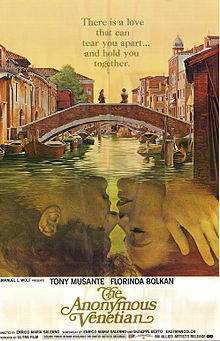
220px-anonimous_venetian

One tune that captured me was the haunting theme from a film called “The Anonymous Venetian,” played on the violin by Joshua Bell. I had heard the song before, but Bell performed it with such sublime intensity that it brought my wife Beng to tears when she listened in.

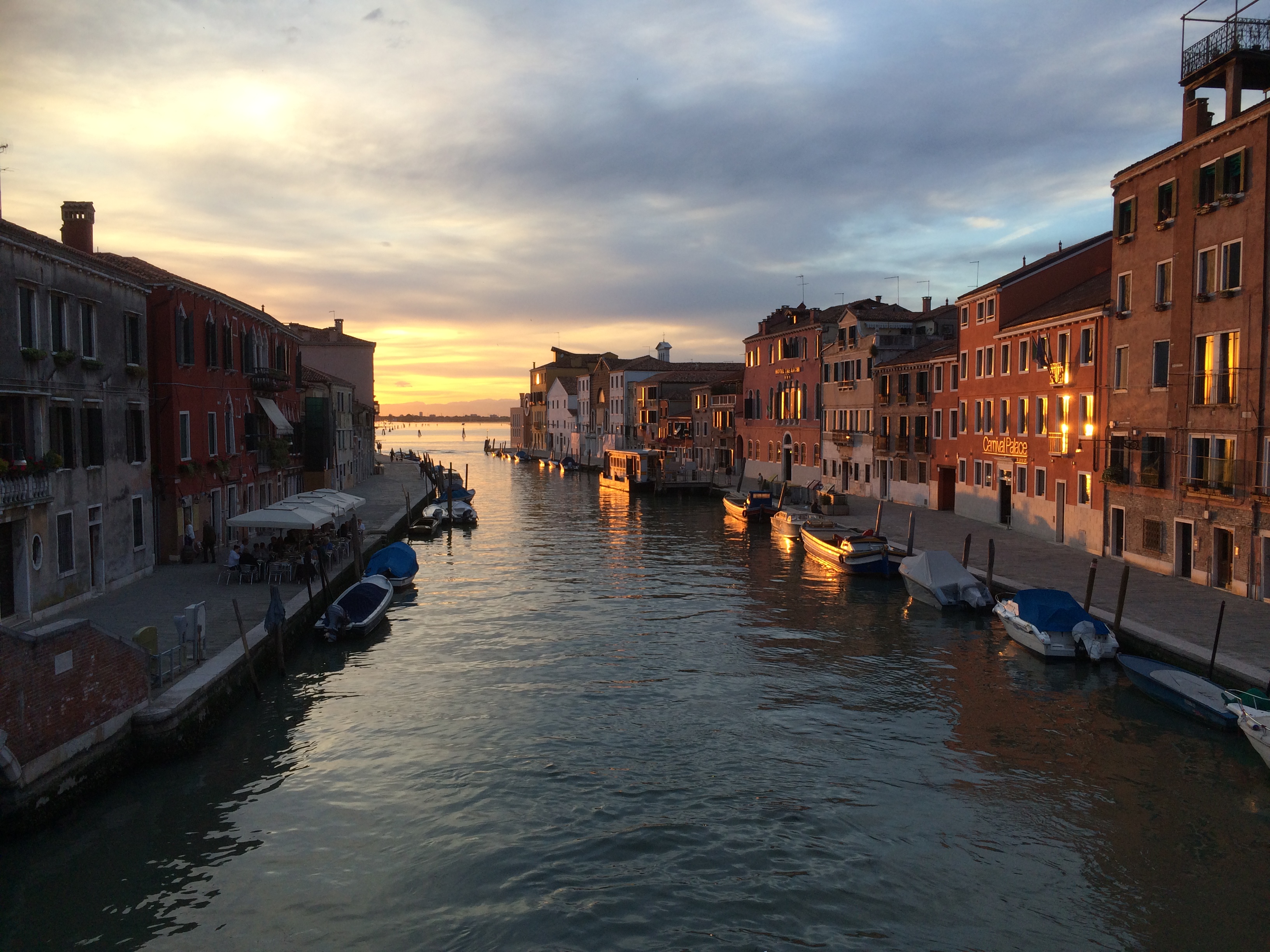
Now that I had the title, I went to Google to find out more about the song and the movie; Stelvio Cipriani had composed the music for the film, which had been directed in 1970 by Enrico Maria Salerno, starring Tony Musante and Florinda Bolkan. Further Googling revealed that the movie was about a terminally ill musician who meets his ex-wife in Venice, briefly rekindling their old passion. It was panned by the critics (and then again, some bad movies produce the best scores–remember “The Promise”?). I’m a fan of movies about Venice (Luchino Visconti’s “Death in Venice”, Nicholas Roeg’s “Don’t Look Now”) and Beng and I had spent some of our most blissful moments there riding the vaporetto on a one-day visit three years ago, so I went on eBay to buy the movie, but it wasn’t available on DVD.

Neither was it on YouTube, where you can find whole movies if you get lucky (and don’t mind the dubious provenance). But I was able to download the full PBS video on the PBS site and to find other versions of the song on YouTube, from which I cut clips to save to iTunes.

141170050

My attention then turned to Joshua Bell, who turned out to be something of a sensation in American music. Among other interesting factoids brought up about him by Wikipedia was that he owned and used a 1713 Stradivarius violin called the Gibson ex Huberman after two of its previous owners, a $4-million instrument which has been stolen not once but twice.

That led me to the story of the violin itself and back to YouTube, where a one-hour documentary titled “The Return of the Violin” traces the long and poignant pedigree of the violin, particularly its time in the hands of the Polish prodigy Bronislaw Huberman. Huberman received the violin as a gift from a Polish noble family in recognition of his astonishing prowess, but even more remarkably, he didn’t rest on his laurels; he saved many Jewish musicians during the Nazi period by recruiting them to join the Israel Philharmonic Orchestra, which he was setting up at the time.

bronislaw-huberman

At this point, I was getting far more than entertainment; I was getting an education in music and its humanizing influence, thanks to a few clicks on my keyboard.

Penman No. 218: History and Irony

11884866_supreme-court-extends-status-quo-ante-order_e9546b1e_m.jpg

Penman for Monday, September 26, 2016


I’D NEVER heard of Ramon Cualoping III and Marco Angelo Cabrera until their names were linked to the recent flap involving the use of no less than the Official Gazette in an apparent effort to sanitize the memory of Ferdinand E. Marcos by removing any reference to martial law—you know, the martial law that Marcos invoked to impose his dictatorial rule on his people from 1972 until he was deposed by a popular revolt in 1986. (Yes, he technically lifted martial law in 1981 but he continued to rule with a rubber-stamp legislature.)

Some Googling revealed that Cualoping was an Ateneo Communication Arts graduate, batch 2004, while Cabrera graduated from San Beda in 2013 and interned briefly with the Department of Foreign Affairs; he had also worked for Sen. Bongbong Marcos. Those are both fine backgrounds for jobs at the Presidential Communications Operations Office—just the kind of posting on which many young writers and lawyers aspiring for a political future have cut their teeth—and I can surmise from the dates provided that Messrs. Cualoping and Cabrera must be in their mid-30s and mid-20s, respectively—too young, therefore, to have personally known what the Gazette expunged.

In the interest of full disclosure, I was a government propagandist myself at an even younger age—19, fresh out of martial law prison. Having dropped out of UP and having worked for the Philippines Herald and Taliba just before martial law, I got a job with the PR section of the National Economic and Development Authority. The irony of going from writing incendiary flyers to trumpeting such new government projects as Pantabangan Dam wasn’t lost on me. But I was getting married and needed a job, and all the old media jobs were gone save for the Express and the Bulletin, so I was thankful for whatever came my way. (I would much later write hundreds of speeches for FVR, among other Presidents and political clients—mostly to pay the rent, occasionally for the sheer privilege—so don’t look at me as some crusading journalist.)

I don’t know what drove Messrs. Cualoping and Cabrera to the Palace; I’m assuming their motives were loftier than mine. I also don’t know what made them officially forget (hey, it’s the Official Gazette, right?) that FM declared martial law. I suspect they knew what happened, but chose to ignore the most salient fact about Marcos’ life, for reasons only they can tell. To his credit, Communications Secretary Martin Andanar effectively reprimanded his staff for the deliberate oversight and corrected the record.

I’ll leave further chastisement of these two gentlemen to the netizens who broke the story. From one PR pro to another, what I can tell them is this: I understand the job you have to do and even your private allegiances, but there are things—very big things much bigger than yourselves—that you just can’t sweep under the rug. Denying martial law or its disastrous effects on our society and economy is like telling Jews that the Holocaust never happened, or was actually a good thing. I salute you for your cheek, but what on earth were you thinking?

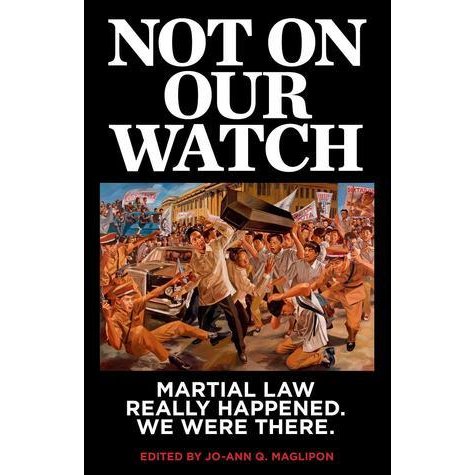
There’s a book I’d like to recommend to these two, one which I and a dozen other writers—all students during martial law—put out four years ago on the 40th anniversary of Proclamation 1081, titled Not on Our Watch: Martial Law Really Happened, We Were There. (For more on that book, see here: http://www.philstar.com/sunday-life/806191/lest-we-forget.) I wasn’t too enamored of the long title at that time, but now I appreciate the emphatic clarity of the thing; it’s just the sort of book martial law amnesiacs and deniers need to read.

16136602._UY475_SS475_.jpg

But even as we review history, there’s one thing that seems to have escaped many: the current debate about how to look at martial law and where to bury Ferdinand Marcos isn’t about the past; it’s about the future, and what kind of people we are and want to be.

I know that millennials tend to get beat up on because they don’t know enough about martial law, which is hardly their fault since we didn’t teach them enough about it. But it isn’t just them. When people my age express bewilderment over how Bongbong Marcos came so close to becoming Vice President despite his dad’s misdeeds, and how the Marcoses have survived so handsomely, I have to remind them that even under martial law, those of us who opposed Marcos were in the distinct minority. Most Filipinos supported martial law, actively or passively, or it wouldn’t have lasted so long. Like the Germans who supported Hitler, most Filipinos stood by while we faced the truncheons and firehoses—and even applauded 1081, early on, as the antidote to Communism (1972’s “war on drugs”). So what should we be so surprised about?

That’s why I’ve never referred to EDSA 1 as a revolution, because it wasn’t one in terms of changing anything fundamental in the structures and workings of our society. It was a popular uprising, a street revolt led by another faction of the ruling class, with broad support from the metropolitan middle class. That doesn’t mean I didn’t feel euphoric that February, and I still get teary-eyed when I remember the moment; I guess the poignancy comes from knowing what came afterward.

I have no doubt that if the Palace incumbent were to declare martial law today for whatever reason, a majority of Filipinos would support him, although a noisy few of us would be up in arms. Martial law ca. 1972 was also like that, and remained popular for many more years, especially among amoral businessmen who sang its praises until it hit them in the pocket. And then it all went downhill.

Contrary to what you might expect, I don’t see Marcos as a one-eyed ogre, but rather as a calculating Macbeth, keenly aware of his actions and perhaps even troubled by them. In my own turn with revisionism, I’ve even managed to convince myself—as I told the BBC in a recent interview on EDSA (a part which never got aired for lack of time)—that Ferdinand Marcos may have done us a final act of kindness by leaving without ordering a bloodbath. It’s an arguable notion (one I wouldn’t put on the Official Gazette) and it doesn’t change the fact that his regime took what it could until we bled, but as a fictionist and playwright, I like to imagine characters to be more complex than they seem.

A couple of years ago, at a cultural function in Quezon City, Mrs. Marcos preceded me by a few steps down a narrow staircase. She was clearly having a hard time navigating the stairs, and she looked back at me apologetically to say, “Hijo, I’m very sorry I’m keeping you.” I smiled and said, “It’s all right, Ma’am, please take your time.” I felt amused and strangely triumphant.

History is sometimes best seen as a series of comic and tragic ironies, which straight journalism and certainly government tabloids can’t dispense. Come to think of it, who gives a hoot about the Official Gazette? If you want to lie and get away with it, try fiction. I’d be happy to see Messrs. Cualoping and Cabrera in my graduate workshop.


Penman No. 186: What the Fax?

Fotolia_1659378_XS.jpg

Penman for Monday, February 1, 2016


A CASUALTY of the recent upgrade in my home-office setup, which I reported on last week, turned out to be something I hadn’t given much thought to in a very long time—my fax machine, or rather the fax part of my multi-function printer. Moving to a new Internet service provider also happened to mean giving up my old telephone line—one which was practically dedicated to faxing—and I realized, while plugging this line in and unplugging that one, that I really didn’t need a fax machine anymore. Who still sends faxes these days, anyway?

I tried to think of the last time I’d received a truly useful fax message, and I honestly couldn’t remember when that happened. A few years ago, my wife Beng would still receive faxed invitations to bid on certain government contracts for her art restoration business, until I told her to tell her senders that they were better off just emailing the invitations to her, which I suppose they did, because the faxes stopped. I even used to get spam faxes advertising car loans and real estate deals, which was the most annoying thing, because unlike junk email, faxes ate up your paper and your ink.

I’ve written requiems in this corner to late, lamented technologies, especially those having to do with writing and communication. In July 2011, I wrote one for the typewriter, noting that an Indian outfit called Godrej and Boyce—the last company in the world still making typewriters—was closing shop. In August 2013 I performed the same sad ritual for the telegraph (which sent its last full stop, again, in India). For a time, the fountain pen seemed fated to be tossed to the dustbin, thanks to the advance of the ballpoint, the rollerball, and of course the computer, but it’s undergone a remarkable resurgence, although more as a fashion accessory than a writing tool. We can write odes to the newsroom telex, the rotary phone, and the pager (I still have my EasyCall beeper, and when I stuck a battery into it the other day, just to see, it still gave off a faint green glow).

But the fax? Does anyone and will anyone truly miss the fax?

Before we try to answer that question, let’s take a long step backward and recall how the fax (short for “facsimile”) was born—in 1843, from a patent applied for by Alexander Bain, a Scottish inventor who’s also credited for the electric clock. The patent was for “improvements in producing and regulating electric currents and improvements in timepieces, and in electric printing, and signal telegraphs,” and one of its results was a contraption, using two pendulums, that transferred an image line-by-line from one to the other. Frederick Bakewell improved on the idea with his “image telegraph” in 1848, and in 1861, the Italian Giovanni Caselli did both men better with his “Pantelegraph,” the first commercial fax service between Paris and Lyon—more than a decade before the first working telephones! (Thank you, Wikipedia, for the factoids.)

The heyday of the fax was back in the 1980s, and that’s where many of us baby boomers will remember it from—particularly the smelly rolls of chemically impregnated paper that you needed to keep feeding the machine (and the Xerox machine in the corner, which wasn’t quite ready to take plain paper yet). Having a fax machine at home meant you were busy and important, and having a phone line dedicated to it meant you were doubly busy and doubly important. For senders, the thing to say was “Fax tone, please!” and if your listener heard you right, you got an ear-ache from the resultant screech.

We were still faxing in the 1990s, by which time I was an editorial writer and Lifestyle columnist for the newspaper TODAY. That meant I had to send my piece in by fax—email and Word attachments hadn’t quite caught on, yet. I remember what a thrill it was to pair my computer—a PowerBook 2400c, the precursor of today’s ultrathin MacBook Air—with my Nokia 6210, through the wonders of infrared. You had to line up the two devices so that their IR ports matched exactly, and in those days before Bluetooth and wi-fi, it was the coolest thing, giving you bragging rights as a “road warrior” in the “Roamin’ Empire,” as the computer and connectivity ads of the period trumpeted.

And then email and PDF happened, and suddenly all you had to do was to scan or even photograph a document—or even more simply, save it as PDF—and then to drag and drop it into your outgoing message. Like photographic film, faxing lost its reason for being in a historical instant, at least for most users.

There are, to be sure, holdouts who insist that reports of the death of fax are grossly exaggerated. There’s a piece online with exactly that title that even points out that instead of dying out, faxing has actually grown in recent times. “In 2010,” says the report, “the computer-based fax market was roughly $350 million per year, according to Business2Community.com. What’s the size of the market in 2013? The market for computer-based faxing is $620 million. Yeah, fax is still around. There are good reasons for the growth in electronic faxing, too. While e-mail has subsumed much of the role faxing used to play, fax technology still offers a number of benefits. These include the need for a paper trail, security, ease of use and business processes that are built around fax and are easier to keep alive than to replace with new processes.”

Take note, however, that the article says “computer-based” or “electronic” faxing, no longer the old method that required a special machine. It goes on to explain that “Just as phone calls have migrated to voice-over-IP (VoIP), fax has migrated to fax-over-IP. This digital version of the fax cuts out the need for paper and fax machines altogether, becoming a form of digital document that acts like e-mail but integrates more fully with older workflows and fax technology.” So FoIP (the “IP” is for “Internet protocol”) seems to be where Bain’s pendulums have gone, and its users argue that there are still things today’s fax technology can do—like provide digital receipts—that regular email can’t (a dubious argument, it seems to me).

As for myself, I’m glad to be rid of that old whine-and-screech. If you have a document for me, email it to me, or upload it to DropBox, and we’ll be saving a small stand of trees and a tub of ink in the process. I’m prone to weeping in remembrance of things past, but losing my fax machine simply leaves me radiant with the glow of digital liberation.

[Image from hlsbs.com]