Qwertyman No. 153: Our Literary Fathers

Qwertyman for Monday, July 7, 2025
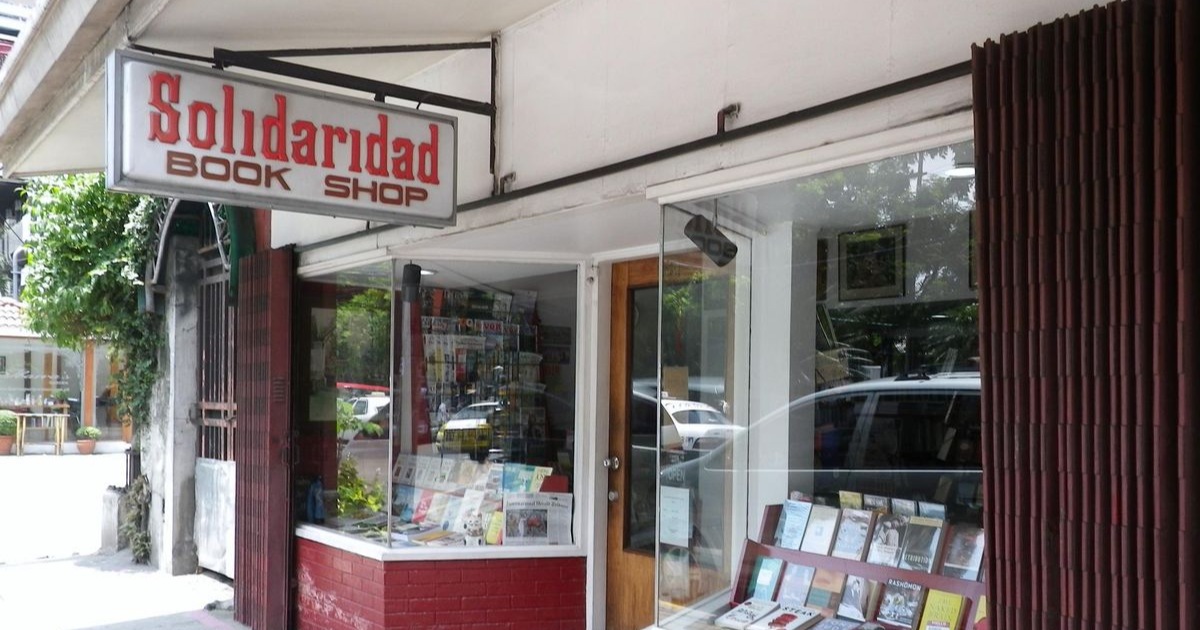
THE RECENT announcement of the impending sale of the Solidaridad bookshop in Ermita owned and run by the family of the late National Artist F. Sionil Jose understandably triggered a wave of nostalgia for the place, the old man, his dear wife Tessie, and for a bygone era when people strolled into book stores over their lunch break or after work to browse and pick up an Updike, a Le Guin, or a Garcia Marquez—and, of course, a Sionil Jose, and get it signed by the man himself if he was luckily around. Five decades ago, as a writer for the National Economic and Development Authority just a couple of blocks away on the same street, that browser would have been me, for whom Solidaridad and the equally legendary Erehwon nearby were a godsend, an unlisted perk. 

Indeed Solidaridad and FSJ (or Manong Frankie, as we his juniors called him) were inseparably conjoined in the public’s imagination of a man who was not only our most productive and best-known novelist but also an indefatigable purveyor of great literature and critical if occasionally controversial thinking, through his journal Solidarity and his long-running column “Hindsight,” this very space I was honored to have inherited.

Like many others—even those with whom he had quarreled fiercely—I was deeply saddened when Manong Frankie passed away three years ago. It was particularly bittersweet for me because we had become quite close in his last years, after having been somewhat estranged for the longest time. 

He had taken me under his wing on a writers’ conference in Bali in 1983, in a group of young, aspiring writers finding their way in a broadening literary world. But shortly after, in an interview with National Public Radio in America where I had gone to study, I offered my rather injudicious opinion of his prose—not mine alone—which he must have gotten wind of and found disparaging, because he gave me the cold shoulder afterwards. Like other younger writers, I would bristle at his hectoring moods—which I would better understand as I myself got older—during which he lamented the seeming alienation of the Filipino writer from his or her own social and political reality. 

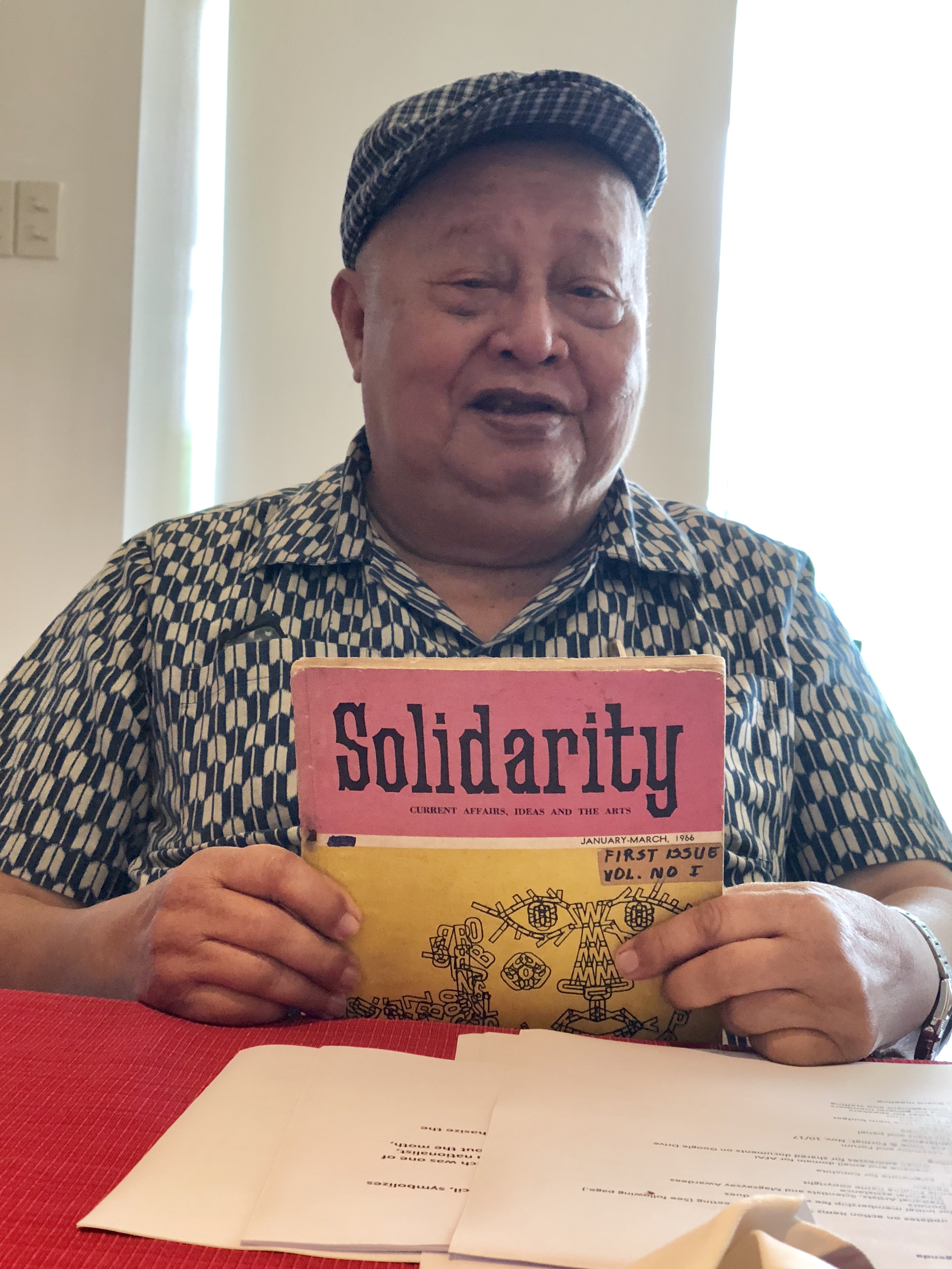
It was a concern we happened to share, and he began to know and appreciate me as someone who eschewed academic snobbery as much as he did, having transitioned to fiction from a background in journalism rather than the writers’ workshop system that he was deeply dubious of. In other words, we had more in common than each of us thought, and our work in the Akademyang Filipino brought us closer together. At one time I gifted him with the very first issue of Solidarity—Vol. I, No. 1—which I had found, and which he had not seen for ages; he was happy. After my speech at the Palancas in 2017, he came up to shake my hand.

Ironically, this happened at a time when FSJ, ever strongly opinionated, turned off many of his readers with his pro-Duterte sentiments, his putdowns of Nobel prizewinner Maria Ressa and others he thought undeserving of their fame, and his acerbic loathing of certain families he considered oligarchs despite their long having been supplanted by new and far more ravenous overlords. I did not share these views, and he knew that, but I think we had quietly decided that our friendship was more important than our politics. Shortly before he died, he sent me a brief letter that will be a cherished secret to keep until I myself pass on.
I didn’t learn writing from Manong Frankie; rather, I observed and admired his persistence and perseverance, literally writing to the last on what turned out to be his deathbed. I enjoyed his stories more than his novels, but in the end my own preferences don’t matter. He left a sprawling, robust, and indelible body of work that for many readers here and overseas will define Philippine literature in English for the latter 20th century. He led what our mutual friend the novelist Charlson Ong called “a well-managed life,” building a legacy partly through Solidaridad, Solidarity, and Philippine PEN which he led for a long time, apart of course from his work, and making sure he was heard when he spoke. 

His passing reminded me of the other members of his generation—his seniors and juniors by a decade or so—whom my generation in turn looked up to and at the same time, in that perpetual cycle of revolt and renewal, sought to depose. Nick Joaquin we adored as much for his prose as for his prodigious drinking (and seriously, for putting as much of his heart and craft into his journalism as into his fiction). NVM Gonzalez, who happened to have been born in Romblon (and not in Mindoro as many think) several kilometers away and forty years ahead of me, had that common touch many citified writers lost. Edilberto Tiempo I owe for urging me to return to school and devote my life to studying and writing rather than to bureaucratic servitude. 

Bienvenido Santos, twinkly-eyed and gently smiling, was my favorite of them all in terms of the quietude but also the emotional resonance of his stories, so graceful and yet so powerful. If I were to think of a literary father, it would have been Franz Arcellana, whose work may have been so vastly different from mine and yet, as my mentor in school, was the one I sought to please, slipping my story drafts under his office door and praying for his approval. Gregorio Brillantes, the youngest of them and perhaps more properly belonging to the next generation along with Gemino Abad, has been my writing hero for his superlative technique and unfailing sense of character. All these men (and women as well, for whom a separate story should be told) have taught me and my peers much, not just about the craft of writing but just as importantly the writing life, this vocation of books and words we have ddevote ourselves to for the bliss and yet also often the anguish of finding meaning in life through language.

Manong Frankie has passed on and soon so will his fabled bookshop, but his words, as well as ours, now have a life of their own.
Penman No. 469: Seniors and Their Stories

Penman for Sunday, December 8, 2024

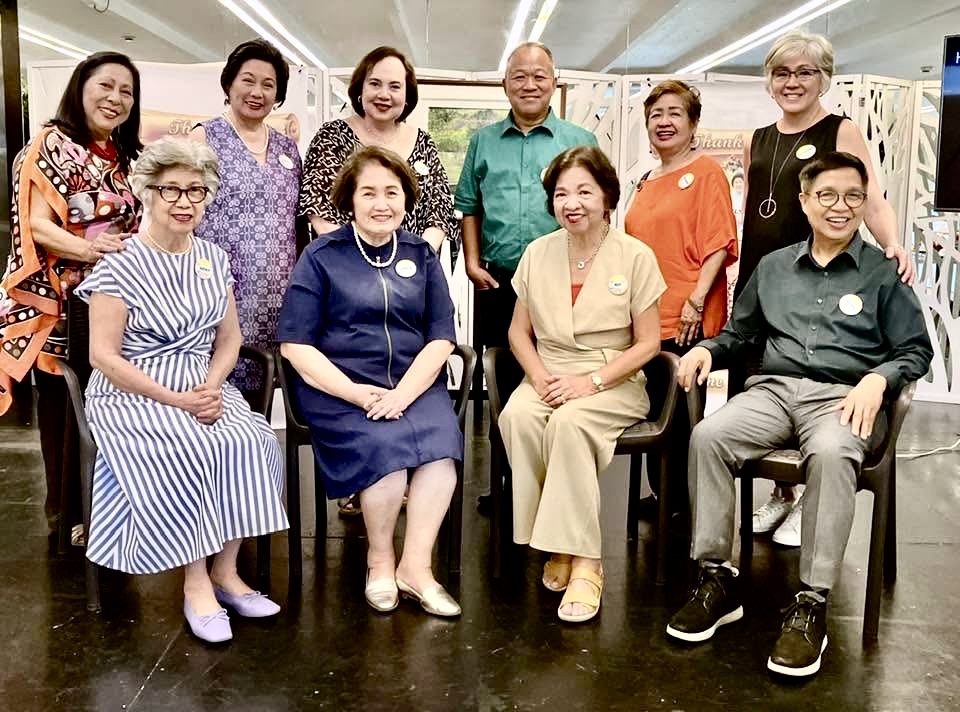
I HAD the privilege of attending the private launch of a book in Makati recently, a book titled Bridges of Memory produced by a group of seniors who had each contributed their poems, stories, and essays to the collection. None of them was a professional writer; I gathered that they came from distinguished backgrounds in banking, law, public service, and other pursuits. 

Prior to publishing the book, they had been mentored by an accomplished and experienced writer, the San Francisco-based poet Oscar Peñaranda, who just happened to be an old friend of mine. Oscar was in the US when the launch took place, so he sent a congratulatory video. I was pleasantly surprised to learn that this was already the “Sunshine” group’s (so named because they meet at the Sunshine Place for seniors in Makati) second such book.

As you might expect, the book contains the authors’ musings on life, love, and loss, the funny with the sad, the joyful with the tragic. The styles and the quality of the writing predictably varied, but the enthusiasm was palpably even, with all the contributors present eager to share their work.

At that very same moment, way across town, another mass book launch was being held at a major university, where one of the featured books was a long and distinguished biography that had partly been edited by me. I had also been invited to that event, but chose to attend the Makati one despite the Christmas traffic, because I had the feeling that it would somehow be a more enjoyable occasion, at least for me, as it would put me in touch with writers of a gentler disposition.

Having been caught in a whirlwind of literary activities over the past two months—from the Frankfurt Book Fair to the Palanca Awards to the PEN Congress—you’d think that I’d shy away from a small book launch, but aside from the fact that some of the authords were friends, I wanted to show my support for this kind of more personal writing and publishing that we too often take for granted as self-indulgence.

I’d seen books like this before, the output of writing groups, barkadas, high-school chums, and fellow alumni. They’re often triggered by an impending milestone, like a 50th anniversary or a grand reunion and homecoming.

The professional crowd might think of such volumes as vanity projects published by people who could never put out their own books. But then that’s the whole point: one person’s vanity is another person’s self-empowerment, and such private publishing reclaims the right to self-expression from the academic and commercial gatekeepers. The works they contain may not win any literary prizes, but they are as honest and heartfelt as writing can get, and satisfy the most basic urge that impels all good writers: to use words to give shape to one’s thought and feeling, and to share those words with others so they might think and feel the same way. They’re written neither for fame nor fortune, but to leave some precious memories behind for a very specific audience—although some pieces may be of such merit as to be more widely appreciated.

I’ve always said, even in my own creative writing classes at the university, that I believe that every person has at least one good story in him or her—and that it’s my job as a teacher to bring that story out. And people know this, too—many of them are dying to tell their story, but don’t know where and how, and who will listen. That’s particularly true for digitally-challenged seniors, who don’t have access to blogging, and who use Facebook for little more than “Happy Birthday!”

I’m particularly taken by the fact that these books are produced by seniors, who are increasingly being left out of a social world ruled by schemes and products for young people. Even within families—let’s admit it—very few grandchildren now have the time nor the patience to listen to their elders’ stories, much less to ply them with questions; they’d rather scroll through their social media than ask what a typical summer vacation was like half a century ago, or what people did before there were cellphones, computers, and satellite TV.

Years ago, fearing we would lose her soon because of her illness, I’d asked my mother to write down her memoirs in notebooks which I still keep. As it happened, she recovered magnificently, miraculously, and is approaching 97, still strong and alert, albeit a little slow. She walks every day, plays games on her iPad, and navigates Netflix on her own. When she’s staying with us (we siblings share her company), Beng and I pepper her with questions about her childhood in their village in Romblon, where she rode a horse and scooped fish out of the plentiful sea. The youngest of a dozen children, she was the apple of her father’s eye, and the only girl he sent to Manila for high school and college at UP. They had a rice mill, and snakes roosted in the large straw bins that kept the unhusked rice. But the snakes were to be feared much less than the beautiful encantos that came down from Kalatong on fiestas and lured their victims to join them with offerings of black rice. How could you not like and want to retell stories like that?

Our seniors are a treasury of stories to be told. They just need to be asked, encouraged to write, and published.

(For your copy of Bridges of Memory, email marketing@sunshineplaceph.com.)

Qwertyman No. 122: On Writing as a Profession

Qwertyman for Monday, December 2, 2024

FOLLOWING THROUGH on last week’s piece about the challenges faced by creative writers trying to make a living in this country, let me share some further thoughts on that topic that I wove into my Rizal Lecture last week at the annual congress of Philippine PEN. My talk was titled “The Living Is in the Writing: Notes on the Profession of  Writing in the Philippines.”

Our writers of old made a profession of writing, often by working as journalists, speechwriters, and PR people at the same time that they wrote poems, stories, novels, and essays on the side. Some also taught, and of course some writing comes with that territory, but with teaching you get paid for your classroom hours than for your word count. (To which I should also add, so much of the writing that our literature professors do today is understandable only to themselves.)

Our best and most prolific writers lived by the word and died by it. The two who probably best exemplified this kind of commitment to writing—and nothing but writing—were Nick Joaquin and his good friend Frankie Sionil Jose. Both were journalists and fictionists (in Joaquin’s case, a poet and playwright as well). We can say the same for Carmen Guerrero Nakpil and Kerima Polotan, as well as for Gregorio Brillantes, Jose Lacaba, Ricky Lee, Alfred Yuson, Cristina Pantoja-Hidalgo, and Charlson Ong, among others. 

These were all writers whom you never heard to claim, as has been recent practice, that “I am a poet!” or “I am a fictionist!” They were all just writers, for whom the practice of words was one natural and seamless continuum, and a profession they mastered just as well as we expect doctors, engineers, mechanics, and lawyers to do. This was also when journalists could be poets who could also be politicians and even reformers, revolutionaries, and heroes.

This was paralleled in other arts such as painting, where artists such as Juan Luna, Fernando Amorsolo, and Botong Francisco routinely accepted commissions to support themselves and any other personal undertakings. (Of course, this was well within the old Western tradition of writers and artists having wealthy patrons to help keep them alive and productive.)

But then came a time when, for some reason, creative and professional writing began to diverge, as creative writing withdrew from the popular sphere and became lodged in academia, where it largely remains today. Professional writing, or writing for, money, came to be seen as the work of hacks, devoid of art and honor. Even George Orwell urged writers to take on non-literary jobs such as banking and insurance—which incidentally T.S. Eliot and Wallace Stevens did, respectively—rather than what he called “semi-creative jobs” like teaching and journalism, which he felt was beneath them. (Orwell himself worked as a dishwasher in Paris, where he wryly observed that “nothing unusual for a waiter to wash his face in the water in which clean crockery was rinsing. But the customers saw nothing of this.”)

An attitude of condescension soon emerged among poets and fictionists who looked down on journalists as a lesser breed—something I have always warned my students against, having been a journalist who had to turn in a story, any story, by 2 pm every day on pain of losing my job. Never knock journalists. Let’s not forget that when it comes to facing real dangers brought on by one’s written word, poets and fictionists have it easy. The last Filipino novelist who was shot for what he wrote was Jose Rizal; the only writers dying today are our journalists and broadcasters in the hinterlands offending the local poobahs. Governors and generals read newspapers, not novels; they are impervious to metaphor.

Professional writers, on the other hand, saw creative writers as artsy dilettantes enchanted by fancy words and phrases that no one else understood and very few people paid for. Creative writers took it as a given that they were wedded to a life of monastic penury, unless they had another skill or job like teaching, doctoring or lawyering, or marrying into wealth. It even became a badge of honor of sorts to languish in financial distress while reaping all manner of writing honors, in the misguided notion that starving artists produced the finest and most honest work. 

The fact is, both are two sides of the same coin, which is the currency of public persuasion through words and language. One is an artist, the master of design; the other is the artisan or craftsman, the master of execution. Both can reside in the same person, unless you’re foolish enough to disdain one or the other. You can produce great art, if you have the talent, the discipline, and the hubris for it; but you can also live off your artistic skills, if you have the talent, the discipline, and the humility for it. 

(That said, I have to report that in my forty years of teaching creative writing, some of the students who find it hardest to switch to fiction are journalists, who just can’t let go of the gritty and often linear reality they’ve been accustomed to; poets come next, those who feel preciousness in every word and turn of phrase, so much that they can’t move from one page to the next without agonizing, or, going the other way, without drowning us in verbiage.)

This was why, more than twenty years ago, I designed and began teaching an undergraduate course at the University of the Philippines called “CW198—Professional Writing.” Mainly intended for Creative Writing and English majors who had very little idea of their career options after college aside from teaching, the course syllabus includes everything from business letters, news, interviews, and features to brochures, scripts, speeches, editing, publishing, and professional ethics. The first thing I tell them on Day One is this: “There is writing that you do for yourself, and writing that you do for others. Don’t ever get the two mixed up.”

Penman No. 468: A Game of Prompts

Penman for Sunday, November 17, 2024

I WAS in Dumaguete recently for a seminar organized by the Intellectual Property Office of the Philippines to encourage local authors and publishers to break out into the international market, following through on our participation at the Frankfurt Book Fair. I was asked to talk about “The Future of Literature,” but I chose to turn that around and talk instead about the literature of the future.

Taking off from the challenges and opportunities posed by artificial intelligence, I put forth a series of “provocations” that writers and publishers could think about. Let me share part of what I said:

My first provocation: the literature of the future, or some part of it, will be a game of prompts: not just or not mainly to copy existing writers, but to produce results that will be a hybrid of the author’s creativity in prompt-making and AI’s selectivity, drawing from its enormous stock of possible responses. This will be writing as a form of play, of co-authorship between man and machine.

Following through from this is Provocation No. 2: Expect the growth of the literature of hybridity—of more crossovers from one genre or form to another, from one language to another, from one sensibility to another. This is by no means new and has been happening for some time now, but there will be an even greater and more deliberate blurring of traditional boundaries, more experimentation.

To some extent, that will be because—and here’s Provocation No. 3, and to use this generation’s favorite trigger-word—there will be less gatekeeping. Or, if not less, then more resistance to or disregard of it. There will be more independent publishing and self-publishing to counter the influence of traditional publishing houses. But this free-for-all will also likely lead to a general decline of standards, as writers forgo the services of editors and the critical evaluations of quality- and market-minded publishers.

Provocation No. 4: The big novel will survive, simply because of the power of inertia, and because there will always be a need for something as capacious to contain and possibly comprehend the ever-growing complexity of human life. Our exposure to the international market at the Frankfurt Book Fair will also provide more impetus to the production of novels, something at which we Filipinos have not been particularly good at, historically speaking. 

On the other hand—Provocation No. 5—there will be a general shortening and simplification of form, as writing seeks to approximate the meme, or Tiktok. I don’t know exactly how this will happen, or what form it will take, but when I look at the frankly scary popularity of Lang Leav, I worry that people will see that kind of poetry as the new standard. Of course Emily Dickinson was just as short if not even shorter 150 years ago; she would have made a fine poet for our time.

Given what the world is going through, and the even bleaker future humanity faces, I propose—Provocation No. 6—that the literature of the future will be one of survival, of coping, of enduring. I have recently been advocating the need to produce a literature of hope, but that will be a difficult ask for young writers just trying to keep their heads above the water, and more understandably concerned with this life than with anything that may follow. Science fiction and fantasy will always go over the visible horizon, anticipating a distant future albeit in often dystopian terms, but for most, it will be the literature of next week.

And in that increasingly diminishing and threatening universe—Provocation No. 7—when our precious selves are all we have left to cling to, the literature of “I am,” the first-person narrative, and the politics of identity will prevail. When we no longer trust the government, business, education, our parents, the Church, and even God, and on the verge of losing control of our own petty lives, we will desperately fight to be recognized, acknowledged, and maybe even loved. We will leave nations and societies to the editorialists and social scientists; in fiction and poetry, we will seek solace and sense.

Let me just say a few words about the Frankfurt Book Fair, the 2024 edition of which I and some of us here attended last month. As you know, the Philippines will be Guest of Honor next year, which will do much to project the visibility of Philippine literature overseas. Even this year, many gains were already achieved by our writers and publishers, with dozens of deals signed for the translation and publication of our books in foreign markets.

Post-Frankfurt, Filipino writers will think of writing for the world—not necessarily in English although that’s always an option, but through translation, which will be the great equalizer. The huge surge in translation coming out of Frankfurt—not just from Filipino to English but from our other Philippine languages, including English, to other global languages—will forever change our literary culture, which has traditionally and quite unfairly favored our writers in English when it comes to recognition beyond our shores.

Also, and this may be a controversial point, I’ve long had this suspicion—and maybe Frankfurt proves it—that the rest of the world doesn’t really care about (because it doesn’t know about nor understand) the differences between Tagalog, Iluko, Bikol, and Cebuano etc. literature. When we reach foreign readers in translation, we’re all Filipino—and only Filipino—just as African or Indian literature  appear to us as cultural blocs rather than deeply variegated constructs. This has its positives and negatives, but I tend to lean on the positives, which are a reminder that our literature helps define a cohesive national experience and identity above the regional and ethnic markers otherwise so precious to us.

In one of my sessions in Frankfurt, I was asked a question, to which I replied: “I will always be more optimistic about literature than politics.” Given what has just happened in America, and what that will mean for the rest of the world, I have to believe this even more than ever.

Qwertyman No. 121: Fame, Fortune, and the Filipino Writer

Qwertyman for Monday, November 25, 2024

CREATIVE WRITERS don’t earn much in this country, unless they lend their talents to someone else, for far less literary reasons than writing a novel or a collection of poems. A senator might need to deliver an important speech to an international audience; a taipan might be marking a milestone like a 75th birthday, and fancy having his biography written; a conglomerate might want to have its history written and published, to trumpet its accomplishments and contributions to society. 

For all these, many novelists, poets, and essayists will drop their pens and exchange their metaphors for the plainer but more remunerative prose of public relations. I know I have; I’m one of these people for whom writing isn’t just an art but a profession, a means of livelihood, a trade I’m grateful to be able to ply instead of hauling gravel or fixing carburetors. 

I’ve been writing for a living since I dropped out of college and became a newspaper reporter at eighteen, and I’ve been at it ever since, even throughout my whole other life as an academic (yes, I went back to school and got all the right degrees just so I could teach). At seventy, I’m still working on three or four simultaneous book projects for clients, with my own third novel in the back burner. (I’ve already drawn the line at seventy; after these, no more, so I can focus on my own work, and live modestly off my professor’s pension.)

I daresay, however, that most Filipino writers don’t operate like this, either because they can’t (you have to park your ego at the door and be extremely adaptable) or they won’t (for some, writing for money is selling your soul, although you can always say no to jobs and clients you don’t like, as I have). So creative writers have to keep day jobs like teaching or lawyering or newswriting and editing, and tap away at their magnum opuses on the side.

Why do they even bother? It’s not as if they’re hoping to write novels that will become bestsellers, make them millions, and get sold to Hollywood or Netflix. Ours is also a culture and society not known for buying and reading books, unlike, say, the Japanese whose faces you’ll find buried between pages on the Tokyo subway. In a country of around 115 million people, a new book will still typically be published in a first (and likely only) print run of 1,000 copies, which will probably take a year to sell out, if ever (Filipino relatives and friends also expect to be given free signed copies, which they won’t even read).

So again, what are we writing for? Perhaps thanks to Jose Rizal (who, let’s not forget, was shot for what he wrote), to be a writer still carries with it an aura of honor and fame, the suggestion of some extraordinary talent, a special way with words. We may not pay or read our writers, but w e admire them, maybe because they seem to know something most people don’t, like saying “I love you” in enchanting ways, or drafting convincing letters and papers, or even just fancy words like “somnolent” and “adumbrate.” There’s some glory to be won in writing—maybe even a little cash, if you know how to market yourself.

Last Friday, at the PICC, many of the country’s best writers got together to bask in that shared glory. In one of the highlights of the literary year, 54 authors were feted at the 72nd edition of the Carlos Palanca Memorial Awards for Literature. Begun in 1950 and faithfully and generously endowed by the Palanca family, the Palancas are the country’s longest-running and most prestigious literary competition, and for the past seven decades (almost uninterrupted except for the pandemic) have heralded the emergence of our finest writers—in English, Filipino, and more recently our other major Philippine languages.

According to the foundation that oversees the awards, this year’s competition drew in 1,823 entries in 22 categories, with 60 winning works produced by 54 writers. New winners outnumbered previous ones by 31 to 23, a good sign of new talent emerging—and not just new but young. Five winners were 20 and below, the youngest being only 14 years old (and the oldest 78). That’s quite a range, which tells us that the future of Philippine literature is safe and strong.

I myself won my first Palanca when I was 21, and of course I thought I was God’s gift to literature—until I lost for the next four years straight. I probably learned more from those losses than from my lucky win, and as I grew older the writing became more important than the winning, but the incentives—a little of both fame and fortune—that the Palancas provided never diminished in their attractiveness, especially during the martial law years when there was very little publishing going on.

You certainly don’t have to join the Palancas or win one to gain a literary reputation, and the value of such awards can easily get overblown, such as when egos get the better of writers starved for attention. Ultimately prizes don’t count nearly as much as publication, and all those honors will be meaningless until and unless one’s books are read, understood, argued about, and maybe even cherished. (With the Philippines poised to become Guest of Honor at next year’s Frankfurt Book Fair, we can expect the global readership for Filipino works to increase, and international publication will be a new goal for our writers to aspire for.)

Not everyone who writes for a living can win a Palanca, but not everyone who wins a Palanca can make a living out of writing, either. I’m blessed and thankful to have been able to do both, but at this point in my life I’ve come to realize that even more than seeking fame or fortune, a writer’s greatest mission is to tell and spread the truth, in that moving and memorable form only art can deliver.

Qwertyman No. 82: How Young Filipinos See Their Future

Qwertyman for Monday, February 26, 2024

THIS SEMESTER, I’m teaching an undergraduate class in UP called “Professional Writing,” a course I designed more than twenty years ago to help English and Creative Writing majors (and other seniors in search of interesting electives) get a handle on what the “real world” out there expects of them, in the kind of everyday jobs they’re likely to land. Not Shakespeare, not Jose Garcia Villa, not lyric poetry and neither the full-length play, but rather the more mundane assignments you get paid a salary for: business letters, press releases, feature articles, AVP scripts, brochures, and speeches. 

I find myself telling my students that, in a way, what I’ll be teaching them—which is basically how to conform to organizational or institutional standards and norms—is counter-intuitive to what’s been thought of as the UP way of asserting oneself and even questioning authority. This mythified UP “yabang” or “angas” could be one reason why UP graduates don’t rank at the top of employable prospects for corporations. 

So I feel like I have to teach my students the virtues of humility and sufferance, of sticking with a job and doing it well even if it’s not the coziest or smartest thing in the world to do, and of the importance of execution and delivery with no excuses, no (audible) complaints, on time, and against all odds. Before they break the rules, they should know the rules, so they’ll know exactly what they’re breaking and why (I bring up how Picasso was a realist before he turned to Cubism).

Of course, I also tell them that the door swings both ways—they can also walk out of a job they can no longer take (like I’ve done a few times in my own career), but not before thinking through the consequences and figuring out one’s options. Innovation and initiative are great to show on the job—but they can also backfire if not handled well, given people’s (and many managers’) ingrained resistance to change. In other words, prepare for and learn how to deal with adversity, which can be a better teacher than I’ll ever be.

It’s going to be an interesting semester, seeing how the students are responding to my provocations. One of those provocations was our first in-class writing exercise, which was a “visioning” of sorts, where I asked them to look 20 years ahead (preparatory to their next task, which is to write a job application letter). I’m sharing some of their responses below (excerpted here with their authors’ permission) to give readers an idea of how young Filipinos see themselves in their own future. There’s a palpable strain of pessimism in these responses—and that’s understandable, but it worries me. We shouldn’t saddle our successors with the notion that things can only get worse. So I’m making a note to myself: teach reality, teach adversity, but above all, teach hope. Having survived this long, despite everything we had to go through, should yield a useful lesson or two.

Student A: I remember telling myself upon entering college, “If I end up becoming one of those people I despise—a heartless doctor, a vain lawyer, all in the name of shameless success—I’d rather not enter UP.” Twenty years from now, the Philippines—and by extension, me included—will probably still be trying to heal from all the abuse that accumulated through time. In my dejection, I see the country still having a hard time distinguishing the morally right from wrong. Yet I hope that it would be otherwise. My hope sees differently from my rational musings, my hope sees the tide calming, a time I no longer have to convince my father of a reality so transparent it bites us in the face like a serpent.

Student B: I struggle to think of what the future holds for me. Truth be told, I struggle to think of a future with me in it at all. I find that thinking of the future brings with it a wave of dread, because even if the state of the country miraculously improves, there will always be a bigger power that inevitably ruins things for everyone else. However, if I somehow manage to be present still, (through either sheer luck or spite), I will likely be working at an office or a school somewhere. I’ll have a cat or two if the landlord allows it. Who knows if I’ll ever get married. The only thing I’m sure of is that I won’t have children—I can’t, in good conscience, bring someone else into this mess of a world.

This all sounds pessimistic, but in reality, I would actually call myself an optimist in day-to-day life. I want to think the best of people, and I believe that people are inherently kind. There is still a chance for things to improve, for everything to work out, but I can’t ignore the sinking feeling that it’ll only get worse from here. It might seem like we’ve already hit rock bottom, but somewhere, some world leader has brought a shovel and they’re ready to dig.

Student C: In many ways the country is a better place. People are more free to be who they are and love who they love, without fear. We have made leaps and bounds of progress in research and development. Science creates new technology, and we artists learn new ways to create, adapt, and keep toe-to-toe. Because I’ll be damned before I let the machines win. Yes, life is better. For those who can afford it. I want to afford it. But those braver than me fight for a future where everyone need not to. Because that’s the thing about human nature. Fighting is instinctual. Through war, poverty, and inequality, there will always be people fighting for something better. Many because they have no choice but to fight or die—fight to survive. Others because they owe it to someone, maybe themselves, to be the source of hope they want to see or have seen before. 

The country is far from perfect in 2044. Those selfish, like myself, have found a good life amidst a rotten core. We have survived. I have survived. Now it’s time to finally be brave. In 20 years, I know I’ve learned so much. Let me teach what I can. 

Penman No. 451: A Harvest of Books

Penman for Sunday, June 4, 2023

IF YOU’RE reading this on this Sunday morning, then it’s not yet too late for you to find a cab and get yourself over to the World Trade Center in Pasay City to catch the last day of the Philippine Book Festival, and have your favorite Filipino authors sign their books for you.

Organized by the National Book Development Board (NBDB) in partnership with the National Library and other agencies and organizations, the PBF will showcase the best of new Philippine writing and publishing, with the bonus of having most of the authors around for signings, chats, and the now-obligatory selfies.

Since the Internet took off thirty years ago, people have been declaring that “Books are dead!” (And even before that, “The Author is dead!”—although, of course, not quite in that almost literal sense). Well, guess what—both are very much alive, whole new generations of them, as if the Internet never happened. I don’t have the hard figures to show—I’m sure the NBDB has them—but just from what I’ve seen at the past Manila International Book Fairs (the next one of which will be held in September), there’s much more new writing and publishing happening now than there was before the Internet. 

There are many drivers for that, one of which has to be the proliferation of writing programs and workshops, whose graduates really succeed only when they come out with books. (Like I often remind Creative Writing grad students who take forever to “perfect” their thesis projects, “You’re writing for no more than five readers—your dissertation committee—and when you’re done, your thesis will be sitting on a solitary shelf. Just do what you need to pass the damned defense and focus on producing your first book out of that draft! Your real examiners will be your readers.”) 

Another factor is the growth of the publishing industry, which has become much more diversified in terms of ownership, material, and audience. The long years of martial law drove much creative output underground, so to speak, with few available venues for literary publishing and only competitions like the Palancas providing incentives for continued production. (On the other hand, the government presses kept churning out books on the First Couple’s abounding wisdom.) Post-EDSA, the pent-up dam broke, and literature flourished, but still hardly on the scale we’re seeing today.

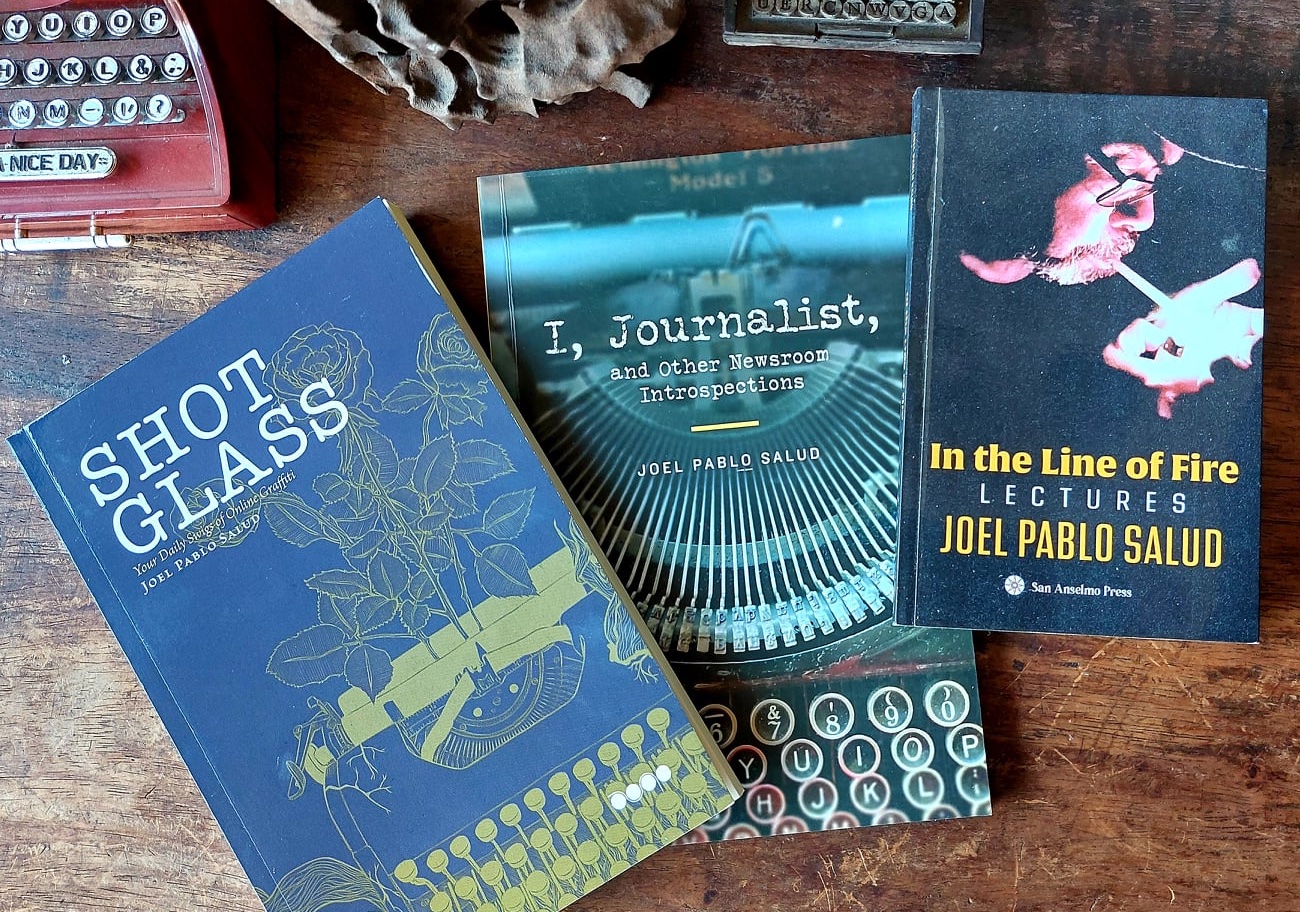
I suspect that’s because many new players have gone into publishing, finding niche markets for everything from religious and self-help books to graphic novels and high-end coffee-table books. Among these, I’d count Milflores Publishing, founded by the late Tony Hidalgo and now in the hands of the very capable Andrea Pasion-Flores. Balangay Books, focused on local literature, has been opening doors for new young authors, and belongs to the Indie Pub Collab PH, a group of independent publishers. Down south, Savage Mind Bookshop and the Ateneo de Naga University Press have made great strides in literary publishing not just in the Bicol region but well beyond. Emerging in the wake of the Pink Revolution, San Anselmo Publications has made a name for itself as a purveyor of progressive thought. A recent visit to OMF Literature’s bookshop and office along Boni Avenue showed me how Christian literature is flourishing, attracting both new authors and readers. 

Let’s not forget self-publishing, which with such new technologies as print-on-demand and e-books has outgrown the stigma of “vanity” publishing and has produced both commercial and critical successes. While overall quality remains highly variable, the free Internet has empowered and enabled a new generation of young people to feel like they can become “writers” by posting on such sites as Wattpad—and some of them will be. (The irony here is that, as on Amazon, writers who succeed in their e-book debuts then get picked up by publishers of physical books.) Professional design and editorial outfits such as Studio 5 and Perez NuMedia also exist to help individuals and institutions turn their ideas into prizewinning books.

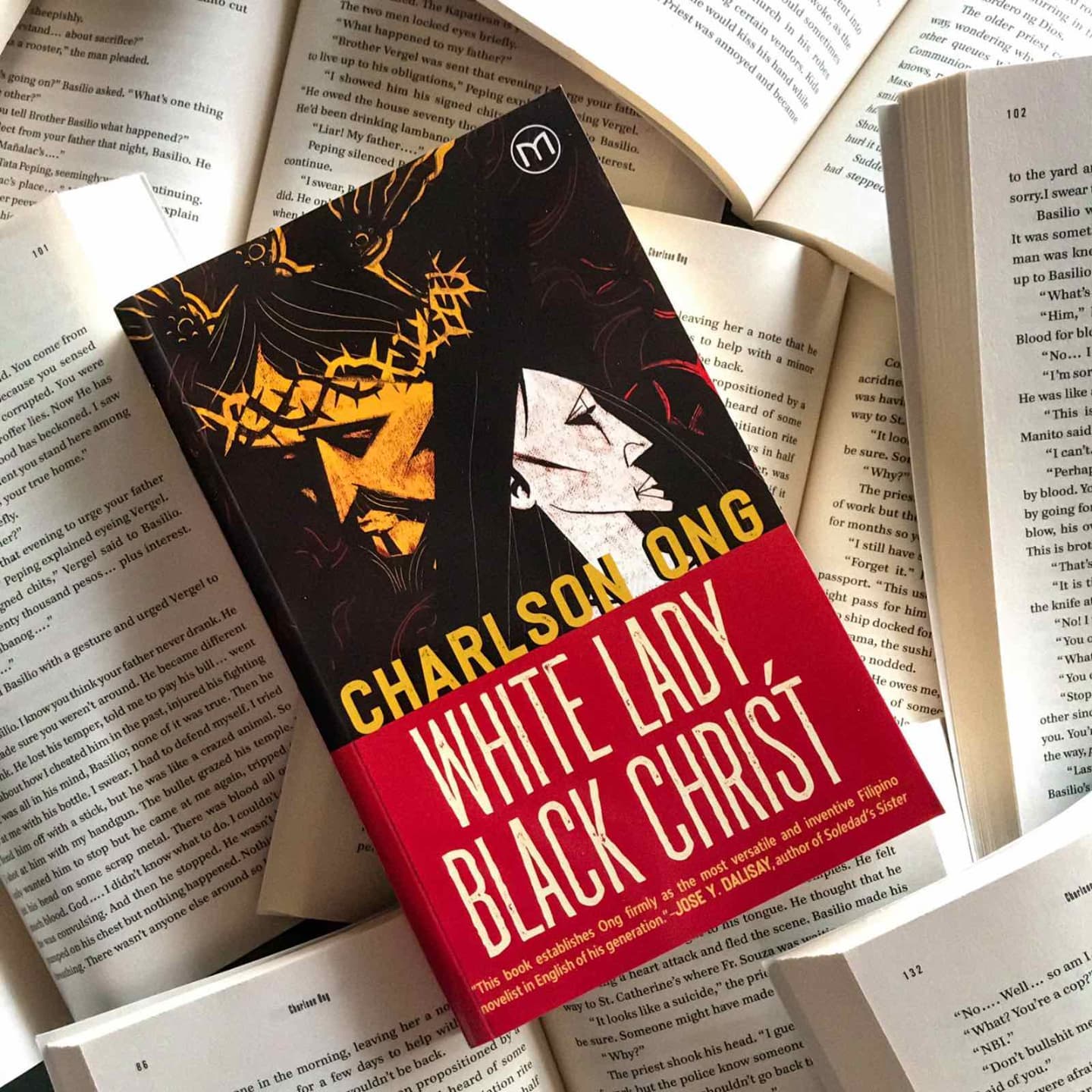
And then of course the long-established big-name publishers and academic publishers are still around: Anvil Publishing, UP Press, Ateneo de Manila University Press, UST Publishing House, and the University of San Carlos Press, among others. Vibal Publishing has produced impressive and sumptuously printed historical books—as has, let’s not forget, the National Historical Commission. They remain the publishers of choice for what might generally be considered prestigious but non-commercial projects, although their marketing savvy has vastly improved, from book design to distribution (much of the bookselling has moved online, to Shopee and Lazada). But since the wait at these publishing houses tends to be long, even established Filipino authors like novelist Charlson Ong (White Lady, Black Christ) have gone with such alternatives as Milflores (as did I, in its previous incarnation), which can often provide speedier results with no sacrifice of quality.

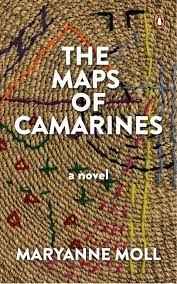
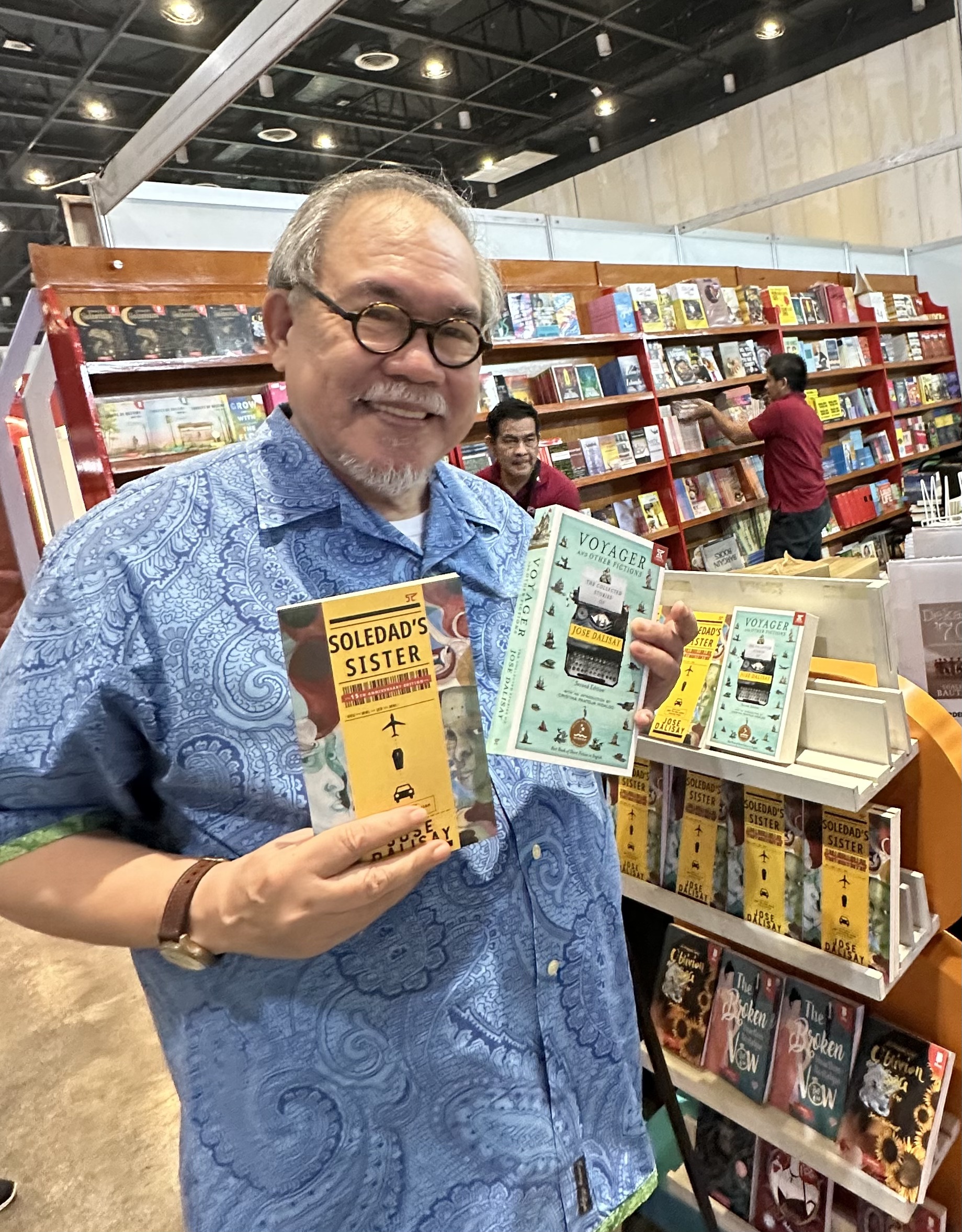
One more thing: more Filipino authors have begun to get published and noticed abroad, beyond America. Note the recent publication of Ulirát: The Best Contemporary Stories in Translation from the Philippines, edited by Tilde Acuña et al., and the South Africa-based Jim Pascual Agustin’s Waking Up to the Pattern Left by a Snail Overnight, both by Gaudy Boy in Singapore. Singapore is also where Penguin Random House SEA is based, and from where it published Danton Remoto’s novel Riverrun and his book of stories The Heart of Summer(aside from his translations of our classic works in Filipino), and Maryanne Moll’s novel The Maps of Camarines. I’m also happy to report that my novel Soledad’s Sister just came out in a German hardcover edition (as Last Call Manila) from Transit Buchverlag, following earlier editions in Italy, France, and the US. A 15th-anniversary edition of the novel, along with a new edition of my Voyager collected stories, are on sale at PFB—as are almost all of the books I mentioned here, with their authors on hand to sign them.

So wait no further and grab that ride to the WTC, for your share of this bountiful harvest of Filipino books. (Did I say that entrance is free?)

Penman No. 445: Some Notes on Travel Writing

Penman for Sunday, December 4, 2022

I’M SURE you’ve noticed—with much envy in my case—how so many of your friends have been traipsing around the world these past few months on what’s been called “revenge travel,” that perfectly human impulse to flee the cage after years of imposed isolation. 

And whether you’re guzzling down a pint of beer in Munich, chasing pintxos in San Sebastian, or crossing a bridge in Kyoto, the chances are you’ll be happy with a raft of digital photographs to show for your adventures. Many will want to post about their tours on their blogs, while a much smaller group will—perhaps months later—sit down to reflect on their experience and write about it in an effort to make better sense of what they went through. 

That’s something I’ve done myself from time to time, and so I thought of sharing some notes for the prospective travel writer—not just of the usual travel feature we produce for commercial media, but of a more personal kind of travel essay, one focused as much on the traveler as on the place itself. Beyond reportage citing facts and figures, this is writing that implicates and engages the traveler, the writing persona, and makes him or her a character in the piece. 

At my age, I consider myself a fairly well-traveled person, but one of the first things I want to say about good travel writing is that it’s really not about where you’ve gone or how many countries you’ve been to. It’s not about quantity, but quality of experience, perspective, and insight. The challenge isn’t to go to what to most Filipinos would be an exotic place like Paris or Tahiti. It’s to go there and to find and to tell us something about it that millions of other visitors or tourists have never seen.  

And when I say “something others have never seen,” it’s not about looking for obscure places, new bars, strange customs, or unique souvenirs. They could all be part of a great story because they’re intrinsically interesting, and if all you want to do is a standard feature story for a magazine, that would be all right. You could even make a good and exciting living writing these travel features, because the industry travel constantly needs them and they sell. 

For many of us, that would be a dream job: fly off to faraway destinations and to first-class hotels with all your expenses paid, just to write about how wonderful the place and the experience was. In my two decades as a columnist for the Lifestyle Section of the Philippine Star, I was lucky to have had a taste of that kind of luxury, having been sent on special assignment to the US, Germany, Israel, and Malaysia, among many other places. When I traveled for academic or professional conferences, which was quite often, I wrote those up too as travel pieces.

But—putting on my creative writing teacher’s hat—I also want you to think of travel writing not just as a function of place, but rather a function of mind. I want you to realize that you don’t need to go to an African safari or to ride a gondola in Venice to be a good travel writer—or a good writer, period. I want you to be able to turn a place you may have been to a thousand times or even lived in—say, Cubao—into a travel destination, and to explore not just its surface but its culture and subcultures, its inhabitants, its range of markets, its daytime and nighttime versions.

There are always two tracks embedded in a good travel essay: the story of the place itself, and the story of the traveler. To put it another way, there is the external journey, and the internal journey. 

The external journey is the story of the journey itself—the purpose of the travel, the choice of destination, the mode of travel, observations along the journey, reaching the destination, first impressions, engagements with the local people, sights, food, experiences, and other vignettes until departure time. 

The internal journey is the story of the traveler’s life situation at the start of the travel—his or her expectations, anxieties, distractions—and then his or her reactions to the unfolding environment, his or her interactions with the place and people, and his or her terminal thoughts and feelings about the whole experience, whether explicitly stated or implied. Very often, the internal journey involves some kind of quest—a search for something beyond the place itself, or some object in it, but an answer to some personal question, which gives meaning to the visit and the encounter with the place. 

That question could be “Who am I?” or “Where do I belong?” or “What do I really want?” or “Is there hope?” As the travel progresses, the answers to these questions begin to be formed or revealed. Thus do the external and internal tracks run parallel or congruent until they bend and meet at a certain point. Indeed, it can be argued that the external track, the travelogue itself, is simply an excuse or a device to tell the personal story, which emerges as the true point of interest in the piece. 

The internal track could also be subtle and subdued, embedded in the main narrative, and palpable only upon closer reading. Nevertheless it will be there, the result of a place or an experience’s impact on a person. In the travel essay, therefore, it is the interaction between person and place and the insight that comes from it that is the real, unified story. 

As the great travel writer Pico Iyer put it, “We travel, initially, to lose ourselves; and we travel next to find ourselves. We travel to open our hearts and eyes and learn more about the world than our newspapers will accommodate. We travel to bring what little we can, in our ignorance and knowledge, to those parts of the globe whose riches are differently dispersed. And we travel, in essence, to become young fools again—to slow time down and get taken in, and fall in love once more.” 

So when you write your next travel story or travel essay, don’t just tell us about what you’re looking at, which many thousands of visitors before you have already seen. Try to look at it from another angle, or find an interesting detail that’s been paid little attention to, and reflect on what it says to you. Your perspective is as important as the place itself; it may not be shown or expressed too strongly, but it will be there and should be there, for the work to be truly yours, truly unique, and truly worth doing. Happy trails!

Penman No. 416: Tips for Freelancers

Penman for Monday, June 21, 2021

A GROUP of freelancers—people who write for a living but who prefer not to be tethered to any single employer—recently asked me to share some advice on how to get the most out of their job. Even in normal times, freelance writing has never been easy. You are basically on your own, dependent on your network of contacts and on your resourcefulness to get that next assignment and get that story published. While the Internet may have opened up new opportunities, it has also intensified competition and imposed new demands. 

Having been a professional writer and editor for almost 50 years, I was happy to give them these tips:

1. Broaden your interests. If your main interest is arts and culture, learn something about science and technology. Know your history, and gain even a basic understanding of economics. Don’t be choosy. As long as the job pays fairly and will not harm you in any way, do it because it will be another learning experience and will add more value to your résumé. 

2. Expand your capabilities. Learn the basics of good photography and invest in a good camera (even a good smartphone), as it will add value to your articles and make them easier to sell. Learn to write bilingually, especially as many clients will need scripts or articles in Filipino. Expand your genres, so you can write not only features but scripts, speeches, reports, and other marketable materials. Master the language, so you can also do editing work. Learn the basics of web design. 

3. Know the market. Writing single articles can be fun, but I doubt that they will make you enough to support yourself and your family. The physical magazines have shrunk to almost nothing, and while there may be money to be made online doing nearly mechanical work, you will want something more engaging and more remunerative. In my experience, a freelance writer can make the most from writing commissioned books. 

4. Learn to market yourself. This means you have to put yourself and your name out there, meeting people from all backgrounds. You may have to attend art exhibit openings, book launches, anniversaries, and other functions to make contacts and get to know what’s going on. Get on the mailing and invitation lists of embassies. Make friends with key media people. You may even have to do a few “freebies”—free publicity—just to get known. Maintain a blog that will display both your writing and your photography—indeed, your style—so potential clients can have an idea of how you write and how you will treat their material. Write a book—that will be the best way to get yourself noticed as a writer. Ask yourself: if someone were to Google my name, what will they find? Provide a positive answer to that. 

5. Be thoroughly professional. Be mindful of appointments, contracts, deadlines, accreditation, receipts, and taxes. Treat every job, no matter how small, as your first, last, and only job. Attend meetings promptly, dress smartly, speak knowledgeably—all of these contribute to the impression your client will make of you. Digitally record all interviews, after asking prior permission; never rely on handwritten notes. Back up your files to the Cloud and to an external drive. If the job is big enough, ask for a written contract, or at least a signed conformé to your proposal. 

6. Treat your work as a business. You will get more—and also more substantial—writing jobs if you are able to issue official receipts. This means getting properly registered as a business enterprise with the SEC, the BIR, and other agencies. To get government contracts, you need to be accredited with PhilGEPS, or the Philippine Government Electronic Procurement System. These accreditation processes can be tedious and expensive; you will also have to file taxes every year and do your own bookkeeping. But if you want to write for a living for the rest of your life, it’s an investment that will pay for itself in the long run. 

7. The writing life can be full of delightful freebies. I’m not telling you to reject them outright—Lord knows your professional fees are small enough, so these can be taken as compensation in kind—but don’t lie, and don’t be a party to fraud or misrepresentation. If you can’t write honestly about a product or a service, don’t take any favors coming your way. Like they say, there’s no such thing as a free lunch—but make sure your lunch isn’t poisoned and will kill you later.

8. Maintain your integrity. As I said, don’t be too choosy and too proud, especially if you’re starting out and trying to build a name. But don’t undersell yourself, either, and try not to get exploited. I say “try,” because in practice, at some point or other, someone will exploit you, whether you’re aware of it or not. Learn to say “No” if and when you have to. Compromise is good and even often necessary, but draw a line in the sand beyond which you will not go. Money is important, but it is not everything. Other and better projects will come. Unless you are desperate, do not take on jobs that will not make you happy; at least, make them pay well for your unhappiness. 

Penman No. 409: My Strange Romance

Penman for Monday, March 15, 2021

AS A RETIRED professor, I’m used to receiving requests for me to give lectures and short talks on a variety of predictably serious topics ranging from Philippine literature and culture to academic freedom and martial law. Time permitting—something people assume retirees to have in spades—I’m usually happy to oblige. I’m not a naturally talkative person—my wife Beng complains that I seem to grow more telepathic with age, replying to her rhapsodic reports on her orchids and bougainvilleas with appreciative grunts—but I find it easy to write and deliver short essays on just about anything, having been trained all my life to do just that. (My first newspaper job at the Philippines Herald, at age 18, required me to fill up the upper half of the features page with something—anything readable—every day.)

But within days of each other recently, I received two messages asking me to give one-hour presentations—including a Q&A—on essentially the same subject: my favorite things. Well, of course that’s not exactly how they put it, but for me it came down to that. 

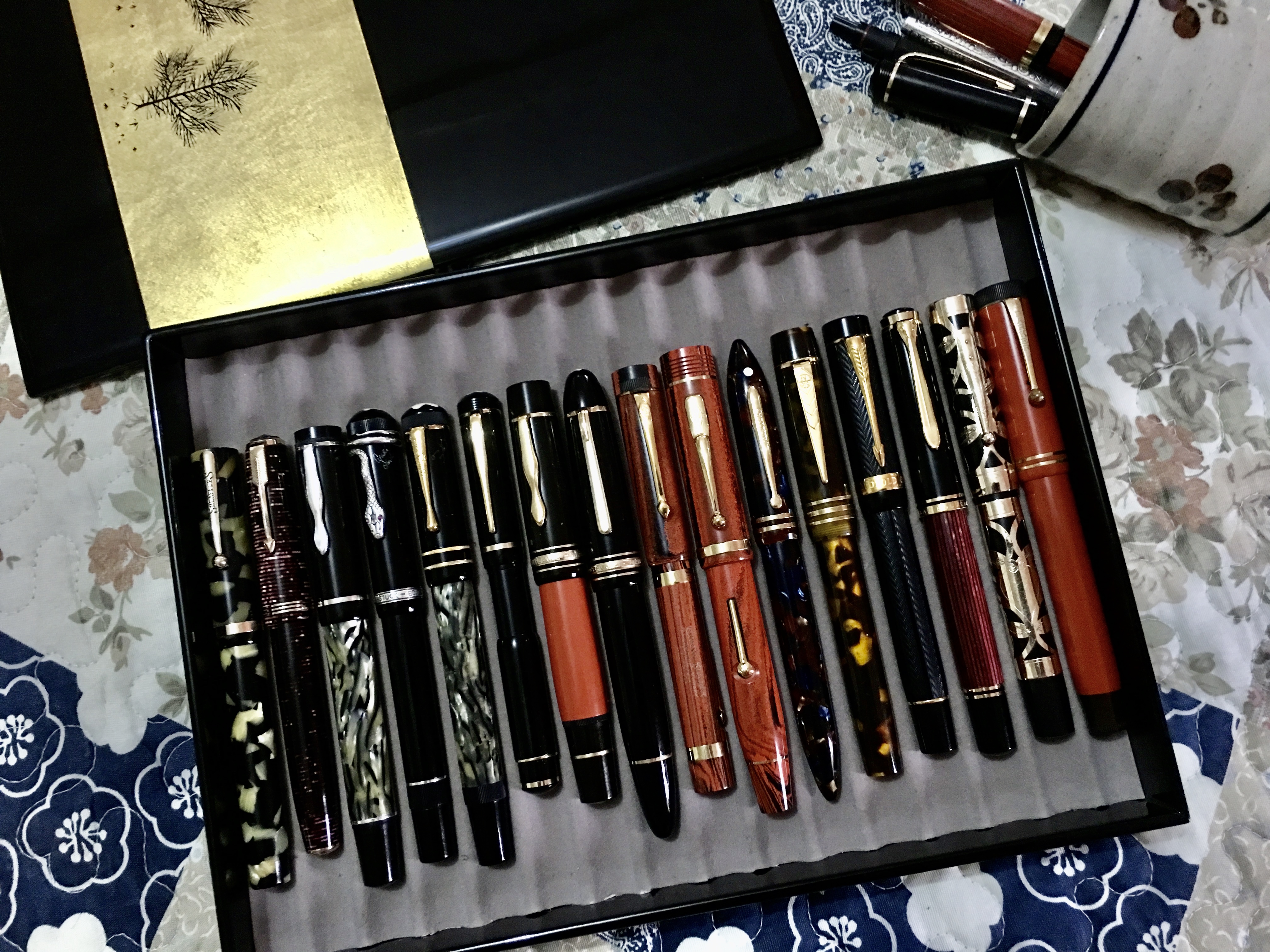
One request came from a group of surgeons at the Philippine General Hospital who, they said, needed a break from their crushingly strenuous duties in these days of Covid, and wanted to hear me talk about my “passion for culture, fountain pens, and the written word.” My eyes zeroed in on “pens,” and took everything else in its context. 

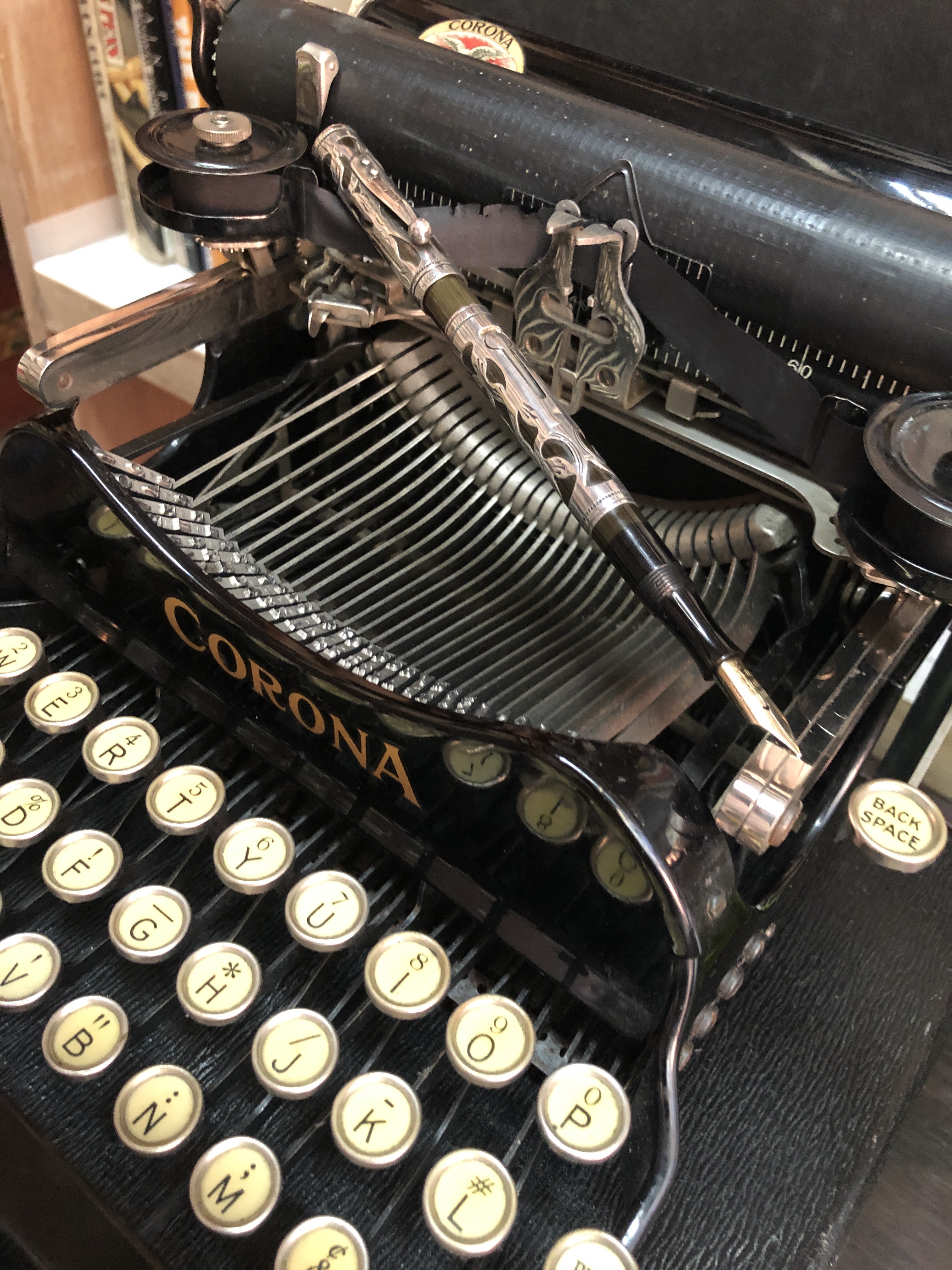
The second request came from a teacher of an STS (Science, Technology, and Society) course in UP, whom I thought wanted me to give the usual lecture about the relationship between science and the humanities. Instead, he told me this: “We already know you as a writer, but we want to invite you as a geek to talk about ‘The Technology of Writing.’” It was music to my ears—nothing about C.S. Lewis and all that, but instead, the literal nuts and bolts of typewriters and computers and how they affect writing.

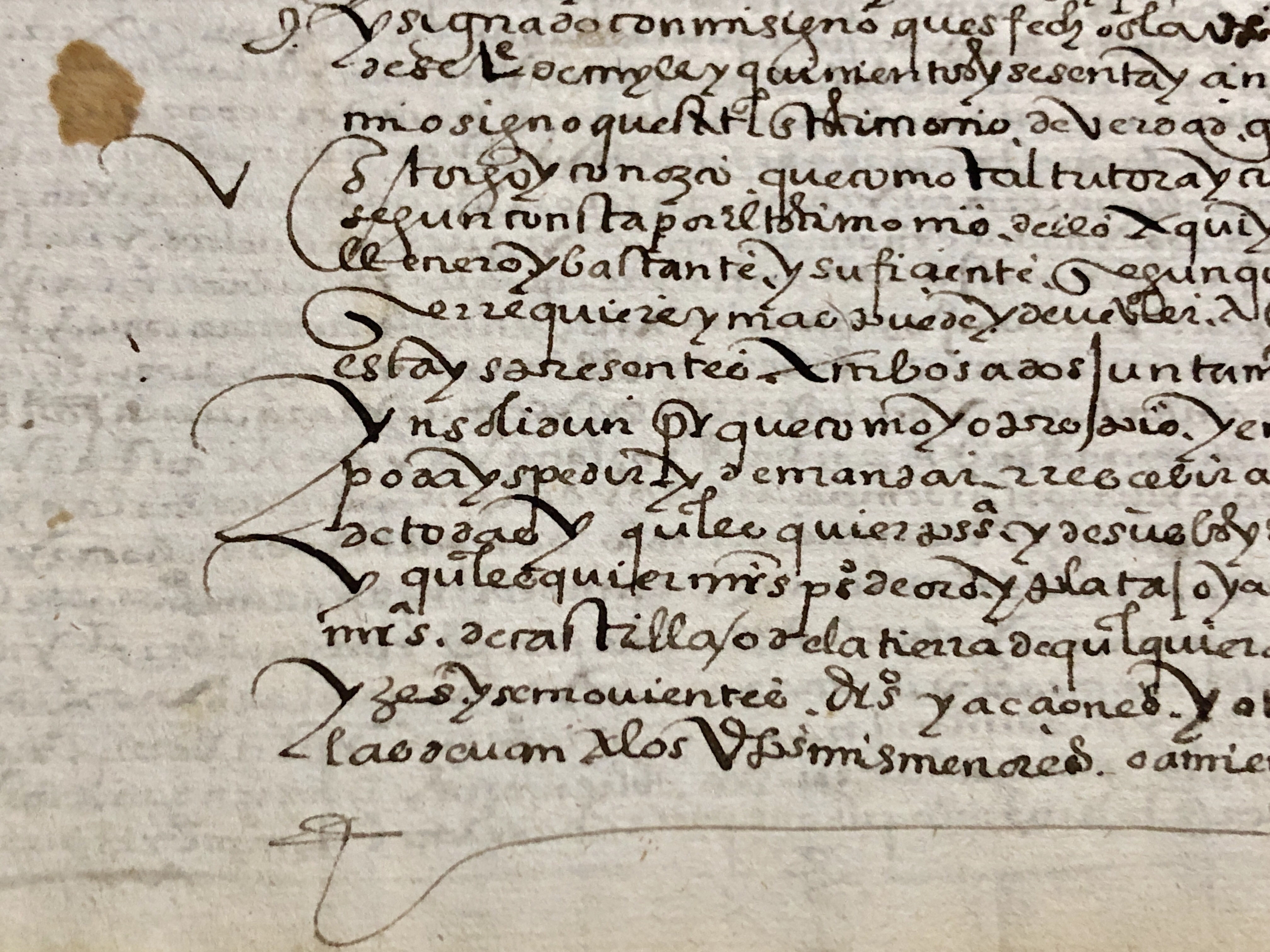
Of course I said yes to both invitations, happy to indulge in my favorite pastimes. I may be a rank amateur in literary theory (frankly, to me, a hateful exercise), but I might unabashedly consider myself an expert on the tools and products of the writing trade—I suppose I should, as an incorrigible collector of fountain pens, typewriters, computers, antiquarian books and manuscripts, and basically anything having to do with writing.

I don’t go as far back as styluses for cuneiform and hieroglyphs and quill pens for illuminating medieval manuscripts, but I’m fascinated by—and probably have—everything else in between those and the MacBook Air. Like I’ve often said, I have an analog and a digital side, thanks to an abbreviated ambition to become an engineer, fresh out of the Philippine Science High School. I can change the rubber sac in a 1928 Parker Duofold pen and install a new SSD card on my laptop; sadly, I can’t fold my shirts or smoothen the bedsheets as well as Beng can (nor can I restore an Amorsolo or Manansala as finely as she does).

So why am I building a virtual museum of writing and publishing in my backyard? Because the tools and materials of the trade can be just as engrossing as the products. Every new development in the technology of writing—such as the switch from ink to ribbon and then to pixels on a screen—arguably changed culture and society, although not always for the better. Moveable type and Gutenberg’s press (1450) helped radically in the spread of knowledge, although Gutenberg himself didn’t live long enough to benefit from it and died penniless (the problem was literacy, which had to catch up with printing—what good were 1,000 copies of the Bible if very few people could read books?). 

Pens allowed people to express themselves and communicate with one another over long distances, and newspapers helped form public opinion and guide policy. Along with the telephone and teletype, typewriters helped speed up and secure business. Word processors, computers, and the Internet allowed for several key improvements: painless revision, theoretically infinite copies, and lighting-speed global transmission. On the downside, drafts and even originals were lost, fraud became easier, and language and even thinking suffered. Perhaps most ironic of all, the global reach of the Internet also meant anonymity and even loneliness for many, besides shutting out anyone who couldn’t afford a computer and bandwidth. 

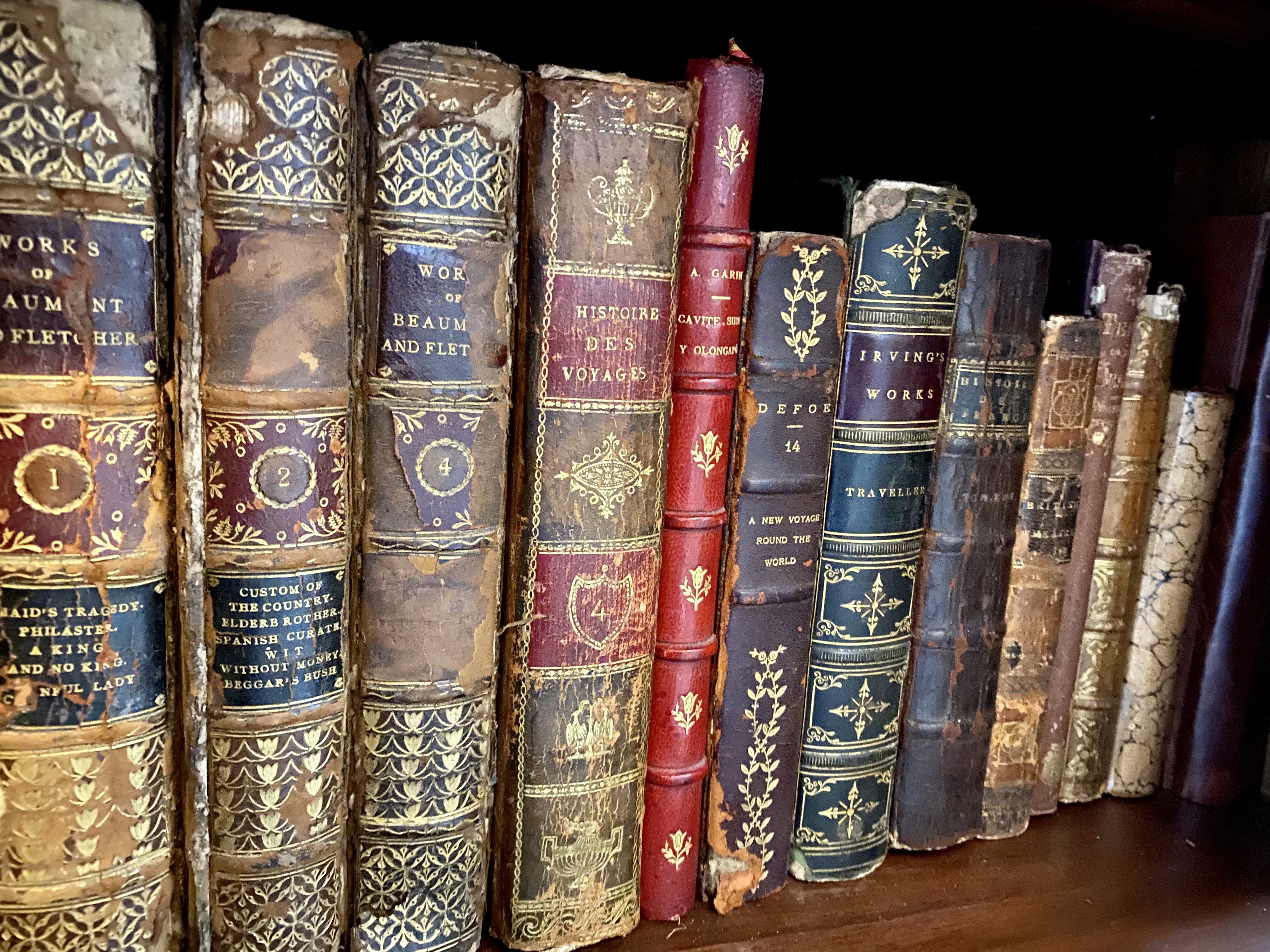
When I hold a sheet from Sebastian Munster’s Cosmographia, published in Basel in 1578 featuring an account of the Spanish presence in the Philippines and Miguel Lopez de Legazpi’s sacking of Manila barely seven years earlier, I can’t help but feel an electric thrill running to my elbows, imagining myself a reader from four centuries earlier, opening that same page and taking in the news.

When I’m wetting the nib of a 1920s Waterman, dissolving the bright blue ink that had dried on it almost a century ago and putting that nib to paper, I wonder what the last word it wrote was—likely the signature of its first owner. 

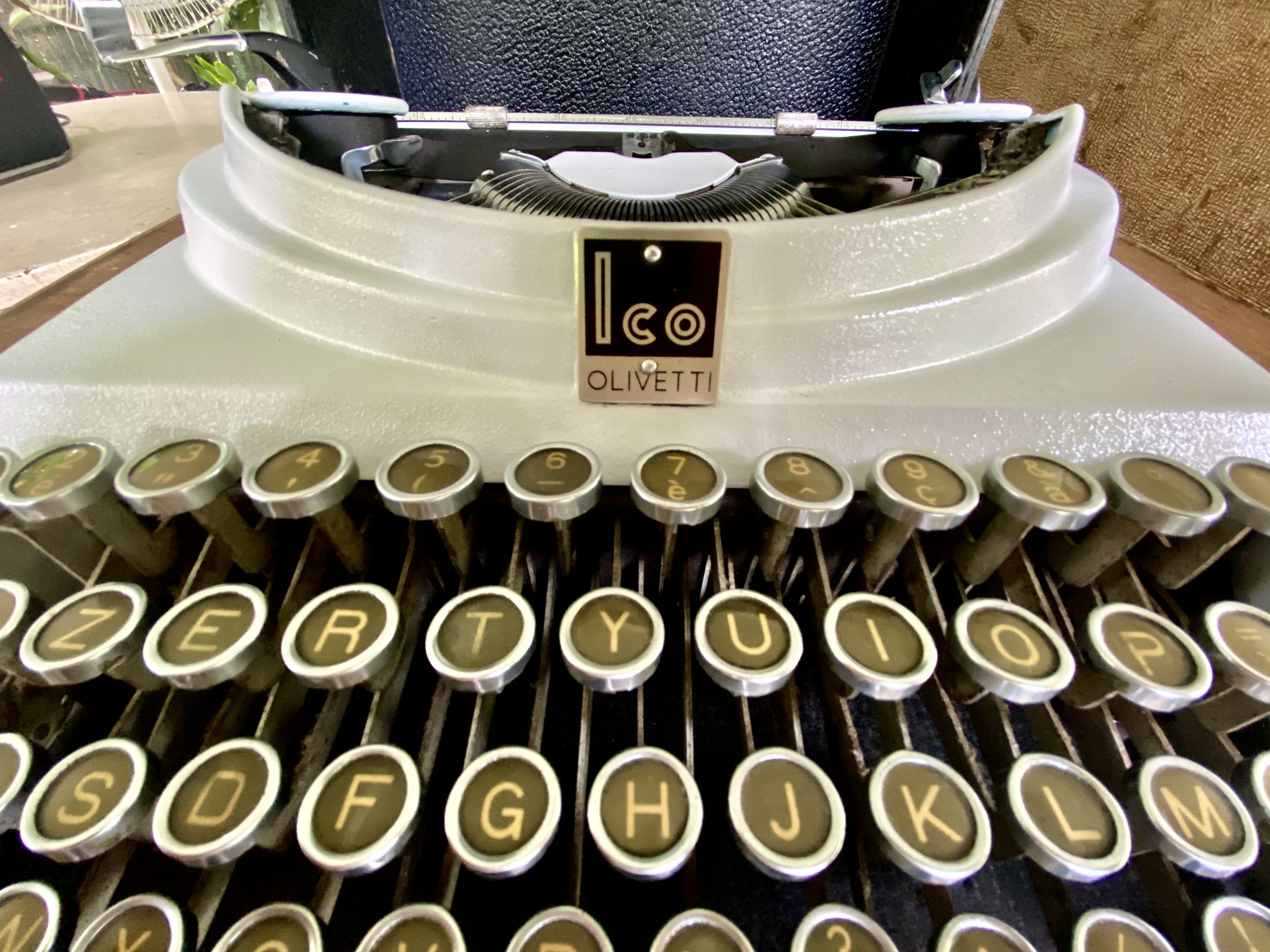
When I type on a Remington Rand from 1941—a special all-caps military model that was used for transcribing messages—I can feel the hushed urgency in those keys, the whispers of war streaking across the platen.

When I put batteries into a Palm Pilot from the late ‘90s—and it still turns on, challenging me to scribble a note in its own Graffiti language—I smile at the memory of digital innocence.

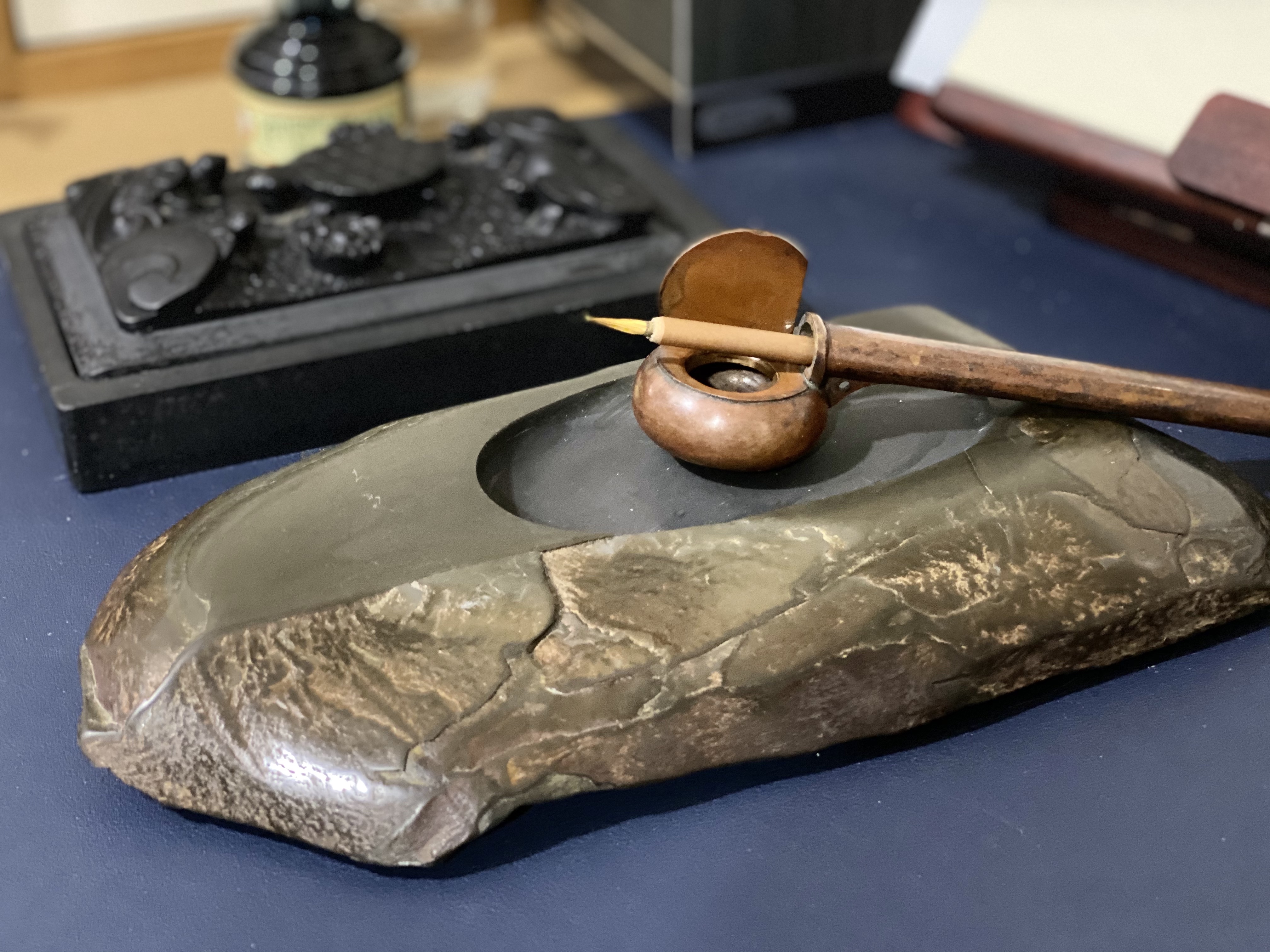
When I brush my fingers along the smoothened haunches of a Japanese inkstone, I can see the ink welling at the bottom, into which a ball of cotton might be dipped to go into the bowl of a copper yatate—a portable container of ink and brush that the Japanese carried with them before the days of the fountain pen, so they could write letters on the road.

Writing is one of the most intimate and tactile forms of communication there is—first, between your brain and your fingers, then your fingers and the pen, brush, or keyboard. I guess I could talk all day long about my strange romance, but if you invite me, an hour will do.