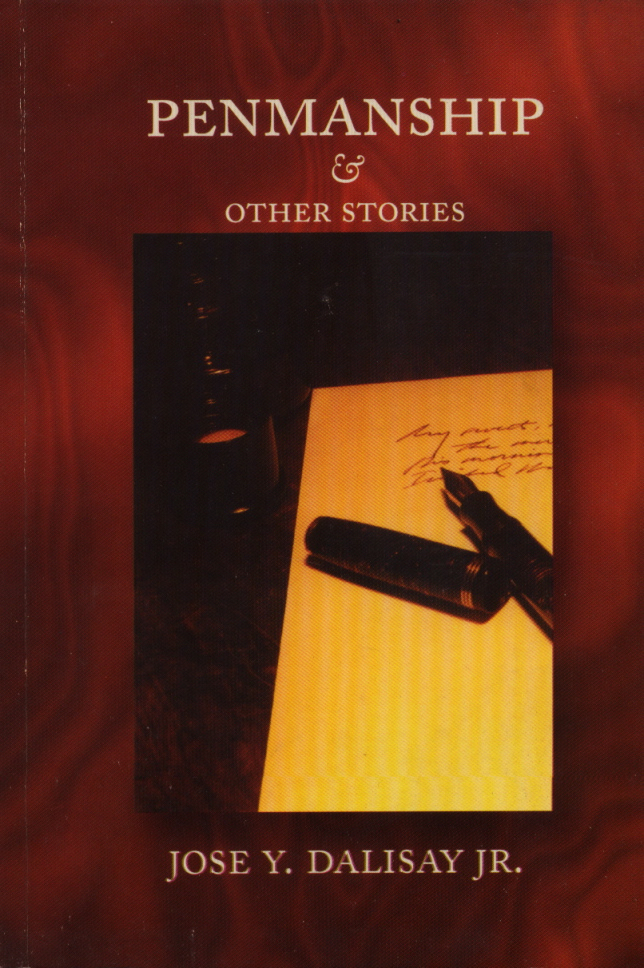
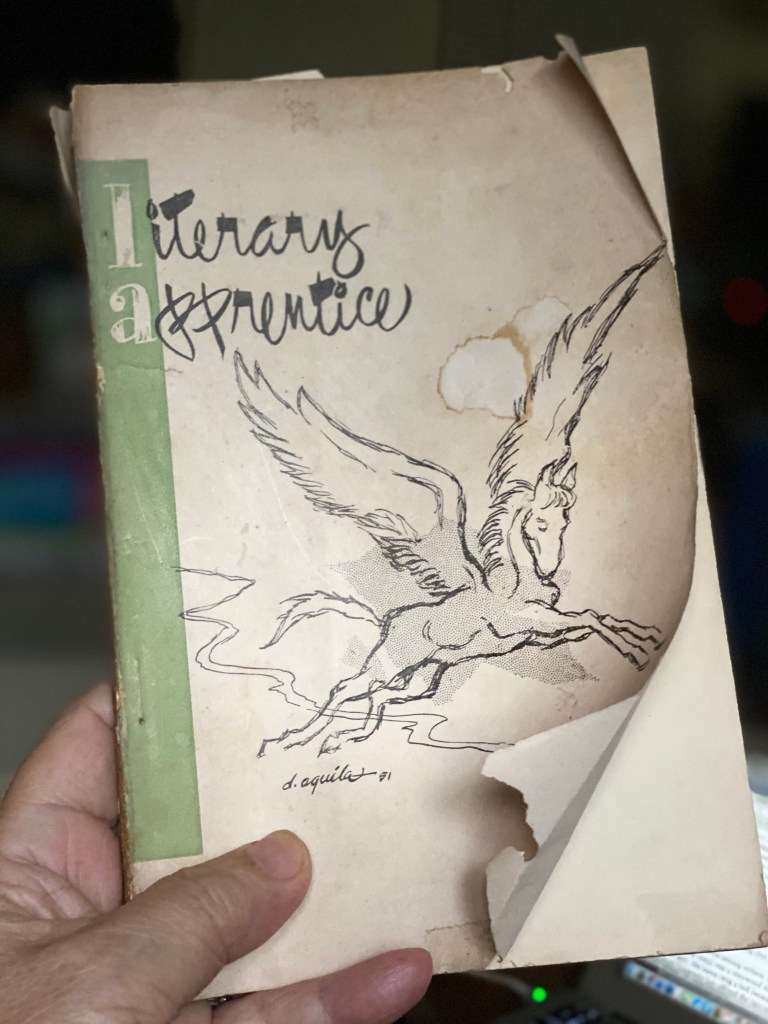
In solidarity with fellow artists sharing their work to entertain others over the lockdown, I’m happy to present this copy of “Penmanship,” a short story I wrote in 1994 at Hawthornden Castle in Scotland, where I was on a fellowship to write a book. As some readers know, there’s a story behind that story having to do with my serendipitous acquisition of a “grail” pen, a 1938 Parker Vacumatic Oversize in burgundy that figures centrally in the story.
Here’s the back story, from a column I wrote in 2009:
In 1994, on a writing fellowship in Scotland, I visited the Thistle Pen Shop in downtown Edinburgh, whose address I had found in the phone book. (Every time I travel to a new city, I look over the yellow-page listings for pen shops, resale shops, and antique stores.) On a lark, I asked the lady behind the counter, “Would you happen to have a 1930s Parker Vacumatic Oversize in burgundy red?” That pen, at that time, was my “Holy Grail” pen, something I had been fantasizing about since seeing its picture in a catalog. The lady beamed at me and said, “As a matter of fact, we do!” And then she whipped the pen out from under the counter, much to my great surprise, disbelief, and grief—grief, because I was sure I couldn’t possibly afford it, unless I went deep in debt via my credit card. And that, of course, was what happened. I carried that pen home with as much care and wonderment as I would have accorded a newborn baby, but I was almost immediately stricken with buyer’s remorse. “Oh, my God,” I thought, “how could I have spent a whole month’s salary—the rent, the groceries, the bills, etc.—on a single pen?” To soothe my throbbing conscience, I resolved to write a story about—guess what—a fountain pen. That was the story “Penmanship,” which later won a prize that made up for my precious Parker’s purchase price.
So here we go, and pleasant reading.
PENMANSHIP
THERE WAS nothing better on the earth that could write, he had often thought, than his Parker Vacumatic fountain pen, a brown-striped, gold-nibbed model made in 1938. It wasn’t him but the pen, gliding across the foolscap, filling in the vastness of the page with words that may not have meant all that much but which looked beautiful because of the personality and the infinite variety of their shape.
He was in love with his pen and his penmanship, and he exercised that love in letters to old friends and schoolmates, casual acquaintances, even anonymous business addressees—such as his memorial-plan company, when he missed a premium payment—surprising them with an old-fashioned grace that had long lost out to the perfunctory mechanism of typewriters and computer printouts. The typesetters had swirling fonts that looked elegant enough to most people in need of script for wedding invitations and that sort of rare emergency, but it still seemed too regular, too measured, for him who valued the spontaneity of wet ink insinuating itself into the barely visible fibers of the paper, like so much blood into so many veins. It was the only art he knew—he spent his days as a senior clerk at a government institute for blind and handicapped people, housed in a decrepit mansion along Harrison Street in Pasay—and now, close to retirement and facing not much more than an awesome blankness of years, he applied himself to it with a vigor that his recessive frame belied.
“Dear So-and-So,” he would begin, “I was browsing through my books today, thinking to toss out some mangy paperbacks to free up space on the shelves, when I came across the copy of Salinger’s Nine Storieswhich you borrowed about eight years ago. What caught my attention was the receipt that you’d stuck in it, a restaurant bill (at the Selecta), for the dinner that we must have had when you returned the book—two soft drinks, a salad (for you), a chicken sandwich (for me), three cups of coffee (yours and mine) and a slice of cheesecake (yours), all for the glorious bargain of P69.50. And it all came back to me, how depressed you felt then about losing J. after all those years, and how someone like Salinger perked you up in the strangest ways. You’ll remember that he writes about depressed people all the time, but he manages to save some of them, usually with the entry of a child into the picture….”
And he would go on and on for a few pages, not caring too much if So-and-So wished to be reminded of the darknesses of his or her distant past. The pen pushed him on to one word and another, creating a sudden and inescapable intimacy less between himself and So-and-So but between him and the paper, and he mailed these letters off almost as an afterthought, and at that with a twinge of sorrow, because he would never see them again.
He was no calligrapher—his script was somewhat crabbed, and his terminal g’s and y’s had a tendency to spill over onto the next word—and he thought nothing of crossing out an offending word or line and writing on the margins. That was part of the whole game: to explore, to retreat and retrace one’s steps, to leap here and tiptoe there, to fall into a pit and crawl out grinning. The finished page was a record of his ventures, mishaps and all; perhaps he wanted them to see how he had triumphed in the end, to his very-truly-yourses.
HE MIGHT have become a writer, but never did. In his twenties, when things were better and his physician-father had given up on turning his son into another scribbler of prescriptions, he had come out of college with an English degree, thinking to teach and to write novels in his spare time. He taught for a while in a downtown university, preaching the timeless virtues of Joyce’s “Araby” to brown pug-nosed faces intent on becoming engineers and chemists, and resigned—or, some said, was kicked out—when he fell in love with an older, married co-teacher, who did not return his blathering affections and had complained to their superiors. Besides, he felt ill at ease with masses of people, who scratched their toes and dreamed aloud of Sundays while he tried to impress upon them the nuances of Joyce’s play with light and shadow. He found another job as a librarian for another college, staying there for years and revelling in the solitude of his corner desk in a quiet hall, until the school went bankrupt and closed down, disposing of all its books to the second-hand dealer, and of its employees to their various fortunes. He had begun a few stories at his desk, perhaps a novel even, but the towering proximity of the greats on the shelves humbled him—a modest man, otherwise—into incompletion, and he took to writing letters to newspaper editors in long, handwritten essays, paragraphs from which would get printed now and then in severely truncated form. His prose, he knew, was too quaint and longwinded for the papers, but it pleased him to flex his hand and to leave a record, somewhere, of his thoughts in passing, of his passing.
“Dear Sir,” he would say—in a frame of mind that would admit no women to editorships—”Anent your editorial of June the 21st, it strikes me that the Guadalupe area might be better served by a bridge spanning the Pasig at a point helpful not only to the traffic overhead, but to river transport itself, the possibilities of which, I feel, have sorely been neglected since Rizal’s time….” Several paragraphs later, he would sign his name with a flourish, blow lightly over the hardening ink, wipe the Parker’s nib clean with a tissue, and screw the cap back on slowly, as if he were slipping a ring onto a woman’s finger, so as not to crush the thread.
He took the utmost care of this pen. It was unusual in its design, even for fountain pens of its time, without a lever or a bladder; it was filled by unscrewing a nearly invisible cap in the rear of the barrel, and unlocking a pump that, with a diaphragm, drew a week’s worth of ink into the translucent cavity of the barrel itself. He had taken it in for servicing only twice in more than thirty years—there was still a shop on the Escolta that did repairs on such old pens, now run by a Chinese woman who inherited the place from her father. He sometimes wondered what would happen if that shop were to close down, as well; everyone was using ballpoints and rollerballs, and the shop’s business now consisted mainly in such garish conveniences. Or perhaps he would die first, and take his Parker with him, tucked into his breastpocket, unless the funeral-parlor attendant stripped its nib and clip off for their gold. It was one of his most distressing nightmares—not to die, but for the pen to be so savaged after him.
The pen had been a gift from his father upon his graduation from high school—an heirloom, practically, as it had been used both by his father and his grandfather, who had been an accountant for a shipping firm in Binondo. His grandfather’s name was still imprinted faintly on the barrel, a three-part, Spanish-sounding name. That, and a magazine advertisement for a stationer’s company that he chanced upon in the stacks of the college library, told him exactly how old it was: 1934, a few years before he was born, when the large and airy house on Donato Street must have been spanking white, and his mother would have been swishing about in a terno, minding the lilies in the vases. All that was gone, but for the pen—his parents, the family wealth, the breezy mornings perfumed by hot chocolate and talcum powder. The house had long been torn down to make way for a grocery, and when he passed it by in a jeepney, the last time, he could barely recognize the lot, but for the ancient fire hydrant on the corner.
He had a few friends from college, mostly members of large, comfortable families and getting on in years themselves, with whom he kept up a lopsidedly unilateral correspondence. There was one phone in the office, but few would call, and he didn’t appreciate that as much as the occasional postcard from Paris, or Crete, or Jogjakarta, when they remembered him at all. So-and-So had been a woman who had lost her husband to a 19-year-old singer; she had been a bright young thing in college and he might have gone for her himself, but for his shyness. He had given her books of poetry, with lavish dedications, but she had not taken—or had refused—the hint. When he fell for that co-teacher, all caution, for once, flew out the window.
“My sweet, my lovely Alice,” he would write, with all the ardor of his mid-twenties, “The mere sight of you in the cafeteria this morning warmed my cooling coffee, and I wished that I had been younger and been one of your students, not that Avogadro’s number interests me so much as your own child-bearing figure….”
Now, in his fifties, he could not tell how and why he had been so brash. All the daring left in him went to his letters and his penmanship. He thought himself bold for suggesting that bridge, or a new way of determining the fitness of people for the civil service, or a theory—which he mailed to the police but which was never acknowledged nor acted upon—about who murdered the young wife, then six months pregnant, of a Bacolod sugar planter. In his thirties, he had sought and paid for the services of a few women—just after his father died and he came into some money—but they meant nothing to him; no challenge nor poetry nor romance there, just cash and urgent venery. Now he was content with occasionally relieving himself, or with nature and nighttime attending to him in bed. He was, in fact, losing his potency, not that it mattered to anyone else. He lived in a room in a boardinghouse on Dos Castillas Street in Sampaloc, two jeepney rides away. The other boarders—all of them men and mostly maritime engineering students—saw him to be a reclusive and mild-spoken bachelor uncle who preferred to wear Chinese-cotton boxer shorts, which he laundered himself and hung out to dry in the space behind the kitchen.
AND THEN, as it so happened, and against his better judgement, the penman fell in love again.
She was one of the blind people his institute had taken to employing to offer public proof of its sincerity in assisting the disabled. Her name was Nora, and she was thin and pale-looking, and she had been blinded in an accident in her early twenties so that she retained a clear and powerful idea of what colors and figures were like; she had finished high school as a normal, sighted person, and would have gone on to a degree in law or economics, but for that accident. She had taught herself quickly to read Braille, to lose no time in adjusting to her physical circumstances, and now went through daily life without too much trouble. But she armed herself with the forwardness of those unjustly burdened to reclaim and to prove their worth.
She was assigned to his charge, and when they first met they did not like each other all that much. He thought her an intrusive nuisance, and she thought him an overbearing fool. Her job was to help him organize the office files—very few things were computerized, and the only computer sat idly in the Director’s office—and his job was to train her, somehow, in knowing where everything was by sheer position and feel. The trouble, of course, was that he observed his own idiosyncratic filing system; that was part of his mastery of the place.
“I know where everything is,” he told her from behind his desk. “Perhaps we can find something more useful for you to do.”
“But you won’t be here forever,” Nora said, staring in the direction of his voice. “Someone else will need to know the system.”
He adjusted some papers on his desk to avoid her eyes. “They’ll be giving you my job, are they?”
“Oh, no—sir,” she answered quickly. “I can’t do that—obviously.” She looked away. An uneasy silence passed between them, during which he noticed that her hair was thick and shiny, and she noticed that his breathing was somewhat labored, although she could smell no trace of tobacco in the room. She heard a scraping of wood and knew that he was rising from his chair.
“Well, then, let’s get to it. We have three filing cabinets in this room—here, here, to your left—and the files are arranged by subject rather than years. All invoices in the top drawer of the leftmost cabinet, then personnel records—now we’ll need to put tabs in Braille on every file—I wonder what the use of all of this is,” he thought aloud, and immediately felt sorry when he saw her biting her lip. He never meant to be unkind, but his social graces had withered from disuse. “Would you like some coffee?” He kept an old thermos bottle of hot water and a jar of instant coffee behind his desk.
She seemed startled by his offer. “No, I—”
“It’s nearly coffee break, anyway,” he said. “You can leave and come back in fifteen minutes, or you can have some coffee with me.” She heard the bottle being unscrewed and smelled the fragrance of steaming cork, but she remained in her chair. All by herself she would have spent those fifteen minutes sitting in another chair she knew in the lobby, listening to the traffic, to the rush of people and the streetside commerce; the afternoon tabloids would be out, but no one really shouted out the headlines anymore. She heard him making two cups of coffee with identical clinks of the teaspoon. “One teaspoon of sugar?”
“Two. Thank you.”
He paused briefly and she knew he was looking at her, surely wondering what misfortune had delivered her to this place, this room, this moment of utter pointlessness. There was a small scar on her right cheek, away from him, where they had made a suture that had healed badly, and her hand went up to it absently.
“I’m sorry about your—your accident,” he said, depositing a cup beside her on the desk. She felt a whiff of vapor up her sleeve.
“So am I,” she said, realizing with a great annoyance that he had been glancing at her own file, the papers that came with her and bared her unprotected to this absolute stranger. She went on the offensive and said, before sipping her coffee, “Please tell me something about yourself.”
He seemed taken aback. “There’s—there’s not much to say. I’ve been working here for—oh, nine years now, and before that I worked in a library. I suppose I like quiet places, and—and quiet people, are you a quiet person, Miss—”
“Nora. Have you ever gone abroad?”
“No, why do you ask?”
“I did, once, when I was young, my parents took me to Hong Kong. That’s all I remember, now.” It wasn’t true; she remembered many other things, but Victoria Peak and a large dark bird darting across the landscape burned in her memory.
“You’re very lucky, then,” he said, and felt silly again. “If you don’t mind, I think I’ll do some work.” He reached for the pen in his pocket.
“But breaktime’s just begun.” She could hear idle chatter from elsewhere in the building. Someone had opened a window somewhere and the dank heat lifting off the bay, from far off, trailed into her senses.
“It isn’t really work, I just need to finish a letter.”
“To whom?”
“To no one interesting,” he said, to shut her up. He was suddenly glad that she was sightless, and could not know that he had begun a letter to the editor of The Manila Standard, outlining his views on a new plan to contain corruption in the armed forces. He drew the sheet out from his drawer, on which two paragraphs had been written; he needed a strong and witty closure. “… If those we pay to secure our welfare instead secure their own—” That was a neat septameter.
She heard faint, scratchy motions; she was expecting him to peck away at a typewriter.
“What are you writing with?”
“A pen. I—”
“It doesn’t sound like a ballpoint, it—it doesn’t skip—”
“It’s not, it’s an old fountain pen—you know, it squirts ink when you press—” He sighed, putting the cap back on halfway, to keep the ink wet on the nib; she was going to be impossible.
“I’ve never used one,” she said.
“No, you wouldn’t have. They don’t use them anymore. This one’s older than I am.” Why did he say that, he thought.
“How old are you—sir?”
“Fifty-two. And you’re—ah, twenty-eight.” The file again. “You’re nearly half my age. I’ve lived twice as long.”
“Was it a good life?”
“It isn’t over, yet.”
She could feel, almost see, him turn his back to her and scratch away at another table, a smaller one, most likely, where a typewriter might have been, which meant that he had lifted and put the typewriter down on the floor. That explained the soft clatter of metal bones.
“I can type—perfectly. You’d be amazed. That’s why they sent me here.”
Over his shoulder, he saw the glint in her eyes. He saw the mended scar. Suddenly he didn’t want to know too much more about her, and gently closed her file.
“Thank you,” she said.
“For what?”
“You shut my folder. I felt the air stir, like a fan.”
He crossed out a line furiously and put the pen down, uncapped. “It’s nearly three-fifteen,” he said. “It’s time to work.”
THE NEXT few days and weeks, she indeed amazed him with her uncomplaining industry and her prodigious memory. Under his direction, she put title tabs on all the files, and sorted them out by year within the drawers, and could produce a folder that he needed within two minutes. Twice or thrice, he’d tested her just to satisfy himself, and he had learned to rustle the papers afterwards, so as not to be found out. She no longer needled him for details of his private life, nor vexed him with strange, unbidden questions. During the coffee breaks, she sat out in the lobby, and he discovered that now and then she smoked, puffing deeply on Marlboros she kept in a skirt pocket. She wore large, dark-colored, formal-looking skirts and the same cut of blouse in white or beige or some dry pastel shade, and the kind of stubby shoes that nuns and nurses wore to their graves, and he began to wonder where or with whom she lived. There was a Paranaque address in her file, and he knew she took a jeepney in the afternoon, putting on a pair of shades; it was the only time she used a slender aluminum walking stick. He had to cross the street himself to get a ride going the other way, and he made sure not to linger on her side of the street too long, not wanting to upset her. But, having said his gruff goodbyes and crossed, he made sure that she was on a jeepney and safely seated, first, before flagging down his own. In the office, they spoke in low, almost formal tones, and it took a while for him to ask her to stay again for coffee.
“You’ll be writing letters,” she said. “I don’t want to bother you.”
“Not today,” he said, quickly and very quietly returning the Parker to his pocket.
“All right, then—two sugars—”
“I remember.”
He made the coffee while she sat in the same chair across his desk. He wondered if she wanted to smoke.
“You can smoke, if you wish, there’s a saucer you can use for an ashtray—”
“No, I don’t think I will, thank you. I don’t really want to, it gives me a headache—”
“Then why do you?” He had bought a special blend, an imported instant, and hoped that she would like it.
She laughed, smoothing out a crease on her skirt. “It fills up the time.” She felt for the handle on the cup and brought it to her lips. “You’ve been watching me in the lobby.”
“I—I was getting water for the heater.” He kept a heating coil in a drawer; it was against regulations, but no one bothered him. “What do you think of, when you’re sitting down there?”
“Nothing interesting,” she said, remembering. “You’ve changed your coffee—”
“Yes, do you like it?”
“Will you write me a letter?”
“What—”
“I mean, write a letter for me? With your pen. When you’re not too busy.”
A drop of coffee had fallen on the sheet he would have written on, had she not stayed, and he put his cup down to blot it with a matted handkerchief.
“Yes, of course, but—why? You’re a marvelous typist, you type better than me—”
“I need something personal. I want something personal, like it’s been written by a real person. That’s what your letters look like, don’t they?”
“I suppose so.” He sat in his chair and looked at the coffee stain, a pale yellow-hearted carnation with irregular brown edges.
“Is your penmanship like a woman’s, would you say?”
He thought he should feel offended, but did not. “It’s hard to tell. We were trained in school—it was a subject—we all wrote pretty much the same way.” He wanted to take her fingers and wrap them around his pen, to show her: this is how I write my T’s and B’s and G’s.
“I’d do it myself but I’m clumsy with pens—”
“I understand. Do you want me to write it now?” His fingers were poised on the Parker.
She finished her coffee in a deep gulp that caused her to grimace. “There won’t be time. When you’re free, would you come with me to my place? It’s not too far—”
“Yes, yes, of course, I’m free this afternoon.” He remonstrated with himself over the haste with which he answered, but it was true: there was only the room on Dos Castillas with its punched-out capiz shell windows and the laundry to do.
“Thank you, you’re very kind,” she said. I haven’t had a chance to be, he thought, not for so long.
THEY ALIGHTED from the jeepney along a street not too far from where the international airport sprawled; a departing jetplane preened its wings in the sky. He had sat beside her during the ride, and she had not said very much beyond giving the driver instructions on where to let them off. When his forearm brushed hers, she trembled and he shrank away, as if embarrassed, as if it were the last thing in the world he would have wanted to happen. She sensed his discomfort and she nearly called the whole thing off, thinking of some dumb apology to make for having taken his time, but it was too late.
She measured out the sidewalk, tapping her stick against familiar guideposts, and they stopped in front of a modest four-door, two-storey apartment with an iron gate and a large crack running up the mossy wall that separated it from a vacant lot on the other side, overgrown with grass. Greenish water slid through the crack.
“Watch your step,” she said. She knew that he wore leather soles; her own shoes had deep rubber grooves. She slid the key into the last door; another, older woman was sitting at the kitchen table, slitting eggplants. This woman seemed surprised to see him, and greeted him formally, which he returned.
“Munying,” Nora said to the woman, in a tone he had never heard her use, “bring out some softdrinks, please, and leave us alone.”
“Yes, manang,” Munying said in a schoolgirl’s voice, and did as she was told. Munying served them two bottles of Coke from a refrigerator on which the enamel had begun to crackle like an eggshell, and went out the door.
He sat on a broad-armed wooden sofa with large floral patterns carved into the backrest. The apartment’s drab pink walls were bare, but for a painting of a nubile provincial woman bathing in a stream, her shoulders glistening forever. Nora had hung her walking stick onto a nail behind the door, and she lit up a Marlboro from her pack with certain, numbered moves, and when, unthinking, he slid the marble ashtray closer to her on the coffeetable, she said “No, please don’t,” and he understood. She had everything within reach, where she remembered them to be.
“This is all that’s left,” she said, exhaling. “But I live simply—and there’s the job.”
“What was there before?” he asked.
“Property. A life.”
“It isn’t everything,” he said weakly, remembering his own parents and the big house with the adelfa blooming by the gate. You and I, Nora, he was thinking, we have much more in common than you can imagine.
For a moment she considered a scathing retort, but held back, knowing he was trying to be kind. She forced herself into a happy recollection of Hong Kong in mid-February, bright and chilly, the milk-glass whiteness of lychees, the seamless blue of sky and ocean. “We used to own this whole apartment building, and that lot next door. They’ll be building an office complex on it, soon. Munying said the architects were there, the other day. I just sold it last month, after all these years.”
“Then you’re better off than I am. You have savings. You can put them in a time deposit, or in the stock market.” He felt slightly put off by her revelation, as though she had seen him all along to be a scrawny little man, as though she had been spending someone else’s time while hoarding her own.
“That letter—”
“Yes?” He would be glad to be done with it quickly, and leave.
“Promise you won’t ask me any questions.”
It hardly seemed fair, but yes, he promised.
“There’s some paper on top of the refrigerator. Munying uses it to write her people in Ozamis.”
Why didn’t you ask her, he thought, taking the blue-ruled pad of yellow paper. He settled back into his seat, positioning the pad on the armrest, and uncapping his pen. He gave it two taps in the air to let the ink out. He felt like a secretary taking dictation on her lunch break.
“Are you comfortable?” she asked.
No, he thought, but let’s have it.
She took another drag and the smoke swirled around her face like a windblown scarf. She thought of a man, this other man, receiving and reading her letter in the hard, unpolluted light of another country, another season. Would he read it in the open meadow, or in his room, on the table with the gooseneck lamp—Munying had described the picture, many years ago, the very last one he had sent—and would he smile and keep it in his pocket, like a charm against evil and temptation, against forgetfulness and the plangent sorrows of separation?
“Nora—”
“Yes. ‘My dearest Mark,’“ she began to dictate, and shut her eyes.
“‘Mark’?” he asked, involuntarily, and he knew there would be no answer.
“‘—’You’ll be surprised to hear from me again, after all this time, and to see me writing—yes, with my own eyes and fingers’—” She paused, flinching at what she had brought herself to say, then smiling with the overspilling confidence of the damned. “—’With my own eyes and fingers, although they’ve changed, if you remember anything at all. I’ve changed’—please underline the ‘I’—in the most remarkable ways, since—since my operation in—in Hong Kong…. Oh, yes, I’ve been back there, many times, with Terry and Susan and some friends you never met….”
“Is that ‘Terry’ with a ‘y’?” he asked, although he had already written it down, to give her more time, to suppress his own rampant disbelief.
“—’It’s strange how things work out, and they do, they do…. You were afraid to know what would happen, weren’t you, but so was I. I’m sorry about all those letters then, things were so fresh, so confused, I could barely get myself to type your name…. My darkest fear—a bad pun, isn’t that?’—”
“Are you asking me, or—or Mark?”
“Please,” she said, and he wrote the phrase down. “—‘Was that of facing a wall or a fence I couldn’t get around. I couldn’t jump over them, you know, not knowing what was on the other side….’” She gave him time to catch up with her. She could hear the furious scratching of the nib, the dashes, the full stops and the commas. “‘I took this jump and here I am, whole and alive and well again, though a little short of breath…. Last summer I joined the girls on a weekend trip to Boracay. I’m sorry I can send no pictures, I gained some pounds where you don’t want them. I can’t show you everything just yet, can I?… A German tourist—an anesthesiologist, he said—flirted with us, but I remembered you. I’m thinking of taking a trip out to Germany, sometime—not to visit this tourist, silly—or somewhere in Europe, just to see the castles and cathedrals, the changing colors of the leaves, maybe Spain, maybe England—should I cross over the Atlantic and see you? Is it pretty in New Jersey? Maybe not just yet, don’t you think?… They say you’re a paralegal now, I suppose that means you’ll be a lawyer very soon like you’d always wanted to be…. That’s good, let nothing’—” She paused to crush the stub of her cigarette on the ashtray, and then lit up another one immediately. “—’Let nothing get in the way of what you want. That’s how I think, I wouldn’t have survived, otherwise. I want you to be happy. I, want, you’—’“
His pen hovered above the paper like a dragonfly. He could not bear to look at her. She was shrouded in smoke, she willed the smoke to happen, to be there between them.
“I want you to have a good life, and to think well of me. Always, with love, Nora.”
He was about to cap his pen when she raised a finger, and he wrote again.
“Just a short PS, please. ‘I’ve sent something to your account. I hope the number hasn’t changed. The market’s been doing very well, no need to be embarrassed, you’ll need it more than I do. I think I know how paralegals live in New Jersey. I can imagine’—Would you cross out that last line, please?”
“‘I can imagine’?”
“Yes.”
He drew a line across the phrase but it was easy to read through. It seemed a fair compromise between saying and not saying. “Is that all?”
“Yes.”
“Would you—would you like me to write out the address on an envelope?” He had seen no envelopes where the paper was.
“No, thank you. I’ll… I’ll type out the address, he’ll be surprised when he opens it.”
“We forgot the date.”
“It doesn’t matter…. Do you think he’ll believe it was me?”
He caught a blob of ink on the tip of the nib with his thumb. Old pens did that, when they were nearly empty, or when you took them up in airplanes, not having been designed to fly. “That depends on how much he remembers.”
She thought that over and said, “I know he’ll think it was mine.”
With everything to ask but nothing more to say, he put the Parker Vacumatic back in his pocket, and took his leave. Munying was at the gate, munching on a banana she had gotten from somewhere.
THAT NIGHT he could hardly sleep, wracked by a welling clamor in his chest. It was as if he was growing another pair of arms and hands within—all of them, all of him, wanting to hold her, then to shake her, then to clutch her tightly when she shook. Nora, Nora, he thought, what are you doing to yourself, what are you doing to me?
He wondered what he would say to her when she came in for work in the morning. She would act, he was sure, as if nothing at all had happened. He would offer coffee, and she would decline, preferring the vacant lobby to his piercing gaze. He might play dumb, and wait until she imploded from the burden of her lie, but he could not. He despaired in knowing that she was stronger than he was.
He sat up, against the wall, at the head of a tube-iron bed with flaking paint that might have come from a hospital. His shorts and the sheets were soaked in yellow by the 40-watt bulblight. His kneecaps shone like brass knobs, and his skin as well had begun to shine like a carapace. There was nothing much for her to see, and the sheer absurdity of what he was thinking made him want to chuckle, but his throat was too parched for even that. When a trio of boarders marched in past midnight from their post-exam carousing, joshing each other in the hallway about a go-go dancer who came this close to being scarred for life by their fingernails, he banged a fist against the wall, and they simmered down instantly.
He rose from his bed and sat at the little table, by his books, with people like Eliot and Aeschylus and Fitzgerald at his elbow. Yet he would not have them now; they could not have been more dead. What lived in this night was a filthy hurt.
He saw his pen beside his wallet on the table and angrily filled it with ink. He would write her a letter she would never read in his own hand, but no matter; he would, one morning, punch it out in Braille, or shout it to her face, or give up his own eyes for her to see what she had caused. He felt overcome with precious feelings.
The Parker Vacumatic glinted in the room light, poised to strike. It was ringed with bands of gold, and promised a wealth of words. The merest pressure on its nib could deepen an emotion.
The pen felt heavy, never felt heavier in his hand, but he could not even tell if he should call her “dear.”
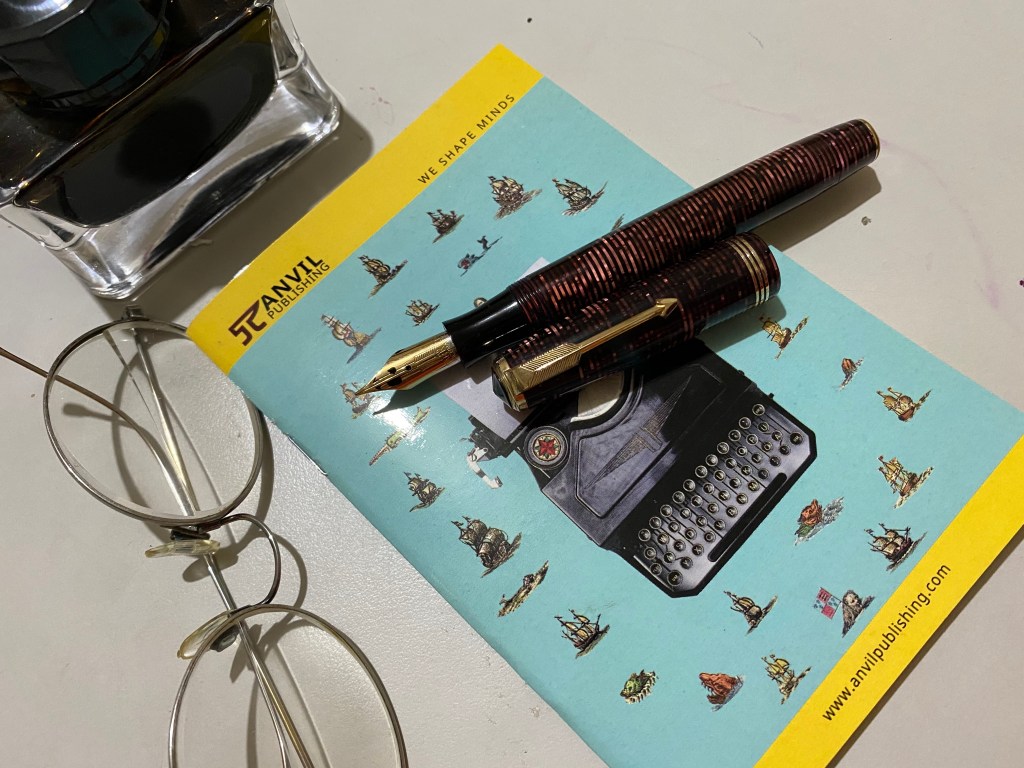
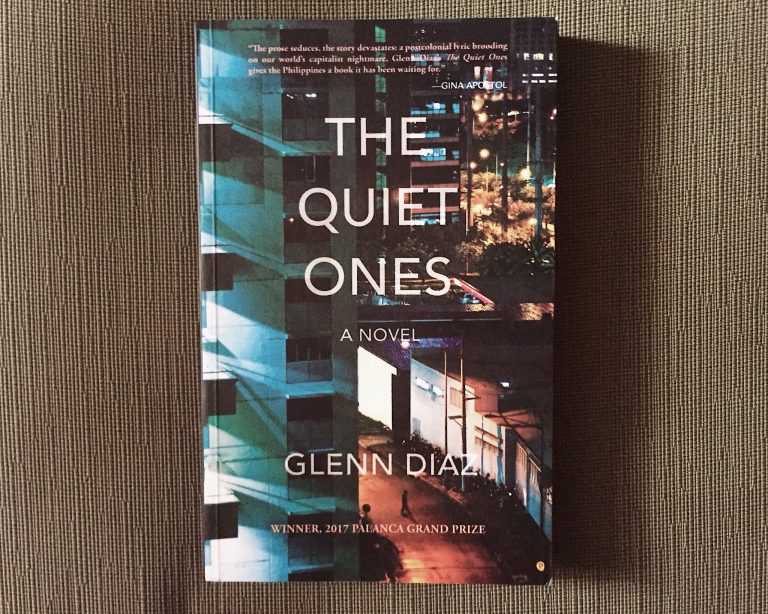
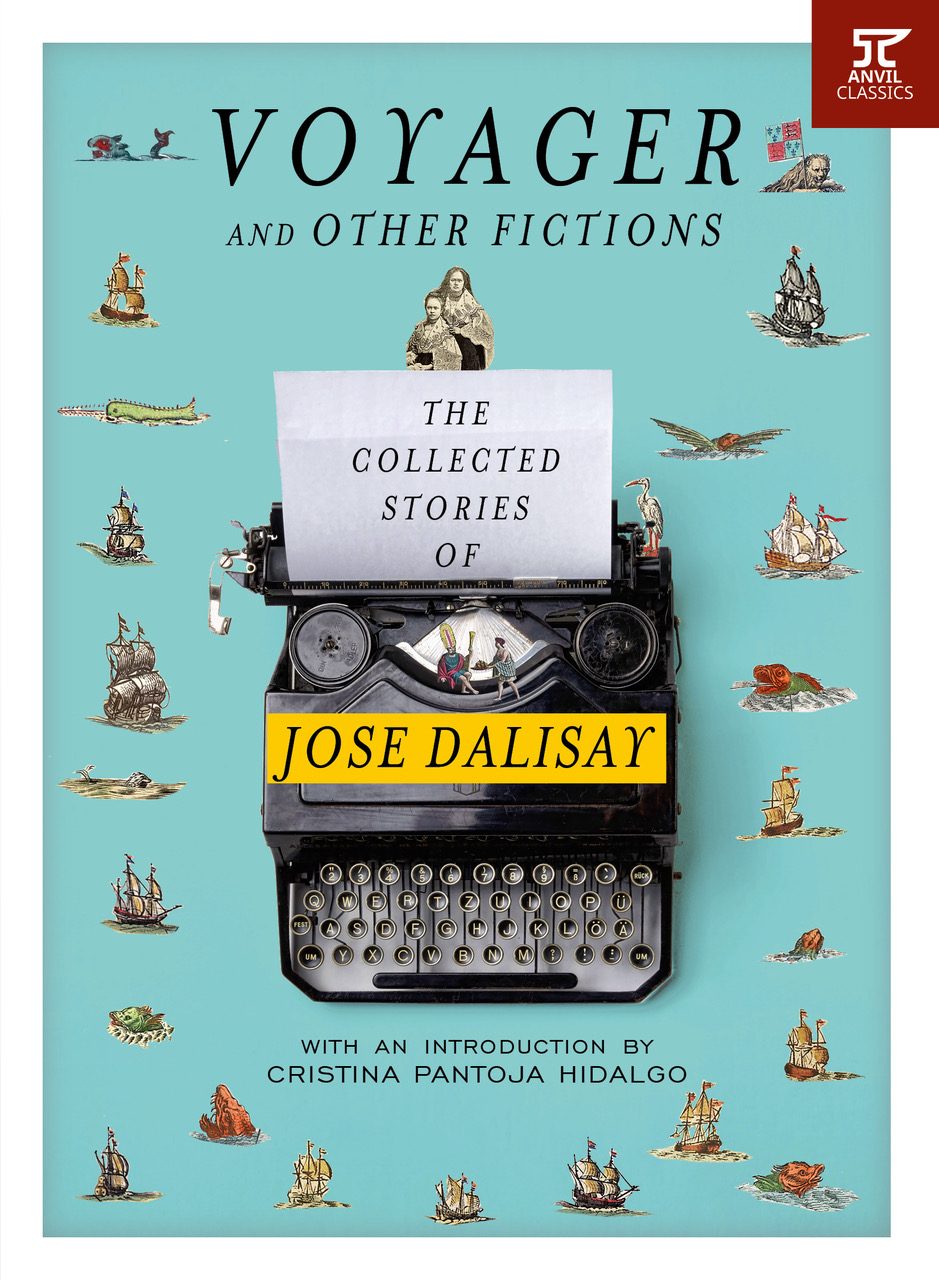
(You can find “Penmanship” and 40 other stories of mine in Voyager and Other Fictions: The Collected Stories of Jose Dalisay, published by Anvil Publishing in 2019, and available from Anvil online and at National Book Store.)



 Pinoy Penman 3.0