Qwertyman No. 171: “Quezon” as Theater

Qwertyman for Monday, November 10, 2025

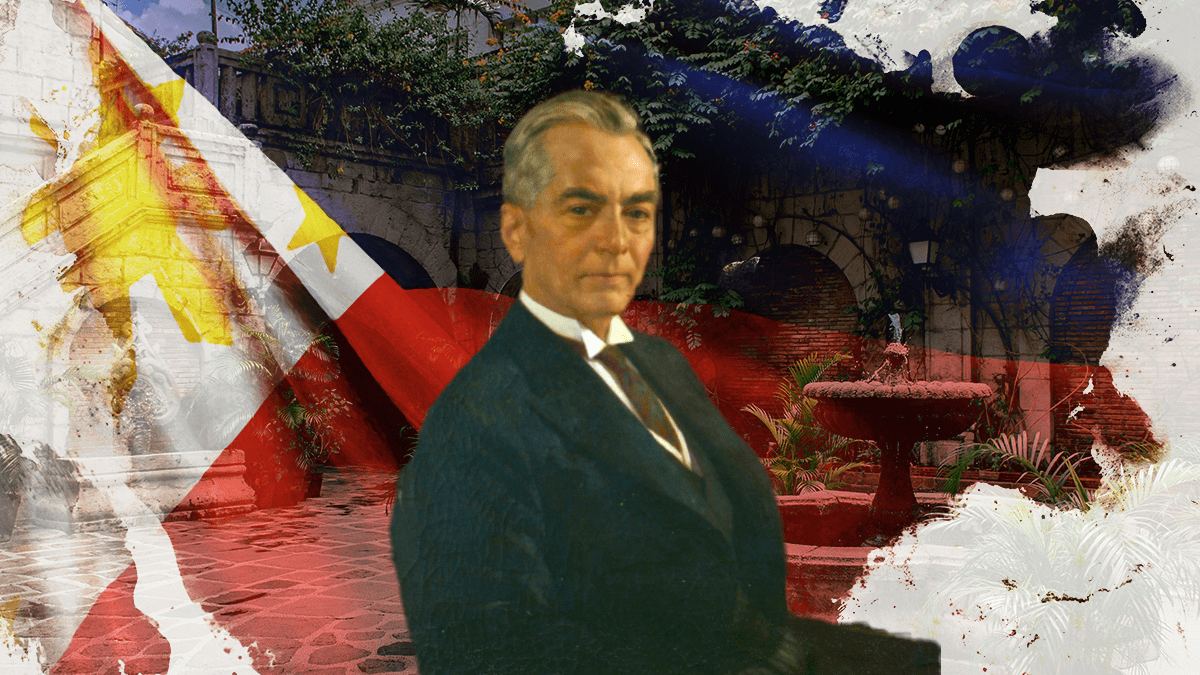
I’M COMING late to the party, having been away for a couple of weeks, but even in faraway Frankfurt, I was itching to come home to see what the brouhaha over the “Quezon” movie was all about.

Rarely does a Pinoy movie stir a hornet’s nest like this one did, and even without seeing it, I took that as a good sign for our film industry, especially big-ticket projects which sometimes leave people wondering why they were even made.

What especially piqued my interest, of course, was the reaction of Quezon family members and friends who thought the old man’s cartoonish depiction as a womanizing, scheming, and power-hungry politician despicable.

Now, my own grandfathers led pretty quiet lives, so I’m sure that if anyone called them womanizing, scheming, and power-hungry, I’d be mighty upset, too.

The difference is, unlike my lolos and going by what the historians suggest, Manuel Luis Quezon seems to have been all of the above—which isn’t to say he wasn’t much more than all those negatives put together. It was apparently that “much more” that the Quezonistas were looking for—MLQ the patriot and freedom fighter—to balance out the picture, especially since most young Filipinos know nothing of the man except as a place-name. Had that been shown, the outrage might arguably have been muted, the image softened.

But of course that wasn’t what the movie’s makers were going for. As has already been noted by dozens of reviewers before me, “Quezon” is no documentary (and let’s not forget that even documentaries can be biased—just watch Leni Riefenstahl’s adoring portrayal of Hitler and his Nazis in her bizarrely beautiful “Triumph of the Will”). From the outset, it declares that it is mixing up history with “elements of fiction,” which is just as good as using that old commercial come-on, “based on a true story.”

I’m no historian—I’ll confess to being an enthusiast—but as it so happens, I’ve been a playwright, screenwriter, biographer, and fictionist at various points of my otherwise uneventful life, so I can probably speak to these issues with some experience. I can attest, for example, having written some biographies of the rich and famous, that families and descendants can inherit myths about their patriarchs, and treat and pr0pagate them as God’s own truth. 

My take is, I don’t think we should receive “Quezon” as history, biography, fiction, or even film. It’s theater (captured on film), and it declares itself as such right from the beginning, as I’ll shortly explain. This may be due to the fact that the script was co-written by one or our most accomplished playwrights, Rody Vera, alongside director Jerrold Tarog. His approach was explicitly stylized and non-realistic, from the use of silent-movie title cards, ghoulish makeup, and painted backdrops in the black-and-white sequences (including that almost balletic choreography of the young MLQ rising from the floor of his prison cell) to the conception and blocking of such scenes as those of Quezon working the floor of the House and the capitalist bosses gathering round the table. (If all this seems obvious and elementary, dear reader, my apologies—in these days of TikTok, I don’t know what people are looking at anymore).

So what if the movie is theater disguised as film? Does that explain or excuse its supposed excesses and exaggerations?

Well, theater is, almost by nature, exaggeration—movements and motives get simplified and magnified, the easier to get them across. Theater is agitational—it aims to provoke emotion, to bring people to their feet, clapping in delight or screaming in rage.

And that’s what “Quezon” did, didn’t it? It got its message across, effectively and efficiently, like a train on schedule, and taking it as theater, I found it roundly entertaining. By and large, the actors carried themselves off with aplomb, from Jericho Rosales’ masterful Quezon, Romnick Sarmenta’s comic-cool Osmeña (his was actually the most difficult role to play, to my mind), Mon Confiado’s aggrieved Aguinaldo, and Karylle’s restrained Aurora. The employment of the fictional journalist Joven Hernando was what a smart scriptwriter would do, to weave the narrative threads together. (Teaser: Quezon and Aguinaldo figure in the novel I’ve been writing about prewar Manila.)

My quibbles have to do with minor complaints like (don’t be surprised) “Wrong period fountain pens again, all of them—why don’t they ever ask me?” (Quezon did hold his pen that odd way, though) and “Does every movie chess scene have to end with a checkmate?” I could have added “Why does everyone’s shirt and pants look fresh in a period movie?” but we’ll excuse those as theatrical costumes.

If there was anything I would have added to the content, it would have been a quiet moment of self-reflection, in which we realize just how Quezon sees himself. That alone might have lifted up his character from caricature.

The real Quezon seems to have been every bit as petty as the movie shows him to be, but also every bit as great, as it seems to have taken for granted.

Quezon had something of a history with the University of the Philippines, whose protesting students (one of them a young buck named Ferdinand Marcos, who accused Quezon of “frivolity” over all the dance parties in Malacañang) led him to ride into UP’s Padre Faura campus astride a white horse to either charm or intimidate them.

He had a long-running tiff with then UP President Rafael Palma over the Hare-Hawes-Cutting Act, and when Palma retired after ten hard years in the hot seat, citing a technicality, the government denied Palma the gratuity that was his due. When Palma died, however, Quezon reportedly went to his wake to deliver a eulogy worthy of the man.

You didn’t see that Quezon in the movie—and then again, maybe you did.

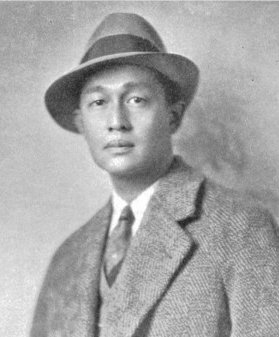
(Image from banknoteworld.com)

Penman No. 477: (Almost) Working with Mike de Leon

Penman for Sunday, September 7, 2025

IT’S ALMOST criminal to admit this, given the understandable outpouring of grief and adulation that followed the announcement of film director Mike de Leon’s recent passing. But the truth is, I didn’t really know him or his work all that well. I’d seen a few of his movies—Kisapmata and Citizen Jake come to mind—but for some reason missed out on the best and most celebrated ones: Batch 81Sister Stella LKung Mangarap Ka’t Magising, and so on. I shouldn’t have, but there it is, like all the great books I never got to read, because I was busy doing something else.

From the late 1970s to the early 2000s, I was writing scripts for many directors—mostly Lino Brocka, but also Celso Ad. Castillo, Marilou Diaz Abaya, Laurice Guillen, Gil Portes, and Joel Lamangan. (Never for Ishmael Bernal, either, nor for Eddie Romero; they’re all gone now except for Laurice and Joel.) Mike de Leon was and remained a mystery—until, on December 30, 2022, from out of the blue, I got this message in my inbox (I’ll be excerpting Mike’s messages to me from hereon; he typically writes in lowercase but I’ve edited everything):

Butch,

We’ve never met but I guess we know of each other. 

I just wanted to know if you are interested in working with me on a possible screenplay that I hope I can still turn into a film even at my late age (going on 76, Stage 4 prostate cancer, but still able to function). 

I admit I have never seen any of the films you made with Lino, and the only book of yours that I have is The Lavas which I have largely forgotten. But in that anthology book, Manila Noir, I found your short story, “The Professor’s Wife” the best of the lot. 

The only thing I can say about my film idea is that it is part of my memories as a young boy during summer months in Baguio in the late 1950s. In other words, it is just about a group of rich people who play mahjong and the battalion of maids and drivers who serve them. This is probably the result of the flood of memories that are still spilling out of my mind after completing my book Last Look Back. It is no big production because it is the characters I am most interested in. A picture of the members of the idle rich when Baguio was still the exclusive enclave of the privileged elite, from which I’ve descended, of course. 

I did ask Sarge Lacuesta and he was quite interested but he is going to direct his first film for Cinemalaya. So I picked up Manila Noir again and looked for that story and found out that it was you who wrote it. 

Anyway, as I always say, suntok sa buwanBaka hindi rin matuloy because of my health but I’d like to give it a try anyway. If you think you might be interested, please email me back. 

I wrote him back to say that of course I was happy and honored to be asked to work with him:

The project sounds like something I’d be very comfortable with—a quiet family drama with an upstairs-downstairs element to it. Coincidentally, i’ve been working on a novel set in 1936 in one of those Dewey Boulevard mansions, with the Manila Carnival (and Quezon and Sakdalistas in the background). But that’s at least still another year from being done. I just wanted to say that the idea of revisiting the past to show how it has shaped the present—throwing light and shadow where they belong—is dear to me.

And now, the inevitable hitch: I’m working on three commissioned book projects at the same time, and these books will be due in 2023. I’m retired, but I’m also writing columns for the Star and teach one graduate class in UP.

I can imagine from your situation that this project is a matter of great personal significance and urgency to you—which is why I so want to be a part of it, despite my own load. At the same time, I don’t want to be a hindrance to you, especially if you want this done soonest. If you just need me to flesh out some scenes and develop some ideas and write up the sequences and dialogue as we go along, maybe we can do something together. Let the thing grow and go where it will. 

Then he sent me more notes about what he had in mind:

As you probably know by now, I like shooting a film in Baguio. I now own the former family house and I’ve restored it and maintained it well. It can still pass for an authentic American colonial house of the late 1950s. Actually, the house was built in the 1930s, but I’m not sure of the exact date until I find the papers. The original owner was an American officer named Emil Speth. He married one or two native women and was the vice-mayor of Baguio when the Japanese bombed the city on December 8, 1941. Quezon was in the mansion and I read an account that Speth asked Quezon to take shelter in his house (maybe not the same one because Speth owned many houses) because he had a bomb shelter. 

By the way, this is not an autobiographical film. It’s the mahjongistas I’m more intrigued about. I used to watch them with a fascination because it was not really gambling but a form of social intercourse with its own rituals. 

Within a few days, much to his surprise, I emailed him back with a full storyline based on what he said he wanted to do. I’ve always been a fast writer, and I guess it was one of those things I would be known in the trade for. I delivered quickly, without fuss, just needing to be paid.

He responded:

Quite surprised to get this email and story idea. I just read it quickly but I will read it more carefully in a while, when I’m wide awake. It seems too complex, the characters as well. I was thinking of more opaque characters (from the point of view of the young boy, and the viewer, they cannot explain their behavior, that is what I’m looking for). His memories are speculative and will probably remain so until his old age. By which time, most of them are dead anyway. But I’m amazed at how you put this story together. Give me a couple of days to react to it and I will jot down my own notes.

On January 9, in the New Year, began what would become a painful series of revelations:

Sorry for the late reply. I’ve not been feeling well, possibly because of the gloomy rainy weather. I can’t take my regular early morning walks around Horseshoe or Greenhills. Also, I’m kinda antsy about my scheduled PET scan next week. My doctors told me last year, after the first PET scan, that I may not live another eight months or so, but it’s been more than a year and I’m still here. Fortunately, I was able to finish my book. 

I am writing my “impressions” of what I feel the film should be or “feel.” One important thing is that I think the film should start in medias res, the family is already in Baguio, several weeks in fact. The kids are playing or doing what they usually do (perhaps a little bored) and mahjong sessions are ongoing. I don’t want to give them family names, just Tita Rita, Tito Hector, Nicky (the kid). 

I think I need to paint a more vivid picture of what life was like back then for your benefit. I’m selecting photos of my youth in Baguio and sending them to you. I would like to give the impression that the film is “almost” biographical but not entirely so. So please give me another week to put something together. So there can be nothing like a murder. Psychological violence is more interesting to me. 

Pahinga muna ako, I’m always tired. 

A couple of weeks later, he followed through:

Sorry for the long silence. I’m pondering a lot of things at the moment. I haven’t written anything but the concept keeps growing in my mind that it is becoming unfeasible. I finished reading a book on the 1950s and I started reading “Cameo” last night, and I really like the way you write. 

Don’t hold me to this but I’m thinking that “The Professor’s Wife” may be the right kind of film for me but I was wondering if it can be set in Baguio. Not in my house, of course, it’s too grand for the story. I have some very dear friends in Baguio who may help me look for the right location for the story. 

I’ve been asking myself the same question over and over, do I still want to make films? It’s not just my health but a lot of other things. 

I’m sorry if I seem very unpredictable but I feel you can understand and empathize with my situation. I thought I’d be dead by now, but I’m not. 

And then:

Sorry for the long silence. My new PET scan results are not very encouraging. Although the bone metastasis has not spread (from the prostate cancer), there is worrisome new activity in my liver that was not there before. I will have to undergo a liver biopsy, an outpatient procedure but my doctor wants to have me admitted. And if I can do this early next week, it takes a week for conclusive results to come out. 

So that kinda leaves in a kind of limbo. In many ways, I feel so vulnerable, something that I did not feel when I was first diagnosed with prostate cancer in 2016. I feel that my life has just stopped. Anyway, the story I’m most interested in now is the aborted script of my own “Unfinished Business,” or its new title “Sa Bisperas” for obvious reasons. I was beginning to make major revisions when Bongbong was elected, but now it seems very appropriate to my life—an existential film masquerading as a ghost story.

Sorry about all of this, butch. I will keep you updated. Perhaps we can co-write the revisions if you are open to that sort of thing. But in the meantime, I have to try to beat this thing.

In January 2024, a year after our first contact, he wrote me:

I hope you’re doing fine and I’m really sorry for the long silence. So much is happening in my life right now but I’m still hoping to make one more film next year, that is if my medical condition doesn’t take a turn for the worse. 

I was wondering if anyone has made a film of your short story “The Professor’s Wife”, included in Manila Noir. I’ve been thinking about it and it could be something I can still do. If it’s possible, I can option it for a certain period and pay whatever you feel is a good price. The same would go for the screenplay—that you will be paid whether I can make it or not. I think it has the potential to become a small but intimate and intense film, character-based, with a murder thrown in, like Kisapmata. 

I wrote and sent him a full storyline based on my short story, but told him that I wasn’t going to bill him for anything until the project was actually underway. Six months later, on July 10, he wrote:

There are a couple of questions I should ask you right away. The professors’  academic argument, could it be about some “obscure” historical event or incident like something set during the Japanese Occupation? Perhaps an issue of collaboration. That way, we can subtly bring in the political situation today. 

Is it still possible to shoot in UP? Or in some relatively quiet location at the teachers’ village, so I can record direct sound, and avoid dubbing. It would be wonderful to set the story in Baguio, but I don’t want to force it. 

I’m going to travel in Europe in November, perhaps for the last time. My excuse is the restoration of Sister stella which is currently being restored in Bologna. I don’t have a Schengen visa and an invitation from my friend Davide of Ritrovata may help a lot in getting me one and for my caregiver as well. 

He wrote later about visiting our home on the campus, where my story was set:

I think a visit to your place would help me tremendously. There are so many possibilities to this story and since this is the first time we’re working together, I must warn you, makulit ako. But at least this time, the germ is there, the story is there. I just want to know more about the milieu. 

It’s a noir film and a social drama at the same time, I think. As I was writing, I was thinking of Cornell Woolrich, James M. Cain, and even Patricia Highsmith’s Ripley series or the Cry of the Owl, yata. Are you familiar with the 1947 film “Out of the Past” by Jacques Tourneur? 

I will continue to write down my rambling notes and send them to you in a day or two. 

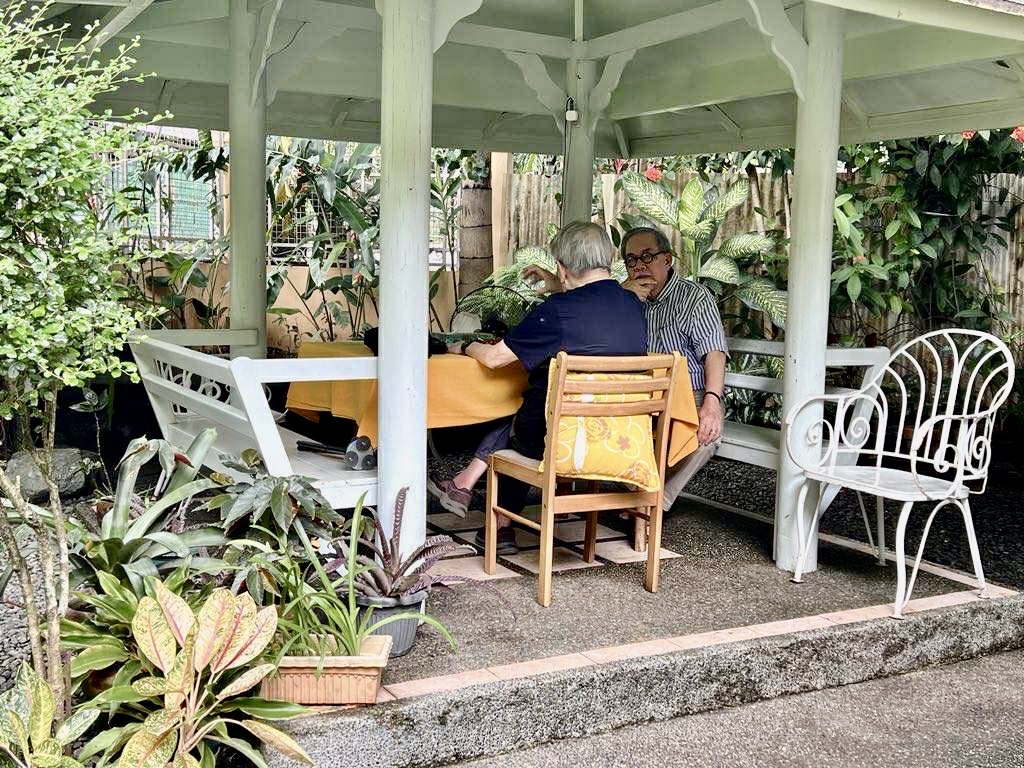
He came to the house on July 29, 2024. It was only the second—and would be the last—time for us to meet. We had a pleasant chat over a light merienda prepared by Beng in our garden gazebo in UP. I can’t recall if he even touched the food; he looked pale against his usual black shirt, but then he always seemed to be like that. We discussed the revisions I was thinking of making on my story to shade it even further. He said that he found me refreshingly easy to talk to, which I was happy to hear, but at the same time we were both aware that we were dreaming up a film neither of us would get to see. 

On October 12, 2024, I got the message I could not be surprised by. I wrote back to wish him well.

I’m sorry I have to write you this email, wherever you are. I’ve been quite sick these last two weeks. I was in the hospital for several days for a blood transfusion.

My recovery will be slow, according to my doctors. But they don’t really have to tell me that. I’ve been very weak, most probably due to a multitude of causes, foremost among them is the metastasis caused by prostate cancer. 

Needless to say, I don’t think I will be able to make a film, so you might as well know now. I even had to cancel my trip to Europe. I’m sorry that I wasted your time. I hope you understand.

Best and thank you very much

Mike

Penman No. 457: The Actor as Painter

Penman for Sunday, December 3, 2023

A FEW months ago, I had the good fortune of coming into ownership of four watercolors by Juan Arellano (1888-1960), the famous architect of such landmarks as the Metropolitan Theater, the Post Office Building, and the Legislative Building (now the National Museum). Less known to many was that Arellano’s first love was painting, and it was a passion he pursued throughout his life. 

My inquiries into the background of my paintings led me to cross paths—initially online—with Juan’s grandson Raul Arellano, who turned out to be an accomplished painter in his own right. Born in Cagayan de Oro, Raul has been based for almost 30 years now in the United States, but he has recently been returning to the Philippines more often. When, one day, he messaged me to ask if we could meet up, I said yes, eager to learn what he could recall of his grandfather but also to get to know him and his art. 

I’m by no means an art critic, but my wife Beng (a professional art conservator and watercolorist) and I are museum rats and enjoy both traditional and modernist art, and peek into the local art scene when we can. There’s a lot of brilliance and energy out there to be sure, but also much safe and tiresome repetitiveness from artists who’ve settled on a commercial formula, such that their work no longer exudes emotional power. Many young painters—like their writing counterparts whom I meet at workshops and teach in school—also seem to think that the only worthy subject is death and despair, which invariably means dark canvases devoid of any suggestion of wonder and mystery, let alone delight.

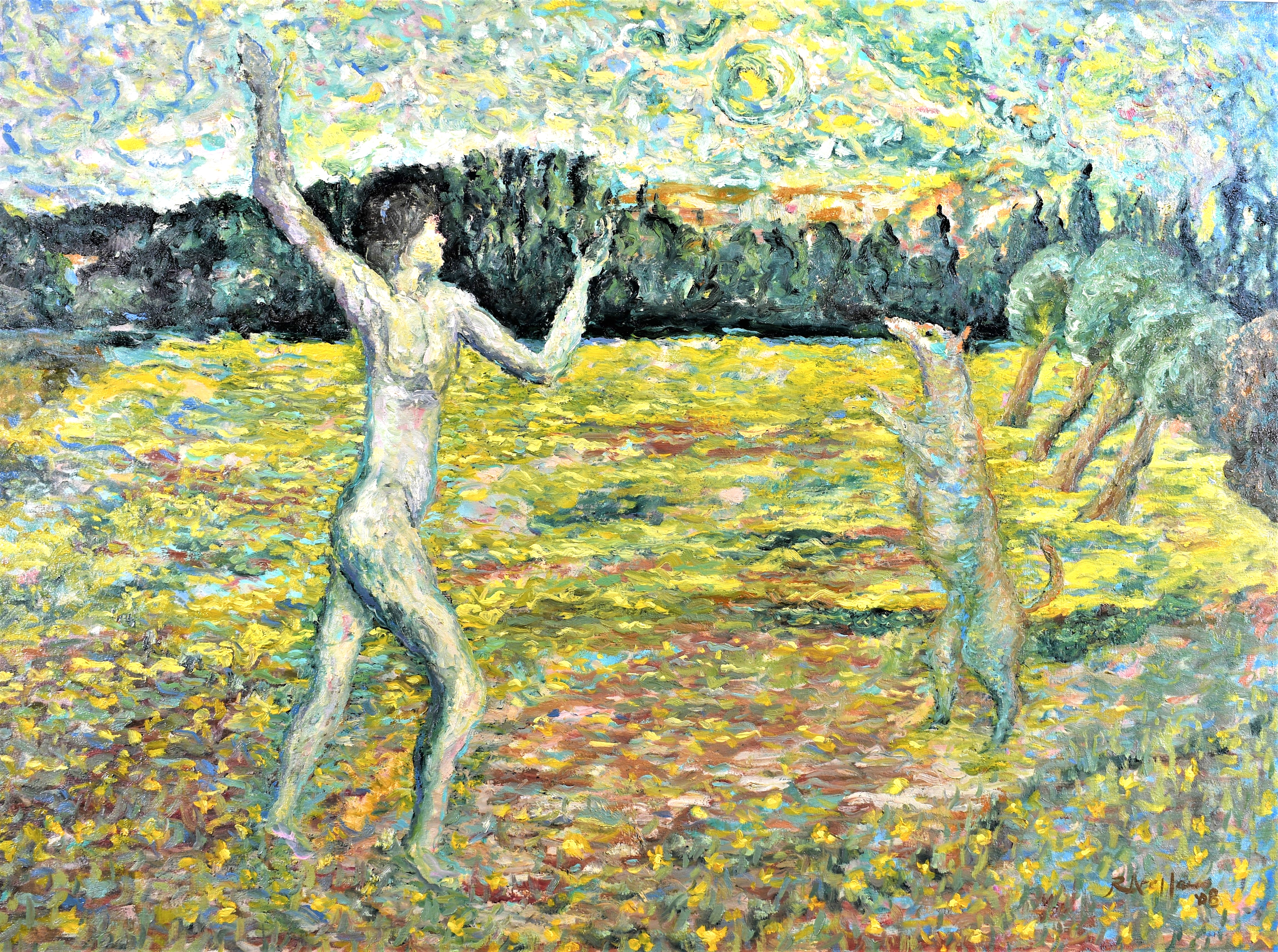
When I saw Raul’s work online, even before we met, what leapt out at me was exactly what I found missing in many others—an element of metaphysical magic, fantastical but relatable, the kind of paintings you want to return to over and over again. I saw flashes of Henri Rousseau, Van Gogh, and William Blake, among others, but it was still all him—not his grandfather, for sure—trying to tell me something I hadn’t really thought much about before.

As it turned out, Raul never met his grandfather, who died five years before Raul was born in 1965 (Raul’s father was Juan’s third son Cesar). All he has of him is a self-portrait—and, of course, a passion for art that runs in the family; his cousin Carlos or “Chuckie,” the son of architect Otilio, was a formidable art patron and collector; Chuckie’s younger sister Agnes remains one of the country’s leading and most imaginative sculptors; Cesar’s brother Salvador or “Dodong” Arellano became a well-known painter of horses and game fowl in California.

Raul’s path to painting was neither straight nor easy. His first great obsession was acting, to the point of becoming a resident actor of Tanghalang Pilipino at the Cultural Center of the Philippines, playing a smoldering Tony Javier in a production of Nick Joaquin’s “Portrait of the Artist as Filipino.” “We were trained in method acting,” says Raul, “and it got to the point that I became so immersed in my character that other people on the set found it unnerving.” He would go on to act in the movies, in the crime drama Akin ang Puri(1996) directed by Toto Natividad, Batang West Side (2001) directed by Lav Diaz, and Himpapawid (2009) directed by Raymond Red. Of his performance in Himpapawid, reviewer Jude Bautista noted that “Raul Arellano as the main character is able to show the frustrations of the common man without going over the top. There is a quiet intensity in his performance.”

That intensity had been brewing in Raul the person for some time, leading to and compounded by domestic problems. In 1995, he took the opportunity to go on a film fellowship at the Art Institute of Chicago. The Midwest was too cold so he later moved to California, and quickly realized what all dreamseekers in LA wake up to: that he had to start all over again at the bottom rung of the ladder. “I swept floors. I learned how to operate a forklift. When the big steel container that you’re lifting comes crashing to the ground, you can feel the jolt running down your spine. I was in a lot of pain, but I kept on. When I left, my boss was very sorry to lose me.”

He set up a business restoring American muscle cars. “I had a Russian mechanic, but I took care of the interiors myself. I specialized in Mustangs—you could show me a Ford screw and I could tell you the year and model it came from. I had a fastback Mustang but my best sale was a Shelby Cobra.” But again another personal crisis blew up and he enrolled in a community college to study painting. He left school once he felt he had learned enough about the history, the theory, and the techniques of art to express himself. “Something in me was always wanting to come out, and I found that release in painting. I had no models or artists I looked up to. I just wanted to express myself, to work from my subconscious. I found that I could work best in a cemetery, because it was so peaceful. I still like working in the open, in plein air.”

The lure of painting proved irresistible. He worked in oils, and one of his favorite paints was lead white, popularly used in the past for its visual qualities and permanence. However, it was banned in the 1970s because of the danger of lead poisoning—a danger Raul was well aware of but embraced. “I found a stash of old paint and bought it all up. I was inhaling it every day and I could feel it doing strange things to my head.”

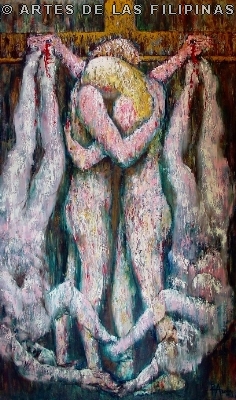
He returned to Manila every now and then and even resumed acting, but the death of a close friend shook him up badly. “I was all set to come out with an exhibit of traditional, representational paintings, but I was overcome with grief over the loss of my friend, and I just had to express that feeling in my work. So I put all my old work aside and began ‘Crucifixion.’” That work is one of his most impressive and a personal favorite, painted in 2004 at the outbreak of the war in Iraq.

(Image from artesdelasfilipinas.com)

Today Raul spends time in a small farm in Batangas, enjoying quick sketches in the sylvan scenery, and contemplating the possibility of exhibiting in his homeland. With him having gone from peace to pain, from calm to conflict and back again, one can only wonder what new work will emerge from this phase of his life. I find myself wishing for his playfulness to return, but that of course depends on what Raul Arellano is feeling inside.

(More here on Raul Arellano: https://artesdelasfilipinas.com/archives/85/the-art-and-thought-of-raul-arellano-original-)

Penman No. 447: A Tertulia and Tinio

Penman for Sunday, February 5, 2023

WE CELEBRATE National Arts Month in February in the Philippines, but it came a little early for me this year, in a January packed full of memorable cultural events that reminded me of how much we’ve missed during the long pandemic. 

First off was a trip to Bacolod for a preview of the celebrated theater director Anton Juan’s new film, Amon Banwa Sa Lawud (Our Island of the Mangrove Moons). I’d known, of course, of Anton’s stellar work in theater for many decades now, but this was the first foray of his into cinema that I was aware of, and I—and the select audience that attended the preview at the Negros Museum’s Cinematheque—was not disappointed. 

Set and shot in the island-community of Subac in the city of Sagay, and based loosely on Thornton Wilder’s seminal play “Our Town,” the film chronicles the lives of villagers whose fortunes are inextricably wedded to the sea. Isolated from many of society’s most basic comforts, they survive through hard work, faith, and ambition, despite the many threats they face—among them, roving bands of pirates and, not too subtly suggested by a floating buoy, Chinese vessels encroaching on their fishing grounds. 

Shot in ten days with a mostly amateur cast, the film is a tribute to Pinoy industry and courage, and also of the sense of community that seems to have frayed for our people on a national scale. I remarked after the screening that most of us have lost touch with our maritime culture—the sea hardly figures in our literature, for example, except as a romantic backdrop—despite the fact that ours is a country of many islands like Subac. Anton’s film offers hope—but also delivers a stern warning about the dangers hovering on our national horizon. Kudos to the Erehwon Center for the Arts and to its founder Raffy Benitez, among other producers and sponsors, for making this film possible.

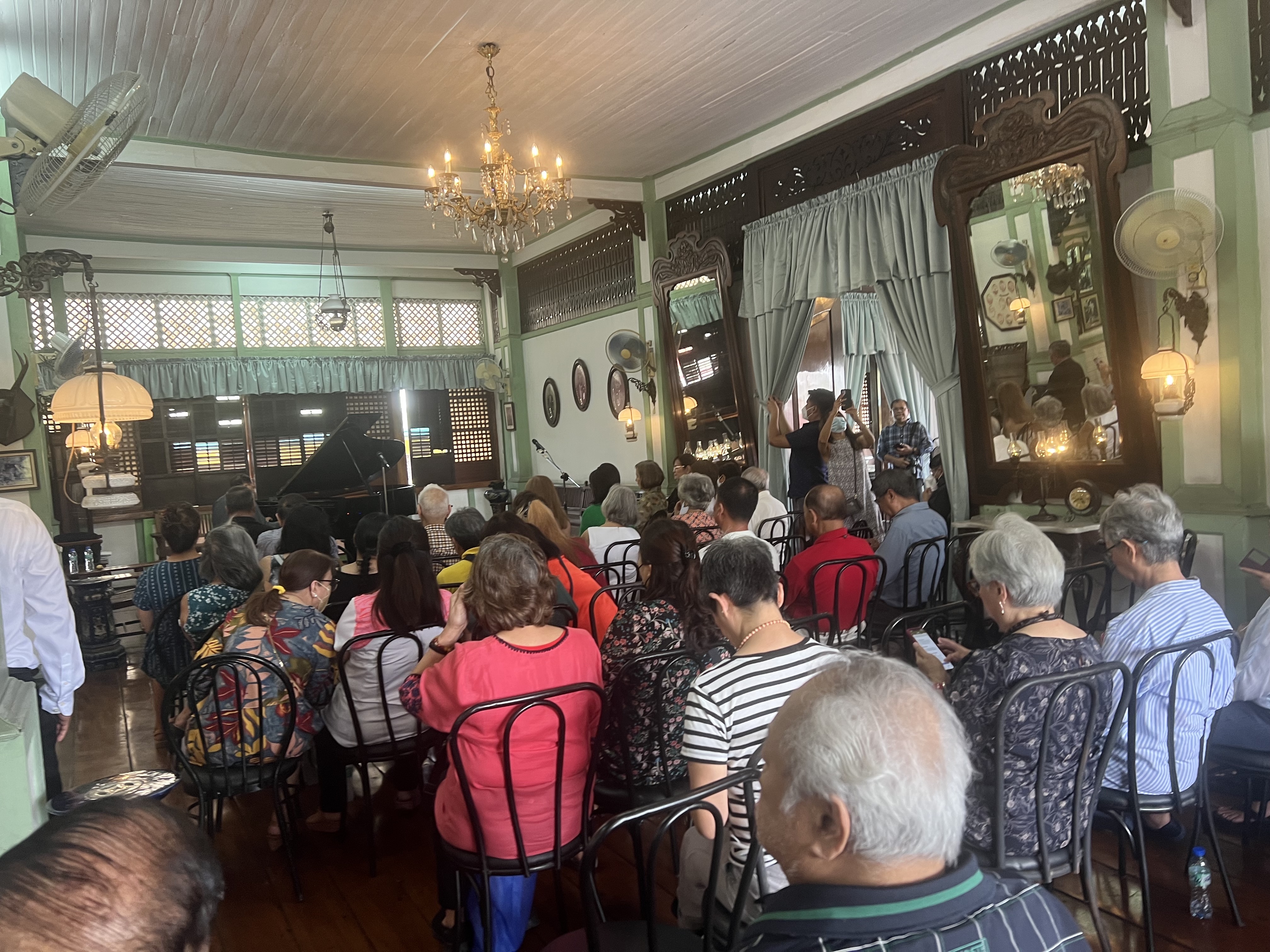
The second event that my wife Beng and I were privileged to attend was a musical tertulia at the historic Acosta-Pastor ancestral home in Batangas City, hosted by everyone’s musical tito, Atty. Tony “Tunying” Pastor. Every year, during the city’s fiesta, Ka Tunying sponsors a performance of renowned artists at his family’s home, which is a living museum of sorts, with a full-sized caruaje greeting visitors on the first floor.

This year, thanks to an invitation from the writer-curator Marian Pastor Roces, we were treated to a special program presented by the famed soprano Rachelle Gerodias, her tenor husband Byeong In Park, and tenor Nohmer Nival, fresh from their performances in last December’s “Turandot.” As was his wont, Ka Tunying—a music graduate from UP—joined the trio on the piano, and even sang gamely along. 

The repertoire comprised crowd pleasers like “Mutya ng Pasig” and “Nessun Dorma,” and the audience responded warmly, with more spontaneity than they could have shown at the CCP or some such venue. Somehow, the classics felt right at home in the 140-year-old house, which had resonated with music for decades, whose bright wooden floors had welcomed generations of guests eager for a day of revelry and good food (which was served downstairs, after the mini-concert). 

Most fascinating, however, was an evening we spent in Manila late in January with an old friend, the tenor and businessman Francisco “Frankie” Aseniero. In his other life as a bright young economist, Frankie had been our boss at the National Economic and Development Authority in the 1970s, where NEDA Director-General Gerry Sicat perhaps unwittingly nurtured a corps of writers and artists in his staff, including the late playwright Bienvenido “Boy” Noriega. 

When we met Frankie again recently to welcome home another officemate, the prizewinning Filipino-Canadian poet Patty Rivera, I asked him about his music, as he now spends most of his days as a gentleman-farmer in Dipolog, where his family has roots. (One grandfather was a student of Rizal, while another was a Swedish-American Thomasite—but that’s another long story.) He has concertized all over the world, was active with the UP Concert Chorus and the Madrigal Singers, and at one point had to choose between music and economics for further studies. He took the pragmatic option and joined NEDA, but never really let go of his singing.

One very interesting thing I learned during that chat with Frankie was how, back in the 1970s, he sang and recorded Filipino translations of classical and popular operatic pieces by the late Rolando Tinio. “We would be having lunch, and Rolando would just write his translation over the score on the table, and it would be perfect,” recalled Frankie’s wife Nenette. Tinio, of course, was a genius, for which he was rightfully named a National Artist, albeit a difficult person for some others to deal with (there’s an explosive episode recounted by the film director Mike de Leon in his two-volume memoir Last Look Back about an encounter with Tinio at the 1978 Metro Manila Film Festival). I had the privilege of having one of my plays directed by Tinio at the CCP as a young playwright, but thankfully escaped the edge of his scathing derision. At any rate, I was enamored of his Filipino translations for Celeste Legaspi in the mid-1970s—it’s an album I’ll never tire of listening to, especially the soaring “Langit Mo, Ulap Mo” (Michel Legrand’s “Summer Me, Winter Me”)—and learning that he also translated operatic and Broadway pieces intrigued me.

Frankie obliged by inviting us to his home for a soiree and a personal concert, featuring such popular favorites as “Yakap Mo’y Aking Napangarap” (“I Have Dreamed” from “The King and I”), “Wari Ko’y Di Ko Kaya ang Mag-isa” (“Stranger in Paradise” from”Kismet”), and “Ganiyan ang Aking Giliw” (“And This Is My Beloved” from “Kismet”). We had a good laugh over “Laging Nag-iiba Pusong Babae,” better known as “Donna e Mobile” from “Rigoletto.”

I can only wish that Frankie (and other Filipino singers) would make a studio recording of these Tinio translations for commercial release. It’s hidden treasure I was lucky to stumble on, but it deserves to be heard and enjoyed by many millions more.

Penman No. 441: The Mystery of the Word

Penman for July 31, 2022

TO BEGIN with a small personal note: this week marks my 22nd anniversary writing Penman for the Philippine STAR, an adventure that began on August 5, 2000 with a piece about my recent writing fellowship in Norwich, England, working on the novel that eventually became Soledad’s Sister (Anvil Publishing, 2008). I’ve kept every column I’ve written since then in my digital files, now numbering over 1,100 pieces; a couple of years ago, I selected what I thought were the ones worth reading again (not every column is, to be perfectly honest) and put 110 of them together in a book titled A Richness of Embarrassments and Other Easy Essays (UP Press, 2020, still available on Shopee and Lazada). 

It’s hard to believe that 22 years and 1,100 columns later, I’m still at it, and perhaps even harder yet to believe that I’m enjoying it with the same sense of discovery and delight, looking forward to seeing my text in print with a cub reporter’s enthusiasm. Much of that I should credit to my editors, Millet Mananquil, along with Igan D’Bayan and now Scott Garceau, who have been extremely supportive, sometimes to the point of indulgence (such as when I stray far beyond the normal bounds of art and culture). I’ve since learned to moderate myself, to stay within the zone, and to proactively seek out less known but worthy cultural endeavors to publicize. (The eager beaver in me has made sure that my editors never have to worry about my meeting deadlines; my columns are usually done the week before.)

I began reporting and writing for the old Philippines Herald at age 18, in 1972; at 68, I still remind myself that writing for a national broadsheet, even in this age of Facebook, is a tremendous privilege, so I still respect my editors, my deadlines, and my readers’ intelligence. I can only hope that our younger writers—who now have the freedom and capability to write whatever they like whenever they want on their blogs—will understand that journalism is also a community of shared values (by which I don’t simply mean pakikisama, although there’s a lot of that), and that no matter how brilliant you may think you are, you still have to earn your union card, so to speak, to gain the goodwill and respect of others (and if those things don’t matter to you, then you have a problem, and good luck with that). 

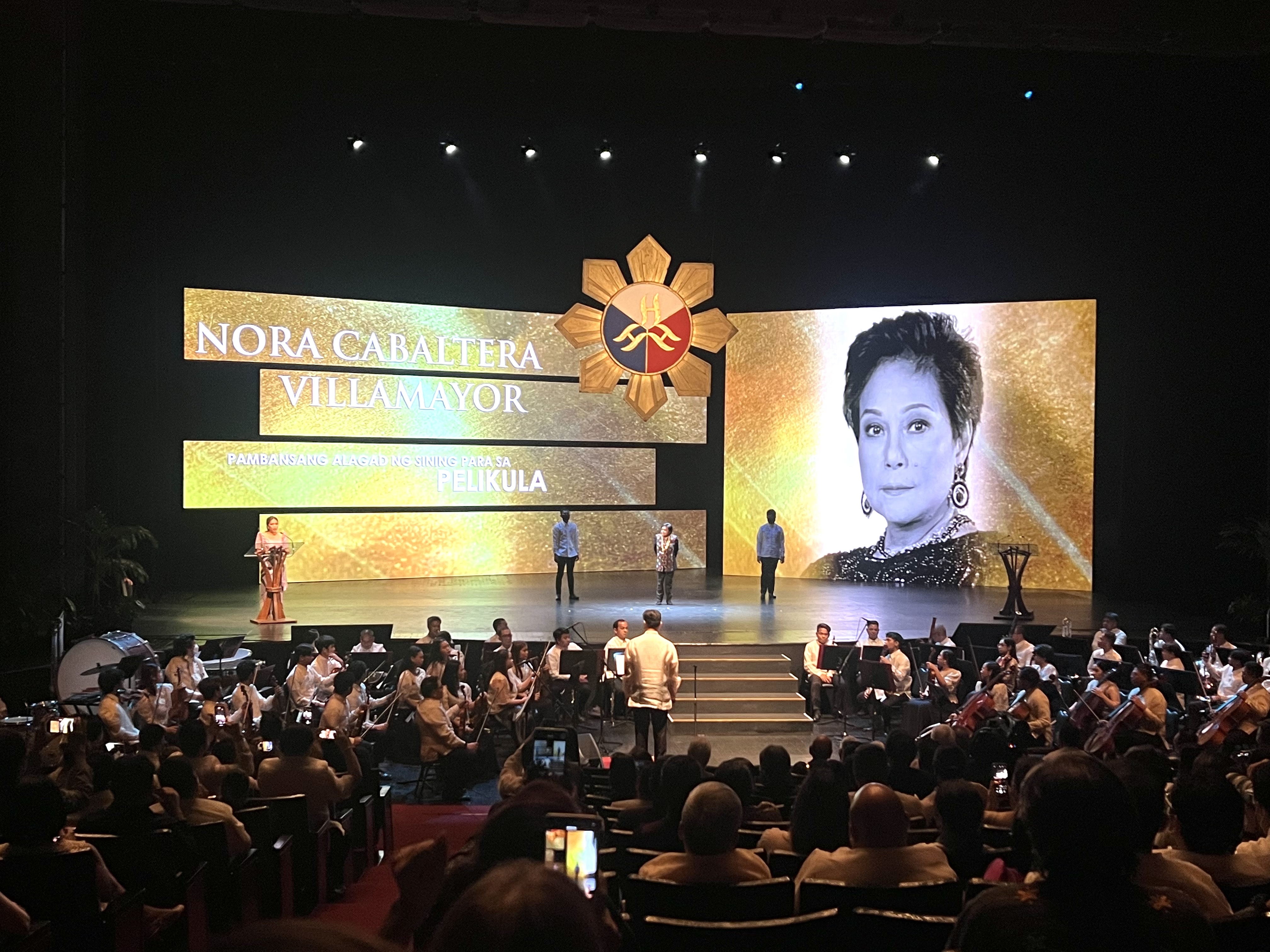
Moving on to other fruitful friendships and associations, I was elated to attend the Parangal for our newest National Artists at the CCP Main Theater last month. The eight new laureates were Agnes Locsin for Dance; Nora Villamayor (aka Nora Aunor) and Ricardo “Ricky” Lee for Film and Broadcast Arts; Gemino Abad for Literature; Fides Cuyugan-Asensio for Music; and posthumously, Antonio “Tony” Mabesa for Theater, Salvacion Lim Higgins for Fashion Design, and Marilou Diaz-Abaya for Film and Broadcast Arts.

I was proud to note that I had worked with or for many of them, and was well aware of their exceptional talent and dedication to their craft. I had never met Nora Aunor, but had written a script for her, “Ina Ka ng Anak Mo,” directed by the late (and also National Artist) Lino Brocka. Lino regaled me with stories about how amazingly good a natural actress Nora was, and I thought so myself, watching her onscreen. I had many issues with former President Rodrigo Duterte’s governance, but I have to credit him for not interfering—unlike many of his predecessors—with the National Artist selection process, particularly in Nora’s case, which everyone knew had been previously held up because of her alleged drug use.

I had worked with directors Tony Mabesa and Marilou Diaz-Abaya, sadly both of them now gone. Tony directed several of my plays and always managed to get just the right tone I wanted to come across. Marilou directed my script which eventually became “Ika-11 Utos: Mahalin Mo Asawa Mo” (someone else always made up these more marketable titles, for which I had absolutely no talent), a crime and domestic drama that received respectable reviews but didn’t win any prizes. But what I observed in Marilou was her work ethic and her methodical approach to the material. I had been used to churning out one-week wonders for Lino, but with Marilou, the scripting process took months, because she would pause and analyze every scene and snippet of dialogue for its political and philosophical implications. 

I was gratified to have made the right call in the cases of Jimmy Abad and Ricky Lee; I had privately predicted, before the results were announced (and with no inside information whatsoever) that the two would be very strong contenders (I also mentioned Lualhati Bautista and Pete Lacaba, among those still living; for the record, I was also nominated, but it was more to make my 94-year-old mom proud and happy, which she was, and so I was). I had known Ricky for a long time, both of us being Lino Brocka’s go-to’s when he needed a script done fast. Ricky, of course, was more than fast; he was good. And while I wandered off into many other kinds of writing, Ricky turned screenwriting into the art and profession it deserved to be, not just for himself but for scores of acolytes. We used to ask each other, half-jokingly, why Pete seemed to get all the choice, festival-bound assignments; and we decided that it was because, by his own admission, Pete was the slowest scriptwriter among us, and therefore got to work on the long-gestating projects.

But I was happiest of all for my former professor and dear friend Jimmy Abad, whom I felt should have received this honor at least ten years earlier, given his elevated poetry, outstanding scholarship, and generous mentorship to generations of writers. For someone who began by studying to be a farmer at UP Los Baños and who then entered the Jesuit seminary (when he left after three years, he recalls, “The first thing I did was to look for a store and smoke a cigarette!”), Jimmy found his true calling in unraveling the Mystery of The Word, of language and how it shapes our view of life. I can think of no writer more purely dedicated to his art than Jimmy, the classic absent-minded professor who drives up one-way streets and whom I had to remind of his exact age. When it comes to words and their meanings, he is ever-aware, ever-present, and ever-caring. A true National Artist, indeed. Heartiest congratulations to all!

Penman No. 271: From Balagtas to Gloc-9

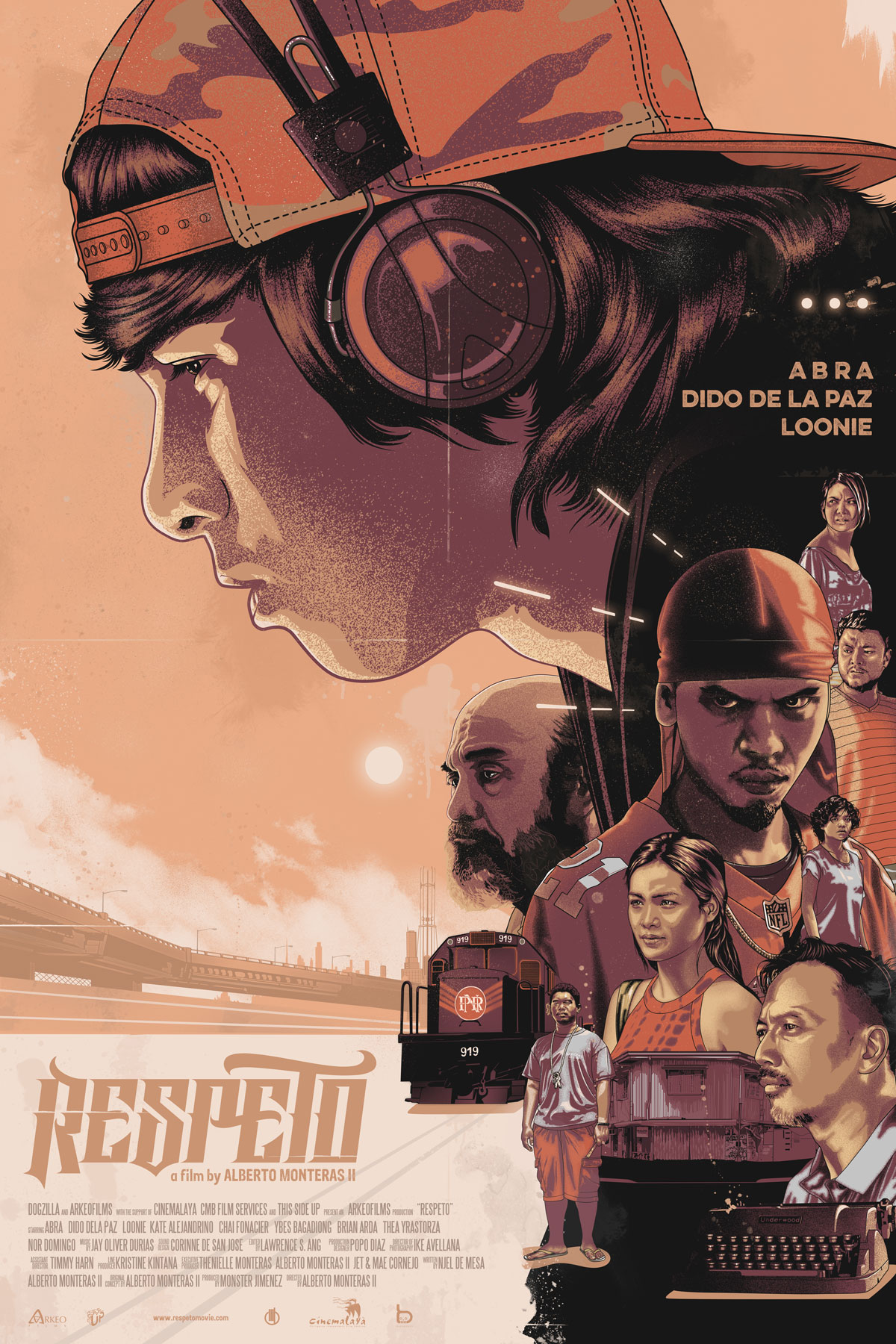
RespetoPoster.jpg

Penman for Monday, October 2, 2017


It would be easy and comforting to praise director Treb Monteras’ Respeto as a testament to the redemptive power of poetry, to art as a transcendent force in the universe—but it’s not that simple.

Yes, there’s quite a bit of that, and happily so for occasional poets like this viewer. We want to believe, in our heart of hearts, that poetry will save us, will elevate us from the sordidness of our surroundings and from our own sad and sorry failings. Two of my favorite quotations about poetry which I often bring up in class address that notion.

The first comes from that quintessential poet of the city, the Frenchman Charles Baudelaire: “When (like a poet) / the Sun descends into the city / It ennobles even / the vilest of its creatures.” So, poetry ennobles, raises up the poet from his or her pedestrian reality, no matter how vile that reality may be.

The second comes from Anne Sexton, who took her own life at age 45 after a long bout with depression, but who could still understand that “Suicide, after all, is the opposite of poetry.” Poetry was the life-force, the contributor to the poet’s heightened state of being, as Sexton would advert to in another line: “Saints have no moderation, nor do poets, just exuberance.”

These ideas were swilling in my head hours after my wife Beng and I stepped out of the cinema, still trying to figure out what I was supposed to think. We had missed Respeto during its Cinemalaya screening—they ran out of seats for us at its last showing—but had heard great things about it and weren’t about to miss it again during its regular run.

The movie itself isn’t hard to follow, even for a pair of senior citizens whose virgin ears opened up to Pinoy battle rap (always good to learn something new) for the first time. The Brockaesque descent into the urban jungle is such a familiar move for Filipino filmmakers (Hamog and Pauwi Na most recently come to mind) that it’s practically a given, but Respeto deepens the milieu by opening a door to the hip-hop subculture that many middle-class and middle-aged moviegoers have no inkling about whatsoever.

The fast and furious exchange of expletives aside, you could take Respeto as an Araby-type coming-of-age story where a young man falls for a woman, tries to gift her with something marvelous, and fails in the effort but learns something about himself in the process. Well, it’s a lot more complicated than that, because many other dualities and intersections abound in the story beyond just man and woman: that between youth and age (Hendrix, played by the ace rapper Abra, and Doc, played by Dido de la Paz), between apartment and slum, between bookshop and bar, between wisdom and wit, between Balagtas and Gloc-9, between Marcos and Duterte, and even between people who suffer and die for their beliefs and those who simply die out of poverty and crime. And perhaps, in the end, the movie asks, are they really so different? Is there some overarching reality that yokes them all together?

That reality seems to be that they’re all Filipinos living in the time of tokhang, a reality that pointedly intrudes into the narrative at key points and provides the inevitable climax. The environment seethes with menace and aggression—from the verbal violence (and blatant machismo) of the rap battles to the chilling corruption of the rogue cop Fuentes (played with understated competence by Nor Domingo). Without providing too much of a spoiler, I’ll just say that there’s no happy ending here, no triumphant reversals of fortune where the good guy bucks the odds, wins the prize, and gets the girl.

A perceptive review online by Tristan Zinampan puts it this way: “Respeto tells us that—given the cyclical oppression of Philippine society—going your own way, resignation, and apathy are not enough a vehicle to escape. Injustice is widespread; there’s simply no room to hide in this little archipelago. Just because you’re looking up, it doesn’t mean the chains on your feet aren’t there.”

Respeto’s Pinoy ‘hood is fertile ground for confrontation between good and evil in all their forms, with life and art insistently if desperately seeking to survive in the most hostile environments, even within the rap arena itself, where originality seems to be at a premium. The movie’s consistent use of a cemetery as a place for the creation of new art in words and images highlights this struggle.

Ultimately, however, at least for this viewer, Respeto affirms the inescapability of politics—especially the politics that kills—in our society, and its intrusion into our most private spaces, our most fervent dreams. There’s no doubt that the film draws much of its appeal from its running political commentary, but it’s less the topical references that create Respeto’s critical value for me than the power games that define it, some larger than others.

My takeaway isn’t a soothing one: poetry won’t save us, but guns—maybe even a rock—could, if that’s what it takes to overcome evil. And then again, the poetry—the truly great poetry, like all great art—will survive all of us: killers, victims, and bystanders alike. Catch Respeto the next chance you get, maybe on the campus film circuit, and tell me what you think.


Penman No. 266: The Pinoy Film Family

patay-na-si-hesus-movie-poster.jpg

Penman for Monday, August 28, 2017


LIKE MANY Filipinos, I really should see more locally made movies than the Hollywood and Netflix confections that have become our staple entertainment. That statement’s even more ironic in my case, having scripted about two dozen movies, mostly for the late Lino Brocka, between 1978 and 2003.

I missed out totally on this year’s Cinemalaya offerings because of a toxic schedule at work—I tried to catch Respeto on its last day only to find all the tickets sold out—so I made sure to make time for the Pista ng Pelikulang Pilipino the following week. I suppose I more than made up by managing to see four of the PPP entries over as many days: Patay Na si Hesus, Pauwi Na, Birdshot, and Hamog, in that order.

I might have chosen these movies because I’d heard good things about them, but I also wanted to see how they represented the Filipino family—for me an eternally fascinating subject, even from the days when Lino and I explored its complexity in such films as Tahan Na, Empoy and Inay. Filipino society (and politics, for that matter) is nothing if not about family, which seems inextricably connected to our struggles for survival—we survive for family, and also because of it.

Directed by Victor Villanueva, Patay Na si Hesus has a long-estranged wife and now a widow, Iyay (Jaclyn Jose), drive her ragtag family in a minicab from Cebu to Dumaguete to attend the wake of her husband Hesus. Along the way and at the wake itself all manner of misadventure happens: a nun liberates herself, a lesbian relationship crumbles, a boy with Down Syndrome seems to get lost but actually finds his way, a coffin collapses, and a dog dies (curiously—and sorry for the spoiler—the three dogs in three of these movies all die). The dog’s demise has all the characters wailing and shedding the tears they couldn’t muster for the absent dad.

Pauwi Na is another family-on-the-road movie, with Mang Pepe (Bembol Roco) and his wife Remy (Cherry Pie Picache)—crushed by eking out an existence in the slums—transporting their brood back to the Pinoy fantasy of a paradaisical province, not by train or bus but by pedicab. Director Paolo Villaluna’s project is a long and laborious journey that ends in tragic loss, but the family’s dogged faith in a better life elsewhere infuses the film with both power and poignance. Mang Pepe is every Filipino tatay who’s gone the extra mile—many miles—to put food on the table and bring a smile to his family’s faces. (I’ll admit to having teared up remembering my own father, a highly intelligent man who wanted to become a lawyer but never quite got the right breaks, and who at one point had to work as a jeepney barker just to tide us over.)

Directed by Mikhail Red, Birdshot juxtaposes the coming-of-age of young Maya (Mary Joy Apostol) with the brutishness and brutality of political power in the rural hinterlands. The endangered eagle that she shoots dead is precious, but it’s hardly the most grievous loss the place suffers, although there’s little official interest in investigating the bigger crimes.

Hamog is set in another jungle—the bowels beneath and around Guadalupe Bridge, in the city’s slums and tenements where street urchins become almost feral in their predation. The movie is actually a diptych, an exploration of two lives—Rashid’s and Jinky’s—and it opens doors to what to most Filipino viewers would be unusual relationships (a Muslim man with several wives, a woman with a husband and a lover under one roof). While doubtlessly powerful, the narrative needed, I felt, a bit of rounding out, even assuming that its director Ralston Jover precisely wanted to make a point of leaving ends loose, as life often happens.

I’ve already mentioned the 100% mortality rate for canines in these scripts; another interesting parallel was the appearance of phantoms—Jesus Christ, a shadowy forest figure, Supergirl—in three of the films, which seemed more organic and necessary in Pauwi Na but too deliberately cinematic a touch in Birdshot and Hamog.

Their minor flaws aside, all four movies were well worth my time and money, and I was glad to see full houses for a couple of them, and appreciative audiences who clapped as the credits rolled. For someone who’s been out of the film industry for a while, it was heartening to witness such a wealth of new young talent—both on the directorial and acting sides (Chai Fonacier, who appears in the two road movies, has a great future ahead of her)—emerging to take over from the likes of Brocka, Bernal, de Leon, and the other masters of that generation. If I were to hand out my own awards just among these four, I’d give the top prize to Patay Na si Hesus, for its refreshing quirkiness and dark comedy.

What struck and impressed me from a writer’s perspective was the non-linearity of the plots and the moral ambiguity of the characters and situations—a far cry from, say, Brocka, in whose movies it was always clear who the villain was, and why.

Most important, of course, was to see how the Pinoy nuclear family had morphed in response to changing times—to nontraditional sexuality, to absentee parents, to the pressure to survive—and yet also to see the love and affection in it undiminished and even intensified by need. Bravo!


Penman No. 236: A Web of Entertainment

img_4017

Penman for Monday, January 30, 2017


IF I HAD to name three of the most important and most useful sites on the Internet that I’ve ever used, they would, unsurprisingly, be Google, Wikipedia, and YouTube. (Some would stick Facebook in there, but since I stay off the FB grid, I wouldn’t know).

Granted, they’re far from perfect and are eminently susceptible to manipulation by both the well-intentioned and the unscrupulous. It’s easy to become overly dependent on them for information, and to simply believe what they say and show without any kind of critical intervention. For many students and researchers, Google and Wikipedia have long replaced the physical library—and why not?—without minding the inflexible if inconvenient need for proper attribution of sources and for fact-checking. Google in particular gives weight to the popular, and in this age of fake news, post-truths, and “alternative facts,” where “If it’s retweeted a hundred times, it must be true,” the pitfalls abound.

But with enough awareness and discernment on the user’s part, they can be valuable tools for learning, and I have to say that I can’t possibly get as much work done as I do these days without drawing several times a day on these indispensable sites.

And there’s an even better reason, I’ve discovered, than cold research or trawling for factoids to explore these sites. They form a veritable Worldwide Web of entertainment, taking me to serendipitous discoveries of all sorts, thanks to the Web’s structure of hyperlinks. They often lead me to things and places I’d never have encountered otherwise, which is where much of the entertainment lies, in the continuously unfolding panoramas of knowledge that open up onscreen.

A good example came up about a month ago, while I was watching an episode of Great Performances on PBS (which I get by paying a small subscription fee, well worth the treasure trove of documentaries and arts programs). This one was titled “La Dolce Vita: The Music of Italian Cinema,” and it featured the New York Philharmonic Symphony Orchestra in a concert of classics by such renowned and popular film composers as Ennio Morricone and Nino Rota. (Morricone is a personal favorite—I keep playing Yo-Yo Ma’s rendition of “Gabriel’s Oboe” from “The Mission”, and even visited Morricone’s hometown in Cervara di Roma, where he’s venerated as a hero.)

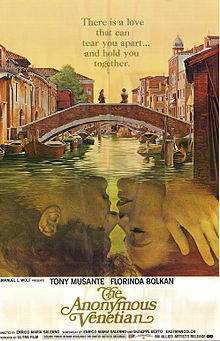
220px-anonimous_venetian

One tune that captured me was the haunting theme from a film called “The Anonymous Venetian,” played on the violin by Joshua Bell. I had heard the song before, but Bell performed it with such sublime intensity that it brought my wife Beng to tears when she listened in.

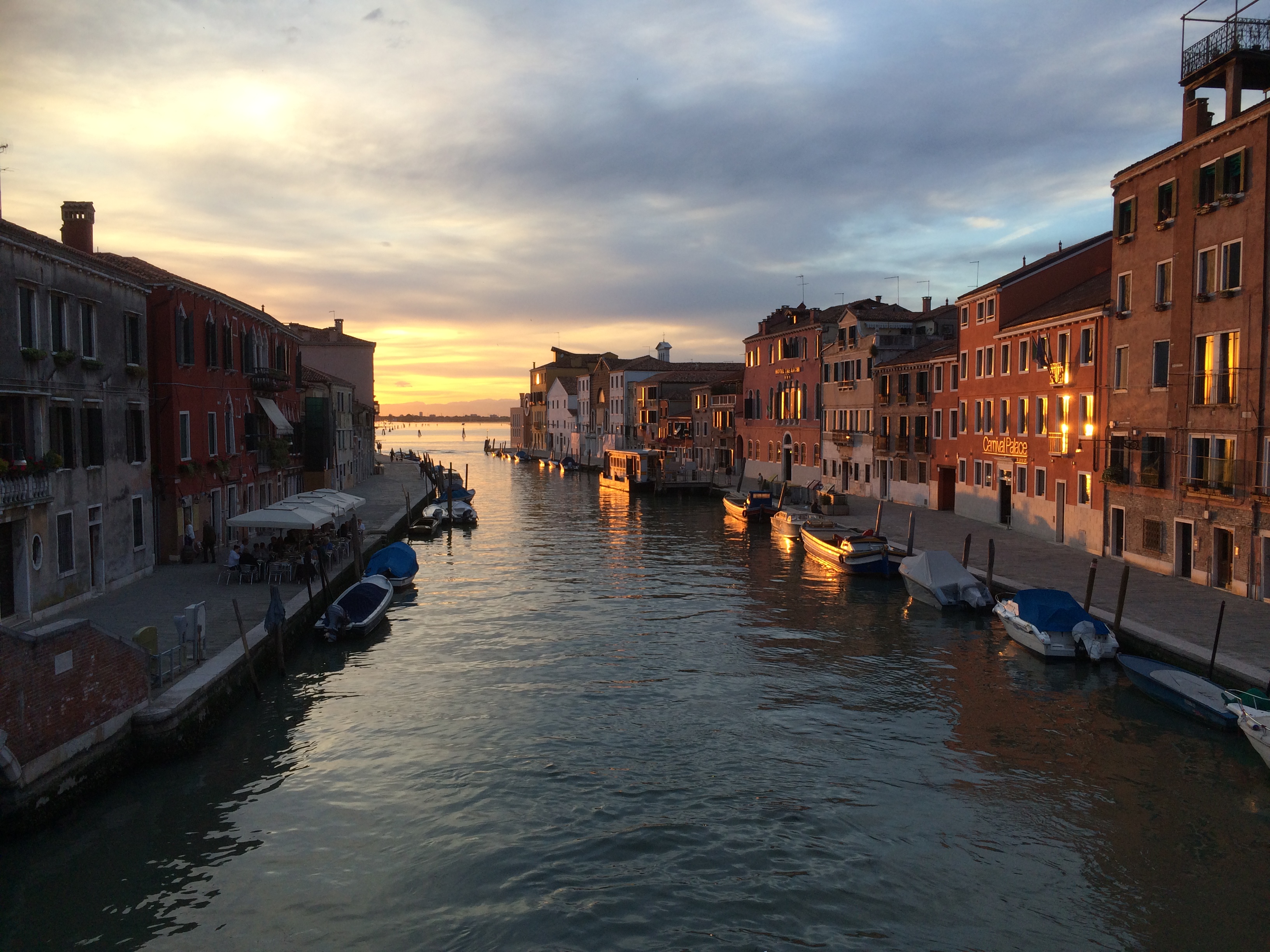
Now that I had the title, I went to Google to find out more about the song and the movie; Stelvio Cipriani had composed the music for the film, which had been directed in 1970 by Enrico Maria Salerno, starring Tony Musante and Florinda Bolkan. Further Googling revealed that the movie was about a terminally ill musician who meets his ex-wife in Venice, briefly rekindling their old passion. It was panned by the critics (and then again, some bad movies produce the best scores–remember “The Promise”?). I’m a fan of movies about Venice (Luchino Visconti’s “Death in Venice”, Nicholas Roeg’s “Don’t Look Now”) and Beng and I had spent some of our most blissful moments there riding the vaporetto on a one-day visit three years ago, so I went on eBay to buy the movie, but it wasn’t available on DVD.

Neither was it on YouTube, where you can find whole movies if you get lucky (and don’t mind the dubious provenance). But I was able to download the full PBS video on the PBS site and to find other versions of the song on YouTube, from which I cut clips to save to iTunes.

141170050

My attention then turned to Joshua Bell, who turned out to be something of a sensation in American music. Among other interesting factoids brought up about him by Wikipedia was that he owned and used a 1713 Stradivarius violin called the Gibson ex Huberman after two of its previous owners, a $4-million instrument which has been stolen not once but twice.

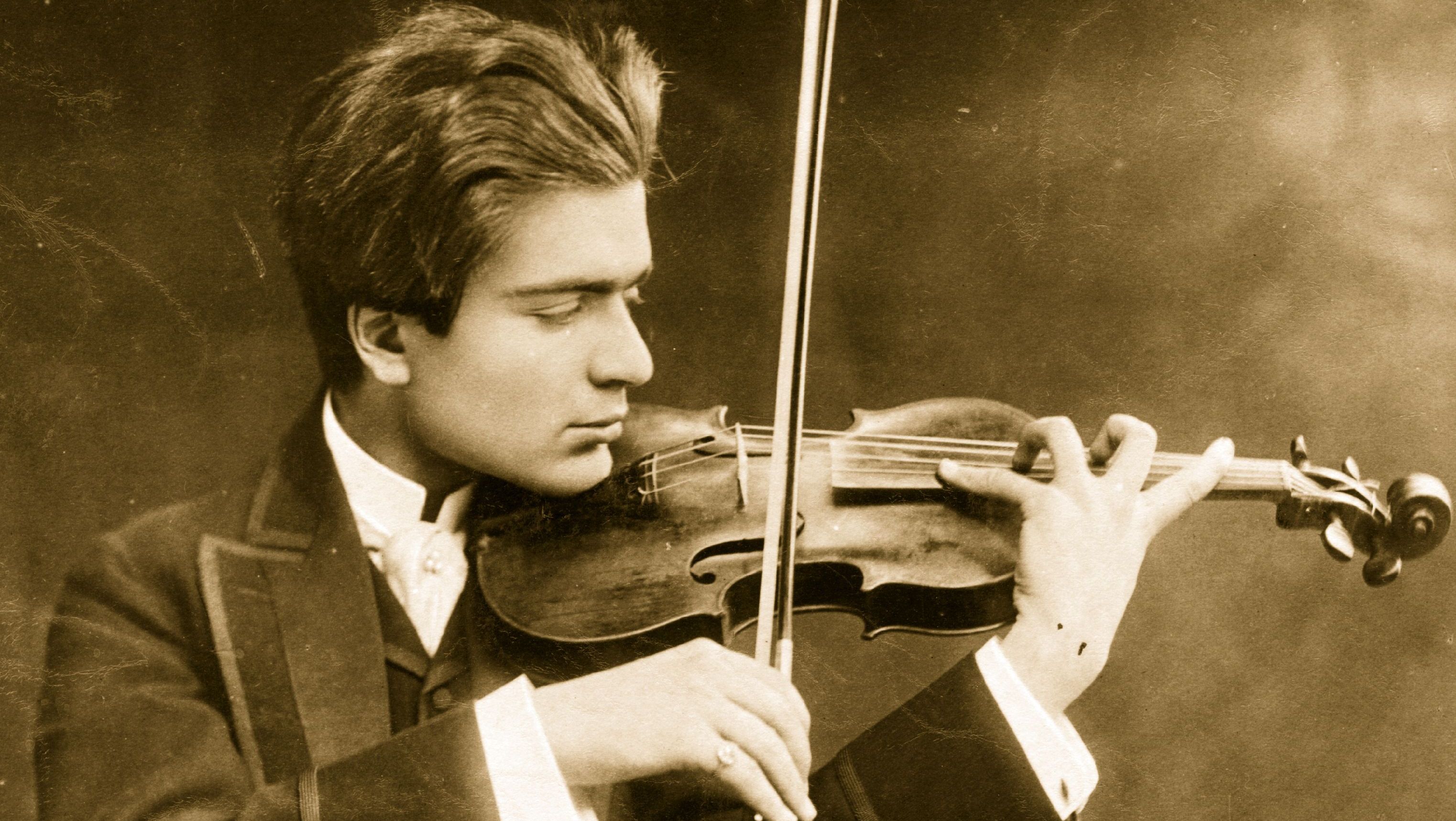
That led me to the story of the violin itself and back to YouTube, where a one-hour documentary titled “The Return of the Violin” traces the long and poignant pedigree of the violin, particularly its time in the hands of the Polish prodigy Bronislaw Huberman. Huberman received the violin as a gift from a Polish noble family in recognition of his astonishing prowess, but even more remarkably, he didn’t rest on his laurels; he saved many Jewish musicians during the Nazi period by recruiting them to join the Israel Philharmonic Orchestra, which he was setting up at the time.

bronislaw-huberman

At this point, I was getting far more than entertainment; I was getting an education in music and its humanizing influence, thanks to a few clicks on my keyboard.

Penman No. 233: A Ray of Filmic Sunshine

Sunday_Beauty_Queen_poster.jpg

Penman for Monday, January 9, 2017

AS SOMEONE who wrote about 25 full-length screenplays for various film projects and directors in another life between the late 1970s and early 2000s, I really should be more interested in the remarkable developments that have taken place since in local cinema, especially on the indie scene.

But I have to confess, with some guilt and shame, that I haven’t kept up with what our younger, post-Brocka and post-Bernal directors have produced, except for the occasional viewing of a Brillante Mendoza or a Lav Diaz film, or outstanding documentaries such as last year’s Curiosity, Adventure and Love and An Open Door: Jewish Rescue in the Philippines. There are some personal reasons for this estrangement (not worth getting into at this time), but I do realize that I’ve missed out on a lot of good material while bingeing unpatriotically on Hollywood and Netflix.

I must say that the Metro Manila Film Festival and its seemingly bottomless decline from its glory days ages ago to the inevitable iteration of Enteng Kabisote contributed to my dismay. This most recent MMFF, however, seemed open to letting a ray of filmic sunshine through, with new criteria and a new selection process that put a premium on quality over commercialism. When I saw the list of the people involved and when I noted that their final selections were fresh titles by new directors, my expectations rose and I told Beng, after Christmas, “Let’s go see a movie!”

We’ve managed to see only two MMFF films as of this writing, but in both instances, our hopes were well rewarded.

Sunday Beauty Queen, which eventually won the Best Picture Award, documents the labors of Hong Kong’s OFW community in putting together a beauty pageant to ease the pangs of loneliness and the drudgery of their work. Directed by Baby Ruth Villarama, the film tracks pageant organizer Leo Selomenio—herself a longtime domestic helper—and the lives and stories of several key participants, all of them hardworking DHs. These girls, clearly, are no Gemma Cruzes or Pia Wurtzbachs, but even those of us who may scoff at the predictable inanities of beauty pageants will appreciate how the idea of “beauty” itself has been turned inward by this film, whose insistent positivity prompted me to tweet, as I stepped out of a cinema, that it was a “beautiful film about truly beautiful people.”

It wasn’t lost on me that I myself had written a novel, Soledad’s Sister, about OFWs, set briefly in Hong Kong, and had more than once observed our compatriots’ festive Sunday gatherings in Statue Square. Novels like mine tend to be morose reflections on human suffering, but there’s nothing like a well-crafted and even-handed documentary to bring out the verve and the tenacity that must accompany and cushion all that sorrow, and Sunday Beauty Queen draws on Pinay resilience in spades. The ultimate crown its subjects wear—and they are all winners—is that of dignity. Bravo, brava!

The other movie we chose to see was Ang Babae sa Septic Tank 2, with the irrepressible and hugely talented Eugene Domingo reprising her title role. We hadn’t seen the original movie from 2011 (and are now sorry we didn’t), but had no trouble wading into the premises of this sequel, which has Eugene playing herself as a comebacking star and tormenting her director (Kean Cipriano) with her “suggestions” for “improving” the script. It’s a riotously satirical project through and through, well-acted by its ensemble and well-scripted by the unfailingly sharp Chris Martinez, intelligent without being pretentious.

I may have chuckled more appreciatively than others in the audience, having gone through many of the absurd situations and propositions Eugene’s character raises in the film with her director-scriptwriter. I know I said at the start of this piece that I didn’t want to talk too much about how and why I got fed up with working in the film industry, but I feel like I should share at least one incident, from around 20 years ago, that’ll help explain why I moved from writing film scripts to writing novels and biographies.

Let’s set our scene in the offices of a big film studio, somewhere in Quezon City. I’ve been called to an urgent meeting by the producer because the movie we’re shooting (yes, we’re actually in the shooting stage) needs a new ending. Why? Because the studio’s Big Boss, who keeps track of the bottom line, doesn’t want our hero to die, like we’d originally planned; dead heroes bomb at the box office. So now we have to figure out a new extro, and the producers’ friends and alalays are all generously available and willing to help us think the ending through.

“So Gabby doesn’t die at sea when his banca is run over by a big ship,” one of them suggests, “but of course Sharon doesn’t know that, and in despair, she accepts Eric’s offer of marriage. But on the way to the wedding, she asks the car to stop by the beach, where she and Gabby used to promenade. She’s in her wedding gown, and she walks on the beach thinking about Gabby, until she reaches the tree they used to stand under. So she does some muni-muni, remembering their happy days….” At this point, another alalay interjects: “Ay, you know what, it will be so kilig if she looks up at the tree, and she’ll see the face of Gabby shimmering on every leaf!” I take a huge gulp of water to drown the welling acid in my gut.

“She makes a speech and tells the absent Gabby how much she truly loves him,” the original contributor ventures breathlessly, “and then she walks away… to her marriage and her life with Eric…. But it doesn’t end there! Because… because when she drives away, we see that there’s movement from behind the tree—it’s Gabby! He’s alive!”

There’s clapping and cheering all around the table, until somebody has the temerity to ask, “But why doesn’t he show himself to her?” It’s a question met with profound disdain. “Because—don’t you see?—Gabby is now in crutches, he lost one of his legs in the boating accident, and he loves Sharon too much to make her share her life with a cripple! So, nobly, he lets her go, as the theme song plays to the closing credits…..”

Appreciative sighs greet the revelation, as some of my water sputters onto the table.

Thankfully my director and I found a way to weasel out of that inspired conclusion, and the movie was shot and finished. I collected my paycheck, and resolved to do my best to write just stories, novels, nonfiction, and columns from that moment on.