Qwertyman No. 45: Onward to Frankfurt?

Qwertyman for Monday, June 12, 2023

IF YOU were at the Philippine Book Festival (PBF) that took place at the World Trade Center earlier this month, you would have been surprised to find how many Filipinos were writing, publishing, selling, buying, and reading books. A project of the National Book Development Board (NBDB), the PBF was the first such event devoted solely to locally produced books—as opposed to, say, the Manila International Book Fair (MIBF) in September, which is open to books and publications from overseas. The NBDB wisely decided to showcase our homegrown literary talents—not only from Manila, and not only from my generation of old fogeys, but from all over the country, and writers of all persuasions and ages (as young as fourteen!).

We Pinoys have become so immersed in Netflix, YouTube, and social media that many of us have forgotten about reading, and what a good book can do for one’s mind and soul. We want everything delivered to us in short sentences—even in acronyms or, if possible, in memes—because long paragraphs (and, God forbid, pages) can only mean a waste of our precious time (which is, of course, best spent posting what we last ate on Instagram, and critiquing someone’s OOTD). Whether fiction or nonfiction, books challenge us to carry ideas through to the limits of our reason and imagination. The difference between a good meme and a good book can be that between wit and wisdom—between the bubbles that rise to the top of your champagne and the notes that linger on your tongue and senses long after you’ve put your drink down.

And despite the death knells that have been tolled for publishing and reading in this country, the droves of people who flocked to the PBF and the MIBF show otherwise; as I’ve noted elsewhere, more new authors and publishers are emerging across various genres and languages than ever before, spurred by writing programs and workshops, new technologies, and more exposure for Filipino writers in international markets.

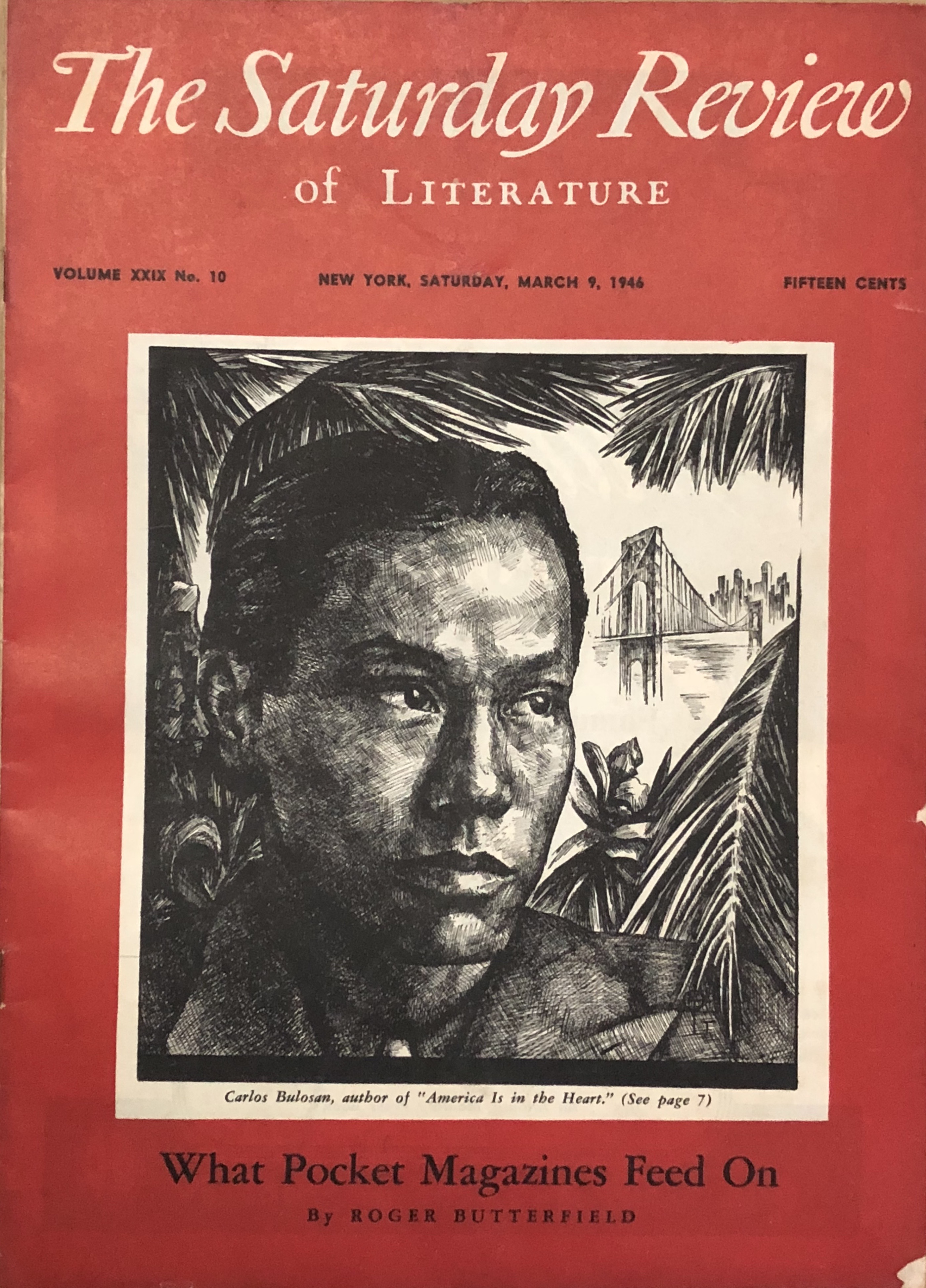
That last note—the emergence of Philippine writing in the global consciousness—has been a long time coming. We’ve had, of course, writers who’ve been published abroad, most notably Jose Rizal and the late National Artist F. Sionil Jose. In America, both expatriate and US-born writers such as Gina Apostol, Ninotchka Rosca, Jessica Hagedorn, Eric Gamalinda, Zach Linmark, and Brian Ascalon Roley have made important inroads into publishing, some with mainstream publishers. Of course, they were preceded by the likes of Carlos Bulosan, Jose Garcia Villa, NVM Gonzalez, and Bienvenido Santos, in a time when getting published in America seemed to be the apex of a literary career. We’re way past that now, having found our own voice and our own readers right here at home. 

I’ve often remarked that I’d rather be read by 10,000 Filipinos than 100,000 Americans, but I may have spoken too soon, as even those 10,000 Pinoys willing to buy and read a serious novel can be hard to round up. Therein lies the irony: we’re happy to write and publishers seem happy to publish, and the high attendance at the PBF could be a sign that things are changing, but creating a critical mass of local readers for literature remains a struggle. 

Even in America, where we imagine that almost four million Filipinos should be able to clear out an edition of 5,000 books without any trouble, that simply doesn’t happen. I suspect that that’s because we’ve never really been a book-reading culture, unlike the Japanese and the Indians, and the easy availability of entertainment on Netflix and Tiktok just aggravates the situation. (A more disturbing possibility is that our writers still haven’t learned to write the kind of stories with the kind of treatment that Filipino readers—and there are also many kinds of them—expect, without sacrificing literary “quality,” whatever that means. In my old age, this is what I’m aiming for—to give my readers stories that they’d want to see turned into movies.) 

There’s no doubt that we’re producing materials of high literary value—in English, Filipino, and our regional languages; we saw that in the PBF and we see it in our classes and workshops all the time. These works deserve to be shared with a broad audience—not just here, but overseas, where the Chinese, the Japanese, the Koreans, the Indonesians, and the Vietnamese have already made a name for themselves in the publishing world. 

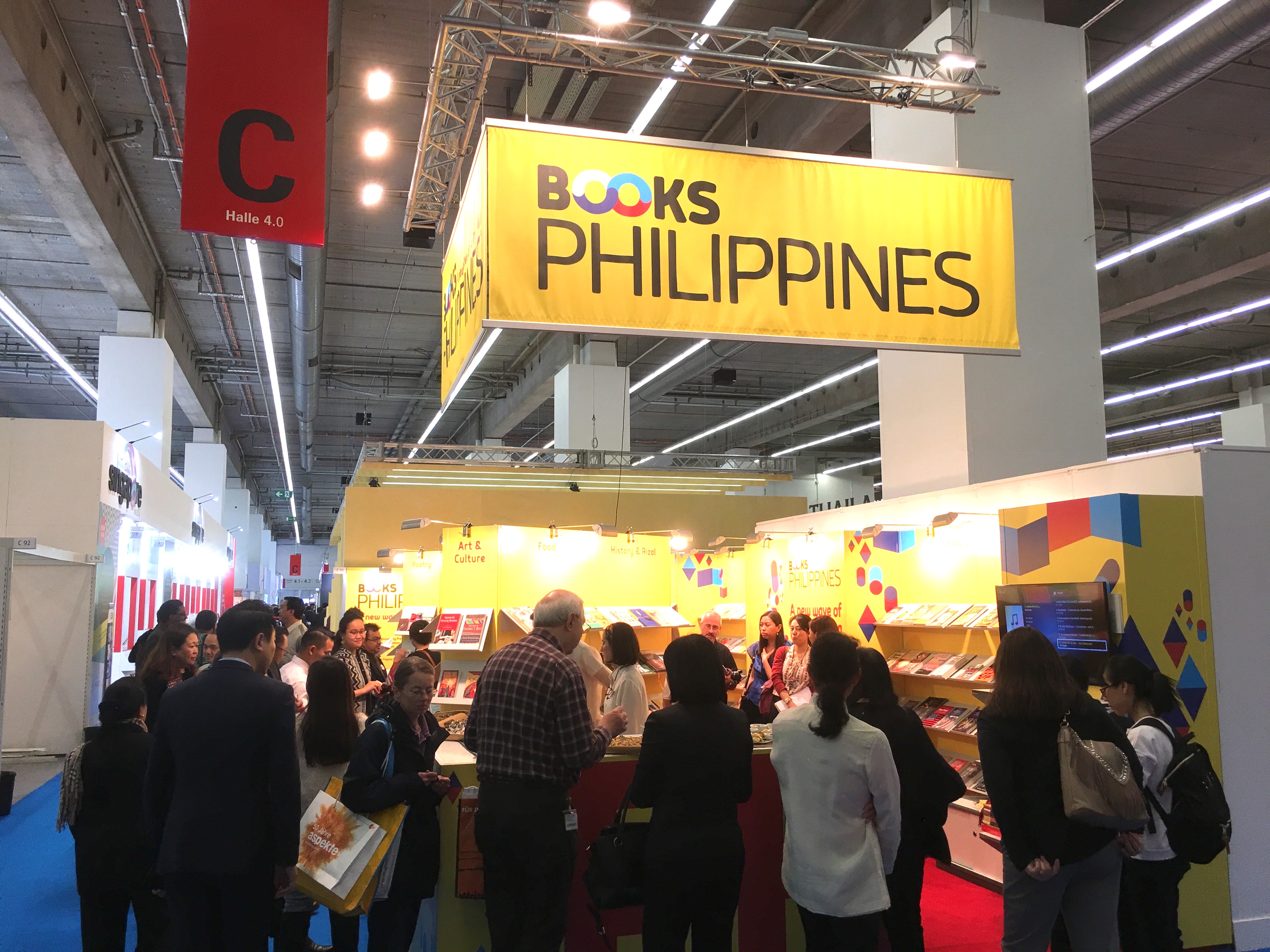
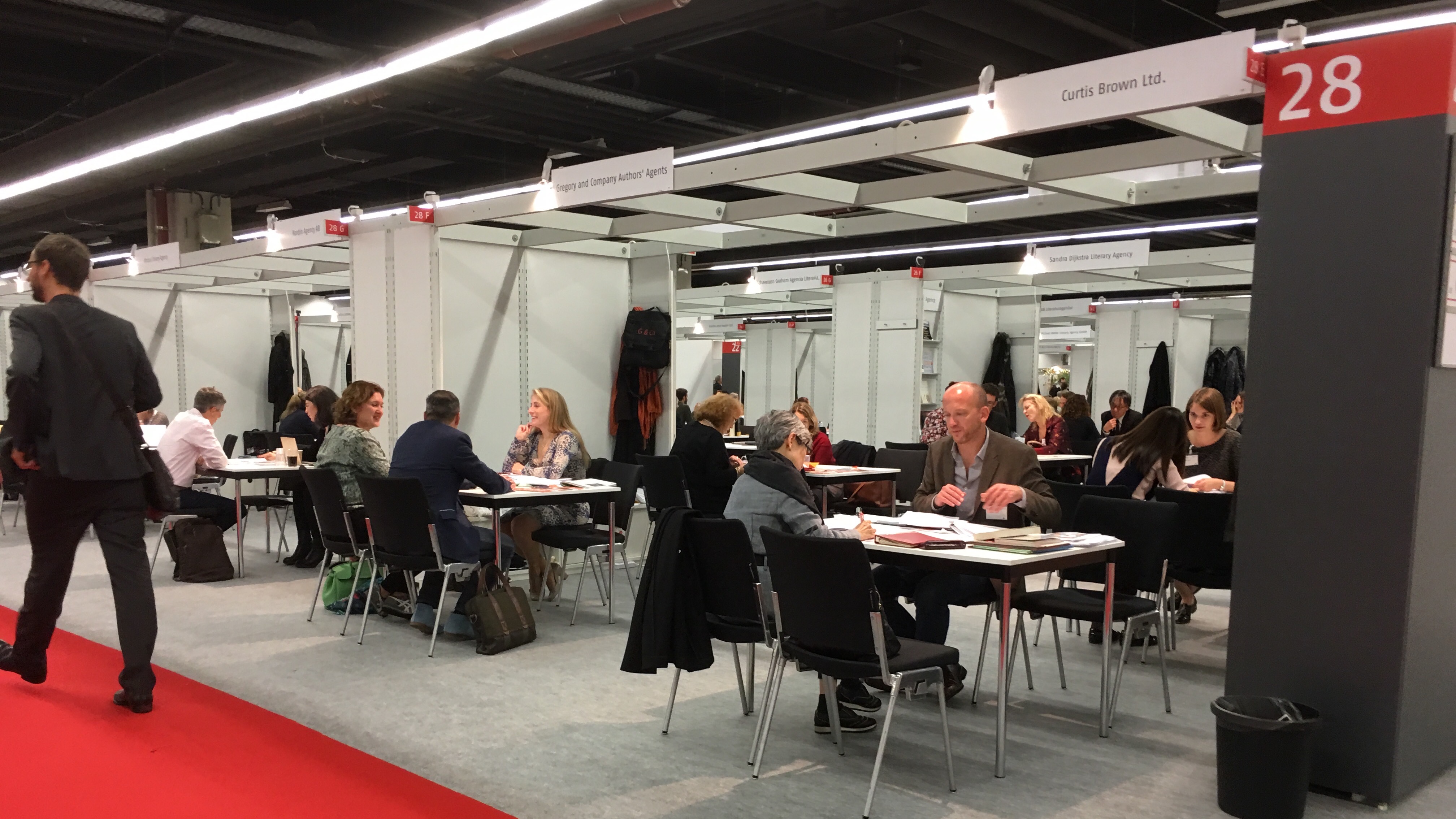
But that takes a network we still have to familiarize ourselves with and learn how to navigate—a network of translators, literary agents, editors, publishers, and booksellers largely unknown and therefore closed to us. We’re not totally clueless. Through the NBDB and local publishing stalwarts such as Karina Bolasco (just recently retired from the Ateneo Press and the founder of Anvil Publishing before that) and Andrea Pasion-Flores (our very first international literary agent, now owner of Milflores Publishing and president of the Book Development Association of the Philippines), the Philippines has been represented over the past few years in such major events as the annual Frankfurt Book Fair, the world’s largest such market of authors, publishers, and agents.

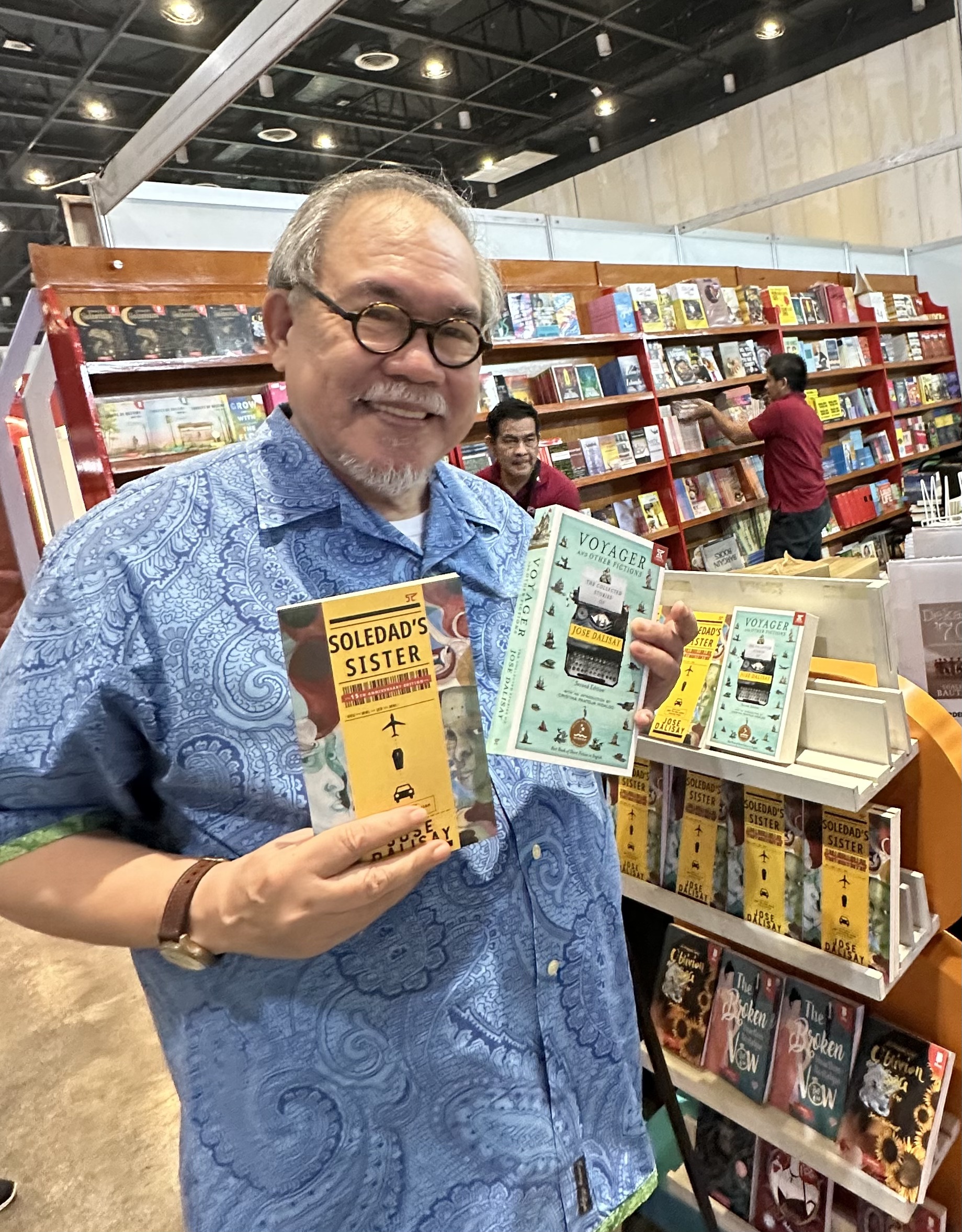
Not meaning to be immodest, thanks to my agents and publishers, I myself have benefited from this kind of exposure, having sold my second novel Soledad’s Sister in last year’s FBF into a German translation and edition, which just came out; before that, it had already been translated into and published in Italian and French, aside from an American edition. Imagine what that network could do for the rest of our writers.

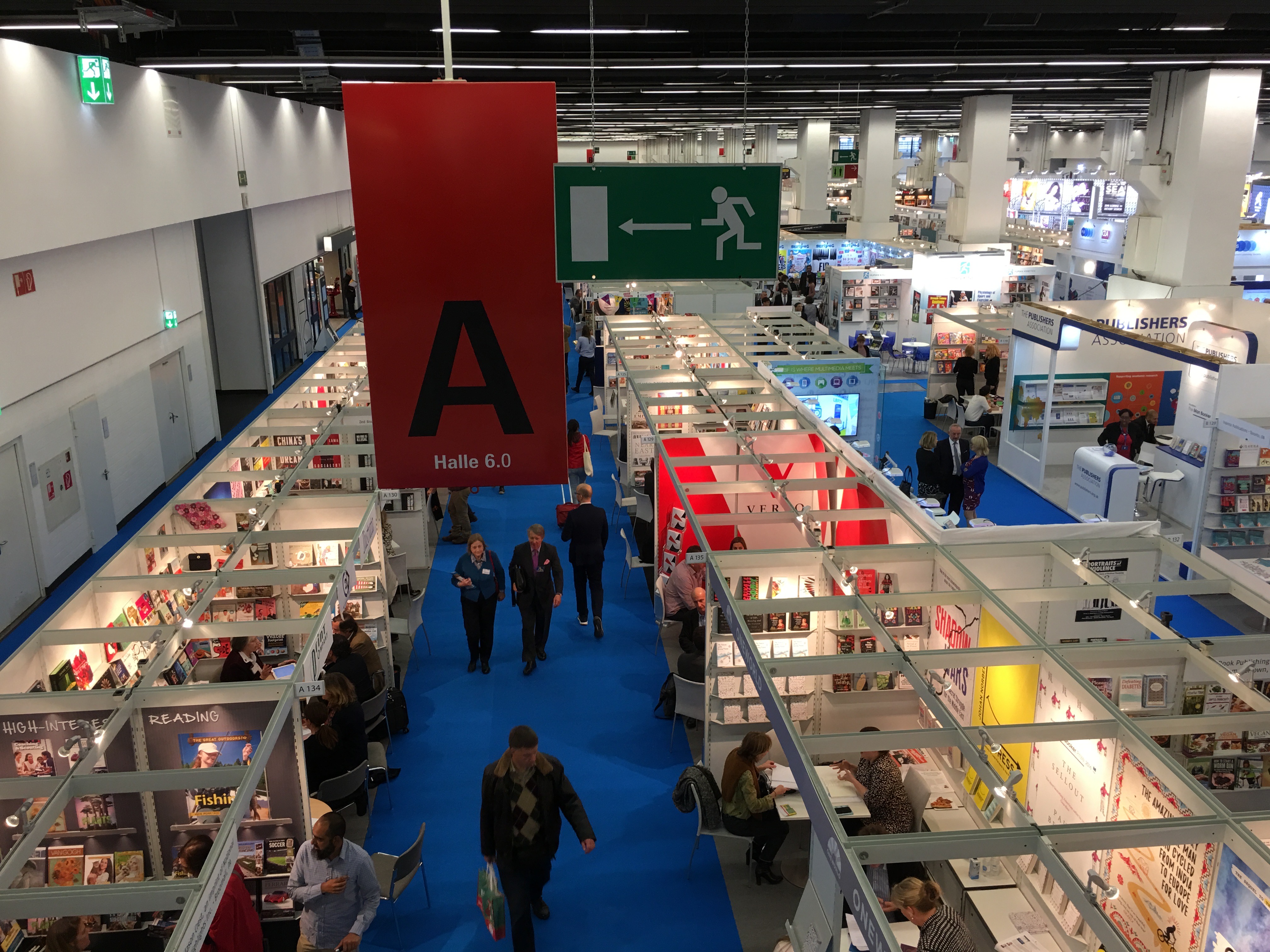
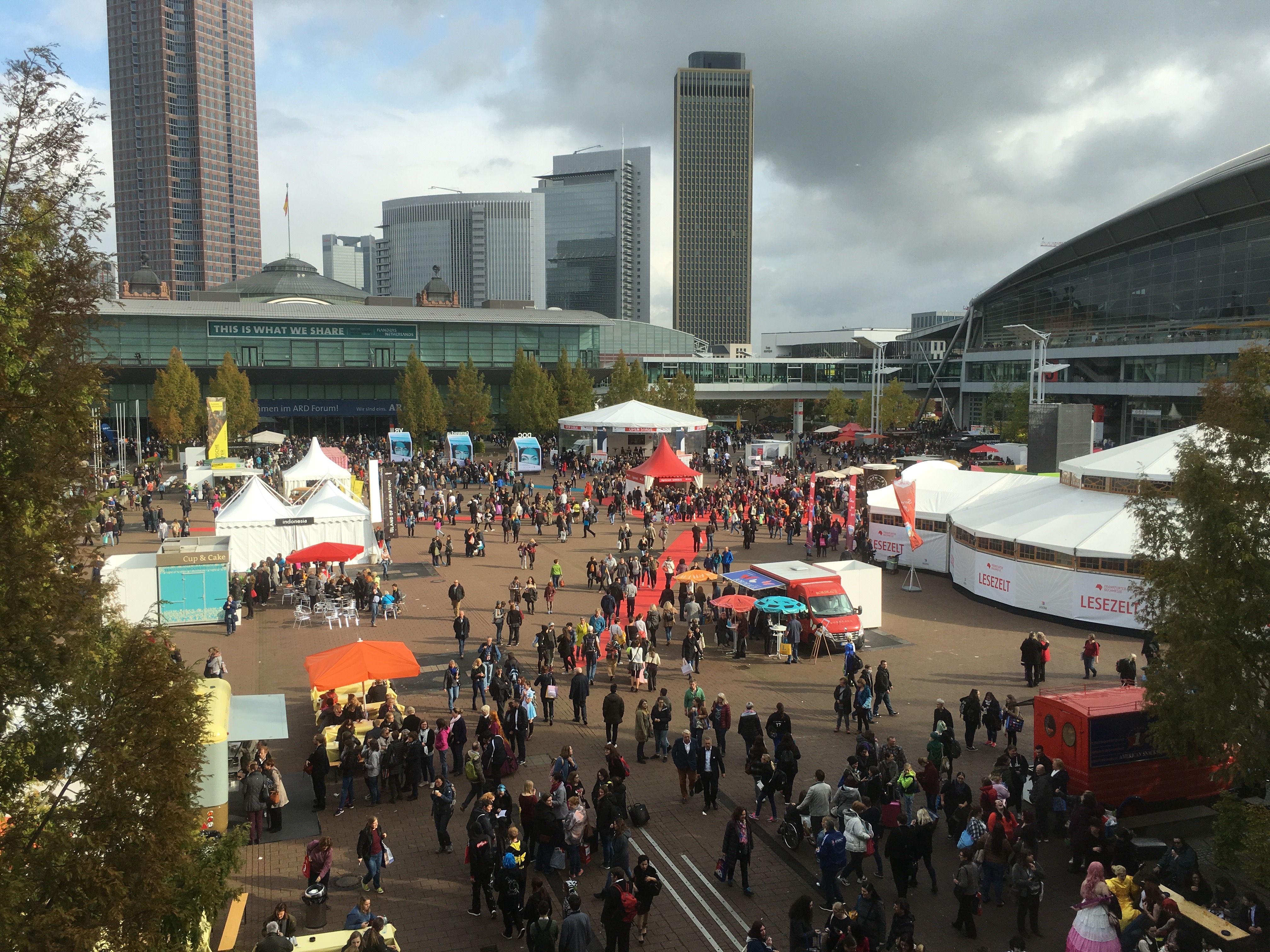
This brings me to an idea whose time, I strongly believe, has come: focal representation in a forthcoming Frankfurt Book Fair as a “guest of honor,” a position reserved for a country wishing to showcase the best of its literary talent across all genres (two years ago it was Canada, followed by Slovenia). This has to be accompanied by a strong effort in translation—from the regional languages to English, and from English to other international languages like Spanish and French, perhaps even Chinese. It will take much planning and a sizeable budget, but as our recent forays into the Venice Biennale have shown on behalf of our leading artists, with the right cultural leadership and vision, it can be done.

Penman No. 451: A Harvest of Books

Penman for Sunday, June 4, 2023

IF YOU’RE reading this on this Sunday morning, then it’s not yet too late for you to find a cab and get yourself over to the World Trade Center in Pasay City to catch the last day of the Philippine Book Festival, and have your favorite Filipino authors sign their books for you.

Organized by the National Book Development Board (NBDB) in partnership with the National Library and other agencies and organizations, the PBF will showcase the best of new Philippine writing and publishing, with the bonus of having most of the authors around for signings, chats, and the now-obligatory selfies.

Since the Internet took off thirty years ago, people have been declaring that “Books are dead!” (And even before that, “The Author is dead!”—although, of course, not quite in that almost literal sense). Well, guess what—both are very much alive, whole new generations of them, as if the Internet never happened. I don’t have the hard figures to show—I’m sure the NBDB has them—but just from what I’ve seen at the past Manila International Book Fairs (the next one of which will be held in September), there’s much more new writing and publishing happening now than there was before the Internet. 

There are many drivers for that, one of which has to be the proliferation of writing programs and workshops, whose graduates really succeed only when they come out with books. (Like I often remind Creative Writing grad students who take forever to “perfect” their thesis projects, “You’re writing for no more than five readers—your dissertation committee—and when you’re done, your thesis will be sitting on a solitary shelf. Just do what you need to pass the damned defense and focus on producing your first book out of that draft! Your real examiners will be your readers.”) 

Another factor is the growth of the publishing industry, which has become much more diversified in terms of ownership, material, and audience. The long years of martial law drove much creative output underground, so to speak, with few available venues for literary publishing and only competitions like the Palancas providing incentives for continued production. (On the other hand, the government presses kept churning out books on the First Couple’s abounding wisdom.) Post-EDSA, the pent-up dam broke, and literature flourished, but still hardly on the scale we’re seeing today.

I suspect that’s because many new players have gone into publishing, finding niche markets for everything from religious and self-help books to graphic novels and high-end coffee-table books. Among these, I’d count Milflores Publishing, founded by the late Tony Hidalgo and now in the hands of the very capable Andrea Pasion-Flores. Balangay Books, focused on local literature, has been opening doors for new young authors, and belongs to the Indie Pub Collab PH, a group of independent publishers. Down south, Savage Mind Bookshop and the Ateneo de Naga University Press have made great strides in literary publishing not just in the Bicol region but well beyond. Emerging in the wake of the Pink Revolution, San Anselmo Publications has made a name for itself as a purveyor of progressive thought. A recent visit to OMF Literature’s bookshop and office along Boni Avenue showed me how Christian literature is flourishing, attracting both new authors and readers. 

Let’s not forget self-publishing, which with such new technologies as print-on-demand and e-books has outgrown the stigma of “vanity” publishing and has produced both commercial and critical successes. While overall quality remains highly variable, the free Internet has empowered and enabled a new generation of young people to feel like they can become “writers” by posting on such sites as Wattpad—and some of them will be. (The irony here is that, as on Amazon, writers who succeed in their e-book debuts then get picked up by publishers of physical books.) Professional design and editorial outfits such as Studio 5 and Perez NuMedia also exist to help individuals and institutions turn their ideas into prizewinning books.

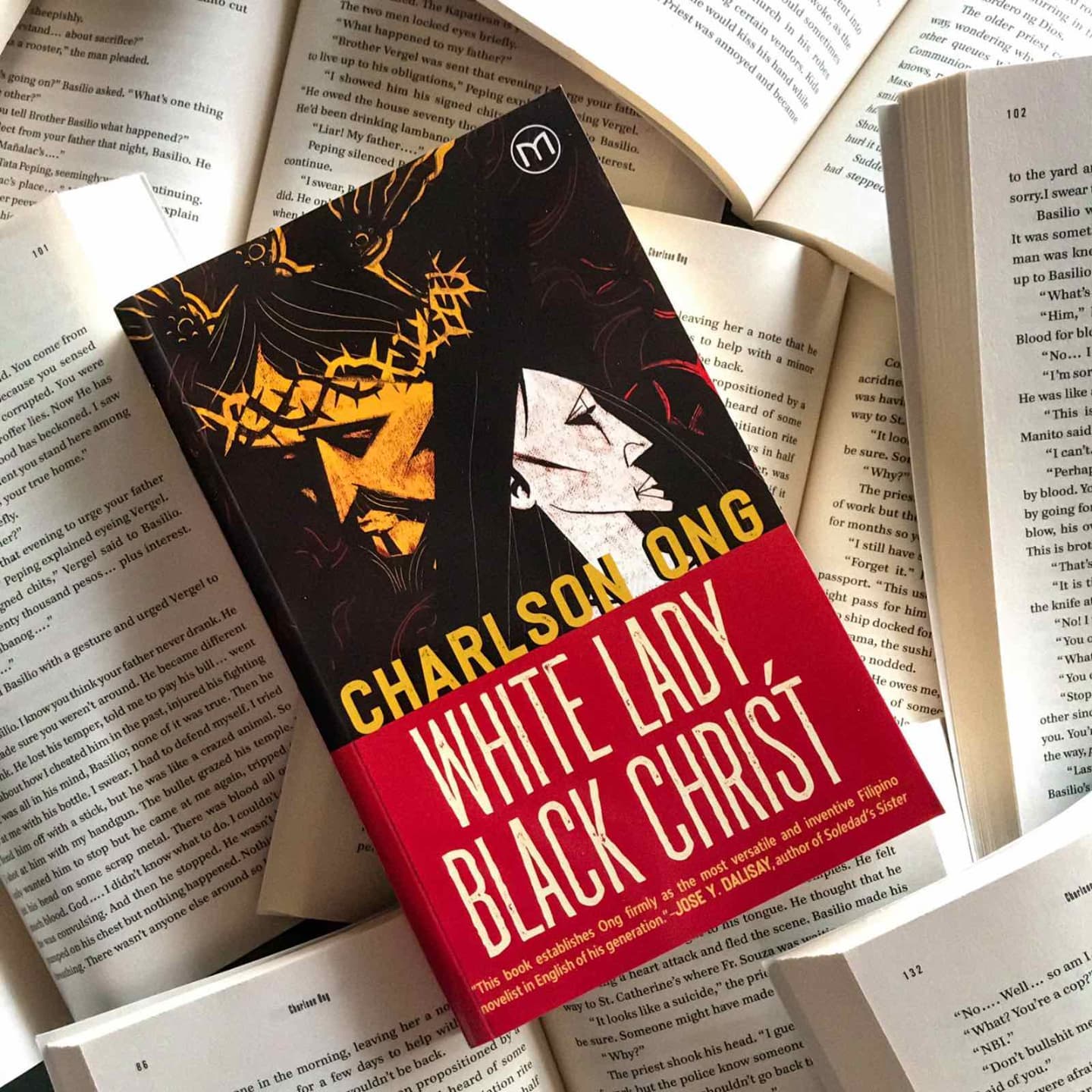
And then of course the long-established big-name publishers and academic publishers are still around: Anvil Publishing, UP Press, Ateneo de Manila University Press, UST Publishing House, and the University of San Carlos Press, among others. Vibal Publishing has produced impressive and sumptuously printed historical books—as has, let’s not forget, the National Historical Commission. They remain the publishers of choice for what might generally be considered prestigious but non-commercial projects, although their marketing savvy has vastly improved, from book design to distribution (much of the bookselling has moved online, to Shopee and Lazada). But since the wait at these publishing houses tends to be long, even established Filipino authors like novelist Charlson Ong (White Lady, Black Christ) have gone with such alternatives as Milflores (as did I, in its previous incarnation), which can often provide speedier results with no sacrifice of quality.

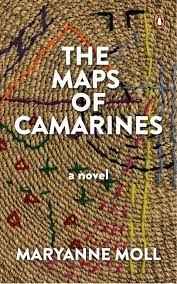
One more thing: more Filipino authors have begun to get published and noticed abroad, beyond America. Note the recent publication of Ulirát: The Best Contemporary Stories in Translation from the Philippines, edited by Tilde Acuña et al., and the South Africa-based Jim Pascual Agustin’s Waking Up to the Pattern Left by a Snail Overnight, both by Gaudy Boy in Singapore. Singapore is also where Penguin Random House SEA is based, and from where it published Danton Remoto’s novel Riverrun and his book of stories The Heart of Summer(aside from his translations of our classic works in Filipino), and Maryanne Moll’s novel The Maps of Camarines. I’m also happy to report that my novel Soledad’s Sister just came out in a German hardcover edition (as Last Call Manila) from Transit Buchverlag, following earlier editions in Italy, France, and the US. A 15th-anniversary edition of the novel, along with a new edition of my Voyager collected stories, are on sale at PFB—as are almost all of the books I mentioned here, with their authors on hand to sign them.

So wait no further and grab that ride to the WTC, for your share of this bountiful harvest of Filipino books. (Did I say that entrance is free?)

Penman No. 449: Sharing the Joy of Pens

Penman for April 2, 2023

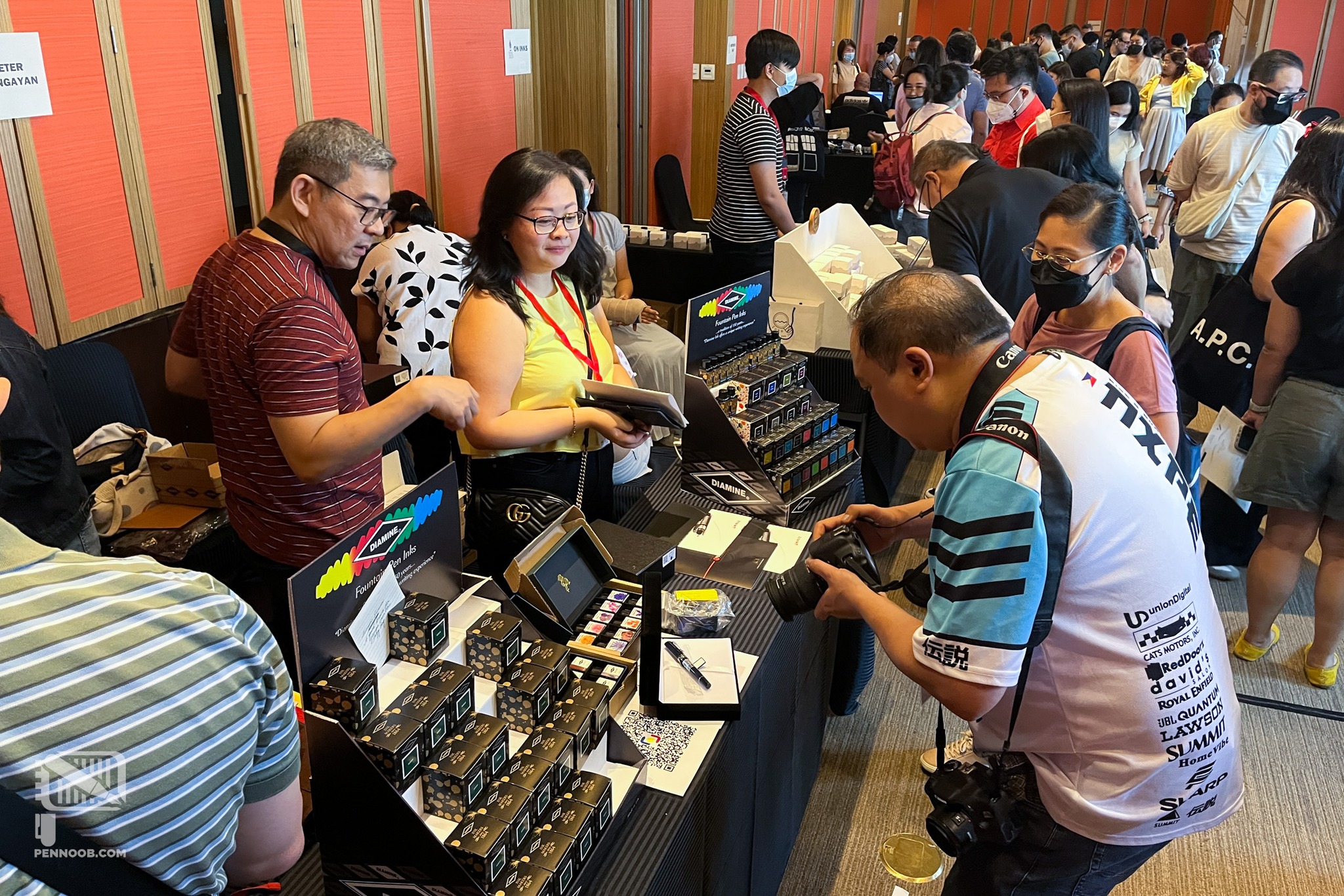
With the successful holding of the 2023 Manila Pen Show last March 18 and 19 at the Holiday Inn Makati, the Philippines firmly established itself as Southeast Asia’s Pen Central—the largest and liveliest marketplace of items and ideas related to one of the world’s fastest-growing hobbies: collecting fountain pens and other writing peripherals (inks, papers, and cases). 

The last MPS in 2019, just before the pandemic, had brought in 700 visitors. This year, that number was eclipsed on just the first day, and by closing time Sunday, over 2,000 pen lovers—from hardcore and advanced collectors picking up $2,000 Nakayas to eager newbies thrilled to get sub-P200 Wing Sungs—had showed up. The turnout wasn’t totally surprising, considering that Fountain Pen Network-Philippines (FPN-P), the pen show hosts and organizers, now counts more than 12,000 members on its Facebook page.

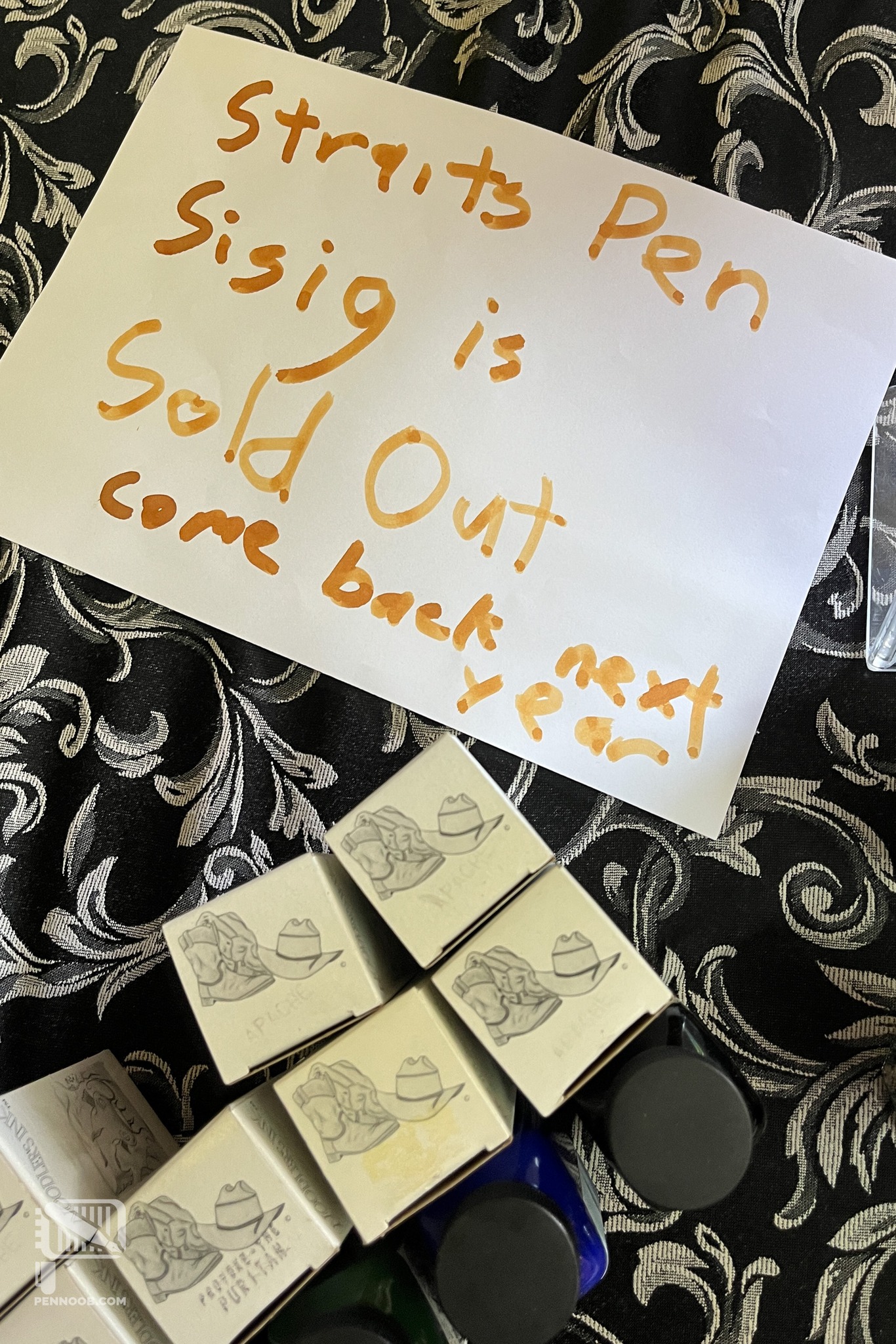
Aside from the country’s leading purveyors of writing paraphernalia—familiar names such as Scribe, Everything Calligraphy, Pengrafik, Stationer Extraordinaire, Leather Library, Leather Luxe, Shibui, Gav N Sav, JumpBid, and Kasama—foreign sellers from Singapore, Malaysia, and Japan such as Aesthetic Bay, Pen Gallery, Straits Pens, Musubi, and Toyooka Craft flew in just for the show. Nearly all the sellers reported robust sales at all price points.

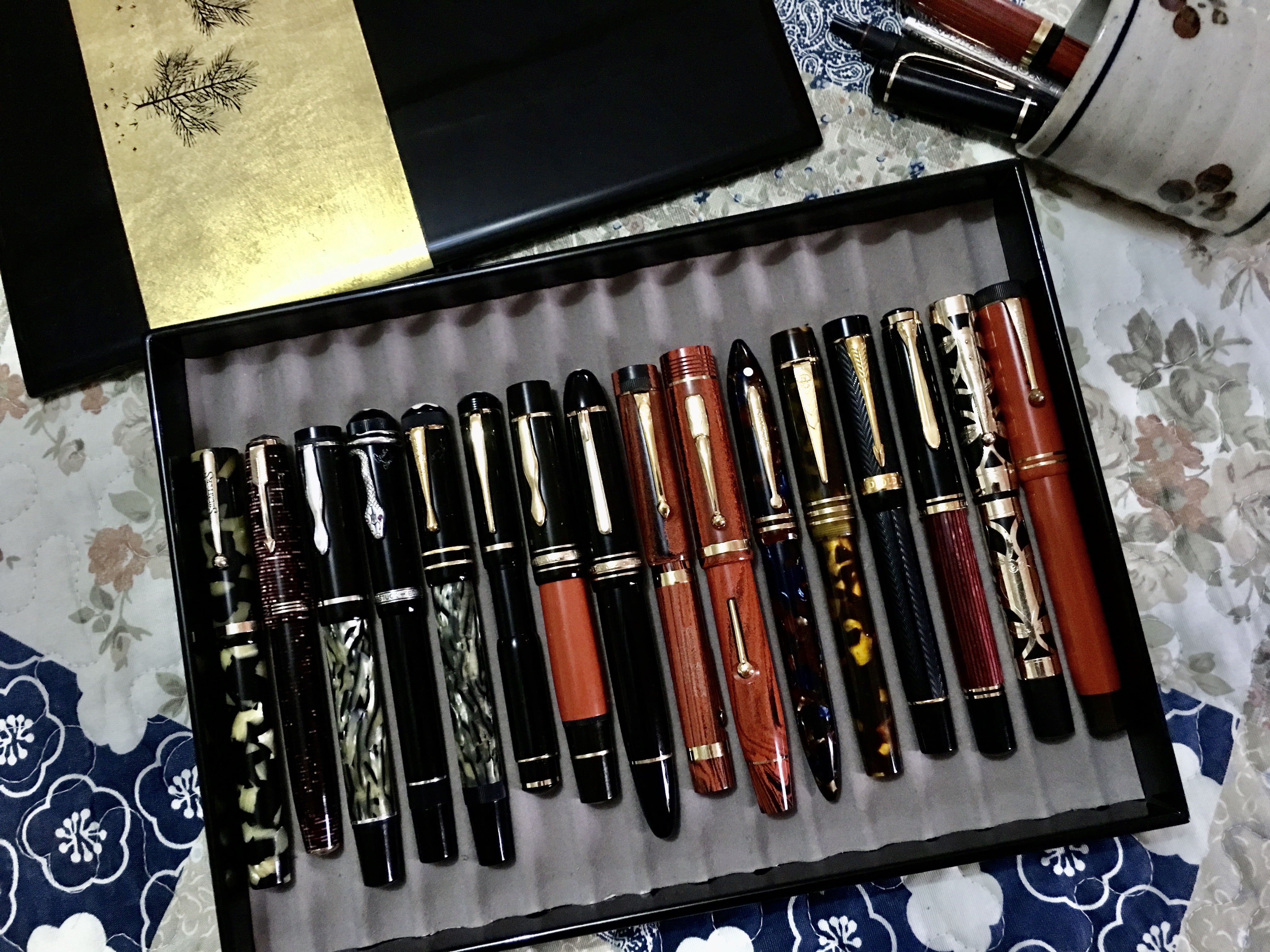
As a longtime pen collector and co-founder of FPN-P, I’m proud of how the hobby has taken off in this country over the past decade, and also frankly amazed by how different our demographics are from the rest of the world. Fountain pen collecting, especially in the West, has long been the domain of predominantly old white men, inclined like I am toward vintage pens and high-end, limited-edition modern pens. 

FPN-P’s profile is distinctly different: mostly young professionals between 20 and 40, with far more women than men, happy to purchase the entire color range of inexpensive Chinese-made Jinhao 82s (and inks to match) but just as savvy about the latest Montblanc release, keen on using and enjoying their pens rather than keeping them in boxes. As the MPS attendance showed, ours is an exuberant, generous, and democratic community, with little sense of entitlement or competition, dedicated to sharing the joy of pens, of expressing your individuality and artistry with the ink on your nib, of doing something personal and authentic in this age of artificial intelligence.

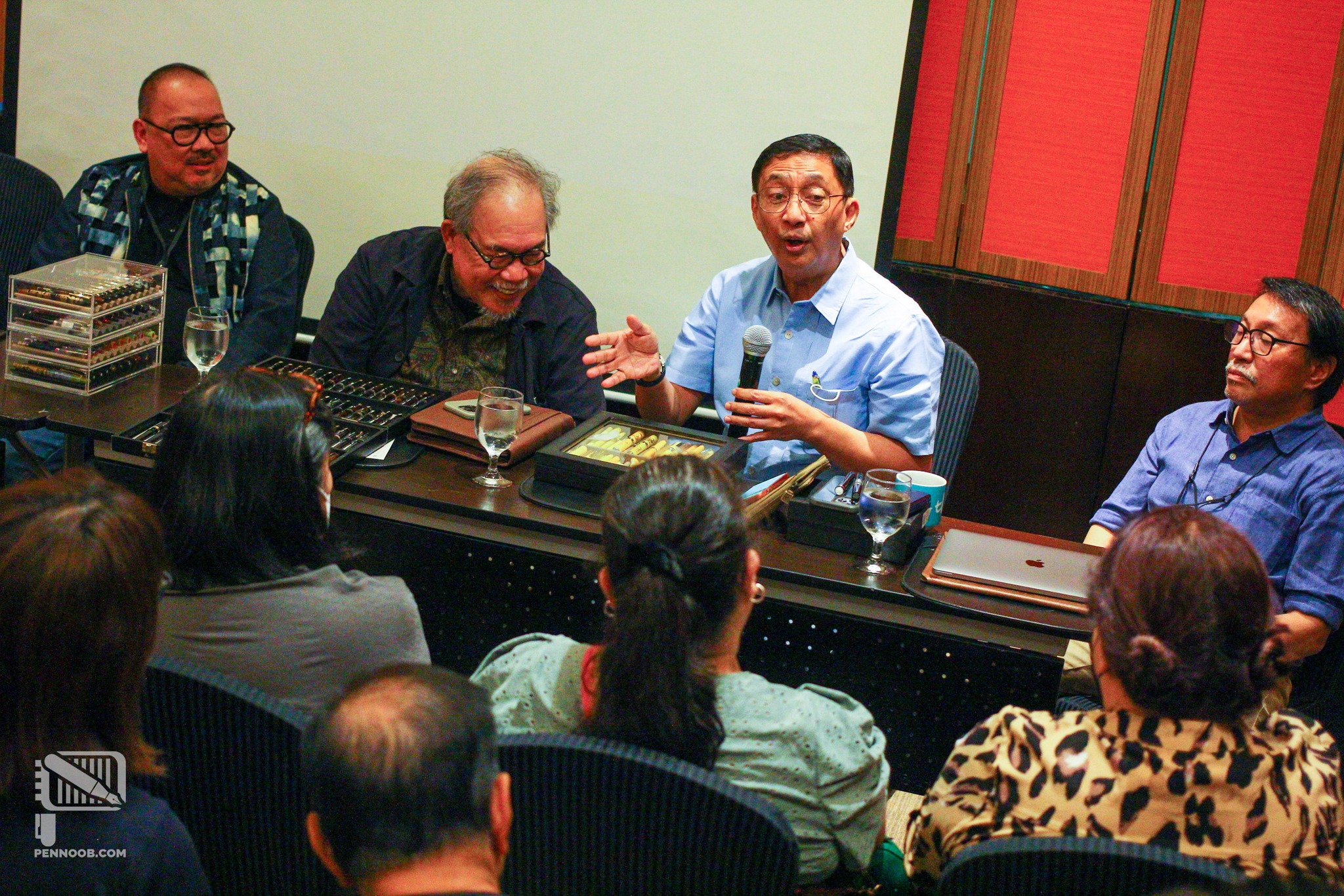
A highlight of MPS 2023 was a panel discussion devoted to the topic of “Curating a Fountain Pen Collection,” and I was privileged to share the table with fellow collectors Reggie Reginaldo, Amanda Gorospe, Jun Castro, Ronnie Geron, and Raffy Aquino. Each of us said a few words about how and why we put our collections together, given that each of us had a different focus: inexpensive pens, high-end pens, vintage pens, yellow pens, and so on.

Before talking about my passion for vintage pens (i.e., pens at least 50 years old, in many cases a hundred years old), I tried to explain what “curation” was all about. Here’s part of what I said:

Every collection begins as most love affairs do—with fleeting glimpses of the loved one, then seemingly chance encounters, then long chats over coffee before the steep and blissful freefall into a dizzying madness. 

For a moment, happiness and contentment reign. And then sadly follow the inevitable regrets, the disaffections, the “It’s not you, it’s me’s,” the parting with the old object of desire and its replacement by a new flame.

Today we’ll try to introduce some sense into this seeming cycle of bliss and despair. Curation means bringing some method into the madness, finding the inner logic that threads many disparate elements together.

The word “curation” is rooted in the Latin curare, “to take care of,” or to treat an illness, and here clearly the illness is in the collector, whom curation treats by providing guideposts to follow and guardrails against excess.

There are several kinds of collectors:

  1. Those who want anything and everything, although they might be more properly called accumulators (this describes 90 percent of us at the beginning);
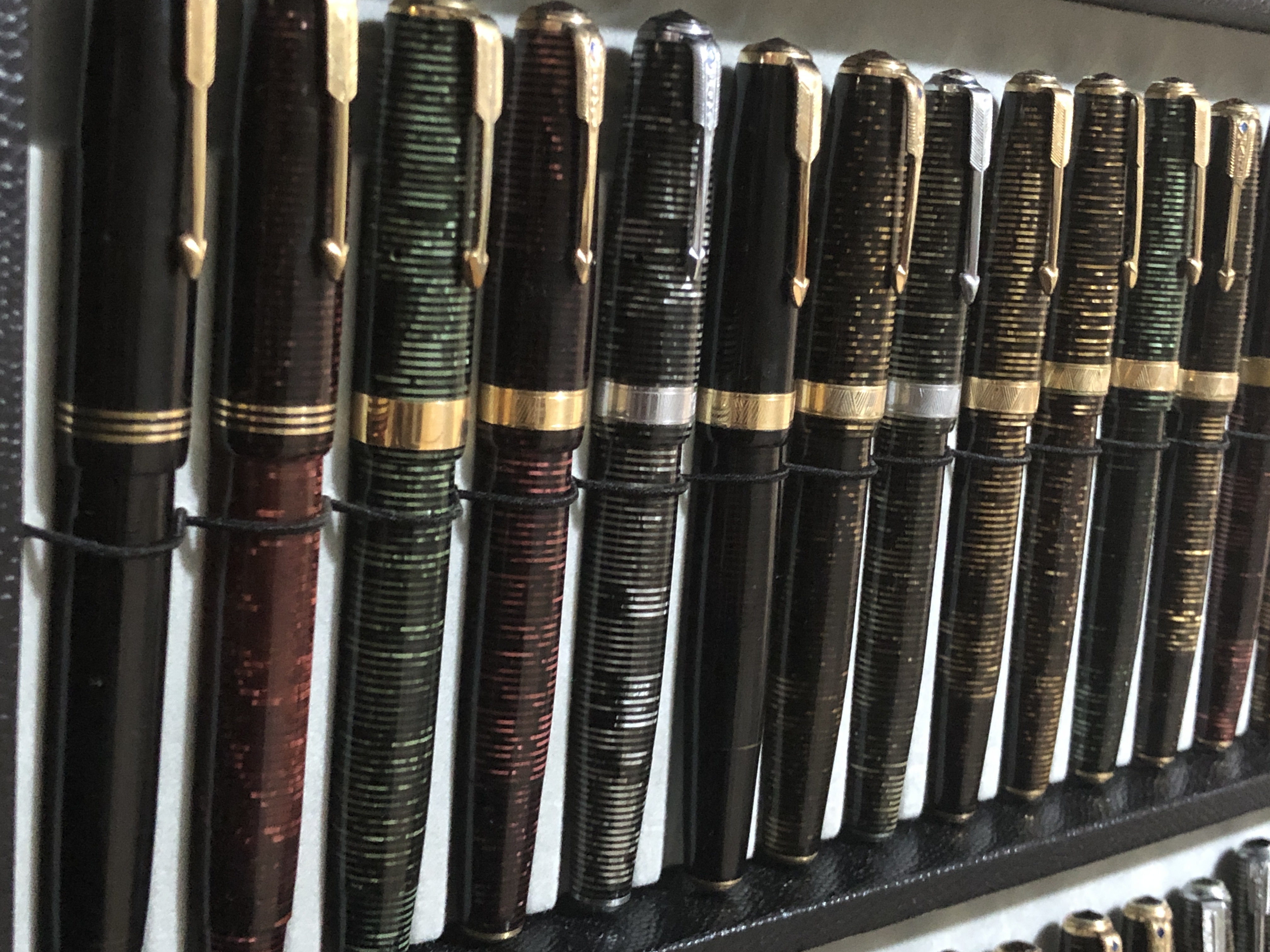
  2. Those who want everything of a kind (this applies to my fetish for Parker Vacumatics);
  3. Those who want the best or the most impressive of everything (this implies having the budget to go with your taste);
  4. Those who want some very specific things, for personal or even idiosyncratic reasons; and
  5. Those who get only what they need or can afford—perhaps the rarest of all collectors, the practical and disciplined kind.

Vintage collecting relies heavily on connoisseurship—on knowing the field and knowing what to look for. Surprisingly, it often involves less money than buying new pens. Of course there’s a cost to factor in for restoration and repairs, but even so few vintage pens reach the stratosphere of the thousands of dollars you would pay for a shiny new Montblanc.

You can collect based on brand, material, filling system, size, and of course price. For vintage you can add age and scarcity. Good working or repairable condition is presumed, although vintage collectors should always be on the lookout for cheap parts pens. 

Every quest for collectibles also involves what we might call “unicorns”—ultra-rare or one-of-a-kind pieces that exhibit some distinguishing hallmark of quality or technical innovation. These could be prototypes, custom jobs, or things in almost mint condition despite their age.

It also helps to know what you don’t like, or no longer like. For example, I generally don’t go for small and light pens, nor for blingy or too colorful pens. My pens are “lolo” pens—staid, conservative, almost severe, corny to most young collectors today.

Culling or cutting down is a good exercise, financially and mentally. I built up my collection over the years by selling five good pens to get one better pen. I have also sold very good pens that I once lusted after, but no longer spoke to me.

Curation, ultimately, is about knowing yourself. At a certain point in your collecting life, you have to take stock of your collection and ask yourself, “What do these objects say about me?” Is this the self-image I want to project, the one I’m happiest with? 

My answer to my own question is, I’m an old guy who likes old things, because they offer physical proof of life after death. We die, but our words—and the wording—go on. A vintage pen is an old guy lucky enough to find a new home. I’m happy to give him a shower and a warm bed, and all the ink he wants to drink.

Qwertyman No. 35: The Ultimate Casualty

Qwertyman for Monday, April 3, 2023

I’M SURE I wasn’t the only one who looked up from his breakfast coffee last week to see, on the morning news, that another mass shooting had ripped through the heart of America—in Nashville, a city that usually brings to mind the twangy plaints of country music, in mournful songs about prison life and cheating hearts. This time the pain was much more brutal and direct, devoid of all poetry: six people were killed, including three nine-year-olds, their bodies savaged by bullets from AR-15-style assault rifles.

According to the Gun Violence Archive—whose very existence should be disturbing—it was the 130th mass shooting in the US in the first three months of 2023 alone. Last year, 647 such events were recorded; overall, more than 44,000 Americans died from gun violence in 2022. At this rate, 2023 will almost certainly be a much bloodier year for America. There will be hundreds more Nashvilles, thousands more families ambushed by unspeakable tragedy, choruses of angry wails to heaven asking God to explain why.

Like any other parent who witnessed that carnage, my wife Beng raised the question on every sensible person’s mind: “How could they let this happen?” 

“This” here would mean not only the mass killing itself, but the means to do it. Two AR-15-style assault rifles were used by the 28-year-old shooter. The AR-15 has been the mass shooter’s weapon of choice. It can rip people to shreds. According to the Washington Post, “The AR-15 fires bullets at such a high velocity — often in a barrage of 30 or even 100 in rapid succession — that it can eviscerate multiple people in seconds. A single bullet lands with a shock wave intense enough to blow apart a skull and demolish vital organs. The impact is even more acute on the compact body of a small child.”


The mere thought of children being mowed down like carnival toys is horrific, but apparently not enough for America’s powerful and richly funded gun lobby, which has insisted on looking the other way, sanctifying the Americans’ Second-Amendment right to bear arms above all other human considerations. 

In Tennessee, where the shootings took place, it is legal for anyone over 21 to carry handguns without a permit; that holds true for 24 other states, making fully half of America gun-friendly. And despite the mounting deaths from mass shootings, politicians in many predominantly Republican states—including Tennessee—are sponsoring even more permissive gun laws, to do away with background checks and facilitate the sale and transport of lethal weapons.

President Biden has rightly said that he has done all he could to help stop the violence by calling for a ban on assault rifles, but the opposition to such gun-control measures has been stubbornly successful. The National Rifle Association (NRA), which has been bankrolled by the gun industry for generations, has lost some of its luster and bluster following the public outcry over the mass shootings, but it still wields enormous political power by supporting gun-supportive candidates in elections.


The gun lobby argues speciously that guns don’t kill—people do; and further, that the problem isn’t that there are too many guns on the streets (there can never be too many), but that mass shooters are certified lunatics who in no way represent the millions more of responsible gun owners who keep their guns for target practice, for the joy of collecting, and for the End of Days, when hordes of zombie-like strangers will come over the hill to invade their homes, steal their food, and rape their wives. Mass shootings, they insist, are a mental-health problem, not something to be blamed on the proliferation and easy availability of weaponry.

Why does this concern us in faraway Philippines? First, because millions of us have relatives in America—who, as minority citizens, are prone to racial violence, as the recent spate of maulings of Filipino-Americans has shown. Many mass shootings have been racially motivated, and it will be only a matter of time before some teenage White Aryan barges into a Pinoy wedding or fiesta to prove his superiority through the barrel of an assault rifle. I fear for our daughter in California, who could be enjoying a night out with friends or shopping for groceries when the shooting begins. (Much to Beng’s and my surprise, our daughter Demi joined the UP Rifle and Pistol Team and became a sharpshooter, but has never felt the need to own and carry.)

Of course, in truth, we knew about America’s bloody history a long time ago, if only from The UntouchablesThe Godfather, and America’s Most Wanted. What was a cowboy, a frontiersman, or soldier without a gun? And let’s not forget that it was the Krag-Jorgensen rifle with which US Army troopers “pacified” Filipino “insurgents” from 1898 onwards.

The second connection is our own gun culture—which, though not as pronounced and as strident as America’s, nevertheless exists, with the gun seen less as a means of self-defense than as a symbol and enforcer of power. With no need for a Second Amendment, our politicians and other bigwigs assemble arsenals for their private armies, such as the cache of arms and ammunition recently uncovered on the property of the Teveses in Negros Oriental. 

Oldtimers will remember when people boarded jeeps and buses with .45s tucked into their waists; congressmen used to enter the Session Hall bringing guns. Ironically, it took martial law to mop up most of those vagrant firearms—when someone decided that only he and his henchmen could carry them—but yet even more ironically, it was the military bullet that assassinated Ninoy Aquino that took the regime down.

I’m not so naive as to believe that we’ll see a gunless world in our lifetime and sing “Kumbaya” until we fall asleep. As societies undergo even more wrenching tests of the values that keep them together, our animal instincts—fear, belligerence, and survivalism—will become even more assertive, and the most brutish and inarticulate among us will let their firepower do the speaking. Unless reason prevails, the insanity will continue.

Abetting the murder of children—whether in Nashville or Bakhmut—means condoning the death of our humanity. That will be the ultimate casualty.

(Image from cnn.com)

Qwertyman No. 21: AI in the House

Qwertyman for Monday, December 26, 2022

I’D BEEN wanting to write about this for a long time, since last year when my artist-friends first alerted me to the amazing new possibilities being opened by artificial intelligence (AI) in such traditional fields as painting. Before that, like many people, I’d thought of AI in terms of subjects like warfare, medicine, and gaming. It had to be only a matter of time before the technology was ported over to the arts—not just to painting, but to creative writing and music, among other pursuits.

If you don’t know how AI works, just think of it this way (which is the way a lot of people, many of them not even artists, are having fun these days). You download a software program called an “AI generator” (such as starryai for painting, Rytr for creative writing, and AIVA for music), then put it to work by demanding that it produce “a portrait of Jose Rizal in the style of Van Gogh.” Minutes later (or just seconds if you pay), you’ll get what you asked for. What your computer (or in fact, many other computers working together) just did was to run a search for all the images of “Jose Rizal” it could find, then establish what “the style of Van Gogh” means in terms of brush strokes, colors, and so on, and apply one to the other. It’s all about “algorithms” or instruction sets that get sent out and executed until the desired outcome pops up.

That sounds like harmless entertainment, and much of AI is or appears to be, but it isn’t hard to see how even a touch of mischief (not to mention loads of malice) can quickly change the complexion of things. Driven by a fear of computing or what we might call Faustian science, popular culture is replete with examples of AI gone berserk, from HAL 9000 in 2001: A Space Odyssey to the master kidnapper Sark in Tron. But positive applications such as those employed in medicine, where AI helps analyze CT scans, MRIs, and X-rays with a sharper eye than a human radiologist sees with, continue to push AI research forward. IBM itself declares that “At this point, there is little doubt that AI will become a core part of the digital health systems that shape and support modern medicine.”

My own first brush with AI happened last week when I stumbled on an article in the New York Times titled “A New Chat Bot Is a ‘Code Red’ for Google’s Search Business.” Intrigued, I read on and found out about ChatGPT, one of many new programs that are threatening to replace Google’s famous search engine. We all know how Google works: you enter a search term, you get a long list of links to possible answers. Chat bots cut through that mess and give you a short, clear, grammatically correct answer (although nobody can guarantee that the answer itself is correct). That’s good if you want a quick reply to a question, but I can just imagine the epidemic of college term papers cutting and pasting unsourced chat-bot answers with gay abandon. 

All this led me to wonder how chat bots would respond to truly important questions, so I decided to download ChatGPT to my iPhone, and to ask it some test questions that would tell me about itself as much as what I was asking about. Below are my questions and the answers that artificial intelligence produced, verbatim (I purposely asked the first question to see if AI was capable of some kind of self-awareness):

1. Q. What are the dangers of artificial intelligence? A. 1. Unintended Consequences – Algorithms designed to reach specific goals could have unintended consequences that produce unforeseen results. 2. Job Loss – AI could displace workers by automating jobs, leading to severe economic disruption in the near future if nobody is trained to take over for the machines. 3. Black Box AI – AI systems are often difficult to understand, making it hard to debug the system when something goes wrong. 4. Over-Reliance on AI – Dependency on AI could lead to cognitive laziness, where humans rely too heavily on algorithms for decision-making and problem-solving. 5. AI Biases – AI systems trained on biased data and algorithms can end up replicating the same flawed assumptions and stereotypes. 6. Security Breaches – Malicious actors could exploit vulnerabilities in AI systems to commit cyber-attacks, data breaches and fraud.

2. Q. What’s wrong with the Philippines? A. The Philippines faces a wide range of problems that must be addressed in order to progress forward. These issues include corruption, overpopulation, environmental destruction, poverty, inequality, and unequal access to education. Additionally, Filipino infrastructure and public services are in dire need of improvement in order to create a more livable and equitable society. Other issues such as illegal drugs, crime, and terrorism also remain major problems facing the Philippines.

3. Q. When should a country have a sovereign wealth fund? A. A country should have a sovereign wealth fund when it has a large amount of assets (such as revenues from oil exports) that can be used for investments and for stabilizing government finances during economic downturns.

4. A. How can we reduce corruption in government? A. The best way to reduce corruption in government is to increase transparency and accountability. This could include strengthening laws and regulations to ensure that government officials are held to high standards, creating independent oversight and auditing systems, and engaging civil society and community members in governance processes. Additionally, investing in training for government officials on ethics, anti-corruption policies and procedures, and proper financial management can help to reduce corruption. Finally, engaging the public to report and discuss any allegations of corruption can help to both curb and address existing instances of corruption.

5. Q. Can volcanoes be punctured? A. No, volcanoes cannot be punctured. Volcanoes are made of molten rock, known as magma, that is too hot and too deep to be pierced with any known tool.

Now, you tell me if those answers sound any worse than the malarkey we’ve been hearing from some of our esteemed senators and congressmen, who cost billions to maintain, feel unbound by the rules of logic and grammar, and can take forever to give you a straight answer. Of course, they can well afford to buy a program like ChatGPT in aid of legislation (it’s free for three days, then P499/mo.). But then, why resort to chat bots when there’s already so much artificial intelligence going around in both august chambers?

Penman No. 427: Lights and Loudspeakers

Penman for Monday, November 8, 2021

THE ELECTION season is upon us, and for Pinoys for whom Christmas begins in September, November 15 can’t come soon enough to start figuring out who they’ll be voting for on May 9, a full half-year down the road. That date should really have been October 8, the official deadline for the filing of candidacies, but given our penchant to further complicate the already-complicated, we just had to set the stage for the last-minute substitution dramas we expect to happen by next Monday.

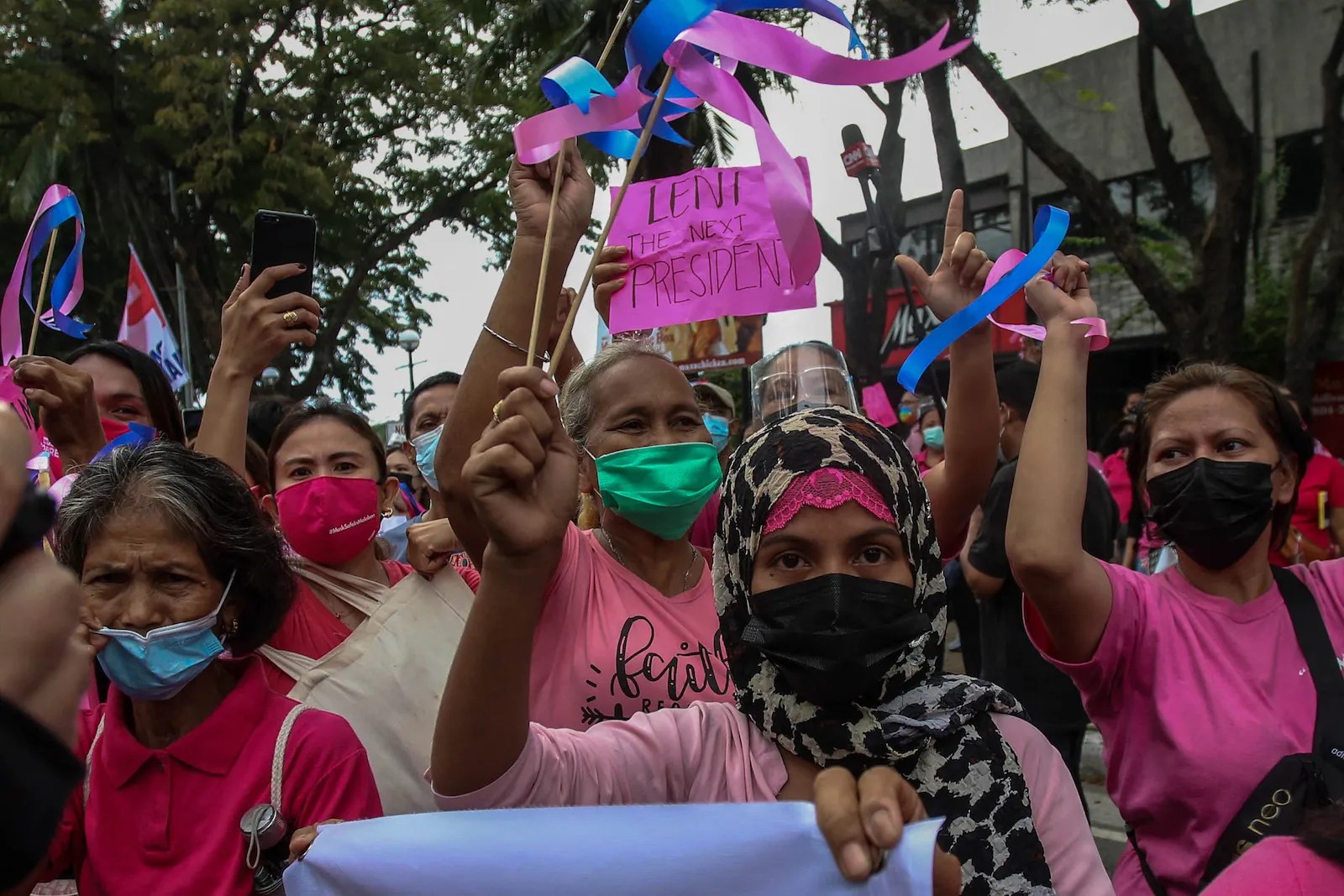
What couldn’t wait for November 15 or even October 8 was the onset of the propaganda war—the long series of campaigns and battles for our hearts and minds, with the prize being the right to seat someone you think you know and who thinks they know you in the Palace by the Pasig. And if there’s anything we can depend on to display Pinoy character and creativity at their best and worst, it will be a political exercise like a presidential election, during which people who had been largely content with watching telenovelas, munching sweet corn, playing pusoy, and sharing some kakanin with the neighbors suddenly rediscover their convictions, prejudices, longings, and peeves, and jump onto one bandwagon or another, many with knives drawn. (Of course, there are others who had been suffering in silence and gritting their teeth for the past five years, just waiting for the trumpet to sound from the top of the hill.) 

As a boy in the 1960s whose father kept getting roped into some politico’s campaign, I reveled in the hoopla that heralded every election. The contending parties held rallies in the plaza or the bukid (depending, I guess, on whose side the incumbent mayor was), and places more often attended by dog poo and carabao dung were transformed into one-night circuses. 

The stages were festooned with banderitas, and the lights and loudspeakers promised an evening of entertainment, at least from the movie stars, singers, and comedians whom the people really came for, before the real jokers running for congressman or mayor came onstage. Bands played as pickpockets worked the crowd. They gave away fans, hats, key fobs, stickers, and anything they could stamp a candidate’s face on, and if you were lucky you got a T-shirt—flimsy as hell and reeking of paint thinner or whatever it was they used for silkscreening. I’m sure some folks got more than that, but being too young to vote, I missed out on the serious stuff backstage.

The speeches were loud and bombastic, and you stood in rapt attention, feeling like a droplet in a huge surging wave about to engulf the nation. (Decades later, someone would call this “astroturfing.”) One particularly artful speaker might weave a tale of woe, of how the people had only themselves to blame for all the misery they had sunk into, because they had cast their lot with the other party in the previous election. (Decades later, someone would call this “gaslighting.”) Every candidate promised the moon, the stars, and a galaxy or two of blessings dependent on his or her election: more artesian wells, more puericulture centers, free dental clinics, free coffins, and a lechon for every barrio’s fiesta (loud applause). At some point, some bags of rice and boxes of milk might even go around, the word “RELIEF” overstamped with its new donor’s name.

No self-respecting campaign today would not claim a party color or motif—pink, white, blue, checkered, etc. (What was that? Pink as well? Maybe I should have said “No self-respecting campaign today would claim another party’s color.”) Back in the day, this didn’t seem to be a big deal. The Nacionalista Party’s colors were red, white, and blue, while the Liberal Party’s colors were—well, red, white, and blue. At least, if you were a Liberal today and a Nacionalista tomorrow, which sometimes happened, you didn’t have to change your wardrobe or your paraphernalia.

Neither do I recall proprietary hand signs then, like the Cory-Laban “L” that helped to overthrow her predecessor, and FVR’s jaunty thumbs-up. Ferdinand Marcos flashed the “V” sign, but that had been around for ages, and is now more widely associated with young girls in white socks trying to look their cutest for the camera. I suppose it stands for “victory,” although the “V” word that springs to mind most quickly when I hear that particular name is “vaults.” (Is there such a word as “villions,” like a billion billions?) Mayor Isko has appropriated the “No. 1” sign, with the forefinger pointing up, as if to suggest he has nowhere else to go. (That other mayor who became President, which must inspire Isko, prefers raising the next finger.) 

Frankly Leni’s hand sign remains a bit of a mystery to me, and I haven’t seen one from the boxer and the police general. At any rate I doubt this election will be won with carpal contortions. After all, there are only so many things you can do with your fingers, and the Vulcan “Live long and prosper” hand salute is difficult enough to master.

The fight, as everyone says, has gone to the Internet and the airwaves, and while we may like to believe that everything has changed in half a century, the very players on the field tell us they haven’t—only the lights and the loudspeakers have. So now, as ever, truth, reason, and justice will remain the underdogs, and those who root and clap for the jokers will end up getting their pockets picked.

(Photo from asiatimes.com)

Penman No. 425: Red Light, Green Light

Penman for Monday, October 11, 2021

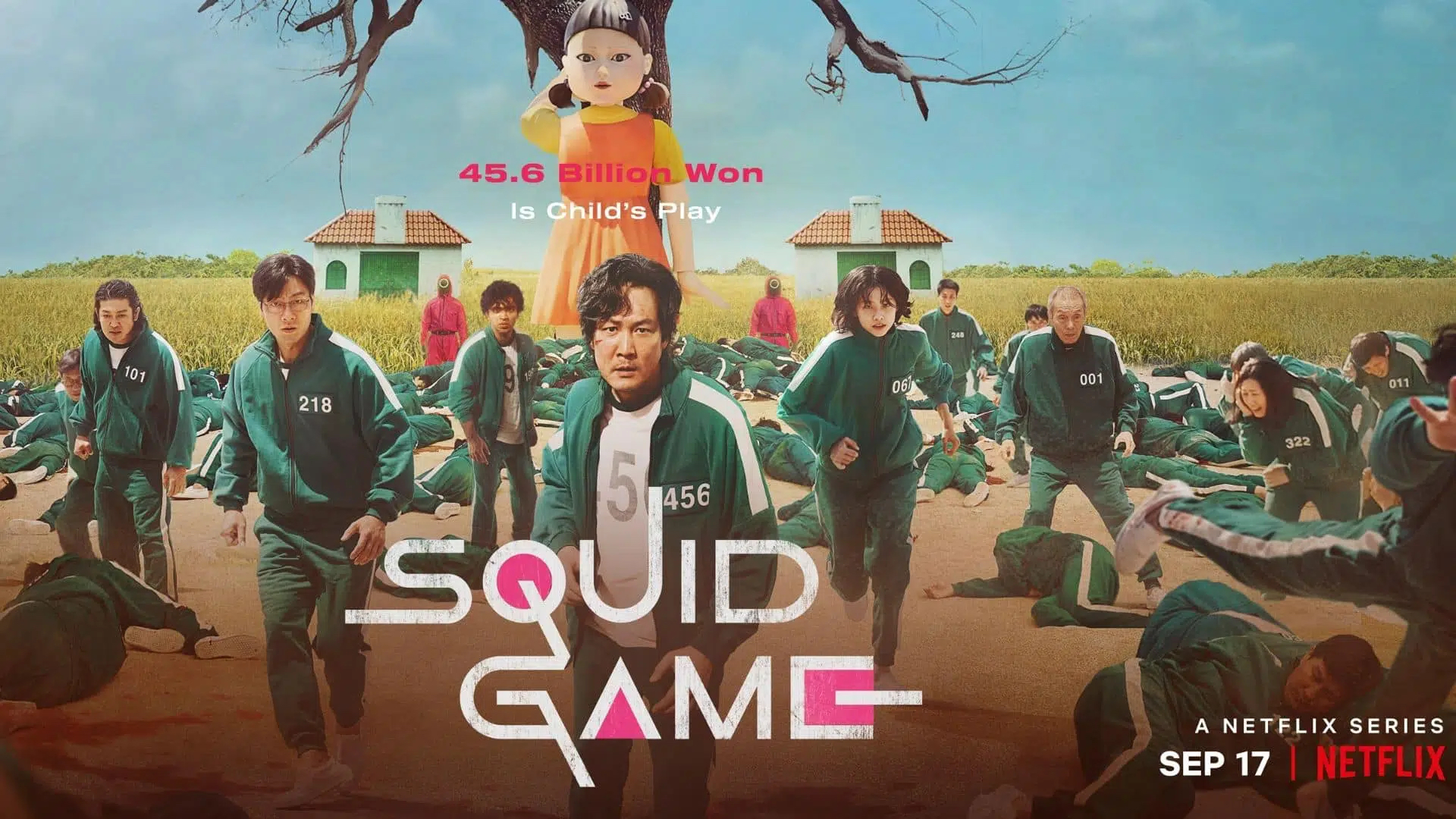
THOSE OF you who smiled when you read the title know what I’m talking about: none other than Squid Game, which is set to become the most viewed Netflix production of all time.

I’m still groggy from two nights of binge-watching, after making sure that my wife Beng was already asleep. She’s a Korea-novela fan—and I guess you can call me a reluctant convert, having little choice but to follow the travails of star-crossed lovers getting wet in the rain, slurping ramyeon, or running slow-motion into each other’s arms on a beach at sunset. But for some reason, Beng likes romance, not gore, and she steadfastly refused to reciprocate my constancy by watching Squid Game with me. 

She can’t understand it when I explain that violence relaxes me, releases the lion in my pussycat, exhausts my latent desire to pulverize my enemies and split a few skulls, and leaves me refreshed for another day of, well, typing. Beng’s favorite expression—which she uses several times a day, usually when watching the news or some TV drama, or when we’re driving past a mangy dog—is “Kawawa naman!” If she were a street in UP Village, it would be “Mahabagin.” 

That’s why, you see, she couldn’t possibly get through even one episode of Squid Game. The violence hadn’t even begun—Gi-Hun was just getting warmed up as the quintessential loser, trying to play good dad to his 10-year-old daughter—when I heard Beng mutter her first “Kawawa naman!” Rather than subject myself to a night-long litany of laments for pitiful souls, I agreed to switch channels and watch contestants try to outdo each other in applying hideous makeup onto hapless models. Beng couldn’t see me wincing in the dark, my tender aesthetics feeling the vicious assault of mascara wands and lipstick applicators.

But let’s get back to the show. After its release less than a month ago, Squid Game became a global sensation in no time at all, and it’s easy to see why. Even the venerable Washington Post intones that “Squid Game (is) much more than a gory dystopian thriller. It’s a haunting microcosm of real life, unpacking the many implications of inequality, which has in some way drawn each of the players to this battle for their lives.” 

Parents will be horrified to find that their kids can buy Squid Game soldier outfits online, complete with black masks and pink track suits, submachine guns optional. (When I clicked the link, I got a message saying “Sorry! This product is no longer available.” That can mean only one of two things: first, that the seller developed a conscience and pulled the item out, or second, that stocks were sold out—you win a prize of a trip to Busan if you guess the correct answer.)

So let’s get this clear, especially if you’re thinking of gathering the family around the TV for some quality time watching people’s shirts turn a splotchy red: Squid Game isn’t for kids, okay? The whole point of it is that it wants people to think they’ll be playing kids’ games—which is true, except that (this is hardly a spoiler now, after all the publicity), the losers die.

I’m not going to go into the kind of sociological soul-searching that will be the stuff of dissertations over the next five years, with titles like “Competition Theory: Neoliberalism, the State, and Squid Game in the Philippines, 2016-2022.” (If you want an honest-to-goodness, semi-academic chat about the show, the UP Korea Research Center will be hosting an online forum on Squid Game on Friday, October 15, at 3:30 pm.) 

I’m tempted more by the idea of staging our version of the game here, with life’s “winners” instead of losers as players, for a change. The reward will be—let’s see, what might the rich and powerful still want that they don’t already have? More money? Too easy; they have enough stashed away in the British Virgin Islands (legally, mind you—they did nothing wrong) to last three lifetimes. More happiness? Which means what—more likes on Instagram, more cover shots in the glossies, Ivy League placements for the kids, one mistress more, a new Lamborghini Huracan, another Patek Philippe, a new calling card saying “Senator of the Republic,” or something even loftier? Eternal life? Some families already have that—35 years after EDSA, you-know-who are still around.

How about this: the prize will be absolution for one’s sins, which technically will qualify one for entry into heaven, no matter what terrible things one may have done in life—stolen billions, murdered thousands, lied 90 percent of the time, cursed God and half the saints, you supply the rest. 

It could be voluntary, of course, because most of the players we’d like to nominate will never admit to sinning nor to needing forgiveness; they have willfully accepted damnation, and their choice must be respected. But I think it will be more fun if, in the 2022 elections, we took a special poll to vote for 456 politicians, public officials, generals, bigtime drug lords, profiteers, car-loving pharmaceutical executives, troll masters, and other crooks to constitute the players. 

How thrilling it would then be to put on a black mask, look over the track-suited multitude, appreciate the anxiety in their puzzled faces, and announce: “Green light!… Red light!” Boom. Boom. Boom. Sorry, Beng, hindi sila kawawa, and I could watch this all day.

Penman No. 396: A Playwright for Our Time

Penman for Monday, September 14, 2020

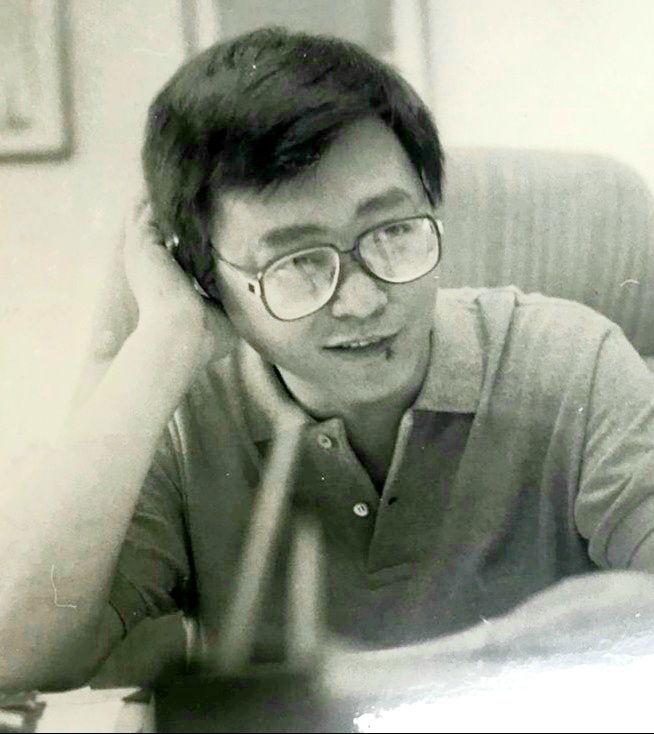
TODAY, SEPTEMBER 14, marks the 26th death anniversary of a dear friend and, for me, one of the best Filipino playwrights of his generation, Bienvenido M. Noriega Jr., or “Boy” as we knew him. 

The literary world is full of poets, fictionists, and essayists, but playwrights are few and far between, and good playwrights come even more rarely. Boy wasn’t just good—he was great, which is a word I don’t use very often with people. He understood and magnified the human condition onstage with uncommon empathy, and without the histrionics that passed for drama in lesser hands. Amazingly, his formal training wasn’t even in Literature or creative writing, but Economics, at which he professionally excelled as well.

He was a friend and mentor, one of the earliest and strongest influences on my own writing. Although just two years older than me, he was streets ahead as far as his grasp of craft and his artistic vision were concerned; while I was flailing around for material and treatment, he knew what he was doing, and generously led me along.

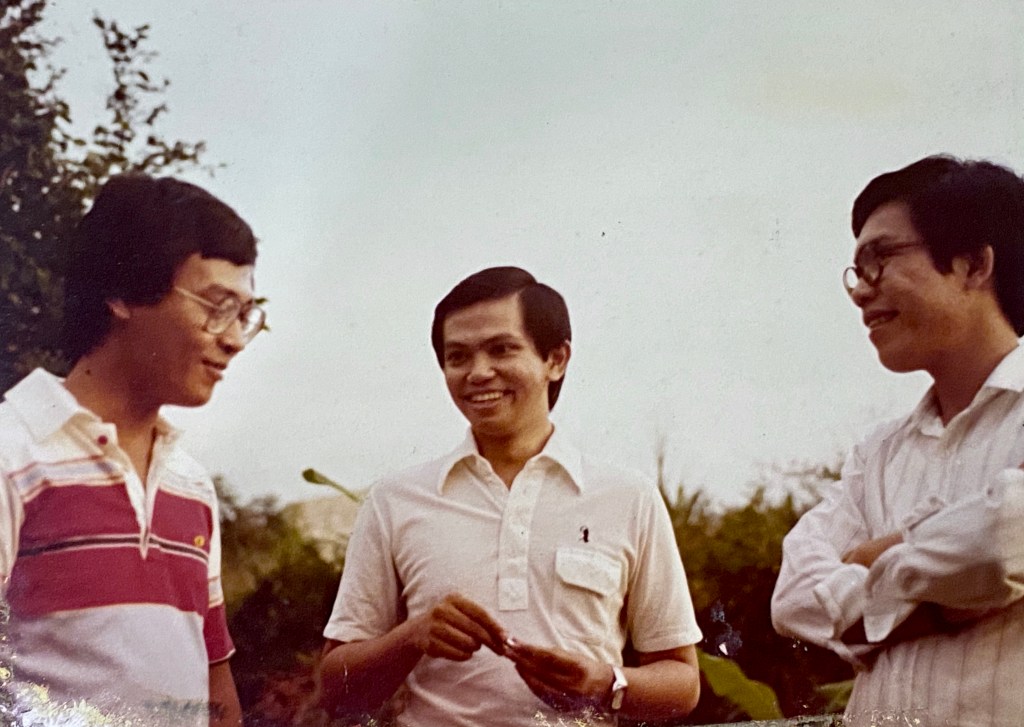
Boy and I met as fraternity brothers when I joined the Alpha Sigma as a UP freshman in 1971; already precocious, he would graduate that year, cum laude, with a degree in Economics, at age 18. He would go on to complete his MA in Economics within the next two years. 

I caught up with him again at the National Economic and Development Authority (NEDA) in 1973, where, fresh out of martial law prison, I had landed a writing job. Boy was already there, at 21 possibly the youngest director in government, in charge of the Policy Coordination Staff. We became “Sicat boys” working under the indulgent eye of our boss, Dr. Gerry Sicat, along with the likes of Federico “Poch” Macaranas and Aniceto “Chito” Sobrepeña. Boy and I fancied ourselves playwrights at that time—he had written a play in UP under the tutelage of Prof. Amelia Lapeña Bonifacio, and I had already written plays for PETA and “Balintataw”—and so a fierce but friendly rivalry was born.

We joined playwriting competitions with gleeful passion, eager to outdo one another. In 1976, I won first prize at the CCP playwriting contest with “Madilim ang Gabi sa Laot;” Boy won second prize with “Ramona Reyes ng Forbes Park.” That was the first and last time I would ever win over Boy, to whom I would finish second or third in the CCPs and Palancas in the years to come. It came to a point when, sick of losing out to him (and after I had watched and applauded his masterpiece, “Bayan-Bayanan”), I decided to pack up and move to another medium—the short story in English—where I felt safely out of his reach. 

But our friendship flourished, and we spent many lunches in Ermita talking about drama, writing, and all the things we wanted to do. When he was sent by NEDA to Harvard in 1979 for his MPA, and later to Columbia for further studies, he snuck out of his Economics routine and took extra classes in Theater and Film. In long, handwritten letters which I still keep, he shared his discoveries with me—about, say, the works of Ibsen and Chekhov—which I eagerly soaked up. I had dropped out of UP after my freshman year to go into the protest movement fulltime, and then to work and to marry, and I knew very little about theater and writing except from what I had imbibed at PETA and from my own limited reading. I was hungry for mentorship, for someone to tell me right from wrong and good from bad, and Boy provided that at a crucial time.

Most helpfully, Boy taught me about Chekhov and indirection, the art of saying something by saying something else. At a time when my own writing was treading history and politics, Boy grounded me by going straight to the heart of things. “You know, Butch,” he told me one day as we finished lunch, “I’ve figured out that there’s really only one thing that people are after, and that’s happiness.” That remark has stayed with me all these years.

In 1984—after I had gone back to UP to finish my long-delayed AB—I chose to write about the drama of Bienvenido M. Noriega Jr. for my baby thesis, with another mentor, Franz Arcellana, as my adviser. I recently unearthed my typewritten copy of that thesis, and it’s remarkable how fresh his words remain. I quote: “The quest for happiness is an obsessive concern with Noriega—‘personal happiness,’ he emphasizes, ‘instead of social utopia, regardless of social conditions.’ The hitch, in Noriega’s scheme of things, is that such happiness can often only be attained through love, and love is the most difficult thing in the world to manage.” A quarter-century after his death, he remains a playwright for our time.

I was on a writing fellowship at Hawthornden Castle in Scotland in September 1994, working on what became Penmanship and Other Stories, when I received news of Boy’s passing from cancer through a phone call; there was no email and no Internet at the castle then, no way to tweet my grief, as we might do these days. It saddened me deeply; he was too young to go at 42, I thought—and I felt an even more urgent need to write while I could. Four years later both of us were named to the CCP Centennial Honors List, a joyous moment we should have celebrated together.

I thought of Boy Noriega again recently when I read about the nominations being open for the next round of the National Artist Awards. I think it’s time, brother, I think it’s time.

Penman No. 325: Free to Think, Free to Speak

IMG_0438.jpg

Penman for Monday, October 29, 2018


I’VE BEEN seeing frothy messages on the Internet calling for the University of the Philippines to be shut down because it seems to be producing nothing more than anti-government critics and rebels (and, uhm, five out the seven new National Artists announced last week).

It’s no big secret that rebellion and resistance are coded into UP’s DNA, because it has always encouraged critical thinking, which in turn encourages—at least for a while, until complacency sets in—an attitude of dissent, of anti-authoritarianism, of rejection of the status quo. That’s how knowledge happens, as every scientist since Galileo has affirmed. Learning to lead requires critical thinking; learning to follow demands nothing more than blind conformity.

Apply that to the political sphere, and not surprisingly, UP has for the past century been a crucible of protest, against both internal and external forces seeking to influence its constituents’ thoughts and actions. Those protests and their causes have ranged from tuition fees, uniforms, and substandard facilities to unfair dismissals, Malacañang interference, foreign control of our destiny, and the overhaul of Philippine society itself.

UPPrep1950.jpg

In 1928, a law prescribed the wearing of uniforms by students in all public schools, including UP. The uniform for men was a white suit (khaki on rainy days); for women, a white blouse and dress reaching three inches below the knees. UP students opposed the measure, and President Rafael Palma supported them.

In 1933, the first student protest against a tuition fee increase, from P30 to P50 per semester, took place at the College of Education in the form of a boycott led by, among others, Fe Palma—the daughter of the President.

The resistance got more serious when it came to political interference in UP affairs. In the early ‘30s, in a tussle over differing positions on Philippine independence, then Senate President Manuel Quezon punished Palma—and the entire University—by removing UP’s lump-sum allotment. Quezon was a notorious meddler in UP matters, often coming to Padre Faura from Malacañang when he was President astride a white horse. A young UP law student even attacked Quezon for his “frivolity,” accusing Quezon of throwing lavish parties in Malacañang while the country suffered under the Americans. The student’s name was Ferdinand Marcos.

This didn’t stop with Quezon. When President Quirino demanded courtesy resignations from all government officials, UP President Bienvenido Gonzalez refused to tender his, to protect UP’s autonomy.

In the 1950s, at the height of McCarthyism, the Congressional Committee on Anti-Filipino Activities conducted a witch-hunt for communists in UP; the committee was led by Cong. Leonardo Perez, himself a former Collegianeditor. A throng of 3,000 students led by Heherson Alvarez and Reynato Puno marched to Congress in protest.

Diosdado Macapagal made few friends in UP when, upon assuming office in 1962, he announced that his choice for next UP President was Carlos P. Romulo, practically bypassing the Board of Regents. Macapagal got his way.

About Macapagal’s successor Marcos, I can only say that as a 17-year-old participant in the Diliman Commune, I carried but never got to throw a Molotov cocktail—but I would have if I had to, firm in the belief that the military had no right to drive their armored vehicles onto UP grounds.

fred-dilimancommune-universityforthepeople.jpg

True, since the 1940s, many of the leaders of the Communist Party of the Philippines have come from UP, from the fascinating Lava brothers to the English major Joma Sison. But UP has also bred Presidents Laurel, Roxas, Macapagal, Marcos, and Macapagal-Arroyo. Ramon Magsaysay and Fidel Ramos both spent time in UP before moving elsewhere. We can add hundreds of senators, congressmen, Supreme Court Justices, Cabinet secretaries, and icons of industry, the arts, the sciences and the professions to this list.

In other words, UP has attracted all kinds—communists and socialists, yes, but also capitalists, ultraconservative Catholics and born-again Christians, Rizalist cultists, military agents, the Ananda Marga, and Muslim separatists. Our 300,000 alumni can count saints as well as scoundrels, Jedi Masters and Sith Lords, democrats and demagogues.

And the same thing can be said of top global universities like Cambridge, which in the 1930s was home to what came to be known as the “Cambridge Five,” led by the top Soviet spy Kim Philby. There’s a Communist Party of Canada Club at the University of Toronto, alongside an American Culture Club and a Chinese Christian Fellowship. Even Wharton has a Marx Café, an underground club of Marxist enthusiasts.

When you think about it, apprehensions about UP in 2018 are no more tenable than the charges laid against freethinkers on campus back in the 1940s. And we actually do a lot more than rebel—look into our breakthroughs in research on www.up.edu.ph, which has helped boost our ranking to the top of Philippine universities.

For me, the true heart of UP lies neither in the Right nor the Left, but in that great liberal middle—“liberal” with a small “L”—whose members value the freedom to think, to speak, to study, and to teach, subscribing neither to State propaganda nor to Party doctrine, but trusting their own reason and education to illumine the way forward.

In its editorial of April 14, 1962, the Philippine Collegian wrote this about outgoing President Vicente Sinco, a visionary who fathered what came to be known as the General Education program and who fought to maintain UP’s secular character:

“Dr. Sinco is one of the most liberal of UP presidents. He has stood for intellectual freedom, for the autonomy of the mind…. This particular achievement of Dr. Sinco in… protecting the freedom of intelligence from the infringements of lies, orthodoxy, and mediocrity is a challenge to anyone in the future who will occupy the office.”

TR.jpg


Penman No. 323: Cooling Off on the Island of Fire

IMG_8212.jpeg

Penman for Monday, October 15, 2018


AS THINGS heated up last week over military charges of communist inroads in our universities—an issue the University of the Philippines, in particular, has dealt with for over 70 years, under every administration—I decided to take advantage of my leave credits and spend a few days in a zone of true peace and quiet, away from TV and certain “loud and aggressive persons… vexatious to the spirit,” as the Desiderata put it.

As it happened, I’d presciently I’d booked a trip to Camiguin last November (we routinely do this—book blind months in advance and hope for the best) and it couldn’t have come at a better time. The Lanzones Festival was coming up (we were going to miss it by a week), which meant a surfeit of the sweet fruit on the market.

But I’d always been intrigued by Camiguin, like Batanes (an itch I scratched some years ago); I was born on a small island in Romblon, so islands hold a special charm for me, as does the sea, which I dream about often in all its varied moods, from tranquil to terrifying.

From what I’d heard, Camiguin was all that—mostly tranquil, sometimes terrifying, being home to no less than seven volcanoes, with the best-known of them, Mt. Hibok-Hibok, still considered active, tagging it as “The Island of Fire.” But all of this was just stuff you see on Wikipedia, and I was raring to see Camiguin and its natural splendor with my own eyes.

On the lower fringe of the Bohol Sea, Camiguin is technically part of Northern Mindanao, so a popular way to get there is by ferry from Cagayan de Oro, but we took the plane from Manila to Cebu, leaving close to midnight, and then a smaller plane from Cebu to Camiguin early in the morning. If you know how to manage your time, this gives you a whole day of exploration from the very start, but being seniors, Beng and I dozed off upon arrival, had lunch, then hit the sack again.

Barangay Yumbing, a few minutes’ ride by tricycle from the airport (P150 for tourists, P30 for locals), seemed to be the locale of choice from what I’d read online, so I booked a room in a cottage-type hotel there. Yumbing is on the beach facing White Island, a sliver of sandbar that’s one of Camiguin’s must-sees, which explains the cluster of lodging houses along the strip.

IMG_8182.jpg

We booked online at one of the cheaper places for around P800/night—clean and comfortable, but without hot water, and you bring your own toiletries—but we soon realized that a range of choices could be had, climaxing with the impressive Paras Beach Resort right on the waterfront. We had dinner (tinolang tuna) there, and after a glorious sunset, a swarm of what must have been thousands of chattering swifts descended on the trees above us. Another high-end option specializing in Asian cuisine was the smartly designed Guerrera, set on the edge of a ricefield between the sea and the towering Hibok-Hibok; Vietnamese spring rolls fringed by five special sauces and adobo made for a perfect lunch here.

IMG_8082.jpg

IMG_8085.jpg

We decided to spend the second of our three days touring the island, and for this we hired (P1,500) a multicab, a small van with narrow seats, comfortable enough if there’s just two of you in the back so you can stretch out your legs. Our driver Rey and his wife Grace took us to the most popular spots on our side of the island. We passed on the first stop—the Walkway, featuring 14 Stations of the Cross halfway up to the top of Mt. Vulcan—because after a few steps, we realized that each station was going to be punishment for our sins. The Old Spanish Church was far more pleasing, albeit sobering, as this huge enclosure of limestone and coral—set against a pretty arbor along the shore—was the skeletonized hulk of what remained after a devastating eruption of Hibok-Hibok in 1871, the very one that created Mt. Vulcan.

IMG_8109.jpg

More traces of the island’s volcanic past emerged in the Sunken Cemetery, reclaimed by the sea and now reachable by a short boat ride. Tuasan Falls and Katibawasan Falls offered not just spectacular views but cool green waters begging you to jump in for a swim. Indeed, cool and hot seemed to be the theme for the day, with pools and springs of either variety to be found all over, culminating in the suitably named Ardent Hot Spring on the foothills of Hibok-Hibok, where we rested our tired feet by dipping them into the water for half and hour.

IMG_8129.jpg

Cutting across the island allowed us to gaze more closely up Hibok-Hibok (whose summit is a popular destination for younger and more intrepid hikers, about a five-hour trek from the hot spring). That’s the full-time job of the Phivolcs Observatory, well worth a visit because of its pictorial display of the island’s tumultuous past (Hibok-Hibok’s last eruption in 1951 killed more than 3,000 people).

An unexpected bonus was a tip from our driver Rey to have lunch at the Orange Pie restaurant in the capital town of Mambajao, where the P180 eat-all-you-can deal featured tuna kinilaw, fried chicken, pork adobo, pancit, steamed grouper, veggies, and fruits and cakes for dessert. Indeed, Beng and I had most of our meals, lutong-bahay-style, in roadside carinderiasfor about P50 each. And of course, everywhere we went, we saw groves of lanzones trees heavy with fruit (yours for P50-60 a kilo).

IMG_8205.jpg

We spent the best part of our final day splashing in the indescribably clear water around White Island, a short hop away by pumpboat (all yours for P450 back-and-forth). You might want to spring another P100 to rent a beach umbrella, because there’s absolutely nothing on this sandbar, most of which disappears at high tide. And that’s the blessedness of it—nothing but sea and sky, and the best view of the island from afar.

“Camiguin—come again!” our driver Rey quipped as he dropped us off at the airport. We will!

IMG_8191.jpeg