Qwertyman No. 32: This Business of Titles

Qwertyman for Monday, March 13, 2023

THERE’S BEEN a lot of buzz online recently about the use of titles like “Doctor” and “PhD,” a topic of inflammatory interest to Pinoys for many of whom those extra letters before and after one’s name can mean everything between abject inconsequence on the one hand and celestial esteem on the other.

While nobody seems to question why public officials from the president down to the barangay kagawad use their titles with gleeful abandon, academic degrees—which are arguably harder to earn honestly than votes—provoke much hand-wringing, notably among academics themselves who like to worry about things that would make ordinary people happy.

To put it simply, some people like using their titles, and others don’t. Those who do believe that they deserve it, having worked their posteriors off to gain them. Those who don’t apparently think that it’s unseemly to earn an exalted degree like a PhD and then to wear it on your T-shirt so nobody forgets to address you by your honorific, “Doctor.” The only “PhDs” I know who are above all this are those who got them for being, say, a generous taipan, and who feel elated to be called “Dr.” for the rest of their lives.

As it happens, I have a PhD in English, which I got more than thirty years ago from the University of Wisconsin-Milwaukee, after my Master of Fine Arts from the University of Michigan. As soon as I say that, I feel like I’m boasting, which I suppose I am. But I only brought it up to make the point that, well, I hardly ever bring it up. Nobody ever calls me “Dr. Dalisay” or “Prof. Dalisay” except in an academic or professional context (they do call me “the Prof” at my favorite poker hangout, where I play with guys going by monikers like Daga, Todas, Hot Sauce, and Paos). I pull it out now and then when I suspect it will enhance my credibility and maybe even my paycheck by 200 percent. But most of the time I’m quite happy to be just “Butch” or “Sir Butch” (or “Ho-zay” when I’m in the US, to save myself the long explanation for why my father Jose Sr. chose to call his first-born “Butch”). 

So for me, it’s entirely situational, and no one should be made to feel immodest if he or she insists on being called “Doctor,” as Dr. Jill Biden does. The only caveat I’ll make is that, among writers, nobody seriously gives a hoot about academic degrees, unless you plan on teaching, which is really what the PhD is for, practically speaking. In UP these days, particularly in the sciences, you can’t teach for long without a PhD—the idea being that going through a doctoral program pushes you beyond your practical experience and innate talent toward some appreciation of theory and into research. 

In the Philippines, for many reasons, it’s still easier for teachers in many universities to become professors before finishing their PhDs, and so there’s a tendency to value the “Dr.” above the “Prof.”—which is not the case in UP and in most foreign universities, where the title “Professor” (meaning a full professor and not an assistant or associate professor) remains one’s ultimate career goal. The presumption is that a PhD should be an entry-level qualification for higher teaching, an early step in one’s ascent to full professorship. (Which reminds me to say that there’s no such degree as “PhD cand.” or “MA units”, as I’ve seen on some CVs—you’ve either done it or you haven’t.)

Why do we fuss over these titles? Because, in a society that offers few material rewards and consolations for academics, they can assume inordinate importance, and invest their holders with an intellectual and moral authority that demands or at least deserves respect—never mind that academia, like the rest of our institutions, is home to any number of crackpots and charlatans in togas, as corruptible as every other traffic cop. Let’s not forget that Hitler’s propaganda minister, Joseph Goebbels, had a PhD in Drama from the University of Heidelberg, and that PhDs from Stanford and Harvard, among others, greased the wheels of Marcos’ martial law.

But lest we think we’re the only ones seemingly obsessed by the trappings of imagined power, there’s at least one other country more retentive down there when it comes to academic titles, perhaps for the opposite reason—not because they’re rare, but because they’re part of such a long and prolific tradition that an elaborate hierarchy has to be put in place. 

That place is Germany—where, until 2008, and thanks to a Nazi-era law, you couldn’t call yourself “Dr.” unless you secured your PhD in Germany itself or was the kind who could fix broken bones. Ian Baldwin, a molecular ecologist from Cornell, found himself charged with “title abuse” when he put “Dr.” before his name on his card, as were at least six other American PhDs working in Germany. The law was later relaxed, but you get the point—when it comes to degrees, Deutschland still thinks of itself as being über alles.

The Germans make one more formal distinction—the precedence of the professor over the PhD, again on the assumption that while PhDs can be had for a dime a dozen, professorship is a career-capping accomplishment achieved only by exemplary research, publication, and mentorship. And thus, if you were teaching at, say, Humboldt University of Berlin (which as of 2020 had 57 Nobel laureates and almost 3,000 PhD students), your full title would be “Prof. Dr. XXX.” And because some people can’t find happiness and fulfillment with just one PhD, they would be called “Prof. Dr. Dr. XXX.” (I kid you not—go ahead and Google it. The Guinness record stands at 33 PhDs for a guy from Hyderabad, whom I don’t even want to begin to address.) Some titles would include variants like “ir” for “ingeneur” or engineer, and “hc” for honoris causa (often conveniently forgotten by hc recipients). The Austrians, I’m told, can be even more particular than the Germans, and can legally use their titles on their passports. The Dutch, by the way, have a “Drs.” degree which can be a bit confusing—it’s short for doctorandus, which means you’re studying for your PhD.

But who cares, other than the title-holder? Certainly not the Quakers, who value equality between people to the point of eschewing all titles, including (until recently, and only in America) “Mr.” and “Mrs.” If you’re familiar enough with each other, you can use first names. If not, then full names will do. When I visited the Quaker HQ in Philadelphia many years ago, I was “Jose Dalisay.” British Quakers were said to have referred to the late Queen as “Betty Windsor.” 

But something tells me that notion of equality won’t work here, where calling people “Digong,” “Bongbong,” and “Sara” won’t bring you any closer to the kingdom of heaven (or some such dominion). 

Qwertyman No. 31: A Homecoming for Anwar

Qwertyman for Monday, March 6, 2023

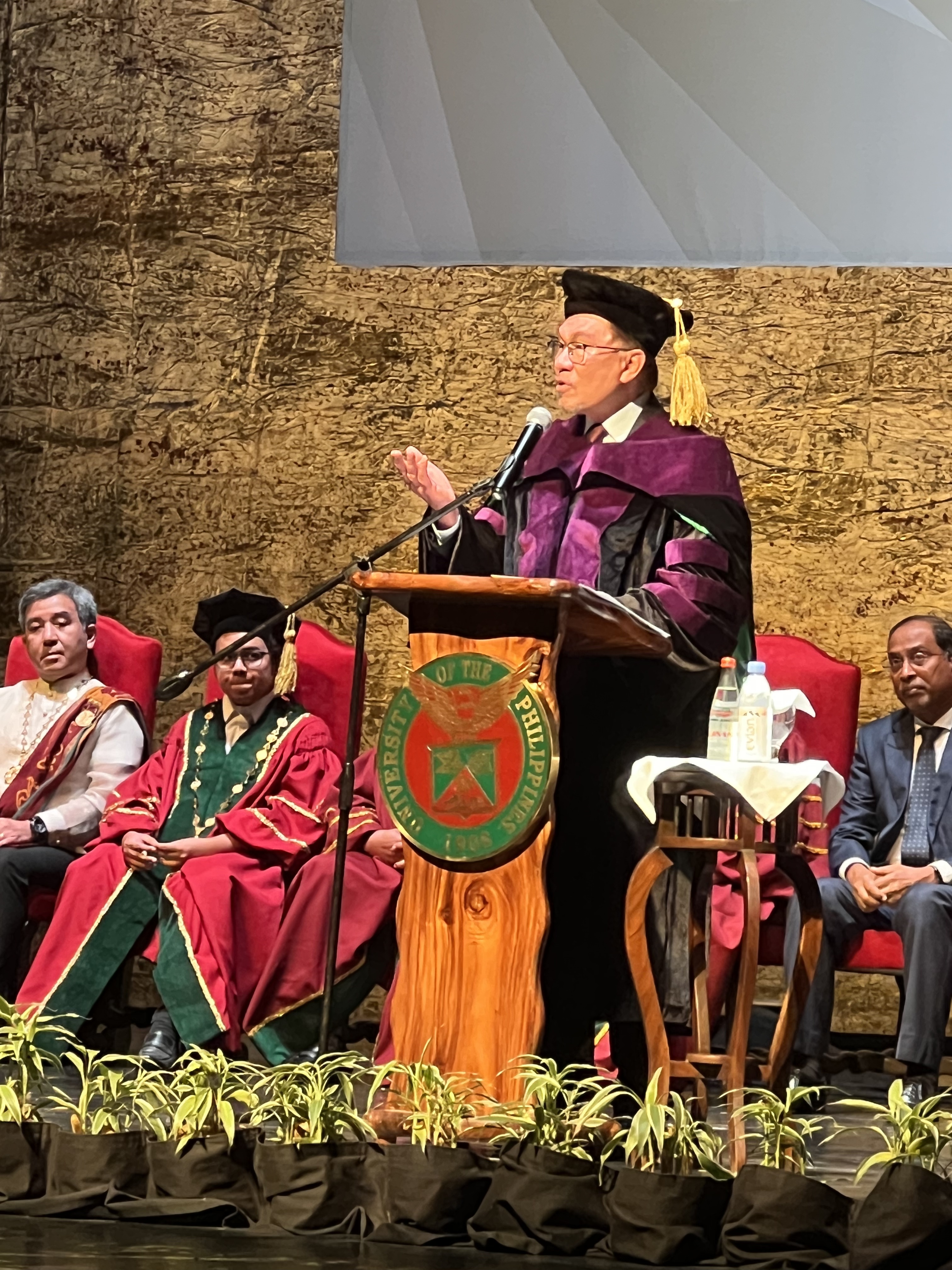
TODAY WE pause our fictional forays to focus on some happily factual news—the visit last Thursday of Malaysian Prime Minister Anwar Ibrahim to the University of the Philippines, which conferred on him an honorary Doctor of Laws degree.

I’ve been missing many university events especially since I retired four years ago, but I made it a point to attend this one because I’ve long been intrigued by Anwar’s colorful if mercurial political career—one that witnessed his meteoric rise from a student leader (who majored, at one point, in Malaysian literature) to minister of culture, youth, and sports, then of agriculture, and then of education, before being named Finance Minister and Deputy Minister in the 1990s.

As Finance Minister during the Asian financial crisis of 1997, Anwar imposed very strict measures to keep the Malaysian economy afloat—denying government bailouts, cutting spending, curbing corruption and calling for greater accountability in governance. His zeal and effectiveness gained him international recognition—Newsweek named him Asian of the Year in 1998—and put him on track to succeed his mentor Mahathir Mohamad as Prime Minister. 

However, his growing popularity came at a steep personal price. In what he and his supporters denounced as political persecution, he was imprisoned twice following a fallout with Mahathir. In the meanwhile, Malaysia sank into a morass of corruption under the since-disgraced Najib Razak, making possible the brief return to power of Mahathir, who enabled the release of his sometime protégé Anwar. Anwar’s eventual accession to the prime ministership in December 2022 was for many a just culmination of decades of near-misses (in our lingo, naunsyami).

His visit to Diliman last week was actually a homecoming. Anwar had visited UP more than once as a young student being mentored by the late Dr. Cesar Adib Majul, our leading specialist in Islamic studies. Like other Malaysian scholars, Anwar has also had a deep and lifelong appreciation for the life and work of Jose Rizal, with whom he shared the notion of a pan-Asian community of interests.

Most instructive was the new UP President Angelo Jimenez’s summation of Anwar’s political philosophy, in his remarks welcoming and introducing the PM:

“Beneath Anwar Ibrahim’s sharp sense of financial management lies a deep well of moral rectitude, a belief in right and wrong that seems to have deserted many of today’s political pragmatists. Much of that derives from his strong religious faith—which, unlike the West, he does not see as being incompatible with the needs and priorities of modern society. To him, this is a native strength that can be harnessed toward an Asian Renaissance.

“Like Jose Rizal, who self-identified as ‘Malayo-Tagalog’ and who was a keen student of the cultural and linguistic connections between Malays and his own countrymen, Anwar appreciates the West as a source of knowledge but cautions against neglecting or yielding our cultural specificity.

“At the same time, he has championed a more inclusive and pluralistic Malaysia, arguing—and here I quote from his book on The Asian Renaissance—’not for mere tolerance, but rather for the active nurturing of alternative views. This would necessarily include lending a receptive ear to the voices of the politically oppressed, the socially marginalized, and the economically disadvantaged. Ultimately, the legitimacy of a leadership rests as much on moral uprightness as it does on popular support.’”

In his talk accepting the honorary degree, Anwar argued strongly and eloquently for the restoration of justice, compassion, and moral righteousness to ASEAN’s hierarchy of concerns, beyond the usual economic and political considerations. He was particularly critical of ASEAN’s blind adherence to its longstanding policy of non-interference in its members’ internal affairs, noting that “ASEAN should not remain silent in the face of blatant human rights violations” and that “non-interference cannot be a license to disregard the rule of law.” 

Extensively quoting Rizal, whom he had studied and lectured often about, Anwar urged his audience to free themselves from the self-doubt engendered by being colonized, while at the same time remaining vigilant against subjugation by their “homegrown masters.” I found myself applauding his speech at many turns, less out of politeness than a realization that I was in the presence of a real thinker and doer whose heart was in the right place. (And Anwar was not without wry humor, remarking that as a student leader visiting UP, “I was under surveillance by both Malaysian and Philippine intelligence. Now I have the Minister of Intelligence with me.”)

Speaking of honorary doctorates, I recall that UP has had a longstanding tradition of inviting newly elected presidents of the Republic, whoever they may be, to receive one, as a form of institutional courtesy. As soon as I say that, I realize that many readers will instantly recoil at the idea for reasons I need not elaborate upon. But let me add quickly that not all Malacañang tenants have accepted the honor. Some have had the good sense to find a reason to decline, knowing the kind of reception they will likely get from Diliman’s insubordinate natives, beyond the barricades that will have to be set up for their security. For everyone’s peace of mind, I humbly suggest that it may be time to retire this tradition, which agitates all but satisfies no one. 

For the record, UP has given honorary doctorates to less than stellar recipients, including the Romanian dictator Nicolae Ceaucescu and the martial-law First Lady Imelda R. Marcos. Even some recent choices have stirred controversy and dismay. 

As a former university official, a part of me understands why and when a state university dependent on government funding employs one of the few tools at its disposal for making friends and influencing people. But as a retired professor who has devoted most of his life to UP and its code of honor and excellence, I find the practice unfortunate if not deplorable. 

I don’t make the rules, but if I did, I would automatically exclude incumbent Filipino politicians, Cabinet members, and serving military officers from consideration. This is not to say that they cannot be deserving, as some surely are, but that they can be properly recognized for their accomplishments upon leaving office. This will also leave much more room for the university to hail truer and worthier achievers of the mind and spirit—scientists, artists, scholars, civil society leaders, entrepreneurs, other outstanding alumni, and fighters for truth, freedom, and justice in our society.

Penman No. 448: Designing for the Eye and Mind

Penman for Sunday, March 5, 2023

I DON’T normally review books—even books sent to me with a request to be reviewed, which I apologetically ask authors not to do, unless they’re willing to wait a year or two. That’s because I prefer to enjoy books rather than to critique them, which sounds too much like the kind of work I happily retired from. But every now and then, along comes a book I simply can’t ignore, because it’s just too important or maybe just too beautiful to be put aside.

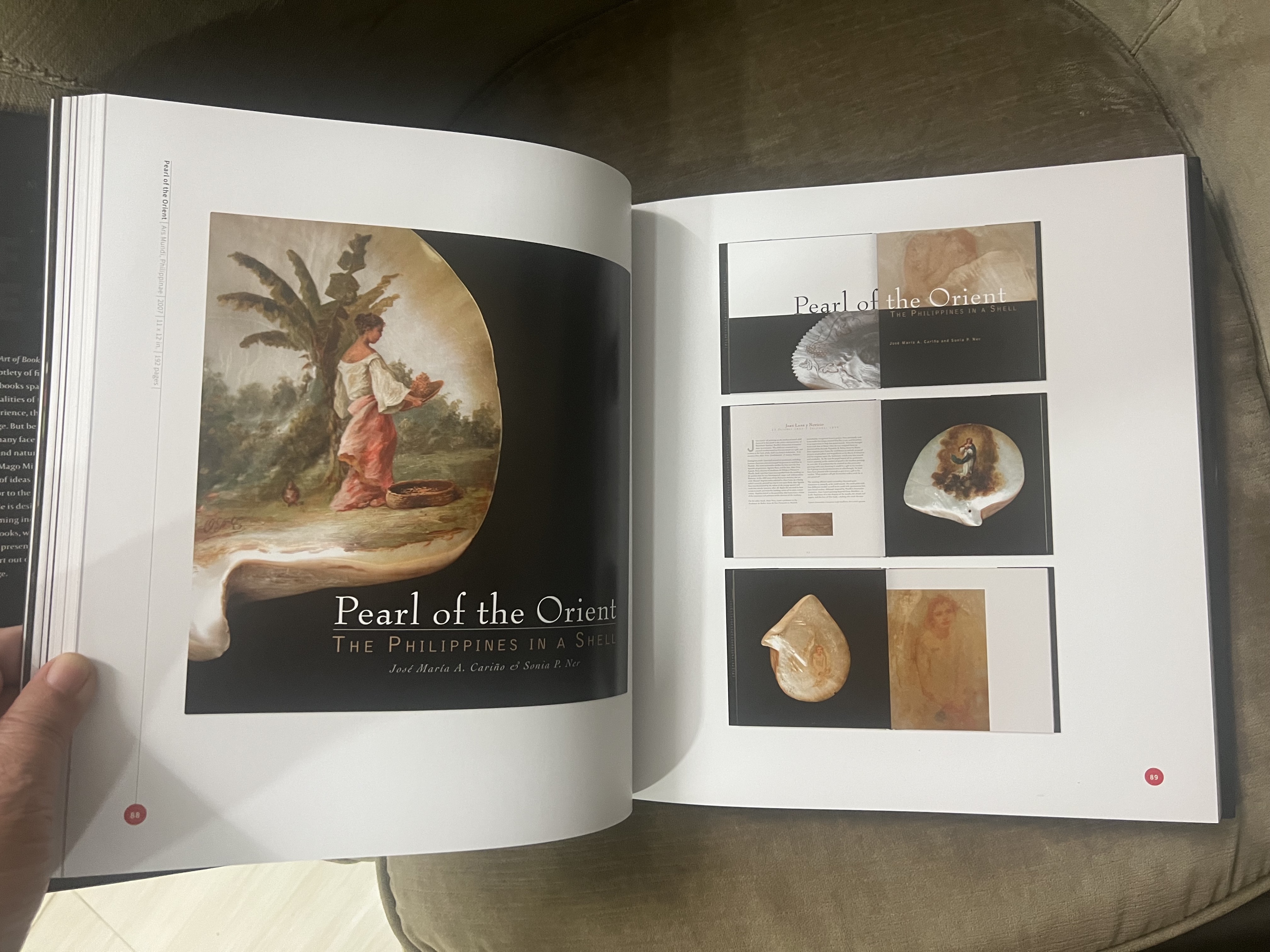
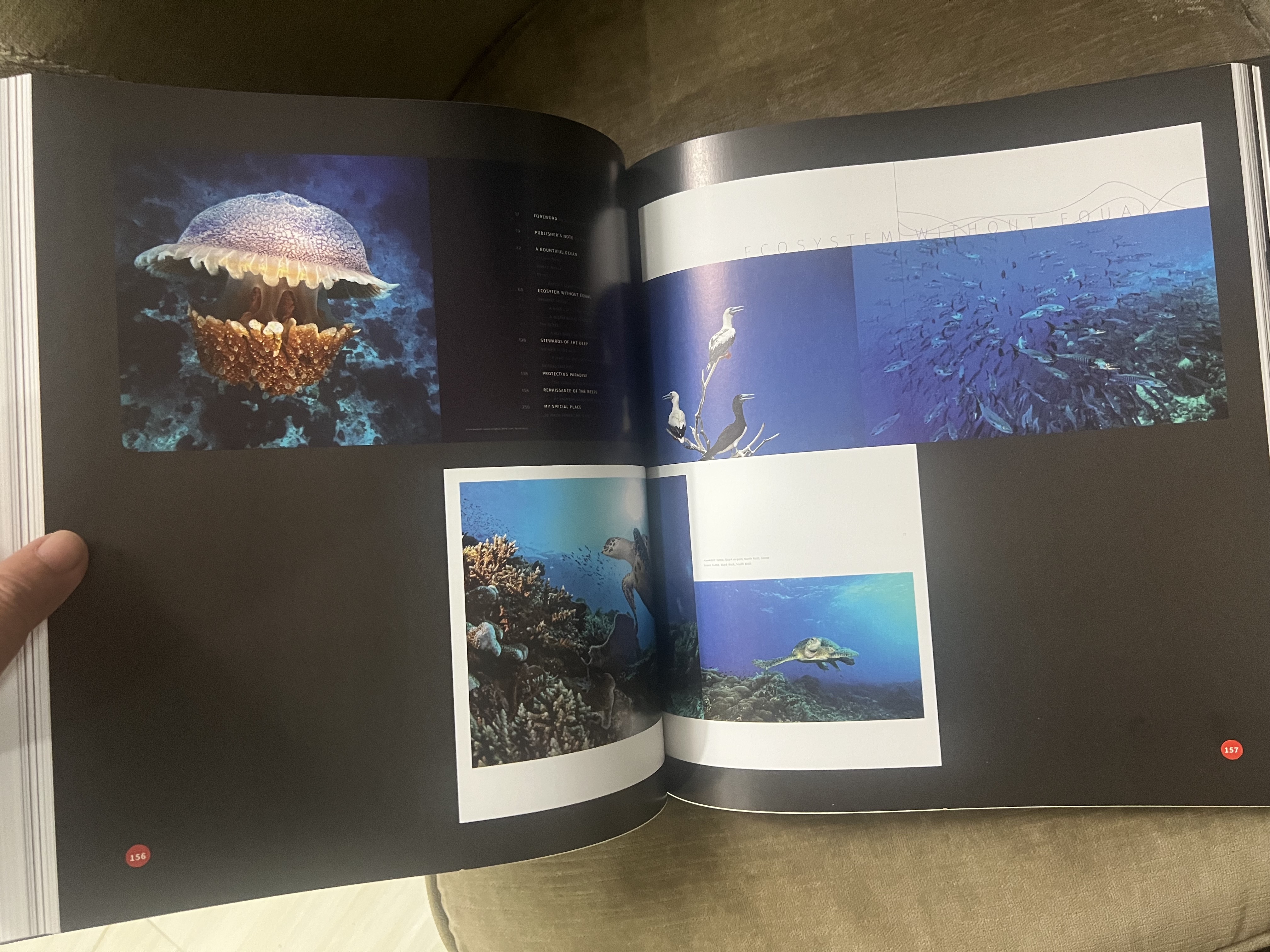
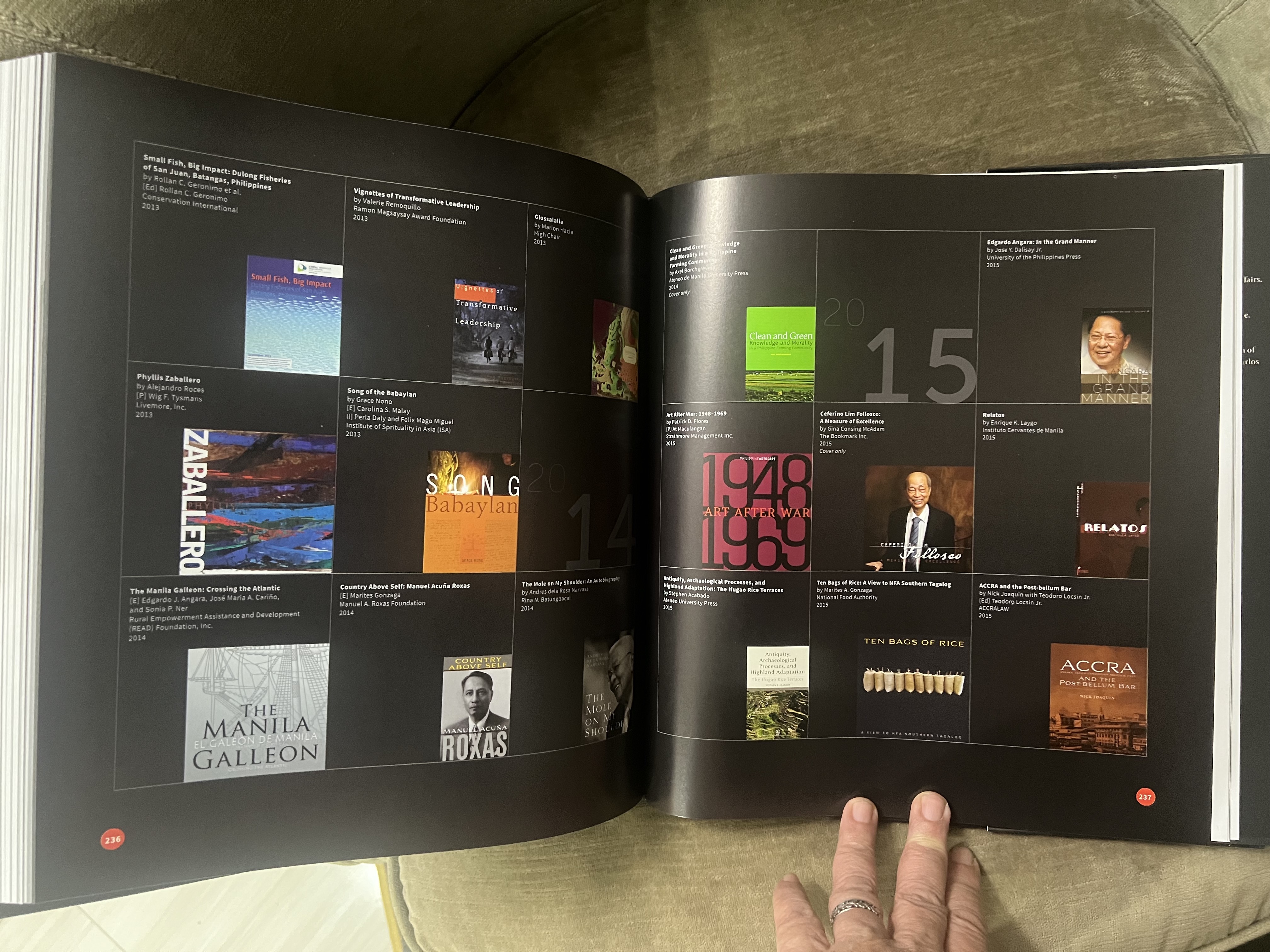
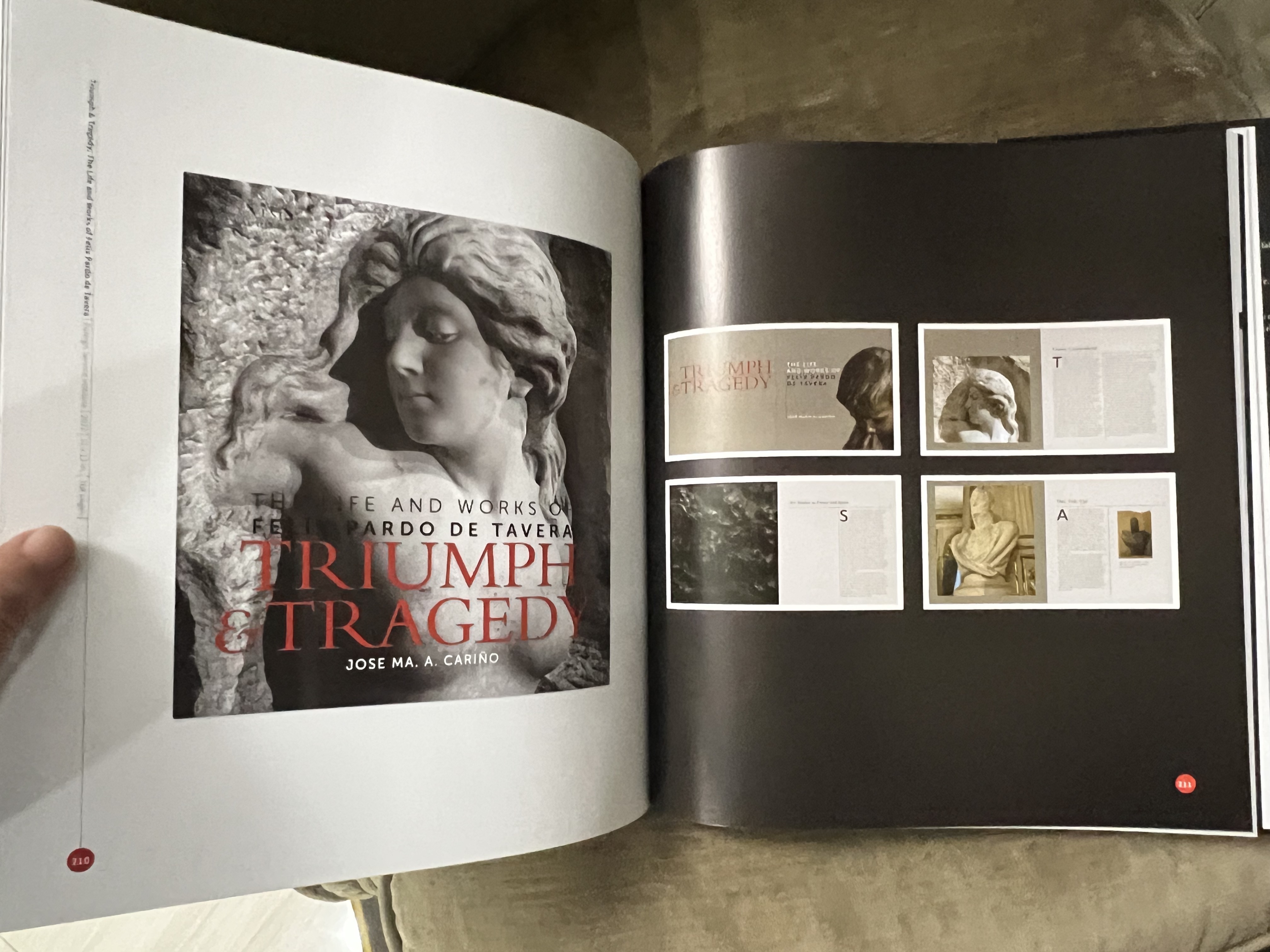
One such book—both important and beautiful—was dropped off at my doorstep last week, and as soon as I opened it, I knew I had to share my knowledge of its existence with fellow enthusiasts of art and design. The book was Felix Mago Miguel: The Art of Book Design, written by Felix’s wife Amelia F. Zubiri-Miguel, edited by Ambassador Jose Ma. Cariño, and published by the Foreign Service Institute.

One of the most talented and prolific Filipino book designers of our time, Felix has designed more than 130 books over the past 20 years, and I’ve been fortunate to have authored and edited a good number of those, including several coffee-table books and the biographies of Edgardo J. Angara and Leonides S. Virata. This hefty 264-page book is a biography, treatise, and catalogue all in one, a fine embodiment and example of its own subject, sumptuously produced not just to showcase Felix’s work but also to discuss his theory and experience of book design.

Ours has always been a country of gifted authors with endless stories to tell, but only recently has enough attention been paid to the proper design, production, and marketing of our books. The growth of Philippine publishing and the opening of foreign markets to Philippine material has spurred some of that interest as a matter of economic necessity, but the general appreciation of book design remains low. 

As an author myself, I’ve always been fussy about how my books look; I didn’t work that hard just to come out with an ugly book with my name on it. But sadly not all authors or publishers share that worry. As Felix himself laments, we Pinoys have a famous fear of spaces—horror vacui—and tend to cram our pages with as much text as we can, as if wide margins (and better readability) were a waste of precious paper.

Coffee-table books, which are Felix’s particular area of expertise, present both special challenges and opportunities. Being typically meant for promotional rather than commercial purposes, CTBs have large budgets that will allow for better production. But a poorly thought-out or executed design can render those millions useless. I’ve groaned at obviously expensive book projects ruined by gaudy or overly busy covers, barely readable type, narrow margins, and bad paper. (One of my biggest pet peeves is printing text over a photograph for that artsy effect, rendering it illegible.)

Felix’s background as a painter (and as a graduate of the Philippine High School for the Arts and the UP College of Fine Arts) allows him to see a book project not just as a technical challenge but also an intellectual exercise—a process of understanding what the book really wants to say, and translating that into a visual language.

“A book project is always like a thesis, a problem to be solved, an experience to be fleshed out,” he says. “Everything for me begins with figuring out what the book is trying to say and how best to say it. I do my best to learn the narrative, reading to understand it, absorbing its contents. If there are visuals already, I go through them, looking for the narrative that I just read among the photos and illustrations. Doing these things enables me to better feel the book and the direction it will go. My goal is to find the personality of the book, to figure out who is talking and to decide on what kind of experience is best—to design the book in such a way that, as Rita Jacobs says, it may be the only way that it can be presented.”

He designs as much for the mind as for the eye. As Amelia puts it, “Though people may say that a designer’s job is all simply a matter of art, my years of seeing Felix working have told me that it is not. At the end of the day, he always ends up more knowledgeable, better informed, and wiser with insights not just from the manuscripts but from the totality of the discussions and the time he had spent with his clients, which is probably the best bonus and priceless privilege that comes with the job, because at the end of every project, a really beautiful book needs to be more than just pretty to look at.”

Felix adds: “As designers, we become builders of experience. We may not have the privilege of letting our audience touch the skin or the sinews of what they are looking at, but if we did well in our work, what one designed becomes an exhilarating, unforgettable experience. Not only do we introduce the authors and their voices, but through a well-designed book, readers may experience the same things vicariously. What is separated by time and space is connected through emotions. And a book that touches your soul is indeed an experience to be cherished.

“After learning the technical aspects of design—the use of typography, colors, spaces, photos and illustrations, pages, covers, and printing—I realized, I have a new medium. And just like in painting, the medium is not the end of the painting; it is just part of it, because more importantly, there is a story to be told and that story is the priority of the design. My role is to ensure that this invisible visual force will allow the story to be told.”

And tell the story Felix does, in an inimitably pleasing and tasteful style that more than does justice to his material. I look forward to our next project together, whatever that may be—a writer can only write better knowing how superbly his work will look in a capable designer’s hands. 

Qwertyman No. 30: Alternatives to Cha-cha

Qwertyman for Monday, February 27, 2023

WE PINOYS know—as night follows day—that every time a new administration comes to power, a fresh initiative emerges to amend the 1987 post-EDSA Constitution. Fidel V. Ramos tried it with his ill-fated PIRMA campaign, followed by Joseph Estrada’s “Constitutional Correction for Development,” the attempt of Gloria Macapagal-Arroyo’s congressional allies to form a constituent assembly without the Senate, and even Noynoy Aquino’s reported openness to giving the President a second term. Rodrigo Duterte included “charter change” or cha-cha in his platform and tried to push it until Covid came.

Most Filipinos, let’s admit it, don’t even know what the Constitution contains, but a few of us seem hell-bent on changing whatever is in there. Never, of course, for selfish reasons like extending term limits (now why would we even suspect our politicos capable of such nefarious designs?) but for “economic provisions only” (although extending one’s term limit is a very healthy economic provision, as far as I can tell). 

Cha-cha is in the air once again, fellow citizens, going around the House and Senate like a marching band, despite President Marcos Jr.’s public disavowal of support for the proposal. 

Even the National Economic and Development Authority’s estimate that cha-cha—the convention and the plebiscite—could cost as much as P28 billion (yes, that’s a B) isn’t likely to deter its proponents from advancing their cause. With more than five years to go under BBM, a lot of plausible reasons could be found for coughing up that money. Why, even the President could change his mind over that period, persuaded perhaps by a groundswell of demand for cha-cha that he can’t possibly ignore. (Why am I suddenly thinking of that pool resort in Cavite with the artificial wave machine that we so enjoyed last summer?)

Perplexed by this insistence on the need for cha-cha now, I turned to my favorite chatmate, sounding board, and political counselor—ChatGPT—for some answers and explanations. (I know what you’re thinking—I’m just making all of this up—but no: I actually paid good money for this app, so I’m going to get  my money’s worth. If you don’t believe me, try asking it the same questions.) Here’s a transcript of my conversation with ChatGPT:

ChatGPT: Hello, How can I assist you?


Qwertyman: How important is cha-cha to the Philippines?


ChatGPT: Cha-cha is an important dance to the Philippines, as it represents their culture and traditions. It holds a special place in the hearts of many Filipinos and is regarded as a national dance. It is often performed in public gatherings and celebrations to bring people together and express joy and happiness.

(Hmmm, I don’t know where you got that, ChatGPT. Pinoys who remember Nestor de Villa and “Dancetime with Chito” might have a hankering for the cha-cha, but I don’t see any great demand for it from millennials or even their parents. Are you sure it’s that special to us?)


Qwertyman: Why cha-cha? Why not the twist or the shingaling?


ChatGPT: The cha-cha is a distinctive Latin dance with an easily recognizable beat, which makes it easy to follow. It’s also more graceful and flowing than other partner dances, making it well-suited to more formal events. In addition, its pattern of three steps forward and two steps back is easy to learn, making it a great choice for beginners.

(That’s what worries me, ChatGPT. As you say, it’s “a great choice for beginners,” which is probably why a rookie senator is on top of the process. Some of us are also worried that cha-cha will mean two steps forward and three steps back.)


Qwertyman: But what if people just want to sit down and not do the cha-cha?


ChatGPT: That’s perfectly fine! There are many ways to have fun and enjoy one another’s company without having to do the cha-cha. You could play board games, cards, watch a movie, listen to music, engage in conversation, etc. Whatever makes you and the people around you comfortable and entertained is the best way to go!

(Totally agree! Someone should tell our esteemed lawmakers that they can do this, too—play board games, cards, watch a movie, listen to music, engage in conversation—rather than tinker with the Constitution, especially if it’s beyond their comprehension.)


Qwertyman: What are the dangers of doing the cha-cha?


ChatGPT: The dangers of doing the cha-cha include: 1. Potential for pulled muscles or sprains due to improper form, which increases the risk of injury. 2. Risk of slipping and falling since the cha-cha can involve quick, sharp movements. 3. Risk of strain on the joints due to the fast, jumping nature of the dance. 4. Risk of overheating due to the amount of movement required for the cha-cha.

(To which we can add: 1. The potential for a further decline in the quality of our leadership, by the extension of political dynasties into future generations of inbred politicians, raising the genetic potential for imbecility. 2. Risk of slipping and falling back into old ways and faces of governance. 3. Risk of strain on the national budget. 4. Risk of overheating the political climate.)

Qwertyman: Is it better to do the cha-cha today or some other time?


ChatGPT: That depends on what you have planned for today. If you have other commitments or would like to save the cha-cha for another time, it is best to choose an alternate date.

(Other commitments? Hmmm, let me think. Defending our patrimony in the West Philippine Sea? Achieving price stability for basic commodities? Fighting corruption? Raising the competencies of our children in STEM? Dispensing justice, especially in long drawn-out cases like the Maguindanao Massacre, the tokhang murders, and Leila de Lima’s incarceration? Providing housing, livelihood, and adequate social security to the poorest Filipinos? Is this list long enough?)


Qwertyman: What are the best alternatives to the cha-cha?


ChatGPT: 1. Bachata 2. Salsa 3. Merengue 4. Cumbia 5. Samba 6. Paso Doble 7. Tango 8. West Coast Swing 9. Bolero 10. Contemporary Latin Dance.

(I have to admit you got me there, ChatGPT. I’ve never heard of the bachata—unless you mean “ban charter talk”?)

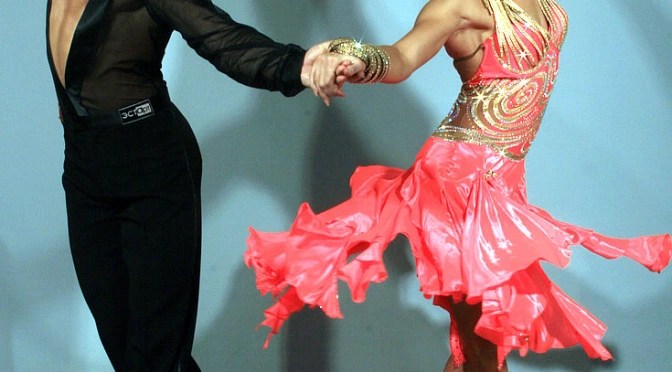
(Image from The Adobo Chronicles)

Penman No. 447: A Tertulia and Tinio

Penman for Sunday, February 5, 2023

WE CELEBRATE National Arts Month in February in the Philippines, but it came a little early for me this year, in a January packed full of memorable cultural events that reminded me of how much we’ve missed during the long pandemic. 

First off was a trip to Bacolod for a preview of the celebrated theater director Anton Juan’s new film, Amon Banwa Sa Lawud (Our Island of the Mangrove Moons). I’d known, of course, of Anton’s stellar work in theater for many decades now, but this was the first foray of his into cinema that I was aware of, and I—and the select audience that attended the preview at the Negros Museum’s Cinematheque—was not disappointed. 

Set and shot in the island-community of Subac in the city of Sagay, and based loosely on Thornton Wilder’s seminal play “Our Town,” the film chronicles the lives of villagers whose fortunes are inextricably wedded to the sea. Isolated from many of society’s most basic comforts, they survive through hard work, faith, and ambition, despite the many threats they face—among them, roving bands of pirates and, not too subtly suggested by a floating buoy, Chinese vessels encroaching on their fishing grounds. 

Shot in ten days with a mostly amateur cast, the film is a tribute to Pinoy industry and courage, and also of the sense of community that seems to have frayed for our people on a national scale. I remarked after the screening that most of us have lost touch with our maritime culture—the sea hardly figures in our literature, for example, except as a romantic backdrop—despite the fact that ours is a country of many islands like Subac. Anton’s film offers hope—but also delivers a stern warning about the dangers hovering on our national horizon. Kudos to the Erehwon Center for the Arts and to its founder Raffy Benitez, among other producers and sponsors, for making this film possible.

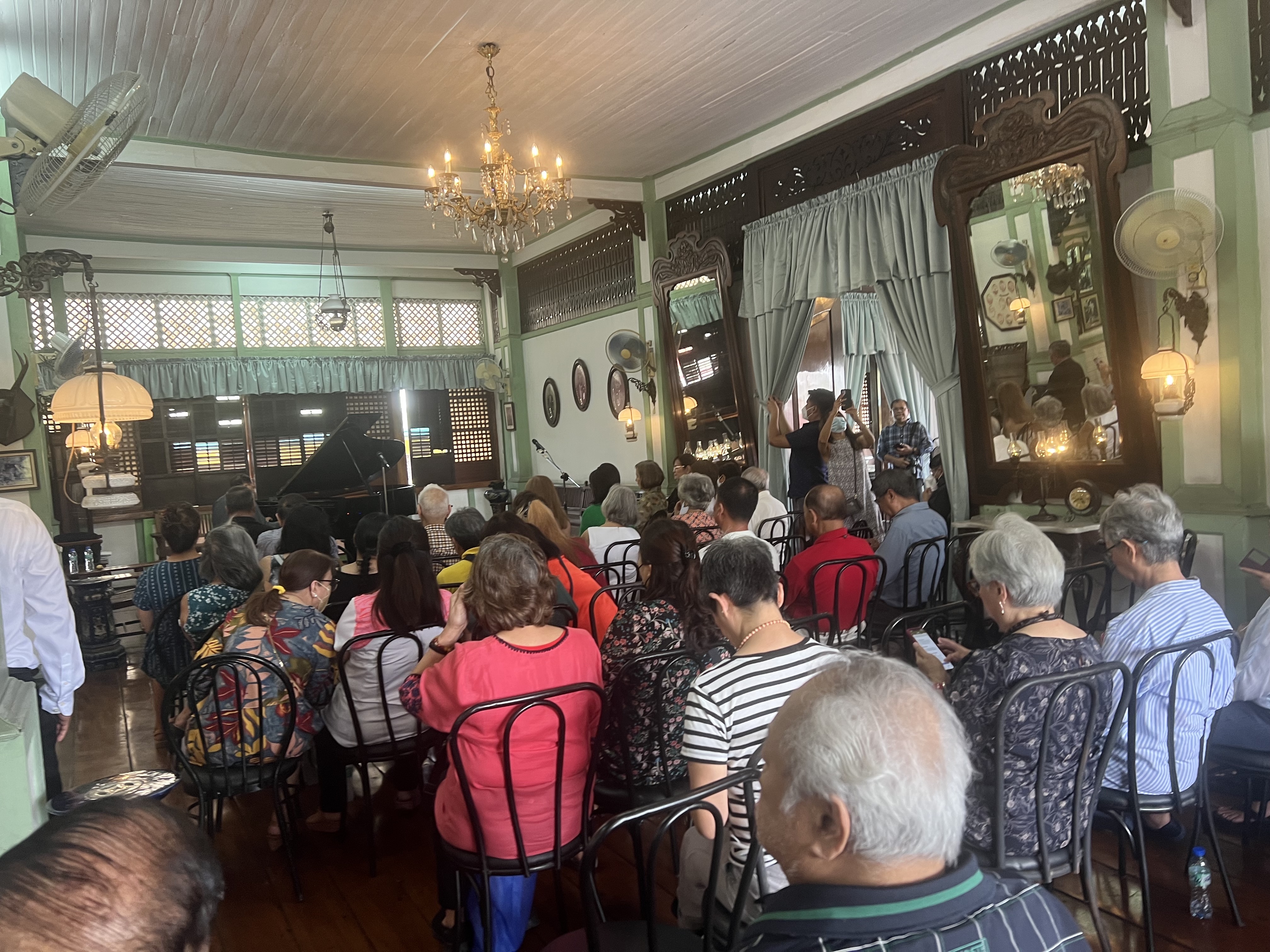
The second event that my wife Beng and I were privileged to attend was a musical tertulia at the historic Acosta-Pastor ancestral home in Batangas City, hosted by everyone’s musical tito, Atty. Tony “Tunying” Pastor. Every year, during the city’s fiesta, Ka Tunying sponsors a performance of renowned artists at his family’s home, which is a living museum of sorts, with a full-sized caruaje greeting visitors on the first floor.

This year, thanks to an invitation from the writer-curator Marian Pastor Roces, we were treated to a special program presented by the famed soprano Rachelle Gerodias, her tenor husband Byeong In Park, and tenor Nohmer Nival, fresh from their performances in last December’s “Turandot.” As was his wont, Ka Tunying—a music graduate from UP—joined the trio on the piano, and even sang gamely along. 

The repertoire comprised crowd pleasers like “Mutya ng Pasig” and “Nessun Dorma,” and the audience responded warmly, with more spontaneity than they could have shown at the CCP or some such venue. Somehow, the classics felt right at home in the 140-year-old house, which had resonated with music for decades, whose bright wooden floors had welcomed generations of guests eager for a day of revelry and good food (which was served downstairs, after the mini-concert). 

Most fascinating, however, was an evening we spent in Manila late in January with an old friend, the tenor and businessman Francisco “Frankie” Aseniero. In his other life as a bright young economist, Frankie had been our boss at the National Economic and Development Authority in the 1970s, where NEDA Director-General Gerry Sicat perhaps unwittingly nurtured a corps of writers and artists in his staff, including the late playwright Bienvenido “Boy” Noriega. 

When we met Frankie again recently to welcome home another officemate, the prizewinning Filipino-Canadian poet Patty Rivera, I asked him about his music, as he now spends most of his days as a gentleman-farmer in Dipolog, where his family has roots. (One grandfather was a student of Rizal, while another was a Swedish-American Thomasite—but that’s another long story.) He has concertized all over the world, was active with the UP Concert Chorus and the Madrigal Singers, and at one point had to choose between music and economics for further studies. He took the pragmatic option and joined NEDA, but never really let go of his singing.

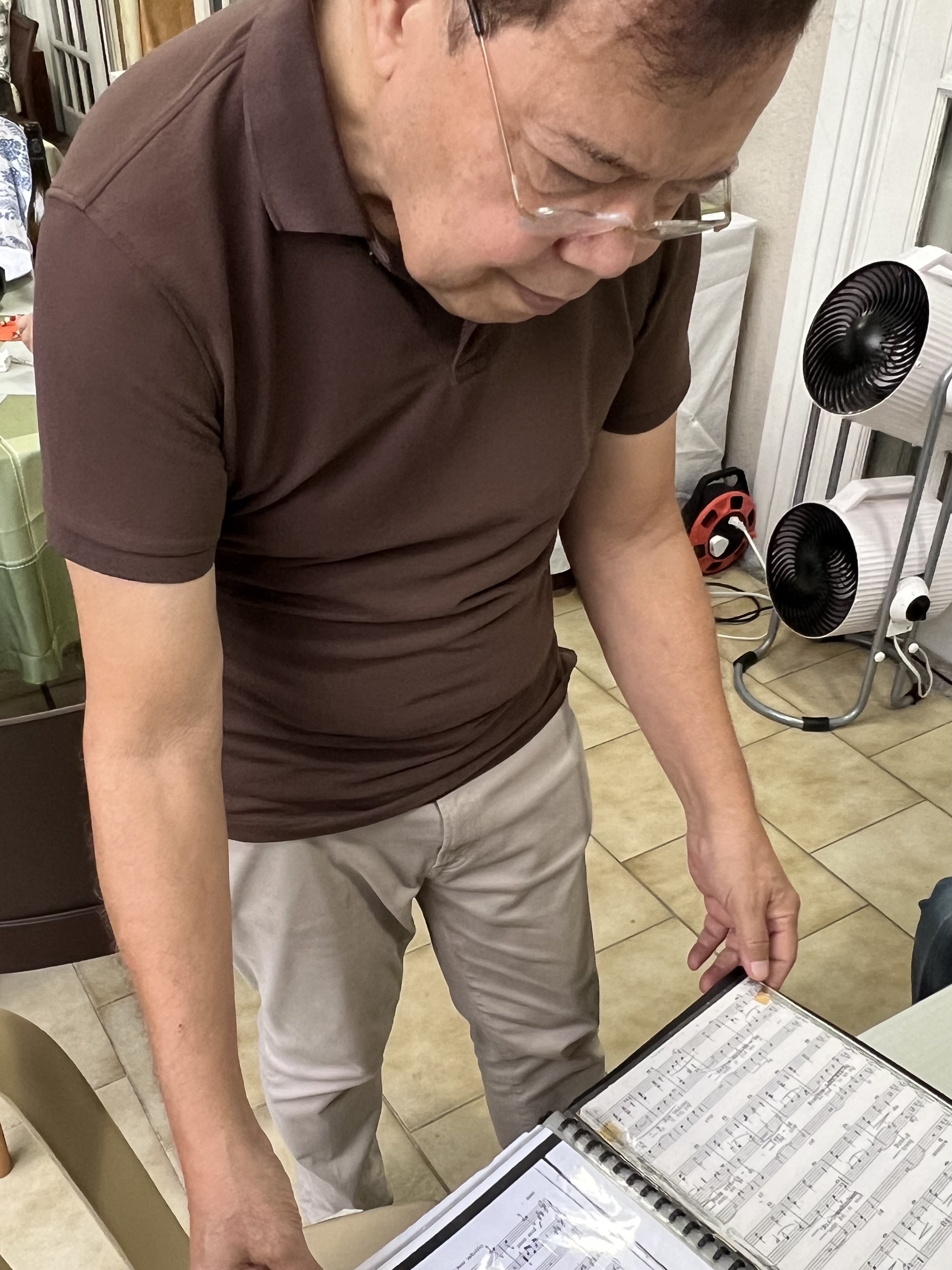
One very interesting thing I learned during that chat with Frankie was how, back in the 1970s, he sang and recorded Filipino translations of classical and popular operatic pieces by the late Rolando Tinio. “We would be having lunch, and Rolando would just write his translation over the score on the table, and it would be perfect,” recalled Frankie’s wife Nenette. Tinio, of course, was a genius, for which he was rightfully named a National Artist, albeit a difficult person for some others to deal with (there’s an explosive episode recounted by the film director Mike de Leon in his two-volume memoir Last Look Back about an encounter with Tinio at the 1978 Metro Manila Film Festival). I had the privilege of having one of my plays directed by Tinio at the CCP as a young playwright, but thankfully escaped the edge of his scathing derision. At any rate, I was enamored of his Filipino translations for Celeste Legaspi in the mid-1970s—it’s an album I’ll never tire of listening to, especially the soaring “Langit Mo, Ulap Mo” (Michel Legrand’s “Summer Me, Winter Me”)—and learning that he also translated operatic and Broadway pieces intrigued me.

Frankie obliged by inviting us to his home for a soiree and a personal concert, featuring such popular favorites as “Yakap Mo’y Aking Napangarap” (“I Have Dreamed” from “The King and I”), “Wari Ko’y Di Ko Kaya ang Mag-isa” (“Stranger in Paradise” from”Kismet”), and “Ganiyan ang Aking Giliw” (“And This Is My Beloved” from “Kismet”). We had a good laugh over “Laging Nag-iiba Pusong Babae,” better known as “Donna e Mobile” from “Rigoletto.”

I can only wish that Frankie (and other Filipino singers) would make a studio recording of these Tinio translations for commercial release. It’s hidden treasure I was lucky to stumble on, but it deserves to be heard and enjoyed by many millions more.

Qwertyman No. 25: Courtesy Ca. 2023

Qwertyman for Monday, January 23, 2023

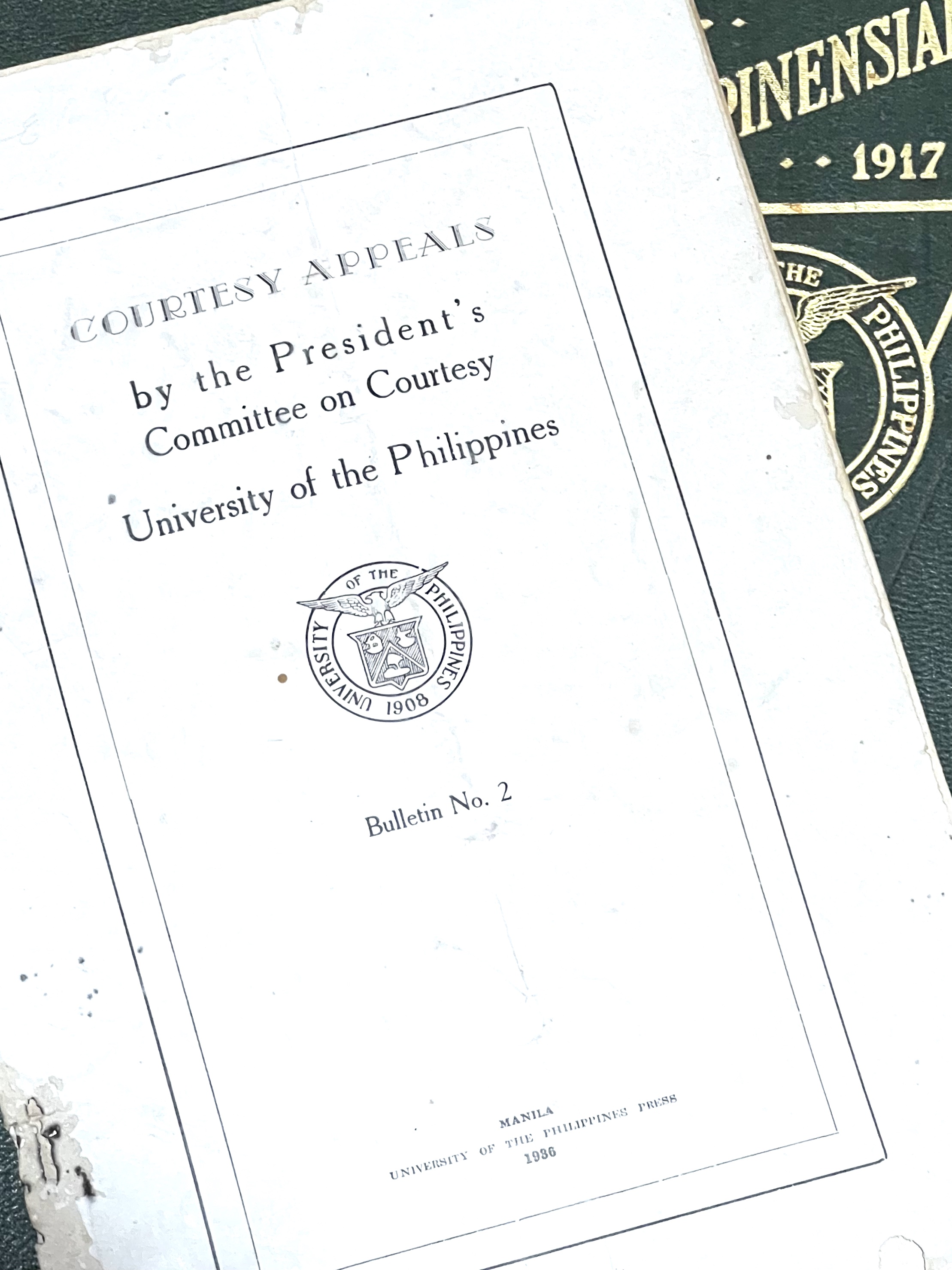
THIS TOPIC wouldn’t have occurred to me to write about if I hadn’t come across—in my meanderings online as a collector of antiquarian books and papers—a copy of a slim pamphlet published by the University of the Philippines Press in 1936, titled “Courtesy Appeals by the President’s Committee on Courtesy.” But as soon as I saw that title, I knew I had to get that pamphlet and reflect on the observance (most likely in the breach) of its prescriptions today.

To be honest, I never even heard of a “committee on courtesy” in UP. Neither, as a former student and professor, did I ever instinctively attach the word “courtesy” to UP, although I will not agree to any collective condemnation of “Iskos” and “Iskas” as boorish and uncultured. Granted, UP lore is rich with tales of what we’ll call youthful insolence toward their elders, in ways that would make even millennials cringe. (Who was that young poet who, in a writers’ workshop, supposedly stole a famous lady poet’s underwear—don’t ask me how—and strung it up a flagpole or hung it on a line, prompting her friend—another professor known for her fiery temper—to curse the laughing fellows: “I wish your mothers had aborted you!”) 

Meekness may not be one of a UP student’s strongest suits, because we teach them to assert themselves. But we also teach them to criticize or comment with style and intelligence, as when a young wit responded to a customary recitation of then President Carlos P. Romulo’s kilometric list of honorary degrees by saying, “Why, Mr. President, you have more degrees than a thermometer!” (In fairness to CPR, that fellow went on to an illustrious career accompanied by much—and some say self-generated—pomp and circumstance.)

Courtesy, of course, is not about sticking out but about staying in—behaving oneself for social acceptability and harmony, living up to someone else’s expectations by observing a strict code of do’s and don’ts. At least that’s how it was appreciated in the 1930s, when President Jorge Bocobo created the committee that came out with the prescriptions in the pamphlet. Although he served as one of UP’s most hardworking and effective presidents—someone who pushed UP students to go out and serve the masses—Bocobo was also known to be a rather prudish disciplinarian. He had been on the committee that censured Jose Garcia Villa for publishing his “obscene” and “ultramodernistic” poem “Song of Ripeness,” leading to Villa’s suspension and hastening his departure for more liberal America. He also cut down on the popular student dances that Rafael Palma allowed, and enforced the rule for student uniforms. When Guillermo Tolentino presented his design for the Oblation statue, Bocobo had one important comment: protect its modesty with a fig leaf, which was done. Not surprisingly, although again a bit too simply, he was called “the gloomy dean” by the editorialists of the time.

In 1936, when the pamphlet came out, Jorge Bocobo was almost midway through his presidency (1934-39). I learned that 8,000 copies were printed to be handed out to all students, and teachers were required to discuss its contents—all 20 pages of them—in class.

Some of its prescriptions are entirely understandable for the period:

“A young lady of social position does not go to a ball without a chaperon.”

“When a gentleman is introduced to a lady, he does not extend his hand first. It is the lady’s place to show whether she wants to shake hands or not.”

“When a lady leaves a gentleman to whom she has been introduced, she never says she is ‘glad to have met him’ or that she ‘hopes to see him again.’’

Some would be perfectly applicable today:

“Annoying the ladies by staring at them or making remarks about them as they pass cannot be countenanced.”

“Avoid being a bore by talking too much. Be a sympathetic listener.”

Some would be difficult to enforce:

“It would be nicer if gentlemen should remove their hats on entering a building.”

“Do not wear a tuxedo at daytime.”

“(Do not) thrust the individual knife into a butter dish or the individual fork into a pickle dish.”

“Bananas are peeled into a plate and taken with the fork.”

I was amused, as many of you would be, but these social commandments (yes, they were far more than “appeals,” and students and faculty were disciplined for disobeying them) invited me to wonder how we look at courtesy today or even think about it, let alone practice it. Thanks to the anonymity provided by the Internet and to a toxic political environment, rudeness if not obnoxiousness seem to have become the norm. It’s almost customary to assume that the other fellow is uninformed, hostile, stupid, or just plain wrong, and I have to confess to thinking this of many people I encounter for the first time, especially online. 

I’ve been on the receiving end of these assumptions as well. An expat American—a Trumper—once tried to convince me that I knew nothing about America, as did an expat Brit who lectured me about the monarchy like I’d never read a book (I could’ve lectured him back on Elizabethan revenge tragedy, but he could have been just a regular fellow who didn’t know anything about me, and why should he, so I desisted and let it slide).

Courtesy today clearly involves more than etiquette or protocol, more than observing antiquated codes of behavior requiring you to use this fork or that spoon. It’s more a matter of attitude toward other people, of assuming them worthy of respect and an intelligent and civil response (until they prove otherwise, as many inevitably do, especially in politics). 

Unfortunately we also too easily conflate courtesy with external manners, with opening doors for ladies (which I still do, although my wife Beng sometimes has to remind me there’s a door in front of us). On a higher order of behavior, aren’t profligacy and ostentation extreme forms of discourtesy to a people struggling to make ends meet? Do arrogance and impunity invite respect, or resentment and disdain?

What could a “Courtesy Appeals” for 2023 read like? “Do not waste the people’s hard-earned money” seems like a good place to start.

(Some factoids mentioned here come from an unpublished, unofficial history of UP. You can check them out against an official history published recently by the UP Press.)

Qwertyman No. 23: The Glass Sibuyas

Qwertyman for Monday, January 9, 2023

(With apologies to some of our readers who might not catch the reference to Benoit Blanc. A little Googling will help.)

THE INTERNATIONALLY famed detective Benoit Blanc knew immediately what he was up against the minute his airport limousine stopped in Manila’s infernal traffic and he found himself staring at a Burger Queen outlet with an unusual sign: “NO ONIONS TODAY.” It seemed inconceivable that Wimpies could be sold anywhere in the world without onions, but here it was, the living proof of the mystery he had been engaged to figure out. He had initially declined the assignment, being more interested in the case of a dusky Brazilian heiress who had gone missing on a yacht off St. Tropez after imbibing vodka laced with one-carat diamonds—that sort of intrigue being more down his alley—but the anonymous party who had hired him (wiring a million euros into his Bahamian account) had been persistent. 

The sudden shortage of onions in the Philippines was proving to be nothing short of a national embarrassment that was threatening the stability of the new government, and it had to be explained. Local law enforcement could not be trusted because they had long been in the pocket of the onion lobby, explained the other party (whose voice had been digitally distorted, but whose cadence of speech—punctuated with many uhms and uhhs—sounded strangely familiar to Blanc when he looked up some YouTube videos on the Philippines). Blanc didn’t bother to verify his suspicions; detectives of his caliber could not afford to be distracted by politics, which was messier but also simpler than murder, with the perpetrator often in plain sight, and where crime was rarely followed by punishment.

On the first of his three days in Manila, Blanc put on his best disguise as a French tourist in search of the best onion soup in the city. Even in the poshest hotel, all he could find was a tepid bowl of caramel-colored water with a few token rings of the spice and the grainy evidence of flavored powder. When he queried the chef about the omission, the exasperated man urged Benoit to go to the public market and see for himself what the real situation was. 

So the detective got his driver to park a block away from Farmers Market; he could go no further, because large and noisy crowds had massed around the block, bearing placards decrying the severe shortage of onions and demanding social justice. A fat lady in a polka dot dress emerged from within the market nervously clutching a big bag that was clearly marked “RICE,” but the little round bulges in the bag gave the ruse away and before she could make it to her car, the crowd pounced on her and her bag like a pack of wolves, spilling onions that rolled onto the ground, for which grandmothers and little boys socked each other to grab. Benoit gasped as he saw one onion being thrown like a football from a quarterback to a receiver, only to vanish into the heart of chaos as the latter was tackled by a chorus of slipper-shod defensive linemen. Goodness me, said Blanc, something terrible is happening in this country. If I can’t unravel the mystery of the missing onions soon, a bloody revolution could follow.

The following day, Benoit Blanc visited with Dr. Luzvimindo Bimbo, Chief Research Scientist of the Omnibus Institute, to get a more scientific handle on the problem. Dr. Bimbo flashed a series of PowerPoint slides onscreen to orient the detective. “Among 151 countries surveyed, the Philippines ranked 135th among 151 countries in onion consumption per capita, varying from an all-time low of 0.42 kilos in 1964 to 2.47 kilos in 2018, according to Helgi Analytics. Compare that to the Americans, whose consumption rose from 5.53 kilos in in 1982 to just over 9 kilos in 2018. And even that’s nothing compared to the Libyans, who couldn’t survive without consuming 30.3 kilos per person—the highest in the world. On average, people eat 6.2 kilos of onions every year.”

“Well, I’ll be,” said Blanc. “So we can safely conclude that Filipinos actually don’t consume onions as much as most other countries in the world.” 

“Certainly not,” said Dr. Bimbo. 

“And yet there’s a shortage?”

“Apparently so, as we can see from the onion riots that have now led to five deaths and countless injuries. Part of it may be artificial demand—when people hear something’s in short supply, the more they want it—but that doesn’t explain the lack of onions at Burger Queen. Even my wife can’t get onions for my bistek Tagalog!”

“Bustique Tagawhat? Never mind…. Someone’s been hoarding the commodity, for nefarious reasons we have yet to establish. Who, why, where?”

Later that day, Benoit mulled over the possibilities as he nursed his Hennessy in his hotel suite overlooking Manila Bay. Quite likely, the solution was in plain sight—like a many-layered glass onion which you still could see straight through. The plain-sight answer was profit—someone was making a killing retailing the stuff at P1,000/kilo—but it seemed too simple, too prosaic, for him to have been brought into the picture. 

But as the sun dipped into the horizon in a spectacular display of radiance, Benoit forgot all about onions as his memories drifted to another sunset he had spent with his girlfriend in the Maldives, just before he flew off to another mystery in Copenhagen, and before the tsunami struck. His eyes welled with tears at the thought—and then he realized he had his answer.

The next morning, before packing his bags for his flight home, the detective called the number of the one who had engaged him to report on his findings. Again he was answered in a raspy digital voice, but Blanc knew exactly who it was. “You already know who has all the onions, probably stockpiled in a high-security warehouse next to a top-secret manufacturing facility. Syn-Propanethial-S-oxide. Onions release this chemical irritant to produce tears. I estimate that with the onions taken out of the market, you would have synthesized a metric ton of the substance by now. Why did you need to bring me in?” he asked with obvious annoyance.

“Because I wanted someone else to appreciate my predicament,” said the voice after a pause. “It gets very lonely when you and you alone can’t cry. Where have all my tears gone, Mr. Blanc? Answer me that, and I’ll give you another million euros.”

Benoit thought of saying something like “Where has your heart gone?” but it felt too mushy for someone of Blanc’s sangfroid, and he decided that his job here was done, and shut his suitcase for the next flight to Dakkar.

Penman No. 446: Our Oldies

Penman for Sunday, January 1, 2023

IT’s BAD enough to be out of touch with the present, so it must be worse to be out of touch with the past—or at least, someone else’s past. 

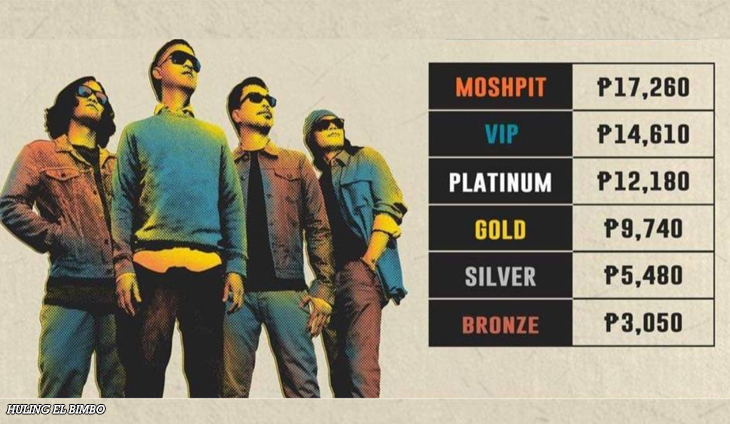
Nothing reminded me more starkly of the great divides that exist between generations than last month’s Eraserheads reunion concert, hailed by its attendees as nothing less than the Second Coming. “A spectacle unto itself. It was like mix-mashing the Super Bowl’s half-time show and a rock concert. Except it went one better as it was also like one four-hour-long karaoke set,” wrote reviewer Rick Olivares in the Inquirer. “The four-hour, three-part show was filled with nothing but singing our hearts out, jumping for joy, and all the while taking in the fact that yes—this is the Eraserheads, and we are ever so lucky to hear them live again,” gushed Nikka Olivares on GMA-7. 

What struck me was how so many of my younger friends—writers, artists, and teachers now in their 40s and 50s—posted pictures of themselves waving their concert tickets like some generational badge of honor. And indeed it was, if the reported crowd of 75,000 that drove out to the reunion was to be believed. It was a paean to the 1990s and to Generation X, to 486-DX PCs and clunky cellphones, to mixtapes and dressing down, to self-reliance and partying on. (Hold it—why is this so familiar? Now I know why I should know—our daughter Demi, born 1974, is a card-carrying Gen-X’er. “I caught up with the Eraserheads in UP,” she told me from California, “and I used to watch them at the UP Fair at the Sunken Garden!”)

I’ll take my former students’ word for it and believe that the Eraserheads were the best Pinoy band of their time, and that their songs captured the heartbeat of their generation. I’m sure that there’s a thesis or dissertation to be written there somewhere, if it hasn’t been done already—a project that will go far beyond melody and rhythm to dissect the E-heads’ contributions to political and social commentary (not much fun, but academia is the land of the morose). 

For Demi’s mom Beng and me, however, much of that remains a mystery, because it all begins with the music, which somehow went past us. “Do we know any of their songs?” Beng asked me. “Well, yes, one of them,” I answered, “the one that goes ‘Magkahawak ang ating kamay at walang kamalay-malay….’” And I went on to hum the tune for her, and she remembered. “I think its title is ‘Ang Huling El Bimbo,’” I added helpfully. Totally geriatric dialogue, but there we were, trying to figure out a context for that snippet of a song. Of course we knew the original El Bimbo dance, where your conjoined arms opened like a fan, but that was about it. We were lost in this strange territory.

That reminded me of that time, maybe thirty years ago or more, when drove Demi to school in our VW, and turned the radio on. Demi asked if she could change the station, because she wanted to hear some “oldies.” Oh, great, I thought, finally, my daughter’s wising up to the classics—maybe to some Sinatra? And then she played Earth, Wind, and Fire. “Do you remember, the 21st night of September…” (I remembered another September 21!)

So, all right, my oldies aren’t your oldies, and we respond to music on different wavelengths. There’s nothing that unites us more than music—think Christmas carols, church hymns, fight songs, and national anthems—and also nothing that divides us more than music.

I suppose we Boomers can be typecast as Beatles fans, and that won’t be unfair, as it was de rigueur for teenagers of the ‘60s to know the Beatles songs by heart if not to play them on a Lumanog guitar, with the aid of a chord book. But to be even fairer, I don’t think our taste in music could be pegged to any one band or genre. The fact is, we were incredibly eclectic, and liked everything from crooners like Tony Bennett, folk singers like Joni Mitchell, and bossa-nova masters like Antonio Carlos Jobim to rock bands like Queen, divas like Barbra Streisand, and disco kings like VST & Co. And let’s not forget the birth of OPM at the first Metro Pop festivals, with the Circus Band and the New Minstrels.

Life was a big jukebox, and you had a song and a singer for certain moods and certain days. (That probably explains the Beatles’ popularity—they could go from soulful ballads like “Michelle” and “She’s Leaving Home” to barnburners like “Rock ‘N Roll Music” and “She Loves You.”) Feeling, more than idea, was key to a song’s full enjoyment, and much of that feeling was generated by the melody and arrangement. 

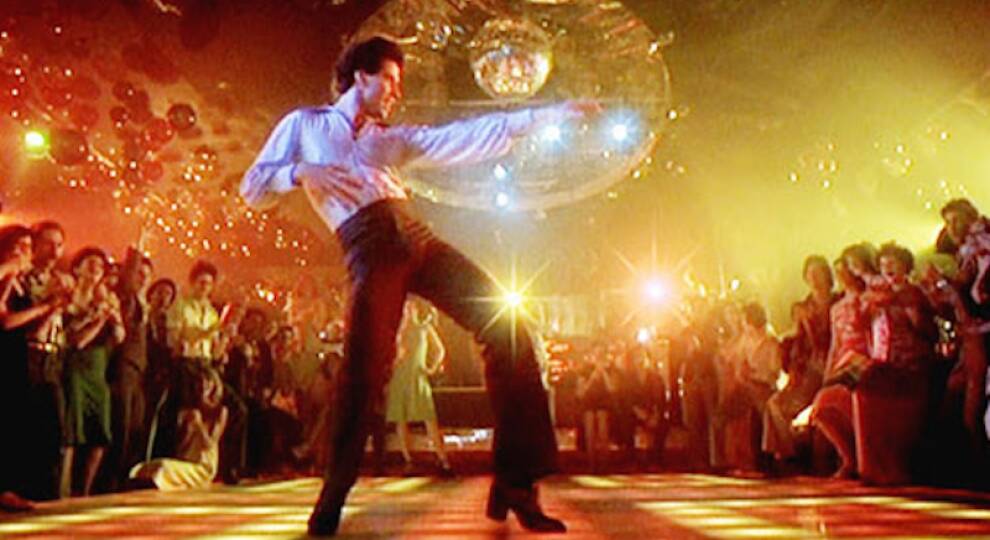
Bottom line, a song had to be singable. (The master of singability for me was Burt Bacharach.) For a while back there, we might have put on snooty airs and publicly disdained cheesy acts like ABBA—only to embrace them and warble along at their revival. Danceability was another important factor. The shift from the ‘70s to the ‘80s was the golden age of disco, spurred on by “Saturday Night Fever.” (Miserably, my dancing skills never went beyond the jerk and the boogaloo, so doing the hustle with Beng remains on the bucket list.)

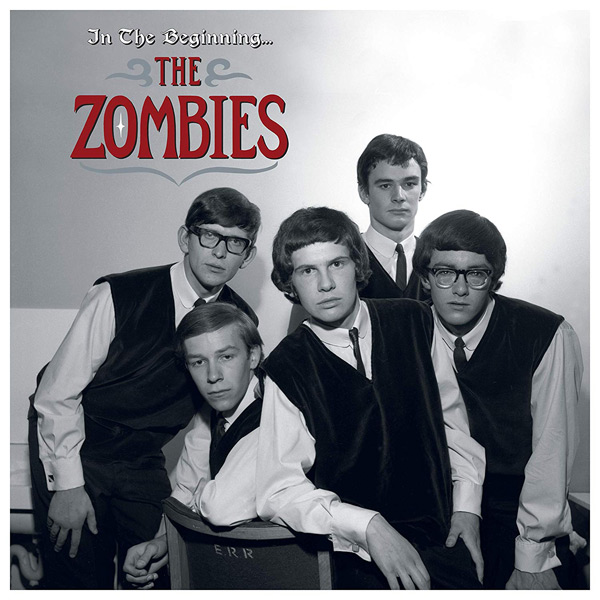
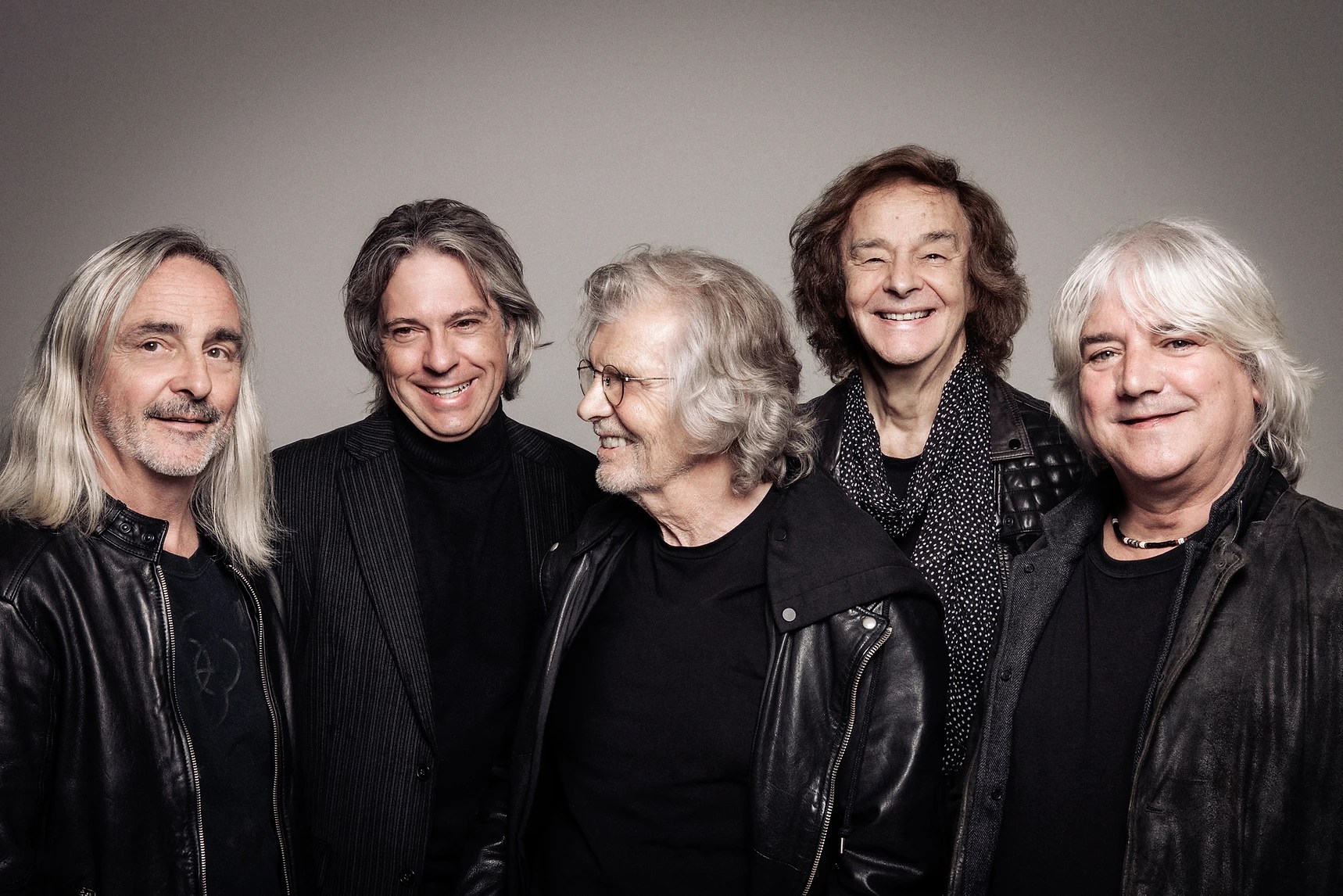
I guess this all means we have a lot of “reunion concerts” to look forward to—the only problem being, most of the singers we’d like to hear have croaked their last. The last one Beng and I attended, a few years ago at the Araneta Coliseum, was that of the Zombies (yes, they were big, cool, and British). Instead of 75,000 screaming fans, ours was a crowd of several hundred white-haired, well-behaved seniors, happily humming along to “The Way I Feel Inside” and “She’s Not There.” Maybe we forgot the lyrics here and there, but hey, we were feeling groovy, as we might have said back in 1969. So, kids, here’s to the next Eraserheads reunion, sometime in 2042. 

Penman No. 445: Some Notes on Travel Writing

Penman for Sunday, December 4, 2022

I’M SURE you’ve noticed—with much envy in my case—how so many of your friends have been traipsing around the world these past few months on what’s been called “revenge travel,” that perfectly human impulse to flee the cage after years of imposed isolation. 

And whether you’re guzzling down a pint of beer in Munich, chasing pintxos in San Sebastian, or crossing a bridge in Kyoto, the chances are you’ll be happy with a raft of digital photographs to show for your adventures. Many will want to post about their tours on their blogs, while a much smaller group will—perhaps months later—sit down to reflect on their experience and write about it in an effort to make better sense of what they went through. 

That’s something I’ve done myself from time to time, and so I thought of sharing some notes for the prospective travel writer—not just of the usual travel feature we produce for commercial media, but of a more personal kind of travel essay, one focused as much on the traveler as on the place itself. Beyond reportage citing facts and figures, this is writing that implicates and engages the traveler, the writing persona, and makes him or her a character in the piece. 

At my age, I consider myself a fairly well-traveled person, but one of the first things I want to say about good travel writing is that it’s really not about where you’ve gone or how many countries you’ve been to. It’s not about quantity, but quality of experience, perspective, and insight. The challenge isn’t to go to what to most Filipinos would be an exotic place like Paris or Tahiti. It’s to go there and to find and to tell us something about it that millions of other visitors or tourists have never seen.  

And when I say “something others have never seen,” it’s not about looking for obscure places, new bars, strange customs, or unique souvenirs. They could all be part of a great story because they’re intrinsically interesting, and if all you want to do is a standard feature story for a magazine, that would be all right. You could even make a good and exciting living writing these travel features, because the industry travel constantly needs them and they sell. 

For many of us, that would be a dream job: fly off to faraway destinations and to first-class hotels with all your expenses paid, just to write about how wonderful the place and the experience was. In my two decades as a columnist for the Lifestyle Section of the Philippine Star, I was lucky to have had a taste of that kind of luxury, having been sent on special assignment to the US, Germany, Israel, and Malaysia, among many other places. When I traveled for academic or professional conferences, which was quite often, I wrote those up too as travel pieces.

But—putting on my creative writing teacher’s hat—I also want you to think of travel writing not just as a function of place, but rather a function of mind. I want you to realize that you don’t need to go to an African safari or to ride a gondola in Venice to be a good travel writer—or a good writer, period. I want you to be able to turn a place you may have been to a thousand times or even lived in—say, Cubao—into a travel destination, and to explore not just its surface but its culture and subcultures, its inhabitants, its range of markets, its daytime and nighttime versions.

There are always two tracks embedded in a good travel essay: the story of the place itself, and the story of the traveler. To put it another way, there is the external journey, and the internal journey. 

The external journey is the story of the journey itself—the purpose of the travel, the choice of destination, the mode of travel, observations along the journey, reaching the destination, first impressions, engagements with the local people, sights, food, experiences, and other vignettes until departure time. 

The internal journey is the story of the traveler’s life situation at the start of the travel—his or her expectations, anxieties, distractions—and then his or her reactions to the unfolding environment, his or her interactions with the place and people, and his or her terminal thoughts and feelings about the whole experience, whether explicitly stated or implied. Very often, the internal journey involves some kind of quest—a search for something beyond the place itself, or some object in it, but an answer to some personal question, which gives meaning to the visit and the encounter with the place. 

That question could be “Who am I?” or “Where do I belong?” or “What do I really want?” or “Is there hope?” As the travel progresses, the answers to these questions begin to be formed or revealed. Thus do the external and internal tracks run parallel or congruent until they bend and meet at a certain point. Indeed, it can be argued that the external track, the travelogue itself, is simply an excuse or a device to tell the personal story, which emerges as the true point of interest in the piece. 

The internal track could also be subtle and subdued, embedded in the main narrative, and palpable only upon closer reading. Nevertheless it will be there, the result of a place or an experience’s impact on a person. In the travel essay, therefore, it is the interaction between person and place and the insight that comes from it that is the real, unified story. 

As the great travel writer Pico Iyer put it, “We travel, initially, to lose ourselves; and we travel next to find ourselves. We travel to open our hearts and eyes and learn more about the world than our newspapers will accommodate. We travel to bring what little we can, in our ignorance and knowledge, to those parts of the globe whose riches are differently dispersed. And we travel, in essence, to become young fools again—to slow time down and get taken in, and fall in love once more.” 

So when you write your next travel story or travel essay, don’t just tell us about what you’re looking at, which many thousands of visitors before you have already seen. Try to look at it from another angle, or find an interesting detail that’s been paid little attention to, and reflect on what it says to you. Your perspective is as important as the place itself; it may not be shown or expressed too strongly, but it will be there and should be there, for the work to be truly yours, truly unique, and truly worth doing. Happy trails!

Qwertyman No. 21: AI in the House

Qwertyman for Monday, December 26, 2022

I’D BEEN wanting to write about this for a long time, since last year when my artist-friends first alerted me to the amazing new possibilities being opened by artificial intelligence (AI) in such traditional fields as painting. Before that, like many people, I’d thought of AI in terms of subjects like warfare, medicine, and gaming. It had to be only a matter of time before the technology was ported over to the arts—not just to painting, but to creative writing and music, among other pursuits.

If you don’t know how AI works, just think of it this way (which is the way a lot of people, many of them not even artists, are having fun these days). You download a software program called an “AI generator” (such as starryai for painting, Rytr for creative writing, and AIVA for music), then put it to work by demanding that it produce “a portrait of Jose Rizal in the style of Van Gogh.” Minutes later (or just seconds if you pay), you’ll get what you asked for. What your computer (or in fact, many other computers working together) just did was to run a search for all the images of “Jose Rizal” it could find, then establish what “the style of Van Gogh” means in terms of brush strokes, colors, and so on, and apply one to the other. It’s all about “algorithms” or instruction sets that get sent out and executed until the desired outcome pops up.

That sounds like harmless entertainment, and much of AI is or appears to be, but it isn’t hard to see how even a touch of mischief (not to mention loads of malice) can quickly change the complexion of things. Driven by a fear of computing or what we might call Faustian science, popular culture is replete with examples of AI gone berserk, from HAL 9000 in 2001: A Space Odyssey to the master kidnapper Sark in Tron. But positive applications such as those employed in medicine, where AI helps analyze CT scans, MRIs, and X-rays with a sharper eye than a human radiologist sees with, continue to push AI research forward. IBM itself declares that “At this point, there is little doubt that AI will become a core part of the digital health systems that shape and support modern medicine.”

My own first brush with AI happened last week when I stumbled on an article in the New York Times titled “A New Chat Bot Is a ‘Code Red’ for Google’s Search Business.” Intrigued, I read on and found out about ChatGPT, one of many new programs that are threatening to replace Google’s famous search engine. We all know how Google works: you enter a search term, you get a long list of links to possible answers. Chat bots cut through that mess and give you a short, clear, grammatically correct answer (although nobody can guarantee that the answer itself is correct). That’s good if you want a quick reply to a question, but I can just imagine the epidemic of college term papers cutting and pasting unsourced chat-bot answers with gay abandon. 

All this led me to wonder how chat bots would respond to truly important questions, so I decided to download ChatGPT to my iPhone, and to ask it some test questions that would tell me about itself as much as what I was asking about. Below are my questions and the answers that artificial intelligence produced, verbatim (I purposely asked the first question to see if AI was capable of some kind of self-awareness):

1. Q. What are the dangers of artificial intelligence? A. 1. Unintended Consequences – Algorithms designed to reach specific goals could have unintended consequences that produce unforeseen results. 2. Job Loss – AI could displace workers by automating jobs, leading to severe economic disruption in the near future if nobody is trained to take over for the machines. 3. Black Box AI – AI systems are often difficult to understand, making it hard to debug the system when something goes wrong. 4. Over-Reliance on AI – Dependency on AI could lead to cognitive laziness, where humans rely too heavily on algorithms for decision-making and problem-solving. 5. AI Biases – AI systems trained on biased data and algorithms can end up replicating the same flawed assumptions and stereotypes. 6. Security Breaches – Malicious actors could exploit vulnerabilities in AI systems to commit cyber-attacks, data breaches and fraud.

2. Q. What’s wrong with the Philippines? A. The Philippines faces a wide range of problems that must be addressed in order to progress forward. These issues include corruption, overpopulation, environmental destruction, poverty, inequality, and unequal access to education. Additionally, Filipino infrastructure and public services are in dire need of improvement in order to create a more livable and equitable society. Other issues such as illegal drugs, crime, and terrorism also remain major problems facing the Philippines.

3. Q. When should a country have a sovereign wealth fund? A. A country should have a sovereign wealth fund when it has a large amount of assets (such as revenues from oil exports) that can be used for investments and for stabilizing government finances during economic downturns.

4. A. How can we reduce corruption in government? A. The best way to reduce corruption in government is to increase transparency and accountability. This could include strengthening laws and regulations to ensure that government officials are held to high standards, creating independent oversight and auditing systems, and engaging civil society and community members in governance processes. Additionally, investing in training for government officials on ethics, anti-corruption policies and procedures, and proper financial management can help to reduce corruption. Finally, engaging the public to report and discuss any allegations of corruption can help to both curb and address existing instances of corruption.

5. Q. Can volcanoes be punctured? A. No, volcanoes cannot be punctured. Volcanoes are made of molten rock, known as magma, that is too hot and too deep to be pierced with any known tool.

Now, you tell me if those answers sound any worse than the malarkey we’ve been hearing from some of our esteemed senators and congressmen, who cost billions to maintain, feel unbound by the rules of logic and grammar, and can take forever to give you a straight answer. Of course, they can well afford to buy a program like ChatGPT in aid of legislation (it’s free for three days, then P499/mo.). But then, why resort to chat bots when there’s already so much artificial intelligence going around in both august chambers?