Qwertyman No. 61: Funding Real Intelligence

Qwertyman for Monday, October 2, 2023

YOU COULD hear the gnashing of teeth from Aparri to Zamboanga when the Filipino men’s basketball team crashed out of the recent FIBA tournament with three losses, the fans’ dismay relieved only momentarily by the locals’ drubbing of arch-nemesis China. All over social media and even in the mainstream press, there was a lot of hand-wringing, with soul-piercing questions like “Is basketball really a Filipino sport?” and “How do we regain our hardcourt glory?”, followed by angry demands for certain heads to roll and fresh calls for a renewed grassroots-based sports development program.

Aside from politics—arguably the most vicious blood sport hereabouts—nothing gets us Pinoys more worked up than sports (and maybe beauty contests, another kind of sport). We know all the players and coaches, can recite the history, analyze all the moves, surveille the opposition, and scout and spot the best prospects. You would think that it was a national industry, although it all comes down to one thing: Pinoy pride, our fervent desire to matter in the world at large, if not be No. 1.

That’s all understandable, so hold that in your memory while I rattle off some other “sporting” statistics for the Philippines.

In a 2018 PISA ranking of 15-year-old students from more than 100 countries worldwide in terms of their abilities in reading, math, and science, the Philippines scored second to last in both math and science, next only to the Dominican Republic. If that sounds bad, we scored last in reading. (The Program for International Student Assessment is run by the Organization for Economic Cooperation and Development.)

Maybe they got something wrong? In 2019, the Trends in International Mathematics and Science Study or TIMMS, with covered fourth-graders from 58 countries in math and science, ranked the Philippines last. That same year, the Southeast Asia Primary Learning Metrics, checking up on fifth-graders and their proficiency in reading, writing, and math, scored the Philippines below the regional average in all three; more than 40 percent of all Filipino students tested failed to meet the minimum proficiency standard for math.

Did we hear or do I hear any gasps of dismay or demands for accountability from our government and educational leaders—or from the general public, for that matter? Of course not. The private sector has taken note, knowing they’ll be paying for these gross deficiencies down the road, but they don’t make policy, or decide the budget. Otherwise, we don’t seem to be seeing ourselves in any kind of race in global education, which just isn’t sexy or entertaining enough like singing, dancing, or basketball. We’d all be insulted if anyone called us “stupid”—and these surveys don’t use the word—so we pretend that it’s not a real problem and that we can get by on our natural smarts, like we always have. 

If we’re feeling feistier, we can even trot out the names of all the Pinoy Spelling Bee and Quiz Bee winners, chess grandmasters, Moot Court victors, World Poetry Laureates, inventors of this and that gizmo, and so on. In the meanwhile, we scratch our heads and wonder why our neighbors like the Thais and Vietnamese are surging ahead of us (“Why, we have nicer beaches! And didn’t we teach those people advanced rice technology?)

So instead of ensuring adequate funding for  programs, reforms, and resources to address these shameful scores, what do we do?

We cut the budget of the Philippine Science High School System—our flagship secondary school system, especially in math and science—from P3 billion to P2.7 billion, an 11 percent reduction. Not only the PSHS, but other agencies in our science and technology cluster found their 2024 budgets slashed as well—a 14.17 percent budget cut for the Advanced Science and Technology Institute, 18.04 percent for the Food and Nutrition Research Institute, and 83.7 percent cut for the National Research Council of the Philippines.

“We can no longer sustain our cloud-based Knowledge Hub or KHUB learning system because of this cut,” PSHS Executive Director Lilia Habacon was quoted as saying. “We developed KHUB during the pandemic, and it was being accessed by 10,000 students.” The PSHS System now comprises 16 science high schools nationwide. “Even as we’ve returned to face-to-face learning, many of our modules remain online, and the students really learn from there.” The cut will also halt the system’s infrastructure projects such as gymnasiums, dormitories and multipurpose halls in Mimaropa, Zamboanga, Soccsksargen, Calabarzon and Caraga.

The Department of Budget and Management says that the cut corresponds to “38 non-recurring and terminating locally-funded projects in FY 2023,” but as Dir. Habacon points out, there are clearly many ongoing and vital projects that need continuing funding through to at least next year. 

The DBM also took the PSHS to task for its lack of “absorptive capacity,” meaning that it couldn’t spend its allotted funds fast enough. And here’s where the irony of this whole budget business and our national priorities really gets me. (Granted, the problem goes much deeper and at more basic levels than the PSHS, but if they can do that to our premier high school, what do you think they’re doing with the less illustrious others?)

The Office of the Vice President (OVP)—under recent criticism for spending P125 million in “confidential funds” in 11 days in 2022—claimed in its defense that it did so not in 11 days, but 19. Oh, okay—is that supposed to make us feel better? Does that qualify in the DBM’s books as proof of “absorptive capacity?”

Confidential funds here, intelligence funds there in the hundreds of millions, and the recipients even feel demeaned if they’re asked to account for the money, for which their fawning friends in Congress are only too happy to give a free pass.

Meanwhile, we scrutinize every line in our budget for science education, and probably in other areas as well, and get all uptight when we spot some tiny item we can’t figure out, like some alien cockroach, and squash it with gusto, thinking we’ve done our job. When it comes to funding real intelligence, we balk.

The sad part is, we’ll get away with it, because appallingly low science, math, and reading proficiency doesn’t get people worked up as much as poor basketball tactics do. We don’t even know who our National Scientists are (there are now 42 of them), nor care what they’ve done. Fire the education coach? What for? No harm, no foul.

Penman No. 455: A Musical for Our Generation

Penman for Sunday, October 1, 2023

PINOYS WHO came of age in the 1990s like our daughter Demi, born 1974, will swear by “Ang Huling El Bimbo” as their collective anthem—not just the song, but the whole musical and its score by the Eraserheads, who might as well be Martians to Beatles and Woodstock fans like me. On her last vacation her from her long and happy life in California, Demi made sure that she and her cousin KC got to see the show, no matter the cost, and the two girls stepped out of the theater misty-eyed. 

It got me wondering if our generation—boomers, I think we’re called—had something similar to get us all thoughtful and even weepy about what we’d been through. If you were born in the ‘50s, you’d be in your late 60s or in your 70s by now, and that’s a long time to be alive, relatively speaking, especially given that so many of us died so young (read my Qwertyman piece on this from a few weeks ago on “A long grace note”). That usually means college, jobs, marriage, kids, affairs, separations, houses, cars, debts, accidents, ailments, responsibilities, recognitions, disappointments, losses, homecomings, and all the sundry little things that make up a life. That’s what happened to us, and the ordinariness of it doesn’t seem to suggest much worthiness as entertainment material. 

But someone our age apparently thinks otherwise, and beyond just thinking about it, has actually co-written and produced a musical titled “Silver Lining” for our generation—and our children who may want to understand what their folks went through, and why they think the way they do.

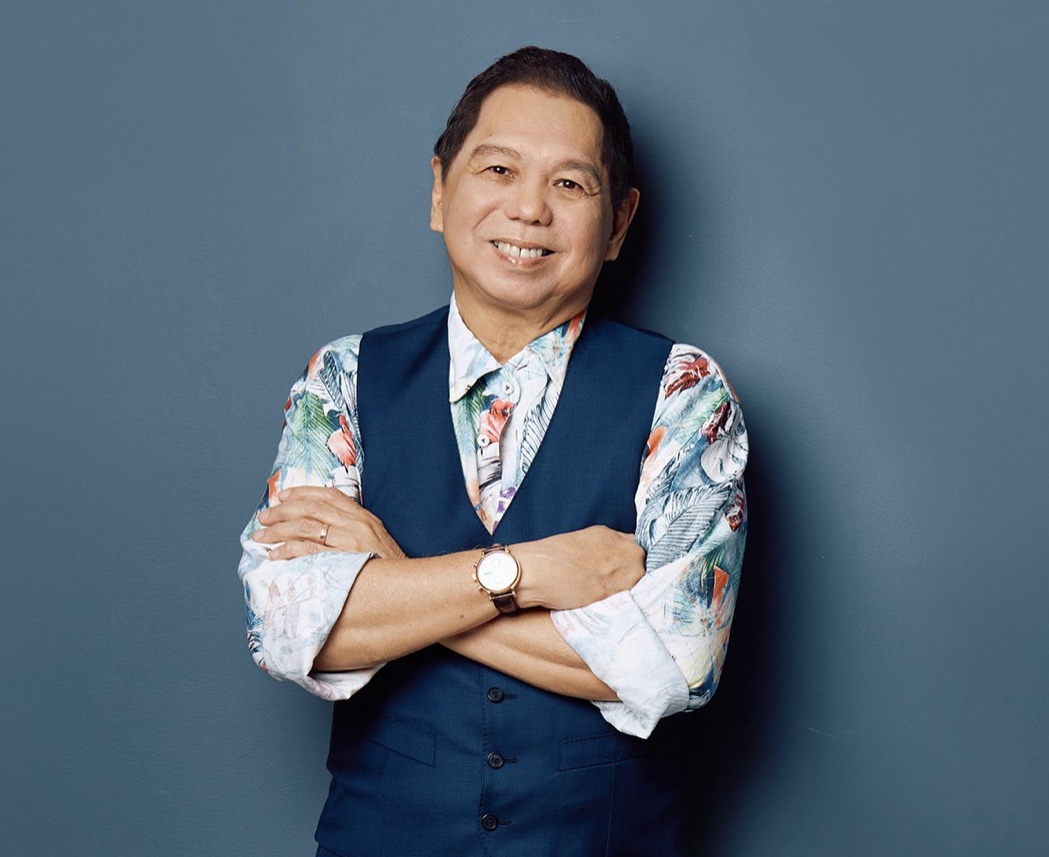
That someone is Jack Teotico, better known these days as the man behind Galerie Joaquin, Fundacion Sanso, and other art-related ventures that have opened doors for Filipino artists here and abroad. (When we last met, he was on his way to Madrid to scout prospects for a gallery there.)

Jack and I happen to be friends for half a century now, having met at UP where we were both student activists. We had actually been grade-school batchmates in La Salle Green Hills but hadn’t really connected there. We were both arrested after martial law, and our lives would inevitably intersect every now and then. An economist by training, he headed the Fiber Industry Development Authority at one time, while I worked for the National Economic and Development Authority. We ran into each other more often when he devoted himself almost exclusively to the art world.

Still, it was a great surprise when he told me, at his recent 70th birthday party, that he was staging a musical titled “Silver Lining,” using songs he had written over the years. I knew Jack also loved music and had been performing with a group called Rockitwell.

“I think it’s time to share our generation’s experience,” Jack said. “Not just the political part, but our story of growing up and growing old, the friendships we make along the way, the trials we’ve been through, and what life looks like today from our point of view.” No literary piece touching on the 1970s would be complete or credible without mentioning or implicating martial law, and it’s there in the dark shadows of Jack’s story, but he’s chosen to foreground what to most people were the more familiar rituals and milestones of early adulthood—high school and college life, relationships, love and loss, acceptance, and intimations of mortality. 

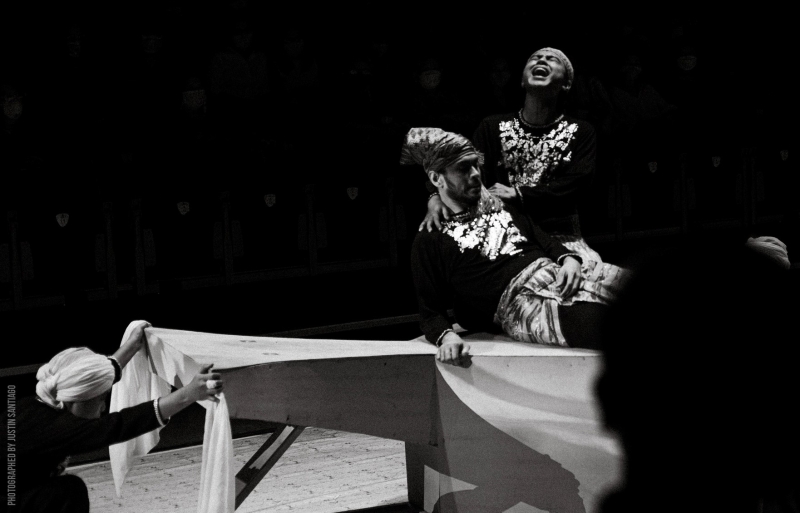
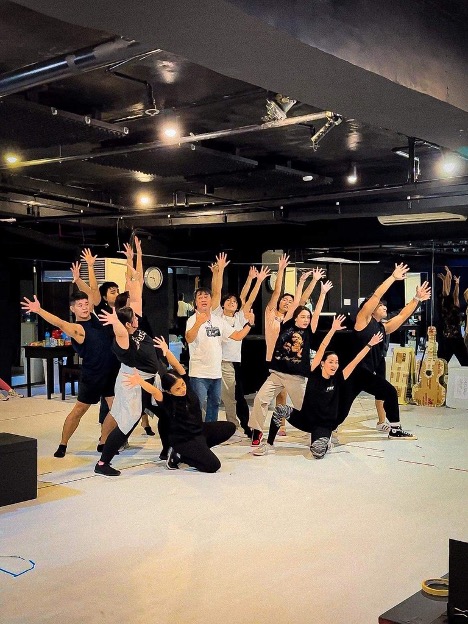
Based loosely on real-life events, the musical traces the journey of three high-school buddies who, in their senior years, form a band for their Golden Anniversary homecoming, drawing in their wives and children. They soon decide to work on a musical together—so yes, this a play within a play—and as they do so, the past unfolds in poignant contrast to the present. Even as the narrative unavoidably reaches into the darkest corners of our lives—dependencies, betrayals, disappearances, and such—it ends of a note of hope and redemption.

Working with Palanca-prizewinning scriptwriter Joshua Lim So and musical director Vince Lim, Jack tells these stories through songs with titles like “Brothers,” “Losing Our Way,” “Rambolan,” and “Atin Ito.” The script is in Taglish, given the middle-class milieu of the characters, and the melodies should be easily relatable, reflecting the musical variety of the period covered, from ballads to disco. 

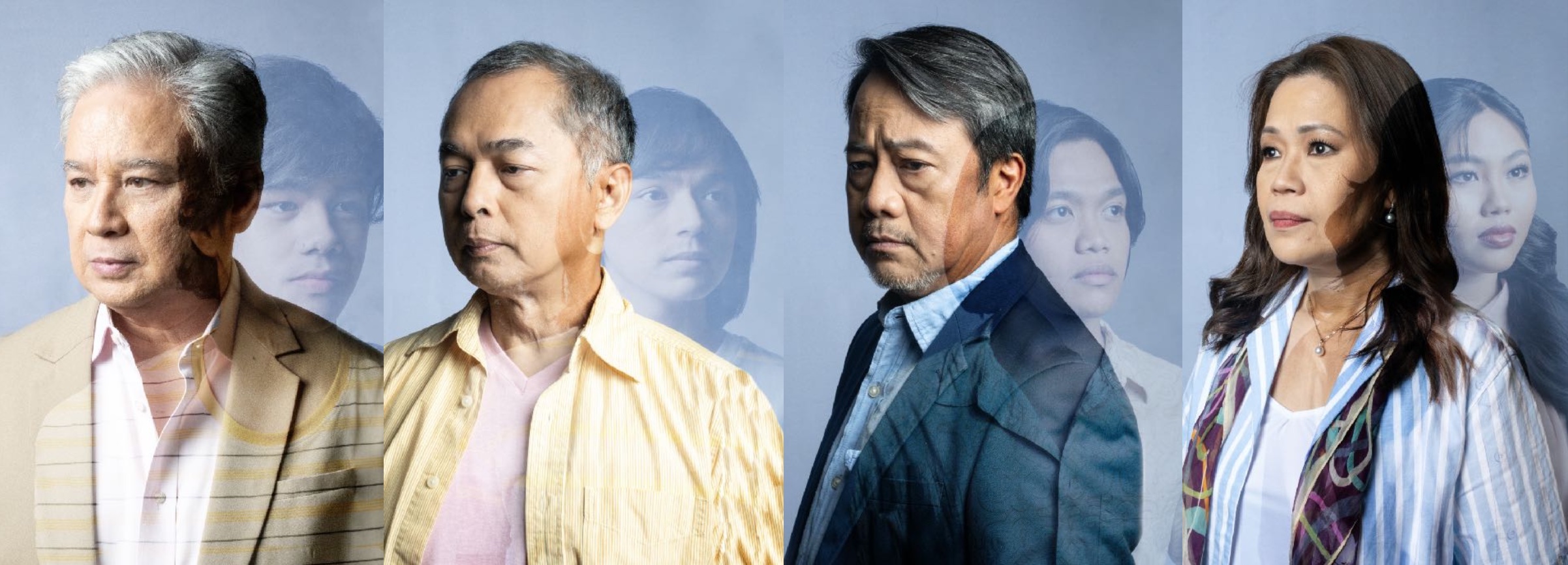
Directed by Maribel Legarda, the musical is headlined by veteran actor Ricky Davao as Leo, Joel Nuñez as Anton, Raul Montesa as Raul, and Nenel Arcayan as Josie, with Krystal Brimner playing a special role as Julia.

As every Broadway aficionado knows (and Jack is one), musical theater is a risky business, but I suspect that Jack really isn’t into this for the money, but rather to leave his signature on our cultural memory. He’s done more than enough to support and promote other artists, and indeed it’s time for him to tell his own story—our story.

“Silver Lining” will have a limited run of only six performances over two weekends  at the Carlos P. Romulo Auditorium in RCBC Plaza, Ayala Avenue, Makati City—at 8 pm on Fridays, October 20 and 27, 8 pm on Saturdays October 21 and 28, and a 3 pm matinee on Sundays, October 22 and 29. Book your tickets now via Ticket2Me or bit.ly/silverliningmusical.

Qwertyman No. 59: Counterintuitive

Qwertyman for Monday, September 18, 2023

ON MY way to NAIA to catch a flight early one morning a few weeks ago, I snapped out of my half-sleep when I heard a song on the radio station that my Grab driver was tuned in to. I hadn’t heard it in almost half a century, and I was surprised to realize that I still knew the lyrics—not that I sang it back then, but because it was inescapable, flooding the airwaves with its bootstep optimism: “May bagong silang, may bago nang buhay, bagong bansa, bagong galaw, sa Bagong Lipunan!” The only difference—and what troubled me even more—was that it was a new arrangement, sung by a solo male voice, obviously a remake for a new generation. We were back in 1973, and whoever was behind that broadcast was making sure we knew it.

But of course, despite all the ironies that have been pointed out with the accession of another Marcos to power, and all the parallels that both the Junior and his detractors have drawn with the Senior’s reign, 2023 isn’t exactly 1973. The convenient conclusion would be to assume that Marcos Part II would be a replay of Marcos Part I—and many Filipinos, myself included, warned of that possibility in the run-up to the May 2022 election. But is there any possibility that President Ferdinand E. Marcos, Jr. might want to break out of his father’s mold and be, to some extent, his own man?

As soon as I say that—and before I get social media all riled up with my seeming revisionism—let me add that it’s the dramatist in me that appreciates the classic bind that Marcos Jr. must find himself in. Drama is premised on the possibility of character change—and even if the character reverts to his old self in the end, a brief flirtation with one’s opposite can be revealing.

In political caricature, characters are reduced to their extreme and basest versions—black and white, sinner and saint, damned and blessed. Oversimplification makes for effective propaganda, just so you don’t forget who the enemy is and which side you’re on. In realist drama, we move beyond types to explore the complexities of human character, taking the individual as a compound of many different—and sometimes even conflicting—traits and predispositions. Thus (goes the playwright’s conceit), no one is totally good or totally evil; the inner monster and the inner angel are in constant contention, and depending on the specific circumstances, one side will prevail at some key point that then defines that character for the history books. 

Motivations are key to what characters ultimately become—or decide to become, as personal agency and moral responsibility attend every important decision we make. Pride, love, honor, greed, revenge, and lust are powerful motivations, and often get the better of characters who are well aware of right and wrong, but who succumb to what’s been described as “human nature.” The good can become the bad; there’s a whole category of English Renaissance drama called “revenge tragedy” where, like Hamlet, a virtuous hero aggrieved by injustice plots to gain retribution, only to be so consumed by his vengeful passions that he becomes the very evil he condemns.

Now back to Marcos Jr. I’m trying, as the playwright and screenwriter I once was, to see him as the protagonist of our present play, shorn of my personal biases. Improbably—though some would say inevitably—he’s back where his father was, and with the weight of history on his shoulders. He’s firmly seated in power, and has all the opportunity and the resources to do what he wants. 

Independent and even critical observers I’ve spoken with have noted how generally cautious Marcos has been, so far, to avoid the kind of issues that will bring masses of people out onto the streets. Yes, the legitimacy of his election remains under serious question (something his handlers still have to convincingly address), but the “single IP” finding hasn’t been as politically incendiary as it probably would be in a more tech-savvy society (no, our appetite for TikTok and Facebook doesn’t count for tech-savvy). Yes, he travels and spends too much, but people—his 31.5 million, real or not—expect that to come with being a Marcos. Yes, he’s backed terribly risky if not silly ideas like a sovereign wealth fund and price ceilings, but again he knows that the economics of it will go over most people’s heads. 

On the other hand, he’s made all the right noises with regard to Chinese expansionism, in a dramatic and popular break from his predecessor. In our porma-conscious society, he looks and sounds more presidential than that predecessor who felt choked by a necktie and visibly lost in a roomful of younger, more articulate world leaders. Like his senior, Marcos Jr. understands imagery and pageantry. His rambling ad libs have been his bane, so he stays on script in his major speeches. He made some inspired and popular Cabinet choices such as the late lamented Toots Ople, although he quickly undermined any suggestion of sagacity with the appointment of the likes of Larry Gadon. 

Clearly he’s not going to repudiate his father’s legacy. His camp will continue to move to revise history and gild the rust and the rot of martial rule. In his recent speech before Singaporean businessmen, he couldn’t resist crowing that the Philippines’ 7.6% growth rate in 2022 was last achieved in 1976, “under my father’s administration.” Thanks to a DepEd edict, Filipino students will no longer learn about the “Marcos dictatorship” but simply “dictatorship,” which would be like talking about World War II without ever mentioning Hitler. The mechanical erasure of Marcosian martial law will be pushed forward by such measures as Sen. Robinhood Padilla’s proposed law designating September 21 as “Unsung Heroes Day,” to honor anti-communists.

But again the playwright in me wants to ask, is there room or possibility in Marcos Jr.’s character to make a clean break from the past and start over as his own man—or will self-interest, political habit, and family pressure prove too strong to overcome? One fellow columnist told me that his sense was that BBM was out to rehabilitate the Marcos name, to do better than his dad. Can that happen without admitting and making restitution for the wrongs of the past? We sentimental Pinoys will understand if the son will never speak ill of the father, but can he go beyond that to repair the damage done and build a bridge of trust toward his detractors—such as by releasing all political prisoners, squashing red-tagging, and putting the government’s massive intelligence funds to better use? Can and will he risk his political alliances to effect good governance?

Or will it be—to use that word that Executive Secretary Bersamin picked in his letter terminating Finance Undersecretary Cielo Magno for her unsolicited lesson in economics—too “counterintuitive” to do the right thing and accept wiser counsel? Only time and Ferdinand R. Marcos, Jr. will tell.

Qwertyman No. 58: A Long Grace Note

Qwertyman for Monday, September 11, 2023

AT ABOUT this time fifty years ago, I was newly released from martial-law prison after seven months of what everyone euphemistically called “detention,” and wondering what to do with the rest of my life. I was just nineteen, so I suppose you could say that I had a lot of living ahead of me, but I felt very differently then. More than a dozen of my friends—all of them in their twenties or even younger—had died horrible deaths fighting the regime. We exalted them as the martyrs that they were, but grimly realized and acknowledged that given how things were going, we ourselves would be fortunate to see the ripe old age of thirty.

I had been arrested at home on a cold January morning in 1973, just past midnight. Like many student activists, I had dropped out of college during the First Quarter Storm of the early 1970s. But instead of joining “the movement” full-time, I improbably found a job with a newspaper as a general-assignments reporter. It was heady stuff at age eighteen, covering three-alarm fires, floodwater rescues, and the very same demonstrations I had joined on the other side of the police barricades. And then martial law was declared—I was actually covering a rally in UP, and thought I had a scoop when a radio station nearby came under fire from the Metrocom, only to be told by my night editor when I tried to phone the story in that we no longer had a newspaper to publish, because soldiers had taken over the office. 

Over the next few months I shuttled between part-time jobs and clandestine meetings with the anti-martial law underground, moving around the city. I wasn’t doing much, given how green I was, but I thought it was important to take part in the resistance in whatever way. And then when Christmas came, like a good boy, I went home to my parents and foolishly had a chat with a neighbor who turned out to be a military asset. Not long after, a posse of soldiers appeared at our door, and when my father nudged me awake, I had a gun pointed at my face. I was being arrested under a catch-all “Arrest, Search, and Seizure Order” or ASSO issued by the Defense Minister, Juan Ponce Enrile, for whom I would ironically be writing some speeches during his post-EDSA reincarnation (he won’t remember that, as I was a tiny mouse in the office).

My release in August 1973 came right out of a Kafka story. I was taking a shower one morning in our prison—which, by the way, is roughly where St. Luke’s BGC is today—when I heard my name being called over the PA system. “Dalisay, report to the guardhouse immediately!” The last time I had done that, after one Sunday dinner, I had been beaten up by some drunken guards just for the heck of it, so I groaned when I heard the announcement. Not again, and so early? As it happened, I was received by an Army officer with a stack of papers. He pulled mine out, squinted at it, and said, “Dalisay, you’re still here? Pack your things. We have nothing on you.” The first place I visited after I went home was the AS Steps in UP, where we had gathered for many a raucous rally; it was vacant and deathly silent, and I knew that I wasn’t going back to school just then. Only after a long detour—working as a printmaker, a writer, an economist, and meeting Beng and fathering Demi—did I return to UP and graduate with my degree at age thirty.

I’ve written about my activism and incarceration in my first novel, Killing Time in a Warm Place (Anvil Publishing, 1992), and it isn’t what this column is really about. Rather, it’s about the aftermath, about having a life after martial law, and an unexpectedly long one at that. 

For any activist from my generation who’s still alive, every breath we’ve taken after our 30th birthday is a grace note—what the dictionary describes as “an extra note added as an embellishment and not essential to the harmony or melody”—in other words, a bonus. Considering that we could have been gunned down like dogs or buried alive like some of our comrades were, you can understand why we feel that way. It’s almost absurd to contemplate, but education, marriage, career, success, fame, fortune—and all the downsides and flipsides that come with them—all these were a long string of surprises, any one of which might never have happened, but for a twist of fate or a stroke of luck (clichés, like life’s very milestones, but ones we appreciate).

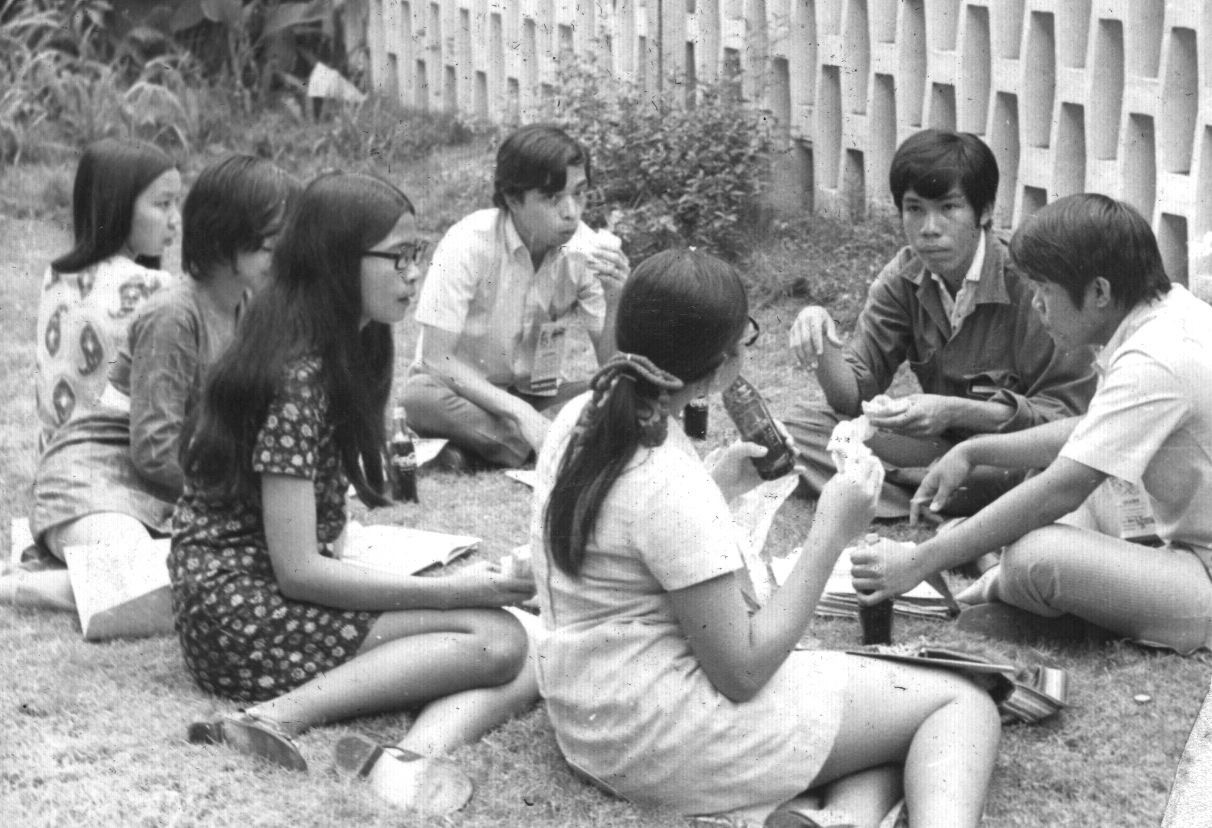
When my fellow FQSers and I—all college editors who were part of the SERVE book that I wrote about last week and that we launched last Saturday—gathered around a table before the launch to pre-sign some copies, we noted with much chuckling how surprisingly old we had become. We were beset by diabetes and hypertension, which were lethal enough but easier to bear than the four bullets one of us took to his face and body; he was with us that day, laughing, his spirits buoyed by his fervent Christian faith. 

We had become university presidents and professors, Cabinet secretaries, CEOs, magazine editors, pastors, and opinion-makers. I don’t think there was anyone in that room who believed any longer in the necessity nor the efficacy of violence, but neither did anyone imagine that our youthful goals had been met, that the country had become a kinder place, and that our work for justice and freedom was done. We had come to terms with our past, were busily in the present, and were hoping to enjoy what little we had left of our extended lives. But like those shaken passengers who stagger away from a crashed plane, leaving the uncounted dead behind, I’m sure that we felt driven by survivor’s guilt to make the most meaning of our gifted years, to do well and to do good, and to serve our people in any way we could. 

We learned that everything may be political, but also that politics is not everything, and that the road to happiness and deliverance may be wider than we had thought. I myself have resolved that even as I fight on for truth and beauty, I will not allow my happiness to be determined by our political vicissitudes, if I can help it. That will be my sweet revenge on my jailers. I will survive you, live a fuller life, and meet my Maker with a clear conscience and a smile.

Qwertyman No. 57: An Invitation to SERVE

Qwertyman for Monday, September 4, 2023

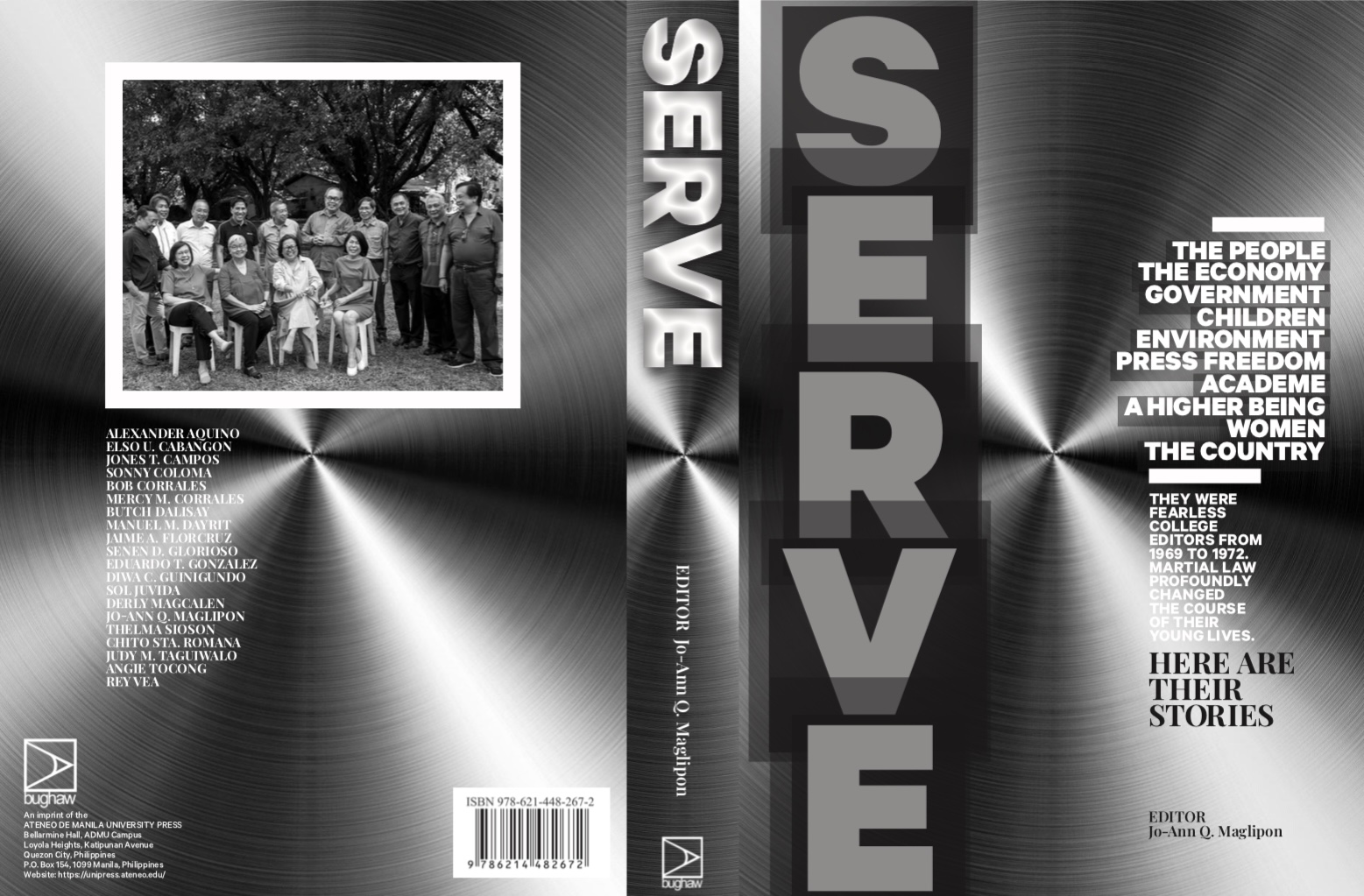
AT 5 PM next Saturday, the 9th of September, a new book will be launched at Fully Booked in BGC. Published by the Ateneo de Manila University Press and simply titled SERVE, the book has 19 authors—yes, I’m one of them—and one editor, the much-respected Jo-Ann Maglipon. What connects all is that they were college editors during the first Quarter Storm of the early 1970s, and survived to go on to distinguished careers in media, education, business, and public service. The book dwells much less on martial law—a previous volume titled Not on Our Watch: Martial Law Really Happened, We Were There that came out in 2012 dealt with that—than with its aftermath, and the afterlife that the activists of our generation were fortunate to have, given how many of our comrades gave up their lives to the cause of justice and freedom.

What did these activists do after martial law? What are they thinking now? Some of the names in this book will be familiar to the contemporary reader, who may not even have known of their activist background (reg-taggers, pay close attention).

Some of us—like Jimi FlorCruz, Sol Juvida, and Thelma Sioson San Juan—remained journalists all their working lives, stationed in very different places and capacities but bound by a commonality of interest in the truth. Others like Sonny Coloma, Manolet Dayrit, Ed Gonzalez, Diwa Guinigundo, the late Chito Sta. Romana, and Judy Taguiwalo took the path of government service, finding themselves in a position to effect real change, although sometimes under very difficult if not adversarial circumstances. Yet others including Angie Castillo, the late Jones Campos, Mercy Corrales, and Senen Glorioso found fulfillment in entrepreneurial and corporate work, applying their progressive values to management. For Elso Cabangon, Bob Corrales, and Diwa Guinigundo, their circuitous journey led to a re-encounter with their spirituality, and to embracing their faith as their personal advocacy. Like many veterans of the First Quarter Storm, Alex and Edna Aquino were able to build new and productive lives overseas, without yielding their investment in Philippine concerns. Quite a few of us—Derly Fernandez, Ed Gonzalez, Judy Taguiwalo, Rey Vea, and myself—chose to pursue our activism in academia, if only to ensure the transmission of critical inquiry to another generation. 

The authors were under no compulsion to conform to an ideological standard, except to extol the spirit of service to the people, the overarching theme of their youth and now their continuing commitment, indeed their legacy. There’s pathos in these accounts, but also humor and, inevitably, irony, perhaps the defining tone of our postmodern age: Thelma Sioson San Juan finds herself seated across Deng Xiaoping’s granddaughter at a Ferragamo show in Beijing’s Forbidden City; Manolet Dayrit learns of his appointment as Secretary of Health on a visit to President Gloria Macapagal-Arroyo in Malacañang; Ed Gonzalez becomes president of the Development Academy of the Philippines under President Joseph Estrada, but then joins EDSA 2; Sonny Coloma looks out the window of his Malacañang office to where students like him had demonstrated against Marcos.

With most of the writers here now in their seventies or inching close to it, we could have been chronicling the joys of grandparenting, journeys to far-off places, exotic menus, succulents and bromeliads, and homeopathic remedies for the aches of aging. Having retired from the formal workplace, we thought we had settled into a privileged and imperturbable kind of peace, earned over decades of political, economic, and spiritual struggle. 

We celebrated our seniorhood as the ultimate victory, for a generation that did not expect to live beyond thirty, and not because of some acquired disease but because of the throbbing cancer at the core of our society that claimed many of our peers in the prime of their youth. We may have thought for a while that we had defeated and expunged that cancer, only to realize that it had never left, was always there, lying cruelly in wait for a chance to ravage us again—and not only us this time, but our children and grandchildren as well.

And so—albeit no longer lean and shaggy-haired, perhaps benignly forgetful of car keys and personal anniversaries—we gather again at the barricades we put up against a fascist dictatorship fifty years ago, of which our memories remain surprisingly and painfully sharp. They say that the old remember distant things more clearly than what happened yesterday, and we offer proof of that. The experience of martial law coded itself into our DNA, and even the few among us who surrendered their souls to Mephistopheles cannot shake away that indelible past—one we bear with pride, and they with guilt and shame.

This time our barricades consist not of desks and chairs but of memory itself and, more formidably, of hope, courage, and a continuing faith in the good. Beyond memoirs, more than recollections of our youthful selves, we now present the stories of the lives we built and the paths we took after martial law, along with our reflections on how time and experience have reshaped us, clarified our values, and strengthened our resolve to serve our people in multifarious ways. 

Our view of politics inevitably evolved over time as the world itself changed over the past five decades. These essays and stories cover a wide range of themes and treatments, and demonstrate how “serve the people” has grown and evolved with its advocates, taking multifarious forms from working in civil society and practicing good governance to promoting artistic expression, academic freedom, and insightful journalism. We wish to prove that even the worst of times and the worst of leaders are not only survivable but can be changed, so that whatever lies ahead, the better Filipinos in us will prevail.

Given the number of authors and their families and friends, we expect a full house at the launch, so you might want to wait and get your copy of the book from Fully Booked or from AdMU Press’ online channels. However the book finds its way to you, it will be worth your while.

Qwertyman No. 56: The Rule of Rules

Qwertyman for Monday, August 28, 2023

HAVE A problem? No worries—the Philippine government will make a rule to fix it (maybe). Don’t have a problem? No matter—the Philippine government will make a rule to give you one.

Some days it feels like all that government exists for is to make new rules, because, well, it’s the government, and so it has to look and sound like one. Never mind what the preamble to our Constitution states, imploring the aid of Almighty God to “establish a Government that shall embody our ideals and aspirations, promote the common good, conserve and develop our patrimony, and secure to ourselves and our posterity, the blessings of independence and democracy under the rule of law and a regime of truth, justice, freedom, love, equality, and peace.” Forget the rule of law and all that jazz; all hail the rule of rules.

Two pronouncements by our hallowed poohbahs caught our attention in recent weeks. 

The first was an order from the Vice President and Secretary of Education, DepEd Order No. 21,  directing in its implementing guidelines that all public schools must ensure that “school grounds, classrooms and all their walls and other school facilities are clean and free from unnecessary artwork, decorations, tarpaulins, and posters at all times…. Classroom walls shall remain bare and devoid of posters, decorations, or other posted materials. Classrooms should not be used to stockpile materials and should be clear of other unused items or items for disposal.”

Why? Because these were distractions to learning, explained the good secretary, presumably including in her edict the pictures of past presidents, national heroes, posters of Philippine birds and plants, TV-movie idols, Mama Mary, cellphone and softdrink advertisements, half-naked women, CPP-NPA recruitment posters, the periodic table of elements, weapons of Moroland, and the winking Jesus. 

I actually found myself agreeing with the removal of some of these popular items of wall décor, especially the pictures of politicians, which doubtlessly produce anxiety and despair in those who might contemplate them seriously. The good presidents will make you ask, “Where did all that goodness go?” The bad ones will invite only dismay and even self-loathing: “How did these jokers even make it to Malacañang? So you can still be that kind of person and become President? What on earth were we thinking?” This leads to even more profound and troublesome questions about the nature and practice of democracy, which a poorly trained and underpaid sixth-grade teacher will be hard put to answer, undermining whatever little authority she still exerts over her students. (To her credit, Sec. Sara reportedly removed her own picture from a classroom she visited.)

But Rizal, Bonifacio, Mabini, Tandang Sora, and the usual pantheon of Philippine heroes decking our classroom walls? Will removing their visages encourage students to think more deeply about their Science or Math problems, or will young minds simply drift off to Roblox, Taylor Swift, and Spongebob Squarepants? Will making our classrooms look as bare as prisons (and even prisons have calendars and pinups) lead to a spike in student attentiveness and performance? What does it say of DepEd—with all the academic resources and intelligence funds at its disposal—that directives like this are issued apparently on a whim and without prior and proper study? Where was the attention to science and education that the secretary was aiming for?

The other new rule that sent us screaming to our group chats was the imposition of new guidelines for foreign travel by the Inter-Agency Council Against Trafficking, announced by the Department of Justice, supposedly to curb the incidence of human trafficking, which we all acknowledge t0 be a serious problem. But is this a serious solution?

Under the new guidelines, Pinoys going abroad to see the sakura in Tokyo or to watch the New Year’s Eve ball drop in Manhattan won’t get past NAIA immigration without showing their flight and hotel bookings, proof of their financial capacity to afford their trip, and proof of employment. That’s a lot of paperwork to bring along, and if you’ve seen how long the queues can get at NAIA even without these papers in the way, you can imagine what they’re going to be like with each single document having to be scrutinized by an immigration officer. There’s an even longer list of additional requirements for people traveling under sponsorship and for OFWs—including a requirement for a child traveling with his or her parents to present a PSA-issued birth certificate, which was already a requirement for that child to have been issued a passport.

Exactly what this rigmarole adds to the reduction of trafficking is unclear to my muddled mind, because it seems to me that any good trafficker worth his or her illegal fees will be smart enough to produce the fake documents their wards will need to slip through airport security. As experience has shown, it isn’t even fake documentation but corruption and connivance that have greased the wheels of trafficking. 

Which reminds me, I received a letter some time ago from an expat Briton and a longtime Philippine resident named Thomas O’Donnell, complaining about such unnecessary requirements as the filing of annual reports by foreigners in this country. The Philippines has a reciprocity agreement with other countries such as the UK, Thomas says, but the UK doesn’t require Philippine residents there to do the same thing. So was it—like many of our other rules—just something to keep our bureaucrats occupied (or possibly, profitably occupied)? Where was the fun in the Philippines, Thomas lamented, and how was a fellow like him supposed to love it? 

Having lived here for 23 years, Thomas clearly has found other, countervailing reasons for staying on, but he has a point. Despite an anti-red tape law in the books, we still invent ways to complicate the simplest things. And answer me this: if the DepEd chief thinks that bare walls can lead to clearer thinking, shouldn’t we declutter our travel processes as well, so we can all sit in the departure lounge in peace with an hour to spare, waiting for our flight (that will likely be delayed, but that’s another story)?

Qwertyman No. 55: Persona Non Grata

Qwertyman for Monday, August 21, 2023

THE HON. Victor M. Dooley was in a foul mood, and no one knew that better than his Chief Political Officer and rumored girlfriend, Yvonne Macahiya.

When his whiskers began to twitch like he was about to sneeze—but didn’t—then something was upsetting her boss. He was trying to say something but couldn’t find the words for it, so his pursed lips went this way and that way, and Yvonne understood that it was an SOS from the senator whose maiden speech she had crafted a year earlier.

“What’s up, boss? Looks like you have a great idea trying to wiggle out of your brain.”

“Have you seen the latest surveys? 2025 is coming up and my poll numbers are going nowhere! There’s 12 slots and I’m in No. 16, behind two lawyers with a hair piece and buck teeth! These preschool feeding and rural literacy programs you’ve come up with are doing nothing for me—babies don’t vote, and even their mothers prefer cash!”

She bent low and purred into his ear. “We needed to soften your macho image, to make you look cuddly and caring—“

He put his arm around her waist. “You mean I haven’t been cuddly and caring enough?”

She slunk out of his grip and pretended to dust the plaster Maneki Neko cat on his corner table. The senator liked to wave back to it and giggle when he entered or left the room, feeling like it gave him good luck.

“Boss, you have my vote. One vote. You need ten million more from people who’ll never know how kind and generous you can be when I blow air behind your ears to put you to sleep.”

He smiled at the pleasurable memory and nearly forgot what he was all upset about. But then the Three O’Clock Prayer came on the Senate PA system and he suddenly remembered. Yvonne respectfully lowered her eyes and mumbled her devotions but the Hon. Dooley’s eyes grew wide with  realization.

“Holy Mamaw, I know what we should do! You hear that prayer? You know that—that Luka Luka something who impersonated the Lord and who, according to the Philippine Statistics Authority, offended 85 percent of Filipinos?”

“Yes, the drag queen who performed the Lord’s Prayer and who was declared persona non grata by eight municipalities. Why?”

“You see the media mileage he/she/they got?” Dooley had attended an obligatory gender-sensitivity program and was very careful with his pronouns. “It’s all over the news and social media! Even when I’m watching all these sexy reels on TikTok, I keep seeing this, uhm, person!”

“So what do you want to do? Get yourself declared PNG? Are you out of your mind? You want me to dress you up as Mary Magdalen?”

“No, no, no, that’s not what I meant. Let’s declare someone persona non grata! I’m sure it will make waves. Not Luka, that’s done. I hear even Barangay Suluk-sulukan in Tawi-Tawi, which isn’t even Christian, is declaring him/her/them PNG. We need to find someone new.”

“And who might that be? It will have to be someone everybody hates.”

For a minute, the two sank into deep thought. Dooley stared at Maneki Neko as though the white cat had the answers. He had brought it back as a souvenir from an official visit to Japan, tossing aside the Yayoi Kusama teapot gifted to him by the Ministry of Culture to Yvonne, who promptly sold it on eBay.

The Japanese figurine gave him an idea. “You know, with what’s happening out there, everyone in the region hates China. I mean, not Chinese food or Chinese fakes, everybody loves those, just Chinese bullying. So why don’t we declare Xi Jinping PNG?”

“Why, is he coming over for a visit anytime soon? No point in naming him PNG otherwise. And who cares about Xi when we’re letting in 150,000 POGO workers from China?”

“You’re right. Chinese presidents don’t come here—ours go to them.”

“Even exes,” remarked Yvonne. “

“Oh, him?” said the senator. “Now that was one ballsy guy! Imagine him cursing the Pope and calling God stupid? And there wasn’t one barangay or parish that declared him persona non grata for it!”

“Oh, he’s already PNG upstairs for sure, although I guess he already knew that,” said Yvonne.

A new song came on over the PA system and Yvonne recognized it instantly, emoting with its lyrics. Soon she was singing along: 

But she wears short skirts

I wear T-shirts

She’s Cheer Captain

and I’m on the bleachers….

“Who’s that?” asked the senator.

“Who else? Taylor Swift! She has  79 million Facebook fans, and last year Spotify listed her as the most listened-to artist in the Philippines. And she’s coming soon to Tokyo and Singapore!”

“Hmmm, that’s interesting. Why don’t we declare her persona non grata? I’m sure that’ll generate a lot of buzz!”

“Are you crazy? Taylor Swift? She’s not even coming to the Philippines for her Eras Tour!”

“That’s exactly it. We declare her PNG for excluding us from her world concert.”

“We can’t declare someone PNG and stop them from coming here because they’re not coming here—“

“Let’s call it racism or something. No, that won’t work if she’s going to Tokyo and Singapore. Those Tamils are browner than us. Let’s think of something else.”

And then the song changed, and Yvonne went into an even dreamier state, gliding across the floor with some cool stops and turns.

Cause I-I-I’m in the stars tonight

So watch me bring the fire and set the night alight (hey)

Shining through the city with a little funk and soul

So I’ma light it up like dynamite, whoa oh oh

“Who’s that?” asked Dooley.

“You never heard of BTS? No—no, boss, don’t even think about it! They have what’s called an Army, and it’s bigger than all the people who ever voted for you!”

Qwertyman No. 52: Joe Biden’s SOTU

Qwertyman for Monday, July 31, 2023

BECAUSE OF a glitch that happened when Chinese hackers tried to hijack America’s C-Span network so they could replace congressional programming with X-rated cartoons (on the theory that no one would miss the analogy), for a few minutes in the early morning of July 24, 2023 (Eastern Standard Time), the channel’s viewers were treated instead to the live coverage of an apparently big event happening in faraway Philippines.

Celebrities and bigwigs were getting dropped off by their limousines and luxury SUVs at some place called the “Batasan,” which a commentator helpfully explained was the building that housed the Congress of the Philippines—the Philippine Capitol, in other words, minus the dome.

House Speaker Kevin McCarthy was just about to go to bed in his home in Bakersfield—he had flown back to California for the weekend to avoid the screechings of the Freedom Caucus in his ears—and he had been having a hard time sleeping, wondering which was worse, having to deal with Joe Biden or with Donald Trump. Just when he was about to drift off to dreamland, his cellphone rang. It was an aide back in Washington, and immediately Speaker Kevin wondered if something earthshaking had happened—like Biden resigning after being diagnosed with dementia or Trump discovering honesty and humility and turning to God. “Boss, you have to see this. Tune in to C-Span!”

Grumbling, the Speaker did as asked and had to rub his eyes as he watched a woman step out onto the red carpet dressed like some aboriginal priestess, complete with warlike tattoos. Others came in headdresses, butterfly sleeves, heavily embroidered gowns, and sashes with pictures of dead people. “What’s going on? What the hell am I looking at? Is this some movie premiere or what?”

“It’s a live feed from the Philippines, what they call a SONA—the president’s State of the Nation Address, their version of our State of the Union. The president’s arriving shortly to deliver his speech.”

“You woke me up to get me to listen to some political crap in some backwater country? Are you out of your mind? Don’t we get enough of this in DC?”

“No, no, boss, it’s not about the speech—that’s the whole point, forget the speech, it’s about the fashions! Look at them, preening like peacocks and peahens. Look at the coverage, I’ll bet you, tomorrow, all the papers and social media in Manila will be talking about the dresses, not the speech!”

“And so?” Kevin got up from bed, sufficiently intrigued to pour himself a scotch in anticipation of a longer chat. This aide was his top PR strategist, and sometimes the guy came up with truly inspired ideas, like plucking Ms. Horseface away from the Freedom Caucus to boost his conservative credentials and keep the restless natives in check. Joe Biden was the enemy, but his own crew members could be a bigger pain.

“Well, don’t you see, boss? Joe Biden’s next SOTU is coming up, and… we need a distraction. We don’t want him lecturing the American people about how we’re stripping women of their rights to safe abortions, or teaching the young that slavery had some real benefits, or carving up congressional districts to make sure that dark-skinned people don’t get too much sun on election day. I mean, he’ll do that anyway, but these Filipinos know something we don’t—it’s not the speech, it’s the party! We can turn the SOTU into a fashion show and no one will care what Old Joe says!”

McCarthy took a closer look at the screen and listened to the commentators blabbering about this and that gown and comparing it to last year’s versions—the more outrageous, the better. He recalled being canceled back in January for appearing in a picture wearing a blue suit with brown shoes—par for the course in cool Europe but never in redneck America!—and smiled in anticipation of his revenge. 

As it turned out, the Speaker and his aide weren’t alone. Before the footage could be pulled off C-Span, it had made the rounds of the bars around Washington, DC, and someone found even more detailed coverage on YouTube, and when daylight broke over the Potomac it was all that the senators, congressmen, and their flunkies could talk about over their morning coffee. 

“So what are you going to wear to the SOTU?” reporters asked Georgia Rep. Marjorie Taylor Greene as soon as she stepped out the door of her DC apartment. She had a ready answer for that, having pondered the question over her Wheaties: “I’ll come in a long black dress,” she said, “with the word IMPEACH running down the front!”

It didn’t take long for Marjorie’s arch-rival on the right, Rep. Lauren Broebert of Colorado, to announce that she was coming “As Annie Oakley, in defense of the Second Amendment, the biggest victim of all the mass shootings happening in America today!”

Even Kari Lake, who was still refusing to accept her defeat for the governorship of Arizona, revealed that she was attending the SOTU as a guest, and that she was coming dressed as a Mexican muchacha—“Not to glorify diversity or any of that woke garbage, but to draw attention to illegal immigration, which is sucking the lifeblood of this great country and its legal, blue-passport-carrying citizens!”

Sen. Tommy Tuberville of Alabama, who had stubbornly and singlehandedly been holding up the confirmation of dozens of generals because he didn’t want the military to pay for the abortions of women in the service, had his own idea: “I’m having myself fitted for the uniform of a Confederate general.” Inspired by something he had seen on a related YouTube clip, he added, “And for good measure, my wife Suzanne will be wearing a gold necklace made from the excavated medals and buttons of Union Army officers!”

Reached for comment at Mar-a-Lago, Donald Trump declared he wasn’t coming, and fumed when a reporter reminded him that former presidents were invited to the event. “Who’re you calling a former president? That thievin’, lyin’ Joe is a never president—never, never, never! I should be the one giving the SOTU, not him—and I will, again!”

Alerted to the SONA brouhaha by his butler, Joe Biden passed the sugar on to Jill as the video played in the background. He listened briefly to the other president’s speech and smiled. “A New Philippines, hmmm…. How does ‘A New America’ sound to you, honey?”

“I think not,” said Jill. “In fact, we rather miss the old one, don’t we? When America was a kinder and gentler place?”

“That’s George Bush Senior’s line, honey. From the 1988 GOP convention.”

“Exactly. Back when even some Republicans got some things right.”

Qwertyman No. 50: Doro’s Times and Ours

Qwertyman for Monday, July 17, 2023

THE NEWS of Amando “Doro” Doronila’s recent passing in Canberra at age 95 marked the end of an era, as Doro was the last of his generation of journalists who made newspapers and their Op-Ed pages compelling reading. Whichever side of the political fence they were on, these journalists and columnists gave it all they had; many reveled in their prominence and some shamelessly parlayed their influence into all manner of profitable enterprise, back when it seemed the sensible thing to do, before the darker complicities of martial law set in.

Doro seemed to me to be above all this. His personality was, shall we say, poorly suited for TV or even radio, which was just as well, because it drew a clear line between journalists who did nothing better than think and write deeply, and those who confused their calling with show business.

I didn’t really know Doro personally. My one memorable encounter with him was when I was 18, a freshman dropout from UP who was dying to get into the newspapers, by hook or by crook. (Like some precocious teenagers, I was convinced I had the writing talent to skip journalism school. I would later pay for that hubris in tearful rewrites in the newsroom.) 

One of the doors I knocked on was that of the Manila Chronicle, which Doro was the editor of in 1972. I remember striding into its office and walking up to Doro’s desk, sucking in my stomach. He seemed puzzled to see my pimply face, which probably belonged to a messenger boy’s, except that I came empty-handed. “Yes?” What did I want? “Sir, I want to apply for a job—as a reporter,” I must have croaked, mumbling something about my writing for the Collegian and my high school paper. “How old are you?” I said that I was “going to be nineteen soon”—“soon” being about nine months away. 

I can’t recall if he looked back at me with pity or sympathy, or if he was laughing inside. I do remember him saying something like “Why don’t we talk again in a few years?” I was disappointed but not dejected; at least he didn’t throw me out of the place, or ridicule me before a roomful of the kind of people I wanted to be—hunched over typewriters, smoking up a storm, shaping tomorrow’s news, their bylines embedded crisply and imperishably on fresh paper.

Eventually, sometime that summer, and through sheer persistence, I did land a newspaper job, as a features writer and then a general-assignments reporter with the Philippines Herald, very likely the youngest fellow working full-time for the papers then. With the Herald and later Taliba  just before martial law, I met all kinds of journalists on the job, and saw how human we all were, the creatures of our noblest ambitions and pettiest grievances. One reporter I was on the police beat with loved playing cop, interrogating suspects each one of whom he was convinced was nursing a confession. Many had an enormous capacity for alcohol and the unapologetically macho bluster that came with it. Despite their gruffness, some had marshmallow hearts; two or three even took me under their wing to spare me from the usual gauntlet that rookies had to undergo. We were the peons of the profession, entry-level Hemingways and Woodwards chasing stories down the city’s tenebrous alleyways, and we loved every minute of it.

That was our world, but when I reported to the newsroom in the afternoon to file my story, I was ever aware that even above the copyeditors’ desk was another tier of men (as they mostly were) who perorated boisterously in a corner office on the day’s politics over scotch and cigars, the people whose opinions mattered and who made opinion matter. Never having worked with or for Doronila, I could only imagine him in that company, sitting sagely with his fingers crossed while allowing the thunder to roll above his head.

Today, half a century later, and finding myself just as old or even older than those titans of Philippine journalism then, I can savor the irony of having the privilege to write an Op-Ed column in times that mirror, in many ways, the early 1970s—with a Marcos in Malacañang, an opposition at bay, a scandal a week, and yet a people hard at work, striving for economic and moral deliverance. 

The great difference is that newspapers no longer have a monopoly of opinion-forming; that ground has been taken over by the Internet and social media (and elsewhere, by early-morning and late-afternoon AM radio, perhaps the hardiest of public platforms). Certainly, some Op-Ed stars remain—again on either side of the political divide—with faithful followers in need of sharper articulation and affirmation of their own sentiments. But even those readers tend to be aged or aging, people with the time and patience to read prose in paragraphs instead of bullets and memes, and who might even look for and appreciate that elusive quality called “style.” (Doronila’s no-frills prose, to be honest, was straight and guileless to the point of being starchy.) These 1,000-word pieces we produce now belong to what they call “long-form” writing, as if to write and read them were a test of endurance. 

But against the cheeky punchiness of Twitter and the ugly street brawls on Facebook, and above all stylistic considerations, I have to applaud this new generation of journalists (not all of them for sure) for their adherence to the truth and to fact-based reporting, and for holding themselves up to a higher standard of ethical behavior than their predecessors. Battling the bots and trolls of disinformation, they put their lives and well-being on the line, story by story, column by column; most are young, many are women, some even gay—the old gray men of the newsroom no longer dictate the headlines or the editorial slant. I think Doro himself would have been happy to see this, having mentored many of his successors.

And so as we grieve Amando Doronila’s demise at an age few of us can hope to approach, we can celebrate the continuity of upholding courage, virtue, and incorruptibility in Philippine journalism, with deepest thanks for the example the man set for us to follow.

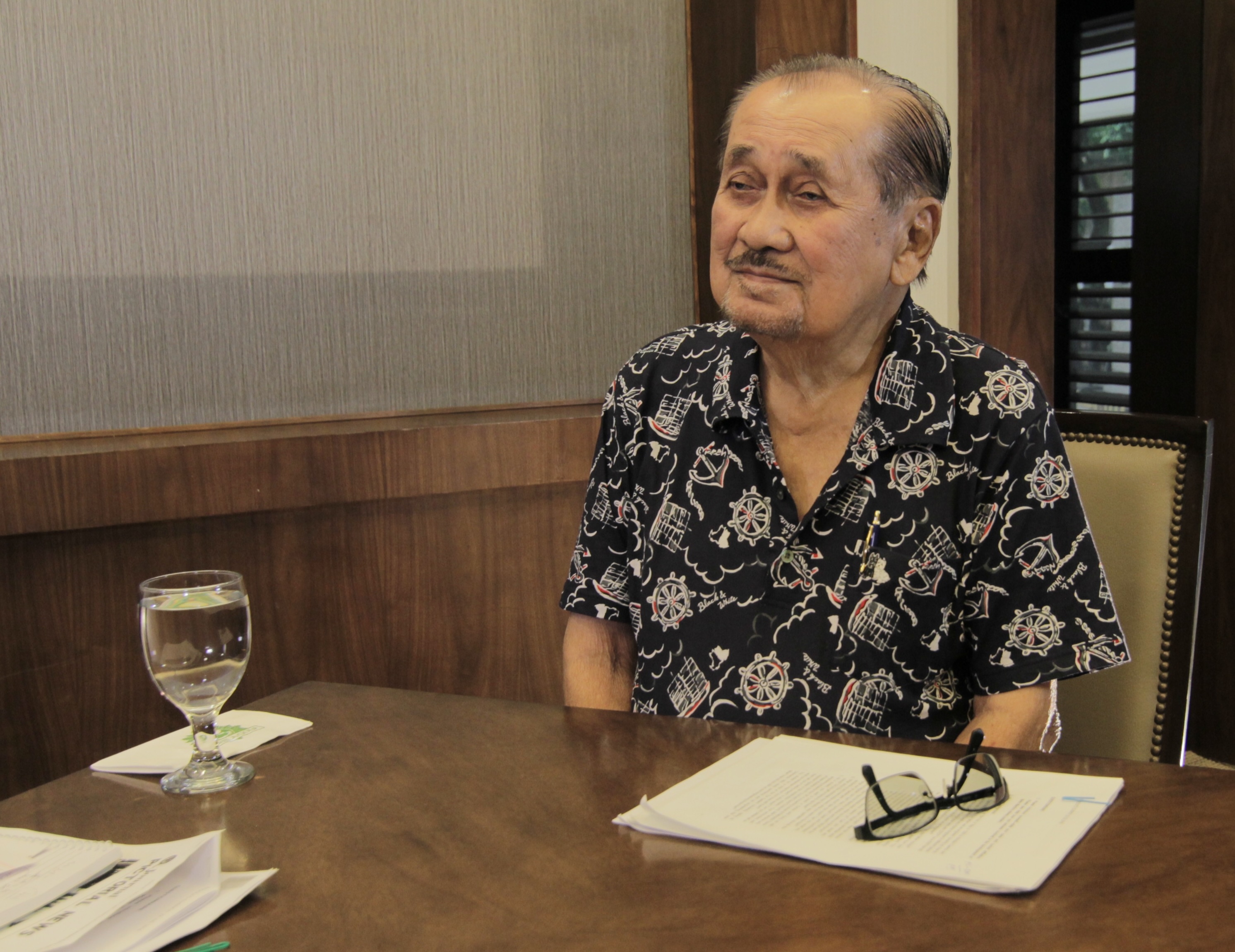
(Photo by Pablo Tariman on FB)