Qwertyman No. 120: Greatness of Spirit

Qwertyman for Monday, November 18, 2024

AFTER A week marked by sordid political revelations, reversals, and antics that make us despair over the future of democracy in this country and elsewhere in the world, it was refreshing and inspiring to be reminded last Saturday that goodness, reason, and justice still prevail somewhere, even against monumental odds.

Saturday was when the 2024 Ramon Magsaysay Awards were handed out to five Asian champions who made landmark contributions to their societies and the world at large  by manifesting “greatness of spirit,” the lofty benchmark established by the foundation granting the prestigious awards, often referred to as Asia’s Nobel Prize.

I was privileged to attend the award ceremonies at the Metropolitan Theater, and thereby to meet this year’s laureates. There were no Filipinos among them this time around (last year, they had peace negotiator Miriam Coronel-Ferrer), but the causes and concerns that each laureate represented would have resonated well with Filipinos on many levels.

The Thai Rural Doctors Movement (RDM), for example, addressed a problem that has plagued many developing countries around the world: the chronic lack of doctors to provide adequate medical care in the countryside. In the 1970s, idealistic young doctors joined the popular pro-democracy movement in Thailand, but a government crackdown forced them to seek refuge in the rural areas. The doctors formed close bonds with their host communities and attended to their needs. When these doctors later gained national influence, they maintained their focus on the rural poor, to the point that Thailand now has one of the best Universal Health Coverage systems in the world.

In Vietnam, Dr. Nguyen Thi Ngoc Phuong confronted a lethal legacy of the war that had nearly destroyed her country half a century earlier. Despite the passage of so much time, many Vietnamese, including newborn babies, continued to suffer from one of the war’s cruelest after-effects: the damage caused by TCDD or “Agent Orange,” one of the most toxic chemicals known, used freely by the American military to flush out their enemy. Dr. Phuong took it upon herself to discover the truth about Agent Orange, seek justice for its victims, and help the afflicted.

Indonesia’s Farwiza Farhan took on a most formidable challenge despite her relative youth: the environmental damage wrought on the Leuser Ecosystem in her home province of Aceh on the island of Sumatra. Working with fellow activists and especially local women, she founded the Forest Nature and Environment of Aceh Foundation or Yayasan Hutan Alam dan Lingkungan Aceh (HAkA), which has succeeded, among others, in gaining a court verdict that led to USD26 million in fines against a palm oil company that burned forests, and stopped a hydroelectric dam that would have threatened the elephant’s habitat. Most importantly, her organization has trained local communities to protect their environment through sustainable forest management.

Mountainous Bhutan is a country often idealized as an idyllic Shangri-la and prime tourist destination, but it is in fact a low-income country plagued by unemployment, inadequate social services, and threatened traditions and values. Taking these problems by the horns, a young Oxford-trained monk has combined his religious devotion and historical scholarship with modern management to help bring Bhutan into the 21st century. Karma Phuntsho established the Loden Foundation to promote education, practice social entrepreneurship, and document the country’s cultural heritage. Phuntsho himself has written a definitive history of Bhutan, whose next stages he and the Loden Foundation will help define.

And finally, Japan’s Miyazaki Hayao has created some of the world’s most memorable animated films through Studio Ghibli, established in 1985 and today a byword in digital animation. While animated films in the West have fed off a broad audience employing superheroes with lucrative market appeal, Miyazaki and Studio Ghibli have focused on an audience most difficult to please—children. Nevertheless, Ghibli classics such as My Neighbor Totoro have also called out to an adult fan base charmed by Miyazaki’s craft. This director has taken animation beyond entertainment and even education to enlightenment, always in an engaging manner.

That such good people exist and persist in their passions offers a bracing antidote to the creeping pessimism in which we seem to be wallowing today, an easy and perhaps fatalistic surrender to inaction, tyranny, and hopelessness. We Filipinos are no strangers to distress and despair, with millions remaining in abject poverty, left behind by any growth in our economy. Adequate healthcare remains beyond the reach of most of us, with even middle-class families left devastated by just one catastrophic illness. But neither do we lack for champions and heroes seeking to alleviate these hardships.

Instructively, for the Ramon Magsaysay laureates, their life’s mission often began with dark epiphanies. For Dr. Phuong—who would go on to head Vietnam’s largest obstetric hospital—it was her encounter as a young doctor with babies severely deformed by Agent Orange and their mothers’ anguished and then-unanswerable questions. For Farwiza Farhan, it was returning to Indonesia from her studies abroad, only to discover that the island home whose forests she had embraced as a child was now being ravaged by commercial exploitation. For rural doctors in Thailand, it was seeing poor farmers sell their daughters just so they could pay for the medical care they needed. But rather than be paralyzed by the enormity of the challenge, they decided to do something about it, rolled up their sleeves, and have yet to roll them down.

Something that stands out to me is that these Magsaysay awardees were hardly fire-breathing revolutionaries who sought sweeping changes in one convulsive action, but reformers who pursued their objectives over decades with as much patience as passion—and, of course, vision, anchored on a unquenchable faith in the attainability of a better world, starting with one’s own space and sphere. And beyond individual actions, they set up networks of influence to spread the message and the work, and ensure that whatever they began would survive them. It was never about them, and that’s greatness of spirit.

Qwertyman No. 97: The City That Works

Qwertyman for Monday, June 10, 2024

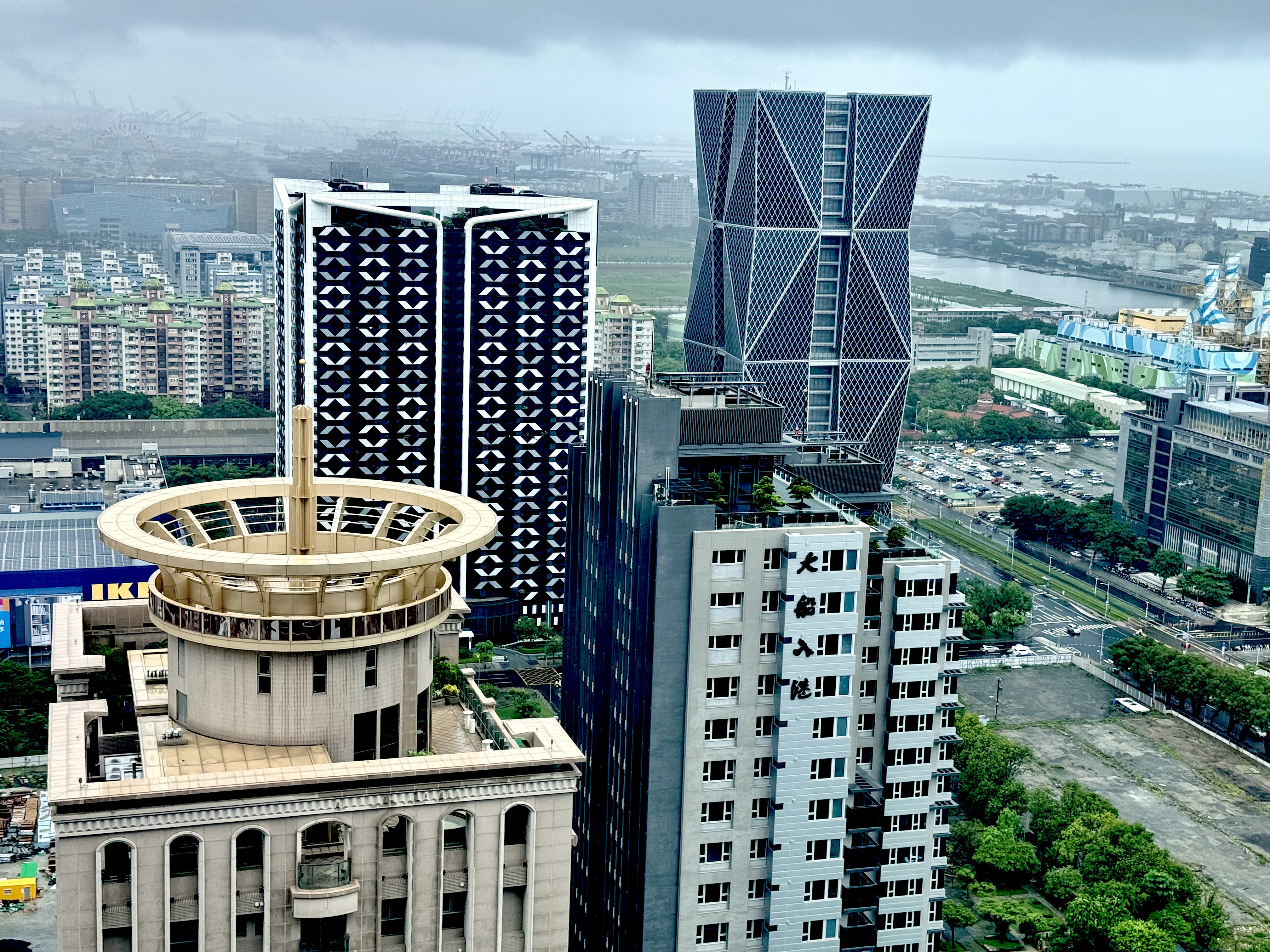
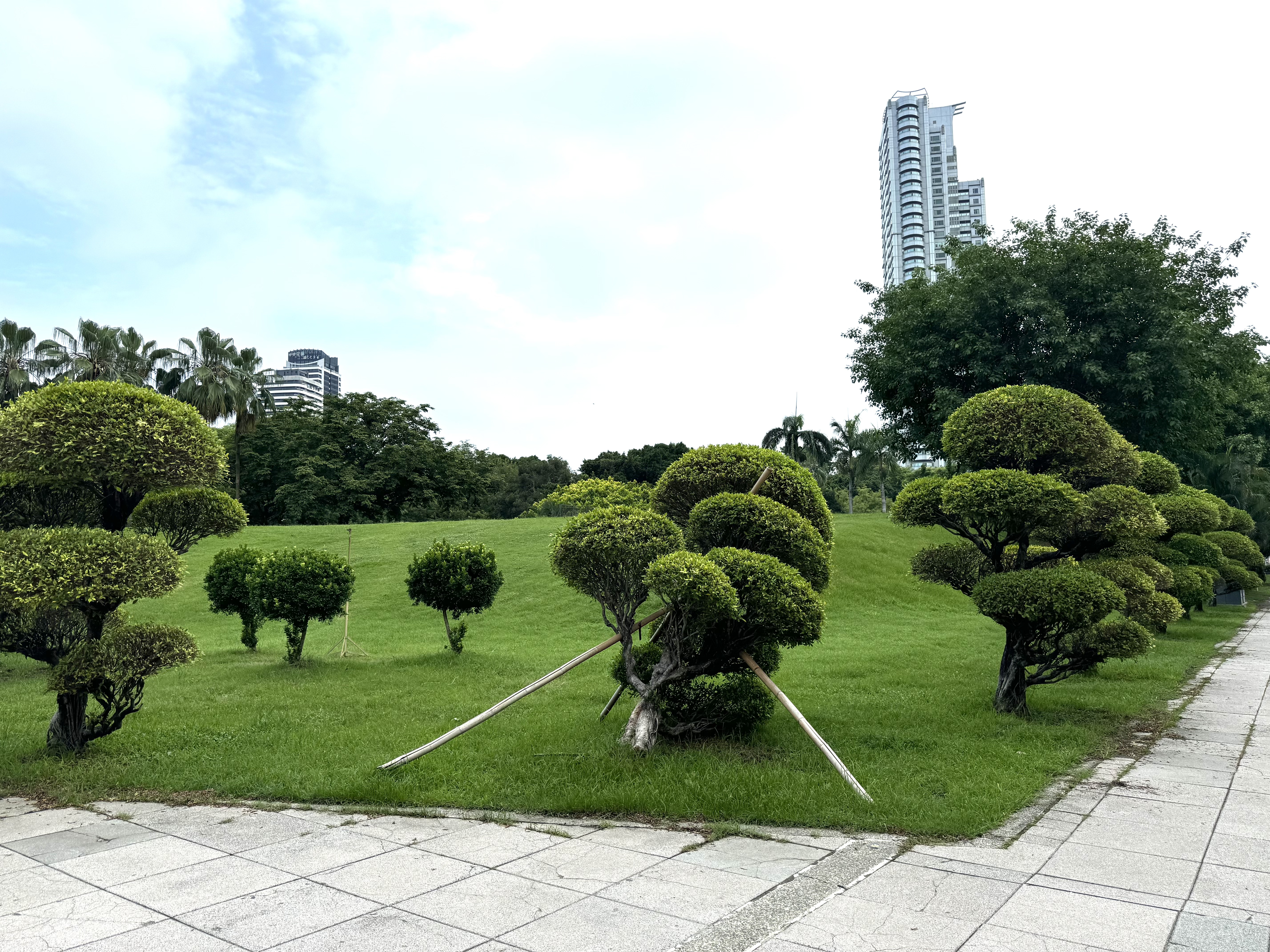
I WAS back last week in the city of Kaohsiung in Taiwan with a group of writers from the University of the Philippines Institute of Creative Writing, at the invitation of Dr. Eing Ming Wu of the Edu-Connect Southeast Asia Association, an education NGO seeking to establish stronger ties between Taiwanese universities and their counterparts south of Taiwan. We were there to meet with our literary and academic counterparts, but also to acquaint ourselves with contemporary Taiwanese society and culture. What we found along the way was a city and a government that works—a model we have much to learn from.

It was my second time in Kaohsiung and my sixth in Taiwan since my first visit in 2010, but those earlier sorties were either for tourism or for attending meetings and conferences, so we never really got to immerse ourselves in the place and its people. This time, Dr. Wu made sure that we went beyond casual handshakes and pleasantries with city and university officials to engage our hosts in in-depth conversations.

The first thing that usually strikes visitors about Taiwan is how modern it looks, especially when flying in through Taipei—the High Speed Rail (HSR), the wide roads, the skyscrapers (think Taipei 101, once the world’s tallest), the late-model cars. For quick comparisons, consider this: Taiwan’s population, at 24 million, is about a fifth of ours; in terms of land area, we are almost ten times larger; its nominal per capita GDP, however, is almost ten times larger than ours at US$35,000. Not surprisingly, Taiwan now ranks around 20th in the world in terms of its economic power.

That power came out of decades of dramatic transformation from an agricultural to a highly industrialized economy, starting with massive land reform and the adoption of policies that spurred export-driven growth. Industrialization itself went through key phases from the production of small, labor-intensive goods to heavy industry, electronics, software, and now AR/VR and AI tools and applications.

At a briefing at the Linhai Industrial Park by Dr. Paul Chung, a US-trained engineer who was one of the architects of this economic miracle, we learned how Taiwan built up the right environment for economic growth through such strategies as the creation of industrial parks (there are now 67 of them covering more than 32,000 hectares, with 13,000 companies employing 730,000 people and generating annual revenues of more than US$260 billion—almost eight times what all our OFWs contribute to the economy). The Taiwanese government has also implemented a one-stop-shop approach to investments, bringing together the approvals of many ministries and local governments under one roof.

Consistently, in modern times, the private sector has led the way forward, with the government acting as facilitator. This was much in evidence in Kaohsiung, Taiwan’s southern industrial hub that was, until relatively recently, a virtual cesspool, the prime exemplar of industrialization gone amuck. A strategic seaport, Kaohsiung grew out of the need to export Taiwanese sugar during the Japanese occupation (1895-1945); the sugar industry gave rise to railways that went far up north to Keelung and became the backbone of the country’s transport system. After the war, the Kuomintang who displaced the Japanese did little to improve things until a visionary mayor undertook reforms that cleaned up the place. Industry also achieved important synergies by adopting policies toward carbon neutrality and reducing waste—for example, one company’s blast furnace slag is being used to pave roads, and harmful carbon monoxide emissions have been rerouted as inputs to chemical companies.

Kaohsiung today is a city of 2.8 million people, a showcase of how runaway industrialization and urban blight can be reversed through good governance and political will. “People need responsible, responsive, and accountable government,” says Dr. Wu, a public-administration expert who worked for 15 years with five Kaohsiung mayors and who now serves as a visiting professor at UP’s National College of Public Administration and Governance (NCPAG). 

A longtime visitor to the Philippines, Dr. Wu has made it his personal mission to promote Philippine-Taiwanese people-to-people relations—a concept he calls “taiwanihan”—in the conviction that the two countries have much to learn from each other and form a natural geographical, economic, and cultural partnership. “We are each other’s closest neighbor,” Wu says. “Taipei is 96 minutes away by train from Kaohsiung, but Kaohsiung is only 90 minutes away by air from the Philippines.” 

Wu and his colleagues at NCPAG have been exploring the possibilities of developing a corridor of cooperation between Southern Taiwan and Northern Philippines, given their proximity. “We have the technology, you have the resources like biomass,” he adds, pointing out as well that taiwanihan doesn’t just mean a one-way relationship, but that the Philippines can also assist Taiwan with its growing needs, such as engineering talent and manpower. Some 8,000 Filipinos now work in Taiwanese factories, but Taiwan’s demand for highly skilled workers will only get higher as it moves into the next phase of its development, which will be heavily dependent on AI.

Artificial intelligence already takes care of many of Kaohsiung’s more mundane needs such as remote traffic monitoring and even the paid parking of vehicles, which has been outsourced by the government to a private entity. “We buy services, not things,” explains Dr. Wu. “The government provides the land for the parking, the private sector supplies the technology and the hardware. This is our version of public-private partnership: the government listens to the private sector, which can use the city as its lab.” 

E-governance and decentralization led us to an unusual sight: we visited City Hall on a weekday and saw very few people in the lobby, unlike its Philippine counterparts. That doesn’t mean that government is distant from the citizens, as a “1999” complaints center receives and fields calls online or in person, employing the disabled to man its booths. 

And even as AI has taken the forefront, it was abundantly clear that human intelligence and human priorities remained important. Good community governance, for one thing, was key to clean and peaceful neighborhoods (their village officials are appointed rather than elected, eliminating vote-buying). Their libraries alone show how and why the Taiwanese are succeeding: they not only have hundreds of thousands of books available to their citizens, but they have innovations such as the “Adopt-a-Book” program by which you borrow a book just based on a previous reader’s recommendation, and books in both Braille and regular text, so that sighted readers can read along with the blind and enjoy a story together. A city that goes that far to meet its people’s needs can’t fail.

Qwertyman No. 94: Artificial Intelligence

Qwertyman for Monday, May 20, 2024

DR. CHICHOY Carabuena had a problem. He wanted the school he owned and ran—the Generoso Carabuena Academy of Pedagogy in Santa Vicenta—to place higher in both national and international rankings, partly so he could raise tuition fees, and also so he could claim bragging rights among his university-president friends and drinking buddies. He had inherited the school from his grandfather; Generoso Carabuena was a banker who had collaborated with the Japanese and stolen the money they left behind to open a school for teachers, which was his wife’s dream, becoming a war hero in the process for outsmarting the enemy. 

The school had done well enough to the point that Chichoy’s dad Ramoncito could buy a Mercury Capri that he regularly drove to Manila to carouse in its nightclubs. Chichoy was the product of one of Ramoncito’s dalliances with the agreeable ladies, and it fell on him to rescue both the business and the family name from ruin and disrepute. He had been managing a carinderia for Pinoy workers in Dubai when the call came, and always wanting to become someone of substance, he returned to Sta. Vicenta to turn the daughters and sons of hog butchers and vegetable growers into teachers, like he imagined himself to be. Surely higher education wasn’t all that different from running a restaurant and coming up with the right menu at the right price for your customers. He had secretly dreamed of becoming a mayor, a congressman, or even governor, but first, he had to make a name for himself and make money.

Somewhere along the way he picked up a “Dr.” from a diploma mill and dressed the part, coming to his office even in the warmest of days in coat and tie. “More than anything else,” he would lecture his new recruits, “first impressions count, so before you even become a teacher, you have to look like a teacher, walk like a teacher, and sound like a teacher!” He had a faux marble statue made of his grandfather to greet visitors at the school entrance, and another one of Jose Rizal standing behind Generoso, as if looking on in approval. 

But lest people think he was beholden to the past, Chichoy Carabuena peppered his speeches with 21st-century mantras like “disruption,” “innovation,” “sustainability,” “customer-centric,” and, yes, “21st-century.” “The great challenge to higher education today,” he would often declaim, “is to produce graduates attuned to a global climate of disruption and innovation, mindful of evolving needs and opportunities in the marketplace of ideas while seeking sustainable and synergistic 21st-century solutions to problems rooted in our feudal and neocolonial history.”

Those speeches were written for him by his former executive assistant named Mildred, a UP graduate whom he had to fire when his wife discovered them smooching in his office—an act he vehemently insisted to be no more than a paternal gesture, much like  former President’s public bequeathal of a kiss on a married woman, a defense that gained no ground. His wife personally chose his next EA, a former SAF commando named Dogbert; making the best of the situation, Chichoy paraded Dogbert around as his bodyguard, spreading the rumor that his life was under threat from unspecified enemies determined to keep the quality of Philippine education down. “We can give them no quarter,” he declared at the last CHED event he attended. “We must resist, with all impunity, those who aim to keep our poor people shackled to the twin pillars of ignorance and idiocy!” He missed Mildred in those moments, but he felt quite pleased with his growing self-sufficiency in speechwriting, thanks to his new discovery, ChatGPT. Of course it never quite came up to his standards, so he tweaked the prose here and there, like that reference to Samson that he hoped would bring the house down.

But now, reading the reports of top Philippine universities slipping in their rankings in the usual Times Higher Education and Quacquarelli-Symonds surveys, Dr. Carabuena saw an opportunity for his modest HEI to rise. “As their mystique diminishes, so our aura will grow,” he informed an indifferent Dogbert. “We just need to come up with sustainable innovations that will disrupt the status quo.” Dogbert handed him a slim folder. “Sir, someone wants to see you, to apply for the position of Academic Vice President.” It was a position that Chichoy himself had held concurrently to save on salaries, but now he felt obliged to pass it on to a real expert. He flipped the folder open and saw the picture of a cute Chinese-looking woman going by the name of “Dr. Alice Kuan.” Chichoy was mesmerized. “Send her in—and get out!”

When Dr. Alice Kuan stepped into Chichoy’s office, he felt himself enveloped in a miasma of jasmine, peonies, and five spices—everything good he remembered from his only visit to China many years ago. Her lips were lotus-pink, her skin ivory-white, and here and there dumplings suggested themselves to his imagination. “Good morning, Dr. Kuan! Please, have a seat! You’re here to apply for the AVP job?”

“Yes, Mr. President,” she said with a quarter-moon smile, “and I come with many ideas for both improving your curriculum and raising revenues through academic innovations.”

“Innovations! I like that! Like what?”

“Why artificial intelligence, of course! We could use AI to teach many of our courses, reducing costs. Also, we could bring in more foreign students from—uhm—friendly neighboring countries, while creating part-time employment opportunities for them in—uhm—online entertainment, for which we could even lease out some of your campus property. It would create a huge economic boost for Sta. Vicenta!” 

Temple bells rang in Chichoy’s mind. Not only was she fetching; she was smart! Suddenly he could see his political future brightening. He wanted to know more about this adorable avatar, and only then did he notice how patchy her resume was. 

“Your birth certificate was filed when you were…. 17?”

“Was it? I don’t remember.”

“Which elementary school did you go to?”

“I don’t remember. Maybe homeschooling?” She threw him an exasperated sigh. “Look, Dr. Carabuena, does it matter? I can have AI do a perfect resume if that’s what you want. If not, I can take my ideas to the Fontebello Institute of Technology in San Bonito just an hour away, and maybe they’ll be more receptive to disruptive innovations—”

“No, no, no! Disruptive, I like disruptive! Please, Dr. Kuan, stay in your seat! I’ll have somebody prepare your contract. Dogbert!”

(Image generated by AI.)

Qwertyman No. 93: A Century of Philippine Accountancy

Qwertyman for Monday, May 13, 2024

IN MY long life as a professional writer—aside from being a fictionist, journalist, and academic—I’ve occasionally been asked to write books for both private and public institutions and individuals, usually to commemorate an important milestone. My clients have included banks, power and energy companies, accounting firms, NGOs, business tycoons, politicians, and thinkers. 

While it’s a job, it’s also been a great learning experience for me, particularly when I’ve had to deal with topics like oil exploration, steel manufacturing, and geothermal energy. I begin to understand how things really work in our economy and society, seeing the cogs and wheels that turn industry, create jobs, and produce things people need. I meet people I never would have run into otherwise, people with interesting stories to tell about themselves and their work.

Probably the most famous of those people was Washington SyCip, the legendary founder of SGV & Co., once one of Asia’s largest and most highly respected accounting firms, whose biography Wash: Only a Bookkeeper I wrote back in 2008. When people tell me how boring the lives of accountants must be, I tell them the story of Wash, who wasn’t just an academic prodigy who graduated summa cum laude from college at 17, but who also served as a US Army codebreaker in India in the Second World War. Granted, not many accountants lead lives as colorful as Wash’s, but to suggest that there’s no drama in accountancy is certainly mistaken. 

I discovered this in my latest (and very likely my last) commissioned book, A Century of Philippine Accountancy, which will be launched this week by the Philippine Institute of Certified Public Accountants (PICPA) Foundation. The book is a compendium of both big and small stories, an institutional history that also delves into the personal struggles and triumphs of key people in the industry.

The centennial book comes a bit late, because the Philippine accounting profession formally traces its beginning to March 17, 1923, when the Sixth Philippine Legislature passed Act No 3105, “An act regulating the practice of public accounting; creating a Board of Accountancy; providing for examination, for the granting of certificates and the registration of Certified Public Accountants; for the suspension or revocation of certificates and for other purposes.” Six years later, the PICPA was established within the private sector to represent professional interests.

Of course, some form of bookkeeping was being practiced in the Philippines long before that. Given the Philippines’ vigorous trade with other countries such as China even before Spain’s arrival in 1521, there must have been some early form of record-keeping maintained by both natives of the islands and their foreign trading partners. Accounting in early China was said to have reached a peak during the Western Zhou dynasty (1100-771 BC); the Chinese developed sophisticated methods of accounting to keep track of such basics as revenues, expenditures, salaries, and grain. In Spain, regulations began to be applied regarding the accountability of companies starting with Queen Juana and her son Emperor Charles V in the 1500s. Manila’s galleon trade with Mexico, which lasted from 1565 to 1815, required meticulous bookkeeping, and archival records still exist of the cargo manifests of the galleons; these records show, for example, that audits of the ships’ cargo revealed discrepancies in capacity that suggested smuggling (whereby space meant for such necessities as water was reduced to make way for profitable goods).

Since 1923, the profession has grown in the Philippines by leaps and bounds to nearly 200,000 registered CPAs, employed in over 8,000 firms and partnerships. Based on the number of Publicly Listed Companies (PLCs) they audit, six firms dominate the industry: SGV & Co. (Ernst & Young); Isla Lipana & Co. (PricewaterhouseCoopers Philippines); R.G. Manabat & Co. (KPMG Philippines); Reyes Tacandong & Co. (RSM Philippines); Punongbayan & Araullo (Grant Thornton Philippines); and Navarro Amper & Co. (Deloitte Philippines). In keeping with the times, many local firms have affiliated themselves with large global partners to avail themselves of the latest technology and expertise. (For a bit of trivia, the first Filipino CPA was Vicente F. Fabella, the founder of what is now Jose Rizal University.)

The profession is governed by the Board of Accountancy (BOA), which administers the CPA Licensure Exam at least once a year. The BOA in turn is supervised by the Professional Regulatory Commission, along with other professional boards. The BOA and PRC work closely with the Securities and Exchange Commission (SEC), which is responsible for ensuring the integrity of the country’s financial system and its institutions.

The 1997 Asian financial crisis highlighted the importance of quality assurance and adopting international financial reporting standards in accounting. With the help of the Asian Development Bank and the World Bank, the major players in the profession—PICPA, BOA, PRC, and SEC, among others—undertook studies to reform the industry, resulting in the Philippine Accountancy Act of 2004. The SEC also initiated an Oversight Assurance Review to extend and strengthen reforms further. What the book chronicles most significantly, according to former SEC Commissioner Antonieta Fortuna-Ibe, is the Filipino CPA’s rise to global respectability and prominence, because of the industry’s relentless efforts to raise its standards and to keep pace with the latest developments in financial technology. Ibe stood at the vanguard of many basic reforms in Philippine accountancy, and was behind the push for a book to mark their centenary.

The profession will need to adapt to the ever-changing financial landscape. As SGV’s Wilson Tan puts it, “While we have yet to see how new technologies such as the Metaverse and the integration of AI into work applications will impact the accounting profession, CPAs of the future will need to likewise evolve their skills and capabilities. Foundational changes will need to be made in the curriculum to integrate learning that encompasses non-financial reporting matters, use of technology, data, and analytics, and cybersecurity, among others.”

Personal integrity, as ever, lies at the bedrock of accountancy. The BIR’s Marissa Cabreros reminds everyone that “Every CPA being asked to sign a financial statement must give weight to the purpose of their signature. If it has your signature as a CPA, we expect that you reviewed and recorded that properly. But unfortunately, sometimes lapses happen and CPAs forget what they signed for. An accountant must always have the importance and value of her signature in her heart.” Wash SyCip could not have put it any better.

Accountants and other members of the public interested in getting a copy of the book can email Lolita Tang at lolitatang@yahoo.com for more information.

Qwertyman No. 92: The Return of the Old Normal

Qwertyman for Monday, May 6, 2024

FEW WILL remember it, but yesterday, May 5, marked the first anniversary of the official end of the Covid-19 pandemic as a global health emergency, as announced by the World Health Organization. Of course it didn’t mean that Covid was over and gone—it would continue to mutate into thankfully less lethal variants—but the worst was over. It had infected more than 765 million people around the world, and killed almost 7 million of them; in the Philippines, as of last month’s latest figures, over 4 million of us caught Covid, and we lost more than 66,000 friends, family members, and neighbors to the disease.

It’s amazing what a difference a year makes. The pandemic rules had been relaxed long before May 5 last year, and much of 2023 and 0f the present year had been spent by us trying to get back to life as we knew it pre-Covid at a frenetic pace—engaging in that new term, “revenge travel,” buying new cars, building new homes, and as of last week, complaining about the infernal heat wave like it was the worst thing to have plagued us in decades (maybe it was—since Covid). For the most part, we seem to have willed Covid out of our minds, eager to replace its bitter memories with fresh and happy ones—an entirely human thing to do, to cocoon ourselves against the pain of loss. Are we in the “new normal,” or have we returned to the old?

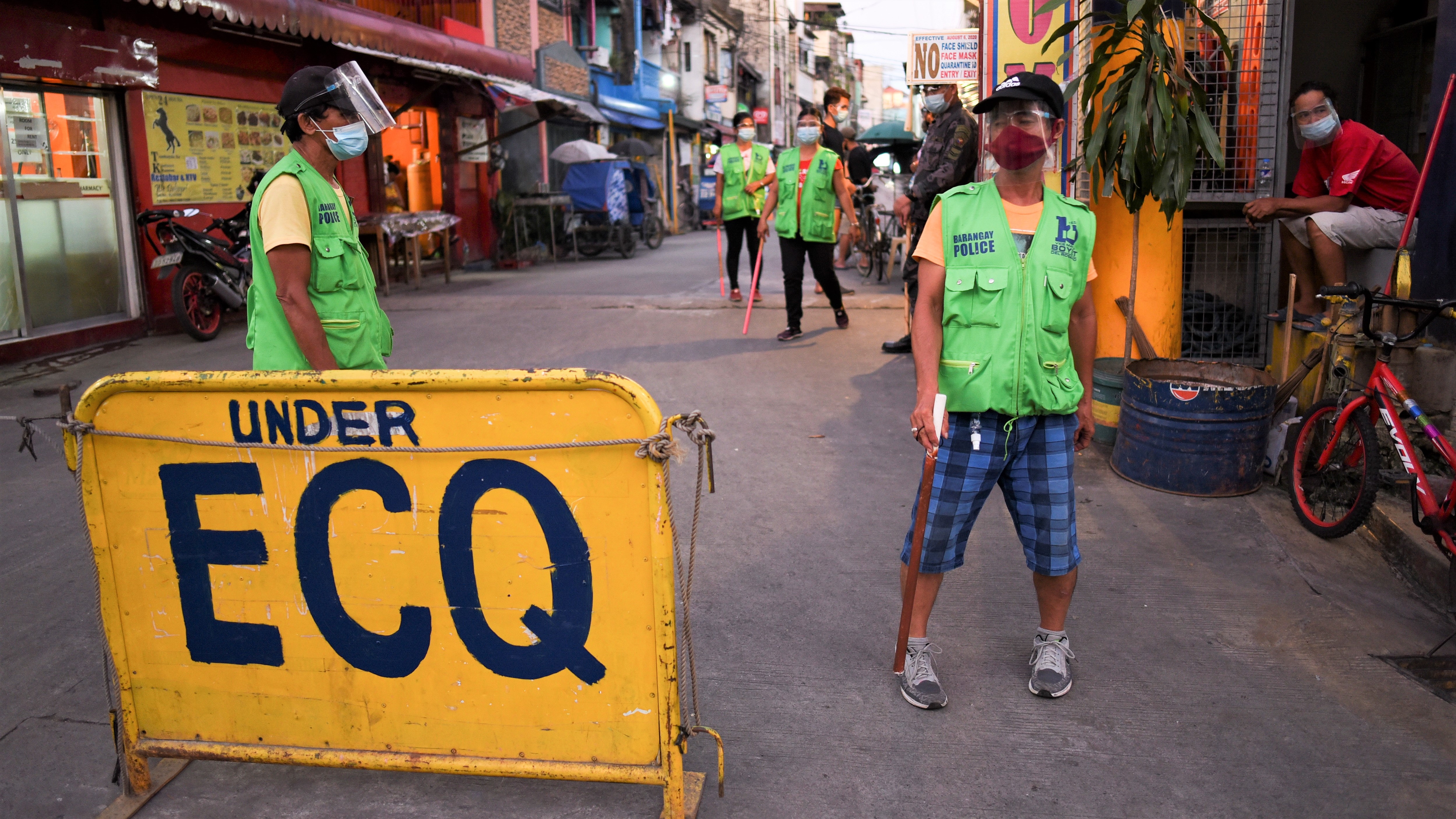
I remember most vividly the paranoia that gripped the country during the pandemic’s early days—the first reports of people we knew dying horrible deaths in isolation, the terror following a sudden and suspicious onset of coughing and fever, the constant fear of carrying the virus home to the innocent and the infirm in one’s shoes, one’s clothes, one’s merest touch, the rapid disappearance of disinfectants and bread from the shelves, the inevitable closure of cinemas and restaurants, the anxious eyes peering above face masks and through face shields, the physical boundaries beyond which only a select few could cross—and, of course, the near-endless wailing of sirens announcing the imminence of death and dying. Unfamiliar words and phrases entered our vocabulary: co-morbidities, social distancing, quarantine, lockdown, ECQ, EECQ, RT-PCR, community pantry, antigen, remdesivir, hydroxychloroquine, Ivermectin, Sinovac (and anti-vaxx), etc.

Like many others, I lost friends to Covid, from very early on when no one knew what was really going on and what could be done to save patients who were turning up feverish and could hardly breathe. One of them was my own cardiologist, who reportedly assisted a patient whom he didn’t know carried the virus. Others were academics and senior officials returning from conferences overseas. Fortunately, no one in our families died of the disease, although many of us, myself included, later caught it at some point despite all precautions. When I did catch it, I have to admit that it was with a strange sense of relief, not only because I could now count myself a participant in a grand if horrible experience, and also because I imagined, perhaps foolishly, that I would be rewarded with some kind of immunity from further and worse infection.

Those of us who survived Covid hopefully did so with a more profound appreciation of the gift and value of life, and of the need to do good in the time we have left. But the 2022 elections only seemed to prove the power of political patronage, which became even more keenly felt during the pandemic, when local officials down to the barangays held sway over their constituents like never before. Covid sharpened the already stark contrast between rich and poor, from access to what were seen as the most effective vaccines to self-declared exemptions from certain restrictions like liquor-lubricated parties and literal hobnobbing. In the end, the virus didn’t discriminate, scything rich and poor alike, although the poor, living in cramped communities, were always more likely to fall ill and die.

What the public often failed to witness—and therefore can’t remember—were the stories of the frontliners who met Covid head-on and served as heroes behind the scenes. I’m now working with Dr. Olympia Malanyaon—a pediatric cardiologist who also served as Director of the Information, Publication, and Public Affairs Office of UP Manila—on a book she’s writing to document the efforts of UPM and of the Philippine General Hospital (which is part of UPM) to respond to the Covid crisis. The PGH, the country’s largest public hospital, was designated a Covid-referral hospital almost as soon as the pandemic broke, and its people found themselves in the vortex of an unprecedented medical and social crisis, and we want to tell their stories in this forthcoming book.

The word “hero” gets bandied around a bit too easily these days, but if there was a time for heroes to emerge, it was during the pandemic, when what used to be the most routine decisions (“Should I report for work today?”) could mean a matter of life and death. When the death toll mounted, many PGH staff resigned for fear of infecting their families, but many more stayed on, with nurses pulling 16-hour shifts and some doctors remaining on duty for as long as 30 hours.

Even utility workers recalled how pitiful the plight of the afflicted was. One said that “They had no one with them, not even when they died. They would be put into body bags, which could not be opened. Then they would be cremated the next day, without being seen by their families.” And then, the staff felt shunned by society when they went home as ordinary neighbors. “When we ordered at the fastfood, the guard shooed us away when he learned that we worked in the Covid unit,” recalled another. “I was very upset. It felt very degrading to work so hard, to line up for food when you got hungry, only to be turned away.”

Thankfully, the crisis also brought out the best in some other Filipinos, such as those who poured their time and money into community pantries that served the hardest hit. For a while back there, we saw and felt the glimmer of our inner heroes. It was a spirit that I hoped would be sustained into a broader and more enduring wave of change in 2022, but as the pandemic receded, we realized how much of the old normal yet remained.

Covid made us aware of the precariousness of our health as individuals. Looking forward to 2025, I wonder what it will take for our people to value their well-being as a society and as a nation.

(Image from Reuters/Lisa Marie David)

Qwertyman No. 84: An Advocate for IBD

Qwertyman for Monday, March 11, 2024

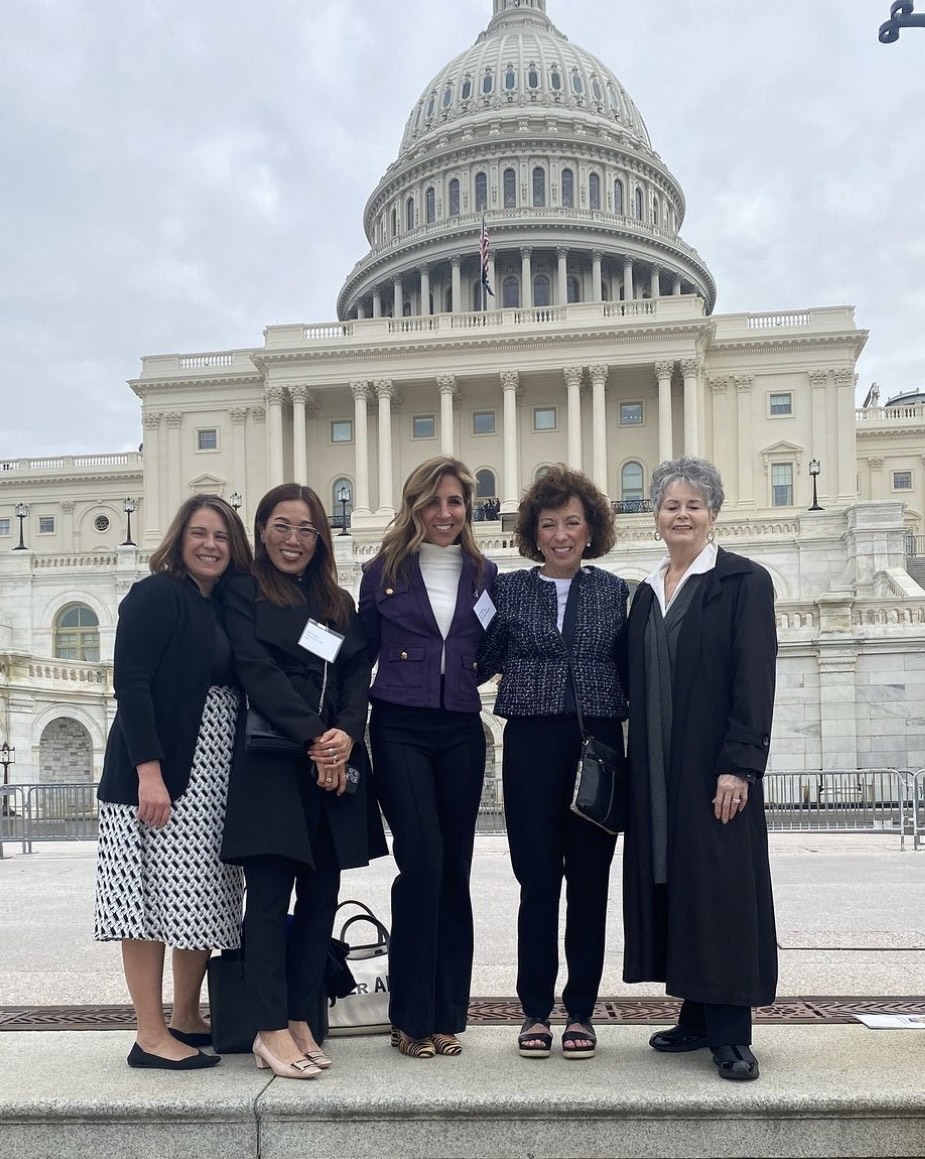
YOU’LL FORGIVE me this “proud papa” moment if I preface this week’s column with the news that our unica hija Demi Dalisay Ricario, who’s unbelievably turning 50 later this year, represented Asian-Americans—and indeed the Philippines—on Capitol Hill in Washington, DC recently to lobby for changes in US health laws on behalf of patients. That’s an ocean and a continent away and doesn’t really affect us, but what’s salient here is that Demi went there on behalf of the American Gastroenterological Association (AGA) as an advocate for Inflammatory Bowel Disease (IBD) concerns—and that touches on our lives as Filipinos.

IBD is one of those little-known and often misunderstood diseases that can turn life into a living hell for its sufferers. It comes in two variants—ulcerative colitis (UC) and the more severe Crohn’s disease (CD), both of them involving inflammation of parts or all of the intestines. Often accompanied by bloody diarrhea, UC and CD and can be extremely painful and be lifelong burdens—or even turn fatal. 

Their causes remain unknown, but genetics, environmental factors, and immune responses seem to be active factors. Remedies include strict dietary changes and employing colostomy bags. Patients can find their social lives diminished or even be stigmatized. It’s not that common—according to the IBD Club of the Philippines, UC hits 1.22 out of 100,000 Filipinos and CD just 0.35, but it’s that same obscurity that makes it difficult to recognize, diagnose, and treat properly. In our culture where people tend to ignore or diminish their ailments—especially embarrassing ones—and consult doctors only as a last resort, the problem gets magnified.

It was on one of our visits with Demi in San Diego ten years ago that she fell terribly ill with blood in her stool, and despite all the tools available to modern American medicine, no one could tell why. Only months later was she positively diagnosed with UC, bringing both relief and radical lifestyle changes, especially to her diet (she can’t eat anything with wheat like ordinary sliced bread, among others). She held a high-pressure job as a frontliner in one of San Diego’s premium hotels, and stress is a high inflammatory factor.

“People often struggle to understand that IBD is an invisible illness, which means that sufferers might look healthy outwardly yet still experience significant health challenges,” Demi says. “This misconception is particularly challenging for individuals like me, who worked in high-end environments like the US Grant hotel, where maintaining an elegant appearance and managing demanding clients was part of the job. The contrast between looking ‘well’ and feeling unwell led to misunderstandings, as people would say, ‘But you don’t look sick!’

“The unpredictability of IBD symptoms significantly impacts mental health and daily life (it makes me anxious sometimes). Fluctuating symptoms such as frequent restroom visits and pain can hinder social interactions and activities. The inconsistency of the disease makes it difficult to commit to plans, as fatigue is a common issue. Additionally, managing a career can be problematic; frequent medical appointments and unexpected flare-ups often disrupt regular work schedules. This was my experience at The Grant, where I had to forego managerial opportunities to avoid exacerbating my condition. Additionally, managing relationships and friendships can be complex with IBD.”

IBD patients have a hard time at parties and social events, especially in the Philippines, where pakikisama is part of a strong food culture. People with colitis can’t eat ordinary bread or drink milk (think halo-halo). Demi has had to be adept at declining offers of food—a no-no for Pinoys—and explaining her unusual condition.  

“Before heading to any event or restaurant, I take a look at the menu online to figure out what I can eat. I’ve even gotten into the habit of giving the host a heads-up about my diet to make sure there’s something on the table I can actually enjoy. When it’s time for those long flights to places like Manila, I pack a stash of gut-friendly snacks in my carry-on (usually gluten-free bread, granola bars, nuts, and fruit). Whenever available, I pre-order gluten-free meals for my flights. After dealing with IBD for almost a decade, I’ve learned the hard way what foods are my friends and which ones are foes, such as gluten and lactose.”

To help her fellow Pinoys deal with IBD, Demi created a “Dear Colitis” Facebook page, also to encourage them to come out in the open and realize that they have a virtual global support group. Her advocacy continues online and with various entities like Pfizer, the Academy for Continued Healthcare Learning, and the Crohn’s Colitis Philippines FB group. Last year she was invited by the American Gastroenterological Association to join six other advocates as part of their pilot Patient Influencer Program to help promote IBD awareness, giving her the opportunity to participate in this year’s Digestive Disease National Coalition Public Policy Forum in DC. 

She explains that “Filipinos dealing with IBD should be well-informed about their condition and discerning about the reliability of information sources they encounter. It’s crucial for patients to be their own advocates, boldly voicing their needs and concerns whether at home, in the workplace, or in social gatherings. This self-advocacy is key to maintaining a good quality of life. Cultural concepts such as hiya (shame or embarrassment), pakikisama (camaraderie or fitting in), and the fear of being a pabigat (burden) can pose significant challenges. These factors might discourage individuals from speaking out about their condition, but overcoming these barriers is essential for their well-being and mental health. By confidently communicating their needs and educating those around them, Filipino IBD patients can navigate their condition more effectively while fostering understanding and support in their respective circles.”

Spoken like, well, a spokesperson, but I think a good one for the job.

(Illustration from Johns Hopkins Medicine)

Qwertyman No. 83: It Isn’t Just Money

Qwertyman for Monday, March 4, 2023

MY RECENT column titled “An F for Philippine Education” apparently struck a chord among many readers who messaged me to say how appalled they were by the findings of the Second Congressional Commission on Education or Edcom II. Released just last January, the commission’s report graphically displayed just how poorly young Filipinos are faring in their schooling, especially when compared to the Asian neighbors they’ll be competing with for jobs down the road. 

To recapitulate just one particularly distressing finding, our best high-school learners are performing at a level comparable to the worst of Singapore. I read as much as I could of the report not just to be able to write about it, but—as an educator myself—to find out how this disaster happened.

There’s clearly a lot of blame to be thrown around for this situation, but to be fair, the report makes it clear at the outset that Philippine education’s systemic failures and shortcomings go back many decades, to problems being recognized by previous studies (notably Edcom I in the early 1990s) but left unattended rather than decisively acted upon. 

“This report was not crafted to point fingers,” say the report’s framers. “Our intention, instead, was to find things out and to instill a sense of urgency, along with a sense of doability—a clear horizon, and perhaps a sketch of the map toward that horizon.”

Its noble intentions notwithstanding, the report is a 400-page indictment of what successive Philippine administrations have failed to do, and it isn’t like they didn’t know or weren’t told. There’s been a plethora of studies of Philippine education between the two Edcoms in the 30 years separating them, and they’ve identified many of the same chronic problems plaguing the system today. The report identifies 28 “priority areas” such as governance and financing, in each of which specific problems and their implied solutions are discussed. 

One aspect that drew my attention was that of funding, which many of us, including myself, have thought to be the big problem of Philippine education: throw more money at it, and maybe it will go away. It turns out to not be the case, or in the very least, not the only major issue. Our “more” still isn’t enough, and even with more, the money needs to be spent, and spent wisely.

At the time of Edcom I, the report notes that the Philippine government spent only 2.7% of GDP on education, rising to 3.6% from 2014 to 2022, and to a high of 3.9% in 2017 (do take note that these are percentages of Gross Domestic Product, not the national budget). That comes very close to the global minimum of 4.0% set by the Incheon Declaration, but still falls short of Malaysia’s 4.2% and Singapore’s incredible 25.8% in 2018. Even so, our expenditures on education are rising to an average of 16 to 17% of the national budget for 2023 and 2024, compared to 10.7% in 1987.

Nevertheless, we still spend significantly less on education than our Asian neighbors, and the PISA results show a direct correlation between levels of spending on education and national scores in math, reading, and science. It’s also possible that we’re spending our education money in the wrong places. The report notes that “Between 2015 and 2020, increased government allocations to education were actually mostly at the tertiary level, with per student expenditure rising from only P13,206 to P29,507. In contrast, during the same period, investments at the primary level modestly improved and even fluctuated.”

And it seems like in some cases, we’re not even spending it at all. As I noted in my earlier column, from 2018 to 2022 alone, the Department of Education had a total budget of P12.6 billion allocated to textbooks and other instructional materials, but only P4.5 billion or about a third of this was obligated and only P952 million or less than 8% of it was disbursed for only 27 textbooks for Grades 1 to 10, since 2012. The budget of the Commission on Higher Education grew by 633% from 2013 to 2023, but it wasn’t spent on the additional people that its expanding responsibilities required, with its staffing complement increasing by only 22.7%, from 543 to 666 within the same period. 

There’s a lot of room for reform in education, but Edcom II zeroed in on a problem even more basic than funding in trying to change things—one of institutional culture. “Scholars have criticized the sector’s inability to implement reforms due to frequent changes in leadership, resistance to change within the government, and the agency’s ‘culture of obeisance’ (Bautista et al., 2008)—a bureaucracy accustomed to jaded compliance.”

This reminded me of a point raised by a reader named Peter Traenkner, an expat who recently visited Norway where their youngest son and his family live.

“Almost everybody admires the Nordic educational system,” Peter wrote me. “Their economic growth took off just after 1870, way before their welfare states were established. What really launched the Nordic nations (Norway, Denmark, Sweden, Finland) was generations of phenomenal educational policy. The 19th-century Nordic elites realized that if their countries were to prosper they had to create truly successful ‘folk schools’ for the best educated among them. 

“They realized that they were going to have to make lifelong learning a part of the natural fabric of society. Education meant for them the complete moral, emotional, intellectual and civic transformation of the person. For them education is intended to change the way students see the world, to help them understand complex systems and see the relations between things—between self and society, between a community of relationships in a family and a town.

“The Nordic educators worked hard to cultivate each student’s sense of connection to the nation: ‘That which a person did not burn for in his young years, he will not easily burn for as a man.’ That educational push seems to have had a lasting influence on the culture. All Nordic countries have the lowest rates of corruption in the world. They have a distinctive sense of the relationship between freedom and communal responsibility.

“High social trust doesn’t just happen. It results when people are spontaneously responsible for one another in the daily interaction of life, when institutions of society function well. When you look at the Nordic educational system, you realize that the problem is not only training people with the right job skills. It’s having the right lifelong development model to instill the mode of consciousness people need to thrive in a complex pluralistic society.”

In other words, we have to remember that education is about much more than teaching people the right skills so they can become good workers and earn good money. It has to teach them good citizenship, and their stake in the success of the nation.

Qwertyman No. 81: An F for Philippine Education

Qwertyman for Monday, February 19, 2024

AN IMPORTANT document that’s been showing up in the inboxes and on the desks of both government and private-sector policymakers these past couple of weeks leaves no room in its title for misinterpretation: “Miseducation: The Failed System of Philippine Eduation.” Released last month by the Second Congressional Commission on Education or Edcom II, the report covers just the first year of the commission’s comprehensive review of the state of Philippine education. But the scenario it presents is so grim that, in the words of one of its crafters, “If this were Singapore, they would be declaring a national emergency.”

But then again, that may be the whole point. We are no Singapore—and indeed one of the report’s most damning and embarrassing findings is that “Our best learners are comparable only to the average student in Malaysia, Thailand, Brunei and Vietnam, and correspond to the worst performers in Singapore.”

Edcom II picks up from where its predecessor left off more than three decades ago, when Edcom I was set up under the leadership of then Sen. Edgardo J. Angara to undertake a similar review. In July 2022, RA 11899 created Edcom II to find ways of harnessing the educational sector “with the end in view of making the Philippines globally competitive in both education and labor markets” over the next three years. Edcom II was also charged with drafting the necessary laws to make this happen. It’s just begun its work, with in-depth studies and assessments of our educational system from the ground up, but its early findings already show how difficult the road ahead will be toward the global competitiveness the commission was set up for.

I’ll just quote a few observations from a summary of the highlights of the nearly 400-page full report: 

In terms of the Program for International Student Assessment (PISA) undertaken by the Organization for Economic Cooperation and Development (OECD) in 2018 and 2002, “Grade 10 Filipinos scored lowest among all ASEAN countries in Math, Reading, and Science, besting only Cambodia, with more than 75% of our learners scoring lower than Level 2, or the minimum level of proficiency in Math, Reading, and Science…. Grade 10 Filipinos scored lowest among all ASEAN countries in Math, Reading, and Science, besting only Cambodia, with more than 75% of our learners scoring lower than Level 2, or the minimum level of proficiency in Math, Reading, and Science.” This was the same survey that showed our best learners barely catching up with Singapore’s laggards.

“The proficiency level of our children across social class, rural and urban residence, gender, language at home, type of school, and early childhood center attendance is dismally low.” This means that our deficiencies cut across the social and economic spectrum and can’t be put down to just a question of money.

To underscore the global crisis in education (yes, it isn’t just us), the World Bank and UNESCO have come up with the concept of “learning poverty,” which they define as a child’s inability to read and understand a simple text by age 10. Among some Asian countries recently surveyed for learning poverty, Singapore and South Korea scored the lowest at 3; China came in at 18, India at 56, and the Philippines was highest at 91.

And for those who insistently argue that the problem with our education is that we don’t use English enough, and early enough, Vietnam, which uses Vietnamese as its medium of instruction in the primary grades, has consistently outscored us in nearly all indices, as have Malaysia and other countries that rely on their own languages to move ahead.

A good part of the report dwells on how important it is for government to intervene as early as possible in our children’s growth and development, to prime them for a proper education. Edcom II looked into the problem of “stunting,” a measure of childhood maldevelopment, most easily seen when children are too short for their age, because of malnutrition or poor health. This has implications for the child’s ability to learn.

“The Philippines has one of the highest prevalence of stunting under-five in the world at 26.7%, greater than the global average of 22.3%. Policies are in place, but implementation has been fragmented, coverage remains low, and targeting of interventions has been weak.” (For example, more than 98% or 4.5 million children 2-3 years old are not covered by the DSWD’s supplementary feeding program.)

Here’s another eye-popping revelation: “Since 2012, only 27 textbooks have been procured for Grade 1 to Grade 10, despite  substantial budget allocations. DepEd’s budget utilization data shows that from 2018 to 2022 alone, a total of P12.6 billion has been allocated to textbooks and other instructional materials, but only P4.5 billion (35.3%) has been obligated and P952 million (7.5%) has been disbursed.” Not to mention the fact that many of these textbooks are riddled with errors!

Higher education presents its own host of problems and challenges. “Higher education participation is high given our income level,” the report notes. However, “Access to ‘quality’ higher education narrowed in the last decade…. Most beneficiaries of the tertiary education subsidy were not the poorest…. Between 2018 and 2022, the proportion of the poorest of the poor [in higher education] declined markedly, from 74% to 31%.”

A key part of the problem is the quality of our teachers, who themselves are poorly educated. “Between 2009 and 2023, the average passing rate in the licensure examinations for elementary (33%) and secondary (40%) has been dismally low, when compared to passing rates in other professions. Worse, between 2012 and 2022, 77 HEIs offering BEEd and 105 HEIs offering BSEd continued operations despite having consistently zero passing rates in the LET.”

Our supervisory agencies themselves need to be properly staffed. “The staffing levels in CHED and TESDA have not kept pace with the growing responsibilities of the agencies and the increased investments in education from both the public and private sectors. 

CHED’s budget increased by 633% from 2013 to 2023, but the agency’s staffing complement only increased by 22.7%, from 543 to 666 within the same period.”

The money’s clearly there, but it’s not being spent where it should be. “Budget allocated to education is increasing, but there is a tertiary tilt despite profound gaps in basic education….While government investments have increased substantially, the bulk of the additional resources went to higher education–which is typically regressive. From 2015 to 2019 per capita spending surged from P13,206 to P29,507. Meanwhile profound gaps remain in Early Childhood Care and Development and basic education…. 30–70% of the school MOOE budget is spent on utility bills alone, which leaves meager funds available for improvement projects and initiatives that could address local needs and support better learning.”

We could go on and on—and the full report (downloadable at https://edcom2.gov.ph/) does. But you get the picture: Philippine education gets an F. The question is, will our national leadership recognize this as the national emergency that it clearly is, and respond accordingly?

Qwertyman No. 65: Who’s Afraid of Big Bad AI?

Qwertyman for Monday, October 30, 2023

I NO LONGER attend writers’ conferences and festivals that often, believing that younger writers would benefit more from each other’s companionship and encouragement, but I made an exception last week for the 66th Congress of the Philippine PEN, as a gesture of solidarity with that organization which has bravely fought to defend freedom of speech where it is threatened all over the world.

I was richly rewarded for my effort by listening to one of the most enlightening discussions of artificial intelligence (AI) that I’ve come across—not that there have been that many, considering that ChatGPT—widely regarded today as either God’s gift to humanity or the destroyer of civilizations—has been around for just a year. 

Of course, AI has been around for much longer than that. In pop culture, which has a deep memory for these things, we can’t help but think of HAL, the insubordinate computer in 2001: A Space Odyssey (which actually came out in 1968), said to be a clever play on “IBM,” just one letter to the right. Indeed the fear of technology—what some would call unbridled knowledge—has been around since Faust made his pact with Mephistopheles, reiterated in literature, film, and pop culture all the way to Dr. Strangelove and Spiderman’s Doc Ock. 

Not surprisingly, the panel on “The Filipino Writer and AI”—composed of Dominic Ligot, Clarissa Militante, Joselito D. Delos Reyes, and Aimee Morales, and moderated by Jenny Ortuoste—expressed many of the anxieties brought on by the entry of AI into the classroom, the workplace, and everyday life: plagiarism and the loss of originality, the loss of jobs, indeterminate authorship, and the lack of liability for AI-produced work. With Filipinos being the world’s top users of social media, AI’s centrality in our digital future can only be assured, like it or not, and for better or for worse.

So new has AI been to most people—and so rapidly pervasive—that most institutions from governments to universities have yet to formulate policies and regulations covering its use and abuse (the University of the Philippines has adopted an AI policy, mandating among others that all members of the academic community should be AI-literate, but it has yet to provide concrete guidelines on, say, evaluating and grading AI-assisted work).

Most revealing and thought-provoking were the remarks of Dominic Ligot, a data analyst, software developer, and data ethicist who brought up talking points that many of us miss in our usually dread-driven discussions of AI. I didn’t tape the session, but so sharp were Dominic’s observations that I can recall and share some of them here (employing an endangered resource in this human, memory).

Let’s not forget, Ligot said, that all AI works with (in the literary, journalistic, and academic sphere) is words. It may have a scary ability to amass, analyze, and re-integrate these words, but it lacks the other elements that contribute vitally to creativity: emotion, inspiration, insight (and, may I add, the power of abstraction, the kind of conceptual leap that, say, stimulated modernism in art and literature from the rubble of the First World War). 

Also, the more AI amasses, the more mediocre it tends to be, because it works with averages, and averaging averages degrades the quality of the end-product. Since the products AI spews out from the prompts it receives are plowed back into the system, this spitback reduces the originality of material even further. If it keeps feeding on itself, AI gets even dumber.

Ligot also reminded us that the suspicion and denigration with which AI has been met in the creative community is understandable, given our earlier responses to technology. When photography was invented, he said, painters didn’t see it as a potential competitor; it wasn’t art. 

What separates human creation from AI, he emphasized, could be summed up in three things: agency, inspiration, and liability. Humans make sense of their experience and act on their thoughts and feelings accordingly; they draw on their experience to imagine new possibilities. And lastly, we are liable for what we make, do, and say, for which we have both legal and moral responsibility, while an AI-driven car does not, even if kills someone on the road.

Dominic also noted the inevitable tensions between disciplines and industries that consider AI a helpful if not indispensable tool in, say, achieving more efficiency and economy, and those, like the creative arts, that may feel threatened by the options AI offers.

Overall, the discussion could offer no assurances either way that AI would leave us better or worse, but what it left me with was a desire to continue writing the way I do, while I can, before the algorithms take over everything.

And just out of curiosity, to see what AI can do now for and to the Filipino writer, I gave ChatGPT this prompt: “Write me a sentence in the style of Nick Joaquin about a man grieving over the loss of the woman he loved.” This is what the program came up with:

“In the solemn silence that engulfed his weary soul, he encountered the bitter truth that bereavement lingered like an everlasting shadow, forever haunting his heart with memories of a love that once bloomed in the garden of his existence, now reduced to a withered rose, its petals scattered across the desolate landscape of his grief-stricken days.”

“Solemn silence?” “Weary soul?” “Desolate landscape?” Maybe not bad for a freshman yet to learn about unlearning clichés, but definitely not Nick Joaquin. Of course, out of vanity, I had to ask ChatGPT to do the same thing “in the style of Jose Dalisay,” and it offered this:

“In the depths of his longing, his heart bled like fragmented brushstrokes on a forlorn canvas, for she was the vibrant palette that infused life into his desolate existence, now forever vanished like whispers carried away by a tormented wind.”

Just slightly better than Mang Nick’s AI ghost but still so not me. (Boy, does AI love adjectives!) All this says is that AI’s big mouth and stomach haven’t found and digested us yet, probably because we are not worthy. Cold comfort, but I’ll take it.

Qwertyman No. 61: Funding Real Intelligence

Qwertyman for Monday, October 2, 2023

YOU COULD hear the gnashing of teeth from Aparri to Zamboanga when the Filipino men’s basketball team crashed out of the recent FIBA tournament with three losses, the fans’ dismay relieved only momentarily by the locals’ drubbing of arch-nemesis China. All over social media and even in the mainstream press, there was a lot of hand-wringing, with soul-piercing questions like “Is basketball really a Filipino sport?” and “How do we regain our hardcourt glory?”, followed by angry demands for certain heads to roll and fresh calls for a renewed grassroots-based sports development program.

Aside from politics—arguably the most vicious blood sport hereabouts—nothing gets us Pinoys more worked up than sports (and maybe beauty contests, another kind of sport). We know all the players and coaches, can recite the history, analyze all the moves, surveille the opposition, and scout and spot the best prospects. You would think that it was a national industry, although it all comes down to one thing: Pinoy pride, our fervent desire to matter in the world at large, if not be No. 1.

That’s all understandable, so hold that in your memory while I rattle off some other “sporting” statistics for the Philippines.

In a 2018 PISA ranking of 15-year-old students from more than 100 countries worldwide in terms of their abilities in reading, math, and science, the Philippines scored second to last in both math and science, next only to the Dominican Republic. If that sounds bad, we scored last in reading. (The Program for International Student Assessment is run by the Organization for Economic Cooperation and Development.)

Maybe they got something wrong? In 2019, the Trends in International Mathematics and Science Study or TIMMS, with covered fourth-graders from 58 countries in math and science, ranked the Philippines last. That same year, the Southeast Asia Primary Learning Metrics, checking up on fifth-graders and their proficiency in reading, writing, and math, scored the Philippines below the regional average in all three; more than 40 percent of all Filipino students tested failed to meet the minimum proficiency standard for math.

Did we hear or do I hear any gasps of dismay or demands for accountability from our government and educational leaders—or from the general public, for that matter? Of course not. The private sector has taken note, knowing they’ll be paying for these gross deficiencies down the road, but they don’t make policy, or decide the budget. Otherwise, we don’t seem to be seeing ourselves in any kind of race in global education, which just isn’t sexy or entertaining enough like singing, dancing, or basketball. We’d all be insulted if anyone called us “stupid”—and these surveys don’t use the word—so we pretend that it’s not a real problem and that we can get by on our natural smarts, like we always have. 

If we’re feeling feistier, we can even trot out the names of all the Pinoy Spelling Bee and Quiz Bee winners, chess grandmasters, Moot Court victors, World Poetry Laureates, inventors of this and that gizmo, and so on. In the meanwhile, we scratch our heads and wonder why our neighbors like the Thais and Vietnamese are surging ahead of us (“Why, we have nicer beaches! And didn’t we teach those people advanced rice technology?)

So instead of ensuring adequate funding for  programs, reforms, and resources to address these shameful scores, what do we do?

We cut the budget of the Philippine Science High School System—our flagship secondary school system, especially in math and science—from P3 billion to P2.7 billion, an 11 percent reduction. Not only the PSHS, but other agencies in our science and technology cluster found their 2024 budgets slashed as well—a 14.17 percent budget cut for the Advanced Science and Technology Institute, 18.04 percent for the Food and Nutrition Research Institute, and 83.7 percent cut for the National Research Council of the Philippines.

“We can no longer sustain our cloud-based Knowledge Hub or KHUB learning system because of this cut,” PSHS Executive Director Lilia Habacon was quoted as saying. “We developed KHUB during the pandemic, and it was being accessed by 10,000 students.” The PSHS System now comprises 16 science high schools nationwide. “Even as we’ve returned to face-to-face learning, many of our modules remain online, and the students really learn from there.” The cut will also halt the system’s infrastructure projects such as gymnasiums, dormitories and multipurpose halls in Mimaropa, Zamboanga, Soccsksargen, Calabarzon and Caraga.

The Department of Budget and Management says that the cut corresponds to “38 non-recurring and terminating locally-funded projects in FY 2023,” but as Dir. Habacon points out, there are clearly many ongoing and vital projects that need continuing funding through to at least next year. 

The DBM also took the PSHS to task for its lack of “absorptive capacity,” meaning that it couldn’t spend its allotted funds fast enough. And here’s where the irony of this whole budget business and our national priorities really gets me. (Granted, the problem goes much deeper and at more basic levels than the PSHS, but if they can do that to our premier high school, what do you think they’re doing with the less illustrious others?)

The Office of the Vice President (OVP)—under recent criticism for spending P125 million in “confidential funds” in 11 days in 2022—claimed in its defense that it did so not in 11 days, but 19. Oh, okay—is that supposed to make us feel better? Does that qualify in the DBM’s books as proof of “absorptive capacity?”

Confidential funds here, intelligence funds there in the hundreds of millions, and the recipients even feel demeaned if they’re asked to account for the money, for which their fawning friends in Congress are only too happy to give a free pass.

Meanwhile, we scrutinize every line in our budget for science education, and probably in other areas as well, and get all uptight when we spot some tiny item we can’t figure out, like some alien cockroach, and squash it with gusto, thinking we’ve done our job. When it comes to funding real intelligence, we balk.

The sad part is, we’ll get away with it, because appallingly low science, math, and reading proficiency doesn’t get people worked up as much as poor basketball tactics do. We don’t even know who our National Scientists are (there are now 42 of them), nor care what they’ve done. Fire the education coach? What for? No harm, no foul.